


 Plan a Trip


Duration
1 Day
Travel Time
7-8 Hours
Distance
110 km
Vehicle Type
Van
Driver
Included
Group Size
1-6 people Pax
Max. Altitude
2030 Metres
Best Season
Autumn
Activity
Day Tour
Highlights of Dhunche to Kathmandu
- The Ramche Gauntlet: Navigate the notorious landslide zone where the road disappears into raw shale and vertical drops.
- The Tokha Shortcut: Bypass the soul-crushing traffic of Kalanki by taking the “insider” route through the Chhahare-Tokha pass.
- Yak Cheese Pitstop: A mandatory 10-minute raid of the DDC factory in Dhunche for the freshest Himalayan cheese before departure.
- Trishuli River Gorge: Piercing views of the roaring white water from the jagged cliffs of the Pasang Lhamu Highway.
- EV Revolution: The option to book a 2026-spec Electric SUV for a silent, torque-heavy climb through the Nuwakot hills.
- Local Flavor: Stopping at a roadside “Bhatti” in Betrawati for local chicken dal bhat and the strongest tea in the district.

Introduction of Dhunche to Kathmandu Jeep
When the ignition turns, the Langtang peaks‘ silence ends. You have spent days, maybe even weeks, conquering the Langtang Valley Trek. Your lungs have gotten used to the thin, cold air of the high Himalayas. Now, the mountains spit you back into the capital’s chaos. The dhunche to Kathmandu jeep ride isn’t just a ride; it’s a fast-paced shift from the beautiful to the real.
I’ve been in the passenger seat of enough Mahindras on this road to know that it’s a fight. The Pasang Lhamu Highway is a rough strip of asphalt and dirt that runs along the hillsides. You will smell burning rubber, old diesel, and the strong smell of juniper drying on porches by the road.
We don’t offer “relaxing” transfers. We give you a raw, unfiltered way to get back to the city’s grinding gears from the wilderness. The logistics will have changed by 2026. New shortcuts through Tokha have cut down on travel time, but the landslides at Ramche are still as unpredictable as a storm on a mountain. Every day, our team at Nepal Vehicle Hiring checks on these drifts.
This guide gives you the information and strength you need to get through the 120-kilometer descent without losing your mind, whether you’re cramming into a shared Sumo with local traders or driving your own 4WD Scorpio.
Visit our sister company, Alpine Luxury Treks, for luxury vacation packages and trekking journeys. There, you may choose from a variety of carefully planned itineraries.

Includes & Excludes
What is included?
- Vehicle: Personal 4×4 Jeep (immaculately maintained, gas provided) – built to handle Nepal’s hills.
- Pickup & Drop-off: Pick-up from your lodge in Dhunche or Syabrubesi
- Driver: Seasoned local driver, well-versed on the route (English-speaking for your comfort).
- Flexibility: Regular stops for photos, meals, or stretching your legs – whenever you prefer.
- Support: Pre-departure briefing and route planning assistance (so you know what’s in store on the road and trek).
What is not included?
- Food & Accommodation: Food and beverages, and all accommodation at Dhunche/Syabrubesi are at your cost. The Jeep will be halted for meal breaks as necessary, but no specified meals will be provided.
- Travel Insurance: Not included – you should ensure that you have appropriate insurance for road travel and high-altitude trekking.
- Tips & Personal Expenses: Driver tips (optional, but welcome), as well as any personal incidentals along the ride (snacks, extras), are not included.

Trip Information
Best Time to Visit
Timing is everything. From March to May, the road is dusty but stable, framed by fading rhododendrons. October to December offers the sharpest views of the peaks, though traffic spikes as trekkers return from the Gosainkunda Trek.
Avoid the monsoon (July-September) unless you crave a mud-wrestling match with a 2-ton vehicle. Landslides near Grange can shut the road for days. In 2026, winter travel is more viable thanks to improved road surfacing, but black ice near Dhunche requires a driver who knows how to handle a skid.
Trip Glance
This return trip has you traveling in a private 4×4 jeep built for Nepal’s rugged mountain roads. For about USD 160, the journey from Dhunche back to Kathmandu is direct, comfortable, and safe. You choose your departure time to fit your schedule.
Base Price: USD 160 per vehicle, one-way
Duration: About 7–8 hours by jeep
Passenger Capacity: Seats up to 6 comfortably
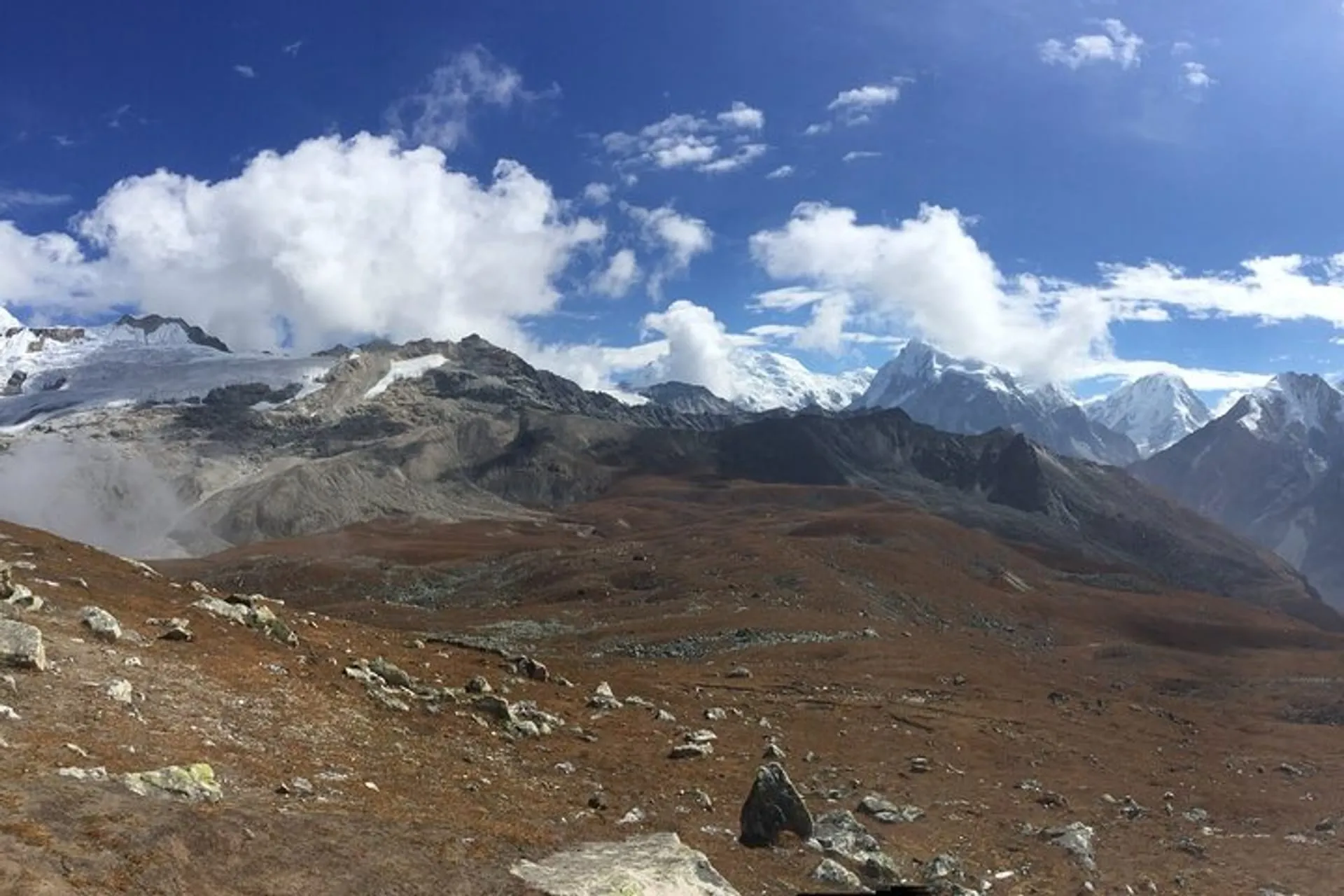
Dhunche to Kathmandu Road condition
The trip from Dhunche to Kathmandu by jeep goes from rough mountain roads to smoother highway roads, but you still need to be patient and have a good vehicle.
The road from Dhunche to Trishuli Bazaar is very rough and hard to drive on. There is a lot of loose gravel, uneven surfaces, and sharp turns along this stretch of road.
The road narrows in some places, with little room to pass, making driving slow and careful. When it’s dry, the dust can be thick, but when it rains, the same road can get muddy and slippery, increasing the likelihood you’ll be late. Landslides can occur in some areas, especially after heavy rain. In these conditions, a 4WD jeep is the best choice because it can handle the terrain better than a regular car. The road gets a lot better once you get to Trishuli Bazaar.
The road from here to Chhahre is mostly paved, which makes driving easier. But it’s not perfect; there are still some potholes, patchy repairs, and parts under construction. Traffic also starts to pick up in this area, especially when buses and local cars share the road. The drive follows the Trishuli River corridor, which is less steep but busier and more crowded.
The road from Chhahre to Kathmandu is completely paved and easy to drive on. Traffic jams are the biggest problem in this last part, not the condition of the roads. The closer you get to the city, the more traffic there is, especially in the morning and evening.
The trip is a mix of driving on highways and off-road adventures. The first half is slow and bumpy, but the second half gets smoother as you go. Depending on the weather and traffic, the whole trip should take about 7 to 8 hours.
Distance: 110 km (68 miles) from Dhunche to Kathmandu
Time: 7-8 hours driving
Dhunche to Kathmandu: Tips for a Safe and Comfortable Journey
Choose a 4WD Vehicle
Traveling from Dhunche to Kathmandu requires a vehicle capable of handling steep, narrow, and often rough roads, making a 4WD jeep or SUV the best choice. The section between Dhunche and Trishuli is particularly challenging, with loose gravel, sharp curves, and uneven surfaces that standard cars cannot navigate safely. A 4WD ensures better traction, stability, and control, especially when crossing mud, rocks, or small streams. It also provides greater comfort on bumpy stretches, reducing passenger fatigue. For anyone planning this route, selecting a well-maintained 4WD is essential not only for safety but also for a smoother, more reliable journey through the mountains.
Check Weather Conditions
Before starting the journey from Dhunche to Kathmandu, it is crucial to check the weather conditions carefully. The mountain roads, especially between Dhunche and Trishuli, are highly sensitive to rain, fog, and snowfall, which can make the path slippery, muddy, and prone to landslides. Traveling during the monsoon season or after heavy rainfall significantly increases the risk of delays and accidents. Clear weather ensures better visibility on steep curves and narrow roads, making the drive safer and more comfortable. Checking fore
Start Early
For a safe and comfortable journey from Dhunche to Kathmandu, it is highly recommended to start early in the morning. Leaving Dhunche early allows travelers to avoid afternoon fog, heavy rains, and potential landslides, which are common in the hills. An early departure also helps you bypass midday traffic and gives you ample time to navigate tricky sections like Dhunche to Trishuli at a safe pace. In addition, mornings usually offer better visibility of the surrounding mountains and valleys, allowing travelers to enjoy the scenic beauty along the route. Planning an early start ensures both safety and a more relaxed journey through the mountain roads.
Carry Essentials
When traveling from Dhunche to Kathmandu, it is essential to carry necessities to ensure comfort and safety throughout the journey. The route passes through mountainous terrain with unpredictable weather, so travelers should bring enough water, snacks, and light meals to stay hydrated and energized. Warm clothing is important, as temperatures can drop suddenly in higher elevations, especially early in the morning or on cloudy days. Medicines for motion sickness or minor health needs are also recommended. Having these essentials on hand not only keeps passengers comfortable during long stretches of bumpy roads but also prepares them for unexpected delays or emergencies along the route.
Confirm Vehicle Condition
Before setting out from Dhunche to Kathmandu, it is crucial to confirm that your vehicle is in excellent condition. The mountainous roads, especially between Dhunche and Trishuli, are steep, narrow, and uneven, which puts extra strain on brakes, tires, and suspension. Ensuring that these components are well-maintained reduces the risk of breakdowns or accidents along the way. Check the fuel level, tire pressure, and engine performance before departure, and make sure the spare tire and basic repair tools are available. A well-prepared vehicle not only enhances safety but also makes the long, bumpy journey more reliable and comfortable.
Follow Road Safety
During the journey from Dhunche to Kathmandu, it is vital to follow strict road safety practices. The roads are narrow, winding, and often unpaved, with sharp bends and steep drop-offs, particularly in the Dhunche-to-Trishuli section. Driving too fast can be dangerous, so maintaining a slow and steady pace is essential. Always keep a safe distance from other vehicles and be prepared for sudden obstacles such as rocks, landslides, or oncoming traffic. Using seat belts, keeping headlights on in low visibility, and signaling properly before turns or lane changes further enhance safety. Careful driving ensures a smooth, secure journey through the mountains.
Hire Experienced Drivers
For a safe and comfortable journey from Dhunche to Kathmandu, it is highly recommended to hire an experienced local driver. Mountain roads can be tricky, with sharp curves, narrow paths, and sections prone to landslides or falling rocks. Local drivers are familiar with these challenges, know the best routes, and can anticipate potential hazards, greatly reducing risk. Experienced drivers also understand how to manage steep descents and sudden changes in road conditions, making the ride smoother and less stressful for passengers. Having a skilled driver allows travelers to focus on enjoying the scenic views while ensuring a safer, more efficient journey.
Prepare for Delays
When traveling from Dhunche to Kathmandu, it is important to prepare for possible delays along the route. Mountain roads are often affected by landslides, road construction, or temporary blockages, especially after heavy rains. Traffic congestion near towns like Trishuli and Chhahre can also slow progress. Allowing extra time in your schedule reduces stress and ensures that unexpected delays do not ruin your journey. Carrying snacks, water, and essential items helps you stay comfortable during waiting periods. Being mentally prepared for slower travel helps you remain patient and focused, ensuring a safer, more enjoyable experience on this challenging mountain route.
Stay Connected
During the journey from Dhunche to Kathmandu, it is essential to stay connected with a charged phone and reliable network coverage. In mountainous areas, the signal can be limited in certain stretches, so having a fully charged device and a backup power bank is important for emergencies. Staying connected allows travelers to communicate with drivers, check road updates, or call for help if needed. It is also useful for navigation and weather updates along the route. Ensuring connectivity not only provides peace of mind but also enhances safety, enabling travelers to respond quickly to unexpected situations on mountain roads.
Plan Rest Stops
For a comfortable journey from Dhunche to Kathmandu, it is important to plan rest stops along the route. The drive can take 7–8 hours, especially on the rough Dhunche–Trishuli section, so short breaks help passengers stretch, refresh, and prevent fatigue. Popular stop points include Trishuli Bazaar and Chhahre, where travelers can enjoy snacks, refreshments, and basic facilities. Rest stops also offer opportunities to enjoy scenic views of rivers, hills, and traditional villages along the way. Planning these stops ensures a more relaxed pace, reduces stress on both drivers and passengers, and makes the mountain journey safer and more enjoyable.
Why book a Dhunche to Kathmandu jeep? This Package?
This private jeep hire gives you a clear advantage for your return journey. Instead of a slow, crowded bus ride taking 8+ hours with multiple stops, you enjoy a direct, comfortable trip back to Kathmandu at your own pace.
Here’s why smart trekkers choose the jeep:
- Time-Saver: The Dhunche–Kathmandu jeep shortens travel time, getting you back to the city sooner. No need to wait for bus schedules or deal with extra delays.
- Comfort & Convenience: It’s your group, your space. Relax in a private vehicle instead of squeezing into a public bus.
- Safety & Reliability: Our skilled drivers know the route well and handle the road with care.
- Energy for the Next Day: Arrive in Kathmandu less exhausted, ready to rest or explore.
- Solo Travelers: Enjoy total flexibility and privacy.
- Groups: Share the cost and travel together without hassle.
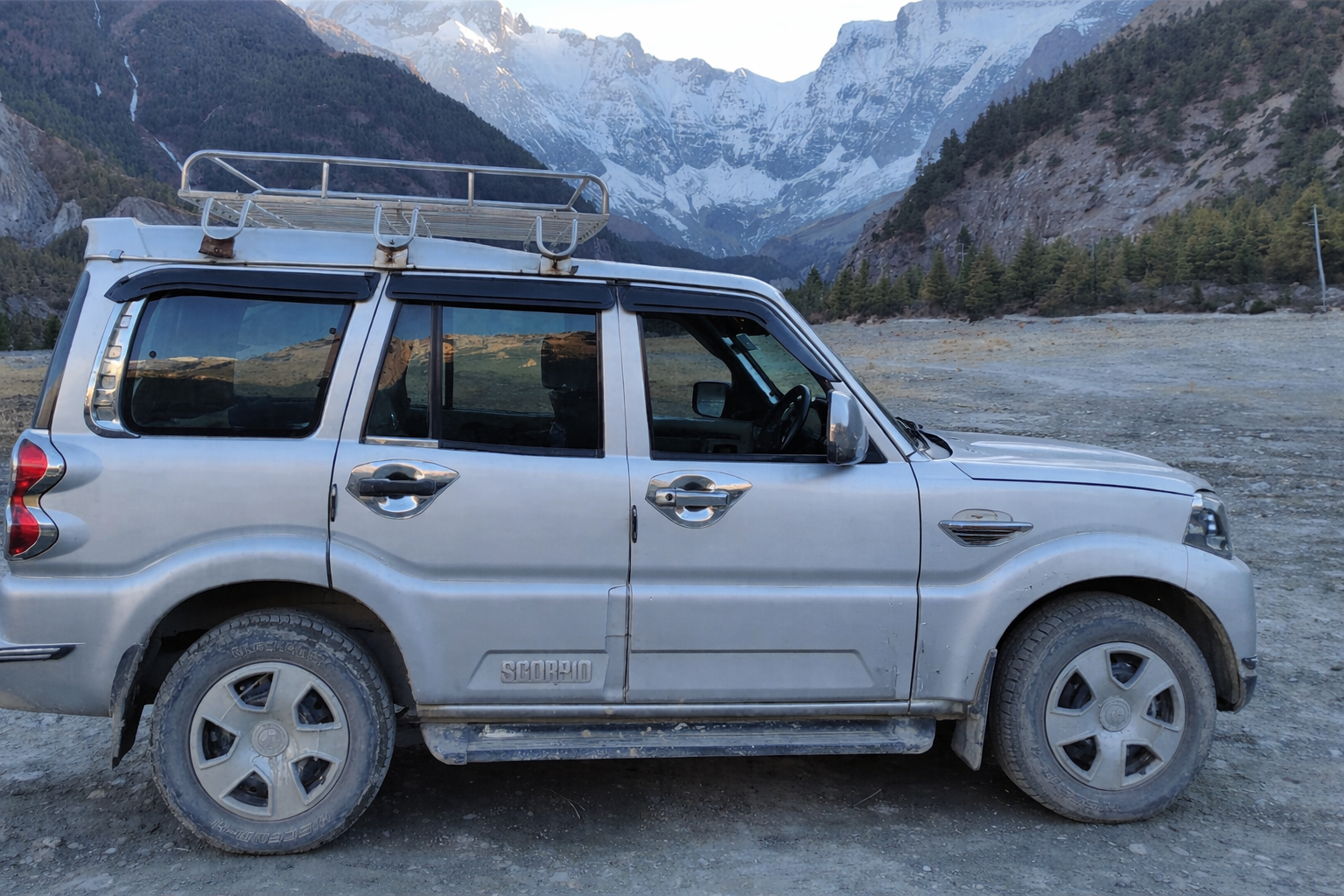
Jeep for private use
Travellers in the Rasuwa region, including those going from Syabrubesi and Dhunche to Kathmandu, find that a private jeep is the most popular and easiest way to get around. These are usually SUVs or 4WD vehicles with 6 to 7 seats that can handle rough, steep, and narrow mountain roads. The ground between Dhunche and Trishuli has a lot of gravel, mud, rocks, and sharp turns, so a private jeep is the safest option for families, groups, or people with luggage.
You can leave in a private jeep at any time that works for you, whether it’s early or late. They also let passengers stop along the way to rest, take in the sights, or snap pictures of beautiful places like river valleys, terraced hills, and small towns. The suspension and higher ground clearance make for a smoother ride over bumpy, uneven tracks, making long trips less tiring.
People who value comfort, safety, and convenience should get a private jeep. Drivers are used to driving on mountain roads, knowing where landslides are likely to happen, and dealing with bad weather. Private jeeps get you to your destination faster than public transportation because you don’t have to wait for other passengers. This saves you time and makes your schedule more predictable. Prices vary based on vehicle size, route distance, and time of year. However, the extra safety and flexibility often make the higher price worth it.
Private jeeps are also good for trips with multiple stops, such as visits to the villages of Syabrubesi, Gatlang, Chilime, or Briddhim. This lets travellers quickly and easily see remote areas. Private jeeps are a great way for Gosaikunda trekking groups to reach the trailheads safely and comfortably, even in bad weather.
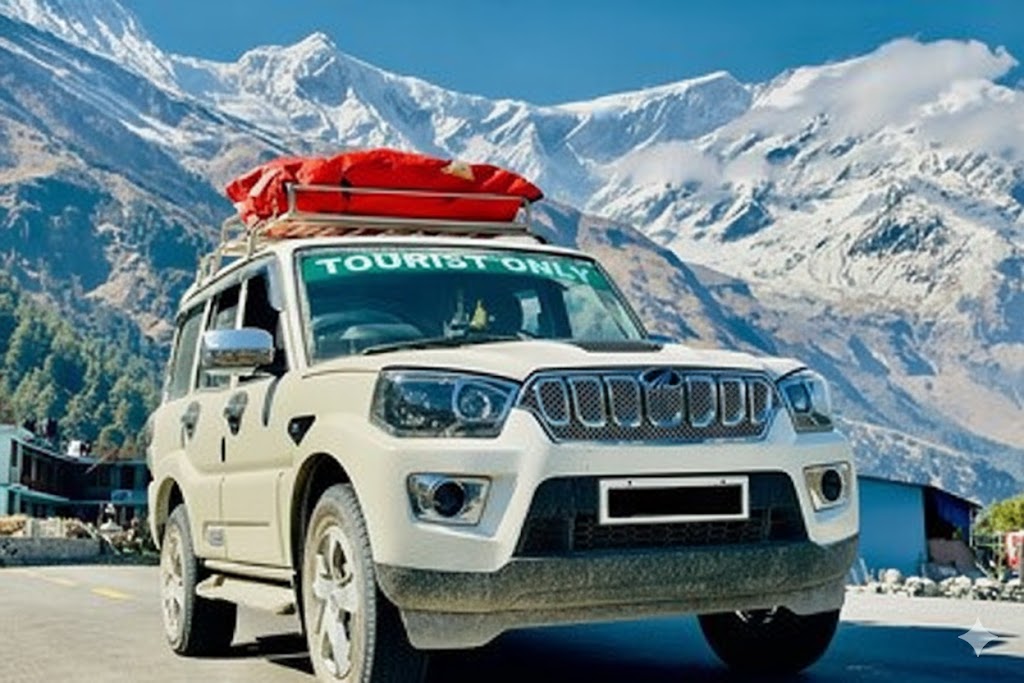
Dhunche to Kathmandu in a shared jeep
For the same trip, a shared jeep is a cheaper option. These four-wheel-drive vehicles run on set schedules and routes, linking Dhunche with Trishuli and then Kathmandu. Shared jeeps don’t let you choose when to leave, as private jeeps do. The vehicle usually leaves only after all the seats are full. This choice is great for people who are travelling alone or on a tight budget.
Shared jeeps are smaller than private jeeps, but they can still handle steep, bumpy mountain roads. Travellers should pack light because there isn’t much room for luggage and the seats aren’t very big. Shared jeeps are safe and reliable, even though they aren’t as comfortable. Local drivers who know how to drive on hilly terrain drive them. Passengers can also talk to locals and other travellers, which makes the trip more social and immersive.
Taking a shared jeep to Kathmandu usually takes longer than hiring a private jeep because it has to stop to pick up and drop off passengers, but it’s a cheap way to get there. These jeeps are very popular among people trekking or exploring the Gosaikunda and Rasuwa areas, where private transportation may not always be available or affordable.
Dhunche to Kathmandu cost/price information
share jeep cost: UDS 20 (per vehicle)
Private jeep cost: USD 160 ( per person)
Prep Tips
- Layer Up: Mornings at altitude are likely to be chilly, with lower regions warming quickly.
- Pack the Essentials: Carry water, snacks, a little money for drinks, your pass/permit, and a dust bandana.
- Motion Sickness: Carry meds if susceptible to curvy roads.
- Devices: Bring a phone charger in case of communication needs or ride coordination.
More Information: Getting Around Outside of Dhunche
1. From Kathmandu to Syabrubesi
The road from Kathmandu to Dhunche is about 100 km long, and Syabrubesi is only 15 km past Dhunche. To reach Syabrubesi, travellers must pass through Dhunche. It takes about two hours to drive from Syabrubesi to Dhunche in a private jeep. Dhunche is also an important starting point for the Gosaikunda trek. You can take either a local bus or a private jeep on this route, so choose whichever works best for your schedule and comfort level.
2. From Kathmandu to Gatlang Village
Gatlang Village is about 120 kilometres from Kathmandu and only 12 kilometres from Syabrubesi. It takes about an hour to drive from Syabrubesi to Gatlang. Gongabu Bus Station only has local buses, which depart once a day at 6:30 am. Or, if you’re already in Syabrubesi, you can take a jeep or a shared ride to Gatlang in the evening after the bus from Kathmandu arrives.
3. From Kathmandu to Chilime Village
Chilime Village is about 15.7 km from Syabrubesi and 131 km from Kathmandu. It takes about 40 minutes longer to drive from Syabrubesi. Local buses depart from Gongabu Bus Station at 7:00 am, and a private jeep departs at 7:30 am. Because there aren’t many departures, travellers should plan.
4. From Kathmandu to Rashuwagadi / Timure
Rashuwagadi is about 132 kilometres from Kathmandu and 14.6 kilometres from Syabrubesi. It takes about 30 minutes to get to Rashuwagadi from Syabrubesi. There are many options, including express or regular buses, local jeeps, and private jeeps. This gives you more options for when and how you want to travel.
5. From Kathmandu to Khingim Village or Briddhim Homestay Village
Briddhim Village is about 130 km from Kathmandu and takes about 45 minutes to drive there from Syabrubesi. At 7:30 a.m., public jeeps leave from near the Gongabu Bus Station. This route is perfect for people who want to stay with a local family and explore the villages in the Rasuwa region.
How to Book Transportation From dhunche to Kathmandu
Booking transportation from Dhunche to Kathmandu with Nepal Vehicle Hiring is easy. You can book transportation by contacting us.
Contact: ( +977 9851013196 Whatsapp, Viber, Imo)
Email: [email protected]
Frequently Asked Question (FAQ’s)
A private jeep would take 7 to 8 hours to reach Kathmandu from Dhunche, subject to road and traffic conditions. EVs would be slightly faster.
A private jeep one-way costs approximately USD 160 for the vehicle.
Yes, you can choose your preferred departure time. Early morning departures are preferred by most travelers because of the better road conditions and views.
You’ll travel in a robust 4×4 jeep like a Land Cruiser or Scorpio, driven by an experienced local driver familiar with the terrain.
Expect a bumpy and dusty route in places—layer your clothing, bring water and snacks, and don’t rely on ATMs along the way.

Reviews on Dhunche to Kathmandu Jeep

Related Trips


