


 Plan a Trip


Duration
1 Day
Travel Time
6-8 hours
Driver
Included
Group Size
1-14+ Pax
Max. Altitude
1400 Metres
Best Season
Round the year
Activity
Day Tour
Meals
Not Included
Highlights of Kathmandu day tour
• Swayambhunath (Monkey Temple): Enjoy panoramic views of the valley and watch the mischievous monkeys play around the ancient stupa.
• Pashupatinath Temple: Witness the sacred Hindu cremation rituals at the Arya Ghat along the holy Bagmati River.
• Boudhanath Stupa: Walk the kora (circumambulation) around one of the largest spherical stupas in the world, amidst the scent of incense.
• Kathmandu Durbar Square: Stand beneath the shadow of the old royal palaces and perhaps catch a glimpse of the Living Goddess, Kumari.
• Local Culture: Observe the intricate wood carvings and experience the daily hustle of local life in the old city alleys.

Introduction of Kathmandu day tour
Step into the heart of Nepal with a private one-day tour of Kathmandu, where history, spirituality, and culture converge. Kathmandu Valley is often called an open-air museum, home to seven UNESCO World Heritage Sites that each tell their own story. Our signature one-day itinerary brings you to four must-see landmarks: Swayambhunath (Monkey Temple), Kathmandu Durbar Square, Pashupatinath, and Boudhanath Stupa.
From the moment we pick you up at your hotel, your journey is effortless. Avoid crowded buses and confusing routes—our private vehicles give you complete freedom to explore at your own pace. Walk among centuries-old temples, listen to the rhythmic chimes of prayer bells, and feel the spiritual energy as you observe monks performing rituals.
No matter your group size—solo travelers, couples, or families requiring a spacious bus—we provide modern, comfortable vehicles tailored for your comfort. Every detail, from pick-up to drop-off, is meticulously planned so you can focus on experiencing Kathmandu, not just seeing it.
For those seeking luxury and adventure, explore beyond the city with our sister companies: TrekNepalHimalayas and Alpine Luxury Treks. Discover bespoke trekking itineraries, curated luxury vacations, and exclusive Himalayan experiences that elevate your journey from memorable to unforgettable.

Itinerary of Kathmandu day tour
Hotel Pickup
We don’t ask you to walk to a meeting point. The city is waking up, and traffic is already creating a wall of noise. Your driver has arrived. The vehicle is clean, even if the city outside is not. We load up, and the mission begins.

Max. Altitude: 1400m

Accommodation: Not Included
drive to Swayambhunath
We drive west, ascending the hill toward Swayambhunath Stupa, also known as the Monkey Temple. From the moment you step out of the vehicle, the screeching of monkeys fills the air — bold, unpredictable, and ruling their hilltop domain. Their presence adds a raw, lively energy that sets the tone for the climb ahead.
You can take the easy path, but the recommended eastern route — 365 stone steps — is the full experience. Each step tests your legs and awakens your senses, building anticipation for the spiritual spectacle above.
At the summit, the white dome rises majestically, crowned with the golden spire and the iconic all-seeing eyes of Buddha. The heavy scent of burning butter lamps and incense blends with the crisp hill air, grounding you in the sacred atmosphere.
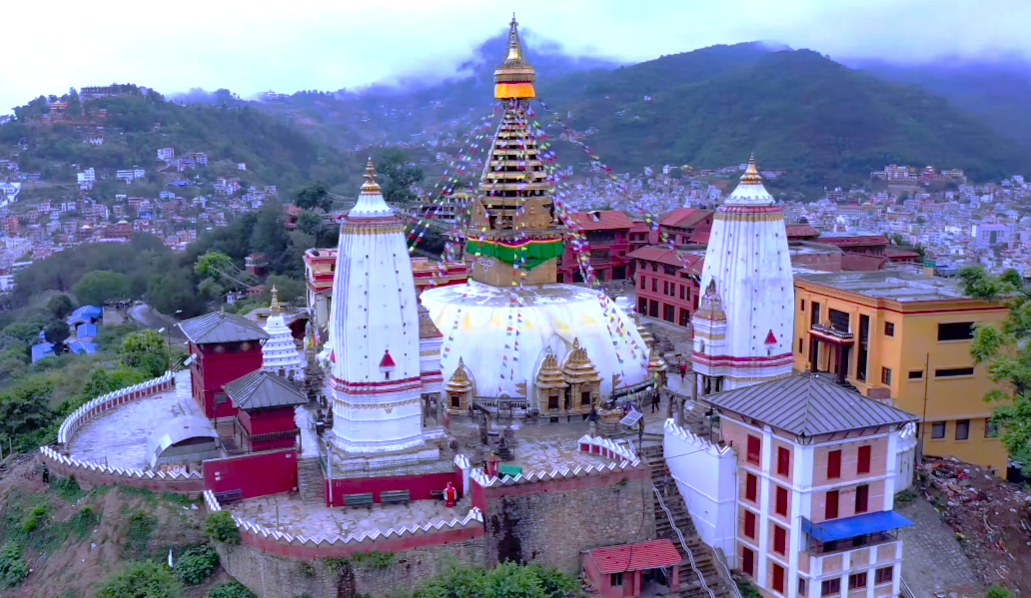
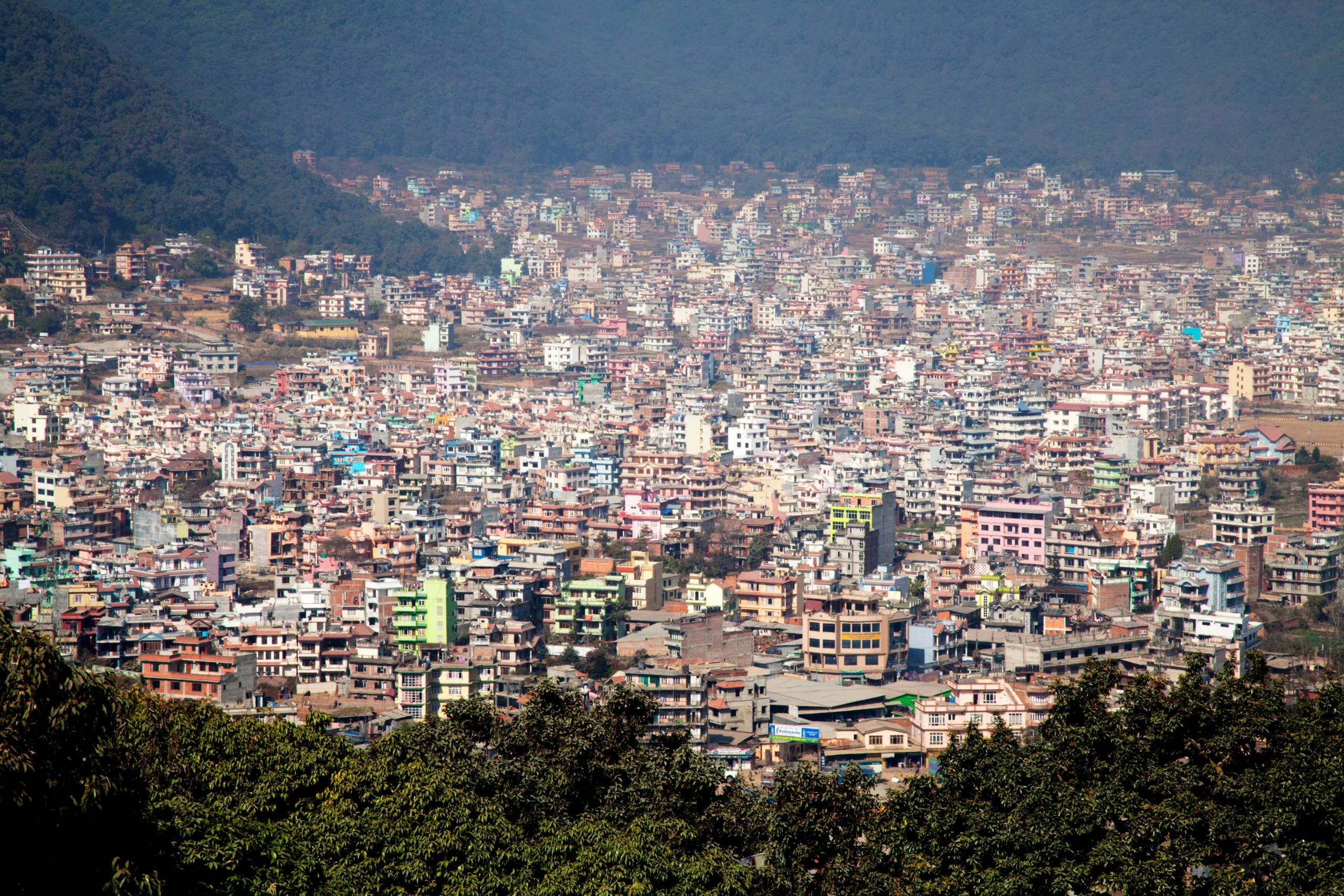
From this vantage point, the Kathmandu Valley spreads below as a concrete ocean shrouded in morning mist, revealing a stunning contrast between urban sprawl and serene spirituality. Swayambhunath is more than a viewpoint; it is a living monument of devotion, history, and culture.
The monkeys, pilgrims, monks, and ritual practices converge here, creating a dynamic, immersive experience that embodies the heart of Nepalese Buddhist tradition.

Activity: 2 hours
Max. Altitude: 1400m

Meal: Not Included
Accommodation: Not Included
Kathmandu Durbar Square
We drive toward the historic core of Kathmandu, entering Basantapur, the vibrant square that houses Kathmandu Durbar Square. For centuries, this was the political and ceremonial center of the Kathmandu Valley kingdoms. Kings of the Malla dynasty were crowned here, royal proclamations were announced here, and state rituals defined the rhythm of the city from this very ground.
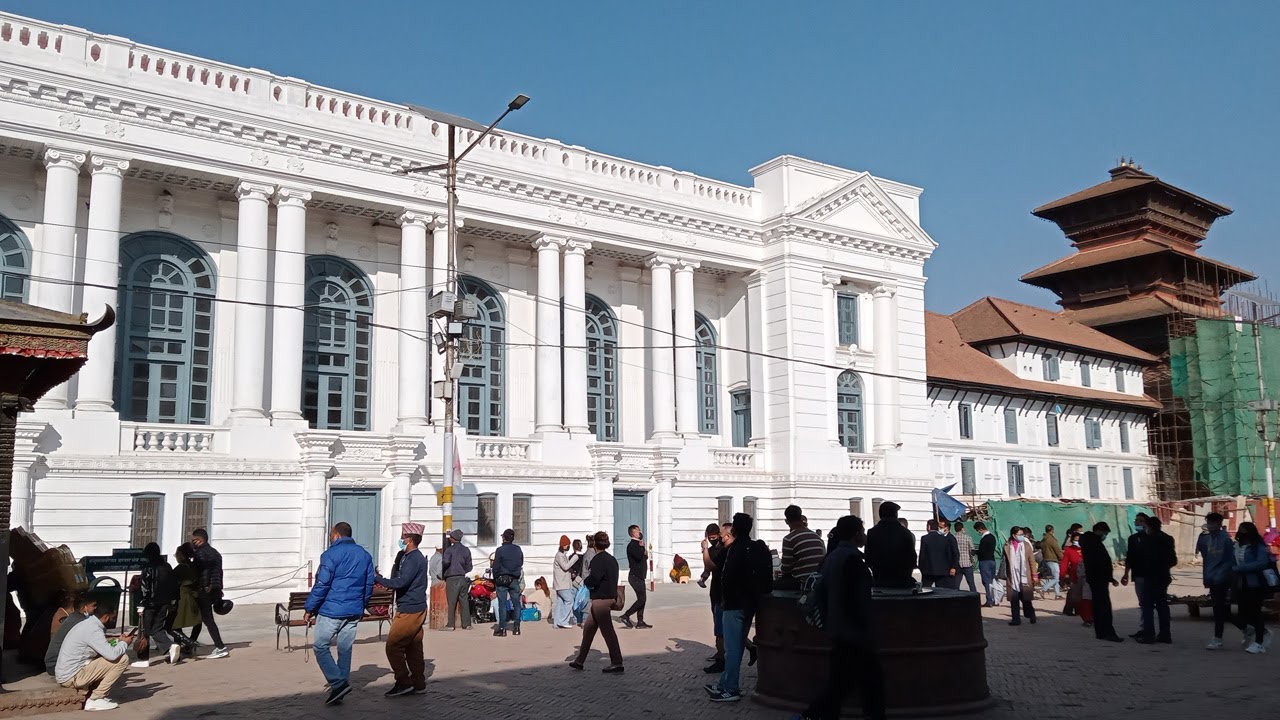
At the center stands the vast Hanuman Dhoka Palace complex. The palace is not a single structure but a series of interconnected courtyards, temples, and royal chambers constructed between the 12th and 18th centuries. Its carved wooden struts, latticed windows, and brick façades represent the zenith of Malla-era craftsmanship. The architecture reflects a fusion of Hindu and Buddhist symbolism, demonstrating the religious harmony that shaped the Kathmandu Valley.
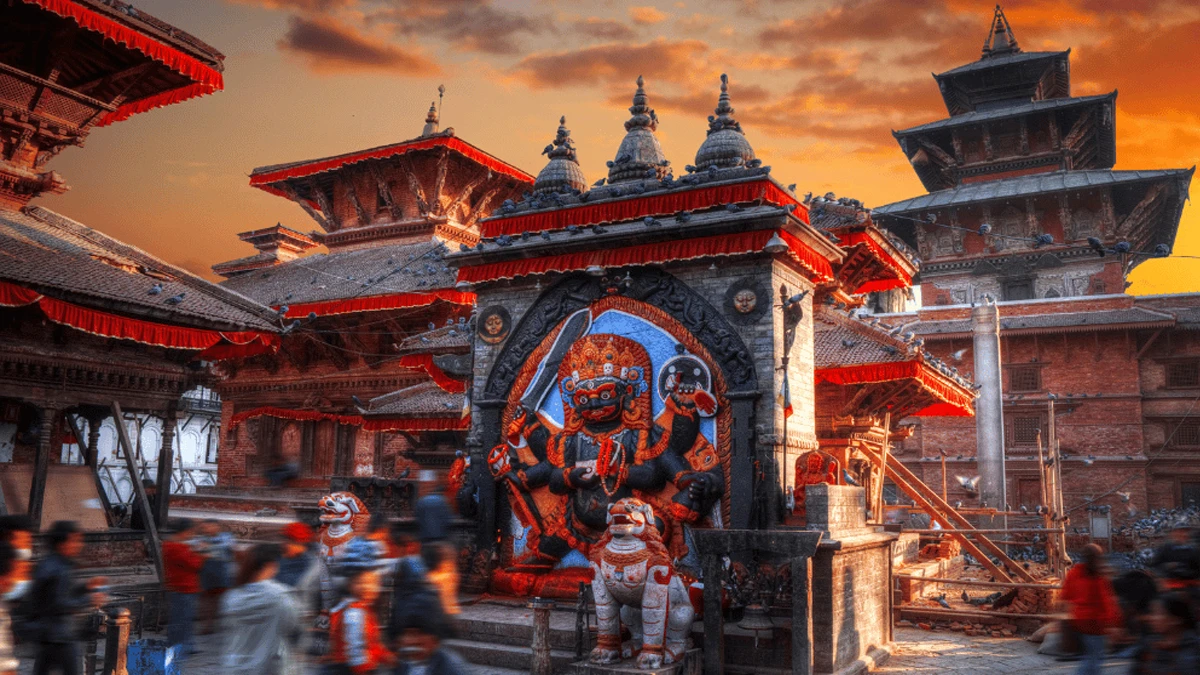
Dominating one side of the square is the striking image of Kal Bhairav, the fierce manifestation of Lord Shiva. Historically, this deity symbolized divine justice. It is said that during the Malla period, citizens were made to swear truth before this statue, believing that false testimony would bring severe supernatural consequences. Whether myth or cultural psychology, the statue embodied law, fear, and moral authority.
A short walk away stands the intricately carved Kumari Ghar, home to the Living Goddess Kumari. Selected from the Newar Shakya community through a rigorous traditional process, the Kumari is revered as a living embodiment of divine energy. She appears occasionally at her window to bless devotees and visitors. Photography of the Kumari is strictly prohibited, reflecting the deep cultural reverence associated with her role.
Walking through these medieval courtyards feels like stepping into a preserved chapter of history. Every temple roof, carved beam, and stone courtyard narrates stories of coronations, invasions, religious rituals, and daily life spanning hundreds of years. Basantapur is not merely an architectural site — it is a living testament to Nepal’s royal heritage, spiritual traditions, and artistic excellence.
Activity: 2 hours
Max. Altitude: 1400m
Meal: Not included
Accommodation: Not Included
Lunch Break
We will stop for lunch at a recommended restaurant where you can try authentic Nepali Dal Bhat or Tibetan Thukpa and Momos.
Activity: 1 hours
Max. Altitude: 1400m
Meal: Not Include
Accommodation: Not Included
Boudhanath Stupa
Next, we move to the Tibetan quarter of Kathmandu, where the atmosphere changes — the city’s chaos softens, giving way to calm and devotion. At its heart stands Boudhanath Stupa, one of the largest spherical stupas in the world. Its white dome and golden spire tower over the neighborhood, a silent guardian amid the bustling streets.
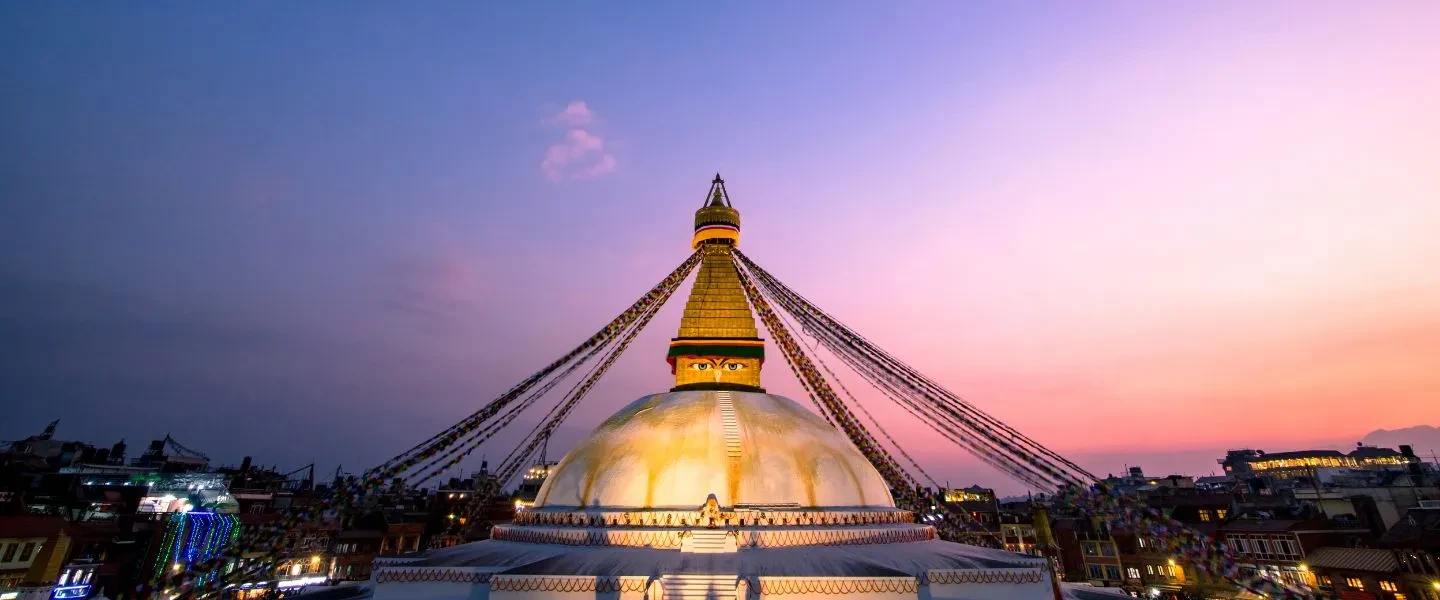
Here, the spiritual rhythm of daily life is tangible. Maroon-robed monks, pilgrims, and locals circulate the stupa, spinning prayer wheels in a clockwise procession — a practice rooted in Tibetan Buddhist tradition. The scent of burning juniper incense fills the air, mingling with the low, continuous chant of “Om Mani Padme Hum,” creating an immersive, meditative environment.
Walking around Boudhanath, you sense a slice of Tibet without leaving Nepal. The stupa is not merely an architectural marvel; it is a living center of devotion, education, and community. Every chant, wheel rotation, and bowed head embodies centuries of Buddhist practice, making it a profound and reflective experience for any visitor.
Activity: 2 hours
Max. Altitude: 1400m
Meal: Not Included
Accommodation: Not Included
Pashupatinath Temple
We end at Pashupatinath Temple, Nepal’s most sacred Hindu shrine, set along the banks of the Bagmati River. More than a temple, this is a living spiritual complex where devotion and mortality meet.
Non-Hindus cannot enter the main sanctum, but the deeper experience unfolds along the riverside ghats. Here, open-air cremations take place according to ancient Hindu rites. Bodies wrapped in saffron cloth are placed on wooden pyres, and ashes are returned to the river — symbolizing the soul’s passage toward liberation. It is confronting, but profoundly honest: a direct encounter with impermanence.
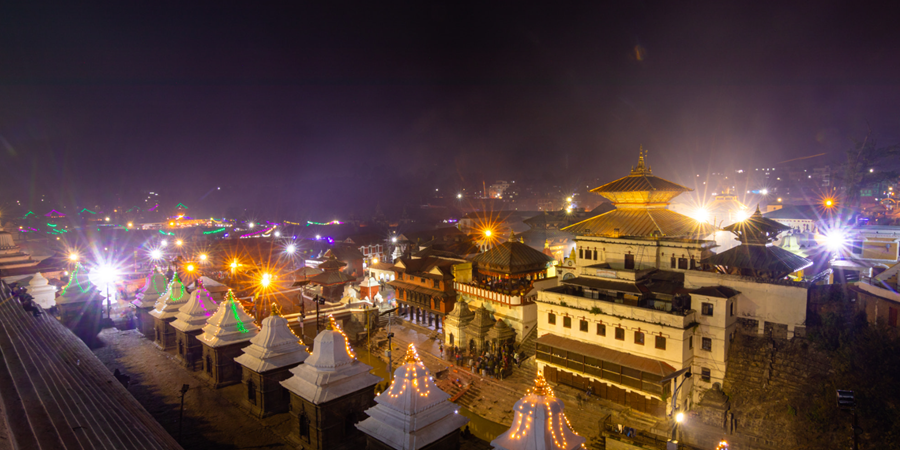
Across the river sit the sadhus, ash-covered ascetics who have renounced worldly life in pursuit of enlightenment. Some are genuine spiritual practitioners; others pose for photographs in exchange for donations. Respect and discernment are essential.
Pashupatinath is not simply visited — it is experienced. It offers powerful insight into Hindu philosophy, where life, death, and faith coexist.
Activity: 2 hours
Max. Altitude: 1400m
Meal: Not Included
Accommodation: Not Included
Back your hotel
Our driver will drop you back at your hotel or a location of your choice within the city ring road.
Activity: 1 hours
Max. Altitude: 1400m
Meal: Not Include
Accommodation: Not Included

Includes & Excludes
What is included?
- Private vehicle (Car, Scorpio, Bus, or Hiace) based on group size.
- Experienced and professional driver.
- Fuel, parking fees, and toll taxes.
- Government taxes.
- Pickup and drop-off from your hotel/residence.
What is not included?
• Entrance fees for heritage sites (guests pay directly at the gate).
• Tour Guide (available upon request for an extra charge).
• Meals and drinks.
• Personal expenses and driver tips.

Trip Information
Best Time to Visit
Kathmandu is a beast that changes its skin every season.
- The Golden Window (Oct – Dec): The air is crisp (5°C to 20°C). The mountains pierce the northern horizon. The festivals are loud.
- The Dust Bowl (March – May): Warmer (10°C to 28°C). The rhododendrons bloom in the hills, but the city is dusty, hazy, and frantic. Bring a mask.
- The Monsoon Wash (June – Aug): Rain smashes the dust down. The streets turn to mud. It’s humid, sticky, and green, only for the hardcore.
- Winter Chill (Jan – Feb): Cold mornings (2°C). Clear skies. Fewer tourists clog your view.
Road Conditions
Traffic in Kathmandu can be heavy, especially during rush hours. Our drivers know the best shortcuts and alternate routes to maximize your day tour time.
Vehicle Options
- Car (Swift/Dzire): Perfect for 1–3 people.
- Jeep (Scorpio/Pajero): Ideal for 4–6 people or for those who want extra legroom.
- Hiace: Best for groups of 7–14 people.
- Bus: Ideal for groups of 14 or more people.
Entry Fees for your Kathmandu Sightseeing
Kathmandu Durbar Square:
- Foreign Nationals: NPR 1,000
- SAARC Nationals: NPR 150
Pashupatinath Temple:
- Foreign Nationals: NPR 1,000
- SAARC Nationals: NPR 1,000
Important Note: Only Hindus are permitted to enter the main temple complex.
Visitors of other faiths can view the temple from the eastern bank of the Bagmati River and explore the surrounding areas.
Swayambhunath Stupa:
- Foreign Nationals: NPR 200
- SAARC Nationals: NPR 50
Boudhanath Stupa:
- Foreign Nationals: NPR 400
- SAARC Nationals: NPR 100
The SAARC (South Asian Association for Regional Cooperation) member countries are:
- Afghanistan
- Bangladesh
- Bhutan
- India
- Maldives
- Nepal
- Pakistan
- Sri Lanka
Door-to-door pickup and drop-off option.
For your convenience and comfort, our Kathmandu One Day Tour includes door-to-door pickup and drop-off from your hotel. Forget the hassle of finding taxis or navigating traffic—our professional driver will meet you at your accommodation at the scheduled time and ensure a smooth, safe journey throughout the day. After visiting all the major sites, including Swayambhunath, Kathmandu Durbar Square, Pashupatinath, and Boudhanath, you’ll be comfortably dropped back at your hotel, allowing you to fully enjoy the tour without worrying about transportation.
Book Your City Tour Today
Don’t let the traffic and logistics ruin your experience of Nepal’s capital. Book a private vehicle with Nepal Vehicle Hiring and enjoy a smooth, safe, and memorable one-day tour of Kathmandu.
Contact us now to reserve your ride:
WhatsApp/Phone: +9779851013196
Email: [email protected]
Frequently Asked Question (FAQ’s)
Private vehicle with driver, fuel, parking (as stated in your package), and pickup/drop-off within Kathmandu valley. A guide and entry tickets are optional unless you include them.
Usually, 4–6 major sites comfortably, depending on traffic, walking pace, and time spent at each place.
Our driver will take you to all the locations, but they stay with the vehicle. If you want detailed historical context and storytelling inside the monuments, we highly recommend hiring a licensed city guide, which we can arrange for you.
No, the vehicle rental covers only transport. You will need to purchase entry tickets at the counter of each heritage site (approx. NPR 1000–1500 per site for foreign nationals; lower for SAARC nationals).
Most guests start at 8:00–9:00 AM to avoid late-day traffic and complete the tour smoothly.
Pashupati and Boudha take a full day. Adding Bhaktapur or Patan usually requires rushing or extending the day. We recommend visiting Bhaktapur and Patan as separate day trips for the best experience.

Reviews on Kathmandu day tour

Related Trips


