Plan a Trip



Duration
1 Day
Travel Time
7-9 Hours
Distance
135-175 km
Driver
Included
Group Size
6-20 Pax
Max. Altitude
2010 Metres
Best Season
Round the year
Activity
Day Tour
Meals
Not Included
Kathmandu to Kerung border transportation service- key highlight
- Comfortable and reliable overland travel from Kathmandu to Kerung Border with private or shared vehicles.
- Scenic journey through the Trishuli River Valley, terraced hills, traditional villages, and Himalayan foothills.
- Flexible transportation options: private jeep, tourist bus, or shared jeep for budget-conscious travelers.
- Experienced drivers familiar with mountainous and partially unpaved road conditions beyond Dhunche.
- Stops at Dhunche and Syabrubesi for refreshments and photo opportunities.
- Efficient handling of luggage and passenger comfort for long-distance travel.
- Opportunity to witness local Tamang culture, traditional villages, and Himalayan landscapes along the route.
- Year-round service with careful attention to weather and road conditions.
- Smooth border crossing assistance and information about permits for entry into Tibet.
- Ideal for tourists, traders, and pilgrims traveling towards Tibet or Kerung for trade and sightseeing.

Introduction of Kathmandu to Kerung border transportation service
Kathmandu to Kerung Border transportation Private jeep/ Bus Hire (Sharing option jeep and bus) | 2026 Logistics Costs and Details Guide
The Kathmandu to Kerung border transportation service is one of the most important overland routes connecting Nepal and Tibet (China). This route has become very important in the last few years. It is used by tourists, pilgrims, traders, and logistics companies. The Kerung border, which is in Nepal’s Rasuwa District, is now the main land crossing between Nepal and China. It replaced the Tatopani route after the 2015 earthquake.
Depending on the route taken, the Kathmandu-to-Kerung border transportation service is about 150 to 175 kilometres and usually takes 7 to 9 hours by road. Even though the distance is not very far, the time it takes to get there is longer because of the mountains, narrow roads, and changing road conditions. The route goes through Trishuli, Dhunche, Syabrubesi, and Rasuwagadhi on the Pasang Lhamu Highway before reaching the border.
There are many transport services available on this route to meet the needs of different travellers. Private jeep rental is the most popular choice. It’s great for small groups or people who want to be comfortable, flexible, and get to their destination faster. The roads beyond Dhunche are rough and sometimes bumpy, so jeeps are a good choice. Coaster buses and tourist buses are available for larger groups. They are a cost-effective way to travel and have enough seats and luggage space. Local people and budget travellers also often use shared jeep services. These services usually leave early in the morning and run on a set schedule.
The road from Kathmandu to Dhunche is mostly paved and not too bumpy. The road does get narrower, steeper, and partly unpaved in some places after Dhunche as it heads toward Rasuwagadhi and Kerung. Travellers should be prepared for gravel roads, sharp turns, and delays due to landslides or roadwork, especially during the monsoon season. Even with these problems, the route remains open year-round as long as there are enough vehicles and experienced drivers.
The beautiful scenery along the way from Kathmandu to Kerung is one of the best parts of the trip. On clear days, travellers can see the Langtang Himalayan range as they pass through lush hills, terraced farmlands, rivers, waterfalls, and traditional Tamang villages. This makes the trip not only a means of getting from one place to another, but also a memorable travel experience.
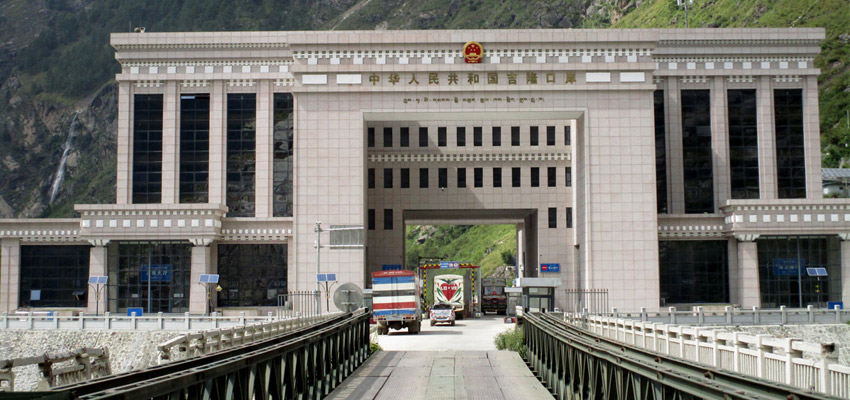
The Kerung border is an important entry point for several reasons. Many tourists use it to reach Tibet, especially for overland tours and the Kailash Mansarovar pilgrimage. It also plays an important role in trade and logistics between Nepal and China. The Resuo Bridge connects the Rasuwagadhi border crossing to Gyirong town in Tibet. Here, immigration and customs paperwork are done.
Recent events have made this transport corridor even more important. The Rasuwagadhi–Kerung border is back in business after being temporarily closed due to natural disasters. This means trade and travel between the two countries can resume. This has made it an even more important link for tourism and the economy.
In conclusion, the Kathmandu to Kerung border transportation service is an important, well-known overland route that is easy to reach, beautiful to travel on, and strategically significant. For tourism, pilgrimage, or trade, the service offers a wide range of vehicles, experienced drivers, and a unique journey through the Himalayas. This makes it one of Nepal’s most important international road connections.
Choose a vacation that offers the finest level of luxury and care, together with spiritual fulfilment, if you wish to go on the holy Kailash Mansarovar Yatra. Alpine Luxury Treks and Trek Nepal Himalayan are two of our sister companies that are great at planning high-end pilgrimages for visitors who know what they want. Every part of your vacation is carefully planned to ensure it goes smoothly and is one to remember. This includes comfortable travel, high-end hotels, knowledgeable guides, and tailored help. We offer one of the greatest luxury pilgrimage services to Kailash Mansarovar. This way, you may travel with peace of mind and focus on your spiritual journey.
The Kathmandu-Kerung border transportation service is one of the most important overland routes connecting Nepal and Tibet (China). This route has become very important in the last few years. It is used by tourists, pilgrims, traders, and logistics companies. The Kerung border, which is in Nepal’s Rasuwa District, is now the main land crossing between Nepal and China. It replaced the Tatopani route after the 2015 earthquake.
Depending on the route taken, the Kathmandu-to-Kerung border transportation service is about 150 to 175 kilometres and usually takes 7 to 9 hours by road. Even though the distance is not very far, the time it takes to get there is longer because of the mountains, narrow roads, and changing road conditions. The route goes through Trishuli, Dhunche, Syabrubesi, and Rasuwagadhi on the Pasang Lhamu Highway before reaching the border.
There are many transport services available on this route to meet the needs of different travellers. Private jeep rental is the most popular choice. It’s great for small groups or people who want to be comfortable, flexible, and get to their destination faster. The roads beyond Dhunche are rough and sometimes bumpy, so jeeps are a good choice. Coaster buses and tourist buses are available for larger groups. They are a cost-effective way to travel and have enough seats and luggage space. Local people and budget travellers also often use shared jeep services. These services usually leave early in the morning and run on a set schedule.
The road from Kathmandu to Dhunche is mostly paved and not too bumpy. The road does get narrower, steeper, and partly unpaved in some places after Dhunche as it heads toward Rasuwagadhi and Kerung. Travellers should be prepared for gravel roads, sharp turns, and delays due to landslides or roadwork, especially during the monsoon season. Even with these problems, the route remains open year-round as long as there are enough vehicles and experienced drivers.
The beautiful scenery along the way from Kathmandu to Kerung is one of the best parts of the trip. On clear days, travellers can see the Langtang Himalayan range as they pass through lush hills, terraced farmlands, rivers, waterfalls, and traditional Tamang villages. This makes the trip not only a means of getting from one place to another, but also a memorable travel experience.
The Kerung border is an important entry point for several reasons. Many tourists use it to reach Tibet, especially for overland tours and the Kailash Mansarovar pilgrimage. It also plays an important role in trade and logistics between Nepal and China. The Resuo Bridge connects the Rasuwagadhi border crossing to Gyirong town in Tibet. Here, immigration and customs paperwork are done.
Recent events have made this transport corridor even more important. The Rasuwagadhi–Kerung border is back in business after being temporarily closed due to natural disasters. This means trade and travel between the two countries can resume. This has made it an even more important link for tourism and the economy.
In conclusion, the Kathmandu-to-Kerung border transportation service is an important, well-known overland route that is easily accessible, beautiful to travel on, and strategically significant. For tourism, pilgrimage, or trade, the service offers a wide range of vehicles, experienced drivers, and a unique journey through the Himalayas. This makes it one of Nepal’s most important international road connections.
Choose a vacation that offers the finest level of luxury and care, together with spiritual fulfilment, if you wish to go on the holy Kailash Mansarovar Yatra. Alpine Luxury Treks and Trek Nepal Himalayan are two of our sister companies that are great at planning high-end pilgrimages for visitors who know what they want. Every part of your vacation is carefully planned to ensure it goes smoothly and is one to remember. This includes comfortable travel, high-end hotels, knowledgeable guides, and tailored help. We offer one of the greatest luxury pilgrimage services to Kailash Mansarovar. This way, you may travel with peace of mind and focus on your spiritual journey.

Itinerary of Kathmandu to Kerung border transportation service
Kathmandu to Rasuwagadhi Border
03:00 AM: The engine roars to life in the dark. We skip the Kathmandu traffic. The air is piercingly cold. 06:00 AM: Breakfast at Kalikasthan. Forget the fancy cafes; we stop at a local tea stall where the ginger tea burns the back of your throat and the sel-roti is fresh out of the oil. 09:00 AM: The climb to Dhunche.
This is where the road turns into a jagged scar. The views of Langtang Lirung are golden if the sun is up. If you’re planning a detour, this is the gateway to the Langtang Valley Trek. 11:30 AM: The Syabrubesi descent. The road drops like a stone. Your driver will be riding the brakes; you’ll be smelling burning rubber.
It’s normal. 01:30 PM: Arrival at Rasuwagadhi. The roar of the Bhotekoshi is deafening here. We unload at the 91-meter Bailey bridge. 02:00 PM: The walk across. You carry your bags across the bridge into the Chinese immigration zone.
Local Secret: At the Syabrubesi stop, look for the “Hotel Snowland” alley. There’s a small shop selling dried yak cheese (Chhurpi). It’s the perfect fuel for the long wait at Chinese immigration.

Activity: 135-175 km

Max. Altitude: 2010m

Meal: Not Included

Accommodation: Food

Includes & Excludes
What is included?
- Mountain-Grade Driver: A technical specialist who understands the Rasuwa switchbacks, not a standard highway driver.
- Fuel & Mechanical Upkeep: Total coverage. No surprise surcharges regardless of road conditions.
- Border Zone Clearances: We handle the specific vehicle red tape required for the sensitive Rasuwa frontier.
- Satellite Link (2026 Tech): Reliable emergency comms for the deep gorge “black spots” where mobile signals fail.
- Bottled Hydration: Continuous supply of mineral water provided in the vehicle.
- Government Levies: All local taxes and road tolls are prepaid.
What is not included?
- Rasuwa Entry Permit: NPR 3,000 (approx. $23) per person, collected at the district checkpoint.
- Food & Beverages: Budget approximately $15 for your meals and drinks during the day.
- China/Tibet Documentation: Your visa and travel permits must be finalized 20-45 days before departure.
- High-Altitude Insurance: You must have a policy that covers emergency mountain evacuation.
- Driver Gratuity: A standard tip for navigating one of the region’s most demanding roads.

Trip Information
Best Time to Visit – Kathmandu to Kerung Border
- Spring (March – May): Widely considered the best season for travel. The weather is stable, with moderate temperatures and mostly dry roads. The forested slopes and hillsides come alive with blooming rhododendrons in shades of red, pink, and white, creating breathtaking landscapes. Travelers can also enjoy clear views of the Langtang and Ganesh Himal ranges. Road conditions are favorable, making jeep and bus travel smooth, and local villages along the route are vibrant with seasonal festivals and agricultural activities.
- Autumn (September – November): Another peak period for the journey. After the monsoon rains, the air is clean and crisp, providing some of the clearest views of the jagged Himalayan peaks. Temperatures are slightly cooler than spring, and early mornings can be chilly, especially at higher elevations like Dhunche. Road conditions are generally stable, though occasional post-monsoon minor landslides may still occur. This season is ideal for photographers, nature lovers, and those looking to combine scenic travel with cultural exploration in Tamang villages along the way.
- Winter (December – February): Travel is possible but carries significant risks. Snowfall at higher elevations and black ice on the steep switchbacks near Dhunche can make roads treacherous. Daytime temperatures are cold, and nighttime temperatures are freezing. Travelers attempting this route in winter should only use experienced drivers with high-clearance vehicles, carry warm clothing, and allow extra travel time for slow, cautious driving.
- Monsoon (June – August): The monsoon season is the least recommended for travel. Heavy rains make the narrow, mountainous roads slippery and prone to landslides. Waterlogged stretches and blocked sections can delay or even halt travel entirely. Only sturdy 4WD vehicles, such as Scorpios or Land Cruisers, are suitable, and trips should be planned with extra flexibility for weather disruptions. Travelers must check local weather updates and road conditions before departure.
Transportation Options: Kathmandu to Kerung Border
Travelers from Kathmandu to the Kerung (Gyirong) border have multiple transportation options depending on comfort, group size, and budget. The route is mountainous, with variable road conditions, so vehicle choice is important for safety and convenience.
1. Private Jeep / SUV:
- Ideal for small groups (2–6 passengers) seeking flexibility and comfort.
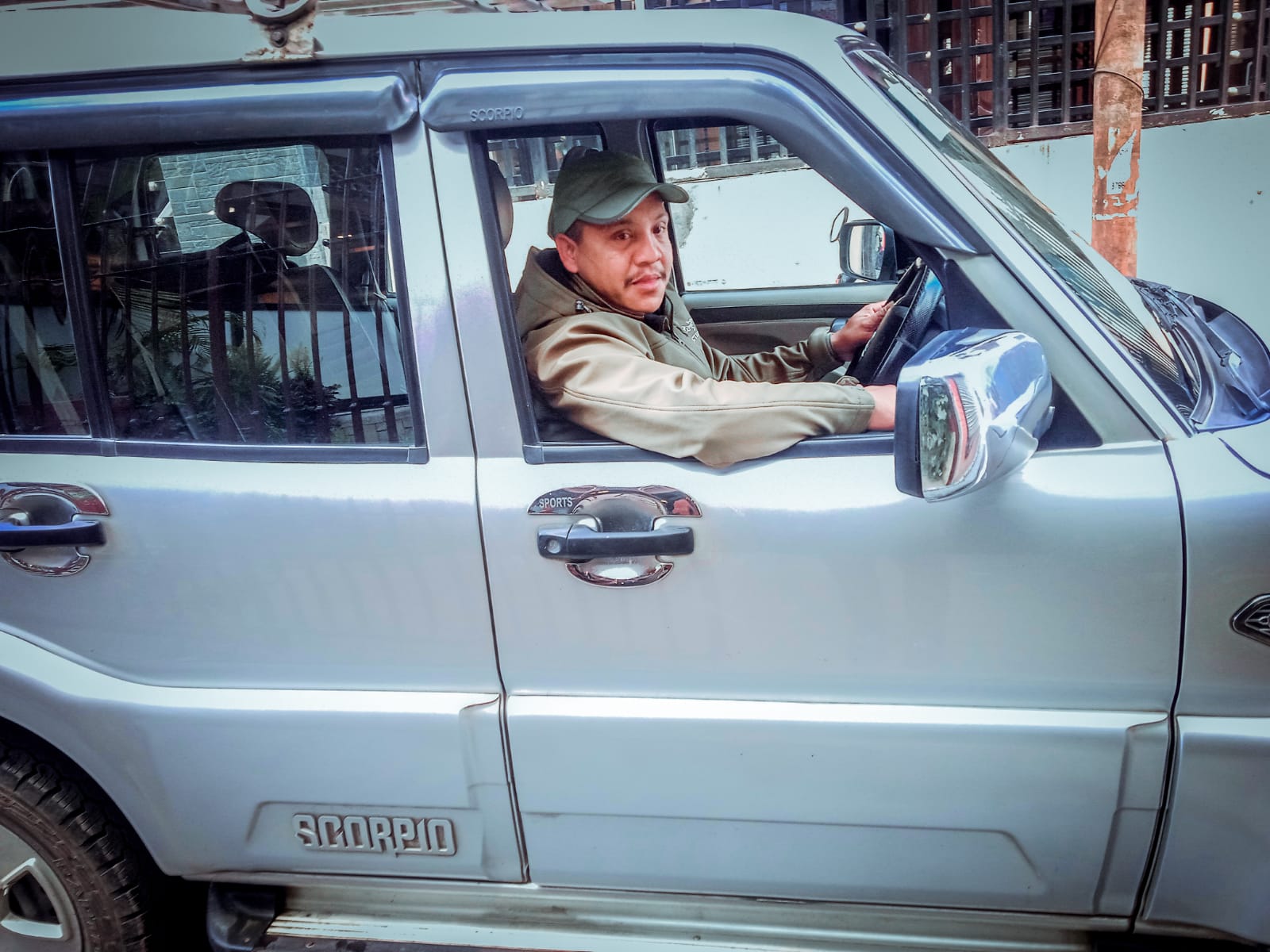
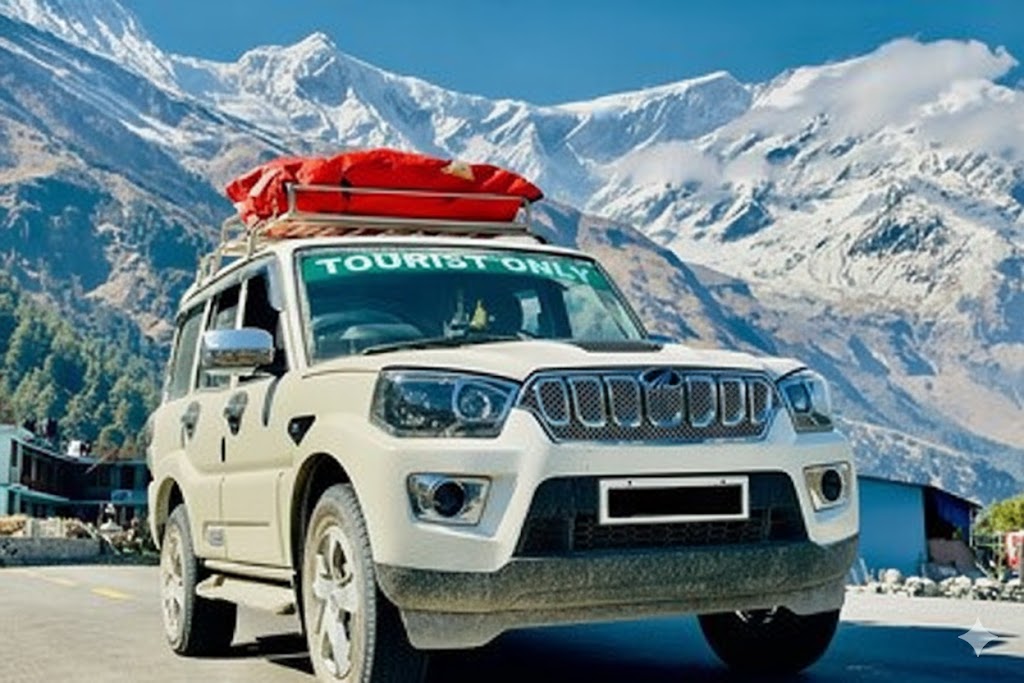
- High-clearance 4WD vehicles such as the Mahindra Scorpio, Toyota Fortuner, or similar handle rough, unpaved sections beyond Dhunche efficiently.
- Travelers can stop at scenic spots, villages, and riverside viewpoints along the way.
2. Shared Jeep Services:
- Cost-effective option for solo travelers or small groups.
- Departs on fixed schedules, usually early in the morning from Kathmandu.
- Provides moderate comfort but limited flexibility for the stop.
3. Tourist / Coaster Bus: Suitable for larger groups (10–20 passengers).
- Offers adequate seating and luggage space, but is slower than private jeeps on narrow mountainous roads.
- Comfortable for travelers who prioritize economy over off-road capability.
cost/ price
Private Jeep Hire :
The most common, safe, and reliable method for negotiating the mountainous terrain. 4WD Jeeps (Scorpio, Land Cruiser, Prado) seat up to 7 people.
Cost: $200 USD per jeep (NPR 30,000).
Duration: 7-9hours.
Shared/Daily Jeep Service: Daily departures are available from Kathmandu, often departing early in the morning (around 3:00 AM).
Cost: $30 ~NPR 4000-5000 per person.
Bus/Coaster Rental: Larger vehicles for groups (up to 25 people) are available for approximately NPR 40,000–NPR 50,000+.
Local Transport: Public buses are available, but tourist services are generally recommended for safety and convenience due to border timing.

Key Details for Travelers
Departure Point: Usually from Kathmandu (often Balaju or Balaju bypass areas).
Border Point: Rasuwagadhi, Nepal, Gyirong, Tibet.
Distance/Time: 175 km, 5–6 hours (subject to road conditions).
Requirement: Ensure your driver/service is experienced with the mountain route and road conditions.
Permits: You must have your Tibet Travel Permit and Chinese visa finalized before traveling to the border
Road Conditions: From Kathmandu to the Kerung Border
The road from Kathmandu to the Kerung (Gyirong) border has both modern highways and tough mountain trails. This shows how different the land is in Nepal’s Himalayan area. The trip starts on the Prithvi Highway, which goes from Kathmandu to Trishuli and Dhunche. This part is mostly paved, relatively smooth, and suitable for a variety of vehicles, including buses, jeeps, and private cars. The route goes through valleys and small villages, and traffic can get heavy near cities, but overall it’s a nice place to drive. Along the way, travellers can enjoy views of the Trishuli River, terraced fields, and local communities.
The road is harder to drive on after Dhunche. The road narrows as it goes up into the high Himalayan foothills. It has steep switchbacks, uneven gravel sections, and unpaved sections. This part is more likely to erode, slide, and experience water runoff, especially during the monsoon season (June to August). Drivers need to be careful when going up steep hills and around abrupt turns. For safety, high-clearance 4WD vehicles like jeeps or SUVs are best. Black ice can form on switchbacks in the winter (December to February), which makes it more likely that people will slip, so you need to be extra careful.
Even though the road is rough, this part offers stunning views of the Himalayas, rivers flowing down hillsides, thick forests, and traditional Tamang villages, making the trip worth it for the sights alone. There are a few roadside booths and local teahouses where you can get drinks, but there aren’t many places to stop in the more isolated areas. Travellers should avoid travelling at night because visibility is reduced and there is a risk of rockfalls or sudden changes in weather.
The travel from Kathmandu to Kerung is both easy and exciting. The first part of the highway is easy to drive on, but the higher-altitude parts need careful driving, the right cars, and experienced drivers. Knowing what the roads are like helps travellers plan their trip securely and enjoy the beautiful scenery along one of Nepal’s most significant border crossings.
Equipment List
The Kathmandu-Kerung border transportation service involves significant temperature shifts.
- The “Border Bag”: A small daypack with your passport, permits, and a power bank.
- Dust Protection: A buff or N95 mask. The road is dusty enough to coat your lungs.
- Hydration: 2 liters of water. The dry mountain air dehydrates you faster than you realize.
- Layers: A down jacket for the 3:00 AM start and a light shell for the humid canyons.
- Snacks: High-calorie nuts or chocolate. Border waits are unpredictable.
additional optional transportation services
from Kathmandu to Dhunche transportation services
A safe and beautiful drive from Kathmandu to Dhunche, the administrative center of Rasuwa and a major entry point to the holy Gosaikunda trek. The Pasang Lhamu Highway takes you through Trishuli Bazaar, Betrawati, and beautiful mid-hill landscapes next to the Trishuli River.
The route has both paved and dirt roads, and it gets cooler as it goes up into the mountains. Along the way, travelers can see terraced farms, traditional villages, and distant views of the Himalayas. Dhunche is also the checkpoint for Langtang National Park, so it’s a good place to check your permits.
from Kathmandu to Syabrubesi transportation services
It’s easy to get from Kathmandu to Syabrubesi, the main entrance to the famous Langtang Valley Trek. This road is one of the most popular among trekkers because it is easily accessible and offers beautiful natural scenery.
The drive takes you through winding mountain roads, river valleys, and lively rural towns, offering a taste of Tamang culture and way of life. The landscape becomes rougher and more dramatic as you approach Syabrubesi. There are steep hills, waterfalls, and clear weather views of snow-capped peaks.
Syabrubesi is a busy trekking center with lodges, shops, and nearby hot springs. It’s a great place to start both short and long treks in the Langtang region. This jeep service is meant to be comfortable and dependable. You can choose to travel alone or with others, making it easy to reach the trekking trail from Kathmandu.
from Kathmandu to Gatlang transportation services
Take a one-of-a-kind trip from Kathmandu to Gatlang, a traditional Tamang settlement along the Tamang Heritage Trail. This route is great for travelers who want to see the real Himalayas instead of just the usual trekking paths.
The drive goes through Dhunche and Syabrubesi before going off-road toward Gatlang. This part is more adventurous because the road is rough and the views of the hills are amazing. Along the way, travelers can see untouched natural beauty, terraced landscapes, and traditional stone houses that show off the Tamang community’s unique culture.
Gatlang is famous for its friendly people, homestays, and stunning views of the Langtang Himalayan range. This jeep tour is great for travelers, photographers, and anyone looking to learn about a new culture and see beautiful scenery.
Book Your Kathmandu to Kerung Vehicle Today!
For a smooth trip to Rasuwagadhi-Kerung Border, book your jeep, bus, or car rental in advance. Whether you’re traveling for business, adventure, or pilgrimage, we offer the best transportation services at affordable prices. Contact us now to secure your booking!
Our Location and Contact
Location: Bhagawati Marg 16, Thamel, Kathmandu, Nepal
Contact: +977 9751013196
Email: [email protected]
Frequently Asked Question (FAQ’s)
Expect 7 to 9 hours. If there is a landslide or a truck breakdown on the Bailey bridge, it can take 12 hours.
No. The road from Dhunche to Syabrubesi will destroy a sedan’s undercarriage. We only use high-clearance Jeeps or reinforced Hiace buses.
Absolutely not. You must have a pre-arranged Group Visa from the Chinese Embassy in Kathmandu.
The border is at 1,800m, but the town of Kerung (Kyirong) is at 2,700m. You will feel the thin air immediately.
Can I hire a helicopter from Kathmandu to Kerung? Yes. It takes about 1 hour and costs approximately $2,500 USD for a 5-seater. It lands at the Timure helipad, near the border.
Our drivers are veterans of the Rasuwa route. While the road looks terrifying, they navigate it daily. We don’t drive at night (except for the 3 AM Kathmandu exit) to ensure maximum visibility.
As of 2026, Kerung is the primary tourist artery. The Kodari (Tatopani) border is open mostly for freight and limited local travel. Kerung is the standard for Tibet tours.

Reviews on Kathmandu to Kerung border transportation service

Related Trips