


 Plan a Trip


Duration
11 Days
Distance
200-300 km
Driver
Included
Group Size
1-30 Pax
Max. Altitude
1950 Metres
Best Season
Round the year
Activity
Multi Day Tour
Meals
Not Included
Highlights of the Nepal Nekhor Tour

Introduction of Nepal Nekhor Tour-2026
The Nepal Nekhor Tour is a carefully planned spiritual and cultural trip that takes you to some of Nepal’s most important pilgrimage sites, beautiful hill landscapes, and historic towns. Starting in the historic capital of Kathmandu, the tour takes visitors through the Kathmandu Valley, known for its blend of ancient traditions, bustling streets, and timeless temples. The next stop is Pharping, a peaceful spiritual retreat known for its meditation caves, monasteries, and strong ties to Buddhist and Hindu traditions. It is a place where you can feel calm and reflect right away.
The route then goes east to Halesi–Maratika, one of Nepal’s most important pilgrimage sites, which is important to both Buddhists and Hindus. People from all over the Himalayas come to the holy Maratika Cave to practice Enlightenment and long life. This part of the trip is a powerful spiritual experience amid rough hills and remote areas.
As the tour heads back toward the central hills, it enters the peaceful beauty of Dhulikhel and Namobuddha. Dhulikhel has great views of the Himalayas and a traditional Newari culture. The hike to Namobuddha Monastery is very peaceful, with prayer flags, forest trails, and the sound of silence in the mountains. The next stop is Balthali Village, a hidden gem where terraced fields, rural life, and natural beauty make for the perfect getaway from the modern world.
The cultural exploration gets even deeper with trips to Panauti, an old Newari settlement full of temples and history, and then Lakuri Bhanjyang, a beautiful hilltop with great views of the valley at sunset. The tour then goes to Patan, a city on the UNESCO World Heritage List that is famous for its beautiful buildings, courtyards, and artistic history.
The trip ends in Kathmandu with visits to Swayambhunath and Boudhanath, two of Nepal’s most famous Buddhist sites. The Nepal Nekhor Tour combines spirituality, culture, nature, and heritage to offer a meaningful, immersive experience that reveals the heart of Nepal’s sacred landscapes and living traditions.
Visit our sister companies, treknepalhimalayas and Alpine Luxury Treks, for luxury vacation packages and trekking journeys. There, you may choose from a variety of carefully planned itineraries.

Itinerary of Nepal Nekhor Tour-2026
Day 1: Arrival in Kathmandu
The sliding doors of Tribhuvan International Airport open, and the humidity slaps you in the face. A wall of people holding placards screams for attention. This is your initiation. We toss your bags into a jeep and dive into the traffic—a serpentine mess of honking buses, sacred cows, and daring motorcyclists.
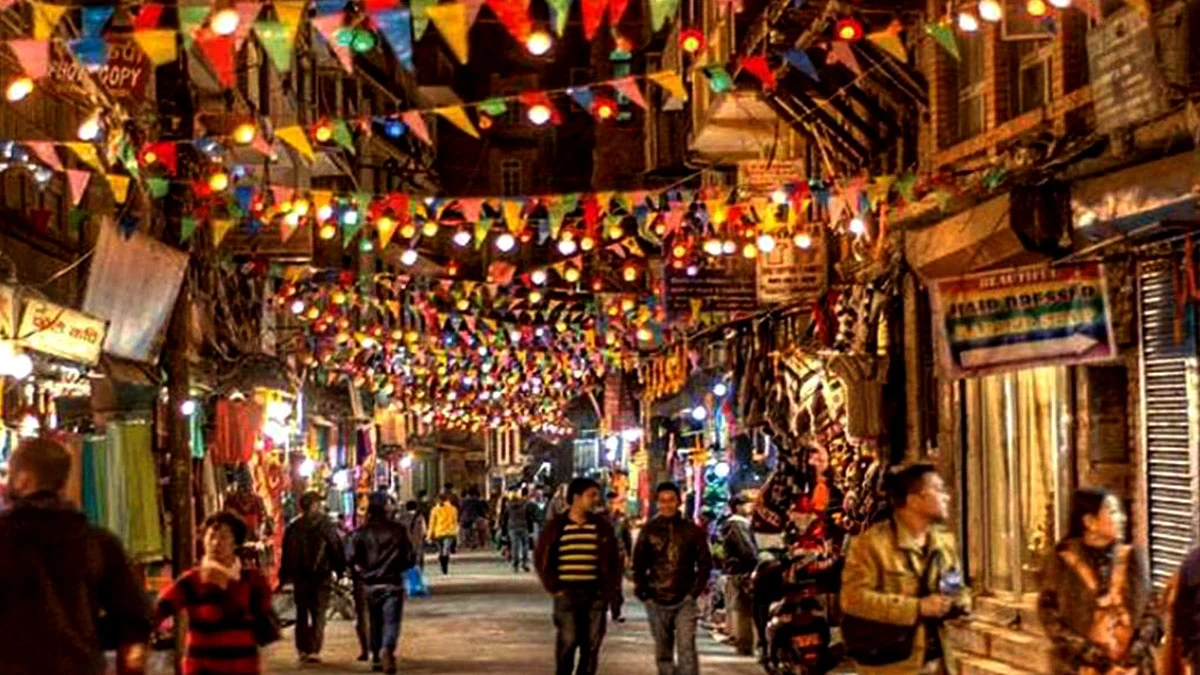
You’ll check into your hotel in Thamel, the beating heart of the tourist district, but we won’t stay long. The evening is for acclimatizing to the noise. We head to a rooftop for a briefing. No sugar-coating: we talk about the road conditions, the cave etiquette, and the grit required for the days ahead. Eat heavy; you’ll need the fuel.
Writer’s Tip: Don’t just go to bed. Walk to the Kathmandu Durbar Square at twilight. The temples are lit up, and the locals are out. It’s the only time the city feels magical rather than manic.

Activity: 25 min

Max. Altitude: 1400m

Meal: Not included

Accommodation: Not Included
Day 2: Kathmandu to Pharping
We leave the city sprawl behind, heading south to the rim of the valley. Pharping is not just a village; it’s a power center. The air here feels charged. We hike up stone steps lined with prayer flags snapping in the wind like whipcracks. Your destination is the Asura Cave and the Yanglesho Cave.
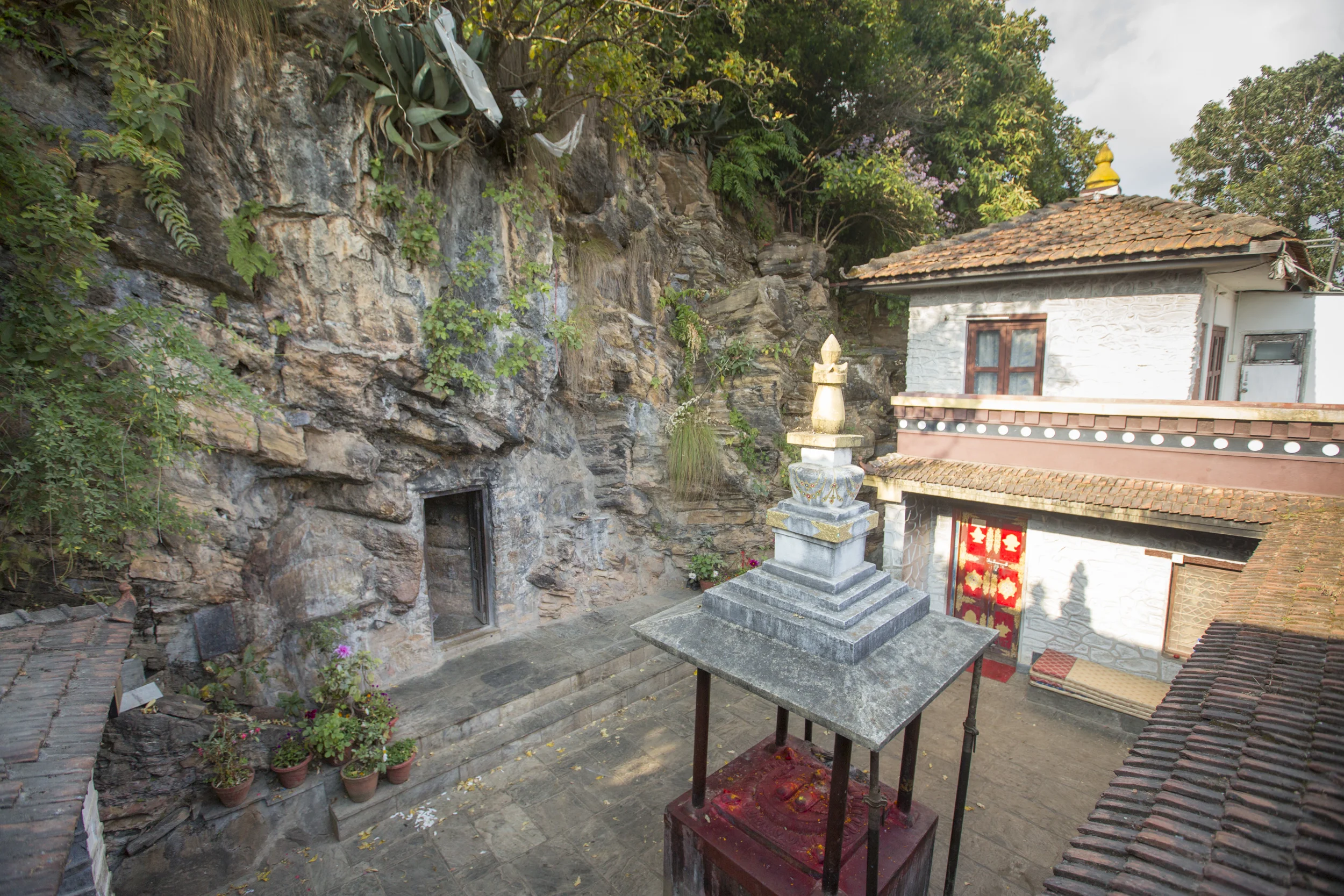
This is where Guru Rinpoche achieved the state of Mahamudra. It’s small, dark, and smells of centuries of burning butter lamps. You don’t just look at this cave; you feel it. We spend time here—meditating or just sitting in the silence that persists despite the pilgrims. Afterward, we visit the Vajrayogini temple and watch the monkeys fight over offerings on the slate roofs.
Local Secret: Look for the “Self-Arising Tara” image on the rock face near the Asura Cave entrance. It’s not carved; believers say it emerged from the stone itself.
Activity: 3-4 hours
Max. Altitude: 1400m
Meal: Not Included
Accommodation: Not Included
Day 3: Pharping to Halesi
Brace yourself. Today is about endurance, not cardio. We load into a 4WD Jeep and hit the BP Highway. At first, it’s smooth tarmac winding through pine forests, but soon we turn off onto the mid-hill roads towards Okhaldhunga and Khotang. The road becomes a suggestion rather than a reality.
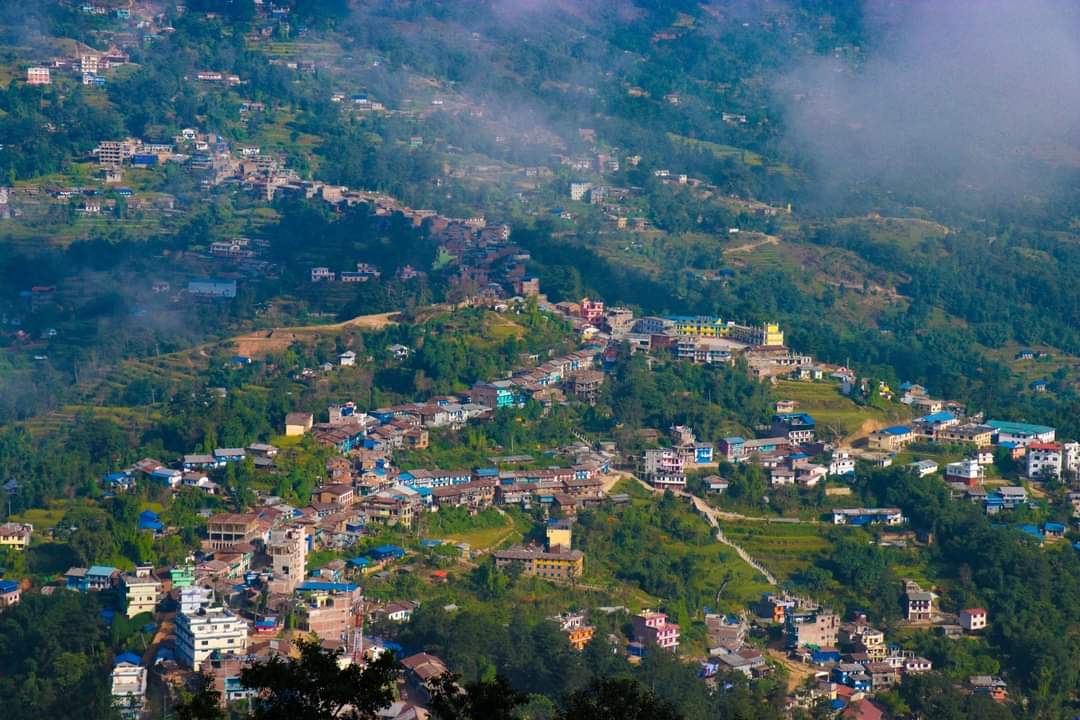
Just clouds choke the windows. The suspension screams as we bounce over rocks and ruts. This is the “Wild East” of Nepal. We cross the roaring Sunkoshi River, the water a milky turquoise far below. You will feel every mile in your spine. We arrive in Halesi after dark, dusty and exhausted, greeted by the looming shadow of the limestone cliffs.
Guide’s Whisper: Stop at Khurkot for lunch. Order the local river fish (fried) with your Dal Bhat. It’s fresh from the Sunkoshi and loaded with protein
Activity: 7-8 hours
Max. Altitude: 1500m
Meal: Not included
Accommodation: Not Included
Day 4: Halesi – Maratika Cave Exploration
Halesi-Maratika is the crown jewel of the Nepal Nekhor Tour. We wake before the sun. The entrance to the main cave is a gaping mouth in the earth. Descending the stairs, the temperature drops. Bats screech high in the limestone vaults. This is where Guru Rinpoche conquered death.
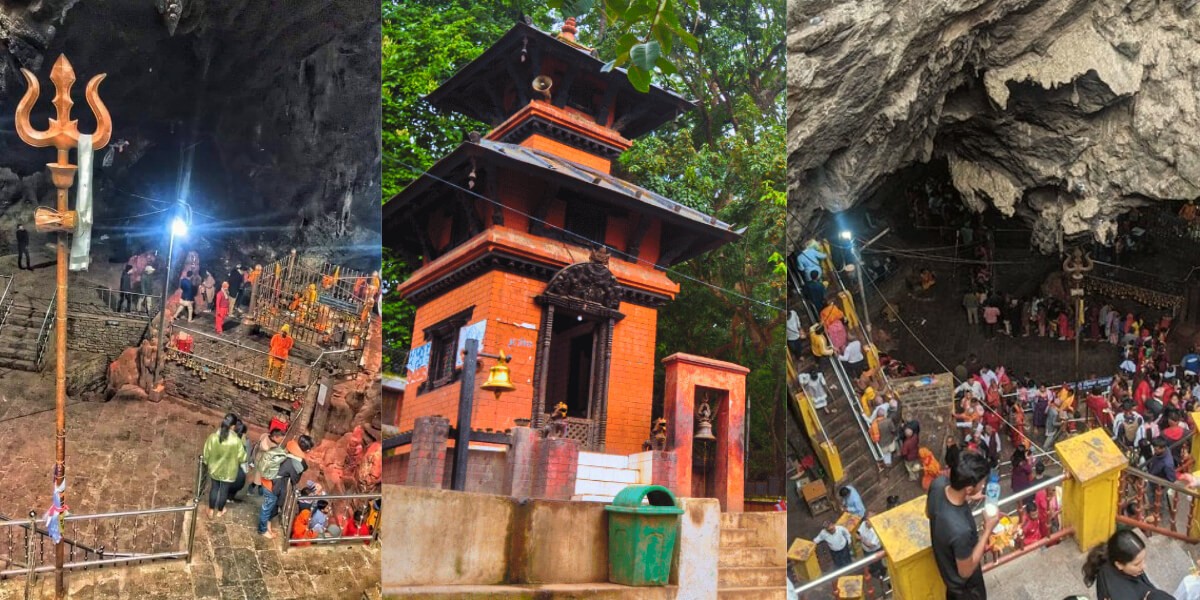
We don’t just walk through; we engage. You’ll see pilgrims squeezing through “karmic tests narrow fissures in the rock. If you’ve sinned, you get stuck (or so they say). We climb to the overarching “virtue” hill for a view that stretches to Everest on a clear day. The energy here is frantic, raw, and undeniably powerful. It’s a mix of Hindu bells and Buddhist chanting, creating a chaotic harmony.
Insider Detail: Bring a powerful headlamp (at least 300 lumens). The caves are massive, and the dim electric lights don’t reach the ceiling where the intricate limestone formations hang like chandeliers.
Activity: 5 hours
Max. Altitude: 1502m
Meal: Not Included
Accommodation: Not Included
Day 5: Halesi to Dhulikhel
We leave the holy ground and battle the road back west. By now, your body has adjusted to the rhythm of the jeep—the sway and the jolt. We retrace our path along the Sunkoshi, stopping at roadside shacks for dal bhat (rice and lentils)—the only fuel that matters in these hills.
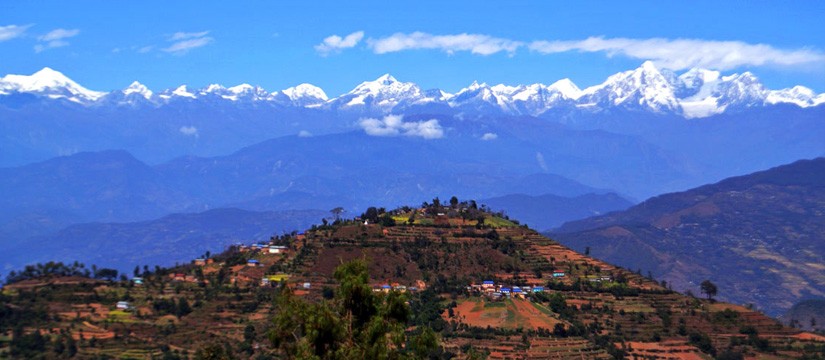
It’s greasy, it’s spicy, and it’s endless. We aim for Dhulikhel, an ancient Newari town perched on the valley rim. The transition from the wild east back to the semi-urban comfort of Dhulikhel is jarring. Hot showers await. Scrub off the red dust of Halesi; you’ve earned it.
Writer’s Tip: Order “Juju Dhau” (King Curd) for dessert in Dhulikhel. It’s a thick, creamy yogurt made in Bhaktapur that puts supermarket yogurt to shame.
Activity: 6-7 hours
Max. Altitude: 1550m
Meal: Not Included
Accommodation: Not Included
Day 6: Dhulikhel to Namobuddha (Hike)
Lace up your boots. We’re done with sitting. Today we hike. The trail from Dhulikhel cuts through terraced mustard fields and pine forests. It’s a steady climb, lungs working hard against the humidity. We are heading to Namobuddha, one of the holiest stupas in the world.
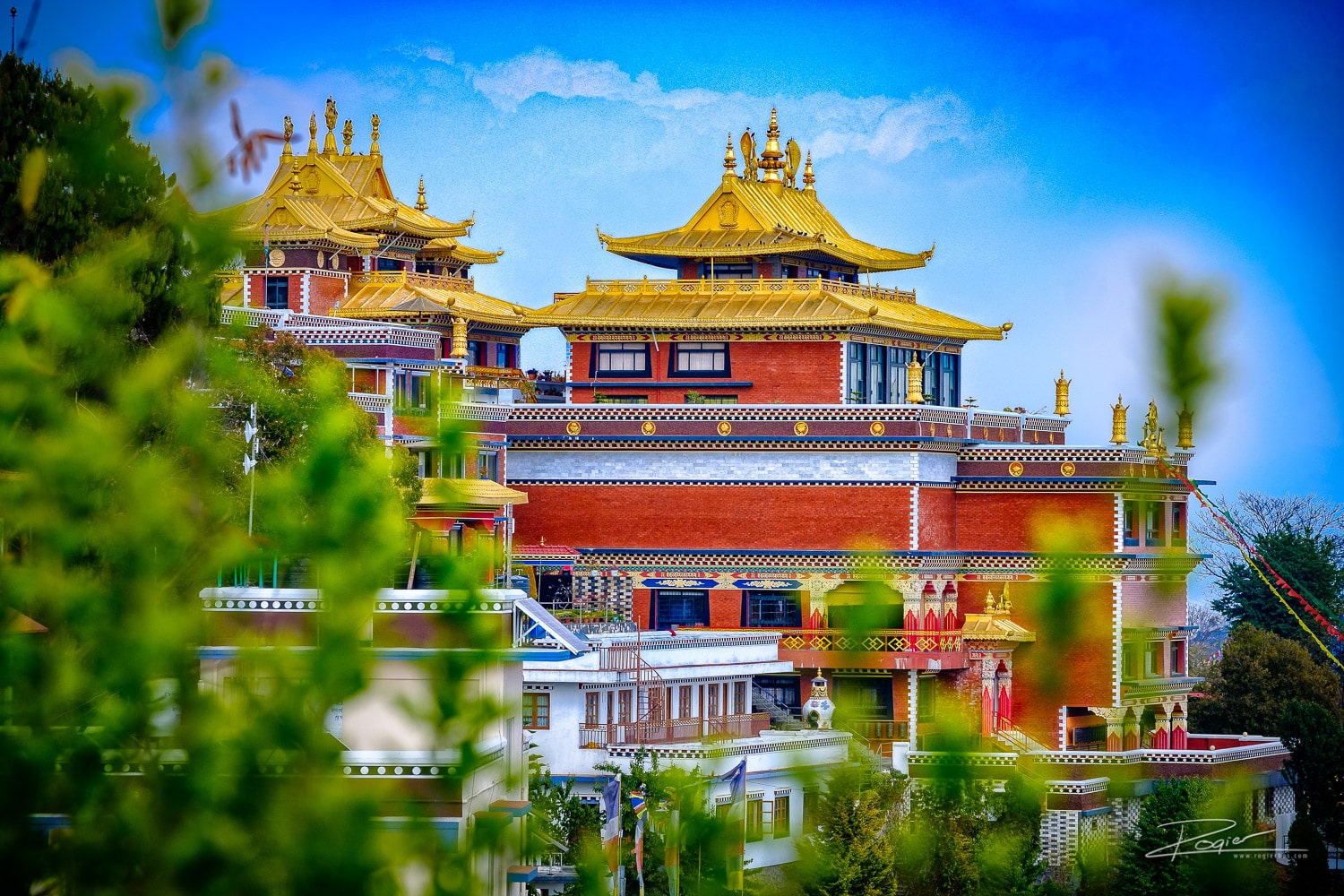 Legend says a prince (Buddha in a past life) fed his own body to a starving tigress and her cubs here—the place screams of sacrifice and compassion. The massive Thrangu Tashi Yangtse Monastery dominates the ridge, its gold roof blazing in the sun. We arrive in time to hear the monks debating in the courtyard—loud, rhythmic hand-clapping that echoes off the valley walls.
Local Secret: Don’t just watch the debate. Close your eyes and listen. The clap signifies clarity and the end of ignorance. It’s a sonic experience.
Activity: 4 hours
Max. Altitude: 1750m
Meal: Not Included
Accommodation: Not Included
Day 7: Namobuddha to Balthali
Morning puja wakes you up. The horns are deep and guttural, shaking the floorboards. After breakfast, we descend. The trail drops steeply into the valley floor, passing orange orchards and sleepy farmhouses. We cross a swaying suspension bridge—look down if you dare, the river is a jagged line of white water below.
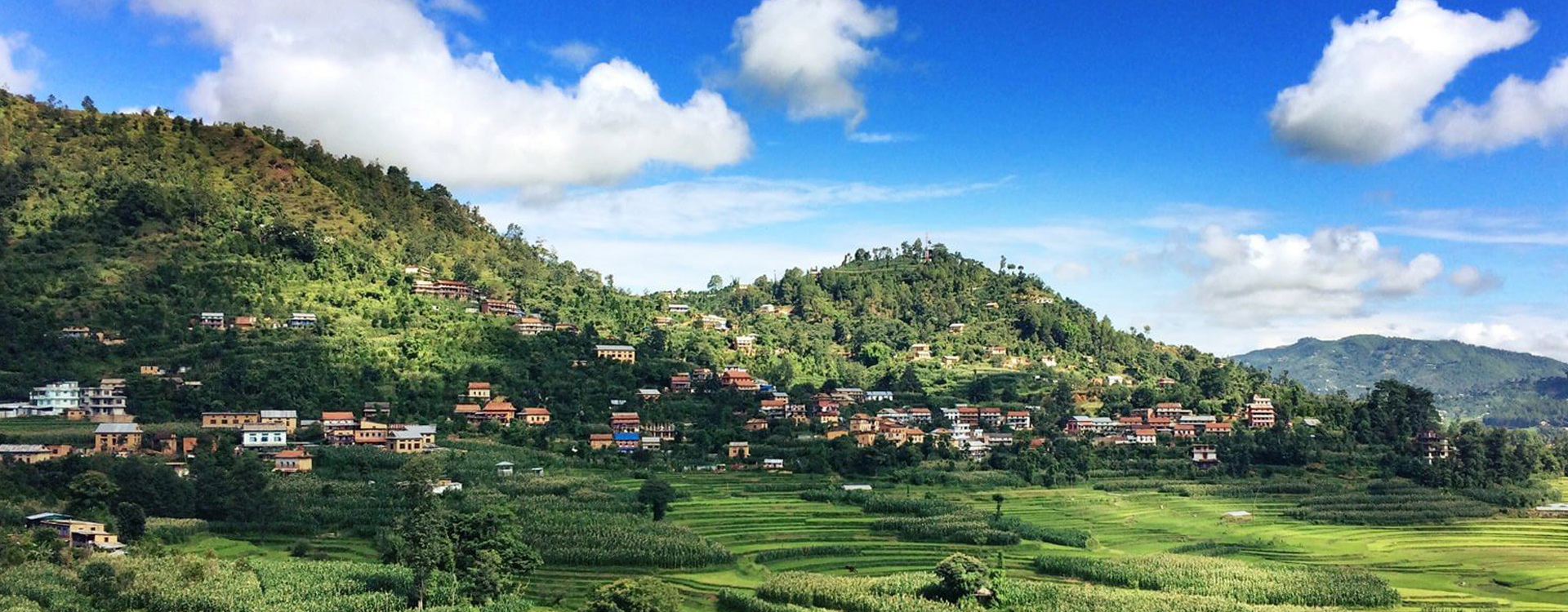
We are heading to Balthali, a village stuck in time. No cars, just silence and the sound of the Roshi Khola river. It’s a short day but a beautiful one. The focus here is on the “village walk”—seeing how the locals live, grinding corn, tending goats, living off the grid.
Guide’s Whisper: Ask the lodge owner for Raksi (local millet wine) with dinner. It’s clear, potent, and tastes like fire and earth.
Activity: 3-4 hours
Max. Altitude: 1700m
Meal: Not Included
Accommodation: Not Included
Day 8: Balthali to Panauti to Lakuri Bhanjyang
We hike out of Balthali to the historic town of Panauti. This place sits on a single rock (according to legend) and is immune to earthquakes. The Indreshwar Mahadev temple here stands tall, a masterpiece of woodcarving. We don’t linger long.
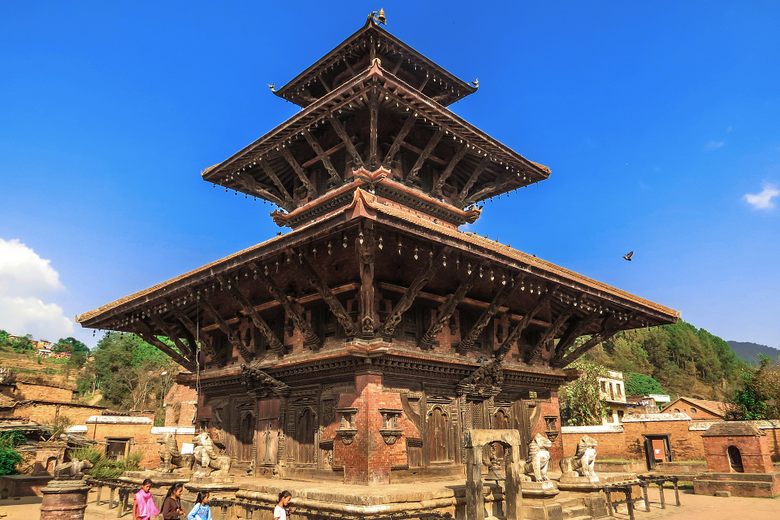
We jump back into a vehicle and push up the steep, winding road to Lakuri Bhanjyang. This is the edge of the Kathmandu Valley. The view from here is a command. You see the entire bowl of the valley, the smog hovering over the city like a grey blanket, while you stand in the clear air of the ridge.
Insider Detail: In Panauti, visit the museum near the river. It houses artifacts that prove this town was a trading hub long before Kathmandu took the crown.
Activity: 3.5 hour
Max. Altitude: 1902m
Meal: Not Included
Accommodation: Not Included
Day 9: Lakuri Bhanjyang to Patan
It’s all downhill from here. Literally, we hike down through the scrub forest, dropping back into the chaos of civilization. The knees will feel this one. We emerge at Lubhu, a textile town where you can hear the clack-clack-clack of handlooms from every window.
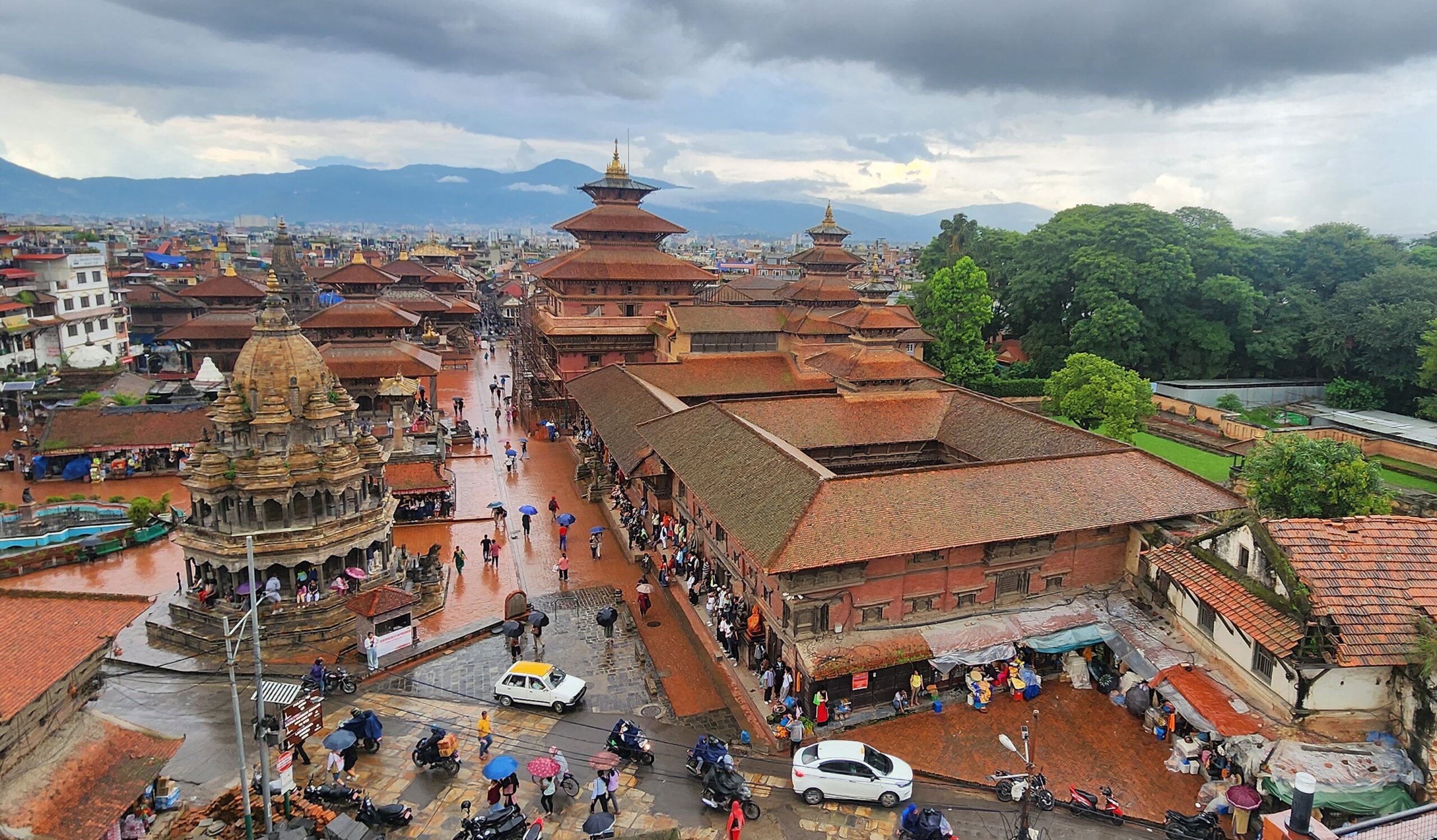
Our vehicle picks us up and takes us to Patan. Patan Durbar Square is a sensory overload of art. Stone lions, bronze statues, and brick pagodas everywhere. We explore the “City of Fine Arts,” hunting for the hidden courtyards that tourists miss.
Writer’s Tip: Visit the Golden Temple (Kwa Bahal) in Patan. It’s a monastery covered in gilded copper. Watch out for the temple tortoises roaming the courtyard.
Activity: 3 hours
Max. Altitude: 1400m
Meal: Not Included
Accommodation: Not Included
Day 10: Patan – Swayambhunath – Boudhanath
We end where the energy is highest. Morning at Swayambhunath (The Monkey Temple). You climb the 365 stone steps.
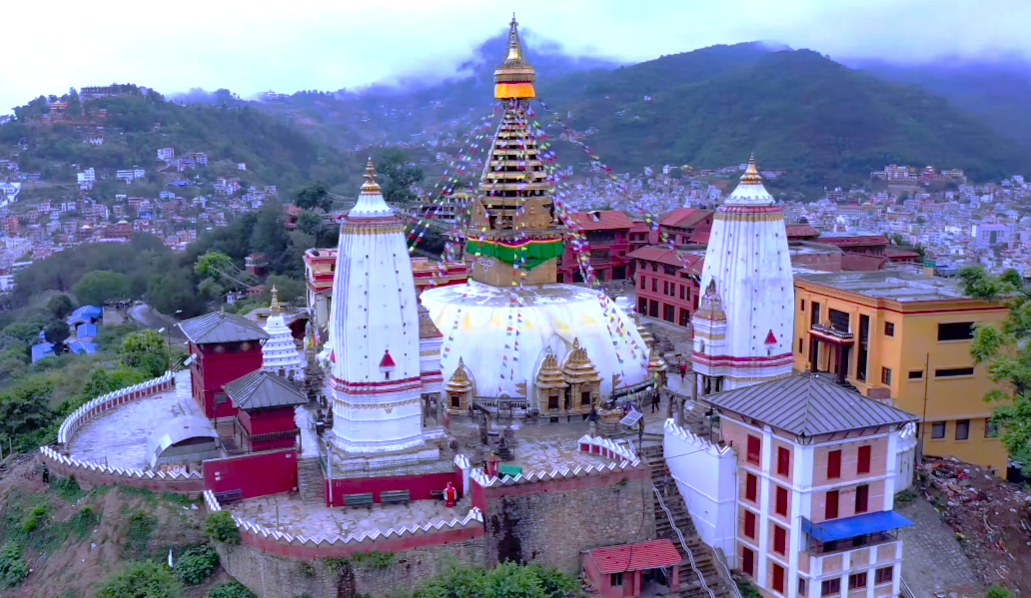
Monkeys will hiss at you; ignore them. At the top, the eyes of the Buddha look out in four directions. The smell of incense is thick enough to chew. In the afternoon, we head to Boudhanath. This is the center of Tibetan culture in Nepal. The Stupa is massive, a white dome dominating the skyline. We join the kora—the circumambulation. Thousands of people walking clockwise, spinning wheels, chanting Om Mani Padme Hum. Join the flow. Feel the collective energy of the Nepal Nekhor Tour culminate here.
Local Secret: Go to the “Guru Lhakhang” monastery inside the Boudha circle. Inside, there is a giant statue of Guru Rinpoche. It brings the whole trip full circle.
Activity: 4 hour
Max. Altitude: 1400m
Meal: Not Included
Accommodation: Not Included
Day 11: Departure
The trip ends. You pack your bags, now smelling faintly of mold and incense. We drive you to the airport. The city is still chaotic, still noisy, but you look at it differently now. You’ve walked the ridges, slept in the caves, and breathed the dust. You didn’t just visit; you survived and thrived.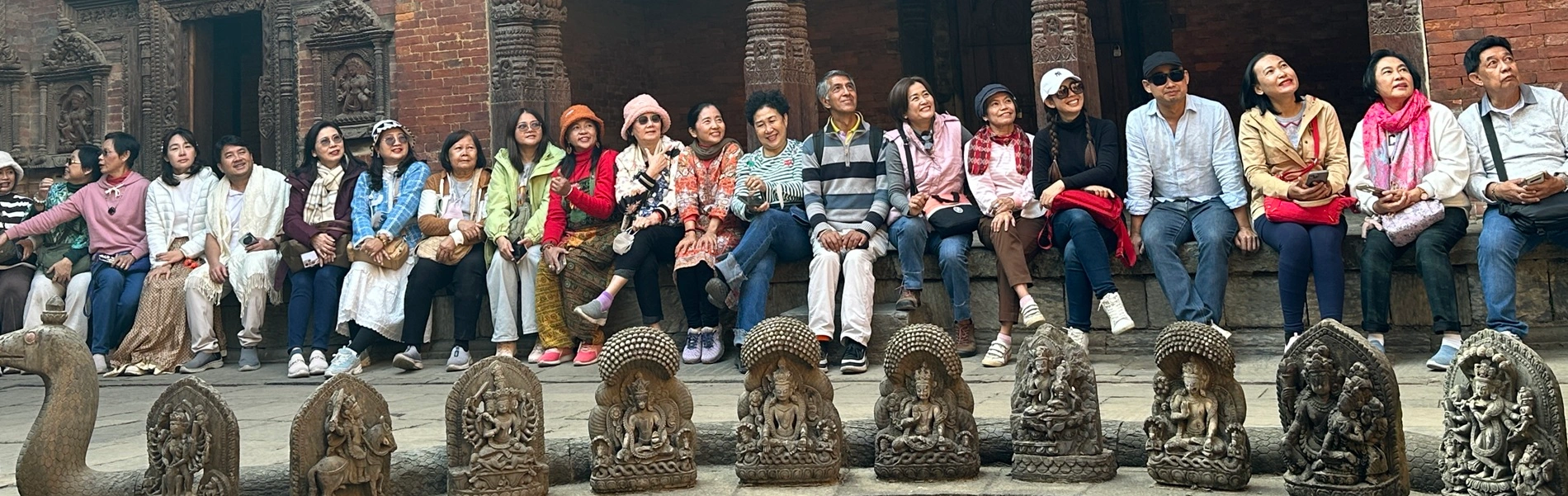
Activity: 20-25 min
Max. Altitude: 1400m
Meal: Not Included
Accommodation: Not Included

Includes & Excludes
What is included?
- Private 4WD Jeep for the full itinerary of the Nepal Nekhor Tour
- Professional, experienced driver familiar with all routes
- Fuel for the entire journey
- Driver’s allowance
- Parking charges
- Government vehicle tax
What is not included?
- Accommodation for travelers
- Meals and beverages
- Tour guide services
- Entry fees to caves, monasteries, and temples
- Personal expenses and tips
- Travel insurance

Trip Information
Overview of the route:
Kathmandu → Pharping → Kathmandu Valley rim → Halesi–Maratika → return via Dhulikhel → Namobuddha → Balthali → Panauti → Lakuri Bhanjyang → Patan → Kathmandu
Best Time to Visit Nepal Nekhor Tour
Timing is everything. Go at the wrong time, and you’re marching through leech-infested mud or shivering in bone-cracking cold.
Spring (March to May): This is prime time. The dust settles slightly, and the hills explode in color—red and pink rhododendrons turn the forests into a wildfire of flowers. The air is crisp.
- Temperature: Kathmandu averages 16°C to 28°C (61°F – 82°F). Halesi can be hotter during the day but drops sharply at night.
- Daylight: Expect roughly 12-13 hours of daylight.
Autumn (Late September to November): The air is scrubbed clean by the monsoon rains. The visibility is razor-sharp. You can see the white teeth of the Langtang and Everest ranges biting the blue sky.
- Temperature: Pleasant 15°C to 25°C (59°F – 77°F) highs, dropping to single digits at night in the hills.
- Daylight: Shortening days, around 11 hours of light. Plan for early starts.
Avoid: June to August. The monsoon turns roads into landslides and trails into rivers. Unless you enjoy wading through mud, stay away.
Visas & Bureaucracy
Visa Procedures Don’t stress. Nepal has a Visa on Arrival. You land at Tribhuvan International Airport (TIA). You fill out a machine form. You pay cash (USD, EUR, GBP).
- 15 Days: $30 USD
- 30 Days: $50 USD
- 90 Days: $125 USD
- Tip: Bring exact cash. The credit card machines are down 50% of the time.
Cost/Price
Car(1-3 people)= USD 1250
jeep(1-6people)=USD 1350
Hiace(7-13) people= USD 1600
Bus(14-30 people)=USD 2200
Safety and Road Conditions on the Nepal Nekhor Tour
The Nepal Nekhor Tour includes a mix of well-paved highways, hilly rural roads, and short off-road sections, so road conditions vary widely from one section to the next. In general, the trip is safe for experienced drivers and well-managed private cars, but it requires extensive planning, especially during the monsoon season (June to September).
Kathmandu Valley Section: Kathmandu, Pharping, Patan, Boudhanath, and Swayambhunath
Most of the roads in and around the Kathmandu Valley are paved and open year-round. In cities, traffic can be very bad, but it’s easy and safe to get between places like Pharping, Patan, and the major stupas by car or tourist bus.
Routes through the middle of the hill (Dhulikhel, Namobuddha, Balthali, Panauti, Lakuri Bhanjyang)
These routes have both blacktopped roads and short stretches of gravel. The road to Dhulikhel is smooth, but the roads to Namobuddha, Balthali, and Lakuri Bhanjyang are narrow and winding through the hills. These places are usually safe, but you should be careful when driving because the roads are narrow, have curves, and sometimes drop steeply.
Long-Distance Segment (from Kathmandu to Halesi to Maratika Cave)
This is the hardest part of the trip. Some parts of the route go through hilly highways and semi-rural roads that aren’t always smooth. The trip takes a long time, and the roads can be different depending on the weather. There is a risk of landslides or delays on certain sections of the road during the monsoon.
Things to think about for safety
The best time to travel is from October to May, when the weather is stable and the roads are clear.
Traveling during the monsoon season may require you to change your plans due to potential landslides.
Hire drivers who know how to drive on mountain roads.
Recommended vehicle: a comfortable 4×4 SUV or a van for tourists
Driving at night is not advisable in rural or hilly areas.
With good planning, reliable transport, and knowledge of the seasons, the Nekhor Tour is safe and easy to do. The easy routes through Kathmandu Valley are fun, but the spiritual and remote parts, like Halesi, add excitement and require careful driving, making the trip both educational and naturally exploratory.
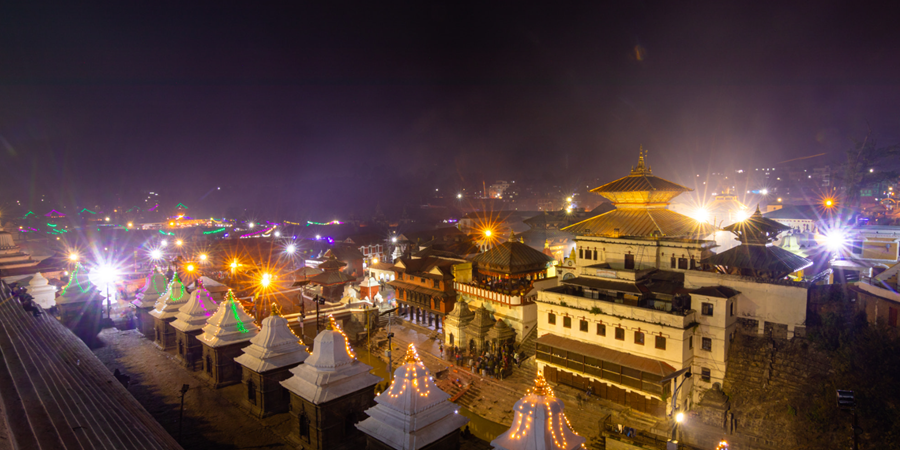
Cultural and Heritage Sites: Nepal Nekhor Tour (Longer List)
1. Sites in the Kathmandu Valley that are on the UNESCO list
- Kathmandu is an old capital city with temples, palaces, courtyards, and living traditions.
- Swayambhunath Stupa is an ancient Buddhist stupa (Monkey Temple) with great views of the valley.
- Boudhanath Stupa is one of the largest Buddhist stupas in the world, and Patan is a UNESCO World Heritage Site known for its Durbar Square, metalwork, woodcarving, and Newari architecture.
- Pashupatinath Temple is one of the most important Hindu temples. It is dedicated to Lord Shiva and has cremation ghats and sacred rituals on the Bagmati River.
2. Old Newari Towns
- Panauti is one of Nepal’s oldest towns that is still standing. It has many medieval temples and traditional homes.
- Lakuri Bhanjyang is a beautiful cultural viewpoint on a hilltop overlooking the Kathmandu Valley and local villages.
- Kirtipur is an old Newari town known for its historic battles, traditional architecture, and efforts to preserve its culture.
3. Sites of spiritual and pilgrimage heritage
- Pharping: Holy caves and monasteries for meditation that are linked to Guru Rinpoche and tantric Buddhism
- Namobuddha Monastery is a major Buddhist pilgrimage site that stands for compassion and self-sacrifice.
- Halesi Mahadev is a sacred cave temple visited by both Hindus and Buddhists. It is also known as “Pashupatinath of the East.”
- Maratika Cave is a very important tantric meditation cave believed to help people become more spiritually aware and live longer.
4. UNESCO World Heritage Sites: Cultural Squares and Historic Monuments
- Kathmandu Durbar Square is an old royal palace complex with temples, courtyards, and the home of the living goddess Kumari.
- Patan Durbar Square is an architectural masterpiece showcasing Newari art, temples, and royal history.
- Bhaktapur Durbar Square is a medieval city known for its pottery, wood carving, and traditional way of life.
5. Spiritual Retreat Centers and Monasteries
- Kopan Monastery is a well-known Tibetan Buddhist monastery that offers meditation classes and lessons.
- Shechen Monastery is an important Nyingma school monastery known for its teachings, rituals, and peaceful atmosphere.

What is a feature of the Nepal Nekhor Tour?
The Nepal Nekhor Tour is a spiritual pilgrimage, a cultural exploration, and a scenic hill journey that shows off Nepal’s sacred geography and living heritage. It is for people who want more than to see the sights; it gives them meaning, time to think, and real experiences with locals.
1. The Sacred Pilgrimage Circuit
Pharping, Halesi–Maratika Cave, Namobuddha, Swayambhunath, and Boudhanath are among the important spiritual sites the tour visits. These places are very important to both Buddhists and Hindus, making the route a rare opportunity for people of different faiths to go on a pilgrimage together.
2. A mix of nature and spirituality
From monasteries in the woods to remote caves and Himalayan views, the journey naturally combines peaceful places with spiritual ones, encouraging meditation, reflection, and inner peace.
3. Getting to know the culture and history
The itinerary includes old Newari towns like Patan and Panauti, where travelers can see UNESCO-protected architecture, traditional courtyards, temples, and the local way of life.
4. Light hiking and scenic drives in the hills
The tour includes short hikes and comfortable drives, especially to Namobuddha and hilltop viewpoints like Lakuri Bhanjyang. This mix is good for people who want a little adventure without having to hike much.
5. A Real Rural Experience
Places like Balthali and the hill villages nearby give you a taste of life in Nepal’s countryside, with terraced farms, traditional houses, and friendly locals.
6. Views of the Himalayas from all sides
Along the way, especially in Dhulikhel and on nearby hilltops, you can see the Himalayas in all their glory at sunrise and sunset, if the weather is good.
7. A travel style that is flexible and comfortable
Families, couples, and older travelers who want comfort with meaning can usually take the tour in their own cars and at their own pace.
Why Rent a Car in Nepal?
One of the most practical, safe, and comfortable ways to get around Nepal is to rent a vehicle. This is especially true for tours like the Nepal Nekhor route that traverse hills, cover long distances, and pass through rural areas. Nepal has a wide range of geographic features, including winding mountain roads, remote villages, and busy cities. Private transportation makes the whole trip much better.
1. How safe are mountain and rural roads?
Nepal’s roads often go through steep hills, sharp turns, and rough terrain, especially outside of big cities. If you hire a professional driver with a well-kept car, you can be sure that you’ll be safer in these situations. Experienced drivers know how to navigate local traffic, weather conditions, and unfamiliar routes, which makes travel less stressful.
2. Travel that is comfortable and stress-free
In Nepal, public transport can be crowded and unpredictable. A rented car offers privacy, air conditioning, and a comfortable ride, which is especially important on long trips like Kathmandu to Halesi or on hill drives to Namobuddha and Balthali.
3. Freedom and Flexibility
You don’t have to follow set bus schedules if you have your own car. You can stop at viewpoints, visit villages, take pictures, and change the timing based on what you want to do. This kind of flexibility is important for tour routes that include cultural and spiritual exploration.
4. Saving time
Renting a car can save you a lot of time compared to taking the bus or other shared transportation. Direct point-to-point travel gives you more time to see things and less time waiting or changing vehicles.
5. Getting to faraway places
Many of the places on the Nekhor Tour, such as Halesi, Balthali, and Lakuri Bhanjyang, are hard to reach by public transportation. A private car makes it possible to get to your door, even in rural or hilly areas.
6. Good for All Kinds of Travelers
Hired cars make the trip easier and more enjoyable for couples, families, groups, and seniors by providing greater comfort, luggage space, and help with planning their route.
Equipment
- Headlamp: Mandatory. The caves are dark, and power cuts are common. Bring spare batteries.
- Daypack: 30L-40L sturdy pack.
- Water Bottle: Nalgene or metal—no single-use plastic. Bring purification tablets (Aquatabs).
- Dust Mask: A Buff or N95 mask. The road dust is relentless.
- Tech: Power bank (20,000mAh) because plugs are scarce.
- Earplugs: Village dogs bark all night. Trust us on this.
Call to Action
The Nepal Nekhor Tour is the perfect spiritual journey to explore sacred caves, monasteries, and Himalayan landscapes. Don’t leave your experience to chance with unreliable transport—choose Nepal Vehicle Hiring for a punctual, safe, and comfortable journey throughout the entire pilgrimage route.
Ready to embark on your Nepal Nekhor Tour and experience Nepal’s sacred energy? Contact us today to reserve your private vehicle.
Book Your Ride Now:
- WhatsApp/Viber: +9779851013196
- Email: [email protected]
Frequently Asked Question (FAQ’s)
“Nekhor” translates to “Pilgrimage” or “Circumambulation” in Tibetan. It implies a journey to sacred sites to accumulate merit. We use the term because we visit the specific holy caves of Guru Rinpoche.
It’s moderate physically but tough logistically. The hiking days are 4-5 hours, not technical climbing. However, the long jeep rides on bumpy roads are exhausting. You need a “go with the flow” attitude more than iron legs.
No. We welcome atheists, agnostics, and the curious. This is a cultural and adventure tour. However, you must respect the traditions. You will be observing rituals, not forced to perform them.
It’s an adventure. Parts are paved, parts are dirt tracks carved into cliffs. It winds constantly. If you get motion sickness, bring medication. It is not a smooth highway ride.
In the dry season (Spring/Autumn), very few. If you come during the monsoon (which we advise against), they are everywhere in the forests of Namobuddha and Balthali.
It’s an adventure. Parts are paved, parts are dirt tracks carved into cliffs. It winds constantly. If you get motion sickness, bring medication. It is not a smooth highway ride.
In Kathmandu, Dhulikhel, and Patan: Yes, hot solar- or gas-powered showers. In Halesi and Balthali: Maybe. It might be a bucket of hot water. Be prepared for a few days of “wet wipe showers.”
Your guide is trained in first aid. For minor issues, we treat them on the spot. For serious illness, we evacuate you to Kathmandu. This is why travel insurance is non-negotiable.

Reviews on Nepal Nekhor Tour-2026

Related Trips


