Plan a Trip


Duration
4 Days
Distance
800 km
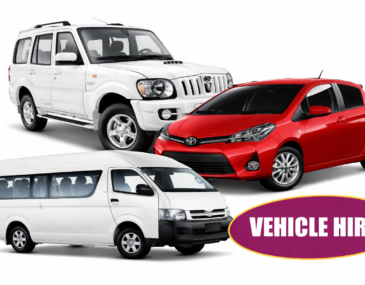
Vehicle Type
Van
Driver
Included
Group Size
1-6 people Pax
Max. Altitude
3710 Metres
Best Season
Round the year
Activity
Multi Day Tour
Meals
Not Included
Highlights of Kathmandu to Mustang Private jeep
- Private 4WD Comfort: Navigate the rugged Kali Gandaki corridor in a heavy-duty jeep, ensuring a safe and manageable pace for children and seniors.
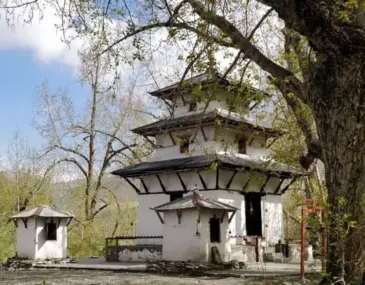
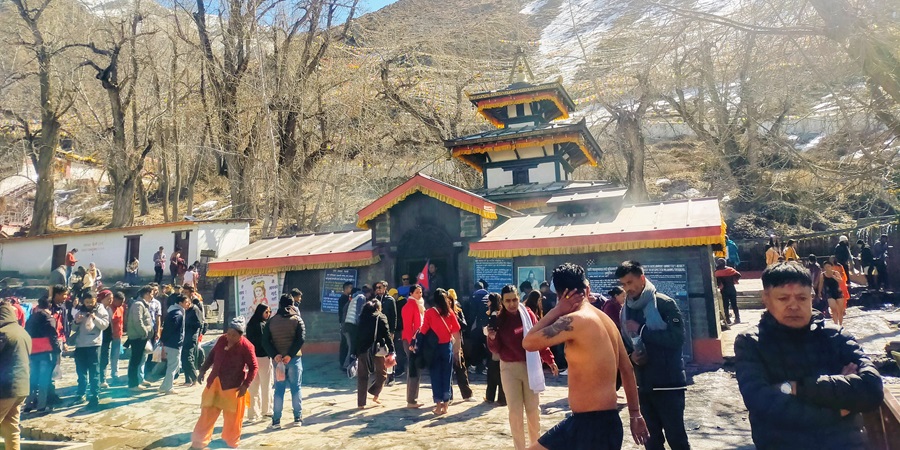
- Muktinath Temple (3,710m): Visit the sacred site of 108 water spouts, where your family can witness the unique harmony of Hindu and Buddhist traditions.
- The Marpha Experience: Stop in the “Apple Capital of Nepal” to taste fresh apple pie and walk through the clean, white-washed stone streets.
- Deepest Gorge in the World: Drive through the Kali Gandaki Gorge, sandwiched between the 8,000-meter peaks of Annapurna and Dhaulagiri.
- Gateway to the Forbidden Kingdom: Explore Kagbeni, the medieval-looking village that serves as the entrance to Upper Mustang.
- Lakeside Relaxation: Enjoy a sunset stroll or boat ride in Pokhara to break up the long journey.

Introduction of Kathmandu to Mustang Private jeep
The Kathmandu to Mustang private jeep Ride is one of the most adventurous and scenic road trips in Nepal. It takes you from the capital city to the trans-Himalayan desert of Mustang. The route links lush green hills with the dry, rough terrains near the Tibetan plateau, a dramatic change in scenery.
Mustang comprises Lower Mustang and Upper Mustang and is famous for its ancient monasteries, unique culture, and stunning mountain views. Due to rough terrain, high altitude, and remote location, a private jeep is the best and most comfortable option for travel.
The trip will take 4 days, depending on your itinerary, road conditions, and overnight stops. You will need a 4WD jeep, especially beyond Jomsom, as the road gets dusty, rocky, and off-road.
Travelers seeking an outward journey can book our private Muktinath-to-Kathmandu jeep service. You can also arrange car hire in Pokhara for sightseeing along the way. For trekking and tour options, visit our sister sites Trek Nepal Himalayas and Alpine Luxury Treks.

Itinerary of Kathmandu to Mustang Private jeep
Day 01 : Drive to Pokhara
We begin early in Kathmandu to avoid traffic and exit the valley smoothly. The road descends through winding S-turns into the Trishuli River corridor, offering beautiful views of hills, rivers, and roadside villages. Along the way, you’ll spot the famous Manakamana Cable Car gliding above the river.
We stop for breakfast at a clean local eatery—fresh samosas and hot milk tea are a must-try. As the journey continues, terraced fields and rural life create a constantly changing landscape. By afternoon, we arrive in Pokhara, where the iconic Machhapuchhre welcomes you.
Spend the evening walking along Lakeside or enjoying a short boat ride on Phewa Lake.
Local Tip: Skip generic highway stops—there’s a hidden spot near Malekhu known for fresh river fish, a local favorite.
Overnight: Hotel in Pokhara

Activity: 7-8 hours

Max. Altitude: 820m

Meal: Not included

Accommodation: Not Included
Day to Drive to Jomsom
After breakfast, the real adventure begins. Leaving Pokhara, the road gradually becomes rough after Beni, where the paved road ends. This is where your 4WD jeep proves essential.
The journey follows the Kali Gandaki River, passing through places like Tatopani (hot springs) and Ghasa. The landscape dramatically shifts—from green hills to dry, rugged cliffs as you enter the Mustang rain-shadow region.
Afternoon winds are common here, adding to the raw Himalayan experience. Upon arrival in Jomsom, the towering presence of Nilgiri Himal dominates the skyline.
Local Tip: Look for “Shaligrams” (ancient fossils) along the riverbanks—sacred and millions of years old.
Overnight: Lodge in Jomsom
Activity: 8-10 hours
Max. Altitude: 2710m
Meal: Not Included
Accommodation: Not Included
Day 3: Jomsom to Muktinath & Kagbeni
Today focuses on spiritual and cultural highlights. We drive to Muktinath Temple, one of Nepal’s most sacred pilgrimage sites. Pilgrims gather here to bathe under 108 water spouts, creating a powerful cultural experience.
After exploring, we descend to Kagbeni, a medieval-style village and gateway to Upper Mustang. Its narrow alleys, mud-brick houses, and ancient monasteries feel untouched by time.
On the return, we pass through Marpha, famous for apple orchards and local products.
Local Tip: Try Marpha apple products—dried apples and local brandy are well-known specialties.
Overnight: Lodge in Jomsom
Activity: 4-5 hours
Max. Altitude: 3710m
Meal: Not Included
Accommodation: Not Included
Day 4: Drive from Jomsom to Pokhara / Kathmandu
The return journey retraces the Kali Gandaki valley. While long, the perspective changes—mountains now follow you from behind, creating a different visual experience.
Frequent stops are made for rest, meals, and stretching. For those seeking a quicker option, a short flight from Jomsom to Pokhara is available, significantly reducing travel time before continuing to Kathmandu.
Travel Tip: If the full drive feels too long, adding an extra night in Pokhara makes the journey more relaxed and enjoyable.
Activity: 12-14 hours
Max. Altitude: 2720m
Meal: Not included
Accommodation: Not Included

Includes & Excludes
What is included?
- Private 4WD jeep with professional driver
- Fuel for the agreed route and itinerary
- Driver salary and allowance
- Road tolls and government taxes (as applicable)
- Hotel/Home pickup in Kathmandu
- Drop-off at final destination (Jomsom / Muktinath / Mustang region as per plan)
- Standard luggage space usage
- Basic roadside assistance support
What is not included?
- Meals and drinks for passengers
- Accommodation or hotel stays during the trip
- Entry permits (ACAP, TIMS, Upper Mustang permit if applicable)
- Personal travel insurance
- Airport transfers (if separate arrangement required)
- Monument, monastery, or temple entry fees
- Extra waiting time beyond the agreed itinerary
- Driver tips or gratuities (optional)
- Emergency rescue or evacuation costs

Trip Information
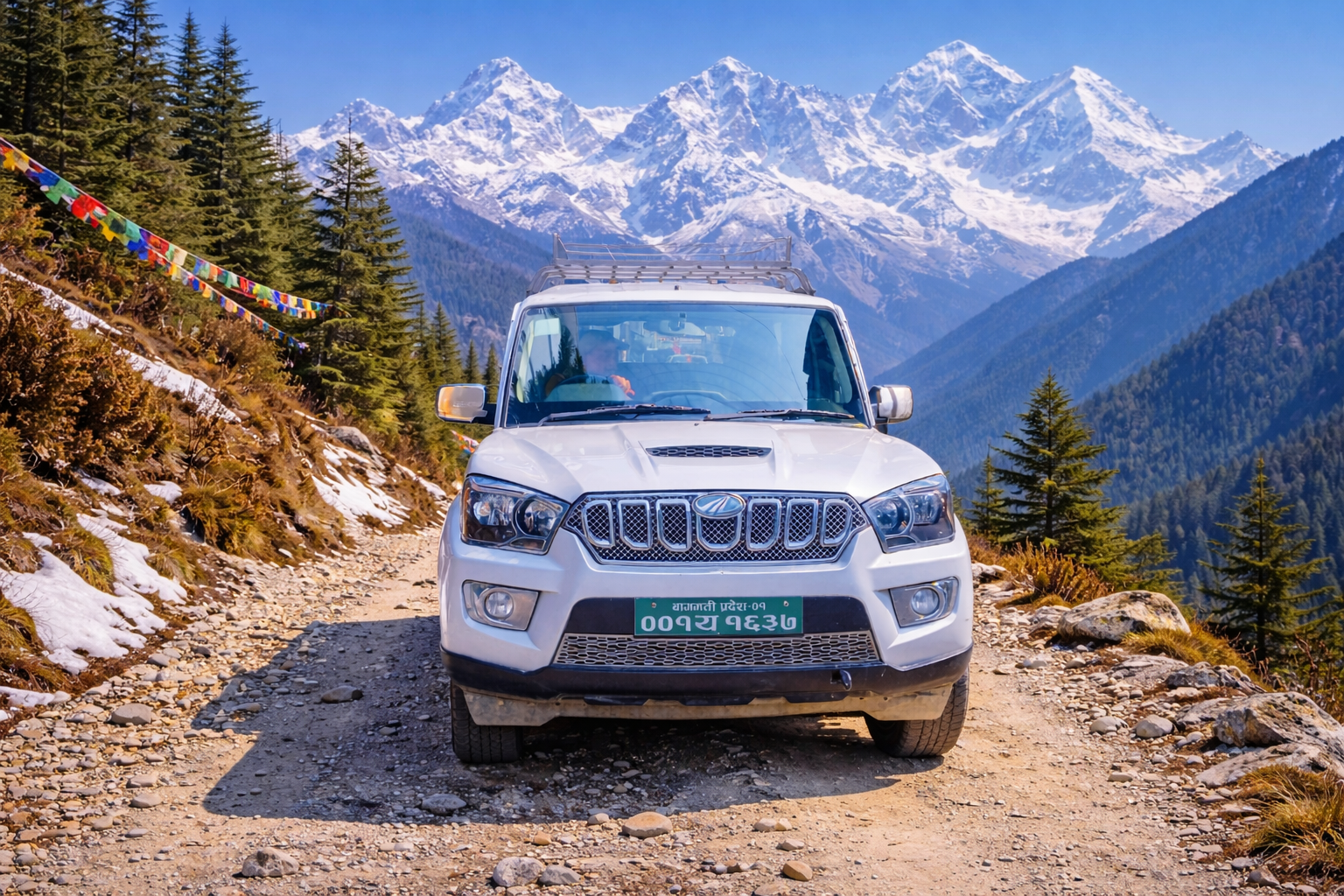
Best Time to Travel – Jeep Ride to Mustang from Kathmandu
Timing is important for a comfortable, pleasant Kathmandu-to-Mustang jeep journey, as it involves both highway and rough off-road sections in the Himalayas.
Spring (March-May) :
Spring is one of the best times to visit Mustang. “The weather is settled, temperatures moderate, and visibility excellent. The lower regions are lush and green, and Mustang’s dry landscapes are stark and dramatic. Roads are generally good, and jeep travel is comfortable.
Autumn (September-November):
Autumn is considered the most popular and reliable time for this trip. After the monsoon, the air clears up, and you can enjoy beautiful mountain views all the way from Kathmandu to Mustang. Road conditions are much better, and the weather is dry and stable, perfect for long rides in jeeps.
Monsoon (June–August):
Most of Nepal gets drenched in monsoon rains, but Mustang lies in a rain shadow and receives very little rainfall. This makes it one of the rare places in Nepal where travel is possible during the monsoon. However, the road from Kathmandu to Pokhara and Beni can be affected by rain, landslides, or delays.
Winter (December–February):
Winter travel is feasible but more challenging. In Mustang, the temperature can drop quite low, especially in places like Jomsom and Muktinath. Roads open, but cold weather and occasional snow may affect comfort. The good news is that there are fewer tourists, which makes for a more peaceful experience.
Road Condition Report: Kathmandu to Mustang (2026)
The trip to Mustang is a legendary journey from the lush subtropical valleys of central Nepal to the dry Tibetan-style plateaus of the north. Here’s what you will see on the ground, precisely:
1. Kathmandu to Pokhara (via Prithvi Highway)
Condition: Improved / 4-Lane Expansion.
Reality: The long-awaited expansion of the Muglin-Pokhara section is nearing completion. Much of the road (especially from Anbukhaireni to Jamune) is now a smooth, four-lane tarmac.
Traveler’s Note: Although it is much faster than in previous years, watch out for finishing work, such as lane marking and bridge construction, near Madi. Traffic is flowing well, but there may be occasional ‘finishing’ diversions.
2. Pokhara to Beni (Gateway)
Condition: Full Upgraded/Blacktopped.
The Reality: The Maldhunga–Beni stretch has been widened to 11 meters and blacktopped with asphalt as of early 2026. All the old bumpy gravel sections are gone.
Traveler’s Note: Once you hit the Maldhunga stretch, travel time from Pokhara to Beni has been reduced from hours to about 15-20 minutes. It’s a smooth ride that lets you save your energy for the rougher climb ahead.
3. The Adventure Part (Beni to Jomsom)
Condition: Mixed / Off Road & Fresh Asphalt
The Reality: This is where the “real” adventure begins. Some 33km of the Myagdi section (up to Kavrebhir) has been blacktopped recently, but large parts are still rugged.
The Challenge: Expect off-road, dusty, and rocky terrain through the Kali Gandaki gorge. This area is prone to landslides (especially near Rupse Falls and Guithebhir), and there is ongoing work to “rock anchor” and stabilize slopes so that you might encounter scheduled road closures or delays.
Vehicle: 4WD with high clearance is a must here.
4. Jomsom to Muktinath / Upper Mustang
Condition: High Altitude & Desert Gravel Road.
The Reality: The road from Jomsom to Muktinath is mostly gravel but in good condition. It is known for the strong Kali Gandaki winds that pick up every afternoon, creating “dust devils.”
The Terrain: Desert terrain. The “blacktopped” parts are few, but the wide gravel tracks are relatively easy for experienced 4WD drivers. This is the most scenic part of the drive, with sparse traffic and wide open views.
Safety Information
Safety is a must for the Kathmandu-to-Mustang private jeep service. The route covers extensive distances, varying road conditions, and increasing heights. Every segment of the trip is traversed with attention and care by professional drivers with extensive knowledge of the Himalayan terrain. All tours are conducted in well-equipped 4WD jeeps with high ground clearance, perfect for the difficult, off-road sections of the mountain. Vehicles are regularly checked and maintained to ensure their reliability on the journey. Drivers use controlled, defensive driving skills, especially on off-road and narrow mountain sections, to ensure a smooth, stable, and safe trip from beginning to end.
Why Jeep is Best for the Mustang Tour?
1. Built for tough, unpredictable terrain
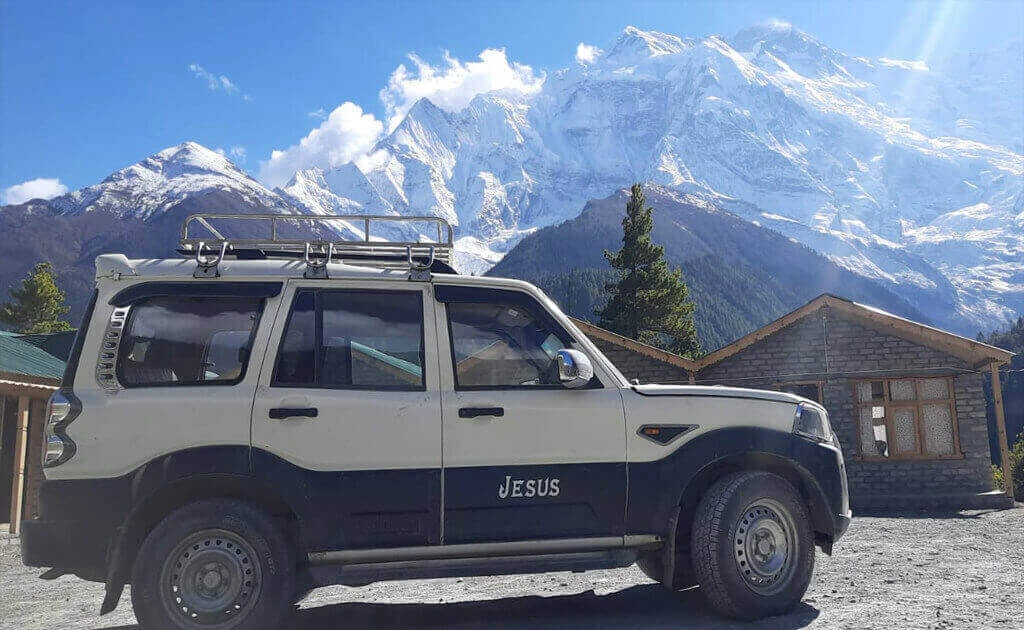
The famous Mustang route is rough, dusty, and the landscape changes quickly. A 4WD Jeep is the safest, most stable option for this journey: Standard automobiles and buses are just not up to the task, from the paved highways of Kathmandu to the rough paths beyond Beni, where conditions might change dramatically. Jeep is built to boldly tackle slippery gravel roads, uncertain riverbeds, narrow mountain paths, and even landslide-affected regions, ensuring your experience is safe and uninterrupted.
2. Need for High Ground Clearance
A vehicle that can overcome severe topographical problems is a must for covering the high Himalayas, and a Jeep’s better ground clearance becomes incredibly crucial here. The roads are quite basic, rugged, and very uneven if you drive farther up the Kali Gandaki Valley towards Upper Mustang. Jeeps have a high chassis that easily traverses deep ruts, sharp stones, and sudden bumps, protecting the undercarriage from damage and keeping occupants safe on very difficult surfaces.
3. Local Drivers that are Experts
Besides the vehicle’s rugged capability, the major advantage of Jeep excursions is that highly skilled native Himalayan drivers drive them. These seasoned experts have extensive experience in high-altitude mountain driving and can safely execute advanced braking maneuvers on extreme, unprotected hills. They use their local experience to spot abrupt changes in the weather, road problems, and urgent dangers. They can make important routing decisions to keep you safe in the unpredictable alpine environment.
4. Comfort for Long Distance Travel
A journey to the far-off Himalayas is an adventure in itself, but traveling in a robust Jeep is far more comfortable over long, arduous miles. Instead of the tight, rough, and often stressful conditions of public transit, travelers will enjoy a private travel experience with plenty of seating and heavy-duty suspension to cushion the impact of off-road paths. A Jeep offers ample space for your bags and trekking gear, making arduous mountain travel surprisingly comfortable for families, groups, and individual explorers.
5. Access to remote destinations only
At the end of the day, a Jeep is your ticket to private access to some of Mustang’s most remote, spectacular, and culturally significant sites. Many of the area’s renowned sites, such as the windswept town of Jomsom, the medieval fortress settlement of Kagbeni, and the sacred temples of Muktinath, are just unreachable to regular automobiles or buses. Opting for a rugged 4WD vehicle gives you the freedom to easily visit remote panoramic overlooks, old monasteries, and traditional towns that represent the true spirit of the Mustang adventure.
Frequently Asked Question (FAQ’s)
Yes, but navigating it strictly requires a rugged 4WD vehicle and a highly experienced local driver. The journey transitions rapidly from standard paved roads to unpredictable off-road mountain trails featuring rocky paths, river crossings, and sheer drops. A high-clearance Jeep driven by an expert who understands Himalayan terrain is the absolute safest and most reliable way to complete this demanding route.
Most travelers find that 4 days is the perfect duration for a comprehensive Jeep tour starting from Pokhara. A highly efficient itinerary often involves arriving in Kathmandu and taking a connecting flight to Pokhara on day one, allowing you to seamlessly transition into your off-road adventure the following morning. This timeframe provides ample opportunity to comfortably ascend the Kali Gandaki valley, acclimatize, and explore key landmarks without rushing.
Yes, permits are mandatory and strictly enforced. For Lower Mustang (up to Kagbeni), you will need an Annapurna Conservation Area Project (ACAP) permit and a TIMS card. To venture deeper into the restricted region of Upper Mustang, you must obtain a Restricted Area Permit (RAP) through a registered local agency. Thanks to a recent government update, the RAP fee structure has changed from a mandatory flat rate of $500 for 10 days to a much more flexible $50 per person, per day, making shorter Jeep excursions highly accessible.
The prime seasons for a Mustang Jeep tour are Spring (March to May) and Autumn (September to November), which offer clear mountain views, blooming landscapes, and the most stable road conditions. However, because Mustang lies securely in the rain shadow of the Himalayas, it remains wonderfully dry and accessible during the Summer/Monsoon months (June to August)—making it one of the few regions in Nepal perfectly suited for year-round travel.
The total cost to hire a private 4WD Jeep for a 4-day journey generally ranges from USD 600 (approximately 80000 NPR) for the entire vehicle. Because a standard Jeep comfortably seats up to 6 or 7 passengers, splitting the rental makes it a highly economical choice for group travel.
To maximize time and reduce transport costs, a highly efficient routing strategy is to arrive in Kathmandu on day one and immediately take a connecting flight to Pokhara. By starting the official off-road Jeep rental directly from Pokhara the next morning, you avoid paying for the long, unnecessary highway drive from the capital.
When arranging private off-road transport, the pricing should be transparent. To ensure a smooth journey, it is important to clarify exactly what your rental covers.
Inclusions:
- Vehicle rental for the entirety of the itinerary
- Driver’s daily wages, meals, and accommodation expenses
- All vehicle fuel and routine maintenance costs
- Applicable road tolls and local vehicle taxes
Exclusions:
- Personal travel permits (ACAP, TIMS, RAP)
- Client’s luxury accommodation and meals
- Tipping for the driver and any accompanying guides
- Entrance fees for local monasteries, museums, or cultural sites

Reviews on Kathmandu to Mustang Private jeep

Related Trips