Plan a Trip



Duration
4 Days
Distance
400-500 km
Driver
Included
Group Size
1-6 people Pax
Max. Altitude
3800 Metres
Best Season
Round the year
Activity
Multi Day Tour
Meals
Not Included
Accommodation
Food
Highlights of the Muktinath Yatra
- Sacred Pilgrimage Site: Visit Muktinath Temple, one of the most revered spiritual destinations for both Hindus and Buddhists, believed to grant liberation (moksha) and inner peace.
- Holy 108 Water Spouts: Experience ritual bathing under the 108 sacred water taps, where pilgrims believe sins are cleansed and spiritual renewal is achieved.
- Jwala Mai (Eternal Flame): Witness the natural eternal flame burning alongside flowing water, symbolizing the harmony of the five elements and the site’s spiritual power. Scenic Himalayan Journey T: Travel through the stunning Kali Gandaki Valley, the world’s deepest gorge, with panoramic views of Dhaulagiri, Nilgiri, and Annapurna mountain ranges.
- Comfortable Jeep Access
Enjoy a well-planned 4WD jeep journey, making the yatra accessible and comfortable for senior pilgrims and travelers with limited time. - Cultural & Religious Harmony
Discover a unique destination where Hindu and Buddhist traditions coexist, reflected in temples, monasteries, prayer flags, and local customs. - High-Altitude Spiritual Experience
Perform darshan at 3,710 meters, offering not only religious fulfillment but also a rare opportunity to experience the serene trans-Himalayan environment. - Professional Travel Support
Benefit from experienced drivers, knowledgeable guides, safe altitude planning, and carefully selected accommodations for a smooth pilgrimage. - Ideal Seasonal Travel
Best visited during spring (March–May) and autumn (September–November) for clear skies, stable weather, and safe road conditions. - Short Yet Meaningful Journey
A perfectly balanced itinerary that combines spirituality, nature, and cultural exploration within a limited timeframe.

Introduction of Muktinath Yatra
The Muktinath Yatra is one of Nepal’s most spiritually significant journeys, drawing Hindu and Buddhist devotees from across the world. Nestled in the Mustang region at an altitude of 3,710 meters, Muktinath Temple is revered as a moksha (liberation) site, where pilgrims cleanse their sins by bathing under the 108 sacred water spouts. This ancient temple also houses a continuously burning natural flame, adding to its mystical aura.
The journey to Muktinath is an adventure, offering travelers stunning views of the Annapurna and Dhaulagiri ranges, deep gorges, and traditional Himalayan villages. You can start from Kathmandu or Pokhara, with stops at key cultural sites like Jomsom, Kagbeni, and Marpha. Whether you travel by jeep or bus, each route offers a blend of spiritual fulfillment and scenic beauty.
Beyond the pilgrimage, you can extend the trip to explore Pokhara’s adventure activities, Upper Mustang’s ancient landscapes, or the serene Dumba Lake. With proper planning, this yatra becomes more than a religious journey—it’s a chance to experience Nepal’s rich culture, history, and breathtaking nature.
For travelers seeking premium experiences, visit our sister companies, Treknepalhimalayas and Alpine Luxury Treks, where you can explore luxury vacations and thoughtfully designed trekking itineraries across Nepal.

Itinerary of Muktinath Yatra
Kathmandu to Pokhara
The journey commences from Kathmandu at 7:00 AM. As you leave the valley, the road descends toward the Trishuli River, a major artery for Nepal’s transport and adventure tourism. This leg of the trip is characterized by lush green hills and vibrant roadside markets.
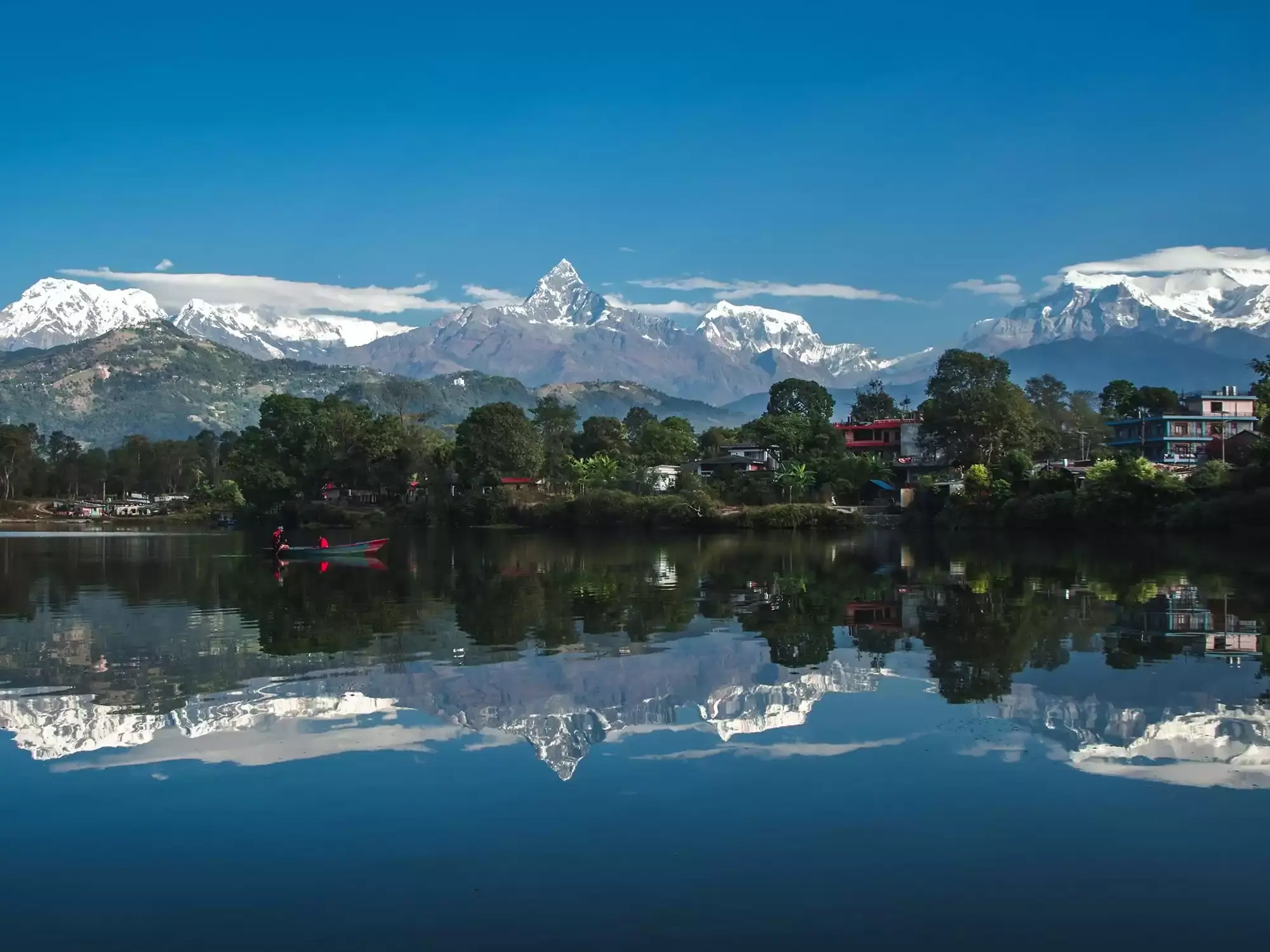
By midday, you will stop for a traditional lunch at a riverside resort before continuing along the Marshyangdi River. The drive offers a glimpse into the rural life of central Nepal. Upon reaching Pokhara in the late afternoon, the dramatic peaks of the Annapurna Range and Machhapuchhre (Fishtail) come into view. The evening is reserved for relaxation by Phewa Lake, allowing your body to prepare for the higher altitudes ahead.

Activity: 6-7 hours

Max. Altitude: 1400m

Meal: Not included

Accommodation: Not Included
Day 02: Drive from Pokhara to Jomsom
Distance: 160 km | Drive Time: 8–9 Hours | Altitude: 2,720 m
Following an early breakfast, the journey moves toward Beni, where the paved highway transitions into a rugged off-road track. You are now entering the Kali Gandaki Valley, home to the world’s deepest gorge. This section is a geological marvel, showcasing the raw power of the Himalayas.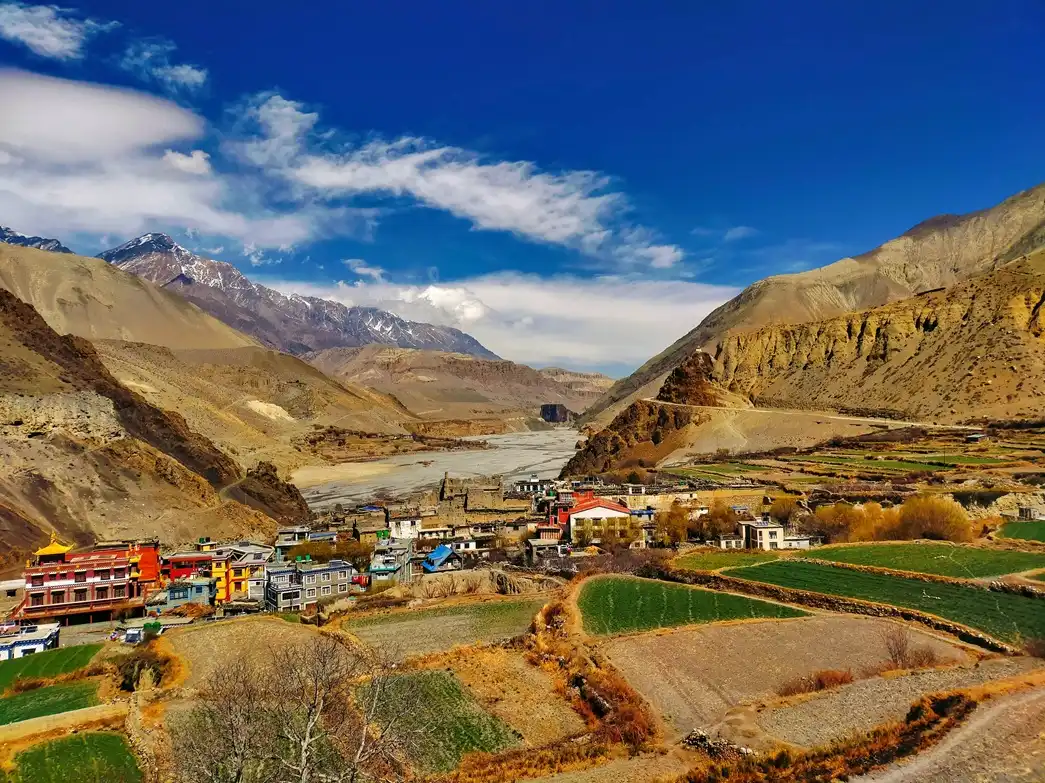
A brief stop at Tatopani allows you to see the natural hot springs before the ascent continues through the villages of Ghasa and Lete. As you cross into the “Rain Shadow” zone, the greenery fades into a high-altitude desert landscape. Before reaching Jomsom, you will pass through Marpha, a village famous for its narrow stone alleys and apple orchards. You will overnight in Jomsom to allow for essential acclimatization before reaching the temple.
Activity: 8-9 hours
Max. Altitude: 2720m
Meal: Not included
Accommodation: Not Included
Day 03: Jomsom to Muktinath Temple and Return
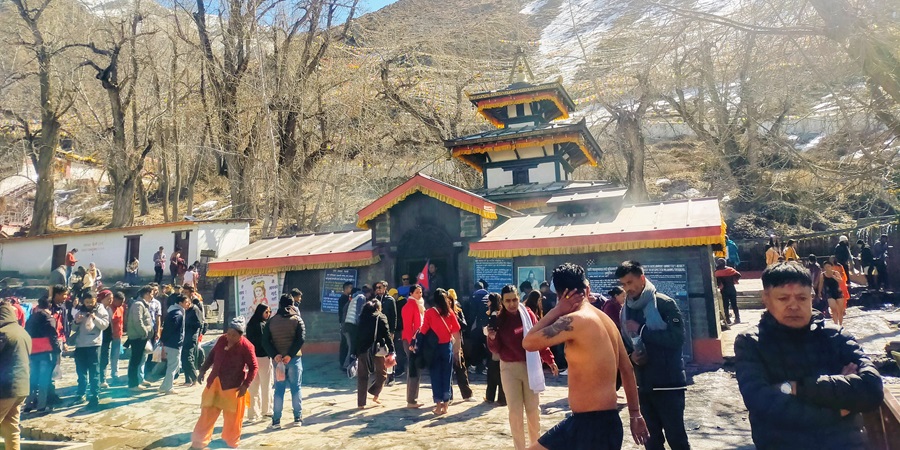
This is the spiritual highlight of the Yatra. You will depart Jomsom early to reach Muktinath (Chumig Gyatsa) before the famous afternoon winds of Mustang begin. The temple is a sacred site for both Hindus and Buddhists, symbolizing the liberation of the soul.
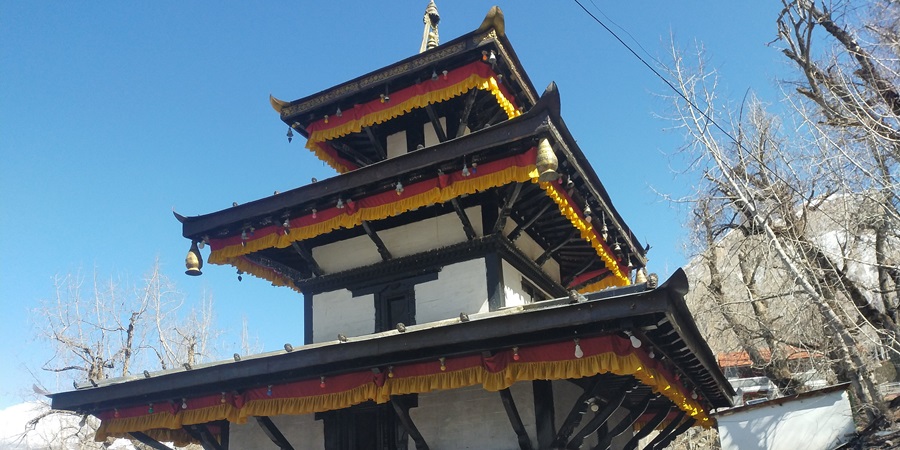
At the temple, pilgrims participate in the ritual cleansing by running under the 108 brass water spouts and dipping into the two holy ponds. After visiting the Jwala Mai (the eternal flame fueled by natural gas), you will enjoy a panoramic view of Mt. Dhaulagiri. On the return leg, a stop is made at Kagbeni, a medieval village that serves as the gateway to Upper Mustang. You will return to Jomsom for the final night in the mountains.
Activity: 3-4 hours
Max. Altitude: 3800m
Meal: Not Included
Accommodation: Not Included
Day 4 :Jomsom to Pokhara/Kathmandu – The Return Descent
The final day begins with a descent back through the Mustang valley. The return journey provides a different vantage point of the towering peaks and the winding Kali Gandaki River. You will stop for lunch in the lower foothills, enjoying the increasing oxygen levels as you descend.
The drive concludes in Pokhara by late afternoon. For travelers with tight schedules, an optional 15-minute flight from Jomsom to Pokhara (weather permitting) is available, significantly reducing travel time. The yatra concludes with a transfer to your hotel, marking the end of a profound spiritual and physical journey through the heart of the Himalayas
Activity: 8-9 hours
Max. Altitude: 1400m
Meal: Not Included
Accommodation: Not Included

Includes & Excludes
What is included?
- Private 4WD Jeep Transportation for the entire journey as per the itinerary
- Experienced Driver with fuel, road permits, and parking charges
- Hotel Accommodation on a twin/triple-sharing basis during the tour
- Daily Breakfast at hotels (as per package plan)
- Muktinath Darshan Assistance, including guidance for temple visit
- All Government Taxes and Service Charges
- First-Aid Kit and basic altitude support arrangements
- Trip Coordination & Support throughout the yatra
What is not included?
- Lunch and Dinner during the trip
- Personal Expenses such as laundry, phone calls, Wi-Fi, hot showers, and bottled drinks
- Travel Insurance (including high-altitude coverage)
- Porter or Personal Guide (available on request at extra cost)
- Temple Offerings, Pooja Materials, and DonationsEmergency Evacuation Costs (helicopter or medical rescue if required)
- Extra Accommodation or Transport due to weather delays, road conditions, or personal reasons
- Tips for drivers, guides, or hotel staff (optional but appreciated)

Trip Information
The Muktinath Yatra is one of Nepal’s most sacred and spiritually significant pilgrimage journeys, revered by Hindus and Buddhists alike. Situated at an altitude of 3,710 meters in the remote Mustang district, Muktinath is widely regarded as a place of moksha, or spiritual liberation. Beyond its religious significance, the yatra also offers a remarkable travel experience through some of the Himalayas’ most dramatic landscapes, combining faith, culture, nature, and adventure into a single, meaningful journey.
For Hindu devotees, Muktinath is one of the 108 Divya Desams, holy shrines dedicated to Lord Vishnu. Sincere prayer and ritual bathing at Muktinath are believed to cleanse past sins and guide the soul toward salvation. Pilgrims perform sacred rituals beneath the 108 water spouts, each shaped like a cow’s head, symbolizing purity, renewal, and devotion. Nearby, two sacred ponds further enhance the temple complex’s ritual significance.
Buddhists call it Muktinath Chumig Gyatsa, meaning “Hundred Waters.” The site holds deep importance in Tibetan Buddhism and is associated with Guru Rinpoche (Padmasambhava), who is believed to have meditated here. Monasteries, prayer flags, and chanting monks reflect the site’s Buddhist heritage, making Muktinath a rare spiritual destination where two major faiths coexist in harmony.
One of Muktinath’s most fascinating features is the Jwala Mai Temple, where a natural, eternal flame burns alongside flowing water. This rare phenomenon represents the unity of the natural elements and reinforces the belief that Muktinath is a powerful spiritual energy center.
Muktinath lies in the trans-Himalayan region of Mustang, an area known for its stark beauty, arid landscapes, and ancient Tibetan-influenced culture. The journey to Muktinath passes through the Kali Gandaki Valley, considered the world’s deepest gorge, flanked by the towering peaks of Dhaulagiri and Annapurna. As travelers ascend, lush green hills gradually give way to barren cliffs, wind-sculpted valleys, and wide-open skies.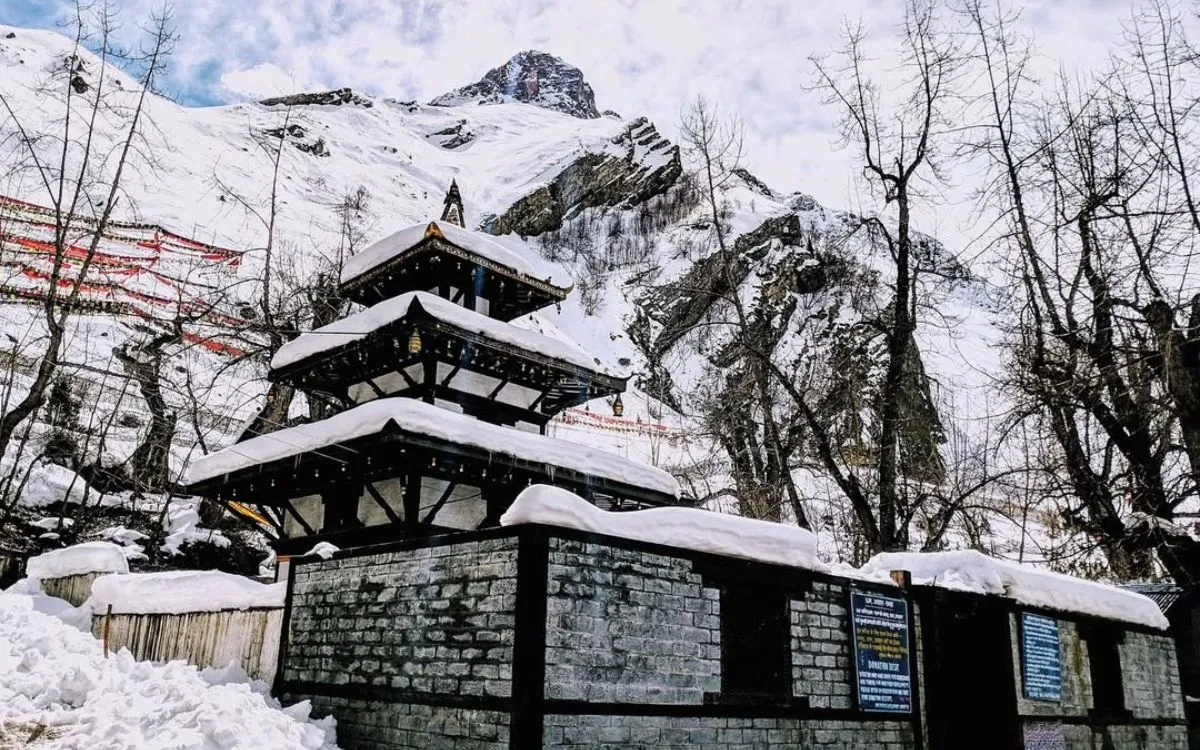
Local communities along the route preserve centuries-old traditions, stone-built villages, monasteries, and prayer wheels. The culture, language, and lifestyle reflect a blend of Nepali and Tibetan influences, offering pilgrims not only spiritual fulfillment but also a deep cultural experience.
Journey Experience
The Muktinath Yatra is both a pilgrimage and a journey of endurance and reflection. Traditionally, pilgrims traveled on foot for weeks, but modern infrastructure now allows access by jeep, by air, or by a combination of road travel and short treks. This has made the yatra more accessible to senior citizens, families, and time-limited travelers, without diminishing its spiritual essence.
A jeep-based Muktinath Yatra offers a comfortable, efficient way to reach the temple while still letting travelers experience the grandeur of the Himalayan terrain. The journey typically begins from Kathmandu or Pokhara, passing through river valleys, mountain highways, and high-altitude settlements before reaching Muktinath. Despite improved access, the region remains remote, preserving its peaceful and sacred atmosphere.
At 3,710 meters, Muktinath is considered a high-altitude destination. Proper acclimatization, hydration, and a gradual ascent are essential for a safe and comfortable yatra. Professionally organized tours carefully plan travel schedules, rest stops, and overnight stays to minimize altitude-related discomfort. Experienced drivers, guides, and support teams play a vital role in ensuring pilgrims’ well-being throughout the journey.
Best Time to Visit Nepal for Muktinath Yatra
You can undertake the Muktinath Yatra throughout much of the year, but choosing the right season is essential for a safe, comfortable, and spiritually fulfilling journey. Due to its high-altitude location in the Mustang region at 3,710 meters, weather and road conditions play a major role in travel planning.
Spring Season (March to May) – Highly Recommended
Spring is one of the best times to visit Nepal for the Muktinath Yatra. During this season, temperatures are moderate, skies are generally clear, and road conditions are stable. The surrounding landscapes come alive with blooming rhododendrons in lower regions, while the upper Mustang area offers crisp mountain views.
This period is ideal for pilgrims seeking comfortable travel conditions, clear visibility, and smooth jeep access. Spring is also suitable for senior citizens and first-time Himalayan travelers.
Why choose Spring?
- Pleasant daytime temperatures
- Clear views of Annapurna and Dhaulagiri
- Stable road and weather conditions
- High pilgrimage season with good facilities
Autumn Season (September to November) – Best Overall Season
Autumn is widely considered the best overall season for the Muktinath Yatra. After the monsoon clears, the air becomes fresh and clear, offering the year’s best mountain views. The weather is dry, mild, and ideal for high-altitude travel.
Major Nepali festivals such as Dashain and Tihar often fall during this season, adding cultural richness to the journey. Roads are generally in good condition, and flights and jeep services operate smoothly.
Why choose Autumn?
- Excellent visibility and clear skies
- Comfortable temperatures
- Minimal rainfall
- Ideal for photography and spiritual travel
Summer / Monsoon Season (June to August) – Possible with Caution
The monsoon season brings frequent rainfall to much of Nepal, increasing the risk of landslides and road delays, especially on mountain routes. However, Muktinath lies in a rain shadow, so rainfall is lower than in other regions.
While the yatra is still possible during this time, travelers should expect potential delays and choose experienced operators. This season is recommended only for flexible travelers who are prepared for changing conditions.
Considerations during Monsoon:
- Possible road disruptions
- Limited visibility at times
- Fewer crowds
- Greener landscapes in lower regions
Winter Season (December to February) – Not Recommended for Most Travelers
Winter brings heavy snowfall and freezing temperatures to the Mustang region. Road access to Muktinath may be blocked, and extreme cold can make travel uncomfortable, especially for elderly pilgrims.
While some adventurous travelers attempt winter visits, this season is generally not recommended for regular pilgrims.
Winter challenges include:
- Snow-covered roads and closures
- Very cold temperatures
- Limited accommodation availability
- Higher travel risks
Who the Muktinath Yatra Is For
The Muktinath Yatra is designed for a wide range of travelers who seek spiritual fulfillment, cultural understanding, and a meaningful Himalayan journey. With improved road access and professionally organized travel services, the yatra is now accessible to pilgrims of different ages, interests, and physical abilities.
Spiritual and Religious Devotees
The yatra is ideal for Hindu and Buddhist devotees seeking blessings, purification, and spiritual liberation. Pilgrims who wish to perform sacred rituals, holy bathing under the 108 water spouts, and darshan at one of the most revered temples in the Himalayas will find deep religious significance in this journey.
Senior Citizens and Elderly Pilgrims
With comfortable jeep travel, short walking distances, and proper accommodation, the Muktinath Yatra suits senior citizens who prefer a well-managed, less physically demanding pilgrimage. Professionally planned itineraries ensure gradual altitude gain, rest stops, and essential support throughout the journey.
Families and Group Travelers
Families traveling together for religious or cultural purposes can comfortably undertake the Muktinath Yatra. The journey offers a balanced experience of spirituality, nature, and learning, making it meaningful for multiple generations traveling together.
Time-Conscious Travelers
The yatra suits travelers with limited time, as it can be completed in a few days via jeep or flight-based itineraries. This makes it an excellent option for working professionals and international visitors seeking a profound pilgrimage within a short schedule.
Cultural and Heritage Travelers
Beyond its religious importance, Muktinath attracts travelers interested in Himalayan culture, Tibetan-influenced traditions, monasteries, and remote mountain lifestyles. The journey through Mustang offers a rare glimpse into ancient settlements and trans-Himalayan heritage.
Nature and Mountain Enthusiasts
Travelers who appreciate dramatic landscapes, deep valleys, and panoramic mountain views will find the Muktinath Yatra deeply rewarding. The route through the Kali Gandaki Valley and the views of Annapurna and Dhaulagiri enhance the overall experience.
First-Time Himalayan Travelers
With proper guidance and professional support, the Muktinath Yatra is also suitable for first-time Himalayan travelers. Organized tours provide safety, comfort, and reassurance while introducing travelers to high-altitude environments.
Muktinath Yatra: Entrance Fees, Permits, and Key Attractions
The Muktinath Yatra is not only a spiritual journey but also a trek through a region with designated permits and entry regulations. Travelers should know the official fees and permits required to ensure smooth passage and compliance with Nepalese regulations.
1. Key Permits Required
a) Annapurna Conservation Area Permit (ACAP)
- All travelers visiting the Mustang region, including Muktinath, must obtain an Annapurna Conservation Area Permit (ACAP).
- Cost: Approximately US$30 per person for foreign nationals.
- This permit helps conserve the fragile Himalayan ecosystem and is checked at key entry points such as Beni, Jomsom, and Kagbeni.
b) Trekking Permit for Mustang / Restricted Area Permit
- Upper Mustang is a restricted region, and special permits are required for entry.
- Cost: Approximately US$50–100 per person (varies based on nationality and trekking route).
- Registered trekking agencies in Pokhara or Kathmandu usually arrange this permit.
c) Local Temple Entry Fees (Muktinath Temple)
- Muktinath Temple itself does not have a mandatory entrance fee for worshippers.
- Pilgrims may offer voluntary donations at the temple or to local priests, which support temple upkeep.
2. Pokhara as a Base for Permits
Many travelers prefer Pokhara as a starting point for the Muktinath Yatra because:
- Trekking agencies in Pokhara assist with all required permits and paperwork.
- Travelers can conveniently obtain ACAP and restricted-area permits before heading to Jomsom or Muktinath.
- This reduces delays and ensures legal compliance for jeep, flight, or trekking routes.
3. Key Attractions and Optional Fees
While most attractions on the Muktinath route do not charge entry fees, some optional sites may request small contributions for maintenance:
- Muktinath Temple – Free, voluntary donations accepted
- Jwala Mai (Eternal Flame) – Part of the Muktinath Temple complex, no separate fee
- Buddhist Monasteries near Muktinath – Voluntary offerings encouraged
- Tatopani Hot Springs (optional stop) – Small fee (~NPR 200–500) for public bathing
- Local Museums in Jomsom / Kagbeni – Optional, minor entrance fees
Muktinath Yatra by Different Vehicle Types
1. Car for Muktinath Yatra from Kathmandu ( Up to 1-3 people )
A car for the Muktinath Yatra from Kathmandu is a suitable option, especially for small families, couples, or private travelers who want flexibility and personal comfort during the journey. The drive begins smoothly on the Kathmandu–Pokhara highway, offering well-paved roads, scenic river valleys, and gradual transitions into hilly terrain. Up to Pokhara and Beni, the journey remains comfortable and relatively easy. However, beyond Beni towards Jomsom and Muktinath, the road conditions change drastically to narrow, dusty, and uneven off-road tracks.

In this section, small cars or sedans may struggle with ground clearance and stability, especially during monsoon or winter seasons when landslides and slippery roads are common. Therefore, these cars are best suited only for the dry season and for travelers experienced in mountain driving or who prefer a budget private option for partial route comfort.
2. Scorpio / 4WD Jeep for Muktinath Yatra ( Up to 1-6 people )
A Scorpio or a 4WD jeep for the Muktinath Yatra is widely regarded as the best and most reliable mode of transportation for this pilgrimage. Designed for rugged Himalayan terrain, it performs well on steep uphill climbs, rocky paths, river crossings, and winding mountain roads throughout the Mustang region. The Scorpio offers a robust suspension and higher ground clearance, ensuring safety and comfort even on difficult roads. It comfortably accommodates 5–6 passengers, making it ideal for families, elderly pilgrims, or small groups seeking a balance of comfort, safety, and affordability.

Whether in peak tourist season or off-season, the 4WD jeep remains the most dependable vehicle for the full Kathmandu–Muktinath–Kathmandu route without requiring a vehicle change midway.
3. Hiace Van for Muktinath Yatra (Up to 7-13 people )
A Hiace van for the Muktinath Yatra is commonly chosen for medium-sized groups and organized pilgrimage tours that prioritize seating capacity and cost-sharing. It offers a spacious interior, making long-distance highway travel relatively comfortable, especially on the Kathmandu-to-Pokhara and Pokhara-to-Beni segments. However, as the route progresses towards Jomsom and Muktinath, the road becomes increasingly rough, with gravel paths, sharp bends, and uneven surfaces that can reduce comfort levels inside the van.
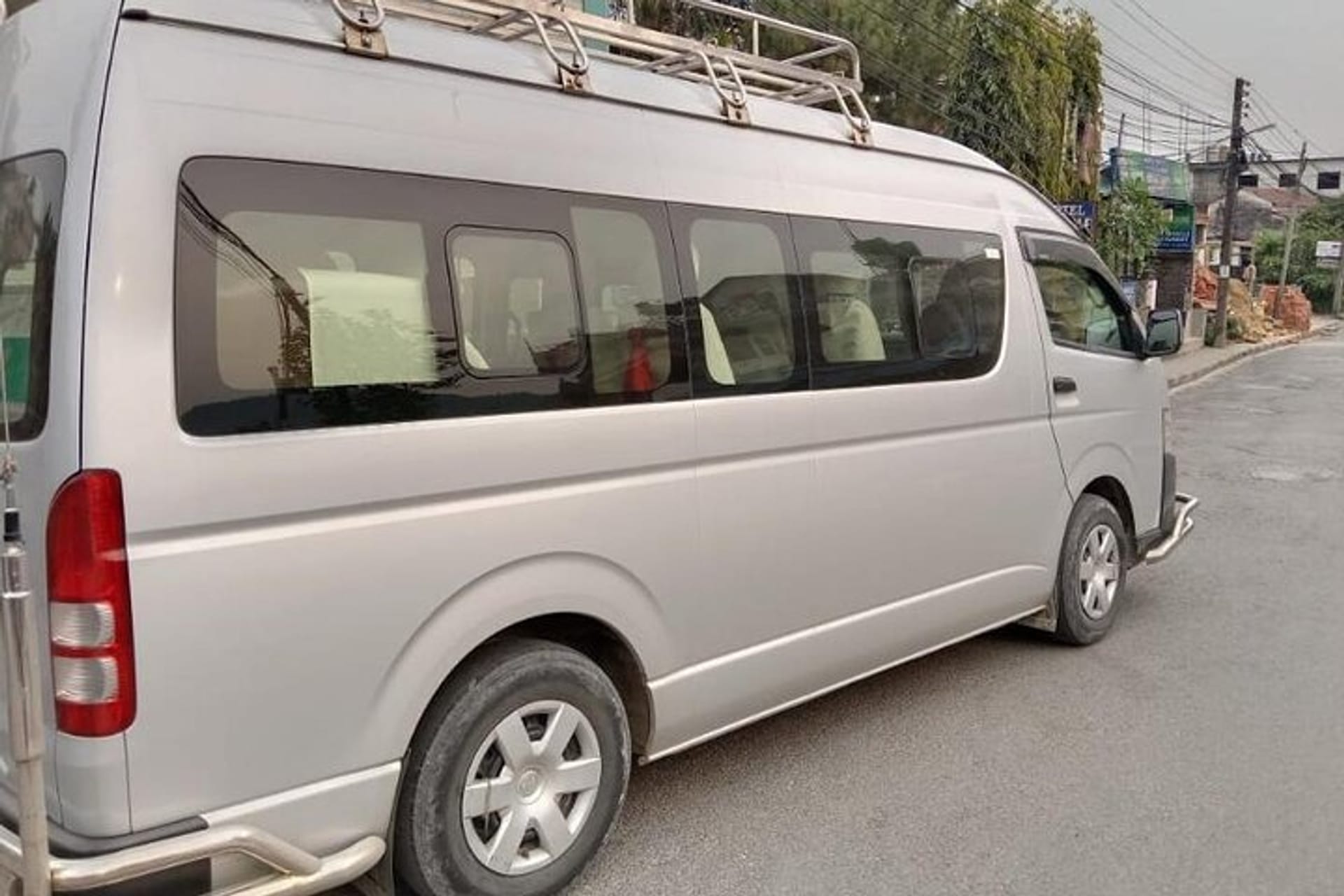
Passengers may experience greater vibration and slower movement than in 4WD jeeps. Despite this limitation, the Hiace remains a practical and economical option for groups of 7-13 people who want to travel together in a single vehicle and manage the budget efficiently.
4. Tourist Bus for Muktinath Yatra ( Up to 14-30 people )
A tourist bus or coaster for the Muktinath Yatra is mainly used for large-group pilgrimages, school or community tours, and organized religious packages. These vehicles offer the lowest per-person cost and suit long highway stretches, particularly between Kathmandu and Pokhara. The seating capacity accommodates large groups of 20–35 passengers, making coordination easier for tour operators. However, once the journey enters the mountainous terrain beyond Beni and Jomsom, bus movement becomes restricted due to narrow roads, steep gradients, landslide-prone areas, and sharp bends.
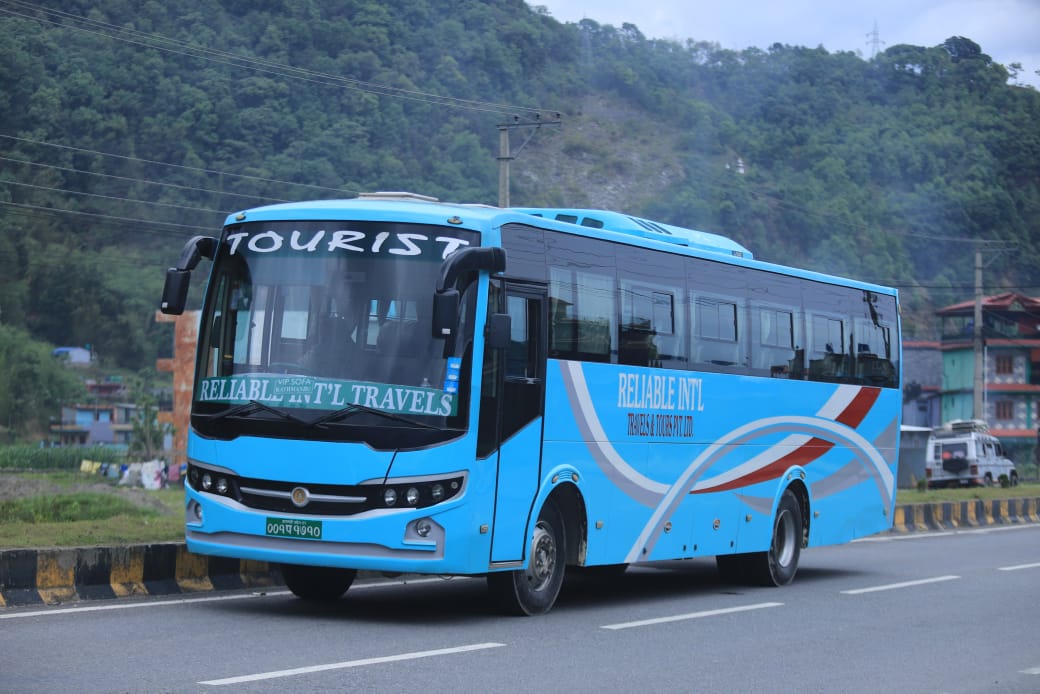
In many cases, buses may need to stop at lower Mustang points, requiring passengers to switch to smaller 4WD vehicles for the final stretch. Therefore, while buses are economical and efficient for group travel, they are less flexible and less suitable for full-route access compared to smaller vehicles like jeeps.
Cost/ Price
1. Car (Sedan / Small SUV) = USD 480
2. Scorpio / 4WD Jeep = USD 580
3. Hiace / Van=USD 700
5. Tourist Bus / Coaster = USD 1150
Why Choose Muktinath Yatra
The Muktinath Yatra is more than just a journey; it is a unique combination of spiritual fulfillment, cultural immersion, and breathtaking Himalayan adventure. Pilgrims and travelers choose this yatra for several compelling reasons:
1. Spiritual Significance
Muktinath is one of the 108 Divya Desams in Hinduism and a sacred site in Tibetan Buddhism, known as Chumig Gyatsa. Visiting the temple, performing rituals under the 108 holy water spouts, and offering prayers at the Jwala Mai (eternal flame) provide deep spiritual cleansing and the promise of moksha (liberation).
2. Scenic Himalayan Landscapes
The route to Muktinath passes through the Kali Gandaki Valley, one of the world’s deepest gorges, flanked by the towering peaks of Dhaulagiri and Annapurna. Travelers enjoy stunning views of snow-capped mountains, rugged cliffs, and serene river valleys, making the journey visually unforgettable.
3. Cultural and Heritage Experience
The yatra takes you through ancient villages, monasteries, and stone settlements influenced by Tibetan and Nepali traditions. Interacting with local communities offers insights into centuries-old customs, prayer rituals, and Himalayan lifestyles, making it an enriching cultural experience.
4. Accessibility and Convenience
With modern jeep tours, domestic flights, and short treks, the Muktinath Yatra is accessible to travelers of all ages. Seniors, families, and first-time visitors to the Himalayas can enjoy a comfortable journey without compromising the spiritual and scenic essence.
5. Unique Pilgrimage Experience
Muktinath is one of the rare destinations where Hindu and Buddhist traditions coexist harmoniously. Pilgrims can witness sacred rituals, ancient prayer wheels, and the natural eternal flame—all in a single high-altitude pilgrimage.
6. Adventure and Exploration
For adventure enthusiasts, the journey offers high-altitude jeep rides, scenic valleys, and optional treks. Even on a jeep yatra, rugged roads, mountain vistas, and isolated Himalayan villages create a thrilling sense of exploration.
7. Well-Organized Tours
Choosing a professionally organized Muktinath Yatra ensures safe travel, permit handling, comfortable accommodations, and guided support, allowing pilgrims to focus entirely on the spiritual and scenic experience.
Frequently Asked Question (FAQ’s)
The Muktinath Yatra is a sacred pilgrimage to Muktinath Temple, located at an altitude of 3,710 meters in the Mustang region of Nepal. It is revered by both Hindus and Buddhists, and is believed to grant spiritual purification, blessings, and liberation (moksha).
- By Jeep: Comfortable 4WD jeep tours are available from Pokhara via Beni and Tatopani, with stops in Jomsom and Muktinath.
- By Flight: Daily flights from Pokhara to Jomsom significantly reduce travel time. From Jomsom, Muktinath is accessible by jeep or a short trek.
- By Trekking: For those who prefer trekking, the route from Marpha or Kagbeni to Muktinath offers scenic Himalayan landscapes.
The best seasons for the Muktinath Yatra are:
- Spring (March–May): Moderate temperatures, blooming landscapes, and clear skies.
- Autumn (September–November): Crisp, dry weather, and stunning mountain views.
Winter is very cold, and the monsoon season may cause road disruptions.
- Annapurna Conservation Area Permit (ACAP): ~$30 for foreign nationals.
- Mustang Restricted Area Permit: ~$50–100 per person (depends on nationality and route).
- Muktinath Temple Entry: Free, though voluntary donations are appreciated.
All permits can be arranged through licensed tour operators in Pokhara or Kathmandu.
- Jomsom: Comfortable hotels and guesthouses are available and commonly used as a base.
- Muktinath Temple Area: Limited basic lodges are available for short stays. Most pilgrims stay in Jomsom and travel to Muktinath for the day.
Yes. With jeep access and professionally planned itineraries, the yatra is suitable for:
- Senior citizens seeking a comfortable pilgrimage.
- Families traveling together.
- Pilgrims with limited time who prefer minimal trekking.
- Warm clothing and layered outfits for high-altitude weather.
- Comfortable walking shoes for the temple complex.
- Personal medications and a small first-aid kit.
- Cash in Nepali Rupees for donations, temple offerings, and small purchases.
Saligrams, sacred black stones representing Lord Vishnu, can be purchased near Muktinath Temple or in Jomsom Bazaar. Choose ethically sourced stones, and consider making a small donation at the temple as a mark of respect.
- By Jeep: A 4–5-day round-trip from Pokhara or Kathmandu is standard.
- By Trekking: 6–10 days, depending on the route and pace.
Yes. Hiring a licensed local guide or travel operator ensures:
- Proper handling of permits and entry fees.
- Safe travel and altitude management.
- Knowledge of cultural and religious practices at Muktinath and surrounding villages.

Reviews on Muktinath Yatra

Related Trips