Plan a Trip


Duration
1 Day
Travel Time
12-14 hours
Distance
260-300 km
Vehicle Type
Van
Group Size
1-6 people Pax
Max. Altitude
3300 Metres
Best Season
Round the year
Activity
Day Tour
Meals
Not Included
Highlights of Kathmandu to Upper Pisang Private Jeep
Direct Access to Upper Pisang: Reach Upper Pisang directly from Kathmandu without long days of trekking from lower regions.
Time-Saving Transfer for Trekkers: The Kathmandu-to-Upper Pisang private jeep lets you skip several days of trekking and start your journey at a higher altitude.
Scenic Himalayan Drive: Enjoy breathtaking views of rivers, waterfalls, forests, and snow-capped peaks along the Annapurna region.
Adventure Off-Road Experience: Enjoy an exciting drive on rugged mountain roads beyond Besisahar, through real Himalayan terrain.
4WD Jeep with Experienced Driver: Travel safely in a sturdy 4WD vehicle, driven by skilled mountain drivers familiar with the route.
Flexible & Private Travel: The Kathmandu-to-Upper Pisang jeep transfer offers flexible departure times, rest stops, and full privacy.
Comfortable Long-Distance Journey: Despite the long route, the private jeep offers better comfort than local transport.

Introduction of Kathmandu to Upper Pisang Private Jeep
The Kathmandu to Upper Pisang private jeep transfer is one of the most practical, efficient, and time-saving ways to reach the higher sections of the Annapurna Circuit. It’s a long, adventurous trip connecting Kathmandu with Upper Pisang, a beautiful Himalayan village famous for stunning views of Annapurna II, alpine scenery, and preserved Tibetan-influenced culture.
The Kathmandu-to-Upper Pisang private jeep transfer is a popular choice for trekkers and mountain travelers. You can skip a few days of trekking at a lower altitude. You can actually drive to Upper Pisang instead of walking from Besisahar or Chame, saving time and energy but still having the essential Himalayan experience.
The trip begins with a relatively easy ride along the highway from Kathmandu to Besisahar, passing rivers, hills, and rural settlements. Beyond Besisahar, the road from Kathmandu to Upper Pisang is more rugged and adventurous. The road becomes a narrow off-road mountain track that follows the Marsyangdi River valley through places such as Dharapani and Chame. This section requires a reliable 4WD private jeep from Kathmandu to Upper Pisang, with an experienced mountain driver to handle steep ascents, rocky tracks, and occasional landslip sections.
The terrain is difficult, but the trip is very rewarding. Travelers will witness a stunning transformation in the landscape, from green hills and forests to dry, high-altitude terrain ringed by snow-capped peaks. The private jeep service from Kathmandu to Upper Pisang offers flexibility for meals, rest stops, and photographs along the way.
This private jeep transfer from Kathmandu to Upper Pisang is perfect for trekkers, photographers, and adventure seekers who want a direct, comfortable, and reliable entry into the Annapurna region. The transfer usually takes 12 to 14 hours and can be split over two days.
Visit our sister company, Trek Nepal Himalayas & Alpine Luxury Treks, for luxury vacation packages and trekking journeys. There, you may choose from a variety of carefully planned itineraries.

Itinerary of Kathmandu to Upper Pisang Private Jeep
Day 01: Drive form Kathmandu to Upper Pisang
06:00 AM: Early morning pickup from your hotel and Departure from Kathmandu. Essential to beat the heavy traffic at Kalanki/Nagdhunga.
09:30 AM: Reach Dumre for a quick breakfast/tea. The road from Kathmandu to Muglin is mostly improved, but watch for final lane-marking crews.
11:00 AM: Arrive in Besisahar. This is your last “city” stop.
12:30 PM: Lunch at Syange or Jagat. You are now strictly on off-road terrain.
03:30 PM: Pass through Dharapani. This is the major entry checkpoint where you must log your permits (ACAP).
05:30 PM: Arrive in Chame. Most travelers stop here, but since your goal is Upper Pisang, you have another 90 minutes of driving.
07:00 PM – 07:30 PM: Arrive in Upper Pisang. Expect to arrive after dark.

Activity: 12-14 hrs

Max. Altitude: 3300m

Meal: Not Included

Accommodation: Not Included

Includes & Excludes
What is included?
- Private 4WD jeep with driver
- Fuel and road taxes
- Hotel pickup in Kathmandu
- Drop-off at Upper Pisang
- Driver allowance
- Mineral water bottle
What is not included?
- Meals and drinks
- Accommodation (if overnight required)
- Personal expenses
- Travel insurance
- Driver tips

Trip Information
Upper Pissang
Getting from Kathmandu to Upper Pisang is not just a matter of getting from one place to another, but a passage into the very heart of the high Himalayas. Travelers who choose a private jeep transfer through Nepal Vehicle Hiring view arriving in Upper Pisang as a strategic and cultural choice that sets the tone for the quality of their entire Himalayan experience. Let’s delve deeper into why Upper Pisang is the ultimate destination for this journey.3,300 Meters: Strategic Importance. Altitude strategy is the most practical reason to drive to Upper Pisang. Kathmandu is at about 1400m, and Upper Pisang at 3300m. “buy” themselves time and energy by using a private 4WD vehicle to reach this particular village.
The lower half of the trek, while beautiful, now shares a dusty road. Trekking directly to Upper Pisang means skipping 3–4 days of walking along unpaved roads and starting the walk in the “High Alpine Zone,” where the air is thin, the views are unobstructed, and the landscape is pristine—the secret to acclimatization. A single day jump of 3,300m is a big jump, but Upper Pisang is the perfect ‘staging ground’. An overnight here allows the body to start producing more red blood cells before the even higher ascent to Manang (3,540m) and the Thorong La Pass (5,416m). It is the point where the body begins its Himalayan adaptation in earnest.
Get a Front-Row Seat for Annapurna III. Ask any photographer or seasoned guide why they prefer Upper Pisang to Lower Pisang, and they will tell you it’s the view. Perched on a steep hillside to the north of the Marsyangdi River, Upper Pisang faces directly across the valley to the massive north face of Annapurna II (7,937m). The Morning Spectacle: As the sun rises, Annapurna II’s summit is bathed in the first golden light, so near you that you can almost touch the glaciers.The Panorama: From here, you are not looking at a mountain, but a wall of giants, amongst them Annapurna III, IV, and the shark-fin shaped Pisang Peak.
Protecting Tibetan-Manangi Culture. Lower Pisang is now a modern transit hub with newer buildings and more noise. Upper Pisang, however, is a living museum. The village is peppered with traditional “flat-roofed” stone houses, an architectural style born from the rain-shadow climate of the Manang district. Walking through the narrow winding lanes of the upper village is like walking back centuries. You will find: Ancient Mani Walls: Long rows of stones carved with Tibetan mantras. Traditional Life: locals drying barley on rooftops, herding yaks through stone corridors. Authentic Hospitality: The teahouses here are often built into older buildings, which allow for a closer connection to the Manangi way of life—Pisang Gompa, the Spiritual Hub.
The Upper Pisang Monastery (Gompa) is located at the top of the village. It is more than a landmark; it is the spiritual anchor of the region. The monastery has recently been renovated and features colorful, intricate murals and a huge, gold-plated Buddha statue. Visiting the Gompa at dusk when the monks are chanting and the butter lamps are lit creates a sense of peace that most travelers seek when coming to Nepal. The best 360-degree view of the entire valley is from the monastery’s courtyard, which is a perfect place for meditation or reflection after a long jeep ride from the chaos of Kathmandu.
The Door to the “High Route,” Upper Pisang, is the required starting point for the High Route via Ghyaru and Ngawal for those intending to trek farther to Manang. Most trekkers who stay in Lower Pisang take the “Low Route,” which is easier but follows the valley floor. However, for those starting in Upper Pisang, the High Route is the obvious, and arguably most beautiful, day of trekking in all of Nepal. The trail remains high on the mountain ridges. It gives you constant eye-level views of the Annapurna range, which are completely hidden from the lower valley.
The Geological Wonder: Paungda Danda. Paungda Danda, the “Great Wall of Pisang,” is encountered on the way to Upper Pisang. It’s a great sweeping curve of rock, 1,500 meters straight up from the river. Legend has it that the spirits of the dead must scale this smooth rock face to reach heaven. It is a humbling experience to see this geological anomaly from the window of a private jeep. It’s the sign that you’ve left the “hills” of Nepal and that you’ve officially arrived in the “Mountains of the Gods.
Psychological Transition and Serenity. Finally, we go to Upper Pisang for the silence. Kathmandu is a city of 5 million, of dust and horns. The 12-hour trip in a 4WD vehicle is a physical release from urban stress. When the jeep engine finally stops in the crisp air of Upper Pisang, there is total silence except for the sound of wind in the pine trees and the distant tinkling of yak bells. It’s when travelers know they’ve really ‘arrived’ in the Himalayas.
Trip Glance – Kathmandu to Upper Pisang Private Jeep
- Private jeep one-way price/cost = USD 320 (NPR 48,000) One way cost
- Service Type: Private 4WD Jeep Transfer
- Route: Kathmandu → Galchhi → dhumre → Besisahar→ Dharapani → Chame → Lower Pisang → Upper Pisang
- Distance: 260–300 km
- Travel Time: 12–14 hours (may vary with road and weather conditions)
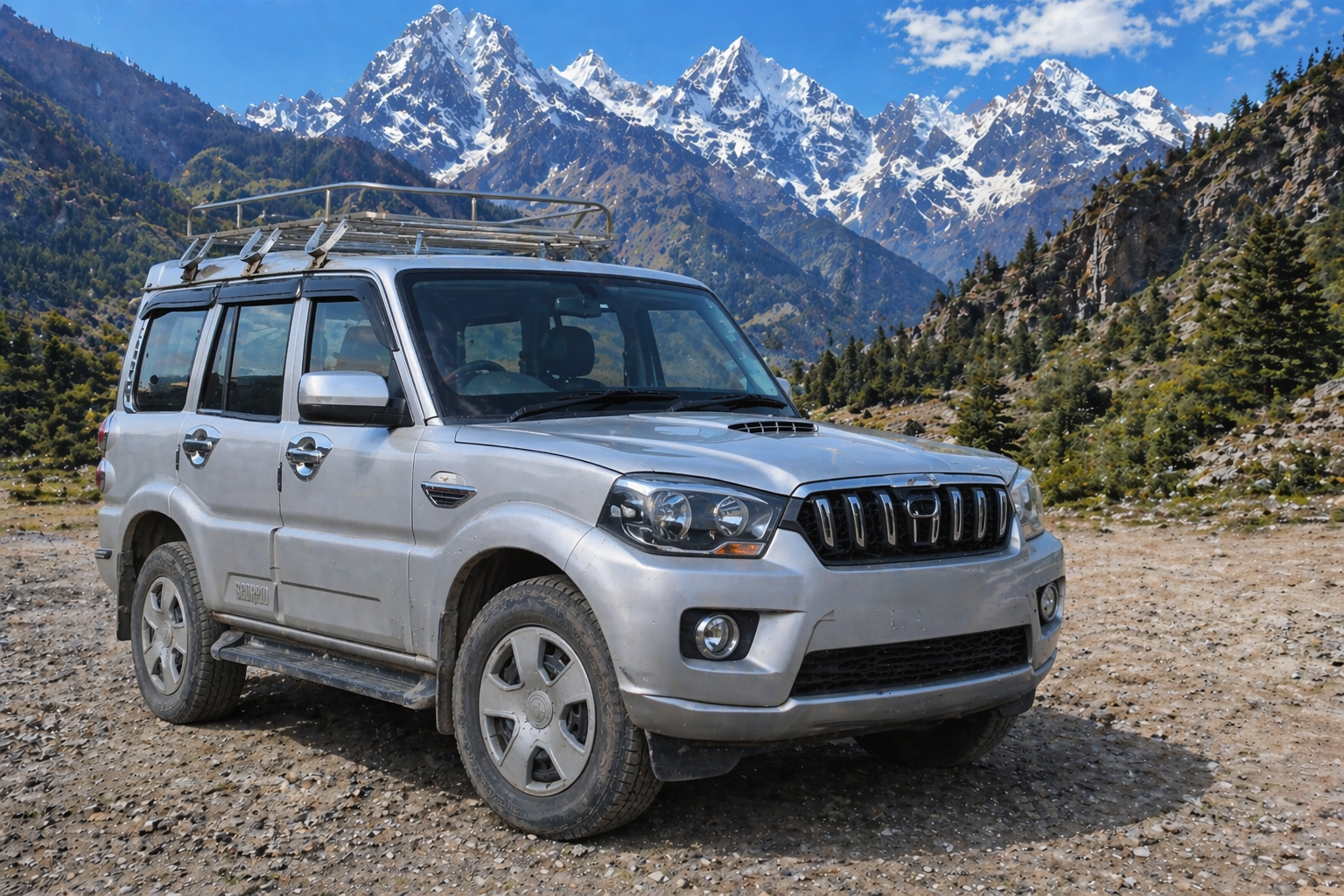
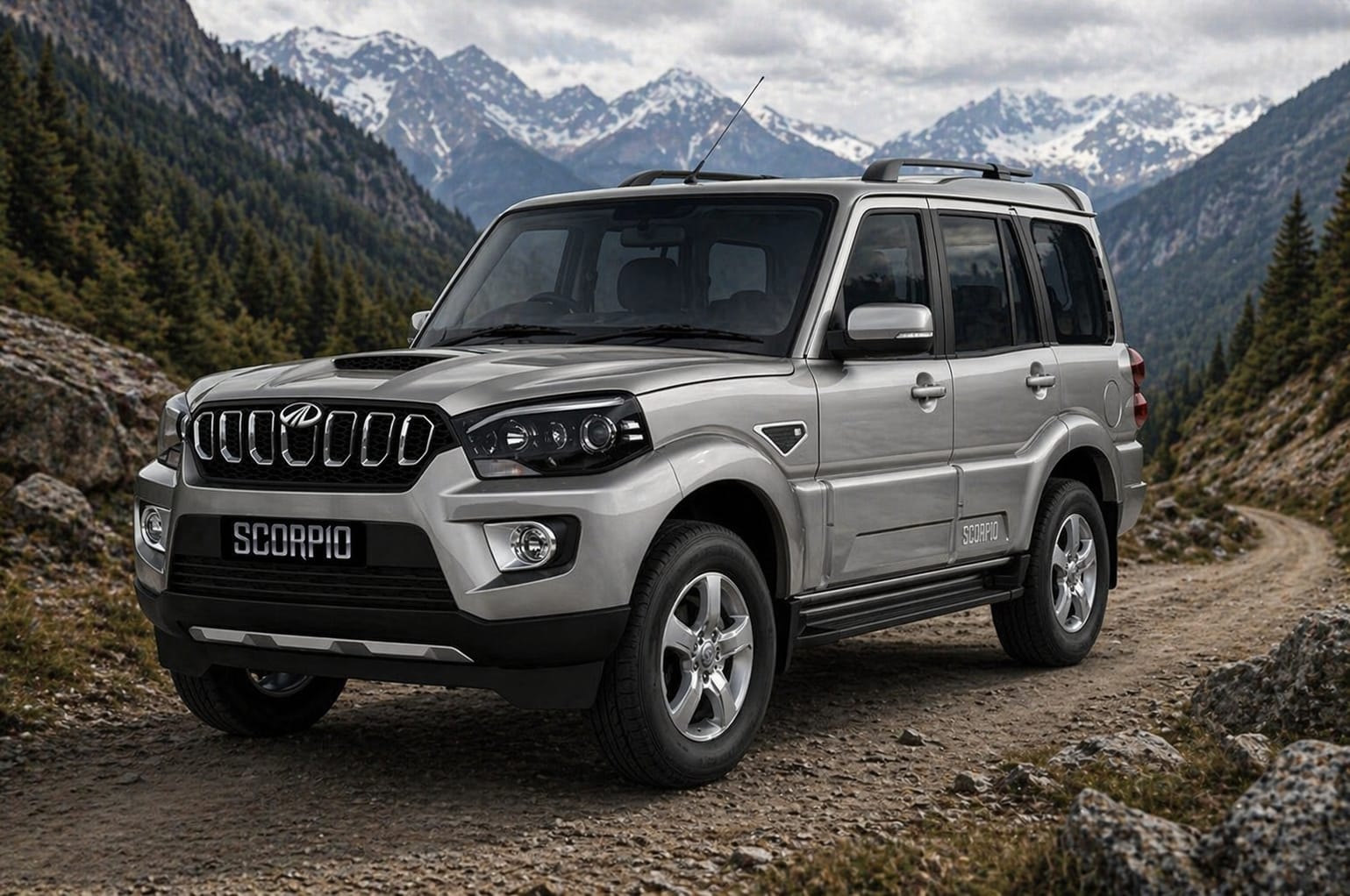
- Vehicle Type: 4WD Jeep (Scorpio / Bolero / similar off-road vehicle)
- Pickup Point: Hotel/Home in Kathmandu
- Drop-off Point: Lodge in Upper Pisang
- Departure Time: Early morning (6:00–7:00 AM recommended)
- Road Type: Highway + rough off-road mountain track
- Max Altitude: 3,300 m (Upper Pisang)
- Best For: Annapurna Circuit trekkers & Himalayan adventure travelers
- Service Style: Private, door-to-door transfer
- Stops: Tea, lunch, and rest stops available on request
Total Distance & Time of kathmandu to upper pisang
Total Distance: Approx 255 km to 270 km (depending on exact start point in Kathmandu).
Total Travel Time: 12 to 14 hours approx. It is a full-day “marathon” drive if you do it all in one go, but timing depends heavily on traffic at the Mugling construction zones and on the rocky conditions after Besisahar.
Step-by-step Route Details of Kathmandu -Besisahar-dharapani-chame-Upper Pisang
1. Kathmandu to Besisahar
Distance: 175 kms
Time: 6-7 hours
Details: You follow the Prithvi Highway on the banks of the Trishuli River. At Dumre, you leave the main highway and travel north to Besisahar. This section is mostly paved, but can be slow-going due to heavy truck traffic.
2. Besishahar to Dharapani
Distance: approx. 40 km
Duration: 3 hours
Details: The real 4WD adventure starts here. The road becomes a rough dirt track. You pass Syange and the lovely Tal valley, the official entrance to the district of Manang.
3. Dharapani to Chame
Distance: 25 km
Duration: 2 hours
Details: The road is cut into cliffs with the Marsyangdi River roaring below. Through dense pine woods lies Chame, the headquarters of Manang.
4. Reached Upper Pisang
Distance: approx. 15 km
Time: 1.5-2 hours
The final section is a consistent climb. You will pass the massive Paungda Danda rock face. Lower Pisang is directly on the main trail, but a private jeep can take the winding side road to Upper Pisang, at an elevation of 3,300 meters.
Kathmandu to Upper Pisang Private Jeep (2026)
The cost of a private jeep from Kathmandu to Upper Pisang in 2026 is USD 320 (NPR 48,000 ) for a one-way trip, depending on the vehicle model and seasonal demand. A standard 4WD Mahindra Scorpio, which comfortably seats up to five passengers plus gear, generally falls on the lower end of this scale. At the same time, premium or heavy-duty Toyota Land Cruisers can push the price higher due to their superior suspension and comfort on the rugged Manang tracks.
This comprehensive rate usually covers all essential operational costs, including the professional driver’s salary, fuel for the approximately 244 km journey, road tolls, and the driver’s insurance. It is important to note that most agencies include the driver’s food and lodging in the quoted price. However, a small gratuity (tip) for navigating the difficult cliffs of the Marsyangdi Valley is culturally customary. While shared jeeps offer a cheaper alternative, the value of private hire lies in its door-to-door convenience and the ability to bypass the time-consuming vehicle transfers in Besisahar. During the April and May peak seasons, it is highly recommended to book at least two weeks in advance to secure a well-maintained vehicle at these competitive rates.
Road Condition (Detailed)
Kathmandu to Galchhi
Overview: The first section of the Prithvi Highway comes down from the Kathmandu Valley through the Thankot pass.
Distance: about 50 km
Road Type: Blacktopped (Under Expansion)
Condition Details: The road is currently undergoing a major 4-lane expansion. Around Maheshkhola and Galchhi, be prepared for lots of dust, uneven gravel stretches, and occasional single-lane traffic. Construction vehicles are everywhere.
2. Galchhi to Dumre
Overview: This section is the lifeline of Western Nepal along the Trishuli River.
Distance: 85 km (53 miles)
Road Type: Blacktopped (Variable)
Condition Details: Most sections are smooth, but expansion work is ongoing in patches. Truck and bus traffic is heavy. Look out for potholes in the shadow of the hills and bridge construction near Muglin.
3. Besishahar to Dumre
Overview: This road leaves the main highway and heads north into the Lamjung district, following the Marsyangdi River.
Distance: 42km
Road Type: tarmac, Single Lane
Condition Details: Generally good, though narrow. As of April 2026, there will be certain road closures for widening in the Turture area (Tanahun). Be ready for scheduled stops (often from noon to 4 p.m. and from 5 p.m. to 9 p.m.) as they “cut” through the hills to widen the road to a double lane.
4. Besisahar to Dharapani
Overview: This is where the real journey starts. The road turns into a vertical cliff-side track.
Distance: 35 km
Road Type: Dirt / Gravel / Off-road
Condition Description: Very narrow and very rough. This section tells about Syange and Tal. The road is cut in sheer cliffs and is subject to small rockfalls. High-clearance 4WD jeeps are a must; small cars can’t get through here.
5. Dharapani to Chame (5-6 hours)
Overview: Entering the district of Manang, the altitude increases, and the landscape changes to pine forests and giant waterfalls.
Distance: 16 km
Condition Details: Rocky, narrow road, goes through Danaque and Timang. Timang was a very steep ascent. The road is ‘open’ but is basically a jeep track. Expect a slow and bumpy ride.
6. Came to Lower Pisang
Overview: The valley opens up, with the first clear views of the huge Paungida Danda rock face.
Distance: about 14 km
Road Type: Dirt/Mountain Trail
Condition Details: The road is somewhat flatter than the previous sections but remains unpaved. It runs very close to the river. Dust can be a problem with April’s dry heat.
7. From Lower Pisang to Upper Pisang
Overview: Short, steep climb separating the lower valley from the traditional village of Upper Pisang.
Distance: around 2-3 km
Road Type: Dirt Track (Steep)
Condition Detail: Most of the short section is walked by travelers to acclimatize, but there is a rugged track for jeeps. It is very steep, with sharp switchbacks. The track is dry and dusty in April.
Best Time to Visit And Daily Weather Conditions
The year is divided into two primary “Peak” seasons and two “Off-peak” seasons:
Spring (March to May) – Best for Trekking & Flora:
- Why: This is the peak season for the Annapurna Circuit. The rhododendrons are in full bloom at lower altitudes, and the weather is stable.
- Visibility: Clear mornings with some afternoon cloud buildup.
- Road Condition: Generally dry, though late spring can see occasional pre-monsoon showers that make the Besisahar-Chame road slippery
Autumn (September to November) – Best for Photography:
- Why: The air is at its crispest following the monsoon. This offers the sharpest views of Annapurna II, III, and IV.
- Visibility: 90-100% clear skies most days.
- Road Condition: The best of the year. The monsoon has ended, and the tracks are packed and firm. Winter (December to February): Extremely cold (down to -15°C). Upper Pisang can be under heavy snow, making the drive from Chame impossible. Many lodges close.
Monsoon (June to August): While Manang itself is in a rain shadow (dry), the road from Kathmandu to Besisahar becomes very dangerous due to frequent landslides and mudslides.
Daily Weather Conditions
During the peak trekking months of April and May, the weather at the 3,300m elevation in Upper Pisang follows a remarkably consistent, rhythmic pattern. The day typically begins with a crisp, freezing clarity as temperatures hover between -2°C and 4°C, offering the absolute best window for photography before the valley awakens. As the sun rises, the atmosphere warms rapidly into a bright, intense mid-morning glow, with temperatures reaching 15°C, though the air retains a refreshing mountain chill. By mid-afternoon, the day’s character shifts with the arrival of the “Manang Wind,” a strong valley breeze that often brings drifting clouds while temperatures peak near 18°C.
This warmth is short-lived, however, as soon as the sun disappears behind the towering Annapurna peaks in the early evening, the thermometer plummets toward 5°C. The cycle culminates in a cold, silent night that can drop to -5°C, leaving the landscape frosted under a brilliant, star-filled Himalayan sky.
Safety Operations Summary: Manang High Altitude Corridor
A strict technical regime governs safety in high-altitude logistics between Kathmandu and Upper Pisang to mitigate the risks of extreme terrain and rapid elevation gain.
1. Expert Human Resources: Experienced Himalayan Drivers
Safety starts with the operator. The Marsyangdi Valley’s vertical cliffs require special driving skills beyond just the normal requirements of a license.
Terrain Expertise: Drivers are chosen for their specific knowledge of ‘blind curves’ and the mental strength needed to drive on thin and single-lane cliff roads.
Mechanical Intuition: Drivers are trained to monitor vehicle vitals, such as brake fade and gearbox temperature, which are constantly under stress during the 2,000m+ ascent from Besisahar to Pisang.
2. Technical Asset Integrity: Well-Serviced 4WD Vehicles
Vehicles operating in the hostile environment of the Annapurna region must run at 100% mechanical efficiency.
High-Clearance Specifications: Standard SUVs are not enough; only high-clearance 4WD vehicles (e.g., Mahindra Scorpio, Toyota Hilux) are used to cross rivers and deep rocky ruts found beyond Syange.
Pre-Departure Rigor: Before departing from Besisahar, each vehicle undergoes a ‘Manang Check’, a meticulous inspection of tire tread depth, the smoothness of 4WD engagement, and the robustness of the heavy-duty suspension system, to ensure reliability in a location where recovery services are nonexistent.
3. Operational Control: Technical & High Mountain Driving
Driving style has to change significantly from the paved Prithvi Highway to the rocky tracks of Manang.
Controlled Velocity: Speed is tightly regulated on off-road sections due to unpredictable rockfalls and local mule train traffic.
Ascent Management: By having drivers maintain a steady, controlled pace, the risks of rapid ascent (1,400m to 3,300m in a day) are reduced, giving passengers’ bodies more time to acclimatize to the decreasing oxygen levels than during high-speed transit.
4. Tactical Intelligence: Weather-Based Route Planning
The final layer of the safety protocol is real-time environmental data, particularly during the volatile April/May period.
Dynamic Scheduling: Daily routing is informed by satellite weather feeds and local “ground-truth” reports from Besisahar and Chame.
The “Sunset Hard-Stop”: A central safety rule requires that the most dangerous sections—particularly the cliffs between Tal and Danaque—be cleared in daylight. And if construction delays or weather events push the schedule into the evening, the protocol is to immediately RON (Remain Overnight) at the nearest safe hub (like Chame) to avoid the hazards of night driving.
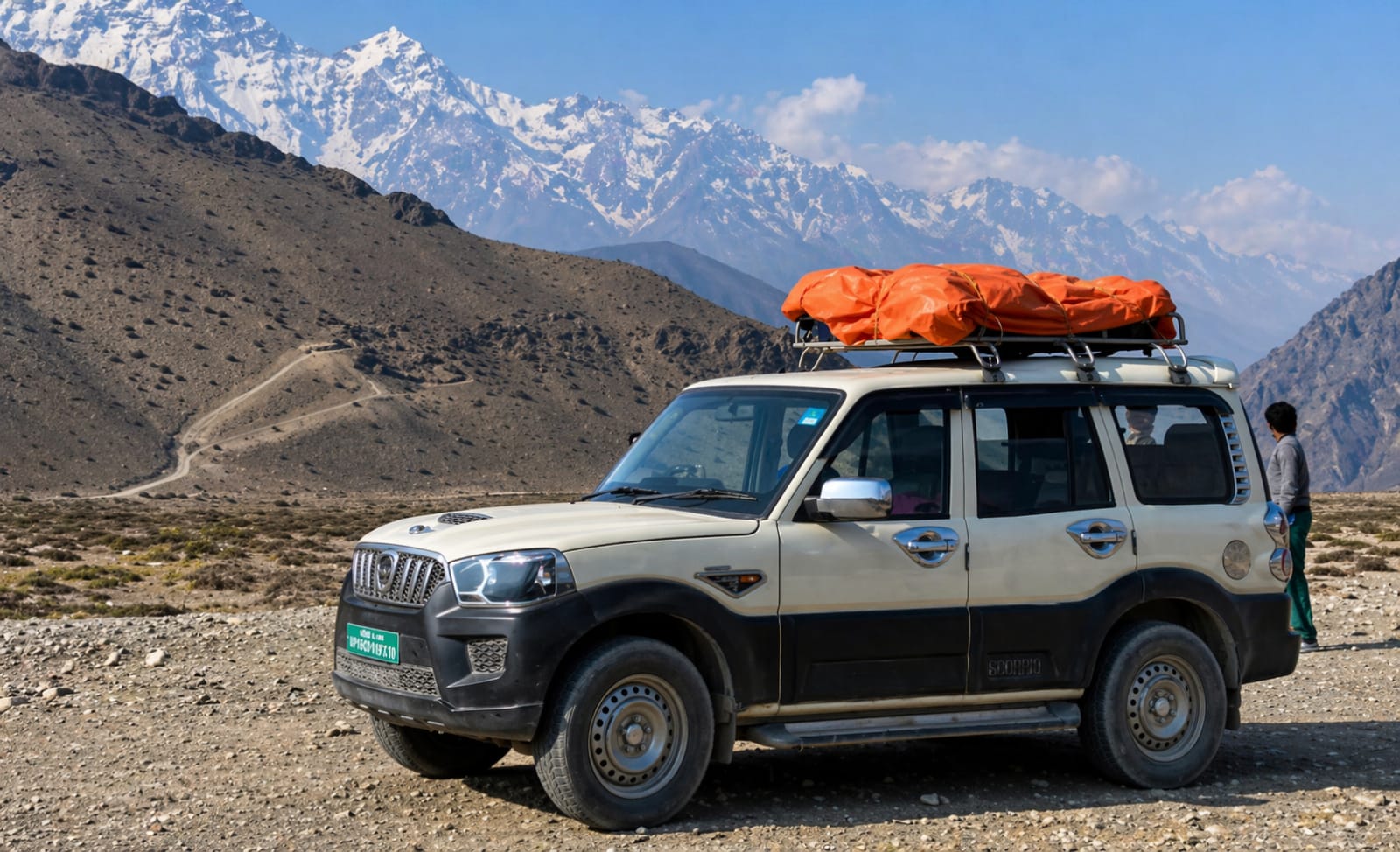
Door-to-Door Service
A Door-to-Door Service for a high-altitude journey like Kathmandu to Upper Pisang is designed to eliminate the logistical stress of navigating Nepal’s complex transport hubs. Instead of managing multiple transfers, you receive a seamless, private transition from your doorstep in the city to the heart of the mountains.
Here is the detailed breakdown of what this service includes:
1. Personalized Pickup & Departure
- Location Flexibility: The service begins at your specific location—whether it’s a private residence, a hotel in Thamel, or a direct pickup from Tribhuvan International Airport (TIA).
- Luggage Handling: Our team manages the loading and securing of all trekking gear and equipment into the 4WD, ensuring everything is waterproofed and balanced for the bumpy mountain roads.
- Time Efficiency: By avoiding public bus parks (like Gongabu), you save approximately 1.5 to 2 hours of transit time within Kathmandu alone.
2. Continuity of Transport (The “No-Transfer” Promise)
- Single Vehicle Journey: Unlike standard travel, where you take a car to Besisahar and then switch to a local shared jeep, our door-to-door service uses the same dedicated 4WD vehicle for the entire journey.
- Comfort Consistency: You maintain the same seat and space from the paved highways of Kathmandu to the rugged dirt tracks of Manang, keeping your personal items settled in the cabin throughout the day.
3. On-Route Flexibility
- Customized Stops: You can stop whenever you wish for photography, restroom breaks, or local snacks. You aren’t tied to the rigid “meal stops” of public transport.
- Health & Altitude Management: If a passenger experiences early signs of altitude sickness or motion sickness, the driver can slow down or stop for a recovery break—a luxury not available on shared transport.
4. Direct Drop-off at Your Lodge
- Arrival at the Door: In Upper Pisang, the driver doesn’t just drop you at a village entrance. The vehicle will take you as close as possible to the entrance of your specific guest house or tea house.
- End-to-End Security: Your journey officially ends only when you and your luggage are safely inside your accommodation.
Permit requirement
To drive from Kathmandu to Upper Pisang, you are entering the Annapurna Conservation Area (ACA). Because this region is strictly regulated by the Government of Nepal and the National Trust for Nature Conservation (NTNC), having the correct paperwork is mandatory for both trekkers and travelers.
There are two primary permits required for this route:
1. ACAP Permit (Annapurna Conservation Area Project)
This is a mandatory entry permit for anyone entering the conservation area.
- Cost for Foreigners: NPR 3,000 (approx. USD 23) per person.
- Cost for SAARC Citizens: NPR 1,000 (approx. USD 8) per person.
- Where to Get It: You must obtain this in Kathmandu (at the Nepal Tourism Board office) or Pokhara before you leave. It cannot be purchased at road checkpoints.
2. TIMS Card (Trekkers’ Information Management Systems)
Even if you are driving most of the way, you are considered a visitor in a trekking zone.
- Type: As of 2026, the “Blue” TIMS (for organized groups) or “Green” TIMS (for individuals) is required.
- Cost: NPR 2,000 (approx. USD 15) per person.
- Purpose: This card is for your safety and to help authorities track your location during natural disasters or emergencies.
Important Permit Logistics
- Checkpoint Location: Your primary checkpoint will be in Dharapani. The police and ACAP officials will stop your jeep here. You must get out of the vehicle, present your physical permits, and have them stamped.
- Passport Photos: You will need 4 passport-sized photographs to complete the application forms for both permits.
- The “No-Go” Rule: Do not attempt to drive past Besisahar without these permits. If you are caught at the Dharapani checkpoint without them, you may be fined double the permit cost or forced to return to Besisahar, which would ruin your travel schedule.
- Vehicle Documents: If you are using a private jeep service, ensure your driver is carrying the vehicle’s Blue Book (Registration) and a valid Route Permit. While travelers don’t need to worry about this, your agency should ensure the vehicle is cleared for the
Why Choose a Private Jeep for the Journey from Kathmandu to Upper Pisang?
Choosing a private 4WD jeep for the journey from Kathmandu to Upper Pisang is the most strategic and reliable logistics choice for the Annapurna region. As the route transitions from high-speed highways to some of the most challenging off-road tracks in the Himalayas, private transport offers a level of safety and efficiency that public options cannot match.
1. Direct & Time-Saving Travel
A private jeep eliminates the logistical “dead time” spent at busy bus parks or waiting for shared vehicles to fill up. By traveling directly from your hotel, you shave hours off the total transit time, ensuring you reach the high-altitude crispness of Upper Pisang before nightfall—a critical advantage for those starting the Annapurna Circuit.
2. Engineered for the High Himalayas
The road north of Besisahar is a vertical masterpiece of rock and dirt. A dedicated 4WD private jeep is specifically designed for this high-clearance terrain. Unlike buses or smaller vehicles, these jeeps offer the mechanical torque and suspension stability required to navigate deep ruts and river crossings safely.
3. Expertise Behind the Wheel
Safety in the mountains depends on the person driving. Private jeep services employ skilled mountain drivers who possess “route memory” of the Marsyangdi corridor. They understand the nuances of weather-impacted roads and landslide-prone areas, providing a controlled, confident journey through the cliffs.
4. Superior Comfort & Gear Security
Whether you are heading into a trek or returning from the Thorong La Pass, physical comfort is vital. A private jeep provides spacious seating and dedicated interior or roof space for your trekking equipment. Unlike public transport, your gear stays with the same vehicle from start to finish, reducing the risk of loss or damage during transfers.
5. Total Schedule Flexibility
With a private hire, you own the itinerary. You choose the 6:00 AM departure to beat the Kathmandu traffic and have the freedom to stop at scenic viewpoints, local tea houses, or for photography at the Paungda Danda rock face. This flexibility transforms a long transit day into an immersive sightseeing experience.
6. The Safest Transit Profile
In remote mountain sections, a controlled environment is the best safety measure. A private jeep service ensures you are in a well-maintained, vetted vehicle away from the overcrowding often found in local transport. This focused approach to safety is essential for navigating the high-altitude roads of the Manang district with peace of mind.
Frequently Asked Question (FAQ’s)
The journey typically takes 12 to 14 hours. The first 5–6 hours are spent on the paved Prithvi Highway reaching Besisahar, while the remaining 7–8 hours involve intense, slow-paced off-road driving through the cliffs of the Marsyangdi Valley. Due to current road expansion projects, we highly recommend a 6:00 AM departure.
Yes. While the road to Besisahar is paved, the section from Besisahar to Upper Pisang consists of deep ruts, rocky river crossings, and steep inclines. A high-clearance 4WD vehicle (like a Mahindra Scorpio or Toyota Hilux) is essential for safety and mechanical reliability. Standard cars or vans cannot navigate this terrain.
The route is currently a mix of construction and adventure. The Kathmandu-Muglin section is undergoing a 4-lane expansion, which can be dusty and slow. The Besisahar-Manang section remains a rugged mountain track. Be aware of scheduled “road-cutting” closures near Turture that can pause traffic for several hours.
It is possible. You are ascending from 1,400m to 3,300m in a single day. This is a significant jump for the body. We recommend staying hydrated, avoiding alcohol during the journey, and being prepared to stay overnight in Chame (2,670m) if you begin to feel a persistent headache or nausea.
Yes. Since Upper Pisang is located within the Annapurna Conservation Area (ACA), you must have your ACAP Permit and TIMS Card. These are checked at the police station in Dharapani. Ensure you have these documents ready before leaving Kathmandu, as they cannot be issued at the roadside checkpoints.
We strictly advise against night driving on the Besisahar-Chame corridor. The roads are narrow with vertical drops and no street lighting. Our safety protocol dictates that if the vehicle does not reach Chame by dusk, the group should stay there and complete the final 1.5-hour drive to Upper Pisang the following morning.
On the highway portion (Kathmandu to Dumre), there are several “Tourist Standard” riverside resorts with clean facilities. Once you pass Besisahar, there are only local tea houses to stop at. These offer authentic, fresh Himalayan meals (Dal Bhat) and basic mountain toilets.
The road reaches both villages, but Upper Pisang is a bit higher and offers more traditional architecture and superior views of Annapurna II. The track to Upper Pisang is steeper and narrower. Some travelers choose to be dropped at Lower Pisang and walk the final 20 minutes to enjoy the scenery.
As of 2026, the price of a private 4WD jeep for a one-way trip is USD 320 (NPR 48,000). This price usually includes fuel, driver expenses, and road tolls.
As of 2026, the price of a private 4WD jeep for a one-way trip is USD 200 (NPR 30,000). This price usually includes fuel, driver expenses, and road tolls.

Reviews on Kathmandu to Upper Pisang Private Jeep

Related Trips