


 Plan a Trip


Nepalgunj to Simikot Transport
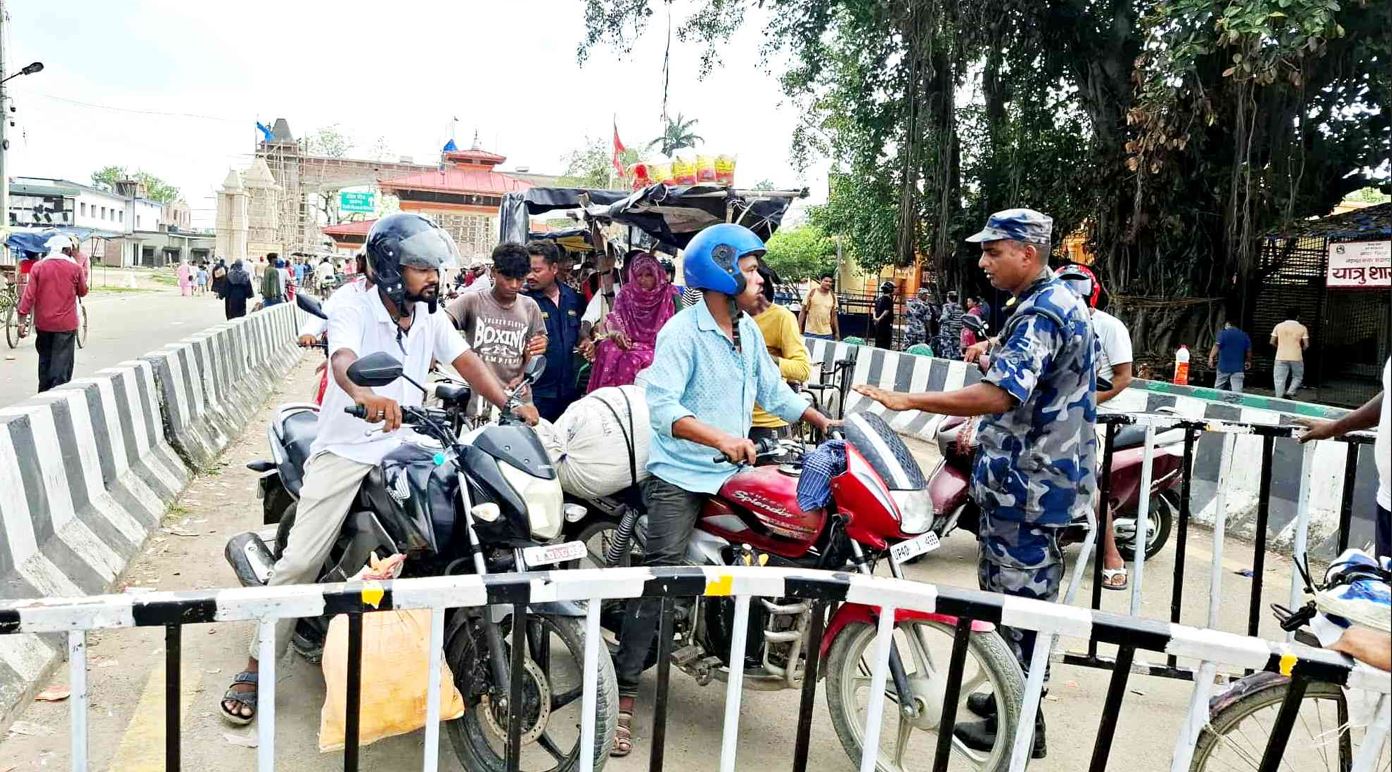
Nepalgunj to Simikot Transport
Simikot, the remote headquarters of Humla District in Nepal’s far-western Karnali Province, sits at about 2,910 meters in a mountain valley so far from any road network that it has never been—and may never be—accessible by vehicle from the rest of Nepal’s highway system. This radical remoteness, which defines Humla District as one of Nepal’s most isolated and least-visited regions, is also the source of its most extraordinary quality: Simikot is the gateway to the Hilsa border crossing with Tibet, the starting point of one of the Kailash Mansarovar Yatra’s most spiritually immersive approaches, and the access point for the Limi Valley trek — one of Nepal’s finest and most completely uncommercialised high Himalayan valley experiences. Since the catastrophic destruction of the Rasuwagadhi-Kerung border in the August 2026 GLOF disaster, the Simikot-Hilsa route has become the only available overland Nepal-Tibet crossing, making the Nepalgunj-to-Simikot transport corridor more strategically important for Kailash pilgrims and Tibet-bound travelers than at any previous point in its history.
The transport from Nepalgunj to Simikot is a domestic flight—there is no road, bus, or overland vehicle option between these two points. The flight, operated by Tara Air, Buddha Air, and other CAAN-licensed domestic carriers, covers approximately 285 kilometers in 40 to 50 minutes on a route that crosses some of Nepal’s most dramatic mountain terrain, climbing from Nepalgunj’s Terai lowlands at 152 meters to Simikot Airport’s mountain runway at 2,910 meters in less than an hour of flying time. Understanding the full logistics chain — how to reach Nepalgunj from Kathmandu, how the Nepalgunj-Simikot flight works, what happens in Simikot, and how the corridor connects to the Kailash yatra and Humla trekking — is the essential planning foundation for any traveler approaching this remote corner of Nepal. This complete 2026/27 guide covers every leg of the journey and the role that Nepal Vehicle Hiring Pvt Ltd plays in supporting the road transport legs that connect travelers to the Nepalgunj flight departure.
Why Simikot Matters More Than Ever
Before the August 2026 destruction of the Rasuwagadhi-Kerung border, the Simikot-Hilsa route was one of two primary Nepal-Tibet overland crossings — a remote, adventure-oriented alternative to the more convenient Rasuwagadhi route for Kailash Mansarovar pilgrims. After August 26, 2026, the Simikot-Hilsa route is the only available Nepal-Tibet land crossing for Kailash yatra pilgrims, Humla-Tibet border traders, and any traveler seeking overland entry into Tibet’s western region from Nepal. The strategic significance of this corridor has increased enormously. Demand for Nepalgunj-Simikot flights, Simikot accommodation, and all the logistics associated with what was previously a niche route has risen accordingly.
This surge in demand creates specific planning implications for 2026/27 travelers: Nepalgunj-Simikot domestic flight seats, which are limited by the small Twin Otter aircraft capacity (approximately 18 to 20 seats per flight) and the single-runway Simikot Airport’s weather-dependent operational status, were already fully booked for most of the remainder of the 2026 pilgrimage season within days of the August 26 Kerung closure. For 2027 planning, competition for seats on this route will be significantly higher than in previous years. Anyone planning a 2027 Kailash Mansarovar yatra via the Nepalgunj-Simikot-Hilsa route should begin booking months earlier than in pre-2026 years — and should confirm with their registered agency that flight bookings are secured before committing to any other pilgrimage logistics. Nepal Vehicle Hiring Pvt Ltd coordinates the full Kathmandu-to-Nepalgunj transport leg for all clients booking the Simikot approach, and our contact team advises on current flight availability status when bookings are made.
Nepalgunj — The Hub City for Far Western Nepal
Nepalgunj (official name: Nepalgunj Sub-Metropolitan City) is the largest city in Nepal’s Lumbini Province and the main commercial and transport hub for the entire Far Western Nepal region. Situated at approximately 152 metres above sea level in the Terai lowlands of Banke District, approximately 5 kilometres from the Indian border at Jamunaha, Nepalgunj combines the functions of a major regional market centre, a government administrative hub, a transit point for passengers and goods moving to and from India, and — for this guide — the primary domestic flight gateway to Nepal’s far-western Karnali and Sudurpashchim provinces, including Humla District and Simikot.
Nepalgunj Airport (also known as Bhairahawa Airport in some older references, though officially Nepalgunj Airport) handles domestic routes connecting the city to Kathmandu, Jumla, Simikot, Dolpo, and several other remote western Nepal destinations that have no road access. As the hub for far-western Nepal domestic aviation, the airport is the unavoidable transit point for any Simikot journey. All scheduled Nepalgunj-to-Simikot flights operate from this airport, and all Kathmandu-based travelers heading to Simikot must either fly or drive to Nepalgunj before connecting onward.
The city itself has the character of a prosperous provincial trading center: a functioning commercial district with banks, ATMs, fuel stations, hotels across all budget categories, and a range of restaurants serving both Nepali and Indian cuisine. For Kailash Mansarovar pilgrims traveling from India, Nepalgunj is also a natural entry point via the Jamunaha-Nepalgunj border crossing — making it the starting point of the Kailash yatra for those arriving from India by road rather than international flight to Kathmandu. Nepal Vehicle Hiring Pvt Ltd provides Kathmandu to Nepalgunj private vehicle hire for the road leg from the capital—see Section 4 for full details.
The Nepalgunj to Simikot Flight — How It Works
Tara Air and Buddha Air primarily operate the Nepalgunj to Simikot domestic flight, with occasional services from Sita Air and other CAAN-licensed operators. The aircraft used on this route are Twin Otter DHC-6 or similar short-take-off-and-landing mountain aircraft specifically designed for high-altitude, short-runway Himalayan airstrips — the same class of aircraft used on the famous Lukla flight for Everest trekkers and the Jomsom flight for Annapurna-Muktinath visitors.
Flight Duration and Distance. The Nepalgunj to Simikot flight covers approximately 285 kilometers in 40 to 50 minutes. The route crosses the mid-hills of Nepal’s Karnali and Sudurpashchim regions, climbing from the Terai at 152 meters to the Simikot highland valley at 2,910 meters. On clear days — which are required for all mountain flights on this route — the Himalayas of the Karnali and Humla regions are visible from the aircraft window in a spectacular aerial panorama.
Flight Schedule and Frequency. In normal seasons, Tara Air and Buddha Air operate one to three flights per day on the Nepalgunj-Simikot route, depending on season and demand. Flights depart early morning—typically between 6:00 and 10:00 a.m.—to take advantage of calm mountain air before afternoon thermal turbulence and cloud build-up make mountain flying unsafe. The specific schedule changes seasonally and with demand: in peak Kailash pilgrimage season (April-June and September-October), additional frequencies are added; in the winter months of December to February, services are reduced to one or two flights per week due to lower demand and more frequent weather cancellations.
Ticket Price 2026/27. The 2026/27 one-way ticket price for the Nepalgunj to Simikot domestic flight is approximately NPR 8,000 to NPR 12,000 (USD 60 to 90) per person for foreign nationals and approximately NPR 5,000 to NPR 8,000 for Nepali nationals. Prices vary by airline and booking lead time. For Kailash Mansarovar yatra packages, the Nepalgunj-Simikot return airfare is typically included in the operator’s all-in package price — which ranges from USD 2,999 to USD 5,499 depending on group size, standard, and whether helicopter transfer from Simikot to Hilsa is included.
Weather Cancellations. Mountain flying on the Nepalgunj-Simikot route is more frequently subject to weather cancellations than Nepal’s main domestic routes. Simikot Airport’s mountain location means that cloud cover, precipitation, or poor visibility at either end can ground flights without warning. Travelers planning tight pilgrimage or trekking schedules must allow at least 1 to 2 additional buffer days at both Nepalgunj (for outbound cancellations) and Simikot (for return cancellations) beyond their core itinerary. This weather buffer is not optional — it is the standard operating assumption of every experienced Kailash yatra operator and Humla trek organizer.
IMPORTANT: Book Nepalgunj-Simikot flights through your registered trekking or Kailash yatra agency — not directly with airlines for Kailash pilgrimage packages. Agencies block-book seats months in advance during pilgrimage season. Individual direct bookings may find no seats available in peak season.
Getting to Nepalgunj — The Kathmandu Connection
For travelers beginning their Simikot journey from Kathmandu, the Nepalgunj connection is made by one of two routes: a domestic flight from Tribhuvan International Airport to Nepalgunj Airport (approximately 1 hour), or a private vehicle overland transfer from Kathmandu to Nepalgunj along the Prithvi and Mahendra Highways (approximately 500 to 520 kilometers, 10 to 12 hours).
Domestic flight from Kathmandu to Nepalgunj. The Kathmandu-Nepalgunj domestic route is served by multiple airlines including Buddha Air, Yeti Airlines, Shree Airlines, and others. The flight takes approximately 55 to 65 minutes and costs approximately NPR 9,000 to 15,000 (USD 68 to 113) one way. For Kailash yatra packages, the Kathmandu-Nepalgunj airfare is typically included in the operator’s all-in package. Nepal Vehicle Hiring Pvt Ltd provides Kathmandu airport transfers for the domestic terminal connection—our private car hire picks up from any Kathmandu hotel and delivers to the domestic terminal in time for the Nepalgunj flight.
Private Vehicle Overland — Kathmandu to Nepalgunj. The overland alternative follows the Prithvi Highway westward from Kathmandu to Narayanghat, then the East-West Mahendra Highway westward through Butwal and Kohalpur to Nepalgunj — a total distance of approximately 500 to 520 kilometers typically split across two days with an overnight stop at Butwal or Bharatpur. Nepal Vehicle Hiring Pvt Ltd provides private jeep hire and Hiace van hire for the Kathmandu-to-Nepalgunj overland journey. The two-day road journey adds time but eliminates domestic flight costs and offers an interesting window into Nepal’s Terai geography. For groups of 4 to 6 people, the overland private jeep hire cost (approximately NPR 25,000 to 40,000 / USD 188 to 300 for the full vehicle over two days) compares favorably with 4 to 6 individual domestic flight tickets.
Via Lumbini — The Pilgrim’s Route. Many Kailash Mansarovar pilgrims departing from Kathmandu incorporate a Lumbini stop — the UNESCO World Heritage Site birthplace of Lord Buddha — on the Kathmandu-to-Nepalgunj overland journey, as Lumbini lies on the Mahendra Highway corridor directly en route. Our Kathmandu-to-Lumbini bus or private vehicle covers the Lumbini connection. From Lumbini, Nepalgunj is approximately 130 kilometers further west along the Mahendra Highway — a 2.5 to 3-hour drive.
Simikot Airport — One of Nepal’s Most Remote Runways
Simikot Airport (IATA: IMK) sits at 2,910 metres above sea level on a narrow mountain bench above the Humla Karnali River valley, with the runway carved from terrain that makes the airport’s visual drama immediately apparent on approach: mountain walls close in on both sides of the runway, the valley floor is far below, and the landing approach from the south requires the aircraft to descend steeply between ridgelines before touching down on the compact 880-metre runway. The airport’s physical setting is not merely dramatic — it is a key operational constraint that defines how the entire Simikot transport corridor works. The runway length limits aircraft size (only Twin Otter and similarly small STOL aircraft), the surrounding terrain limits approach visibility, and the altitude creates genuine performance challenges for small propeller aircraft operating in air that provides about 30 percent less oxygen for engine combustion than at sea level.
The Simikot Airport’s infrastructure reflects its remote location and limited traffic volume: a small terminal building, basic waiting facilities, and a fuel point for the Twin Otter aircraft. There is no instrument landing system — all approaches are visual and depend on pilot judgment and clear sightlines to the runway. The airport was upgraded in 2018 to improve safety margins, but remains a challenging operational environment that all airlines serving this route treat with specific pilot qualification and weather minimums requirements. All Nepalgunj-Simikot flights are categorically weather-dependent, and both pilots and passengers experience the mountain flight character of this route more directly than on any of Nepal’s more heavily serviced domestic routes.
The altitude of Simikot Airport itself is the first altitude management consideration for Kailash pilgrims and Humla trekkers: landing directly at 2,910 meters from Nepalgunj’s 152 meters represents the most rapid altitude gain of any standard Nepal domestic flight, and mild altitude symptoms (headache, fatigue, loss of appetite) are common for the first several hours after landing. Spending at minimum one full night in Simikot before attempting any onward walking or helicopter transfer to higher elevations — and two nights for older pilgrims or those with a history of altitude sensitivity — is the standard medical advice from all experienced Kailash yatra operators.
From Simikot to Hilsa — Two Ways to Cross the Border
From Simikot at 2,910 meters, the Nepal-Tibet border crossing at Hilsa/Yari (approximately 3,640 meters) is reached by one of two approaches—a helicopter transfer or a multi-day trek—each with its own logistics, cost, and experiential character.
Option 1 — Helicopter Simikot to Hilsa (25- 30 minutes). The helicopter transfer from Simikot to Hilsa is the standard choice for Kailash Mansarovar pilgrimage groups, especially those on the 11-day compressed itinerary, the most popular format for Indian and Nepali pilgrims. The helicopter covers the 60 to 70-kilometer distance between Simikot and the Hilsa border in about 25 to 30 minutes, eliminating 4 to 6 days of trekking through the Humla Karnali valley. The per-person helicopter cost (shared among 4 to 5 passengers per helicopter) is approximately USD 300 to 500 return. However, for Kailash yatra package clients, this is typically included in the all-in price. Simrik Air and other Nepal-licensed helicopter operators serve this specific Simikot-Hilsa corridor.
Option 2 — Trekking Simikot to Hilsa via Nara La (4-6 days). The trekking route from Simikot to Hilsa follows the Humla Karnali River northward through a sequence of traditional Tibetan-influenced villages — Dharapori, Muchu, Yalbang, Kermi, Waltse, Tumkot, and Yari — before crossing the Nara La Pass at 4,548 meters and descending to Hilsa on the Nepal-Tibet border. This 4 to 6 day route is one of Nepal’s most remote and most culturally immersive trekking experiences — passing through villages that have maintained their Tibetan Buddhist traditions, agricultural practices, and architectural character in near-complete isolation from the trekking tourism economy that has transformed more accessible Nepal mountain communities. The Humla Karnali River, which the trail follows for much of its length, is one of Nepal’s most beautiful and least-visited river systems — a wide, clear mountain river descending through forested gorges and open pasture land in a landscape of extraordinary remote beauty.
For Kailash pilgrims with sufficient time and physical capability, the trekking approach to Hilsa is the more profound and more complete spiritual journey — walking through living Humla communities, entering Tibet at 3,640 meters after a genuine mountain approach, and arriving at Hilsa with the physical memory of the landscape between Simikot and the border as a personal, embodied experience rather than a 25-minute helicopter view. Alpine Luxury Treks offers premium guided Kailash yatra packages via the Simikot trekking route with enhanced accommodation and private guide service. Standard packages range from USD 4,299 to USD 5,499 per person, depending on group size and comfort level, and include all flights, trek guiding, permits, and accommodation.
The Kailash Mansarovar Yatra — The Simikot-Hilsa Pilgrimage Route
The Kailash Mansarovar Yatra via the Nepalgunj-Simikot-Hilsa corridor is one of the world’s great pilgrimage journeys. This multi-day spiritual and physical odyssey begins in the Indian subcontinent’s tropical lowlands. It ends at the circumambulation of Mount Kailash (6,638 meters) in western Tibet, a mountain regarded as sacred in Hinduism, Tibetan Buddhism, Jainism, and the ancient Bon tradition. The full itinerary via helicopter typically runs 11 to 13 days from Kathmandu; the trekking format to Hilsa adds 4 to 6 days, for a 15 to 19 day total.
The standard helicopter Kailash yatra itinerary proceeds as follows: Kathmandu (1 night, permit and briefing) → Nepalgunj (1 night, flight from Kathmandu) → Simikot (1 night, acclimatization) → Hilsa by helicopter → Taklakot/Purang (1 night, Chinese entry formalities) → Mansarovar Lake (1-2 nights, lakeside rituals including ritual bath and prayer) → Yamdwar/Darchen (1 night, parikrama preparation) → Kailash Parikrama Day 1: Darchen to Dirapuk (4,900 m) → Kailash Parikrama Day 2: Dolma La Pass (5,630 m) crossing → Parikrama Day 3: completion and return to Darchen → Hilsa return → Simikot by helicopter → Nepalgunj → Kathmandu. The 2026 standard package cost for this route is approximately USD 3,299 to 3,499 per person depending on group size, and USD 4,499 to 4,999 for the luxury tier.
The trekking Kailash yatra itinerary extends the above by replacing the Simikot-Hilsa helicopter with the 4 to 6 day Nara La trek, adding the extraordinary Humla Karnali valley walk through the traditional villages described in Section 6 above. This is the format most aligned with the traditional understanding of pilgrimage as a journey — physical difficulty encountered and overcome as part of the devotional act of reaching the sacred site — and it is the format that most appeals to pilgrims who have the time, physical fitness, and philosophical orientation to treat the approach as integral to the yatra rather than merely logistical.
Simikot and Humla — Beyond the Kailash Route
While the Kailash Mansarovar yatra drives most Nepalgunj-Simikot transport demand, Simikot and the Humla region offer several extraordinary trekking destinations beyond the Kailash approach that reward dedicated exploration.
The Limi Valley Trek. The Limi Valley, branching northeast from the main Humla trail near Tumkot village, is one of Nepal’s most remote and most culturally intact Tibetan Buddhist communities — three villages (Halji, Jang, and Til) that have maintained their language, religious practice, and traditional agricultural economy in near-complete isolation from outside influence. The Limi Valley trek typically takes 12 to 18 days from Simikot and requires the Humla Restricted Area Permit in addition to standard trekking documentation. The valley’s monastery, Halji Gompa, is one of the most significant ancient Tibetan Buddhist monasteries in all of Nepal’s western region, with a history dating to the twelfth century and religious objects of extraordinary age and importance. For experienced trekkers seeking the most completely undisturbed traditional Himalayan community experience available anywhere in Nepal, the Limi Valley delivers something that no other accessible destination in the country can match.
Upper Humla and the Chhala Trek. The upper Humla district, including the village cluster of Chhala (also spelled Chala) accessible from the main Humla trail, provides a window into the agricultural and pastoral traditions of a Tibetan-influenced community that supplements subsistence farming with trans-Himalayan trade — a centuries-old exchange of Nepali grain for Tibetan salt that, while diminished from its historical peak, persists in modified form today. Trekking through the upper Humla communities above Simikot offers a genuine encounter with a living mountain culture that the Annapurna and Langtang corridors’ tourism economies have largely displaced.
Api Nampa Conservation Area. The Api Nampa Conservation Area in far western Nepal’s Darchula District, accessible from Sudurpashchim province from the south, is Nepal’s newest and most remote protected area—encompassing the Api Himal and Nampa Himal groups, whose summits exceed 7,000 meters and whose lower slopes contain extraordinarily pristine forest and alpine habitats. While this area is technically in a different corridor from the Simikot-Humla axis, its proximity and the general adventure-travel appeal of far western Nepal make it a natural companion destination for travelers spending extended time in the region.
Permits Required for Simikot and Humla
The Humla District trek and the Kailash Mansarovar approach via Hilsa require specific permits beyond the standard Nepal trekking documentation. Understanding the permit requirements before departure is essential, as you can’t obtain any permits in Humla itself—you must arrange all of them in Kathmandu before the Nepalgunj flight.
Humla Restricted Area Permit (HRAP). Humla District is classified as a Restricted Area under Nepal’s Protected Areas system. Foreign nationals trekking in Humla require the Humla Restricted Area Permit, which costs USD 90 per person for the first week and USD 15 per day thereafter. This permit requires a minimum of 2 people per group and a licensed guide. The Department of Immigration in Kathmandu issues it, and you cannot obtain it in Humla, Simikot, or Nepalgunj.
Tibet Group Travel Permit and Chinese Group Visa. Entry to Tibet for the Kailash Mansarovar portion of the journey requires the Tibet Tourism Bureau (TTB) Group Travel Permit and a Chinese Group Visa. Individual travel to Tibet is not permitted — all Tibet visitors must travel in an organized group with a Chinese-approved guide. The Nepal-registered Kailash yatra operator arranges these permits in coordination with its Chinese counterpart, and individual travelers cannot apply for them independently. Permit processing typically takes 2 to 4 weeks and must begin well before the planned departure date.
Kailash Parikrama Special Permit. A separate Inner Kailash Zone permit is required for the actual Mount Kailash circumambulation (parikrama). This is included in all standard Kailash yatra package arrangements and is issued by Chinese authorities at Taklakot/Purang on arrival in Tibet.
Nepal Vehicle Hiring Pvt Ltd’s contact team advises on current permit requirements and processing timelines for all Kailash and Humla bookings when clients arrange their Kathmandu to Nepalgunj transport. Our plan trip page accepts inquiries for the complete journey coordination.
Season Guide — When to Travel Nepalgunj-Simikot
Spring (March to June) — Peak Kailash Season. Spring is the primary Kailash Mansarovar pilgrimage season — the combination of post-winter stable weather, manageable temperatures for the Kailash parikrama at 5,630 meters (Dolma La Pass), and the specific Year of the Horse auspiciousness in 2026 drove spring 2026 demand to extraordinary levels. For 2027, spring remains the peak season and will carry higher demand than before the Kerung closure, given the permanently redirected Kailash traffic. Book Nepalgunj-Simikot flights at least 3 to 4 months in advance for any spring 2027 travel.
September to October — Autumn Pilgrimage Season. The second peak window for the Kailash yatra coincides with Nepal’s broader autumn trekking season. Post-monsoon stability and clarity make the parikrama and the Humla Valley trek equally rewarding in autumn. Flight availability is less constrained than in spring. Still, it requires booking, particularly in October when demand from the Annapurna Circuit trek, Everest Base Camp trek, and all other Nepal trekking corridors competes for domestic flight seats.
July to August — Monsoon Limitations. The monsoon season brings heavy rainfall to Nepal’s southern and central districts, but Humla, like Upper Mustang, benefits from significant rain shadow protection — the Humla Karnali valley receives considerably less monsoon rainfall than southern Nepal. However, flight cancellation rates at Simikot Airport increase significantly in July and August because cloud cover affects visual approach requirements, making the monsoon months logistically challenging even when ground conditions in Humla are manageable.
November to February — Cold Season. The Dolma La Pass crossing at 5,630 meters becomes genuinely dangerous in deep winter when snow accumulation and temperature extremes make the three-day Kailash parikrama a high-risk undertaking. Most Kailash yatra operators close the Hilsa route for the winter months of December to February. The Humla valley trek below Simikot can still be done in winter by well-equipped and experienced cold-weather trekking groups, but Nepalgunj-Simikot flight frequency drops significantly.
The Humla Karnali River — The Valley’s Defining Feature
The Humla Karnali River — the uppermost named tributary of Nepal’s Karnali River system, which eventually becomes one of the major tributaries of the Ganga — flows south from its source near the Nara La pass area through the Humla District to Simikot and beyond. The river defines the character of the Simikot and Humla region in every dimension: it carves the valley in which Simikot sits, provides the water for the irrigation systems of the Humla villages, determines the alignment of the trekking routes that follow it northward toward Hilsa, and creates the physical geography through which the Kailash pilgrimage approaches have been walked for centuries by Tibetan-influenced communities whose trade and pilgrimage circuits have long connected the Humla valleys with the Tibetan plateau above.
The river’s upper sections, above Simikot toward the Nara La Pass area, pass through terrain of extraordinary visual drama — deep gorges where the river compresses between vertical cliff walls, open alpine valleys where the river braids across gravel flats with the permanent snow of the Humla Himal visible above, and the final approach to Hilsa where the river cuts through the Nepal-Tibet border in a gorge whose scale makes the international boundary feel like a human abstraction imposed on a natural system that recognises no such divisions. For trekkers choosing the walking approach from Simikot to Hilsa rather than the helicopter, the Humla Karnali river corridor defines the route’s physical experience — a days-long engagement with one of Nepal’s finest and least-visited river valleys.
Nepalgunj City — Preparing for the Simikot Flight
Travelers arriving in Nepalgunj for the Simikot connection typically spend one night in the city before the early morning flight — and the overnight stop in Nepalgunj deserves more attention than it usually receives in Kailash yatra planning documents. Nepalgunj is a genuinely interesting city whose character reflects its position as the gateway between the Terai plains, the mid-western hills, and the remote far-western districts beyond: a commercial centre whose market streets display goods from across Nepal and from across the border with India, a city whose ethnic and linguistic diversity mirrors the far-western region’s mix of Tharu, Awadhi, Nepali, and Muslim communities, and a transport hub whose bus park and airport terminal have the organised bustle of a place that takes its gateway role seriously.
The practical preparation priorities for Nepalgunj are: ATM withdrawal (the last reliable ATM before Simikot — carry sufficient NPR and USD for the full Humla-Tibet leg); hotel check-in and flight confirmation with the operator (Nepalgunj serves as the final logistics coordination point where flight seats, helicopter bookings, and guide arrangements are confirmed); and an early night in preparation for a 5:30 to 6:00 a.m. airport departure for the Simikot flight. Nepalgunj’s hotels range from basic guesthouses near the bus park to more comfortable business hotels near the airport — the airport-adjacent area is strongly recommended for Simikot-bound travelers to minimize the morning transfer time.
For Indian pilgrims entering Nepal at the Jamunaha-Nepalgunj border crossing rather than through Kathmandu, Nepalgunj is the first Nepal city — and all the permit and logistics coordination that Kathmandu-based travelers complete in the capital must instead be completed in Nepalgunj. The Humla Restricted Area Permit cannot be obtained in Nepalgunj — it is issued only by the Department of Immigration in Kathmandu — meaning Indian pilgrims entering at Nepalgunj must arrange all permits before crossing the Nepal border. Nepal Vehicle Hiring Pvt Ltd advises on the full permit sequence when clients contact our team for Kailash yatra transport arrangements.
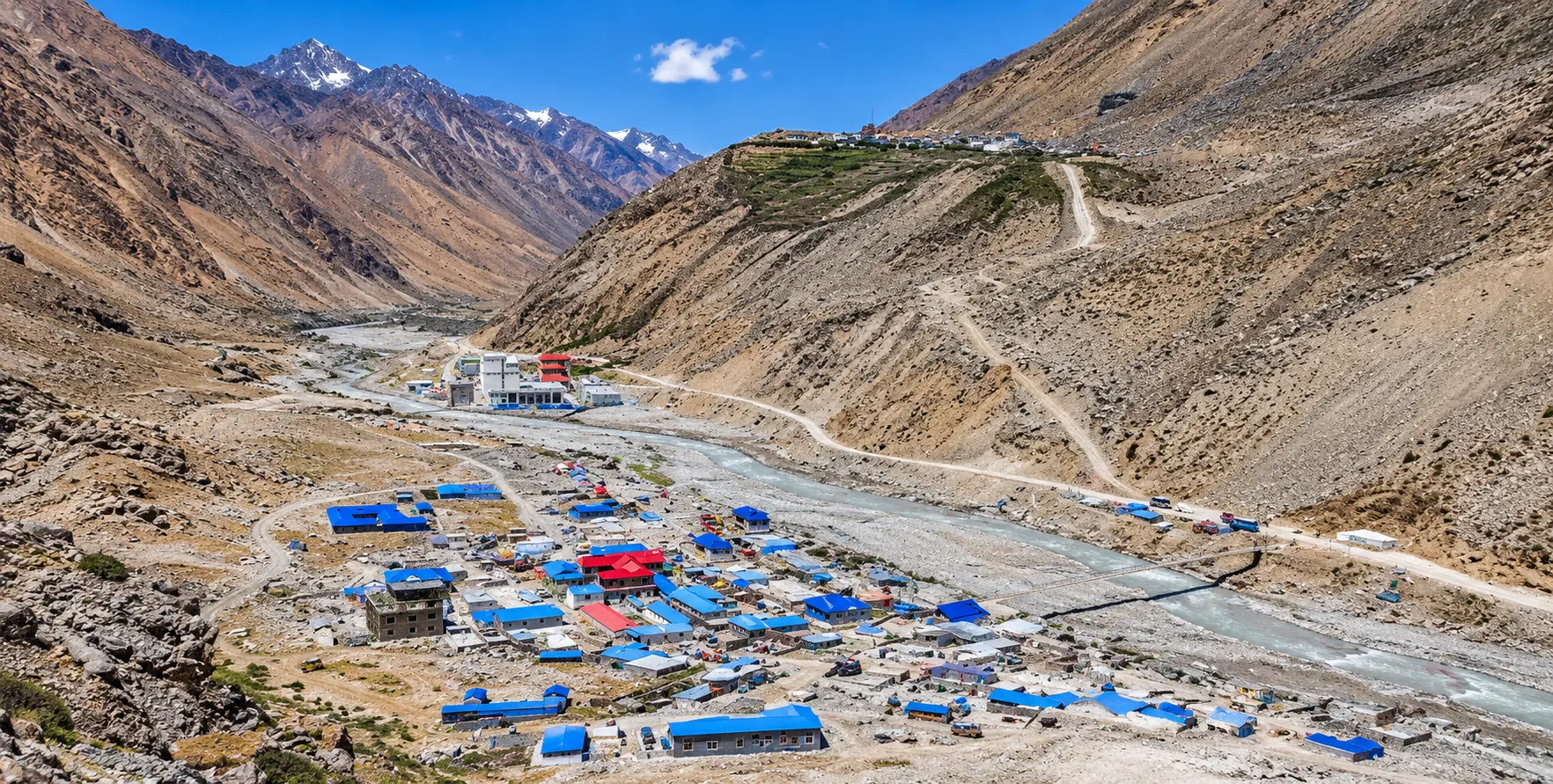
The Hilsa Border — Nepal’s Highest and Most Remote Tibet Crossing
Hilsa (also called Yari), at approximately 3,640 meters on the Nepal-Tibet border in the upper Humla Karnali valley, is Nepal’s highest and most remote international border crossing — a collection of basic stone structures and a customs checkpoint that, in the absence of any road access from Nepal, exists in a state of functional simplicity that the more developed Rasuwagadhi crossing had left far behind. The contrast between Hilsa and the modern Gyirong Port complex destroyed by the August 2026 flood is stark: Hilsa has no port complex, no large-vehicle parking, and no container processing facility because no roads bring large vehicles or containers to this altitude from Nepal’s side.
On the Tibetan side of the Hilsa border, the Chinese customs facility at Purang (Taklakot) is more developed and accessible by road via the Trans-Himalayan Highway system that China built across the plateau. From Purang, the Tibetan overland road system connects to Mansarovar Lake (approximately 100 km), Darchen (the Kailash parikrama base camp, approximately 115 km), and eventually to Lhasa (approximately 1,400 km). The Kailash Mansarovar yatra package’s ground transport in Tibet typically uses Chinese tourist buses or Land Cruisers for the Purang-to-Kailash section, coordinated by the Chinese-licensed ground handling company that Nepal’s registered yatra operators work with.
The Hilsa crossing’s specific logistical requirement — that all Nepal-side arrivals at Hilsa (whether by helicopter from Simikot or on foot from the Nara La) must cross immediately on the day of arrival or wait for the next available crossing slot — means that the helicopter transfer timing from Simikot is coordinated with the Chinese border processing schedule. Delays at Simikot from weather-grounded helicopters cascade into Hilsa crossing delays and compress the Tibet itinerary. This is why Kailash yatra operators build weather buffer days into the Nepalgunj and Simikot segments of the itinerary—the flexibility buffer days provided at the Nepal end of the journey protect the Tibet-side itinerary from compression when delays occur.
Humla District — The Human Geography of Nepal’s Most Remote District
Humla District, which Simikot administers as the district headquarters, is one of Nepal’s most remote, most sparsely populated, and most food-insecure districts — a region whose combination of extreme altitude (most settlements between 3,000 and 4,000 metres), limited agricultural land (the Humla Karnali valley floor is narrow and the growing season short), geographic isolation (no road access), and limited economic development has created persistent food shortage that is addressed through aerial food aid distribution, with food airlifted to Simikot by Nepal Army helicopters and distributed to outlying villages by porter. The Humla Karnali valley’s communities — estimated at approximately 55,000 to 60,000 people across the district — sustain themselves through a combination of subsistence agriculture (primarily buckwheat, barley, and potato at lower elevations), pastoralism, trans-Himalayan trade with Tibet, and increasingly, income from the Kailash yatra pilgrimage economy that flows through the district during the annual pilgrimage season.
The Kailash yatra’s economic contribution to Humla is significant and concentrated in the pilgrimage months: local porters hired to carry Kailash yatra luggage between Simikot and Hilsa, local guesthouses providing accommodation in the village stops along the trek route, and local food suppliers contributing to the meals that yatra groups consume during the walk provide income that, while modest by Kathmandu standards, is critically important to household economies that have very limited alternative income sources. The shift from Rasuwagadhi to Simikot as the primary Nepal-Tibet crossing for Kailash pilgrims following the August 2026 disaster will meaningfully increase the Humla community’s share of the pilgrimage economy —asilver lining to the disaster that Nepal’s far-western communities and regional planners are beginning to rerecognizeNepal Vehicle Hiring Pvt Ltd is committed to ensuring that our Kathmandu to Nepalgunj transport and broader Nepal trekking transport network supports the full supply chain that reaches these communities, through operator relationships that prprioritizeocal hiring and local economic participation at every stage of the journey.
Practical Tips — Nepalgunj to Simikot Transport
- Book Nepalgunj-Simikot flights through your agency: Direct individual booking may find no seats in peak season. Registered Kailash yatra and Humla trek agencies block-book seats months ahead. Do not leave flight booking until you arrive in Nepalgunj.
- Allow 2 buffer days at both ends: Weather cancellations on the Nepalgunj-Simikot route are more frequent than on main Nepal domestic routes. Build at least 1-2 extra days into your schedule at both Nepalgunj and Simikot for potential weather delays.
- Acclimatize at Simikot before ascending: Do not proceed to Hilsa (3,640 m) by helicopter on the day of your Simikot arrival. Spend at least one night — ideally two — at Simikot (2,910 m) before ascending further.
- Obtain all permits in Kathmandu: The Humla Restricted Area Permit, Tibet Group Travel Permit, and Chinese Group Visa cannot be arranged beyond Kathmandu. Allow 2 to 4 weeks for permit processing.
- Book Kathmandu-Nepalgunj transport: Contact Nepal Vehicle Hiring Pvt Ltd at +977-9851013196 for private vehicle hire from Kathmandu to Nepalgunj, or for a Kathmandu airport transfer for the domestic flight connection.
- Carry NPR cash: Simikot has very limited ATM infrastructure — virtually no functioning ATM beyond Nepalgunj. Carry sufficient NPR and USD cash for the full duration of the Humla and Tibet leg.
- Travel insurance: Must specifically cover helicopter evacuation at altitudes above 3,000 m and emergency medical care in both Nepal and Tibet (China). Standard travel policies often exclude Himalayan evacuation—verify coverage before departure.
- Pack for extreme cold: Even in spring and autumn, temperatures at Dolma La Pass (5,630 m) can be below -15 Celsius with wind chill. The Kailash parikrama requires expedition-level cold-weather gear year-round.
Combining Simikot with Other Nepal Destinations
For travelers incorporating the Simikot-Hilsa-Kailash journey into a broYear Nepal visit, the logical Kathmandu-based additions before and after the far western Nepal flight corridor are the same as for any Nepal pilgrimage and trekking itinerary: Kathmandu sightseeing covering Pashupatinath (one of the most important Shiva shrines in the world — a sacred encounter before the Kailash Shiva pilgrimage), Boudhanath (Tibet-influenced Buddhist stupa), and Swayambhunath; the Bhaktapur heritage day tour; and the Nagarkot sunrise transfer. Nepal Vehicle Hiring Pvt Ltd covers these with its Kathmandu car hire service from any hotel.
Lumbini — the birthplace of Lord Buddha — is a particularly meaningful addition for pilgrims whose journey to Kailash carries both Hindu and Buddhist devotional significance, as it lies on the Kathmandu-to-Nepalgunj road corridor and can be included as a Lumbini overnight before continuing to Nepalgunj for the Simikot flight. Our Kathmandu to Lumbini bus or private vehicle hire covers this connection. After Kailash, a Chitwan National Park jungle safari via our Pokhara to Chitwan bus provides a lowland nature complement to the high Himalayan pilgrimage experience.
For Nepal trekking combinations independent of the Kailash route, all of Nepal’s major treks remain fully available: the Annapurna Circuit via our Besisahar private vehicle, the Everest Base Camp trek via our Salleri Phaplu jeep, the Manaslu Circuit via our Soti Khola jeep hire, and the Upper Mustang trek via Jomsom — all coordinated through our plan trip page.

Why Choose Nepal Vehicle Hiring Pvt Ltd for Your Simikot Journey
Nepal Vehicle Hiring Pvt Ltd’s role in the Nepalgunj-Simikot transport chain is specifically the road legs that connect Kathmandu to the Nepalgunj flight: Kathmandu airport transfer to the domestic terminal for the Nepalgunj flight; the Kathmandu to Nepalgunj private vehicle overland for groups choosing the road approach; and any Kathmandu-based sightseeing car hire or heritage tours for pre- or post-Kailash Kathmandu days.
- Hotel pickup anywhere in Kathmandu: All Kathmandu airport transfers and Nepalgunj overland bookings include hotel pickup from any Kathmandu address.
- Full vehicle range: Private jeep, Hiace van, tourist coaster, and bus for every group size.
- Permit advisory: Our team advises on Humla Restricted Area Permit and Tibet permit requirements at the time of booking.
- Lumbini integration: Kathmandu-Lumbini-Nepalgunj overland routing available for pilgrims who want to visit the Buddha’s birthplace before departing for Kailash.
- 24/7 booking: WhatsApp +977-9851013196 or plan trip page.
Frequently Asked Questions — Nepalgunj to Simikot
Is there a road from Nepalgunj to Simikot?
No. There is no road to Simikot. The only connection is by domestic flight. The Nepalgunj to Simikot flight takes approximately 40 to 50 minutes.
What is the flight price from Nepalgunj to Simikot?
Approximately NPR 8,000 to 12,000 (USD 60 to 90) per person, one way, for foreign nationals. For Kailash yatra package clients, the fare is typically included in the operator’s all-in package price.
How do I get from Kathmandu to Nepalgunj?
By domestic flight (55 to 65 minutes) or by private vehicle overland (500-520 km, 10-12 hours over 2 days). Nepal Vehicle Hiring Pvt Ltd provides both Kathmandu airport transfers and Kathmandu-to-Nepalgunj private jeep hire.
Why is Simikot more important for Kailash travel after August 2026?
The August 26, 2026 flood completely destroyed the Rasuwagadhi-Kerung border crossing — Nepal’s primary overland gateway to Tibet. The Simikot-Hilsa route is now the only available overland Nepal-Tibet crossing for Kailash Mansarovar pilgrims.
How do I get from Simikot to the Nepal-Tibet border at Hilsa?
Either by helicopter (25 to 30 minutes) or by trekking the Nara La Pass route (4 to 6 days, passing through traditional Humla villages). Most Kailash yatra packages include the helicopter option.
What permits are needed for Humla and the Kailash Mansarovar yatra?
You need a Humla Restricted Area Permit (USD 90 per week), Tibet Group Travel Permit, and Chinese Group Visa. Arrange all in Kathmandu before the Nepalgunj flight; you can’t get any later. Contact Nepal Vehicle Hiring Pvt Ltd for permit advisory when arranging transport.
Nepal’s Complete Trekking and Touring Network
While the Nepalgunj-Simikot corridor serves the Kailash Mansarovar and Humla trekking markets, Nepal Vehicle Hiring Pvt Ltd provides private vehicle hire across Nepal’s complete transport network. Every major trekking region and tourist destination is fully accessible through our services.
Everest Region: Kathmandu to Salleri Phaplu jeep for the overland Everest approach. Everest Base Camp trek and luxury EBC lodge trek from Trek Nepal Himalayas. Kathmandu airport transfer for the Lukla flight connection.
Annapurna Region: Besisahar private vehicle for the Annapurna Circuit trek. Pokhara to Nayapul transfer for Annapurna Base Camp trek and Ghorepani Poon Hill trek. Car hire in Pokhara and Sarangkot sunrise vehicle.
Manaslu and Remote Western Nepal: Kathmandu to Soti Khola jeep for the Manaslu Circuit trek. Manaslu trek transport. Nar Phu Valley trek support via Besisahar approach.
Upper Mustang and Muktinath: Upper Mustang trek fully available. Alpine Luxury Treks provides premium Mustang experiences coordinated with our jeep hire.
Kathmandu Heritage: Kathmandu sightseeing car hire, Bhaktapur day tour, Nagarkot sunrise, car hire in Nepal for all city transfers.
Wildlife and Pilgrimage: Chitwan jungle safari via our Pokhara to Chitwan bus. Kathmandu to Lumbini bus for a visit to the Buddha’s birthplace. Hiace van hire, coaster hire, and bus hire for larger groups on all Nepal highway corridors. Plan through our plan trip page or call +977-9851013196.
Conclusion
The Nepalgunj to Simikot flight corridor has become, in the aftermath of the August 2026 Kerung border disaster, one of Nepal’s most strategically important domestic air routes — the only functional gateway to Tibet for Kailash Mansarovar pilgrims approaching from Nepal by land, and the access point for the Limi Valley trek and Upper Humla’s extraordinary traditional communities. The planning reality is that flight availability on this route is more constrained than before, permit processing must begin earlier, and the full logistics chain from Kathmandu to Nepalgunj to Simikot to Hilsa to Kailash demands both an experienced registered operator and meticulous pre-trip preparation. Nepal Vehicle Hiring Pvt Ltd supports the Kathmandu-to-Nepalgunj road and transfer legs of this journey — connecting every pilgrim and trekker to the flight that begins the most remote and most sacred mountain approach available from Nepal.
Book your Kathmandu to Nepalgunj private vehicle or Kathmandu airport transfer for the Nepalgunj flight with Nepal Vehicle Hiring Pvt Ltd — call or WhatsApp +977-9851013196, visit vehiclehiringnepal.com, or plan your complete Kailash yatra transport through our plan trip page — and discover why the Simikot-Hilsa Kailash route is now Nepal’s most important Himalayan pilgrimage corridor, served by the full Nepal Vehicle Hiring Pvt Ltd transport network.
- Nepalgunj to Simikot Transport
- Why Simikot Matters More Than Ever
- Nepalgunj — The Hub City for Far Western Nepal
- The Nepalgunj to Simikot Flight — How It Works
- Getting to Nepalgunj — The Kathmandu Connection
- Simikot Airport — One of Nepal's Most Remote Runways
- From Simikot to Hilsa — Two Ways to Cross the Border
- The Kailash Mansarovar Yatra — The Simikot-Hilsa Pilgrimage Route
- Simikot and Humla — Beyond the Kailash Route
- Permits Required for Simikot and Humla
- Season Guide — When to Travel Nepalgunj-Simikot
- The Humla Karnali River — The Valley's Defining Feature
- Nepalgunj City — Preparing for the Simikot Flight
- The Hilsa Border — Nepal's Highest and Most Remote Tibet Crossing
- Humla District — The Human Geography of Nepal's Most Remote District
- Practical Tips — Nepalgunj to Simikot Transport
- Combining Simikot with Other Nepal Destinations
- Why Choose Nepal Vehicle Hiring Pvt Ltd for Your Simikot Journey
- Frequently Asked Questions — Nepalgunj to Simikot
- Nepal's Complete Trekking and Touring Network
- Conclusion
