Plan a Trip


Rasuwagadhi Kerung Border Condition Now | Nepal Update
Rasuwagadhi–Kerung Border Condition Now: Latest Road & Travel Update 2026
Updated: August 29, 2026
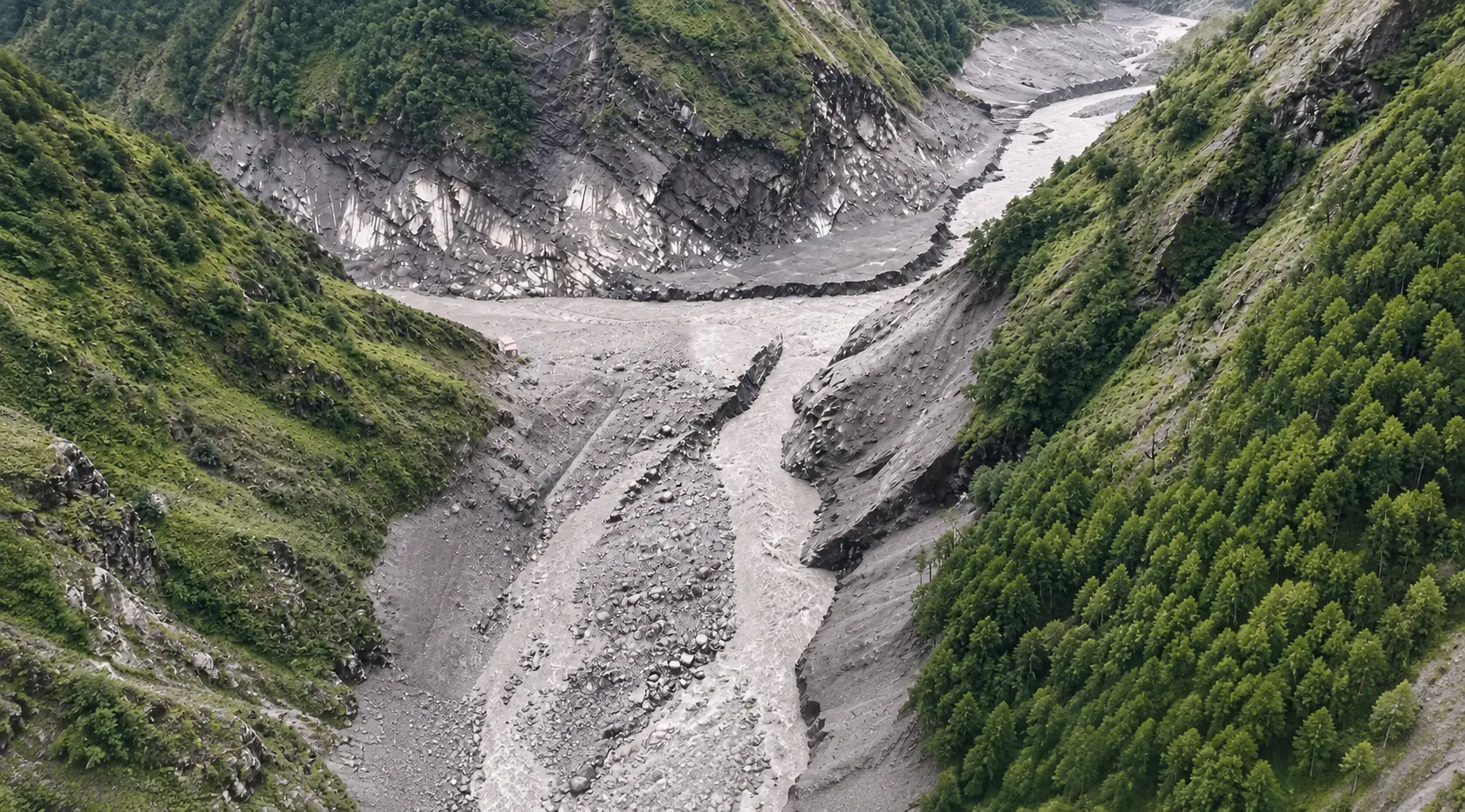
The Rasuwagadhi–Kerung border route between Nepal and Tibet, China, is currently severely affected by the catastrophic flash flood that struck the Rasuwa border area on August 26, 2026. Currently, this is not a normal travel or vehicle-access route, and travelers should not attempt to travel to Rasuwagadhi, Timure, or Kerung until authorities officially reopen the road.
The situation is changing as rescue operations, damage assessment, and monitoring of further flood risks continue.
Current Rasuwagadhi–Kerung Border Condition
Status: Severely damaged / travel disrupted
The August 26 flash flood caused extensive destruction along the route connecting Betrawati–Syabrubesi–Timure–Rasuwagadhi.
According to Nepal’s Department of Roads, approximately 42 kilometers of road between Betrawati and Rasuwagadhi have been severely damaged, with several concrete bridges swept away. Officials were initially still assessing the additional damage on the Syabrubesi–Rasuwagadhi section.
More recent reporting says the Rasuwagadhi–Timure–Syabrubesi road section has been effectively devastated, leaving normal road access severely disrupted. Around 80 Nepali container drivers were stranded in Kerung after the disaster.
In simple terms
| Area | Current situation |
| Kathmandu → Betrawati | Flood-affected; conditions require checking |
| Betrawati → Syabrubesi | Severely damaged |
| Syabrubesi → Timure | Severely damaged/disrupted |
| Timure → Rasuwagadhi | Severely damaged |
| Rasuwagadhi border | Severely affected |
| Rasuwagadhi → Kerung | Severely affected |
| Normal tourist vehicle movement | Not currently recommended |
| Kailash overland route via Kerung | Currently disrupted |
Important: “Border open” and “road accessible” are different. Even if immigration/customs operations are technically functioning at some point, travelers still need a safe and usable road connection to reach the border.
What Happened at Rasuwagadhi?
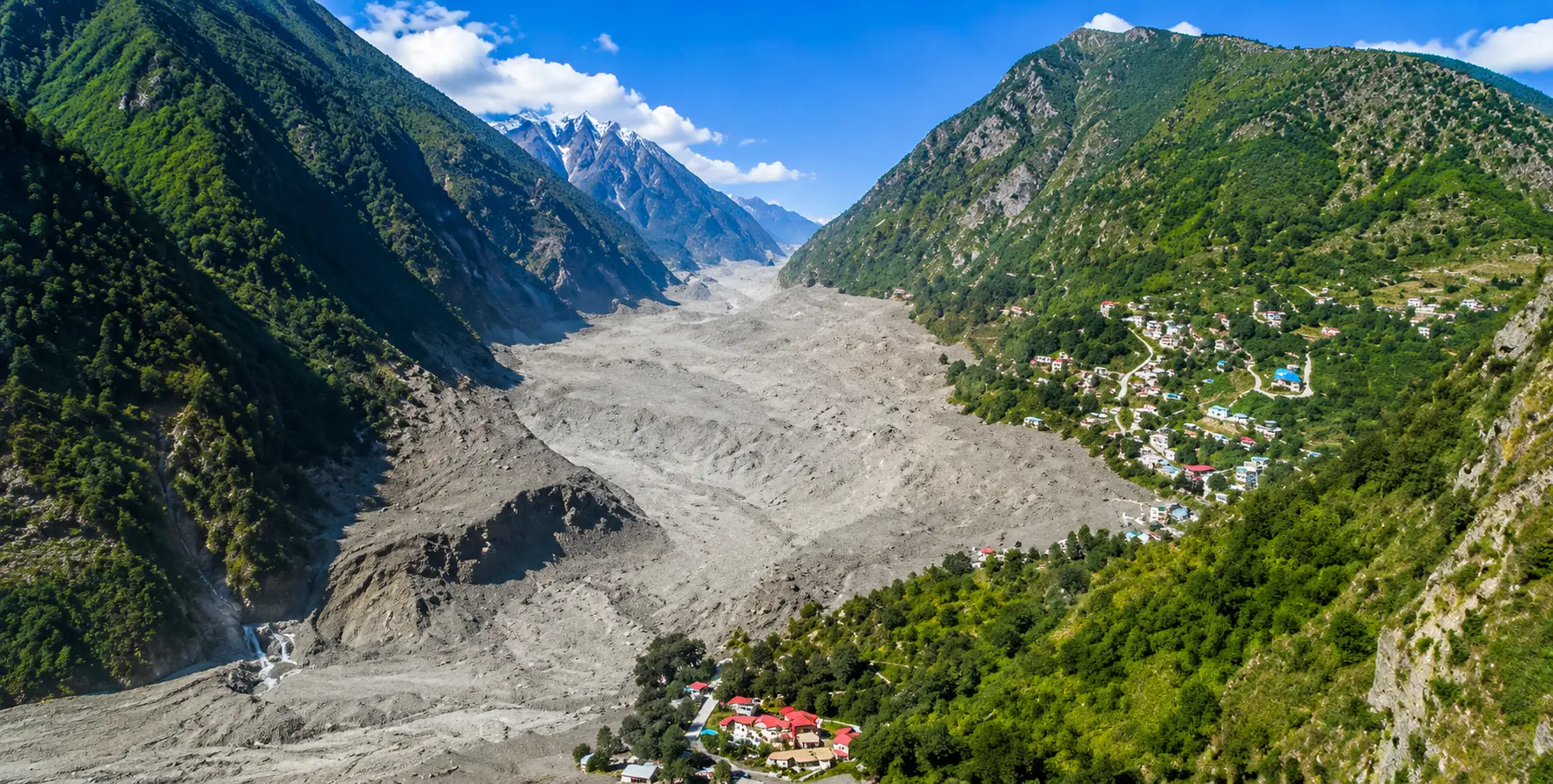
On the morning of August 26, 2026, a major flash flood entered the Rasuwa border region from the Tibet side.
Nepal’s official mission in Geneva reported that the disaster caused extensive damage to homes and public infrastructure, including roads, bridges, hydropower projects, and other critical infrastructure.
The National Disaster Risk Reduction and Management Authority reported that a snow-and-rock landslide occurred approximately 20 km northeast of the Rasuwagadhi border at around 8:40 a.m., triggering a massive debris-filled flood in the Lhende Khola.
The resulting water and debris moved rapidly through the border region, affecting:
- Rasuwagadhi
- Timure
- Syabrubesi
- surrounding settlements
- the Bhotekoshi River corridor
- roads and bridges
- hydropower infrastructure
- the Nepal–China border connection
The event was particularly dangerous because the water and debris arrived extremely quickly.
Rasuwa Gandaki Road Damage
One of the biggest concerns for travelers is the road itself.
The Department of Roads reported that the 42-km Betrawati–Rasuwagadhi road corridor was damaged at multiple locations, with several bridges washed away.
This is important because the Rasuwagadhi border is not directly accessible from Kathmandu. Vehicles normally travel north through the Rasuwa corridor before reaching the border.
The basic overland route is:
Kathmandu → Galchi → Trishuli → Dhunche → Syabrubesi → Timure → Rasuwagadhi → Kerung
With major portions of the corridor affected, a normal Kathmandu-to-Kerung vehicle transfer is currently impractical.
Is Rasuwagadhi Border Open Now?
The practical answer is: Do not treat the border as open for normal tourism yet.
The catastrophic flooding has damaged both the approach road and border-area infrastructure.
Recent reports say the Rasuwagadhi–Timure–Syabrubesi road has been severely damaged, while rescue and relief operations continue.
Nepal’s Ministry of Foreign Affairs has also established an emergency control room specifically for foreign nationals affected by the Rasuwa flood, indicating that the region remains an active disaster-response area rather than a normal tourist corridor.
For travelers, the key message is:
Do not travel toward Rasuwagadhi simply because you hear that the border checkpoint itself has reopened or that some administrative activity has resumed. The road and surrounding infrastructure must also be safe and operational.
What Is the Situation on the Kerung Side?
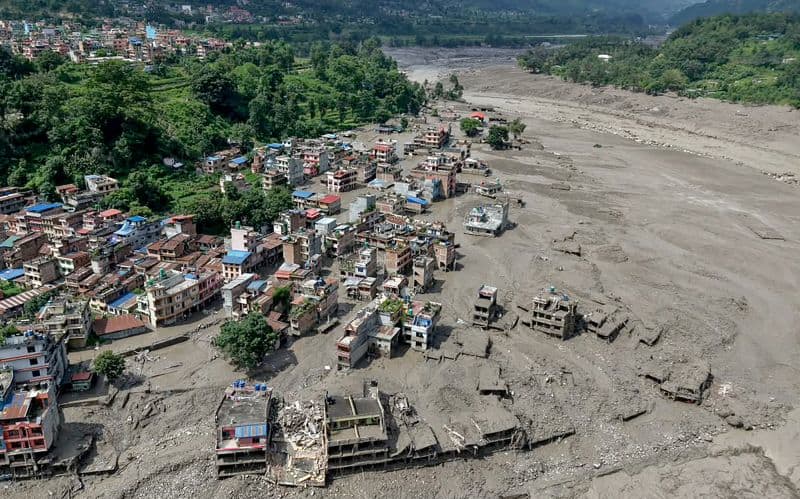
The disaster also seriously affected Gyirong/Kerung in Tibet.
The Chinese side of the border experienced major flooding and infrastructure destruction. Rescue teams have faced difficult access conditions around the Gyirong border area.
Reports also indicate that Nepali container drivers became stranded in Kerung after the flood. They reportedly stayed in the area while authorities considered arrangements to return them to Nepal.
This demonstrates that the problem is not limited to the Nepal side.
Both sides of the Rasuwagadhi–Kerung corridor have been affected.
Is Kathmandu to Kerung Jeep Service Available?
Right now, travelers should not plan a normal Kathmandu–Kerung jeep transfer.
Under ordinary conditions, private jeeps are commonly used for the Kathmandu–Rasuwagadhi journey because the northern road is mountainous and can be difficult, particularly during monsoon.
However, after the August 26 disaster, the situation is completely different.
The issue is no longer simply:
“Which vehicle is best?”
The primary issue is:
“Is the road safe and physically passable?”
Until the authorities restore the damaged road sections and confirm safe access, arranging a private jeep to Rasuwagadhi would not be responsible.
What About Kailash Mansarovar Yatra via Kerung?
This is especially important for pilgrims.
The Rasuwagadhi–Kerung route is one of the major overland gateways used by travelers heading from Nepal toward Tibet, Mount Kailash, and Mansarovar.
The August 26 disaster has seriously disrupted this route.
Many travelers were in the region because of the Kailash Mansarovar pilgrimage season when the disaster occurred. International reports have documented large numbers of missing people and significant rescue operations involving foreign nationals.
Therefore, anyone holding a Kailash Mansarovar itinerary via Rasuwagadhi–Kerung should contact their tour operator before traveling.
Do not independently travel to Rasuwa expecting to cross the border.
Is It Safe to Travel to Syabrubesi and Timure?
At present, avoid travel to the affected northern Rasuwa corridor unless specifically authorized or required for emergency purposes.
New Zealand’s official SafeTravel advisory issued on August 27 advised travelers to avoid the Galchhi–Nuwakot–Rasuwa–Syabrubesi road and not to enter flood-affected areas until authorities remove restrictions.
This distinction matters for trekkers.
Langtang Trek
The normal road access toward Langtang passes through the affected Rasuwa region.
Gosaikunda Trek
Several approaches to Gosaikunda also rely on infrastructure within the affected region.
Tamang Heritage Trail
The northern Rasuwa area is also connected with the Tamang Heritage trekking region.
Therefore, trekkers should wait for official road and trekking-area safety updates before traveling toward these areas.
Why the Current Situation Is More Serious Than a Normal Monsoon Road Block
Rasuwagadhi has experienced road closures and floods before.
In 2025, flooding damaged the border route and the Miteri Bridge, resulting in a prolonged disruption. The border later resumed vehicle movement after a new Bailey bridge was installed.
There were also planned road closures in 2026 for construction and retaining-wall work on the Syabrubesi–Rasuwagadhi section.
But the August 2026 event is fundamentally different.
This was a major disaster involving massive debris flow, destroyed roads and bridges, damaged border infrastructure, and ongoing secondary flood risks.
Nepal is still monitoring upstream water bodies formed after the disaster because further flooding remains possible until those lakes drain safely.
Current Situation for Tourists
If you are planning to travel from Kathmandu to Rasuwagadhi or Kerung, the following advice is appropriate:
Kathmandu → Rasuwagadhi
Do not travel at present without official confirmation.
Kathmandu → Kerung
Normal road transfer is currently disrupted.
Rasuwagadhi → Kerung crossing
Not suitable for normal tourist travel at present.
Kailash Mansarovar via Rasuwagadhi: Reconfirm existing itineraries with the operator.
Independent travel to Timure
Not recommended while emergency operations continue.
Syabrubesi
Base travel on official local conditions rather than normal seasonal assumptions.
What Should Travelers Do If They Already Have a Booking?
If you have already booked:
Kathmandu → Syabrubesi → Rasuwagadhi → Kerung
contact your:
- trekking agency
- Kailash tour operator
- vehicle company
- hotel
- local representative
before leaving Kathmandu.
Ask specifically:
- Is the road from Kathmandu to Syabrubesi open?
- Is Syabrubesi–Timure accessible?
- Is Timure–Rasuwagadhi accessible?
- Is the border crossing operational?
- Is vehicle movement permitted?
- Is the Chinese side accepting travelers?
- Are permits being processed?
- Is the route officially declared safe?
Do not rely solely on social-media videos or old travel information.
Are Alternative China–Nepal Border Routes Available?
Travelers sometimes ask whether they can use another border crossing.
Nepal has other northern crossings, including Tatopani–Khasa and Korala, but they should not automatically be considered substitutes for Rasuwagadhi.
For example, stranded Nepali drivers in Kerung reportedly discussed returning through Tatopani or Korala, but those routes involve significant additional distance and logistical complications.
For a tourist or pilgrimage group, an alternative border crossing requires coordination involving:
- Chinese permits
- Nepal-side transportation
- Tibet-side transportation
- immigration
- accommodation
- guide arrangements
- road conditions
- current border operating rules
A qualified tour operator should arrange an alternative route rather than improvising at the last minute.
Rasuwagadhi–Kerung Border: What Travelers Should Expect Next
The immediate priority is search, rescue, relief, and safety, not tourism.
Nepal’s government has mobilized emergency response operations and continues to assess the scale of infrastructure damage.
Road reconstruction will likely require:
- removal of flood debris
- temporary road access
- bridge reconstruction
- slope stabilization
- retaining walls
- riverbank protection
- safety assessment
- restoration of communication
- border infrastructure assessment. Do not guess the exact reopening date.
The road may reopen in stages rather than all at once. Light vehicles, emergency vehicles, cargo trucks, and tourist vehicles may have different permissions.
Rasuwagadhi–Kerung Route Map
The normal overland corridor can be understood as:
Kathmandu
↓
Galchi
↓
Trishuli
↓
Dhunche
↓
Syabrubesi
↓
Timure
↓
Rasuwagadhi Border
↓
Kerung / Gyirong, Tibet
↓
Shigatse
↓
Mount Kailash / Mansarovar
The most severely affected portion is around the Rasuwa border corridor, particularly the road toward Timure and Rasuwagadhi.
Rasuwagadhi–Kerung Border Update for Vehicle Hire Customers
For people searching for:
- Kathmandu to Kerung jeep
- Kathmandu to Rasuwagadhi jeep
- Kathmandu to Kerung private car
- Rasuwagadhi border vehicle hire
- Kerung border pickup
- Kathmandu to Kerung transportation
- Kailash Mansarovar vehicle from Nepal
- Syabrubesi to Rasuwagadhi jeep. Right now, the most important thing is road status, not vehicle price.
A vehicle company may have a jeep available, but that doesn’t mean it can safely reach Rasuwagadhi. Right now, responsible operators should confirm road conditions before accepting a new booking.
When Will Rasuwagadhi–Kerung Reopen?
No reliable reopening date has been confirmed.
The August 26 flood caused extensive infrastructure destruction, and authorities are still conducting rescue operations and damage assessments.
The Department of Roads was still assessing damage to the affected corridor, while emergency agencies continued dealing with the disaster.
Therefore:
Do not publish a specific reopening date unless relevant Nepalese or Chinese authorities officially announce it.
A responsible travel update should say:
The Rasuwagadhi–Kerung route remains severely disrupted following the August 26, 2026 flash flood. Travelers should wait for official confirmation of road clearance and border operations before planning overland travel.
Important Safety Advice
If you are currently anywhere around Rasuwa, Timure, Syabrubesi or Rasuwagadhi:
- Stay away from riverbanks.
- Do not attempt to cross damaged bridges.
- Do not drive through floodwater.
- Follow instructions from Nepal Police and local authorities.
- Avoid entering disaster zones for sightseeing.
- Keep your passport and travel documents secure.
- Contact your tour operator if you are part of a pilgrimage or trekking group.
- Foreign nationals requiring assistance should contact their embassy or Nepal’s emergency coordination channels.
Nepal’s Ministry of Foreign Affairs established an emergency control room for foreign nationals affected by the disaster. The published contacts are +977-9744441227 and +977-9744441228, and the email is [email protected].
Final Rasuwagadhi–Kerung Border Update
As of August 29, 2026, the Rasuwagadhi–Kerung corridor is severely disrupted and unsuitable for normal tourist travel.
The August 26 flash flood destroyed or severely damaged major sections of the road, bridges, and infrastructure connecting Nepal’s Rasuwa border area with Tibet. The 42-km Betrawati–Rasuwagadhi corridor has suffered extensive damage, while the Syabrubesi–Timure–Rasuwagadhi section has also been severely affected.
The situation is still an active disaster-response and recovery operation. Authorities are monitoring for further flood hazards, and rescue teams continue working in difficult terrain.
Current recommendation: DO NOT PLAN NORMAL ROAD TRAVEL TO RASUWAGADHI–KERUNG UNTIL OFFICIAL AUTHORITIES CONFIRM THAT THE ROAD AND BORDER ARE SAFE AND OPERATIONAL.
Treat this update as a live situation, because road conditions, border procedures, and access restrictions can change quickly.
Sources checked for this update: Nepal Department of Roads reporting, Nepal Government/MOFA information, Nepal disaster-response reporting, Reuters, AP, Kathmandu Post, and official foreign travel advisories.
- Rasuwagadhi–Kerung Border Condition Now: Latest Road & Travel Update 2026
- Current Rasuwagadhi–Kerung Border Condition
- What Happened at Rasuwagadhi?
- Rasuwa Gandaki Road Damage
- Is Rasuwagadhi Border Open Now?
- What Is the Situation on the Kerung Side?
- Is Kathmandu to Kerung Jeep Service Available?
- What About Kailash Mansarovar Yatra via Kerung?
- Is It Safe to Travel to Syabrubesi and Timure?
- Why the Current Situation Is More Serious Than a Normal Monsoon Road Block
- Current Situation for Tourists
- What Should Travelers Do If They Already Have a Booking?
- Are Alternative China–Nepal Border Routes Available?
- Rasuwagadhi–Kerung Border: What Travelers Should Expect Next
- Rasuwagadhi–Kerung Route Map
- Rasuwagadhi–Kerung Border Update for Vehicle Hire Customers
- When Will Rasuwagadhi–Kerung Reopen?
- Important Safety Advice
- Final Rasuwagadhi–Kerung Border Update

Related Blog & Articles