Plan a Trip


Kathmandu to Pokhara Road Trip Guide
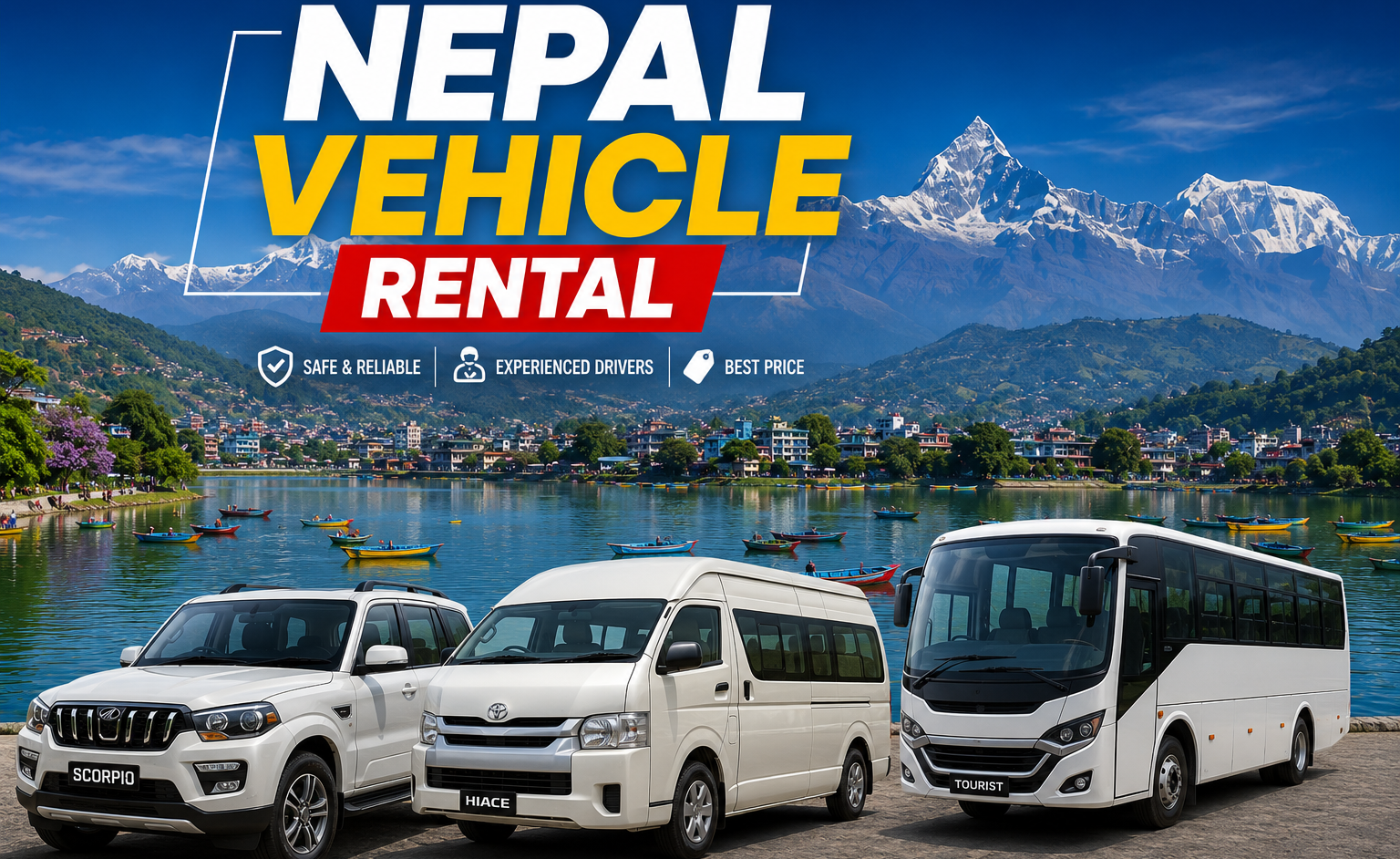
The Ultimate Kathmandu to Pokhara Road Trip Guide: 200km Through Nepal’s Soul
The 200-kilometer stretch between Kathmandu and Pokhara is more than a journey—it’s a sensory immersion into everything Nepal offers. From the chaotic energy of the capital to the serene lakeside tranquility of Nepal’s adventure hub, this road trip has become the country’s most iconic overland route.
In 2024, over 300,000 travelers chose to take this journey by road rather than fly, and for good reason. When you’re enclosed in a private vehicle with the freedom to stop whenever you please, the Kathmandu-Pokhara corridor transforms from a simple transfer into an unforgettable expedition through Nepal’s heart.
Why This Route Matters More Than Ever
The completion of significant stretches of the Prithvi Highway has made this journey smoother, safer, and more enjoyable than ever before. Yet most tourists—especially first-timers—view it as merely a transit point between two cities. That’s a missed opportunity.
The reality? The journey is the destination.
The Route Overview: What to Expect
Distance: 200 km
Driving Time: 6-8 hours (with stops)
Best Season: October-November, February-March
Difficulty Level: Easy to Moderate
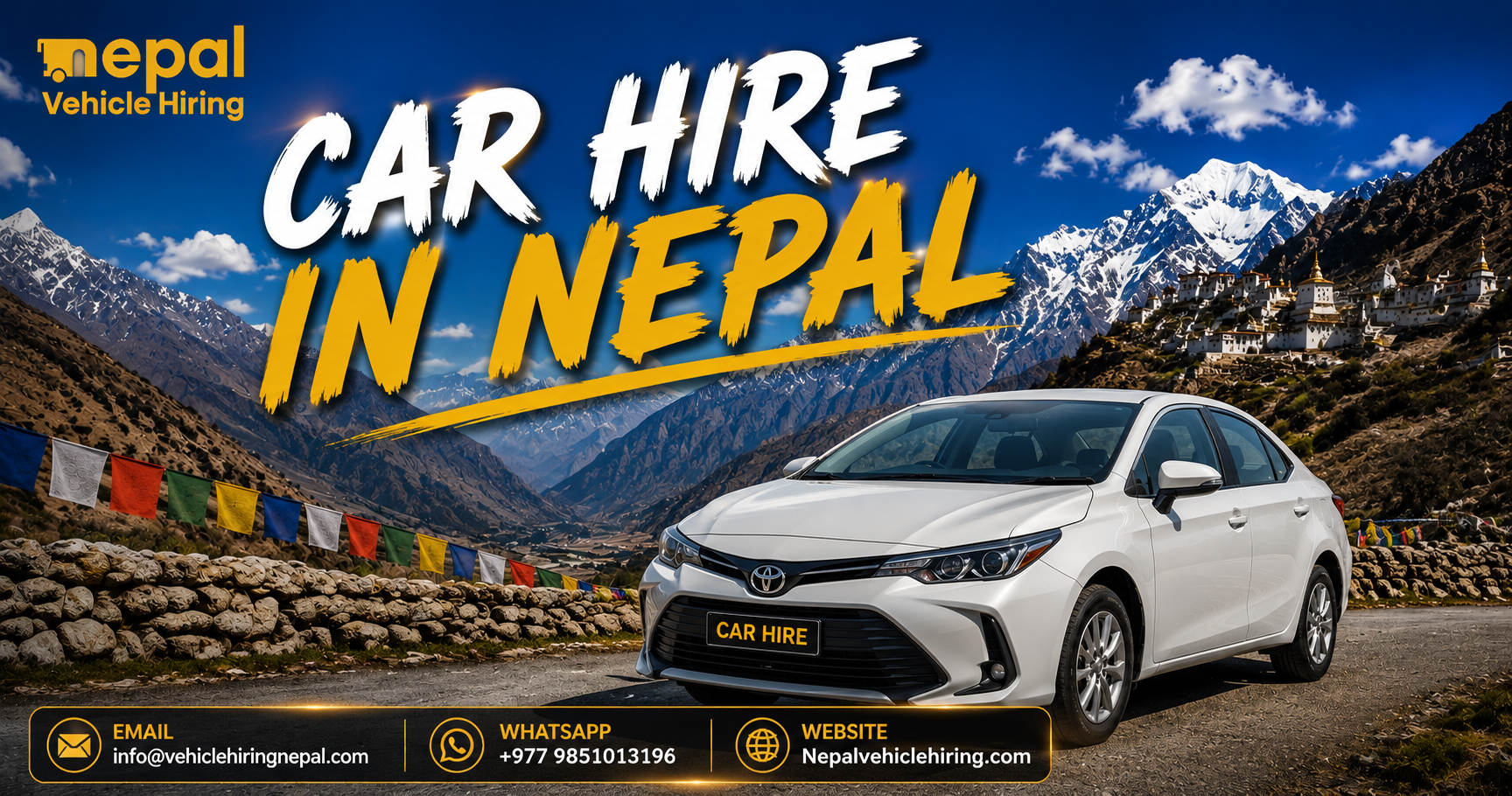
Recommended Vehicle: Sedan, SUV, or Hiace minibus, depending on group size
The route primarily follows the Prithvi Highway, named after the Hindu Earth Goddess. Ironically, despite its spiritual name, the highway is one of Nepal’s most dramatic representations of human engineering against nature.
The Route Breakdown: Five Acts of a Mountain Drama
The Kathmandu Valley Exit (0-30km)
Your journey begins in the controlled chaos of Kathmandu’s ring road. The energy is frenetic—motorcycles weaving between buses, street vendors calling out from corners, the smell of diesel exhaust mingling with incense from roadside shrines.
Within 30 kilometers, the urban sprawl gives way to agricultural fields. This is where many tourists gasp—the sudden transition from city to countryside. You’ll pass through suburbs like Thankot, where the air begins to clear, and the mountains start to become visible.
Key Stop: Thankot (15km from Kathmandu)
If you’re traveling in the early morning, the views from Thankot are spectacular. This small settlement marks the gateway to the hills, and the Kathmandu Valley recedes behind you. It’s the perfect place for a brief stretch and a photo capturing the valley’s vastness.
Pro Tip: Skip the tourist restaurants here; they’re overpriced. If you want local food, head 2km farther into the village.
The Descent into the Trishuli Gorge (30-90km)
This is where the drive becomes genuinely exciting. The road winds down into one of Nepal’s most dramatic geographical features—the Trishuli River Gorge. The Trishuli River, sacred in Hindu mythology, carved this canyon over millennia.
The descent is controlled but dramatic. Your driver will navigate hairpin turns that offer glimpses of the river far below, terraced farms clinging to near-vertical slopes, and small settlements built into the mountainside in ways that seem to defy gravity.
Key Stops:
- Chisapani (45km): A small cluster of restaurants overlooking the gorge. The dal bhat here is authentic and affordable (~NPR 200-300 per person). The Chisapani area is also historically significant—during the British colonial period, this was a trading post.
- Trishuli Bazaar (65km): A small town that straddles the Trishuli River. If you’re interested in river activities like rafting, this is where companies operate. Many travelers rent rafts here for a 2-3-hour journey while their driver enjoys a leisurely lunch and a rest.
- Malekhu (80km): Famous for one thing—fish. Specifically, freshwater fish from the Trishuli River. Malekhu has become synonymous with authentic fish restaurants, and for good reason. The local specialty is saag machi (fish with spinach) and tama ko achar (fermented bamboo shoot curry). These restaurants are legendary among Nepali travelers. We recommend Shyam Dai ko Bhanchha Ghar, a family-run establishment where the owner’s mother cooks with recipes passed down three generations.
Why Stop in Malekhu?
Beyond the food, Malekhu represents something important: the intersection of rural Nepal and modern commerce. The town has remained relatively untouched by over-tourism, making it an authentic experience. Eating here supports local families directly—your meal money goes to the woman who cooked it, not to a corporate chain.
Pro Tip: If you visit during monsoon (June-September), arrive early. The river can swell dramatically, and landslides occasionally block sections of the road. Your driver will know current conditions, but it’s worth asking.
The Mugling Junction—The Crossroads of Nepal (90-120km)
Mugling Junction is where the Kathmandu-Pokhara and Kathmandu-Chitwan routes split. For many travelers, this is an insignificant waypoint. In reality, it’s a microcosm of Nepal’s logistical geography.
Here’s what you need to know:
- No reason to stop for long. Unlike tourist guides that romanticize every junction, Mugling is genuinely unremarkable. The town exists for logistics, not experience.
- This is where your driver makes critical decisions. Depending on the weather, time of day, and fuel levels, your driver might adjust the route. Trust their judgment—they navigate this junction hundreds of times yearly.
- If you need a bathroom break, there are clean public facilities. Don’t expect luxury, but hygiene standards are acceptable.
The Climb to the Pokhara Plateau (120-180km)
After Mugling, the road begins a gradual ascent toward the Pokhara Valley. This section is less dramatic than the Trishuli Gorge descent but more diverse in scenery.
You’ll pass through:
- Damauli: A junction town known for its fruit stands. If it’s mango season (May-June), stop here. Local mangoes are world-class, and vendors have perfected the art of ripeness assessment. A kilogram of premium mangoes costs NPR 100-200.
- Nadi and Ridi: These towns mark the transition from subtropical to temperate climate. You’ll notice the vegetation changing—pine forests begin to appear, and the air becomes noticeably cooler.
- Bandipur (optional detour, 15km east): If you have 1-2 hours, this is worth it. Bandipur is a restored 18th-century Newari trading town that froze in time until the 1990s. The hillside bazaar, with its Newari-style buildings, temples, and local crafts, is the most authentic and well-preserved heritage site between Kathmandu and Pokhara. A private rental gives you the flexibility to make this detour without losing time—something impossible on a shared bus.
Arrival in Pokhara (180-200km)
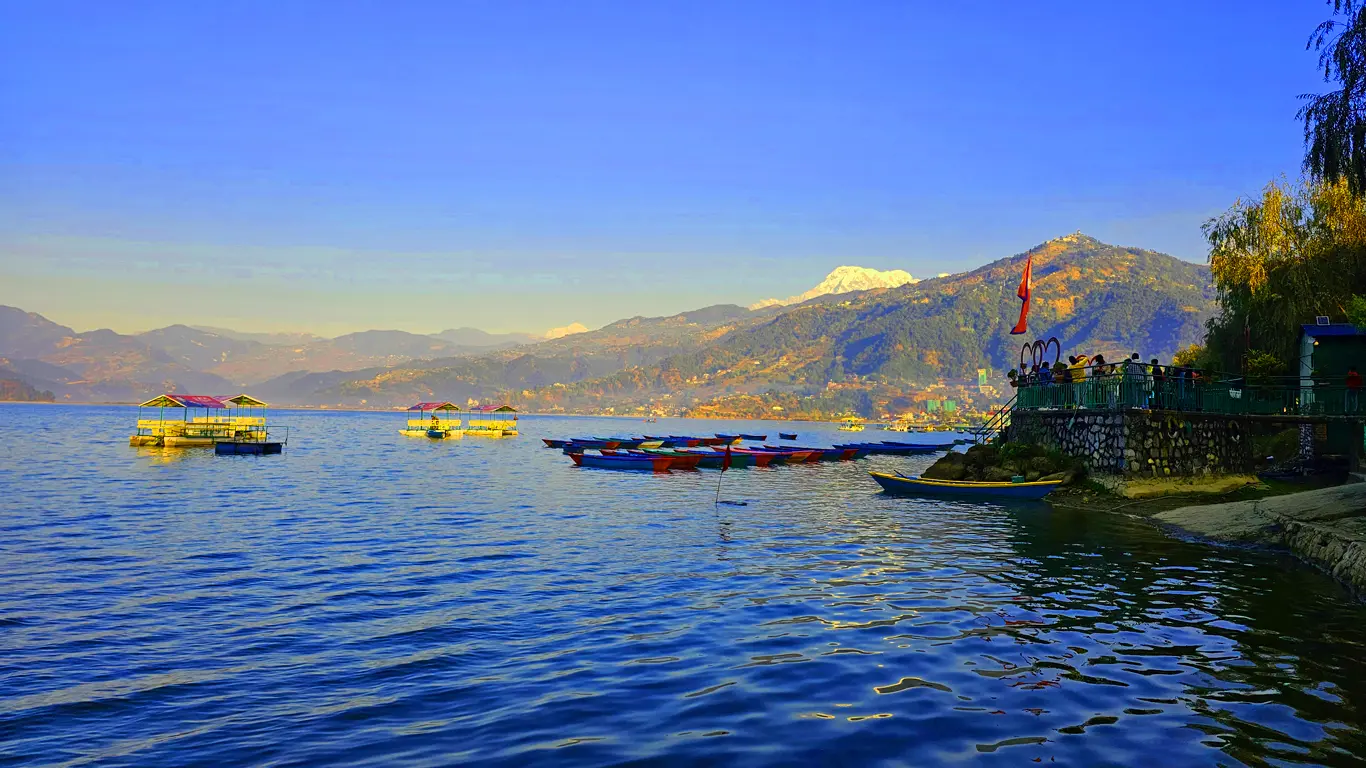
The final stretch brings you into the Pokhara Valley. The landscape opens up. You’ll see Phewa Lake in the distance—a sparkling mirror reflecting the Annapurna Range beyond. Your first view of the Annapurnas from the road is genuinely moving. Many travelers photograph this exact moment.
Pokhara’s entry is less chaotic than Kathmandu’s but still requires navigating lakeside traffic. Your driver will take you directly to your accommodation.
The Practical Details Every Traveler Needs to Know
1. Fuel and Stops
The Prithvi Highway has fuel stations at regular intervals, but it’s not like highways in developed countries. Fuel availability depends on:
- Time of day (some stations close at 6 PM)
- Season (monsoon occasionally cuts off supply lines)
- Political situations (occasional fuel strikes)
A reliable rental company maintains its own fuel reserves for clients, ensuring you never get stranded. This is a significant advantage of hiring a professional service.
2. Timing Your Journey
- Early morning departure (5-6 AM): You’ll reach Pokhara by early afternoon, minimizing exposure to afternoon traffic and heat.
- Late morning departure (9-10 AM): You’ll arrive in Pokhara by late afternoon or evening. Roads can be congested from 3-5 PM.
- Never start after 2 PM: You’d arrive in darkness, and mountain roads are dangerous at night. Professional rental companies enforce this policy for safety.
3. Weather Considerations
- Monsoon (June-September): Roads remain open, but landslides are possible. The journey may take 1-2 hours longer. Visibility is reduced, but the gorge is lush and beautiful.
- Autumn (September-November): Perfect conditions. Clear visibility, comfortable temperatures, and no weather hazards.
- Winter (December-February): Roads are clear, but mornings are foggy. Departing by 6 AM avoids the worst fog. Nights are cold but not impassable.
- Spring (March-May): Good conditions, but heat in the lower elevations can be intense. Travel early in the morning.
4. Vehicle Selection Matters
For this specific route:
- Sedan (Toyota Corolla, Honda Civic): Adequate for paved sections, slightly uncomfortable on rougher patches. Best for 1-3 passengers.
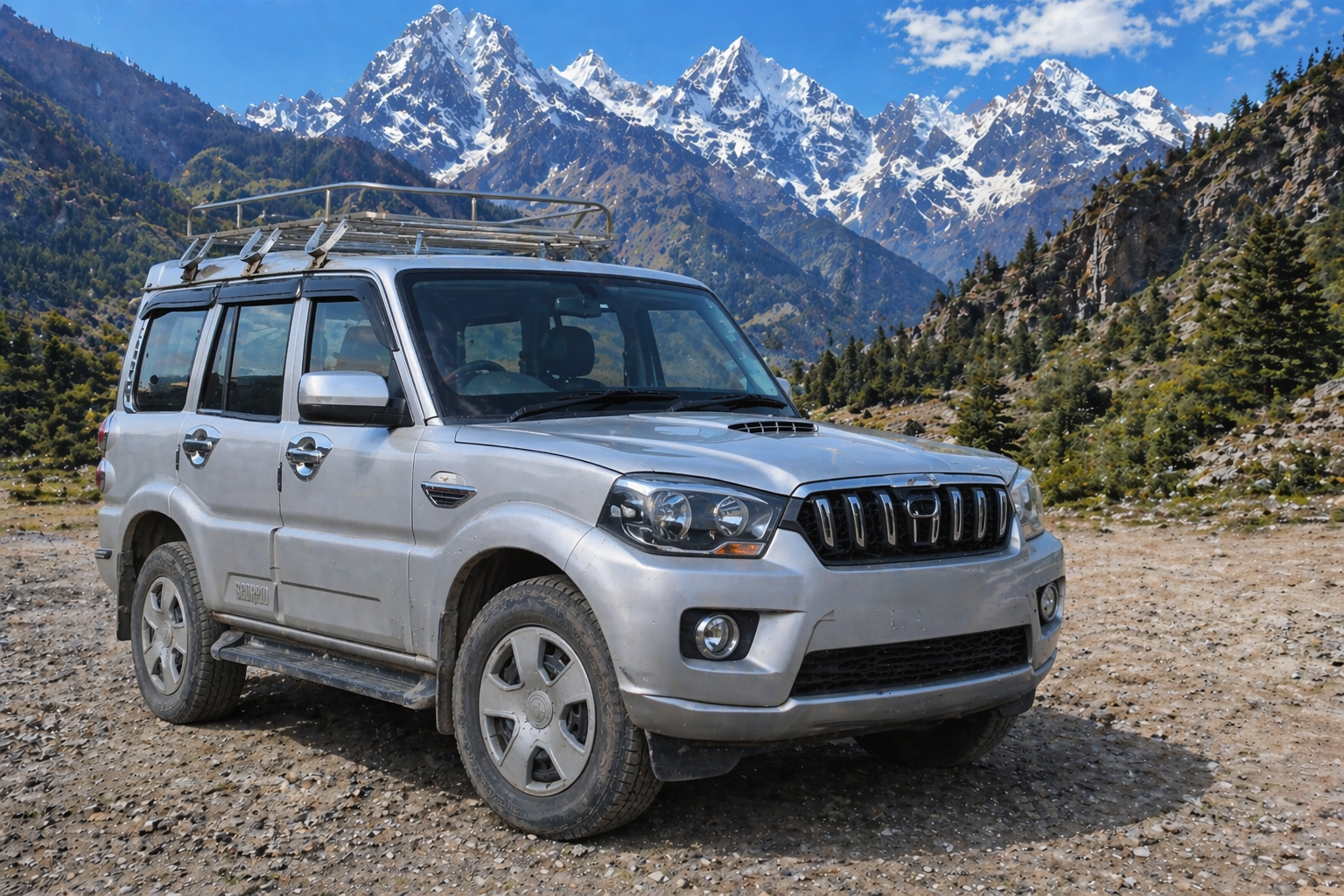
- SUV (Toyota Fortuner, Mahindra Scorpio): Ideal. Better suspension for comfort on all road conditions. Excellent for families or groups requiring luggage space.
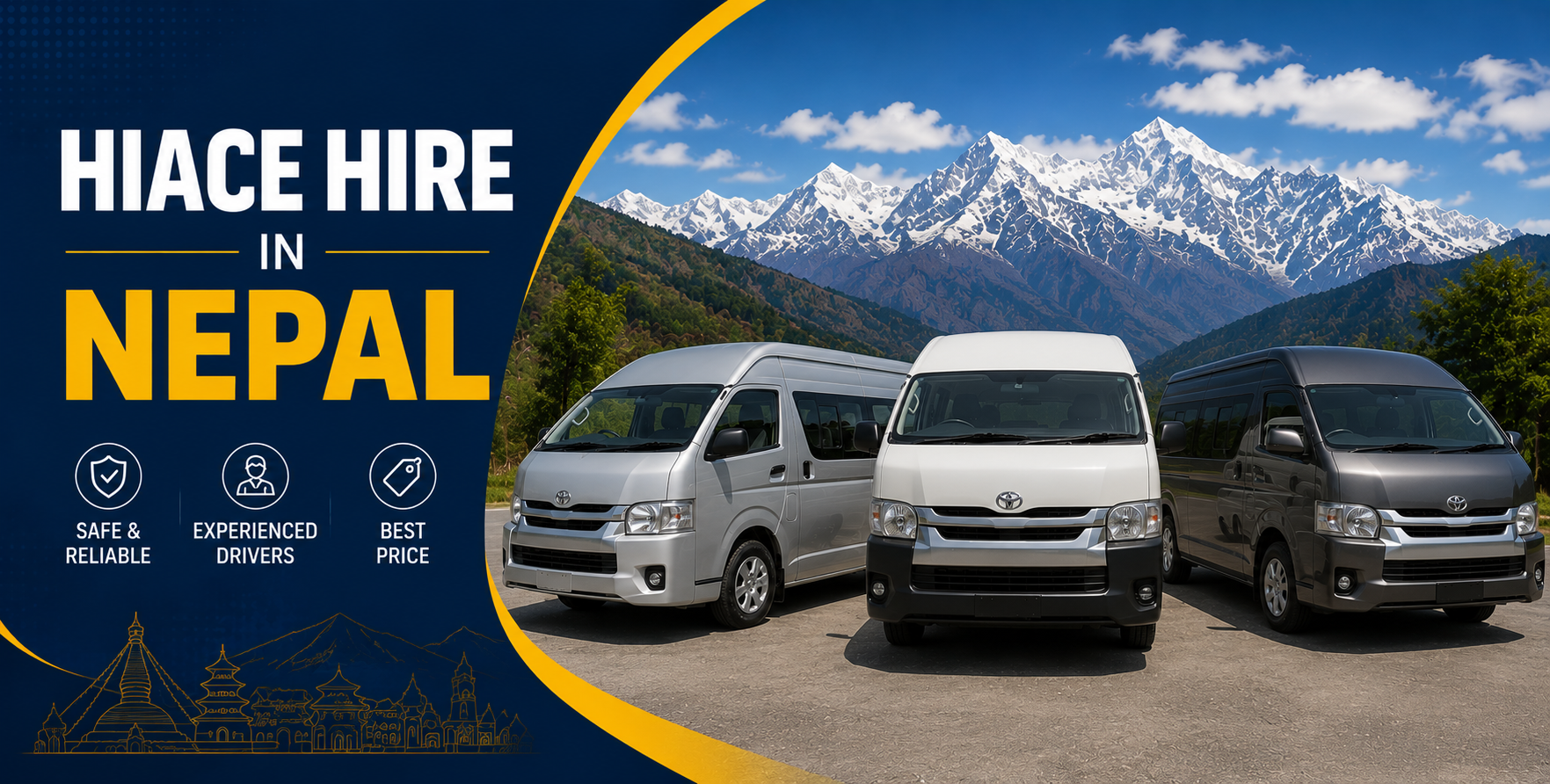
- Hiace Minibus: Perfect for groups of 4+: more comfortable seating, greater luggage capacity, and air conditioning.
What You’ll Actually Experience (Beyond the Guidebook)
This is what most travel guides won’t tell you:
The sensory overload of the river gorge: If you’re not expecting it, the dramatic vertical drop beside the road can be unsettling. It’s safe—the engineering is solid—but your body doesn’t know that. Many first-time travelers grip the door handles. This is normal.
The kindness of random encounters: You’ll likely see other travelers, local families, monks, and nomadic communities. There’s a peculiar openness on this route. People smile. Conversations happen. This is Nepal’s hospitality on full display.
The light in the gorge at sunset: If you’re driving in the late afternoon, the light in the Trishuli Gorge becomes golden and almost otherworldly. It’s one of the most photogenic moments of any journey in Nepal.
The realization that you’ve seen more in 6-8 hours than on a typical week-long vacation: The Kathmandu-Pokhara route compresses Nepal’s geographical and cultural diversity into a single day. You’ve descended through three climate zones, seen three different architectural styles, encountered multiple ethnic groups, and tasted regional cuisine. This is micro-tourism at its best.
Maximizing Your Experience: Strategic Stops
Rather than a non-stop 6-hour slog, structure your journey around experiences:
Itinerary A: Culture and History (7 hours total)
- 5:30 AM: Depart Kathmandu
- 7:00 AM: Arrive Thankot (sunrise photos, 20 min)
- 9:00 AM: Reach Chisapani (breakfast, 30 min)
- 10:30 AM: Trishuli Bazaar (explore, 30 min)
- 12:00 PM: Malekhu (lunch, 60 min)
- 1:30 PM: Continue to Pokhara
- 4:30 PM: Arrive Pokhara
Itinerary B: Adventure and Nature (8 hours total)
- 6:00 AM: Depart Kathmandu
- 8:00 AM: Arrive Malekhu (breakfast, 30 min)
- 10:00 AM: Trishuli Bazaar (50 min exploration)
- 11:00 AM: River rafting (2 hours while vehicle travels with support team)
- 1:00 PM: Lunch, continue to Pokhara
- 5:00 PM: Arrive Pokhara
Itinerary C: Immersive Heritage (9 hours total)
- 5:30 AM: Depart Kathmandu
- 8:00 AM: Chisapani (breakfast, 30 min)
- 10:30 AM: Malekhu (lunch and local exploration, 90 min)
- 1:30 PM: Detour to Bandipur (2 hours exploring heritage town)
- 4:00 PM: Continue to Pokhara
- 6:00 PM: Arrive Pokhara
Why Private Vehicle Rental Changes Everything
This brings us to a critical point: how you travel matters as much as where you travel.
A shared tourist bus operates on a fixed schedule—7 AM departure, no flexibility, bathroom breaks at predetermined rest stops. You’re at the mercy of 30 other passengers’ schedules.
A private rental offers:
- Flexibility: Stop whenever something catches your eye
- Comfort: Climate control, individual space, personalized comfort
- Safety: Vetted driver trained in mountain safety protocols
- Local knowledge: Your driver knows which restaurants are authentic, which views are worth photographing, and which detours are worthwhile
- Pace control: You choose the pace—leisurely or efficient
For a family or group, a private rental costs approximately $80-120 for the entire vehicle (not per person), compared to $15-20 per person on a shared bus. When you account for the experience improvement, it’s a trivial upgrade.
The Kathmandu-Pokhara Route in Your Nepal Journey
Most travelers use this route as a transit to Pokhara’s adventure activities (paragliding, zip-lining, rafting). But the route itself is the adventure.
Some of our most satisfied customers tell us that their favorite Nepal memory wasn’t in Pokhara, Kathmandu, or the mountains—it was this single day on the road, watching the country unfold from a comfortable vehicle, stopping whenever something captured their attention.
That’s the magic of the Kathmandu-Pokhara road trip.
Ready to Experience This Journey?
Don’t treat the Kathmandu-Pokhara drive as a transfer. Treat it as an experience.
Book a private rental vehicle and customize your itinerary. Choose your departure time, your stops, and your pace. Our professional drivers know every kilometer of this route—they’ll enhance the experience with local insights you’d never find in a guidebook.
The Kathmandu-Pokhara route is waiting. The question is: will you rush through it, or will you truly experience it?
Book your Kathmandu Pokhara route Veh — Call or WhatsApp: +977 9851013196
Email: [email protected]
Website: www.vehiclehiringnepal.com
FAQS
1. How long does the Kathmandu to Pokhara road trip take?
The journey typically takes 6 to 8 hours, depending on traffic, road conditions, and the number of stops. During monsoon or peak travel hours, it can extend to 8–9 hours.
2. What is the distance between Kathmandu and Pokhara?
The total distance is approximately 200 kilometers via the Prithvi Highway, Nepal’s main route connecting the capital to the western region.
3. Is the road from Kathmandu to Pokhara safe?
Yes, the route is generally safe, especially with experienced drivers. However, sections along the Trishuli River Gorge can be narrow and winding, so hiring a professional driver is strongly recommended.
4. What is the best time to travel from Kathmandu to Pokhara by road?
The best seasons are autumn (September–November) and spring (February–April), when the weather is clear, and the mountain views are at their best.
5. Which is better: a private vehicle or a tourist bus?
A private vehicle offers flexibility, comfort, and the ability to make personalized stops, while a tourist bus is more budget-friendly but less flexible. For a richer experience, private travel is highly recommended.
6. Where are the best places to stop during the journey?
Top stops include:
- Thank you for the valley views
- Chisapani for breakfast
- Malekhu for fresh river fish
- Bandipur for cultural exploration
7. Can I do rafting during the Kathmandu to Pokhara trip?
Yes, you can stop at the Trishuli River for 2–3 hours of rafting. Many travelers combine road travel with a short rafting adventure.
8. What type of vehicle is best for this route?
- Sedan: Suitable for 1–3 passengers
- SUV (e.g., Scorpio, Fortuner): Best balance of comfort and performance
- Hiace Van: Ideal for groups of 4 or more
SUVs are generally recommended for mixed road conditions.
9. Is it better to travel early in the morning or later in the day?
An early morning departure (5–7 AM) is ideal. It helps avoid traffic, reduces travel time, and allows you to reach Pokhara before evening.
10. What makes the Kathmandu to Pokhara road trip special?
This journey offers a compressed experience of Nepal—river valleys, terraced farms, mountain views, and local culture—all in a single day. Driving along Phewa Lake, with views of the Annapurna range, is often the highlight.

Related Blog & Articles
Kathmandu to Pokhara Bus – Traveler’s Complete Guide
Kathmandu to Pokhara by Private Car – Complete Guide