


 Plan a Trip


Pokhara to Sikles Jeep Rental – Complete Guide 2026
Pokhara to Sikles Jeep Rental – Complete Guide 2026
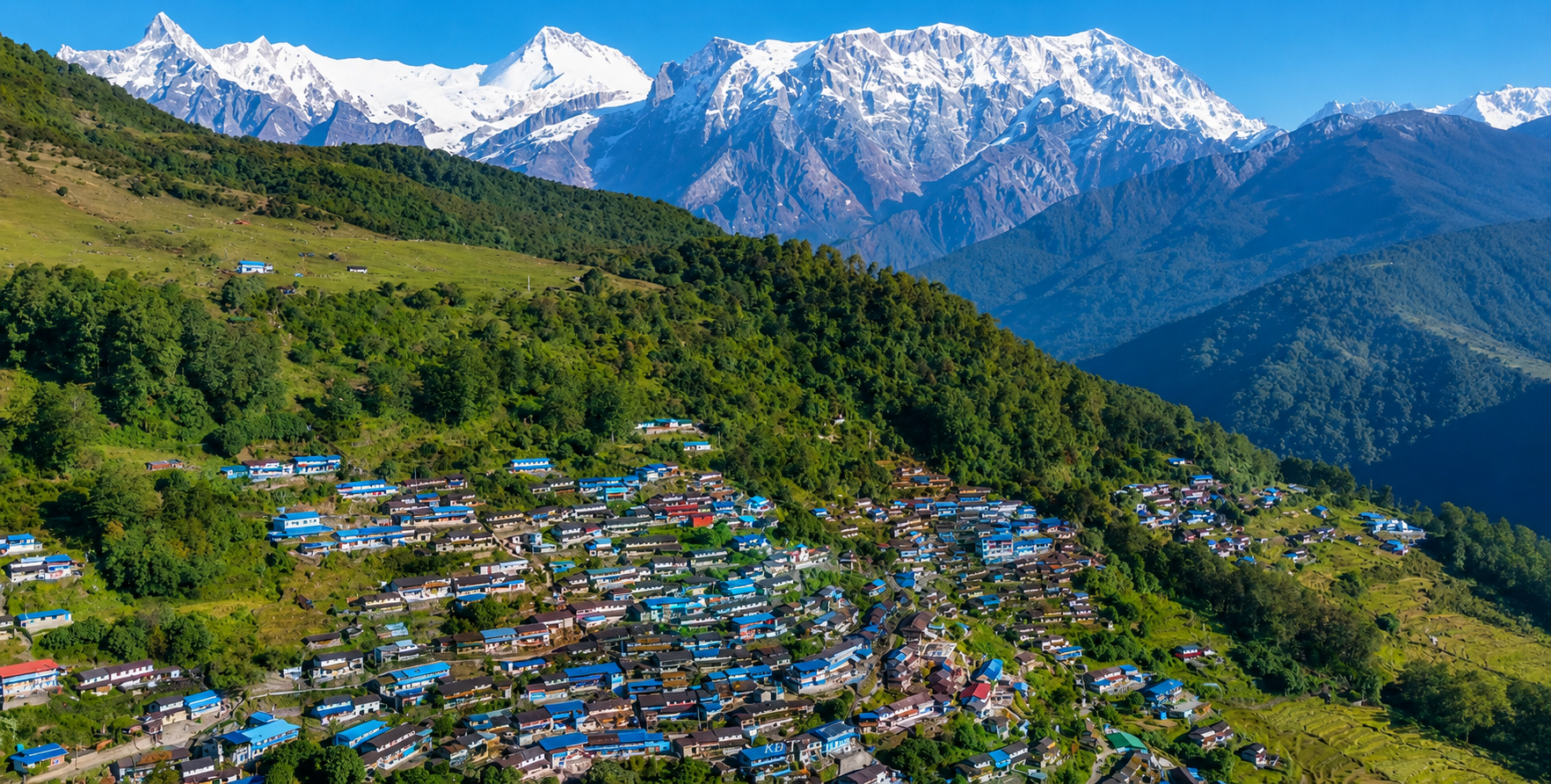
Sikles is one of Nepal’s most beautifully preserved and authentic Gurung villages – a terraced hillside settlement at 1,980 m in the Annapurna foothills, surrounded by ancient rhododendron forests, cascading waterfalls, and jaw-dropping views of Annapurna II, Annapurna IV, Lamjung Himal, and Machhapuchhre. Located approximately 42 km north of Pokhara, Sikles is one of the oldest and largest Gurung villages in the Annapurna region and increasingly one of Nepal’s finest off-the-beaten-track destinations for cultural tourism, short trekking, and Himalayan photography.
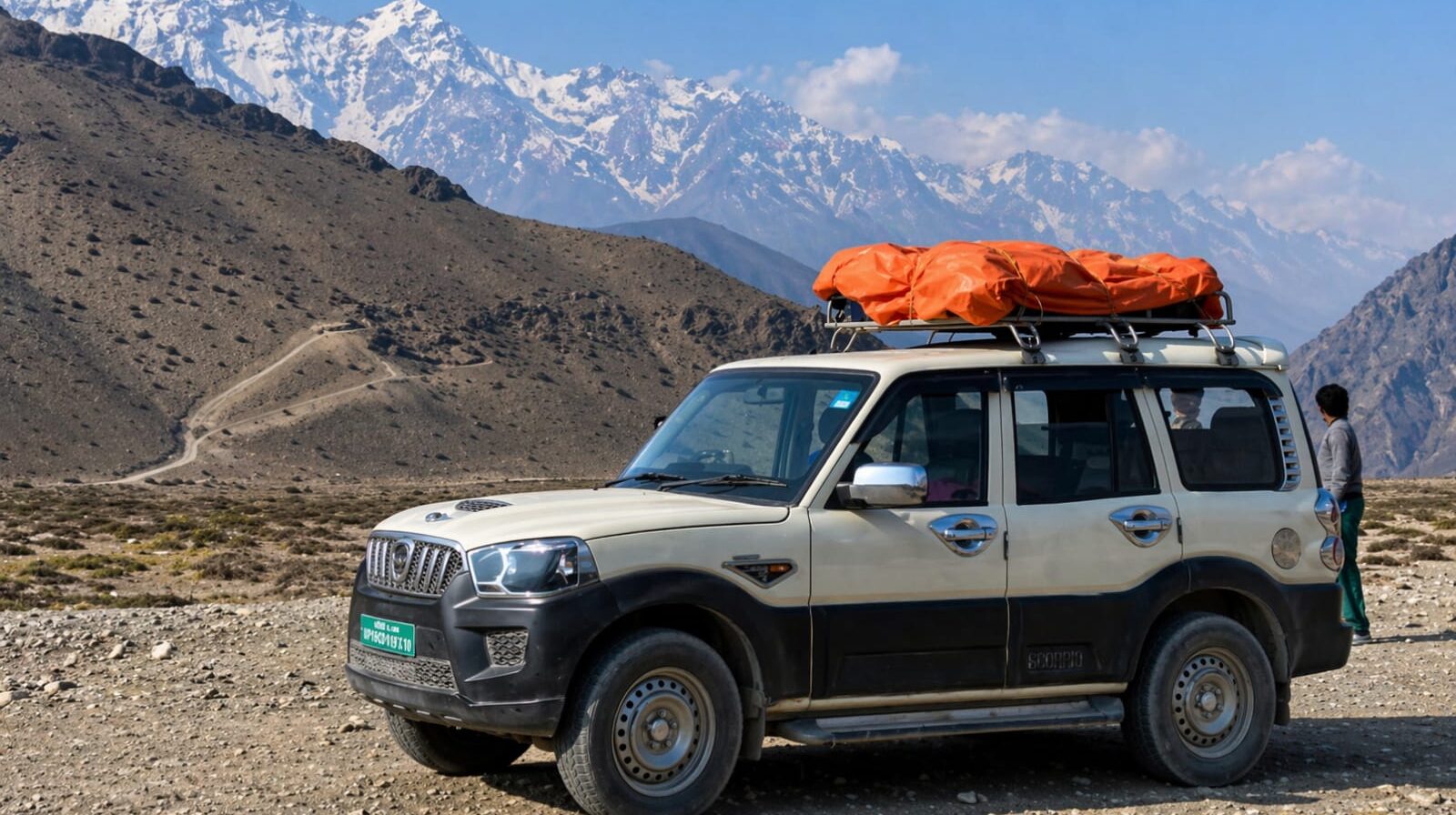
Getting from Pokhara to Sikles requires a private jeep – the road to Sikles is a rough mountain track through the Madi Valley that no standard car, taxi, or tourist bus can navigate. This complete 2026 guide covers everything you need to know about hiring a jeep from Pokhara to Sikles – route details, road conditions, prices, the Sikles experience, trekking options, and how to book your vehicle with Vehicle Hiring Nepal.
Where is Sikles, and Why Visit?
Location: Sikles, Rupa Rural Municipality, Kaski District, Gandaki Province
Altitude: 1,980 m above sea level
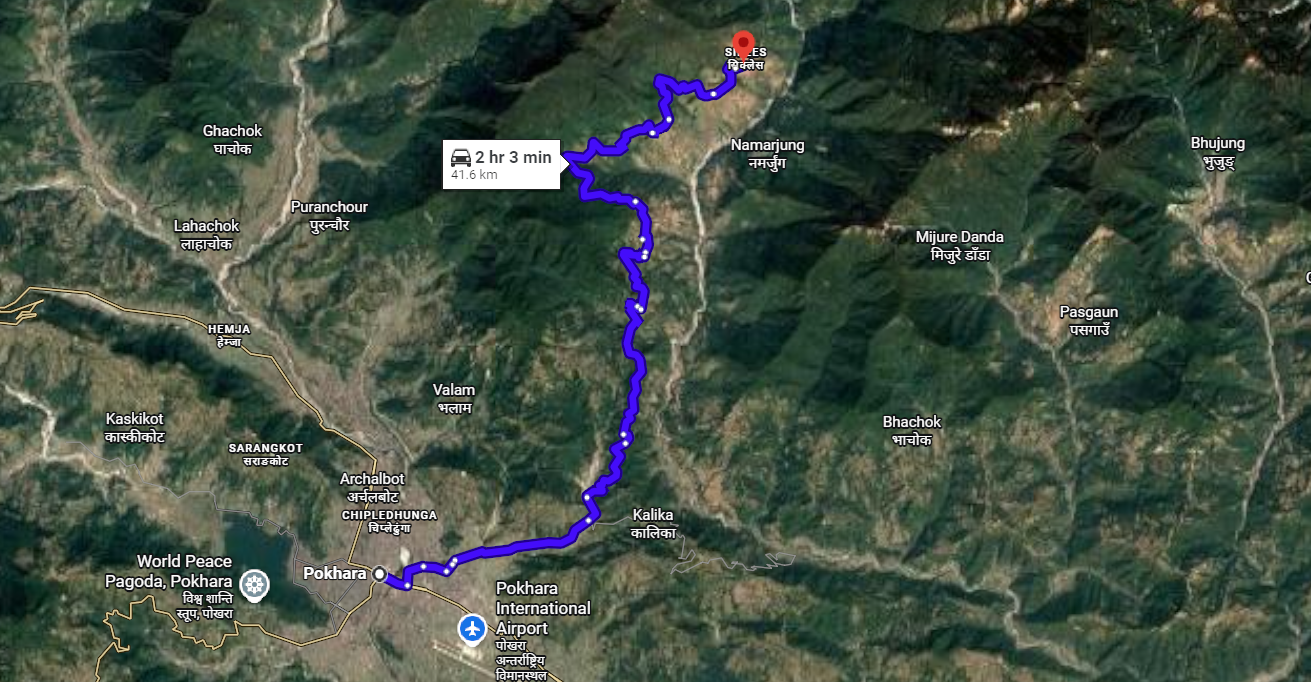
Distance from Pokhara: Approximately 42 km by road via the Madi Valley
Travel Time: 2 to 3 hours by 4WD jeep, depending on road conditions
Road Type: Paved from Pokhara to Rupa Lake area + rough mountain jeep track to Sikles
Vehicle Required: 4WD Jeep mandatory for the full route – no sedan, no standard minivan
Population: Approximately 2,000 people – one of the largest traditional Gurung villages in Nepal
Famous For: Gurung culture, traditional architecture, Annapurna panorama, honey hunting heritage, trekking base
Sikles is not a tourist village in the commercial sense – it is a real, living Gurung community with traditional stone-and-slate houses, terraced fields of millet and barley, ancient temples, and a community that has maintained its ancestral culture through centuries of relative isolation. The village gained some infrastructure and road access in recent years, but retains its authentic character far more than the heavily trekked villages of the main Annapurna circuit.
The views from Sikles are extraordinary – the entire Annapurna range, from Annapurna II (7,937 m) in the north to Machhapuchhre (6,993 m) in the east, fills the horizon, while Rupa and Begnas lakes glitter in the valley below to the south. Sunrise from Sikles rivals Sarangkot and Poon Hill for Himalayan panorama quality – but with a fraction of the crowds.
Why a Jeep is the Only Option for Pokhara to Sikles
Many travelers arriving in Pokhara assume they can take a local bus or taxi to Sikles. This is not possible. Here is exactly why a private jeep is the only reliable transport option:
- The road from the Madi Valley turnoff to Sikles is an unpaved mountain track with steep inclines, tight switchbacks, and rocky sections – impassable for standard cars and city taxis
- No public bus service runs to Sikles – local shared jeeps are available but run infrequently and only when full, which can mean waiting hours in Pokhara or along the route
- 4WD with high ground clearance is essential for the rocky and sometimes muddy upper section of the Sikles road
- Trekkers and cultural visitors typically carry daypacks, camera equipment, and overnight bags. A private jeep gives full luggage space and door-to-door delivery
- Private jeep departs from your Pokhara hotel at your preferred time – crucial for reaching Sikles by late morning before clouds obscure mountain views
- The driver can wait in Sikles or nearby Ghachok during your visit and return you to Pokhara – most shared transport does not offer this flexibility
- Group safety and convenience – your entire group stays together in one comfortable vehicle throughout

Jeep Rental Prices: Pokhara to Sikles 2026
Vehicle Hiring Nepal offers competitive 2026 jeep rental prices for the Pokhara to Sikles route:
| Vehicle Type | Capacity | One-Way (USD) | Round Trip (USD) | Notes |
| Toyota Land Cruiser | 4–6 pax | $55 – $80 | $90 – $130 | Best for Sikles road – recommended |
| Toyota Land Cruiser Prado | 4–5 pax | $65 – $90 | $105 – $150 | Premium comfort on mountain track |
| Mahindra Bolero / Thar | 4–6 pax | $45 – $65 | $75 – $110 | Budget 4WD option, capable |
| Toyota Hiace Van | 7–14 pax | To Ghachok only – USD 50–70 | Not suitable for Sikles | Cannot navigate the upper Sikles track |
All jeep rental prices include the driver, full fuel for the journey, and vehicle insurance. Round-trip pricing includes the driver waiting in Sikles or nearby Ghachok village while you explore and trek, then returning you to Pokhara. For day trips from Pokhara, round-trip booking is recommended and most cost-effective.
Detailed Road Guide: Pokhara to Sikles
Stage 1: Pokhara Lakeside to Begnas Lake Junction (18 km | 30 min)
Depart from your Pokhara Lakeside hotel heading east. The road passes through central Pokhara towards the eastern edge of the city and the Begnas–Rupa Lake area. The road is paved and passes through an increasingly rural landscape as Pokhara’s urban sprawl gives way to farmland and foothills. Begnas Lake – the second largest lake in the Pokhara valley – appears on the right. This is a pleasant, easy section with good views of the Annapurna range on clear mornings.
Stage 2: Begnas Lake to Ghachok (10 km | 25 min)
From the Begnas Lake area, the road heads north into the Madi River valley. Ghachok is a popular Gurung village that serves as the first major stop on the route towards Sikles. The road to Ghachok is paved for most of its length and is accessible by most vehicles. Ghachok itself has a few teahouses and is also a popular short day-trip destination from Pokhara in its own right. From Ghachok, the road to Sikles begins in earnest, and the character of the journey changes completely.
Stage 3: Ghachok to Dhikurpokhari (8 km | 25 min)
Beyond Ghachok, the road climbs steeply into the Annapurna foothills. The surface transitions from paved road to compacted gravel and rock – definitely 4WD territory. Terraced fields of millet, barley, and vegetables step up the hillsides on both sides. The Madi River gorge deepens below as you gain altitude. Dhikurpokhari is a small junction village with a few teahouses – a good spot for a brief water and snack break.
Stage 4: Dhikurpokhari to Sikles (14 km | 45–60 min)
This final section is the most dramatic and challenging of the drive. The jeep track climbs through dense rhododendron and oak forest on narrow switchbacks carved into the steep hillside. In several places, the track crosses seasonal streams or skirts around erosion-damaged sections that require careful driving. The views grow progressively more spectacular as altitude increases – Rupa and Begnas lakes appear far below in the valley, and the snow-capped peaks of Lamjung Himal and Annapurna IV begin to dominate the northern horizon.
Arrival at Sikles village (1,980 m). The jeep drops you in the upper part of the village near the entrance gate. The traditional stone-paved lanes of Sikles are only accessible on foot from here – vehicles cannot enter the village interior. Your driver will wait near the gate area or in the lower village while you explore.
Road Conditions: Pokhara to Sikles
| Section | Distance | Surface | Difficulty | Season Condition |
| Pokhara to Begnas Jct. | 18 km | Fully paved | Easy | Good year-round |
| Begnas Jct. to Ghachok | 10 km | Mostly paved | Easy–Moderate | Good year-round |
| Ghachok to Dhikurpokhari | 8 km | Gravel / compacted track | Moderate | Rough after the monsoon |
| Dhikurpokhari to Sikles | 14 km | Rocky Mountain track | Difficult | 4WD essential – muddy in monsoon |
The Dhikurpokhari to Sikles section is the most challenging and requires a capable 4WD jeep with experienced mountain driving. In the dry season (October to May), conditions are manageable with a Land Cruiser. During monsoon (June to September), sections of this track can become extremely muddy and slippery, and occasional landslides may temporarily block the route. Always confirm current road conditions with your driver before traveling during the monsoon season.
Sikles Village – A Complete Visitor Guide
Gurung Culture and Architecture
Sikles is one of the finest examples of a preserved Gurung village in all of Nepal. The Gurung people – renowned as the bravest of Nepal’s hill communities and historically the backbone of the Gurkha military tradition – have maintained their ancestral way of life in Sikles for centuries. The village architecture is stunning: flat-roofed traditional stone houses with carved wooden windows and doorways, interconnected by narrow stone-paved lanes that wind between terraced courtyards.
The village is organized around a traditional Gurung social structure, with upper-caste lama families historically at the top and lower castes below. This social geography is literally written into the village topography – the upper lanes have the oldest and most ornate houses with the finest mountain views. Walking from the bottom to the top of the village reveals this fascinating social and architectural history.
Mountain Views from Sikles
The panoramic mountain view from Sikles is one of the finest in the entire Annapurna region and is dramatically underappreciated compared to the famous viewpoints of Sarangkot and Poon Hill. From the upper village and the viewpoint ridge above Sikles, the following peaks are clearly visible on a clear day:
- Annapurna II – 7,937 m (second highest in the Annapurna range) – appears almost directly above the village
- Annapurna IV – 7,525 m – visible to the northwest
- Lamjung Himal – 6,983 m – rising prominently to the north
- Machhapuchhre (Fishtail) – 6,993 m – the iconic peak visible to the southeast
- Himalchuli – 7,893 m – on the northern horizon beyond Lamjung
- Rupa and Begnas Lakes in the valley below to the south – glittering blue in the sunshine
The best time for mountain views is early morning (6:00–9:00 AM), before clouds build. The sunset views from Sikles are equally spectacular with alpenglow on Annapurna II and Lamjung Himal, turning the peaks deep gold and red.
The Sacred Temples of Sikles
Sikles has several important Hindu and Buddhist shrines that reflect the Gurung community’s syncretic religious tradition. The main Ganesh temple in the upper village is an important local pilgrimage site, as is the shrine to the Gurung ancestral deity. The community lama (Buddhist priest) maintains a small gompa (monastery) with traditional thangka paintings. Visitors are welcome but should observe temple etiquette – remove shoes, dress modestly, and ask permission before photographing sacred objects.
Honey Hunting Heritage
The Sikles area has a long tradition of wild honey hunting from the massive cliff hives of Himalayan giant honey bees (Apis laboriosa). The honey hunters of Sikles use traditional rope ladders and smoke to harvest wild honey from vertical cliff faces – a practice that is thousands of years old and has been documented by National Geographic photographers. While the traditional full honey hunt is rare today, smaller honey collections still occur in spring (April–May) and autumn (October–November). Locally produced honey is available for purchase in Sikles village.
Rhododendron Forest and Wildlife
The forests above Sikles are magnificent temperate mountain forests dominated by enormous ancient rhododendron trees – some estimated at over 100 years old. In spring (March–April), the forest becomes a riot of red, pink, and white rhododendron blossoms that rank among Nepal’s finest natural displays. The forest is also home to langur monkeys, Himalayan thar, barking deer, and a rich bird life, including Danphe (Himalayan Monal pheasant – Nepal’s national bird), Khalij pheasant, and various birds of prey.
Trekking Routes from Sikles
Sikles is not only a destination – it is a trekking base and trailhead for several excellent routes through the Annapurna Conservation Area. Here are the main trekking options:
Sikles Village Loop Trek (1–2 Days)
Duration: 1 to 2 days
Difficulty: Easy to Moderate
Highlights: Village exploration, upper viewpoint ridge, rhododendron forest, Gurung cultural immersion
The most accessible trek from Sikles is a loop through the village and up to the viewpoint ridge above the settlement. From the upper village, a trail continues into the rhododendron forest, offering progressively better mountain views. Most visitors spend a full day exploring the village on foot and hiking to the viewpoint. Overnighting in a community homestay or a simple teahouse offers a deeply authentic Gurung cultural experience.
Sikles to Ghachok Trek (1 Day)
Duration: 4 to 5 hours one way
Difficulty: Moderate
Highlights: Mountain views throughout, rhododendron and oak forest, traditional villages, Madi River valley
A popular trekking route descends from Sikles through the forest and terraced hillsides to Ghachok village, where a vehicle can meet you for the return to Pokhara. This one-way downhill trek gives a beautiful full-day mountain experience with the convenience of a jeep pickup at the lower end.
Sikles to Lwang Ghalel Trek (2–3 Days)
Duration: 2 to 3 days
Difficulty: Moderate to Strenuous
Highlights: Lamjung Himal views, remote villages, deep forest, Mardi Khola valley
A more demanding and less-trekked route heads north from Sikles through increasingly remote terrain towards Lwang Ghalel – another traditional Gurung village with stunning mountain views. This route passes through pristine forest and several uninhabited high pasture areas with unobstructed views of Lamjung Himal and Annapurna IV. A guide is strongly recommended for this route.
Sikles to Mardi Himal Base Camp (4–5 Days)
Duration: 4 to 5 days from Sikles
Difficulty: Strenuous
Max Altitude: 4,500 m at High Camp near Mardi Himal Base Camp
Highlights: Close-up Machhapuchhre and Mardi Himal views, forest ridgeline walk, high alpine terrain
An experienced trekker’s route from Sikles connects to the Mardi Himal Trek – one of Nepal’s newest and most beautiful trekking routes. The Mardi Himal Trek follows the eastern ridge of the Annapurna range with close-up views of Machhapuchhre and the rarely seen Mardi Himal (5,587 m). The route through Sikles adds a cultural village dimension to this otherwise forest-and-ridge trek.
Sikles Community Homestay – Cultural Immersion
One of the most rewarding aspects of visiting Sikles is the community homestay program, which allows visitors to sleep in a traditional Gurung household, share meals with the family, and experience Gurung daily life up close. Here is what to expect:
- Homestay rooms are simple but clean – traditional Gurung house with a sleeping mattress on the floor or basic wooden bed, blankets provided
- Meals are prepared and eaten with the family – traditional Gurung food including gundruk (fermented vegetable soup), dhindo (buckwheat porridge), local vegetables, rice, and millet raksi (local spirit)
- Evening cultural program – many homestay families offer traditional Gurung music and dance, storytelling about their military (Gurkha) heritage, and demonstrations of traditional crafts
- Cost: Approximately NPR 1,500 to NPR 2,500 per person per night, including dinner and breakfast
- Book through the Sikles Community Homestay Network – your Vehicle Hiring Nepal driver can help with an introduction to the homestay coordinators in the village.
- A Gurung language phrasebook or basic greetings greatly endear you to the community – Ghantig (hello) and Samu (thank you) are good starting points.
Recommended Itineraries: Pokhara to Sikles
Itinerary A: Sikles Day Trip from Pokhara (1 Day)
- 6:30 AM: Depart Pokhara Lakeside by private jeep
- 9:00–9:30 AM: Arrive Sikles – village exploration on foot, upper viewpoint, temple visits
- 12:00 PM: Lunch at local teahouse (dal bhat strongly recommended)
- 2:00 PM: Rhododendron forest walk or viewpoint ridge hike
- 3:30–4:00 PM: Return by jeep to Pokhara – arrive Lakeside by 6:00–6:30 PM
Note: A day trip is possible, but leaves limited time for the village and the viewpoint. An overnight stay is strongly recommended for the sunrise mountain views and authentic Gurung cultural experience.
Itinerary B: Sikles Overnight (2 Days)
- Day 1, 7:00 AM: Depart Pokhara by private jeep
- Day 1, 9:30–10:00 AM: Arrive Sikles – check into community homestay
- Day 1 afternoon: Village exploration, rhododendron forest walk, viewpoint sunset
- Day 1 evening: Traditional Gurung dinner with the homestay family, cultural stories
- Day 2, 5:30 AM: Wake for sunrise over Annapurna II and Lamjung Himal
- Day 2, 6:00–9:00 AM: Sunrise photography and viewpoint hike
- Day 2, 10:00 AM: Breakfast with family, explore the lower village
- Day 2, 12:00 PM: Return by private jeep to Pokhara
Itinerary C: Sikles + Ghachok + Begnas Lake (2 Days)
- Day 1: Pokhara to Sikles by jeep – overnight homestay
- Day 2 morning: Sunrise, village walk
- Day 2, 9:00 AM: Trek downhill from Sikles to Ghachok (4–5 hrs)
- Day 2, 2:00–3:00 PM: Arrive Ghachok – jeep picks up and drives to Begnas Lake
- Day 2, 4:00 PM: Sunset at Begnas Lake shore – rowboat on the lake
- Day 2, 6:00 PM: Return to Pokhara Lakeside
Itinerary D: Pokhara – Sikles – Mardi Himal – Pokhara (6 Days)
- Day 1: Pokhara to Sikles by jeep – overnight homestay
- Day 2: Sikles sunrise + trek north toward Lwang Ghalel
- Day 3: Continue to the Mardi Himal trail junction and the High Camp approach
- Day 4: Mardi Himal High Camp (4,500 m) – Machhapuchhre close-up views
- Day 5: Descend to Mardi Village and Forest Camp
- Day 6: Trek to Lwang Phedi road – private jeep returns you to Pokhara
Best Time to Hire a Jeep from Pokhara to Sikles
March to April (Best for Rhododendrons)
Spring is the finest time to visit Sikles for the extraordinary rhododendron forest display. The forest around and above Sikles erupts in brilliant red, pink, and white from mid-March through April. The contrast of rhododendron blossoms against the snow-capped peaks of Annapurna II and Lamjung Himal is one of the most beautiful natural scenes in Nepal. Mountain views are generally excellent in the morning before afternoon clouds develop. Road conditions are good after the dry winter season.
October to November (Best for Mountain Views)
The post-monsoon season is the best time for clear mountain views from Sikles. October and November offer crystal-clear skies with the Annapurna range sharply defined against blue sky from the village viewpoint. The rhododendron forest is lush and green. Roads are in their best post-monsoon condition. This is peak trekking season in the Annapurna region – book your jeep 2 to 3 weeks in advance.
December to February (Quiet and Clear)
Winter is peaceful and beautiful at Sikles. The village is very quiet with almost no other visitors. Mountain views are exceptional in the crisp, cold winter air. The rhododendron forest is bare but dramatic in its winter skeleton. The road to Sikles is accessible in dry winter conditions, but early-morning frost can make the upper rocky section slippery. Temperatures in the village drop to -5 to -10°C at night – bring warm clothing for an overnight stay.
June to September (Monsoon – Difficult)
The monsoon is the most challenging time for the Pokhara-to-Sikles jeep journey. The upper mountain track from Dhikurpokhari to Sikles can become very muddy and slippery. Occasional landslides may temporarily block the route. The rhododendron forest is lush and vibrantly green, and leeches are abundant on forest walks. Mountain views are almost always obscured by monsoon cloud. If visiting during the monsoon, confirm road conditions with your driver one day r before departing.
Trekking Permits for the Sikles Area 2026
Sikles is within the Annapurna Conservation Area, and all visitors who trek in the forest and highland areas above the village require valid permits:
| Permit | Cost 2026 | Where to Get | Required For |
| ACAP – Annapurna Conservation Area Permit | NPR 3,000 (~USD 22) | Nepal Tourism Board, Pokhara (Damside) or Kathmandu | All trekkers entering the Annapurna Conservation Area above Sikles village |
| TIMS Card – Trekkers Info Management | USD 10 | Nepal Tourism Board / TAAN, Pokhara | Required for all trekkers – confirm if needed for village-only visitors |
| Note: Village visit (no trekking) | No permit required for road access to Sikles village itself | – | ACAP is required only when venturing into the conservation area forest |
Obtain permits in Pokhara at the Nepal Tourism Board office in Damside (near the lake dam), open from 9:00 AM on weekdays. If you plan to trek above Sikles into the forest and ridgeline, obtain your ACAP permit the day before your jeep departure. For a purely cultural village visit without forest trekking, permits are generally not required.
What to Expect in Sikles – Practical Information
Food and Eating
Dal bhat is the staple and the best meal you can eat in Sikles – a community homestay or teahouse dal bhat with unlimited refills of rice, lentil soup, vegetables, and achar is both delicious and deeply energizing for walking. Gundruk soup (fermented greens) is a Gurung specialty. Local honey, homemade raksi (millet spirit), and tongba (fermented millet beer served warm) are traditional beverages worth trying.
Mobile Signal and WiFi
NTC has a reasonable signal in Sikles village. Ncell signal is intermittent. WiFi is not available in most homestays. Download offline maps and any entertainment before leaving Pokhara. The absence of internet connectivity is, for many visitors, one of Sikles’s greatest attractions.
Cash and ATM
There is no ATM in Sikles. Withdraw sufficient Nepali Rupees in Pokhara before departure. For a 2-day visit with homestay, meals, and minor purchases, NPR 5,000 to NPR 8,000 per person is a comfortable budget.
Electricity
Sikles has electricity from a community micro-hydro system. Power is generally available in the evening but can be unreliable. Carry a fully charged power bank from Pokhara for charging your camera and phone during your stay.
Water
Drinking water in Sikles comes from natural springs above the village. The water is generally clean by local standards, but international travelers should use a water filter or purification tablets for drinking water to be safe. Bottled water is not available in Sikles – carry your own or use purification.
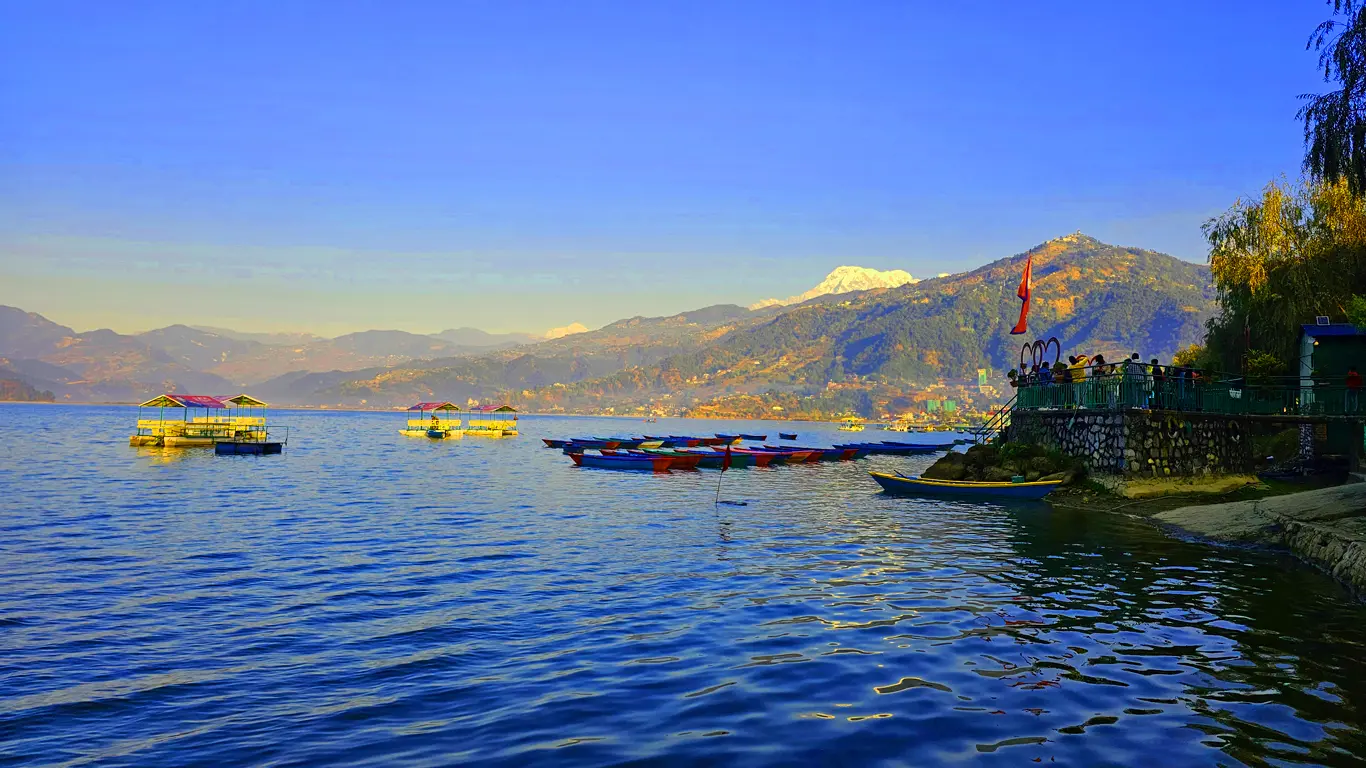
Pokhara Sightseeing Combined with Sikles Jeep Trip
Many travelers combine the Sikles jeep trip with Pokhara sightseeing for a full Pokhara area experience. Here are the most popular combinations:
- Morning: Sarangkot sunrise tour (5:00 AM departure) → return to Pokhara by 8:00 AM → depart for Sikles at 9:00 AM – arrive Sikles by noon for afternoon and overnight
- Begnas Lake add-on: Stop at Begnas Lake on the way to or from Sikles for a peaceful 30-minute lakeside walk or rowboat experience
- Devi’s Fall and Gupteshwor Cave: Visit these two adjacent sites (15 min from Lakeside) on the return journey from Sikles in the afternoon
- Pokhara Museum: The Regional Museum and the International Mountain Museum are excellent rainy-day alternatives if weather prevents the Sikles jeep trip
What to Bring for the Pokhara to Sikles Jeep Trip
For the Jeep Journey
- Water – 1.5 liters per person minimum for the jeep ride
- Light snacks – the journey has no reliable food stops between Ghachok and Sikles
- Warm layer or fleece – Sikles at 1,980 m is significantly cooler than Pokhara, especially in the morning
- Windproof jacket – the viewpoint ridgeline above Sikles can be very breezy
- Motion sickness tablets, if needed – the switchback road above Ghachok has many sharp bends
For the Sikles Visit and Trek
- Comfortable trekking shoes or sturdy walking shoes – the village lanes are stone-paved and uneven
- Camera with charged battery – sunrise over Annapurna II is one of Nepal’s great photography moments.
- Binoculars – excellent for mountain viewing and bird spotting (Danphe pheasant is resident in the forest)
- Sunscreen SPF 50+ and sunglasses – UV radiation is strong at 1,980 m
- Insect repellent in the spring and monsoon months
- Cash in NPR – no ATM in Sikles
- Headlamp for an early sunrise hike to the viewpoint
- Small daypack for village walks and viewpoint hikes
- ACAP permit if trekking above the village (obtain in Pokhara the day before)
What is Included in Your Jeep Rental with Vehicle Hiring Nepal?
- Private 4WD jeep (Toyota Land Cruiser or equivalent) with experienced mountain road driver
- Full fuel cost for the Pokhara to Sikles journey (one-way or round-trip)
- Vehicle insurance for the complete journey
- Hotel pickup from your Pokhara Lakeside hotel or guesthouse
- Drop off at the Sikles village gate, and the jeep will be waiting during your visit
- Return journey to Pokhara at your chosen time
- Brief stop at Begnas Lake area if requested (add 20–30 min)
- 24/7 WhatsApp contact and support throughout the journey
Not included: ACAP trekking permit, personal meals, community homestay fees, village entry donation, guide fees (if hiring a local Sikles guide), and any additional detour stops beyond the agreed route.
How to Book Your Pokhara to Sikles Jeep Rental
- Contact Vehicle Hiring Nepal via WhatsApp at +977 9851013196 or visit vehiclehiringnepal.com
- Tell us your preferred travel date and departure time from Pokhara (7:00 AM recommended)
- Provide your hotel name or pickup address in Pokhara Lakeside
- Confirm your group size and luggage (daypacks, overnight bags, trekking gear)
- Specify one-way or round-trip – and if round-trip, your preferred return time from Sikles
- Mention any additional stops – Begnas Lake, Ghachok, Dhikurpokhari
- Request a homestay introduction if you need accommodation in Sikles
- Receive instant booking confirmation with driver name, vehicle type, and departure time
Book your Pokhara to Sikles jeep rental Veh — Call or WhatsApp: +977 9851013196
Email: [email protected]
Website: www.vehiclehiringnepal.com
Frequently Asked Questions
How far is Sikles from Pokhara?
Sikles is approximately 42 km from the Pokhara Lakeside area by road via the Madi Valley and Ghachok. The journey takes 2 to 3 hours by 4WD jeep, depending on road conditions and any brief stops along the way.
Can I visit Sikles by taxi or local bus from Pokhara?
No. Standard city taxis and local buses cannot reach Sikles, as the road above Ghachok is a rough mountain track that requires 4WD capability. Local shared jeeps do operate on this route, but run infrequently (only when full) and cannot guarantee departure times. A private 4WD jeep from Vehicle Hiring Nepal is the only reliable and comfortable transport option for travel from Pokhara to Sikles.
Is Sikles suitable for families with children?
Yes – Sikles is a wonderful family destination. The jeep journey is an adventure in itself. The village is safe, with flat central areas, and the Gurung community is very welcoming to children. The rhododendron forest walk above the village is gentle enough for older children. Younger children may find the overnight homestay experience deeply memorable. The viewpoint hike (30 to 45 minutes from the village) is manageable for most families.
What is the difference between Sikles and Ghandruk?
Both Sikles and Ghandruk are traditional Gurung villages near Pokhara with excellent mountain views. Ghandruk (1,940 m) is more developed with better tourist infrastructure, more teahouses and homestays, and lies on the main Annapurna Sanctuary and Poon Hill trekking routes. Sikles (1,980 m) is less visited, more authentically preserved, less commercialized, and has arguably better close-up views of Annapurna II and Lamjung Himal. Sikles is for travelers seeking a more authentic, less crowded Gurung cultural experience.
Can I combine Sikles with the Mardi Himal Trek?
Yes. Sikles connects to the Mardi Himal trekking route through the forest ridge system above the village. This connection is not well-marked and requires a knowledgeable local guide. The full Sikles to Mardi Himal trek takes 4 to 5 days and is a spectacular, off-the-beaten-track adventure that combines Gurung village culture with the high-alpine terrain of the Mardi Himal ridge. Vehicle Hiring Nepal can arrange the jeep to Sikles at the start and a pickup from the Lwang Phedi road at the end of the Mardi Himal trek.
Is a guide necessary in Sikles?
A guide is not legally required to visit Sikles village or to do the short community forest walk above the village. However, for any serious trekking into the Annapurna Conservation Area forest above Sikles or for routes towards Lwang Ghalel and the Mardi Himal trail junction, a local guide is strongly recommended. Local guides can be arranged in Sikles village on arrival (NPR 1,500 to NPR 2,500 per day). They also serve as cultural interpreters, greatly enriching the village experience.
How does Sikles compare to Sarangkot for mountain views?
Sarangkot (1,592 m) offers famous sunrise views of Annapurna South, Machhapuchhre, and Dhaulagiri across the Pokhara valley and is accessible by road in 30 to 40 minutes from Lakeside. Sikles (1,980 m) offers close-up views of Annapurna II, Annapurna IV, and Lamjung Himal at significantly greater magnification since it sits directly below these peaks rather than across the valley. The Sikles experience is more intimate, the mountain scale more overwhelming, and the journey more adventurous. Mountain photographers and serious Himalayan enthusiasts consistently rate Sikles views as superior to Sarangkot for the northern Annapurna peaks.
Final Thoughts
Sikles is one of Nepal’s genuinely hidden gems – a magnificent Gurung village perched in the Annapurna foothills with mountain views that rival the most famous viewpoints in Nepal, an authentic cultural experience that the mainstream trekking trails cannot offer, and a natural environment of ancient rhododendron forest and cascading mountain streams that make the journey as rewarding as the destination.
Hiring a private jeep from Pokhara to Sikles with Vehicle Hiring Nepal is the only practical way to reach this extraordinary village, and we make the journey smooth, safe, and comfortable. Our experienced drivers know every turn of the Madi Valley mountain track, and our Land Cruisers are perfectly suited to the challenging upper sections of the road that ordinary vehicles cannot handle.
Whether you are coming for a day trip to experience the sunrise over Annapurna II, an overnight homestay with a Gurung family, or a multi-day trek through the ancient forest to Mardi Himal, Sikles delivers an experience that will stay with you long after you return to Pokhara.
Book your Pokhara-to-Sikles jeep rental today. Call or WhatsApp: +977 9851013196
Email: [email protected]
Website: www.vehiclehiringnepal.com
- Pokhara to Sikles Jeep Rental – Complete Guide 2026
- Where is Sikles, and Why Visit?
- Why a Jeep is the Only Option for Pokhara to Sikles
- Jeep Rental Prices: Pokhara to Sikles 2026
- Detailed Road Guide: Pokhara to Sikles
- Road Conditions: Pokhara to Sikles
- Sikles Village – A Complete Visitor Guide
- Trekking Routes from Sikles
- Sikles Community Homestay – Cultural Immersion
- Recommended Itineraries: Pokhara to Sikles
- Best Time to Hire a Jeep from Pokhara to Sikles
- Trekking Permits for the Sikles Area 2026
- What to Expect in Sikles – Practical Information
- Pokhara Sightseeing Combined with Sikles Jeep Trip
- What to Bring for the Pokhara to Sikles Jeep Trip
- What is Included in Your Jeep Rental with Vehicle Hiring Nepal?
- How to Book Your Pokhara to Sikles Jeep Rental
- Frequently Asked Questions
- Final Thoughts

Related Blog & Articles
Pokhara to Nayapul Trek Transport – Complete Guide for Trekkers (2026)
Pokhara to Ghandruk Vehicle Hire

Pokhara to ABC Trek Starting Point