Plan a Trip


Salleri And Phaplu Pickup Drop Service Round the Year
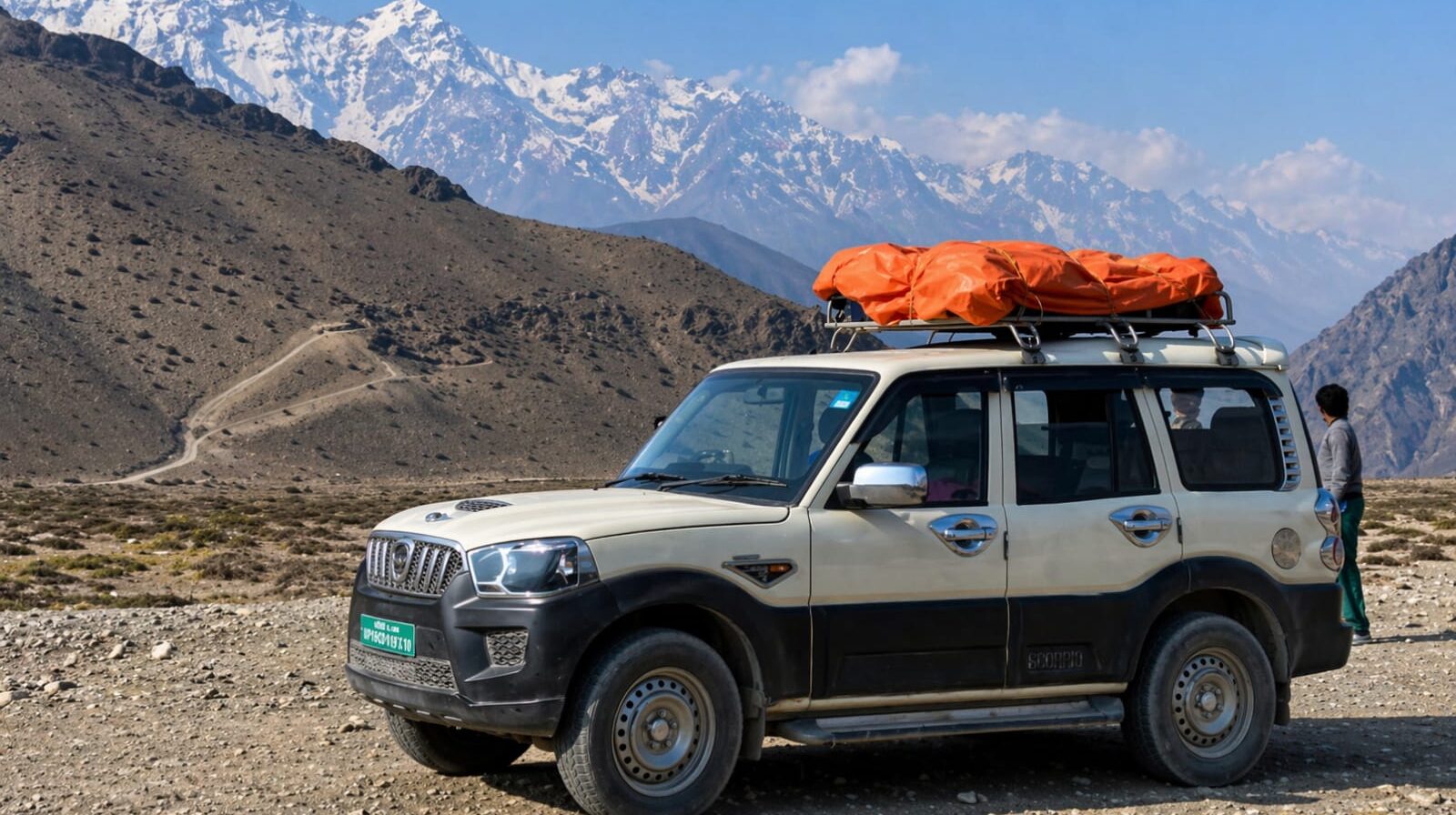
Salleri Phaplu Pickup Drop Service: Complete Year-Round Guide
Ask any experienced Nepal trekker for an alternative to a Lukla flight, and the answer almost invariably begins with Salleri and Phaplu. In the popular imagination, the journey to the Everest region begins at Tribhuvan International Airport’s domestic terminal, with a 30- to 40-minute flight to Tenzing-Hillary Airport in Lukla, followed by the first steps on the well-worn trail northward toward Namche Bazaar and the high Khumbu. This is how most Everest Base Camp trekkers begin their adventure, and for good reason: the Lukla flight is fast and dramatic, dropping trekkers within a day’s walk of Namche’s bustling trekking hub. But it is also weather-dependent, subject to cancellations that can strand trekkers in Kathmandu or Lukla for days on end, and increasingly expensive compared with an overland vehicle journey to the same general region.
Salleri, the district headquarters of Solukhumbu at an altitude of approximately 2,390 meters above sea level, represents the end of the main motorable road into Nepal’s Everest region from Kathmandu — or more precisely, the point from which the road becomes rough enough that the journey’s character changes fundamentally from highway travel to mountain track adventure. Phaplu, located just 3 to 4 kilometres above Salleri at approximately 2,400 meters, sits even closer to the mountains and is home to the region’s small domestic airport. This facility serves only a limited number of seasonal flights compared to Lukla. Still, it offers an additional option for those who want to fly one way and drive the other. Together, Salleri and Phaplu are the road gateway to Nepal’s most famous mountain region, and the jeep service connecting Kathmandu to these two towns is one of Nepal’s most important and consistently underrated transport services.
Nepal Vehicle Hiring Pvt Ltd (vehiclehiringnepal.com) provides pickup and drop-off service between Kathmandu and Salleri-Phaplu year-round, covering both well-travelled routes and lesser-known approaches to destinations such as Bupsa, Thamdanda, and Kharikhola, which extend the road journey deeper into the Solukhumbu District. This comprehensive guide covers every aspect of this service in detail: the route, the road conditions in every season, the accurate costs in both Nepali rupees and US dollars, the departure times and logistics, what passengers should know and prepare before booking, and why a private pickup and drop service from Nepal Vehicle Hiring Pvt Ltd delivers a fundamentally superior experience to the shared alternatives available on this route.
Whether you are a trekker seeking a reliable Lukla flight alternative, a resident of Solukhumbu District travelling to and from Kathmandu for business or family visits, an adventure traveller who wants to experience the overland approach to Everest’s foothills by road, or an expedition team looking for dependable equipment and personnel transport to the start of a Khumbu expedition, this guide provides everything you need to plan and book your Kathmandu to Salleri-Phaplu journey with complete confidence.
For travellers who want to go on a trek and plan to explore Kathmandu, we recommend continuing your journey with our trusted sister company, Trek Nepal Himalayas a. We specialise in organising a wide range of travel experiences across Nepal, from classic trekking adventures to cultural and wildlife tours.
Our top offerings include iconic journeys such as the Everest Base Camp Trek, immersive Kathmandu sightseeing tours, breathtaking Nagarkot sunrise experiences, exciting Chitwan jungle safaris, and luxury packages. We can also arrange short hikes, heritage tours, mountain flights, and customised travel plans tailored to your schedule and interests.
Understanding Salleri and Phaplu: The Twin Gateways to Solukhumbu
Salleri: District Headquarters and Road Terminus
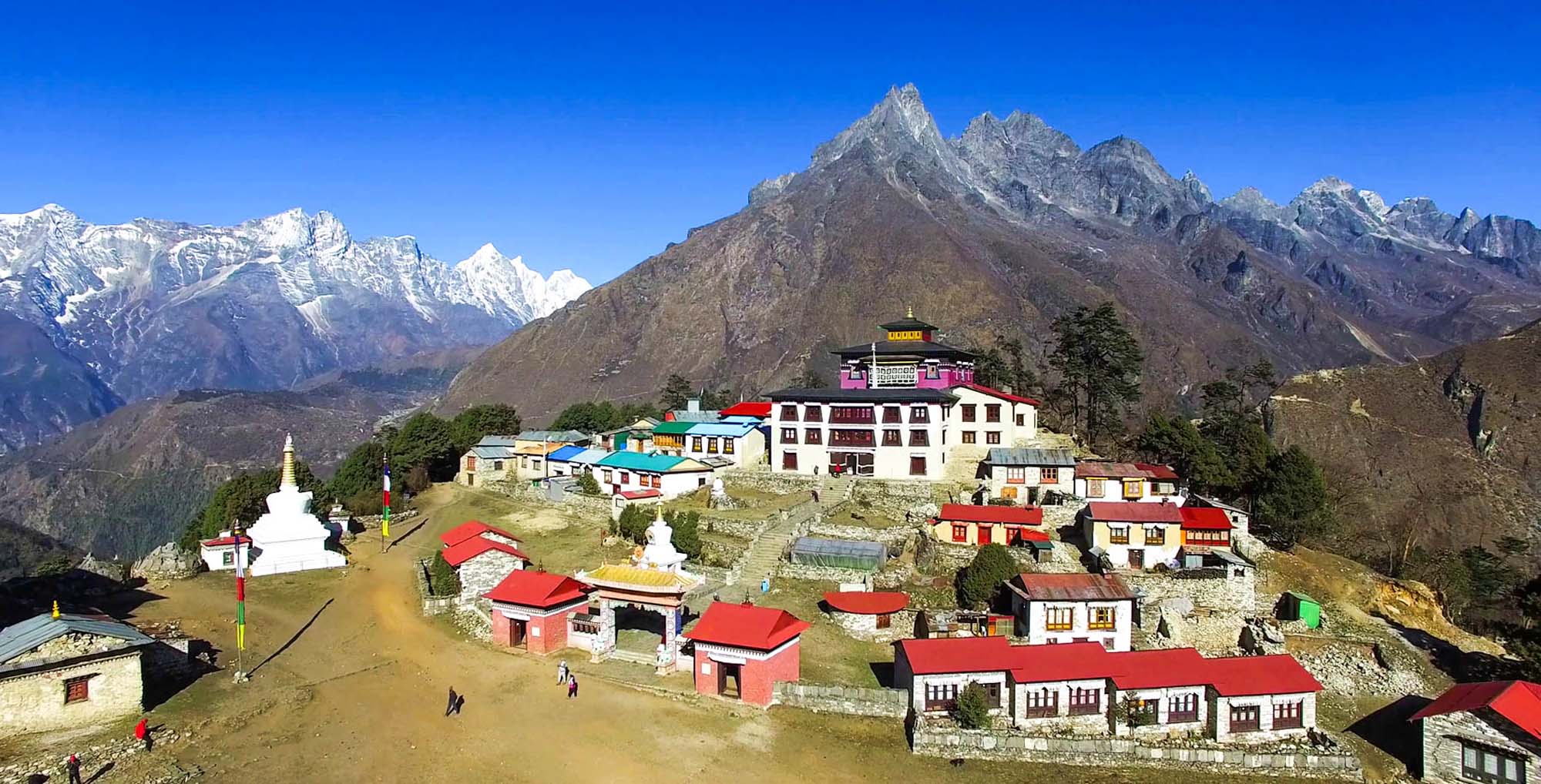
Salleri sits at the heart of Nepal’s Solukhumbu District, serving as its administrative headquarters and the primary commercial and service hub for a district that encompasses some of the world’s most significant trekking territory. At approximately 2,390 meters above sea level, Salleri sits at a comfortable mid-altitude, with a pleasant climate for much of the year—warmer than the high Khumbu valleys in summer, cooler and cleaner than Kathmandu in the pre-monsoon heat, and well-supplied with sunshine during the dry season. The town has a government complex including the District Administration Office, the District Court, hospitals, schools, banks and ATMs, and a market area with shops, teahouses, and guesthouses that cater to the steady flow of travellers and residents passing through.
From a transport perspective, Salleri’s significance lies primarily in its role as the point where the BP Highway, Nepal’s principal east-west road connection through the hills, transitions to the rougher network of district roads serving the Solukhumbu District’s more remote areas. The road from Kathmandu reaches Salleri in serviceable condition for all vehicle types, making it the furthest point along this corridor where shared jeeps regularly terminate and private vehicle operators can reliably promise a straightforward journey without specialised off-road expertise. Beyond Salleri, the roads to Bupsa, Thamdanda, Kharikhola, and the deeper Khumbu valley approach become progressively rougher, narrower, and more demanding of both vehicle capability and driver experience.
Salleri itself is not a trekking destination in the conventional sense — most travellers who stop here are either overnighting before continuing by vehicle toward Bupsa and Thamdanda or before beginning their trek northward from Phaplu toward the Sherpa villages of the lower Khumbu. The town has sufficient accommodation for an overnight stay, with multiple guesthouses offering basic but comfortable rooms at rates of NPR 400 to NPR 800 per night in 2025. Travellers often cite the Hill View Guest House as one of the better options for a comfortable overnight stay in town. Meals at Salleri’s teahouses and restaurants typically cost NPR 200 to NPR 500 per person for a standard Nepali dal bhat, making it one of the more affordable overnight stops along the Kathmandu-to-Khumbu corridor.
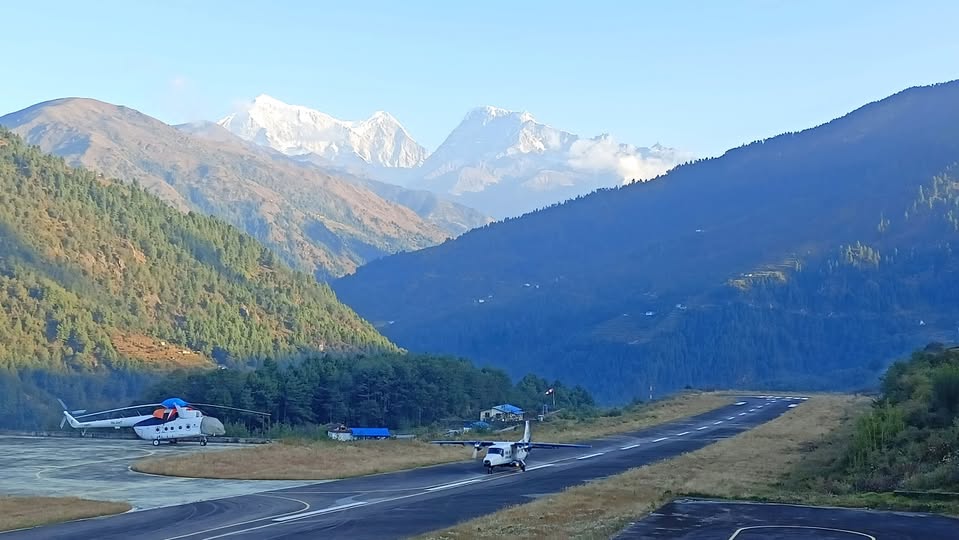
Phaplu: The Airport Village and Trek Starting Point
Phaplu, located 3 to 4 kilometres above Salleri at about 2,400 meters, sits at a slightly higher and arguably more scenic spot, offering better mountain views on clear days and the added significance of hosting Phaplu Airport. This small domestic airstrip serves occasional flights from Kathmandu during the spring and autumn trekking seasons. Flights to Phaplu, operated by small aircraft because of limited runway capacity, cost about NPR 15,000 per person one way and offer a faster alternative to the overland jeep journey. However, their irregular schedule and weather-dependent reliability mean they cannot be counted on for time-sensitive travel the way the road jeep service can.
For trekkers beginning the Everest region approach from Phaplu rather than from Lukla, the town represents a genuinely rewarding starting point for the walk north toward Namche Bazaar. The route from Phaplu to Namche covers approximately 60 kilometres of trail. It typically takes three to four days for a reasonably fit trekker carrying a moderate pack to pass through the Sherpa and mixed-culture communities of the Solu region before the landscape shifts toward the higher, more Tibetan-Buddhist atmosphere of the Khumbu proper.
Many experienced Himalayan trekkers choose the Phaplu approach because it offers a more gradual, culturally richer introduction to the Everest region than arriving at Lukla Airport, building landscape immersion slowly over several days of walking rather than arriving instantly in the high-altitude trekking zone.
The walk from Phaplu to Lukla alone takes approximately two days for normal trekkers, making Phaplu an excellent starting point specifically for those who want to experience the lower Khumbu region’s distinctive character — the beautiful rhododendron and oak forests of the Solu region, the traditional Rai and Sherpa mixed communities of Khari Khola and Bupsa, and the gradual altitude gain that provides natural and gentle acclimatisation rather than the altitude shock that many Lukla-arrived trekkers experience when they push too quickly north toward Namche.
The Route: Kathmandu to Salleri-Phaplu in Full Detail
Total Distance and General Route Character
The road distance from Kathmandu to Salleri is approximately 267 to 270 kilometres depending on the specific routing followed, making it one of Nepal’s longer single-day vehicle journeys in terms of road distance while not being the longest in terms of actual travel time — the BP Highway through the Dolakha and Okhaldhunga sections is generally in reasonable condition, allowing speeds adequate to cover the distance in eight to ten hours under normal conditions. The overall route follows a broadly eastward, then northward, arc from Kathmandu, leaving the capital via Bhaktapur and continuing to the BP Highway via Dhulikhel. This scenic mid-hill road offers some of Nepal’s finest continuous highway scenery across terraced hillsides, river gorges, and periodic Himalayan viewpoints.
The route passes through several significant towns and road junctions that serve as reference points for passengers monitoring their progress and for drivers who may make brief stops for fuel, food, and passenger rest. From Kathmandu, the primary road towns include Banepa, Dhulikhel, Khopasi, Suri, Mude, Namdu, Manthali, Khurkot, Okhaldhunga, and finally, the turn northward into the Solukhumbu District toward Salleri. Each of these towns marks a slight shift in the road’s character and the surrounding landscape, with the scenery progressively transitioning from the peri-urban character of Kathmandu’s eastern outskirts through the market towns of the Koshi hill corridor to the increasingly remote, mountain-influenced landscape of the Solukhumbu approach.
Departure Points and Pickup Locations in Kathmandu
The standard departure point for shared jeep services to Salleri and Phaplu from Kathmandu is Chabahil Chowk, specifically the junction near the Dhobi Khola Bridge on Gopi Krishna Marg, where shared vehicles depart each morning between 4:30 and 5:00 AM. Some services also pick up passengers at the Om Samaj Hospital area in Chabahil. The journey’s length dictates the early departure time — a 5:00 AM departure from Chabahil typically reaches Salleri between 3:00 and 5:00 PM under good road conditions, with the exact arrival time depending on road conditions, traffic, and the number of stops for meals and rest.
For travellers staying in Thamel or other central Kathmandu hotel districts, reaching Chabahil between 4:00 and 4:30 AM for the shared jeep departure requires either an overnight arrangement near the departure point or a taxi from the hotel at approximately 3:30 AM — a timing that many travellers find inconvenient enough to justify the additional cost of hotel pickup service. Nepal Vehicle Hiring Pvt Ltd’s private pickup and drop service specifically addresses this inconvenience: our drivers arrive at the client’s hotel in Thamel, Boudha, Lazimpat, or any other Kathmandu hotel district at the agreed time, eliminating the need to navigate to a separate departure point in the pre-dawn hours while carrying trekking luggage.
Shared jeep services also have documented pickup routes throughout Kathmandu, collecting passengers from points along the Gaushala-Koteshwar-Jaributti-Sallaghari Chowk-Bhaktapur-Banepa-Dhulikhel corridor. Passengers living along or staying along this route can often arrange roadside pickups, reducing their overall travel time to the departure area. Nepal Vehicle Hiring Pvt Ltd offers custom pickup arrangements that follow or improve on this route for private clients, collecting from any specified hotel or address within the greater Kathmandu area.
Key Stops Along the Route
The Kathmandu-to-Salleri journey is long enough that several food and rest stops are standard practice for all vehicle services along this corridor. The most common stopping point is Khurkot, about 130 kilometres from Kathmandu, where the road drops to cross the Sun Koshi River before climbing again on the eastern bank. Here, several roadside restaurants and teahouses offer adequate dal bhat, noodles, and tea for travellers. Most shared jeep services make a 20- to 30-minute stop here for lunch, and private vehicle operators follow a similar pattern, adjusted to their clients’ preferences.
The road between Khurkot and Okhaldhunga, as it climbs into the Solukhumbu approaches, involves some of the most scenic driving of the entire journey — broad river gorges, terraced hillsides at various stages of cultivation depending on season, traditional villages perched on ridges above the road, and increasingly frequent views of the high Himalayan range to the north that announce the proximity of the Everest region even before the formal district boundary is reached. A second brief stop near Okhaldhunga for tea or a comfort break is common on most services before the final push to Salleri itself.
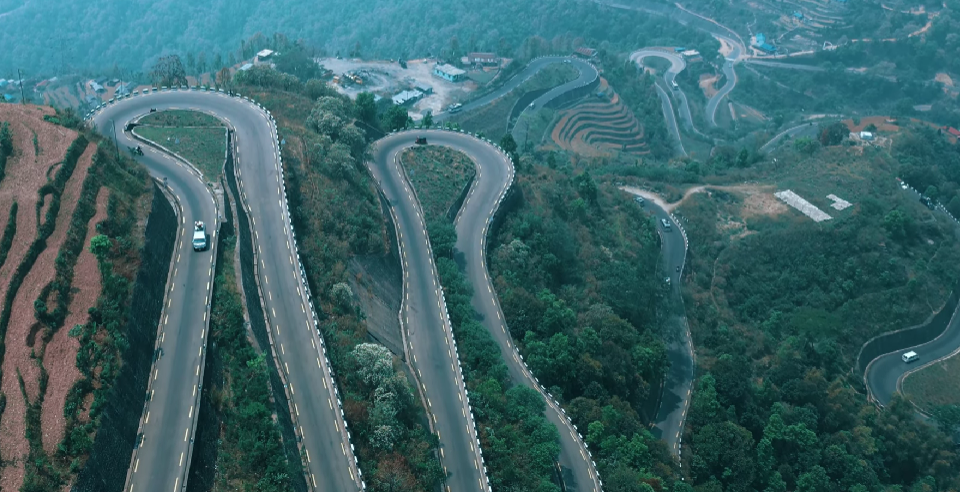
Round-the-Year Service: Seasonal Road Conditions and What to Expect
One of the most important questions for anyone considering the Kathmandu to Salleri-Phaplu vehicle journey is how road conditions vary across the year, since the route passes through terrain that is genuinely affected by seasonal variation and where the consequences of poor conditions are felt more directly in journey time, comfort, and occasional disruption risk than on Nepal’s more heavily maintained highway corridors. Nepal Vehicle Hiring Pvt Ltd operates this service year-round, but conditions and recommended preparations differ meaningfully by season, as detailed in this section.
Autumn — September to November (Best Season)
Autumn is the most reliable and comfortable season for the Kathmandu-to-Salleri-Phaplu vehicle journey and, coincidentally, the period when demand for this service is highest due to the simultaneous peak in Everest region trekking traffic. The road is typically in its best annual condition in the weeks immediately following the monsoon’s departure in late September, with any monsoon-season damage repaired or at least stabilised before the main autumn travel surge, and with the dry, clear conditions that characterise Nepal’s autumn making road surfaces firm and predictable throughout the journey. Autumn travel times are the most consistently achievable, with eight to nine hours for the Kathmandu-to-Salleri leg a reliable estimate rather than an optimistic one.
On clear autumn days, the mountain views are exceptional along the upper sections of the route approaching Okhaldhunga and Salleri, with the high Himalayan range visible on the northern horizon in a clarity that summer haze and monsoon cloud cover completely obscure. For travellers who appreciate the scenic dimension of this journey as part of the overall Solukhumbu experience, autumn morning departures that put the vehicle in the middle sections of the route during the morning, when clear post-dawn light illuminates the surrounding hillsides and mountain viewpoints most vividly, deliver the finest visual experience of any season.
Spring — March to May (Second Best Season)
Spring offers the second-most reliable window for the Kathmandu-to-Salleri-Phaplu service, with conditions generally good from March through most of May, before the monsoon’s approach introduces uncertainty in the final weeks of the season. The landscape along the route is most vibrant in spring, with rhododendrons flowering in the forested sections of the mid-hills, providing vivid colour contrasts against the terraced farmland and the blue sky above. Snow remaining on the higher Himalayan peaks, visible from the route’s upper sections, creates a striking visual backdrop for the journey’s final approach to Salleri, and the relatively mild daytime temperatures of the spring months make the long vehicle journey more physically comfortable than the hotter conditions of the pre-monsoon period leading up to May.
One consideration specific to spring travel is the gradual buildup of dust on the route’s unpaved sections as the dry season nears its end. By late April and May, dust can be a significant nuisance on the unpaved sections between Okhaldhunga and Salleri, and travellers should carry a face covering or cloth mask to manage dust exposure. Nepal Vehicle Hiring Pvt Ltd vehicles keep windows closed on dusty sections as a standard precaution. Still, the dust penetration through door seals on mountain roads means that some exposure is inevitable on the most recently graded sections.
Monsoon — June to August (Possible with Caution)
The monsoon season presents the most challenging conditions for the Kathmandu-to-Salleri-Phaplu vehicle service, but it does not render the journey impossible, as some travellers assume. Nepal Vehicle Hiring Pvt Ltd maintains its pickup and drop service throughout the monsoon season, and most monsoon-season journeys are completed without significant incident. What changes is the uncertainty around journey timing and the possibility of road disruptions due to landslides—the dominant monsoon-season road risk on this corridor.
The BP Highway section of the route is one of Nepal’s more landslide-prone highways during the monsoon, with the Rosi Khola area having experienced significant blockages in multiple recent monsoon seasons. The stretch near Manthali and the sections approaching Okhaldhunga also carry elevated landslide risk during periods of heavy rainfall. Nepal Vehicle Hiring Pvt Ltd monitors road conditions on this route throughout the monsoon season and will advise clients of any known closures or significant disruptions before confirming departure dates. When a major landslide creates a sustained road closure, our team works to identify the best available alternatives—whether waiting for clearance, routing via alternative tracks where possible, or advising postponement until conditions stabilise.
Travellers who must travel to or from Salleri-Phaplu during the monsoon season are advised to book a private rather than shared vehicle, for the straightforward reason that a private vehicle can adapt more flexibly to road disruptions and can turn back or change plans according to actual conditions encountered, rather than being committed to completing the journey regardless of what the road presents. The cost difference between shared and private hire is clearer in the monsoon season, not as a luxury premium but as a practical investment in journey adaptability that may save considerable time and stress if road conditions deteriorate during the trip.
Winter — December to February (Reliable with Cold Preparation)
Winter presents fewer road disruption risks than the monsoon on this corridor, since the absence of heavy rainfall removes the primary landslide trigger. Still, it brings cold-weather challenges that passengers must prepare for—particularly during early-morning departures when the vehicle leaves Kathmandu in pre-dawn darkness. The route’s mid-hill sections can be genuinely cold. The road surface in winter is generally stable and predictable, with occasional frost on shaded sections in the early morning as the main driving challenge; drivers at Nepal Vehicle Hiring Pvt Ltd manage it by reducing speed and exercising appropriate caution in corners.
Winter also brings significantly lower demand than the autumn and spring peaks, so vehicle availability is generally better and booking lead times are shorter. The overall journey is less crowded, both on the road and in the overnight accommodation options at Salleri and Phaplu, for trekkers who break their journey overnight. For travellers with flexibility in their timing, the January-February window offers the genuine advantage of a quieter, less-competitive journey and the same reliable road conditions as in autumn, without the peak-season vehicle-booking pressure.
Seasonal Summary: Kathmandu to Salleri-Phaplu Service
| Season | Months | Road Conditions | Disruption Risk | Dust/Mud | Recommended? |
| Autumn | Sep–Nov | Excellent — best of the year | Very Low | Low | Highly Recommended |
| Spring | Mar–May | Good — some dust late season | Low | Medium | Recommended |
| Winter | Dec–Feb | Good — occasional frost/cold | Very Low | Low | Good (quieter) |
| Monsoon | Jun–Aug | Variable — landslide risk | Medium–High | High | Possible with caution |
Complete Cost Guide: Salleri-Phaplu Pickup and Drop Service
To understand the full cost of the Kathmandu to Salleri-Phaplu jeep service, distinguish between service categories: shared versus private, standard versus extended destinations, and additional pickup charges that apply to some shared services when you request hotel collection rather than the standard departure from Chabahil Chowk.
Shared Jeep Costs (Per Person)
Shared jeep services to Salleri and Phaplu from Kathmandu operate year-round and depart from Chabahil Chowk between 4:30 and 5:00 AM, once enough passengers have assembled. Multiple current sources confirm a shared jeep cost of NPR 3,000 to NPR 4,000 per person for the Kathmandu-to-Salleri or Phaplu journey, equivalent to approximately USD 22 to USD 30 per person, depending on current exchange rates. One operator quotes USD 25 per person as their standard shared jeep rate for this route, with an additional USD 5 to USD 7 pickup charge for hotel collection from Thamel or other central Kathmandu hotel districts, bringing the total per-person cost with hotel pickup to about USD 30 to USD 32.
The shared jeep typically accommodates seven to eight passengers, with seats allocated on a first-come, first-served basis at boarding. Travelling with six or seven other passengers on an eight-to-ten-hour journey over winding mountain roads is uncomfortable by any standard. For travellers with any concern about motion sickness or simple claustrophobia, the shared configuration can make the journey genuinely arduous, regardless of road conditions. This is the most frequently cited practical argument for upgrading to a private vehicle hire, even at the significantly higher cost.
Private Jeep Hire Costs
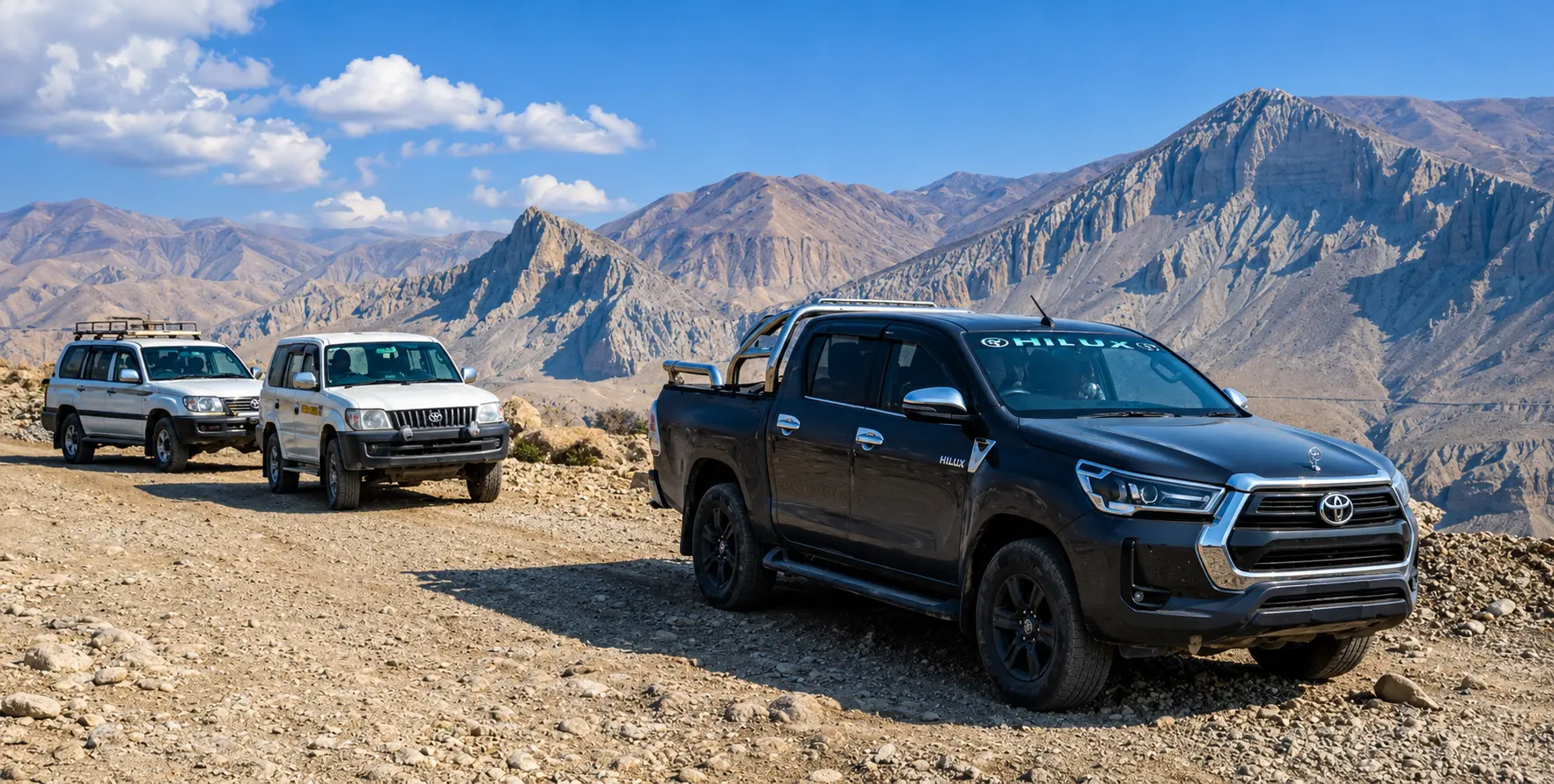
Private jeep hire from Kathmandu to Salleri varies considerably by vehicle type, operator, and season. Current market research for 2025/2 shows quoted prices ranging from NPR 20,000 to NPR 25,000 from one operator, NPR 25,000 to NPR 30,000 from another, and USD 250 to USD 310 (equivalent to approximately NPR 33,000 to NPR 41,000) from operators targeting international travellers.
The variation reflects both genuine differences in vehicle quality and service standards and price segmentation between domestic-market operators quoting in NPR for local clients and tourism-market operators quoting in USD for international trekkers.
Nepal Vehicle Hiring Pvt Ltd’s private pickup and drop service for the Kathmandu-to-Salleri-Phaplu route is priced transparently at NPR 25,000 to NPR 35,000 for a complete private vehicle rental, depending on vehicle type and the specific month of travel (seasonal surcharges apply during the peak October-November period when demand is highest).
This rate includes hotel pickup from any hotel in Kathmandu, fuel for the entire journey, and an experienced driver familiar with the BP Highway and the Solukhumbu approach road. No additional charges apply beyond this all-inclusive rate, and Nepal Vehicle Hiring Pvt Ltd provides written booking confirmation with the total cost before requesting any payment.
For extended destinations beyond Salleri, private hire costs increase to reflect the additional distance and road difficulty involved. The Kathmandu to Bupsa-Thamdanda extension, which takes the vehicle approximately 63 kilometres beyond Salleri on increasingly rough road to the nearest motorable point to Lukla, adds significantly to both the journey time and cost — multiple operators quote USD 450 to USD 550 for the complete Kathmandu to Bupsa-Thamdanda private jeep, with the Kathmandu to Bupsa journey taking approximately 18 to 20 hours total, including the overnight break at Salleri that most itineraries require for this extended routing.
Complete Cost Reference: Kathmandu to Salleri-Phaplu and Beyond
| Route | Service Type | Cost (NPR) | Cost (USD) | Journey Time | Notes |
| Kathmandu → Salleri / Phaplu | Shared jeep (per person) | NPR 3,000–4,000 | $22–$30 | 8–10 hrs | Departs 4:30–5:00 AM, Chabahil |
| Kathmandu → Salleri / Phaplu | Shared + hotel pickup | NPR 3,700–4,700 | $28–$35 | 8–10 hrs | +$5–7 pickup from Thamel |
| Kathmandu → Salleri / Phaplu | Private jeep (full vehicle) | NPR 25,000–35,000 | $188–$263 | 8–10 hrs | Up to 6–7 pax, hotel pickup |
| Kathmandu → Salleri / Phaplu | Private Scorpio jeep | NPR 32,000–42,000 | $240–$315 | 8–10 hrs | Premium Tata Sumo / Scorpio |
| Salleri / Phaplu → Kathmandu | Private return jeep | NPR 25,000–35,000 | $188–$263 | 8–10 hrs | Pre-arrange return pickup |
| Kathmandu ↔ Salleri / Phaplu | Private round trip | NPR 45,000–60,000 | $338–$450 | Multi-day | Waiting charge for multi-day |
| Kathmandu • Bhaktapur / Thamdanda | Private jeep | NPR 55,000–75,000 | $413–$563 | 18–20 hrs | 2-day journey, overnight in Salleri |
| Kathmandu → Kharikhola | Private jeep | NPR 40,000–55,000 | $300–$413 | 12–15 hrs | Extended beyond Salleri |
Why Use This Route: The Salleri-Phaplu Jeep Service vs Lukla Flight
The comparison between the overland jeep service to Salleri-Phaplu and the Lukla flight is one that every Everest region visitor implicitly or explicitly makes when planning their journey, and understanding the genuine trade-offs involved — rather than defaulting to the conventional assumption that the Lukla flight is always the better option — produces better-informed decisions for different categories of travellers.
Cost Advantage
The cost comparison between the Lukla flight and the overland jeep service strongly favours ground transport for budget-conscious travellers, particularly groups, where the private jeep cost can be split among multiple passengers. The Lukla domestic flight from Kathmandu costs approximately USD 120 to USD 140 per person one-way in 2025, meaning that a private group of four travellers pays approximately USD 480 to USD 560 in one-way Lukla flight costs. A private jeep from Kathmandu to Salleri costs about USD 188 to USD 263 for the full vehicle, roughly half the flight cost for four passengers, with greater schedule certainty and the bonus of an overland scenic experience.
Reliability Advantage
The Lukla flight’s notorious susceptibility to weather cancellations is perhaps the most frequently cited practical argument for the overland alternative. Lukla’s Tenzing-Hillary Airport operates under strict visual meteorological conditions requirements that even minor cloud cover, precipitation, or high winds can violate, leading to cascading cancellations that have left trekkers waiting in Kathmandu or Lukla for four, five, or even more consecutive days in extreme weather periods.
A multi-day Lukla cancellation period disrupts carefully planned trekking itineraries and can fundamentally compromise a trek built around a specific number of available days. The overland jeep service, while subject to weather-related disruptions during the monsoon season, is far more reliably available year-round, particularly in autumn and spring, when monsoon and winter extremes are absent.
Acclimatisation Advantage
Perhaps the most underappreciated advantage of the Salleri-Phaplu approach over the Lukla flight is the superior acclimatisation profile it provides for trekkers heading to Everest Base Camp or other high-altitude Khumbu destinations. The Lukla flight delivers trekkers to 2,860 meters after a 40-minute flight from Kathmandu at 1,400 meters—an altitude gain achieved with zero physical exertion that can, particularly for trekkers arriving from sea-level destinations after a long international flight, trigger acute mountain sickness symptoms before the first day’s trekking is complete.
The overland approach through Salleri-Phaplu begins at 2,390 meters. It gradually gains altitude over several days of walking, giving the body time to acclimatise effectively and significantly reducing the risk of altitude-related illness in the first days of trekking. Many trekking doctors and experienced Himalayan guides specifically recommend the overland approach for travellers with any concern about altitude sickness or who have experienced altitude-related symptoms on previous high-altitude journeys.
Cultural Immersion Advantage
The overland route from Kathmandu through the BP Highway corridor and into the Solukhumbu foothills reveals a dimension of Nepal’s cultural and physical geography that the Lukla flight completely bypasses. The BP Highway passes through the Dolakha and Okhaldhunga districts. In these regions, Tamang, Rai, Magar, and mixed-caste Nepali communities have maintained traditional agricultural and pastoral practices in a landscape of extraordinary beauty — terraced rice paddies, traditional village architecture, river gorges, and the gradual transition from subtropical to temperate to subalpine vegetation that accompanies the increase in altitude toward Salleri. For travellers who see Nepal’s rural countryside as integral to the value of a journey to Nepal rather than simply a geographic obstacle between the airport and the mountains, the overland route is not a lesser alternative to flying but a richer one.
Onward Destinations from Salleri-Phaplu: The Deeper Solukhumbu Network
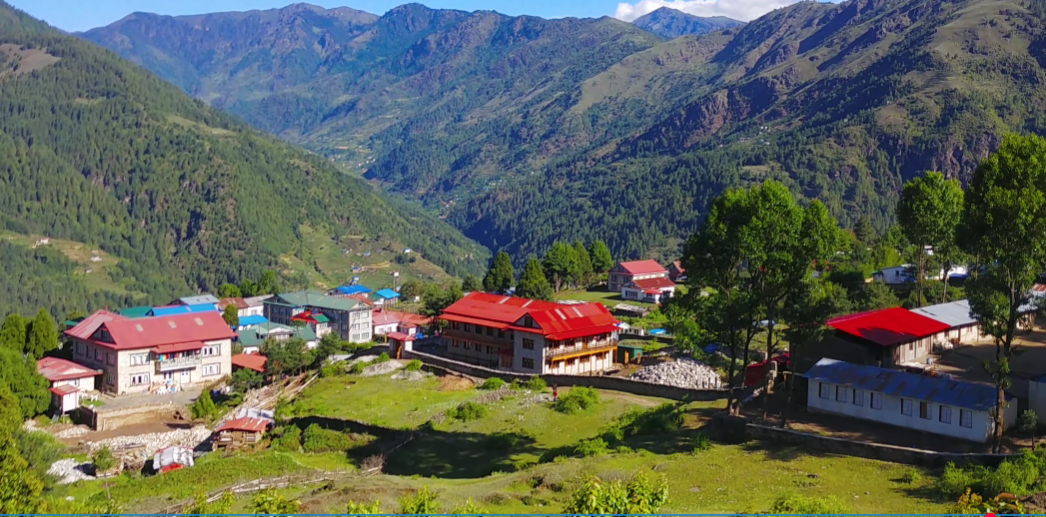
Salleri and Phaplu serve not just as destinations in their own right but as starting points for an extensive network of onward road and trekking connections into the Solukhumbu District. Understanding this network helps travellers plan their complete journey from Kathmandu to their final destination in the Everest region, whether that is a trail beginning at Phaplu or Salleri, a vehicle extension to Bupsa or Thamdanda, or the connecting walks linking these road termini to the main Everest trekking corridor.
Salleri/Phaplu to Bupsa and Thamdanda
The road beyond Salleri continues through Kharikhola and onward to Bupsa and Thamdanda — the furthest points currently accessible by vehicle toward Lukla and the Khumbu. The 63 kilometres from Salleri to Thamdanda involve significantly rougher road than the BP Highway approach to Salleri, with the track becoming progressively more demanding as it climbs into the Dudh Koshi valley system. Most operators serving this extended route require a vehicle change at Salleri—the shared jeep or vehicle that brought passengers from Kathmandu is typically not the same vehicle that continues beyond Salleri, as local operators with specific knowledge of the tracks beyond Salleri handle the extension.
From Thamdanda, which sits at approximately 2,900 meters, trekkers can begin walking toward Lukla (approximately 37 kilometres, or two days’ walking for fit trekkers), with a planned road from Thamdanda toward Chaurikharka near Lukla still under construction as of 2025. When complete, this road will create an unprecedented continuous motorable connection from Kathmandu to within a few kilometres of Lukla itself — a development that will fundamentally transform the Kathmandu-to-Khumbu transport landscape, and Nepal Vehicle Hiring Pvt Ltd is monitoring it closely to ensure our service pricing and routing evolve appropriately as infrastructure develops.
Trek Routes Starting from Salleri and Phaplu
For trekkers who begin their Khumbu journey from Salleri or Phaplu rather than Lukla, the trail options are more diverse and less crowded than those from the standard starting point. The most direct route northward from Phaplu to Lukla takes approximately two days of walking, passing through Ringmo and continuing to Khari Khola before the final climb to Lukla’s hillside location. From Lukla, the standard trail toward Namche Bazaar and the higher Khumbu continues as it does for all EBC trekkers regardless of how they reached Lukla.
An alternative, considerably more scenic approach from Phaplu continues not via Lukla but directly north to Namche Bazaar via Solu Khumbu’s trail network, bypassing Lukla entirely and joining the main EBC trail at Namche after about three to four days of walking from Phaplu. This direct Phaplu-Namche approach is particularly popular with trekkers who want to experience the full cultural and ecological range of the Solu Khumbu region rather than reach the high Khumbu as efficiently as possible, and it offers the best acclimatisation profile of any EBC approach, given its gradual altitude gain.
Practical Guide to Booking and Preparing for the Journey
Advance Booking Requirements
Booking advance requirements for the Kathmandu-to-Salleri-Phaplu service vary significantly by season and service type. During the peak autumn trekking season — October and November — private vehicle demand on this route is at its annual maximum, driven by the simultaneous peak in Everest region trekking traffic and Lukla flight cancellations that can create sudden spikes in demand for ground transport alternatives. During these peak periods, Nepal Vehicle Hiring Pvt Ltd recommends booking private vehicle hire at least 5 to 7 days in advance. Ideally, 2 weeks in advance, for clients with fixed departure dates who cannot accommodate flexibility in their travel schedule.
During the spring season, booking three to five days in advance is generally sufficient for private hire, while the quieter winter and monsoon seasons typically allow same-week or even same-day booking in most circumstances. Shared jeep services operate daily year-round, but they can fill up quickly during peak season, so booking ahead helps—especially for hotel-pickup variants that guarantee a seat without requiring a pre-dawn journey to Chabahil Chowk.
What to Pack for the Journey
An eight-to-ten-hour vehicle journey through Nepal’s mid-hills demands a specific approach to personal preparation that differs from both a short city transfer and a multi-day trek. The following items consistently improve the comfort and well-being of passengers on the Kathmandu to Salleri-Phaplu route regardless of season:
- Motion sickness medication — the BP Highway’s winding mountain sections are the most common cause of discomfort on this route, and even travellers who do not typically experience motion sickness in urban driving contexts can find sustained hill driving challenging
- Light snacks and at least two litres of water — stops for food occur at approximately Khurkot (approximately 4 hours from Kathmandu) and near Okhaldhunga (approximately 7 hours), with limited options in between
- Warm layers for early morning departure — the 4:30 to 5:00 AM departure time means the first two to three hours of the journey occur in cool pre-dawn and early morning conditions, particularly relevant in autumn and winter.
- Dust protection (cloth mask or scarf) — the later dry-season sections of the BP Highway near Okhaldhunga can be dusty, and the beyond-Salleri sections for travellers continuing to Bupsa are consistently described as dusty regardless of season
- Small daypack accessible within the vehicle cabin — main luggage should be packed and stowed, but a small bag with immediate-access items including water, snacks, phone charger, and medication is important for a vehicle journey of this length
- Sufficient NPR cash for meals at stops and for any overnight accommodation at Salleri if breaking the journey
- Trekking permits, if required for onward destination IMS, and any applicable national park permits should be obtained from the Nepal Tourism Board before departure from Kathmandu, not at Salleri.
Accommodation in Salleri and Phaplu
For travellers who plan to break their journey with an overnight stay, Overtravelers or Phaplu before continuing by vehicle or on foot, both towns offer adequate accommodation options at rates considerably lower than those in the trekking hubs of Kathmandu or Pokhara. In Salleri, the trekking hub, House is frequently cited in trekker accounts as one of the more comfortable options, offering rooms at NPR 400 to NPR 800 per night with basic facilities. Phaplu offers similar options at comparable rates, with a small but adequate selection of teahouse-style guesthouses serving the modest flow of trekkers and locals who stay overnight.
During peak trekking season, particularly in October, accommodation in both Salleri and Phaplu can fill up unexpectedly, given the relatively limited number of rooms in both towns. Travellers with confirmed plans to stay overnight at either location — particularly in October or November when all Everest region accommodation is under pressure — are advised to ask their vehicle hire provider or a local contact to make a basic booking in advance, since the limited phone connectivity along sections of the approach route can make last-minute arrangements difficult once the journey is already underway.
Nepal Vehicle Hiring Pvt Ltd: Why Our Pickup and Drop Service Stands Apart
The Kathmandu-to-Salleri-Phaplu vehicle service market in Nepal comprises shared jeep operators, informal private car services, and registered trekking agencies that offer transportation as part of their broader packages. Understanding what sets Nepal Vehicle Hiring Pvt Ltd’s pickup and drop service apart from these alternatives helps travellers choose the option that best fits their needs.
The key difference is the combination of transparency, reliability, and experience Nepal Vehicle Hiring Pvt Ltd brings to every booking. We select drivers for the Kathmandu-to-Salleri-Phaplu route specifically for their experience on the BP Highway corridor and the Solukhumbu approach road, not just their general Nepal driving credentials.
This route-specific experience matters: a driver who has covered this road dozens of times knows its seasonal variations, its most demanding sections, the best stopping points for fuel and food, and the current road status at specific problem locations that no amount of general driving experience can replicate.
Our vehicles for this service are maintained to a standard that reflects the sustained demands of a 267-kilometre mountain road journey, with pre-journey mechanical checks covering tyres, brakes, fluid levels, and drivetrain components specifically because the consequences of a mechanical failure in a remote Okhaldhunga mountain section are far more serious than those of a breakdown in an urban environment where assistance is readily available. Every Nepal Vehicle Hiring Pvt Ltd vehicle on this route carries at least one spare tyre. This detail may sound obvious, but not all operators in this corridor consistently maintain it.
Our booking process is fully documented in writing, and clients receive confirmation of their specific departure time, pickup location, vehicle, driver contact details, and all-inclusive price before we request or receive any payment. This written confirmation eliminates the ambiguity informal bookings often create about what’s included in a quoted price—whether fuel, meals, and any necessary road tolls are covered, or charged as additional costs at settlement. Nepal Vehicle Hiring Pvt Ltd’s Kathmandu-to-Salleri-Phaplu service is consistently all-inclusive, with no hidden charges.
Frequently Asked Questions
How far is it from Kathmandu to Salleri and Phaplu?
The road distance from Kathmandu to Salleri is approximately 267-270 kilometres via the BP Highway. Phaplu is 3 to 4 kilometres above Salleri, adding negligible distance. The journey typically takes eight to ten hours by private jeep and ten to twelve hours by shared jeep or bus, depending on road conditions and the number of stops made along the route.
What time do shared jeeps depart from Kathmandu to Salleri?
Shared jeeps to Salleri and Phaplu from Kathmandu typically depart from Chabahil Chowk between 4:30 and 5:00 AM each morning, with passengers expected to arrive between 4:00 and 4:30 AM. Some services also offer hotel pickup from Thamel and other central areas at an additional charge of approximately USD 5 to USD 7 per person, with the hotel pickup vehicle collecting clients between 3:30 and 4:00 AM.
What is the cost of a private jeep from Kathmandu to Salleri?
A private jeep from Kathmandu to Salleri costs approximately NPR 25,000 to NPR 35,000 for the full vehicle through Nepal Vehicle Hiring Pvt Ltd, accommodating up to six or seven passengers with luggage. This all-inclusive rate covers the vehicle, driver, fuel, and hotel pickup from any hotel in Kathmandu. The equivalent per-person cost for a group of four is approximately NPR 6,250 to NPR 8,750, competitive with or only modestly above the shared jeep per-person rate, while delivering significantly better comfort, timing certainty, and door-to-door service.
Is the service available during the monsoon season?
Yes — Nepal Vehicle Hiring Pvt Ltd operates the Kathmandu to Salleri-Phaplu pickup and drop service year-round, including the monsoon season. Monsoon season travel carries a higher risk of road disruptions due to landslides, particularly in the Rosi Khola area and near Manthali, and delays at affected sections can extend journey times. We recommend private hire for monsoon-season travel for its greater flexibility during road disruptions, and we monitor road conditions before every monsoon-season departure to provide clients with accurate information.
Can I arrange a return pickup from Salleri or Phaplu after my trek?
Yes — Nepal Vehicle Hiring Pvt Ltd arranges return pickup from Salleri and Phaplu as part of our standard service. We strongly recommend booking the return journey at the same time as the outbound transfer, especially during peak season, as it guarantees vehicle availability on your planned departure date and avoids last-minute arrangements in a location with limited local transport options. Provide your expected return date and approximate pickup time when booking, and we will confirm the return vehicle details alongside your outbound booking.
What happens if my Lukla flight is delayed? Change the emergency jeep service?
Yes — Nepal Vehicle Hiring Pvt Ltd provides emergency same-day or next-day jeep service to Salleri for travellers whose Lukla flights have been cancelled. During peak season, when Lukla cancellations create sudden high demand for ground transport alternatives, we can’t always guarantee same-day availability. We still prioritise confirmed clients and maintain capacity for these situations. Contact us immediately via vehiclehiringnepal.com, phone, or WhatsApp once flight cancellation is confirmed, and we will advise you of current vehicle availability and the earliest possible departure.
Conclusion: The Year-Round Road to Khumbu Starts Here
The Kathmandu-to-Salleri-Phaplu pickup-and-drop service is, in the fullest sense of the phrase, Nepal trekking’s most underestimated mode of transport. It connects the capital to the Solukhumbu District throughout every month of the year, delivering travellers to the gateway of the Everest region at a cost significantly below the Lukla flight, with a reliability advantage during weather-disrupted periods that can prove decisive for trekkers with fixed itineraries, and with the added dimensions of overland cultural and scenic immersion that no flight can provide.
For experienced Himalayan travellers who have done the Lukla flight multiple times and want a different approach to the region, for budget-conscious trekkers for whom the flight cost represents a significant proportion of their total trek budget, and for anyone whose Lukla flight has ever been cancelled and is committed to never again leaving their Khumbu access to weather-dependent aviation, the Salleri-Phaplu overland route is not a compromise. It is a choice.
Nepal Vehicle Hiring Pvt Ltd is committed to making that choice as well-serviced, reliably priced, and logistically effortless as any Nepal vehicle hire. Our year-round Kathmandu to Salleri-Phaplu pickup and drop service is backed by experienced drivers, well-maintained vehicles, transparent all-inclusive pricing, and a customer support infrastructure that solo travellers and large groups alike can depend on, regardless of the season they choose to travel or the road conditions on departure day.
Book Your Salleri / Phaplu Pickup & Drop Today
WhatsApp: 9814227196
E-mail: [email protected]
- Salleri Phaplu Pickup Drop Service: Complete Year-Round Guide
- Understanding Salleri and Phaplu: The Twin Gateways to Solukhumbu
- The Route: Kathmandu to Salleri-Phaplu in Full Detail
- Round-the-Year Service: Seasonal Road Conditions and What to Expect
- Complete Cost Guide: Salleri-Phaplu Pickup and Drop Service
- Why Use This Route: The Salleri-Phaplu Jeep Service vs Lukla Flight
- Onward Destinations from Salleri-Phaplu: The Deeper Solukhumbu Network
- Practical Guide to Booking and Preparing for the Journey
- Nepal Vehicle Hiring Pvt Ltd: Why Our Pickup and Drop Service Stands Apart
- Frequently Asked Questions
- Conclusion: The Year-Round Road to Khumbu Starts Here

Related Blog & Articles

Salleri And Phaplu Pickup Drop Service Round the Year
Kathmandu to Phaplu Vehicle Guide
Kathmandu to Jiri Road Trip Guide
Kathmandu to Lukla Road Route Transfer