Plan a Trip


Kathmandu to Gorkha Jeep Service: The Complete Guide (2026)
Why Gorkha Should Be on Every Nepal Itinerary
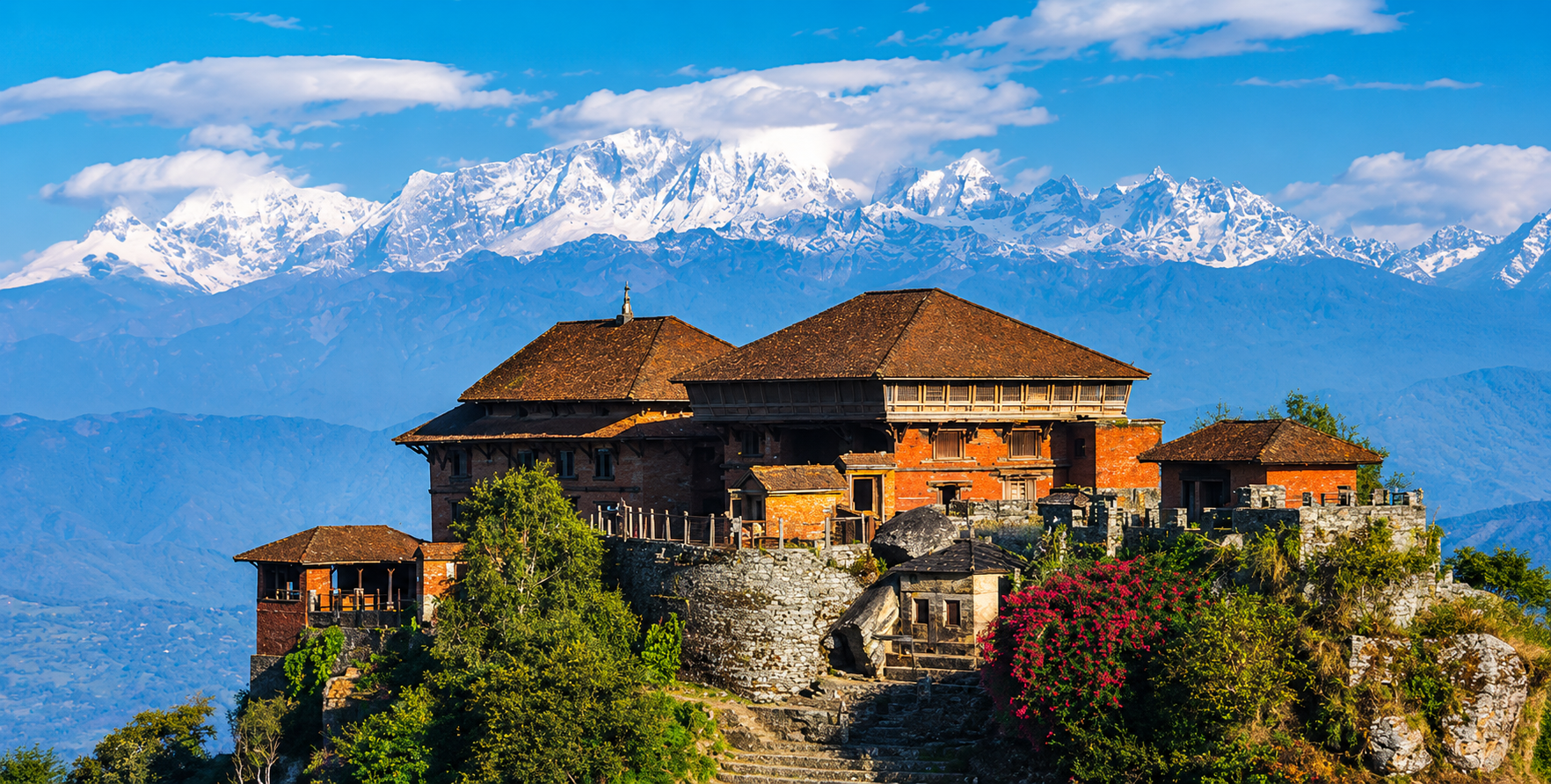
Gorkha is one of the most historically and spiritually significant destinations in Nepal — and yet it remains one of the country’s best-kept secrets among international tourists. While Kathmandu, Pokhara, and Chitwan attract the lion’s share of visitor attention, the ancient hilltop city of Gorkha quietly holds the keys to Nepal’s greatest story: the unification of the nation.
It was from Gorkha — from its magnificent hilltop palace-fortress now known as Gorkha Durbar — that King Prithvi Narayan Shah launched his ambitious and ultimately successful campaign in the 18th century to unite the dozens of independent principalities of the Himalayan region into a single kingdom. The name ‘Gorkha’ itself resonates through world history, having given its name to the legendary Gurkha soldiers who have served in the British and Indian armies for over two centuries and earned a global reputation for extraordinary courage, loyalty, and fighting ability.
Beyond its royal and military heritage, Gorkha District is home to the sacred Manakamana Temple — one of Nepal’s most important Hindu pilgrimage sites, dedicated to the wish-fulfilling goddess Bhagwati. It is also the gateway to two of Nepal’s most spectacular and less-trodden trekking routes: the Manaslu Circuit Trek and the Tsum Valley Trek, both of which begin in Gorkha District and offer extraordinary Himalayan experiences in areas still largely untouched by mass tourism.
For all these reasons — historical depth, spiritual significance, natural grandeur, and trekking access — the journey from Kathmandu to Gorkha rewards every type of traveler. And the most comfortable, flexible, and efficient way to make that journey is by hiring a private jeep or vehicle from Nepal Vehicle Hiring Pvt. Ltd., your trusted transportation partner in Nepal.
This complete 2026 guide covers everything you need to know: the full route with distances and highlights, road conditions along the Prithvi Highway, the cost of private jeep hire for different vehicle types, the key attractions in Gorkha, the best time to visit, practical travel tips, and answers to the most common questions about the Kathmandu to Gorkha jeep service.
Kathmandu to Gorkha — Quick Reference (2026) |
| Destination: Gorkha Bazar, Gorkha District, Gandaki Province, Nepal |
| Altitude: Gorkha Bazar approx. 1,000 m | Gorkha Durbar approx. 1,100 m |
| Total Distance: Approx. 139–145 km from Kathmandu (Thamel) to Gorkha Bazar |
| Total Drive Time: 4–5 hours (one way, direct route via Prithvi Highway + Gorkha spur road) |
| Route: Kathmandu → Nagdhunga → Naubise → Malekhu → Kurintar → Anbu Khaireni → Gorkha |
| Vehicle: Car, Jeep, Hiace, Coaster, or Bus — road is paved and suitable for all vehicle types |
| Permits: No trekking permits needed for Gorkha Bazar/Durbar visit | Manaslu/Tsum require special permits |
| Best Season: October–December and February–May (avoid heavy monsoon July–August) |
| Key Attractions: Gorkha Durbar, Gorakhnath Cave, Manakamana Temple, Old Bazaar, Manaslu/Tsum trekking |
| Book With: Nepal Vehicle Hiring Pvt. Ltd. | +977 9851013196 |
Gorkha: The Birthplace of Modern Nepal
Historical Significance — Where Nepal Was Born
To understand Gorkha is to understand Nepal itself. For centuries, the Kathmandu Valley and the surrounding Himalayan region were divided into dozens of small, often warring principalities — each with its own king, culture, and ambitions. The Gorkha Kingdom, ruled by the Shah dynasty from the small but strategically positioned hilltop fortress now known as Gorkha Durbar, was one of these principalities. But it was different from the others in one crucial respect: it was ambitious.
In 1743, a young prince named Prithvi Narayan Shah ascended the throne of Gorkha at just 20 years old. From that moment, he devoted his entire life — his military genius, his diplomatic cunning, and his extraordinary personal will — to a single goal: the unification of all the Himalayan principalities into one nation. Over the next 25 years, through a combination of brilliant military strategy, careful alliance-building, and sheer determination, he succeeded. By 1769, Kathmandu, Patan, and Bhaktapur had fallen to his forces, and Prithvi Narayan Shah became the first king of unified Nepal.
The palace from which he launched this world-changing campaign — Gorkha Durbar — still stands today on its hilltop above Gorkha Bazar, in remarkable condition. It is not merely a museum piece: it is the literal birthplace of the nation of Nepal and one of the most historically charged sites in the entire subcontinent. Walking through its courtyards and temples, with the panoramic Himalayan skyline spread across the northern horizon, is an experience of rare historical power.
The name ‘Gorkha’ carries global resonance in another dimension too. When the British East India Company encountered the Gorkha warriors during the Anglo-Nepalese War (1814–1816), they were so impressed by their fighting qualities that they immediately began recruiting them into their own army. The ‘Gurkha’ soldiers — a British corruption of ‘Gorkha’ — went on to serve with extraordinary distinction in conflicts across Asia, Africa, and Europe, earning Victoria Crosses and an unparalleled reputation for courage. Today, Gurkha regiments continue to serve in the British Army, and the Gorkha connection is a source of immense pride throughout the district.
Gorkha’s Geography and Character
Gorkha District is part of Gandaki Province (Province No. 4). It covers a dramatic terrain ranging from the subtropical Terai lowlands in the south to the high Himalayan peaks — including Manaslu (8,163 m), the eighth-highest mountain in the world — in the north. The district headquarters, Gorkha Bazar, sits at approximately 1,000 meters above sea level on a broad ridgeline above the Modi Khola and Daraudi River valleys, with spectacular views northward toward the snow-capped peaks of the Manaslu, Ganesh Himal, and Himalchuli ranges.
The population of Gorkha District is diverse, comprising Brahmin, Chhetri, Gurung, Magar, Newar, and Tamang communities, each contributing to a rich cultural mosaic evident in the district’s festivals, architecture, food, and daily life. The town of Gorkha Bazar is compact and pleasant — a genuine Nepali hill town with a market area, several good hotels and restaurants, and an atmosphere that is substantially less touristic and more authentic than the heavily visited hubs of Kathmandu or Pokhara.
Gorkha as a Trekking Gateway
In addition to its historical and spiritual appeal, Gorkha is the primary gateway to two of Nepal’s finest restricted trekking routes. The Manaslu Circuit Trek — a spectacular 14–18 day circuit around the world’s eighth-highest mountain, passing through remote Buddhist villages, ancient monasteries, and the dramatic Larkya La Pass (5,106 m) — begins in Arughat and Soti Khola in Gorkha District. The Tsum Valley Trek, an even more remote and culturally extraordinary journey into a hidden Tibetan-influenced valley near the Nepal-Tibet border, also departs from Gorkha District. For trekkers planning either of these routes, a private jeep hire from Kathmandu to Gorkha and beyond is an essential component of the journey.
The Complete Route: Kathmandu to Gorkha by Jeep
Route Overview
The journey from Kathmandu to Gorkha follows the famous Prithvi Highway (NH17) westward from Kathmandu to Anbu Khaireni, where a spur road branches north to Gorkha Bazar. The Prithvi Highway is one of Nepal’s most important and well-maintained road arteries, connecting Kathmandu with Pokhara and passing through spectacular Himalayan river gorge scenery along the way. The total distance from Kathmandu to Gorkha Bazar is approximately 139–145 km, making it one of the shorter major destination drives from the capital.
| Route Segment | Distance | Road Type | Est. Drive Time |
| Kathmandu (Thamel) → Nagdhunga Checkpoint | 15 km | City roads + valley exit — paved | 30–45 min |
| Nagdhunga → Naubise Junction | 10 km | Winding hill descent — paved tarmac | 20–30 min |
| Naubise → Malekhu (Trishuli River) | 45 km | Prithvi Highway — excellent tarmac, river valley | 45–60 min |
| Malekhu → Kurintar (Manakamana Base) | 25 km | Prithvi Highway — paved, river gorge section | 25–35 min |
| Kurintar → Anbu Khaireni Junction | 15 km | Prithvi Highway — paved | 15–20 min |
| Anbu Khaireni → Gorkha Bazar | 24 km | Gorkha spur road — paved, hilly | 35–50 min |
| TOTAL: Kathmandu → Gorkha Bazar | 139–145 km | Paved highway + spur road | 4–5 hours |
Note: Drive times are estimates for normal traffic conditions. Morning traffic leaving Kathmandu (7:00–9:00 AM) and festival season congestion at Kurintar/Manakamana can add 30–60 minutes to the total journey time. An early start of 6:30–7:00 AM from Kathmandu is always recommended.
Stage-by-Stage Route Narrative
Stage 1 — Kathmandu to Nagdhunga (15 km, 30–45 min): The journey begins at your hotel in Thamel or anywhere in Kathmandu and heads westward through the city toward the Kathmandu Valley rim. The road climbs steeply to the Nagdhunga pass — the western gateway of the Kathmandu Valley at approximately 2,100 meters — before descending dramatically down the Chandragiri hillside toward Naubise. The views from the Nagdhunga area back over the Kathmandu Valley and westward toward the distant Himalayan peaks are spectacular on a clear day. Your driver will navigate the city traffic efficiently, and once past Nagdhunga, the drive opens up significantly.
Stage 2 — Naubise to Malekhu (45 km, 45–60 min): Below Nagdhunga, the road descends to Naubise Junction — where the Tribhuvan Highway (the old Kathmandu–India road) branches south — and then joins the Prithvi Highway following the Trishuli River westward. This section of the drive is one of the most scenically dramatic in Nepal. The highway clings to the cliff faces above the rushing Trishuli River, passing through tunnels, over steel bridges, and alongside vertical gorge walls draped in subtropical vegetation. The river itself is a spectacular torrent of blue-green glacial water, and on weekends you will often see groups of rafters and kayakers on the water below. The towns of Galchhi, Gajuri, and Malekhu are important stopping points along this section.
Stage 3 — Malekhu to Kurintar (25 km, 25–35 min): The road continues through the deepening Trishuli gorge, now with the river on one side and increasingly dramatic cliff faces on the other. Kurintar is the base station for the Manakamana Cable Car and is located approximately 104 km from Kathmandu. If your itinerary includes a Manakamana Temple visit — and it is highly recommended — Kurintar is where you will leave the highway, park the vehicle, and take the cable car up to the temple (approximately 10 minutes, 2.8 km). The Kurintar cable car station has a parking area where your driver will comfortably wait.
Stage 4 — Kurintar to Anbu Khaireni Junction (15 km, 15–20 min): Beyond Kurintar, the Prithvi Highway continues westward through the Marsyangdi and Modi River confluence area to Mugling — the famous junction town — and then on to Anbu Khaireni, where the Gorkha spur road branches northward off the main highway. This junction is well-marked and is approximately 115 km from Kathmandu.
Stage 5 — Anbu Khaireni to Gorkha Bazar (24 km, 35–50 min): The final stretch from Anbu Khaireni to Gorkha Bazar follows a paved but hilly and winding spur road northward, climbing from the valley floor at approximately 600 meters up to Gorkha Bazar at approximately 1,000 meters. This section passes through traditional villages, terraced agricultural land, and subtropical forest, with increasingly dramatic views northward toward the Manaslu and Ganesh Himal ranges appearing as the road gains elevation. The road is paved throughout and accessible to all vehicle types, though the climb and curves make a comfortable vehicle particularly welcome.
Kathmandu to Gorkha: Checkpoint Distance & Time Table
| Key Checkpoint | Km from Kathmandu | Altitude | Drive Time from Kathmandu |
| Nagdhunga (Valley Exit) | 15 km | 2,100 m | 30–45 min |
| Naubise Junction | 25 km | 900 m | 45–60 min |
| Malekhu | 70 km | 540 m | 1.5–2.0 hrs |
| Kurintar (Manakamana Base) | 104 km | 480 m | 2.5–3.0 hrs |
| Mugling Junction | 110 km | 400 m | 2.5–3.0 hrs |
| Anbu Khaireni Junction | 115 km | 540 m | 3.0–3.5 hrs |
| Gorkha Bazar | 139–145 km | 1,000 m | 4.0–5.0 hrs |
| Gorkha Durbar (hilltop) | ~141–147 km | 1,100 m | 4.0–5.0 hrs + 45 min walk |
Road Conditions: Kathmandu to Gorkha (2026)
Overall Road Quality Assessment
The Kathmandu-Gorkha route is one of Nepal’s best-maintained intercity routes. The majority of the journey follows the Prithvi Highway — a national highway of significant strategic importance that the Department of Roads regularly maintains. Unlike many Nepal mountain destinations that require 4WD vehicles and rough off-road driving, the Kathmandu to Gorkha journey is accessible to standard cars, jeeps, hiace vans, and buses, with no significant technical road challenges. This makes Gorkha one of the most comfortable and accessible destinations for all types of travelers, including families, elderly visitors, and pilgrims.
Kathmandu to Naubise — City and Valley Exit
The first section through Kathmandu city can be slow due to city traffic, particularly in the morning peak (8:00–10:00 AM) and evening peak (4:00–7:00 PM). The Nagdhunga pass area is well-maintained, and the road is good throughout. A 6:30–7:00 AM departure beats most of the city traffic and ensures you are past Nagdhunga well before congestion builds. This section is suitable for all vehicle types.
Naubise to Kurintar — Prithvi Highway Gorge Section
This is the most scenically spectacular section of the drive, and the road is generally in good condition year-round. The highway follows the Trishuli River gorge and is subject to occasional landslides during and immediately after the monsoon (June–September). The Department of Roads clears landslides relatively promptly, but monsoon-season travelers should allow extra time. During the dry season (October–May), the road is excellent, and the drive is fast and enjoyable. This section is fully suitable for cars, jeeps, vans, and buses.
Kurintar to Anbu Khaireni — Continued Highway
This short section continues along the well-maintained Prithvi Highway and is in good condition year-round. Traffic around Mugling junction can be heavy, particularly on weekends and public holidays, as Mugling is a major truck stop and transit point. Allow extra time on Friday afternoons and weekends.
Anbu Khaireni to Gorkha Bazar — Gorkha Spur Road
The 24 km spur road from Anbu Khaireni to Gorkha Bazar is paved throughout and is accessible to all vehicle types, including standard cars and tourist buses. The road climbs steadily and winds through several switchbacks on the ascent to Gorkha, but these are manageable for any competent driver. Road conditions on this section are generally good, but can deteriorate slightly during the monsoon due to water runoff and occasional minor landslides in the steeper sections. Nepal Vehicle Hiring Pvt. Ltd. monitors road conditions and will advise on any seasonal issues before your departure.
| Vehicle Suitability for Kathmandu to Gorkha |
| Standard Car (Sedan/SUV): FULLY SUITABLE — paved road throughout |
| 4WD Jeep (Fortuner/Hilux): IDEAL — comfortable and handles all conditions |
| Hiace Van (up to 14 pax): FULLY SUITABLE — excellent for larger groups |
| Coaster Bus (15–25 pax): SUITABLE — all roads can accommodate |
| Tourist Bus (30+ pax): SUITABLE — widely used on this route |
| Unlike on high-altitude mountain routes, a 4WD is NOT mandatory for Gorkha — but is always preferred for comfort on the spur road’s switchbacks. |
Kathmandu to Gorkha Jeep Service Cost (2026)
Private Vehicle Hire — One Way, Kathmandu to Gorkha
A private vehicle hire from Kathmandu to Gorkha gives you full control over your journey: hotel pickup at your chosen time, the flexibility to stop at Manakamana Temple or other roadside highlights, your own schedule throughout the day, and door-to-door delivery to your hotel or lodge in Gorkha Bazar. This is the most popular and recommended option for families, groups, pilgrims, and trekkers beginning the Manaslu or Tsum Valley routes.
| Vehicle Type | Passenger Capacity | One-Way Cost (Kathmandu→Gorkha) | Round Trip Cost |
| Private Car (Sedan / SUV) | 1–4 passengers | NPR 8,000–11,000 / USD 58–80 | NPR 14,000–18,000 |
| 4WD Jeep (Scorpio/Bolero) | 1–5 passengers | NPR 10,000–14,000 / USD 73–102 | NPR 17,000–22,000 |
| 4WD Jeep (Fortuner/Hilux) | 1–6 passengers | NPR 13,000–17,000 / USD 95–124 | NPR 21,000–28,000 |
| Hiace Van | 7–14 passengers | NPR 16,000–22,000 / USD 116–160 | NPR 26,000–36,000 |
| Coaster Bus | 15–25 passengers | NPR 22,000–30,000 / USD 160–218 | NPR 36,000–50,000 |
| Tourist Bus (shared, per seat) | Individual seat | NPR 600–900 / USD 4–7 per person | NPR 1,200–1,600 |
Included in private hire price: Driver service, fuel for full journey, vehicle insurance, hotel pickup from anywhere in Kathmandu (Thamel area and beyond), parking at Kurintar if visiting Manakamana, all tolls and road fees.
Not included: Manakamana Cable Car ticket (approx. NPR 1,650 per person return), passenger meals and accommodation, Gorkha Durbar entry fee (if applicable), driver meals and accommodation for multi-day bookings.
Per-Person Cost Breakdown by Group Size
| Group Size | Recommended Vehicle | Approx. Total Cost | Cost Per Person |
| 1–2 people | Private Car / Small Jeep | NPR 9,000–11,000 | NPR 4,500–11,000/person |
| 3–4 people | Fortuner / Hilux Jeep | NPR 13,000–16,000 | NPR 3,250–5,300/person |
| 5–6 people | Fortuner / Land Cruiser | NPR 15,000–18,000 | NPR 2,500–3,600/person |
| 7–14 people | Hiace Van | NPR 17,000–22,000 | NPR 1,200–3,100/person |
| 15–25 people | Coaster Bus | NPR 22,000–30,000 | NPR 880–2,000/person |
For groups of 5 or more, a private vehicle hire from Nepal Vehicle Hiring Pvt. Ltd. is comparable in price to—or cheaper than—taking individual bus tickets, while offering vastly superior comfort, flexibility, and door-to-door service.
Gorkha as a Day Trip from Kathmandu
Given the relatively short distance and drive time (4–5 hours each way), Gorkha makes an excellent and achievable day trip from Kathmandu — particularly if combined with a Manakamana Cable Car visit at Kurintar. A typical Kathmandu day trip itinerary: depart Kathmandu by 6:30 AM, visit Manakamana Temple at Kurintar (cable car ride + darshan + return cable car, approximately 2–3 hours), arrive Gorkha Bazar for lunch, visit Gorkha Durbar (1–2 hours walk + exploration), and return to Kathmandu by 7:00–8:00 PM. This is a long but highly rewarding day that covers two of Nepal’s most significant historical and spiritual sites.
For a more relaxed experience, we recommend spending one or two nights in Gorkha to fully absorb the Durbar, the old bazaar, the Gorakhnath Cave, and the extraordinary views of the Manaslu range at sunrise. Nepal Vehicle Hiring Pvt. Ltd. can arrange your return vehicle for any date you specify.
Key Attractions in Gorkha — What to See and Do
1. Gorkha Durbar — The Palace-Fortress That Built a Nation
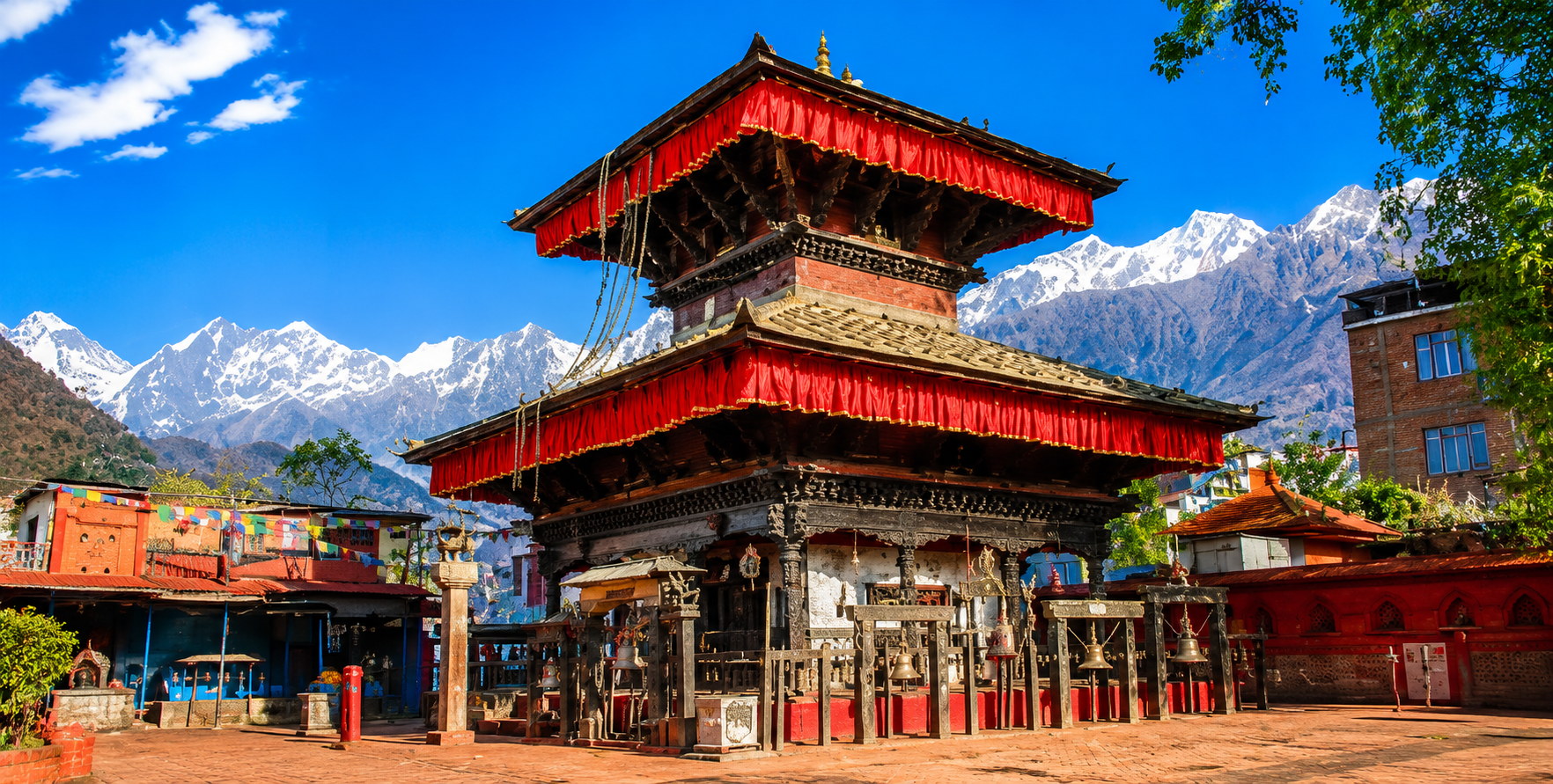
Gorkha Durbar is the undisputed highlight of any visit to Gorkha and one of Nepal’s most significant historical monuments. Perched on a dramatic hilltop at approximately 1,100 meters — approximately 45 minutes to one hour on foot from Gorkha Bazar along a well-maintained stone-paved path with beautiful views — the Durbar complex encompasses several distinct structures of great historical and religious significance.
The Palace (Durbar) itself was constructed in the 16th century during the reign of Ram Shah and served as the royal residence of the Gorkha Shah kings for over two centuries before Prithvi Narayan Shah moved his capital to Kathmandu in 1769. The architecture is a superb example of Newari craftsmanship — intricately carved wooden windows, doors, and struts adorn the multi-storied structures, which are built from warm-red brick on a commanding stone foundation. The panoramic views from the Durbar hilltop are extraordinary. On clear days, the entire central Himalayan arc from Dhaulagiri to Langtang is visible, with Manaslu and Ganesh Himal dominating the northern skyline.
The Durbar complex also contains two important temples: the Gorkha Kalika Temple — a Tantric goddess temple that houses the tutelary deity of the Shah kings and is accessible only to Hindus — and the Gorakhnath Temple, a small but highly sacred shrine dedicated to the sage Gorakhnath, believed to be the divine guardian of the Gorkha kingdom and the source of the name ‘Gorkha’ itself. The Gorakhnath Temple marks the site of the sage’s footprint, preserved in stone, and is an important pilgrimage site for devotees.
2. Gorakhnath Cave — Sacred Sanctuary of the Guardian Sage
Immediately adjacent to the Gorkha Durbar, the Gorakhnath Cave is one of the most sacred sites in the district. According to legend, the saint and yogi Gorakhnath — a revered figure in the Nath tradition of Hindu asceticism — meditated in this cave for many years. The cave is believed to have been deliberately chosen by Prithvi Narayan Shah’s ancestors as the site for their kingdom’s fortress precisely because of its sacred association with Gorakhnath. The cave is small but richly decorated with offerings, oil lamps, and ritual objects, and the atmosphere of concentrated spirituality is palpable. Non-Hindu visitors may observe respectfully from the exterior.
3. Manakamana Temple — The Wish-Fulfilling Goddess
Although technically located at Kurintar — approximately 30–35 km south of Gorkha Bazar on the Prithvi Highway — the Manakamana Temple is the most famous attraction in Gorkha District and virtually every visitor to Gorkha combines it with a Durbar visit. The temple is dedicated to the goddess Manakamana (Bhagwati) — a manifestation of Parvati, the consort of Lord Shiva — who is believed to grant devotees’ wishes. The name ‘Manakamana’ comes from the Sanskrit words ‘mana’ (heart/desire) and ‘kamana’ (wish), meaning ‘fulfiller of heart’s desires.’
The temple sits at an altitude of 1,302 meters on a ridge above the Trishuli River. It is accessible via Nepal’s first cable car system — a 2.8 km ropeway built with Austrian engineering that takes approximately 10 minutes each way. The cable car ride itself is an extraordinary experience, offering panoramic views over the river gorge, the surrounding Gorkha hills, and northward toward the distant snowy peaks of Manaslu and the Himalayan chain. The temple complex at the top is a major pilgrimage center, drawing tens of thousands of devotees annually.
The temple is open daily from approximately 7:00 AM to 6:00 PM. Cable car tickets cost approximately NPR 1,650 per person (return) for foreign visitors. Animal sacrifice (primarily goats and chickens) is a traditional practice at the temple, and visitors should be prepared to observe this as part of the authentic pilgrimage experience.
4. Gorkha Museum — Preserving the Royal Heritage
The Gorkha Museum, located within the Gorkha Durbar complex area, houses an important collection of artifacts related to the history of the Shah dynasty and the unification of Nepal. The collection includes royal weapons, official seals, photographs, traditional musical instruments, garments, and a range of objects that illuminate the daily life and political history of the Gorkha kingdom. For visitors interested in the historical dimensions of Gorkha’s significance, the museum provides essential context that greatly enriches the Durbar experience.
5. The Old Bazaar (Gorkha Bazar) — Authentic Nepali Hill Town Life
The old market area of Gorkha Bazar is a genuinely authentic and unhurried Nepali hill town center — a pleasant contrast to the heavily touristed markets of Kathmandu and Pokhara. The main street is lined with traditional shops selling local produce, hardware, textiles, spices, and foodstuffs alongside several restaurants and teahouses serving excellent dal bhat and local specialties. The architecture of the older buildings in the bazaar area retains traditional Newari and hill-town characteristics that have been largely lost elsewhere. Spending an hour wandering the bazaar, chatting with local shopkeepers, and having tea at a teahouse is an authentic and rewarding experience in Nepal.
6. Ligligkot — Ancient Hilltop Fort with Panoramic Views
Ligligkot is an ancient hilltop fortress approximately 3–4 km from Gorkha Bazar, accessible by a pleasant hiking trail. The site is historically significant as the seat of a pre-Shah ruler of the Gorkha area, and it is famous for an ancient tradition: a running race was held at Ligligkot each year, with the winner declared the local king. Today, this tradition continues as a celebrated annual race. The hilltop offers outstanding panoramic views of the entire Gorkha District, the river valleys below, and the Himalayan peaks to the north.
7. Gateway to Manaslu Circuit & Tsum Valley Treks
For trekkers planning the Manaslu Circuit Trek or Tsum Valley Trek, Gorkha is not just a destination but the essential gateway. From Gorkha Bazar, the road continues north to Arughat (approximately 40 km further) and then to Soti Khola and Machha Khola — the starting points of the Manaslu Circuit. Nepal Vehicle Hiring Pvt. Ltd. can extend your jeep hire from Kathmandu through Gorkha to Soti Khola or Machha Khola, providing complete door-to-trailhead transportation for your trek.
Best Time to Travel from Kathmandu to Gorkha
October to December — Post-Monsoon Autumn (IDEAL)
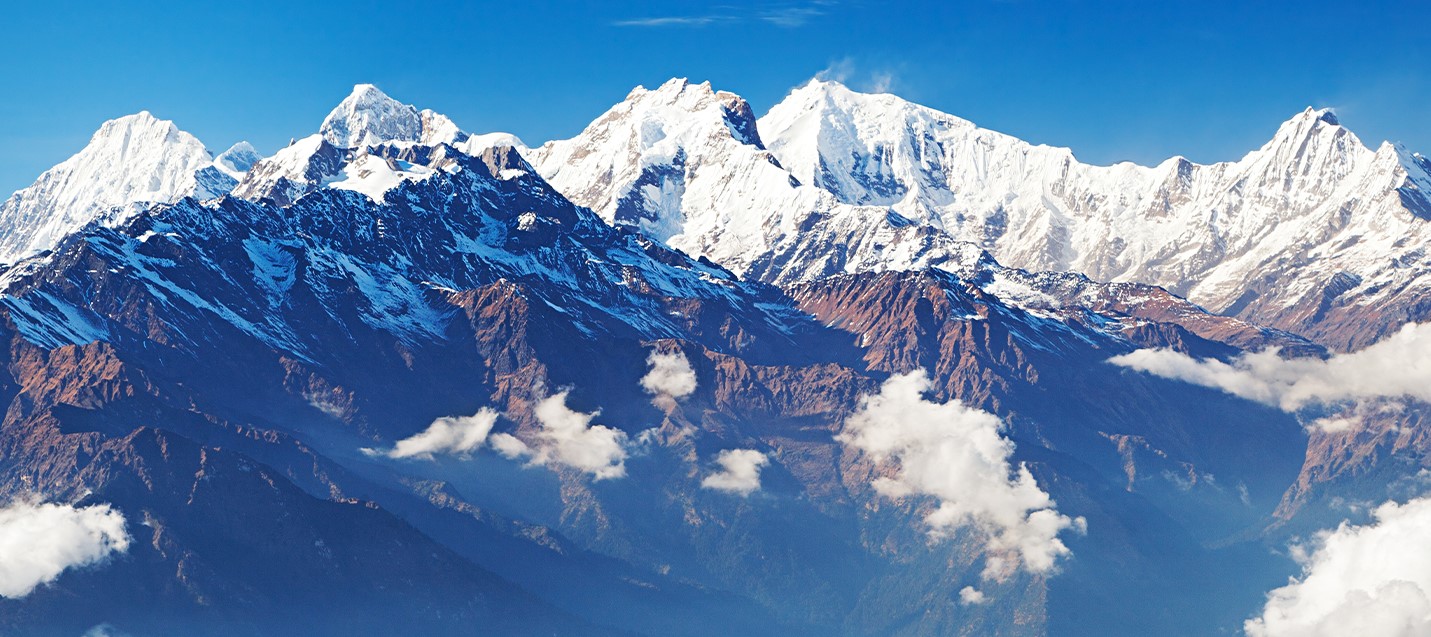
The autumn season is the prime time for the Kathmandu-to-Gorkha trip and for all travel in the Gorkha region. The monsoon rains have ended, clearing the air of haze and dust, and the mountains stand in crystal-clear definition against brilliant blue skies. The Manaslu and Ganesh Himal ranges — visible from Gorkha Durbar — are at their most spectacular during October and November. Temperatures in Gorkha Bazar are pleasantly warm during the day (18–25°C) and cool at night (8–12°C). The festival season of Dasain and Tihar (October–November) adds rich cultural color to a Gorkha visit, with traditional celebrations particularly vibrant in hill towns such as Gorkha Bazar. This is also the prime season for the Manaslu Circuit Trek.
February to May — Spring (EXCELLENT)
Spring is the second peak season for Gorkha visits. Temperatures warm up progressively from February through May, and the surrounding hills are adorned with blooming rhododendrons and wildflowers that add spectacular color to the drive and to the views from Gorkha Durbar. The mountain views are generally clear in the mornings before afternoon cloud build-up. This is also an excellent trekking season for the Manaslu Circuit and Tsum Valley routes, making spring the busiest period for trekkers passing through Gorkha.
December to January — Winter (GOOD)
The winter months bring cool, dry, and clear conditions that are excellent for mountain photography and uncrowded exploration of the Durbar. Temperatures in Gorkha Bazar can drop to 5–8°C during the day in January, with cold nights (0–5°C). The mountain views are often exceptional in winter due to the dry, clear air. Manakamana Temple is best visited in winter on weekdays, when the cable car queues are shorter, and the surrounding views are stunning in the clear winter light.
June to September — Monsoon (POSSIBLE)
The monsoon season brings heavy rainfall to Gorkha District. While the landscape becomes lush and spectacularly green, travel can be affected by landslides on the Prithvi Highway gorge section and occasional road damage on the Anbu Khaireni spur road. Manakamana Temple remains extremely busy throughout the monsoon, with local pilgrims visiting during festivals. For those traveling during the monsoon, Nepal Vehicle Hiring Pvt. Ltd. provides up-to-date road condition reports and monsoon-season driving expertise to ensure safe and efficient travel.
Why Choose Nepal Vehicle Hiring Pvt. Ltd. for Kathmandu to Gorkha
Nepal Vehicle Hiring Pvt. Ltd. is Kathmandu’s most trusted private vehicle hire company, with an unmatched track record of safe, professional, and customer-focused service. Our fleet covers every size and style of vehicle for the Kathmandu-to-Gorkha route — from compact private cars for solo travelers or couples to spacious Hiace vans and Coaster buses for pilgrim groups, family parties, or trekking teams.
| Why Nepal Vehicle Hiring Is Your Best Choice for Gorkha |
| 50,000+ satisfied customers | 5.0 TripAdvisor rating | 15,000+ verified reviews |
| Complete fleet: Car | Jeep | Hiace | Coaster | Tourist Bus — all well-maintained |
| Experienced drivers familiar with the Prithvi Highway and the Gorkha spur road |
| Bilingual drivers — English, Nepali, Hindi — can brief you on route history and highlights |
| Hotel pickup from anywhere in Kathmandu (Thamel, Lazimpat, Durbar Marg, all areas) |
| Flexible itinerary — Manakamana Cable Car stop, Kurintar riverside, scenic viewpoints |
| Transparent all-inclusive pricing — no hidden charges, fuel and driver always included |
| 24/7 WhatsApp support: +977 9851013196 |
| Can extend hire beyond Gorkha to Arughat, Soti Khola, and Machha Khola for the Manaslu Trek |
| Licensed & registered | Company Reg. No. 219204 | Bhagawatisthan, Thamel, Kathmandu |
Our Vehicle Fleet for the Kathmandu to Gorkha Route
| Vehicle | Capacity | Best For | Key Features |
| Private Car (Sedan/SUV) | 1–4 pax | Couples, small families, business travelers | Comfortable, fuel-efficient, AC, good for smooth highway |
| 4WD Jeep (Fortuner/Hilux) | 1–6 pax | Families, small groups, trekkers | Spacious, AC, handles all road types, luggage capacity |
| 4WD Land Cruiser | 1–7 pax | Larger groups want maximum comfort | Premium comfort, excellent luggage space, and powerful |
| Hiace Van | 7–14 pax | Pilgrim groups, trekking teams, family reunions | Economical per person, AC, rear luggage area |
| Coaster Bus | 15–25 pax | Large pilgrim groups, tour groups | Cost-effective for large groups, comfortable seating |
| Tourist Bus (shared) | Individual | Budget solo travellers | Cheapest option — not private, less flexible |
Special Service: Gorkha Pilgrimage Package
Nepal Vehicle Hiring Pvt. Ltd. offers a popular Gorkha Pilgrimage Package that combines the Kathmandu-to-Gorkha journey with a dedicated stop at the Manakamana Temple in Kurintar. The package includes hotel pickup in Kathmandu, a scheduled stop at Kurintar for a cable car visit to Manakamana Temple (cable car ticket purchased separately), a continuation to Gorkha Bazar, vehicle waiting time during your Gorkha Durbar visit, and a return drive to Kathmandu. This is the most efficient and comfortable way to cover both major Gorkha attractions in a single day trip. Contact our team for pricing on pilgrimage packages.
How to Book Your Kathmandu to Gorkha Jeep Service
Step-by-Step Booking Process
- Step 1 — Contact Nepal Vehicle Hiring Pvt. Ltd. via WhatsApp (+977 9851013196), phone call, email ([email protected]), or through the website contact form at vehiclehiringnepal.com.
- Step 2 — Share your travel details: travel date, number of passengers, pickup address/hotel name in Kathmandu, preferred departure time, whether you want one-way or return service, and if you wish to include a Manakamana Cable Car stop at Kurintar.
- Step 3 — Select your vehicle from the available fleet options based on your group size and comfort preference. Our team will recommend the best match.
- Step 4 — Receive your booking confirmation via WhatsApp or email, including the driver’s name, vehicle plate number, driver’s contact number, and confirmed pickup time.
- Step 5 — On the day of travel, be ready at your hotel lobby 5–10 minutes before the agreed pickup time. Your driver will WhatsApp you when they are 10 minutes away.
- Step 6 — Relax and enjoy the journey! Your driver will handle all navigation and can advise on the best stops, meal options, and historical context along the route.
- Step 7 — For return journeys, your driver will drop you at your Gorkha hotel and return on your specified date — or the same vehicle can take you back to Kathmandu the same day if booked as a day trip.
Booking Tips
- Book at least 2–3 days in advance during peak season (October–November and March–May).
- For Manaslu Circuit or Tsum Valley trekkers, book your jeep to Gorkha or beyond (Arughat/Soti Khola) as a package with your trekking permits to ensure coordinated logistics.
- Specify your preferred departure time when booking — 6:30 AM is recommended for Kathmandu to Gorkha to ensure arrival with full daylight and time for Durbar exploration.
- If combining Manakamana and Gorkha Durbar in one day, allow at least 2 hours for the cable car visit (including queue time on busy weekends and festival days) and at least 1.5–2 hours for the Durbar visit plus the 45-minute walk up.
Practical Travel Tips: Kathmandu to Gorkha
What to Carry
- Cash in Nepali Rupees (NPR) — Gorkha Bazar has ATMs (Nepal Bank and NIC Asia), but carry some cash from Kathmandu as a backup.
- Manakamana Cable Car ticket — approximately NPR 1,650 per person, return, for foreign nationals (2026 rate).
- Comfortable walking shoes — the path from Gorkha Bazar to Gorkha Durbar is an approximately 45-minute uphill walk on stone steps and a wide path. Good footwear is essential.
- Sunscreen and hat — the hilltop Durbar is fully exposed, and midday sun at 1,100 meters can be intense.
- Light jacket — mornings can be cool, particularly during October–February visits.
- Camera or phone fully charged — the mountain views from Gorkha Durbar are exceptional and warrant serious photography.
- Water bottle — hydration is important, particularly on the uphill walk to the Durbar.
Manakamana Temple Visit — Important Notes
- Cable car operating hours: approximately 9:00 AM – 5:30 PM (last cable car down around 5:00 PM). Do NOT arrive at Kurintar after 4:00 PM if you plan to visit — the cable car will be closing.
- Weekends and public holidays see extremely long queues at the cable car (1–3-hour waits). Visit on a weekday if possible for significantly shorter queues.
- Saturdays are the busiest days at Manakamana — hundreds of devotees bring animals for sacrifice. Expect large crowds and the sight of ritual animal sacrifice if you visit on a Saturday.
- Dress conservatively for the temple visit — shoulders and knees covered for both men and women.
- Your vehicle driver will park at Kurintar and wait. Confirm waiting time and any extra charges for extended stops when booking.
The Gorkha Durbar Walk — What to Expect
- The walk from Gorkha Bazar to Gorkha Durbar takes approximately 45–60 minutes at a comfortable pace, with a climb of about 100 vertical meters on a well-maintained, tone-paved path lined with trees.
- The path is not strenuous but requires reasonable fitness and comfortable footwear — flip-flops and high heels are not appropriate.
- A vehicle road also reaches the Durbar parking area from the north side of Gorkha Bazar — VIPs and physically limited visitors use this. Ask your driver if this alternative approach is possible for your group.
- The Gorkha Kalika Temple inside the Durbar complex is open only to Hindu worshippers. Non-Hindus may view the exterior but must not enter.
- Remove shoes before entering any temple area within the Durbar complex.
Food and Accommodation in Gorkha
Gorkha Bazar has several good hotels and guesthouses offering comfortable rooms for overnight stays. The Gorkha Hill Resort, Gorkha Gaun Resort, and Hotel Gorkha Inn are popular options with good mountain views and reasonable rates (NPR 1,500–4,000/room depending on standard). Several restaurants in the bazaar serve excellent dal bhat, momos, noodle dishes, and local specialties. The standard of food and accommodation in Gorkha is authentic and genuine — less polished than the tourist facilities in Kathmandu or Pokhara, but warm, clean, and excellent value.
Kathmandu to Gorkha: Transport Options Compared
| Transport Option | Cost | Time | Comfort | Flexibility | Best For |
| Private Jeep/Car — Nepal Vehicle Hiring | NPR 9,000–18,000 | 4–5 hrs | ★★★★★ | ★★★★★ | Best overall — families, groups, pilgrims, trekkers |
| Hiace Van (private) — Nepal Vehicle Hiring | NPR 17,000–22,000 | 4–5 hrs | ★★★★★ | ★★★★★ | Groups of 7–14, pilgrim groups, trekking teams |
| Tourist Bus (Kathmandu–Gorkha spur) | NPR 400–600/seat | 5–6 hrs | ★★★☆☆ | ★★☆☆☆ | Budget individual travellers |
| Local Public Bus (New Bus Park) | NPR 300–450/seat | 5–7 hrs | ★★☆☆☆ | ★☆☆☆☆ | Budget backpackers with time to spare |
| Taxi (metered/negotiated) | NPR 6,000–10,000 | 4–5 hrs | ★★★☆☆ | ★★★☆☆ | Solo or couple, no booking needed |
Frequently Asked Questions
How far is Gorkha from Kathmandu, and how long does the drive take?
Gorkha Bazar is approximately 139–145 km from Kathmandu (Thamel) by road. The drive takes approximately 4–5 hours under normal traffic conditions, following the Prithvi Highway to Anbu Khaireni, then the Gorkha spur road northward. With a 6:30–7:00 AM departure from Kathmandu, you can expect to arrive in Gorkha Bazar by 11:00 AM–12:00 noon, with plenty of time to explore.
Do I need a 4WD jeep for the Kathmandu-Gorkha route?
No — unlike many Nepal mountain destinations, the Kathmandu to Gorkha route is fully paved throughout and is accessible to standard cars, jeeps, vans, and buses. A 4WD is not mandatory. However, a jeep or SUV is more comfortable on the winding Gorkha spur road and is the recommended choice for groups who want a more comfortable and versatile vehicle. Nepal Vehicle Hiring Pvt. Ltd. offers both standard cars and 4WD jeeps for this route.
Can I combine Manakamana Temple and Gorkha Durbar in a one-day trip from Kathmandu?
Yes, this is a very popular and achievable combination. Depart Kathmandu by 6:30 AM, stop at Kurintar for the Manakamana Cable Car (allow 2–3 hours including the ride, temple darshan, and return cable car), continue to Gorkha Bazar for lunch and then Gorkha Durbar (allow 2–3 hours including the walk and exploration), and return to Kathmandu by 7:00–9:00 PM. It is a long but extremely rewarding day that covers two of Nepal’s most significant sites. Nepal Vehicle Hiring Pvt. Ltd. offers this as a specific Gorkha Day Trip package.
Is Gorkha suitable for families with children and elderly travelers?
Yes, absolutely. The Kathmandu-Gorkha road is paved, comfortable, and accessible. Gorkha Bazar is a pleasant and safe town. The Manakamana Cable Car is a very family-friendly attraction suitable for all ages. The walk to Gorkha Durbar (45–60 minutes uphill) may be too demanding for elderly visitors or very young children, but an alternative vehicle road exists. Contact Nepal Vehicle Hiring Pvt. Ltd. to discuss mobility options for group members with mobility limitations.
What should I do if I’m starting the Manaslu Circuit Trek from Gorkha?
Nepal Vehicle Hiring Pvt. Ltd. offers extended jeep hire services from Kathmandu through Gorkha to the Manaslu Trek starting points: Arughat (approx. 40 km north of Gorkha), Soti Khola (approx. 70 km from Gorkha), and Machha Khola (approx. 80 km from Gorkha). The road beyond Gorkha is rougher and requires a 4WD vehicle. We can also arrange your required Manaslu Restricted Area Permit, ACAP permit, and TIMS card as part of your booking. Contact our team for a full Manaslu trekking transportation package.
How much does the Manakamana Cable Car cost?
As of 2026, the Manakamana Cable Car costs approximately NPR 1,650 per person for the return journey for foreign nationals. SAARC nationals pay approximately NPR 870 return. Nepali nationals pay a subsidized rate. Children under a certain height ride free or at a reduced rate. Cable car operating hours are approximately 9:00 AM to 5:30 PM daily. The ride takes approximately 10 minutes each way.
How do I book the Kathmandu-to-Gorkha jeep service with Nepal Vehicle Hiring?
Booking is simple and fast. Contact Nepal Vehicle Hiring Pvt. Ltd. via WhatsApp at +977 9851013196, by phone, email at [email protected], or through the contact form at vehiclehiringnepal.com. Share your travel date, group size, pickup location in Kathmandu, and preferred departure time. Our team will respond within minutes during business hours and confirm your booking with the driver’s details. We recommend booking 2–3 days in advance during peak season.
Conclusion: Gorkha — Where Nepal’s Greatest Story Began
Gorkha is a destination unlike any other in Nepal. While most of Nepal’s famous tourist sites are defined primarily by natural scenery or Buddhist heritage, Gorkha’s) greatness is rooted in political history — in the extraordinary story of how one small kingdom on a Himalayan hilltop gave birth to an entire nation. Standing at Gorkha Durbar, looking north across the river valleys toward the snow-crowned peaks of Manaslu and the Himalayan giants, with the wind carrying the whispers of prayer flags and the sound of temple bells from below, it is impossible not to feel the weight of that story and the extraordinary human will that drove it.
Add to this the spiritual grandeur of Manakamana Temple — where thousands of devotees come to seek the blessings of the wish-fulfilling goddess — the authentic warmth of Gorkha Bazar, the dramatic scenery of the Prithvi Highway gorge drive, and the extraordinary trekking possibilities into the wild Manaslu and Tsum Valley wilderness beyond, and Gorkha emerges as one of the most multi-dimensionally rewarding destinations in Nepal.
Reaching Gorkha comfortably and efficiently is straightforward with Nepal Vehicle Hiring Pvt. Ltd. Whether you are a solo pilgrim wanting a private car for the day, a family of six needing a comfortable Fortuner for a Manakamana–Gorkha combination trip, a group of 14 trekkers requiring a Hiace Van to the Manaslu trailhead, or a large pilgrim party of 25 needing a comfortable Coaster bus, we have the right vehicle, the right driver, and the right service for your journey.
Book your Kathmandu to Gorkha jeep service with Nepal Vehicle Hiring Pvt. Ltd. today — and let us take you to where Nepal’s greatest story was written.
Book Your Kathmandu to Gorkha Jeep Service Today! |
| Website: www.vehiclehiringnepal.com |
| Phone / WhatsApp: +977 9851013196 (Available 24/7) |
| ✉ Email:[email protected] |
| Office: Bhagawatisthan, Thamel, Kathmandu, Nepal |
| Fleet: Car | 4WD Jeep (Fortuner/Hilux/Land Cruiser) | Hiace Van | Coaster | Tourist Bus |
| 50,000+ Happy Customers | 5.0 TripAdvisor Rating | 15,000+ Verified Reviews |
| Route: Kathmandu → Kurintar (Manakamana) → Gorkha Bazar → Gorkha Durbar |
| Day Trip & Overnight Options | Hotel Pickup from Kathmandu | Transparent Pricing |
| Manaslu Trek Transport: Kathmandu → Gorkha → Arughat → Soti Khola → Machha Khola |
| Licensed & Registered | Company Reg. No. 219204 | Best Price Guaranteed |
- Why Gorkha Should Be on Every Nepal Itinerary
- Kathmandu to Gorkha — Quick Reference (2026)
- Gorkha: The Birthplace of Modern Nepal
- The Complete Route: Kathmandu to Gorkha by Jeep
- Kathmandu to Gorkha: Checkpoint Distance & Time Table
- Road Conditions: Kathmandu to Gorkha (2026)
- Kathmandu to Gorkha Jeep Service Cost (2026)
- Key Attractions in Gorkha — What to See and Do
- Best Time to Travel from Kathmandu to Gorkha
- Why Choose Nepal Vehicle Hiring Pvt. Ltd. for Kathmandu to Gorkha
- How to Book Your Kathmandu to Gorkha Jeep Service
- Practical Travel Tips: Kathmandu to Gorkha
- Kathmandu to Gorkha: Transport Options Compared
- Frequently Asked Questions
- Conclusion: Gorkha — Where Nepal's Greatest Story Began
- Book Your Kathmandu to Gorkha Jeep Service Today!

Related Blog & Articles
Kathmandu to Soti Khola by Jeep – Complete Route Guide (2025)
Kathmandu to Arughat Transport