Plan a Trip


Kathmandu to Hetauda Vehicle Rental
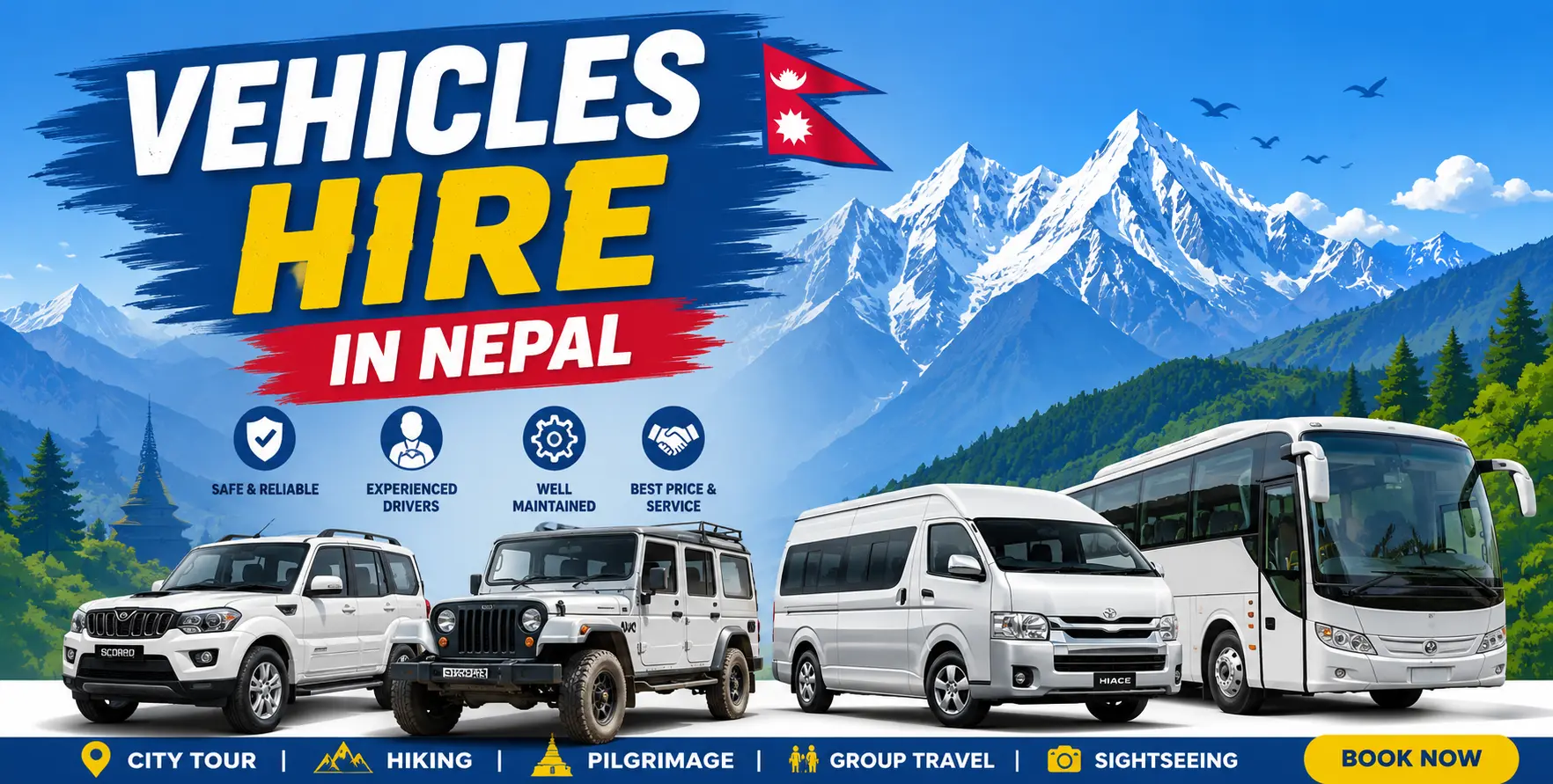
Kathmandu to Hetauda Vehicle Rental | Complete Travel & Hire Guide 2026/27
Roughly ninety kilometers south of bustling Kathmandu, at the exact point where the Mahabharat hill range finally gives way to the flat, expansive Terai plains, sits Hetauda, a city that rarely features on the standard tourist itinerary yet plays a genuinely important role in Nepal’s transport, industrial, and gateway geography. As the headquarters of Makwanpur district and a key junction point on the road network connecting Kathmandu to the Terai and onward to the Indian border,
Kathmandu to Hetauda vehicle rental serves a distinctly varied set of travelers: business visitors to Hetauda’s industrial estates, families heading toward the Kulekhani reservoir for a weekend outing, travelers connecting onward to Chitwan National Park or Parsa National Park, and cross-border travelers making their way toward Birgunj and the Indian frontier.
This guide covers everything travelers and businesses need to know about arranging vehicle rental for the Kathmandu to Hetauda route: the road options available, the historic Tribhuvan Highway and the newer expressway under development, key stops along the way including Daman’s Himalayan viewpoint, Hetauda’s role as an industrial and gateway city, vehicle options, safety considerations, and how to combine this journey with onward travel toward Chitwan, Parsa, or the Indian border. Nepal Vehicle Hiring has arranged transport along this corridor for years, and this guide draws directly on that route experience.
Where Is Hetauda
Hetauda sits in Makwanpur district at the point where the Mahabharat range descends into the Terai plains, at an elevation of around 400 meters, considerably lower than Kathmandu’s roughly 1,400 meters. This position at the hill-plains junction has made Hetauda historically significant as a trade and transport crossroads, connecting the hill and mountain regions of central Nepal to the flat, agriculturally rich Terai and, beyond that, to India. The city serves as the administrative headquarters of Makwanpur district. It has developed into one of Nepal’s more significant industrial centers over recent decades, alongside its role as a transport gateway.
Two Routes From Kathmandu to Hetauda
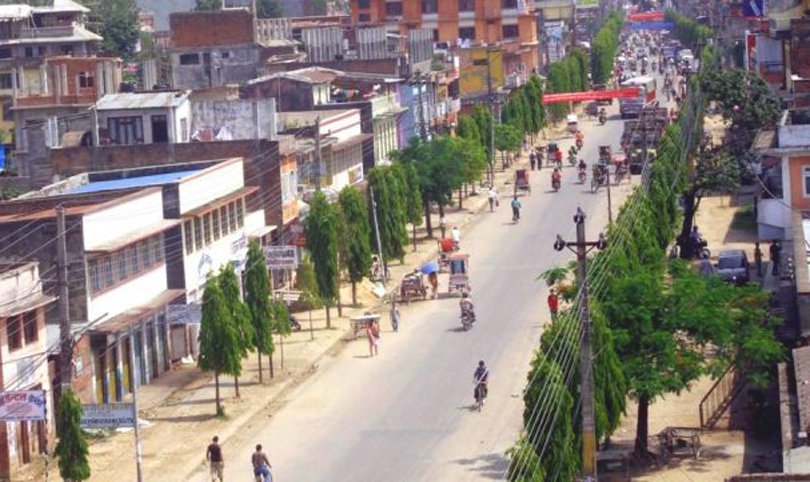
The Historic Tribhuvan Highway
The Tribhuvan Highway, Nepal’s first major highway connecting Kathmandu to the Indian border, remains the traditional route between the two cities, passing through Naubise, Daman, and Bhainse before descending into Hetauda itself. This road, built with Indian assistance in the 1950s and 1960s, was for decades the primary artery connecting Kathmandu to the outside world before the later development of the Prithvi Highway toward Pokhara and other road connections. The Tribhuvan Highway climbs to a considerable elevation at Daman before descending steeply toward the Terai, making it one of the more scenic, if slower, routes available between Kathmandu and the southern plains.
The Kathmandu-Terai Madhesh Fast Track
In recent years, Nepal has invested in developing a considerably more direct expressway connecting Kathmandu to the Terai region near Nijgadh, intended to dramatically reduce travel time between the capital and the southern plains once fully complete. This fast-track route, still undergoing phased construction and improvement, offers an increasingly viable alternative to the older Tribhuvan Highway for travelers prioritizing speed over the scenic mountain crossing the older route offers. Travelers should confirm current construction status and road completion with their vehicle operator before finalizing travel plans, since sections of this route continue to be upgraded and its full completion timeline has shifted over the years of its development.
The Journey From Kathmandu to Hetauda via the Tribhuvan Highway
The overland drive from Kathmandu to Hetauda via the traditional Tribhuvan Highway covers approximately 88 to 95 kilometers in total, depending on the exact starting point within Kathmandu. It typically takes three to four hours by private vehicle, occasionally longer during monsoon-season landslide disruptions or heavy traffic near Kathmandu’s outskirts. The route climbs out of the Kathmandu Valley through Naubise before ascending toward Daman, Nepal’s highest point on any highway and a renowned viewpoint for Himalayan panoramas, before descending through Bhainse and finally reaching Hetauda at the base of the Mahabharat range.
This route, while more scenic than a purely direct expressway, involves genuine mountain driving with numerous switchbacks and elevation changes, and a comfortable, well-maintained vehicle with an experienced driver makes a considerable difference to the overall journey experience. Our
Jeep Hire in Nepal and private car services are well suited to this route, and our drivers are experienced navigating the Tribhuvan Highway’s mountain sections across all seasons.
Daman: The Himalayan Viewpoint Along the Way
Daman itself, sitting at an elevation of over 2,300 meters directly along the Tribhuvan Highway roughly midway between Kathmandu and Hetauda, offers one of the most extensive Himalayan panoramas accessible by road anywhere in Nepal, with a clear-day view stretching from Dhaulagiri in the west to Everest in the east, an extraordinary range for a single viewpoint given the considerable distance these peaks span across the country. Many travelers making the Kathmandu to Hetauda journey specifically schedule a stop at Daman’s viewing tower, particularly on clear autumn or spring mornings when visibility is at its best, adding a genuinely memorable highlight to what might otherwise be treated as a purely functional transit journey.

Vehicle Options for the Kathmandu to Hetauda Route
Private Car for Business and Individual Travel
For business travelers heading to Hetauda’s industrial estates or individual travelers making the journey, a standard private car offers a comfortable, efficient option for this well-paved highway route, bookable through our general vehicle hire services.
Jeep and SUV for Onward Travel to Chitwan or Parsa
Travelers continuing beyond Hetauda toward Chitwan National Park or Parsa National Park often prefer a Land Cruiser or Prado-class vehicle, offering greater comfort for the extended onward journey and additional luggage space for safari or wildlife-viewing equipment.
Hiace and Coaster for Group and Business Travel
Corporate groups traveling to Hetauda’s industrial areas, or family groups heading toward Kulekhani for a weekend outing, often use our
Hiace hire or
Coaster and Bus hire services, depending on total group size.
Hetauda as an Industrial and Business Hub
Beyond its considerable transport significance, Hetauda has steadily developed into one of Nepal’s genuinely more important industrial centers, home to manufacturing facilities, a cement industry, and one of Nepal’s designated Special Economic Zones intended to encourage export-oriented industrial development. This industrial character brings a steady stream of business travelers to the city, from company representatives and factory management visiting production facilities to government officials and trade delegations engaging with the Special Economic Zone administration. Reliable, professional vehicle rental for this business travel segment differs somewhat from standard tourist transport, often requiring more flexible, on-demand scheduling around business meeting times rather than a fixed tourist itinerary.
Hetauda as a Gateway to Chitwan and Parsa National Parks
For travelers heading toward Nepal’s premier wildlife destinations, Hetauda serves as a natural waypoint on the journey south from Kathmandu. Chitwan National Park, reachable via a further drive south and east from Hetauda, remains one of Nepal’s most visited wildlife destinations, home to Bengal tigers, one-horned rhinoceros, and a wide range of other Terai wildlife. Parsa National Park, adjoining Chitwan and considerably less visited, offers a quieter alternative wildlife experience for travelers seeking to avoid Chitwan’s busier tourist infrastructure. Our
Our Pokhara-to-Chitwan bus service covers one common route into this wildlife region. At the same time, direct Kathmandu-to-Chitwan transport via Hetauda offers an alternative approach for travelers beginning their journey in the capital rather than Pokhara.
Kulekhani Dam and Reservoir
A relatively short, worthwhile detour from the main Tribhuvan Highway route leads directly to Kulekhani, home to Nepal’s largest reservoir and an associated hydropower project that has supplied a meaningful share of the country’s electricity generation since its construction in the 1980s. The reservoir has also developed into a popular weekend destination for Kathmandu residents, offering boating, fishing, and a peaceful lakeside setting within a relatively short drive of the capital. Travelers with additional time on their Kathmandu to Hetauda journey sometimes build in a stop at Kulekhani, particularly families or groups seeking a relaxed break partway through the drive.
Onward Travel to Birgunj and the Indian Border
Hetauda also serves as a waypoint for travelers continuing south toward Birgunj, one of Nepal’s most significant land border crossings into India, used extensively for both trade and passenger travel between the two countries. Business travelers and general travelers connecting onward into India via this crossing often break their journey at Hetauda, given its position roughly midway along the route and its role as a natural rest and refueling point before the final stretch to the border itself.
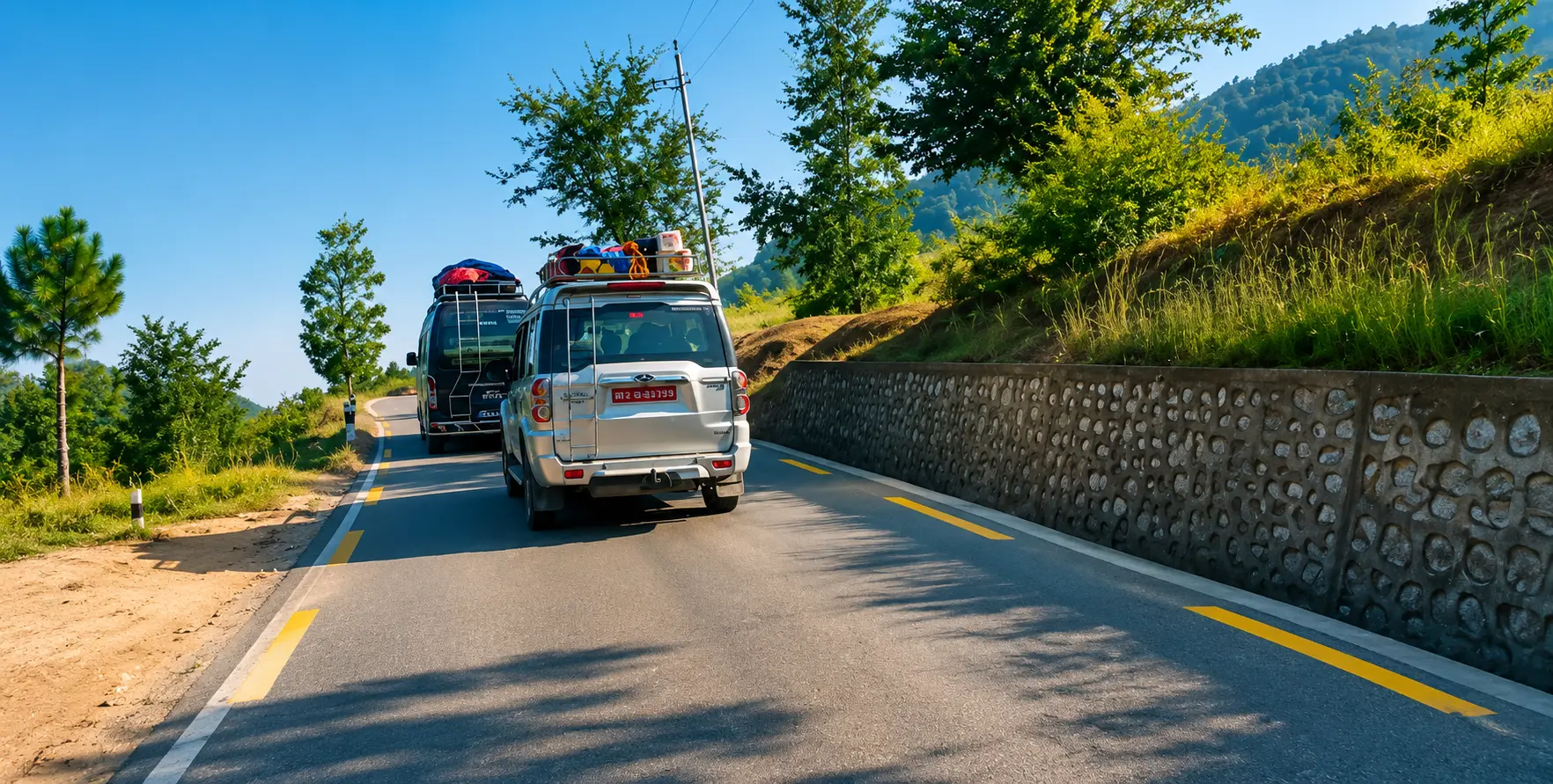
Best Time of Year for This Route
Spring (March to May)
Clear skies favor the Daman viewpoint stop during this period, and road conditions along the Tribhuvan Highway are generally favorable, making spring an excellent season for this journey.
Summer and Monsoon (June to August)
Heavy rainfall increases landslide risk on the mountainous sections of the Tribhuvan Highway near Daman, and cloud cover typically obscures the Himalayan panorama that makes this route’s viewpoint stop worthwhile.
Autumn (September to November)
The clearest skies of the year make this the best season for combining the Kathmandu to Hetauda journey with a proper stop at Daman’s viewpoint, alongside generally stable road conditions throughout.
Winter (December to February)
Cold temperatures at Daman’s higher elevation sections are worth preparing for, though the route generally remains accessible and offers crisp, clear visibility on many winter days.
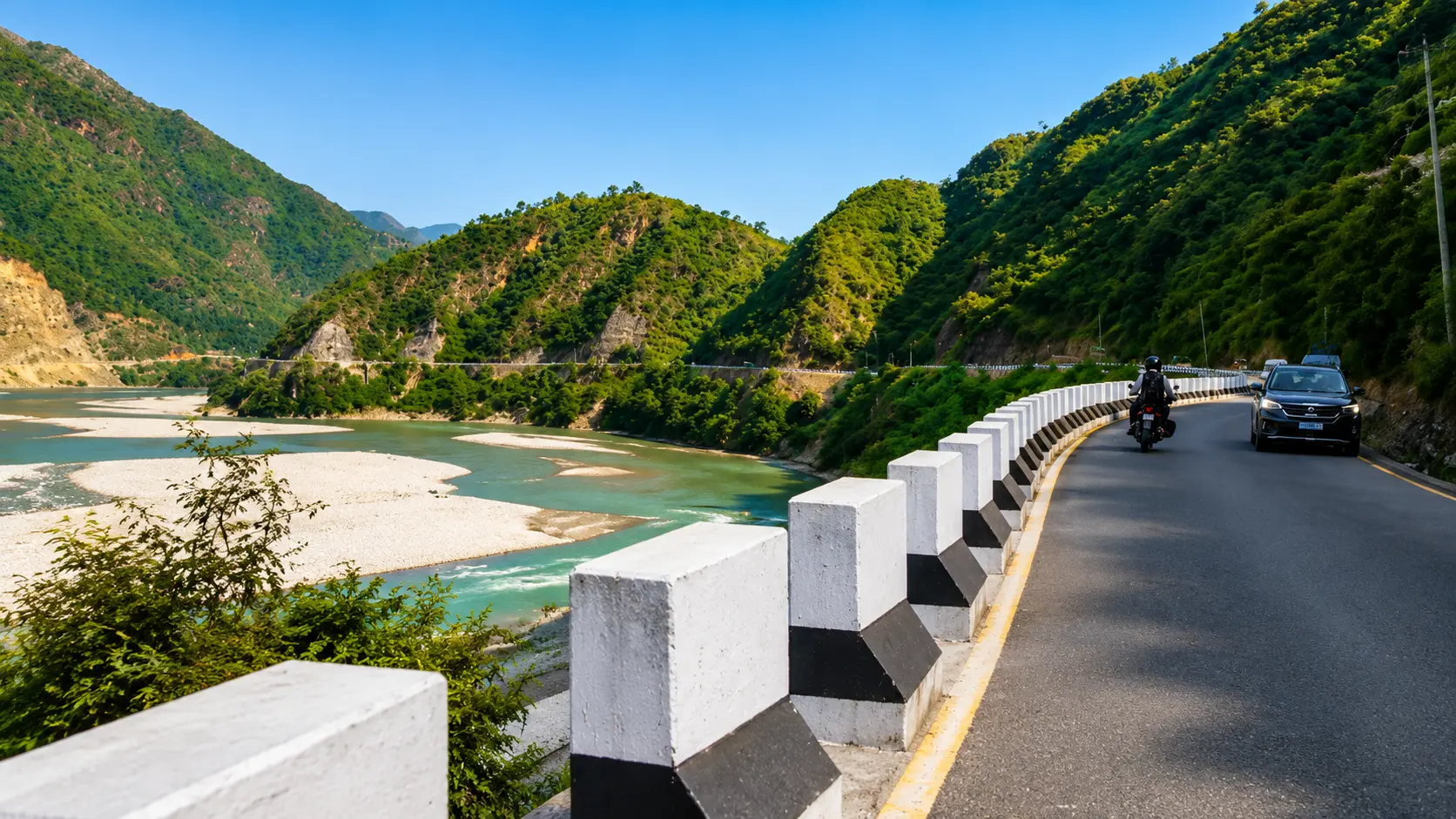
Road Safety on the Kathmandu to Hetauda Corridor
The Tribhuvan Highway’s mountainous sections, particularly around Daman and the descent toward Bhainse, involve genuine switchback driving and occasional landslide risk during the monsoon season. An experienced driver familiar with this route is important for both comfort and safety. Vehicles should be properly inspected for reliable brakes and suspension given the sustained mountain driving this route involves, distinct from the flatter, more straightforward driving found once the route reaches the Terai plains near Hetauda itself.
Cost Factors for Kathmandu to Hetauda Vehicle Rental
Vehicle rental cost for this route depends on vehicle class, whether a one-way or round-trip journey is required, and whether the booking extends into onward travel toward Chitwan, Parsa, or the Indian border. Business travelers requiring flexible, on-demand scheduling around meeting times may also see different pricing structures than standard point-to-point tourist transport. Our team is glad to prepare a custom quote based on your specific itinerary and requirements. Visit our
homepage for further details.
How to Book Your Kathmandu to Hetauda Transport
Booking is straightforward: share your travel dates, group size, and whether your journey includes onward travel beyond Hetauda toward Chitwan, Parsa, or the Indian border, and our team will arrange the appropriate vehicle and driver for your specific needs. Business travelers with recurring trips to Hetauda’s industrial areas can also discuss standing arrangements for regular transport needs.
Combining This Journey With Kathmandu Valley Sightseeing
Many travelers begin their Hetauda journey with a day or two in Kathmandu, using this time for cultural sightseeing before continuing south. Our
Kathmandu sightseeing tour and
Bhaktapur Durbar Square tour services pair naturally with a Hetauda-bound trip, while a reliable
Kathmandu airport transfer ensures a smooth arrival before the journey south begins.
Frequently Asked Questions
How long does the drive from Kathmandu to Hetauda take?
The drive typically takes three to four hours via the Tribhuvan Highway, depending on traffic and road conditions, with the newer fast-track expressway expected to reduce this considerably once fully complete.
Is the Tribhuvan Highway safe to drive?
Yes, with an experienced driver familiar with the route’s mountain sections, particularly around Daman, though monsoon-season landslide risk warrants extra caution during that period.
Can I stop at Daman for the Himalayan viewpoint along the way?
Yes. Daman is directly on the Tribhuvan Highway route and is a popular stop for travelers making this journey, particularly during clear autumn or spring weather.
Is Hetauda a tourist destination in its own right?
Hetauda is primarily known as an industrial and transport hub rather than a standalone tourist destination, though nearby Kulekhani reservoir offers a popular recreational stop.
Can I continue from Hetauda to Chitwan National Park?
Yes. Hetauda serves as a natural waypoint for onward travel to both Chitwan and Parsa National Parks further south and east.
Is vehicle rental available for business travel to Hetauda’s industrial areas?
Yes. We regularly support business travelers with flexible transport arrangements suited to meeting schedules at Hetauda’s industrial estates and Special Economic Zone.
Can I continue from Hetauda to the Indian border at Birgunj?
Yes. Hetauda sits roughly midway on the route toward Birgunj, one of Nepal’s main land border crossings into India, and onward transport can be arranged for this leg of the journey.
Final Thoughts: A Gateway Worth Understanding
Hetauda may not carry the tourist profile of Kathmandu, Pokhara, or the Everest region. Still, its role as an industrial center, transport junction, and gateway to both Nepal’s premier wildlife destinations and the Indian border makes reliable vehicle rental for this route genuinely valuable for a wide range of travelers. Whether your journey is for business, wildlife tourism, cross-border travel, or simply the scenic drive itself, getting the right vehicle and an experienced driver for the Tribhuvan Highway’s mountain sections makes all the difference to a smooth journey south from Kathmandu.
Contact Nepal Vehicle Hiring today at +977 9851013196 or visit
vehiclehiringnepal.com to arrange your private vehicle for the Kathmandu to Hetauda route and beyond, whether for business, wildlife tourism, cross-border travel, or a simple scenic day out to Daman and Kulekhani.
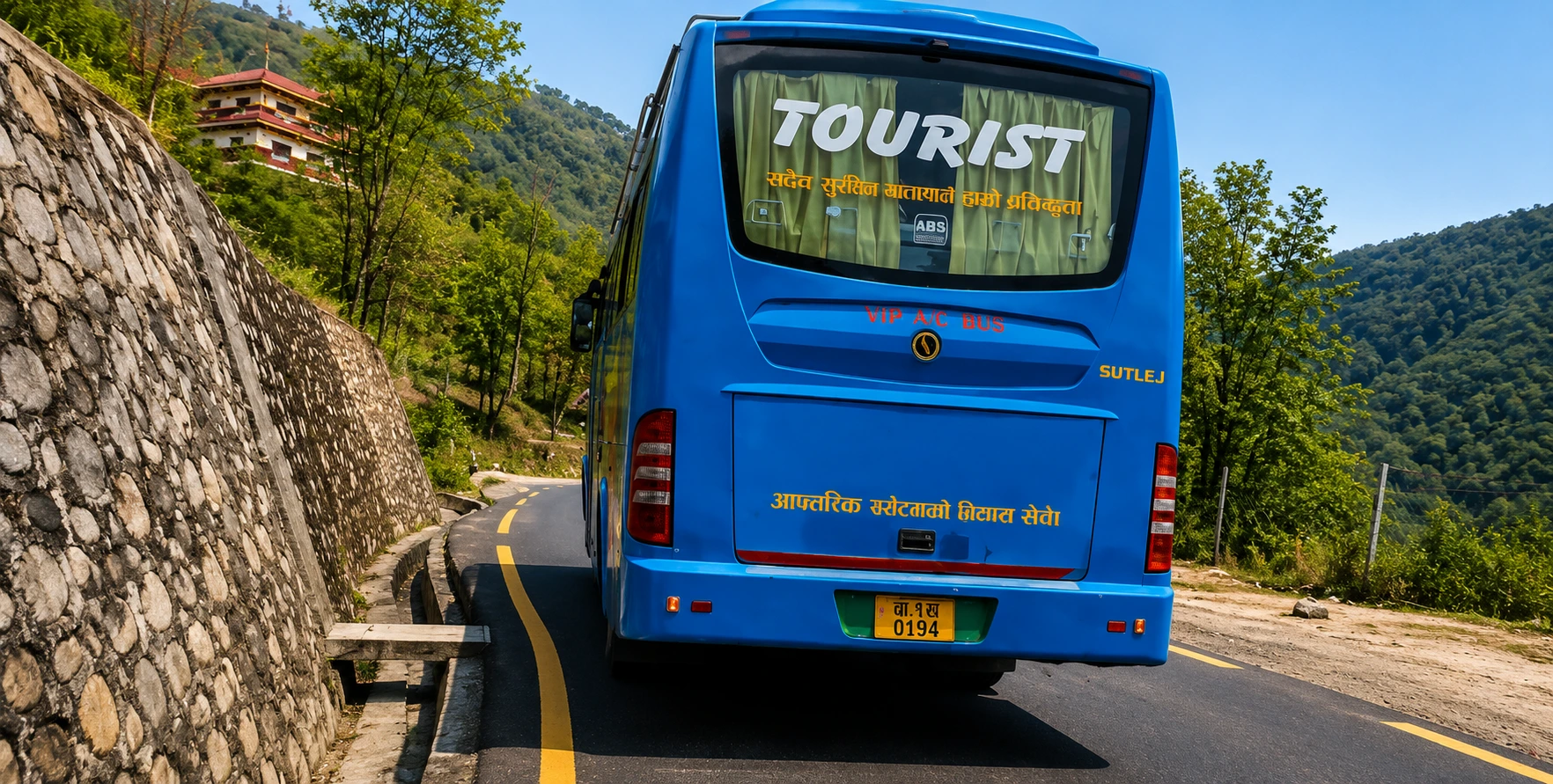
The History of the Tribhuvan Highway
The Tribhuvan Highway holds a distinctive place in Nepal’s modern infrastructure history as the country’s first major road connection to the outside world, built with Indian government assistance and completed in the late 1950s and early 1960s. Before this road’s construction, Kathmandu Valley remained accessible primarily by foot trails and mule tracks, and the highway’s completion marked a genuine turning point in Nepal’s modernization, allowing motor vehicle access between the capital and the Indian border for the first time in the country’s history. Named after King Tribhuvan, the road’s construction involved considerable engineering challenges given the mountainous terrain it needed to traverse, particularly the steep climb to Daman, and the highway remains a genuinely impressive piece of mid-twentieth-century road engineering even by contemporary standards.
For several decades, the Tribhuvan Highway served as Nepal’s primary artery for both passenger and freight transport connecting Kathmandu to the Terai and India beyond, a role it maintained until the later development of alternative routes reduced its relative importance for through-traffic while it retained its significance for regional connections to Hetauda and Makwanpur district specifically.
Makwanpur District: Geography and Context
Hetauda serves as the district headquarters for Makwanpur, a district spanning a considerable range of elevations from the high Mahabharat range down to the Terai plains, giving it an unusually varied geography within a single administrative unit. This elevation range supports a diverse agricultural economy, from hill farming in the district’s upper reaches to the more intensive Terai agriculture found in its southern lowlands, alongside the industrial development that has grown around Hetauda itself over recent decades. The district’s position straddling this hill-to-plains transition has historically made it an important trade and cultural crossing point, a role reflected in Hetauda’s continued significance as a transport hub today.
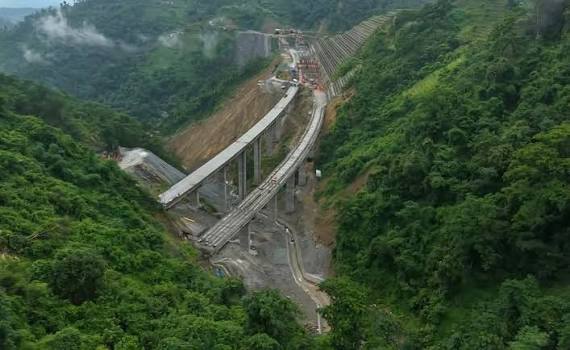
The Kathmandu-Terai Fast Track in Greater Detail
The Kathmandu-Terai Madhesh Fast Track, sometimes referred to by its connection point near Nijgadh, represents one of Nepal’s most significant contemporary infrastructure projects, intended to dramatically reduce travel time between Kathmandu and the Terai region through a considerably more direct alignment than the older, mountain-crossing Tribhuvan Highway. This project has involved substantial tunneling and bridge construction given the challenging terrain it traverses, and its phased construction and repeated timeline revisions reflect the genuine engineering complexity of building expressway-standard infrastructure through Nepal’s mountainous middle hills. Once fully complete, this route is expected to connect Kathmandu to the Terai in a fraction of the time required via the traditional highway routes. However, travelers should continue to confirm current road status directly with their vehicle operator given the project’s ongoing development.
Hetauda’s Special Economic Zone
One of Nepal’s designated Special Economic Zones is located at Hetauda, established to encourage export-oriented manufacturing through streamlined customs procedures, tax incentives, and dedicated industrial infrastructure. This zone has attracted a range of manufacturing businesses over recent years, and its continued development has reinforced Hetauda’s role as one of Nepal’s more significant industrial centers outside the Kathmandu Valley itself. Business travel to and from this zone forms a meaningful part of the overall transport demand along the Kathmandu to Hetauda corridor, distinct from the tourism and wildlife-focused travel that also uses this same route.
Hetauda’s Role in Nepal’s Cement and Manufacturing Industry
Beyond the Special Economic Zone, Makwanpur district and the Hetauda area more broadly have long been associated with Nepal’s cement manufacturing industry, given the availability of limestone deposits in the surrounding hill terrain. This industrial base has developed alongside the district’s transport significance, since moving raw materials and finished cement products efficiently between Hetauda and Kathmandu or the Terai has depended heavily on reliable road infrastructure along exactly the corridor covered in this guide. This industrial heritage adds another dimension to Hetauda’s economic importance beyond its role as a simple transit point on the way to more famous destinations further south.
A Typical Business Travel Itinerary to Hetauda
Business travelers visiting Hetauda’s industrial facilities typically follow a pattern distinct from tourist travel along this route: an early morning departure from Kathmandu, arrival at Hetauda within three to four hours for a full day of meetings or facility visits, and either an overnight stay in Hetauda before returning the following day, or a same-day return journey if the business schedule allows. This kind of flexible, business-oriented booking often requires closer coordination with the vehicle provider regarding exact departure and return timing than standard tourist bookings, given the need to align transport schedules around variable meeting durations rather than a fixed sightseeing itinerary.
Weather Considerations Specific to This Route
The Kathmandu to Hetauda route crosses a genuinely wide range of elevations within a relatively short distance, from Kathmandu’s roughly 1,400 meters up to Daman’s over 2,300 meters before descending to Hetauda’s approximately 400 meters, meaning travelers can encounter meaningfully different weather conditions across a single day’s journey. Winter mornings can bring frost or even light snow at Daman’s higher elevation while Hetauda itself remains considerably milder given its lower, more Terai-influenced climate. This elevation-driven weather variation is worth factoring into clothing choices for travelers making this journey, particularly during the cooler winter months.
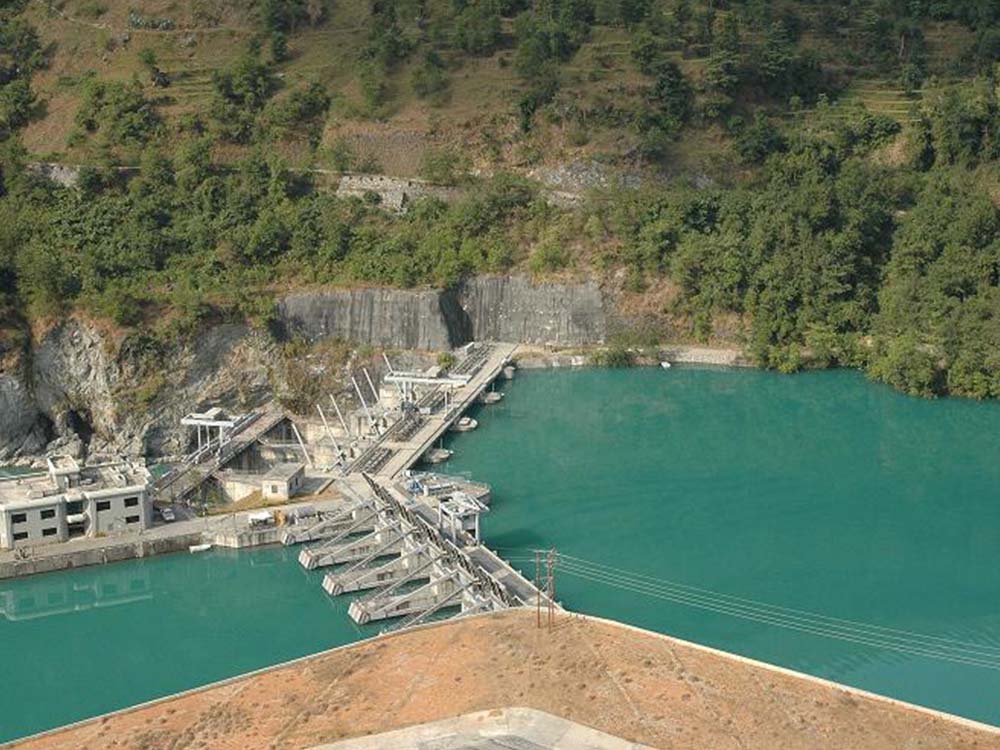
Kulekhani Hydropower: Nepal’s Pumped Storage Pioneer
The historically significant Kulekhani hydropower project, closely associated with the large reservoir near Hetauda, holds particular significance in Nepal’s energy history as the country’s first major reservoir-based hydropower scheme, contrasting with the run-of-river design typical of most Nepali hydropower plants. This reservoir storage design allows Kulekhani to generate electricity flexibly according to demand rather than being constrained purely by river flow, making it a valuable peaking power resource within Nepal’s national electricity grid, particularly during the dry winter season when river-based hydropower generation typically declines considerably across the country. The reservoir created by this project has, over the decades since its construction, also become a recreational asset now popular with weekend visitors from Kathmandu.
Boating and Recreation at Kulekhani
Beyond its hydropower function, the Kulekhani reservoir has developed a modest tourism and recreation industry, with boating facilities, lakeside restaurants, and fishing opportunities drawing visitors from Kathmandu seeking a relatively accessible escape from the city without the longer travel time required to reach Pokhara’s Phewa Lake. The reservoir’s setting amid the surrounding hills offers a genuinely pleasant, if less dramatically scenic, alternative to Nepal’s more famous lakeside destinations, and its relative proximity to both Kathmandu and the Tribhuvan Highway route to Hetauda makes it a convenient addition to a broader itinerary rather than requiring a dedicated separate trip.
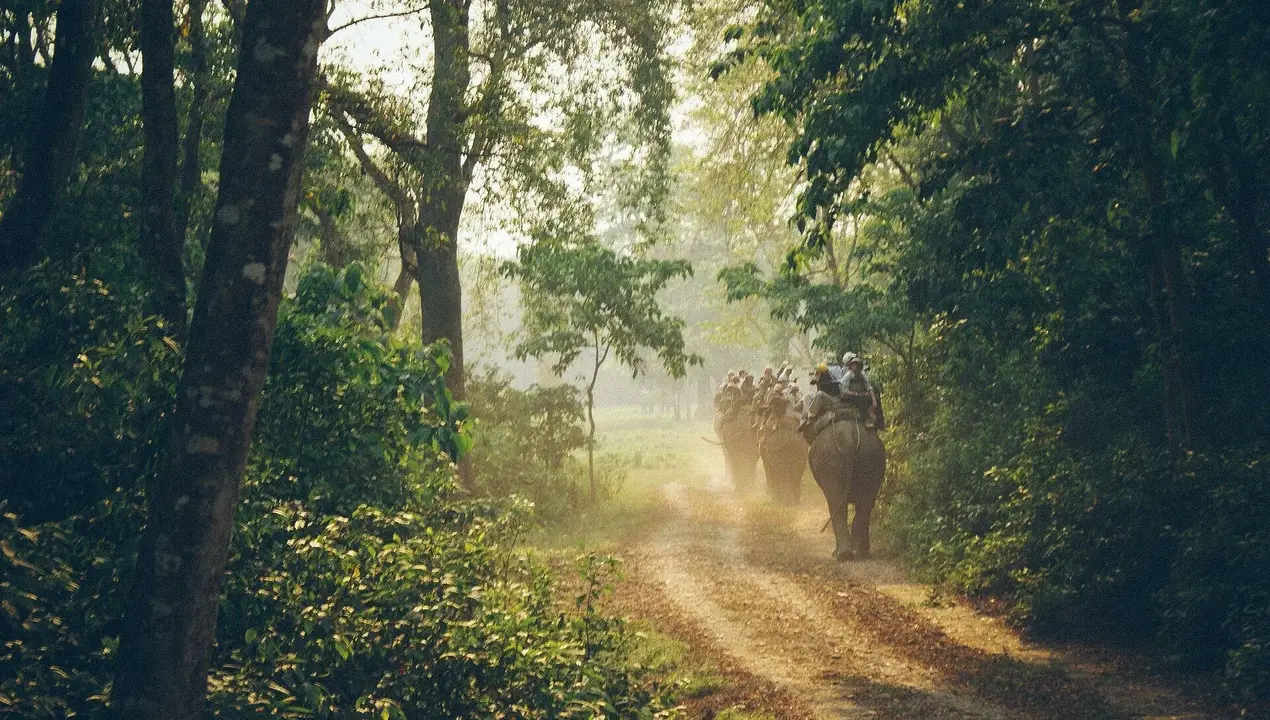
Chitwan National Park: What Awaits Beyond Hetauda
For travelers continuing further south beyond Hetauda toward Chitwan National Park, widely regarded as one of Nepal’s most significant protected areas and a UNESCO World Heritage Site, the park offers wildlife viewing opportunities including Bengal tigers, one-horned rhinoceros, gharial crocodiles, and a wide range of bird species across its subtropical forest and grassland habitat. Chitwan’s tourism infrastructure has developed considerably over recent decades, with jungle safaris, canoe trips along the Rapti River, and cultural programs showcasing Tharu indigenous culture all forming part of a typical Chitwan visit. Reaching Chitwan from Kathmandu via Hetauda offers an alternative to the more commonly used Pokhara-based approach covered in our companion guide, particularly convenient for travelers whose broader itinerary centers more heavily on Kathmandu than Pokhara.
Parsa National Park: The Quieter Alternative
Adjoining Chitwan directly to the east, Parsa National Park offers travelers a considerably quieter wildlife tourism alternative overall, with lower visitor numbers and less developed tourism infrastructure than its more famous neighbor, appealing to travelers specifically seeking a less commercialized wildlife experience. Parsa shares much of the same ecosystem and wildlife population as Chitwan, including tigers and a range of Terai wildlife, though sightings and infrastructure both tend to be less predictable given the park’s lower overall tourism development, a trade-off some travelers specifically seek out for a more genuinely remote wildlife experience.
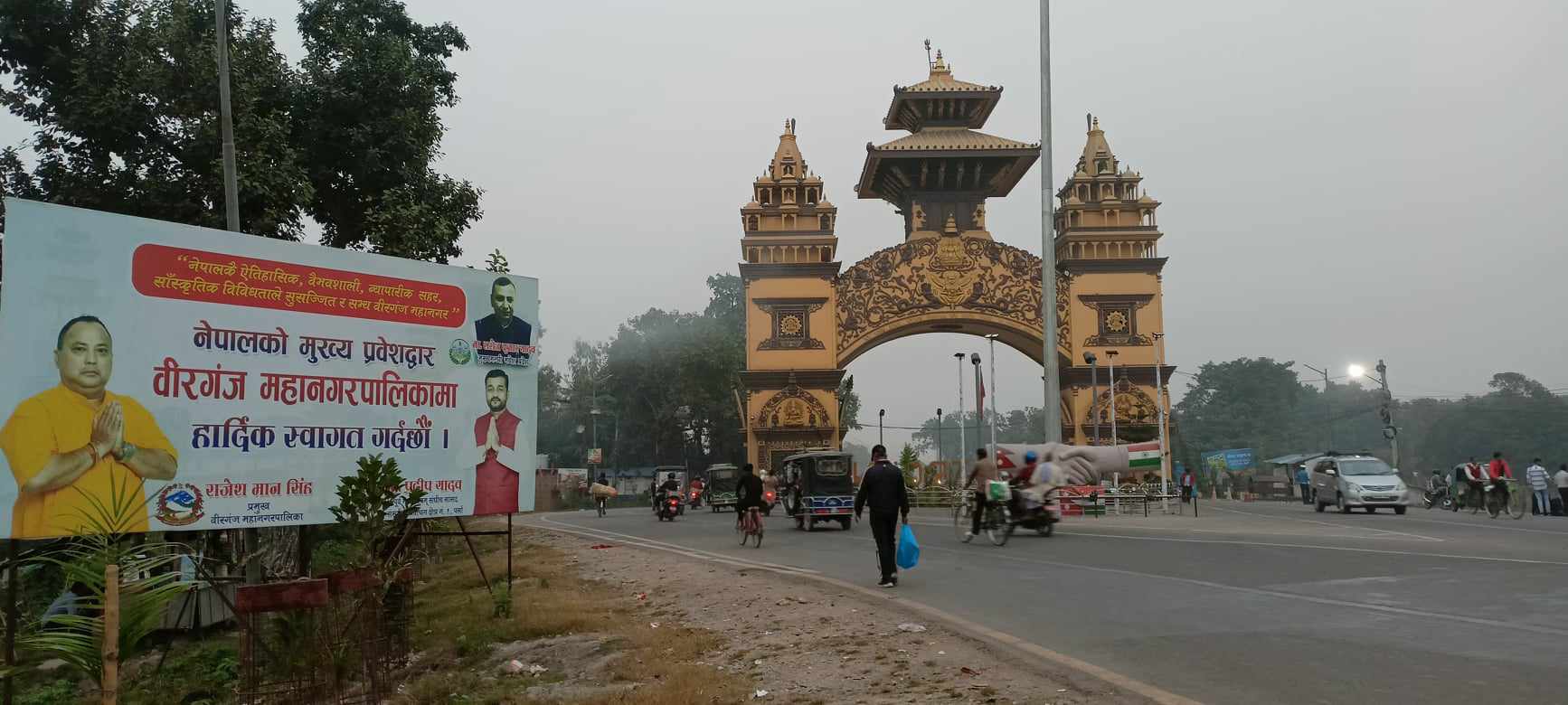
Birgunj: Nepal’s Busiest Border Crossing
Birgunj, reachable via further onward travel south from Hetauda itself, stands proudly as Nepal’s single busiest land border crossing into India, handling a substantial share of the country’s overall trade with its southern neighbor alongside significant passenger traffic between the two countries. The city’s importance as a customs and trade point has made it a genuinely significant economic center in its own right, and the road connection through Hetauda forms an essential link in the broader transport chain connecting Kathmandu to this crucial border crossing. Business travelers engaged in cross-border trade, alongside general travelers making the journey into India by land rather than by air, commonly use this Hetauda-Birgunj corridor as part of their broader journey.
Cultural and Ethnic Diversity Along the Route
The Kathmandu to Hetauda corridor passes through a genuinely diverse cultural landscape, from the predominantly hill ethnic communities found in the upper sections of the route near Daman, through to the more Terai-influenced cultural character found as the road descends toward Hetauda itself, where Tharu and Madhesi communities become an increasingly significant part of the local population. This cultural transition mirrors the broader hill-to-plains geographic transition the route traverses, and travelers with an interest in Nepal’s ethnic and cultural diversity find this corridor offers a genuinely interesting cross-section of the country’s demographic variety within a relatively short driving distance.
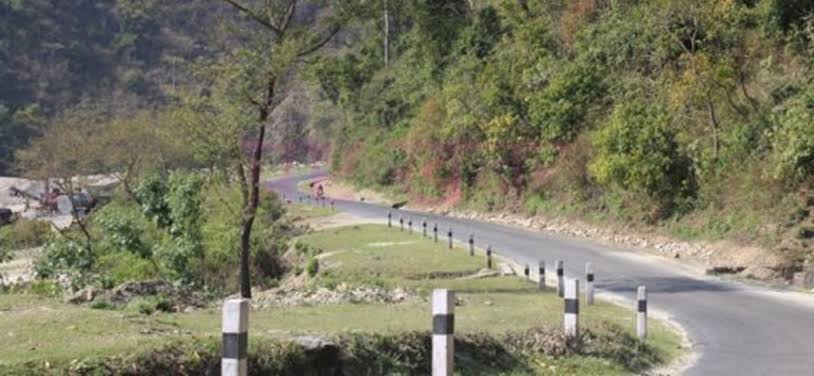
Agricultural Landscape Along the Tribhuvan Highway
The hill sections of this route, particularly around Daman and the surrounding terraced slopes, showcase traditional Nepali hill agriculture, with terraced fields growing maize, millet, and vegetables adapted to the steep terrain characteristic of Nepal’s middle hills. As the route descends toward the Terai near Hetauda, the agricultural character shifts considerably toward rice, wheat, and sugarcane cultivation typical of Nepal’s flatter southern plains, offering travelers a visible, gradual transition in farming practice that reflects the broader ecological and elevation changes the journey traverses.
Photography Opportunities Along the Route
Beyond the well-known Himalayan panorama available from Daman’s viewing tower, the Kathmandu to Hetauda route offers a range of worthwhile photography opportunities throughout its length, including the terraced hillside agriculture visible from numerous points along the highway’s mountain sections, the Kulekhani reservoir’s calm waters framed by surrounding hills, and the visible ecological transition from hill forest to Terai lowland vegetation as the road descends toward Hetauda itself. Morning departures from Kathmandu generally offer the best visibility for the Daman viewpoint specifically, given the tendency for cloud cover to build through the day across this section of the Mahabharat range.
Connectivity and Communication Along the Route
Mobile network coverage along the Kathmandu to Hetauda corridor is generally reliable throughout, reflecting the route’s status as a well-established, heavily used highway connection rather than a remote trekking corridor, with consistent signal available in Daman, Bhainse, and Hetauda itself. This makes the route considerably more connected than many of Nepal’s trekking corridors covered elsewhere in our guides, a genuine convenience for business travelers needing to remain in contact with colleagues or clients throughout their journey.
Why Choose Nepal Vehicle Hiring for the Hetauda Route
Nepal Vehicle Hiring has arranged transport along the Kathmandu-Hetauda corridor for years, serving business travelers, wildlife tourists heading toward Chitwan and Parsa, and cross-border travelers continuing toward Birgunj. Our drivers assigned to this route are experienced in navigating the Tribhuvan Highway’s mountain sections around Daman in all seasons, and our vehicles undergo regular inspections given the sustained mountain driving this route involves before reaching the flatter, more straightforward Terai sections near Hetauda itself. Whether your trip is a single business day return, a multi-day wildlife itinerary extending to Chitwan, or a cross-border journey toward India, our team can arrange the appropriate vehicle and driver for your specific needs.
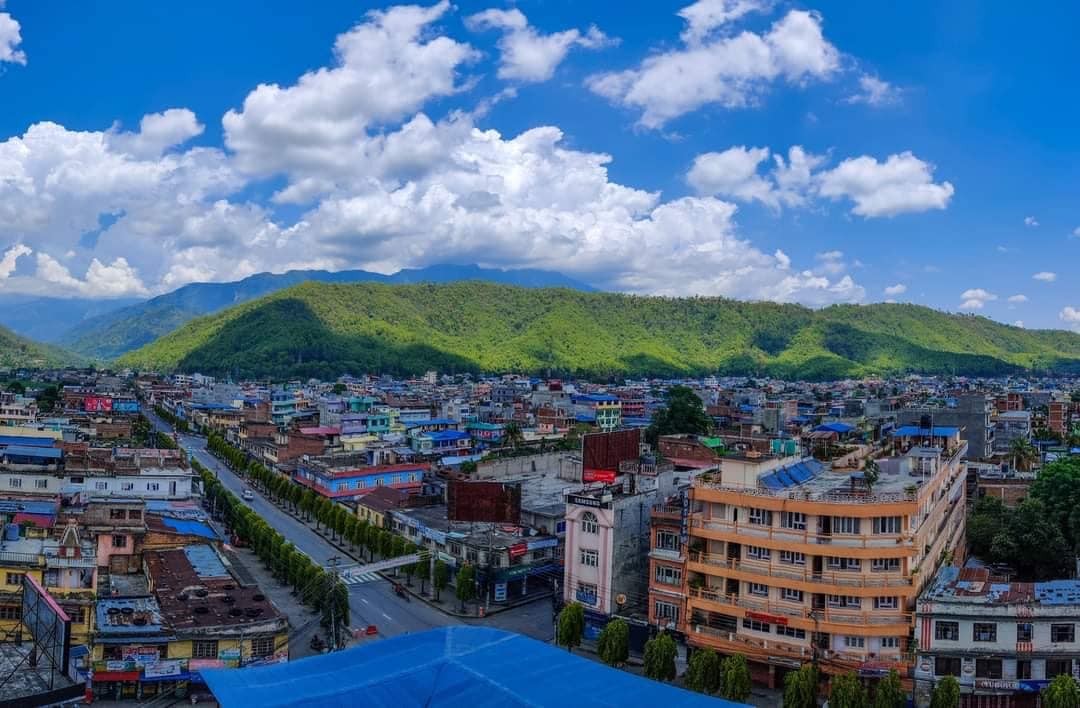
Group Travel and Corporate Bookings for Hetauda
Companies actively operating with regular, recurring business connections between Kathmandu and Hetauda, whether related to the Special Economic Zone, cement manufacturing, or other industrial activity in the area, often benefit from establishing a standing transport arrangement rather than booking each trip separately. This kind of recurring corporate booking typically includes pre-agreed pricing, consistent driver assignment where possible, and simplified invoicing suited to corporate procurement processes, reducing the administrative overhead of arranging transport for each new business trip to the area.
Comparing the Old Highway and New Fast Track for Different Traveler Needs
Travelers weighing whether to use the traditional Tribhuvan Highway or the newer Kathmandu-Terai Fast Track, where currently accessible, should consider their specific priorities for the journey. The Tribhuvan Highway, while slower, offers the genuine scenic reward of the Daman viewpoint and passes through a range of interesting hill communities and agricultural landscapes along the way, making it the preferred choice for travelers who view the journey itself as part of the overall experience rather than simply a means of reaching Hetauda as quickly as possible. The Fast Track, where usable sections allow, offers a more direct, time-efficient option better suited to business travelers or others prioritizing speed over the scenic mountain crossing.
Seasonal Booking Patterns for This Route
Unlike Nepal’s trekking-focused routes, which see pronounced seasonal demand spikes tied to the main spring and autumn trekking windows, the Kathmandu to Hetauda corridor sees more consistent, year-round demand given its dual role serving both business travel, which continues regardless of season, and wildlife tourism toward Chitwan and Parsa, which does follow more typical seasonal tourism patterns. This more consistent demand profile generally means vehicle availability along this route is less constrained by seasonal booking spikes than some of Nepal’s more purely tourism-focused trekking corridors. However, booking remains advisable for specific date requirements, particularly for larger vehicles or group bookings.
Insurance and Safety Documentation for Business Travel
Companies arranging regular business transport to Hetauda should confirm their vehicle provider carries appropriate commercial insurance covering passengers, a standard consideration for any institutional or corporate travel booking. Nepal Vehicle Hiring maintains proper commercial vehicle insurance across our fleet. It can readily provide documentation confirming current coverage upon request, supporting corporate travel policy compliance and general risk management for business travelers making this journey.
What to Pack for the Kathmandu to Hetauda Journey
- Warm layers if traveling during winter months, given the cold temperatures possible at Daman’s higher elevation.
- A camera for the Daman viewpoint stop, particularly during clear autumn or spring weather.
- Business attire and documentation for corporate travelers visiting Hetauda’s industrial facilities or Special Economic Zone.
- Sufficient cash in Nepali rupees, since card payment infrastructure remains more limited outside Kathmandu and major tourist centers
- Any relevant documentation for onward cross-border travel if continuing toward Birgunj and the Indian border.
A Sample Multi-Stop Itinerary Combining Business and Leisure
Some travelers combine a business trip to Hetauda with a leisure extension, taking advantage of the journey’s proximity to both Kulekhani reservoir and the broader Chitwan wildlife region. A typical combined itinerary might begin with a morning departure from Kathmandu, a business meeting or facility visit in Hetauda during the middle of the day, followed by an overnight stay and a relaxed visit to Kulekhani reservoir the following morning before returning to Kathmandu, or continuing onward to Chitwan for a wildlife-focused extension to the trip. This kind of combined itinerary makes efficient use of the considerable travel time invested in reaching this part of Nepal, extracting both business and leisure value from a single overall trip.
Environmental Considerations Along the Route
The Tribhuvan Highway’s mountain sections pass through forested terrain that plays an important watershed role for the broader Kathmandu Valley and Terai region, and ongoing road maintenance and any future expansion work along this corridor carry genuine environmental considerations regarding forest cover and slope stability, particularly relevant given the monsoon-season landslide risk already discussed. Sustainable road development balancing improved transport connectivity with environmental protection remains an ongoing consideration for Nepali infrastructure planners working on both the existing highway’s maintenance and the newer fast track’s continued construction.
The Broader Significance of North-South Connectivity in Nepal
The Kathmandu to Hetauda corridor exemplifies a broader challenge and opportunity in Nepal’s transport geography: the country’s mountainous terrain runs predominantly east-west, while its economic and trade relationships, particularly with India, demand efficient north-south connectivity between the hill and mountain regions and the Terai plains. Routes like the Tribhuvan Highway, and increasingly the Kathmandu-Terai Fast Track, represent Nepal’s ongoing infrastructure response to this geographic challenge, and their continued development carries significance well beyond simply connecting Kathmandu to Hetauda, touching on broader questions of Nepal’s economic integration with the Terai region and its trade relationship with India more generally.
Hattiban and Other Stops Near Kathmandu on the Route South
Shortly after leaving Kathmandu Valley on the Tribhuvan Highway, travelers pass through the Hattiban area, known for its forested hillside resorts and a cable car offering additional valley-rim views, a popular short-excursion destination for Kathmandu residents and visitors with limited time. While not directly on the route to Hetauda itself, this area’s proximity to the highway’s starting point makes it a worthwhile mention for travelers with some flexibility in their departure schedule and an interest in combining their Hetauda journey with an early stop at this accessible valley rim viewpoint.
Understanding Elevation Changes Throughout the Journey
The Kathmandu to Hetauda route involves one of the more dramatic elevation profiles found on any single road journey in Nepal, climbing from Kathmandu’s roughly 1,400 meters to Daman’s peak elevation exceeding 2,300 meters within a relatively short distance, before descending all the way to Hetauda’s approximately 400 meters, a total elevation change exceeding 1,900 meters across the full journey. This dramatic profile explains both the route’s scenic reward, the extensive Himalayan views available from the higher sections, and its driving demands, the sustained switchback sections required to manage such significant elevation change within the available road distance.
Local Cuisine and Dining Options Along the Route
Food options along the Kathmandu to Hetauda corridor reflect the route’s transition from hill to Terai cuisine, with standard Nepali dal bhat widely available throughout, alongside increasing Terai and Madhesi culinary influence as the route approaches Hetauda itself, including dishes reflecting the rice and lentil-based cuisine more typical of the southern plains than the hill regions closer to Kathmandu. Daman and Bhainse both offer basic roadside dining options suited to a rest stop partway through the journey. In contrast, Hetauda itself, given its larger size and business travel profile, offers a considerably wider range of dining options including some more developed restaurants catering to business travelers and the town’s broader resident population.
Historical Trade Significance of the Hetauda Corridor
Long before the Tribhuvan Highway’s construction made motor vehicle travel possible, the general corridor connecting Kathmandu to the Terai near modern Hetauda served as an important trade route, with goods moved by porter and pack animal between the hill kingdoms of central Nepal and the plains regions to the south. This historical trade significance helps explain why this particular corridor, rather than alternative routes, was selected for Nepal’s first major highway construction project, building on centuries of established trade and travel patterns between the Kathmandu Valley and the southern plains region.
Preparing for a Comfortable Journey
Given the journey’s considerable duration and the range of elevations and temperatures it traverses, a few practical preparations help ensure a comfortable Kathmandu to Hetauda journey regardless of travel purpose. Bringing snacks and water for the journey, particularly given the more limited food options along the more remote mountain sections near Daman, comfortable clothing suited to a multi-hour vehicle journey, and any work materials or documentation needed for business meetings, all help ensure the journey itself does not detract from whatever business or leisure purpose brings a traveler to Hetauda in the first place.
How This Route Fits Nepal’s Broader Ground Transport Network
The Kathmandu to Hetauda corridor forms one important piece within Nepal Vehicle Hiring’s much broader network of routes connecting Kathmandu to nearly every significant destination across the country, from trekking trailheads to pilgrimage sites to major tourist cities. Just as we support travelers heading toward
Salleri and Phaplu, and
Lumbini, the Hetauda corridor extends this same reliable ground transport standard to Nepal’s industrial and cross-border travel segment, an often overlooked but genuinely significant part of the country’s overall transport landscape.
Combining Hetauda Travel With the Wider Nepal Vehicle Hiring Network
Travelers and businesses whose itinerary spans multiple regions of Nepal benefit from working with a single, established ground transport provider capable of coordinating the full journey rather than arranging separate local transport at each destination. Beyond the Hetauda corridor itself, our services extend to
Pokhara to Chitwan transport,
Pokhara to Nayapul for Annapurna region trekking,
car hire in Pokhara, and Kathmandu Valley sightseeing including our
Sarangkot sunrise tour services, alongside our
Kathmandu airport transfer and full
Hiace hire, and
Coaster and Bus hire fleet options.
Related Guides for Planning Your Broader Nepal Journey
Travelers combining a Hetauda trip with wider Nepal travel, whether for business, wildlife tourism, or onward pilgrimage and trekking journeys, may find these related guides useful for planning the rest of their itinerary:
- Muktinath Temple: Vehicle Hire and Pilgrimage Route Guide
- Rasuwagadhi Kerung Jeep Transfer for Kailash Yatra
- Kathmandu to Tamang Heritage Trail Transport
- Everest Range Nepal: Full Guide
- Everest Helicopter Tour: One-Day Full Guide
- Annapurna Base Camp Helicopter Tour: One-Day Full Guide
- Kathmandu to Machha Khola Jeep Transfer
- Pokhara to Jhinu Danda Private Jeep
- Luxury Airport Transfer Nepal
- Luxury Vehicles for Trekking in Nepal
- Why Luxury Vehicle Hire Is Transforming Nepal Travel
- College Tour Vehicle Service in Nepal
Combining a Hetauda Trip With Sister Company Trekking and Touring Packages
For travelers whose Hetauda business or leisure trip forms part of a broader Nepal itinerary including trekking or cultural touring, our sister companies
Trek Nepal Himalayas offer everything from the
Annapurna Circuit Trek to shorter options such as the
Ghorepani Poon Hill Trek, alongside broader
Nepal, Tibet, and Bhutan tour packages, all of which can be coordinated alongside your Hetauda ground transport for a single, seamless overall Nepal itinerary.
Additional Frequently Asked Questions
Is the Kathmandu-Terai Fast Track fully open for travel yet?
The fast track remains under phased construction and improvement, with sections opening progressively. Travelers should confirm current status directly with their vehicle operator before assuming this route is fully usable for their specific travel dates.
How cold does it get at Daman during winter?
Temperatures at Daman’s elevation exceeding 2,300 meters can drop close to or below freezing overnight during winter months, and travelers should pack warm layers accordingly even though Hetauda itself, at a much lower elevation, remains considerably milder.
Can I visit Kulekhani as a day trip without continuing to Hetauda?
Yes. Kulekhani can be visited as a standalone shorter trip from Kathmandu without continuing the full journey to Hetauda, given its position on a detour from the main highway route.
Is this route suitable for a single-day round trip from Kathmandu?
Yes, for travelers not requiring an overnight stay, a same-day round trip to Hetauda and back is feasible, though it makes for a long day given the combined six to eight hours of total driving time involved.
What is the road surface like along this route?
The Tribhuvan Highway is paved throughout, though it involves sustained mountain driving with numerous switchbacks, distinct from the unpaved, rougher conditions found on many of Nepal’s trekking access roads covered in our other guides.
A Final Word on This Often-Overlooked Corridor
The Kathmandu to Hetauda route rarely receives the attention given to Nepal’s more famous trekking and touring corridors. Yet, it quietly supports a genuinely significant share of the country’s business travel, wildlife tourism access, and cross-border trade and travel with India. Understanding this route’s dual character, part scenic mountain crossing via the historic Tribhuvan Highway, part practical business and gateway corridor, helps travelers and companies alike plan a smoother, better-informed journey whenever their own path takes them south from Kathmandu toward Hetauda and the Terai beyond.
The Growing Importance of This Corridor Looking Ahead
As Nepal’s Special Economic Zone at Hetauda continues to develop and the Kathmandu-Terai Fast Track edges closer to full completion, the Kathmandu to Hetauda corridor seems likely to grow in significance over the coming years, both for business travel tied to the zone’s continued industrial development and for general connectivity between the capital and the southern Terai region. Vehicle hire providers who understand both the traditional Tribhuvan Highway route and the practical business travel needs specific to this corridor are well positioned to support this continued growth, much as the broader shift toward premium, reliable ground transport has reshaped expectations across Nepal’s trekking and tourism sectors more generally.
A Note on Booking Flexibility for Uncertain Schedules
Given the mixed business and leisure nature of travel along this corridor, many bookings involve less predictable scheduling than a standard tourist itinerary, particularly for business travelers whose return timing depends on how a meeting or facility visit unfolds. A genuine, responsive vehicle hire provider should offer reasonable flexibility for this kind of uncertain scheduling, coordinating directly with the traveler on the day itself rather than rigidly enforcing a fixed pickup time regardless of how the business day actually progresses. This approach reflects the practical realities of this particular route’s mixed traveler base.
Supporting Both Business and Leisure Travelers on the Same Route
It is worth reflecting on how unusual it is for a single transport corridor to serve such a genuinely varied traveler base: industrial business visitors, wildlife tourists heading toward Chitwan and Parsa, cross-border travelers continuing to Birgunj, and leisure travelers simply seeking a scenic day out to Kulekhani or Daman’s viewpoint. This diversity reflects Hetauda’s own layered identity as an industrial center, transport junction, and gateway city all at once, and a well-run vehicle hire service serving this corridor needs to remain genuinely adaptable to whichever of these traveler profiles a given booking represents, rather than assuming a one-size-fits-all approach suited only to standard tourism.
A Closing Perspective on Nepal’s Lesser-Known Transport Corridors
Not every genuinely significant route in Nepal leads directly to a famous trekking peak or a well-known cultural heritage site. The Kathmandu to Hetauda corridor stands as a genuine reminder that the country’s transport network exists to serve real, practical needs beyond tourism alone: industrial development, cross-border trade, and the everyday movement of people and goods between the capital and the wider Terai region. Recognizing and properly supporting this kind of practical, business-oriented travel corridor, alongside the more famous trekking and pilgrimage routes covered throughout our other guides, reflects a genuinely complete approach to ground transport service across Nepal, one that serves the country’s full range of travelers rather than only those pursuing its most photographed destinations.
Getting Started With Your Booking
Whether your journey to Hetauda is for a business meeting at the Special Economic Zone, a wildlife extension toward Chitwan or Parsa, a scenic day trip built around the Daman viewpoint and Kulekhani reservoir, or an onward journey toward the Indian border at Birgunj, the process begins the same way: sharing your travel dates, group size, and specific itinerary needs with our team, so we can recommend the right vehicle and prepare a clear, transparent quote for your journey south from Kathmandu.
Thank You for Reading
We sincerely hope this detailed and comprehensive guide has given you a genuinely thorough, well-rounded understanding of everything the Kathmandu to Hetauda route involves, from its historic highway engineering and dramatic Daman viewpoint through to its modern role supporting industrial business travel, wildlife tourism connections, and cross-border trade with India. We look forward to helping arrange your own journey along this often underappreciated but genuinely important corridor.
One Last Practical Note
Before finalizing any booking along this route, particularly for business travel with time-sensitive meeting schedules, we recommend confirming current road conditions directly with our team, given the ongoing development of the Kathmandu-Terai Fast Track and the occasional monsoon-season disruption possible along the older Tribhuvan Highway’s mountain sections near Daman.
Wishing You a Smooth Journey South
From the switchback climb to Daman’s Himalayan panorama, down through the terraced hillsides and forested slopes of Makwanpur district, to the industrial energy of Hetauda itself and onward toward Chitwan, Parsa, or the Indian border, this corridor offers a genuinely varied slice of Nepal within a single day’s drive, and we look forward to being part of that journey with you.
In Closing
Safe, smooth, and genuinely comfortable travels on your journey south, whatever business, wildlife adventure, pilgrimage, or cross-border purpose brings you to Hetauda and the wider Terai region beyond it.

Related Blog & Articles
Kathmandu to Ramechhap Airport Transfer Full Guide 2026
Chitwan to Birgunj Border Transport – Complete Private Vehicle Hire Guide
Kathmandu to Chitwan by Car – Complete Travel Guide (2026)

All Over Nepal Vehicle Hire – Private Car, Scorpio, 4WD Jeep, Hiace & Tourist Bus