Plan a Trip


Kathmandu to Tumlingtar Private Jeep
Kathmandu to Tumlingtar Private Jeep
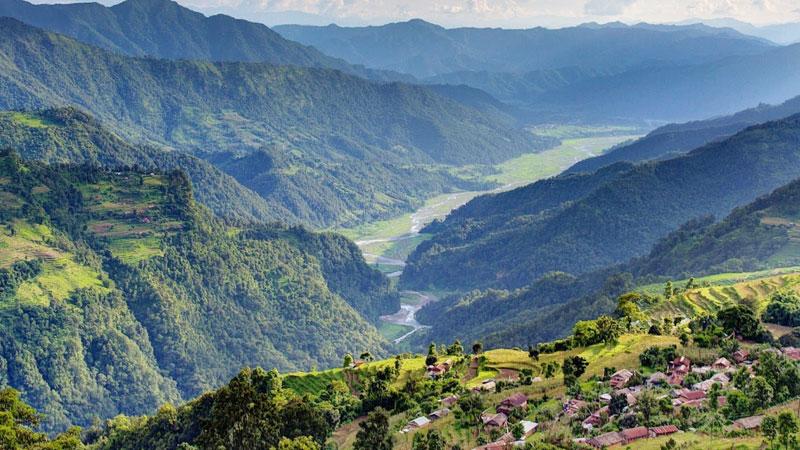
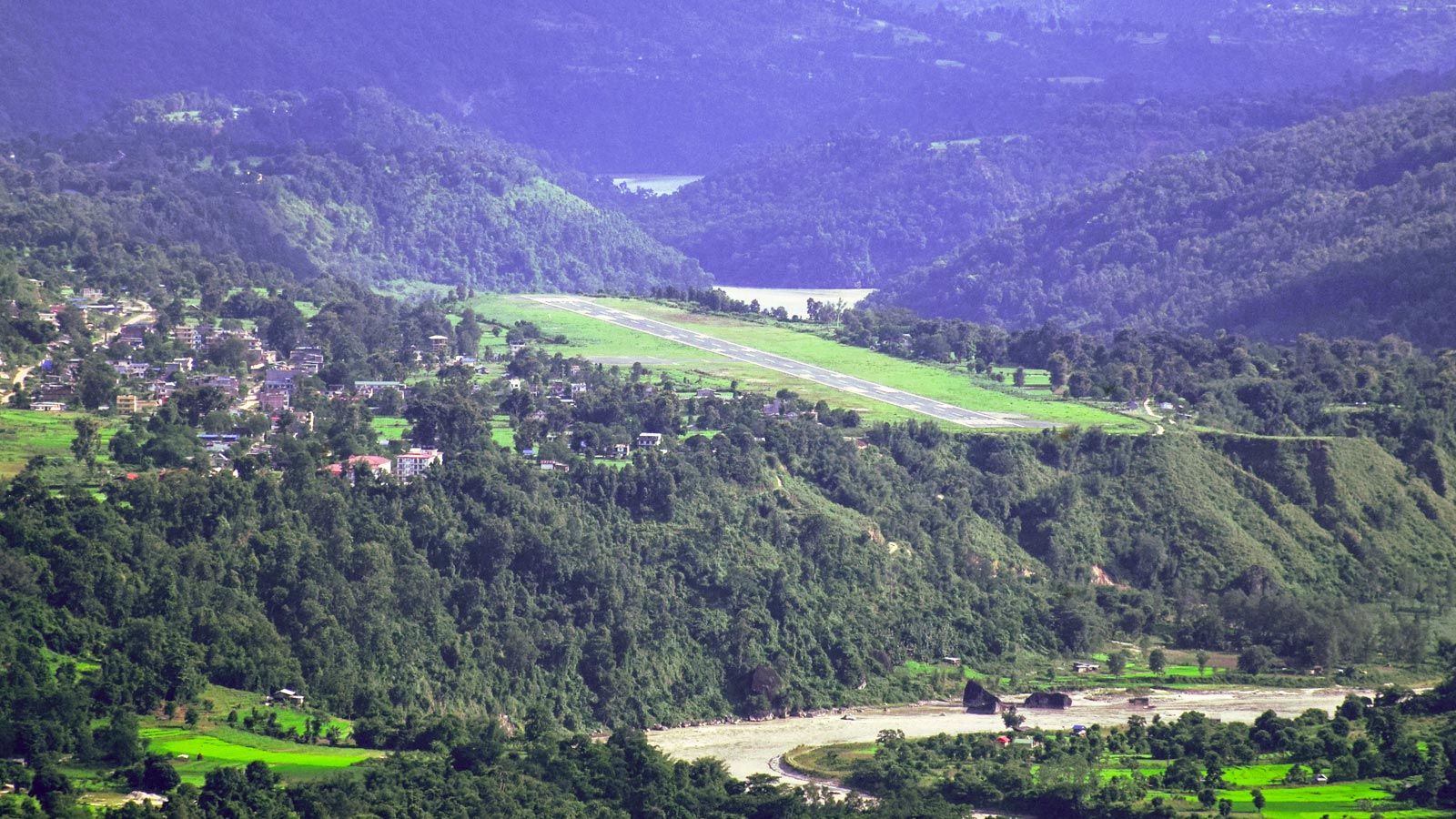
Tumlingtar is one of those small, unassuming Himalayan gateway towns whose importance vastly exceeds its size. Sitting at a modest altitude of around 410 to 460 metres on the floor of the Arun Valley in Sankhuwasabha District, in Nepal’s far eastern Koshi Province, Tumlingtar serves as the principal access point for the Makalu Base Camp Trek — the journey to the foot of the world’s fifth-highest mountain — as well as the increasingly popular Tumlingtar to Lukla trekking route that links the relatively undiscovered Makalu region with the world-famous Everest region via the high pass of Salpa Bhanjyang.
For decades, the overwhelming majority of trekkers heading to Makalu reached Tumlingtar by the short 35- to 50-minute domestic flight from Kathmandu — a journey that, on a clear day, offers some of the most spectacular aerial Himalayan views available on any Nepal domestic route. But Tumlingtar is also connected to Kathmandu by road — a long, genuinely demanding 425-kilometre overland journey through the hills of Sindhuli, the flat Terai stretch of the East-West Highway, and the climbing eastern hill roads through Dharan, Hile, and Khandbari — and for trekkers with the time, the budget constraints, or simply the inclination for a proper overland Himalayan road adventure, a private jeep from Kathmandu to Tumlingtar is an increasingly viable and genuinely rewarding alternative to flying.
This complete guide covers everything about the Kathmandu to Tumlingtar private jeep journey: the full route, all transport options and their costs, the onward jeep connection from Tumlingtar to Num for Makalu trekkers, permits, seasonal road conditions, and why Nepal Vehicle Hiring Pvt Ltd is a reliable private vehicle partner for this long but rewarding eastern Nepal journey.
Tumlingtar — Gateway to the Makalu and Arun Valley Region
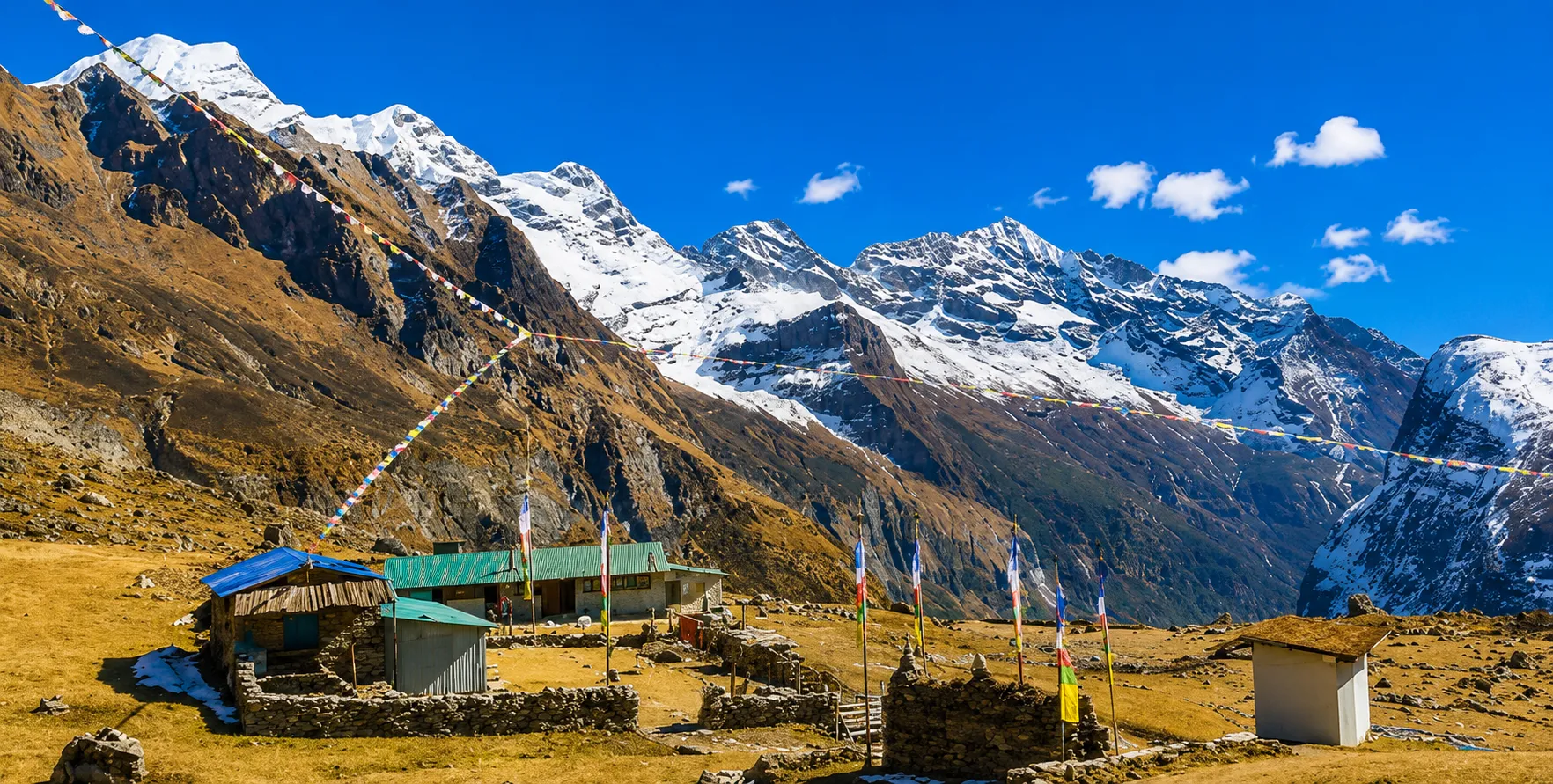
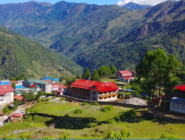
Tumlingtar’s significance lies almost entirely in its function as a transport hub rather than as a destination in itself. The small airstrip town sits on a flat river terrace above the Arun River, surrounded by terraced farmland and a scattering of basic guesthouses, shops, and Jeep stands that serve trekkers continuing onward into the mountains. From here, the road climbs steadily into the hills toward Khandbari — the headquarters of Sankhuwasabha District and the last town with reliable services before the trek toward Makalu Base Camp genuinely begins.
The Makalu Base Camp Trek itself is one of Nepal’s most rewarding and least crowded major trekking routes — a journey through the Makalu Barun National Park and Conservation Area to the foot of Makalu (8,463 m), the world’s fifth-highest mountain, via the dramatic Barun Valley. Unlike the Everest and Annapurna regions, Makalu has little teahouse infrastructure along much of its route, and trekkers should expect a more remote, basic experience—simple timber lodges, family-run homestays, and a genuine sense of travelling through a landscape tourism has only lightly touched.
- Altitude: Approximately 410–460 m (Tumlingtar town itself, on the Arun Valley floor)
- District: Sankhuwasabha District, Koshi Province, far eastern Nepal
- Primary function: Gateway airstrip and road-head for Makalu Base Camp Trek and Tumlingtar-Lukla Trek
- Facilities: Domestic airport, basic guesthouses, jeep stand, small market
- Best known for: The starting point most trekkers use before continuing by Jeep to Num or Chichira to begin walking toward Makalu
Key Facts at a Glance — Kathmandu to Tumlingtar
| Route Detail | Information |
| Total Road Distance | 425 km (Kathmandu to Tumlingtar) |
| Tumlingtar Altitude | 410–460 m (Sankhuwasabha District, Koshi Province) |
| Travel Time by Private Jeep | 8 to 10 hours — often split across 2 days |
| Flight Alternative | Kathmandu to Tumlingtar Airport — 35 to 50 minutes |
| Flight Cost | USD 120–200 one way; USD 250–400 round trip |
| Road Type | Mostly paved (BP Highway + East-West Highway) with unpaved sections near Khandbari. |
| General Route | Kathmandu → Bardibas (BP Highway) → Itahari → Dharan → Hile → Khandbari → Tumlingtar |
| 4WD Required? | Recommended for the final Khandbari–Tumlingtar stretch; not mandatory for the main highway sections |
| Gateway For | Makalu Base Camp Trek, Arun Valley, Tumlingtar–Lukla Trek, Sankhuwasabha cultural region |
| Onward from Tumlingtar | Jeep to Khandbari (30 min) and onward to Num/Chichira (Makalu trek start) — 4 to 7 hours off-road |
| Permits Required | Makalu Barun National Park / Conservation Area entry fee + TIMS card |
This is a Long Overland Journey: At approximately 425 km with sections of genuinely rough road near Khandbari, the Kathmandu-Tumlingtar drive is among the longer domestic road journeys commonly undertaken in Nepal. Nepal Vehicle Hiring Pvt Ltd generally recommends splitting this journey across two days, with an overnight stop in the Itahari or Dharan area, rather than attempting the full distance in a single very long driving day.
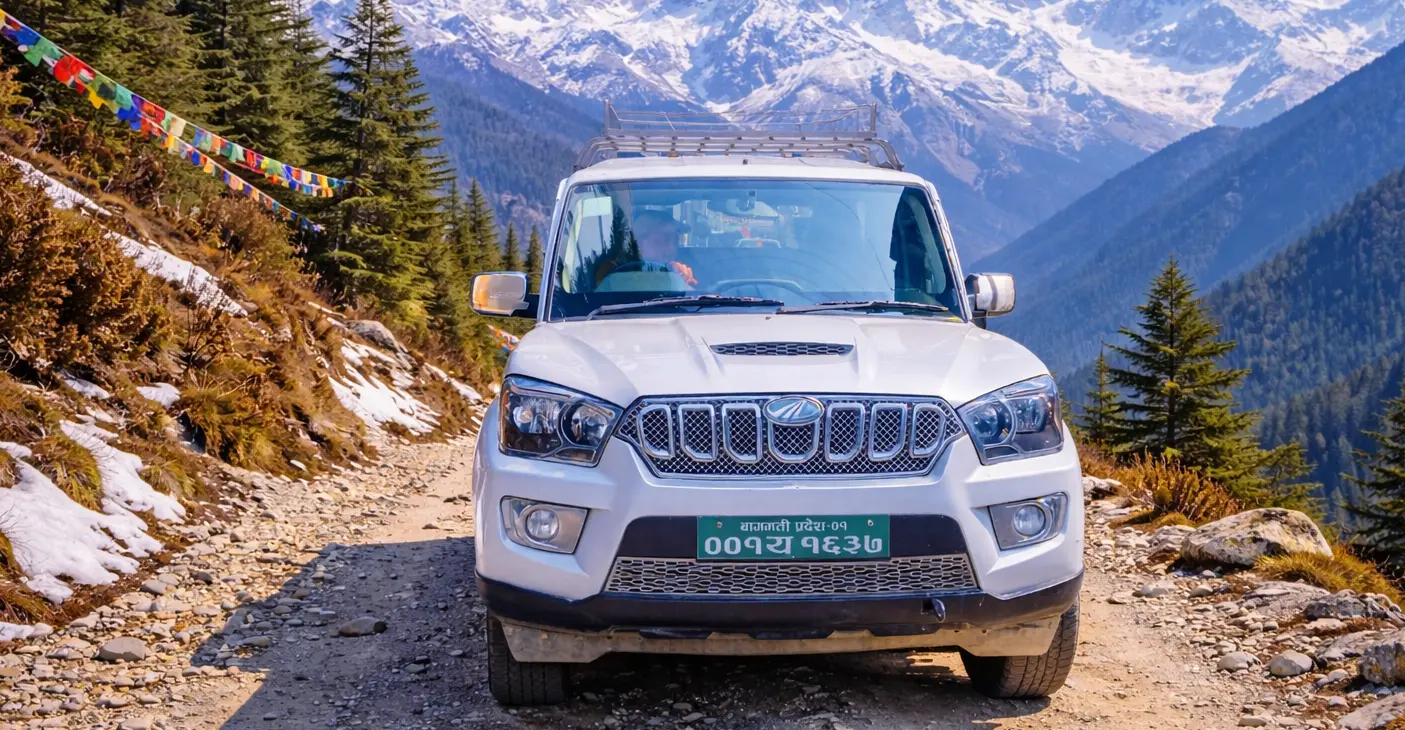
Why Choose a Private Jeep Over Flying?
For most Makalu-bound trekkers, the domestic flight from Kathmandu to Tumlingtar remains the fastest and most practical option — but it has limitations, and a private jeep journey offers real, specific advantages for the right kind of traveller.
- Flight reliability: Tumlingtar flights, like most of Nepal’s mountain domestic routes, are subject to weather-related delays and cancellations, particularly during monsoon and periods of poor visibility — a private jeep removes this uncertainty entirely.
- Luggage flexibility: Domestic flights to small Nepali airstrips have strict baggage weight limits; a private jeep has no such restrictions, making it useful for expedition-level gear or larger groups with substantial equipment.
- Budget for larger groups: For a group of 5 to 6 sharing a private jeep, the per-person cost can be comparable to, or even lower than, the combined cost of multiple flight tickets, especially when fares rise during peak booking periods.
- The journey itself as an experience: The overland route passes through some of eastern Nepal’s most beautiful and least-visited hill country — the tea gardens around Hile, the market town of Dharan, and the dramatic final descent into the Arun Valley — offering a cultural and scenic dimension that a 40-minute flight cannot provide.
- No flight availability on short notice: Tumlingtar flights run on a limited daily schedule with few seats; a private jeep can depart at any time that suits your schedule.
Nepal Vehicle Hiring Pvt Ltd’s Honest Advice: For trekkers on a tight overall itinerary, flying remains the more time-efficient choice. For groups with flexible schedules, a genuine interest in overland travel, or budget considerations that favour road transport for larger parties, the private jeep journey is a worthwhile alternative, not simply a fallback option.
All Transport Options — Kathmandu to Tumlingtar
| Transport Option | Capacity | 2026 Cost | Travel Time | Best For |
| Private Sedan Car | 1–3 passengers | NPR 32,000–42,000 / USD 240–315 | 8–10 hrs (or 2-day split) | Small groups on paved sections |
| Private Jeep (4WD) | 4–6 passengers | NPR 38,000–52,000 / USD 285–390 | 8–10 hrs (or 2-day split) | Trekkers with gear, families, and groups |
| Private Hiace Van | 7–14 passengers | NPR 48,000–65,000 / USD 360–490 | 9–11 hrs (or 2-day split) | Larger trekking or expedition groups |
| Tourist Bus | Many passengers | NPR 1,200–1,800 per person | 14–18 hrs (overnight) | Budget travellers — long and tiring |
| Domestic Flight | Per seat | USD 120–160 one way | 35–50 min | Fastest — best for time-pressed trekkers |
| Flight + Local Jeep Combo | Per seat + shared/privateJeepp | USD 120–160 + USD 25–30 (Tumlingtar–Num) | 1.5–2 hrs total | Most common choice for Makalu trekkers |
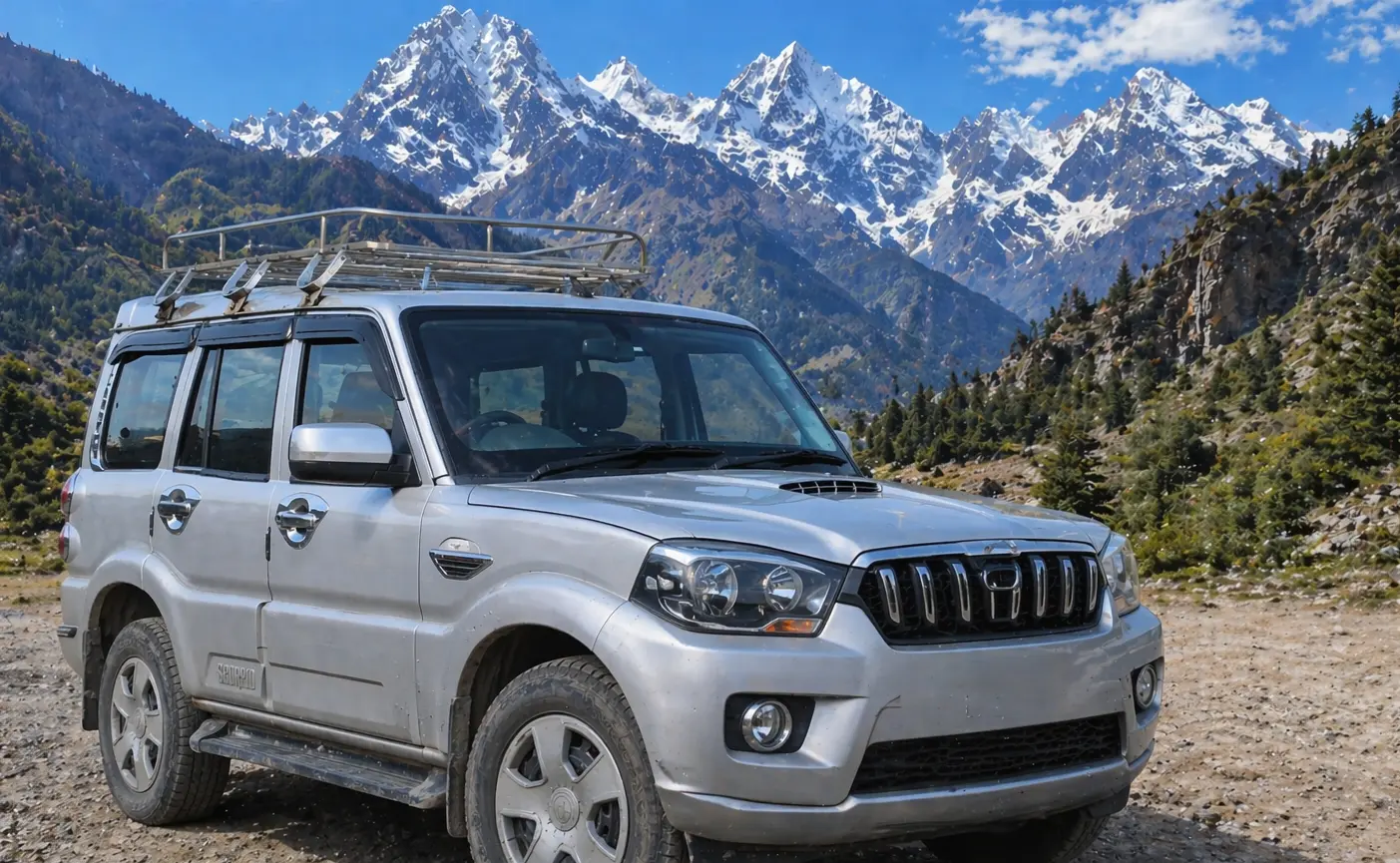
Private Jeep — Recommended for Trekking Groups
A private 4WD jeep is the most practical and comfortable choice for trekking groups travelling by road. The vehicle’s roof rack and cargo capacity comfortably handle full expedition gear for 4 to 6 passengers, and the higher ground clearance is genuinely useful on rougher road sections near Khandbari and on any onward continuation toward Num.
- 2026 cost: NPR 38,000–52,000 (USD 285–390) for the full vehicle, one way
- Includes: Driver, fuel, road tolls — all-inclusive from Nepal Vehicle Hiring Pvt Ltd
- Recommended approach: Split across 2 days with an overnight stop in Itahari or Dharan
Domestic Flight — The Standard Choice
Yeti Airlines, Tara Air, and other domestic carriers operate scheduled flights between Kathmandu’s Tribhuvan International Airport and Tumlingtar Airport, typically once or twice daily depending on season and demand. The flight takes approximately 35 to 50 minutes and offers genuinely spectacular views of the eastern Himalayan foothills and, on the clearest days, distant glimpses of Makalu and Everest themselves.
- 2026 fare: USD 120–160 per person, one way; USD 250–310 round trip
- Baggage allowance: Typically 10–15 kg checked plus hand luggage — verify with your specific airline
- Weather sensitivity: Flights can be delayed or cancelled due to poor visibility, particularly outside the core autumn and spring trekking seasons
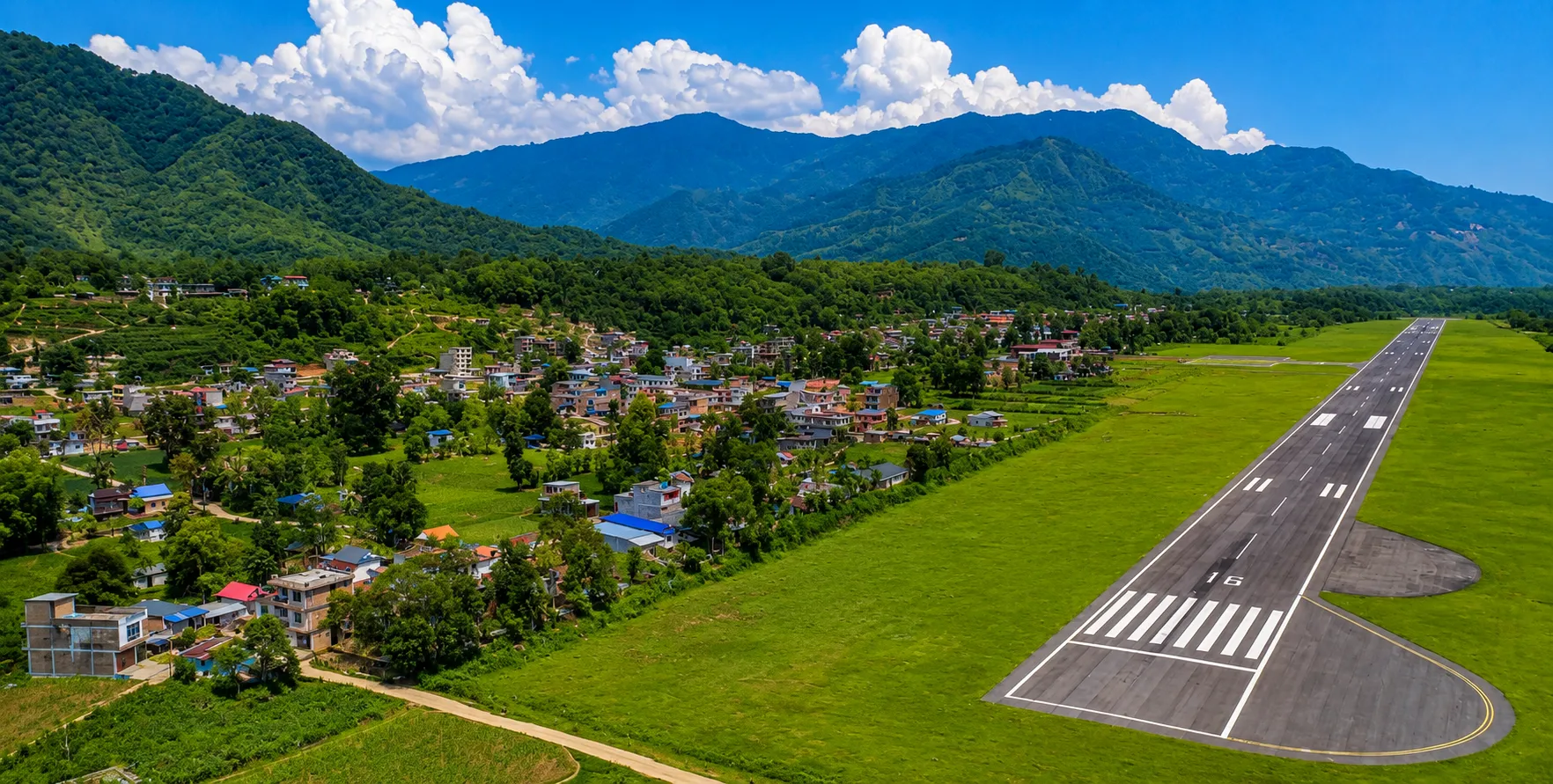
The Route — Kathmandu to Tumlingtar Step by Step
| Stop | Distance from KTM | Road | Key Notes |
| Kathmandu | Start | City roads | Hotel pickup — departure via BP Highway |
| Sindhuli Hills / BP Highway | 100 km | BP Highway (hill road) | Winding hill section — scenic but slower |
| Bardibas | 165–180 km | BP Highway joins the East-West Highway | Major junction — fuel and food stop |
| Itahari | 330 km | East-West (Mahendra) Highway | Major eastern junction — common overnight stop |
| Dharan | 350 km | Paved link road | Eastern hill town — last major city before climbing |
| Hile | 390 km | Paved, increasingly winding | Dhankuta District — tea-growing hill town, viewpoint |
| Khandbari | 415 km | Mixed paved/rough | Sankhuwasabha District HQ — fuel, permits, ATM |
| Tumlingtar | 425 km | Local descent road | Arun Valley floor — airstrip, jeep stand, trek gateway |
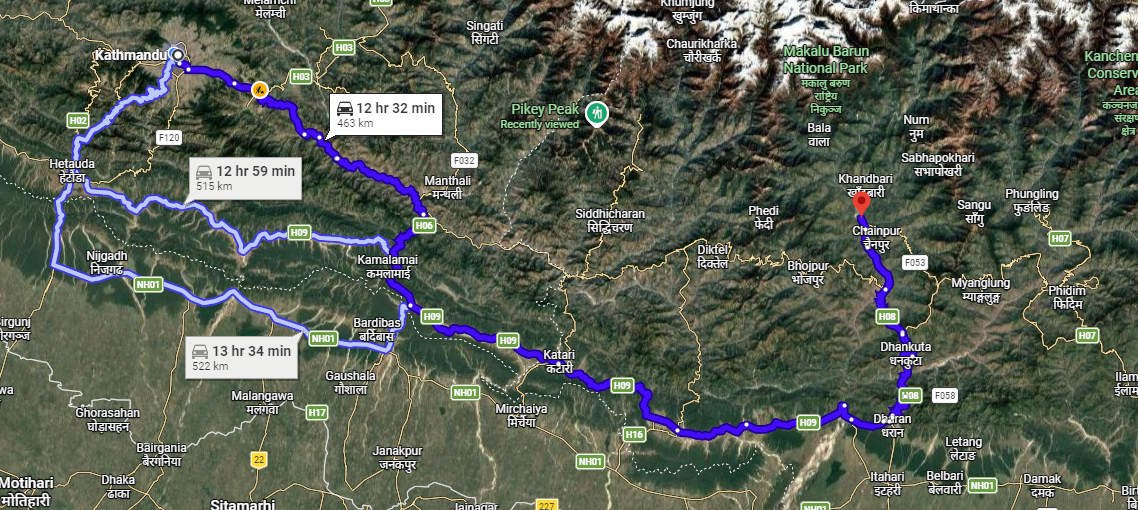
Kathmandu to Bardibas — The BP Highway Hill Crossing
The journey begins on the BP Highway, climbing through the hill districts of Kavrepalanchok and Sindhuli before descending to Bardibas, where the route joins the East-West (Mahendra) Highway — Nepal’s principal Terai artery. This initial hill section is winding and slower, but much more direct than the older alternative route via Mugling and Narayanghat.
Bardibas to Itahari — The Long Flat Stretch
From Bardibas, the East-West Highway runs flat and fast through the fertile Terai plains of eastern Nepal, passing through a succession of market towns before reaching Itahari — the major transport junction of eastern Nepal and a natural overnight stopping point for travellers splitting the journey across two days.
Itahari to Dharan and the Climb to Hile
From Itahari, the route turns north toward Dharan, a substantial hill-edge city at the foot of the Mahabharat range, before beginning a steady climb into the hills of Dhankuta District toward Hile — a charming hill town known for its tea gardens and as an important junction for routes continuing further into Nepal’s eastern hill country, including toward Tumlingtar and, in the other direction, toward Basantapur and the trekking routes of the Sankhuwasabha and Solukhumbu border country.
Hile to Khandbari to Tumlingtar — The Final Descent
Beyond Hile, the road continues through increasingly rugged and scenic hill terrain to Khandbari, the headquarters of Sankhuwasabha District and the last significant town with reliable fuel, an ATM, and other services before the final descent to Tumlingtar on the floor of the Arun Valley. This final stretch includes some rougher, partially unpaved sections, and a 4WD vehicle is genuinely useful, though not strictly mandatory in good dry-season conditions.
Onward from Tumlingtar — The Jeep to Num for Makalu Trekkers
For most travellers using Tumlingtar as a gateway, the journey to Kathmandu is only the first leg. The actual start of the Makalu Base Camp Trek lies considerably further into the hills, at the village of Num (or, for some itineraries, the alternative starting point of Chichira) — reached by a further jeep journey of 4 to 7 hours, depending on road conditions, through Khandbari and the dramatic descending and re-ascending terrain that characterises the approach to the Arun River and Barun Valley region.
| Stop | Distance from Tumlingtar | Road Type | Notes |
| Khandbari | 12–15 km | Paved | District headquarters — last reliable services |
| Leguwaghat / Hururu | 40–50 km | Off-road, rough | Descending toward the Arun River valley |
| Num Bazaar | 100–120 km | Off-road, steep, rough | Makalu Base Camp Trek starting point — overnight |
| Chichira | Slightly beyond Num (alt. start) | Off-road | Alternative trek starting village |
- Shared Jeep (Tumlingtar to Num): Approximately USD 25–30 per person
- Private Jeep (Tumlingtar to Num): Approximately USD 150–200 for the full vehicle (5–6 seats)
- Road character: Increasingly rough and off-road as the route descends toward the Arun River and climbs again toward Num — a 4WD vehicle is genuinely required for this section, regardless of how the main Kathmandu-Tumlingtar leg was completed
Nepal Vehicle Hiring Pvt Ltd can coordinate both the Kathmandu-Tumlingtar leg and the onward Tumlingtar-Num connection as a single, seamless booking for trekkers undertaking the complete overland approach to Makalu Base Camp, eliminating the need to arrange local transport separately upon arrival in Tumlingtar.
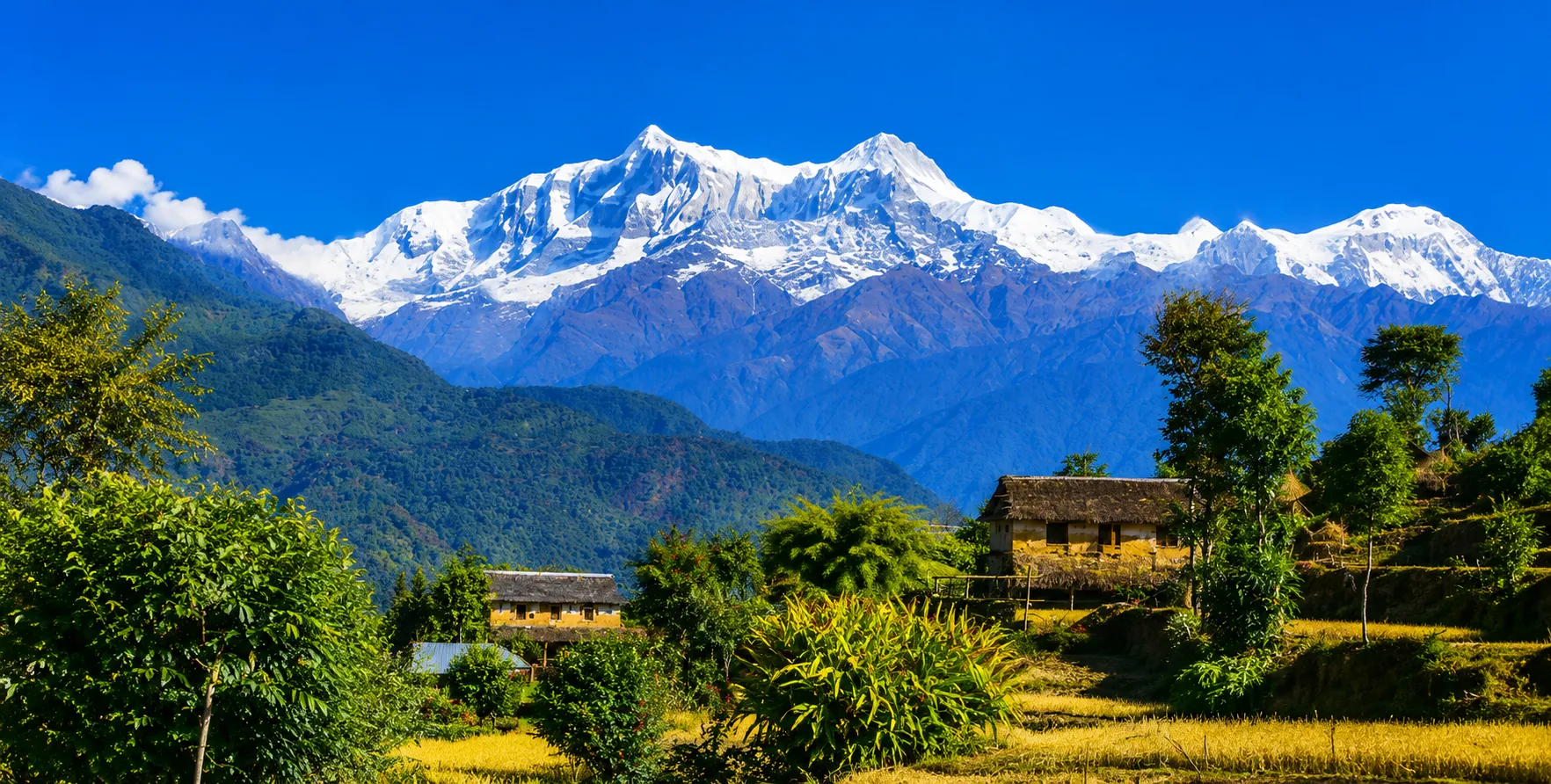
What to See Along the Way
Dharan — The Gateway City of the Eastern Hills
Dharan, a substantial and historically significant town at the foot of the Mahabharat range, has long served as a major recruitment and transit point for the British and Indian Gurkha regiments and retains a distinctive cosmopolitan character shaped by generations of military service and the resulting connections to the wider world. The town has good hotels, restaurants, and facilities, making it a sensible overnight stop for travellers splitting the Kathmandu-Tümlingtar journey across two days.
Hile — Tea Gardens and Mountain Views
Hile, perched on a ridge in Dhankuta District, is known for its tea cultivation — a tradition shared with the more famous tea districts further south near Ilam — and, on clear days, offers genuinely impressive views of the eastern Himalayan range, including distant glimpses of Makalu itself. The town’s bazaar has a distinctive hill-trading character, having historically served as an important stop on trade routes connecting the high country to the Terai plains.
Khandbari and the Arun Valley
Khandbari, the headquarters of Sankhuwasabha District, sits on a ridge above the dramatic Arun Valley and serves as the last significant service town before the final descent to Tumlingtar. The surrounding Sankhuwasabha District is home to a rich mix of ethnic communities, including Rai, Sherpa, and Bhote populations, each contributing to a cultural diversity that rewards travellers willing to spend time exploring beyond the immediate transit corridor.
Permits Required
- Makalu Barun National Park entry fee: Required for all foreign nationals entering the park area on the Makalu Base Camp Trek — obtainable in Kathmandu or at the park entry point
- TIMS Card: Recommended for trekkers continuing beyond Tumlingtar into the Makalu region — obtainable through the Nepal Tourism Board or a registered trekking agency
- Licensed guide: Increasingly required under Nepal’s broader 2023 guide regulation for trekking in remote and restricted areas, including Makalu Barun
Arrange your Makalu Barun permits in Kathmandu before departure — facilities for permit processing become progressively more limited the further east and the closer to the mountains you travel.
Season Guide — Best Time for the Journey
| Season | Months | Road & Flight Conditions | Recommendation |
| Autumn | Oct–Nov | Good road conditions, reliable flights | Best season — peak Makalu trekking period |
| Winter | Dec–Feb | Cold but generally clear; occasional fog delays flights | Good — quieter, clear Himalayan views |
| Spring | Mar–May | Good road conditions, rhododendrons blooming | Excellent — second peak season |
| Monsoon | Jun–Sep | Risky — landslide-prone hill sections, frequent flight cancellations | Avoid if possible — high disruption risk |
Because this journey combines flat Terai highway driving with substantial hill-road sections, seasonal road conditions matter considerably more here than on a purely flat-plains route. The Hile-Khandbari-Tumlingtar stretch, in particular, can be affected by monsoon-season landslides and surface damage, and Nepal Vehicle Hiring Pvt Ltd monitors current conditions on this corridor and provides proactive advice before departure.
Practical Tips for the Kathmandu to Tumlingtar Journey
- Decide early whether to split the journey across two days with an overnight stop in Itahari or Dharan — this is the recommended approach for comfort given the substantial distance involved.
- Book your private Jeeps at least 5 days in advance during the peak Makalu trekking season (October–November and March–May).
- Carry NPR cash — ATMs become less reliable beyond Itahari and Dharan; Khandbari has the last consistently functioning ATM before Tumlingtar.
- If continuing to Num for the Makalu trek, confirm whether your booking includes this connecting leg or you need to arrange it separately on arrival in Tumlingtar.
- Pack for the full range of conditions — the journey passes from the mild Kathmandu Valley climate through hot Terai plains to cooler eastern hill country, all within a single long drive.
- Arrange your Makalu Barun National Park permits and any required guide services in Kathmandu before departure.
- Build in buffer days if your itinerary depends on a specific onward flight or trek start date — road conditions and the additional Tumlingtar-Num jeep leg can introduce delays, particularly outside the core dry seasons.
Why Choose Nepal Vehicle Hiring Pvt Ltd
- Long-Distance Route Experience: Our drivers are experienced on the full eastern Nepal corridor — the BP Highway, the East-West Highway, and the hill roads through Dharan, Hile, and Khandbari to Tumlingtar.
- Flexible One-Day or Two-Day Planning: We can arrange this journey as a single long driving day or, as generally recommended, a comfortable two-day journey with an overnight stop in Itahari or Dharan.
- Onward Connection Coordination: We can arrange the connecting Tumlingtar-to-Num jeep leg for Makalu-bound trekkers as part of a single seamless booking.
- All Vehicle Types: Private sedan, 4WD jeep, or Hiace van — sized correctly for your group, with full luggage capacity for trekking and expedition gear.
- Transparent All-Inclusive Pricing: Every quote includes the driver, fuel, and road tolls for this substantial cross-country journey.
- 24/7 Booking: WhatsApp or call +977-9814227196 — plan this longer eastern Nepal journey with full itinerary support.
Frequently Asked Questions
How far is Kathmandu from Tumlingtar by road?
The road distance from Kathmandu to Tumlingtar is about 425 km and takes 8 to 10 hours by private vehicle; alternatively, we recommend splitting the journey over two days with an overnight stop in Itahari or Dharan.
What is the 2026 cost of a private jeep from Kathmandu to Tumlingtar?
A private 4WD jeep costs about NPR 38,000 to NPR 52,000 (USD 285 to USD 390) for the full vehicle, one way, including driver and fuel; a private sedan costs slightly less, ranging from NPR 32,000 to NPR 42,000.
Is it better to fly or drive to Tumlingtar?
Flying (35 to 50 minutes, USD 120–160 one way) is faster and the standard choice for most trekkers, but is subject to weather-related delays and cancellations. A private jeep takes 8 to 10 hours but offers reliable scheduling, no baggage restrictions, and can be more economical for larger groups.
How do I get from Tumlingtar to the Makalu Base Camp trailhead?
From Tumlingtar, a further 4- to 7-hour journey via Khandbari leads to Num (or the alternative starting village of Chichira), where the Makalu Base Camp Trek actually begins. A shared jeep costs approximately USD 25–30 per person; a private jeep costs USD 150–200 for the full vehicle.
Is a 4WD vehicle necessary for the journey from Kathmandu to Tumlingtar?
The main highway sections (BP Highway and East-West Highway) suit any vehicle type. The final stretch from Hile through Khandbari to Tumlingtar includes rougher, partially unpaved sections, so a 4WD jeep is recommended, especially outside the dry season. The onward Tumlingtar-to-Num leg of the Makalu trek requires a 4WD vehicle.
What permits do I need for the Makalu region?
Foreign nationals require the Makalu Barun National Park entry permit, and trekkers should also carry a TIMS card. Nepal’s broader 2023 trekking guide regulation increasingly requires a licensed guide for this remote, restricted region. Arrange all permits in Kathmandu before departure.
Conclusion
The journey from Kathmandu to Tumlingtar is a genuine eastern Nepal road adventure — 425 kilometers through hill country, Terai plains, tea-growing ridges, and a dramatic final descent into the Arun Valley, leading to the gateway of one of the Himalaya’s most rewarding and least-visited major trekking regions. Whether you choose to fly for speed and convenience or take the long road for budget, flexibility, or the simple pleasure of seeing eastern Nepal unfold mile by mile, reaching Tumlingtar is the first real step toward the wild, remote grandeur of the Makalu Barun region.
Nepal Vehicle Hiring Pvt Ltd provides experienced, reliable private vehicle hire for this substantial cross-country journey with flexible one- or two-day itinerary planning, coordinated onward connections to Num for Makalu trekkers, and a full range of vehicle options to suit any group size and budget.
Book your Kathmandu to Tumlingtar transfer — Call or WhatsApp: +977-9814227196
E-mail: [email protected]
- Kathmandu to Tumlingtar Private Jeep
- Tumlingtar — Gateway to the Makalu and Arun Valley Region
- Key Facts at a Glance — Kathmandu to Tumlingtar
- Why Choose a Private Jeep Over Flying?
- All Transport Options — Kathmandu to Tumlingtar
- The Route — Kathmandu to Tumlingtar Step by Step
- Onward from Tumlingtar — The Jeep to Num for Makalu Trekkers
- What to See Along the Way
- Permits Required
- Season Guide — Best Time for the Journey
- Practical Tips for the Kathmandu to Tumlingtar Journey
- Why Choose Nepal Vehicle Hiring Pvt Ltd
- Frequently Asked Questions
- Conclusion

Related Blog & Articles
Kathmandu to Jiri Road Trip Guide

Kathmandu to Dolakha Vehicle Rental – Car, Jeep, Van, Hiace & Bus Hire
Kathmandu to Phaplu Vehicle Guide
Kathmandu to Salleri Jeep Guide