Plan a Trip


Kathmandu to Pikey Peak Trek Transport
Kathmandu to Pikey Peak Trek Transport
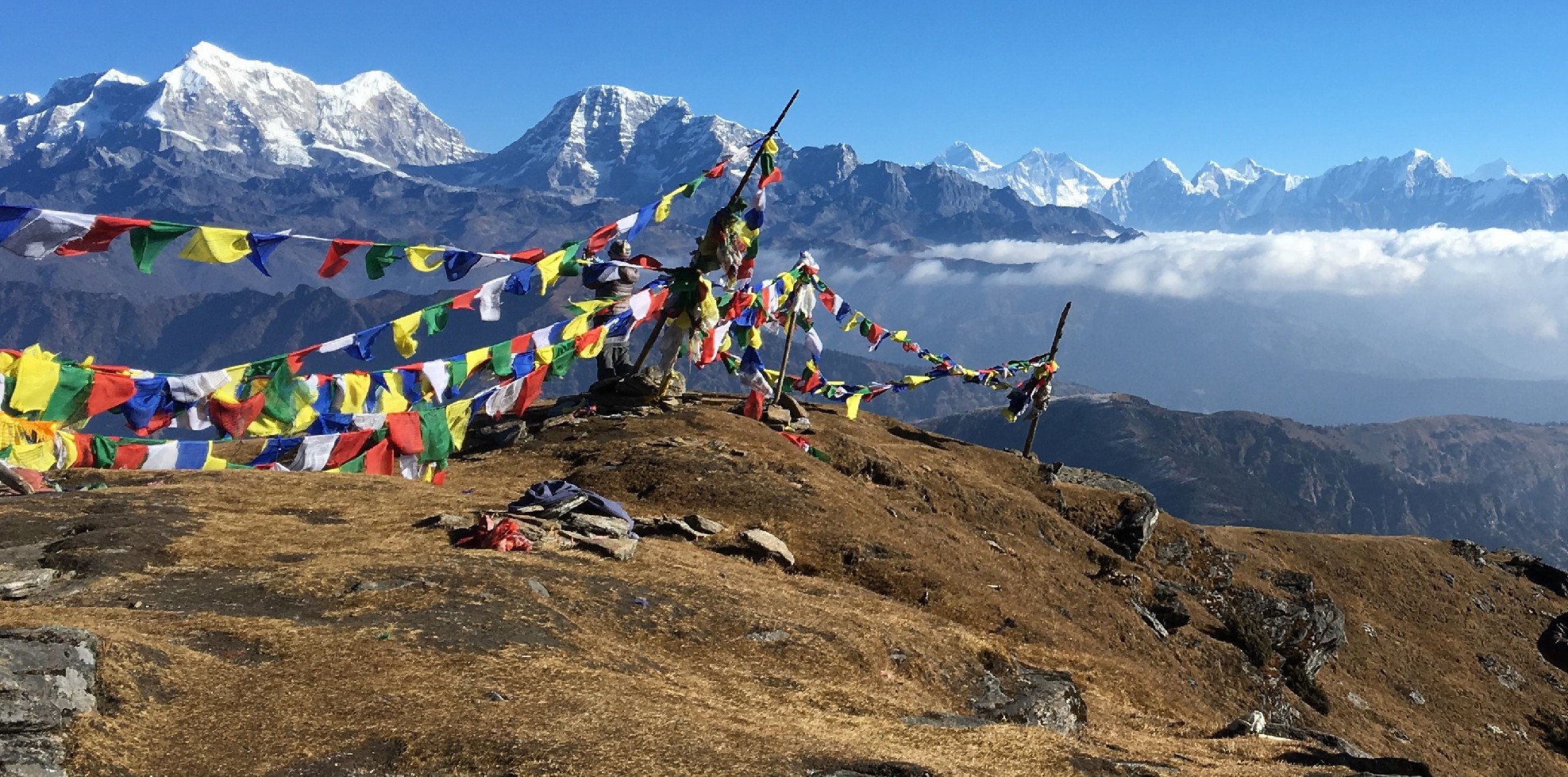
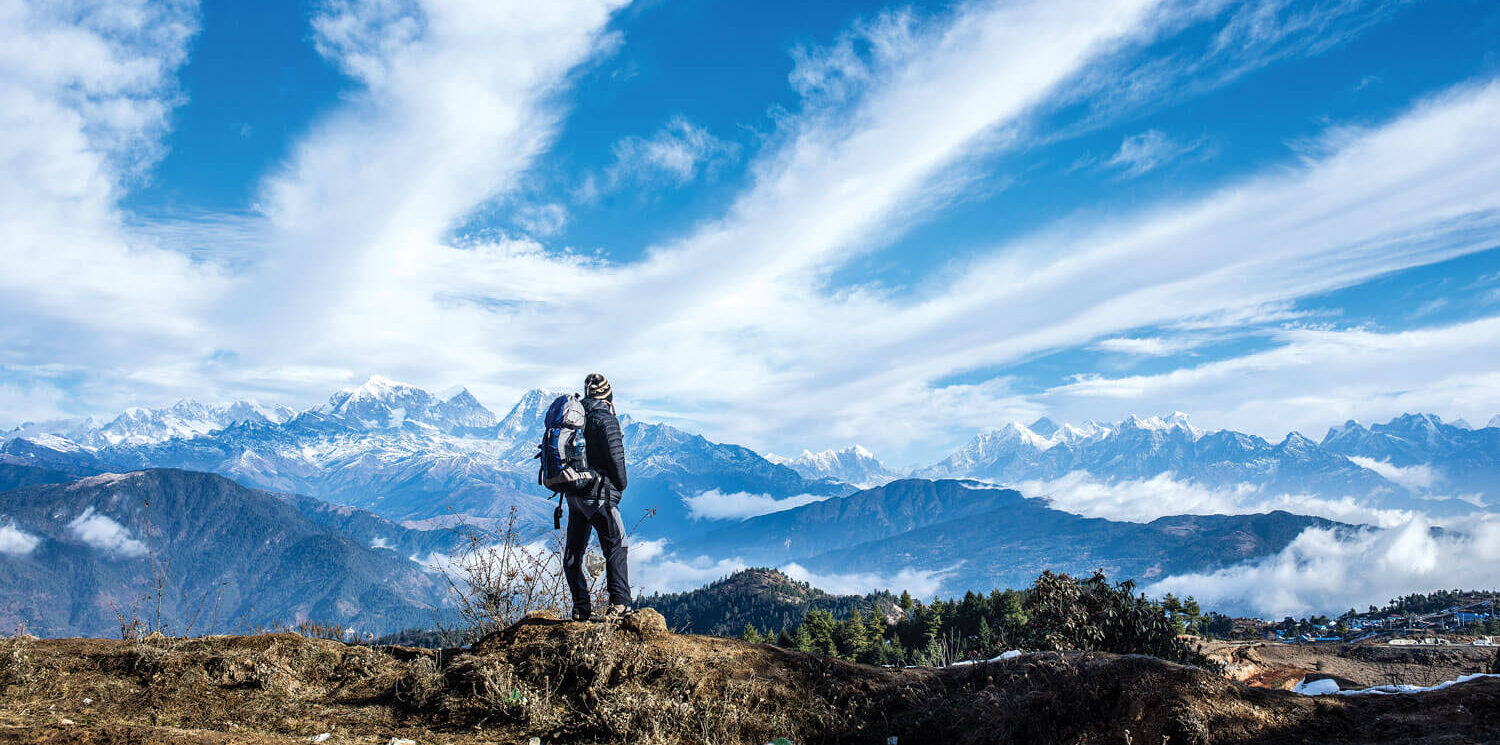
Pikey Peak, at 4,065 metres in Nepal’s Solukhumbu District, has earned a reputation that few moderate-altitude viewpoints anywhere in the Himalaya can match: it is widely said to have been described by Sir Edmund Hillary himself as offering the finest panoramic mountain view in the entire Everest region — a single, sweeping vantage point from which Everest, Lhotse, Makalu, Kanchenjunga, and dozens of other major Himalayan summits arrange themselves across the horizon in an uninterrupted sunrise panorama. Unlike Everest Base Camp, reaching this view requires no flight to Lukla, no multi-day acclimatisation schedule, and no risk of serious altitude sickness — making Pikey Peak one of the most accessible, genuinely world-class Himalayan viewpoints in Nepal.
Getting to the Pikey Peak trek, however, begins with a road journey rather than a flight — and this is where careful transport planning matters. The trek’s most common starting point, the small hill village of Dhap, lies approximately 230 to 280 kilometres from Kathmandu by road, depending on the exact route taken, and the journey typically takes 6 to 10 hours, whether you travel by private jeep, shared jeep, or local bus.
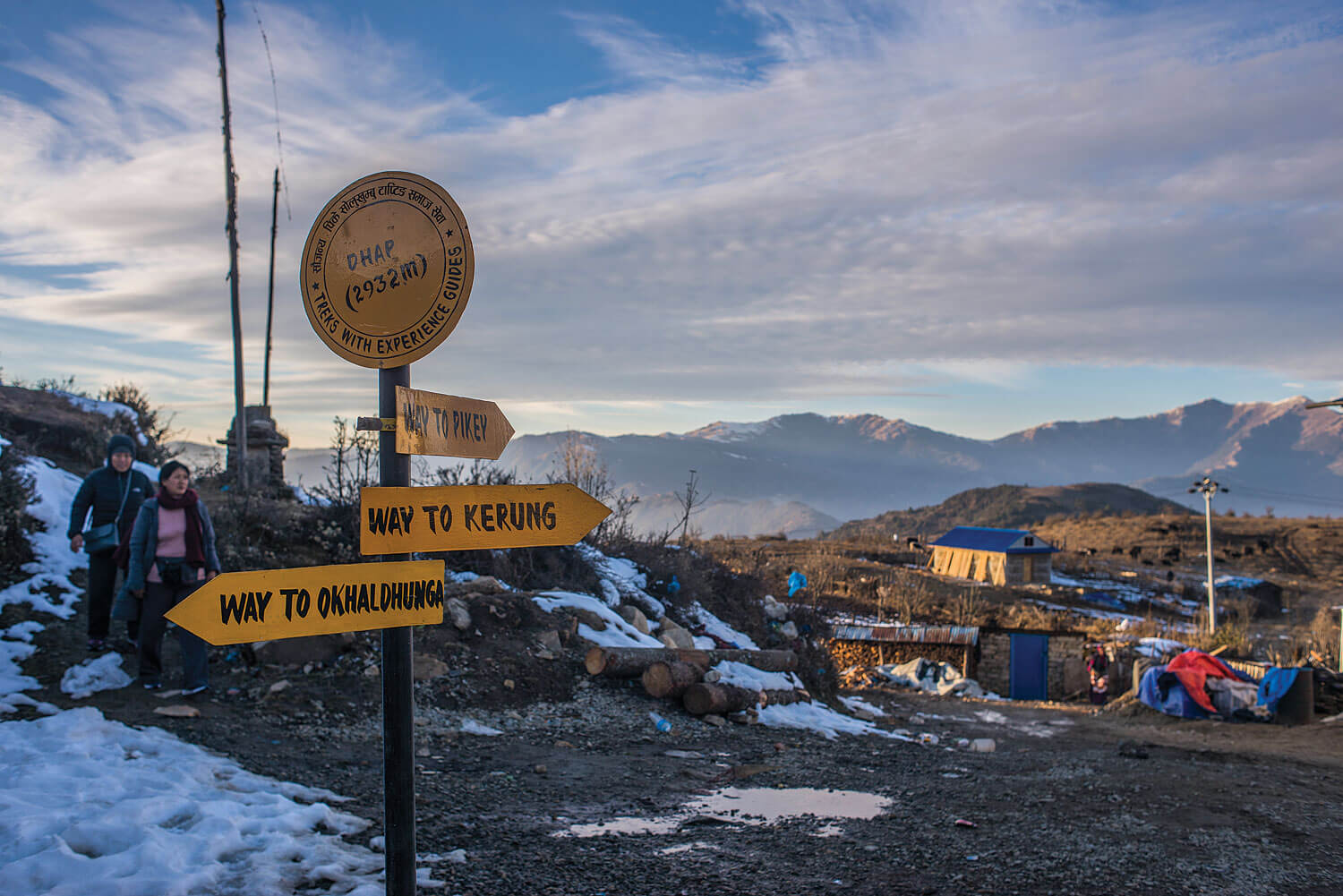
The trek then continues on foot through Jhapre, the Pikey Peak Base Camp area, and the summit viewpoint, before descending through the Sherpa village of Junbesi to finish in Phaplu or Salleri—from where travellers either drive back to Kathmandu or take a short domestic flight.
This complete guide covers everything about transport for the Kathmandu to Pikey Peak Trek: the full route to Dhap, all transport options and their costs, the return journey from Phaplu or Salleri, required permits, a sample trek itinerary, and why Nepal Vehicle Hiring Pvt Ltd is a reliable private vehicle partner for the road sections of this increasingly popular short Himalayan trek.
 Pikey Peak — Sir Edmund Hillary’s Finest Viewpoint
 Pikey Peak — Sir Edmund Hillary’s Finest Viewpoint
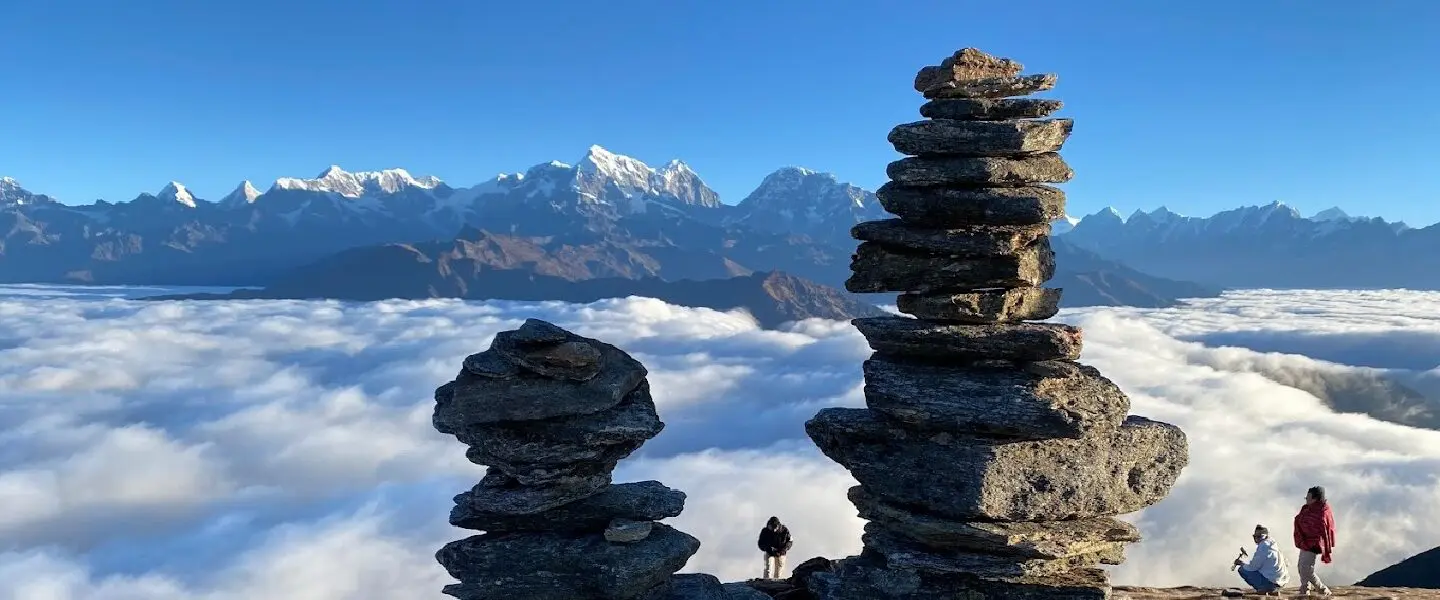
Pikey Peak sits on a forested ridge in Solukhumbu District, well south and west of the main Everest trekking corridor that runs through Lukla, Namche Bazaar, and the Khumbu Valley toward Everest Base Camp. Because it lies outside the core high-altitude Khumbu region, Pikey Peak offers a fundamentally different trekking experience: lower maximum altitude (4,065 m at the summit, compared to 5,364 m at Everest Base Camp), correspondingly lower risk of altitude sickness, a shorter overall trek duration, and — perhaps most appealing to many travellers — a trail that remains genuinely quiet even during Nepal’s busiest trekking months, when the main Everest Base Camp trail can feel crowded with hundreds of trekkers.
What Pikey Peak does not sacrifice, remarkably, is the quality of the mountain view itself. From the summit viewpoint at dawn, a 270-degree-plus panorama opens across the entire eastern Himalayan range: Everest, Lhotse, and Nuptse cluster together on one section of the horizon, Makalu rises distinctly to the east, and on exceptionally clear days even Kanchenjunga — far to the east on the Sikkim border — becomes visible, alongside the closer peaks of the Rolwaling and Gaurishankar ranges to the west.
The trek’s relatively forgiving altitude profile and shorter duration (typically 5 to 9 days depending on the specific itinerary chosen) have made it one of Nepal’s fastest-growing short trekking options in recent years, frequently recommended as either a standalone trek for travellers with limited time or as an excellent lower-altitude acclimatisation and orientation trek before a more demanding Everest region expedition.
Key Facts at a Glance — Kathmandu to Pikey Peak
| Route Detail | Information |
| Trek Region | Solukhumbu District (lower Everest region foothills) |
| Standard Start Point | Dhap Bazaar / Dhap Village ~2,900 m) |
| Standard End Point | Phaplu or Salleri |
| Pikey Peak Altitude | 4,065 m (summit viewpoint) |
| Distance — Kathmandu to Dhap | 230–280 km (sources vary by exact route) |
| Drive Time — Private Jeep | 6 to 7 hours (direct) — often 8–10 hrs realistically with stops |
| Drive Time — Shared Jeep/Bus | 8 to 10 hours |
| Distance — Salleri/Phaplu to Kathmandu (return) | 267 km |
| Return Drive Time | 7 to 8 hours |
| Return Flight Option | Phaplu to Kathmandu — 30 minutes, USD 100–180 |
| Main Route | Kathmandu → Dhulikhel → BP Highway → Khurkot → Ghurmi → Dhap |
| Guide Requirement (2026) | Mandatory — licensed guide required since the April 2023 regulation |
| Why Trekkers Choose Pikey Peak | Panoramic Everest/Lhotse/Makalu views at moderate altitude, far fewer crowds than EBC |
The Route — Kathmandu to Dhap
| Stop | Distance from KTM | Road | Key Notes |
| Kathmandu | Start (1,400 m) | City roads | Early departure — typically 5:00–7:00 AM |
| Dhulikhel | 35 km | Paved — Araniko/BP Highway | Hill viewpoint, photo stop on clear mornings |
| Khurkot | 105–126 km | BP Highway | Standard breakfast/rest stop |
| Ghurmi Junction | 150 km | BP Highway | Route continues toward Okhaldhunga/Solukhumbu |
| Okhaldhunga area | 175–200 km | Mixed paved/rough | District headquarters area — last reliable fuel/ATM |
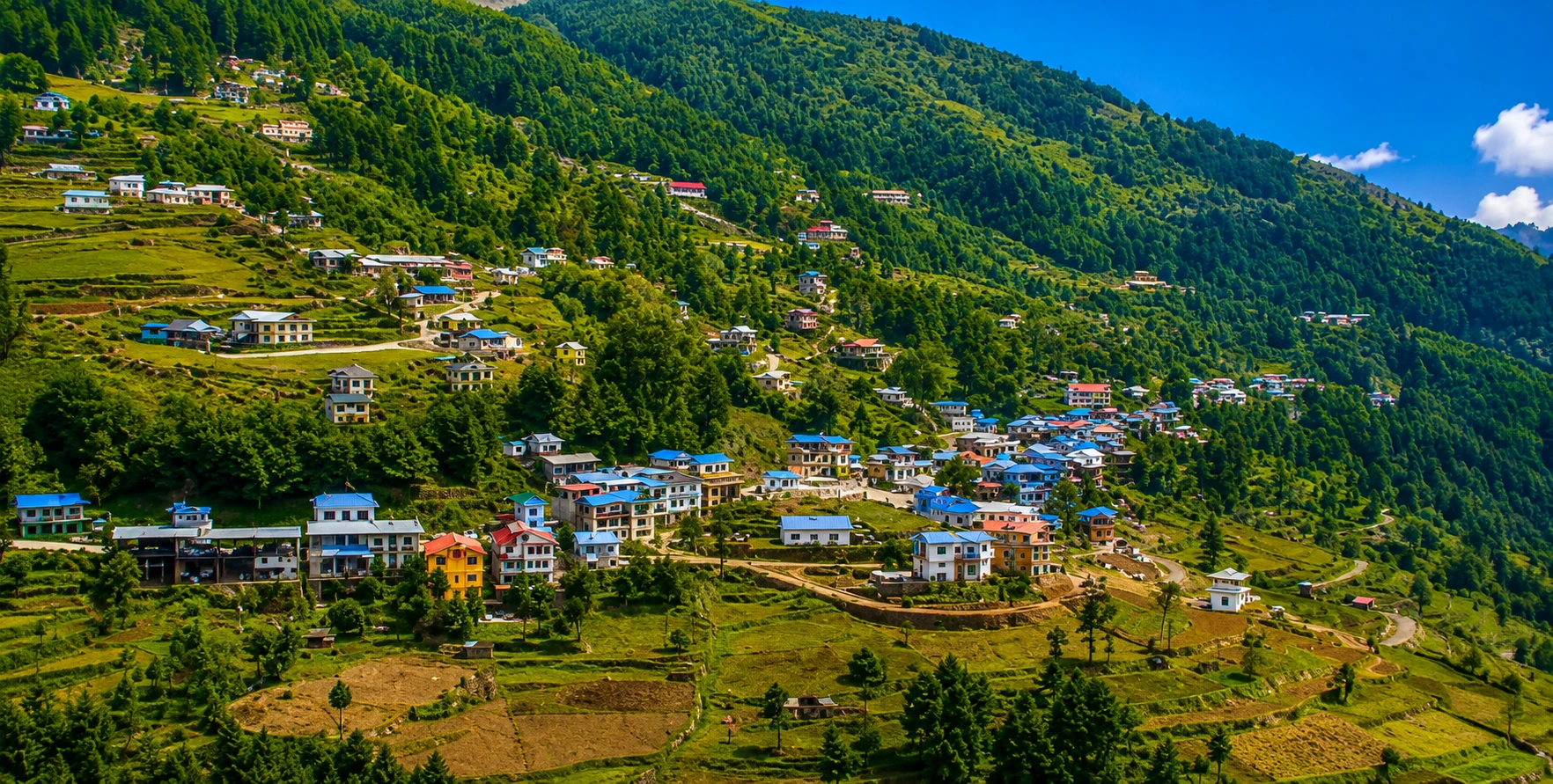
| Dhap Village | 230–280 km | Local hill road | Trek starting point — altitude 2,900 m |
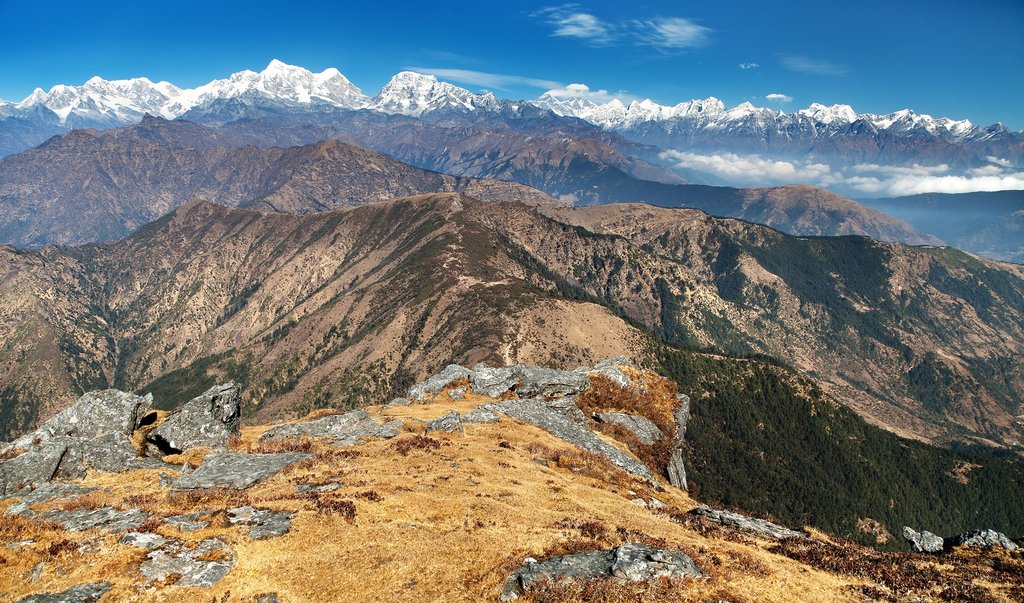
The journey to Dhap follows the same BP Highway corridor used for several of our other eastern Nepal route guides — heading northeast from Kathmandu through Dhulikhel and Nagarkot, then descending onto the BP Highway proper through Khurkot and Ghurmi Junction before turning into the Solukhumbu foothills toward Dhap.
The road is paved for most of the distance, with the final stretch into Dhap on rougher, more rural hill roads that make a 4WD vehicle genuinely worthwhile, even if not strictly mandatory in good dry-season conditions.
Most jeep departures for Pikey Peak leave Kathmandu very early — typically between 5:00 AM and 7:00 AM — both to allow sufficient daylight for the long drive and to take advantage of generally lighter early-morning traffic leaving the Kathmandu Valley. Trekking agencies and shared jeep services commonly depart from the Machhapokhari area of Kathmandu.
At the same time, private vehicle hire through Nepal Vehicle Hiring Pvt Ltd offers door-to-door pickup from any hotel in Kathmandu at whatever time best suits your schedule.
All Transport Options — Kathmandu to Dhap
| Transport Option | Capacity | 2026 Cost (one way) | Travel Time | Best For |
| Local Bus (Kathmandu–Dhap) | Many passengers | USD 8–12 per person | 8–10 hrs | Tightest budget — basic, frequent stops |
| Shared Jeep | Up to 7 passengers | USD 20–35 per person | 8–10 hrs | Budget travellers are comfortable sharing |
| Private Jeep (Scorpio/Hilux 4WD) | 4–7 passengers | USD 200–300 (full vehicle) | 6–7 hrs (often 8–9 hrs realistic) | Groups, comfort, flexible departure |
| Private Jeep Round Trip Package | 4–7 passengers | USD 400–500 (full vehicle, both ways) | Same as above | Most popular choice for trekking groups |
| Return Flight (Phaplu–Kathmandu) | Per seat | USD 100–180 | ~30 min | Fastest return — book in advance, limited seats |

Private Jeep — The Recommended Choice
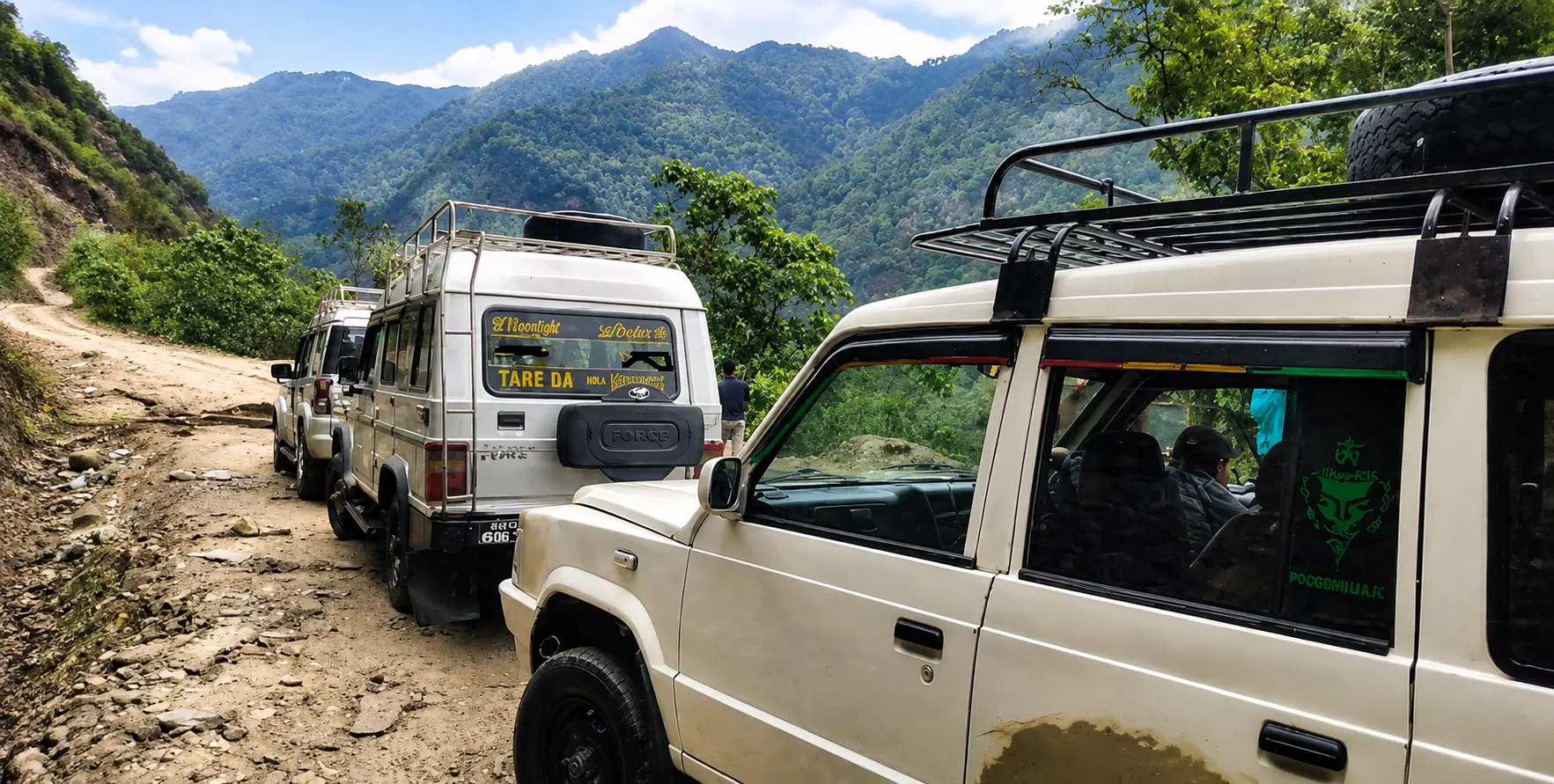
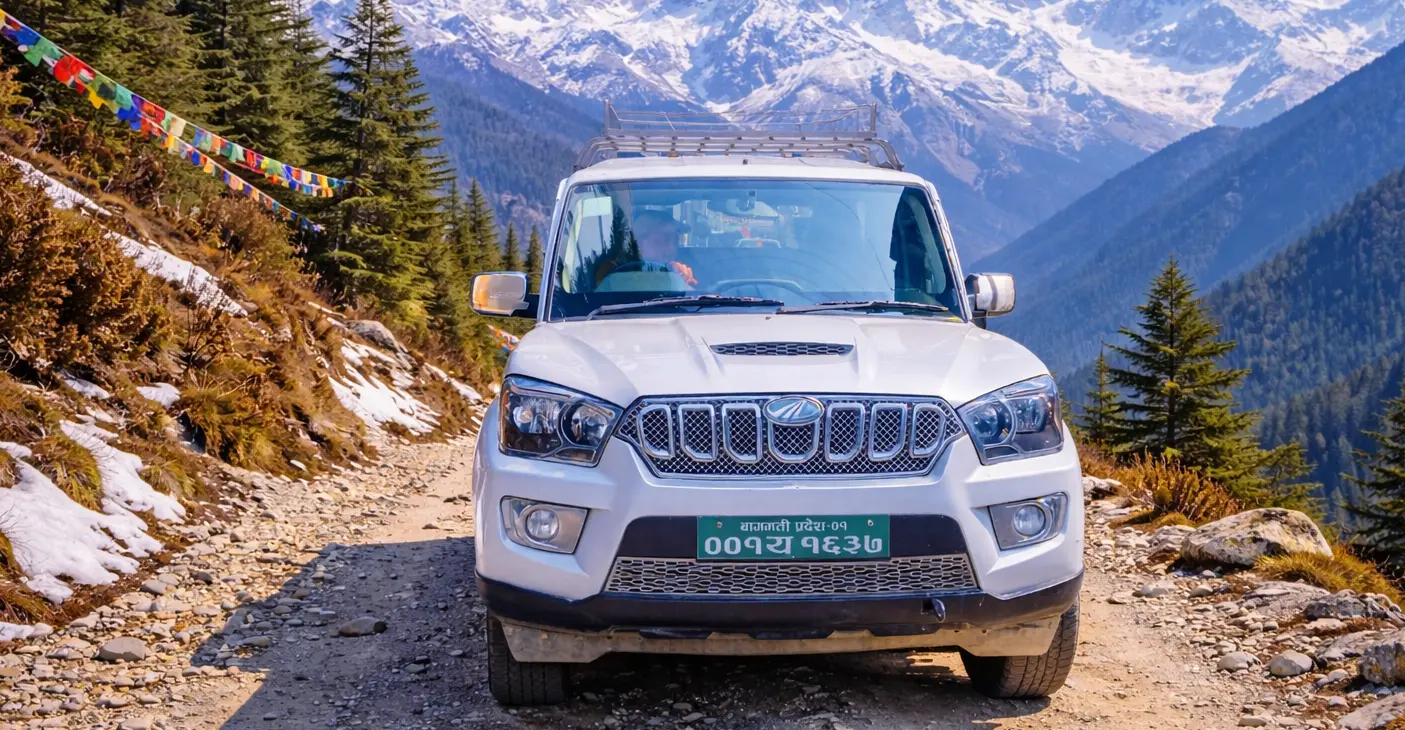
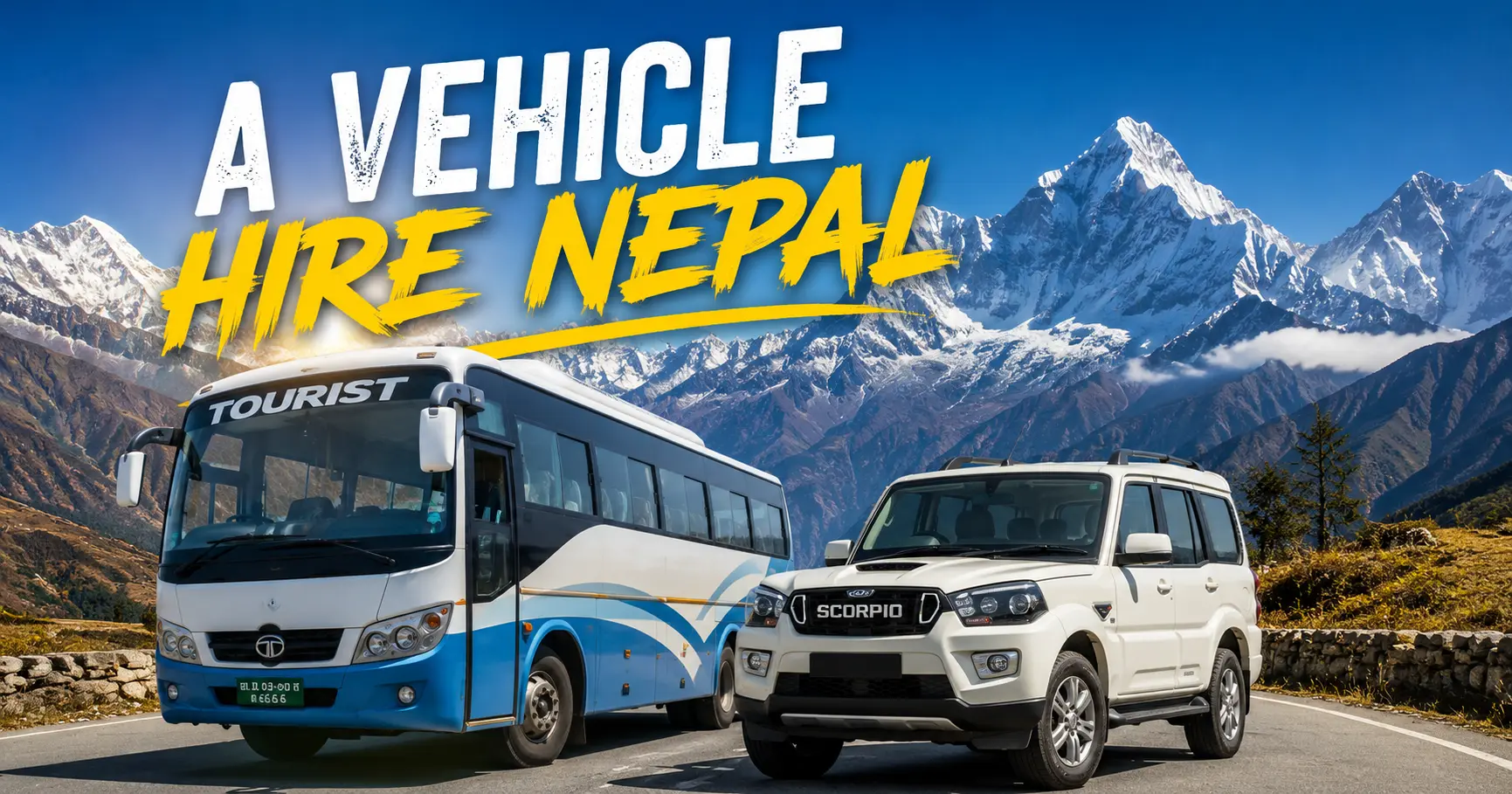
A private 4WD jeep is the most comfortable and flexible way to reach Dhap, especially given the genuinely long driving distance. Nepal Vehicle Hiring Pvt Ltd provides Mahindra Scorpio 4WD and Toyota Hilux 4WD vehicles for this route, both well-suited to the rougher final approach into Dhap and capable of carrying full trekking gear on the roof rack for groups of 4 to 7 passengers.
- One-way cost: USD 200–300 for the full vehicle
- Round-trip package: USD 400–500 for the full vehicle, both legs
- Includes: Driver, fuel, road tolls — all-inclusive from Nepal Vehicle Hiring Pvt Ltd
- Departure: Flexible — typically 5:00–7:00 AM for the best daylight driving window
Group Value: For 6 trekkers sharing a private jeep round trip at USD 450, the per-person cost is about USD 75 for the entire outward and return journey—comparable to shared jeep fares but with vastly superior comfort, hotel pickup, and schedule flexibility.
 Shared Jeep — Mid-Range Budget Option
 Shared Jeep — Mid-Range Budget Option
Shared jeeps, typically seating up to 7 passengers, operate between Kathmandu and Dhap on a fill-and-depart basis. This is a reasonable middle ground between the cheapest local bus option and a fully private vehicle, though departure times and comfort levels are less predictable.
- Cost: USD 20–35 per person, one way
- Travel time: 8 to 10 hours
- Best for: Budget travellers comfortable sharing with other trekkers
Local Bus — Cheapest Option
Local buses connect Kathmandu to destinations along the BP Highway corridor toward Okhaldhunga, with some services continuing to or near Dhap. This is the most economical option but takes the longest, with frequent stops and the least comfortable seating.
- Cost: USD 8–12 per person, one way
- Travel time: 8 to 10 hours, sometimes longer with transfers
- Best for: Extremely budget-conscious solo travellers with flexible schedules
The Return Journey — Phaplu or Salleri to Kathmandu
The Pikey Peak Trek typically finishes at Phaplu or the nearby town of Salleri, both of which offer two distinct return options to Kathmandu.
Return by Road
The drive from Salleri or Phaplu back to Kathmandu covers approximately 267 km. It takes 7 to 8 hours and passes through Jir, historically the traditional overland starting point for Everest expeditions before the construction of Lukla’s airstrip made flying the standard approach. This route offers its own scenic and cultural rewards, taking in traditional hill villages and a genuine sense of how Everest-bound expeditions travelled before the era of mountain flights.
- Private jeep: Similar pricing structure to the outward journey — USD 200–300 one way
- Shared jeep/bus: USD 20–35 per person
Return by Flight
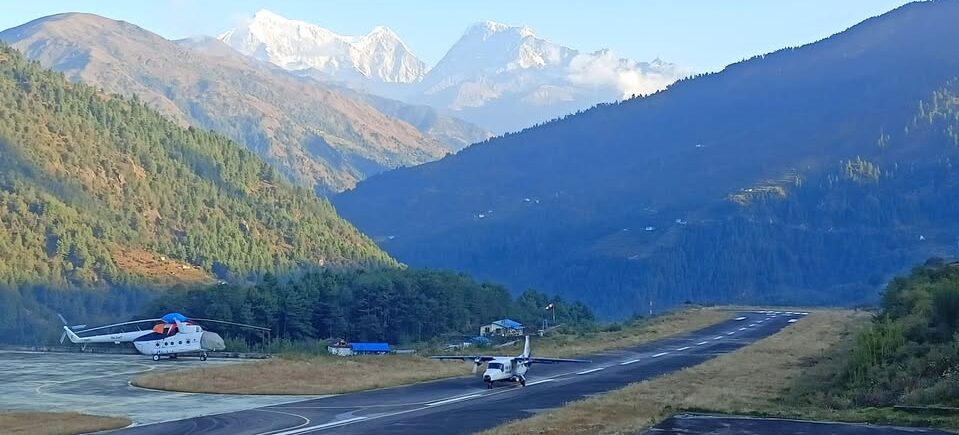
For trekkers who prefer to save time on the return leg, a short domestic flight connects Phaplu Airport directly to Kathmandu in approximately 30 minutes.
- Cost: Approximately USD 100–180 per person
- Note: Flights are not daily, and seats are limited — book well in advance, particularly during peak trekking season
- Weather: Like all of Nepal’s mountain domestic routes, Phaplu flights are subject to occasional weather-related delays
Popular Combination: Many trekkers choose a private jeep for the outward journey to Dhap (for comfort and reliable timing at the start of the trek) and a flight from Phaplu back to Kathmandu at the end of the trek — combining the best of both transport options across the two legs of the journey.
Permits Required for the Pikey Peak Trek
| Permit | Cost (approx.) | Required When | Notes |
| Pikey Peak / Local Area Permit | NPR 2,000 (USD 15) per person | Always, for the standard Dhap–Phaplu route | Collected at local checkpoint |
| TIMS Card | NPR 2,000 (USD 15) per person | Always | Obtainable via Nepal Tourism Board or trekking agency |
| Gaurishankar Conservation Area Permit (GCAP) | NPR 3,000 (USD 23) per person | Only if starting from the Shivalaya/Jiri route | NOT required for the standard Dhap–Phaplu route |
| Sagarmatha National Park Permit | NPR 3,000 (USD 22) per person | Only if the itinerary extends into Sagarmatha NP territory | Verify with your guide if your route includes this |
| Licensed Guide (mandatory 2026) | USD 25–35 per day | Always, per the April 2023 regulation | Arranged through any registered trekking agency |
Route Matters for Permits: The standard Dhap-to-Phaplu route does NOT require the Gaurishankar Conservation Area Permit — this is only needed if your itinerary starts from Shivalaya or Jiri instead. Confirm your exact planned route with your trekking agency before assuming which permits apply to your specific itinerary.
Sample Pikey Peak Trek Itinerary
| Day | Activity | Altitude/Notes |
| Day 1 | Drive Kathmandu → Dhap (6–10 hrs by jeep) | 2,900 m — overnight in Dhap |
| Day 2 | Trek Dhap → Jhapre | Forest trail, gradual ascent |
| Day 3 | Trek Jhapre → Pikey Peak Base Camp | Approaching the viewpoint ridge |
| Day 4 | Pre-dawn hike to Pikey Peak summit (4,065 m) → Jasmane Bhanjyang | Panoramic Everest, Lhotse, Makalu sunrise view |
| Day 5 | Trek to Junbesi | Sherpa village, monastery, apple orchards |
| Day 6 | Trek to Phaplu / Salleri | 5–6 hrs walking |
| Day 7 | Drive (or fly) Phaplu/Salleri → Kathmandu | 7–8 hrs by road, or ~30 min by flight |
This 7-day itinerary is one of the most common formats for the Pikey Peak Trek. However, trekking operators also offer shorter 5- to 6-day versions and longer 9- to 10-day versions with additional acclimatisation or side-trip days. The pre-dawn ascent to the Pikey Peak summit viewpoint on Day 4 is the unquestioned highlight of the entire trek — most itineraries time this specifically to catch the sunrise illuminating the Everest, Lhotse, and Makalu panorama.
Season Guide — Best Time for the Journey and Trek
| Season | Months | Road & Trail Conditions | Recommendation |
| Autumn | Oct–Nov | Excellent — dry, clear | Best season — peak Everest panorama clarity |
| Winter | Dec–Feb | Good but cold; possible light snow near summit | Good — quiet, very clear skies |
| Spring | Mar–May | Good — dry, rhododendron forests in bloom | Excellent — second peak season |
| Monsoon | Jun–Sep | Variable — landslide risk on hill roads | Manageable at this lower altitude vs EBC, but views are often clouded |
Because Pikey Peak’s maximum altitude is considerably lower than Everest Base Camp, the trek itself remains viable across a slightly wider range of conditions than higher-altitude alternatives — though the clearest and most rewarding mountain panoramas are still concentrated in the core autumn and spring trekking seasons.
The road journey to Dhap, passing through genuine hill country along the BP Highway corridor, is more affected by monsoon-season conditions than the trek itself, and Nepal Vehicle Hiring Pvt Ltd monitors current road conditions on this route and will proactively advise before departure during the wetter months.
Practical Tips for Pikey Peak Trek Transport
- Book your private jeep at least 3 to 5 days in advance during peak season (October–November and March–May) — Pikey Peak’s growing popularity has significantly increased demand for vehicles on this route in recent years.
- Depart Kathmandu by 5:00–7:00 AM at the latest — the long drive to Dhap requires the full daylight hours available.
- If planning to fly back from Phaplu, book your flight as early as possible — seats are limited, and the route does not operate daily.
- Confirm with your trekking agency exactly which permits your specific route requires — the Dhap-to-Phaplu standard route has different permit requirements from the alternative Shivalaya/Jiri starting route.
- Carry NPR cash for the journey — ATMs become unreliable beyond Okhaldhunga and are unavailable in Dhap itself.
- Pack layers for a wide temperature range — the journey moves from the mild Kathmandu Valley climate to the cooler hill altitude of Dhap at 2,900 meters.
- A licensed guide is mandatory for this trek under Nepal’s 2023 regulations — arrange this through a registered trekking agency before departure, along with your transport booking.
- If your group is splitting outward and using different return transport modes (jeep outward, flight return, for example), confirm baggage-handling arrangements in advance so gear isn’t left stranded at the wrong end of the route.
Why Choose Nepal Vehicle Hiring Pvt Ltd
- Eastern Nepal Route Experience: Our drivers know the BP Highway corridor and the hill roads leading into Dhap and the broader lower Solukhumbu region.
- Flexible Departure Timing: We accommodate the early 5:00–7:00 AM departures this route typically requires, with door-to-door pickup from any hotel in Kathmandu.
- Round Trip Coordination: Book your outward Kathmandu-to-Dhap jeep and your return Phaplu/Salleri-to-Kathmandu transport as a single coordinated package.
- Right Vehicle for the Terrain: Scorpio 4WD and Toyota Hilux 4WD vehicles suit the rougher final approach into Dhap, with full luggage capacity for trekking gear.
- Transparent All-Inclusive Pricing: Every quote includes the driver, fuel, and road tolls.
- 24/7 Booking: WhatsApp or call +977-9814227196 — book your Pikey Peak trek transport with full itinerary support.
Frequently Asked Questions — Kathmandu to Pikey Peak
How far is Dhap from Kathmandu, and how long does the drive take?
Dhap, the standard starting point for the Pikey Peak Trek, is approximately 230-280 km from Kathmandu, depending on the exact route. A private jeep takes about 6 to 7 hours in good conditions, though 8 to 10 hours is more realistic, accounting for stops and road conditions. Shared jeeps and local buses typically take 8 to 10 hours.
What is the 2026 cost of a private jeep from Kathmandu to Dhap?
A private jeep costs approximately USD 200 to USD 300 for a full-vehicle one-way trip (carrying 4 to 7 passengers). A round-trip package, covering both the outward journey to Dhap and the return from Phaplu or Salleri, typically costs USD 400-500.
Can I fly back from the Pikey Peak Trek instead of driving?
Yes. A short domestic flight connects Phaplu Airport to Kathmandu in approximately 30 minutes and costs USD 100-180 per person. Flights are not daily and have limited seats, so booking is recommended, particularly during peak trekking season.
Do I need the Gaurishankar Conservation Area Permit for the Pikey Peak Trek?
Only if your itinerary starts from Shivalaya or Jiri rather than the standard Dhap starting point. If you begin your trek from Dhap and finish at Phaplu or Salleri — the most common itinerary — you do not need the Gaurishankar Conservation Area Permit, only the Pikey Peak Local Area Permit and a TIMS card.
Is a guide mandatory for the Pikey Peak Trek?
Yes. Since Nepal’s April 2023 regulation, a licensed guide is mandatory for the Pikey Peak Trek, as for virtually all major trekking routes in Nepal. Arrange this through a registered trekking agency before you depart.
Why is Pikey Peak recommended over Everest Base Camp for some trekkers?
Pikey Peak’s summit altitude of 4,065 metres is considerably lower than Everest Base Camp’s 5,364 metres, resulting in significantly lower altitude sickness risk, a shorter overall trek duration (typically 5 to 9 days versus 12 to 16 days for EBC), and a much quieter trail experience, while still offering a comparably spectacular panoramic view of Everest, Lhotse, Makalu, and the surrounding Himalayan range.
Conclusion
The journey to Pikey Peak begins, like so many of Nepal’s great trekking adventures, with a long and genuinely scenic road journey — out of the Kathmandu Valley, along the BP Highway, and into the forested hills of lower Solukhumbu, before the trek itself carries travellers up to one of the finest and most accessible Himalayan panoramas anywhere in Nepal. For trekkers seeking the visual reward of an Everest-region viewpoint without the altitude risk, crowds, or extended time commitment of the classic Everest Base Camp trek, Pikey Peak offers one of the best-value Himalayan experiences available today.
Nepal Vehicle Hiring Pvt Ltd provides reliable, comfortable private vehicle hire for both legs of this journey — the outward drive to Dhap and the return from Phaplu or Salleri — with flexible early departure times, the right 4WD vehicle for the terrain, and transparent, all-inclusive pricing for trekkers of all group sizes.
Book your Pikey Peak trek transport — Call or WhatsApp: +977-9814227196
E-mail: [email protected]
- Kathmandu to Pikey Peak Trek Transport
- Pikey Peak — Sir Edmund Hillary's Finest Viewpoint
- Key Facts at a Glance — Kathmandu to Pikey Peak
- The Route — Kathmandu to Dhap
- All Transport Options — Kathmandu to Dhap
- The Return Journey — Phaplu or Salleri to Kathmandu
- Permits Required for the Pikey Peak Trek
- Sample Pikey Peak Trek Itinerary
- Season Guide — Best Time for the Journey and Trek
- Practical Tips for Pikey Peak Trek Transport
- Why Choose Nepal Vehicle Hiring Pvt Ltd
- Frequently Asked Questions — Kathmandu to Pikey Peak
- Conclusion

Related Blog & Articles
Kathmandu to Jiri Road Trip Guide
Kathmandu to Phaplu Vehicle Guide
Kathmandu to Salleri Jeep Guide

Ramechhap Manthali Airport Transportation

Kathmandu to Dolakha Vehicle Rental – Car, Jeep, Van, Hiace & Bus Hire
Kathmandu to Halesi Mahadev Transport
Overland Everest Base Camp Transfer Kathmandu