Sunauli to Ramechhap Manthali Private Jeep
Sunauli to Manthali Private Jeep
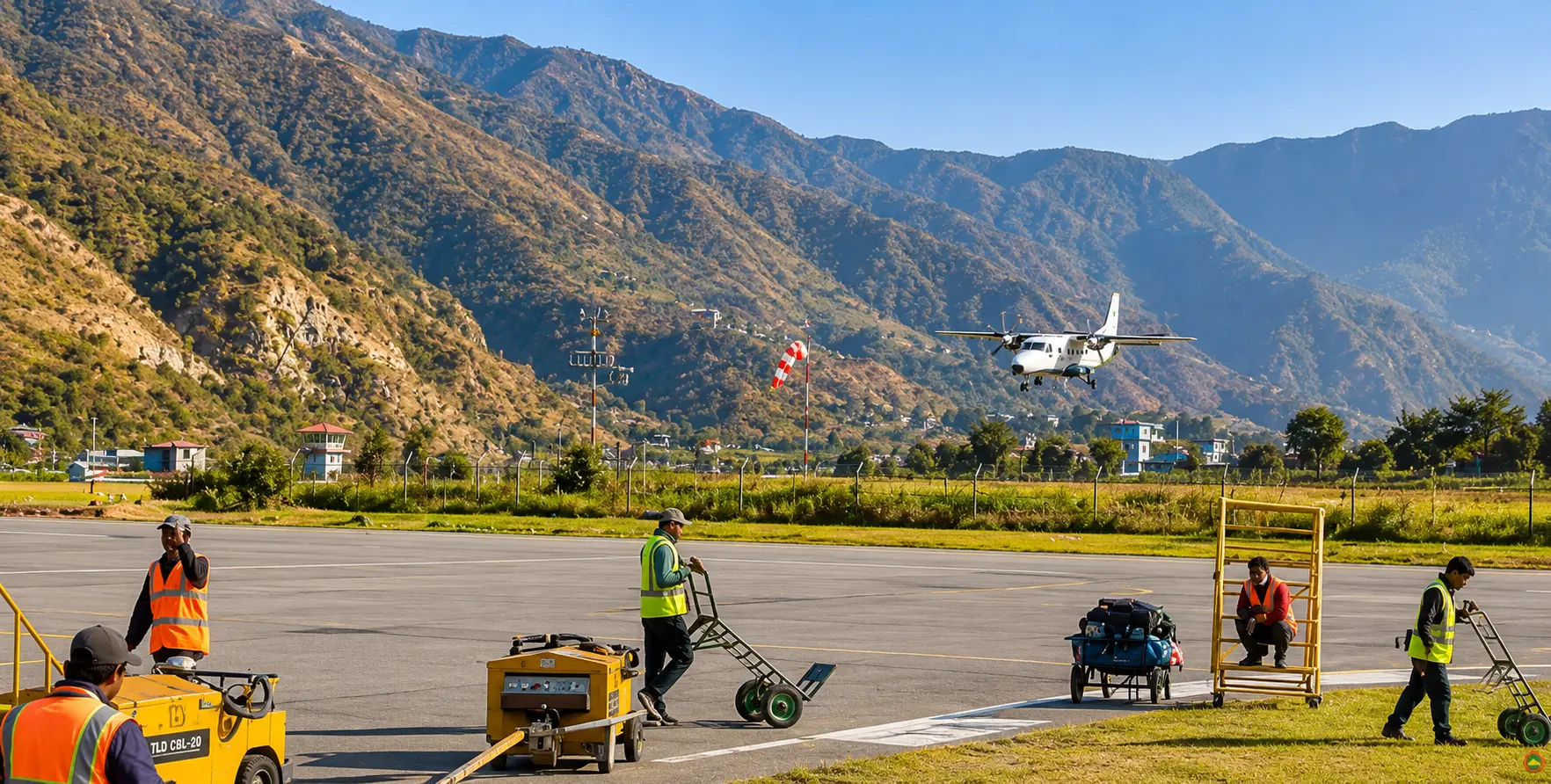
This is a genuinely unusual and specialised route, and travellers searching for it online almost always have one very specific reason in mind: they are crossing into Nepal overland at the Sunauli border and need to reach Manthali in Ramechhap district, the alternate departure point Nepali authorities use for Lukla flights during the busiest weeks of the Everest trekking season. A
Sunauli to Ramechhap Manthali private jeep transfer covers a genuinely long cross-country distance, and this guide sets out exactly what that journey involves, honestly and in full detail.
Below, you will find the realistic route, honest timing, why Manthali exists as a flight departure point, vehicle guidance, an honest look at pricing, and how to plan this transfer sensibly rather than underestimate this substantial undertaking. Nepal Vehicle Hiring has arranged this exact cross-country transfer for trekkers and pilgrims for years, and this guide draws on that direct experience.
Why Travellers Need This Specific Route
Sunauli, on the Nepal-India border near Bhairahawa, is one of the country’s busiest overland crossing points, used by travellers entering Nepal from northern India, including those on pilgrimage circuits to Lumbini, and by travellers continuing toward Kathmandu and the Everest region. Manthali, meanwhile, has become a key hub in Nepali trekking logistics as the overflow departure point for flights to Lukla, the gateway airstrip for Everest Base Camp trekking, during Nepal’s peak autumn season.
As covered in more detail in our companion guide to the
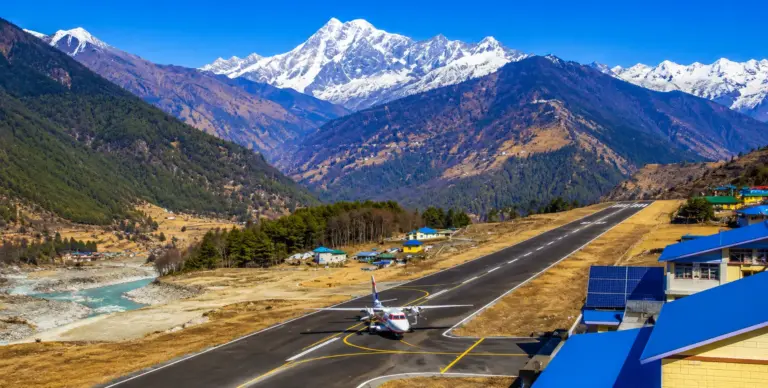
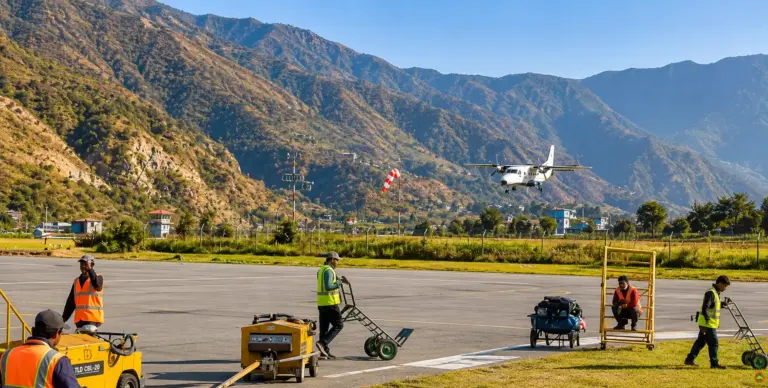
Everest Range Nepal Full Guide, Kathmandu’s single-runway international airport becomes heavily congested during October and November, and Nepali civil aviation authorities have addressed this by rerouting a substantial share of Lukla flights through Manthali instead, a smaller airstrip roughly four hours from Kathmandu by road. Travellers who have just crossed at Sunauli and are heading directly toward an Everest trek, rather than routing through central Kathmandu first, sometimes arrange a direct transfer to Manthali, and this guide exists for exactly that traveller.
Understanding the Real Scale of This Journey
It genuinely needs to be said plainly and honestly right at the outset: this is one of the longest single point-to-point private vehicle transfers covered across our guides, considerably longer than the Lumbini to Pokhara or Lumbini to Chitwan corridors, and travellers researching this route should approach it with realistic expectations rather than assuming it can be comfortably completed as a single continuous day.
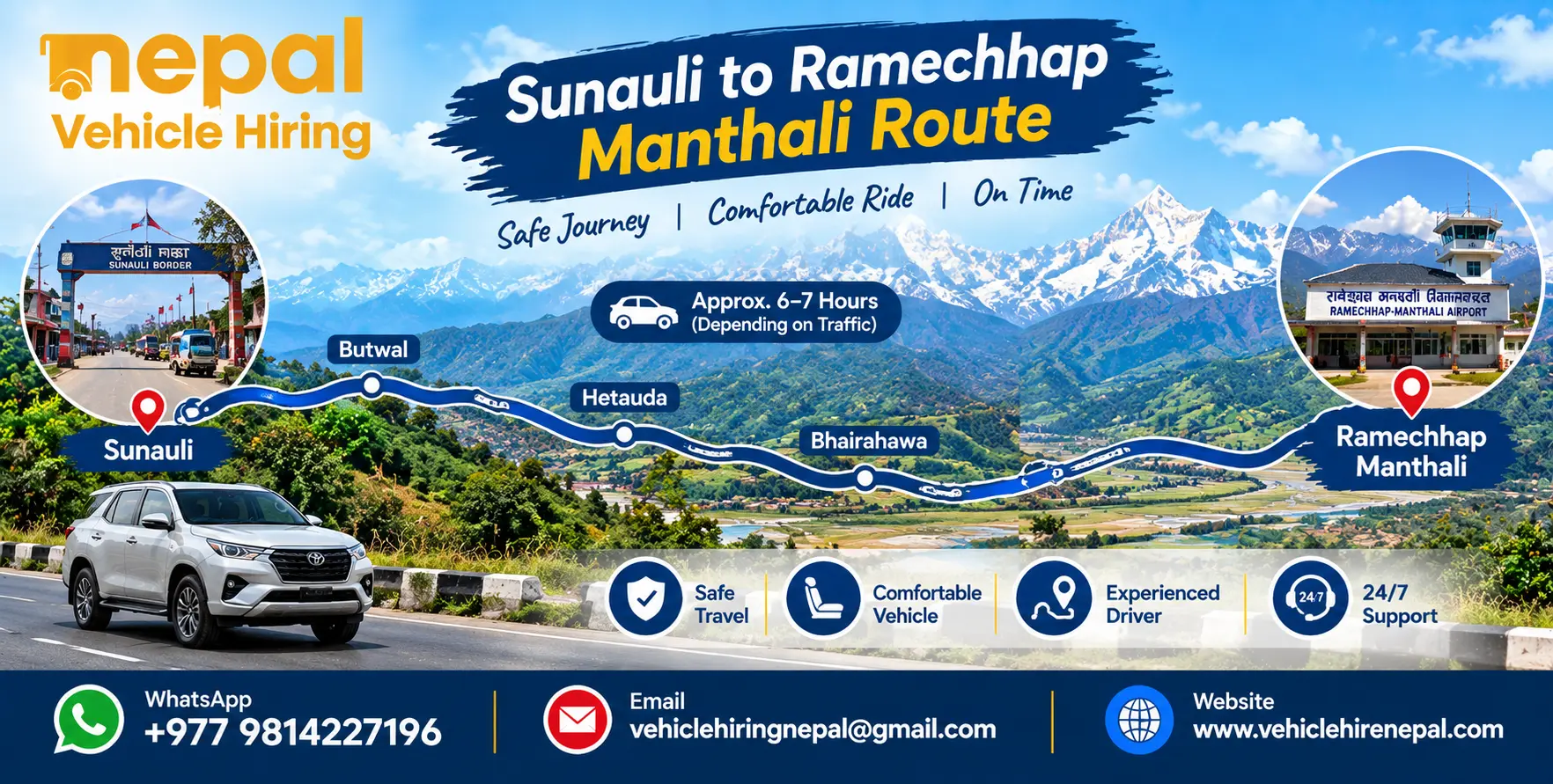
The honest, realistic total distance runs to roughly 320 to 360 kilometres depending on the exact routing chosen through or around the Kathmandu Valley, and total driving time, excluding rest stops, typically falls between ten and thirteen hours. With reasonable breaks, most travellers should plan for a two-day journey rather than attempting it in one continuous push.
The Route in Detail
Sunauli to Butwal
The journey begins with a short leg from the Sunauli border crossing through Bhairahawa to Butwal, roughly forty kilometres on flat, well-surfaced Terai road, taking under an hour.
Butwal to Narayangarh
From Butwal the route turns east along the Mahendra Highway, the same corridor covered in our
Lumbini to Chitwan guide, running flat across the Terai plains through Nawalparasi district to Narayangarh, roughly three hours of driving.
Narayangarh to Mugling
Beyond Narayangarh, the route turns north, following the Trishuli River valley up toward Mugling, a winding but well-established mountain road that gains elevation steadily over roughly two hours.
Mugling to Kathmandu Valley
From Mugling, the Prithvi Highway continues toward Kathmandu, the same route covered in our
Kathmandu to Pokhara guide travelled in reverse, taking a further three to four hours depending on traffic approaching the capital.
Around Kathmandu Toward Dolalghat
Rather than driving directly into central Kathmandu, most drivers on this route bypass the city centre, connecting toward Dolalghat and the Araniko Highway corridor, adding another 90 minutes to 2 hours.
Dolalghat to Manthali
The final stretch follows local roads through Ramechhap district toward Manthali itself, a further two to three hours through hill terrain, arriving at the airstrip town that serves as the alternate Lukla departure point.
Why This Journey Should Be Split Across Two Days
Given the honest, confirmed total of ten to thirteen hours of actual driving time, attempting this route in a single continuous day is neither comfortable nor, on the mountain sections through Mugling and beyond Kathmandu, entirely sensible from a safety standpoint, since driver fatigue becomes a genuine factor on winding roads after many hours behind the wheel. We consistently recommend travellers plan for an overnight stop, most commonly in or near Kathmandu, breaking the journey into a full Terai and mid-hills day followed by a shorter final push to Manthali the following morning.
This structure also offers a practical advantage for trekkers: an overnight in Kathmandu allows a final equipment check, permit confirmation, and rest before the early Manthali departure that Lukla flight schedules typically demand.
Why Manthali Exists as a Flight Departure Point
Tribhuvan International Airport in Kathmandu itself operates a single, genuinely constrained runway serving both international and domestic traffic, and during the peak Everest trekking weeks of October and November, the volume of Lukla-bound domestic flights competing for slots against international arrivals and departures creates genuine congestion. Nepali aviation authorities address this by shifting a substantial portion of Lukla flights to depart from Manthali during these peak weeks, a policy in place for several recent trekking seasons and likely to continue given the ongoing pressure on Kathmandu’s single runway.
For trekkers, this means confirming with their airline or trekking agency, close to their travel dates, whether their Lukla flight departs from Kathmandu or Manthali, since this directly determines whether they need a transfer like the one covered in this guide.
Vehicle Options for This Long-Distance Route
SUV or Jeep
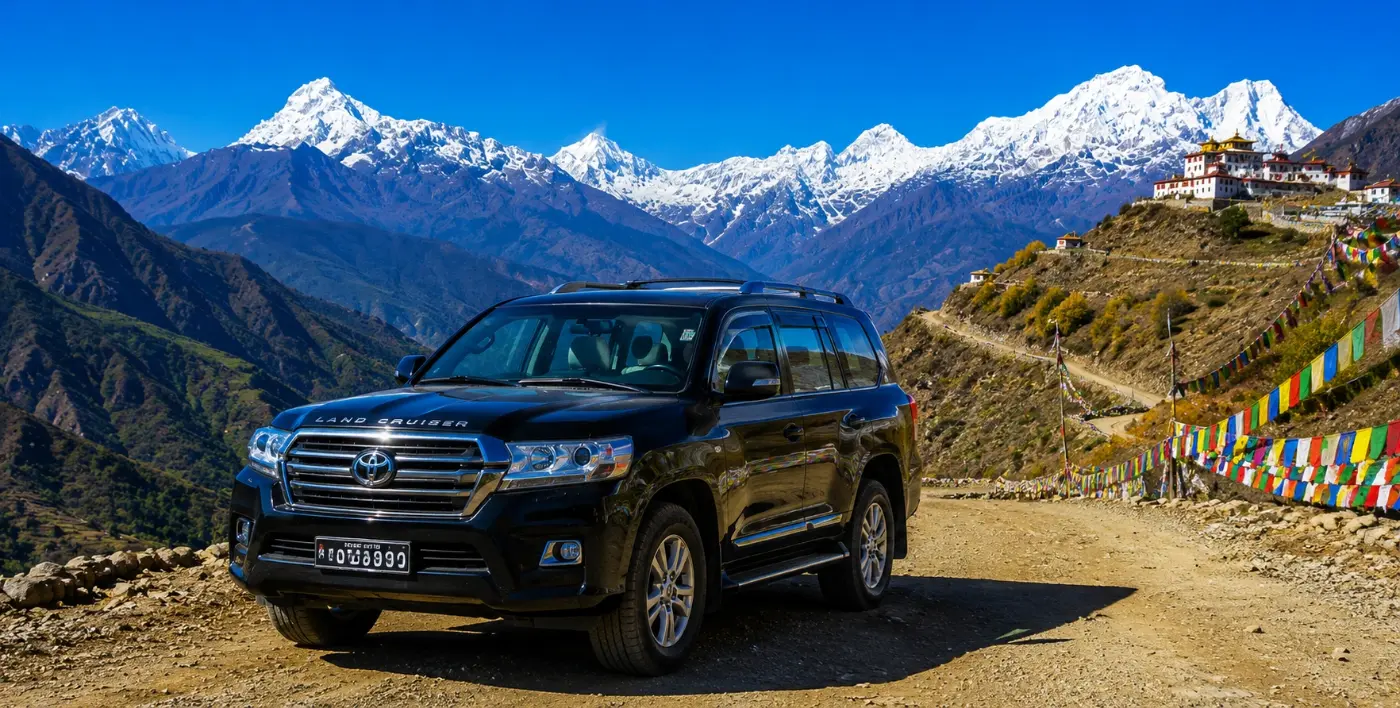
Given the genuine length of this journey, a comfortable SUV or Jeep is generally the sensible default choice, even for smaller groups, offering much better ride quality over ten-plus hours than a standard sedan. Bookable through our
Jeep Hire in Nepal service.
Hiace Van
For groups of six or more, our
Hiace hire service offers the seating and luggage capacity this long journey demands.
Standard Private Car
Workable for the flat Terai sections but considerably less comfortable across the full journey’s mountain stretches, generally not our first recommendation for a route this long.
Understanding Pricing: An Honest Guide
By sheer distance and duration alone, this is one of the genuinely more expensive point-to-point transfers covered in our guides, and travellers deserve a clear explanation of why, along with guidance on what determines fair pricing rather than a single headline figure.
Total Distance and Duration
At over 300 kilometres and ten-plus hours of driving, this journey requires considerably more fuel, driver time, and vehicle wear than shorter corridors, and pricing reflects that directly.
Whether the Journey Is Split Overnight
A two-day structure with an overnight stop typically costs more overall than a single continuous push, given the driver’s overnight accommodation and the longer overall engagement. However, we strongly recommend the two-day structure for the safety and comfort reasons already discussed.
Vehicle Class
An SUV or Jeep costs more than a standard car but is the sensible choice given the journey’s length, as discussed above.
One-Way Versus the Driver’s Return Leg
A one-way drop in Manthali means a very long empty return journey for the driver and vehicle, and pricing on this route reflects that reality more heavily than on shorter corridors where a same-day return is straightforward.
Group Size
As with any route, cost per person falls as group size rises, and this matters particularly on a long, relatively expensive corridor like this one.
Given the complexity and cost drivers on this route, we strongly encourage you to contact our team directly with your exact travel dates, group size, and whether you are open to the recommended two-day structure for a properly considered, transparent quote. Visit our
homepage or explore our full
Jeep Hire in Nepal fleet.
How to Recognise a Fair Quote on This Route
Given just how unusual and genuinely demanding this specific transfer is, a fair quote should be unusually detailed rather than a single vague number. It should specify whether the journey is structured as a single long day or split across two, and if split, whether overnight accommodation costs are included or separate.
It should confirm the exact vehicle class and driver arrangement, including whether a second driver is involved to manage fatigue across such a long journey. And it should be honest about realistic arrival timing at Manthali relative to your flight, since an unrealistically fast quoted timeline on this specific corridor is a genuine red flag.
An operator unwilling to discuss these specifics, or offering a suspiciously fast single-day timeline without acknowledging the genuine driving hours involved, is not one we would recommend trusting with a journey this long and logistically important.
Timing This Journey Around Your Lukla Flight
Because most travellers on this route are ultimately trying to catch a Lukla flight from Manthali, timing deserves particular care. Lukla flights, wherever they depart from, operate almost exclusively in the early morning, before mountain weather typically builds through the day and can disrupt the short, demanding approach into Lukla’s airstrip. This means arriving in Manthali the evening before your scheduled flight, rather than attempting to arrive the same morning, is essential.
Our recommended two-day structure supports this: an overnight in or near Kathmandu on day one, followed by a day-two departure timed to reach Manthali with a comfortable margin before evening, allowing proper rest before an early flight the following morning.
Best Time of Year for This Journey
Autumn (October to November)
This is the season this route exists to serve, given Manthali’s role as the Lukla overflow airport during these peak weeks. Road conditions are generally stable, though this is also peak demand for vehicle hire across Nepal, so booking well ahead matters.
Winter and Spring (December to April)
Manthali sees less flight traffic outside the autumn peak, though the route remains available and road conditions are generally favourable.
Monsoon (June to September)
The Mugling to Kathmandu and Dolalghat to Manthali sections both pass through landslide-prone hill terrain, and monsoon-season disruption is a genuine risk across this already long journey. Travellers with any flexibility should avoid this route during the monsoon season.
Road Safety Across This Route
This particular journey crosses several genuinely distinct and varied road environments: flat Terai highway, winding hill roads through Mugling, dense traffic approaching the Kathmandu Valley, and finally local hill roads through Ramechhap district. Few drivers have equal comfort and experience across all of these environments, which is why route-specific experience matters so much for a journey this long and varied.
We select drivers for this corridor specifically for genuine, current experience across its full length, and we build driver fatigue management into our recommended two-day structure rather than pushing a single exhausting day that compromises comfort and safety.
Alternatives Worth Considering
Given the genuine, considerable scale of this entire journey, an entirely different approach better serves some travellers. Flying from Bhairahawa, near Sunauli, to Kathmandu, then arranging separate ground transport to Manthali for the final leg, can sometimes be more time-efficient and no more expensive than the full overland transfer covered in this guide, especially for travellers not specifically drawn to the overland journey itself.
We are happy to discuss both options honestly based on your dates and priorities, rather than defaulting to the longer overland route.
Combining This Route With Kathmandu Valley Time
With our recommended overnight stop in or near Kathmandu, many travellers use this pause productively with a short Kathmandu Valley visit before continuing to Manthali. Our
Kathmandu sightseeing tour and
Bhaktapur Durbar Square tour services can be arranged for a half-day on the overnight stop, and a reliable
Kathmandu airport transfer covers any separate arrival if part of your group is flying in rather than crossing overland at Sunauli.
Why Choose Nepal Vehicle Hiring for This Route
This route rewards working closely with an operator who understands its full complexity rather than treating it as a simple point-to-point booking. Our team plans this journey honestly as the two-day undertaking it is, coordinates driver changes or rest breaks appropriately, and stays current on conditions across the four distinct road environments this corridor crosses. We also coordinate directly with our sister trekking companies,
Trek Nepal Himalayas, for travellers continuing directly into the
Everest Base Camp Trek from Manthali, ensuring your ground transport and trekking arrangements align properly around your actual flight schedule.
Sunauli and the Border Crossing Itself
Sunauli, adjoining the Indian town of Sonauli in Uttar Pradesh, ranks among Nepal’s busiest land border crossings, handling substantial passenger traffic between the two countries alongside significant trade. For travellers arriving this way, the crossing typically involves Indian exit formalities, a short walk or vehicle transfer across the border, and Nepali entry formalities, including visa on arrival for most nationalities.
Vehicles arranged from the Nepal side typically wait just beyond the immigration checkpoint, making a pre-arranged pickup considerably more convenient than negotiating transport informally after a long journey through India. Travellers planning this route should confirm with their vehicle provider exactly where pickup will occur relative to the immigration formalities, since the crossing area can be genuinely crowded and confusing for first-time visitors, particularly after an overnight bus journey from Indian cities such as Varanasi or Gorakhpur, both common origin points for travellers using this crossing.
Who Actually Uses This Route
Beyond the core Lukla-via-Manthali trekker this guide primarily addresses, several other traveller types find this route relevant. Buddhist pilgrims crossing at Sunauli en route to Lumbini sometimes continue toward the Everest region as part of an extended Nepal itinerary that combines pilgrimage and trekking.
Mountaineering expeditions with tight schedules sometimes charter this exact transfer to avoid the risk of Kathmandu flight delays affecting their timeline. Fewer overland travellers prefer to see the country by road rather than fly between destinations, accepting the journey’s length as part of a broader overland Nepal experience.
Ramechhap District and Manthali in Context
Ramechhap District, where the town of Manthali sits, lies in the hill country east of Kathmandu and has historically been known more for its agricultural economy and the Tamakoshi River’s hydropower potential than for tourism. Manthali’s sudden relevance to international trekkers is recent, driven by its airstrip absorbing Lukla-bound traffic during Kathmandu’s congested peak weeks, not by any pre-existing tourism infrastructure.
This means travellers should set realistic expectations for Manthalf: it functions as a practical departure point rather than a destination with significant tourist infrastructure, and most trekkers pass through with minimal delay, arriving the evening before their flight and departing the following morning without extensive sightseeing in the town itself.
A Closer Look at Each Leg’s Character
The Terai Opening: Sunauli to Narayangarh
The first several hours of this particular journey run almost entirely flat and level, across the same Terai plains covered in detail in our Lumbini to Chitwan guide. However,h this route does not detour south into Lumbini itself unless specifically requested. This section is the most comfortable and predictable part of the entire journey, with well-surfaced highway and minimal elevation change.
The Climb Through Mugling
The character shifts substantially as the route turns north from Narayangarh toward Mugling, following the Trishuli River valley on a winding road that gains elevation steadily. This stretch shares much with the hill sections described in our Lumbini to Pokhara guide, demanding a driver genuinely comfortable with sustained mountain curves rather than highway driving.
Approaching the Kathmandu Valley
Beyond Mugling, the Prithvi Highway continues toward Kathmandu through increasingly populated terrain, with traffic density rising substantially as the route approaches the valley rim. This section can be genuinely slow during peak traffic hours, and experienced drivers time their approach to avoid the worst of Kathmandu’s rush-hour congestion where possible.
The Eastern Bypass Toward Dolalghat
Rather than entering central Kathmandu, the practical routing for this journey typically bypasses the city via the Ring Road or an eastern arterial route, connecting toward Dolalghat and the start of the Araniko Highway corridor that historically served as Nepal’s main link toward the Tibet border before the Rasuwagadhi crossing, covered in our companion guide, became the primary route.
Into Ramechhap District
The final leg leaves the Araniko Highway and follows local roads into Ramechhap district, a hill road considerably less developed than the major highways covered in the earlier legs, and requires a driver with current experience of this final approach to Manthali, given its more variable road quality.
What to Pack for This Long Journey
- Snacks and water for a genuinely long day, since reliable rest stop quality varies considerably across the different legs.
- A change of clothes if you plan an overnight stop, especially given the temperature difference between the Terai and Kathmandu Valley.
- All trekking permits and documentation if continuing directly into an Everest region trek from Manthali.
- A power bank, given the genuinely long hours and limited charging opportunities.
- Entertainment or reading material for a multi-hour journey, since this route isn’t one where constant scenery holds attention throughout.
A Sample Two-Day Itinerary
A practical structure for this journey looks roughly as follows. Day one begins with an early crossing at Sunauli, ideally by mid-morning to allow the full Terai and Mugling legs before evening, arriving in or near Kathmandu by early evening for an overnight stop.
This first day alone typically covers seven to eight hours of driving. Day two begins with an early departure from Kathmandu, allowing you to complete the bypass and Ramechhap legs with a comfortable margin and arrive in Manthali by mid-to-late afternoon, well ahead of the following morning’s flight.
This structure keeps each driving day manageable, builds in the overnight rest needed for driver safety and traveller comfort, and gives you enough buffer to absorb unexpected delays without risking a missed flight the next morning.
Coordinating With Trekking Agencies
Trekkers using this route to reach an Everest region trek should coordinate closely with their ground transport provider and trekking agency, since flight departure points and timing can shift close to travel dates based on Kathmandu’s airport congestion. A trekking agency with current, direct knowledge of whether a specific week’s Lukla flights depart from Kathmandu or Manthali provides essential information to shape the final booking decision for this transfer.
Our team works directly with our sister companies, Alpine Luxury Treks and Trek Nepal Himalayas, to keep coordination straightforward for travellers booking both ground transport and a guided Everest trek through a connected arrangement.
Health and Comfort Across a Long Journey
Given the confirmed duration of this entire transfer, even split across two days, standard long-journey health considerations apply with greater weight than on shorter routes. Regular movement during rest stops, adequate hydration despite the temptation to minimise bathroom breaks, and reasonable meal timing all matter more here than on a three-hour transfer.
Travellers with any back or joint conditions should pay close attention to the vehicle class recommendations discussed above, since a poor seat over ten-plus hours can significantly compound discomfort.
Weather Considerations Across Four Distinct Regions
This journey’s length means it can cross meaningfully different weather conditions in a single trip, from Terai heat and humidity through cooler hill conditions around Mugling and the Kathmandu Valley, to Ramechhap district’s hill climate. Travellers should pack for this range rather than assume uniform conditions throughout, especially during the shoulder seasons when temperature swings across this elevation range are most pronounced.
Driver Rotation and Fatigue Management
For a journey of this length, especially if a group prefers to attempt it in a single very long day rather than our recommended two-day structure, driver fatigue management becomes a genuine operational consideration, not a minor detail. Options include arranging a second driver to share the load, building in longer, more frequent rest breaks than shorter routes require, or accepting the two-day structure as the safer, ultimately more comfortable choice.
We discuss this openly with every group booking this route rather than defaulting to whichever structure is cheapest to arrange.
Currency and Practical Logistics
Travellers crossing specifically at Sunauli should carry both Indian rupees for any final purchases before crossing and Nepali rupees for the Nepal side, since currency exchange facilities directly at the border, while available, do not always offer the most favourable rates. Cash remains essential throughout the journey, particularly for the Terai and Ramechhap district legs where card payment infrastructure is limited, with Kathmandu offering the only genuinely reliable ATM and card acceptance along the entire route.
Connectivity Along This Corridor
Mobile network coverage varies rather considerably across this journey’s four distinct legs. The Terai sections and the Kathmandu Valley approach generally offer reliable coverage. At the same time, the Ramechhap district final leg can have more variable signal due to its less developed infrastructure compared to the major highway corridors covered earlier in the journey.
Travellers should not assume continuous connectivity throughout, particularly on the final approach to Manthali itself.
Travel Insurance for This Journey
Standard, ordinary travel insurance covering road transport is appropriate for the ground transport portion of this journey. Travellers continuing into an Everest region trek from Manthali should separately confirm their policy covers high-altitude trekking and, ideally, helicopter evacuations, as outlined in more depth in our Everest Range Nepal guide, since the ground transport and trekking portions of this journey carry genuinely different risk profiles and insurance requirements.
A Note on Realistic Expectations
We want to be genuinely direct about this specific route in a way generic travel content often isn’t: this is a long, tiring, multi-day undertaking, not a quick transfer, and travellers should not book it expecting anything else. Its real value is connecting two points that would otherwise require flying into Kathmandu and arranging entirely separate onward transport, all in a single coordinated booking with drivers who understand the full route’s demands.
For the specific traveller this journey serves, that value is real and worth the time it requires.
The Broader History of Lukla Access
Manthali’s current role is best understood against the much longer history of how trekkers have reached the Everest region, covered in more detail in our Everest Range Nepal guide. For decades, the only practical approaches were the multi-day walk in from Jiri, later shortened by road extension toward Salleri and Phaplu and, more recently, toward Thamdanda and Surke, covered in our dedicated guide to that corridor, or the short flight into Lukla itself from Kathmandu.
Manthali represents the newest chapter in this evolving access story, a response to pure capacity constraints at Kathmandu’s airport rather than any change in the mountains themselves.
This pattern, Nepal’s trekking infrastructure continuing to adapt and evolve around practical bottlenecks, runs through several of our guides, and Manthali’s rise as a genuine alternate gateway is one of the more recent and, for travellers crossing overland from India, directly relevant examples.
Comparing This Route to Flying the Full Distance
Travellers with genuinely sufficient budget flexibility should seriously weigh flying from Bhairahawa to Kathmandu against this full overland transfer. A domestic flight covers in under an hour what this route s takes at least ten hours of driving to achieve.
From Kathmandu, a separate, much shorter ground transfer to l Manthali (roughly four hours) remains straightforward to arrange. For travellers whose priority is simply reaching their trek as efficiently as possible, this combined flight-and-short-transfer approach frequently makes more practical sense than the full overland journey covered in this guide.
We raise this honestly because our role is to help you reach Manthali in whatever way genuinely suits your circumstances, not simply to sell the longest possible booking. For travellers who want the overland experience, have already committed to crossing at Sunauli for their own reasons, or whose budget favours ground transport over flights, the full journey covered in this guide remains a well-supported, well-planned option.
Final Practical Checklist
- Confirm whether your Lukla flight is departing from Kathmandu or Manthali before booking this transfer.
- Plan for a two-day journey with an overnight stop in or near Kathmandu rather than a single continuous day.
- Consider whether flying from Bhairahawa to Kathmandu, with a separate, shorter Manthali transfer, suits your circumstances better.
- Carry adequate cash in both Indian and Nepali currency for the crossing and the journey.
- Confirm your trekking permits and agency coordination if continuing directly into an Everest trek.
- Book well ahead during the October and November peak season when this route sees its highest demand.
Group Travel Considerations for This Route
Larger travel groups, whether mountaineering expeditions, extended family trekking parties, or pilgrimage groups continuing toward the Everest region, benefit especially from the coordination a single vehicle provider can offer across such a complex journey. Instead of each member arranging their own transport and risking a fragmented, poorly synchronised arrival in Manthali, a coordinated group booking ensures everyone arrives together, with the overnight stop and final timing managed as a single, well-planned operation.
Expedition groups, in particular, often work against firm climbing permit windows and international flight connections at either end of their Nepal trip. Hence, the predictability of a well-planned two-day transfer is far more valuable than the marginal time savings a rushed single-day attempt might offer.
What Makes This Route Genuinely Different From Our Other Guides
Readers familiar with our other route guides will notice this one reads somewhat differently, with less emphasis on scenic highlights and cultural stops and more on honest logistics, fatigue management, and realistic timing. That reflects the route itself: unlike Lumbini to Pokhara or the trekking transport corridors out of Pokhara, this is fundamentally a logistics journey undertaken out of necessity by a specific traveller with a specific flight to catch, rather than a scenic transfer most people choose to savour.
We wrote this guide accordingly, prioritising information that genuinely helps that traveller plan well over padding with sightseeing suggestions that don’t reflect how most people actually experience their route.
Seasonal Demand Patterns Specific to This Route
Demand for this exact transfer concentrates heavily in the pre-monsoon spring window and, even more so, the October and November autumn peak, tracking the periods when Lukla flights are most likely to reroute to Manthali. Outside these windows, demand drops substantially because Kathmandu’s airport typically handles Lukla traffic directly, without needing the Manthali overflow.
Travellers planning this journey for autumn specifically should book well ahead, both for vehicle availability and because this is also peak season for virtually every other Nepal transport corridor we serve.
Combining Pilgrimage and Trekking Through This Corridor
Some travellers using this route follow a genuinely combined itinerary, beginning with pilgrimage in India, crossing at Sunauli toward Lumbini, and continuing onward to the Everest region for trekking, bringing together Buddhist pilgrimage and Himalayan mountain travel in a single extended journey. For this traveller, we can incorporate a brief detour in Nepal, covered by our dedicated guides, at the start of this longer journey before continuing to Kathmandu and Manthali.
However, this naturally extends the overall timeline and should be planned as a three-day structure rather than the standard two-day recommendation.
Vehicle Maintenance and Mechanical Readiness
Given this route’s genuine length and the varied road conditions it crosses, from flat highway to winding mountain curves to less developed hill roads, vehicle mechanical condition matters more here than on almost any shorter corridor we cover. Our vehicles assigned to this route undergo thorough pre-departure inspection covering brakes, tyres, suspension, and cooling systems, recognising that a mechanical issue on this journey carries more serious consequences, given the distance from service facilities on several of its legs, than a similar issue would on a shorter, more developed route.
A Final Comparison in Summary
To summarise the practical choices available: the full overland transfer covered throughout this guide offers a single coordinated booking and the experience of crossing Nepal by road, at the cost of two full driving days. Flying Bhairahawa to Kathmandu, followed by a separate, shorter Manthali transfer, offers considerably more time efficiency but adds flight-related scheduling risk and a more fragmented booking process.
Confirming that your Lukla flight departs from Kathmandu, rather than Manthali, for your specific travel dates removes the need for this entire discussion, making that confirmation the single most valuable piece of advance research a traveller considering this route can do.
| BOOK YOUR SUNAULI TO MANTHALI TRANSFER Nepal Vehicle Hiring Pvt. Ltd. Website: vehiclehiringnepal.com WhatsApp / Phone:WhatsApp Email: [email protected] Office: Bhagawatisthan, Thamel, Kathmandu, Nepal |
Frequently Asked Questions
Can this journey really be done in one day?
Physically, yes, with a very early start and no significant delays, but we don’t recommend it because of driver fatigue over ten-plus hours through varied, demanding terrain. A two-day structure is safer and more comfortable.
Why would I go to Manthali instead of flying from Kathmandu?
During peak autumn weeks, many Lukla flights are scheduled from Manthali rather than Kathmandu due to airport congestion. If your flight is booked from Manthali, you’ll need this transfer if you arrive overland via Sunauli.
What is the best price for this transfer?
Given the route’s length and complexity, pricing depends heavily on whether you split the journey overnight, the vehicle class, and the group size. Contact us directly with your specifics for an honest, considered quote.
Should I fly instead of driving the full route?
For many travellers, yes. Flying from Bhairahawa to Kathmandu and arranging separate transport only for the Manthali leg can be more time-efficient. We are happy to discuss both options honestly.
Is this route affected by monsoon conditions?
Yes, meaningfully, given the hill sections through Mugling and Ramechhap district. Travel from June through September carries a genuine risk of landslide-related delays.
How do I know if my Lukla flight departs from Manthali or Kathmandu?
Confirm directly with your airline or trekking agency close to your travel dates, since this is typically decided based on seasonal congestion levels rather than fixed in advance.
Can I break this journey somewhere other than Kathmandu?
Yes, though Kathmandu offers the most services and accommodation options for an overnight stop and allows useful sightseeing time, as discussed in this guide.
Related Guides for Planning Your Nepal Journey
Travellers building a wider itinerary around this route may find these guides useful:
- Everest Range Nepal: Full Guide
- Lumbini to Chitwan Private Jeep
- Lumbini to Pokhara Private Jeep
- Private Jeep Hire for Salleri, Phaplu, Thamdanda, and Surke
- Luxury Airport Transfer Nepal
- Why Luxury Vehicle Hire Is Transforming Nepal Travel
Final Thoughts
This is a genuinely long journey, and this guide tries to describe it honestly rather than downplay what it actually involves. For the specific traveller it serves- someone crossing at Sunauli and needing to reach Manthali for a Lukla flight- it’s also genuinely necessary, and planning it properly, with realistic timing and a sensible two-day structure, makes all the difference between a manageable transfer and an exhausting one.
Please do get in touch with Nepal Vehicle Hiring today on WhatsApp or visit
vehiclehiringnepal.com to discuss your Sunauli to Ramechhap Manthali transfer honestly and in detail, including whether a combined flight and shorter transfer approach might genuinely suit your circumstances better than the full overland journey.
The View From the Road: What This Journey Actually Looks Like
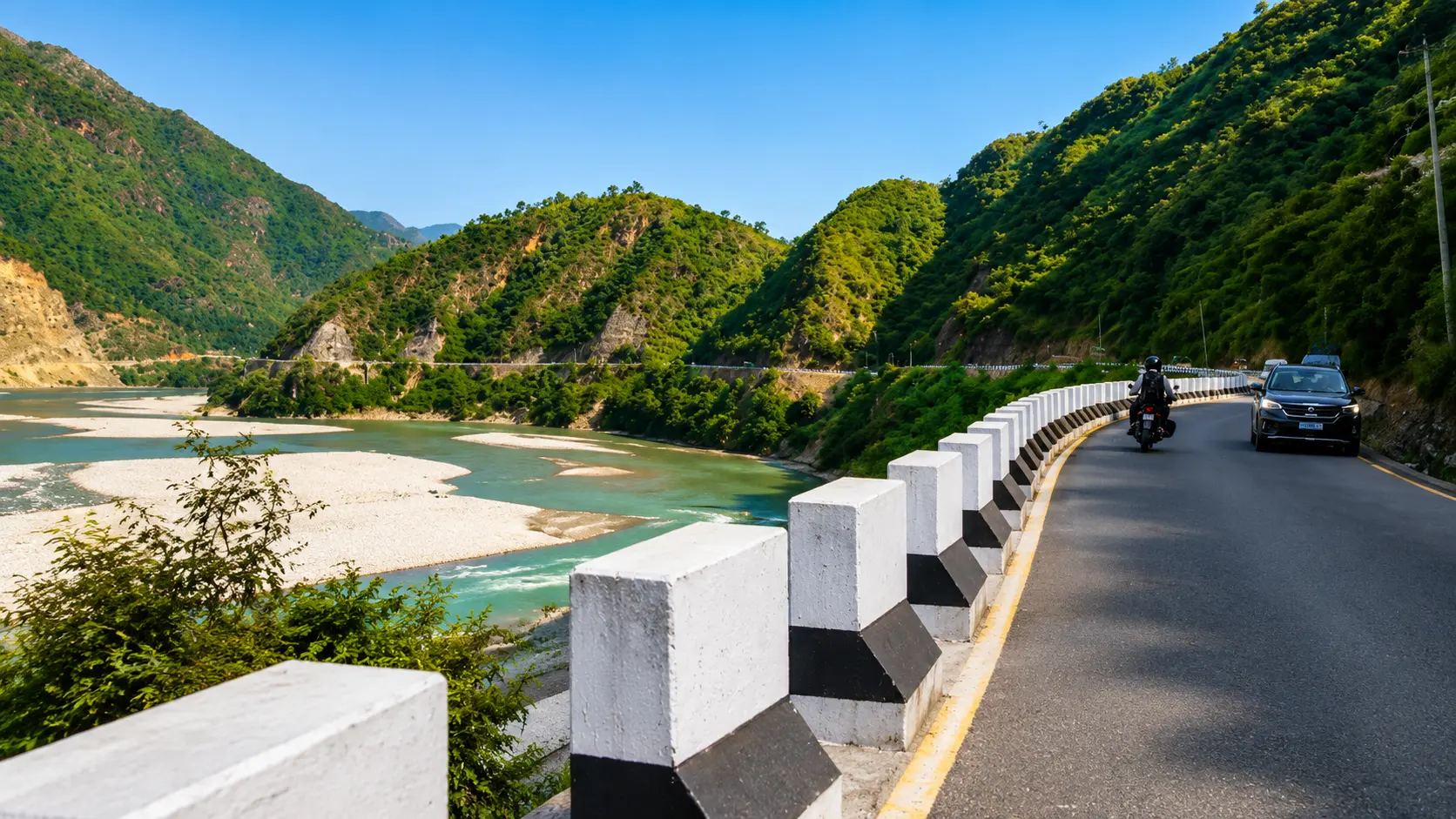
Despite this guide’s emphasis on logistics over scenery, the journey still passes through genuinely varied, often striking landscapes. The Terai opening crosses rice paddies and sugarcane fields under a wide, flat horizon.
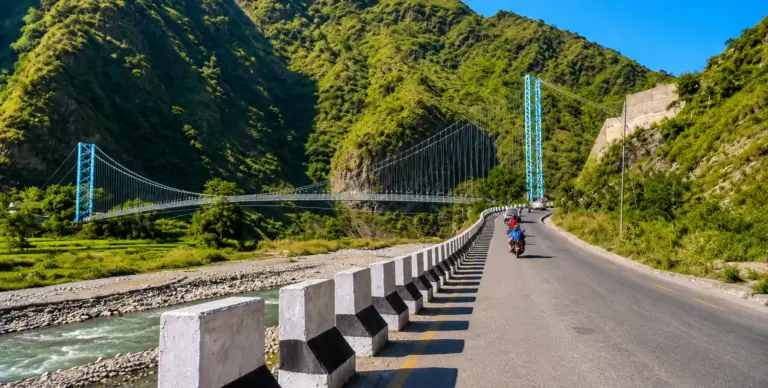
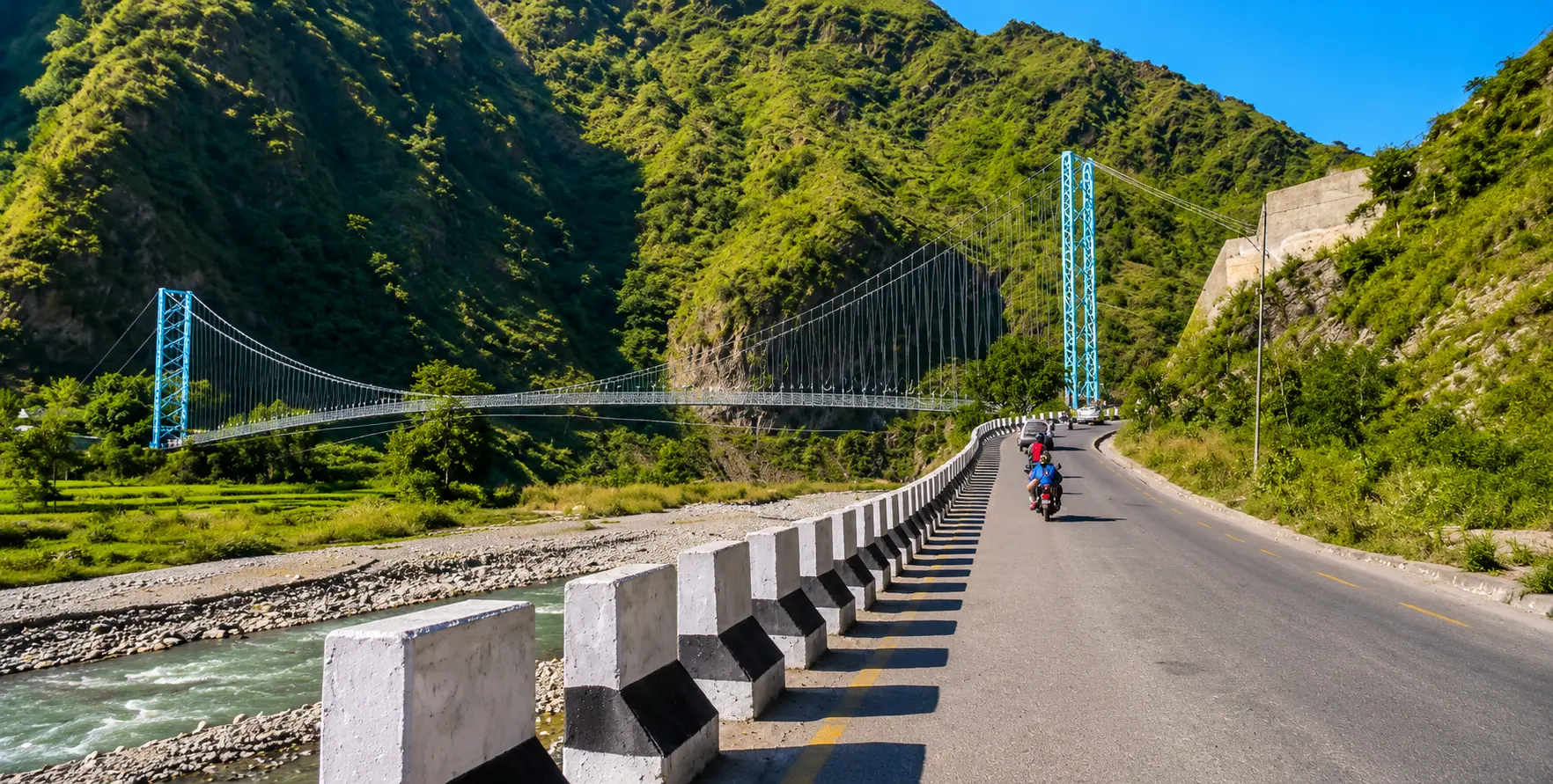
The Mugling climb follows the Trishuli River gorge, with forested slopes rising steeply on either side and occasional glimpses of suspension bridges connecting riverside villages. The Kathmandu Valley approach reveals the sprawling, terraced hillsides that ring the capital, increasingly dense with settlement as the route nears the city.
And the final Ramechhap stretch returns to quieter, more rural hill terrain, a world away from both the Terai plains where the journey began and the urban density of Kathmandu it bypasses.
Travellers who approach this journey expecting pure tedium are often pleasantly surprised by how much genuine landscape variety it delivers, even if the overriding practical reality remains the sheer time the full crossing demands.
A Note on Hiring Locally Versus Pre-Booking From Abroad
Given this route’s complexity, pre-booking from abroad before arriving in Nepal offers much more security than arranging it locally after crossing at Sunauli. Vehicle and driver availability for such a specialised journey can’t always be guaranteed on short notice, especially during the October and November peak season when demand across Nepal’s transport network is generally at its highest.
Travellers with firm Lukla flight bookings from Manthali should plan this transfer with the same advance care they use for the flight itself.
Understanding the Relationship Between This Route and Nepal’s Airport Infrastructure
The underlying reason this route exists traces back to Tribhuvan International Airport’s single-runway constraint. This limitation has shaped Nepali aviation planning for years, and infrastructure development has been slow to address it, given the engineering and financial scale such an expansion would require.
Until that broader constraint changes, Manthali’s role as an overflow departure point during peak Everest season will likely persist, and routes like the one covered in this guide will remain relevant for the specific traveller crossing overland from India who needs to reach it.
A Final Honest Assessment
Throughout this guide, we have aimed to describe this route exactly as it is: long, logistically demanding, and genuinely necessary for a specific kind of traveller, rather than a journey most people would choose for its own sake. With proper planning, a sensible two-day structure, an experienced driver, and realistic expectations, it is entirely manageable.
If poorly planned and attempted in a single rushed day with an inexperienced driver, it can become genuinely exhausting and even risky. The difference between those two outcomes lies almost entirely in the planning, and this guide is meant to support it.
Thank You for Reading
We appreciate you taking the time to read this detailed, honest guide to a genuinely unusual route. Whether you ultimately choose the full overland transfer, a combined flight and shorter transfer approach, or find that your Lukla flight departs from Kathmandu after all, we hope this guide has given you the information needed to plan confidently.
Wishing You a Safe Journey
From the crowded, bustling Sunauli crossing to the quiet hill approach into Manthali, this route takes travellers across nearly the full breadth of southern and central Nepal for a single early-morning flight toward the roof of the world. We wish you a smooth, well-planned journey and clear skies for the Lukla flight that follows.
One Last Practical Note
Before finalising any booking for this route, we recommend a direct conversation with our team covering your exact travel dates, your confirmed flight departure point, and your preference between the full overland journey and a combined flight and shorter transfer approach. This conversation, more than any generic guidance an article can offer, produces a properly planned, realistically priced booking for a journey this specific and this consequential to get right.
Combining Vehicle Hire With Our Wider Nepal Network
While this specific transfer sits at the longer, more specialised end of what we offer, it connects naturally into our much broader Nepal ground transport network. Travellers whose onward trek ends in Lukla rather than continuing toward Jiri can arrange a return flight to either Kathmandu or Manthali depending on seasonal scheduling, with onward ground transport from either point arranged through the same booking. Our core routes cover:g
Kathmandu airport transfer, and
Kathmandu to Pokhara transport all connect naturally with this corridor for travellers building a genuinely comprehensive Nepal itinerary around their Everest trek.
Closing Summary
This guide has covered the full Sunauli to Ramechhap Manthali corridor in honest detail: why this specific, unusual route exists at all, its genuine distance and duration, the recommended two-day structure, vehicle and pricing guidance, seasonal considerations, and the honest alternative of flying part of the distance instead. For the trekker or pilgrim crossing overland from India with a Lukla flight booked from Manthali, this guide aims to replace uncertainty with a clear, realistic plan.
A Final Word for the Road Ahead
Every trekker who makes this unusual crossing, from the dust and heat of the Sunauli border, up through the hills past Mugling, around the edge of the Kathmandu Valley, and into the quiet approach to Manthali, is ultimately chasing the same early morning moment: boarding a small aircraft for the short, dramatic flight toward Lukla and the Everest region beyond. With the right preparation, you can get there well-rested, properly planned, and without unnecessary stress, and that is exactly what this guide is here to help you do
Getting in Touch
When you are ready to move from research to booking, reach out with your travel dates and confirmed flight details, and our team will walk you through realistic planning for your Sunauli to Ramechhap Manthali journey.
Book this route
Keep reading