Plan a Trip


Annapurna Base Camp Helicopter Tour
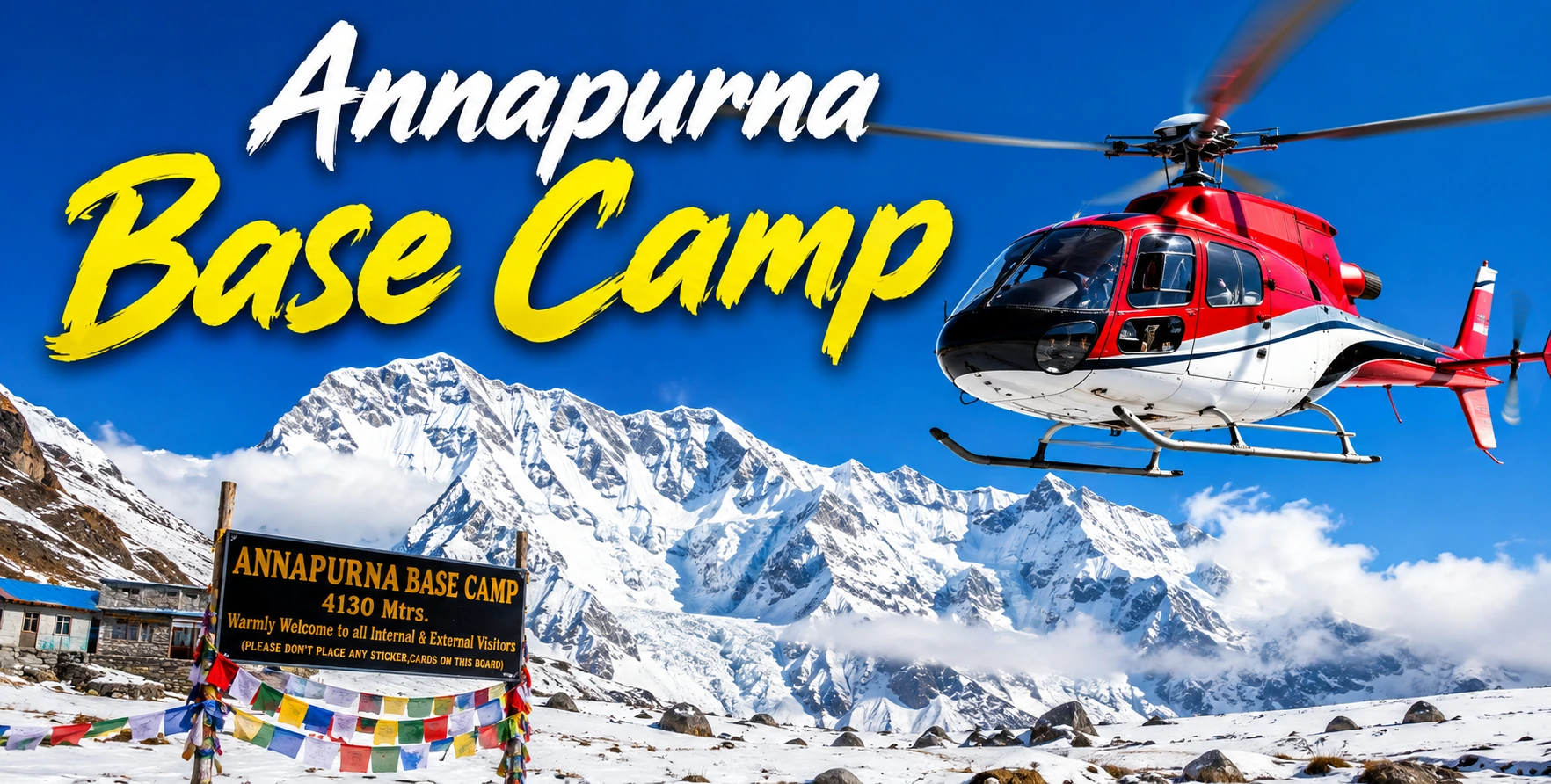
Annapurna Base Camp Helicopter Tour: One-Day Full Guide
Tucked deep within a natural amphitheater of 7,000- and 8,000-meter peaks, Annapurna Base Camp is one of Nepal’s most visually dramatic trekking destinations, and one of the very few places on earth where trekkers walk directly into the heart of a Himalayan giant rather than simply viewing it from a distance. For travelers who cannot spare the seven to twelve days a full trek to Annapurna Base Camp requires,
Annapurna Base Camp helicopter tour offers a remarkably efficient alternative: a single morning flight from Pokhara that drops travelers directly into the Annapurna Sanctuary, surrounded by Annapurna I, Annapurna South, Hiunchuli, and the sacred, unclimbed peak of Machapuchare, before returning to Pokhara in time for lunch.
This guide covers everything travelers need to know about the one-day Annapurna Base Camp helicopter tour: the route and typical timeline, what is included, private versus shared group options, cost factors, seasonal considerations, safety and altitude notes, and how ground transport fits around the flight itself, whether departing from Pokhara directly or connecting from Kathmandu. Nepal Vehicle Hiring coordinates the ground transport side of this experience for travelers throughout the Pokhara and Kathmandu region, and this guide draws on that combined view of how the tour works in practice.
What Is the Annapurna Base Camp Helicopter Tour
The Annapurna Base Camp helicopter tour is a premium scenic flight experience that typically departs directly from Pokhara and takes travelers into the Annapurna Sanctuary, a high glacial basin at 4,130 meters surrounded by the Annapurna massif. Unlike the Everest helicopter tour, which requires a much longer flight from Kathmandu given the greater distance to the Khumbu, the Annapurna Base Camp tour benefits from Pokhara’s proximity to the Annapurna range, with flight times to Base Camp itself often under thirty minutes each way, making the entire round-trip experience considerably shorter than its Everest counterpart.
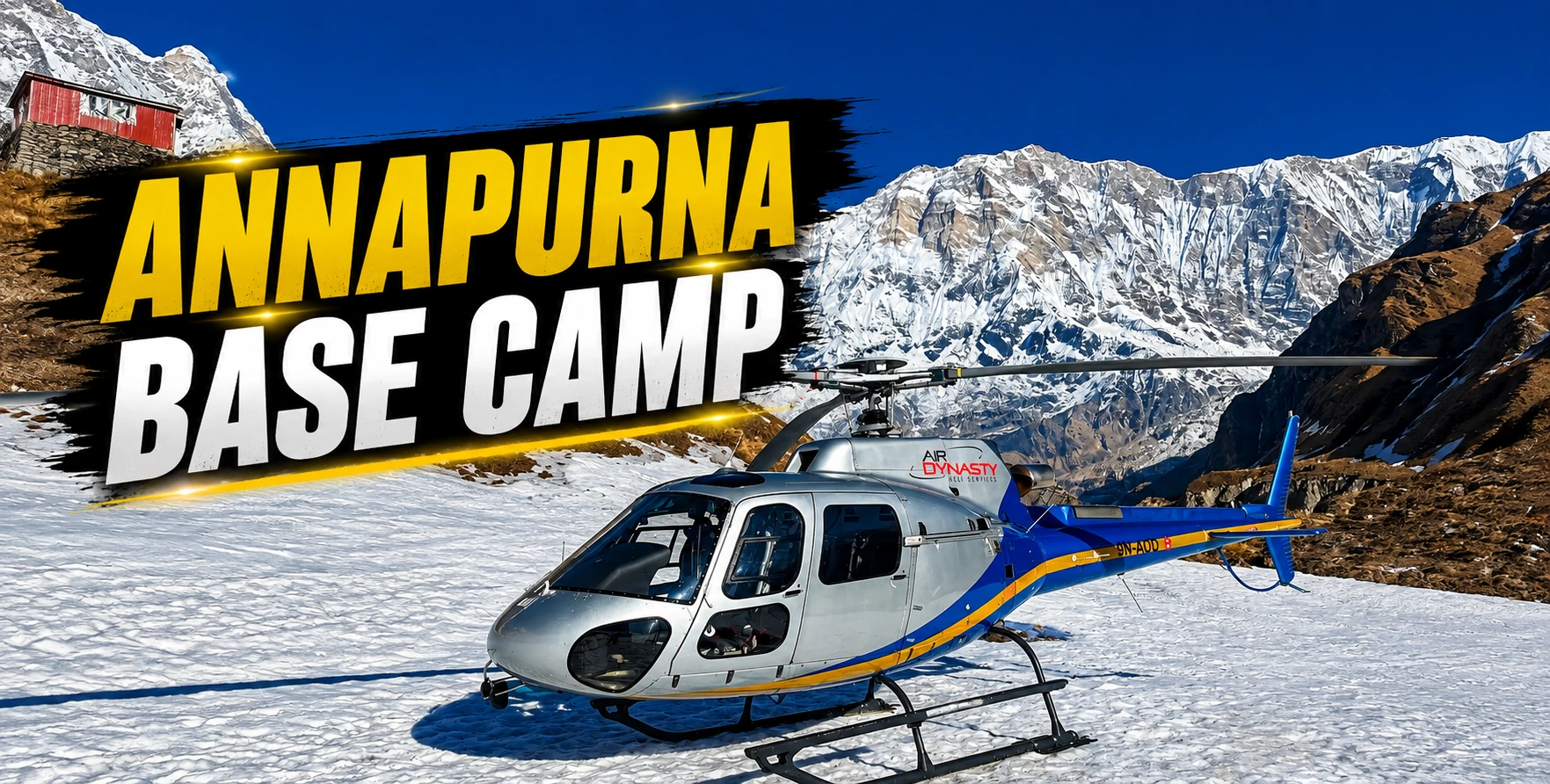
Most tours include a landing directly at or near Annapurna Base Camp for photographs and, on many itineraries, a tea or breakfast stop at the lodge facilities there, offering an unusually intimate view of the Sanctuary’s towering walls of rock and ice at close range, a perspective unavailable from any of the surrounding lower viewpoints such as Poon Hill or Sarangkot.
The Annapurna Sanctuary: What Makes This Landscape Unique
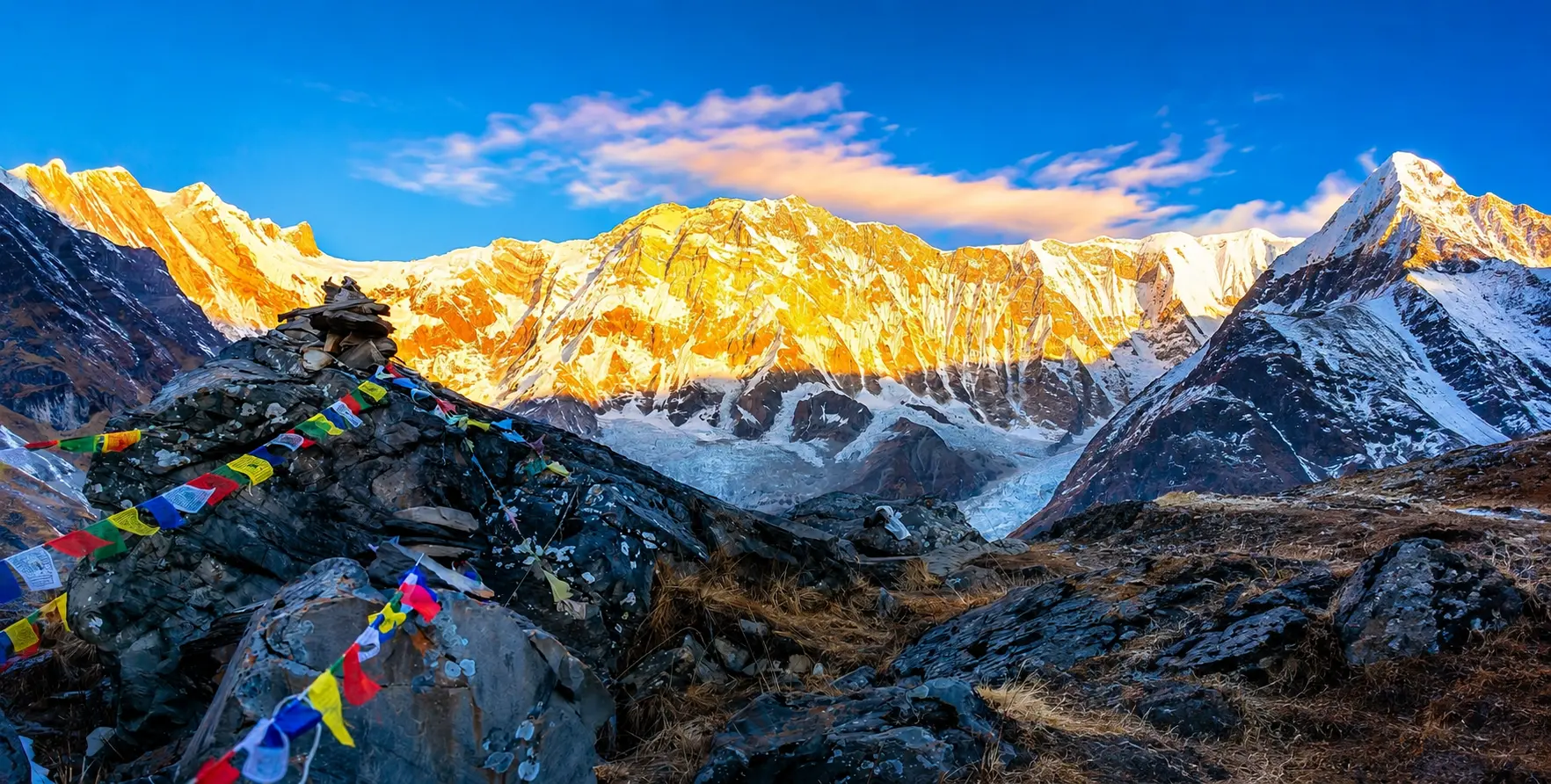
Annapurna Base Camp sits within what trekkers and mountaineers commonly call the Annapurna Sanctuary, a natural amphitheater formed by a ring of peaks including Annapurna I at 8,091 meters, Annapurna South, Hiunchuli, Gangapurna, and the striking, twin-peaked Machapuchare, whose name translates to Fishtail and whose summit remains formally unclimbed out of respect for its sacred status to local Gurung communities. This enclosed, glacier-fed basin creates a sense of scale and immersion that few other places in the Himalaya can match, since Base Camp itself sits not at a distant viewpoint but directly within the ring of surrounding summits, an experience that both trekkers and helicopter tour passengers describe as genuinely overwhelming on first arrival.
The Route: Pokhara to the Annapurna Sanctuary and Back
A typical Annapurna Base Camp helicopter tour departs from Pokhara’s airport or a private helipad, climbing quickly over Phewa Lake and the lower Annapurna foothills before entering the steep, forested Modi Khola valley that also forms the main trekking route toward Base Camp on foot. The flight passes near or over popular trekking villages including Ghandruk, Chhomrong, and the Machapuchare Base Camp lodge area before reaching the Annapurna Sanctuary itself and landing at or near Annapurna Base Camp. After a landing typically lasting between fifteen and thirty minutes, depending on the tour package and weather conditions, the helicopter returns directly to Pokhara, completing the full round trip in a single morning.
A Typical One-Day Timeline
Because the flight distance is much shorter than the Everest tour, the Annapurna Base Camp helicopter tour is often the more time-efficient of Nepal’s two major helicopter sightseeing products. A standard tour typically departs Pokhara early, between 6:00 and 7:30 a.m., to take advantage of the clearest visibility before daytime cloud builds over the Annapurna massif. The flight to Base Camp takes about 25 to 35 minutes, followed by a landing and photo stop, sometimes extended into a tea or breakfast break at the Base Camp lodge, before the return flight to Pokhara. Many travelers complete the entire experience, door to door from their Pokhara hotel, within two to three hours, making it feasible to combine with other Pokhara activities later the same morning or early afternoon.
What Is Typically Included
- Round-trip helicopter transport from Pokhara to Annapurna Base Camp and back.
- A landing directly at or near Annapurna Base Camp for photographs, subject to weather conditions on the day.
- In many packages, a tea or breakfast stop at the Base Camp lodge facilities, offering time to absorb the Sanctuary’s surrounding peaks properly.
- A pilot experienced in Annapurna region high-altitude flying, given the steep, narrow valley approach required to reach the Sanctuary safely.
As with the Everest region tour, travelers should always confirm exactly what is included in the total quoted price, since Pokhara hotel pickup, breakfast costs, and any combined Kathmandu-Pokhara flight connection are sometimes quoted separately, depending on the operator.
Private Charter Versus Shared Group Tours
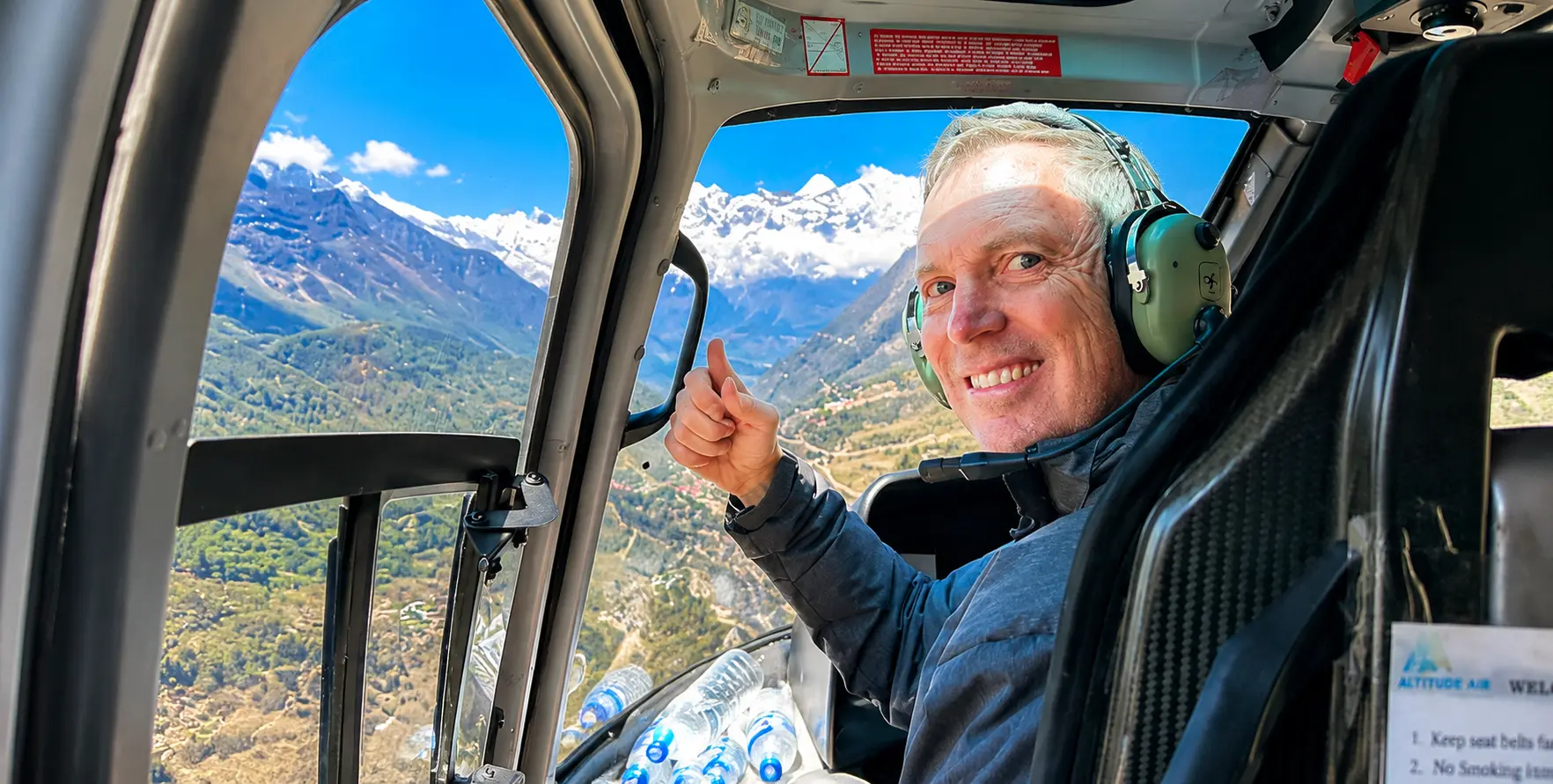
Similar to the Everest helicopter tour, the Annapurna Base Camp experience is generally available as either a shared group tour, splitting the charter cost across several passengers and offering better value per person but fixed departure timing, or a private charter booked exclusively for a single party, offering full flexibility over timing at a higher total cost. Given the shorter overall flight time and lower operating cost compared to the Everest route, private charters for the Annapurna Base Camp tour are often more accessible in price than their Everest equivalent, making this a popular choice for honeymooners and small families wanting a fully private experience without the premium typically associated with private Everest charters.
Cost Factors for the Annapurna Base Camp Helicopter Tour
Pricing depends heavily on group size, whether you book a shared or private charter, and broader seasonal demand throughout the year. Because the flight distance from Pokhara to the Annapurna Sanctuary is considerably shorter than the Kathmandu-to-Everest route, this tour is generally priced more accessibly than the Everest helicopter tour, appealing to a broader range of travelers, including those on a more moderate touring budget who still want a genuine high-altitude helicopter experience. As with any helicopter tourism product in Nepal, confirm exact current pricing directly with operators or through a trusted local coordinator at the time of booking, since rates shift with fuel costs, demand, and season.
Best Time of Year and Time of Day
Autumn (September to November) and spring (March to May) offer the clearest, most stable weather for this tour, mirroring the seasonal pattern seen across Nepal’s other major mountain flights. Morning departures remain essential regardless of season, since cloud typically builds over the Annapurna massif through the late morning, reducing visibility for later flights. Spring adds the appeal of blooming rhododendron forests visible in the lower Modi Khola valley during the flight, a distinctive seasonal feature of the Annapurna region that is less relevant to the higher, more barren terrain surrounding Everest.
Weather Delays and Flexibility
As with any high-altitude Himalayan helicopter operation of this kind, weather-related delays and occasional cancellations remain a genuine and entirely normal possibility for the Annapurna Base Camp tour, and travelers should avoid scheduling it for their very last morning in Nepal wherever possible. Reputable operators monitor conditions in the Annapurna Sanctuary closely, given its narrow, steep-sided valley approach, and will postpone rather than risk a flight in marginal visibility. Working with a trusted local coordinator who communicates weather-related changes promptly helps avoid the frustration of an unexpected cancellation discovered only on arrival at the helipad.
Altitude Considerations
At 4,130 meters above sea level, Annapurna Base Camp sits at a somewhat lower overall altitude than the Everest Base Camp or Kala Patthar landing points used on the Everest helicopter tour, generally making altitude effects less pronounced for most travelers during the brief ground stop. That said, some travelers may still notice mild shortness of breath or lightheadedness at this elevation, particularly if arriving directly from Pokhara’s much lower altitude without any prior acclimatization. Travelers with underlying heart or lung conditions should consult a doctor before booking, and the brief ground stop limits sustained exposure for most passengers.
Ground Transport and Pokhara Logistics
Because this tour departs from Pokhara rather than Kathmandu, reliable ground transport to the city and the helicopter departure point is key to a smooth experience. Travelers arriving in Pokhara by road from Kathmandu often use our
Kathmandu to Pokhara bus and private vehicle service, while those already based in Pokhara rely on our
car hire in Pokhara service for an early-morning pickup and transfer to the helipad in time for check-in and weight verification before departure.
Combining the Tour With a Broader Pokhara or Annapurna Itinerary
Since most Annapurna Base Camp helicopter tours return to Pokhara by mid-morning, many travelers use the rest of the day for other Pokhara-based activities. A relaxed afternoon at Phewa Lake, a visit to the World Peace Pagoda, or a sunrise excursion the following morning through our
Sarangkot sunrise tour vehicle service all pair naturally with this helicopter tour, rounding out a well-balanced short stay in Pokhara without requiring the full multi-day commitment of a ground trek into the Annapurna Sanctuary.
Combining With the Annapurna Base Camp Trek
For trekkers who have walked the full
Annapurna Base Camp Trek offered by our sister company, Alpine Luxury Treks, a helicopter return flight from Base Camp itself has become an increasingly popular way to save several days on the return journey while still completing the full trekking approach in one direction. This combination mirrors the pattern seen on Everest region treks, where a one-way helicopter flight replaces a multi-day walk to the trailhead, appealing especially to trekkers with limited time or those who want to avoid retracing the same trail twice.
Travelers who prefer the shorter, culturally rich
Ghorepani Poon Hill Trek sometimes add the Annapurna Base Camp helicopter tour to experience the deeper Sanctuary landscape without adding the extra days a full Base Camp trek would require.
Comparing the Helicopter Tour to the Full Trek
As with the Everest equivalent, it is worth being clear that the helicopter tour and the full Annapurna Base Camp Trek offer genuinely different experiences, not just faster and slower versions of the same thing. The trek delivers a gradual, immersive journey through changing forest and rhododendron landscapes, overnight stays in Gurung villages such as Ghandruk and Chhomrong, and the particular sense of arrival that comes from walking into the Sanctuary on foot after days of anticipation. The helicopter tour delivers an intensely concentrated version of the same visual reward, the ring of surrounding peaks and the dramatic scale of the Sanctuary itself, within a single morning, without the cultural and physical immersion of the trek. Both are legitimate ways to experience this landscape, suited to different travelers and different amounts of available time.
Safety Standards and Choosing a Reputable Operator
The narrow, steep-sided approach into the Annapurna Sanctuary demands genuine skill from pilots operating this route. Travelers should apply the same diligence in choosing an operator as recommended for the Everest tour: asking specifically about pilot experience on this particular route, the aircraft’s maintenance history, and the operator’s weather-related cancellation policy, rather than choosing purely on price. Many operators running Annapurna Base Camp tours also operate Everest region flights, and their overall safety reputation across both routes is a reasonable indicator of general operating standards.
What to Wear and Bring
- Warm layers, since temperatures at Annapurna Base Camp can be well below freezing even during the tour’s short ground stop, particularly in the early morning.
- Sunglasses and sun protection, given the intensity of high-altitude sunlight reflecting off the surrounding snow and ice.
- A camera or fully charged phone, since the close-range views of Annapurna I, Machapuchare, and Hiunchuli are the primary draw of this specific tour.
- Comfortable footwear for the brief walk around the landing area and any lodge stop included in your package.
- Personal medication for travelers with any relevant health conditions, discussed with a doctor in advance given the altitude involved.
Booking Requirements and Practical Considerations
Most operators require full passport details and accurate passenger weight information well in advance for load planning, standard practice for high-altitude helicopter operations throughout Nepal. Book several days ahead, and earlier still during the peak autumn and spring seasons when demand is highest. Given the possibility of weather-related rescheduling, particularly given the narrow valley approach into the Sanctuary, building at least one buffer day into your Pokhara itinerary around this tour is a sensible precaution.
2026 and 2027 Outlook for Annapurna Helicopter Tourism
Pokhara’s expanding international airport, discussed in depth in our guide on luxury airport transfer in Nepal, is expected to continue increasing direct international arrivals into the city, likely driving further growth in Annapurna region helicopter tourism as more travelers begin their Nepal trip in Pokhara rather than routing exclusively through Kathmandu. This mirrors the broader shift toward premium, time-efficient Himalayan experiences discussed throughout our guides on Nepal’s evolving tourism sector, and travelers should expect continued investment in aircraft availability and operator capacity for this route through 2026 and 2027 as demand grows alongside Pokhara’s expanding role as an international gateway in its own right.
Frequently Asked Questions
How long does the Annapurna Base Camp helicopter tour take?
The full experience, from initial Pokhara hotel departure through to your return, typically takes two to three hours in total, considerably shorter than the Everest equivalent given the much closer proximity of the Annapurna Sanctuary to Pokhara.
Is this tour safe?
Reputable operators with experienced pilots and well-maintained aircraft maintain strong safety records on this specific route. However, the narrow valley approach into the Sanctuary demands genuine skill and local route familiarity, making careful operator research an important part of your overall booking decision.
What happens if the weather is poor on my scheduled day?
Reputable operators will postpone or reschedule rather than risk passenger safety. We strongly recommend building flexibility into your Pokhara itinerary, rather than scheduling this tour on your final morning before departure.
Can I combine this tour with an Everest helicopter tour on the same trip?
Yes. Many travelers visiting both Pokhara and Kathmandu combine both helicopter tours into a single Nepal itinerary, experiencing both major mountain ranges by air within the same trip.
Is the Annapurna Base Camp helicopter tour cheaper than the Everest version?
Generally yes, reflecting the shorter flight distance and lower operating cost from Pokhara to the Annapurna Sanctuary compared to the considerably longer Kathmandu-to-Everest route.
Do I land directly at Annapurna Base Camp?
Most tours land at or very near Annapurna Base Camp, depending on weather and the operator’s routing that day.
Can this tour be combined with the Annapurna Base Camp Trek?
Yes. Many trekkers take a helicopter flight on the way back after walking to Base Camp, saving several days compared to walking both ways.
Do I need previous high-altitude experience for this tour?
No. The tour requires no trekking fitness or prior altitude experience beyond the ability to walk a short distance at the landing point.
How far in advance should I book?
Book at least several days ahead, and earlier during the peak autumn and spring seasons when demand and limited daily flight slots make early booking especially important.
Can I depart from Kathmandu instead of Pokhara for this tour?
Some operators offer combined itineraries connecting from Kathmandu, though the standard and most efficient version of this tour departs directly from Pokhara given its proximity to the Annapurna Sanctuary.
What is the typical group size on a shared Annapurna helicopter tour?
Shared tours typically accommodate up to five passengers per aircraft, subject to combined weight limits, similar to the group sizes seen on the Everest helicopter tour, with the exact number depending on the specific helicopter model used and the combined weight of passengers booked for that particular flight.
Final Thoughts: A Morning Inside the Sanctuary
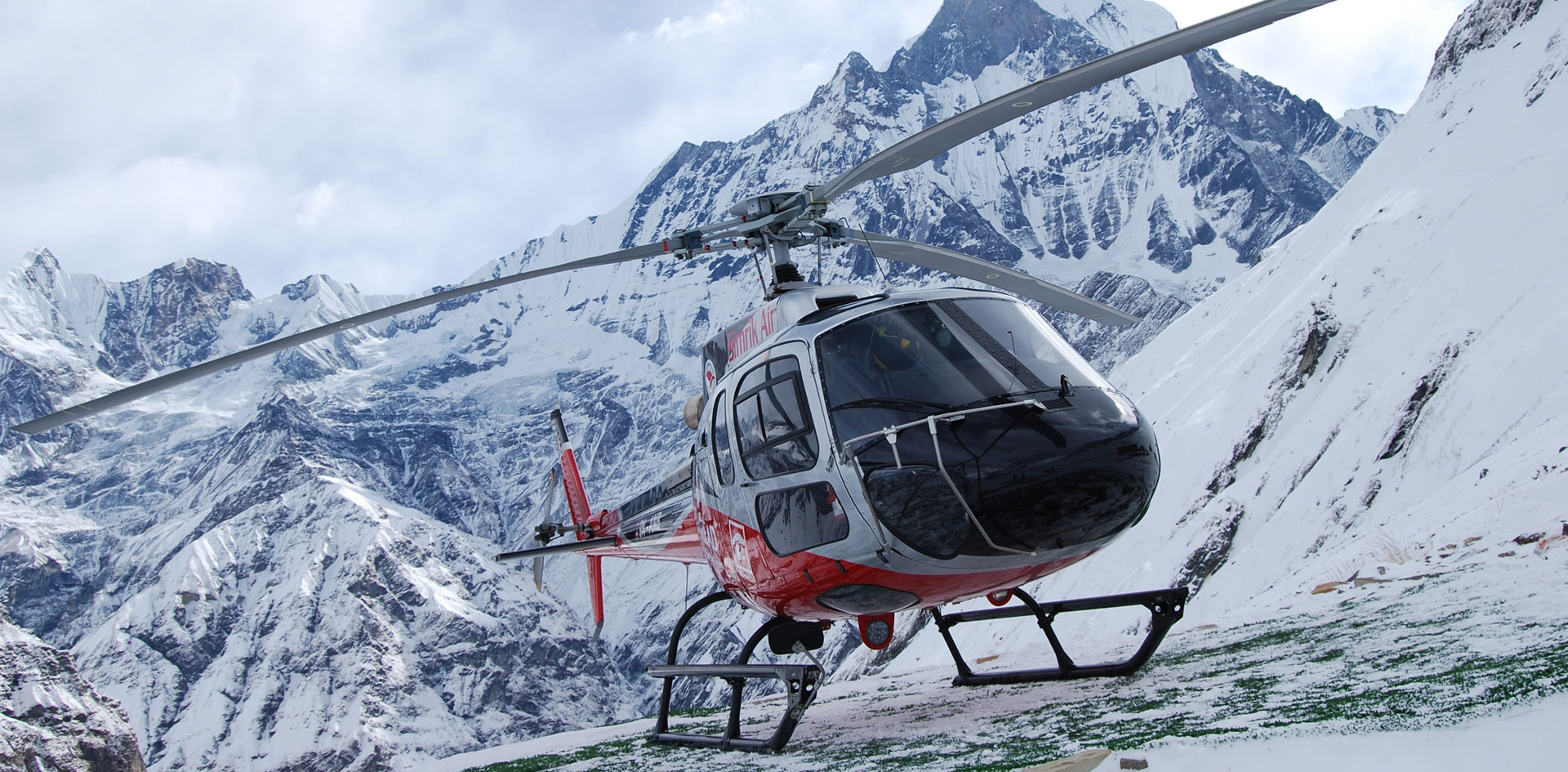
The Annapurna Base Camp helicopter tour offers one of Nepal’s most efficient ways to experience a truly extraordinary high-altitude landscape, flying directly into a natural amphitheater at the foot of Annapurna I within a single Pokhara morning. Getting the logistics right, from a reliable early-morning Pokhara transfer through to choosing a reputable, experienced operator and building seasonal weather flexibility into your schedule, ensures this compressed experience genuinely delivers the full impact of the Annapurna Sanctuary without the multi-day commitment of the trek itself.
Whether this is your first glimpse of the Annapurna Sanctuary or a return visit after trekking the ground route on a previous trip, the view from Base Camp, surrounded by Annapurna I, Machapuchare, and Hiunchuli, remains one of the most striking single moments available anywhere in Nepal’s vast mountain landscape.
Get in touch with Nepal Vehicle Hiring today at +977 9851013196 or visit
vehiclehiringnepal.com to arrange your Pokhara ground transport and coordinate your Annapurna Base Camp helicopter tour alongside the rest of your broader Nepal itinerary, whatever shape it takes.
The History of Annapurna Base Camp Tourism
Annapurna Base Camp has drawn trekkers since the 1950s, when French mountaineer Maurice Herzog’s expedition made the first successful ascent of an 8,000-meter peak anywhere in the world by summiting Annapurna I in 1950, a landmark moment in mountaineering history that predates even the first ascent of Everest by three years. This pioneering climb, chronicled in Herzog’s famous book Annapurna, helped establish the region’s mountaineering reputation and laid the groundwork for the trekking tourism that developed in subsequent decades as Nepal gradually opened to foreign visitors. Unlike the Everest region, whose modern trekking infrastructure grew up specifically to serve mountaineering expeditions and later Base Camp trekkers, the Annapurna Sanctuary route developed alongside a broader network of Gurung and Magar villages already established in the surrounding foothills, giving the trekking route into Base Camp a distinctly different cultural texture from the more purely Sherpa-centered Everest approach.
The helicopter tour version of this experience is a much newer development, growing over the past decade and a half alongside Pokhara’s expansion as an aviation hub and the broader rise in demand for time-efficient Himalayan flight experiences discussed throughout Nepal’s tourism sector.
Machapuchare: The Sacred Fishtail Peak
No discussion of the Annapurna Sanctuary is complete without dwelling on Machapuchare, the striking, twin-summited peak whose distinctive silhouette dominates views from Pokhara and much of the lower Annapurna trekking region. Sacred to local Gurung communities and associated with Lord Shiva, Machapuchare has never been officially summited, following an agreement after a British expedition in 1957 reached within a short distance of the true summit before turning back;d Nepal’s government has since declined to issue climbing permits for the peak out of respect for its religious significance. This unclimbed status gives Machapuchare a distinctive mystique among Himalayan peaks, and the helicopter tour’s close-range views of its dramatic fishtail-shaped summit rank among the most photographed moments of the entire experience.
Passengers on the Annapurna Base Camp helicopter tour typically fly close enough to Machapuchare during the approach and landing sequence to appreciate both its scale and its unusual double-pointed summit shape, a perspective that even trekkers walking the ground route to Base Camp do not always fully appreciate given the peak’s changing profile from different trail angles.
Comparing the Annapurna and Everest Helicopter Tours
Travelers deciding between Nepal’s two major one-day helicopter tours, Everest and Annapurna Base Camp, should weigh a few key differences beyond which mountain range appeals more. The Annapurna tour departs from Pokhara, generally a more relaxed, lower-altitude city with a shorter flight distance to its target landing point, resulting in a shorter overall tour duration and typically a lower price point. The Everest tour, departing from Kathmandu, involves a considerably longer flight and higher-altitude landing points, generally commanding a higher price but delivering the singular draw of the world’s highest peak. Some travelers with sufficient time in their Nepal itinerary choose to experience both tours, combining a Kathmandu-based Everest flight with a Pokhara-based Annapurna flight for a comprehensive aerial tour of Nepal’s two most famous mountain ranges within a single trip.
The Annapurna Sanctuary’s enclosed, amphitheater-like geography also offers a meaningfully different visual experience from the more open, ridge-line views typical of the Everest Base Camp and Kala Patthar landing points. Where the Everest tour emphasizes distant, sweeping views across a series of connected peaks, the Annapurna tour delivers a more intimate, enclosed sense of being surrounded by towering rock and ice walls. This distinction shapes which experience appeals more to a given traveler’s personal taste.

The Aircraft and Pilots Flying This Route
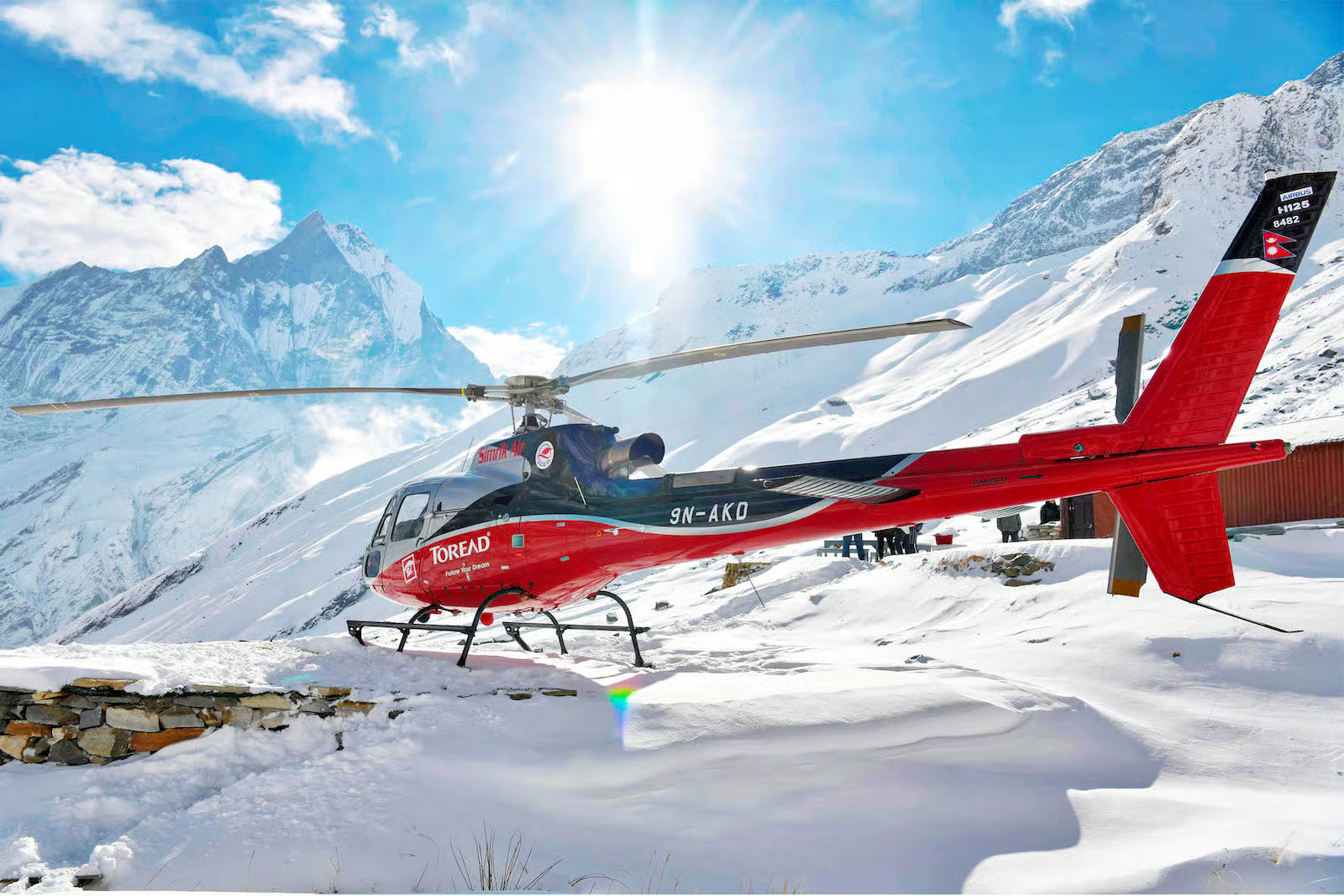
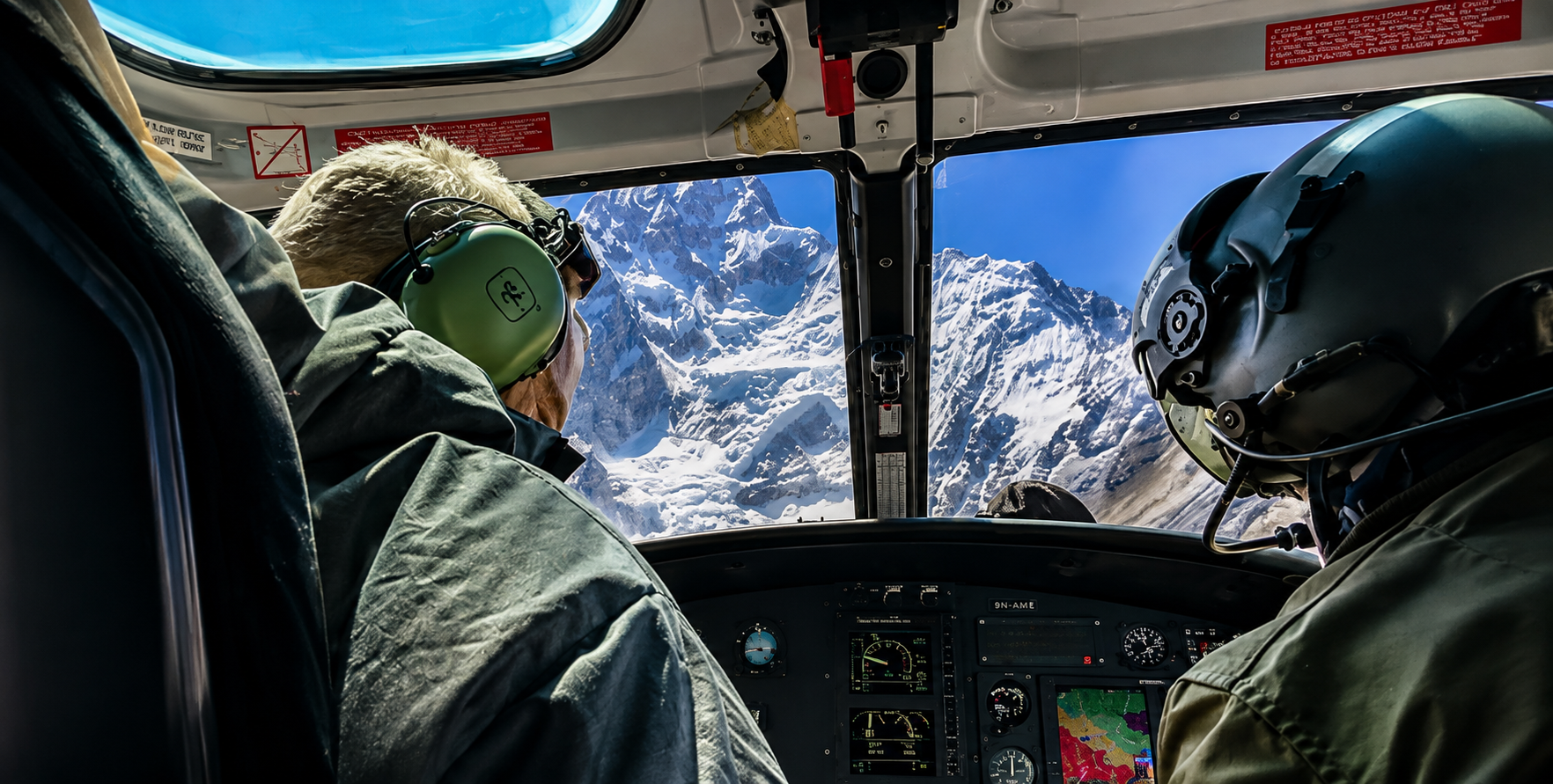
Like the Everest tour, Annapurna Base Camp helicopter flights typically use single-engine, high-altitude capable aircraft such as the Airbus H125, prized throughout the Himalaya for its strong performance in thin mountain air. Pilots flying this route need real experience navigating the narrow, steep-walled Modi Khola valley approach into the Sanctuary. This technically demanding corridor narrows considerably as it climbs toward Base Camp itself, requiring precise handling in a way that differs meaningfully from the broader, more open approach typical of many Everest region routes.
Many operators flying the Annapurna route also conduct helicopter rescue operations throughout the Annapurna Conservation Area during the main trekking seasons, meaning the same aircraft and crews responsible for scenic tours are frequently the same teams responsible for emergency evacuations on the ground trekking route, a reassuring indicator of the genuine mountain flying experience involved.
Gurung Culture and the Villages Below the Sanctuary
The lower slopes beneath the Annapurna Sanctuary are home to a rich Gurung cultural landscape, visible in villages such as Ghandruk and Chhomrong, both passed over or near on the helicopter route and central stops on the ground trekking route to Base Camp. Gurung communities have a long history of Gurkha military service, and many village houses feature distinctive stone architecture and terraced agriculture adapted to the steep hillsides of the Annapurna foothills. While the helicopter tour typically does not include a ground stop in these villages, given its focus on reaching the Sanctuary, the aerial views of Ghandruk’s terraced hillsides and traditional rooftops during the flight offer a brief but genuine glimpse of this distinct cultural landscape.
Trekkers completing the full ground route to Base Camp spend considerably more time immersed in this Gurung cultural landscape than helicopter tour passengers, another point of genuine distinction between the two ways of experiencing this region, alongside the physical and scenic differences already discussed.
Photography Highlights of the Annapurna Base Camp Tour
Given photography’s central role in most travelers’ motivation for booking this tour, a few specific highlights are worth anticipating. The approach into the Sanctuary offers dramatic views of the narrowing Modi Khola gorge, with forested slopes giving way to bare rock and glacial terrain as the helicopter climbs toward Base Camp. Machapuchare’s distinctive fishtail summit, visible at close range during the approach and landing sequence, ranks among the most photographed single subjects on the entire tour. Once landed, the full 360-degree amphitheater of surrounding peaks, including Annapurna I, Annapurna South, Hiunchuli, and Gangapurna, offers a genuinely rare photographic opportunity difficult to replicate from any single viewpoint accessible by trekking alone, given Base Camp’s uniquely enclosed position within the ring of summits.
Morning light during the typical early departure window often creates particularly striking photographic conditions, with low-angle sunlight illuminating the eastern faces of the surrounding peaks shortly after the helicopter arrives at Base Camp.
Alternative Variations of the Annapurna Helicopter Experience
Combined Annapurna and Mardi Himal Tours
Some operators offer a variation of the standard tour that includes a pass near or over the Mardi Himal region, a smaller but increasingly popular trekking area between the main Annapurna Sanctuary and the Machapuchare massif, adding a different angle on the surrounding peaks than the standard direct route to Base Camp. This variation typically adds only a modest amount of flight time compared to the standard tour.
Annapurna and Muktinath Combined Tours
For travelers who want to combine scenery with pilgrimage significance, some operators offer extended itineraries that connect an Annapurna Base Camp flyover with a landing near Muktinath in the Mustang region. However, this is considerably longer and more expensive than the standard direct Base Camp tour because of the greater distance and distinct flight corridor involved.
Annapurna Circuit Aerial Tours
A small number of operators also offer broader aerial tours of the wider Annapurna Circuit region, taking in views of the Thorong La pass area and the Kali Gandaki gorge in addition to the Sanctuary itself, appealing to travelers wanting the broadest possible aerial overview of the Annapurna region’s major landmarks within a single, longer flight.
Weight Restrictions and Booking Requirements
As with any high-altitude helicopter operation, strict weight limits apply to passengers and luggage on the Annapurna Base Camp tour, and operators typically request passenger weight information in advance for load planning purposes. Given the tour’s short duration and lack of overnight stay, luggage requirements are minimal, generally limited to a small daypack for camera equipment and personal items rather than full trekking gear. Accurately reporting weight during booking helps operators plan flights safely and avoids complications at the helipad on departure morning.
Insurance Considerations
Travelers should confirm that their personal travel insurance policy covers helicopter tourism activities, since some standard policies exclude aviation activities beyond scheduled commercial flights or require an additional adventure activity rider. Confirming this detail before booking removes any ambiguity about coverage, and reputable operators can generally confirm their own liability and passenger insurance arrangements upon request.
A Day-Before Checklist for a Smooth Experience
- Confirm your exact pickup time and location with your Pokhara ground transport provider the evening before, given the early morning departure.
- Double-check that your operator has accurate passenger weight information on file to avoid last-minute complications at the helipad.
- Pack warm layers and sun protection the night before, along with a fully charged camera or phone.
- Confirm your operator’s weather rescheduling policy and keep the following day free where possible in case of postponement.
- Bring your passport, since most operators require identification for manifest and load planning purposes.
Why This Tour Appeals Particularly to Pokhara-Based Travelers
For travelers whose Nepal itinerary is centred more heavily around Pokhara than Kathmandu, whether due to a specific interest in the Annapurna region, a preference for Pokhara’s more relaxed lakeside atmosphere, or simply a shorter overall trip that does not extend to a full Everest region visit, the Annapurna Base Camp helicopter tour offers a way to experience genuine high-altitude Himalayan scenery without needing to travel to Kathmandu and undertake the considerably longer Everest tour. This makes it a particularly efficient option for travelers arriving directly in Pokhara via its expanding international airport, offering a complete high-altitude mountain experience without needing to visit Kathmandu if their itinerary does not otherwise require it.
Combining With Other Pokhara Aerial and Ground Experiences
Pokhara’s growing tourism infrastructure offers several other ways to experience the surrounding Annapurna range beyond the Base Camp helicopter tour itself, including paragliding over Phewa Lake with Annapurna views as a backdrop, ultralight flights offering a lower-altitude aerial perspective on the region, and ground-based viewpoints such as Sarangkot and Poon Hill. Travelers with a full day or two in Pokhara sometimes combine several of these experiences, using the helicopter tour for the most dramatic and immersive high-altitude perspective, complemented by a ground-based sunrise viewpoint or a more relaxed activity such as paragliding for a different vantage point on the same mountain range.
Corporate and Special Occasion Bookings
As with the Everest tour, the Annapurna Base Camp helicopter experience has become an increasingly popular choice for honeymoon couples, milestone celebrations, and corporate incentive groups visiting Pokhara, particularly given its comparatively accessible price point relative to the Everest equivalent. Private charter bookings for these occasions sometimes include additional customization arranged directly with the operator, and the tour’s relatively short overall duration makes it easy to fit into a broader day of Pokhara-based celebration or team activities without dominating an entire day.
As with any helicopter tourism activity in a sensitive high-altitude environment, the growing popularity of the Annapurna Base Camp tour raises similar environmental considerations to those discussed regarding Everest region helicopter tourism, balancing the aviation emissions footprint of these flights against their comparatively low ground-level impact compared to the infrastructure required to support a full multi-day trekking route. The Annapurna Conservation Area Project, which manages much of the region including the Sanctuary itself, continues to monitor tourism impact across both trekking and aviation activity as visitor numbers grow.
Choosing Between Operators: What Actually Varies
While the core route and structure of the Annapurna Base Camp helicopter tour is broadly similar across operators serving Pokhara, meaningful differences exist in fleet age, pilot experience on this narrow-valley approach (not just general Himalayan flying hours), and the clarity of communication around weather-related rescheduling. Travelers researching operators should ask specific questions about aircraft type and maintenance history, pilot familiarity with the Modi Khola approach, and the operator’s rebooking policy in the event of a weather cancellation, rather than choosing an operator based purely on advertised price.
What Previous Travelers Commonly Say About the Experience
Feedback and reviews from travelers who have completed the Annapurna Base Camp helicopter tour frequently and consistently highlight the sense of enclosure and scale upon landing, a feeling distinct from more open Himalayan viewpoints, given the Sanctuary’s amphitheater-like geography surrounding the landing point on nearly all sides. Many describe the proximity to Machapuchare’s distinctive summit as a particular highlight, along with the surprisingly short overall time commitment compared to what they had expected before booking. Travelers who also completed the Everest helicopter tour on the same trip often note the Annapurna experience’s more intimate, enclosed character as a genuine contrast to the broader, more expansive views typical of the Everest region flight.
Realistic Expectations and Weather Variability
As with any high-altitude Himalayan helicopter tour, travelers should approach the Annapurna Base Camp experience with realistic expectations regarding weather variability. Cloud cover, particularly common during the shoulder seasons between peak spring and autumn windows, can reduce visibility or, in some cases, require a shortened ground stop or a modified route that day. Reputable operators prioritize passenger adherence to a fixed itinerary, and travelers who understand this dynamic in advance, rather than expecting guaranteed conditions regardless of weather, tend to report considerably higher satisfaction with the overall experience.
How This Tour Fits Nepal’s Broader Aviation Tourism Landscape
The Annapurna Base Camp helicopter tour sits alongside the Everest tour as one of the two pillars of Nepal’s growing high-altitude helicopter tourism sector, each serving a distinct region and traveler profile while sharing the same underlying appeal: compressed, time-efficient access to genuinely spectacular Himalayan scenery that would otherwise require a significant trekking commitment to reach. As Nepal’s broader tourism sector continues to shift toward premium, time-conscious travel experiences, a trend explored throughout our guides on luxury vehicle hire and airport transfer, both helicopter tours represent the aviation equivalent of this same underlying shift in traveler expectations and available options.
Combining Kathmandu and Pokhara Helicopter Experiences in One Trip
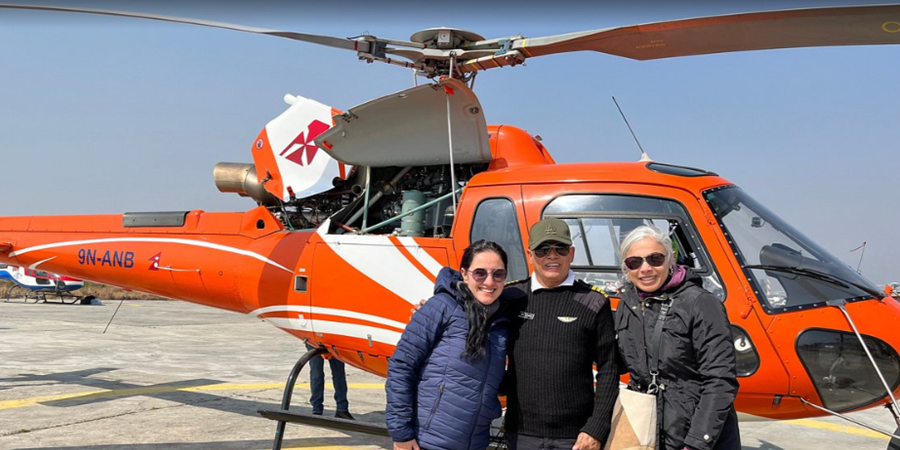
Travelers with a broader Nepal itinerary spanning both Kathmandu and Pokhara sometimes choose to take both the Everest and Annapurna Base Camp helicopter tours in the same trip, offering a genuinely comprehensive aerial overview of Nepal’s two most iconic mountain regions without the multi-week time commitment of walking both trekking routes. This combination works particularly well for travelers already planning to visit both cities as part of a standard Nepal itinerary, since each tour departs conveniently from the city already on their route, Kathmandu for Everest and Pokhara for Annapurna, without requiring additional dedicated travel solely for the helicopter experience.
Family Considerations for This Tour
Given its shorter overall duration and generally lower landing altitude than the Everest equivalent, the Annapurna Base Camp helicopter tour is often a more accessible option for families traveling with children or older relatives who might find the longer Everest tour, and its higher-altitude landing points, more physically demanding. Families should still confirm age and weight policies with their chosen operator in advance, and the same general health precautions apply; the shorter time at elevation reduces the practical impact for most travelers compared to the Everest tour’s longer ground stops at higher elevations.
Pricing Transparency and What to Ask Before Booking
Given the variation in what different operators include in their quoted price, from Pokhara hotel pickup to breakfast or tea service at Base Camp itself, travelers should ask specific questions before booking rather than assuming a like-for-like comparison between quotes from different operators. Confirming whether ground transport to the helipad is included, whether food or beverages are provided during the Base Camp landing, and what the operator’s specific weather rescheduling policy is helps ensure an accurate comparison between competing options and avoids unexpected additions. It avoids the day of the tour.
Seasonal Booking Patterns and Availability
Demand for the Annapurna Base Camp helicopter tour closely follows Pokhara’s broader tourism seasonality, with the highest booking volumes and clearest weather in October, November, March, and April. During these peak weeks, popular early-morning departure slots can book out several days in advance, especially for shared group tours that require coordinating multiple passengers into a single flight. Travelers with fixed, non-negotiable dates during peak season should book as early as possible, while those with greater flexibility can sometimes find better availability, and occasionally more competitive pricing, during quieter shoulder-season weeks.
A Note on Realistic Trip Planning Around This Tour
Given the relatively short overall time commitment, many travelers assume they can book the Annapurna Base Camp helicopter tour with minimal planning, as opposed to a full trek. While this is broadly true regarding trekking logistics and permits, the same seasonal demand and weather-dependent scheduling considerations that apply to any Himalayan aviation product still apply here. Travelers are well served by treating this tour with the same planning discipline recommended for any weather-sensitive Nepal activity, confirming operator reputation, booking reasonably in advance during peak season, and building schedule flexibility around the tour rather than treating it as a same-day, walk-up activity.
A Closer Look at the Modi Khola Approach
The Modi Khola valley, which the helicopter follows for much of its approach into the Sanctuary, is the same river corridor trekkers follow on the ground route to Base Camp, narrowing steadily as it climbs from the forested lower villages toward the bare rock and ice terrain surrounding the Sanctuary itself. This narrowing geography demands the specialized piloting skill discussed earlier, since the valley walls close in considerably on the final approach, requiring precise control in a way that differs from the broader, more open terrain typical of many other Himalayan flight corridors. Passengers often find this final approach segment, with steep forested walls giving way abruptly to the open expanse of the Sanctuary itself, among the most dramatic single moments of the entire flight.
Bringing It All Together
From Maurice Herzog’s pioneering 1950 ascent to modern helicopter tours that carry travelers into the same dramatic landscape in a single morning, Annapurna Base Camp remains one of the Himalaya’s most storied and visually extraordinary destinations. Whether experienced through the gradual, immersive rhythm of a multi-day trek through Gurung villages, or compressed into a single efficient helicopter flight from Pokhara, the Sanctuary’s ring of towering peaks, anchored by Annapurna I and the sacred, unclimbed Machapuchare, delivers a genuinely rare sense of scale and enclosure difficult to replicate anywhere else in Nepal.
Cultural Sensitivity During Ground Stops
Even during the brief landing at Annapurna Base Camp, travelers should remain mindful that this site retains genuine significance for local Gurung communities, particularly given Machapuchare’s sacred, unclimbed status nearby. Being respectful around any lodge staff or trekkers present at Base Camp during the tour’s landing window, and generally treating the brief visit with the same consideration afforded to the region by trekkers who arrive on foot after days of walking, helps preserve the character and goodwill that makes this kind of tourism sustainable for the communities whose homeland forms its backdrop.
Final Practical Advice Before Booking
- Choose an operator based on safety reputation and pilot experience on the Modi Khola approach, not price alone.
- Book during the clearest possible season, spring or autumn, for the highest chance of an uninterrupted experience.
- Build at least one buffer day into your Pokhara itinerary in case of weather-related rescheduling.
- Confirm exactly what is included in your quoted price, including ground transport, any food service, and hotel pickup.
- Coordinate your early-morning Pokhara transfer well in advance to avoid a stressful start to the day.
A Final Word on Value and Perspective
The Annapurna Base Camp helicopter tour offers something genuinely difficult to replicate through any other means available to time-limited travelers: direct, close-range access to one of the Himalaya’s most visually dramatic landscapes, achieved within a single Pokhara morning rather than the week or more a ground trek requires. For travelers who have already trekked the region on a previous visit and want to revisit its scale and beauty without another multi-day commitment, or those for whom the physical demands of trekking are simply not feasible, this tour is a complete and legitimate way to experience the Annapurna Sanctuary on its own terms, rather than a diminished substitute for the trek itself.
Combining This Guide With Your Broader Nepal Planning
Whether the Annapurna Base Camp helicopter tour forms the centrepiece of a short Pokhara centerpiece complement to a longer Everest region visit, or a time-saving return flight after walking the full trek on foot, getting the surrounding logistics right, reliable ground transport, a reputable operator, and sensible seasonal timing- ensures this compressed experience delivers the full impact of the Annapurna Sanctuary. As Pokhara continues to grow as an international gateway through 2026 and 2027, this tour is likely to become an increasingly common and accessible way for travelers to experience Nepal’s mountains by air.
- Annapurna Base Camp Helicopter Tour: One-Day Full Guide
- What Is the Annapurna Base Camp Helicopter Tour
- The Annapurna Sanctuary: What Makes This Landscape Unique
- The Route: Pokhara to the Annapurna Sanctuary and Back
- A Typical One-Day Timeline
- What Is Typically Included
- Private Charter Versus Shared Group Tours
- Cost Factors for the Annapurna Base Camp Helicopter Tour
- Best Time of Year and Time of Day
- Weather Delays and Flexibility
- Altitude Considerations
- Ground Transport and Pokhara Logistics
- Combining the Tour With a Broader Pokhara or Annapurna Itinerary
- Combining With the Annapurna Base Camp Trek
- Comparing the Helicopter Tour to the Full Trek
- Safety Standards and Choosing a Reputable Operator
- What to Wear and Bring
- Booking Requirements and Practical Considerations
- 2026 and 2027 Outlook for Annapurna Helicopter Tourism
- Frequently Asked Questions
- Final Thoughts: A Morning Inside the Sanctuary
- The History of Annapurna Base Camp Tourism
- Machapuchare: The Sacred Fishtail Peak
- Comparing the Annapurna and Everest Helicopter Tours
- The Aircraft and Pilots Flying This Route
- Gurung Culture and the Villages Below the Sanctuary
- Photography Highlights of the Annapurna Base Camp Tour
- Alternative Variations of the Annapurna Helicopter Experience
- Weight Restrictions and Booking Requirements
- Insurance Considerations
- A Day-Before Checklist for a Smooth Experience
- Why This Tour Appeals Particularly to Pokhara-Based Travelers
- Combining With Other Pokhara Aerial and Ground Experiences
- Corporate and Special Occasion Bookings
- Choosing Between Operators: What Actually Varies
- What Previous Travelers Commonly Say About the Experience
- Realistic Expectations and Weather Variability
- How This Tour Fits Nepal's Broader Aviation Tourism Landscape
- Combining Kathmandu and Pokhara Helicopter Experiences in One Trip
- Family Considerations for This Tour
- Pricing Transparency and What to Ask Before Booking
- Seasonal Booking Patterns and Availability
- A Note on Realistic Trip Planning Around This Tour
- A Closer Look at the Modi Khola Approach
- Bringing It All Together
- Cultural Sensitivity During Ground Stops
- Final Practical Advice Before Booking
- A Final Word on Value and Perspective
- Combining This Guide With Your Broader Nepal Planning

Related Blog & Articles

Annapurna Circuit Jeep Tours Nepal

Annapurna vs Everest Base Camp
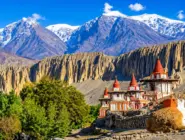
Annapurna Conservation Area

Pokhara to ABC Trek Starting Point