Plan a Trip


Luxury Airport Transfer Nepal
Nepal’s tourism and business travel landscape is changing fast, and nowhere is that shift more visible than at its airports. With Pokhara International Airport now handling direct arrivals, Gautam Buddha International Airport in Bhairahawa steadily expanding its regional connections, and Tribhuvan International Airport in Kathmandu continuing to modernise its terminal capacity, more travellers than ever are arriving in Nepal expecting the kind of seamless, professional ground transport experience they would find at any major international gateway. That expectation is exactly what a
Luxury airport transfer in Nepal is designed to meet.
This guide explains what luxury airport transfer means in the Nepali context, which airports and routes matter most, what to expect from a premium chauffeur service, and how to combine an airport transfer with the wider trekking, touring, and pilgrimage journeys that bring most visitors to Nepal in the first place. Nepal Vehicle Hiring has arranged airport transfers for individual travellers, honeymooners, corporate groups, and full trekking expeditions for years, and this article draws directly on that operational experience.
Why Airport Transfer Quality Matters More Than Ever
For many travellers, the drive from the airport to their hotel is the very first impression Nepal makes, and the very last one they carry home. A chaotic taxi rank, an unmarked driver holding a handwritten sign, or an old, poorly maintained car can undercut even the most carefully planned luxury holiday before it begins. Conversely, a smooth, professional pickup with a uniformed driver, a clean, comfortable vehicle, and no ambiguity about where to go sets the tone for the entire trip.
This matters even more as Nepal continues to see growth in high-end tourism, destination weddings, corporate incentive travel, and luxury trekking packages that pair five-star lodges with premium ground transport. Airlines have also expanded direct international routes to Kathmandu and, increasingly, to Pokhara, meaning more travellers are arriving directly in secondary cities without the buffer of a domestic connection to adjust logistics along the way. A dependable, pre-arranged
Airport transfer in Nepal removes that uncertainty entirely.
Nepal’s Key Airports for Luxury Ground Transport
Tribhuvan International Airport, Kathmandu
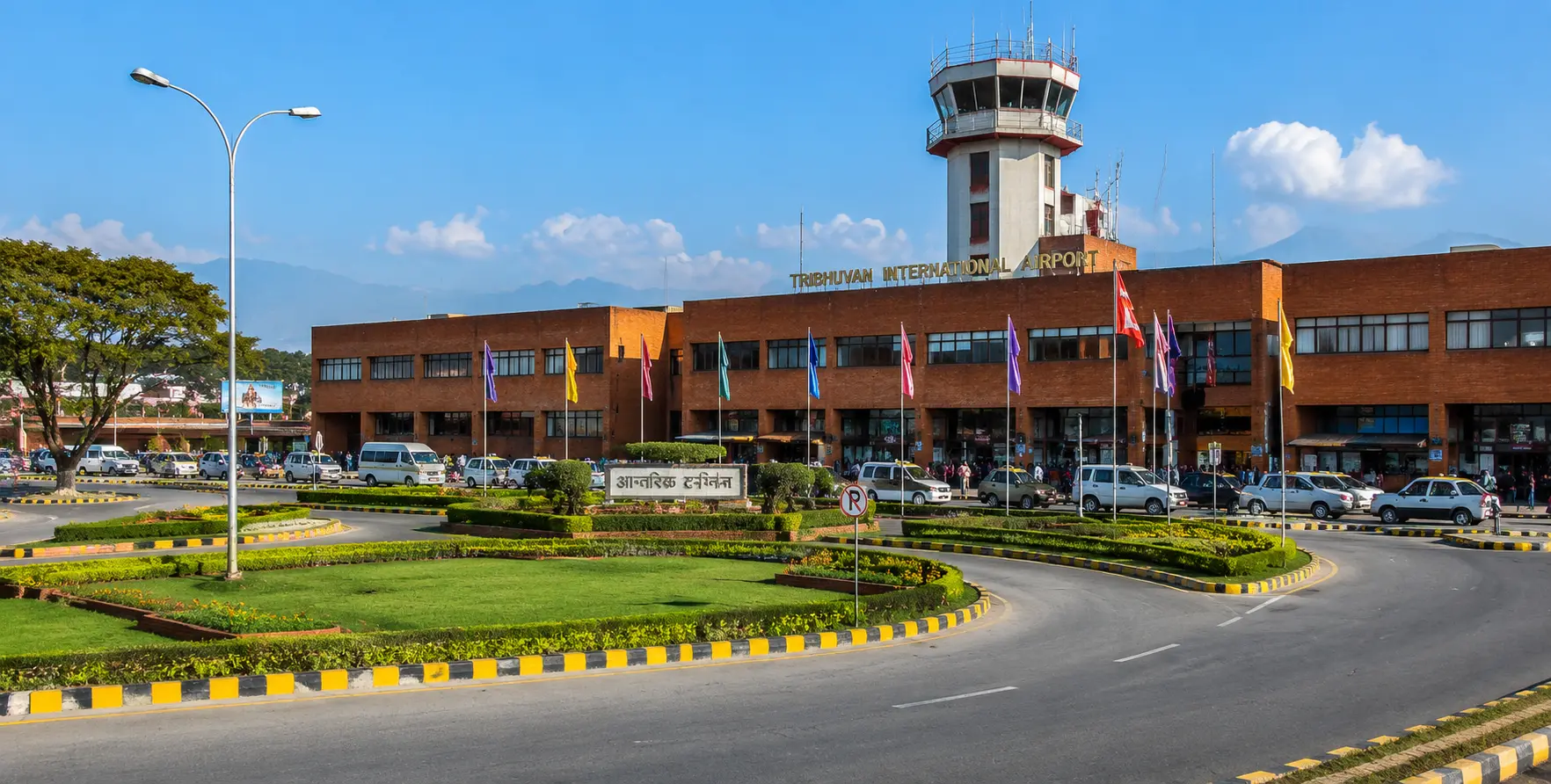
Tribhuvan International Airport (TIA) remains Nepal’s main international gateway and the starting point for most trekking, touring, and business trips in the country. Ongoing terminal upgrades in recent years have improved arrivals processing, but kerbside pickup can still be congested during peak season, making a clearly identified, pre-booked driver especially valuable. Our
Kathmandu airport transfer service provides round-the-clock pickups and drop-offs for individual travellers, families, and larger tour groups arriving at TIA.
Pokhara International Airport
Since opening as a full international airport, Pokhara’s gateway has significantly changed travellers’ plans to the Annapurna region, allowing some visitors to fly directly into Pokhara rather than routing everything through Kathmandu. This has increased demand for premium ground transport based in Pokhara, particularly for travellers heading straight to Annapurna Base Camp, Ghorepani Poon Hill, or the Mustang region without an overnight stop in the capital. Our
Car hire in Pokhara service is built around exactly this kind of direct-arrival itinerary.
Gautam Buddha International Airport, Bhairahawa
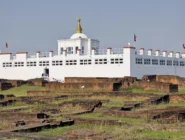
Serving travellers heading toward Lumbini and the western Terai, Gautam Buddha International Airport has gradually expanded its regional flight network and is increasingly used by pilgrimage groups visiting the birthplace of Lord Buddha as either their first or last stop in Nepal. Premium ground transport from this airport typically connects onward toward Lumbini itself, or further north toward Pokhara and the hill regions, via our
Kathmandu-to-Lumbini buses, private vehicle services, and related regional routes.
What Defines a Luxury Airport Transfer
Not every car waiting at arrivals qualifies as a luxury transfer, and the difference comes down to a handful of concrete details rather than marketing language.
- A named, uniformed driver holding a clear, legible sign, waiting inside the arrivals hall rather than expecting the traveller to search the car park.
- Real-time flight tracking lets the driver adjust pickup timing or handle early or late arrivals automatically, so the traveller doesn’t need to call ahead.
- A well-maintained, recent-model vehicle with working air conditioning, clean upholstery, and no lingering smell of fuel or cigarette smoke.
- Bottled water and a simple, genuine welcome onboarding, rather than a purely transactional pickup.
- Assistance with luggage from the terminal to the vehicle is particularly important for travellers arriving with trekking gear, golf clubs, or business equipment.
- A fixed, transparent price agreed in advance, with no last-minute negotiation or surprise charges on arrival.
- A driver who speaks working English and can answer basic questions about the city, weather, or onward travel plans during the ride.

Vehicle Options for Airport Transfer
Premium Sedans and SUVs
For solo travellers, couples, and business visitors, a well-maintained private car offers the fastest and most discreet way from the airport to a hotel in Kathmandu or Pokhara, with enough luggage space for one or two large suitcases and carry-on bags.
Executive Hiace Vans
Families, small tour groups, and travellers with trekking equipment often prefer our
Hiace hire service, which offers considerably more luggage space and seating comfort for groups of up to ten, without stepping up to a full coach.
Land Cruisers and Prados
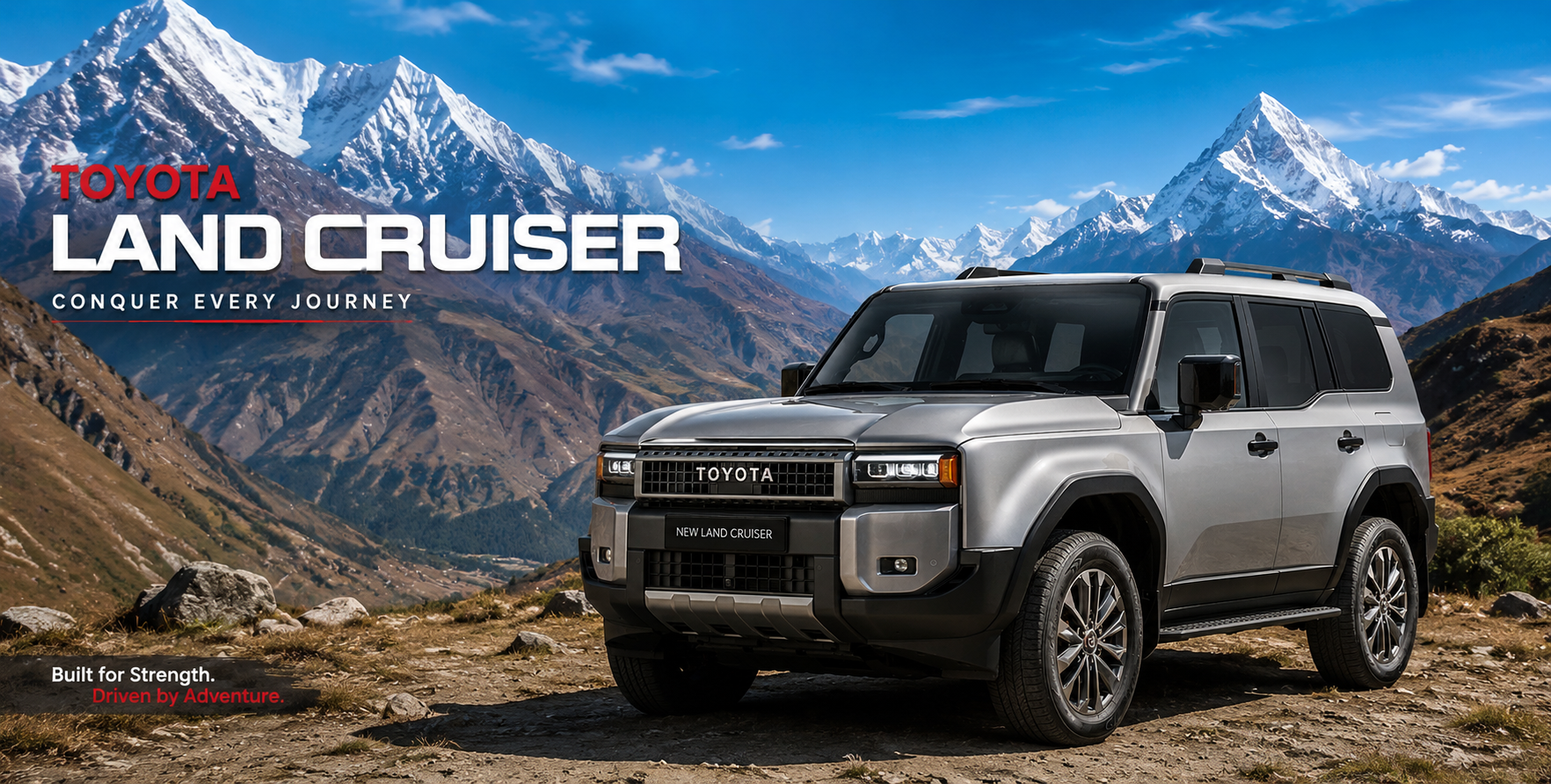
For VIP clients, corporate executives, or travellers connecting directly onward toward a trekking trailhead, our
Jeep hire in Nepal lineup provides a higher standard of cabin comfort, along with the four-wheel-drive capability needed when the airport transfer connects directly to a rougher mountain route the same day.
Coaster and Bus for Larger Delegations
Corporate groups, conference delegations, and larger tour parties arriving together are efficiently handled through our
Coaster and Bus hire fleet, keeping an entire group moving together rather than splitting across multiple smaller vehicles.
Looking Ahead: Airport Transfer Trends for 2026 and 2027
Growing Direct International Access to Pokhara
As more airlines add or expand direct international routes into Pokhara, demand for premium ground transport based locally in the city, rather than routed through Kathmandu, is expected to keep rising through 2026 and 2027. Travellers heading straight into the Annapurna region benefit particularly from this shift, since it removes an entire day of travel that previously ran through the capital.
Rising Demand for Combined Transfer and Touring Packages
Increasingly, travellers are booking airport transfers as the first leg of a single, coordinated itinerary rather than as a standalone service. A typical combined booking might include airport pickup, a day or two of Kathmandu Valley sightseeing, and a private vehicle transfer to a trekking trailhead or a luxury lodge, all arranged through a single point of contact rather than several separate bookings.
Corporate and MICE Travel Growth
Nepal’s meetings, incentives, conferences, and exhibitions (MICE) sector has grown steadily, attracting corporate travellers who expect airport transfer standards comparable to those in major international business hubs, including punctuality, professional presentation, and reliable group transport for larger delegations.
Digital Booking and Real-Time Communication
Travellers increasingly expect to book, confirm, and track their airport transfer digitally, with clear driver contact details shared in advance and live updates for flight delays, rather than relying on a paper voucher and a hopeful wait at arrivals.
Combining Airport Transfer With Kathmandu Valley Sightseeing
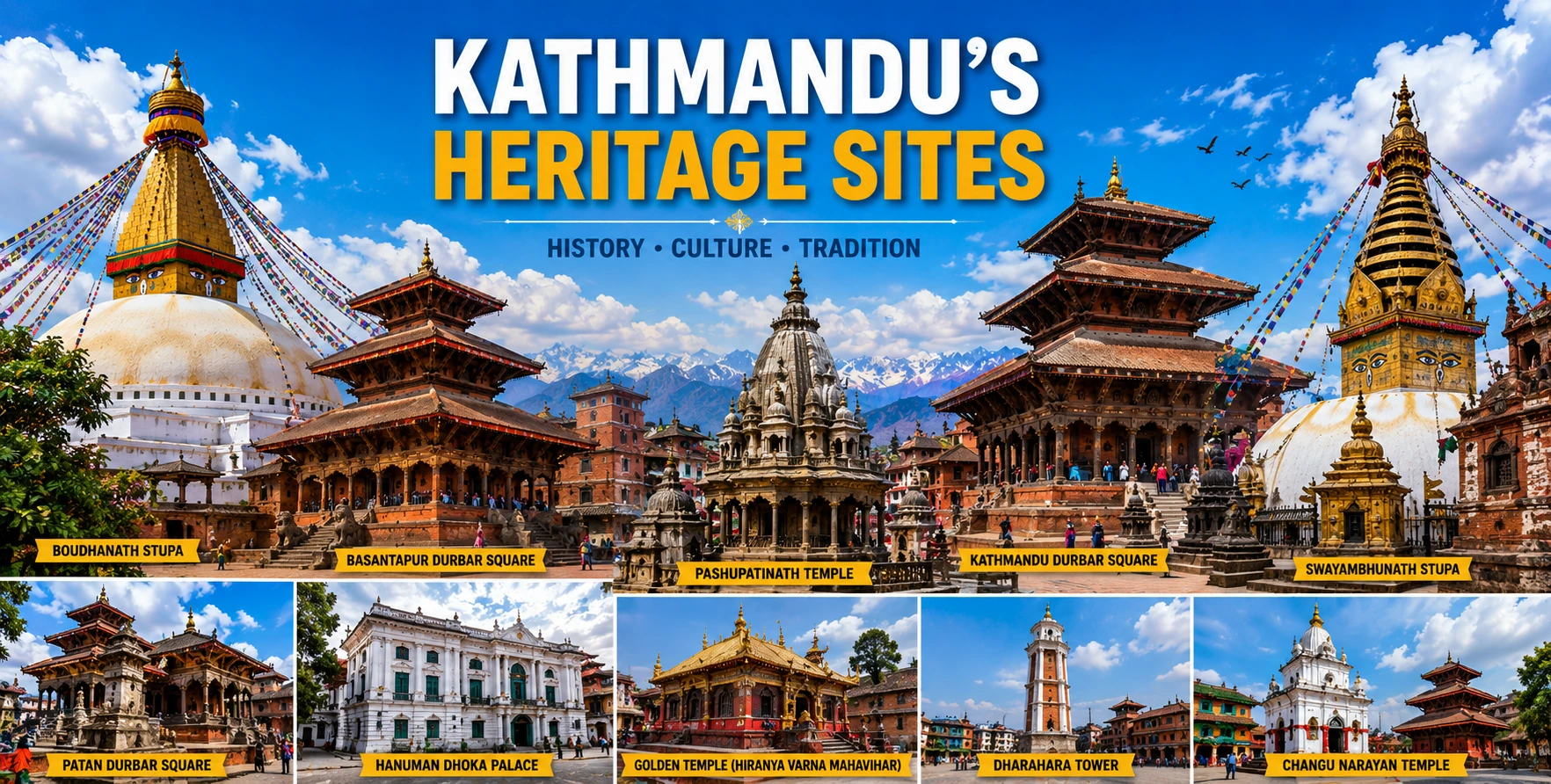
Many visitors build a day or two of Kathmandu Valley exploration around their airport arrival or departure, and a private vehicle already arranged for the transfer makes this far easier to coordinate. A visit to Bhaktapur’s medieval squares through our
Bhaktapur Durbar Square tour service, or an early departure for the Himalayan panorama on our
Nagarkot sunrise tour vehicle service naturally pairs well with an airport transfer booking, particularly for travellers with a long layover between an international arrival and a domestic onward flight or a trekking departure.
Airport Transfer for Trekking and Luxury Tour Clients
For trekkers and luxury tour clients, the airport transfer is often the very first and very last piece of a much larger logistics chain. Travellers heading out on the
Everest Base Camp Trek or the
Annapurna Circuit Trek through our sister company, Alpine Luxury Treks, typically arrive at Tribhuvan International Airport, transfer to a hotel for a rest day, and then continue toward the trailhead using our ground transport services. Coordinating the airport transfer and the trekking transfer through a single provider keeps the whole journey consistent, since the same office managing your pickup also manages your onward jeep or Hiace to Besisahar, Syabrubesi, or Soti Khola.
Luxury lodge trek clients and those booking a combined
Nepal, Tibet, and Bhutan tours through Alpine Luxury Treks particularly benefit from this kind of coordinated planning, since these itineraries often involve multiple domestic flights and vehicle transfers across a short trip, and a single logistics partner reduces the risk of miscommunication between legs.
Punctuality, Flight Delays, and Contingency Planning
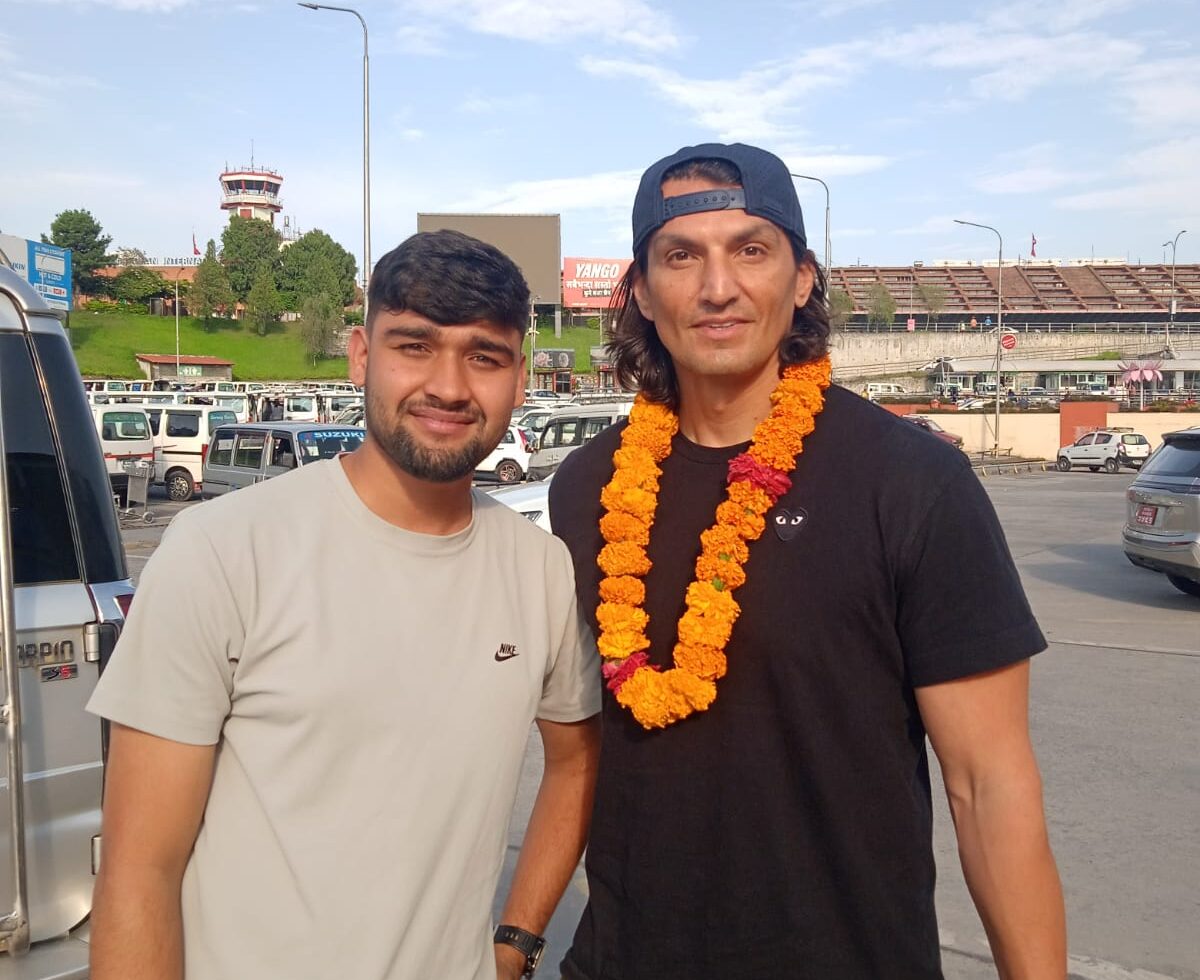
Flight schedules in Nepal, particularly on mountain routes to Lukla, Jomsom, or Pokhara, are notoriously weather-dependent, and even international arrivals into Kathmandu can shift by hours during peak season congestion. A genuinely reliable airport transfer service builds this uncertainty into its planning from the outset, tracking flight status in real time and adjusting driver dispatch accordingly, rather than expecting a fixed pickup time regardless of the actual arrival time. Waiting-time policies should be clear and generous, since an unexpected two-hour flight delay should never become the traveller’s problem to solve.
For departures, the same principle applies in reverse. Drivers should confirm pickup times based on the traveller’s actual flight, realistically account for Kathmandu or Pokhara traffic patterns, and build in a buffer for airport security and check-in queues, which can be considerably longer during peak autumn and spring travel seasons.
Safety and Vehicle Standards for Airport Transfers
Because airport transfers often represent a traveller’s first direct experience of Nepali roads, vehicle condition and driver professionalism matter as much here as on any trekking route. Every vehicle in our airport transfer fleet is inspected regularly, with particular attention to tyres, brakes, and air conditioning, and drivers are trained specifically in airport pickup etiquette, defensive city driving, and clear, professional communication with international guests who may be jet-lagged, travelling with young children, or unfamiliar with Kathmandu’s traffic patterns.
Pricing and What Affects the Cost of a Luxury Airport Transfer
Luxury airport transfer pricing in Nepal depends primarily on vehicle class, distance from the airport to the final destination, and whether the booking includes additional stops or same-day onward travel. A private sedan transfer from Tribhuvan International Airport to central Kathmandu is generally the most affordable premium option. In contrast, a Land Cruiser transfer connecting directly onward toward a trekking trailhead the same day naturally costs more, reflecting both the vehicle class and the longer overall journey.
Group bookings for families or small tour parties typically reduce the effective per-person cost considerably compared to arranging individual pickups and bookings, particularly during the peak autumn and spring seasons, both securing better availability and avoiding the inflated last-minute rates common at airport taxi ranks. Visit our
homepage or explore our
Ultimate Nepal Vehicle Rental Guide for broader pricing context across our full vehicle fleet.
How to Book Your Luxury Airport Transfer
Booking is straightforward and best arranged well before arrival in Nepal, particularly during the busy October-to-November and March-to-May travel windows. Share your flight details, arrival airport, group size, and preferred vehicle class with our team in advance, and confirm any same-day onward travel plans so that the right vehicle, whether a sedan, Hiace, or Land Cruiser, is assigned from the outset. We typically send confirmation, driver contact details, and any updates due to flight changes well ahead of your arrival, so a clearly identified driver is waiting the moment you clear immigration and collect your luggage.
Honeymoon, Wedding, and Special Occasion Transfers
Nepal has grown steadily as a destination for honeymoons and small destination weddings, particularly around Pokhara’s lakeside setting and the wider Annapurna foothills, and airport transfer is often the first detail couples arrange after booking flights. A private, unhurried pickup, sometimes with small touches such as flowers or a welcome note arranged in advance, sets a very different tone from a shared shuttle packed with unrelated travellers. For couples continuing to a honeymoon lodge trek or a luxury tour through our sister companies, coordinating the airport transfer as part of the same booking keeps every leg of the journey consistent, from touchdown at Tribhuvan International Airport through to the final scenic drive to a lakeside resort in Pokhara or a luxury mountain lodge.
Senior Travellers, Medical Considerations, and Accessibility
Nepal increasingly welcomes older travellers and those with limited mobility, particularly for shorter cultural itineraries around the Kathmandu Valley or gentler pilgrimage journeys such as to Muktinath, where much of the experience can be enjoyed without strenuous trekking. For this group, airport transfer quality carries particular weight: a driver who assists patiently with luggage, a vehicle with comfortable, easy-entry seating rather than a high-step-up 4WD, and a realistic, unhurried pace between the airport and the first night’s hotel all make a meaningful difference. Families travelling with elderly relatives or anyone managing a medical condition should mention this when booking, so the right vehicle class and driver experience level match the trip from the outset.
Film Crews, Journalists, and Specialist Group Logistics
Nepal continues to attract international film crews, documentary teams, and journalists covering everything from mountaineering expeditions to cultural features, and this kind of travel brings its own specific transfer requirements: additional vehicles for equipment, flexible scheduling around shifting shoot days, and drivers comfortable with early starts, late finishes, and last-minute changes of plan. Our fleet’s range, from Land Cruisers and Hiace vans to Coaster buses, lets a single production coordinate cast, crew, and equipment transport through one provider rather than piecing together transport from multiple smaller operators.

Shared Shuttle Versus Private Transfer: Weighing the Trade-offs
Nepal’s shared airport shuttle services serve budget travellers and backpackers well, and they remain a genuinely economical way to reach central Kathmandu or Pokhara from the airport. The trade-off is a fixed departure schedule tied to filling the vehicle, multiple stops at other travellers’ hotels before reaching yours, and no flexibility around flight delays or early check-in requests. A private transfer removes this uncertainty at a modest premium, going directly from the airport to a single destination on a schedule built entirely around the traveller’s flight and itinerary. For solo backpackers on a tight budget, the shared shuttle remains a sensible choice; for families, couples, business travellers, or anyone arriving after a long international flight, the private option is generally worth the difference.
Seasonal Traffic Patterns and Timing in Kathmandu and Pokhara
Kathmandu’s traffic has grown considerably busier over the past decade, and certain times of day and year meaningfully affect airport transfer timing. Weekday rush hours, typically mid-morning and early evening, can add significant time to what would otherwise be a short drive from Tribhuvan International Airport into the city centre, particularly around the Ring Road and key intersections near Thamel and the tourist district. During major festivals such as Dashain and Tihar, road closures and increased local travel can further affect timing, so experienced drivers plan routes and allow for departure buffers accordingly. Pokhara’s road network remains considerably less congested, though lakeside areas can see a noticeable increase in local traffic during the peak October-to-November trekking season.
A Sample Coordinated Itinerary: Airport to Trailhead
A typical premium itinerary for a trekking client might look like this. On arrival at Tribhuvan International Airport, a uniformed driver meets the traveller inside the arrivals hall, having tracked the flight in real time, and transfers them directly to a Kathmandu hotel in a private sedan or Hiace. The following day includes a half-day Kathmandu Valley sightseeing tour, perhaps combining Bhaktapur and a sunrise visit to Nagarkot, before an early departure the next morning in a Land Cruiser or Prado toward the chosen trekking trailhead, whether that is Besisahar for the Annapurna Circuit, Syabrubesi for Langtang, or Soti Khola for Manaslu. On return from the trek, the same coordinated logistics apply in reverse, with a private vehicle collecting the group at the trailhead and returning them to Kathmandu in time for their onward or international flight, with the entire multi-leg journey handled by a single point of contact from the very first airport pickup to the final departure transfer.
Sustainability in Airport Ground Transport
As Nepal’s tourism sector grows, so does attention to the environmental footprint of the ground transport supporting it. Well-maintained, properly serviced vehicles run more efficiently and emit less than poorly maintained older cars. Consolidating group travel into appropriately sized vehicles, rather than sending multiple half-empty cars for the same group, reduces the overall number of trips required. Increasingly, travellers ask about fuel efficiency and vehicle age when booking premium transfers, and operators who maintain a modern, well-serviced fleet are better positioned to answer honestly. Supporting local drivers and mechanics based in Kathmandu and Pokhara, rather than relying on informal or unregulated operators, also channels tourism revenue more directly into the local economy that depends on it.

Driver Training and Professional Standards
A luxury airport transfer is only as good as the driver behind the wheel, and our professional standards go well beyond holding a valid license. Drivers assigned to airport transfer work are trained specifically in customer-facing etiquette, including how to identify and approach arriving guests confidently without being intrusive, how to handle luggage carefully, and how to communicate clearly in English about timing, routes, and any unexpected delays. Ongoing defensive driving training is especially important given Kathmandu’s dense, occasionally chaotic city traffic, where a calm, unhurried driving style directly affects how relaxed a jet-lagged traveller feels on their first ride through the city.
Background screening and consistent performance reviews also matter for any operator serious about maintaining a genuine luxury standard, particularly for solo female travellers or families with young children, who benefit from the added confidence that their driver has been vetted and is accountable to a proper company structure rather than operating informally.
Technology, Communication, and Real-Time Updates
The most noticeable shift in airport transfer services is the growing expectation of clear, real-time digital communication throughout the booking process. This typically includes a confirmed booking reference sent well ahead of arrival, direct driver contact details shared before the trip begins, live flight tracking that automatically adjusts pickup timing, and a simple way to reach the local office directly if plans change unexpectedly. Travellers arriving after long-haul flights particularly value this clarity, since it removes the anxiety of wondering whether a driver will actually be waiting after a fourteen-hour journey and an unfamiliar immigration process.
Group Coordination for Trekking Agencies and Tour Operators
Trekking and tour agencies bringing multiple client groups through Nepal each season have particular airport transfer needs: consistent vehicle standards across every booking, reliable communication with agency staff rather than only the traveller, and the flexibility to scale up or down as group sizes and arrival dates shift throughout a busy season. Nepal Vehicle Hiring works directly with several trekking and touring partners, including our own sister companies, to provide consistent, dependable service across an entire season’s bookings rather than treating each transfer as an isolated, one-off request.
CIP and Fast-Track Arrival Services
Tribhuvan International Airport offers a Commercially Important Person (CIP) lounge and fast-track immigration service for travellers willing to pay a premium for expedited processing, and pairing this with a luxury ground transfer creates one of the smoothest possible arrival experiences available in Nepal. Rather than joining the general immigration queue, CIP travellers use a dedicated channel, collect luggage with priority handling, and step directly into a private vehicle within minutes of disembarking. This combination is particularly popular among business executives on tight schedules, honeymoon couples who want to start without delay, and travellers who need to get on a flight to Pokhara, Lukla, or Jomsom quickly.
Even without the formal Service, a well-organised transfer firm will handle baggage claim where possible and position drivers as travellers exit, as airport regulations allow.
Customs, Immigration, and What to Expect on Arrival
Most international visitors to Nepal can obtain a visa on arrival at Tribhuvan International Airport. However, the process can take anywhere from a few minutes to over an hour, depending on how many flights land at once and how efficiently the immigration counters operate that day. Having a driver already informed of realistic worst-case arrival timing, rather than a rigid pickup slot, avoids the awkward situation of a driver waiting outside while a traveller is still working through visa formalities inside the terminal. Once through immigration, luggage collection and a straightforward customs declaration process, generally simple for tourists without commercial goods, complete the arrival sequence before stepping out to meet a waiting vehicle.

Kathmandu Hotel Zones and Typical Transfer Times
Drive times from Tribhuvan International Airport vary significantly depending on where in Kathmandu the traveller is headed. Thamel, the central tourist district and the most common destination for independent travellers and trekkers, typically takes 20 to 40 minutes to reach, depending on traffic. Hotels around Durbar Marg and the diplomatic enclave near Lazimpat are similarly close. At the same time, properties farther out toward Boudhanath or the Kathmandu Valley rim, such as Nagarkot, require considerably longer transfers, sometimes approaching 90 minutes to 2 hours given the climb out of the valley. Sharing your exact hotel or accommodation address at booking allows for an accurate transfer-time estimate and appropriate vehicle scheduling from the outset.
Looking Further Ahead: Nepal’s Expanding Airport Infrastructure
Beyond Pokhara’s now-established international airport, Nepal has discussed long-term plans for additional aviation infrastructure, including a proposed second international airport at Nijgadh in the Terai, intended to eventually ease pressure on Tribhuvan International Airport’s constrained single-runway capacity. While the timeline for such large infrastructure projects tends to extend well beyond any single year’s forecast, the broader direction is clear: Nepal’s aviation sector is gradually expanding its capacity to receive international visitors, and ground transport providers are adapting in parallel, building relationships and driver coverage across a wider set of arrival points rather than concentrating exclusively around Kathmandu.
Comparing the Kathmandu and Pokhara Arrival Experience
Travellers choosing between arriving in Kathmandu first and flying directly into Pokhara face a genuinely different first impression of Nepal. Kathmandu’s airport and surrounding city offer a denser, more chaotic, but culturally rich introduction, with immediate access to Durbar Squares, temples, and the Thamel tourist district, at the cost of heavier traffic and a busier arrivals process. Pokhara’s airport, by contrast, offers a calmer, more immediate connection to the mountains, with Phewa Lake and Annapurna views often visible within minutes of leaving the terminal, and a noticeably more relaxed arrivals experience given its smaller scale. Neither is objectively better, and the right choice depends heavily on whether Kathmandu’s cultural sites are a priority or whether the traveller wants the fastest possible route into the Annapurna region.
Frequently Asked Questions
How far in advance should I book a luxury airport transfer in Nepal?
Booking at least one to two weeks ahead is recommended, and three to four weeks ahead during the peak autumn and spring seasons, when both vehicles and drivers are in highest demand.
What happens if my flight is delayed?
A professional transfer service tracks your flight in real time and adjusts the driver’s arrival accordingly, so a delayed flight does not affect your pickup. Always confirm this policy when booking.
Can I book a transfer that continues directly on to a trekking trailhead?
Yes. Many clients combine an airport pickup with same-day or next-day onward transport to trailheads such as Besisahar, Syabrubesi, or Soti Khola, coordinated through a single booking.
Is a Land Cruiser necessary for a simple airport-to-hotel transfer?
Not usually. A premium sedan or SUV is generally sufficient for a straightforward transfer within Kathmandu or Pokhara. A Land Cruiser becomes more relevant when the transfer continues onward toward rougher mountain roads the same day.
Do luxury airport transfers cost significantly more than a standard taxi?
They cost more than an unmetered street taxi. Still, the difference is generally modest, and it buys a fixed, transparent price, a professional driver, flight tracking, and a well-maintained vehicle, removing the common risks associated with unregulated airport taxis.
Can transfers be arranged for both Kathmandu and Pokhara on the same trip?
Yes. Mantravellers arranges airport transfers at both ends of a domestic flight or overland journey between the two cities, all coordinated through the same booking.
Are transfers available for large corporate or tour groups?
Yes. Our Hiace and Coaster fleet is specifically suited to efficiently transporting corporate delegations, conference groups, and larger tour parties from the airport to their hotel or venue.
Insurance, Liability, and Booking Protection
Reputable ground transport operators in Nepal carry commercial vehicle insurance covering passengers, and it is worth confirming this directly when booking a premium transfer, particularly for longer journeys that continue beyond the airport into trekking or touring routes. Clear terms around cancellation, refunds for missed flights, and what happens in the rare case of a vehicle breakdown en route should be part of any transparent booking confirmation, giving travellers confidence that their transfer is backed by a properly structured, accountable company rather than an informal arrangement with no real recourse if something goes wrong.
Safety Considerations for Solo and Female Travellers
Nepal has grown increasingly popular with solo travellers, including many solo women, and airport transfers are often the first point where safety considerations come into play. A pre-booked, verified driver with a confirmed name and vehicle registration, shared in advance, offers considerably more security than approaching an unmarked taxi at the airport exit. Female travellers in particular often report feeling more comfortable when a transfer company confirms driver details in advance and provides a direct contact number for the local office if anything about the pickup is unclear upon arrival. This same principle extends naturally into any onward vehicle hire for trekking or touring, where a known, accountable driver and company remain equally important.
Weather Disruption and Contingency Planning for Transfers
Kathmandu’s air quality and occasional haze during the dry pre-monsoon months can affect visibility and, in rare cases, flight schedules, while monsoon-season thunderstorms between June and August can cause localised delays. A transfer service with realistic contingency planning, including drivers briefed on alternate routes during heavy rain and a policy of extended waiting time during weather-related flight delays, protects travellers from the compounding stress of an already-delayed journey. This is particularly relevant for travellers connecting from an international arrival directly to a domestic flight to Pokhara, Lukla, or Bhairahawa on the same day, where a tight connection leaves little room for unexpected delays.
Luggage, Trekking Gear, and Equipment Handling
Trekkers arriving with duffel bags, trekking poles, and sometimes specialised equipment such as climbing gear or professional camera equipment need a transfer vehicle with genuinely adequate luggage space, not simply a car that technically fits everything if items are stacked awkwardly. Our airport transfer bookings account for this from the outset, matching vehicle class to your luggage volume and ensuring ample space or extra travellers’kit or camera equipment for a documentary shoot.
The Value of a Single, Coordinated Logistics Partner
Many travellers don’t realise how much friction disappears when airport transfers, city sightseeing, and onward trekking or touring transport are all coordinated by the same company rather than booked separately with different local operators. A single point of contact means one confirmation email rather than several, one phone number to call if plans change, and a team that already understands the traveller’s itinerary rather than having to re-explain it at each leg of the journey. This is precisely the coordinated service Nepal Vehicle Hiring provides in partnership with our sister companies, Alpine Luxury Treks and Trek Nepal Himalayas, for clients combining a vehicle transfer with a trek, a pilgrimage, or a wider regional tour.
What should I do if I cannot find my driver at arrivals?
A reliable transfer service always shares the driver’s direct contact details in advance, so a quick phone call or message resolves this immediately. Confirm that this contact information is provided as part of your booking confirmation.
Is an airport transfer available late at night or very early in the morning?
Yes. International flights into Kathmandu often arrive at unusual hours, and premium transfer services operate around the clock specifically to accommodate this, with drivers briefed on late-night and pre-dawn pickup protocols.
Can I request a specific vehicle model or driver for repeat visits?
Returning clients can often request the same driver or vehicle class for consistency across multiple trips to Nepal, subject to availability at the time of booking.
What documentation should I keep after booking?
Keep your booking confirmation, driver contact details, and vehicle registration information accessible on your phone, both as a reference on arrival and as a safety measure in case any questions arise about the vehicle meeting you.
Do transfer prices change during major Nepali festivals?
Demand and traffic increase during major festivals such as Dashain and Tihar, so booking well in advance is strongly advised to ensure availability and avoid last-minute price increases common with informal taxi services.
Can a transfer be arranged directly from one domestic airport to another, such as from Pokhara to Jomsom?
Ground transfers connecting to domestic flight legs, such as onward travel after landing in Pokhara, can be arranged as part of a coordinated itinerary, though very short-hop mountain flights themselves, such as Pokhara to Jomsom, are handled by air rather than by road.
Corporate Accounts and Repeat Business Travel
Companies with regular staff travel to Nepal, whether for ongoing project work, mining and infrastructure consulting, NGO field visits, or periodic conference attendance, increasingly set up standing arrangements with a single ground transport provider rather than booking transfers individually for each trip. This kind of corporate account typically includes pre-agreed pricing, consistent invoicing, and a dedicated point of contact who understands the company’s travel patterns and preferred vehicle standards, removing the administrative overhead of re-negotiating transport for every new employee arrival. For organisations sending trekking or research teams into remote regions as part of their work, this same relationship can extend naturally from the initial airport pickup through to specialised jeep transport to more remote project sites.
Family Travel and Multi-Generational Groups
Family groups travelling together, from young children to grandparents, often have the most varied set of needs, and airport transfers are where this first becomes apparent. A larger Hiace van with proper child seating options where needed, enough space for strollers and extra luggage, and a driver patient enough to keep a slow, careful pace between the airport and the first hotel all matter considerably more for family groups than for a solo business traveller. Booking correctly from the outset, including children’s ages and any seating requirements, ensures the right vehicle is assigned rather than discovering a mismatch on arrival.
Building Your First Day in Nepal Around a Smooth Arrival
The hours immediately following a long international flight often set the tone for how a traveller adjusts to Nepal’s altitude, time difference, and general pace of life. A calm, unhurried transfer, rather than a rushed scramble to find transport, gives travellers a genuine chance to begin acclimatising, both physically and mentally, before diving into sightseeing or preparing for a trek the following day. Many experienced Nepal travel planners now build in a deliberately light first day, arranged around exactly this kind of relaxed airport pickup and a short, easy orientation drive, rather than scheduling demanding activities immediately on arrival.
Choosing Between Booking Directly and Through a Hotel or Agent
Travellers can typically arrange airport transfers directly with a ground transport company, through their hotel’s concierge service, or as part of a package booked through a trekking or tour agency. Booking directly often provides the clearest visibility into the exact vehicle class, driver details, and pricing, since there is no intermediary margin or communication gap between the traveller and the vehicle provider. Hotel-arranged transfers can be convenient but sometimes carry a marked-up price for the same service. In contrast, agency-coordinated transfers, such as those arranged through our partnership with Alpine Luxury Treks and Trek Nepal Himalayas, offer full itinerary integration, with the transfer planned as part of a single, coherent trip rather than a standalone add-on.
Common Mistakes to Avoid When Arranging Airport Transfer
A handful of avoidable mistakes account for most airport transfer problems travellers experience in Nepal. The most common is booking through an unverified, informal contact rather than a properly registered company. It often results in a no-show driver or a vehicle far below the promised standard. Not sharing an accurate flight number and arrival terminal, especially for travellers connecting through a second flight before reaching Kathmandu, is another common source of confusion. Assuming a shared shuttle will depart immediately on arrival, rather than waiting for the vehicle to fill, catches many budget travellers off guard, and not confirming in advance whether the quoted price includes all luggage, tolls, and waiting time can lead to unwelcome surprises at the end of the journey. Working with an established operator, confirming details clearly in writing before arrival, and asking direct questions about vehicle class and driver details resolve nearly all of these issues before they become problems.
Regional Airport Transfer Beyond Kathmandu and Pokhara
Beyond the three main international-capable airports, Nepal’s domestic airport network includes numerous smaller regional airstrips, such as Lukla, Jomsom, Bharatpur, Nepalgunj, and Biratnagar, each serving as a gateway to a particular trekking region or part of the country. While these smaller airports don’t typically offer the same scale of luxury ground ttransportas transport as Pokhara, they still provide a regional connection well in advance, especially for Chitwan visitors and Nepalgunj travellers, through an operator with a genuine national network rather than a purely Kathmandu-based service, avoiding the common frustration of arriving at a smaller airport with no pre-arranged onward transport waiting.
The Broader Case for Planning Ground Transport Early
Across every category discussed in this guide, from a simple hotel transfer to a multi-leg journey connecting an international arrival with a trekking trailhead, the single most valuable habit any traveller can adopt is arranging ground transport well before landing in Nepal, rather than treating it as a detail to sort out on arrival. Vehicle and driver availability tightens considerably during the peak spring and autumn seasons, prices are generally more favourable when booked ahead rather than negotiated on the spot, and the peace of mind of knowing exactly who will be waiting, in what vehicle, and at what price, allows travellers to focus on what actually drew them to Nepal in the first place: the mountains, the temples, the culture, and the people.
A Quick Checklist Before You Fly
A short checklist, reviewed a week or so before departure, resolves nearly every common issue with airport transfers before it arises. Working through these points with your chosen provider ensures your vehicle, driver, and pickup timing match your actual arrival, rather than relying on assumptions.
- Confirm your flight number, arrival terminal, and expected landing time with your transfer provider at least a week ahead.
- Share your exact hotel or accommodation address so drive time and vehicle scheduling can be planned accurately.
- Specify group size, luggage volume, and any special requirements such as child seating or wheelchair access.
- Save your driver’s name and contact number, along with the transfer company’s local office number, on your phone before departure.
- Confirm whether the quoted price includes waiting time, tolls, and any additional stops you may need along the way.
- If continuing onward the same day to a trekking trailhead or a second flight, confirm realistic timing buffers with your provider in advance.
Final Thoughts: Setting the Right Tone From Touchdown
As Nepal’s tourism and business travel sector grows, the quality of that first transport experience is becoming increasingly important to the traveller’s entire trip. A well-organised
Luxury airport transfer in Nepal removes the uncertainty of arrival, sets a calm, professional tone from the moment you land, and connects seamlessly into whatever comes next, whether that is a few days of Kathmandu Valley sightseeing, a private vehicle transfer toward a trekking trailhead, or a fully coordinated luxury tour across Nepal, Tibet, and Bhutan.
Whether you are arriving for a short business trip, a multi-week trekking expedition, a honeymoon in Pokhara, or a family pilgrimage to Muktinath or Lumbini, the principle remains the same: a dependable, professionally driven vehicle waiting the moment you clear immigration is one of the simplest and most effective investments you can make in the overall quality of your Nepal experience. As airports across the counmodernisenutravellers have genuinelylers arrtravellersgenuinely high expectations shaped by int;rnational travel standards, ground transport providers who combine local road knowledge with consistent, professional service will remain best placed to meet that demand through 2026, 2027, and beyond.
Planning Your Next Trip
Nepal’s ground transport landscape is evolving quickly alongside its expanding airport infrastructure, and travellers who plan their airport transfer with the same care they give to flights, permits, and accommodation consistently report a smoother, more enjoyable start to their trip. Whether your itinerary centres on a Himalayan trek, a cultural circuit through the Kathmandu Valley, a pilgrimage to Muktinath or Lumbini, or a business visit tied to Nepal’s growing MICE sector, arranging a dependable, professionally driven vehicle from the moment you land remains one of the simplest ways to protect the quality of everything that follows.
Contact Nepal Vehicle Hiring today at 9814227196; email: [email protected] to arrange your premium airport transfer for Kathmandu, Pokhara, or Bhairahawa.
Our team remains ready and available to help design and coordinate every leg of your journey through Nepal, from the very first airport pickup to the final farewell drive back to the terminal, including guidance on vehicle selection, seasonal timing, and how best to combine your transfer with the wider trekking, pilgrimage, or luxury touring opportunities that make Nepal such a rewarding destination to explore.
- Why Airport Transfer Quality Matters More Than Ever
- Nepal's Key Airports for Luxury Ground Transport
- What Defines a Luxury Airport Transfer
- Vehicle Options for Airport Transfer
- Looking Ahead: Airport Transfer Trends for 2026 and 2027
- Combining Airport Transfer With Kathmandu Valley Sightseeing
- Airport Transfer for Trekking and Luxury Tour Clients
- Punctuality, Flight Delays, and Contingency Planning
- Safety and Vehicle Standards for Airport Transfers
- Pricing and What Affects the Cost of a Luxury Airport Transfer
- How to Book Your Luxury Airport Transfer
- Honeymoon, Wedding, and Special Occasion Transfers
- Senior Travellers, Medical Considerations, and Accessibility
- Film Crews, Journalists, and Specialist Group Logistics
- Shared Shuttle Versus Private Transfer: Weighing the Trade-offs
- Seasonal Traffic Patterns and Timing in Kathmandu and Pokhara
- A Sample Coordinated Itinerary: Airport to Trailhead
- Sustainability in Airport Ground Transport
- Driver Training and Professional Standards
- Technology, Communication, and Real-Time Updates
- Group Coordination for Trekking Agencies and Tour Operators
- CIP and Fast-Track Arrival Services
- Customs, Immigration, and What to Expect on Arrival
- Kathmandu Hotel Zones and Typical Transfer Times
- Looking Further Ahead: Nepal's Expanding Airport Infrastructure
- Comparing the Kathmandu and Pokhara Arrival Experience
- Frequently Asked Questions
- Insurance, Liability, and Booking Protection
- Safety Considerations for Solo and Female Travellers
- Weather Disruption and Contingency Planning for Transfers
- Luggage, Trekking Gear, and Equipment Handling
- The Value of a Single, Coordinated Logistics Partner
- Corporate Accounts and Repeat Business Travel
- Family Travel and Multi-Generational Groups
- Building Your First Day in Nepal Around a Smooth Arrival
- Choosing Between Booking Directly and Through a Hotel or Agent
- Common Mistakes to Avoid When Arranging Airport Transfer
- Regional Airport Transfer Beyond Kathmandu and Pokhara
- The Broader Case for Planning Ground Transport Early
- A Quick Checklist Before You Fly
- Final Thoughts: Setting the Right Tone From Touchdown
- Planning Your Next Trip

Related Blog & Articles

Kathmandu Airport to Pokhara Vehicle Rental

Bhairahawa Airport to Chitwan Vehicle Hire – Complete Guide
Chitwan to Kathmandu Airport Transfer