Plan a Trip


College Tour Vehicle Service in Nepal
College Tour Vehicle Service in Nepal: Safe, Comfortable & Affordable Student Group Transportation Guide
Every single year, colleges, universities, and schools right across Nepal organize a wide range of educational tours, study excursions, and field trips that take students well beyond the classroom, from the medieval Durbar Squares of the Kathmandu Valley to the wildlife-rich lowlands of Chitwan and the pilgrimage significance of Lumbini. Behind every successful college tour sits a less visible but genuinely critical piece of planning: reliable, safe, and properly coordinated
college tour vehicle service capable of moving large student groups efficiently and safely across the country.
This guide covers everything educational institutions need to know about arranging vehicle transport for college and school tours in Nepal: vehicle options for different group sizes, popular educational tour destinations, safety standards specific to student transport, planning and coordination logistics, cost factors for group bookings, and how to combine an academic tour with the wider cultural and natural experiences Nepal has to offer. Nepal Vehicle Hiring has coordinated transport for college and school groups across the country for years, and this guide draws directly on that institutional booking experience.
What a College Tour Vehicle Service Actually Involves
Arranging reliable transport for a college or school tour differs quite considerably from simply booking a single private vehicle for an individual traveler or small family group. Institutional bookings typically involve larger groups, often forty to sixty students plus accompanying teachers and staff, multi-day itineraries spanning several destinations, strict safety and supervision requirements, and a level of budget accountability that individual travelers rarely need to navigate. A genuine college tour vehicle service accounts for all of these factors from the outset, rather than simply scaling up a standard tourist vehicle booking.
In practice, this typically means carefully coordinating multiple vehicles at once, such as a combination of buses or coasters for the main student group alongside smaller vehicles for staff or equipment, planning realistic daily schedules that account for educational site visit durations rather than purely tourist sightseeing pace, and maintaining clear, ongoing communication with the coordinating teacher or administrator responsible for the trip’s overall success.
Vehicle Options for College and School Groups
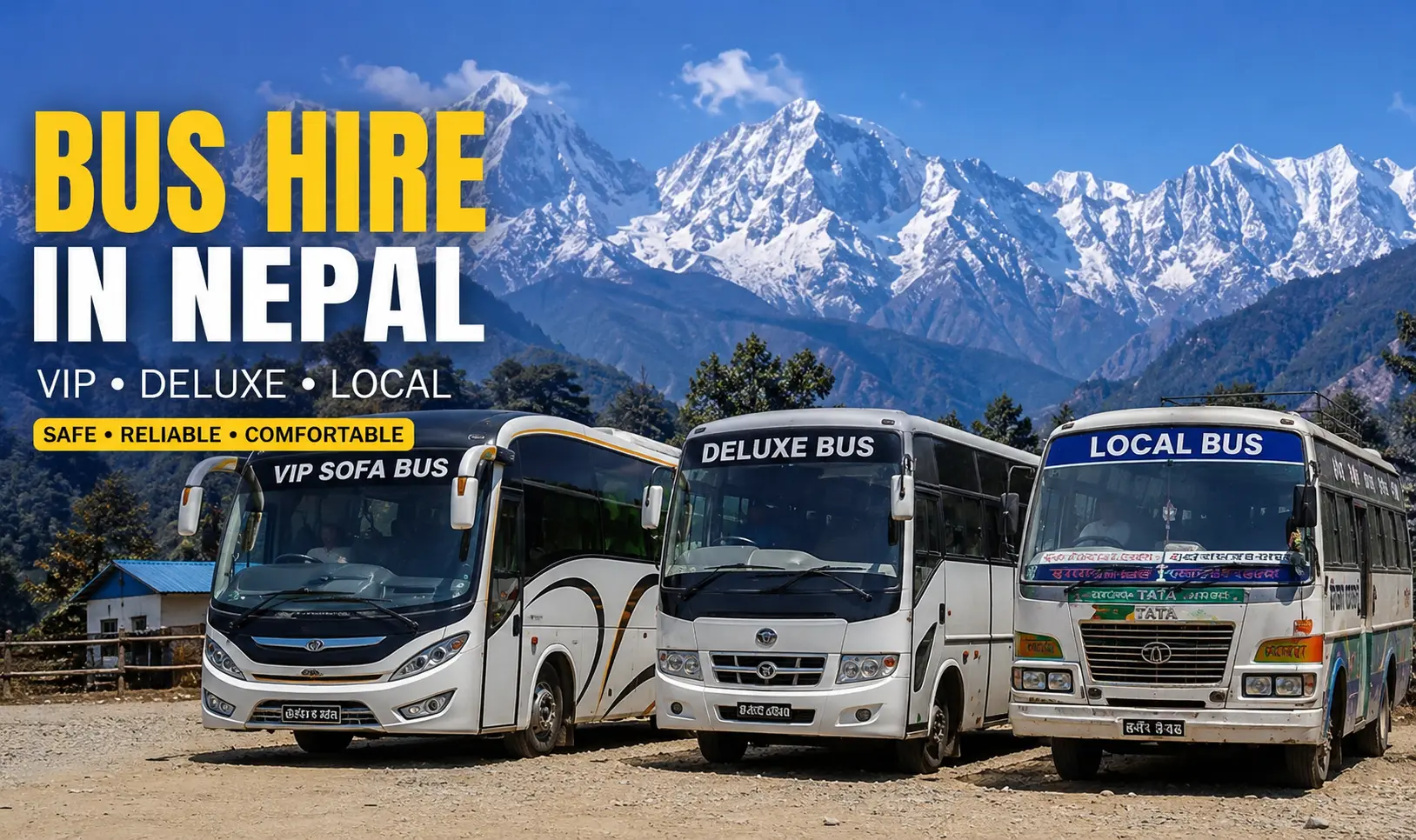
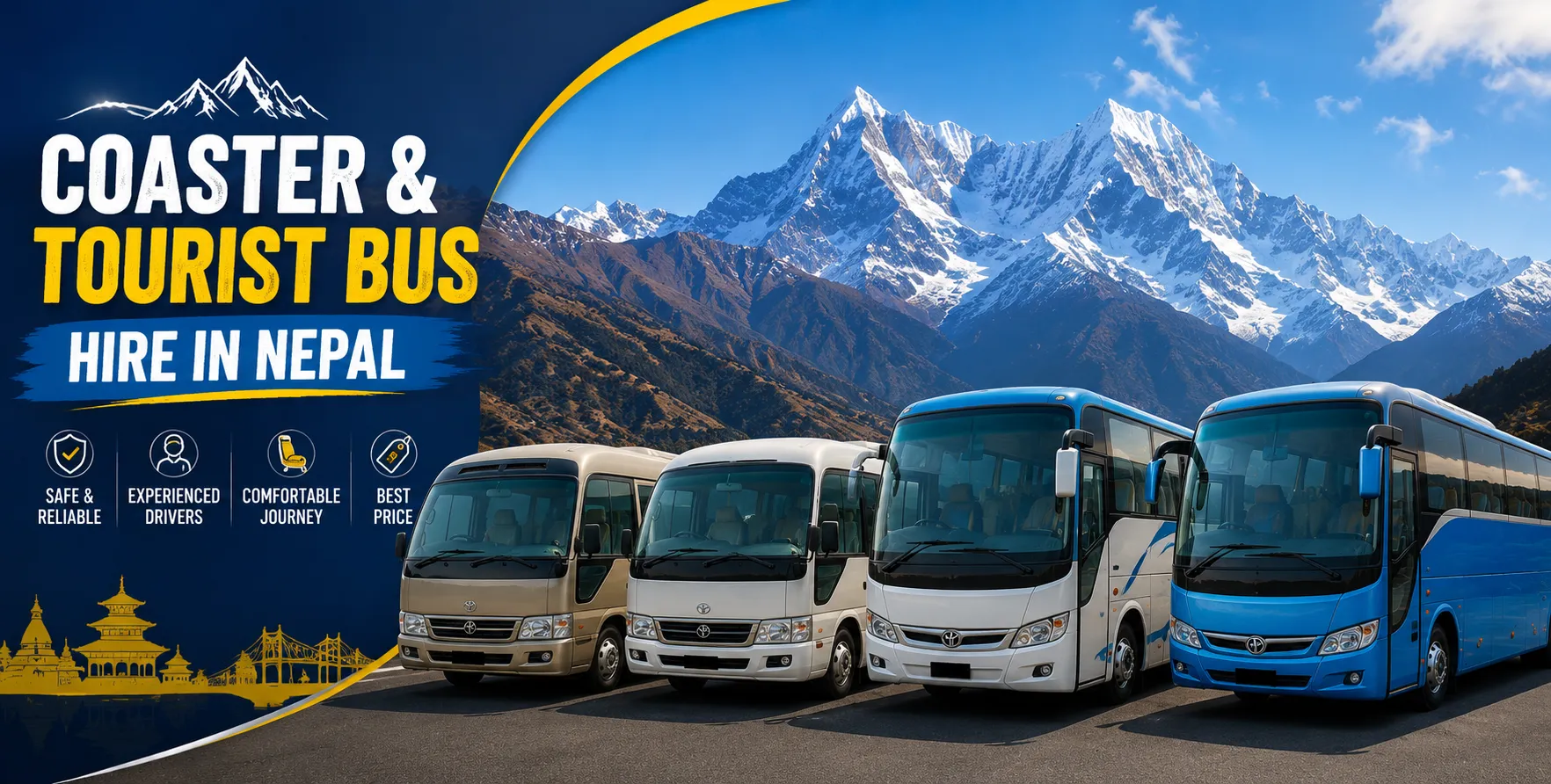
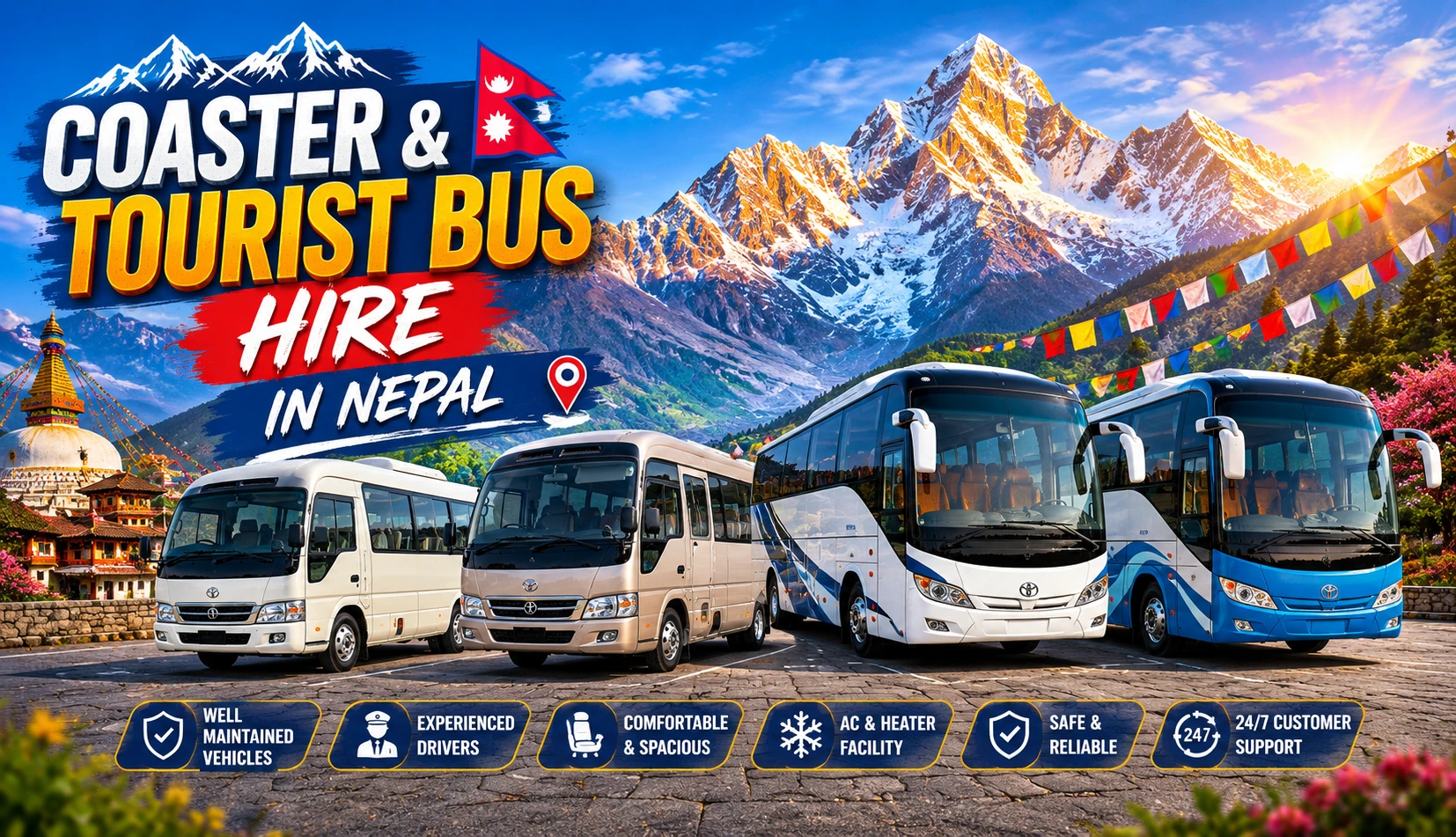
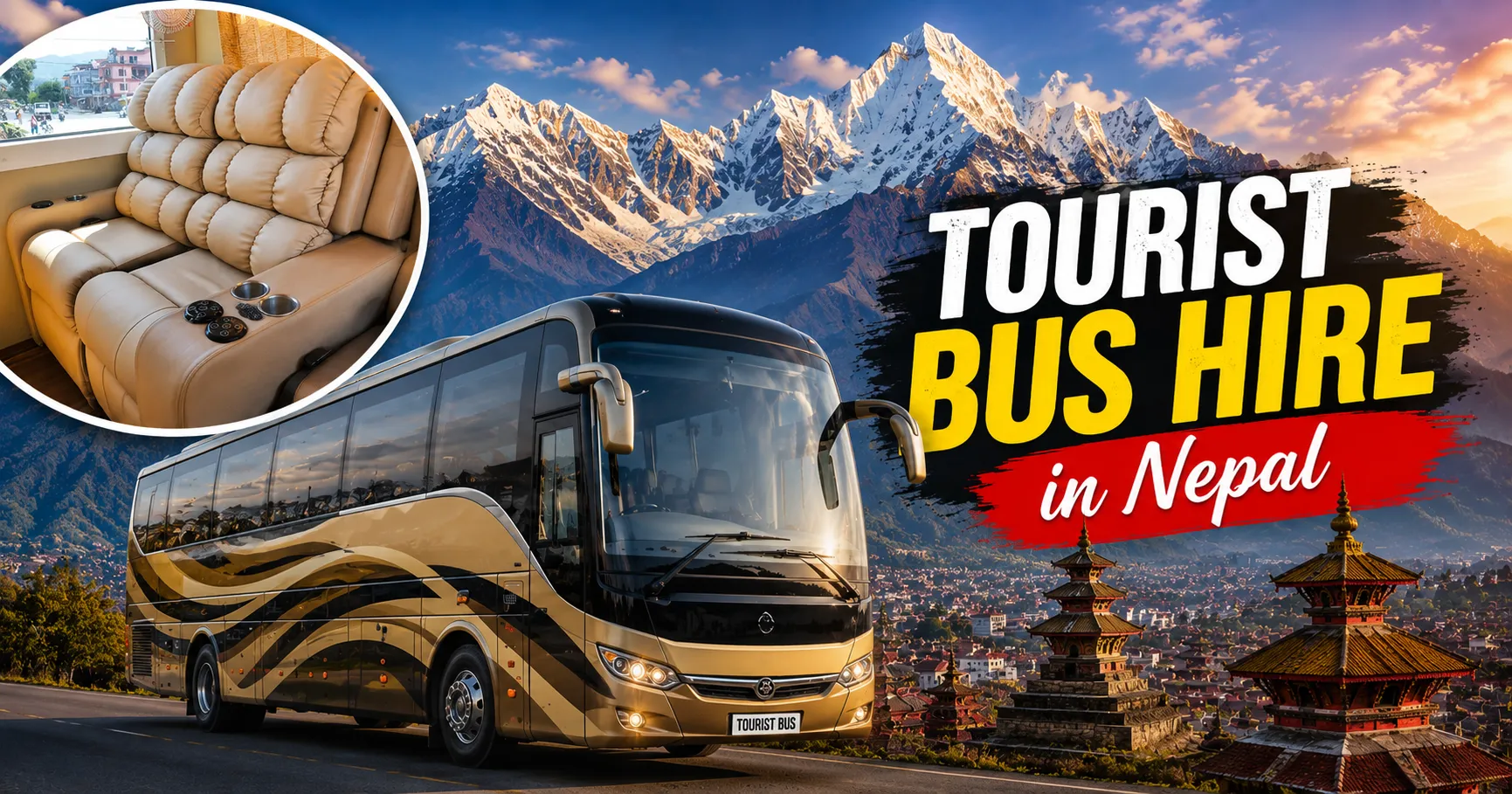
Coaster and Full-Size Bus
For larger student groups, our
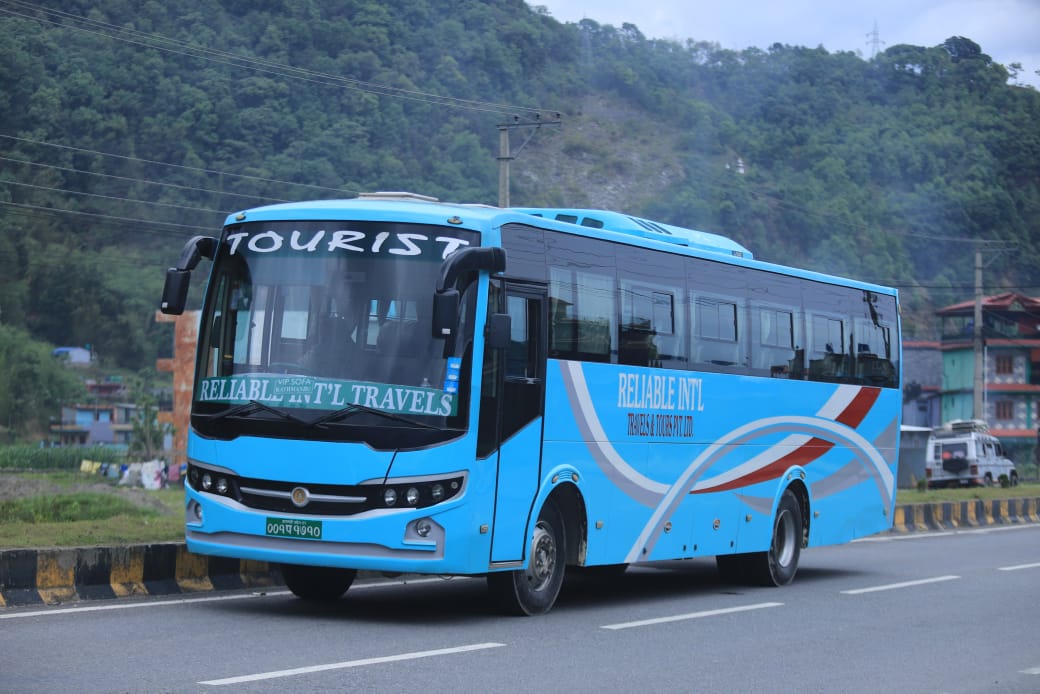
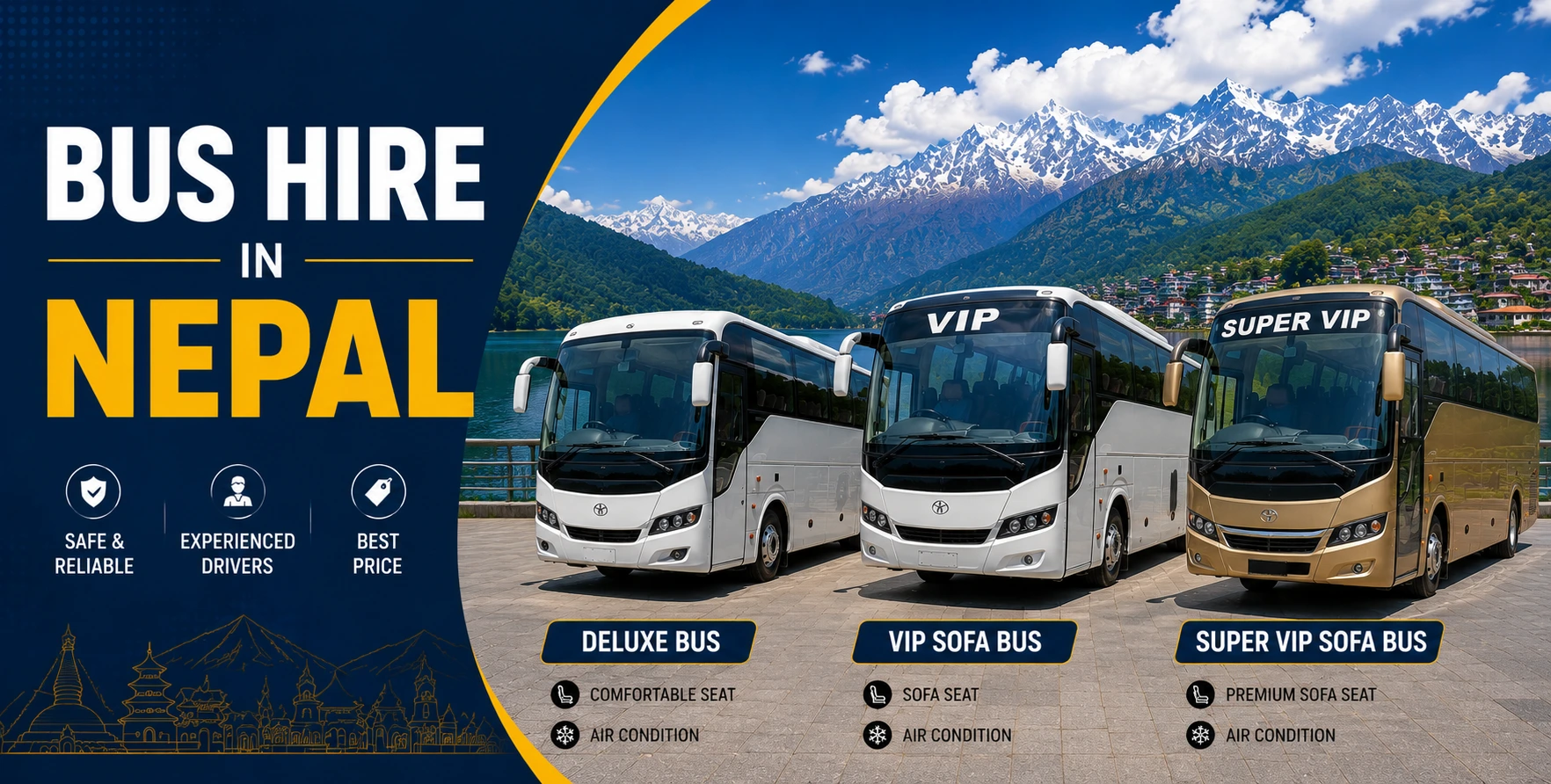
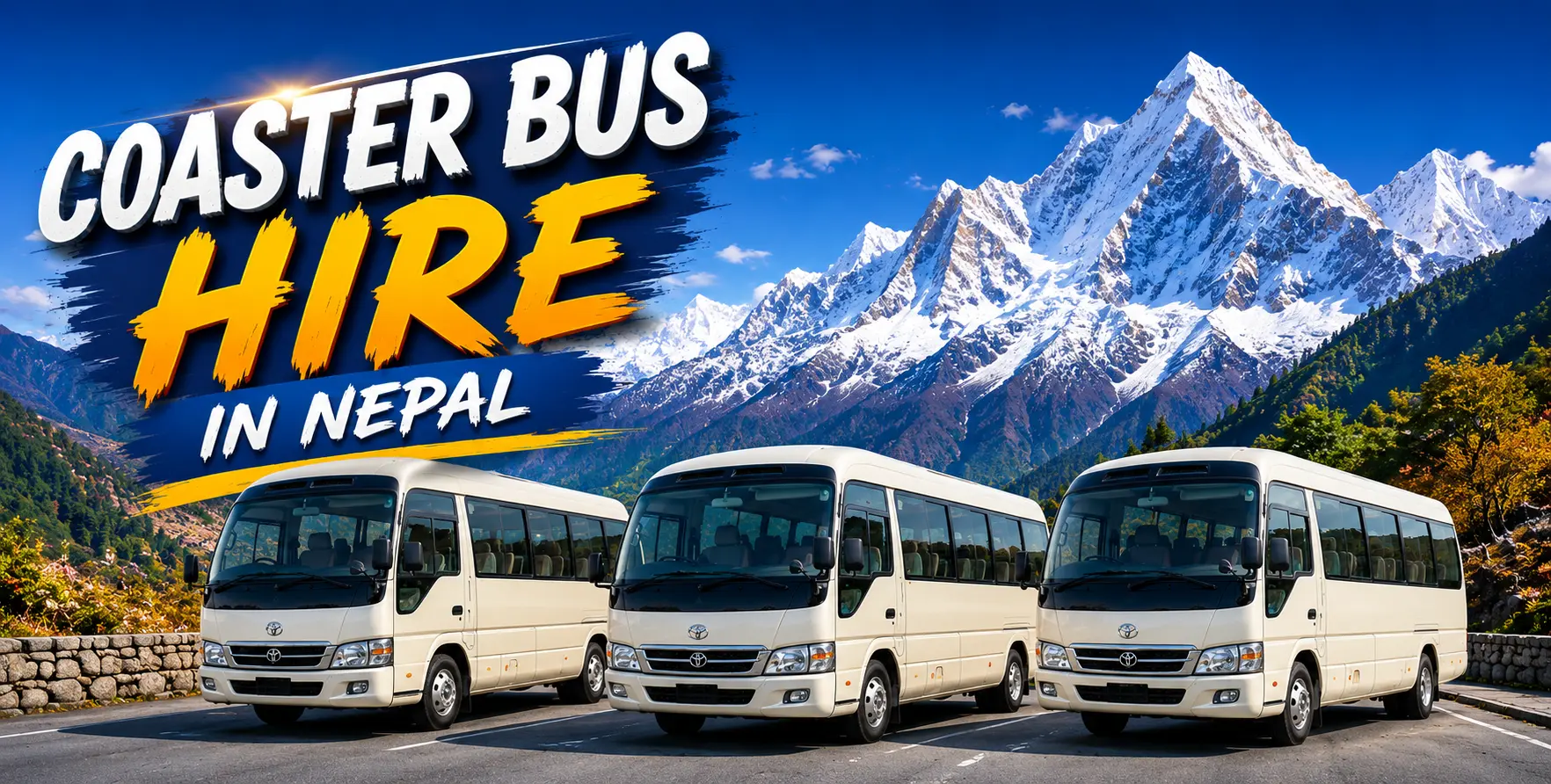
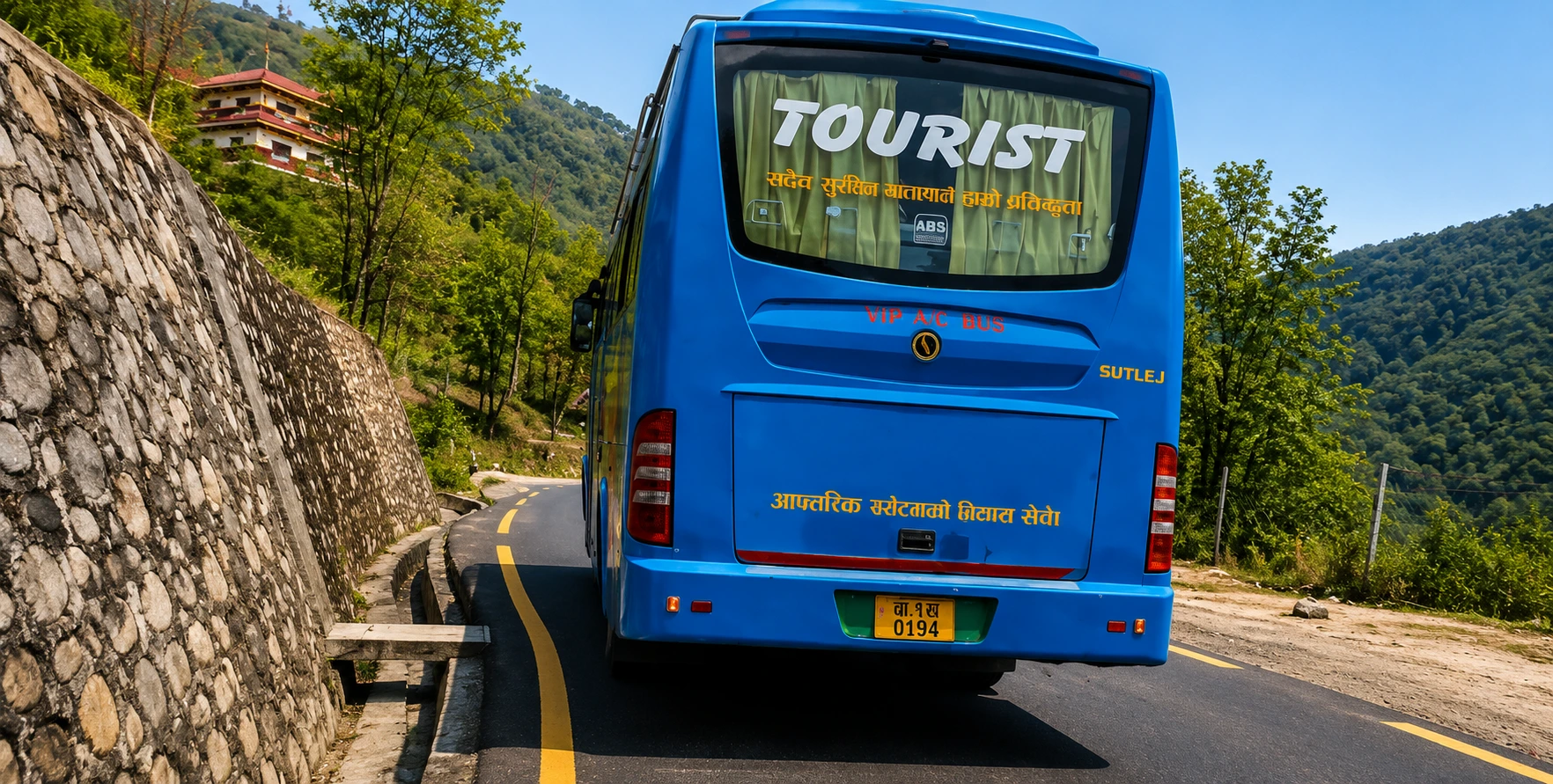
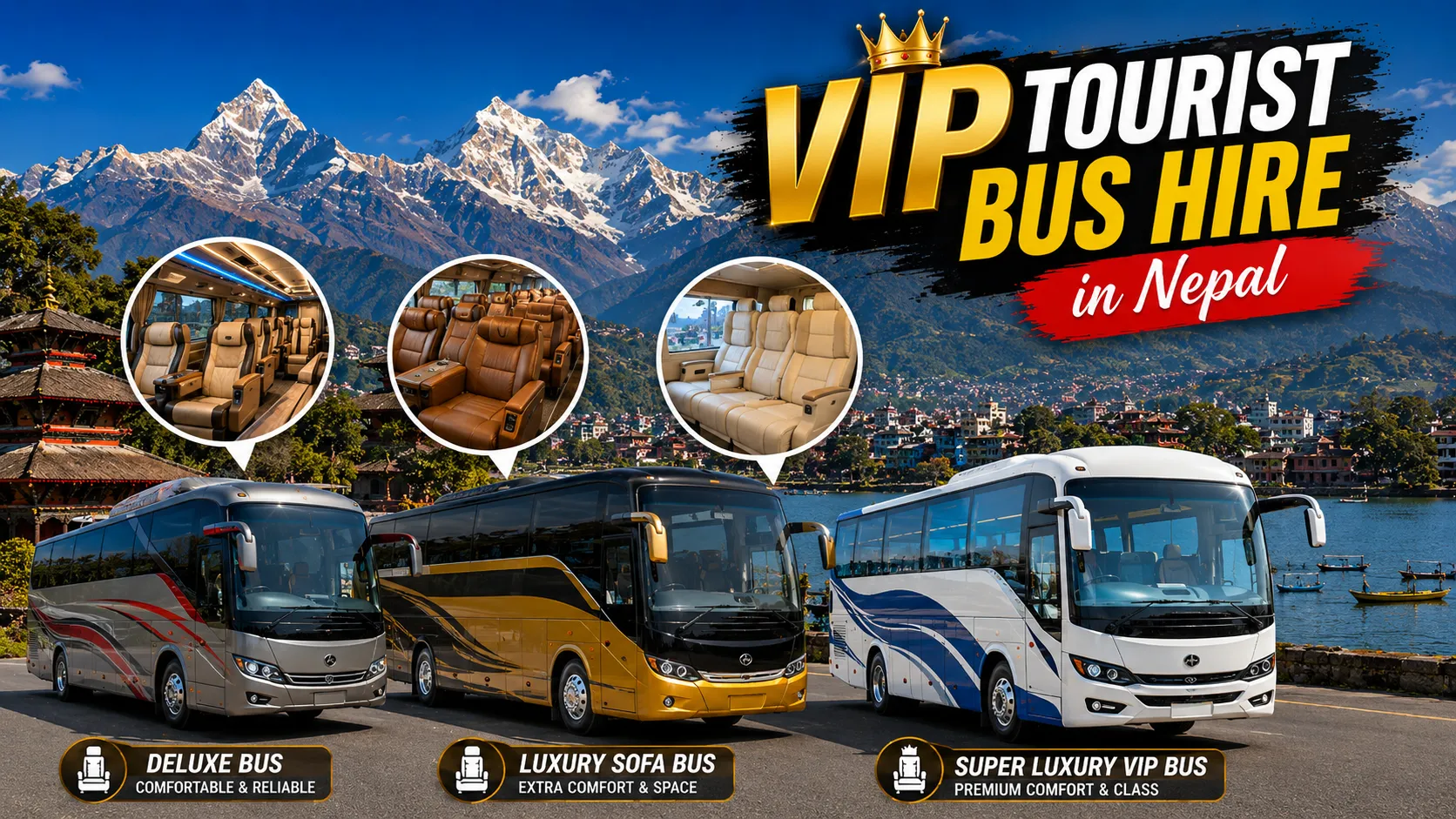
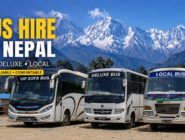
Coaster and Bus hire fleet remains the standard choice, offering the seating capacity needed to keep an entire class or year group traveling together rather than splitting across multiple smaller vehicles. This consolidation also simplifies supervision considerably, since teachers can keep the full group within sight and maintain easy communication throughout the journey.
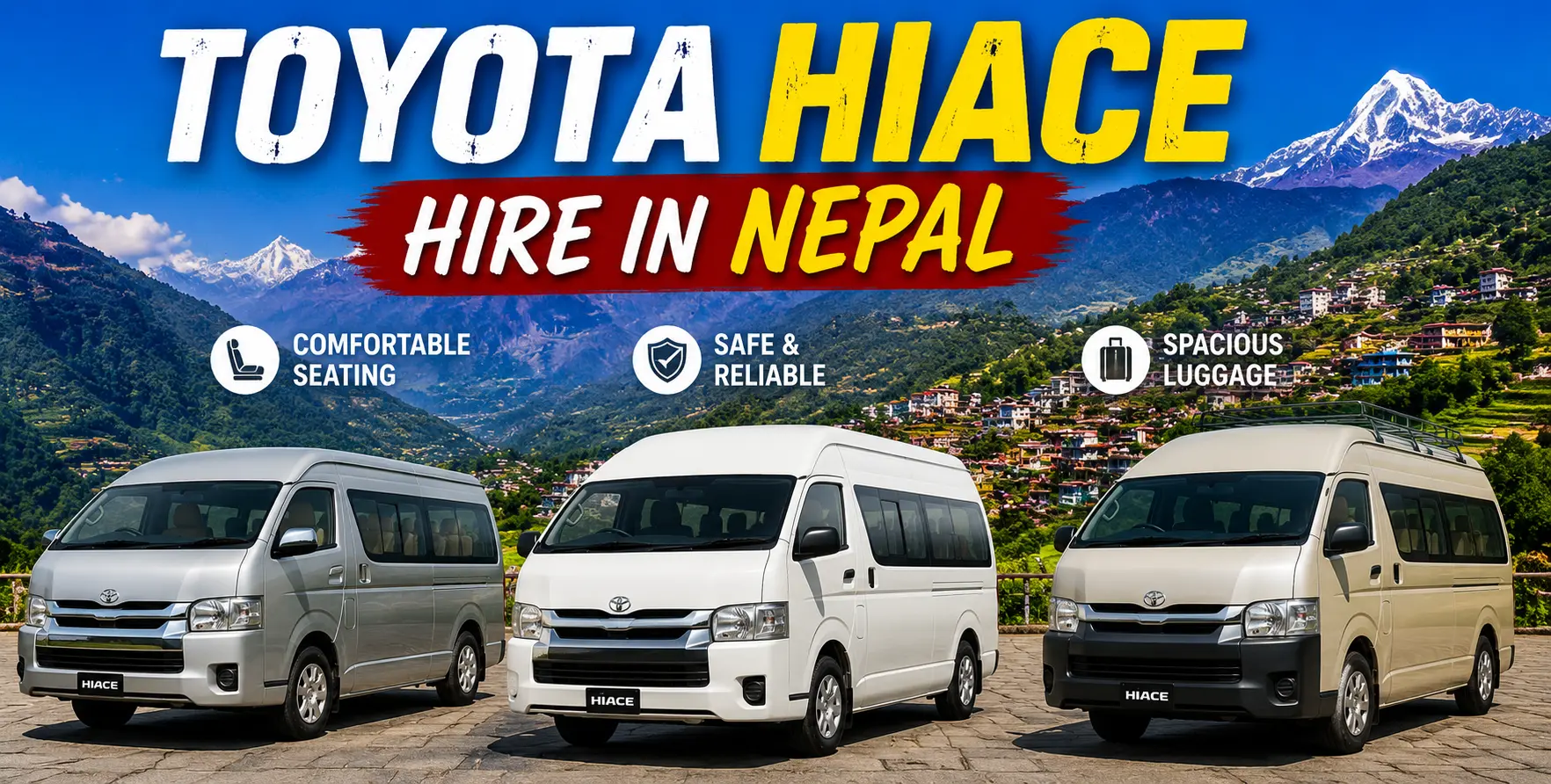
Executive Hiace for Smaller Groups
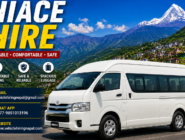
For smaller classes, university department trips, or staff accompanying a larger student group in a separate vehicle, our
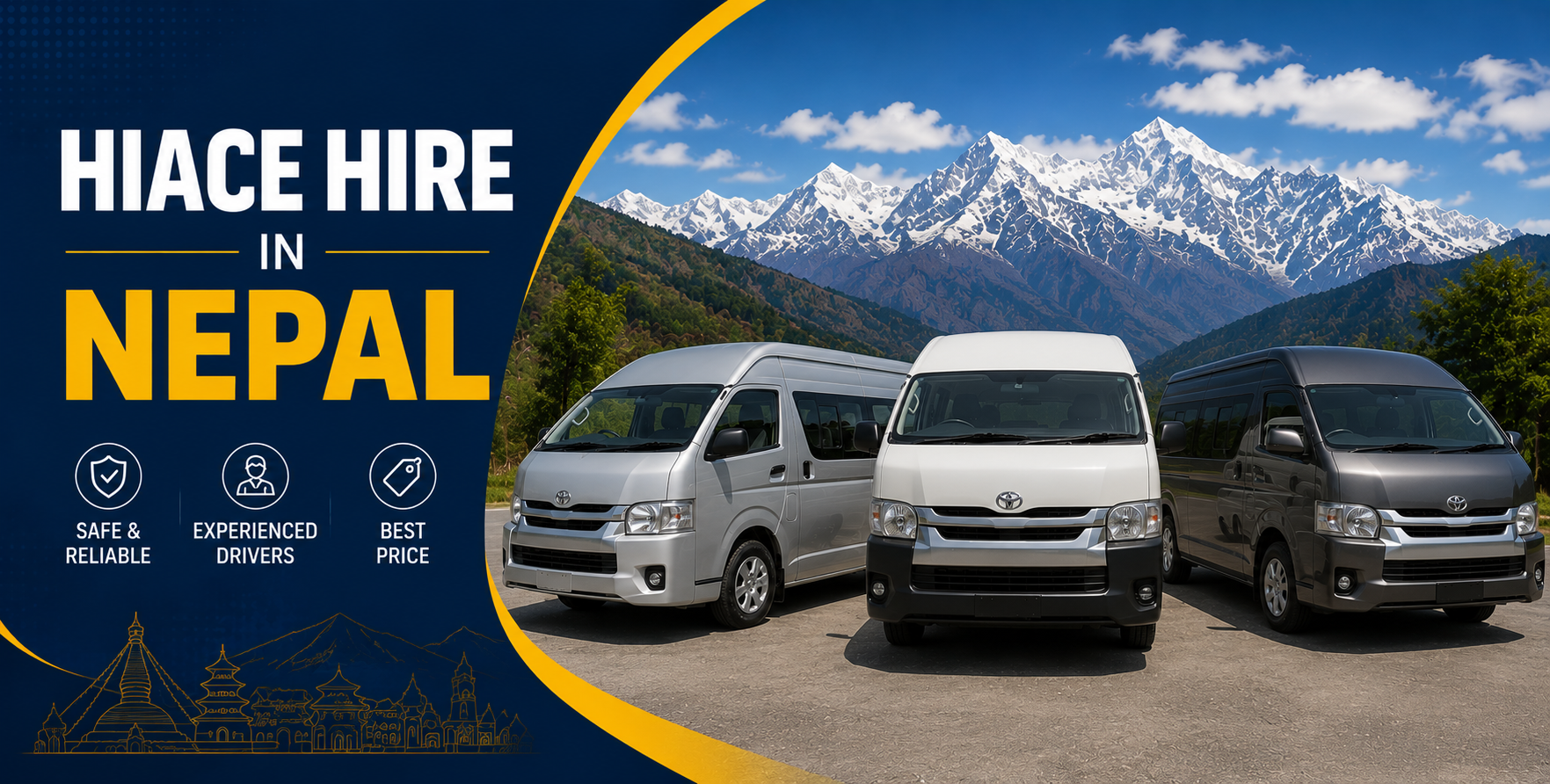
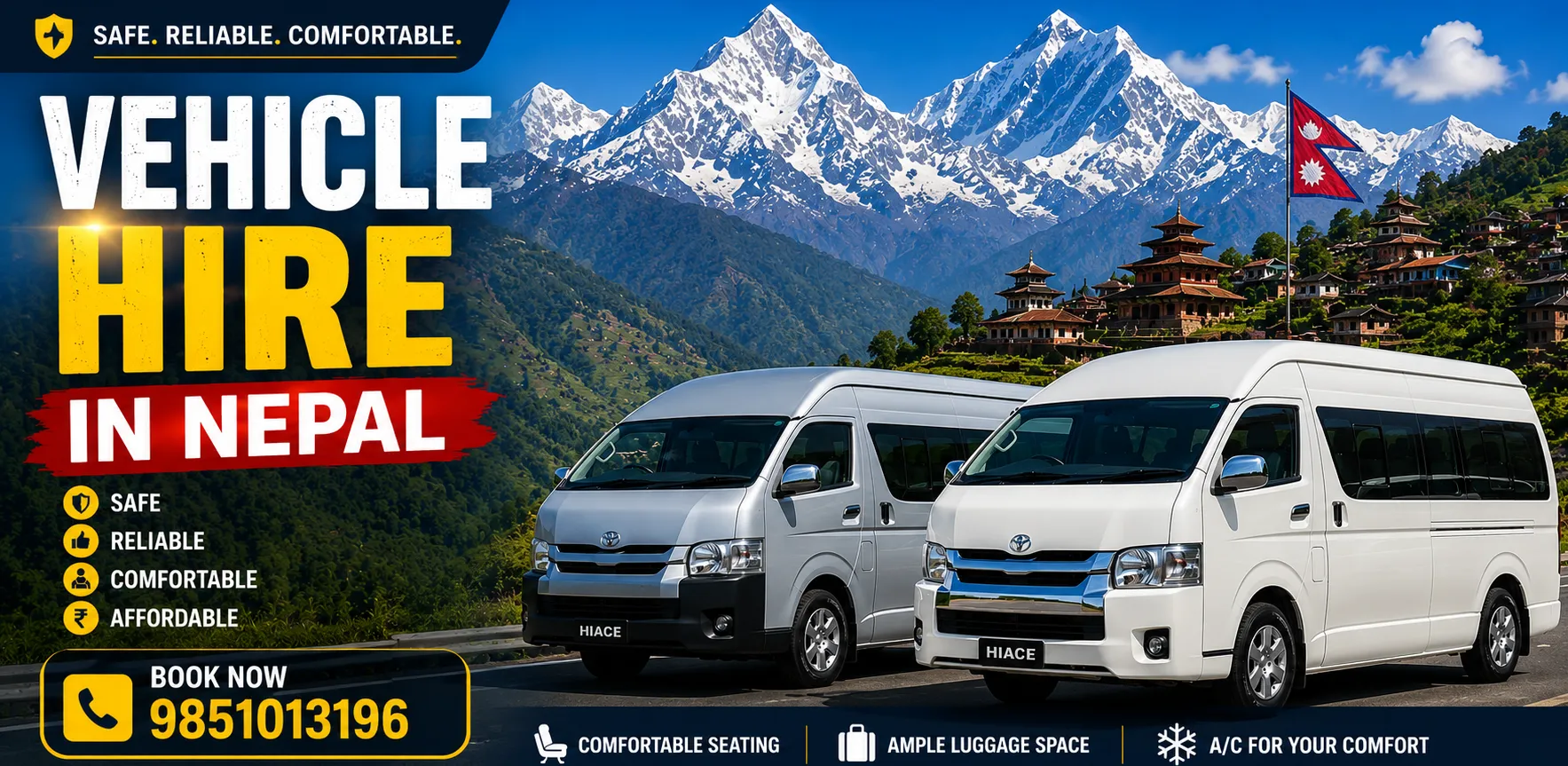
Hiace hire service offers a more manageable vehicle size with reclining seating and solid luggage capacity for shorter research or study trips.
Private Cars for Faculty and Equipment
Larger college tours often require a separate vehicle for faculty coordinators, guest lecturers, or specialized equipment such as scientific field study gear, and a standard private car booked alongside the main group transport handles this need efficiently without overloading the primary student vehicle.
Popular College Tour Destinations in Nepal
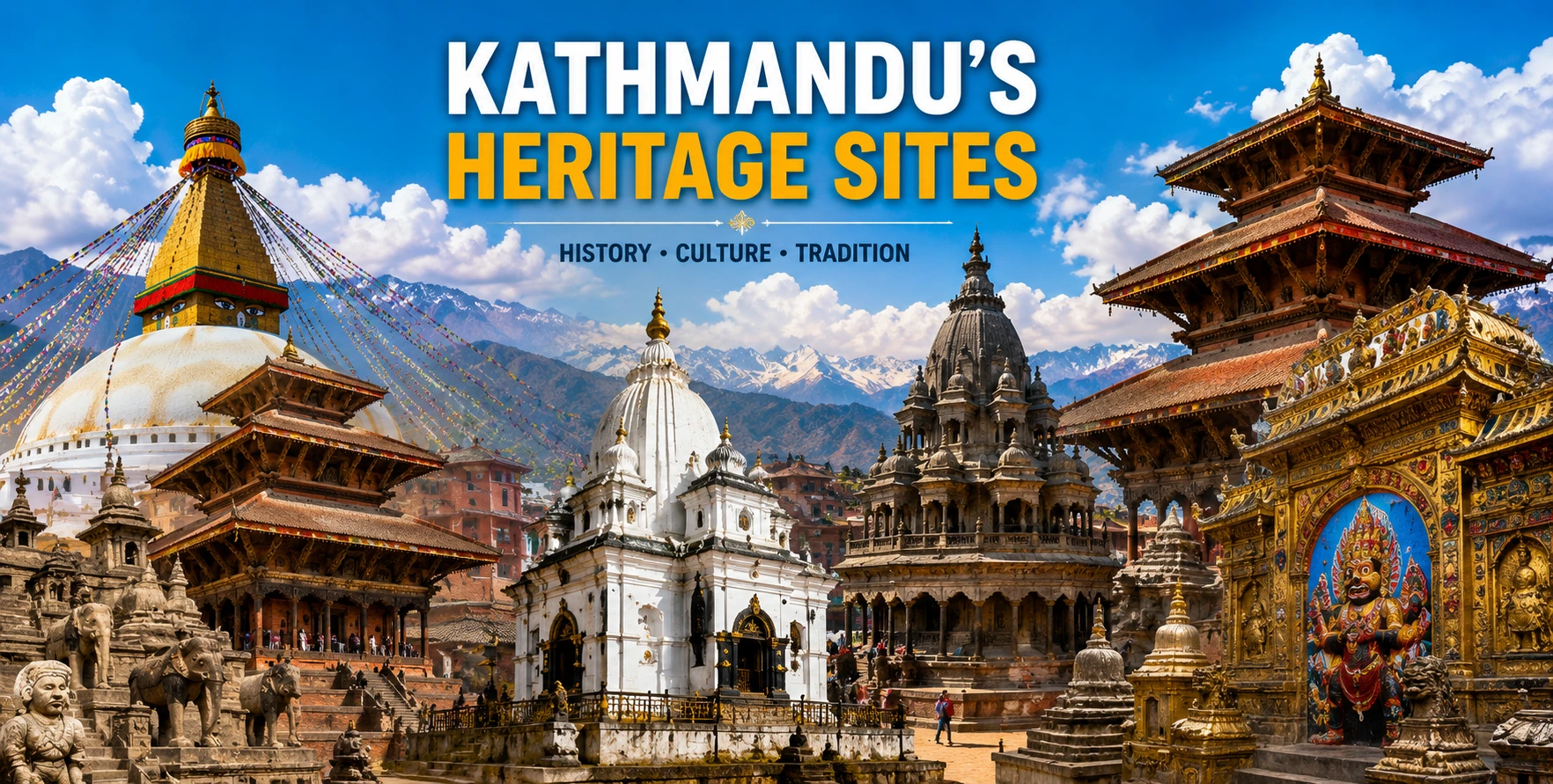
Kathmandu Valley Heritage Sites
For history, architecture, and broader cultural studies programs alike, the Kathmandu Valley’s several UNESCO World Heritage Durbar Squares offer an unmatched educational resource within a compact geographic area. Our
Kathmandu sightseeing tour and
Colleges frequently book Bhaktapur Durbar Square tour services for exactly this kind of heritage and architecture-focused excursion.
Chitwan National Park for Biology and Environmental Studies
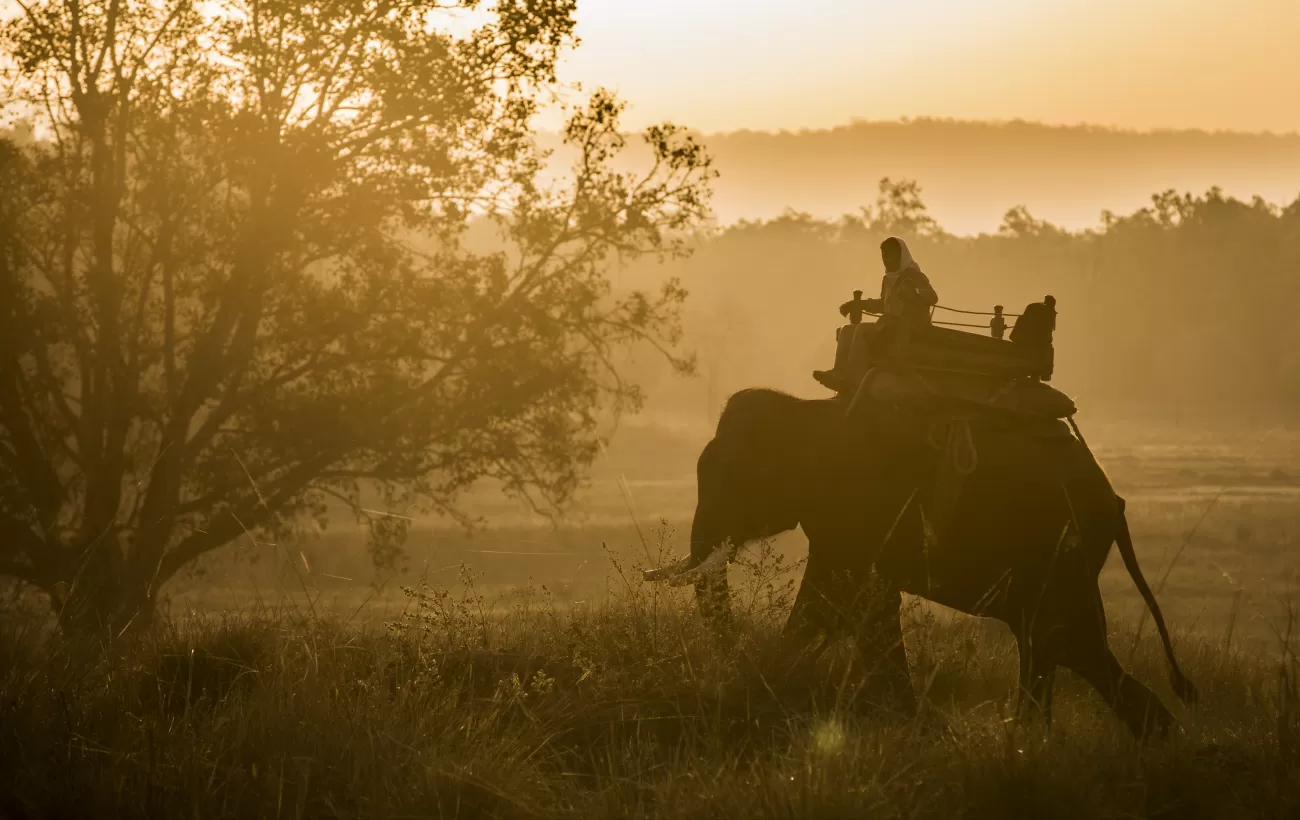
Biology, environmental science, and wildlife conservation programs alike regularly organize dedicated field trips to Chitwan National Park, one of Nepal’s premier wildlife destinations and a UNESCO World Heritage Site in its own right. Our
Pokhara to Chitwan bus service supports colleges combining a Pokhara stay with a Chitwan field study extension.
Lumbini for Religious and Historical Studies
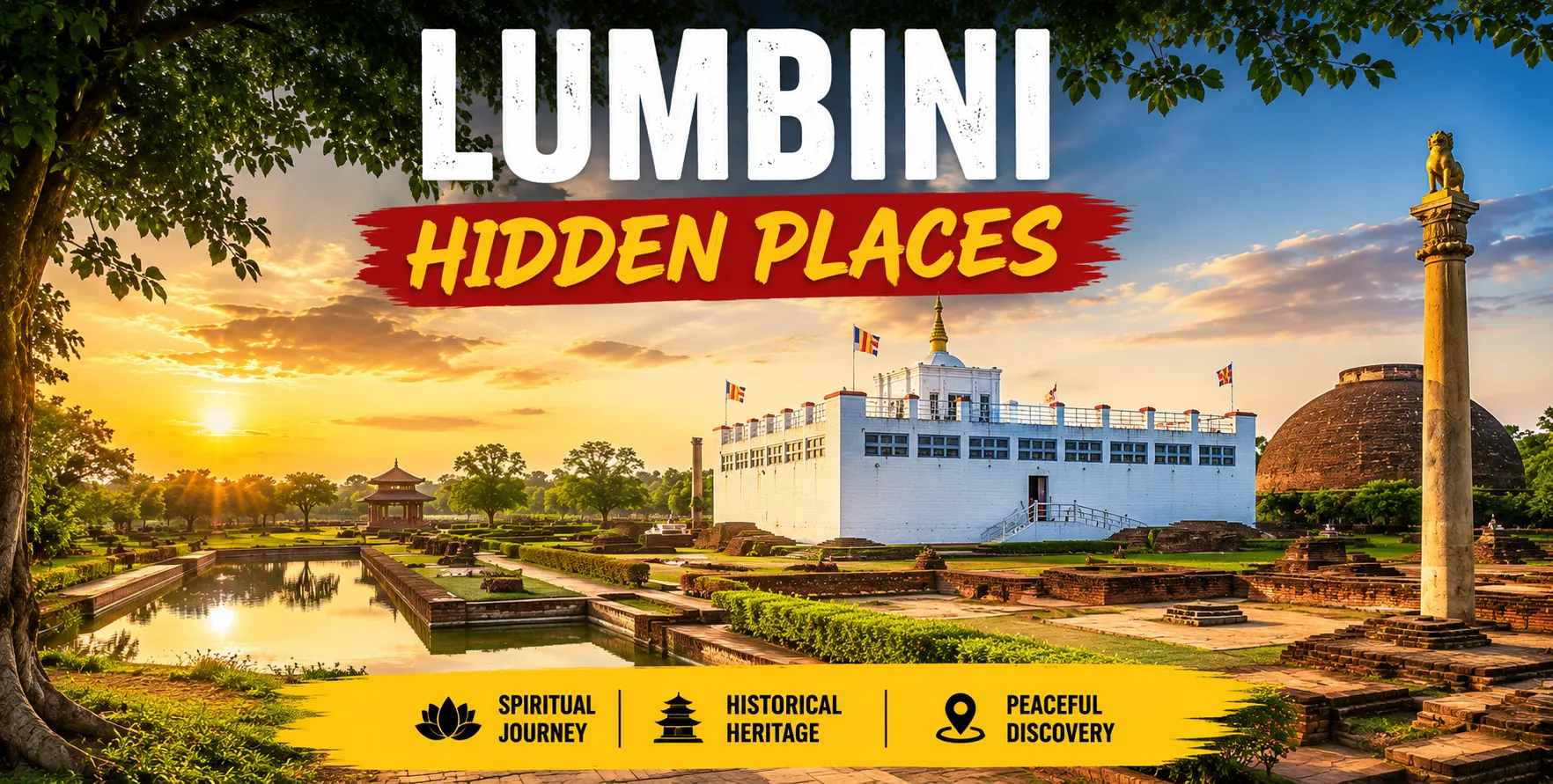
Religious studies, history, and Buddhist philosophy programs often organize excursions to Lumbini, the birthplace of Lord Buddha, arranged through our
Kathmandu to Lumbini bus service, offering students direct engagement with one of Buddhism’s most significant historical sites.
Pokhara for Geography and Environmental Field Studies
Geography and environmental science programs frequently use Pokhara and the surrounding Annapurna foothills as a practical field study location, examining topics from glacial lake formation to rural agricultural practices, supported by our
Kathmandu to Pokhara bus service.
Safety Standards Specific to Student Transport
Transporting groups of students carries a different safety and liability profile than standard tourist transport, and a genuine college tour vehicle service should reflect this in its operating standards. This includes drivers specifically briefed on student group conduct and supervision cooperation with accompanying teachers, vehicles maintained to a consistently high standard given the larger passenger loads typically involved, clear emergency contact and response protocols shared with the coordinating institution before departure, and realistic daily travel schedules that avoid excessive driving hours or late-night travel wherever possible.
Planning and Coordination for Institutional Bookings
Successful college tour transport planning typically begins well in advance of the trip itself, often several weeks to a few months ahead depending on group size and itinerary complexity. Key planning elements include confirming exact student and staff numbers to determine appropriate vehicle count and class, agreeing a detailed day-by-day itinerary accounting for educational site visit durations rather than standard tourist pacing, establishing clear points of contact between the vehicle provider and the coordinating teacher or administrator, and confirming payment and invoicing arrangements suited to institutional procurement processes rather than individual traveler billing.
Combining Educational Tours With Broader Cultural Experiences
Many college tours combine their core educational objectives with broader cultural experiences that enrich the overall trip. A sunrise excursion through our
Nagarkot sunrise tour vehicle service offers a memorable shared experience for a student group beyond the core academic itinerary, while a properly organized
Kathmandu airport transfer ensures a smooth, well-supervised arrival for groups traveling from other parts of Nepal or internationally.
Cost Factors for College Tour Vehicle Bookings
Institutional vehicle bookings benefit from meaningful economies of scale compared to individual traveler transport, since a single Coaster or Bus booking covers an entire student group rather than requiring multiple smaller vehicle bookings. Cost factors include total group size and resulting vehicle count, trip duration and total distance covered across the itinerary, and any additional vehicles required for faculty or equipment. Our team is glad to prepare a detailed institutional quote based on your specific group size, itinerary, and travel dates. Visit our
homepage or explore our full
vehicle fleet for further details.
Best Time of Year for College Tours
Most college and school tours in Nepal are scheduled around the academic calendar, typically clustering in the autumn and spring months that also happen to align with Nepal’s most reliable weather and road conditions. This overlap works in favor of institutional trip planning, since the same October-to-November and March-to-May windows favored by trekkers and tourists generally also offer the most predictable travel conditions for larger group transport across longer distances between Kathmandu, Pokhara, Chitwan, and Lumbini.
How to Book Your College Tour Vehicle Service
Booking begins with sharing your total group size, proposed itinerary, and travel dates with our team, allowing us to recommend the appropriate combination of vehicles and prepare a detailed quote suited to your institution’s budget and procurement requirements. We recommend beginning this process at least four to six weeks ahead of your intended travel dates, particularly for larger groups or itineraries during the peak autumn and spring seasons, to ensure adequate vehicle availability and proper route planning.
Frequently Asked Questions
What is the ideal vehicle for a college tour of forty to fifty students?
A full-size Coaster or Bus is generally the most efficient choice for groups of this size, keeping the entire student group together in a single vehicle for easier supervision and coordination.
How far in advance should we book college tour transport?
At least four to six weeks ahead is recommended, particularly for larger groups or trips during the peak autumn and spring seasons when vehicle demand is highest.
Can vehicle hire be arranged for multi-day, multi-destination college tours?
Yes. Multi-day itineraries spanning Kathmandu, Pokhara, Chitwan, and Lumbini are commonly arranged for college tours, with vehicles and drivers coordinated across the full multi-day schedule.
Are drivers experienced with student group supervision needs?
Our drivers assigned to institutional bookings are briefed specifically on cooperating with accompanying teachers and staff regarding student conduct and supervision expectations during transport.
Can separate vehicles be arranged for faculty and equipment?
Yes. A standard private car or smaller van can be booked alongside the main student vehicle for faculty coordinators, guest lecturers, or specialized equipment.
Does the vehicle service handle payment through institutional procurement processes?
Yes. We can accommodate invoicing and payment arrangements suited to school or university procurement requirements rather than standard individual traveler billing.
Can college tours combine educational visits with cultural or scenic experiences?
Yes. Many institutions combine core educational site visits with additional cultural experiences such as a Nagarkot sunrise excursion or Bhaktapur heritage tour to enrich the overall trip.
What happens if our group size changes close to the travel date?
Contact our team as early as possible if group numbers change, since this may affect vehicle count and class. We will do our best to accommodate changes, though earlier notice allows more flexibility.
Final Thoughts: Supporting Nepal’s Educational Tourism
College and school tours play a genuinely important role in Nepal’s broader educational and tourism landscape, giving students direct, memorable engagement with history, culture, wildlife, and geography that no classroom can fully replicate. Reliable, safety-conscious
college tour vehicle service forms the practical backbone that makes these experiences possible, moving student groups safely and efficiently between Nepal’s most significant educational destinations.
Please do get in touch with Nepal Vehicle Hiring today at +977 9851013196 or visit
vehiclehiringnepal.com to arrange transport for your next college or school educational tour anywhere in Nepal, whether a single-day heritage excursion or a full multi-region academic field study program.
Why Institutions Choose a Dedicated Vehicle Service Over Ad Hoc Arrangements
Many schools and colleges initially attempt to arrange tour transport informally, contacting individual drivers or smaller local operators directly rather than working with an established vehicle hire company experienced in institutional bookings. This approach frequently creates problems that only become apparent once a trip is underway: inconsistent vehicle quality across a fleet assembled from multiple informal sources, drivers unfamiliar with the specific needs of supervising a large student group, unclear liability and insurance arrangements in the event of an incident, and considerable administrative burden placed on teachers who end up effectively managing transport logistics themselves rather than focusing on the educational content of the trip. Working with a single, established provider who understands institutional requirements from the outset removes most of this friction, consolidating vehicle quality, driver briefing, and administrative coordination under one accountable point of contact.
The Role of the Coordinating Teacher or Administrator
Every successful college tour depends heavily on clear communication between the vehicle provider and whichever teacher, department head, or administrator holds overall responsibility for the trip. This individual typically serves as the single point of contact for confirming final student numbers, communicating any changes to the itinerary, and relaying specific supervision or safety requirements particular to their institution’s policies. Establishing this relationship early in the planning process, rather than only in the days immediately before departure, allows both the vehicle provider and the coordinating staff member to address any logistical questions well ahead of the trip itself, reducing the likelihood of last-minute complications.
Group Size Planning and Vehicle Allocation
Determining the right combination of vehicles for a given college tour depends on more than simply dividing total student numbers by a single vehicle’s seating capacity. Institutions should also account for luggage space if the trip involves an overnight stay, whether faculty require a separate vehicle for flexibility independent of the main student group’s schedule, and whether the itinerary involves any splitting of the larger group into smaller subgroups for specific activities, such as a subset of students attending a specialized laboratory or museum session. Others pursue a different educational activity nearby. Sharing these details with your vehicle provider during initial planning allows a more accurate and cost-effective vehicle allocation than a simple headcount-based estimate.
Educational Value of Field-Based Learning in Nepal
Nepal offers an unusually rich range of field-based learning opportunities within a relatively compact geographic area, allowing colleges to design multi-disciplinary tours that touch on history, religious studies, biology, geography, and cultural anthropology within a single, well-planned itinerary. A history or archaeology program might combine a Kathmandu Durbar Square visit with the ancient city of Bhaktapur, examining centuries of Newar architectural evolution within a single day. A biology or environmental science program might pair a Chitwan wildlife safari with a discussion of conservation policy and community-based tourism models. A religious studies or philosophy program might combine a Lumbini visit with a stop at Kathmandu’s Pashupatinath or Swayambhunath, examining both Buddhist and Hindu religious practice within the same broader trip. This kind of multi-site, multi-disciplinary itinerary design is one of the genuine strengths of organizing a college tour in Nepal specifically, and reliable vehicle transport is what makes moving efficiently between these varied educational sites practically possible within a limited trip duration.
International College and University Partnerships
Beyond Nepali educational institutions organizing domestic tours, Nepal Vehicle Hiring also supports international colleges and universities bringing study abroad groups, exchange programs, or short-term academic field courses to Nepal. These international bookings often involve additional coordination requirements, including airport transfer for arriving international students, accommodation-linked transport schedules coordinated with a partner institution or local academic host, and sometimes a need for English-speaking drivers or guides who can support international students less familiar with local customs and language. Our experience coordinating transport for both domestic and international educational groups allows us to adapt our service to whichever kind of institutional booking a given college or university requires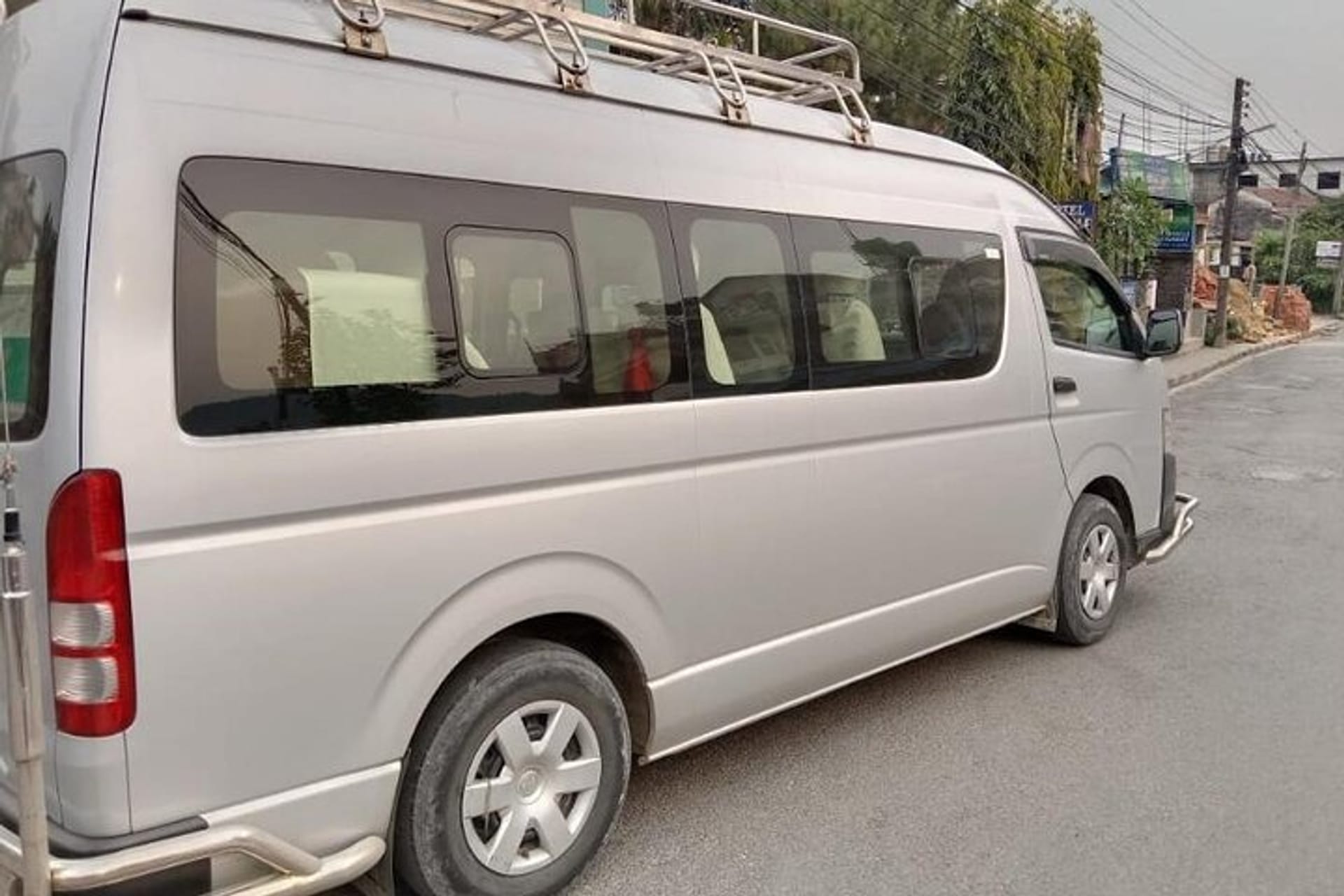
Combining Academic Tours With Light Adventure Activities
Some college tours, particularly those with an outdoor Education, physical Education, or adventure tourism studies component, combine their core academic itinerary with a lighter adventure activity such as a short day hike toward Poon Hill or a rafting experience on a river near Pokhara or Trishuli. These activities require careful coordination between the vehicle provider and any additional adventure activity operator involved, ensuring transport schedules align properly with activity start times and that appropriate safety briefings are provided to students before any physical activity begins.
Driver Selection and Training for Institutional Bookings
Drivers assigned to college tour bookings carry a different level of responsibility than those handling standard tourist transport, given the larger passenger loads and the presence of a supervising teacher who depends on the driver’s cooperation to maintain order and safety throughout the journey. Drivers assigned to institutional bookings at Nepal Vehicle Hiring are selected specifically for their experience with group transport, their ability to communicate clearly with coordinating teachers regarding schedule changes or route conditions, and a demonstrated track record of safe, defensive driving appropriate to carrying a full vehicle of students rather than a smaller private group. This selection process reflects the genuinely different risk profile and responsibility involved in institutional transport compared to individual tourist bookings.
Insurance and Liability Considerations for Educational Institutions
Schools and colleges organizing student tours typically carry their own institutional liability insurance covering student activities, and any vehicle hire provider used for these tours must carry appropriate commercial vehicle insurance covering passengers as a complementary layer of protection. Institutions should confirm this detail directly with their chosen vehicle provider before finalizing a booking, and reputable operators such as Nepal Vehicle Hiring can readily provide documentation confirming current insurance coverage upon request, giving coordinating teachers and school administrators the necessary assurance for their own institutional risk management and parental communication regarding trip safety.
Communicating With Parents and Guardians About Trip Transport
Many schools and colleges include transport safety information as part of their broader parental communication regarding an upcoming educational tour, particularly for younger student groups or trips involving longer travel distances. Vehicle providers experienced in institutional bookings can typically supply relevant safety and vehicle information, such as vehicle age, driver experience summaries, and insurance confirmation, to support this kind of parental communication, helping coordinating teachers address safety questions with concrete, verifiable information rather than general reassurance alone.
Seasonal and Academic Calendar Considerations
College and school tours in Nepal typically cluster around specific points in the academic calendar, often coinciding with term breaks, dedicated field trip weeks, or the period following major examinations when institutions have more scheduling flexibility. This clustering means vehicle demand for institutional bookings can spike considerably during certain weeks of the academic year, particularly during the broader October-to-November and March-to-May periods that also see peak tourist demand for the same vehicle fleet. Institutions planning tours during these popular windows should factor in earlier booking timelines specifically to secure preferred vehicle types and avoid the availability constraints that can arise when academic and general tourist demand overlap.
Designing a Multi-Day College Tour Itinerary
A well-designed multi-day college tour typically balances educational content with realistic travel and rest time, avoiding the temptation to overpack a schedule purely to visit as many sites as possible within a limited trip duration. A common structure for a five-to-seven-day Nepal college tour might begin with a day or two in the Kathmandu Valley covering Durbar Square heritage sites and a Bhaktapur excursion, followed by a scenic drive to Pokhara for geography or environmental field study, an extension to Chitwan for wildlife and conservation-focused biology students, and a final return journey to Kathmandu or direct departure from Pokhara depending on the group’s onward travel plans. Building in adequate rest time between travel days and site visits, rather than scheduling back-to-back activities with no buffer, generally produces a more successful and enjoyable trip for both students and accompanying staff.
Managing Large Groups at Cultural and Historical Sites
Visiting popular cultural sites such as Kathmandu’s Durbar Square or Bhaktapur with a large student group requires additional coordination compared to smaller tourist groups, both to manage the practical logistics of a large group moving through a crowded historical site and to ensure meaningful educational engagement rather than a rushed, superficial visit. Many institutions find it helpful to split a larger group into smaller subgroups for guided site visits, each accompanied by a local guide familiar with the site’s historical and architectural significance, before reconvening as a full group for the return journey. Vehicle providers experienced in institutional bookings can help coordinate these subgroup logistics, ensuring vehicles are positioned appropriately for pickup once the educational site visit concludes.
Budget Planning for Institutional Vehicle Hire
Schools and colleges typically operate under defined budget constraints for organizing student tours, often requiring detailed cost breakdowns to support internal approval processes or parental fee communication. A transparent college tour vehicle service should provide clear, itemized quotes covering vehicle hire, driver costs, and any additional charges such as toll fees or extended trip days, allowing coordinating staff to accurately budget the transport component of an overall tour cost alongside accommodation, meals, entrance fees, and any guide services arranged separately. Institutions should request this kind of detailed quote early in their planning process, both to support internal budget approval and to allow accurate comparison between different vehicle hire providers if seeking competitive quotes.
First Aid and Emergency Preparedness During Student Transport
Given the number of students typically involved in a college tour, basic first aid preparedness during transport is an important consideration alongside general vehicle safety. Vehicles used for institutional bookings should carry a basic first aid kit, and drivers should be briefed on the location of the nearest medical facilities along a given route, particularly for longer journeys between major cities where medical infrastructure becomes more limited in rural stretches. Coordinating teachers should also confirm in advance whether any students have specific medical needs or allergies that the vehicle provider and driver should be aware of during the journey.
Case Study: A Typical University Field Study Tour
Consider a typical environmental science department organizing a week-long field study tour combining classroom learning with direct site observation. The trip might begin with a Kathmandu Valley orientation day, examining urban environmental challenges and heritage conservation issues around Bhaktapur, before traveling to Pokhara for two days of freshwater ecology study around Phewa Lake and glacial geography observation in the surrounding Annapurna foothills. The itinerary might then continue to Chitwan for a multi-day wildlife conservation and community-based tourism module, examining both the ecological and socioeconomic dimensions of protected area management, before a final return journey to Kathmandu. Throughout this itinerary, consistent vehicle transport from a single provider, rather than arranging separate local transport at each destination, ensures continuity in driver familiarity with the group’s specific needs, simplifies overall trip logistics for the coordinating faculty member, and typically produces a more cost-effective outcome than arranging fragmented local transport at each stop.
Coordinating With Local Guides and Site Educators
Many college tours benefit from engaging local guides or subject-matter educators at specific sites, such as a Bhaktapur heritage guide with architectural expertise, a Chitwan naturalist guide for wildlife identification, or a Lumbini-based Buddhist studies scholar offering deeper religious and historical context than a standard tourist guide might provide. Coordinating vehicle arrival and departure times with these additional local experts requires clear communication between the vehicle provider, the coordinating teacher, and the local guide or educator involved, and institutions should build this coordination into their planning timeline well before the trip itself to ensure all parties are properly aligned on schedule.
Accessibility Considerations for Students With Disabilities
Institutions organizing tours that include students with mobility or other disabilities should discuss specific accessibility requirements with their vehicle provider during initial planning, since vehicle selection, boarding assistance, and site accessibility at various educational destinations can vary considerably across Nepal. While accessibility infrastructure at some historical and natural sites remains more limited than in many other countries, careful planning, including realistic assessment of which sites and activities are genuinely accessible for all students, and appropriate vehicle selection to support any mobility aids required, helps ensure a more inclusive tour experience for the full student group.
Environmental Responsibility in Institutional Group Travel
Educational institutions increasingly consider the environmental footprint of their own study tours as part of broader sustainability commitments, and vehicle selection plays a meaningful role in this consideration. Consolidating a larger student group into an appropriately sized Coaster or Bus, rather than splitting the same group across multiple smaller vehicles, reduces the overall environmental footprint of the group’s transport considerably. Institutions with specific sustainability reporting requirements can request information regarding vehicle age, fuel type, and maintenance standards from their vehicle provider as part of their own environmental impact assessment for a given tour.
Multi-Institution and Combined School Tours
Some college tours involve multiple institutions traveling together, such as a joint tour between partner schools or a combined university department trip spanning several faculties, requiring coordination across multiple coordinating teachers or administrators rather than a single point of contact. These combined bookings particularly benefit from working with an established vehicle provider capable of managing communication across multiple institutional stakeholders, ensuring all parties receive consistent information on schedule, safety protocols, and any changes that arise during planning or the trip itself.
Technology and Communication for Institutional Bookings
Modern college tour planning increasingly relies on clear digital communication between the vehicle provider, coordinating teachers, and sometimes school administration overseeing budget approval. Confirmed booking documentation, driver contact details shared in advance, and a clear point of contact for any day-of-trip changes or questions all contribute to a smoother institutional booking experience. Some institutions also request real-time location sharing or check-in protocols for larger, multi-vehicle tours, allowing coordinating staff to track group progress across a multi-day itinerary, particularly valuable for university-level trips where students might be split into smaller subgroups pursuing different activities on a given day.
Handling Itinerary Changes During a College Tour
Despite careful planning, college tours occasionally require itinerary adjustments once underway, whether due to weather, road conditions, a site closure, or simply a change in the group’s pace compared to the original schedule. A genuine college tour vehicle service should offer the flexibility to accommodate reasonable itinerary adjustments during a trip, working directly with the coordinating teacher to revise pickup times, routes, or daily schedules as needed, rather than rigidly adhering to an original plan regardless of changing circumstances on the ground. This flexibility is one of the key advantages of working with an experienced, responsive local vehicle provider rather than a rigid, pre-paid package booked entirely in advance through an overseas intermediary.
Building Long-Term Relationships With Educational Institutions
Many schools, colleges, and universities organize recurring annual or biannual tours as an established part of their academic calendar, and building a long-term relationship with a single, trusted vehicle provider offers genuine benefits for these recurring bookings. A provider familiar with an institution’s specific preferences, typical group sizes, and preferred destinations can streamline planning considerably for each subsequent tour, reducing the administrative burden on coordinating teachers who might otherwise need to research and vet a new vehicle provider for each trip. Nepal Vehicle Hiring works with several educational institutions on exactly this kind of recurring basis, building institutional knowledge of each school or college’s specific needs over multiple years of collaboration.
Combining College Tours With Broader Regional Educational Circuits
Some universities, particularly those with international studies, South Asian studies, or comparative religion programs, combine their Nepal college tour with a broader regional educational circuit spanning neighboring countries. For institutions considering this kind of extended regional program, our sister companies’
Nepal, Tibet, and Bhutan tour packages offer a template for this kind of multi-country educational itinerary, which can be adapted for an academic audience with appropriate modification to include more structured educational content alongside the standard touring itinerary.
Preparing Students Before Departure
A well-organized college tour benefits from proper preparation of students before departure, and vehicle providers can support this process by supplying practical information such as expected travel durations between destinations, realistic rest stop availability along longer routes, and general guidance on appropriate conduct expectations during group transport. Coordinating teachers often incorporate this information into pre-trip briefings alongside academic preparation materials, helping students understand both the educational objectives and the practical logistics of the days ahead.
The Value of a Single Coordinated Provider Across a Multi-Region Tour
For college tours spanning multiple Nepal regions, working with a single vehicle provider capable of coordinating transport across the entire itinerary, rather than arranging separate local transport at each destination, offers considerable practical advantages. This includes consistent vehicle and driver quality throughout the trip, simplified overall communication and invoicing for the coordinating institution, and the ability for the provider to build genuine familiarity with the group’s specific needs and preferences across the full duration of a multi-day tour, rather than each new local operator needing to learn these details from scratch at each new destination.
Supporting Research and Thesis Field Work
Beyond standard undergraduate educational tours, Nepal Vehicle Hiring also supports graduate students and faculty researchers conducting thesis or academic research fieldwork requiring reliable transport to specific research sites, whether a particular village for anthropological research, a protected area for ecological data collection, or a historical site for archaeological or architectural documentation. These research-focused bookings often involve more flexible, less rigidly scheduled itineraries than standard tours, sometimes requiring a vehicle and driver on standby across an extended period while a researcher conducts fieldwork at a single location, a service our team can accommodate with appropriate planning and clear communication regarding the researcher’s specific access and timing needs.
Feedback and Continuous Improvement for Institutional Partners
Institutions organizing recurring tours benefit from providing feedback to their vehicle provider after each trip, helping refine future bookings based on what worked well and what could be improved. This might include feedback on specific driver performance, itinerary pacing, or communication during the planning process, all of which help build a stronger, more effective working relationship for subsequent tours. Nepal Vehicle Hiring actively welcomes this kind of feedback from our institutional partners, using it to continuously refine our approach to supporting educational group travel across Nepal.
Comparing Vehicle Hire Providers for Institutional Bookings
Schools and colleges evaluating different vehicle hire providers for an upcoming tour should look beyond simple price comparison to consider factors specifically relevant to institutional group travel: demonstrated experience with student group bookings rather than purely individual tourist transport, clear insurance and liability documentation, transparent, itemised pricing that supports internal budget approval processes, and a genuine willingness to engage in the kind of detailed planning that a multi-day, multi-site educational tour requires. A provider offering the lowest headline price but limited institutional booking experience may ultimately prove more costly in terms of the coordinating teacher’s administrative burden and potential logistical complications during the trip itself.
Why Nepal Vehicle Hiring Supports Educational Institutions
Beyond the commercial relationship, supporting educational tourism reflects a genuine value our team holds regarding the role travel and direct site engagement play in effective learning. Nepal’s extraordinary concentration of historical, cultural, religious, and natural sites within a relatively compact and increasingly well-connected road network makes it an unusually rich destination for exactly this kind of field-based Education, and we take genuine pride in being part of the logistics that make these learning experiences possible for student groups from Nepal and internationally alike.
A Sample Cost Structure for Institutional Planning Purposes
While exact costs depend heavily on group size, vehicle class, and itinerary length, institutions can generally expect college tour vehicle costs to scale primarily with total distance covered and number of days the vehicle and driver are engaged, rather than purely with student headcount once an appropriate vehicle class has been selected for the group size involved. A single-day Kathmandu Valley heritage tour for a class of thirty to forty students, for instance, typically costs considerably less per student than a multi-day itinerary spanning Kathmandu, Pokhara, and Chitwan, given the substantial difference in total vehicle engagement time and distance covered. Requesting a detailed, itemized quote early in the planning process allows accurate budgeting against whichever itinerary an institution is considering.
Combining Multiple Grade Levels or Departments in One Tour
Larger schools and universities sometimes organize combined tours involving multiple grade levels or academic departments traveling together, whether to share transport costs across a larger combined group or to support cross-disciplinary learning objectives spanning several subject areas within a single trip. These combined bookings require particularly clear communication regarding which staff member holds overall coordinating responsibility, and vehicle providers experienced in institutional bookings can help structure vehicle allocation appropriately when a single tour serves the differing needs of multiple grade levels or departments simultaneously.
Weather and Seasonal Route Planning for Institutional Tours
Just as individual trekkers and tourists plan around Nepal’s seasonal weather patterns, institutions organizing college tours should factor seasonal road conditions into their itinerary planning, particularly for routes connecting Kathmandu, Pokhara, and Chitwan that involve longer highway travel through hill terrain prone to monsoon-season landslide activity. Scheduling tours during the more reliable autumn or spring windows where possible reduces the risk of weather-related itinerary disruption, though institutions constrained to specific academic calendar dates outside these optimal windows should build additional schedule flexibility into their planning to accommodate potential weather-related delays.
Cultural Sensitivity Training for Student Groups
Many colleges incorporate cultural sensitivity briefings into their pre-departure preparation, helping students understand appropriate conduct at religious sites such as Pashupatinath, Swayambhunath, or Lumbini, alongside general etiquette expectations when interacting with local communities during the tour. Vehicle providers and drivers experienced in supporting educational tours can often supplement this preparation with practical, on-the-ground guidance during the trip itself, helping reinforce appropriate conduct expectations at specific sites as the group moves through their itinerary.
Documentation and Record-Keeping for Institutional Trips
Schools and colleges typically maintain documentation records for organized student trips, including transport provider details, insurance confirmation, and itinerary records, both for internal institutional record-keeping and, in some cases, regulatory or accreditation requirements specific to the institution’s home country or governing educational body. A professional college tour vehicle service should be able to readily supply whatever documentation an institution requires to support this kind of record-keeping, including formal booking confirmations, insurance certificates, and, if requested, driver licensing and vehicle registration information.
Why Group Cohesion Matters During Educational Transport
Keeping a student group together during transport, rather than splitting across numerous smaller vehicles departing at different times, supports better group cohesion and easier supervision throughout a college tour. This matters particularly for younger student groups or trips involving unfamiliar destinations, where a coordinating teacher benefits considerably from having the full group accessible for briefings, headcounts, and general supervision during transit between sites, rather than managing communication across multiple separate vehicles traveling independently.
Final Practical Tips for Institutions Planning a College Tour
- Begin vehicle booking discussions at least four to six weeks ahead of your travel dates, earlier for larger groups or peak season travel.
- Confirm final student and staff numbers as early as possible to ensure accurate vehicle allocation.
- Request detailed, itemized quotes to support internal budget approval processes.
- Establish a single coordinating point of contact between your institution and the vehicle provider.
- Confirm insurance and safety documentation in advance to support parental communication and institutional risk management.
- Build realistic rest time into multi-day itineraries rather than over-scheduling educational site visits.
Additional Frequently Asked Questions
Can college tours be arranged during weekends or short breaks rather than full term time?
Yes. Shorter weekend or long-weekend tours are commonly arranged for closer destinations such as the Kathmandu Valley or Pokhara, requiring less overall travel time than a full multi-region itinerary.
Do you provide transport for university entrance exam or admission-related group travel?
Yes, though this falls outside standard educational tour bookings; our team can discuss specific requirements for this kind of institutional group transport separately.
Can vehicles be booked for a single day trip rather than a multi-day tour?
Yes. Single-day educational excursions, such as a Kathmandu Valley heritage tour or a Nagarkot day trip, are commonly arranged for colleges without requiring a longer multi-day commitment.
What happens if a vehicle breaks down during a college tour?
Reputable providers maintain contingency plans for this scenario, including backup vehicle arrangements, and our team conducts regular vehicle inspections to minimize this risk during institutional bookings.
How College Tours Contribute to Nepal’s Broader Tourism Economy
Beyond their educational value, college and school tours contribute meaningfully to Nepal’s broader tourism economy, supporting local guides, site entrance fee revenue that funds ongoing heritage and conservation work, and hospitality businesses in destinations such as Pokhara and Chitwan that benefit from group bookings throughout the academic touring season. This economic contribution, while less visible than individual leisure tourism, forms a genuine and growing part of Nepal’s overall tourism sector, particularly as international study abroad and exchange programs increasingly include Nepal as a destination for South Asian studies, environmental science, and comparative religion coursework.
Looking Ahead: The Growing Role of Educational Tourism in Nepal
As international awareness of Nepal’s educational tourism potential continues to grow, alongside steadily improving road infrastructure connecting the country’s major educational destinations, college and university tours are likely to become an increasingly significant and well-supported segment of Nepal’s broader tourism sector. Vehicle hire providers who invest in genuinely understanding institutional booking requirements, rather than treating educational group travel as simply a larger version of standard tourist transport, are best positioned to support this continued growth in the years ahead.
A Note on Booking Confirmation and Contracts
For institutional peace of mind, and to support internal procurement and approval processes, schools and colleges should request written booking confirmation detailing vehicle type, driver information, agreed itinerary, total cost, and payment terms before finalizing any college tour vehicle booking. This written confirmation protects both the institution and the vehicle provider, ensuring all parties share a clear, documented understanding of the agreed arrangement well before the trip itself begins, and provides a useful reference point should any changes or clarifications become necessary as the travel date approaches.
Supporting Alumni and Reunion Group Travel
Beyond current student tours, colleges and universities occasionally organize alum reunion trips or donor engagement visits to Nepal, particularly for institutions with an established history of student exchange or field study programs in the country. These trips share many of the same institutional booking characteristics as standard student tours, including group size coordination and multi-site itinerary planning, though often with a greater emphasis on comfort and a more relaxed pace suited to an older traveling group. Our team is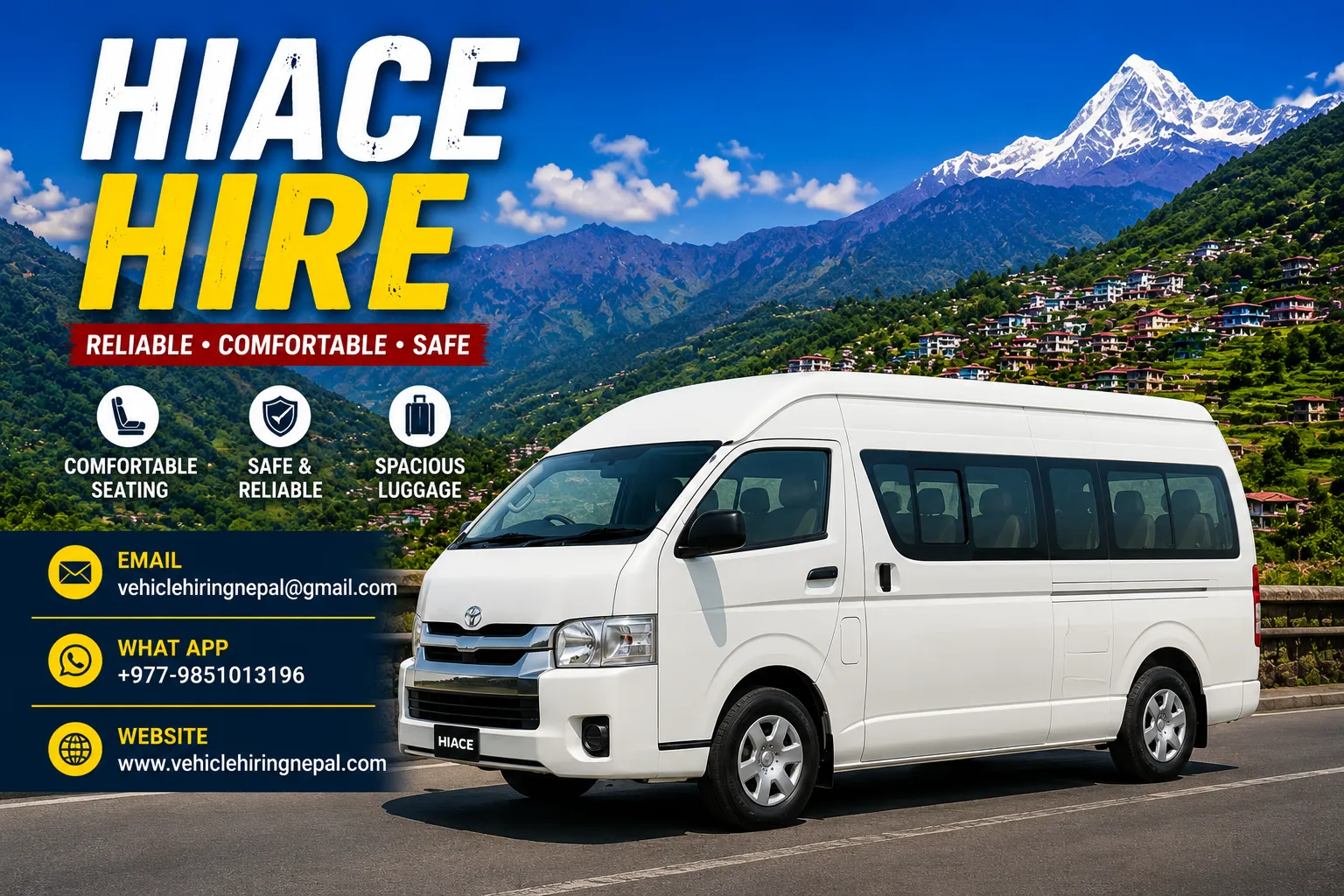 equally well positioned to support this kind of institutional-adjacent group travel alongside standard student tours.
Closing Thoughts on Institutional Trust and Reliability
Ultimately, the value of a genuine college tour vehicle service comes down to trust and reliability built through consistent, well-communicated institutional bookings over time. Schools and colleges depend on their vehicle provider not simply to move students from one place to another, but to do so safely, predictably, and with the kind of clear communication that allows coordinating teachers to focus their attention on the educational content of the trip rather than logistical firefighting. This is the standard Nepal Vehicle Hiring aims to meet with every institutional booking, whether a single-day Kathmandu Valley excursion or a multi-week, multi-region academic field study tour.
Getting Started With Your Institutional Booking
Whether you are a Kathmandu-based school planning a one-day Bhaktapur heritage excursion, a university department organising a multi-week field research programme spanning several regions of Nepal, or an international institution bringing a study abroad cohort for the first time, the process begins the same way: sharing your group size, proposed itinerary, and travel dates with our team so we can recommend the right combination of vehicles and prepare a detailed, transparent quote suited to your institution’s specific needs and budget.
A Final Word for Coordinating Teachers and Administrators
Organizing a college tour is rarely a small undertaking, and the transport component, while sometimes treated as a purely logistical afterthought, genuinely shapes how smoothly the entire trip unfolds for both students and accompanying staff. Investing the time to properly vet and coordinate with an experienced college tour vehicle service, rather than defaulting to the cheapest or most convenient informal arrangement, consistently pays off in fewer complications, safer travel, and ultimately a more successful and memorable educational experience for the students who are, after all, the entire reason the tour exists in the first place.
Thank You for Considering Nepal Vehicle Hiring
We genuinely appreciate the ongoing trust educational institutions across Nepal and beyond place in us to support their student tours safely, reliably, and consistently well, and we look forward to helping plan and coordinate your very next college or school excursion anywhere across Nepal, however large or small it may be.

Related Blog & Articles
car, jeep, hiace, bus hire in Nepal
Coaster and Tourist Bus Hire in Nepal
Tourist Bus Hire in Nepal