Plan a Trip


First Timers in the Himalayas trekkers
 First Time Trekkers in the Himalayas: What No One Tells You Before You Trek
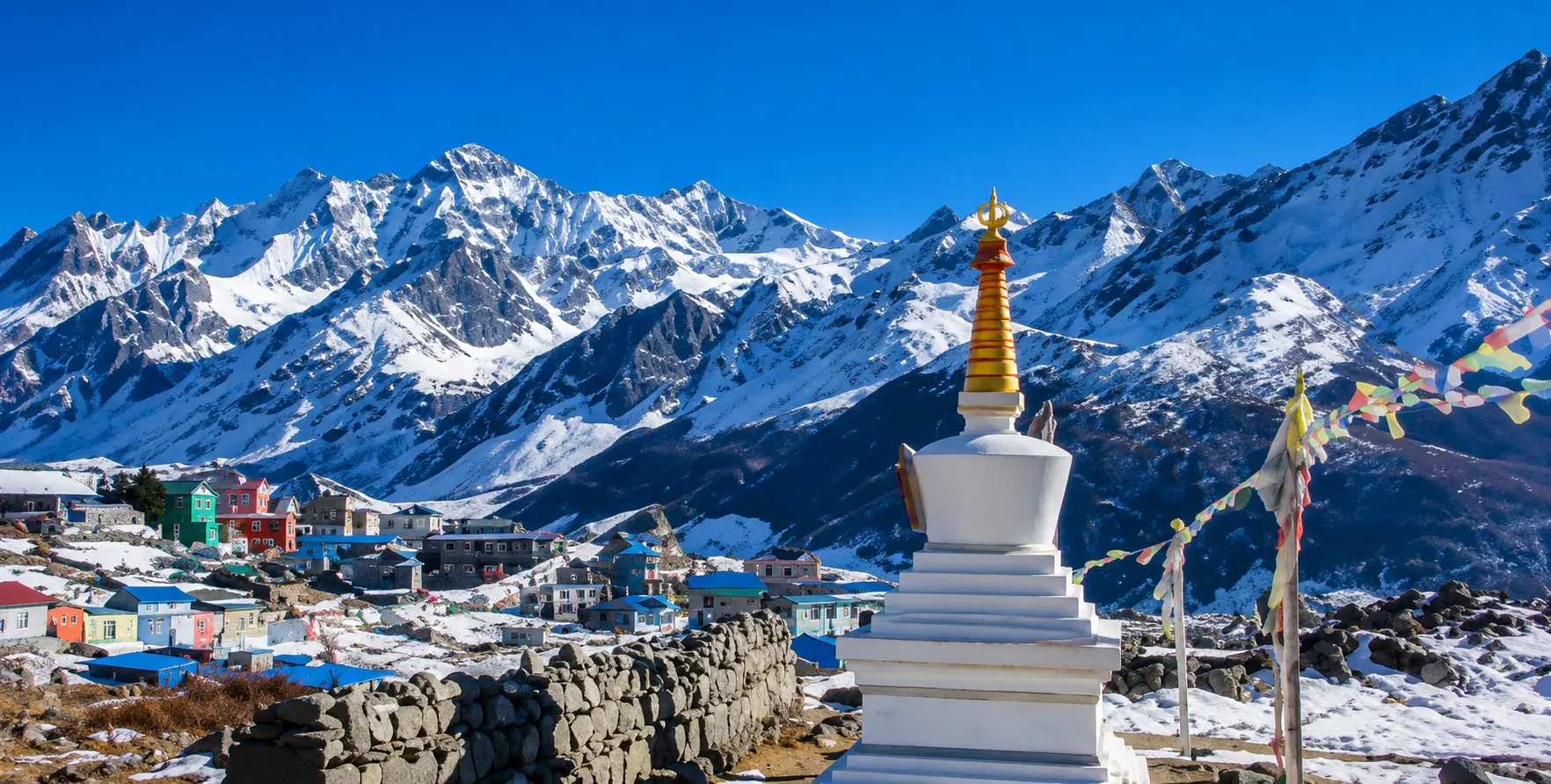
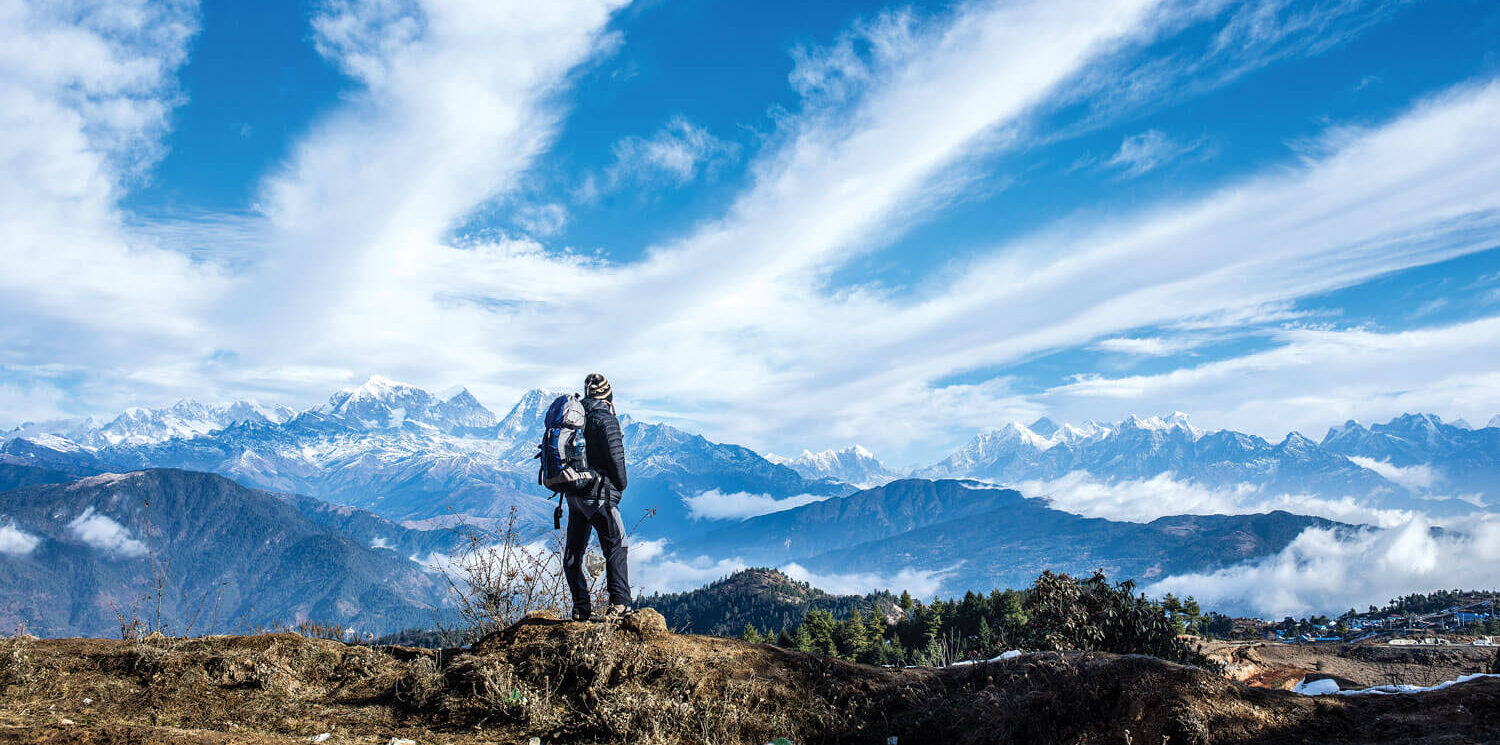
The photographs look effortless. A lone figure on a ridgeline, snowy peaks rising impossibly behind them, golden morning light, the suggestion of absolute peace. Nepal’s trekking brochures and Instagram feeds have been assembling this visual mythology for decades — and it works. Every year, hundreds of thousands of first-time trekkers arrive in Kathmandu, permits clutched in hand, brand-new boots gleaming, hearts full of the images they have been collecting on their phones for months.
And then the reality arrives. The first uphill of Day 1 is harder than expected. The teahouse room is colder than the photographs suggested. The altitude headache at 3,000 meters is not mentioned in the brochure. The squat toilet at the back of the teahouse at 4:00 AM in -5°C is not on anyone’s Instagram grid. The extraordinary moment at the summit — that part is entirely true. But the journey there involves experiences that most travel content carefully edits out.
This is the guide that fills those gaps. Nepal Vehicle Hiring Pvt Ltd has transported tens of thousands of trekkers to trailheads across Nepal — from the Annapurna foothills to Ramechhap Manthali Airport for the Everest approach — and in the process has observed what first-timers are consistently surprised by, unprepared for, and wishing they had known before they started. This guide is the honest, practical, sometimes blunt account of what first-time Himalayan trekking actually involves — the challenges and the rewards, the practical realities and the transcendent moments — so that your first trek is not a shock, but an adventure you were genuinely ready for.
For travelers who have completed their trek and are planning to explore Kathmandu, we recommend continuing your journey with our trusted sister companies, Trek Nepal Himalayas and Alpine Luxury Treks. We specialize in organizing a wide range of travel experiences across Nepal, from classic trekking adventures to cultural and wildlife tours.
Our top offerings include iconic journeys such as the Everest Base Camp Helicopter tour, immersive Kathmandu sightseeing tours, breathtaking Nagarkot sunrise experiences, exciting Chitwan jungle safaris, and luxury packages. In addition, we can arrange short hikes, heritage tours, mountain flights, and customized travel plans tailored to your schedule and interests.
Whether you are looking for a budget-friendly trip or a luxury trekking experience with premium lodges, private guides, and high-end services, we ensure every detail is professionally managed. Our goal is to provide a seamless transition from your trekking adventure to a comfortable) and a memorable travel experience in Nepal.
The Truth About Fitness — Slow Is the Skill
The single most persistent myth about Himalayan trekking is that it requires exceptional fitness. It does not. What it requires is time, patience, and the discipline to walk slowly — more slowly than feels natural, and certainly more slowly than your ego will initially permit.
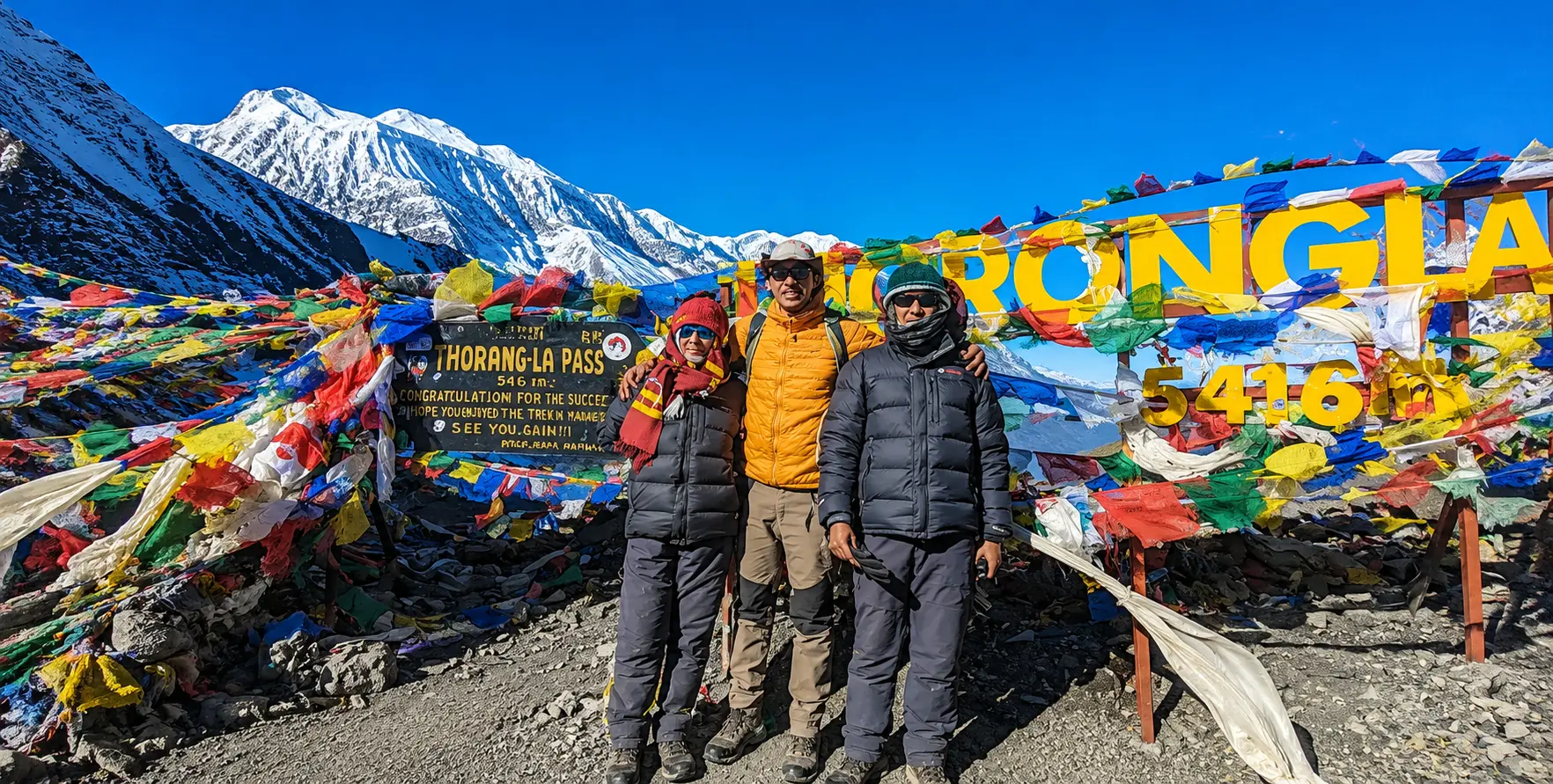
Every experienced Himalayan trekker knows the pace: ‘Rest step, pressure breathing.’ Take a step. Pause. Take another. The mountain veterans who have crossed Thorong La Pass at 5,416 meters thirty times walk at the same deliberate, almost meditative pace they walked on their first crossing. Fitness helps — it means you recover faster between days and suffer less on the long climbs. But the trekkers who turn back are rarely the unfit ones. They are the ones who walk too fast on Day 1, arrive at Camp exhausted and dehydrated, and cannot recover in time for Day 2.
- The recommended hiking pace at altitude: 40 to 60% of your sea-level comfortable hiking speed
- ‘Bistari bistari’ is Nepali for ‘slowly slowly’ — the most useful phrase for any first-time Nepal trekker.
- If you can hold a normal conversation while walking, you are at the right pace. If you are breathless, slow down immediately.y
- The fastest people on a Nepal trekking trail are rarely the most fit. They are the most experienced.
Before your trek, the best physical preparation is not running marathons or hitting the gym — it is simply walking uphill with a daypack for 2 to 3 hours at a time, 3 to 4 times per week, in the 6 to 8 weeks before departure. This builds the specific muscle groups and cardiovascular habits that trekking uses. Your gym-sculpted upper body will contribute almost nothing on the trail; your walking legs and lungs will contribute everything.
 Altitude Sickness — The Equalizer
 Altitude Sickness — The Equalizer
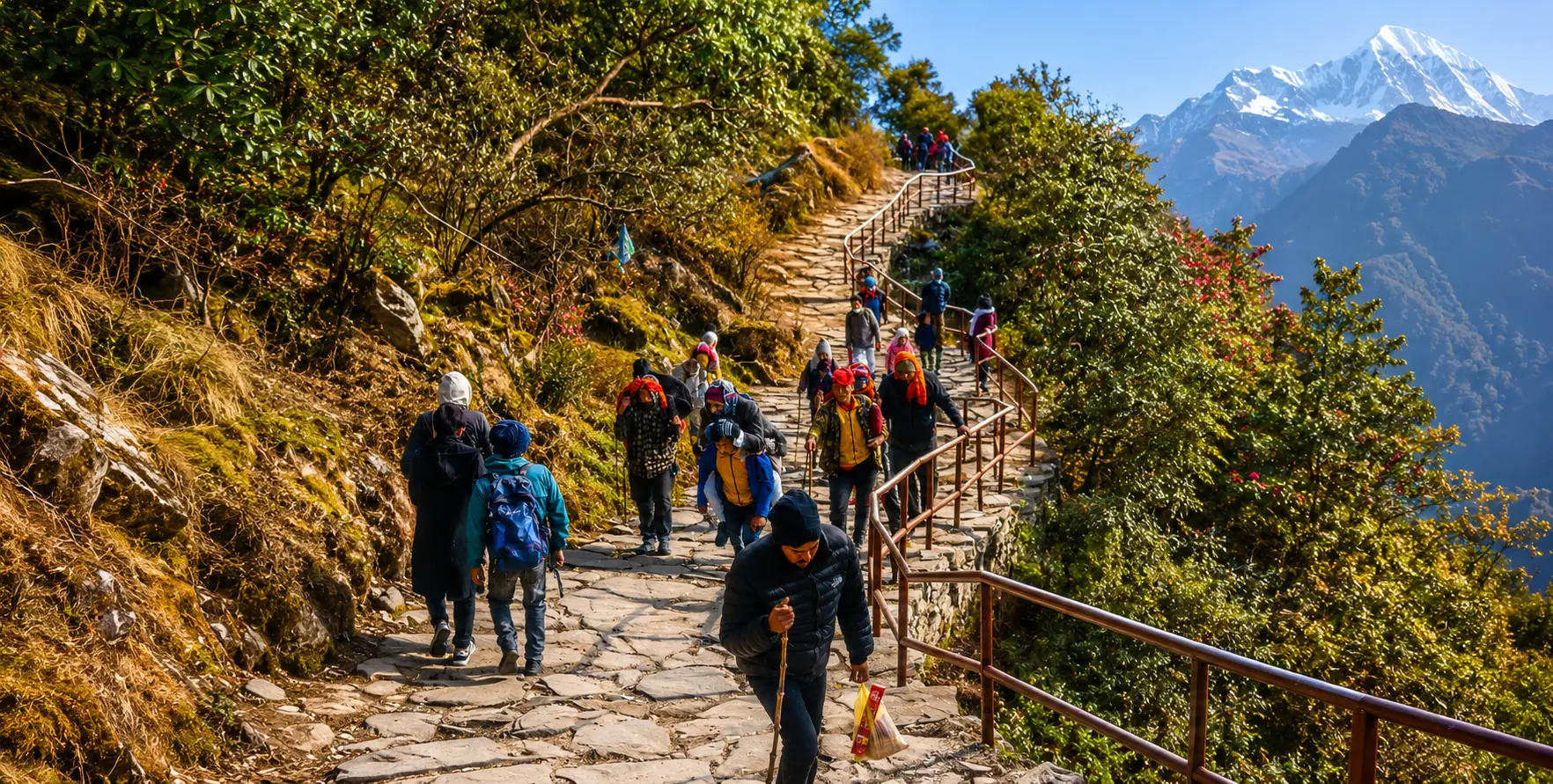
Altitude sickness (Acute Mountain Sickness or AMS) does not care how fit you are. It does not discriminate between marathon runners and couch sitters. It strikes elite mountaineers and sedentary first-timers with equal frequency and with no reliable predictor. This is the single most important thing to understand before any high-altitude Himalayan trek.
AMS is caused by ascending to altitude too quickly for your body to adapt to the reduced oxygen levels. At 3,000 meters, the air contains approximately 70% of the oxygen available at sea level. At 5,000 meters, it falls to about 50%. Your body adapts to this reduction through a process called acclimatization — increasing red blood cell production and adjusting breathing patterns — but this process takes time: days, not hours. When you ascend faster than your body can adapt, AMS is the result.
| Altitude Zone | Range | Common Trekking Locations | AMS Risk | Acclimatization Required |
| Low | Below 2,500 m | Pokhara, Nayapul, Jomsom, lower trails | None | No |
| Moderate | 2,500–3,500 m | Ghorepani (2,870m), Namche (3,440m), Chame | Possible for some | 1 rest day recommended above 3,000 m |
| High | 3,500–4,500 m | Annapurna BC (4,130m), Kyanjin (3,870m) | Significant — plan carefully | 2+ rest days; acclimatization walks |
| Very High | 4,500–5,500 m | Everest BC (5,364m), Thorong La (5,416m) | Very High | Strict multi-day acclimatization is mandatory |
AMS Symptoms Every First-Timer Must Recognize
- Headache — the cardinal symptom. Not every altitude headache is AMS, but AMS always starts with a headache.
- Nausea and loss of appetite — particularly concerning if combined with headache
- Fatigue disproportionate to effort — feeling exhausted after very little exertion.
- Dizziness or lightheadedness, particularly when standing up
- Difficulty sleeping, vivid dreams, waking repeatedly during the night
THE GOLDEN RULE: If symptoms are getting worse as you go higher — STOP. Do NOT push on,n hoping it will improve. It will not. Descend by 3-o 50meterses immediately. AMS that is ignored at the mild stage can progress to HACE (High Altitude Cerebral Edema) or HAPE (High Altitude Pulmonary Edema) — both of which are life-threatening emergencies requiring immediate evacuation. No mountain view is worth your life.
What Actually Helps with AMS
- Gradual ascent — the only reliable prevention. Never gain more than 300 to 500 meters of sleeping altitude per day above 3,000 meters.
- Rest days — the ‘climb high, sleep low’ principle is the gold standard acclimatization strategy
- Hydration — drink 3-4 liters of water per day at altitude. Dehydration dramatically worsens AMS symptoms.
- Diamox (acetazolamide) is the only medication with strong clinical evidence for preventing AMS. Discuss with your doctor at least 4 weeks before departure. Available at Kathmandu pharmacies, but a doctor’s advice on dosage and contraindications is essential.l
- Avoid alcohol completely above 2,500 meters — it dehydrates, suppresses breathing during sleep, and significantly worsens AMS.
- Avoid sleeping pills and sedatives at altitude — they suppress the respiratory drive that maintains oxygenation during sleep.
Solo Trekking Is Now Banned — The 2026 Reality
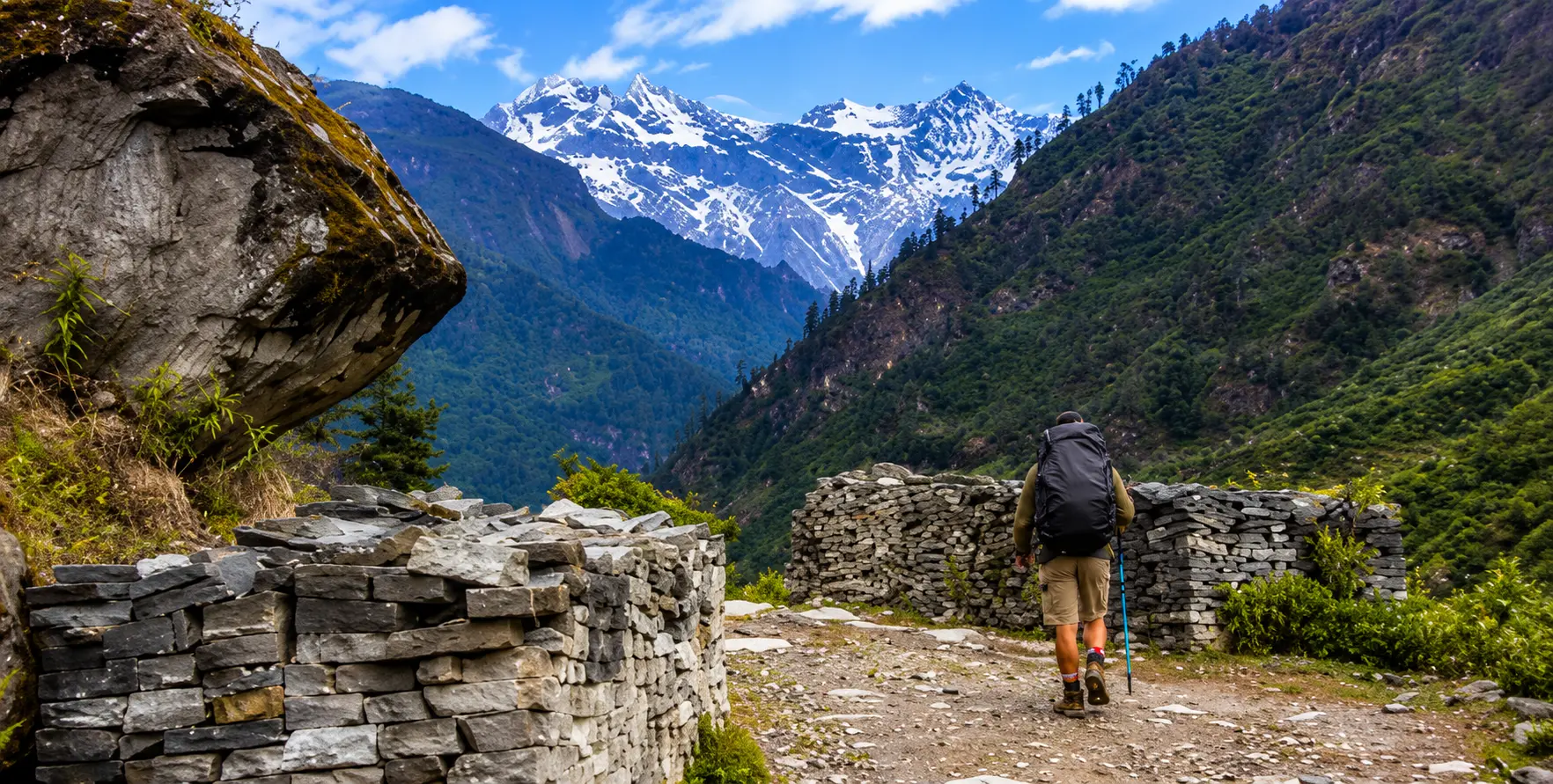
If you have been planning to trek in Nepal solo based on advice from a blog written before 2023, there is an important update: solo trekking on Nepal’s major routes is now officially banned. The Nepal government’s mandatory guide regulation, introduced and enforced from 2023 onwards, requires all trekkers on designated routes to be accompanied by a licensed Nepali guide. By 2026, this regulation will be broadly enforced across virtually all major trekking areas, including the Annapurna Conservation Area, the Everest region (Sagarmatha National Park), Langtang, and the Manaslu Circuit.
The regulation was introduced following a series of trekker disappearances and deaths on solo treks, where the absence of a local guide meant distress situations could not be addressed promptly. The change is significant for the experience of first-time trekkers — but it is ultimately beneficial, particularly for beginners who will benefit enormously from having a locally knowledgeable companion on their first Himalayan trail.
What a Licensed Guide Actually Provides
- Navigation — trail junctions, correct teahouse selection, weather route judgments
- Altitude health monitoring — guides watch for AMS symptoms you may not notice yourself.
- Language — communicating with local teahouse owners, checkpoint officers, and medical posts
- Cultural context — explaining temples, festivals, local customs that enrich the trekking experience
- Emergency coordination — the guide is the critical first link if an evacuation becomes necessary
- Local knowledge — the best tea house with the warmest rooms, the freshest dal bhat, the trail shortcut that shaves 45 minutes off the climb
Cost of a Guide: A licensed guide costs approximately USD 2- 35 per day. For a 7-day Poon Hill trek, this adds USD 175 to USD 245 to your total budget — a modest sum that fundamentally transforms the safety, quality, and cultural richness of a first Himalayan trek.
The Things Nobody Posts on Instagram
The Toilet Situation
Let us address the topic that every first-time trekker thinks about privately but rarely reads about publicly: the toilet situation on a Himalayan trek is not what the Instagram pictures suggest.
Below 3,000 meters, most established teahouses have functional flush toilets or at least clean squat toilets with a water bucket. Above 3,000 meters — and particularly above 4,000 meters — toilets range from basic to extremely basic. Squat toilets with a pit below are standard. Toilet paper is rarely provided (always carry your own). Some teahouses charge NPR 20-50 per toilet use. The midnight toilet trip from a cold teahouse room at 4,200 meters, down a frozen outdoor path to an unheated outhouse, is a genuine feature of high-altitude Himalayan trekking that nobody documents but every trekker experiences.
- Always carry your own toilet paper — never assume it will be provided
- Carry a small headlamp and keep it with you at all times — midnight toilet trips in pitch darkness are not pleasant
- Hand sanitizer is essential — clean water for handwashing is limited at altitude
- The outdoor toilet situation on trails between teahouses: find a spot off-trail, dig a small hole if possible, and carry out any non-biodegradable waste
Teahouse Food — The Same Menu at Every Altitude
The teahouse menu in Nepal is a masterpiece of consistency. Dal bhat (lentils and rice with vegetable sides), noodle soup, fried rice, garlic soup, apple pie, and a rotating selection of comfort foods are served at virtually every teahouse from 1,000 meters to 5,000 meters, with minor variations. This is not a criticism — dal bhat is genuinely delicious and nutritionally excellent for trekking, providing the high-carbohydrate fuel your body needs at altitude — but first-timers expecting the culinary variety of a mountain resort will need to recalibrate expectations.
The more important food reality is the price escalation. A plate of dal bhat at Nayapul (1,070 m) costs approximately NPR 400. The same dal bhat at Annapurna Base Camp (4,130 m) costs NPR 1,200 to NPR 1,800 — three to four times more. The Himalayan altitude tax on food and accommodation is real and unavoidable, and it should be budgeted for carefully.
The Walls Have No Insulation
Teahouse rooms at elevations above 3,500 meters are typically constructed of thin wood or stone and lack insulation. Heating (when available) is a single wood-burning stove in the communal dining hall — never in individual rooms. On a clear night at Thorong Phedi (4,450 m) or High Camp (4,850 m) on the Annapurna Circuit, the temperature inside your room will approach or exceed -10°C. The teahouse blankets — generally heavy, damp-feeling, and of unknown cleanliness — are insufficient on their own. A sleeping bag rated to at least -10°C is not optional at these altitudes; it is survival equipment.
The Silence is Loud
Many first-time trekkers are surprised by the psychological challenge of the trail. Nepal trekking is not an action sport — it is primarily a walking meditation, hours each day of measured footfall in remarkable scenery, with limited access to the digital stimulation that most modern people use to fill their mental space. Mobile data disappears beyond the major settlements. WhatsApp and social media updates become impossible. Netflix does not exist above 3,000 meters. And for many first-timers, the sudden confrontation with their own unmediated thoughts — with nothing to distract and nowhere to scroll — is unexpectedly challenging.
This is also, of course, one of the most profound benefits of Himalayan trekking. The enforced disconnection is what allows the mountains to do their real work — the recalibration of perspective, the slowing of the mind to the pace of the landscape, the rediscovery of what actually matters. But it is worth knowing in advance that the first two or three days of digital withdrawal can feel genuinely uncomfortable for people accustomed to constant connectivity.
Your Feet Will Hurt
Boots are the single most important piece of trekking equipment for a first-time Himalayan trekker — and the most common source of trek-ending disaster. A blister that seems minor on Day 2 becomes a trek-threatening infection by Day 5. Every year, first-time trekkers who purchased excellent boots but wore them for the first time on the trail end up being helped back down by their guides, feet bandaged, dreams temporarily shelved.
The rule is non-negotiable: your trekking boots must be broken in before you trek. ‘Broken in’ means at least 30 to 40 hours of walking in them — on hills, on rocky paths, carrying a daypack. Not on your commute to work. Not around the supermarket. On trails, for hours at a time, until every potential pressure point has been identified and addressed.
Gear Hire in Kathmandu: Thamel district in Kathmandu has dozens of trekking gear shops selling both genuine equipment and high-quality replicas of major brands. Sleeping bags, trekking poles, down jackets, and even boots can be hired or purchased here at reasonable prices — useful if you prefer not to carry gear from home.
The Real Costs — A Completely Honest Budget
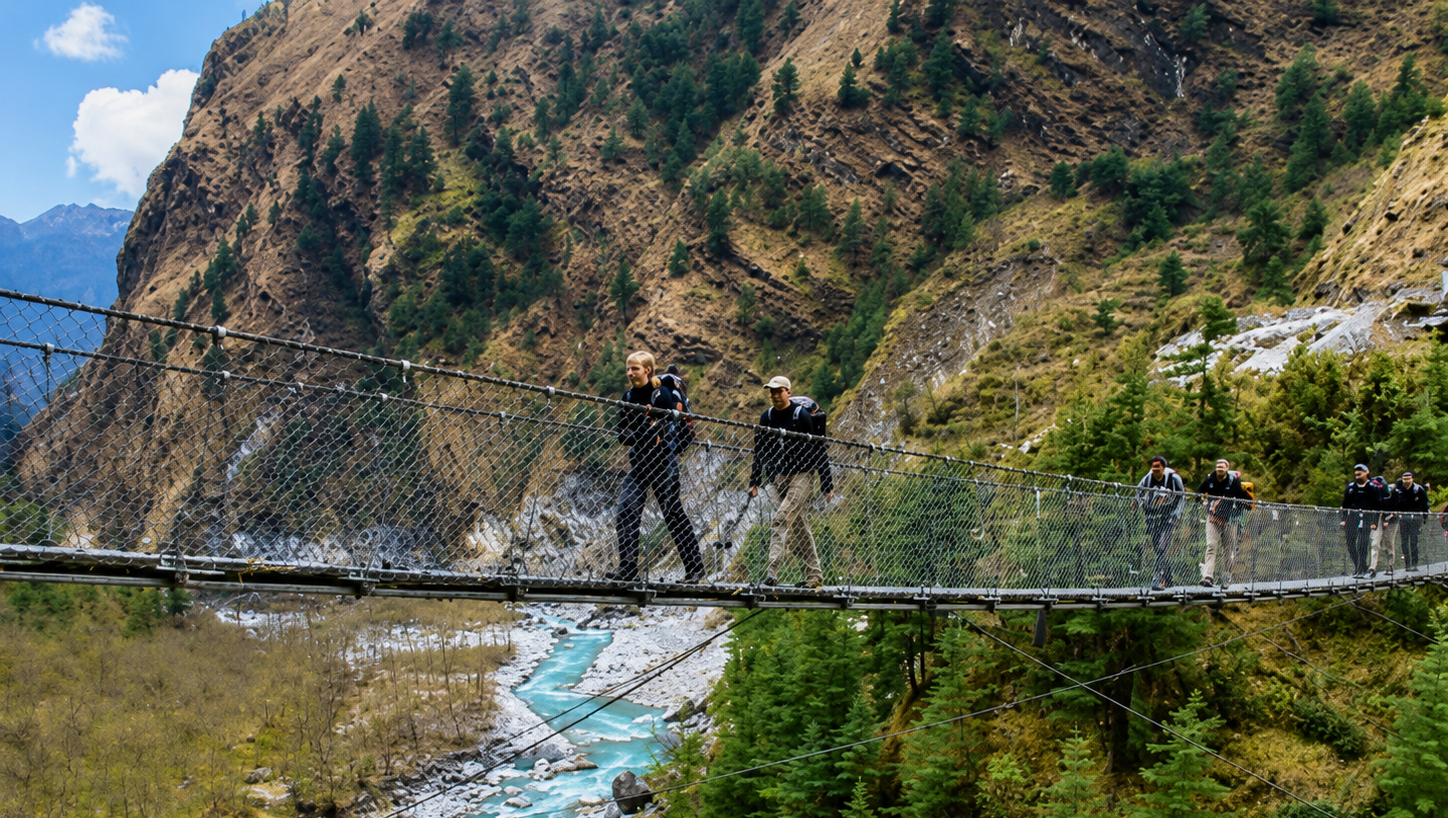
Nepal trekking is frequently described as ‘budget-friendly’ — and compared to trekking in Western mountain destinations, it genuinely is. But first-timers often underestimate the full cost by focusing only on the visa and flight and forgetting the significant accumulation of daily expenses, mandatory permits, guide costs, and equipment purchases that constitute the true cost of a Nepal trek.
| Expense Category | Budget (NPR / USD) | Notes |
| ACAP Permit (Annapurna area) | NPR 3,000 / USD 22 | Mandatory for Poon Hill, ABC, Mardi Himal |
| Sagarmatha NP Permit (Everest) | NPR 3,000 / USD 22 | Mandatory for EBC trek |
| TIMS Card | USD 10–20 | Mandatory for all trekkers |
| Licensed Guide (mandatory 2026) | USD 25–35 per day | Now legally required on all major routes |
| Porter (optional but recommended) | USD 15–25 per day | Carries your bag — transforms trek experience |
| Teahouse accommodation | NPR 500–2,500 per night | Free or discounted if dining in the same teahouse |
| Meals (3 per day in the teahouse) | NPR 1,500–3,500 per day | More expensive at higher altitude |
| Drinking water / boiled water | NPR 100–300 per litre | Never drink tap water — use boiled or filtered water |
| Charging devices / WiFi | NPR 200–500 per charge | Paid at each teahouse — carry a power bank |
| Toilet at teahouses | NPR 0–50 per use | Many teahouses now charge for toilet use |
| Trailhead transfer (e.g. Nayapul) | NPR 7,000–15,000 (private jeep) | Nepal Vehicle Hiring Pvt Ltd — hotel pickup, all luggage |
| Travel insurance with evacuation | USD 80–150 for 2 weeks | MANDATORY — helicopter rescue costs USD 3,000–5,000+ |
The One Expense That Absolutely Cannot Be Skipped
Travel insurance covering helicopter evacuation is the single non-negotiable expense of Himalayan trekking. A helicopter rescue from altitude in Nepal costs between USD 3,000 and USD 5,000 or more — an amount that most trekkers cannot produce in a medical emergency. Without insurance that specifically covers high-altitude helicopter evacuation, you are either relying on the generosity of others or gambling with your life and your family’s financial security. Many policies exclude altitudes above 3,000 or 4,000 meters — read the fine print carefully and select a policy that explicitly covers high-altitude helicopter rescue.
Travel Insurance Alert: Verify before purchasing that your policy explicitly covers helicopter evacuation at the maximum altitude you plan to reach. Standard travel insurance frequently DOES NOT cover high-altitude rescue. World Nomads, AXA, and Allianz Travel are among the policies with strong high-altitude coverage in Nepal — check current terms before purchasing.
First Timers in the Himalayas: Honest Assessments
| Trek | Region | Max Altitude | Duration | Difficulty | Best For |
| Poon Hill / Ghorepani | Annapurna | 3,210 m | 4–5 days | Easy–Moderate | Best first trek — sunrise panorama, short, excellent teahouses |
| Australian Camp + Dhampus | Annapurna | 2,060 m | 2–3 days | Easy | Day-trippers and families, close to Pokhara |
| Langtang Valley | Langtang | 3,870 m (Kyanjin) | 7–10 days | Moderate | Close to KTM; Tamang culture; glaciers |
| Mardi Himal | Annapurna | 4,500 m (HBC) | 5–7 days | Moderate | Less crowded; close Machhapuchhre views |
| Annapurna Base Camp | Annapurna | 4,130 m | 10–12 days | Moderate | Nepal’s most popular full trek: superb scenery |
| Everest Base Camp | Everest | 5,364 m | 14–16 days | Challenging | The classic needs good fitness + acclimatization |
| Manaslu Circuit | Manaslu | 5,106 m (Larkya La) | 14–18 days | Challenging | Remote, less crowded alternative to ABC |
Poon Hill — The Perfect First Trek
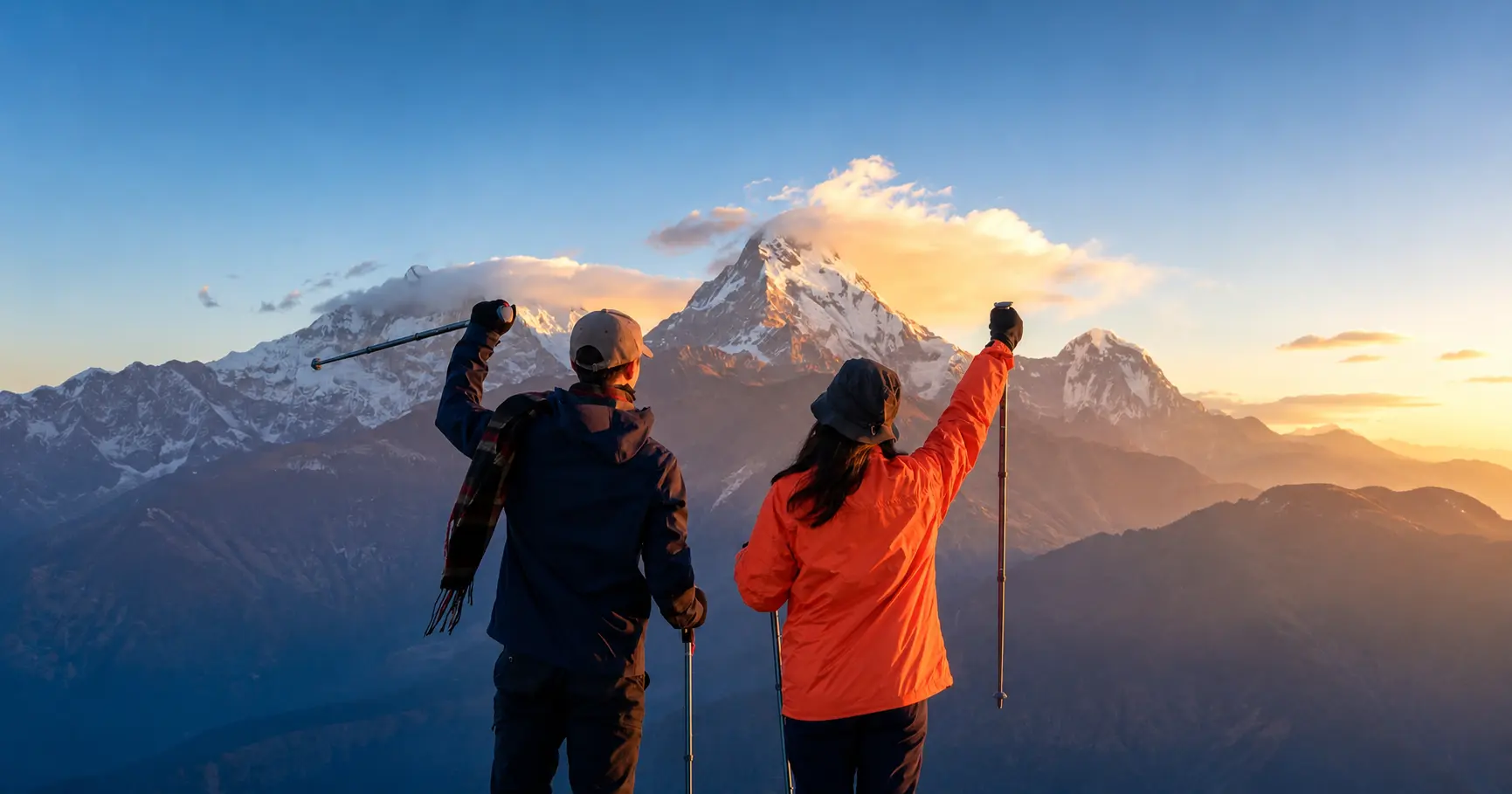
The Ghorepani Poon Hill Trek is Nepal’s ideal first Himalayan experience for very good reasons. The trail is well-marked and safe; the maximum altitude (Poon Hill viewpoint at 3,210 m) is high enough to feel genuinely Himalayan without requiring serious acclimatization; the teahouses are among the best-established in Nepal, and the reward — the Poon Hill sunrise panorama of Dhaulagiri and the Annapurna range — is one of Nepal’s truly transcendent experiences.
At 4 to 5 days from Pokhara (with the private jeep to Nayapul or Ulleri reducing the approach to 3 to 4 trekking days), Poon Hill is achievable in a week-long Nepal itinerary. The trail climbs steadily but never brutally. The descent from Ghorepani to Tadapani and Ghandruk (optional extension) adds cultural richness through beautiful Gurung villages. Nepal Vehicle Hiring Pvt Ltd transports trekkers from Pokhara hotels directly to Nayapul or Ulleri trailheads — 45 minutes to 1 hour, door-to-door.
Langtang Valley — The Forgotten First Trek
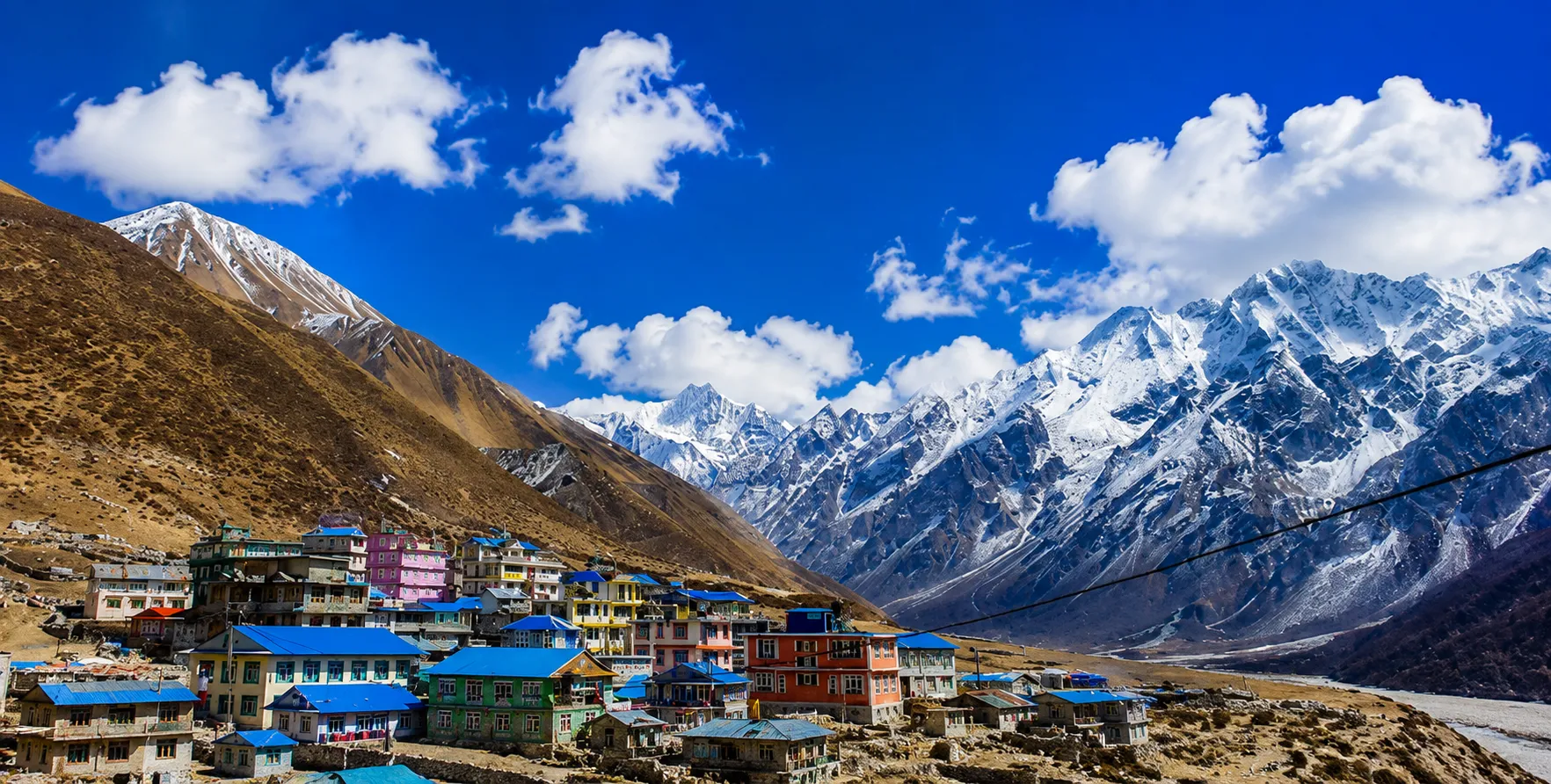
Langtang Valley is Nepal’s most underrated beginner trek — less famous than the Annapurna or Everest routes but arguably more rewarding for a first experience. The valley lies just 65 km north of Kathmandu and is accessible by private vehicle from the capital in 5 to 6 hours to Syabrubesi (the trailhead). The trail climbs through dense rhododendron forest, past traditional Tamang villages with their distinctive architecture and Buddhist culture, and into the glaciated high valley above the settlement of Langtang village (3,430 m) and the viewpoint at Kyanjin Ri (4,773 m).
Langtang was devastated by the 2015 earthquake and subsequent avalanche that destroyed much of Langtang village. Still, the valley has been rebuilt, and trekkers today find a trail community defined by extraordinary resilience and warmth. The relatively low fame of the Langtang route means it is less crowded than Annapurna during peak season — a significant advantage for first-timers who might feel overwhelmed by the organized bustle of the Poon Hill trail during October.
Annapurna Base Camp — The Classic 10-Day Experience
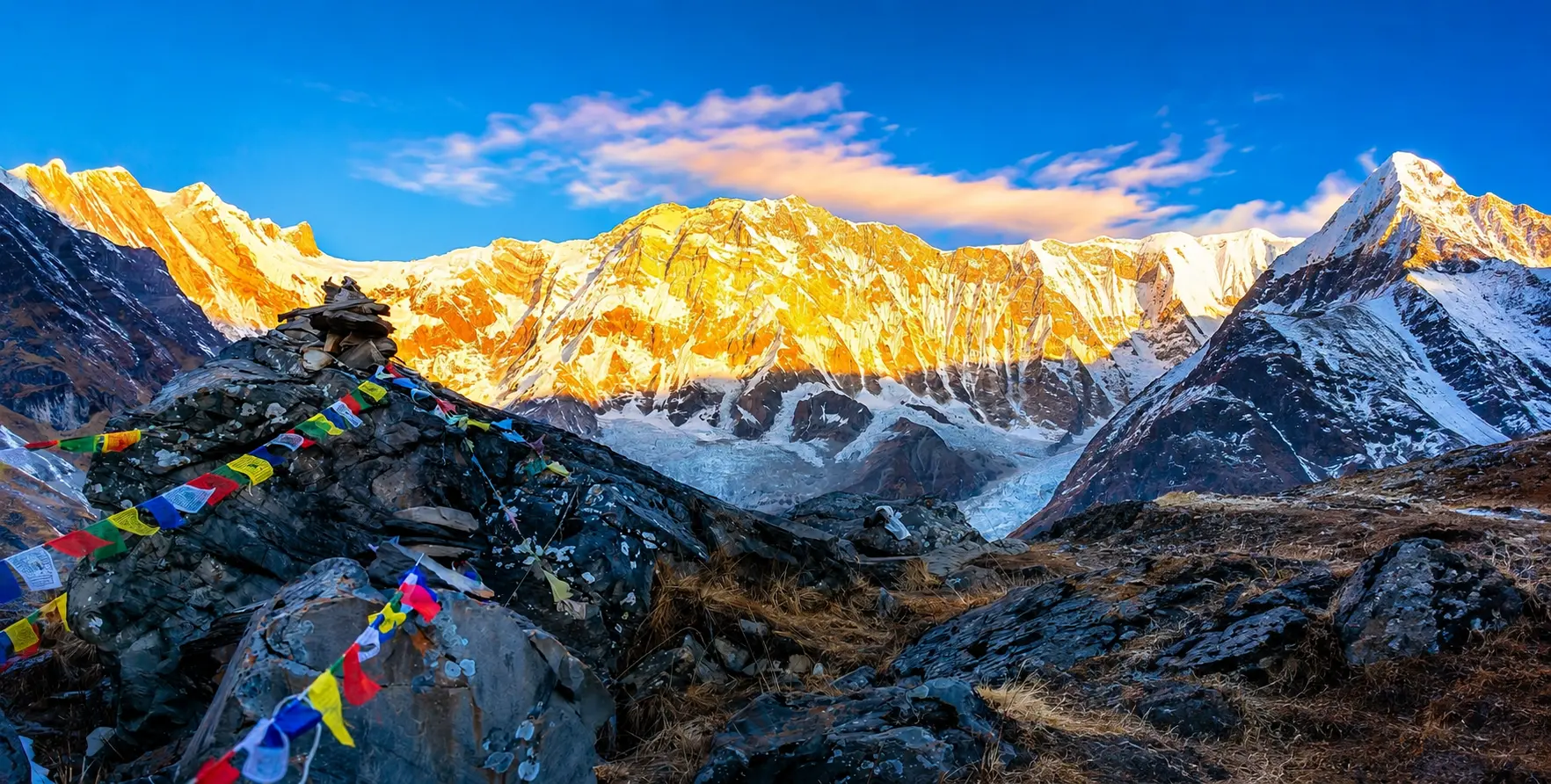
Annapurna Base Camp (ABC) at 4,130 meters is the most celebrated destination trek in Nepal — a journey through some of the most stunning and varied landscapes in the Himalayas, from the subtropical gorge of the Modi Khola to the high alpine sanctuary directly beneath the south face of Annapurna I (8,091 m). The finale — the glacial bowl of the Annapurna Sanctuary ringed by seven peaks over 6,000 meters — is one of those genuinely overwhelming moments of natural grandeur that justify the entire journey.
For first-timers, ABC requires an honest fitness assessment. The ascent to base camp involves significant altitude gain over 10 days, and the section above Himalayan Hotel (2,900 m) demands solid cardiovascular fitness and good acclimatization practice. That said, ABC is completed by thousands of first-time trekkers every year — the key is a slow pace, adequate rest, and not rushing the final ascent from Machhapuchhre Base Camp (3,700 m) to ABC (4,130 m).
Gear — What You Actually Need vs What You Think You Need
| Item | Essential? | Notes |
| Broken-in trekking boots | CRITICAL | Never use new boots — blisters end treks |
| Down jacket or warm puffer | CRITICAL | Above 3,000 m — nights are seriously cold |
| Sleeping bag (rated -10°C) | Essential above 3,500 m | Teahouse blankets alone are insufficient at high altitude |
| Trekking poles (pair) | Highly recommended | Saves knees on descent — especially for beginners |
| Headlamp + spPredawneries | EssentPredawn | Dawn Poon Hill hike; power cuts are common |
| Moisture-wicking base layers | Essential | Cotton kills at altitude — use synthetic or merino wool |
| Waterproof rain jacket | Essential | Mountain weather changes in 20 minutes |
| Sunscreen SPF 50+ | Essential | High altitude UV is severe — burn risk is extreme |
| Water purification tablets/filter | Essential | Backup for when boiled water isn’t available |
| Blister treatment (moleskin) | Essential | Address blisters on Day 1 before they worsen |
| Diamox (acetazolamide) | Strongly recommended | Discuss with the doctor before the trek — AMS prevention |
| Power bank (20,000 mAh+) | Recommended | Charging is unreliable in teahouses above 3,000 m |
| Buff/dust mask | Recommended | Dusty trails + cold air — neck warmer doubles as face cover |
| First aid kit basics | Essential | Plasters, pain relief, anti-diarrhea, rehydration salts |
| Snacks and energy food | Recommended | Carry for sections between teahouses |
The Weight of Your Pack Will Define Your Experience
Every experienced trekker will tell you: the single biggest predictor of how enjoyable your trek is is the weight on your back. A 15 kg pack that seemed manageable at home becomes a genuine instrument of suffering by Day 3 at 3,500 meters. A 7 kg pack feels almost light on the same trail.
The solution is a porter — one of the most transformative and most underutilized trekking decisions available to first-timers. A licensed porter carries your main trekking bag (up to approximately 15 kg per porter regulation) for USD 15-25 per day, freeing you to walk with only a light day pack (water, camera, layers, snacks, medication). The physical liberation of trekking without a heavy pack does not just make the experience more comfortable — it fundamentally changes the quality of the experience, allowing you to look up and around rather than down at your feet, engage with the landscape and culture, and arrive at Camp with energy to enjoy the evening rather than immediately collapsing.
Trekking Poles — More Than a Preference
Trekking poles divide opinion among experienced trekkers but are almost universally recommended for beginners. On the descent from high camps, trekking poles dramatically reduce the compressive force on the knees with each downhill step — reducing knee pain and the risk of joint injury that can end a trek on Day 4. On river crossings and unstable rocky sections, poles provide stability that beginners’ legs have not yet developed through trail experience. Hire poles in Kathmandu for NPR 200-500 per day if you prefer not to travel with your own.
The Trailhead Transfer — The Step Everyone Underestimates
Most trekking guides focus on the trail experience and pay almost no attention to one of the most important logistical decisions of any Nepal trek: how to get from your hotel in Kathmandu or Pokhara to the trekking trailhead. This step — simple in concept, critical in execution — determines whether your first trekking day begins with energy and calm or with the stress of missed buses, crowded shared vehicles, and arrival at the trailhead hours later than planned.
| Trek | Nearest Trailhead | Distance from KTM/Pokhara | Vehicle | Nepal Vehicle Hiring Transfer Cost |
| Poon Hill / Ghorepani | Nayapul / Birethanti | 42 km from Pokhara | Sedan / Scorpio | NPR 4,500–8,000 (Pokhara to Nayapul) |
| Annapurna Base Camp | Nayapul / Jhinu Danda | 42–55 km from Pokhara | Sedan / Scorpio 4WD | NPR 4,500–10,000 (Pokhara to Jhinu Danda) |
| Mardi Himal | Kande / Lwang Ghalel | 28–40 km from Pokhara | Sedan / Scorpio | NPR 3,000–8,000 (Pokhara to Kande) |
| Langtang Valley | Syabrubesi | 122 km from Kathmandu | Scorpio 4WD / Hilux | NPR 14,000–18,000 (KTM to Syabrubesi) |
| Everest Base Camp | Ramechhap Airport (Manthali) | 132 km from KTM | Sedan / Jeep / Hiace | NPR 12,000–22,000 KTM- Ramechhap |
| Annapurna Circuit | Besisahar | 175 km from Kathmandu | Scorpio 4WD / Hilux | NPR 15,000–20,000 (KTM to Besisahar) |
| Manaslu Circuit | Arughat / Soti Khola | 160 km from Kathmandu | Scorpio 4WD / Hilux | NPR 16,000–22,000 (KTM to Arughat) |
Why First-Timers Need a Private Transfer
Public transport to Nepal’s trekking trailheads is available — local buses, shared jeeps, and tourist buses operate on most of the major routes. But for first-time trekkers, whose knowledge of Nepal logistics is limited and whose trek start is time-sensitive, public transport introduces a layer of complexity and uncertainty that private vehicle hire eliminates.
- Local buses do not offer hotel pickup — you navigate Kathmandu or Pokhara to find the right bus park, often at 5:00 AM in the dark.
- Shared jeeps depart only when full — meaning you wait at a bus park for an unpredictable length of time.
- Luggage space on shared transport is limited — full expedition bags and kit require roof space that may not be available.e
- Departure timing is fixed — if your guide needs 30 more minutes, the shared jeep does not wait.
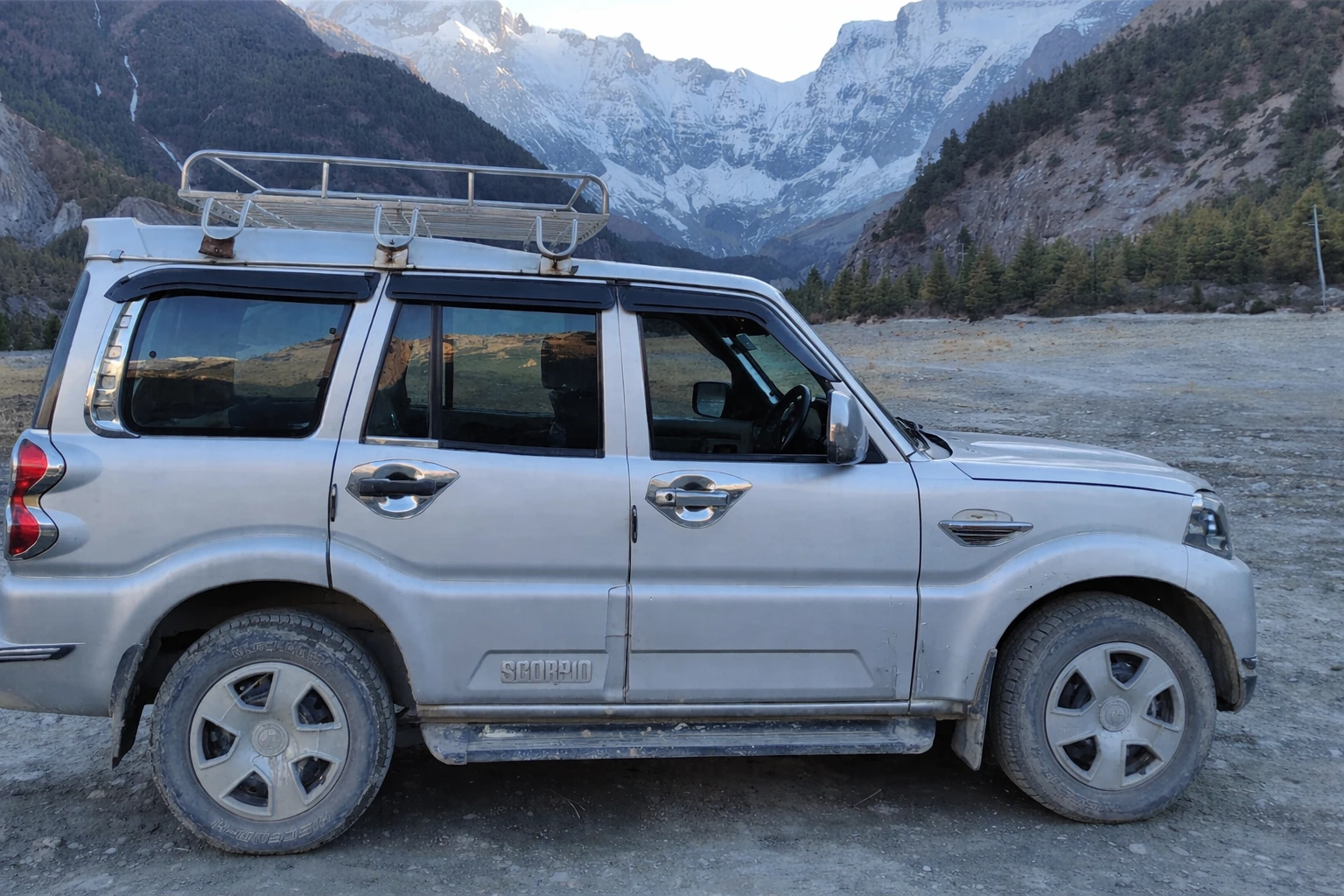
A private vehicle from Nepal Vehicle Hiring Pvt Ltd picks you up directly from your hotel at whatever time your guide and trekking schedule require, drives you and all your gear (including your porter’s load if needed) directly to the trailhead, and delivers you ready to start walking — not stressed, not tired from a crowded bus, and not 2 hours behind schedule. For most first-timers, this single logistical decision transforms the quality of the first day of trekking.
Book Your Trailhead Transfer in Advance: During peak trekking season (October–November and March–May), private vehicles from Pokhara to Nayapul, Jhinu Danda, and Kande, and from Kathmandu to Syabrubesi and Besisahar, are in very high demand. Contact Nepal Vehicle Hiring Pvt Ltd at +977-9851013196 at least 48 hours before your trekking start day — or at the same time as your trekking guide booking.
What Nobody Warns You About the First Day
Day 1 of a Nepal trek is almost universally the hardest — psychologically and physically — for first-time trekkers. This is not because the trail is the most difficult (it usually is not) but because of a combination of factors that experienced trekkers have learned to expect and prepare for, and that beginners encounter as a surprise.
- Your body is not yet adjusted to walking at altitude, carrying a pack, or the rhythm of continuous uphill. Even if you trained at home, the specific physical demands of trail trekking with a pack at 11,500 meters engage muscle groups and energy systems that gym training does not specifically prepare for.
- The excitement of arrival in Nepal and Kathmandu often means first-timers sleep poorly the night before the trek begins — starting Day 1 already fatigued.
- The pack feels heaviest on Dy before the body has adapted. Days 3 and 4 typically feel noticeably lighter even if nothing has been removed.
- The psychological adjustment to ‘this is what the day looks like for the next 7 days’ can feel overwhelming on Day 1. The sameness of the trail rhythm — walk, eat, sleep, walk — seems monotonous before the landscape and community of the mountains begin to work on you.
The experienced advice for Day 1 is this: set the lowest possible expectations. Walk the shortest stage. Stop frequently. Eat more than you think you need. Sleep as early as possible. Day 2 will be better. Day 3 will be better still. By Day 4, the mountains will have begun their work — and you will understand why people return to the Himalayas again and again throughout their lives.
The Moments That Make It Worth Everything
This guide has been honest about the challenges — the cold rooms, the difficult toilets, the altitude headaches, the first-day fatigue, the dietary monotony. These are real. But they are also temporary. And they are the price of admission to something that cannot be described adequately in any travel writing, however accomplished.
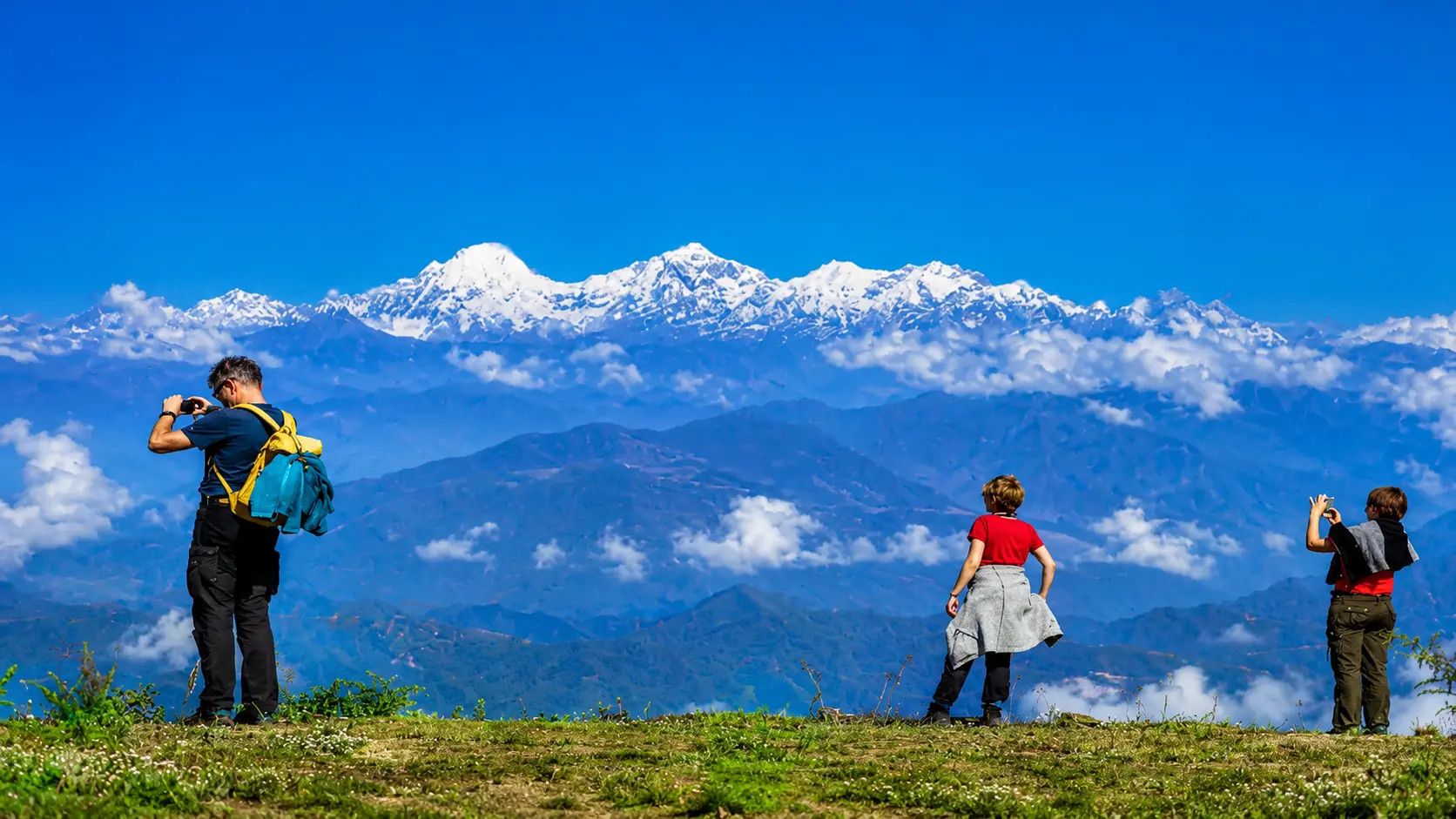
The moment at Poon Hill as the sun rises over the Annapurna range and the peaks turn from purple to pink to blazing gold is not adequately captured in any photograph. The silence of the Annapurna Sanctuary as you arrive at Base Camp and find yourself surrounded by mountains higher than any peak in North America or Europe — that silence has a physical quality, a weight and a luminosity that no image or word can contain.
The warmth of a teahouse dining hall on a cold night — the smell of woodsmoke and dal bhat, the conversation of strangers who are already starting to feel like companions — has a texture of human community that the speed and noise of modern life rarely provide.
Nepal’s mountains change the people who walk them. Not dramatically or instantly — but gradually, mile by mile, rest day by rest day, cold morning by cold morning. They change priorities. They demonstrate the elegance of simplicity. They offer a perspective that, once acquired, is surprisingly durable.
That is what no one tells you before you trek: that you will come back different. Not from the exercise or the photographs or the achievement of a personal goal — though all of those are real. But from the sustained encounter with a scale, silence, and beauty that recalibrates something fundamental in the human experience of being alive.
Practical Quick-Reference — Everything You Need Before You Go
Permits (2026)
- ACAP: NPR 3,000 per person — for all Annapurna region treks (Poon Hill, ABC, Mardi Himal)
- Sagarmatha NP Permit: NPR 3,000 per person — for Everest region
- TIMS Card: USD 10–20 per person — for all trekkers
- Manaslu Restricted Area Permit: USD 100 per week — for Manaslu Circuit
- Where to obtain: Nepal Tourism Board, Bhrikuti Mandap, Kathmandu; or Lakeside, Pokhara
Mandatory Items
- Licensed guide: Mandatory on all major routes in 2026 — arrange through a reputable trekking agency
- Travel insurance with helicopter evacuation cover: Non-negotiable — verify altitude coverage in policy.
- Broken-in trekking boots: Walk in them 30 to 40 hours before the trek begins
- Sleeping bag rated -10°C: Essential above 3,500 m — teahouse blankets aloneare insufficient
- Diamox prescription: Discuss with the doctor at least 4 weeks before departure
Things to Leave at Your Hotel
- Large rolling suitcase: Leave in hotel storage in Kathmandu or Pokhara — take only a trekking duffel
- Valuables and excess cash: Hotel safe in Kathmandu/Pokhara
- Unnecessary electronics: Laptop, tablet, heavy camera equipment
- Formal or non-trekking clothing: The trail does not need it
Your First Week Training Plan (6–8 Weeks Before Trek)
- Weeks 1–2: Walk 45 to 60 minutes uphill with a daypack, 3 times per week
- Weeks 3–4: Increase to 90 minutes to 2 hours, 3 to 4 times per week. Add stair climbing
- Weeks 5–6: 2- to 3-hour hill walks with a6-6 to 8 kg pack — wearing your trekking boots
- Week 7–8: One overnight camping or walking day — simulate trekking pace and conditions
- Day before departure: Rest. Pack carefully. Sleep early.

Nepal Vehicle Hiring Pvt Ltd — Your Trailhead Transport Partner
The logistics of reaching Nepal’s trekking trailheads — from your Kathmandu or Pokhara hotel to the exact start point of your trail — is the one element of every Nepal trek that Nepal Vehicle Hiring Pvt Ltd specializes in making completely effortless. We transport trekkers to every major trailhead across Nepal: Nayapul, Jhinu Danda, Ghandruk, and Kande (Annapurna region); Syabrubesi (Langtang); Besisahar and Arughat (Annapurna Circuit and Manaslu); and Ramechhap Manthali (for pre-dawn flight transfer.
- Door-to-door hotel pickup: From any hotel in Kathmandu or Pokhara — no bus park navigation
- All vehicle types: Private sedan for small groups; Scorpio 4WD for mountain trailheads with off-road access; Hiace van for larger trekking groups
- Luggage capacity: Roof rack with securing ropes handles full expedition bags and porter loads
- Flexible departure timing: Depart at whatever time your trekking guide and permit schedule allow — including pre-dawn early Manthali flights
- 24/7 booking: WhatsApp +977-9851013196 — book at any time, receive confirmation within minutes
Conclusion
The Himalayas are the most honest mountains in the world. They do not reward bravado, ignore ill-preparation, or soften their demands for anyone’s comfort. But they offer, in return for the genuine effort of showing up physically prepared, mentally open, and practically equipped, an experience of natural grandeur and human simplicity that has no parallel anywhere on earth.
Your first Himalayan trek will be harder than you expect on some days and more beautiful than you can imagine on others. The teahouse will be colder than the photo suggests. The altitude will catch up with you before you feel ready for it. The first day will be the longest. And somewhere — at a Poon Hill sunrise, or a Langtang glacier, or an Annapurna Base Camp dawn — the mountains will deliver a moment so perfectly, overwhelmingly real that everything else will become small in comparison.
Nepal Vehicle Hiring Pvt Ltd will get you to the trailhead. Your guide will get you to the summit. The Himalayas will do the rest.
Book your trekking trailhead transfer — Call or WhatsApp: +977-9851013196
- First Time Trekkers in the Himalayas: What No One Tells You Before You Trek
- The Truth About Fitness — Slow Is the Skill
- Altitude Sickness — The Equalizer
- Solo Trekking Is Now Banned — The 2026 Reality
- The Things Nobody Posts on Instagram
- The Real Costs — A Completely Honest Budget
- First Timers in the Himalayas: Honest Assessments
- Gear — What You Actually Need vs What You Think You Need
- The Trailhead Transfer — The Step Everyone Underestimates
- What Nobody Warns You About the First Day
- The Moments That Make It Worth Everything
- Practical Quick-Reference — Everything You Need Before You Go
- Nepal Vehicle Hiring Pvt Ltd — Your Trailhead Transport Partner
- Conclusion

Related Blog & Articles

Pokhara to ABC Trek Starting Point

Ramechhap Manthali Airport Transportation
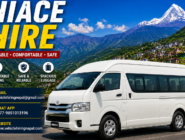
Kathmandu to Besisahar Hiace Transfer – Complete Guide 2026
Kathmandu to Soti Khola by Jeep – Complete Route Guide (2025)