Is Nepal Safe for Female Travelers?
Is Nepal Safe for Female Travellers? Complete Guide
The Honest Truth About Nepal and Female Safety
Tell someone you are planning a solo trip to Nepal, and the reactions divide predictably: awe at the Himalayas, then a wave of well-meaning concern about your safety as a woman travelling alone in South Asia. The anxiety is understandable — South Asia’s reputation in global discourse around female safety is complicated, and assumptions born from news coverage of neighbouring countries sometimes bleed unfairly into perceptions of Nepal, which has a genuinely distinct and considerably more positive safety profile for women travellers than many of those assumptions suggest.
The honest, research-backed answer to the question ‘Is Nepal safe for female travellers?’ is yes — with the contextual intelligence that applies to travel anywhere. Nepal consistently ranks among the safest countries in South Asia for tourists, and solo female travellers in particular have long considered it one of the world’s most welcoming and manageable solo travel destinations. The Nepali cultural value of Atithi Devo Bhava — ‘The Guest Is God’ — is not simply a tourism board slogan but a genuinely embedded cultural orientation toward hospitality that shapes how local communities interact with visitors across the country’s remarkable geographic diversity.
This does not mean travelling in Nepal requires no awareness or precaution. No country does. Unwanted attention — staring, occasional verbal comments — does occur, particularly in more rural areas where foreign women are less commonly seen. Petty theft is a reality in crowded tourist areas. The road infrastructure, while improving, can be challenging and requires thoughtful transport choices. And the mountain terrain that makes Nepal extraordinary also introduces specific safety considerations — altitude, remoteness, weather — that require preparation regardless of gender. But serious crime against tourists, including female travellers, is genuinely rare in Nepal, and the experience of the vast majority of solo women who travel here is overwhelmingly positive.
This guide addresses female safety in Nepal with the specificity and honesty that the question deserves — covering the Kathmandu city safety landscape, Pokhara and its lakeside culture, the trekking trail safety situation under the mandatory guide regulation, transport safety and how private vehicle hire from Nepal Vehicle Hiring Pvt. Ltd. specifically addresses solo female travellers’ transport concerns, cultural navigation, accommodation advice, and the practical toolkit of safety habits that experienced solo women travellers in Nepal have refined over years of positive experience in this extraordinary country.
Nepal’s Safety Profile — The Evidence Base
Crime Statistics and Regional Context
Nepal’s crime rate against tourists — including female tourists — is genuinely low by both Asian and global standards. The country has no organised crime targeting tourists; terrorism incidents involving foreigners are essentially absent from the recent record, and the types of serious violent crime that female travellers are most concerned about — sexual assault, mugging, violent robbery — while not statistically zero, are reported at rates that are dramatically lower than in many popular Western travel destinations, including major European and North American cities. The Nepal Police’s tourist crime data consistently show that the most frequent crimes reported by tourists are petty theft and scams rather than violent incidents, and that female tourists specifically are not a disproportionately targeted group.
Nepal’s position in the South Asian context is particularly important to understand clearly. When women hear concerns about South Asian travel safety, the frame of reference often draws on news and statistics from India — a country with a significantly higher reported rate of violent incidents against women travellers than Nepal. Nepal, while sharing cultural elements with India, has a distinct social and legal environment, a different relationship between its communities and foreign travellers, and a considerably different practical safety experience. Conflating Nepal’s safety profile with India’s is a common and consequential pre-travel research error that makes many women more apprehensive about Nepal than the evidence warrants.
The 2026 Mandatory Guide Regulation — A Safety Upgrade for Trekking
One of the most significant developments for solo female trekkers in Nepal in recent years has been the mandatory licensed-guide regulation that took effect in 2023 and has been consistently enforced and strengthened through 2026. All trekkers — regardless of gender or experience level — are now required to trek with a licensed guide in all National Parks, Conservation Areas, and Restricted Areas, which covers virtually every popular trekking route in Nepal, including the Annapurna Circuit, the Langtang Valley Trek, the Everest Base Camp Trek, and the Manaslu Circuit. While the regulation was introduced primarily for safety and conservation reasons applicable to all trekkers, it has had a strongly positive effect on solo female trekking safety.
The mandatory guide provides solo female trekkers with a professionally responsible local companion throughout the mountain journey — someone who speaks the local language, knows the terrain, carries emergency equipment, can navigate altitude sickness situations, and provides the kind of visible male local accompaniment that effectively reduces the possibility of unwanted attention from other trail users or village community members. Many experienced solo women trekkers who initially opposed the regulation on grounds of independence have since reported that the guide companion actually enhanced, rather than diminished, their trekking experience by providing cultural context, language facilitation, and a relaxed confidence that changed the character of the experience for the better.
Safe Places for Female Travellers in Nepal — City by City
Kathmandu — The Capital’s Safety Landscape
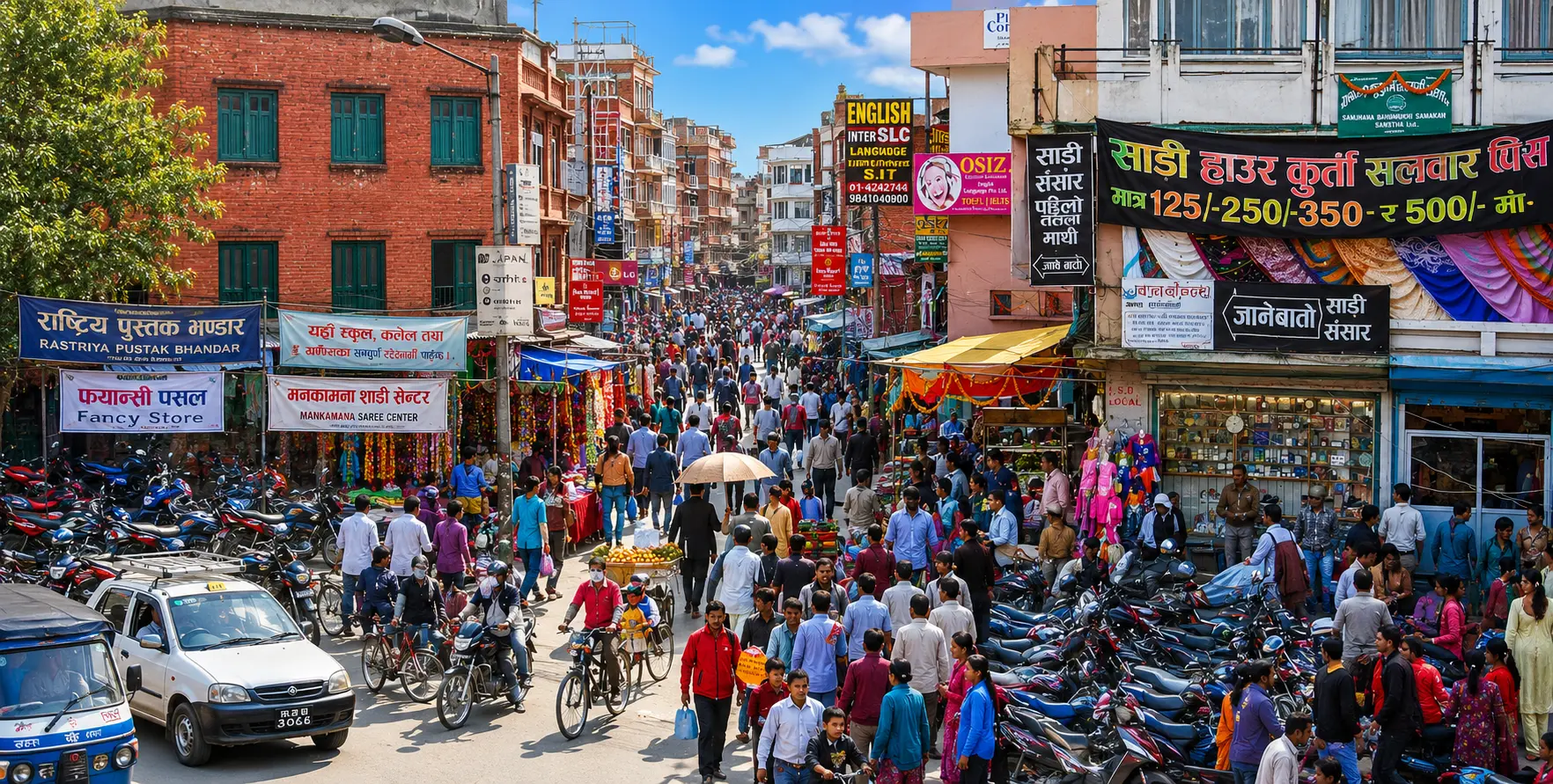
Kathmandu is a dense, complex, and extraordinary city that rewards careful navigation with some of the finest cultural experiences in Asia — and, for female travellers who understand its geography and apply basic urban travel awareness, it is genuinely safe during daylight hours and in the main tourist areas in the evening. The Thamel neighbourhood — the primary tourist hub, clustered with hotels, restaurants, equipment shops, trekking agencies, and the full range of traveller services — is busy, well-lit, and actively populated by both tourists and local businesses throughout the evening, making it one of the safer urban environments for solo women travellers in Asia.
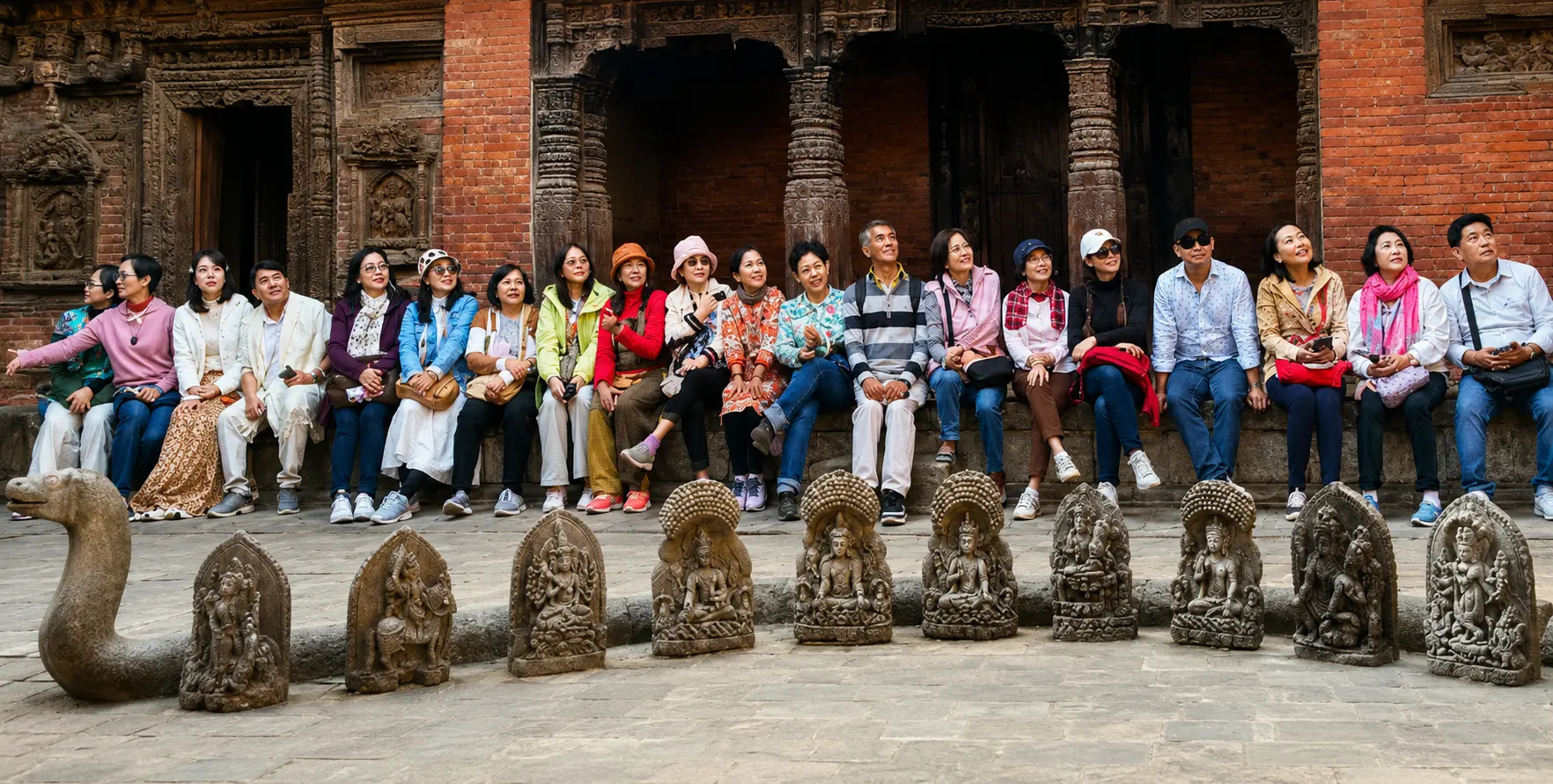 Within Kathmandu, the neighbourhoods most consistently rated as safe and comfortable for solo female travellers are Thamel (particularly the Paknajol sub-area in the northern part), Lazimpat, the heritage neighbourhoods of Patan and the area around Boudhanath —all of which have active local communities and strong natural surveillance that makes solitary wandering genuinely comfortable. The Kathmandu sightseeing circuit covering Boudhanath Stupa, Pashupatinath Temple, Swayambhunath, and Patan Durbar Square is best done by private vehicle hire — the convenience and security of being picked up from and returned to the hotel in a trusted Nepal Vehicle Hiring Pvt. Ltd. vehicle, rather than navigating local taxis or microbus routes independently, is particularly valuable for female travellers arriving in Kathmandu for the first time.
The practical cautions in Kathmandu that experienced solo female travelers consistently report: avoid the narrow, unlit alleys that run off the main Thamel streets after 10 PM; be alert in the crowds around major temple entrances where pickpocketing can occur; decline taxi services from touts who approach proactively at tourist sites and instead use app-based services like Pathao or InDrive, or request the hotel to call a specific driver; and be aware that the Kathmandu to Nagarkot road and similar pre-dawn sightseeing departures are most safely managed through a pre-booked private vehicle from Nepal Vehicle Hiring Pvt. Ltd. rather than attempting to arrange transport at 4:30 AM independently.
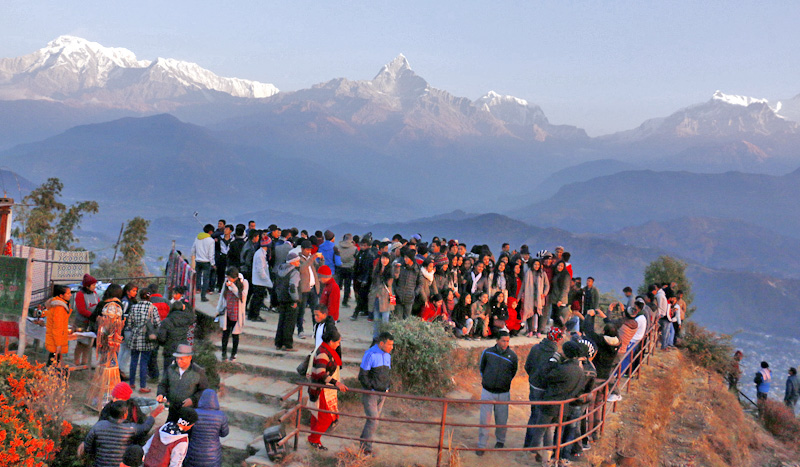
Pokhara — Nepal’s Most Female-Friendly City
Solo female travellers consistently rate Pokhara as one of Nepal’s most comfortable and welcoming citiesin all of Nepal —a relaxed, beautiful lakeside city whose Lakeside neighbourhood along the shores of Phewa Lake creates one of Asia’s finest solo travel environments. The pedestrianised streets, the proliferation of well-reviewed cafes and restaurants with rooftop views of the Annapurna range, the concentration of international travellers creating a cosmopolitan and socially comfortable atmosphere, and the city’s generally relaxed pace combine to make Lakeside a genuinely exceptional environment for solo women travellers.
The car hire in Pokhara service from Nepal Vehicle Hiring Pvt. Ltd. is particularly valued by solo female travellers in Pokhara for early morning activities — the Sarangkot sunrise drive for the famous Annapurna panorama, which requires leaving the hotel at 4:30 to 5:00 AM, is most safely and comfortably arranged with a pre-booked private vehicle whose driver is known, whose registration is confirmed, and whose pickup is from the specific hotel. Finding transport at 5:00 AM independently is more stressful and less safe, and the Nepal Vehicle Hiring Pvt. Ltd. team’s 24-hour WhatsApp availability at +977 981-4227196 makes pre-dawn booking confirmations straightforward.
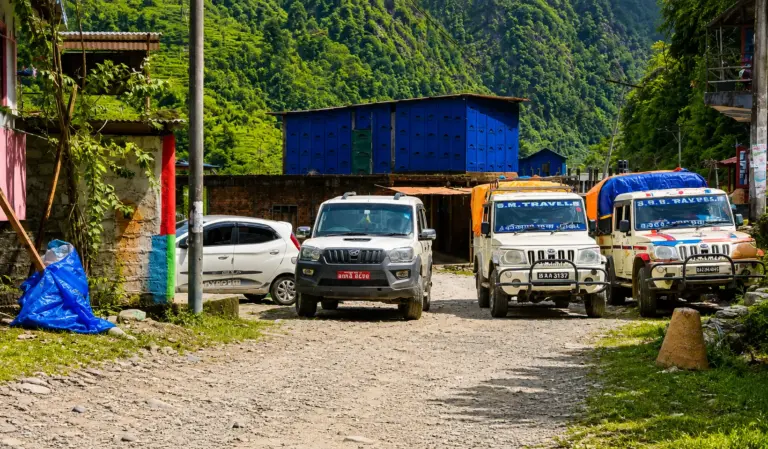
Pokhara also serves as the departure point for several of Nepal’s most popular trekking trailhead transfers—the Nayapul drop for the Poon Hill Trek, the Ghandruk approach, and the long Pokhara-to-Muktinath jeep hire for the Mustang pilgrimage. For solo female travellers, a pre-booked private vehicle from Nepal Vehicle Hiring Pvt. Ltd. for these trailhead transfers eliminates the solo-woman-in-shared-transport dynamic that can occasionally feel uncomfortable. It ensures the driver, vehicle, and route are Drivermed before the journey begins.
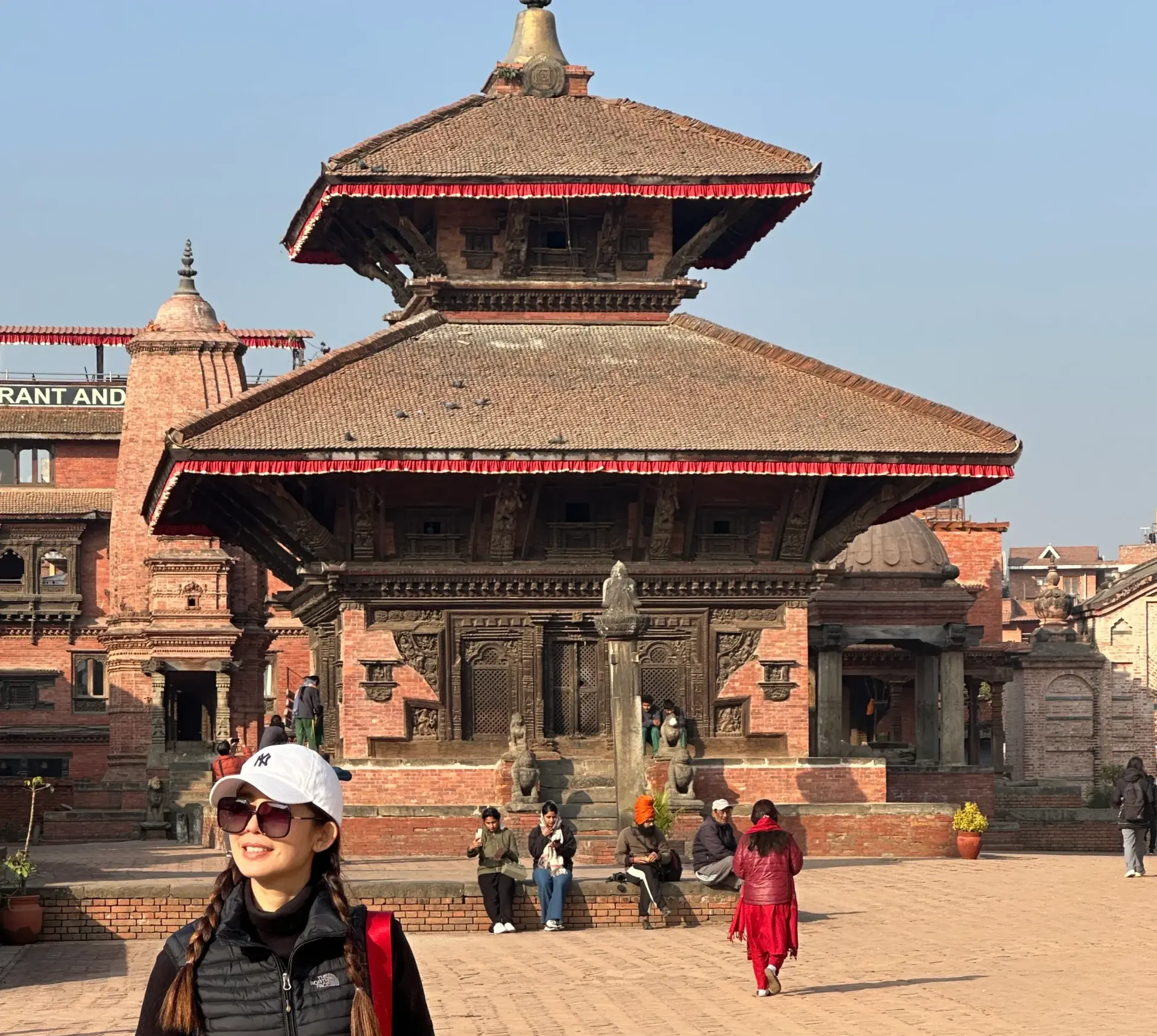
The Heritage Circuit — Bhaktapur, Patan and Nagarkot
The Bhaktapur Durbar Square day tour is one of the finest and safest full-day cultural experiences for female travellers in the Kathmandu Valley. Bhaktapur’s medieval city character is pedestrianised, with active local community life and a constant presence of both residents and international visitors—creating a safe and fascinating environment for solo women to explore at their own pace. The Nepal Vehicle Hiring Pvt. Ltd. Bhaktapur day trip service provides door-to-door transport from your Kathmandu hotel, eliminating the need to navigate public transport or negotiate local taxis for the 14 km journey. The Nagarkot sunrise tour — a pre-dawn departure from Kathmandu for the famous Himalayan panorama — is best arranged as a private vehicle service, and Nepal Vehicle Hiring Pvt. Ltd. serves this specific early-morning tour regularly.
Transport Safety for Female Travellers in Nepal
Why Transport Choice Is the Most Important Safety Decision
Of all the safety considerations that affect female travellers in Nepal, experienced solo women travellers consistently identify transport choice as the one with the most direct and practical impact on the journey’s overall safety and comfort. Public buses, shared microbus services, and informal taxi arrangements — while used successfully by millions of Nepal residents and budget travellers daily — create specific vulnerability contexts for solo women: shared enclosed spaces with unknown co-passengers, routes and stop locations that may not align with thetraveller’ss specific needs, drivers whose accountability is limited, and the general stress of navigating an unfamiliar transport system in a language barrier environment.
Private vehicle hire from Nepal Vehicle Hiring Pvt. Ltd. addresses each of these vulnerability factors specifically. A private vehicle means a known, pre-booked driver whose name and vehicle registration have been shared before departure, a route and timing agreed in advance, and a direct hotel-to-hotel service that eliminates the need to navigate stops and connections—the Nepal Vehicle Hiring Pvt. LtdLtd.‘serations team’s provides-hour oversight via WhatsApp at +977 9851013196 me,asoy concern during the journey can be immediately escalated to a professional management layer. For solo female travellers specifically, this accountability structure is not a luxury but a meaningful safety feature.
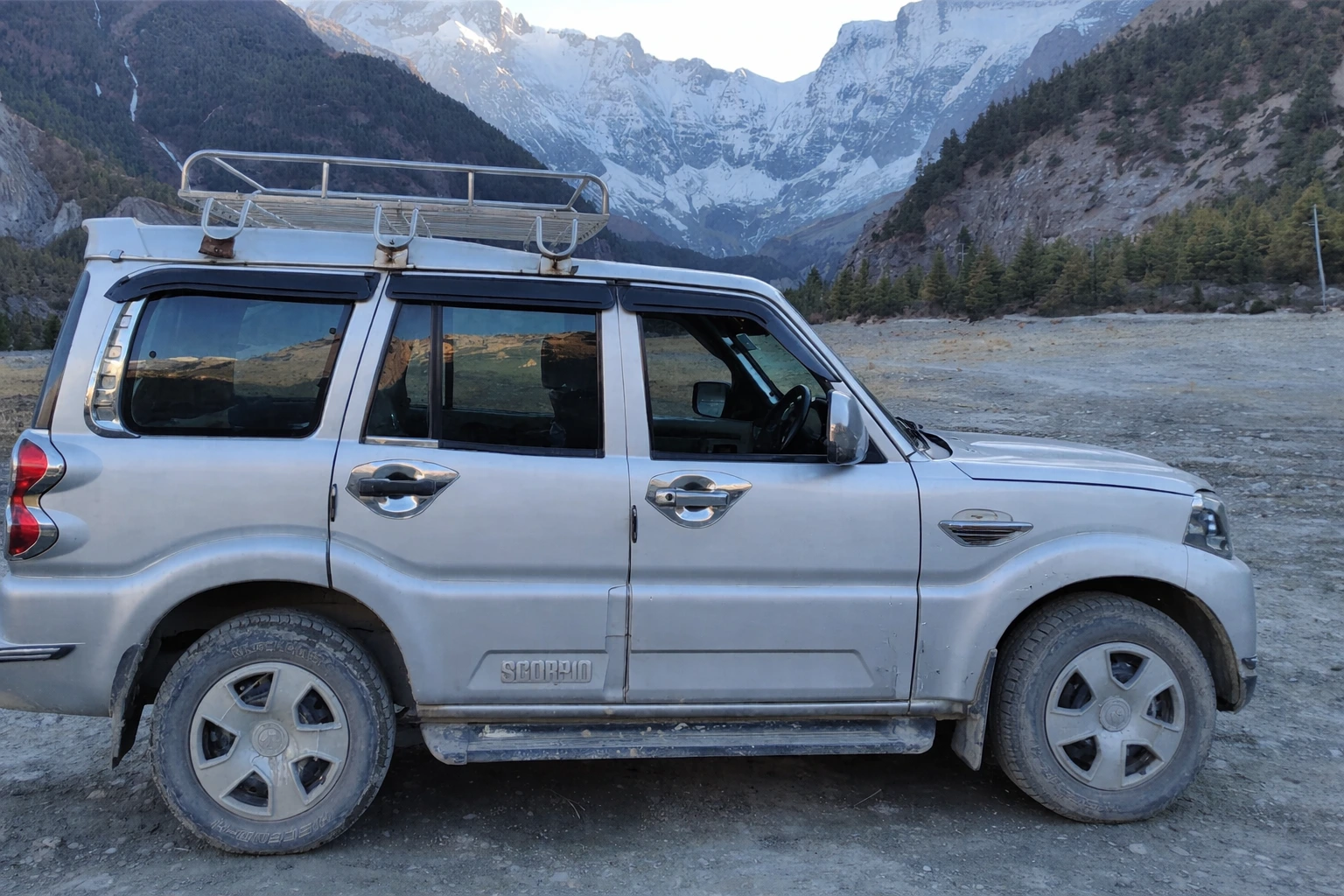
The Transport Safety Toolkit — Practical Advice
For urban transport in Kathmandu and Pokhara, the app-based ride services Pathao and InDrive have significantly improved transport safety for solo women in Nepal’s two main cities. Both apps show the driver’s name, photo, and vehicle details before the trip begins, track the journey in real time, and eliminate fare negotiation, which can create tension with informal taxis. Pathao and InDrive operate in Kathmandu and Pokhara, with 4G coverage in both cities and increasingly in peri-urban areas.
For longer journeys — Kathmandu to Pokhara, the Kathmandu to Besisahar trailhead transfer, the Kathmandu to Syabrubesi Langtang transfer, the Pokhara to Muktinath journey, or any of Nepal’s mountain road journeys — the practical choice for solo female travellers is clearly between sharing a public bus or shared jeep with unknown co-passengers and booking a private vehicle from Nepal Vehicle Hiring Pvt. Ltd.. For solo women travelling in a group—even a group of two—the economics of private jeep hire are very favourable, producing per-person costs close to or comparable with shared alternatives while delivering the full safety advantages of a private vehicle. Solo travellers who are genuinely budget-constrained can often find other travellers at their Thamel or Lakeside guesthouse with compatible routes and timing, and splitting a private Nepal Vehicle Hiring vehicle between two to four travellers is both cost-effective and a common practice.
Night Transport — The Essential Caution
Solo female travellers in Nepal should use the same approach to night transport as in any unfamiliar urban environment worldwide: avoid unmarked or informal taxis, don’t accept transport from strangers, and pre-book return transport from evening destinations rather than trying to find it after dark in unfamiliar areas. When leaving a restaurant or social venue in Thamel or Pokhara Lakeside after dark, ask the venue to call a specific taxi or app driver rather than accepting one from the street—a habit that takes thirty seconds and eliminates most of the transport risk associated with night travel. Nepal Vehicle Hiring Pvt. Ltd.‘s 24-hour WhatsApp availability means clients can request a pickup at any time, and the driver-assignment and accountability structure of a pre-booked private vehicle makes evening returns from heritage sites, restaurants, or cultural events the safest transport option.
Cultural Navigation — Dressing, Behaving and Communicating
The Dress Code Question — Practical and Respectful
The dress code question for female travellers in Nepal generates more discussion than it deserves, given the simplicity of the practical answer. Nepal’s cultural norms, shaped by Hindu and Buddhist traditions and conservative social values that predominate in rural communities, generally expect women to cover their shoulders and knees in public settings—particularly around temples, religious sites, and traditional village communities. Dressing modestly within these parameters is both a genuine expression of cultural respect and a pragmatic strategy to reduce the unwanted attention more revealing clothing can attract in these contexts.
The specific dress code guidance for Nepal that experienced female travellers consistently endorse: loose-fitting trousers or long skirts below the knee are universally appropriate across all Nepal settings; lightweight long-sleeved tops or a carry-always scarf or pashmina that can be used to cover shoulders provides flexible modesty for any setting; and at temples, monasteries, and other sacred sites, removing shoes before entering and covering the head if required by the specific site’s norms are practices that should be followed regardless of the traveller’s own cultural background. In Kathmandu’s Thamel and Pokhara’s Lakeside, Western dress, including shorts and sleeveless tops, is common and largely accepted in the immediate tourist area—but modesty becomes increasingly important as the traveller moves away from the tourist district.
Social Interactions — Reading the Context
Nepal’s hospitality culture creates a social environment where locals genuinely enjoy engaging with foreign visitors—conversations about your home country, your impressions of Nepal, and your travel plans are typically warm, authentic expressions of interest rather than anything more. Solo female travellers who can read the difference between genuine, friendly curiosity (the norm) and persistent or uncomfortable attention (the exception) find that most social interactions in Nepal genuinely enhance the travel experience rather than become a source of stress.
The social situations that solo female travellers in Nepal most consistently report as occasionally uncomfortable — and manageable — are: persistent vendors at major tourist sites who follow and renegotiate prices; individuals in crowded bus or market areas who position themselves too close; and the occasional unmarried young man in rural areas who may approach solo women travellers with persistent conversational interest. The consistently recommended response to all of these situations is calm, direct, and unhurried: a firm but non-aggressive ‘Hajur’ (the respectful Nepali ‘no, thank you’) combined with continuing to walk is almost universally effective and rarely escalates. Wearing headphones (even without music playing) as a social barrier signal has also been widely endorsed by solo female travellers in Nepal as an effective way to reduce the frequency of approaches in busy public spaces.
Accommodation Safety — What to Look For
Accommodation safety for female travellers in Nepal is generally excellent across the mainstream tourist accommodation spectrum — Kathmandu‘s Thamel guesthouses, Pokhara‘s Lakeside hotels, and the teahouse networks of the major trekking circuits all have well-established international tourist hospitality standards that include door locks, reception desks, and the general structural safeguards of formal accommodation. Specific features that experienced solo female trekkers prioritise when selecting Nepal accommodation include: a well-reviewed establishment with verifiable recent guest feedback (TripAdvisor reviews from other solo women travellers are particularly useful); a secure lock on the room door, ideally with a deadbolt or chain in addition to the keyed lock; a reception desk that is manned through the evening hours; and a location within the main tourist area rather than on the immediate periphery.
In trekking regions, the teahouse accommodation network has an excellent safety record for solo female travellers, and the mandatory guide regulation means a solo female trekker always has a licensed guide companion who can stay in adjacent accommodation and be accessible if there are any concerns at night. Securing the room door from inside and informing the lodge owner of your planned departure time the following morning is standard practice in any trekking teahouse and requires no specific solo-female modification.

Trekking Safety for Solo Female Travellers
The Mandatory Guide — How It Works in Practice
As established earlier in this guide, the mandatory guide regulation requires a licensed guide to accompany all solo female trekkers on Nepal’s official trekking routes. In practice, this means solo trekking, walking completely alone on the trail, is no longer legally permitted on routes in the National Parks and Conservation Areas—though the regulation applies equally to all genders, its practical safety benefit for solo women is particularly significant. A licensed guide is professionally registered, insured, carries certification verifiable at checkpoints, and works under a contract with the trekking agency that employs them—creating a meaningful accountability structure that casual local guide arrangements lack.
For female travellers specifically, the guide selection process deserves attention. Many Nepal trekking agencies in Kathmandu and Pokhara now actively promote female guide options—a growing number of licensed female trekking guides are available, and solo female travellers who prefer the added comfort of a same-gender mountain companion can request a female guide, which most quality agencies accommodate. You can consult the Nepal Tourism Board’s licensed guide database online to verify any guide’s registration.
Trail Safety — Altitude, Weather and Terrain
Trekking safety concerns in Nepal apply equally to all genders but require specific preparation, including altitude sickness, weather changes, and terrain navigation. Acute Mountain Sickness (AMS) affects about 40 per cent of trekkers above 3,000 metres, regardless of fitness or experience, and solo female travellers planning high-altitude treks should thoroughly educate themselves on AMS symptoms, follow the 500-metre daily ascent rule above 3,000 metres, and communicate openly with their guide about any physical discomfort. As of 2026, Nepal also requires specialised travel insurance covering high-altitude emergency evacuation for all trekking permit holders—a practical safety requirement that female travellers should verify before departure.
The most popular and safest trekking routes for solo female travellers, ranked by established trail infrastructure and guide availability, are the Langtang Valley Trek from Syabrubesi (most accessible from Kathmandu), the Ghorepani Poon Hill Trek from Pokhara via Nayapul, the Annapurna Circuit Trek starting from Besisahar, and the Everest Base Camp Trek from Lukla or by the road approach via Salleri. All of these routes have dense teahouse networks, well-marked trails, and strong guide communities.
The Best Destinations in Nepal for Solo Female Travellers
Kathmandu Valley Heritage Circuit
The Kathmandu Valley heritage circuit, covering Boudhanath Stupa, Swayambhunath, Pashupatinath Temple, Patan Durbar Square, and Bhaktapur Durbar Square, is widely recommended as the ideal starting point for any female traveller’s Nepal journey. The sites are extraordinarily rich, the tourist infrastructure is excellent, and the combination of active local communities and significant tourist presence creates a naturally safe environment for solo exploration during daylight hours. The l Vehicle Hiring Pvt. Ltd.’s Kathmandu sightseeing tour and Bhaktapur day tour services offer a safe and comfortable way to cover this circuit— a known, pre-booked driver, hotel pickup, and drop-off—with the freedom to spend more at any site without worrying about transport.
Pokhara — The Ideal Base for Female Solo Travellers
Pokhara deserves specific emphasis as perhaps the single best base city in Nepal for female solo travellers — the Lakeside environment’s combination of international atmosphere, natural beauty, excellent accommodation options, good transport connections, and the laid-back social culture of a city built around outdoor adventure and wellness creates one of the finest solo female travel environments in Asia. The long lakeside promenade is safe to walk at any hour, the rooftop cafes are social without being intimidating, and the overall vibe of a city where solo travel (of all genders) is the norm rather than the exception makes Pokhara genuinely welcoming in a way that few other cities in South Asia consistently achieve. The car hire service in Pokhara from Nepal Vehicle Hiring Pvt. Ltd. connects the city’s sightseeing circuit—World Peace Pagoda, Bindhabasini Temple, Seti Gorge, Gupteshwor Cave, and the International Mountain Museum—in a comfortable, safe, organised private vehicle.
Lumbini — Peaceful and Safe for Pilgrimage
Lumbini, the birthplace of the Buddha, is one of Nepal’s most peaceful and safest destinations for solo female travellers — the Sacred Garden and surrounding Monastic Zone have a consistently calm, contemplative atmosphere that is actively maintained by the site authorities and that creates one of the most genuinely comfortable solo travel environments in the country. The international monastic community presence — dozens of countries maintaining monastery buildings in the Monastic Zone — brings a cosmopolitan and educated visitor base that reinforces the site’s respectful atmosphere. The most convenient way to get to Lumbini is by private vehicle transfer from Kathmandu or Pokhara (Nepal Vehicle Hiring Pvt. Ltd.), or by domestic flight to Bhairahawa followed by a local vehicle hire for the final 22 km.
Practical Safety Toolkit — 20 Tips for Female Travellers in Nepal
Before You Travel Specialised
- Travel insurance that explicitly covers high-altitude emergency evacuation if you plan to trek — this is now legally required for trekking permit issuance in 2026.
- Register your trip with your home country’s embassy or consulate in Kathmandu before departure — a five-minute online process that enables consular support in case of emergency.
- Share your daily itinerary with a trusted contact at home, including accommodation names and phone numbers, and agree on a daily or every-two-day check-in protocol.
- Download the offline Nepal map on Google Maps before arrival — GPS navigation works without data and is invaluable for orientation in Kathmandu’s complex street network.
- Get a local NTC or Ncell SIM card at Tribhuvan Airport on arrival — both carry 4G data in Kathmandu and Pokhara and are cheap and easy to set up without local ID.
In the City
- Book a pre-arranged pickup from Nepal Vehicle Hiring Pvt. Ltd. at +977 981-4227196 for airport arrivals — avoiding the airport taxi haggling scene entirely and starting the Nepal trip with a known, trusted driver.
- Use Pathao or InDrive apps for city transport within Kathmandu and Pokhara — both show driver details and track the journey.
- Walk confidently and with purpose in tourist areas — hesitant or confused body language invites more unwanted attention than confident movement.
- Carry a small, inconspicuous daypack rather than an obvious camera bag or expensive-looking luggage when moving around markets and crowded areas.
- Trust your instincts about specific individuals or situations — Nepal is safe overall,l but your personal comfort radar is always the most reliable guide.
On the Road
- Pre-book all long-distance transport through Nepal Vehicle Hiring Pvt. Ltd. — a known driver, vehicle registration, and Driver-Hour WhatsApp support eliminate the main uncertainties of road travel.
- Sit behind the driver in shared vehicles if uDriverhared transport — the front passenger seat can create unwanted proximity with the driver in some situations.
- Confirm driver details match the booking confirmation on WhatsApp before entering any vehicle — legitimate drivers will have no issue with this check.
- For the Kathmandu to Pokhara route, the Nagarkot sunrise, the Besisahar trek transfer, or any other long-distance journey, use Nepal Vehicle Hiring Pvt. Ltd. for the full private vehicle safety advantages.
On the Trek
- Hire a licensed guide from a registered agency — this is now legally required on most routes and is a genuine safety advantage for solo female trekkers.
- Ask specifically about female guide availability if you prefer a same-gender guide — many agencies now actively promote this option.
- Reach your planned overnight teahouse well before dark — never plan to arrive after sunset on any trekking route, regardless of the season.
- Carry a basic first aid kit, pulse oximeter for altitude monitoring above 3,000 m, and a personal locator beacon (PLB) for the most remote routes.
- Learn five Nepali phrases before departure: Namaste (hello), Dhanyabad (thank you), Hajur (respectful no thank you), Ramro chha (it’s good), and Sathi (friend) — locals deeply appreciate any attempt to use their language.
- Trust your guide’s weather judgment — if your guide says the day’s conditions are not safe for proceeding, accept this professional assessment rather than pushing forward independently.
Nepal Vehicle Hiring Pvt. Ltd. — Safe, Trusted Transport for Female Travellers
For female travellers visiting Nepal—whether arriving for the first time as a solo traveller or returning for a second or third trek—Nepal Vehicle Hiring Pvt. Ltd. provides the transport infrastructure that makes every stage of the Nepal journey more comfortable, more efficient, and genuinely safer. The company’s core service proposition—pre-booked private vehicles with known, professional, registered drivers, all-inclusive pricing, hotel pickup and delivery, and 24-hour WhatsApp support—addresses the specific transport safety concerns female travellers most often cite as significant.
From the Kathmandu sightseeing tour that makes the heritage circuit safe and comfortable for a first-day solo arrival, to the Bhaktapur Durbar Square day trip, the Nagarkot sunrise tour, the Kathmandu to Pokhara private transfer, the car hire in Pokhara for Sarangkot and city sightseeing, and the trailhead transfers to Besisahar, Syabrubesi, Nayapul, and Salleri that begin the trekking adventures — Nepal Vehicle Hiring Pvt. Ltd. covers the complete transport spectrum of any Nepal journey with the consistency and quality that 8,000+ satisfied customers and a 5.0 TripAdvisor rating reflect.
Nepal for Women: First-Timer vs Experienced Traveller
First-Time Female Travellers — The Ideal Nepal Introduction
For women visiting Nepal for the first time, the ideal itinerary structure begins with two to three days in Kathmandu to acclimate to the country’s pace, culture, and geography before venturing further. The Kathmandu sightseeing tour with Nepal Vehicle Hiring Pvt. Ltd. on day one — covering Boudhanath, Pashupatinath, Swayambhunath, and Patan in a single comfortable private vehicle day — provides an immediately rich cultural introduction without the navigation challenges of independent exploration in an unfamiliar city. Day two can then focus on Bhaktapur’s medieval heritage with the Bhaktapur Durbar Square day tour, with an optional morning Nagarkot sunrise tour on day three for the first Himalayan panorama before travelling onward to Pokhara by private vehicle.
The Kathmandu to Pokhara private transfer is particularly recommended for first-time female travellers over the bus alternative — the private vehicle provides a consistent, controlled travel environment, hotel pickup and delivery, and the flexibility to stop at the beautiful Trishuli River gorge and Mugling’s famous curd restaurants along the Prithvi Highway. From Pokhara, a three- to four-day stay lets you enjoy a Sarangkot sunrise, a Phewa Lake boat trip, a visit to the World Peace Pagoda, and prep for either a short trek or a Pokhara-to-Muktinath jeep hire to start the Mustang pilgrimage route.
Experienced Solo Female Travelers — Going Deeper
Experienced solo female travelers who have already visited Kathmandu and Pokhara on previous trips consistently report that Nepal’s deepest experiences become more accessible with each return. The Langtang Valley Trek, beginning with the Kathmandu-to-Syabrubesi private jeep transfer, the Annapurna Circuit starting from Besisahar, and the Manaslu Circuit from Machha Khola via the Kathmandu-to-Arughat jeep service are increasingly popular with experienced solo women who value the deeper wilderness and cultural authenticity of these less-crowded routes. The mandatory guide requirement on all these routes means a licensed companion throughout, and experienced female travellers consistently report that the right guide transforms the experience from a solo adventure into a deeply collaborative cultural exploration.
For the most intrepid female travellers, the Everest region road access route via Salleri — the road-based alternative to the Lukla flight — offers an extraordinary way to reach the Khumbu, exposing travellers to the lower Solu Khumbu landscape the flight entirely misses. The Kathmandu to Salleri or Phaplu private jeep hire from Nepal Vehicle Hiring Pvt. Ltd. makes this weather-independent approach to the Everest region not only possible but comfortable — a nine- toten-hourr journey on the BP Koirala Highway that delivers experienced trekkers to the Solukhumbu trailhead in the company of a known, trusted driver.
Health and Wellness for Female Travellers in Nepal
Medical Facilities and Pharmacies
Nepal’s medical facilities in Kathmandu meet most standard travel health needs—several hospitals and international-standard clinics operate in the Kathmandu Valley, and pharmacies throughout Thamel and Lakeside stock most common medications without a prescription. For female travellers specifically, pharmacies in Kathmandu and Pokhara routinely stock menstrual products, oral contraceptives, and UTI treatment medications. However, pharmacies cannot guarantee specific brands, and female travellers with specific medication requirements should carry an adequate supply from home. At altitudes above 3,000 metres on trekking routes, medical facilities are limited to basic health posts at major teahouse hubs — Namche Bazaar, Manang, and Jomsom each have functional health facilities, but anything beyond basic first aid should be planned for via evacuation insurance and the trekking guide’s emergency protocols.
Hygiene on the Trek — Practical Realities
Female travellers should understand the practical hygiene realities of Nepal trekking clearly before departure. Teahouse bathrooms across major trekking circuits range from clean and functional (in well-developed hubs) to basic pit latrines in more remote locations. Menstrual products are not reliably available beyond Kathmandu and Pokhara, so trekkers should carry a full supply for the duration of the trek. Experienced trekkers often prefer menstrual cups for their low waste and minimal pack weight. Hot showers are available at most well-developed teahouses on the main Annapurna and Everest circuits for NPR 200–500, though the hot water supply can be intermittent at altitude. Wet wipes, a pack of towels, and sanitiser are essential kit for any Nepal trek and trail. Hygiene is entirely manageable for first-time female trekkers anxious about it: thousands of women handle it well every year, and it shouldn’t deter you from the extraordinary experience of Nepal’s mountain trails.
Connecting with Other Female Travellers in Nepal
The Nepal Female Traveller Community
One of the most practical safety resources for solo female travellers in Nepal is the vibrant, generous community of other women visiting the country at the same time or who have visited recently. The Thamel guesthouse culture in Kathmandu and the Lakeside hostel and cafe scene in Pokhara are exceptionally conducive to the organic formation of travel partnerships — meeting other solo female travellers at breakfast, on a Kathmandu sightseeing tour, at a Lakeside rooftop cafe, or at the Nepal Tourism Board permit office when collecting trekking permits is entirely normal and creates the kind of informal networks of mutual support and local knowledge sharing that make solo travel in Nepal significantly richer than the word ‘solo’ implies.
Online communities specifically for female travellers in Nepal — Facebook groups including ‘Women Trekking Nepal’ and ‘Solo Female Travel Nepal’ — are active and genuinely useful for pre-departure research and real-time advice. These communities are where the most current, specific information about route conditions, guide recommendations, accommodation safety ratings, and transport options circulates freely among women who have recently been on the ground in Nepal. Cross-referencing this community wisdom with the professional knowledge of Nepal Vehicle Hiring Pvt. Ltd. for transport planning gives female travellers the most comprehensive and current information available for Nepal journey preparation. The Nepal Vehicle Hiring team at +977 9851013196 is also available to answer transport-specific questions during the planning stage, and their knowledge of current road conditions, the best departure timings for specific routes, and the options for sharing vehicles with other travellers from the same area of Kathmandu or Pokhara is a genuinely useful pre-departure resource.
Responsible Solo Female Travel — Giving Back
Solo female travellers in Nepal who embrace the practice of responsible travel — buying from local artisans rather than import-stocked tourist shops, eating at locally owned restaurants rather than international chains, hiring locally based guides and porters through established agencies, and choosing accommodation that is locally owned and operated — contribute directly to the communities and individuals whose hospitality makes Nepal travel so rewarding. Nepal’s tipping culture is important to understand: guides and porters on trekking routes rely on tips as a significant part of their income, and the standard tipping expectation is about USD 10 to 15 per day for guides and USD 7 to 10 per day for porters, from groups or individuals. Drivers on private vehicle transfers from Nepal Vehicle Hiring Pvt. Ltd. appreciate a small tip — NPR 200 to 500 for a half-day service, NPR 500 to 1,000 for a full day or long-distance transfer — though this is never obligatory. Travelling thoughtfully and generously in Nepal creates a cycle of positive experiences for everyone. It helps maintain Nepal’s reputation as one of the world’s most welcoming and rewarding travel destinations.
Frequently Asked Questions — Nepal Safety for Female Travellers
Is Nepal safe for solo female travellers?
Yes — Nepal is one of Asia’s safer destinations for solo female travellers. Kathmandu and Pokhara are well-established tourist cities with active traveller communities and genuinely low rates of serious crime against tourists. Violent crime against female tourists specifically is rare. The primary practical concerns are petty theft, occasional unwanted attention (usually manageable), and transport safety — all of which are addressed with basic awareness and the transport choices described in this guide.
Do I need to dress modestly in Nepal?
Yes— dressing modestly is both culturally respectful and practically beneficial for female travellers in Nepal. Cover shoulders and knees in public settings, particularly around temples, religious sites, and traditional village communities. In Kathmandu’s Thamel and Pokhara’s Lakeside, Western dress is more accepted in the immediate tourist areas, but modest dress is appropriate everywhere else and significantly reduces unwanted attention.
Can I trek alone as a solo female traveller in Nepal?
Under the 2026 mandatory guide regulation, solo trekking without a licensed guide is no longer permitted in Nepal’s National Parks, Conservation Areas, or Restricted Areas—which cover virtually all popular trekking routes. This means solo female trekkers will always have a licensed guide companion, which is a genuine safety advantage: FemMostputable Kathmandu and Pokhara trekking agencies.
I offer female guides. Is it safe to take taxis alone as a female traveller in Nepal?
Use app-based services (Pathao or InDrive) in Kathmandu and Pokhara for city transport — both show driver details and track the journey. For longer routes and trailhead transfers, pre-book a private vehicle with Nepal Vehicle Hiring Pvt. Ltd. at +977 981-4227196 for a safe, comfortable option with a known driver, vehicle registration, and 24-hour support.
What are the safest neighbourhoods for female travellers in Kathmandu?
The safest and most female-traveller-friendly areas in Kathmandu are Thamel (particularly the northern Paknajol area), Lazimpat, Patan (Lalitpur), and the Boudhanath area. These neighbourhoods combine active local community presence, good lighting, established tourist infrastructure, and enough foot traffic to create naturally safe public environments. The Nepal Vehicle Hiring Pvt. Ltd. Kathmandu sightseeing tour covers all these areas with private vehicle transport.
How do I arrange safe airport transport in Kathmandu?
Pre-book your airport pickup with Nepal Vehicle Hiring Pvt. Ltd. via WhatsApp at +977 981-4227196 before departure. Provide your flight details, arrival time, and hotel name. The driver will wait in the arrival area with a name board, and you will receive the vehicle registration in advance. This eliminates the airport taxi negotiation — one of the most stressful and potentially unsafe experiences for solo female arrivals in Kathmandu.
Conclusion: Nepal Welcomes You
The answer to ‘Is Nepal safe for female travellers?’ is yes — grounded in evidence, confirmed by the consistent experience of the many thousands of solo women who travel here every year, and supported by the specific safety improvements that 2026 has brought, including the mandatory guide regulation that ensures solo trekkers always have a professional companion on the trail. Nepal is not a risk-free environment — no country is. Still, it is one of the more genuinely welcoming and hospitable travel destinations available to women anywhere in the world, with a cultural orientation toward guests that is rare, an active traveller community that creates natural safety in numbers in the main destinations, and a beauty and depth of experience that has made it one of the world’s most returned-to travel destinations.
Plan carefully, use trusted transport through Nepal Vehicle Hiring Pvt. Ltd., choose accommodation with verifiable reviews, dress modestly, hire a licensed guide for trekking, and approach Nepal with the open curiosity that it rewards — and the Himalayas, the heritage cities, the sacred sites, and the warm people of this extraordinary country will deliver an experience that more than justifies every mile of the journey to reach it. Contact Nepal Vehicle Hiring Pvt. Ltd. at +977 981-4227196 or vehiclehiringnepal.com to arrange your Nepal transport — safely, reliably, and with the confidence that comes from choosing Nepal’s most trusted private vehicle hire provider.
Book Safe, Trusted Transport with Nepal Vehicle Hiring Pvt. Ltd.
Website: www.vehiclehiringnepal.com
Phone / WhatsApp: +977 981-4227196 (24/7 — Pre-Dawn Pickups Available)
Email: [email protected]
Office: Bhagawatisthan, Thamel, Kathmandu, Nepal
Known Driver + Vehicle Registration Driver Before Every Journey
Hotel Pickup and Hotel Delivery — No Navigating Unfamiliar Transport Independently
All-Inclusive Pricing — No Negotiation, No Surprises
24-Hour WhatsApp Support Throughout Your Nepal Journey
Keep reading