Plan a Trip


Best 4WD Jeep for Everest Base Camp Trek Transfers
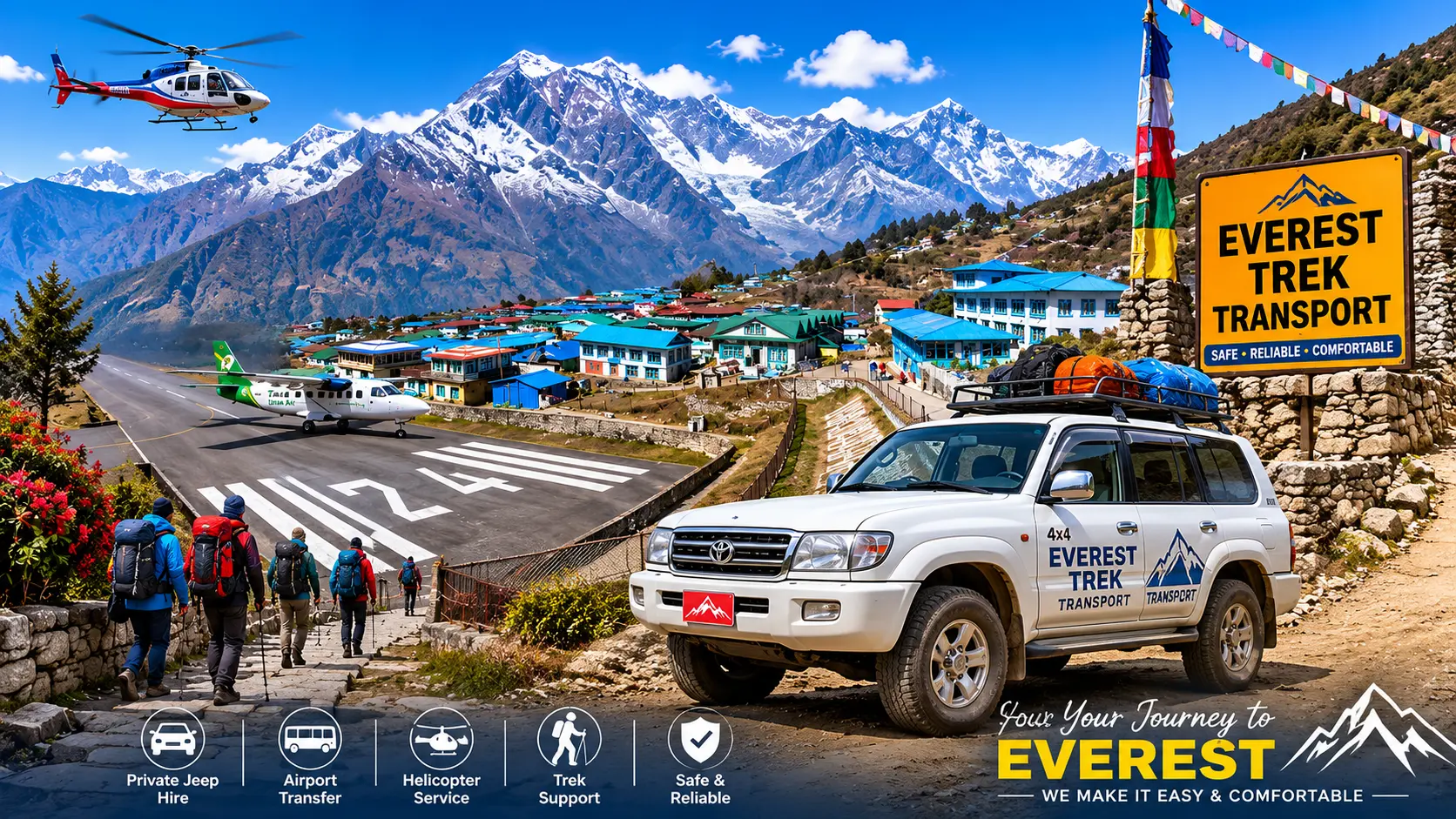
Best 4WD jeep for Everest Base Camp Transfers
The best 4WD jeep for Everest Base Camp trek transfers can handle rough mountain roads, carry trekking luggage comfortably, and get you to the right trailhead without unnecessary delays. For Everest travellers, the vehicle isn’t just a ride; it is the first major part of the trek. That is why the choice between a standard car, a local shared vehicle, and a proper 4WD jeep can shape the entire experience from Kathmandu to the lower Everest region.
The Everest Base Camp trek has become more flexible in recent years because travellers now have several road-based access options. Instead of relying only on the Lukla flight, many trekkers start by road through Salleri, Phaplu, Kharikhola, Thamdanda, Surke, or other access points. That shift has made 4WD jeep travel more important than ever for visitors who want a safer, more reliable overland route.
A good jeep transfer service helps you avoid the uncertainty that can come with mountain travel. Roads in the Everest region may be rough, partially unpaved, or weather-affected, so a strong vehicle and an experienced driver make a big difference. For travellers planning an overland route, it also helps to compare vehicle options through related pages such as
Overland Everest Base Camp Transfer
Why 4WD matters for the best 4WD jeep for Everest Base Camp transfers
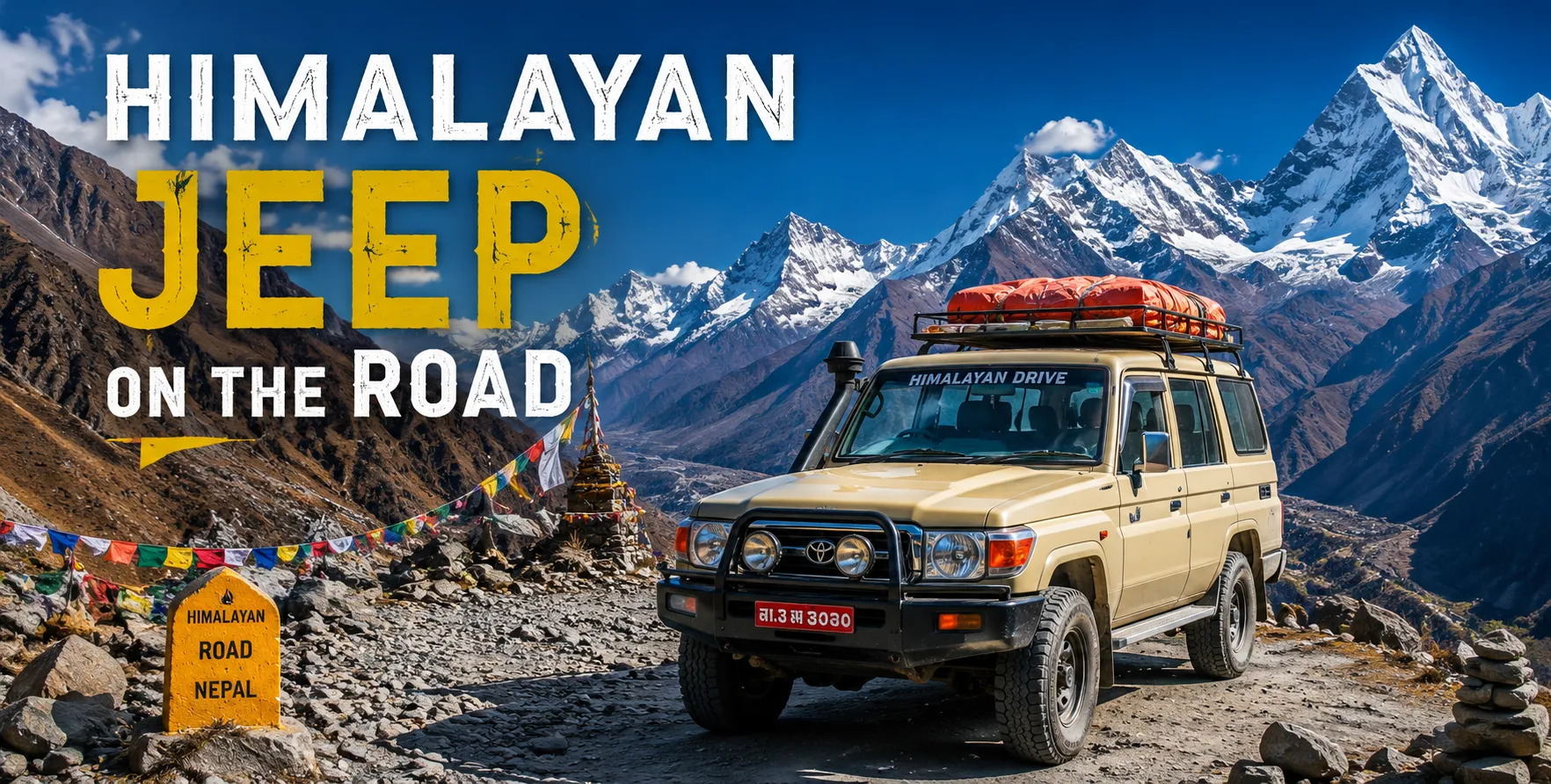
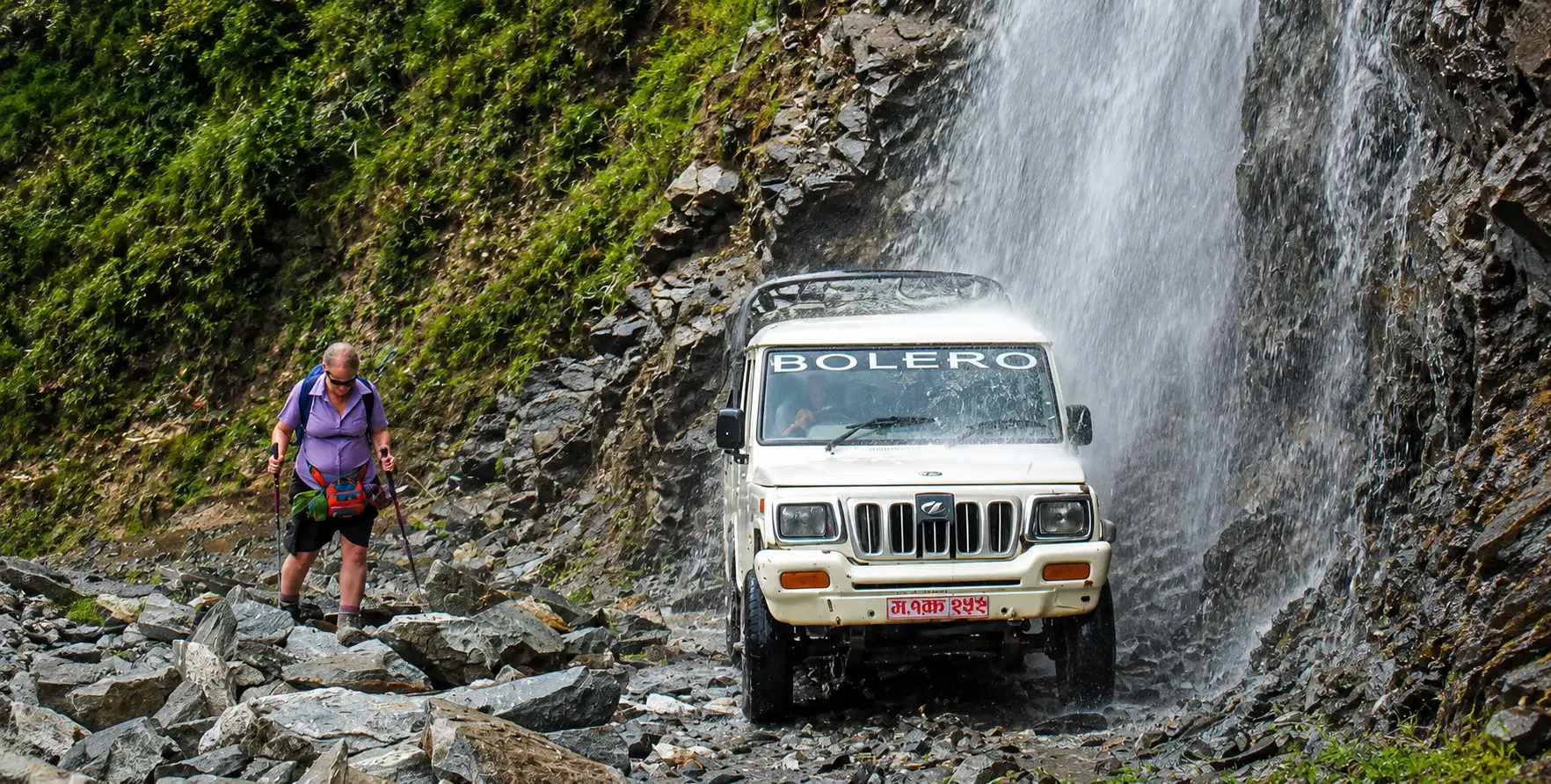
A 4WD jeep is the right choice for Everest transfers because road conditions aren’t always stable or smooth. The route from Kathmandu to the lower Everest access points often starts on paved highway sections, then turns to winding hill roads, gravel, rocky patches, and uneven off-road stretches. A 4WD system gives better grip and more confidence when the road becomes difficult.
The Everest region is especially suited to 4WD travel because the journey is long and rough, so comfort and control matter equally. A vehicle with higher ground clearance, stronger suspension, and mountain-road capability is much better suited than a standard city car. This isn’t just about comfort; it is also about staying on schedule and avoiding unnecessary stops caused by vehicle limitations.
For many trekkers, the jeep is also the bridge between Kathmandu and the trekking trail. You drive as far as the road allows and then continue on foot. That makes the jeep a core part of the EBC plan rather than a side service. If your trip starts with a road-based trek, a proper 4WD can save time, reduce stress, and improve the overall journey.
Best route choices
The best route for an Everest Base Camp transfer depends on how much walking you want to do after the drive. The most common road-access points are Salleri, Phaplu, Kharikhola, Thamdanda, and Surke. These points are all used because they connect the road with the lower Everest trekking path.
Kathmandu to Salleri is one of the best-known road options and is often the first choice for travellers who want to avoid the Lukla flight. Salleri has become an established entry point because it gives trekkers a practical start to the Everest journey while keeping the first part of the trip on land. From there, some travellers continue on foot, while others arrange another vehicle section depending on road conditions.
Phaplu is another strong option, especially if you plan around road access and want a more relaxed start. Thamdanda and Surke are useful if you want to shorten the trekking approach and get closer to the main trail quickly. Choosing the right route often matters more than choosing the fanciest vehicle because the right access point reduces unnecessary backtracking.
Jeep types
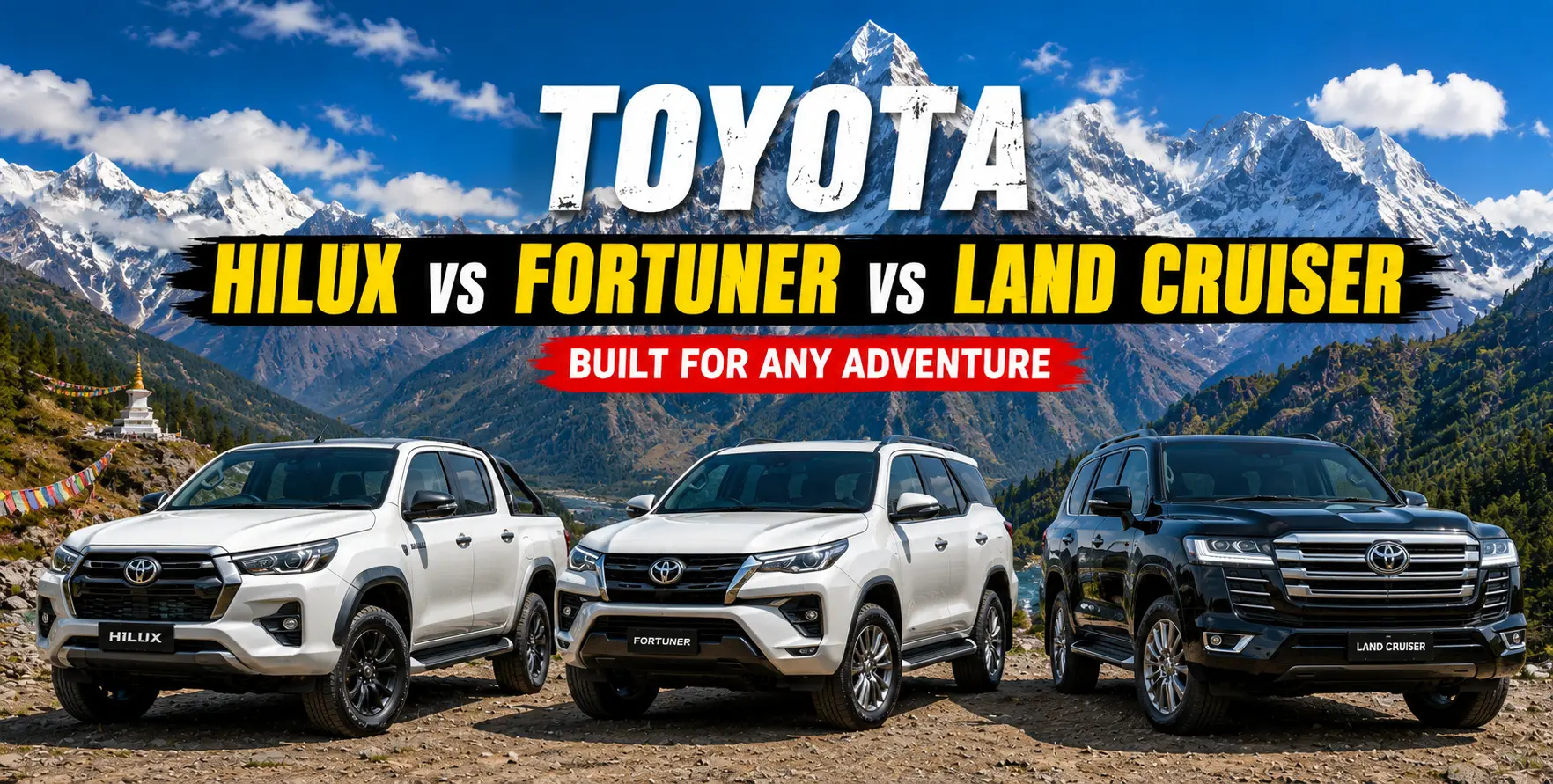
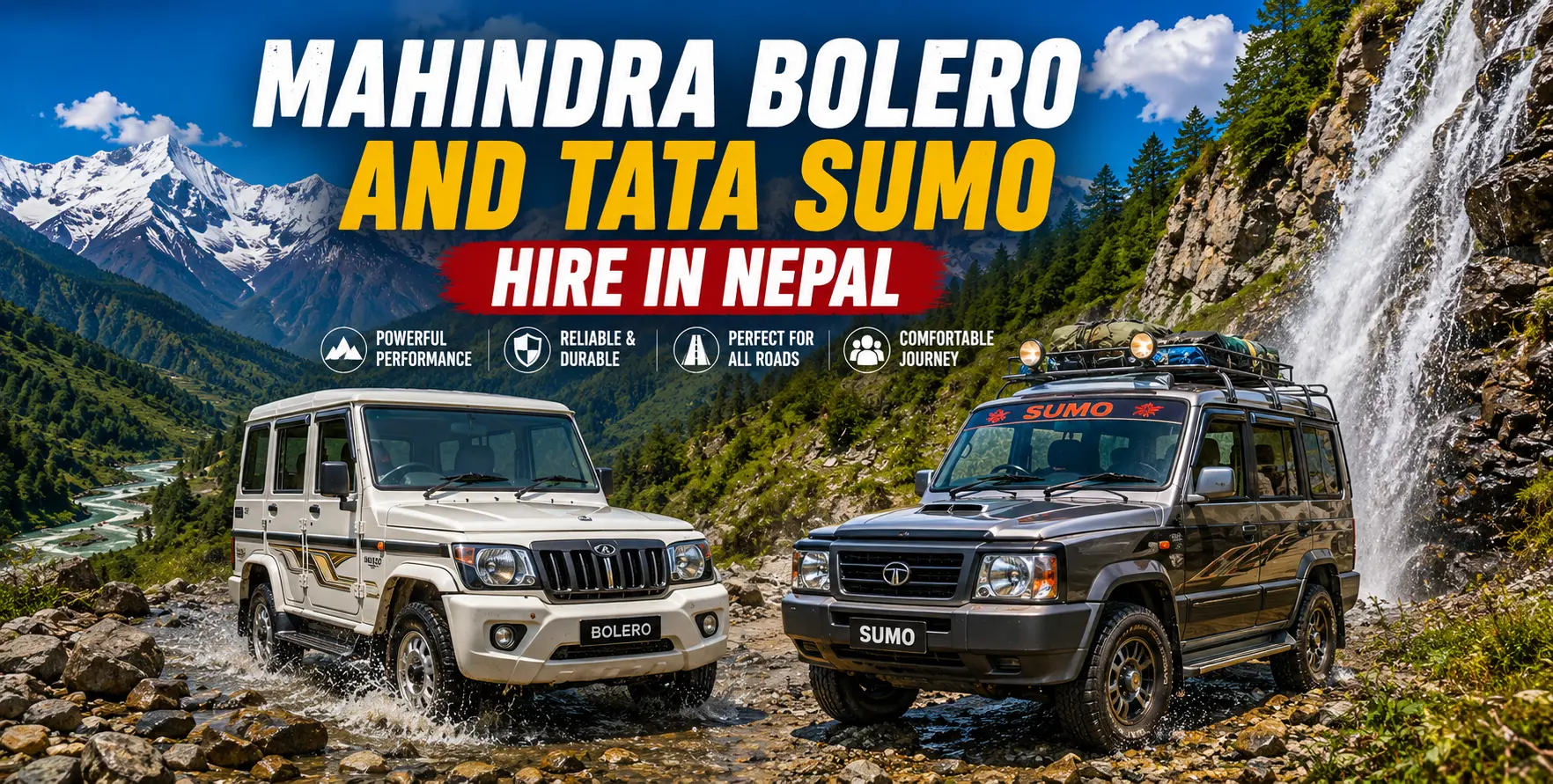
The best 4WD jeep for Everest transfers is usually a strong mountain SUV or off-road-capable jeep with enough space for passengers and bags. Popular vehicle styles in Nepal often include Scorpio-type jeeps and similar 4WD models because they balance cost, reliability, and road performance. These vehicles are commonly used for trekking transfers because they handle rough surfaces and remain comfortable for long-distance travel.
For small groups, a mid-size 4WD jeep is usually ideal. It offers enough space for travellers and luggage without being too large for the narrow road sections common in the Everest region. For larger groups or travellers carrying more equipment, a larger 4WD option may be better, especially on long routes with unpredictable road conditions.
The right jeep should also have good maintenance records, proper insurance, and a driver who knows the mountain route well. A powerful vehicle isn’t enough if the operator doesn’t understand the road, the weather, or the best stopping points. In Onerest travel, mechanical reliability matters much more than seating comfort.
Private versus shared
Travellers usually choose between private jeep hire and shared jeep service. A private jeep offers the most flexibility: you can start early, stop when needed, and travel with your own group. It is the best option for families, photographers, trekkers with large baggage, and anyone who values control over timing.
Shared jeep service is usually more budget-friendly, but it is less convenient. Departure times, route pace, and passenger mix are usually fixed, which can be tiring on a long road journey to Everest. A shared jeep may make sense for budget travellers, but it is usually less comfortable for those who want a smooth start to trekking.
For Everest Base Camp transfers, private hire often provides better value in practice because it reduces delays and supports a more relaxed itinerary. This matters when you link the road transfer with trekking days, acclimatisation, or local overnight stays. Many travellers prefer to acclimatise in the vehicle to avoid unnecessary problems at the start of the trek.
Road conditions
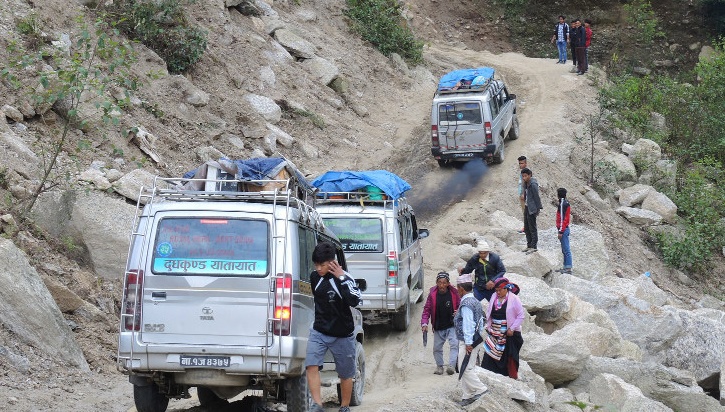
Road conditions are one of the most important reasons to choose a 4WD jeep for Everest transfers. The drive from Kathmandu toward the Everest region may start on smoother roads, but as you go farther, the road surface can change. Gravel, dust, bumps, and seasonal damage are all common, especially beyond the more developed highway sections.
In many cases, travellers report that the drive from Kathmandu to Salleri takes roughly a full day. That can vary with traffic, weather, and the driver’s pace. Once you move deeper into the Everest access network, road quality matters even more, especially if you are aiming for Kharikhola, Thamdanda, or Surke.
Seasonal planning matters too. Dry periods are generally easier for road travel, while monsoon and post-monsoon conditions can slow the drive and increase the chance of disruptions. A good operator should always check route conditions before departure and be ready to adjust the schedule if needed.
Transfer planning
A well-planned Everest transfer should match the road route with the trek route. The vehicle should not only take you somewhere convenient; it should take you to the right point for your actual trekking plan. This is especially important if you want to avoid the Lukla flight and begin the trek by road.
Some trekkers prefer a longer road start to reduce dependence on flights and improve acclimatisation. Others prefer a shorter road journey to get closer to the trek and acclimatise faster; both approaches are valid, but they require different jeep plans. This is why experienced transport providers usually ask where the trek begins and how much walking the traveller wants after the road ride.
If you are building a broader transport plan, pages like Kathmandu to Salleri Phaplu Jeep and Salleri & Phaplu Pickup Drop Service
are especially useful for matching route, cost, and vehicle type. For Everest trekkers, route-specific planning often makes the trip successful.
Cost factors of the best 4WD jeep for Everest Base Camp transfers
The cost of a 4WD jeep transfer to Everest Base Camp depends on route length, vehicle type, road conditions, season, and whether the service is private or shared. Longer routes and rougher roads usually increase the price because they require more fuel and mcause morewear. This can also mean more wear and tear, which can make it more expensive than shared service, but it also offers better control and comfort.
The biggest pricing differences come from distance and road conditions. A transfer to Salleri differs from a transfer to a farther point like Thamdanda or Surke because the road quality and driving time vary. Travellers should always ask what is included in the quote so they can compare services fairly.
A realistic price should also reflect the driver’s experience and the vehicle’s condition. On mountain roads, a cheap option driver’s poorly maintained vehicle can become expensive in other ways. That is why many travellers prefer a trusted 4WD service over the lowest possible price.
Safety and comfort forthe best 4WD jeep for Everest Base Camp transfers
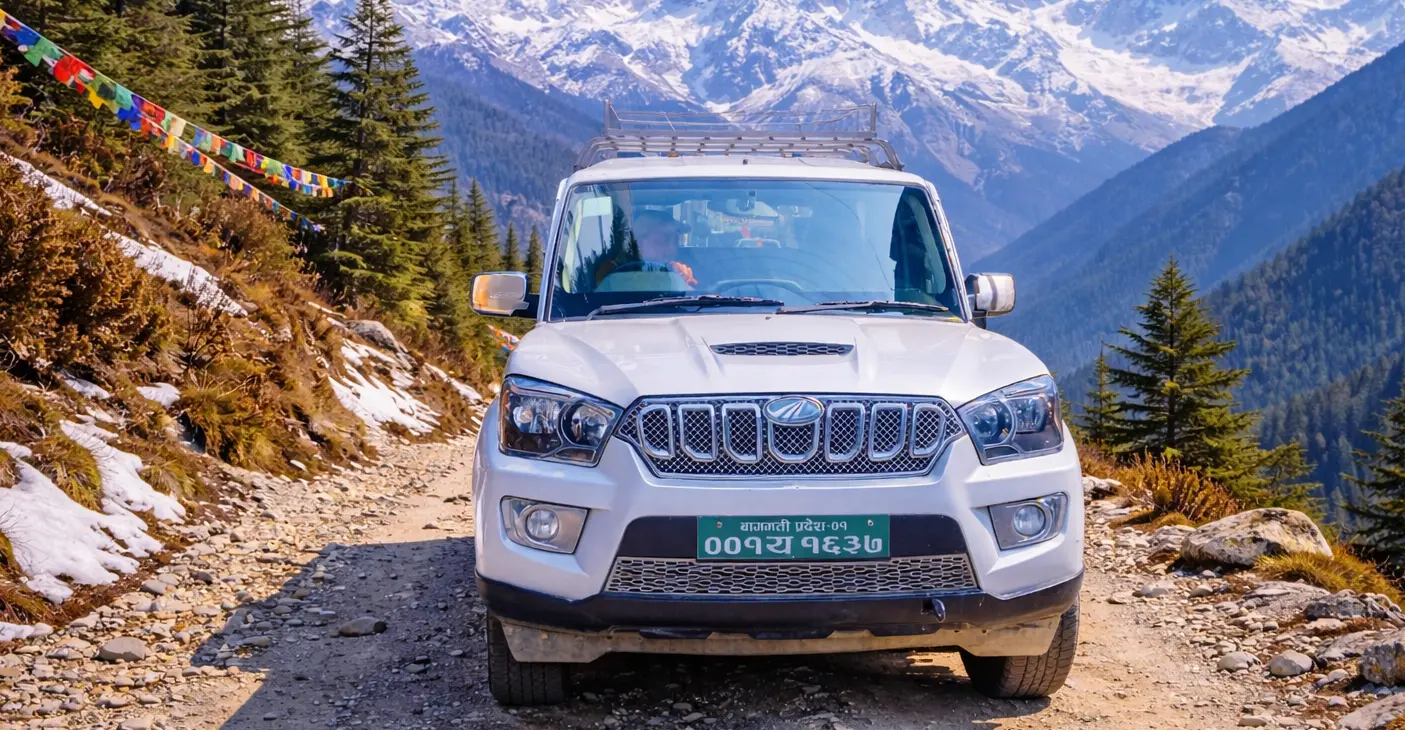
Safety is one of the biggest reasons to book a quality 4WD jeep. Everest roads can be steep, narrow, and affected by changing weather, so the driver’s experience matters just as much as the vehicle itself. A well-trained mountain driver knows when to slow down, where to stop, and how to handle rough sections safely.
Comfort is also important because the journey can be long. Passengers benefit from good seating, enough legroom, stable suspension, and space for trekking bags. If you are carrying mountain gear, sleeping bags, or camera equipment, a jeep that handles both people and luggage well is a major advantage.
When comparing transport options, think beyond the route and consider the full travel experience. A smooth jeep ride can make the first day of the Everest trek more enjoyable and less tiring. That, in turn, can improve the rest of the trekking journey.
Best booking tips
Book early if you’re travelling during a busy trekking season. Demand for Everest road transfers rises quickly because many trekkers now prefer road access instead of flights. Early booking also gives you more choice in vehicle type and departure time.
Before confirming,
WhatsApp:+977 9814227196
E-mail: [email protected]
- Best 4WD jeep for Everest Base Camp Transfers
- Why 4WD matters for the best 4WD jeep for Everest Base Camp transfers
- Best route choices
- Jeep types
- Private versus shared
- Road conditions
- Transfer planning
- Cost factors of the best 4WD jeep for Everest Base Camp transfers
- Safety and comfort forthe best 4WD jeep for Everest Base Camp transfers
- Best booking tips

Related Blog & Articles
Kathmandu to Jiri Road Trip Guide
Kathmandu to Salleri Jeep Guide
Ramechhap Manthali Airport Transportation
Kathmandu to Pikey Peak Trek Transport
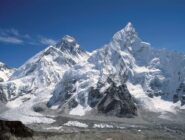
Everest Region Nepal