Plan a Trip


Everest Region Nepal
Everest region Nepal – The World’s Greatest Mountain Journey
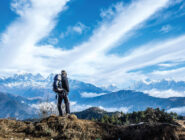
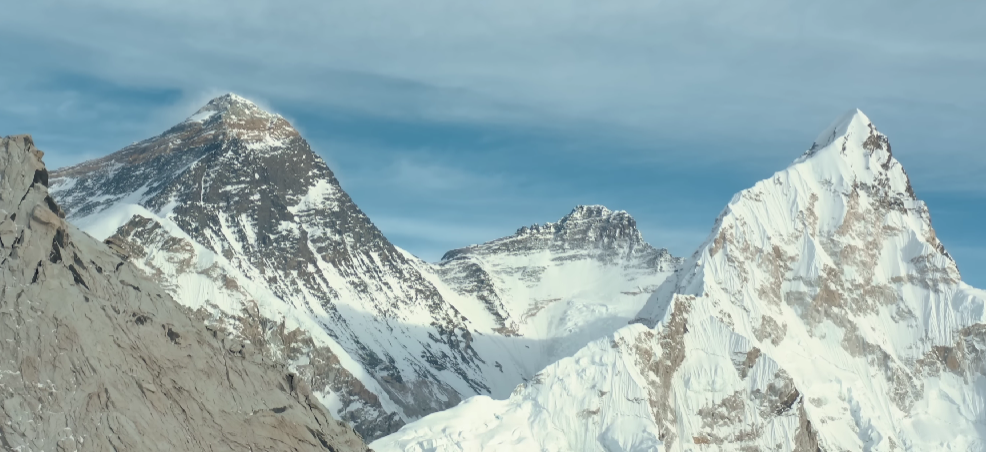
There is a moment, experienced by trekkers the world over, that happens somewhere on the trail between Namche Bazaar and Tengboche — a moment when the forest opens and the full panoramic enormity of the Khumbu Himalaya is suddenly, utterly, overwhelmingly present: Everest (8,849 m) above the Lhotse-Nuptse wall, Ama Dablam’s perfect Matterhorn-like spire filling the left horizon, Thamserku and Kangtega to the right, and the Khumbu Valley floor far below threaded with the silver ribbon of the Dudh Koshi River. Trekkers have been stopping at this viewpoint for six decades, pressing their hands together in the same involuntary gesture of reverence, making the same quiet sounds of disbelief. In 2026, as in 1966, the view has not dimmed by a single degree.
The Everest region (Khumbu) — Nepal’s most iconic and most visited trekking destination — is simultaneously the world’s greatest mountain landscape, the homeland of the extraordinary Sherpa people, a UNESCO World Heritage Site (Sagarmatha National Park, inscribed 1979), and the base from which every attempt on the world’s highest mountain (8,849 m) has been launched since Sir Edmund Hillary and Tenzing Norgay Sherpa’s first summit on May 29, 1953. But the Everest region is far more than one famous peak and one famous base camp — it is a network of Sherpa villages, ancient monasteries, turquoise glacial lakes, soaring high passes, and trekking circuits of varying duration and difficulty that offer some of the most rewarding mountain experiences available anywhere on Earth, at every level from first-time trekker to hardened Himalayan veteran.
This guide is the most comprehensive 2026 resource on the Everest region — covering the complete EBC trek route day by day, the 2026 permit system (including the new digital Trek Card), the Manthali flight situation and Salleri road alternative that Nepal Vehicle Hiring services, the Gokyo Lakes circuit, the Three High Passes Trek, the Sherpa cultural heritage, and the complete vehicle hire coordination that Nepal Vehicle Hiring provides for all Kathmandu to Manthali and Kathmandu to Salleri transfers.
Book your Everest region vehicle transfer: Nepal Vehicle Hiring | Nepal Trekking Packages | Call/WhatsApp: +977 9851013196
Everest region Nepal 2026 – Complete Quick Reference
| Gateway Airport | Lukla / Tenzing-Hillary Airport (2,860 m) – via Manthali (Ramechhap) domestic airport, not Kathmandu TIA (2026) |
| Manthali Drive Time | 4–5 hours from Kathmandu (depart 2:00–3:00 AM for morning Lukla flights) |
| EBC Altitude | Everest Base Camp: 5,364 m (17,598 ft) |
| Kala Patthar Altitude | 5,545–5,643 m (18,192 ft) – highest point of standard EBC trek; best Everest viewpoint |
| Standard EBC Duration | 12–14 days from Lukla and back to Lukla |
| Trek Difficulty | Moderate-Strenuous. No technical climbing. 5–7 hours of walking daily at high altitude is required |
| Permits 2026 | Sagarmatha National Park Entry: NPR 3,000 + 13% VAT | Khumbu Pasang Lhamu Municipality: NPR 2,000–3,000 (digital Trek Card with QR code) |
| Guide Requirement | Licensed guide mandatory (enforced at Monjo and Lukla checkpoints in 2026). TIMS card is no longer required for the Everest region. |
| Best Season | October–November (Autumn) and March–May (Spring) |
| Road Alternative | Kathmandu to Salleri/Phaplu by private Nepal VH jeep (270 km, 8–10 hrs), then trek for 2–3 days to Lukla. |
| Insurance Mandatory | Travel insurance with helicopter evacuation coverage is required. Enforced at Lukla and checkpoints. |
| Nepal VH Contact | +977 9851013196 | vehiclehiringnepal.com |
TheEverest region, Nepal – Geography, Scale, and Why It Is Different
Sagarmatha National Park – A UNESCO World Heritage Himalayan Ecosystem
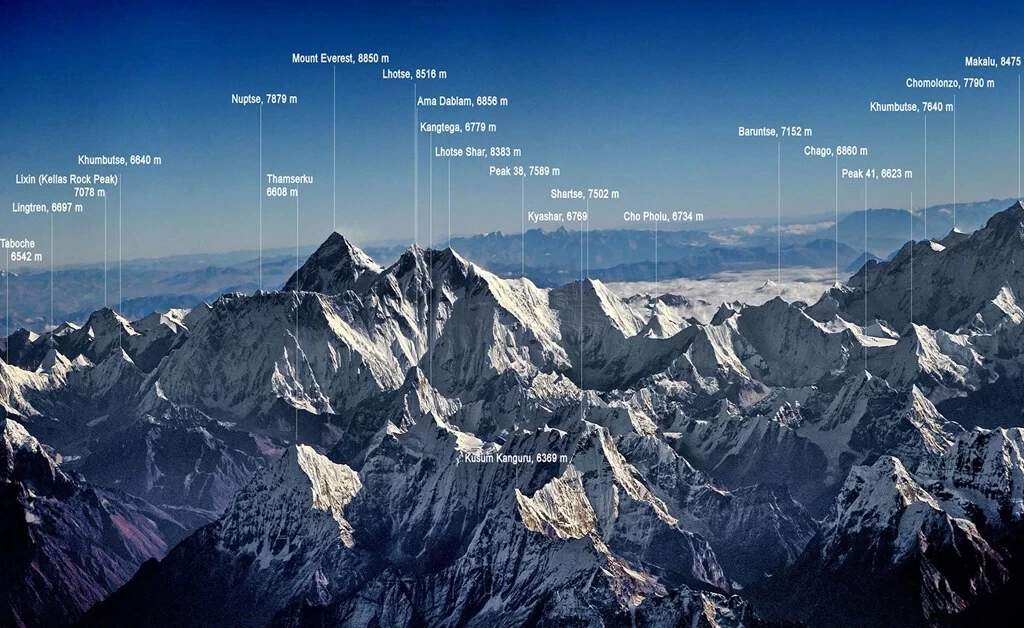
The Everest region’s trekking circuits take place within Sagarmatha National Park (1,148 sq. km), inscribed as a UNESCO World Heritage Site in 1979 for its outstanding natural significance — containing the world’s highest peaks, extraordinary alpine biodiversity, and the traditional cultural landscape of the Sherpa people in a single protected area. The park’s altitudinal range, from the lower Khumbu valleys at 2,800 m to the summit of Everest at 8,849 m, encompasses every vegetation and climate zone, from subtropical forest to permanent ice, within a single, concentrated geography. This biodiversity profile includes Himalayan Musk Deer, Red Pandas (below 3,000 m), Snow Leopards, Himalayan Tahr, Langur monkeys, over 150 bird species, including the Himalayan Monal pheasant (Nepal’s national bird), and rare high-altitude plant species found nowhere else on Earth.
The park’s lower valleys — particularly the forests between Lukla and Namche and around Tengboche — are beautifully forested with birch, pine, rhododendron, and fir trees, creating an approach to the high Khumbu wilderness that is far more varied and alive than the barren glacier approaches to 8,000 m peaks in other mountain ranges. The Tengboche Monastery at 3,867 m, framed by Ama Dablam and sitting in a clearing above the treeline with Everest, Lhotse, and Nuptse visible behind it, is one of the most dramatically sited monasteries in the world — and one of the most photographed single scenes in all of Nepal.
The Peaks – What You Are Walking Towards
The Khumbu Valley contains five of the world’s fourteen 8,000+ meter peaks: Everest (8,849 m, world No. 1), Lhotse (8,516 m, No. 4), Makalu (8,485 m, No. 5), Cho Oyu (8,201 m, No. 6), and Kangchenjunga, nearby in the broader region. The standard EBC trekking route passes directly below four of these giants — a concentration of extreme altitude within a single trekking circuit that is unique in world mountaineering geography. The peaks visible from standard EBC viewpoints include not only these giants but also the aesthetically magnificent Ama Dablam (6,812 m) — widely considered the most beautiful mountain in the world by mountaineers and photographers — whose shark-fin profile appears over the shoulder of every view of the upper Khumbu.
| Viewpoint / Peak | Altitude | Trek | What You See |
| Kala Patthar | 5,545 m | EBC Standard | The closest full view of the Everest summit available without technical climbing. Also: Lhotse, Nuptse, Pumori, Ama Dablam. Sunrise from here is the single greatest morning of most trekkers’ lives. |
| Gokyo Ri | 5,357 m | Gokyo / Three Passes | 360-degree panorama including four 8,000 m peaks simultaneously: Everest, Lhotse, Makalu, Cho Oyu. Gokyo turquoise lakes below. Often considered the finest mountain panorama in all Nepal. |
| Chukhung Ri | 5,550 m | Three Passes / EBC option | Quieter alternative to Kala Patthar. Close-up views of Lhotse South Face (4th highest peak), Ama Dablam, Makalu, Island Peak—dramatic eastern perspective on Khumbu. |
| Hotel Everest View | 3,880 m | Namche acclimatization hike | World’s highest-altitude hotel (Guinness-certified). Perfectly framed view of Everest, Lhotse, and Ama Dablam over the Khumbu Valley—an ideal acclimatization-day destination from Namche. |
| Island Peak (Imja Tse) | 6,189 m | Island Peak Climbing | Most popular trekking peak in Nepal. Technical climbing with fixed ropes, crampons, and an ice axe is required. Extraordinary summit panorama. 3–5 days climbing extension on EBC itinerary. |
Getting to the Everest Region – The Manthali Flight and the Road Alternative
The Lukla Flight Situation in 2026 – Manthali, Not Kathmandu
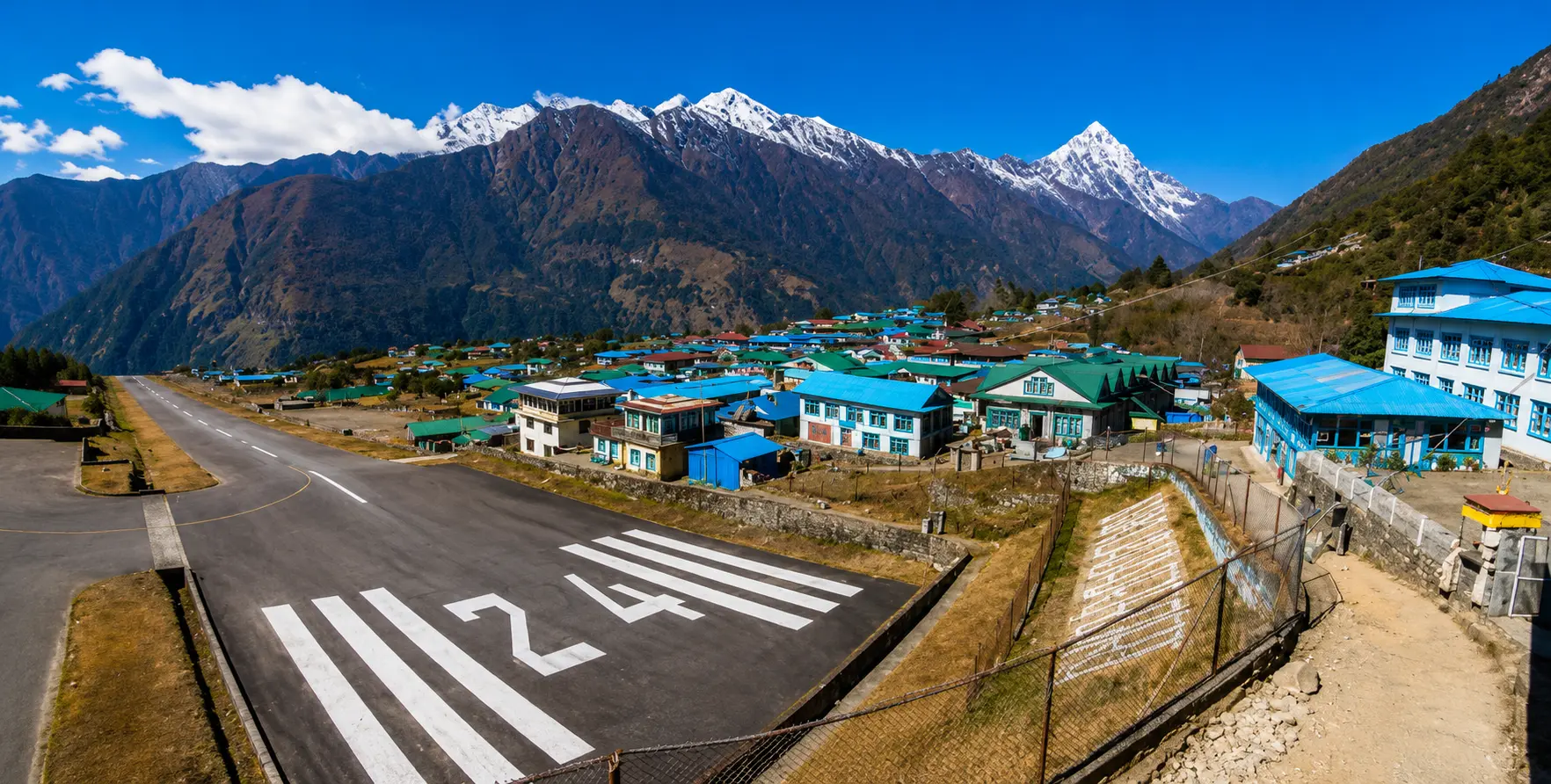
One of the most practically significant 2026 updates for any Everest region trekker is a logistics change that has been in place since 2019 but continues to catch first-time visitors off guard. All Lukla flights depart from Manthali (Ramechhap) domestic airport, not from Kathmandu’s Tribhuvan International Airport. As one respected 2026 Everest travel specialist confirms: “All Lukla flights continue to depart from Manthali (Ramechhap), not from Kathmandu’s Tribhuvan International Airport. This change, implemented in 2019, requires a five-hour pre-dawn drive from Kathmandu to the domestic airport before the flight to Lukla.”
The practical implication: trekkers must depart their Kathmandu hotel between 2:00–3:00 AM to complete the 4–5-hour drive to Manthali in time for the morning flight window (Lukla flights operate only in the early morning when weather conditions are stable — typically 6:00–10:00 AM). Nepal Vehicle Hiring provides 24/7 Kathmandu hotel to Manthali airport transfer — the pre-dawn departure is our most frequently booked Everest region service, and our drivers are experienced with the early-morning highway conditions on the Kathmandu-Manthali route. The 20-minute mountain flight from Manthali to Lukla is one of aviation’s great experiences — a twin-otter approach between mountain walls to the 527-meter sloped runway cut into the Khumbu hillside, landing at Lukla’s Tenzing-Hillary Airport (2,860 m) in a descent that brings trekkers instantly, physically, and emotionally into the Himalayan world.
The Road Alternative – Kathmandu to Salleri and Phaplu by Nepal Vehicle Hiring Jeep
As Lukla flight cancellations due to weather have disrupted itineraries for thousands of trekkers over the years, the road alternative via Salleri and Phaplu is rapidly gaining popularity — and Nepal Vehicle Hiring’s Kathmandu-to-Salleri/Phaplu private jeep service is one of our most requested Everest region offerings. The road journey from Kathmandu to Salleri covers approximately 270 km via the Madhya Pahadi Highway, passing through Bhaktapur, Dhulikhel, Khurkot, and Ghurmi, taking 8–10 hours by private vehicle.
From Salleri (2,398 m) or Phaplu (2,413 m), trekkers follow the original Everest route before Lukla Airport existed — the trail walked by Hillary’s 1953 expedition, passing through traditional Rai and Sherpa cultural landscapes of the lower Solu region before joining the main Khumbu trail at Namche Bazaar in approximately 3–4 days of trekking. This road option offers several advantages in 2026: it is immune to flight cancellations, provides 2–3 extra acclimatization days on the lower trail, passes through less-visited lower Solu cultural landscapes, and costs significantly less than the Lukla flight. The major seasonal limitation is that the Madhya Pahadi Highway is not recommended during monsoon season (June–September) when the gravel road surface becomes dangerously muddy. For October–May travel, the Salleri road is a genuinely excellent Lukla alternative.
Nepal Vehicle Hiring can also arrange an extended drive beyond Salleri to Kharikhola and Surke (within a 2–3-hour walk of Lukla) — the most direct road-accessible point to Lukla itself, useful for groups who have experienced flight cancellations and need to re-enter the Khumbu trail as close to Lukla as possible by vehicle. Contact our operations team at +977 9851013196 for current road conditions and vehicle options.
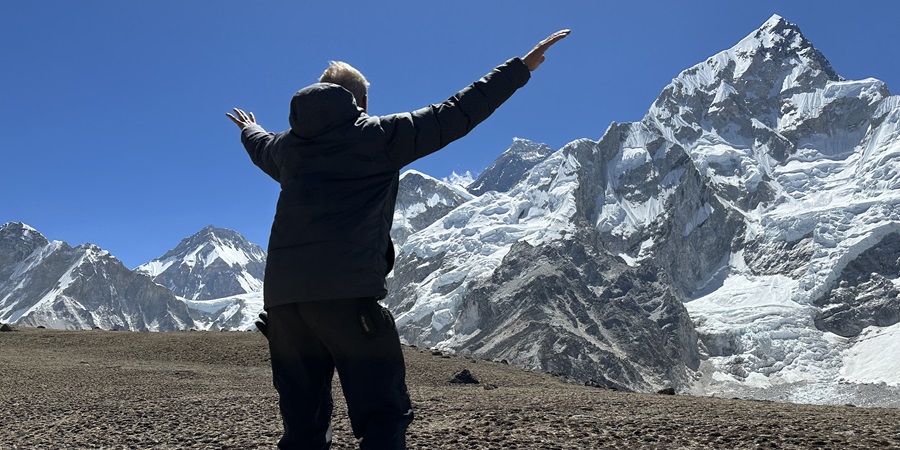
The Classic Everest Base Camp Trek – Day-by-Day Guide 2026
The standard Everest Base Camp trek is a 12–14 day, 130+ km round trip from Lukla that has been described by trekkers, mountaineers, and travel writers as the most magnificent walk in the world. Its combination of extraordinary mountain scenery, rich Sherpa cultural heritage, living Buddhist monasteries, and the unique emotional charge of approaching the base of the world’s highest mountain creates an experience that is genuinely unlike any other trekking journey on Earth.
| Day | Stage | Altitude | Distance / Time | Key Highlights |
| 1 | Kathmandu to Manthali drive, then fly to Lukla | 2,860 m | 4–5 hr drive + 20 min flight | 2–3 AM departure KTM; dramatic Lukla runway landing; Sherpa porters and guides assemble |
| 1–2 | Lukla to Phakding to Namche Bazaar | 3,440 m | ~15 km / 7–8 hrs | Dudh Koshi gorge; Hillary Suspension Bridge; first Everest glimpse; ACAP and Khumbu permit checks at Monjo |
| 3–4 | Namche Bazaar – ACCLIMATISATION (2 nights) | 3,440 m | Day hike 4–5 hrs | Sherpa Capital; day hike to Hotel Everest View (3,880 m) for first full Everest view; Sherpa Museum; Saturday market |
| 5 | Namche to Tengboche | 3,867 m | ~13 km / 5–6 hrs | Ama Dablam fills the horizon; descent to Dudh Koshi then forest climb; Tengboche Monastery – evening puja |
| 6 | Tengboche to Dingboche | 4,410 m | ~11 km / 5–6 hrs | Pangboche Monastery (oldest in Khumbu); transition to alpine desert above treeline; Island Peak and Lhotse views |
| 7 | Dingboche – ACCLIMATISATION (2nd rest day) | 4,410 m | Chukhung Ri side trip | Mandatory rest day; optional Chukhung Ri hike (5,550 m) for Ama Dablam and Lhotse South Face views |
| 8 | Dingboche to Lobuche | 4,910 m | ~10 km / 5–6 hrs | Khumbu Glacier lateral moraine; Sherpa memorials (expedition fatalities); stark high-alpine terrain |
| 9 | Lobuche to Gorak Shep to EBC to Gorak Shep | 5,364 m | ~15 km / 8–9 hrs | EVEREST BASE CAMP; Khumbu Icefall above; Nuptse, Lhotse, Pumori close; return to Gorak Shep overnight |
| 10 | Gorak Shep – Kala Patthar (pre-dawn) – descent to Pheriche | 5,545 m | ~15 km / 8–9 hrs | 3:30–4 AM start; KALA PATTHAR SUNRISE – Everest summit gold-lit; 360-degree panorama; descend to Pheriche |
| 11 | Pheriche to Namche Bazaar | 3,440 m | ~22 km / 7–8 hrs | Long descent; knees tested; atmosphere thickens; Namche hot shower and celebration dinner |
| 12 | Namche to Lukla | 2,860 m | ~19 km / 7–8 hrs | Full descent day; final suspension bridges; Lukla arrival – group celebration with crew |
| 13 | Fly Lukla to Manthali + drive to Kathmandu | 1,350 m | 20 min flight + 4–5 hr drive | Morning flight weather-dependent; Nepal VH vehicle waiting at Manthali for KTM hotel drop |
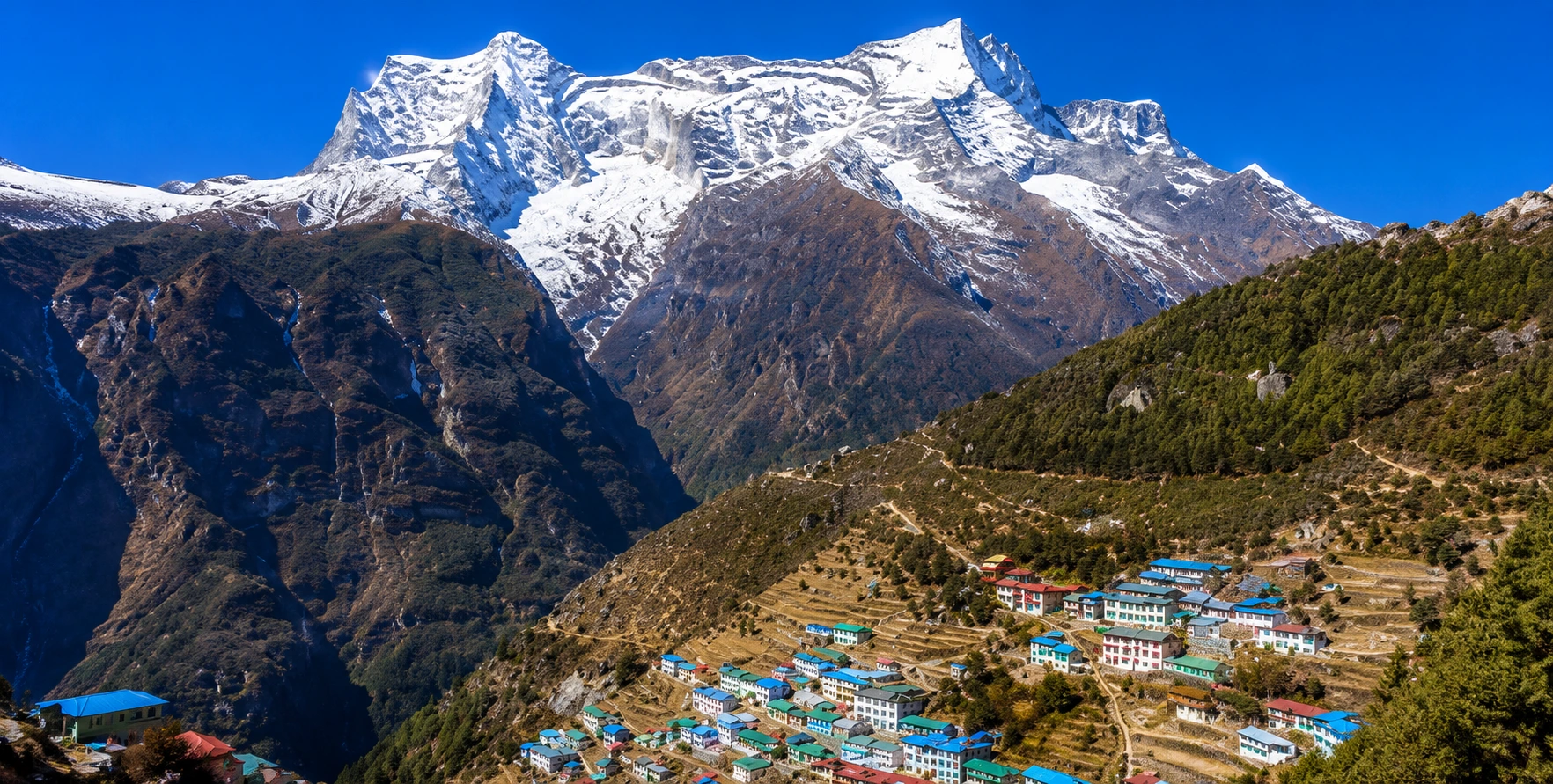
Namche Bazaar – The Sherpa Capital
Namche Bazaar (3,440 m) is the beating heart of the Khumbu trekking world — an amphitheater-shaped town of brightly painted buildings clinging to a dramatic hillside curve above the Bhote Koshi and Dudh Koshi confluence. As the largest Sherpa settlement in the Khumbu region, Namche is simultaneously a traditional cultural hub and a remarkably sophisticated mountain-resort town — offering high-speed satellite WiFi (in 2026), ATMs, excellent bakeries, climbing equipment shops, well-stocked pharmacies, the Sherpa Culture Museum, a Sagarmatha National Park visitor centre, cafes serving espresso and apple pie, and pubs alongside the prayer wheels, mani walls, and BuddhistMonasteryy that represent its more ancient identity. The Saturday Market at Namche — where villagers from the surrounding Khumbu communities gather to trade crops, household goods, and Tibetan handicrafts — is one of the most authentic and colorful market experiences in Nepal, operating essentially unchanged since the Malla period.
The mandatory acclimatization at Namche (2 nights) is not merely a safety protocol — it is an invitation to understand what the Khumbu actually is before proceeding higher. The day hike to Hotel Everest View (3,880 m) — the world’s highest-altitude hotel (Guinness-certified) — provides the first full frontal view of Everest itself above the Khumbu Valley, framed alongside Lhotse, Nuptse, Ama Dablam, and Thamserku. The Khumjung village nearby — home of Hillary’s School and Hospital, built with Sir Edmund Hillary’s Himalayan Trust funding, and the Khumjung Monastery with its famous Yeti scalp — is a 2–3-hour walk from Namche and offers the most rewarding Sherpa cultural immersion available on the standard acclimatization day.
Tengboche – The Spiritual Heart of the Khumbu
Tengboche Monastery (3,867 m) occupies one of the most dramatically beautiful positions of any religious building anywhere in the world: a forest clearing on a ridge above the Imja Khola valley, with Ama Dablam rising directly behind it and Everest, Lhotse, Nuptse, Kwangde, Thamserku, and Kangtega surrounding it on three sides in a panorama that has inspired everyone from seasoned mountaineers to first-time trekkers to moments of profound stillness. TMonasteryery is the largest in the Khumbu region, founded in 1916, and an active center of Sherpa Nyingma Buddhist practice — the same branch of Tibetan Vajrayana Buddhism that provides the spiritual and cultural framework for the Sherpa communities throughout the Khumbu.
Evening puja (prayer ceremony) at Tengboche Monastery, when it is open to respectful visitors, is one of the most moving spiritual experiences available on the EBC trek — monks in maroon robes chanting in the candlelit interior, butter lamps glowing, the deep resonance of Tibetan horns and drums, and outside the Monastery windows, the enormous black silhouettes of the surrounding peaks cutting the star-filled sky. This is the Khumbu at its most profoundly itself — a place where the sacred and the magnificent are genuinely, physically the same thing.
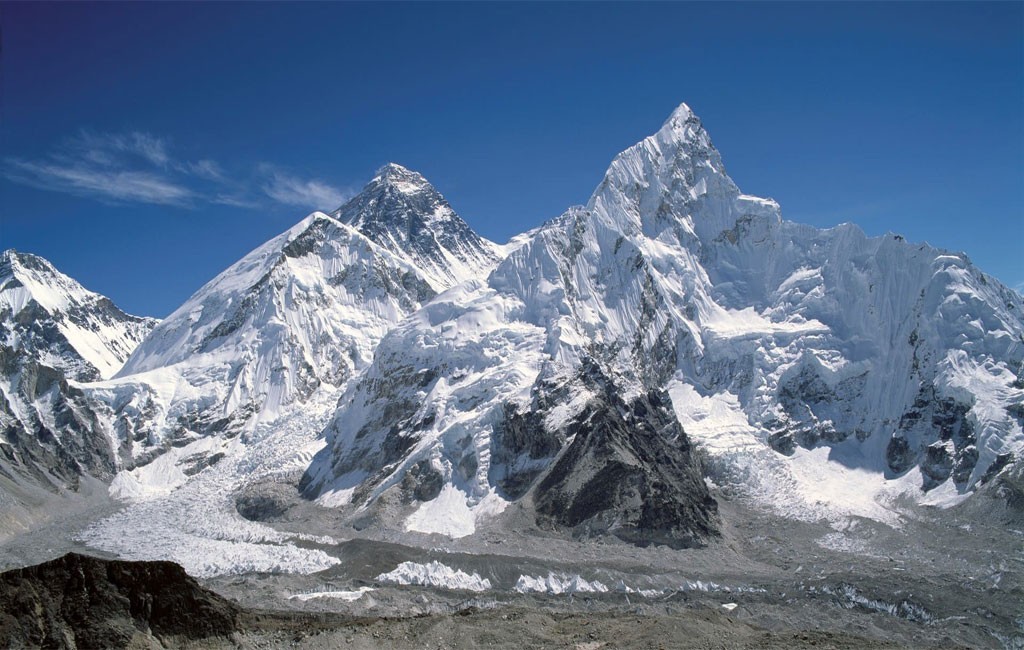
Kala Patthar – The Greatest Sunrise on Earth
Every trekker who reaches the Everest region eventually confronts the same paradox: the summit of Everest is not visible from Everest Base Camp itself. The massive south face of Nuptse blocks the view. The summit appears only as a small triangle of rock above the Lhotse-Nuptse ridge. The place where Everest is truly seen — summit to snowfields, its full pyramidal enormity revealed — is Kala Patthar (5,545 m), the black rocky ridge above Gorak Shep that has become the single most celebrated viewpoint in the Himalaya.
The standard approach to Kala Patthar for the dawn panorama begins at 3:30–4:00 AM from Gorak Shep — a two-hour headtorch ascent through pre-dawn darkness and cold, arriving at the rocky summit as the first pink light strikes Everest’s summit triangle, turning it from grey to gold, then to blazing white as the sun rises behind the Lhotse-Nuptse massif. The experienced trekking specialist confirms: “The pre-dawn ascent under stars, followed by a sunrise erupting gold across the Khumbu, is the single greatest morning of most trekkers’ lives.” The 360-degree panorama from Kala Patthar includes Everest, Lhotse, Nuptse, Pumori, Ama Dablam, Cho Oyu, and the full sweep of the Khumbu glacier below — a view that no photograph ever fully captures and no one who has stood there ever forgets.
The 2026 Permit System – Everything That Has Changed
The Everest region permit system has undergone significant changes in the last three years, and 2026 introduces further digital tracking requirements. Here is the current, accurate picture as of 2026:
| Permit | Cost 2026 | Where to Get | Notes |
| Sagarmatha National Park Entry Permit | NPR 3,000 + 13% VAT = NPR 3,390 | NTB Kathmandu OR Monjo checkpoint | Getting to Kathmandu – long queues at Monjo in peak season. Digital QR Trek Card issued. |
| Khumbu Pasang Lhamu Rural Municipality Permit | NPR 2,000–3,000 (~USD 15–22) | Lukla (on arrival) or Monjo checkpoint | Cannot get to Kathmandu. New since 2023. Digital Trek Card with QR code. Scanned at Namche and Pangboche. |
| TIMS Card | NOT required for Everest region (2026) | N/A for Everest | TIMS is required for the Annapurna and Langtang regions and has not been required for EBC since 2025. |
| Licensed Guide | Via trekking agency package | Hire through a registered Nepal trekking agency | Mandatory and enforced at Monjo and Lukla checkpoints (2026). Cannot solo trek without a guide. |
| Travel Insurance (helicopter evacuation) | Varies – confirm helicopter cover | Purchase before departure from Nepal | Mandatory. Must cover helicopter evacuation to a minimum of 6,000 m. Checked at Lukla and Namche by insurers. |
| FNMIS Registration | Free | Online via DOI before travel | All tourists visiting Nepal from January 1, 2026, must register on FNMIS (Foreign National Management Information System) through the Department of Immigration before arrival. |
The New Digital Trek Card System – QR Code Tracking
A major 2026 development is the digitalization of the Khumbu Pasang Lhamu Rural Municipality permit into a Trek Card with a QR code, as one boots-on-ground Kathmandu operator reports: “In 2026, this permit has gone digital. You will be issued a Trek Card with a QR code. This code is scanned at various points along the trail to track your location for safety. There are scanners in Namche and Pangboche.” Trekkers must ensure their Trek Card QR codes are scanned at the designated points — skipping a scan can trigger a missing-person alert in the safety system, causing unnecessary concern for both the trekker and their emergency contacts. Nepal Vehicle Hiring advises all Everest region clients to carry permits in a waterproof, easily accessible location and to present them promptly at all checkpoints.
Licensed Guide Mandatory – Enforced at Monjo and Lukla 2026
Since the Nepal Tourism Board’s mandatory guide policy (2023), solo trekking without a licensed guide has been increasingly enforced in the Everest region in 2026. While the Khumbu local government had historically resisted the national guide mandate, checkpoints at Monjo and Lukla are now checking guide credentials more strictly. Solo trekkers attempting to proceed without a guide are increasingly required to hire a local guide at the gate or join a group. Nepal Vehicle Hiring partners with registered trekking agencies that can arrange licensed, English-speaking Khumbu-experienced guides alongside vehicle hire bookings — contact us at +977 9851013196 for combined transport and guide arrangements.
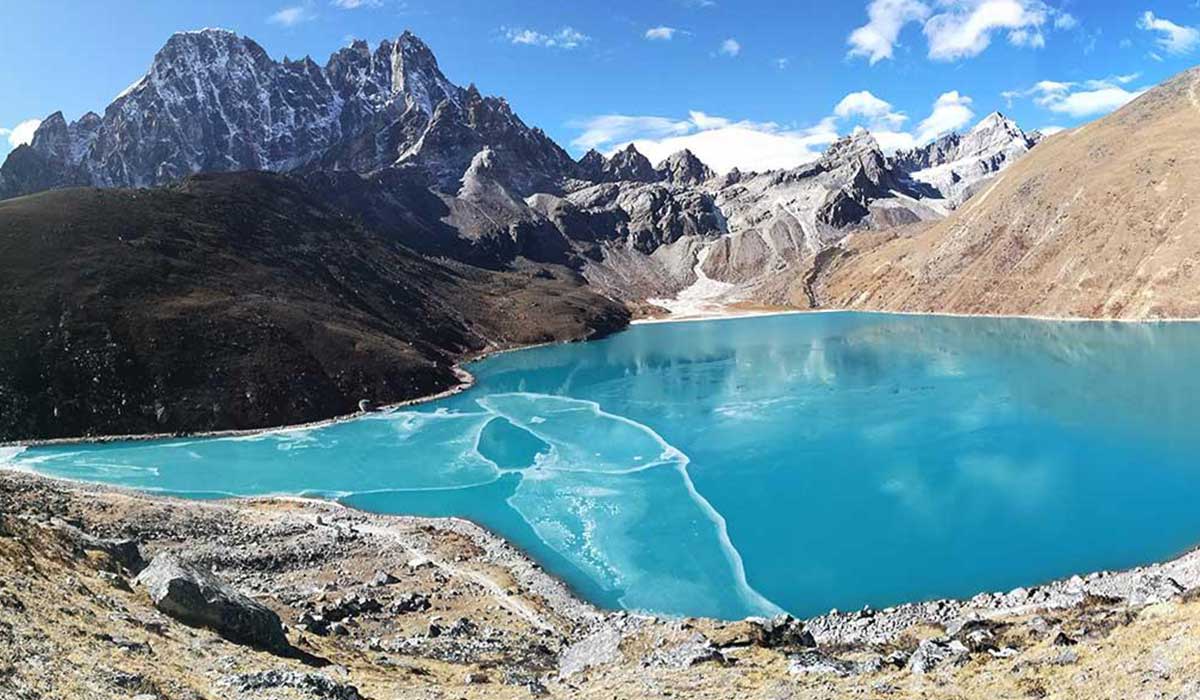
The Gokyo Lakes Circuit – The Everest Region’s Most Beautiful Secret
While the Everest Base Camp route carries the name recognition and the majority of trekkers, the Gokyo Valley is widely regarded by experienced Himalayan trekkers as the most scenically extraordinary section of the entire Everest region — and the route to Gokyo Ri (5,357 m) is considered by many to offer the finest accessible mountain panorama in Nepal, surpassing even Kala Patthar for the sheer range of its views.
The Gokyo Lakes — a chain of six glacially-fed turquoise lakes at altitudes between 4,700 and 5,000 m alongside the Ngozumpa Glacier, Nepal’s largest glacier — sit in a landscape of such concentrated beauty that trekkers who have visited both EBC and Gokyo consistently rate Gokyo’s visual impact as the greater of the two. The lakes themselves are sacred in Hinduism and Buddhism — bathing in them is believed to cleanse spiritual impurity, and they draw Hindu pilgrims as well as trekkers during the Janai Purnima festival each August. The emerald and turquoise water against the black moraine, the white glacier, and the overwhelming peaks above creates a scene that multiple Himalayan travel writers have described as the most beautiful single landscape in Nepal.
From Gokyo Ri’s summit (5,357 m), the panorama includes four 8,000 m peaks simultaneously — Everest (8,849 m), Lhotse (8,516 m), Makalu (8,485 m), and Cho Oyu (8,201 m) — framed above the turquoise lakes below. This is the only readily accessible viewpoint anywhere in the Himalaya from which four 8,000 m peaks are simultaneously visible — a fact that makes Gokyo Ri one of the most photographically and experientially extraordinary points available to any non-technical mountaineer in the world. The Gokyo circuit typically adds 3–5 days to a standard EBC itinerary (for a total of 17–19 days from Kathmandu) or can be trekked independently in 10–12 days as a pure Gokyo circuit without the standard EBC approach.
The Three High Passes Trek – The Complete Everest Circuit 2026
The Everest Three High Passes Trek — crossing Kongma La (5,535 m), Cho La (5,420 m), and Renjo La (5,360 m) in a single circuit — is the most comprehensive and demanding trekking adventure available in the Everest region without technical climbing. The 18–21 day circuit encompasses every major experience the Khumbu has to offer: EBC, Kala Patthar, Gokyo Lakes, Gokyo Ri, the Ngozumpa Glacier, three high passes, ancient Sherpa trade routes, and both the famous and completely off-the-beaten-path sections of the Khumbu — including the Thame Valley (birthplace of Tenzing Norgay) and the remote Imja and Gokyo valleys that see only a fraction of the traffic of the main EBC corridor.
| Pass | Altitude | Trek | Connects | Difficulty & Character |
| Kongma La | 5,535 m | Three Passes | Chukhung to Lobuche | The highest of the three. Steep icy ascent. Moraine crossing. Memorial chortens of Sherpa climbers. Tough but not technical. |
| Cho La | 5,420 m | Three Passes | Dzongla to Thangnak (Gokyo side) | Rocky and icy descent. Small glacier crossing – crampons helpful. Connects EBC route to Gokyo Valley. |
| Renjo La | 5,360 m | Three Passes | Thame Valley to Gokyo Valley | Most scenic of the three. Emerald Gokyo Lakes visible below; Everest, Cho Oyu, Makalu panorama from summit. Quietest pass. |
Kongma La – The Highest and Most Demanding Pass
At 5,535 m, Kongma La is the highest of the three passes and the one most likely to involve genuine physical difficulty — steep icy ascents, rocky moraine crossings, and significant altitude exertion on an approach where trekkers will already have spent 8–10 days above 4,000 m. The pass connects Chukhung in the Imja Valley to Lobuche on the EBC route, crossing a ridge with memorial chortens honoring Sherpa climbers and expedition members who have died on Everest and surrounding peaks — a sobering and profoundly moving reminder that this beautiful landscape carries a genuine human cost alongside its magnificent surface. The views from the Kongma La summit include Makalu, Lhotse, Nuptse, Ama Dablam, and the full sweep of the Khumbu glacier.
Cho La – The Ice and Gokyo Gateway
The Cho La (5,420 m) is the most technically challenging of the three passes for most trekkers — its short glacier crossing and icy, rocky descent require careful footwork and, ideally, crampons or microspikes, particularly in the pre-dawn cold when trekkers traditionally attempt it. The pass connects the EBC route (Dzongla) to the Gokyo Valley (Thangnak) — and the moment of crossing brings one of the most dramatic landscape transitions on any Nepal trekking circuit: the rocky, glacier-dominated EBC approach disappears behind, and the serene, lake-dotted Gokyo Valley opens ahead.
Renjo La – The Scenic Pinnacle
The Renjo La (5,360 m) is the most scenically rewarding of the three passes and also the quietest — connecting the Thame Valley to the Gokyo Valley via a historically significant old trade route used by Sherpa traders and Tibetan merchants for centuries. From the Renjo La summit, the view of the Gokyo Lakes directly below — turquoise against the dark moraine — combined with the panorama of Everest, Cho Oyu, and Makalu is regarded by experienced Himalayan photographers as one of the most visually perfect compositions in Nepal’s mountain landscape.
Sherpa Culture – The Human Heart of the Everest Region
The Sherpa people — the Tibetan Buddhist ethnic community who have inhabited the Khumbu Valley for approximately 400–500 years, having migrated from the Kham region of eastern Tibet — are the human dimension of the Everest region, transforming a mountain landscape into a living cultural world. Their name in Tibetan means ‘people from the east’ (Shar = east, Pa = people), and their cultural identity is inseparably woven with the Khumbu landscape they inhabit — the sacred peak Khumbila (5,765 m) is the guardian deity of the Khumbu Valley, never climbed out of respect for its sacred status, watching over the entire region from above Namche Bazaar.
Sherpa culture is Nyingma Tibetan Buddhism practiced in the Himalayan environment — with mani walls (stones carved with Om Mani Padme Hum), chortens (Buddhist stupas), prayer flags, monastery complexes, and the annual Mani Rimdu festival at Tengboche and Thame monasteries defining the cultural and spiritual texture of every village on the trek. The Pangboche Monastery — the oldest in the Khumbu Valley — houses relics of a skull and a hand believed to be from a Yeti and is among the most culturally significant sites on the entire trail.
The Sherpa relationship with mountaineering is the best-known dimension of their culture internationally — and with reason. Since Tenzing Norgay Sherpa’s first Everest summit alongside Hillary in 1953, Sherpas have carried, guided, fixed ropes, managed logistics, and summited Everest more times than any other group, setting records that redefine what is physically possible at extreme altitude. The memorial chortens above Namche and along the high trail record the human cost of this achievement — and the Sherpa Culture Museum in Namche Bazaar provides essential context for the entire climbing history of the Everest region, from the 1953 expedition to the present summit season. The most significant act of cultural respect any EBC trekker can offer is to learn the names and histories of the Sherpa guides who accompany them, to engage with monastery and village cultures along the trail, and to understand that the mountains they visit are not merely a landscape but a living, sacred homeland.
When to Go – Everest Region Seasonal Guide 2026
| Season | Months | Trail Condition | Weather / Views | Advice |
| Autumn | Oct–Nov | Dry and stable | Crystal clear; best views; cold nights above 4,500 m | BEST SEASON. Book teahouses and guides 4–6 weeks ahead. Namche requiresa 6-week lead in Oct. |
| Spring | Mar–May | Good; melting snow above 5,000 m | Good views; morning clear; afternoon cloud; spring flowers | 2nd-best season; also the peak climbing season. Busier on upper trail Apr–May. Book 3–4 weeks ahead. |
| Winter | Dec–Feb | Snow above 4,000 m; Kala Patthar icy | Coldest; severe at night (-20C above 5,000 m); very clear days | Only experienced winter trekkers. Most teahouses above Dingboche close. Requires a down sleeping bag rated to -25C. |
| Monsoon | Jun–Sep | Muddy lower trails; unstable above 4,500 m | Cloud; limited views; heavy rain below Namche | Not recommended. Upper Khumbu above 4,000 m is drier in the monsoon but not reliably clear. |
Autumn (October–November) – The Definitive Khumbu Season
October is the single most popular and most competitive month for Everest region trekking in Nepal. As Everest Holiday confirms, Namche Bazaar lodges require a 6-week booking in October, compared to same-day availability in September. Teahouse accommodation at Tengboche, Dingboche, Lobuche, and Gorak Shep fills weeks in advance during peak October-November season — with the premium teahouses (those with attached bathrooms and better beds at altitude) booked months in advance by organized tour groups. Nepal Vehicle Hiring advises: book all Manthali transfers and Salleri road transfers at least 3–4 weeks ahead for October and November. The Khumbu Icefall’s condition at Everest Base Camp is at its most photogenic in October — the autumn climbing post-monsoon season sees expedition teams still at base camp in early October, and the tents, lines, and activity create a dramatically alive scene at the EBC itself.
Spring (March–May) – The Climbing Season
Spring is the primary Everest summit season — when hundreds of expedition teams from dozens of countries establish their camps on the South Col route, creating a unique atmosphere in the upper Khumbu of extreme-altitude professional preparation that adds a compelling dimension to the trekking experience. The Everest Base Camp in late April and May 2026 will be busy with expedition teams — tents, fixed lines, radio communications, and the occasional helicopter rotation — creating a completely different atmosphere from the quiet post-season base camp of October. Spring mountain views are excellent in the mornings before the clouds build from midday; the rhododendron forests between Lukla and Namche bloom magnificently in March and April. Book teahouses and vehicles 3–4 weeks in advance for the spring season.
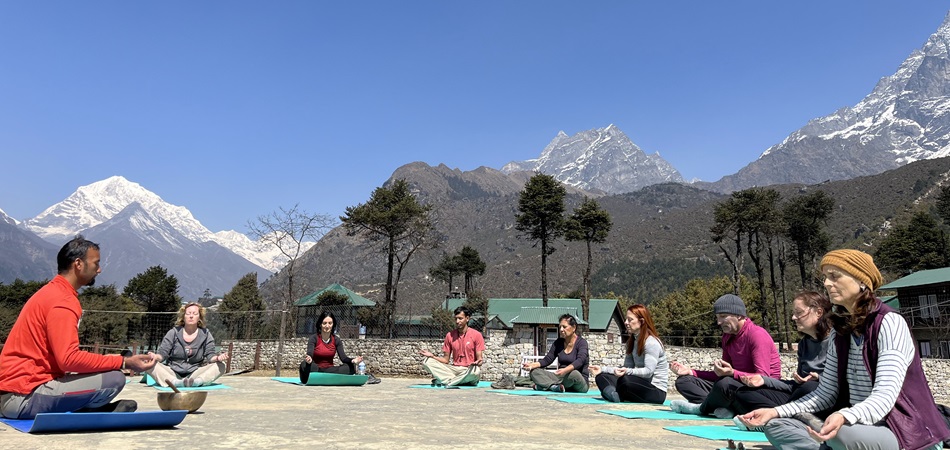
Physical Preparation – What the Research Says You Actually Need
The EBC trek requires no technical climbing skills — but it demands sustained aerobic fitness and mental resilience over 12–14 days at progressively increasing altitude. As experienced Kathmandu operators confirm, you need to be able to walk for two weeks, drink 3–4 liters of water a day, skip the alcohol above Lukla, and trust your guide when they tell you to slow down. The most common reason EBC treks end early is not inadequate fitness — it is rushing the acclimatization schedule.
- Cardiovascular Base: 6–8 weeks of consistent Zone 2 (moderate aerobic) training before departure. Long slow walks with a weighted pack (10–15 kg), cycling, or swimming 4–5 times per week. Build to 4–5 hours of continuous activity at moderate intensity.
- Knee and Hip Strength: The descent from Kala Patthar to Namche and Lukla involves thousands of meters of altitude loss. Lunges, step-ups, single-leg squats, and core work reduce knee impact. Begin knee strengthening at least 3 months before departure.
- Altitude Preparation: If possible, spend 1–2 nights at altitude above 2,500 m before the trek begins. Kathmandu (1,350 m) provides minimal acclimatization benefit; Nagarkot (2,175 m), overnight via Nepal Vehicle Hiring jeep hire, offers a small but meaningful step in altitude preparation.
- Altitude Medication: Consult your doctor about Diamox (Acetazolamide) for AMS prevention. Standard protocol is 125 mg twice daily from 24 hours before ascent above 3,000 m. Not a substitute for proper acclimatization, but can assist adjustment.
- Oxygen Saturation Monitoring: Good trekking operators carry pulse oximeters and check blood oxygen saturation twice daily from Namche onward. Normal SpO2 at sea level: 98–100%. At Namche (3,440 m, 85–95% is normal. Below 75% at any altitude = descend immediately and seek medical assessment.
Altitude Sickness – The Most Important Safety Information on the EBC Trek
Acute Mountain Sickness (AMS) is the primary safety challenge on the EBC trek — and the most common reason treks are cut short. It is caused by ascending too quickly for the body’s acclimatization to keep pace. At Everest Base Camp (5,364 m), the air contains approximately 50% of the oxygen available at sea level. The body adjusts to this through acclimatization — increasing red blood cell production, breathing more deeply, and making physiological changes that take a minimum of 2–3 days per 1,000 m of sleeping altitude gain above 3,000 m.
- AMS Symptoms (mild): Persistent headache, fatigue, nausea, loss of appetite, disturbed sleep, dizziness. Normal response: rest at current altitude. Do NOT ascend until all symptoms resolve.
- HACE (High-Altitude Cerebral Edema): Severe headache unresponsive to paracetamol, loss of coordination (ataxia), altered consciousness, drowsiness. Emergency. Descend immediately and call for helicopter evacuation.
- HAPE (High-Altitude Pulmonary Edema): Breathlessness at rest, dry persistent cough, pink/frothy sputum, bluish lips. Emergency. Descend immediately – HAPE is the most common cause of altitude-related death in Nepal.
- The Golden Rule: NEVER ascend when you have AMS symptoms. NEVER. No mountain view, no itinerary pressure, no group decision-making is worth your life. The mountain will be there tomorrow.
- Emergency Resources: HIMS (Himalayan International Mountain Sickness) clinics at Namche Bazaar and Pheriche on the EBC route. Nepal Police: 100. Tourist Police: +977-1-4700750. CIWEC Hospital Kathmandu: +977-1-4435232. Helicopter evacuation covered by comprehensive travel insurance.
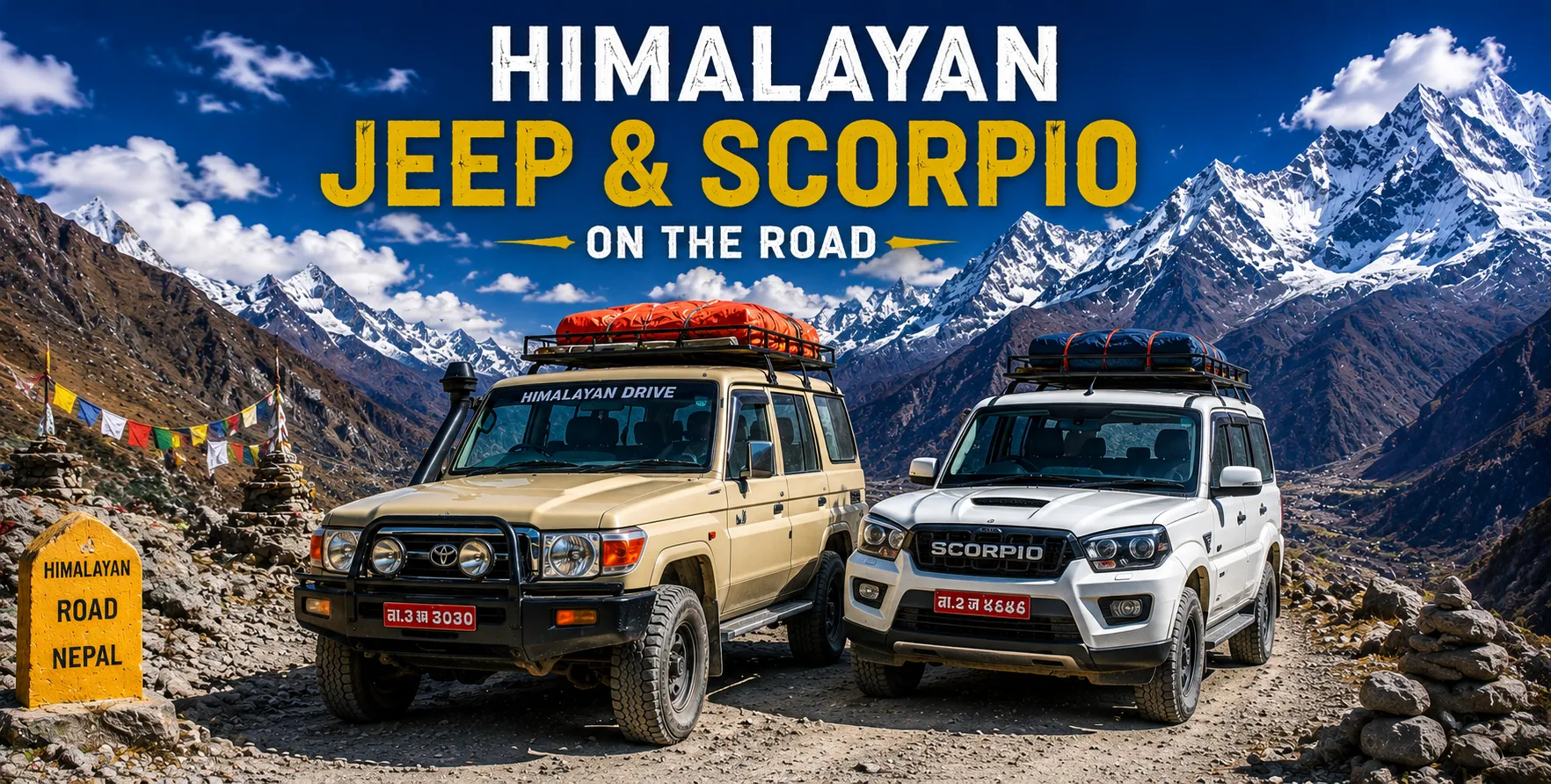
Nepal Vehicle Hiring – Everest Region Transfer Services 2026
Nepal Vehicle Hiring provides the complete private vehicle transfer solution for all Everest region access routes in 2026:
- Kathmandu Hotel to Manthali (Ramechhap) Airport Transfer: The essential pre-dawn service. Departs 2:00–3:00 AM from any Kathmandu hotel. Private car, Scorpio, or Hiace van available. All vehicles are air-conditioned. Driver experienced with Manthali road under early-morning conditions. Journey time: 4–5 hours.
- Manthali Airport to Kathmandu Hotel (Return Transfer): Nepal Vehicle Hiring vehicles wait at Manthali for returning trekkers’ Lukla flight arrival. Post-trek return to Kathmandu hotel. Journey time: 4–5 hours. Fully coordinated with flight timings.
- Kathmandu to Salleri / Phaplu (Road Alternative): 270 km, 8–10 hours via Madhya Pahadi Highway. Private Scorpio or Land Cruiser recommended. Available October–May only (not during monsoon). Nepal Vehicle Hiring’s Scorpio/Bolero 4WDs handle the entire route, including the rough sections near Salleri.
- Kathmandu to Kharikhola / Surke (Extended Road): Extended road alternative that puts trekkers within a 23-hour walk of Lukla. Available on request with Nepal Vehicle Hiring for groups avoiding flight disruption.
- Flight Delay / Cancellation Emergency Response: Nepal Vehicle Hiring’s 24/7 operations line (+977 9851013196) coordinates alternative transport arrangements for Manthali-based trekkers when Lukla flights are canceled — including activation of the emergency Salleri road option.
Related Nepal Vehicle Hiring Services
- Best Vehicle Hire Routes for Trekking Trailheads in Nepal
- Kathmandu to Tamang Heritage Trail Transport (Langtang)
- Nepal Annapurna Circuit Road 2026 Guide
- Mahindra Bolero and Tata Sumo Trekking Transfer
- Luxury Jeep Hire Nepal (Toyota Land Cruiser)
- Why Private Vehicle Hire Is the Smartest Way to Travel in Nepal
- Nepal Trekking Packages
Frequently Asked Questions – Everest Region Nepal 2026
Can I still fly directly from Kathmandu to Lukla in 2026?
No — as of 2026, all Lukla flights depart from Manthali (Ramechhap) Airport, not Kathmandu’s Tribhuvan International Airport. Trekkers must complete a 4–5-hour pre-dawn drive from Kathmandu to Manthali (departing around 2:00–3:00 AM) before the 20-minute Lukla flight. Nepal Vehicle Hiring provides 24/7 Manthali transfer service for all EBC-bound trekkers.
What permits are required for the Everest Base Camp trek in 2026?
Two permits are required: (1) Sagarmatha National Park Entry Permit – NPR 3,390 (incl. VAT) — obtain at NTB Kathmandu before departure or at Monjo checkpoint; (2) Khumbu Pasang Lhamu Rural Municipality Permit – NPR 2,000–3,000 — issued only in Lukla or Monjo, in digital Trek Card with QR code format. TIMS is no longer required for the Everest region.
What is the difference between EBC and Kala Patthar – which is better?
Both are essential — but they offer different experiences. Everest Base Camp (5,364 m) is historically and emotionally significant — standing on the launchpad of every Everest expedition, with the Khumbu Icefall directly above. However, the summit of Everest is not visible from EBC (Nuptse blocks it). Kala Patthar (5,545 m) provides the closest, clearest full view of Everest’s summit available without technical climbing, plus the finest 360-degree Khumbu panorama. The standard itinerary visits both on consecutive days — always include both.
Is the road to Salleri a viable alternative to the Lukla flight?
Yes — the Kathmandu to Salleri / Phaplu road route (270 km, 8–10 hours) is a genuine and increasingly popular Lukla flight alternative, particularly for October–May travel. It provides 2–3 extra acclimatization days on the lower Solu trail, is flight-cancellation-proof, and costs less. Nepal Vehicle Hiring’s Scorpio or Land Cruiser jeep hire covers the entire Kathmandu-to-Salleri route. The road is not recommended during the monsoon (June–September).
How difficult is the Everest Base Camp trek?
The EBC trek is rated Moderate-Strenuous. It requires no technical climbing skills, no ropes or crampons (except on Three Passes variants), and is accessible to any reasonably fit adult with 6–8 weeks of cardiovascular preparation. The challenges are: duration (12–14 days of 5–7 hours daily hiking), altitude (5,545 m at Kala Patthar, where 50% of sea-level oxygen is available), and mental endurance. The acclimatization schedule is non-negotiable — rushing it causes the most premature trek endings.
What makes the Gokyo Lakes worth visiting instead of just EBC?
The Gokyo circuit visits the Ngozumpa Glacier (Nepal’s largest), five sacred turquoise glacial lakes, and Gokyo Ri (5,357 m) — the only accessible viewpoint in the Himalaya from which four 8,000 m peaks are simultaneously visible. Many experienced Himalayan trekkers rate the view from Gokyo Ri as surpassing even that of Kala Patthar in scenic impact. The Three Passes Trek combines EBC and Gokyo into a single circuit, offering the complete Everest region experience in 18–21 days.
Can Nepal Vehicle Hiring coordinate both Manthali transfers and guide arrangements?
Yes — Nepal Vehicle Hiring provides integrated Everest region transport coordination: Kathmandu hotel to Manthali (pre-dawn), Manthali to Kathmandu on return, and Salleri road transfers. We partner with registered Kathmandu trekking agencies for guide and permit arrangements and can coordinate the complete logistics chain for your Everest trek as a single booking. Contact Nepal Vehicle Hiring at +977 9851013196 or vehiclehiringnepal.com.
Begin Your Everest Region Journey with Nepal Vehicle Hiring
The Everest region is Nepal’s greatest gift to the trekking world — a landscape of overwhelming mountain scale and beauty, inhabited by one of the world’s most extraordinary cultural communities, accessible to any committed trekker willing to invest the time and preparation and to respect the journey’s demands. The walk to Everest Base Camp is not merely a physical achievement — it is a transformation: a sustained encounter with human insignificance in the face of the planet’s grandest geography and with human capability in the face of extreme altitude, leaving everyone who completes it fundamentally changed.
Nepal Vehicle Hiring Pvt Ltd’s Everest region transfer services — Manthali pre-dawn transfers, Salleri road alternatives, and return Manthali pickups — are the logistical foundation on which every Nepal Vehicle Hiring EBC trekking journey is built. Our 24/7 operations team, experienced pre-dawn drivers, 4WD jeep fleet, and emergency response coordination ensure that your Everest journey begins and ends without transport stress — leaving you free to focus entirely on one of the greatest walks of your life.
Call / WhatsApp: +977 9851013196 | Website: vehiclehiringnepal.com | Book Manthali Transfer | Nepal Trekking Packages
- Everest region Nepal – The World's Greatest Mountain Journey
- Everest region Nepal 2026 – Complete Quick Reference
- TheEverest region, Nepal – Geography, Scale, and Why It Is Different
- Getting to the Everest Region – The Manthali Flight and the Road Alternative
- The Classic Everest Base Camp Trek – Day-by-Day Guide 2026
- The 2026 Permit System – Everything That Has Changed
- The Gokyo Lakes Circuit – The Everest Region's Most Beautiful Secret
- The Three High Passes Trek – The Complete Everest Circuit 2026
- Sherpa Culture – The Human Heart of the Everest Region
- When to Go – Everest Region Seasonal Guide 2026
- Physical Preparation – What the Research Says You Actually Need
- Altitude Sickness – The Most Important Safety Information on the EBC Trek
- Nepal Vehicle Hiring – Everest Region Transfer Services 2026
- Related Nepal Vehicle Hiring Services
- Frequently Asked Questions – Everest Region Nepal 2026
- Begin Your Everest Region Journey with Nepal Vehicle Hiring

Related Blog & Articles
4WD Himalayan Jeep in Nepal
Kathmandu to Lukla Road Route Transfer
Overland Everest Base Camp Transfer Kathmandu
Kathmandu to Jiri Road Trip Guide 2026
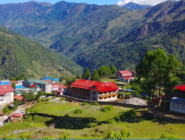
Kathmandu to Salleri Jeep Guide 2026
Ramechhap Manthali Airport Transportation