Plan a Trip


Kathmandu to Tamang Heritage Trail Transport
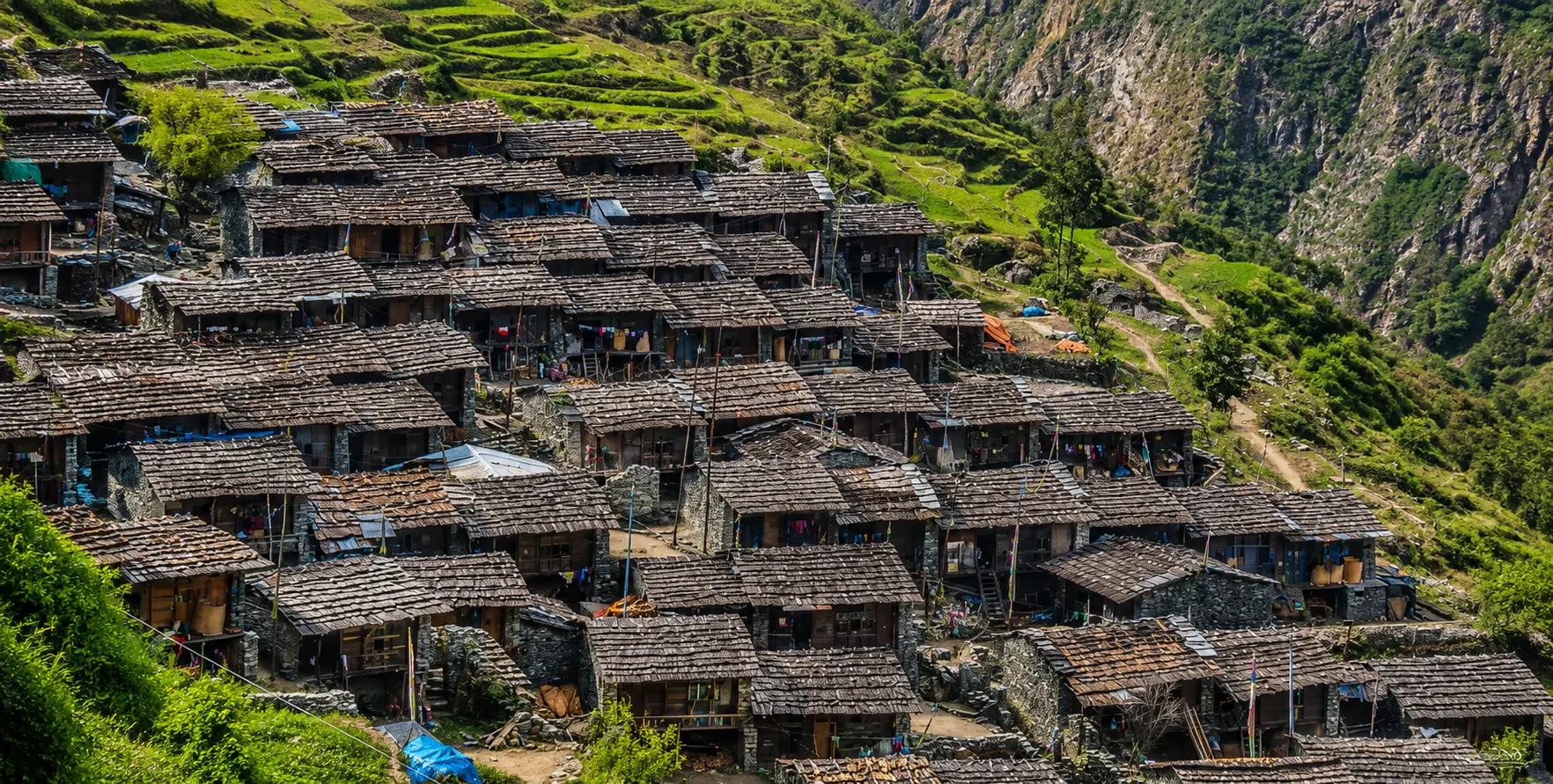
Kathmandu to Tamang Heritage Trail Transport
The Complete Vehicle Hire and Route Guide to Nepal’s Off-the-Beaten-Path Cultural Trek
Tucked into the Rasuwa district along Nepal’s northern border with Tibet, the
Tamang Heritage Trail remains one of the country’s most rewarding yet comparatively undiscovered trekking routes. Named for the Tamang people whose Tibetan Buddhist culture, stone-built villages, and centuries-old trade routes define the region, this trek combines striking Himalayan views with a depth of cultural immersion that busier trails often lack. Reaching the trailhead, however, still means the same demanding drive out of Kathmandu that serves the neighbouring Langtang Valley, and getting that first leg of the journey right matters as much as the trek itself.
This guide covers everything travelers need to know about
vehicle hire and transport for the Kathmandu-to-Tamang Heritage Trail journey, from the drive itself through Trishuli Bazaar and Dhunche to Syabrubesi, to the trekking route’s key villages, permits, seasonal considerations, and how the trail compares to and combines with the better-known Langtang Valley Trek. Nepal Vehicle Hiring has arranged jeep and private vehicle transport along this exact corridor for years, and this article draws directly on that route experience.
What Is the Tamang Heritage Trail
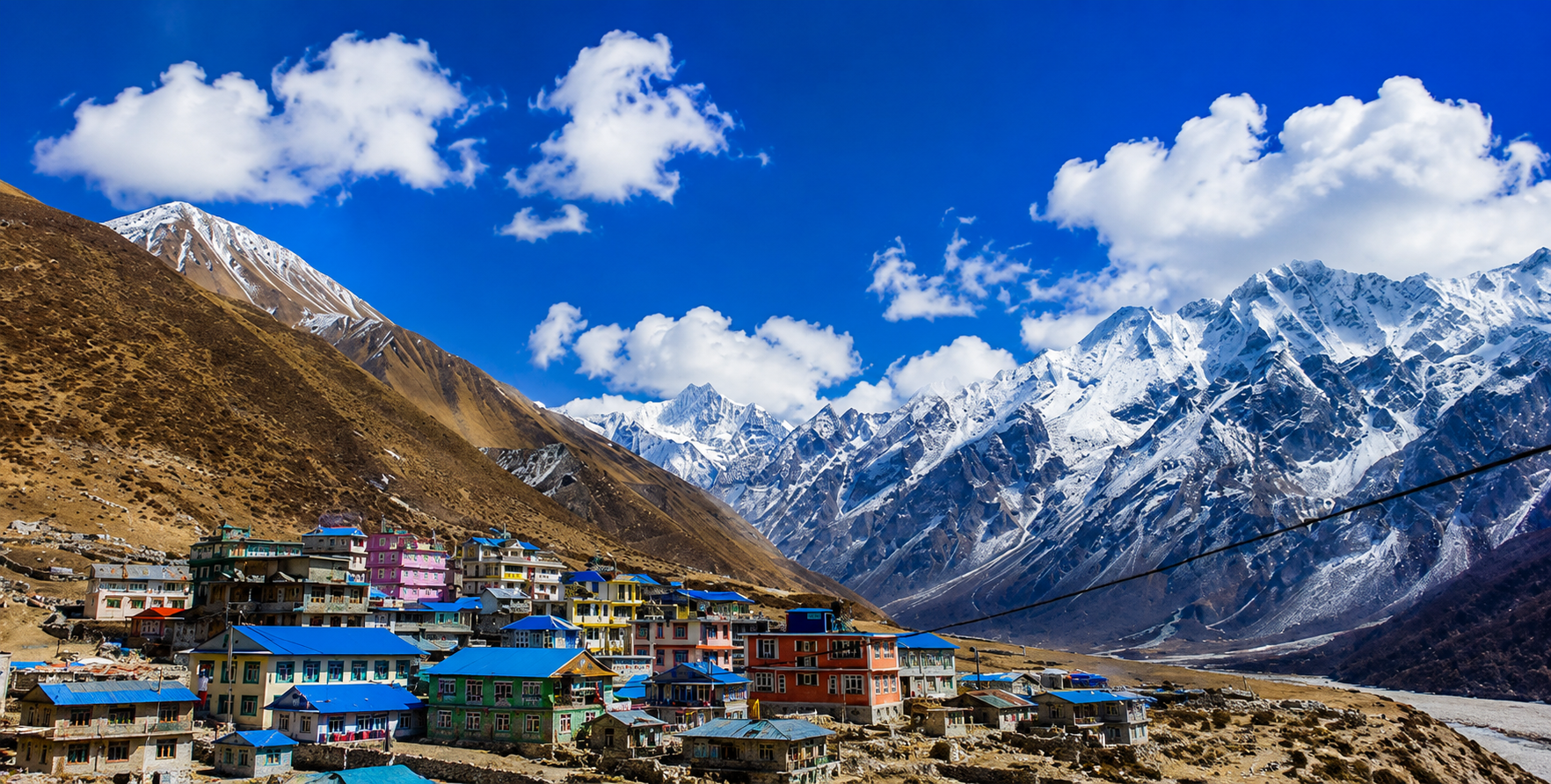
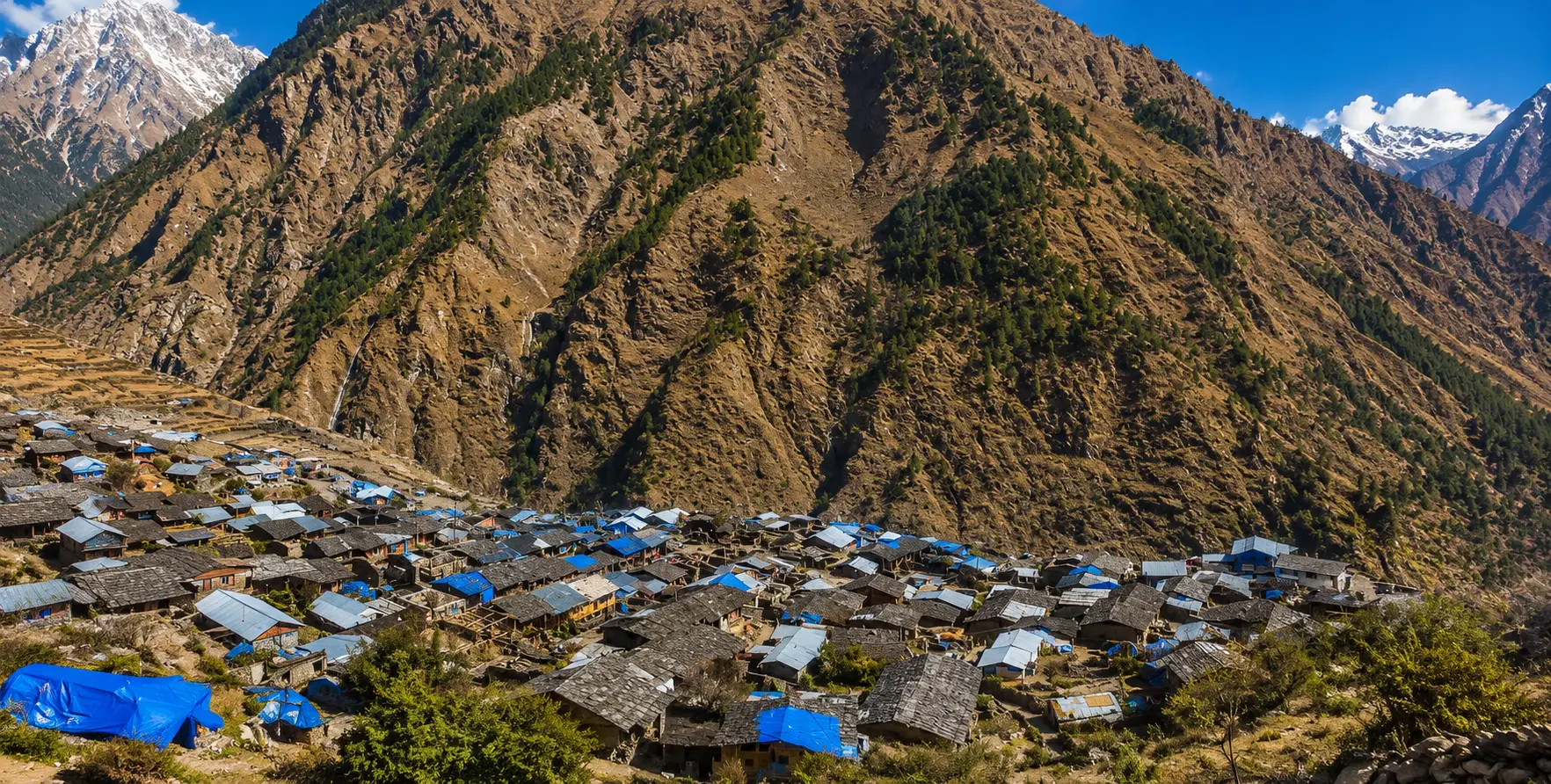
The Tamang Heritage Trail is a relatively recently developed trekking route, established to bring sustainable tourism income directly to Tamang communities living in the villages north and west of Syabrubesi. Unlike the more heavily trekked Langtang Valley route, which follows the Langtang Khola directly toward Kyanjin Gompa, the Tamang Heritage Trail loops through a series of traditional villages, including Gatlang, Tatopani, Nagthali, Thuman, and Briddim, each offering homestay accommodation, traditional Tamang architecture, and direct contact with a culture closely tied to Tibetan Buddhism.
The trail’s defining features include the natural hot springs at Tatopani village, sweeping views of Langtang Lirung and the surrounding peaks from the Nagthali Danda viewpoint, centuries-old monasteries and chortens found throughout the route, and a level of homestay-based cultural exchange that has become increasingly rare on Nepal’s busier trekking circuits. For travelers seeking a shorter, culturally rich trek that avoids the crowds of the Everest and Annapurna regions while remaining relatively accessible from Kathmandu, the Tamang Heritage Trail has become an increasingly popular choice.
Geography: Rasuwa District and the Nepal-Tibet Borderlands
The Tamang Heritage Trail sits within Rasuwa district, largely inside or adjacent to Langtang National Park, in the same broad region as the Langtang Valley and within striking distance of the Rasuwagadhi-Kerung border crossing into Tibet. This proximity to the Tibetan plateau has shaped Tamang culture in the region for centuries, as seen in the area’s monasteries, prayer flags, chortens, and the Tibetan Buddhist practices still actively practiced in villages like Gatlang and Thuman. Elevations along the trail range from around 1,460 meters at Syabrubesi to over 3,650 meters at the Nagthali Danda viewpoint, making it a moderately challenging trek that nonetheless remains accessible to reasonably fit trekkers without requiring the sustained high-altitude endurance of routes like the Everest Base Camp Trek or Annapurna Circuit.
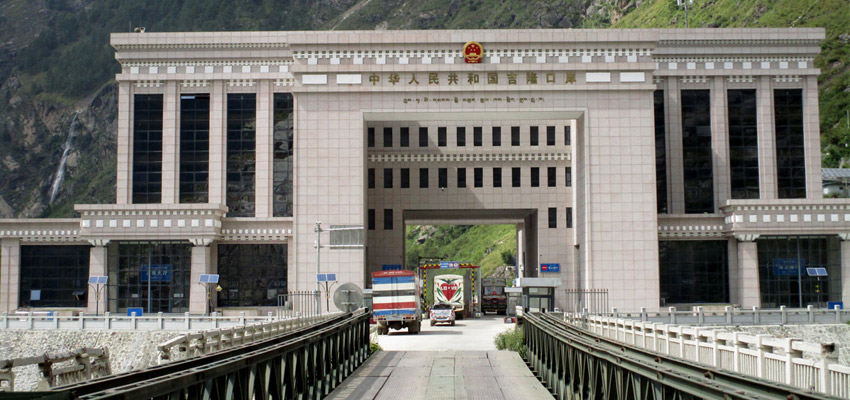
The Journey From Kathmandu to Syabrubesi
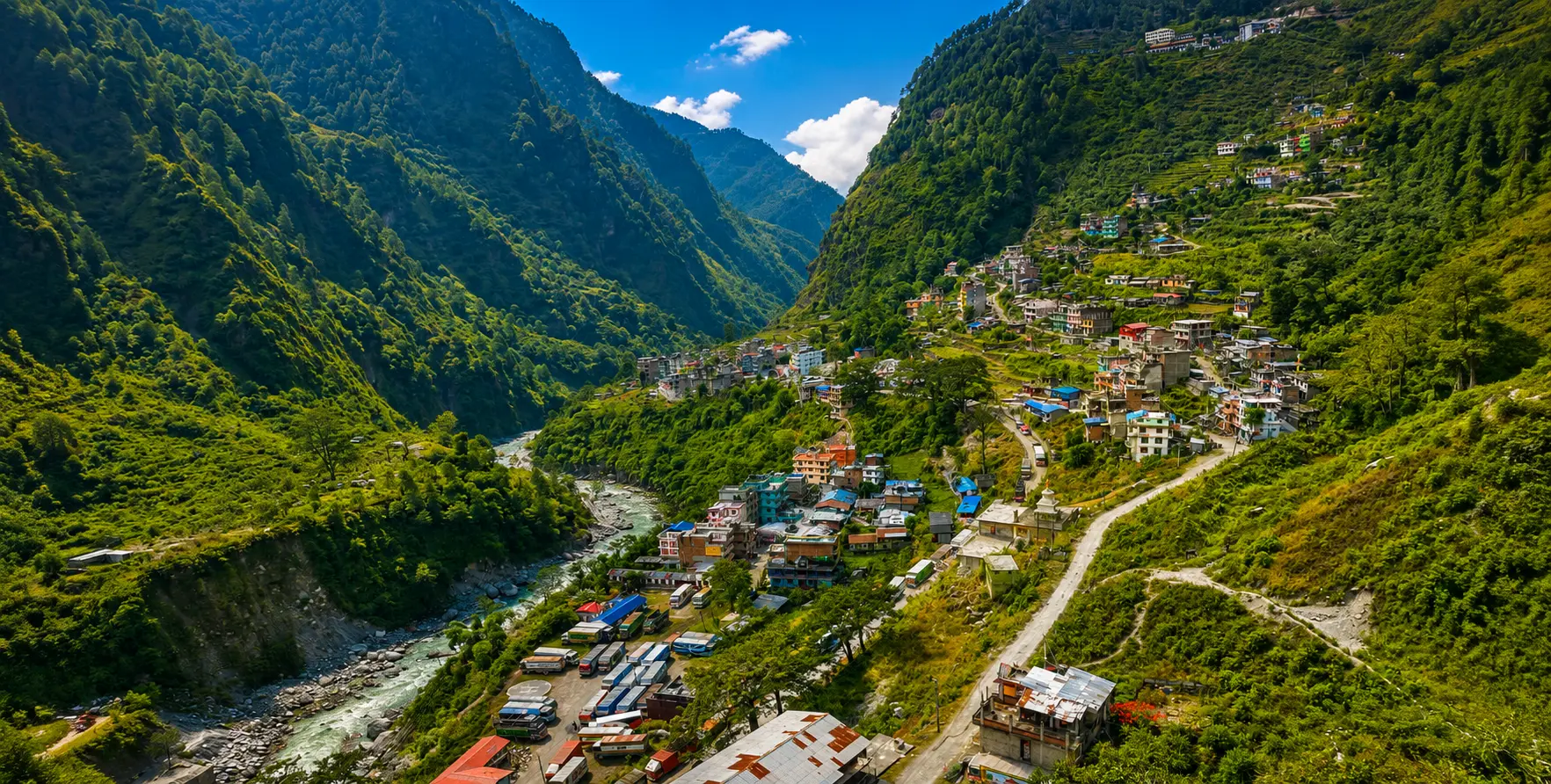
Nearly every Tamang Heritage Trail itinerary begins with the same overland journey used for the neighboring Langtang Valley Trek: the drive from Kathmandu to Syabrubesi, a distance of roughly 120 kilometers that typically takes seven to eight hours by private vehicle, longer during the monsoon season or when road repairs are underway. The route climbs out of the Kathmandu Valley through Trishuli Bazaar, follows the Trishuli River valley, and continues through Dhunche, the headquarters of Langtang National Park, before descending to Syabrubesi itself, the trailhead town for both the Tamang Heritage Trail and Langtang Valley routes.
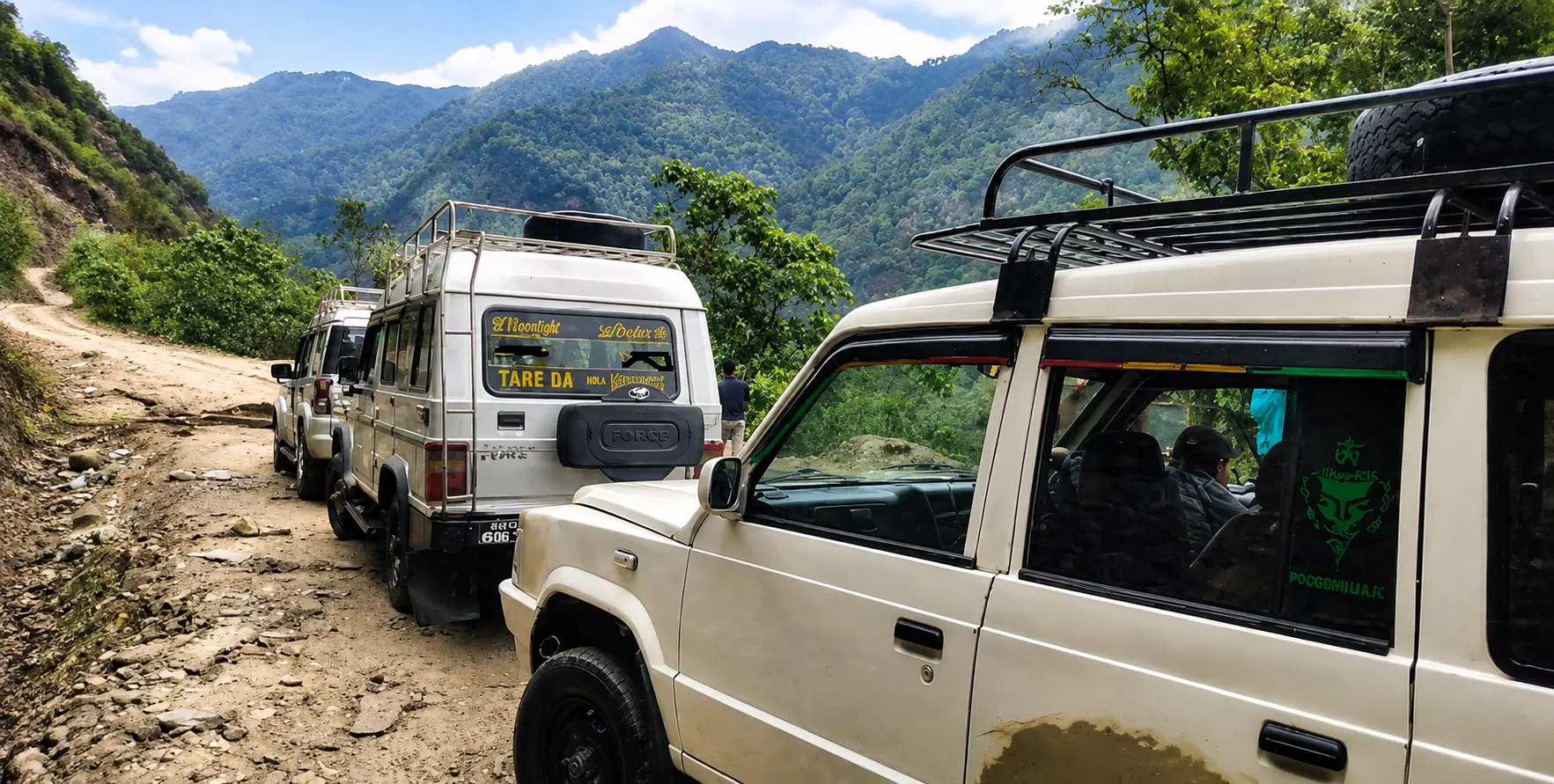
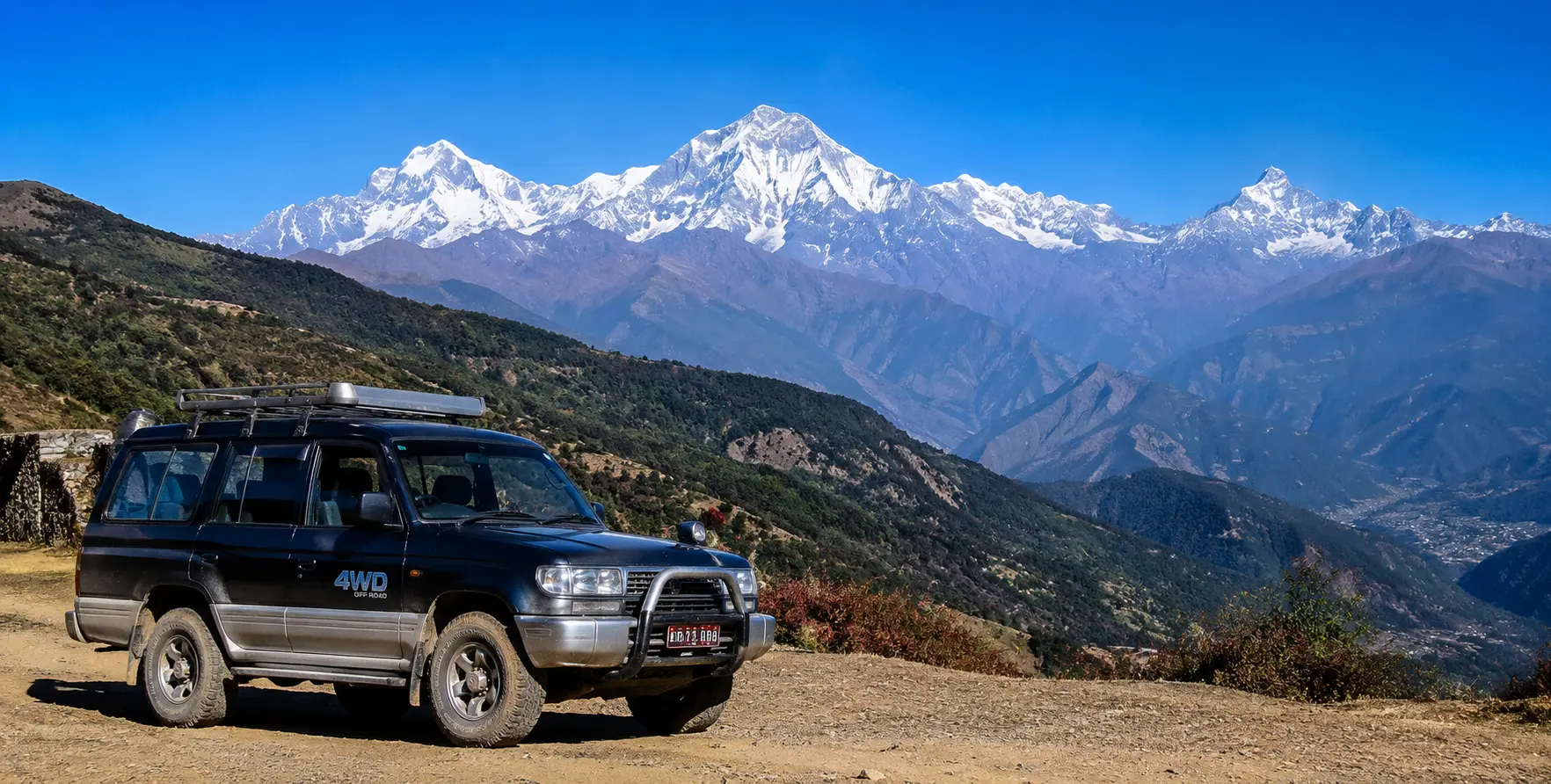
This road ranks among the more physically demanding drives in Nepal’s central hill region, with sharp switchbacks, sections of loose gravel, and occasional landslide-related delays, particularly during and immediately after the monsoon months. A genuine four-wheel-drive vehicle with an experienced driver familiar with this specific corridor is strongly recommended rather than a standard car or low-clearance van. Our
Jeep Hire in Nepal service is built specifically around routes like this one, pairing a Land Cruiser or Prado-class vehicle with a driver experienced on the Trishuli-Dhunche-Syabrubesi corridor.
Travelers combining this trip with time in Kathmandu often begin with a day or two of Valley sightseeing, arranged through our
Kathmandu sightseeing tour and
Bhaktapur Durbar Square tour services, along with a
Kathmandu airport transfer to begin the trip smoothly from the moment they land.
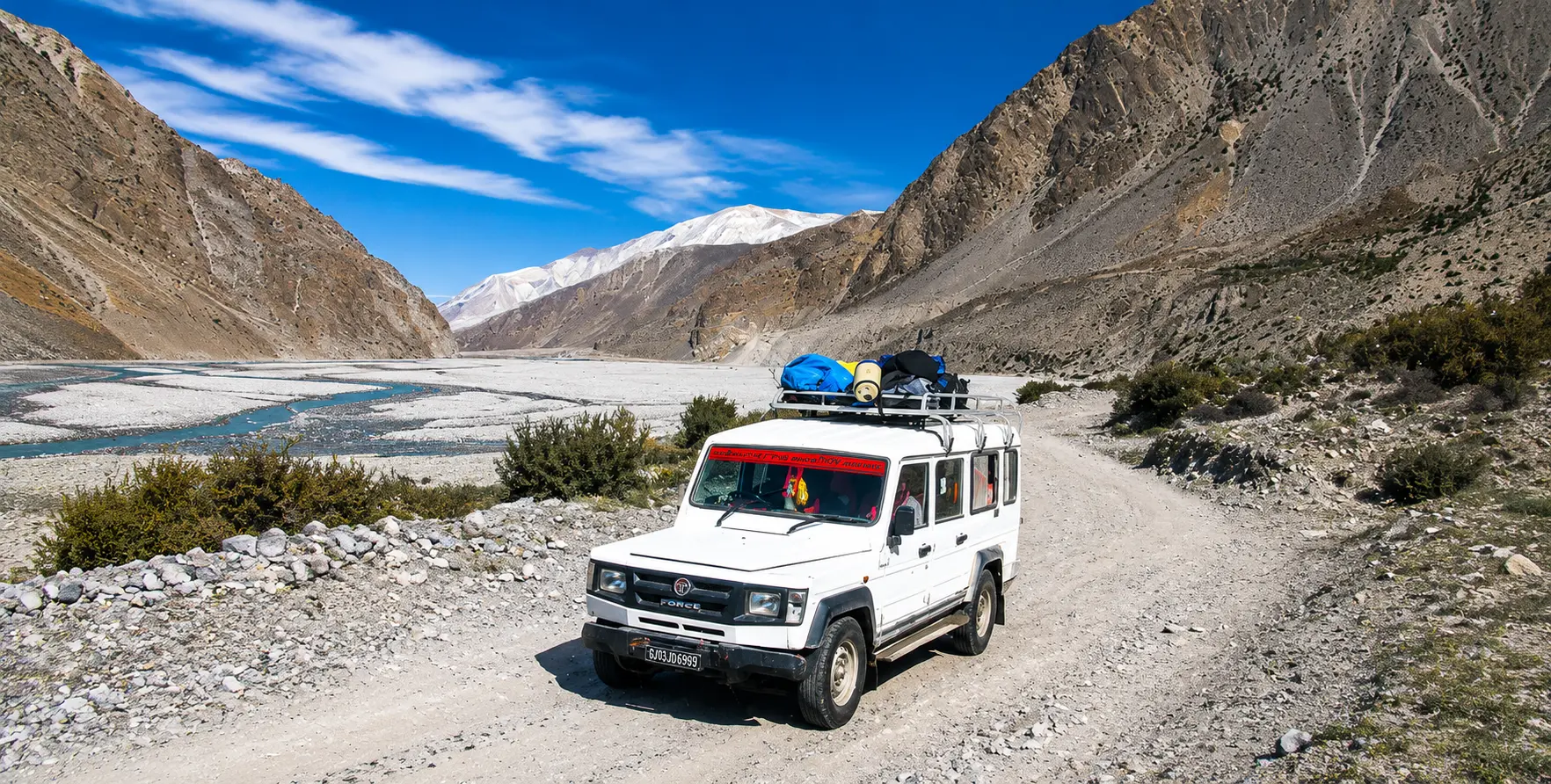
Vehicle Options for the Syabrubesi Approach
Toyota Land Cruiser and Prado
For small groups of up to four trekkers, a Land Cruiser or Prado remains the most comfortable and reliable option for the Syabrubesi road, offering the ground clearance and suspension needed on the roughest sections between Trishuli Bazaar and Dhunche.
Executive Hiace Vans
Larger trekking groups or families often prefer our
Hiace hire service for this route, offering considerably more luggage space for group trekking equipment and homestay gifts that visitors to the Tamang villages commonly carry.
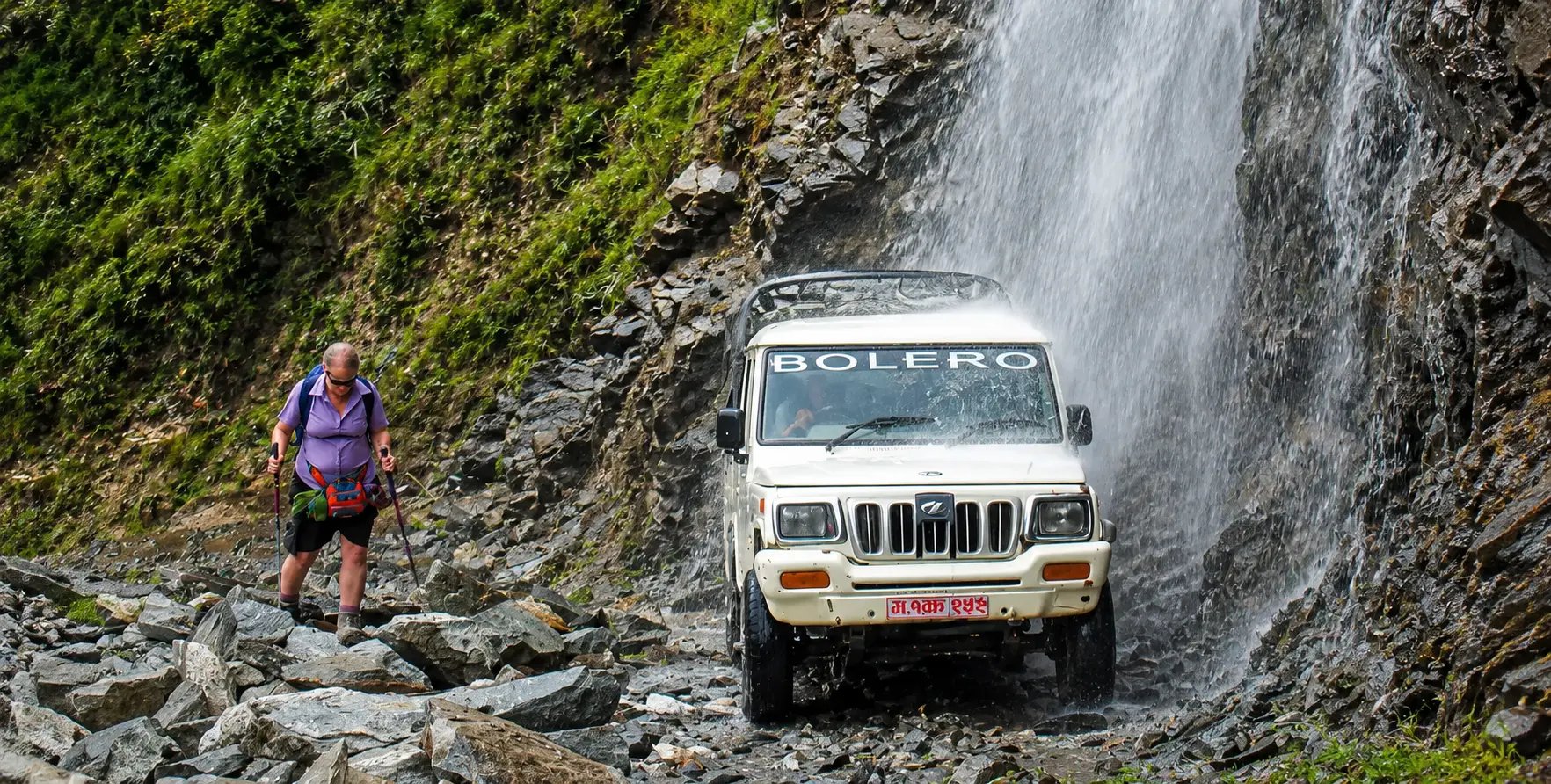
Mahindra Bolero and Local Jeeps
Budget-conscious trekkers traveling in smaller groups often choose a Mahindra Bolero-class jeep, as covered in our
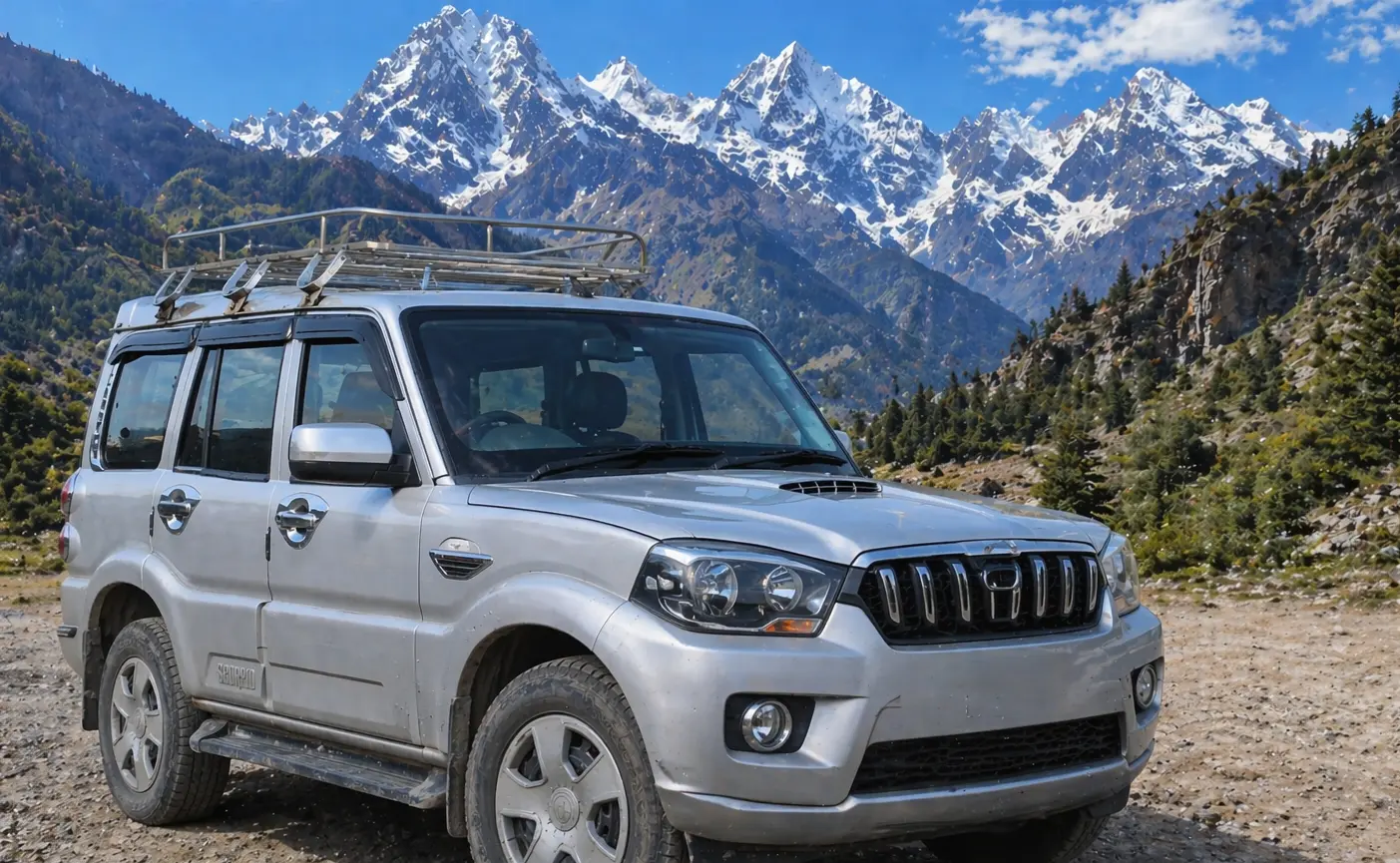
Mahindra Bolero and Tata Sumo trekking transfer guide, which remain practical and cost-effective options for this corridor.
The Trekking Route: Villages and Highlights
Syabrubesi: The Gateway Town
Syabrubesi serves as the starting and ending point for both the Tamang Heritage Trail and the Langtang Valley Trek, and most trekkers spend at least one night here before setting out, both to arrange final permit checks and to recover from the long drive from Kathmandu.
Gatlang: A Traditional Tamang Village
A short trek from Syabrubesi, Gatlang is one of the most culturally significant stops on the route, known for its traditional stone houses, the historic Chhechen Gompa monastery, and Parvati Kunda, a small sacred lake associated with local Hindu and Buddhist pilgrimage traditions.
Chilime and Tatopani: Hot Springs on the Trail
The village of Tatopani, not to be confused with the larger settlement of the same name on the Muktinath route, offers natural hot springs that provide a welcome rest for trekkers partway through the loop, alongside views of the Chilime hydropower project that has brought modern infrastructure to this otherwise traditional corner of Rasuwa.
Nagthali Danda: The Trail’s Premier Viewpoint
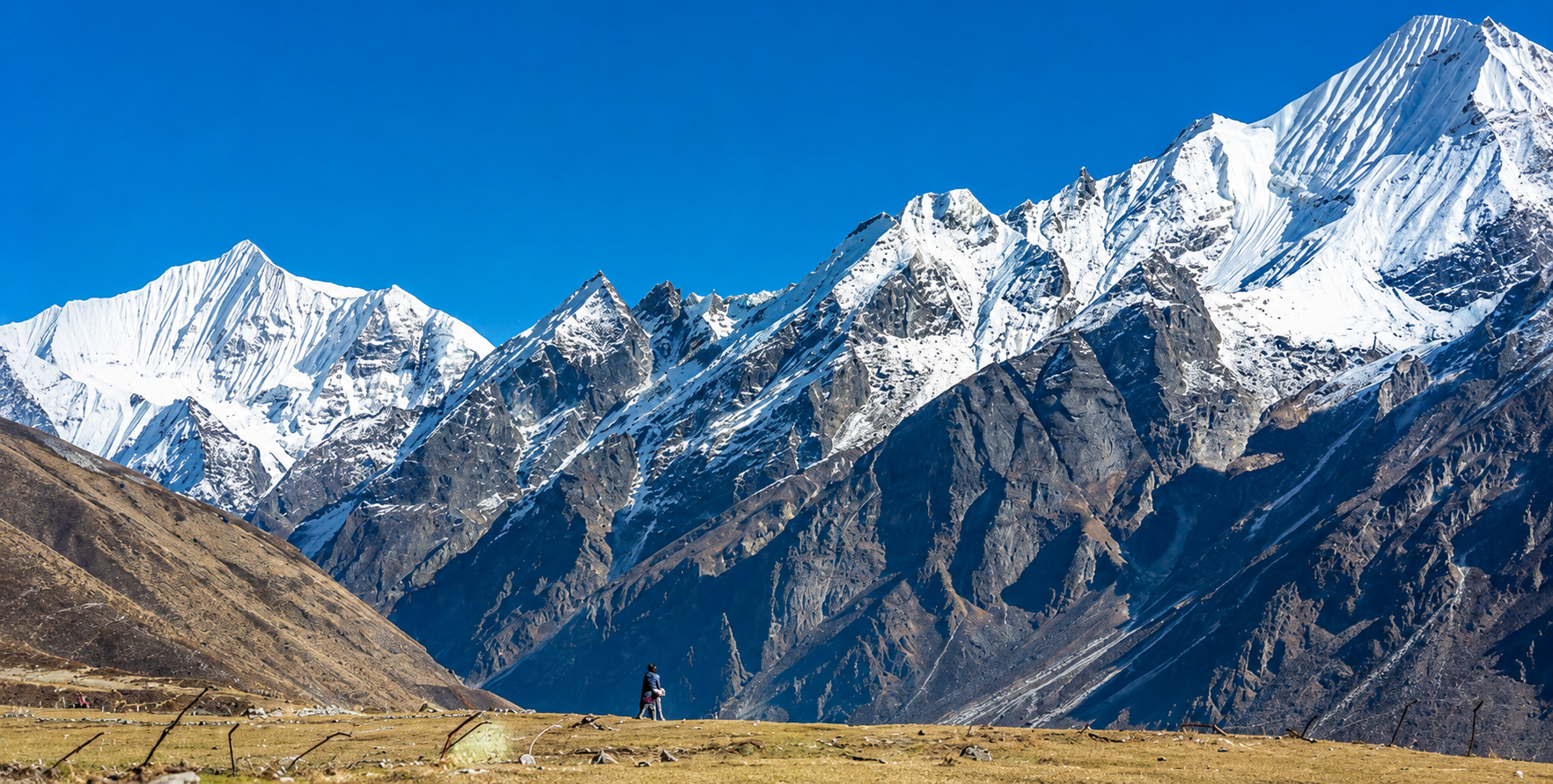
At over 3,650 meters, Nagthali Danda offers one of the finest panoramic views on the entire route, taking in Langtang Lirung, Ganesh Himal, and a wide sweep of the surrounding Rasuwa hills. Many trekkers consider this the scenic high point of the entire Tamang Heritage Trail experience.
Thuman and Briddim: Homestay Villages
Thuman and Briddim have become particularly well known for their community-run homestay programs, offering trekkers a direct, immersive experience of Tamang domestic life, food, and Buddhist practice that is rarely available on Nepal’s busier trekking routes. Briddim, in particular, sits close enough to the Langtang Valley trail that some itineraries combine both routes into a single, longer loop.
Combining the Tamang Heritage Trail With the Langtang Valley Trek
Because both routes share the same Syabrubesi trailhead and overlap in their lower sections, a growing number of trekkers combine the Tamang Heritage Trail with the
Langtang Valley Trek, offered by our sister company, Alpine Luxury Treks, is combined into a single extended 10- to 14-day itinerary. This combination allows trekkers to experience both the cultural depth of the Tamang villages and the dramatic high-alpine scenery of the Langtang Valley itself, including Kyanjin Gompa and the glacial landscape beneath Langtang Lirung, without needing a second overland journey from Kathmandu.
For travelers deciding between the two routes as a standalone trek, the Tamang Heritage Trail is generally considered the more culturally focused and less physically demanding option, with lower average elevations and a greater emphasis on village life and homestays. At the same time, the Langtang Valley Trek pushes higher into true alpine terrain with more dramatic mountain scenery but fewer cultural stops along the way.
Proximity to the Rasuwagadhi-Kerung Border
The Tamang Heritage Trail’s villages sit relatively close to the Rasuwagadhi-Kerung border crossing into Tibet, one of the few official overland crossings between Nepal and China. As covered in more depth in our
Rasuwagadhi Kerung Border Vehicle Hire guide: this border region has historically served as a trade corridor between Tamang communities in Rasuwa and Tibetan traders across the frontier, a history still visible in the architecture, religious practice, and trade goods found in villages like Timure and Thuman. Travelers interested in this border history sometimes extend a Tamang Heritage Trail itinerary with a visit to Timure, though onward travel across the border itself requires separate arrangements and documentation beyond a standard trekking permit.
Permits Required for the Tamang Heritage Trail
Trekkers on the Tamang Heritage Trail require a Langtang National Park entry permit, since much of the route falls within or adjacent to the park boundary, along with a TIMS (Trekkers’ Information Management System) card, standard requirements for most independent and guided trekking in this region of Nepal. Unlike Upper Mustang or other restricted areas, no special additional permit is required for the Tamang Heritage Trail itself, making it more straightforward to arrange than some of Nepal’s more remote trekking routes.
Best Time of Year for the Tamang Heritage Trail
Spring (March to May)
Rhododendron forests bloom across the lower sections of the trail during this period, and road conditions on the Syabrubesi approach are generally favorable, making spring one of the two peak seasons for this trek.
Summer and Monsoon (June to August)
Heavy rainfall increases landslide risk on the unpaved sections of the Syabrubesi road, and trails can become slippery underfoot. However, the lush green hillsides during this period have their own particular appeal for travelers willing to accept less predictable conditions.
Autumn (September to November)
The clearest skies and most stable road and trail conditions of the year, and the busiest season for both the Tamang Heritage Trail and the neighboring Langtang Valley Trek. Vehicle bookings should be arranged well in advance during this period.
Winter (December to February)
Higher sections of the route, particularly around Nagthali Danda, can see snowfall and freezing overnight temperatures, though the lower villages remain accessible and considerably quieter than during peak season.
Road Safety on the Kathmandu to Syabrubesi Route
The road through Trishuli Bazaar and Dhunche toward Syabrubesi passes through active landslide zones, particularly during and shortly after the monsoon. An experienced driver familiar with this specific corridor is essential for both comfort and safety. Vehicles should be inspected for reliable brakes, suspension, and tires before departure, given the strain this route places on a vehicle compared to ordinary city driving. Our drivers assigned to this corridor are selected specifically for their experience navigating these conditions across multiple seasons.
Cost Factors for Tamang Heritage Trail Transport
Vehicle hire cost for the Kathmandu-to-Syabrubesi route depends primarily on vehicle class and group size, with a private Land Cruiser or Prado costing more than a shared local jeep but offering considerably greater comfort and flexibility for stops along the way. Groups traveling together can reduce the effective per-person cost significantly compared to individual seats on shared transport. Our team is glad to prepare a custom quote based on your group size, travel dates, and whether you plan to combine the Tamang Heritage Trail with the Langtang Valley Trek in a single extended itinerary. Visit our
homepage or explore our
Trekking transport section for further route-specific guidance.
How to Book Your Tamang Heritage Trail Transport
Booking is straightforward: share your group size, preferred travel dates, and whether your itinerary includes an extension into the Langtang Valley, and our team will match the right vehicle, whether a Land Cruiser, Prado, or Hiace, along with a driver experienced on the Trishuli-Dhunche-Syabrubesi corridor. Booking at least two to three weeks ahead is recommended during the peak spring and autumn seasons, when both vehicles and drivers are in highest demand.
The History Behind the Tamang Heritage Trail
The Tamang Heritage Trail was developed in the years following Nepal’s broader push to diversify trekking tourism beyond the well-established Everest and Annapurna circuits, with support from conservation and community development organizations working alongside local Tamang communities in Rasuwa district. The goal was straightforward: create a trekking route that channeled tourism income directly into villages that had historically relied on subsistence agriculture, animal husbandry, and small-scale trade across the nearby Tibetan border, while showcasing a distinct ethnic culture that remained relatively unknown to international visitors compared to the Sherpa culture of the Everest region or the Gurung and Magar communities of the Annapurna foothills.
Tamang communities in this part of Nepal trace much of their cultural and religious heritage to Tibetan Buddhism, as reflected in the prevalence of chortens, prayer wheels, and monasteries throughout villages such as Gatlang and Thuman. The trail’s community homestay model, particularly well developed in Briddim and Thuman, was designed to keep a larger share of tourism revenue within these villages than conventional teahouse trekking, where much of the profit margin can flow to lodge owners who may not be local to the immediate community.
A Typical Tamang Heritage Trail Itinerary
While itineraries vary by operator and trekking pace, a common pattern for the Tamang Heritage Trail spans seven to nine days, including the overland journey from Kathmandu. Day one covers the drive from Kathmandu to Syabrubesi, with an overnight stay at the trailhead. From there, trekkers typically walk to Gatlang on day two, exploring the village’s monastery and Parvati Kunda before continuing toward Chilime and Tatopani on day three, timed to allow a soak in the natural hot springs. Day four usually involves the climb to Nagthali Danda, either as a base for the night or a day hike from a nearby village, taking in the trail’s best mountain panorama. The route then descends through Thuman, often with a homestay night, before continuing to Briddim, another key homestay village, and finally looping back to Syabrubesi to complete the circuit. Groups combining this with the Langtang Valley Trek typically add a further five to seven days, continuing up the Langtang Khola valley from Syabrubesi rather than returning directly to Kathmandu.
What to Pack for the Tamang Heritage Trail
Because the trail spans a range of elevations from around 1,460 meters at Syabrubesi to over 3,650 meters at Nagthali Danda, layered clothing remains essential, with warm layers particularly important for the higher viewpoint sections and cooler evenings in homestay villages. A good pair of broken-in trekking boots, a lightweight rain layer for afternoon showers even outside the monsoon season, and a headlamp for homestays with limited electricity are all worth carrying. Since much of the route relies on homestays rather than conventional teahouses, a sleeping bag liner and personal toiletries are particularly useful, and small gifts or contributions to host families, discussed in advance with a guide or trekking agency, are appreciated, given the direct nature of the homestay exchange.
Guides, Porters, and Trekking Support
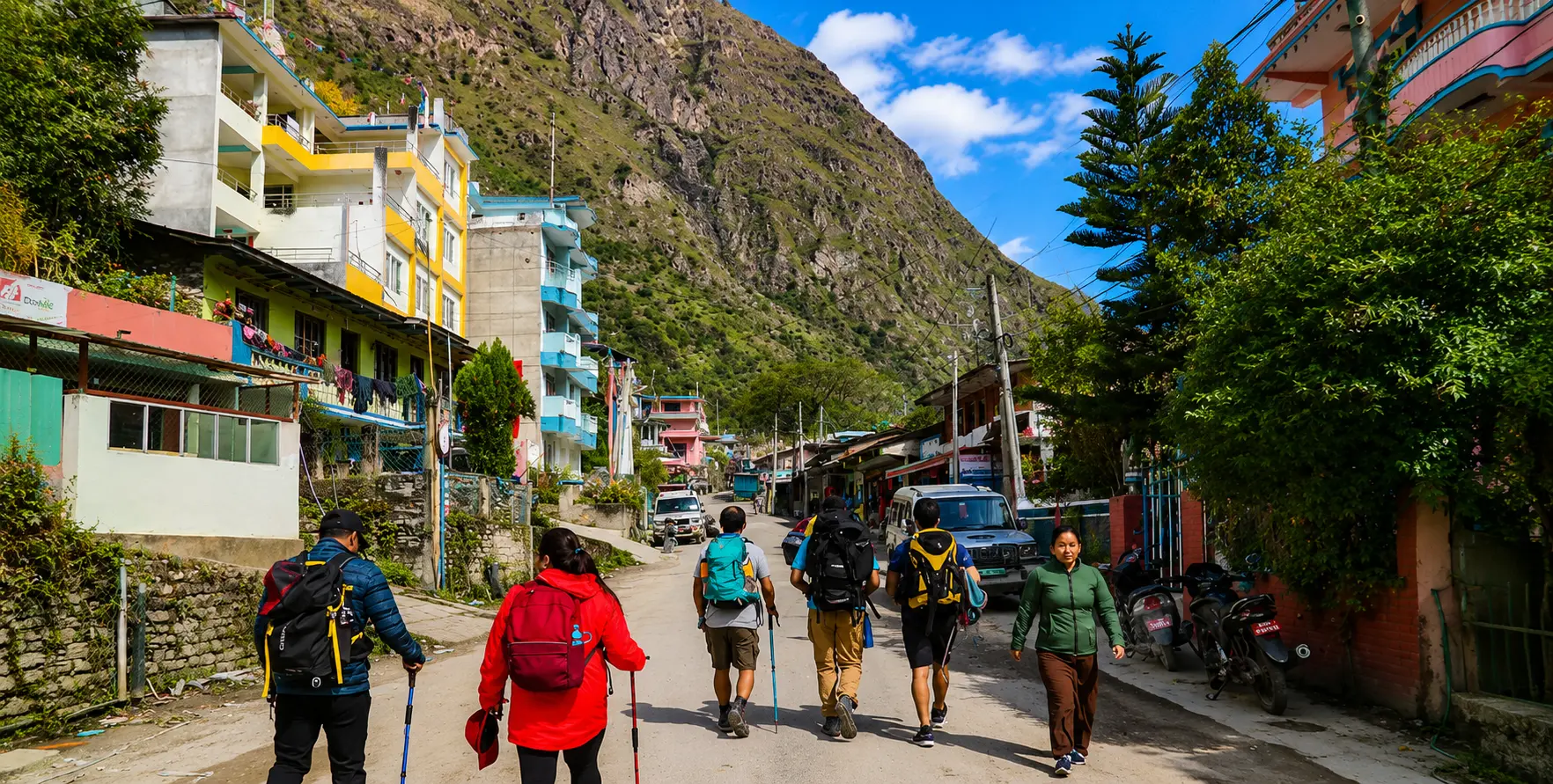
While the Tamang Heritage Trail can technically be walked independently, given adequate trail signage in recent years, a local guide familiar with the homestay network and Tamang cultural etiquette adds considerably to the experience, both in terms of safety on less-traveled sections of the trail and in facilitating a more meaningful cultural exchange with host families. Porters are widely available in Syabrubesi and help make the trek accessible to a broader range of fitness levels, carrying the bulk of the luggage. In contrast, trekkers carry only a day pack between villages.
Tamang Culture and Buddhist Traditions Along the Trail
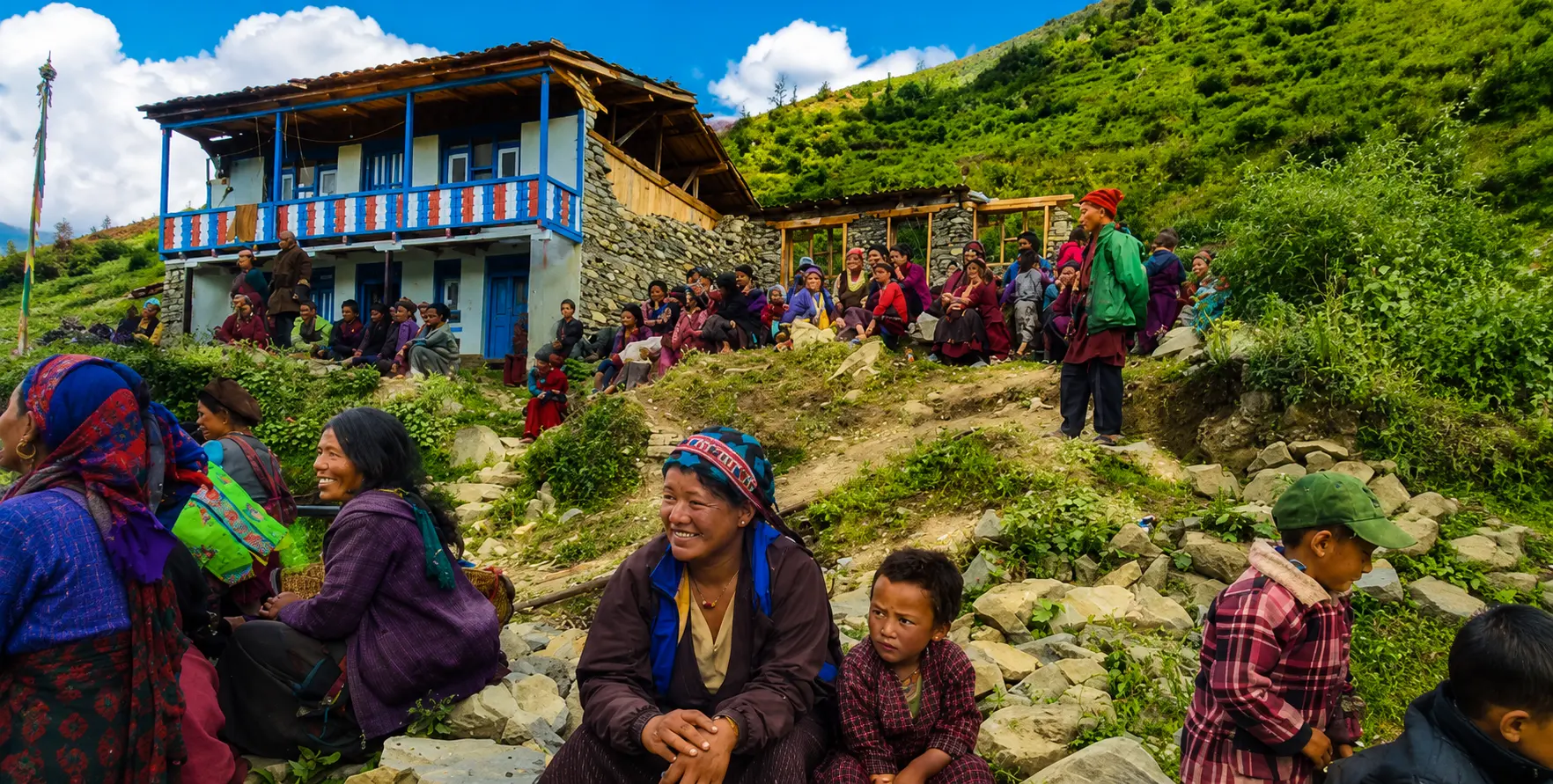
Tamang identity in Rasuwa is deeply intertwined with Tibetan Buddhist practice, visible in the mani walls, chortens, and prayer flags that line the trail between villages, and in the daily rhythms of monastery life still active in places like Gatlang’s Chhechen Gompa. Many households along the route maintain small shrine rooms, and it is common to see elderly residents spinning prayer wheels or reciting mantras during quiet moments in the village square. Traditional Tamang dress, particularly for women, remains in everyday use in some of the more remote villages, distinct from the clothing typically seen in Kathmandu or the more tourism-influenced parts of the Everest and Annapurna regions.
Language also marks a clear cultural boundary along this route. While Nepali serves as the common language for communication with trekkers and guides, Tamang remains the primary language spoken within households and between neighbors in many of the trail’s villages, part of a broader linguistic and cultural distinctiveness that UNESCO and Nepali cultural preservation bodies have taken an active interest in documenting and supporting in recent years.
Local Cuisine on the Tamang Heritage Trail
Food along the trail reflects both the broader Nepali hill diet and specific Tamang influences shaped by proximity to Tibet. Dal bhat remains widely available and the most reliable option throughout the route, but homestay hosts frequently prepare Tamang specialties as well, including varieties of buckwheat-based bread, hearty potato dishes suited to the region’s high-altitude agriculture, and butter tea, a salted, buttery beverage with clear Tibetan influence that appears more frequently here than in Nepal’s more southern trekking regions. Homestay meals are typically included in the overnight rate, and sharing a meal cooked over a traditional wood-fired stove is often cited by trekkers as one of the most memorable parts of the experience.
Environmental Considerations Along the Trail
Langtang National Park, which encompasses much of the Tamang Heritage Trail route, remains an ecologically significant area, home to red pandas, Himalayan tahr, and a range of high-altitude bird species, as well as dense forests of rhododendron, oak, and pine at lower elevations. Trekkers are encouraged to carry out all non-biodegradable waste, minimize the use of firewood-heated water where possible, given the strain on local forest resources, and respect wildlife viewing distances, particularly in the forested sections between Syabrubesi and Gatlang, where wildlife encounters are more likely than on the more heavily trafficked Langtang Valley trail itself.
Comparing the Tamang Heritage Trail to Other Cultural Treks in Nepal
Nepal offers several trekking routes built primarily around cultural immersion rather than pure high-altitude mountaineering, and the Tamang Heritage Trail compares favorably to alternatives such as the Tsum Valley trek near Manaslu or the lower sections of the Annapurna Circuit around Ghandruk and Landruk, both of which similarly emphasize village culture over summit-focused trekking. What distinguishes the Tamang Heritage Trail is its relative proximity to Kathmandu, requiring only a single day’s overland drive to Syabrubesi rather than the considerably longer approach roads required for Tsum Valley or the more remote sections of Manaslu, making it a practical option for travelers with more limited time who still want a genuinely immersive cultural trekking experience.
Photography Highlights Along the Route
The Tamang Heritage Trail offers a distinct visual character compared to Nepal’s more famous trekking routes, combining traditional stone architecture, terraced hillside agriculture, and dramatic mountain backdrops in a way that feels less curated for tourism than some of the busier Everest and Annapurna trails. Notable photography opportunities include the weathered stone rooftops and prayer flag-draped alleys of Gatlang, the steam rising from the Tatopani hot springs against a backdrop of forested hillsides, the sweeping 360-degree panorama from Nagthali Danda taking in Langtang Lirung and Ganesh Himal, and the quiet, unposed moments of daily village life visible during homestay evenings in Thuman and Briddim.
Health and Altitude Considerations
While the Tamang Heritage Trail reaches a maximum elevation of around 3,650 meters at Nagthali Danda, considerably lower than high-altitude routes like Everest Base Camp or the Annapurna Circuit’s Thorong La crossing, trekkers should still take basic altitude precautions given the relatively rapid ascent from Syabrubesi’s 1,460 meters over a matter of days. Staying well hydrated, pacing ascents rather than rushing between villages, and being alert to symptoms such as headache or unusual fatigue are sensible precautions, particularly for trekkers arriving directly from lower elevations without any prior acclimatization in the Kathmandu Valley.
Accommodation Standards and Homestay Etiquette
Homestay accommodation along the Tamang Heritage Trail is generally simple, with shared or basic private rooms, communal bathrooms, and meals prepared and eaten with the host family rather than in a separate dining hall, as in conventional teahouses. This arrangement calls for a degree of cultural sensitivity and flexibility not always required on more commercially developed trekking routes: removing shoes before entering living areas, accepting food and tea graciously even if portions feel generous, and showing genuine interest in family life and local customs all contribute to a more rewarding exchange for both trekker and host. Trekking agencies and guides familiar with the specific etiquette expectations of each village can help first-time visitors navigate this experience comfortably.
Connectivity and Communication Along the Trail
Mobile network coverage along the Tamang Heritage Trail remains more limited and inconsistent than on Nepal’s busier trekking routes, with reasonable signal in Syabrubesi and patchy or absent coverage in some of the more remote homestay villages such as Thuman and Briddim. Trekkers should not rely on continuous connectivity throughout the route and are advised to inform family or travel companions of their general itinerary and expected return date before setting out, particularly given the comparatively lower volume of trekking traffic on this route compared to Langtang Valley or the major Everest and Annapurna circuits.
Currency and Practical Logistics
As with most rural trekking routes in Nepal, cash in Nepali rupees is essential throughout the Tamang Heritage Trail, since card payment infrastructure is effectively nonexistent once travelers leave Kathmandu. Homestay costs, meals, and any additional services, such as hot water for washing, are typically settled in cash directly with host families or through a guide who manages group payments. Withdrawing sufficient cash in Kathmandu before departure, with a reasonable buffer for unexpected costs or delays, remains the most practical approach for this route.
Why This Route Appeals to Repeat Visitors to Nepal
A growing number of trekkers exploring the Tamang Heritage Trail are repeat visitors to Nepal who have already completed one or more of the country’s more famous routes, such as Everest Base Camp or the Annapurna Circuit, and are specifically seeking a different kind of experience on a subsequent trip. For this segment of travelers, the trail’s slower pace, lower trekking traffic, and emphasis on direct cultural exchange over dramatic high-altitude scenery offer a genuinely distinct alternative rather than a repeat of a similar trekking formula. Trekking agencies increasingly market the Tamang Heritage Trail specifically to this returning-visitor segment, positioning it as a complementary, rather than competing, experience to Nepal’s more famous circuits.
Combining Vehicle Hire With a Broader Rasuwa District Itinerary
Beyond the Tamang Heritage Trail and Langtang Valley Trek, Rasuwa district offers a handful of additional points of interest that some travelers combine into a longer overland itinerary, including the Chilime hydropower area, the Rasuwagadhi border region, and the broader Trishuli River valley, popular for white-water rafting near Kathmandu. Coordinating these additional stops alongside the core trekking transport requires careful planning for road conditions and driving time. Our team is well-positioned to help design an extended Rasuwa itinerary that complements your core Tamang Heritage Trail or Langtang Valley transport booking.
The Role of Community Tourism in Sustaining the Trail
Unlike many of Nepal’s trekking routes, where lodges and teahouses are often owned by families from outside the immediate community or even outside the region entirely, the Tamang Heritage Trail’s homestay model was specifically designed to keep tourism revenue within the villages that host trekkers. This community tourism approach has had a measurable impact on local development in villages like Briddim and Thuman, funding school improvements, water infrastructure, and continued investment in the homestay network itself. Trekkers choosing this route contribute directly to this model simply by trekking it, choosing this trail, in a small way, a more direct form of community-supporting travel compared to conventional teahouse trekking on busier circuits.
Weather Patterns Specific to the Rasuwa Region
Rasuwa district’s weather is significantly shaped by its position at the base of the Langtang Himal range, with the lower Trishuli valley experiencing a warmer, more monsoon-influenced climate than the higher villages along the Tamang Heritage Trail. Afternoon cloud build-up is common even outside the main monsoon season, particularly around Nagthali Danda, and trekkers hoping for the clearest mountain views are generally advised to plan viewpoint visits for early morning before cloud cover typically develops later in the day. This pattern mirrors similar afternoon weather behavior found throughout much of Nepal’s central hill region, including the better-known Annapurna and Langtang corridors.
Insurance and Emergency Considerations
Given the trail’s relatively remote homestay villages and limited connectivity, trekkers are strongly advised to carry appropriate travel insurance covering trekking activities and, where relevant, emergency helicopter evacuation, standard advice for most of Nepal’s trekking routes, but particularly relevant here given the more limited emergency response infrastructure compared to busier circuits like Everest Base Camp, where helicopter rescue services are more routinely available and rapidly dispatched. A knowledgeable local guide familiar with the nearest emergency evacuation access points, typically via Syabrubesi, adds a meaningful layer of safety for trekkers on this less-traveled route.
Group Size and Booking Considerations for the Trail
The Tamang Heritage Trail’s homestay-based accommodation model means group size planning matters somewhat differently than on conventional teahouse routes. Individual homestay households can typically accommodate only a limited number of trekkers at a time, and larger groups may need to be split across multiple homestays within the same village or coordinated well in advance to ensure adequate capacity, particularly during the busier autumn season. Trekking agencies and vehicle hire operators working this route regularly, such as Nepal Vehicle Hiring, in coordination with our sister companies, maintain established relationships with homestay families that help ensure smooth group logistics even during peak booking periods.

Extending the Trip: Kathmandu Valley Sightseeing Before or After
Given that most Tamang Heritage Trail itineraries include at least one night in Kathmandu before and after the trek itself, many travelers use this time to explore the Valley’s cultural heritage sites. A visit to Pashupatinath Temple, Nepal’s most significant Hindu pilgrimage site, or the medieval squares of Bhaktapur, through our
Bhaktapur Durbar Square tour naturally pairs with a Tamang Heritage Trail itinerary, offering a cultural counterpoint in Kathmandu before heading out to the equally rich but very different cultural landscape of rural Rasuwa. A sunrise excursion through our
Nagarkot Sunrise Tour Vehicle Service offers an additional Himalayan panorama for travelers with an extra day to spare before or after their trek.
Why Choose Nepal Vehicle Hiring for This Route
Nepal Vehicle Hiring has arranged transport along the Kathmandu-Syabrubesi corridor for years, serving trekkers heading to both the Tamang Heritage Trail and the neighboring Langtang Valley. Our drivers assigned to this route are selected specifically for their experience navigating the Trishuli-Dhunche-Syabrubesi road across multiple seasons, and our vehicles undergo regular inspections with particular attention to the brakes, suspension, and tires that this corridor places under genuine strain. Because we work closely with our sister companies,
Alpine Luxury Treks and Trek Nepal Himalayas can also help coordinate the trekking and homestay aspects of your itinerary alongside the ground transport, ensuring a single, consistent point of contact for your entire Tamang Heritage Trail journey from Kathmandu pickup to final return.
A Note on Responsible Trekking in Tamang Communities
Visitors to the Tamang Heritage Trail are encouraged to approach the homestay experience with genuine respect for the communities hosting them, recognizing that these villages have opened their homes specifically to support sustainable tourism development rather than functioning as a simple commercial transaction. Simple practices, such as asking permission before photographing individuals, particularly during religious ceremonies or private family moments, dressing modestly in keeping with local norms, and showing genuine curiosity about Tamang culture and Buddhist practice rather than treating the visit purely as a scenic backdrop, all contribute to a more respectful and mutually rewarding exchange between trekkers and the communities they pass through.
Seasonal Booking Patterns for Vehicle Hire on This Route
Demand for private vehicle hire to Syabrubesi follows a similar seasonal rhythm to Nepal’s other major trekking corridors, with autumn representing the peak booking period, followed closely by spring. Because the Tamang Heritage Trail remains less heavily trafficked than the Everest or Annapurna regions, vehicle availability during peak season is generally somewhat easier to secure than on the busiest routes, though booking at least two to three weeks ahead remains sensible, particularly for groups wanting a specific vehicle class or a driver already familiar with combining Tamang Heritage Trail and Langtang Valley logistics in a single itinerary.
The Broader Appeal of Rasuwa District Beyond Trekking
While trekking remains the primary draw for most visitors to Rasuwa district, the region’s proximity to Kathmandu, combined with its dramatic scenery and distinct Tamang culture, has also attracted growing interest from photographers, cultural researchers, and travelers simply seeking a shorter escape from the capital without committing to a full multi-day trek. Day trips or short overnight excursions to Trishuli Bazaar and the lower Rasuwa hills, arranged with a private vehicle, offer a taste of this landscape and culture for travelers with limited time, even without undertaking the full Tamang Heritage Trail circuit.
Comparing Vehicle Standards: Then and Now on the Syabrubesi Road
Travelers who have visited this region of Nepal previously, even five or ten years ago, often note a noticeable improvement in both road conditions and vehicle quality along the Kathmandu-Syabrubesi corridor. Sections of the route that were once notoriously rough have seen gradual upgrading, and the vehicles now commonly used for this journey, well-maintained Land Cruisers and Prados rather than older, less reliable jeeps, reflect the same broader shift toward premium ground transport visible across Nepal’s trekking industry as a whole. This improvement has made routes like the Tamang Heritage Trail and Langtang Valley meaningfully more accessible to a wider range of travelers, including families and older trekkers who might previously have found the approach road too physically demanding to consider.
Final Practical Tips Before You Go
- Book your vehicle and, if needed, your homestay coordination at least two to three weeks ahead during the peak spring and autumn seasons.
- Carry sufficient Nepali rupees in cash, since card payment infrastructure is essentially unavailable once you leave Kathmandu.
- Pack layered clothing to handle the elevation range between Syabrubesi and Nagthali Danda, along with a reliable rain layer.
- Consider a local guide familiar with the homestay network, both for safety and for a richer cultural exchange with host families.
- Confirm whether your itinerary combines the Tamang Heritage Trail with the Langtang Valley Trek, as this affects both the trekking duration and the permit requirements.
- Arrange appropriate travel insurance that covers trekking activities and emergency evacuation, given the route’s relatively remote, low-connectivity villages.
How This Trail Fits Into Nepal’s Wider Trekking Landscape
Nepal’s trekking regions each occupy a distinct niche within the country’s broader tourism offering, from the high-altitude prestige of Everest Base Camp to the varied ecological zones of the Annapurna Circuit and the pilgrimage significance of routes toward Muktinath. The Tamang Heritage Trail occupies its own niche within this landscape: a shorter, culturally intensive trek that requires only a single day’s overland travel from Kathmandu, positioned as a genuine alternative for travelers seeking depth of cultural experience without the time commitment or crowds associated with Nepal’s more famous circuits. As awareness of this route continues to grow, largely through word of mouth among returning visitors and increasing coverage in specialist trekking guides, it seems likely to become a well-established option among Nepal’s mid-length cultural trekking routes over the coming years.
Planning Your Trip With Confidence
Whether you are drawn to the Tamang Heritage Trail for its homestay culture, its relative proximity to Kathmandu, its Buddhist heritage, or simply as a quieter alternative to Nepal’s busier circuits, getting the transport logistics right from the outset makes a considerable difference to how the rest of the trip unfolds. A well-planned journey from Kathmandu to Syabrubesi, in a properly maintained vehicle with a driver experienced on this specific corridor, sets a smooth, comfortable tone for the cultural immersion and mountain scenery that follow on the trail itself.
A Word on Timing Your Village Stops
Experienced guides on the Tamang Heritage Trail generally recommend scheduling daily walking stages to arrive in each village by early to mid-afternoon, both to allow time to explore before dark and to avoid the more frequent afternoon cloud buildup that can obscure mountain views later in the day, particularly around Nagthali Danda. Starting each day’s walk reasonably early, especially on the climb toward Nagthali itself, gives the best chance of clear morning visibility across Langtang Lirung and the surrounding peaks before clouds typically roll in.
Group Versus Independent Trekking on This Route
While independent trekking has become increasingly feasible on the Tamang Heritage Trail given improved trail signage and a well-established homestay network, many travelers still choose to join a small guided group or arrange a private guide, both for the added safety of local route knowledge and for smoother coordination of homestay bookings, particularly during the busier autumn season when individual homestays may already be committed to other groups. Vehicle hire for the Kathmandu-to-Syabrubesi leg works equally well for independent trekkers and organized groups alike, with the main difference being group size and whether trekking logistics beyond transport are arranged separately or as part of a single coordinated package.
Sample Cost Breakdown for Planning Purposes
While exact pricing depends on vehicle class, group size, and season, travelers planning a budget for this trip should account for three main components: private vehicle hire for the Kathmandu to Syabrubesi round trip, homestay accommodation and meals along the trekking route itself, typically charged per night and generally modest compared to conventional teahouse trekking costs, and any guide or porter fees if travelling with support rather than fully independently. Requesting a detailed quote in advance, covering both the vehicle hire and, if desired, coordinated trekking logistics through our sister companies, allows for accurate budgeting well before departure rather than encountering unexpected costs partway through the trip.
What Sets This Route Apart From a Simple Sightseeing Drive
It is worth emphasizing that the Kathmandu-to-Syabrubesi journey, while demanding, is integral to what makes the Tamang Heritage Trail experience distinctive, rather than merely an obstacle to be endured before the real trip begins. The drive itself passes through changing landscapes, from the terraced hillsides near Trishuli Bazaar to the forested slopes approaching Dhunche and the edge of Langtang National Park, offering an early introduction to the ecological and cultural transition between the Kathmandu Valley and the more remote, culturally distinct region travelers are about to enter on foot. Approaching this leg of the journey with the same attention given to the trek itself, rather than treating it as a purely functional transfer, often enriches the overall sense of arrival once trekkers finally reach Syabrubesi and set out toward Gatlang the following morning.
A Trail Still Coming Into Its Own
The Tamang Heritage Trail remains, in many respects, a trekking route still coming into its own within Nepal’s wider tourism landscape, benefiting from steadily improving road access, a maturing homestay network, and growing recognition among both trekking agencies and independent travelers as a genuinely distinctive alternative to the country’s more famous circuits. For travelers willing to trade some of the dramatic high-altitude scenery of Everest or Annapurna for a deeper, more direct cultural encounter with Tamang communities living close to the Tibetan frontier, this trail offers one of the more rewarding and still comparatively uncrowded trekking experiences currently available in Nepal.
Frequently Asked Questions
How long does the drive from Kathmandu to Syabrubesi take?
The drive typically takes seven to eight hours by private vehicle, depending on road conditions and the season, with monsoon-season travel sometimes taking longer due to landslide-related delays.
Is a 4WD vehicle necessary for this route?
Yes. The road through Trishuli Bazaar and Dhunche includes unpaved, rutted sections that are best handled by a genuine four-wheel-drive vehicle, such as a Toyota Land Cruiser or Prado, rather than a standard car.
Can the Tamang Heritage Trail be combined with the Langtang Valley Trek?
Yes. Both routes share the same Syabrubesi trailhead, and many trekkers combine them into a single 10- to 14-day itinerary that covers both the cultural villages of the Tamang Heritage Trail and the alpine scenery of the Langtang Valley.
What permits are required for this trek?
Trekkers need a Langtang National Park entry permit and a TIMS card. No special restricted-area permit is required, unlike for routes such as Upper Mustang.
What is the best season for the Tamang Heritage Trail?
Spring (March to May) and autumn (September to November) offer the most reliable road and trail conditions, with autumn being the busiest season overall.
Are homestays available along the route?
Yes. Villages including Thuman and Briddim have well-established community-run homestay programs, offering an immersive alternative to standard teahouse accommodation.
How difficult is the Tamang Heritage Trail compared to other treks in the region?
It is generally considered less physically demanding than the Langtang Valley Trek or routes like the Everest Base Camp trek, with lower average elevations, yet still includes a challenging climb to the Nagthali Danda viewpoint above 3,650 meters.
Is this trek close to the Nepal-Tibet border?
Yes. The route passes relatively close to the Rasuwagadhi-Kerung border crossing, and trade and religious ties across this same frontier have historically shaped the region’s Tamang culture.
Do I need previous trekking experience for this route?
No prior high-altitude trekking experience is strictly necessary, though a reasonable level of general fitness is helpful given the daily walking distances and the climb to Nagthali Danda. The route is generally considered accessible to both beginners and experienced trekkers.
What is the total trekking distance for the standard loop?
The standard Tamang Heritage Trail loop, from Syabrubesi through Gatlang, Tatopani, Nagthali Danda, Thuman, and Briddim back to Syabrubesi, typically covers 50 to 60 kilometers over 6 to 8 trekking days, depending on the exact route variation and any rest days chosen.
Final Thoughts: A Cultural Journey Worth the Road
The Tamang Heritage Trail offers a rare combination in Nepal’s trekking landscape: genuine cultural immersion, dramatic Himalayan views, and a level of quiet, homestay-based hospitality increasingly hard to find on the country’s busier routes. Reaching it means the same demanding but rewarding drive through Trishuli Bazaar and Dhunche used by trekkers heading into the Langtang Valley, and getting that journey right, with the right vehicle and an experienced driver, sets the tone for everything that follows on the trail itself.
Whether you are drawn by the promise of homestay hospitality, Buddhist heritage, or simply a quieter Himalayan trekking experience, the road to Syabrubesi is where that journey genuinely begins. Contact Nepal Vehicle Hiring today at +977 9851013196 or visit
vehiclehiringnepal.com to arrange your private jeep or Hiace for the Kathmandu to Tamang Heritage Trail journey, and to help coordinate homestay logistics or a combined Langtang Valley extension for your trip, however your itinerary through Rasuwa district takes shape.
- Kathmandu to Tamang Heritage Trail Transport
- What Is the Tamang Heritage Trail
- Geography: Rasuwa District and the Nepal-Tibet Borderlands
- The Journey From Kathmandu to Syabrubesi
- Vehicle Options for the Syabrubesi Approach
- The Trekking Route: Villages and Highlights
- Combining the Tamang Heritage Trail With the Langtang Valley Trek
- Proximity to the Rasuwagadhi-Kerung Border
- Permits Required for the Tamang Heritage Trail
- Best Time of Year for the Tamang Heritage Trail
- Road Safety on the Kathmandu to Syabrubesi Route
- Cost Factors for Tamang Heritage Trail Transport
- How to Book Your Tamang Heritage Trail Transport
- The History Behind the Tamang Heritage Trail
- A Typical Tamang Heritage Trail Itinerary
- What to Pack for the Tamang Heritage Trail
- Guides, Porters, and Trekking Support
- Tamang Culture and Buddhist Traditions Along the Trail
- Local Cuisine on the Tamang Heritage Trail
- Environmental Considerations Along the Trail
- Comparing the Tamang Heritage Trail to Other Cultural Treks in Nepal
- Photography Highlights Along the Route
- Health and Altitude Considerations
- Accommodation Standards and Homestay Etiquette
- Connectivity and Communication Along the Trail
- Currency and Practical Logistics
- Why This Route Appeals to Repeat Visitors to Nepal
- Combining Vehicle Hire With a Broader Rasuwa District Itinerary
- The Role of Community Tourism in Sustaining the Trail
- Weather Patterns Specific to the Rasuwa Region
- Insurance and Emergency Considerations
- Group Size and Booking Considerations for the Trail
- Extending the Trip: Kathmandu Valley Sightseeing Before or After
- Why Choose Nepal Vehicle Hiring for This Route
- A Note on Responsible Trekking in Tamang Communities
- Seasonal Booking Patterns for Vehicle Hire on This Route
- The Broader Appeal of Rasuwa District Beyond Trekking
- Comparing Vehicle Standards: Then and Now on the Syabrubesi Road
- Final Practical Tips Before You Go
- How This Trail Fits Into Nepal's Wider Trekking Landscape
- Planning Your Trip With Confidence
- A Word on Timing Your Village Stops
- Group Versus Independent Trekking on This Route
- Sample Cost Breakdown for Planning Purposes
- What Sets This Route Apart From a Simple Sightseeing Drive
- A Trail Still Coming Into Its Own
- Frequently Asked Questions
- Final Thoughts: A Cultural Journey Worth the Road

Related Blog & Articles

4WD Himalayan Jeep in Nepal

Jeep vs Bus to Syabrubesi 2026
Kathmandu to Langtang Trek Vehicle Hire: The Complete Guide (2026)

Kathmandu to Syabrubesi Jeep Guide 2026