Plan a Trip


Kathmandu to Paiya Jeep Transfer for Trekkers
Kathmandu to Paiya Jeep Transfer for Trekkers: Complete Guide
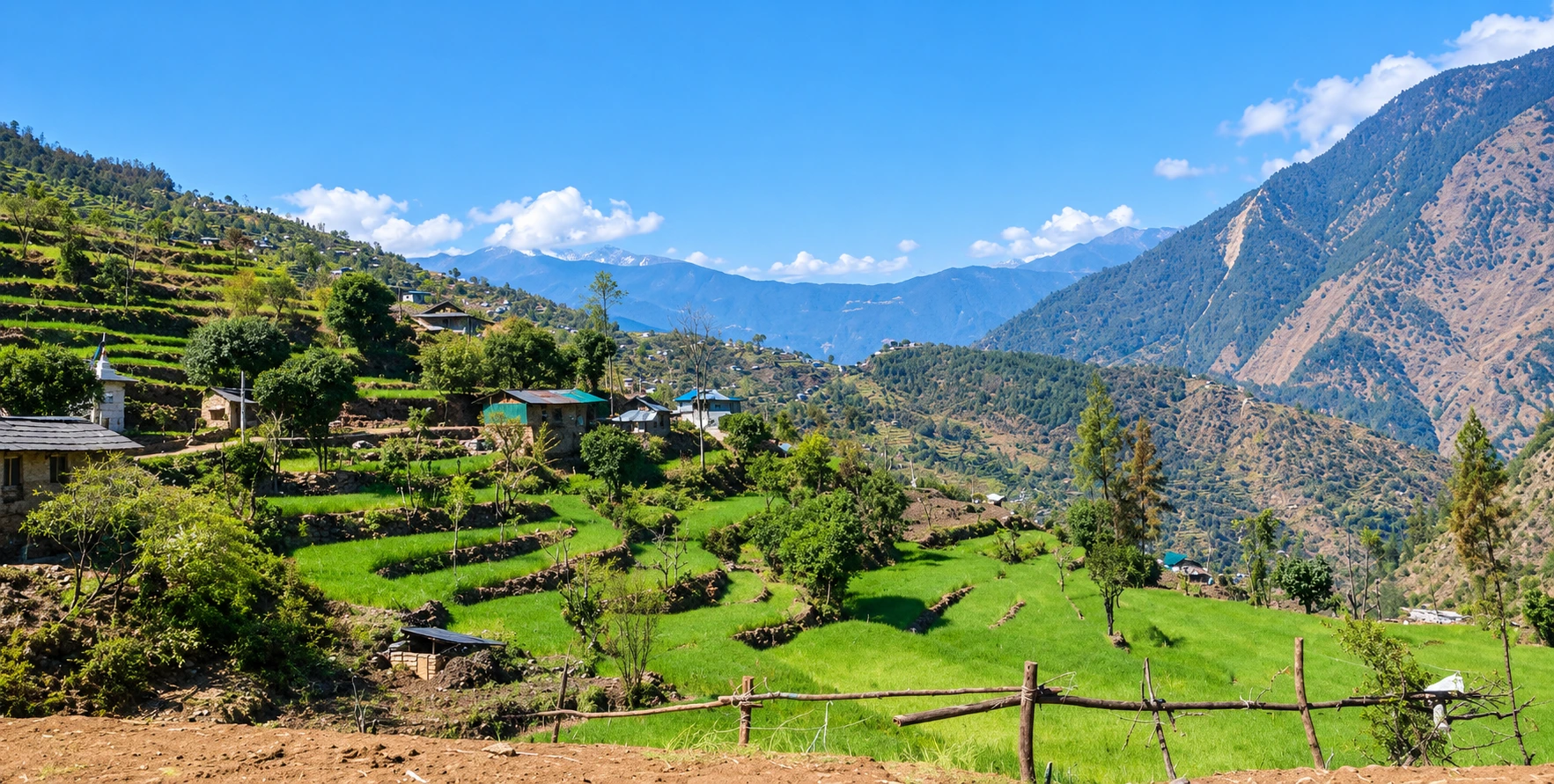
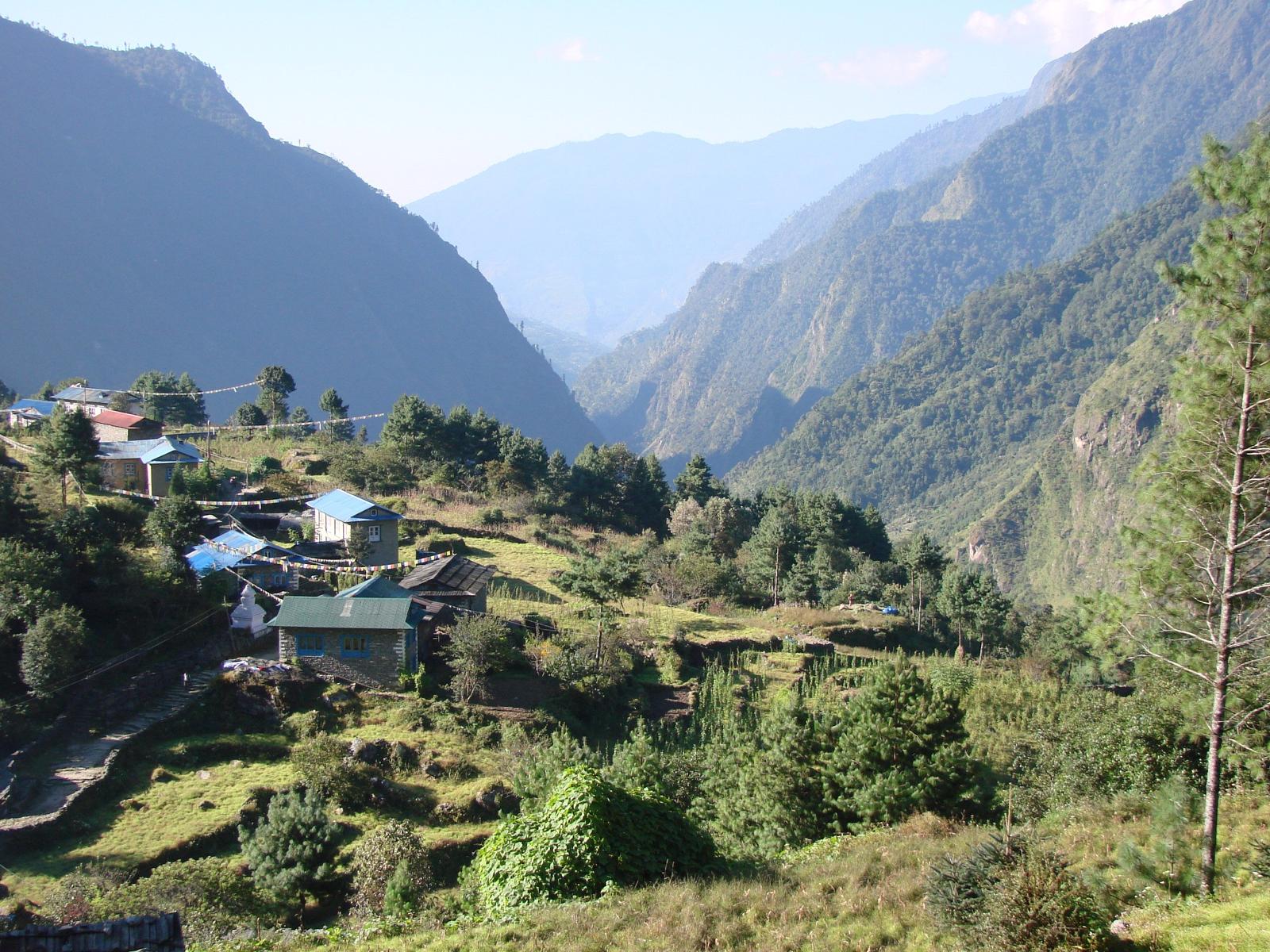
Paiya (2,730 m) is a small Sherpa village in Solukhumbu District that sits at one of Nepal’s most strategically important trekking junctions—the meeting point of the vehicle road from Salleri and the trail continuing toward Surke, Lukla, and the Khumbu. For trekkers who want to reach the Everest region without flying into Lukla — avoiding the weather delays and expensive helicopter alternatives that make Lukla flights so unpredictable — the Kathmandu-to-Paiya jeep transfer is the definitive overland alternative: a 1010-o 114-hourdrive covering approximately 320 kilometers via the BP Highway and Salleri, dropping trekkers at Paiya, from where it is a 45-minute to 1-hour walk to Surke and a further 45-minute walk to Lukla.
Progressive road improvements have transformed the route in recent years. On December 8, 2024, the road from Paiya to Surke was completed, meaning jeeps can now drive all the way to Surke (2,290 m) — approximately 15 kilometers beyond Paiya and barely a 45-minute walk from Lukla. This extension makes the overland Everest approach more practical than ever for trekkers planning the Everest Base Camp trek, Gokyo Lakes, Three Passes, and the Mera Peak climb via the Paiya approach — a popular alternative that enters Hinku Valley from the south.
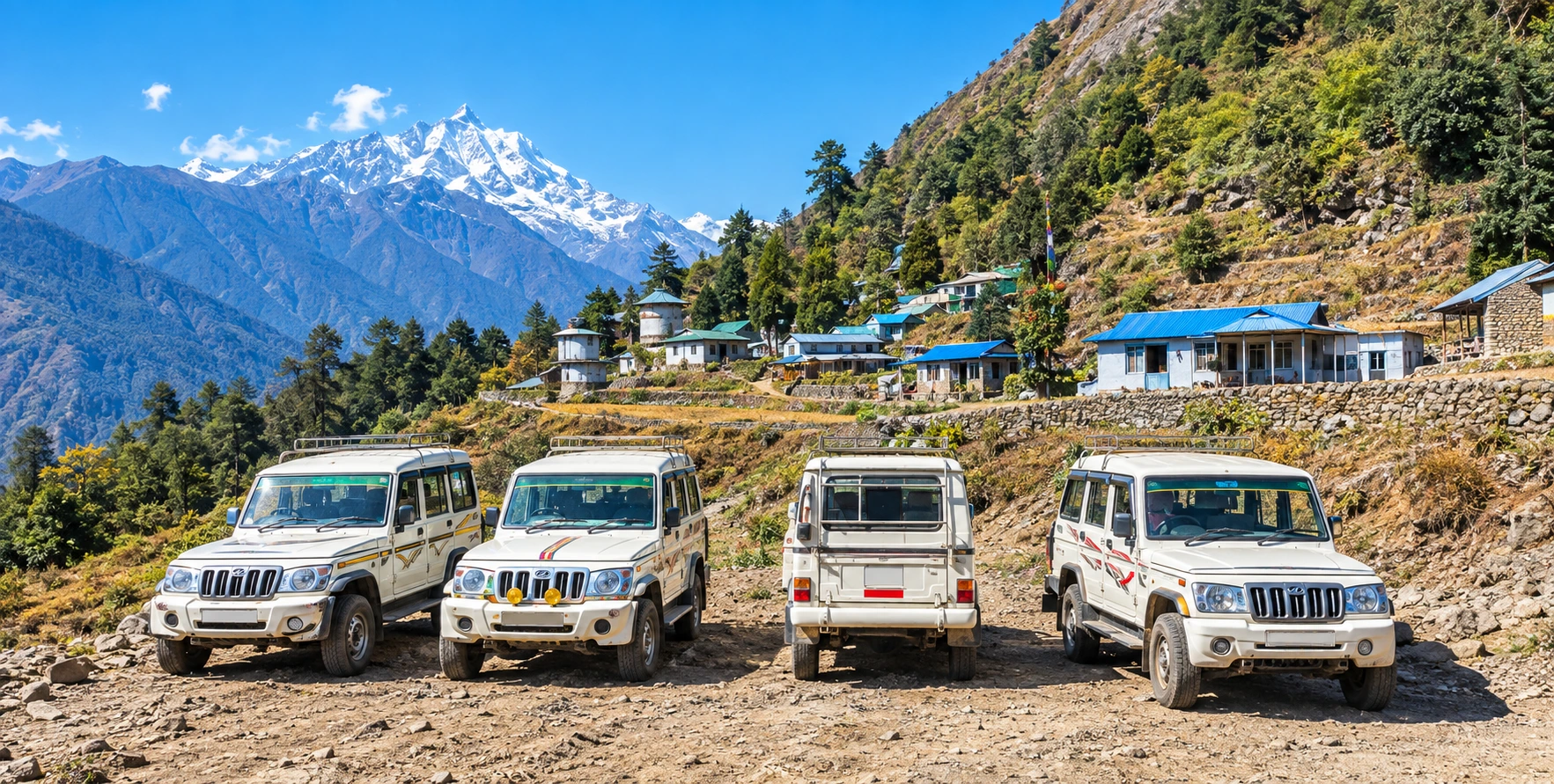
Nepal Vehicle Hiring Pvt. Ltd., based in Thamel, Kathmandu, provides dedicated 4WD jeep hire and trekking transport services for the Kathmandu-to-Paiya and Kathmandu-to-Surke overland trek approach. Our Mahindra Scorpio and Toyota Land Cruiser are specifically maintained for the Salleri-to-Paiya off-road section, and our drivers know this route in all seasons. This complete 2026/27 guide covers the full road, vehicle costs, seasonal conditions, the treks Paiya serves, and exactly how the jeep transfer fits into your EBC or Mera Peak itinerary.
Where is Paiya and Why Does It Matter for Trekkers?
Paiya (2,730 m) lies in the Solukhumbu District of Province No. 1 in eastern Nepal — on the lower trail section of the Solukhumbu approach to the Everest region. It sits on the route used by Edmund Hillary and Tenzing NNorgayused on their 1953 Everest expedition from Jiri, and on which thousands of trekkers walked annually before the Lukla flight became the standard EBC approach.
The village sits on the Takshindu-Nunthala-Jubhing-Paiya-Surke-Chaurikharka trail section. This lower Khumbu trail connects the Solu District road network (accessible via Salleri and Phaplu) with the Khumbu proper above Lukla. Before the jeep road reached Thamdanda and then Paiya and Surke, trekkers had to walk this entire section from Salleri—a 3- to 4-day walk that added significant time to any Everest region itinerary.
Today, the jeep road to Paiya and then Surke lets trekkers skip the 3- to 4-day lower Solu approach on foot and start their Khumbu experience from a much higher point. Surke (2,290 m) is essentially the gateway to the Lukla-and-above trail network. For trekkers who want the classic lower Solu approach, they can still walk from Salleri — but those who want to reach Lukla and the Khumbu as efficiently as possible can now take a private jeep to Surke.
Paiya is also the primary starting point for the Mera Peak via Hinku Valley route. Trekkers flying to Lukla and then walking south to Paiya, then entering the Hinku Valley via Pangom — or driving to Paiya by jeep and beginning the Mera approach directly — both use Paiya as the gateway village for the Mera Peak south approach.
Kathmandu to Paiya: Distance, Drive Time and Route
Total distance Kathmandu to Paiya: approximately 320 kilometers. Total drive time: approximately 10 to 14 hours depending on road conditions, traffic, and the section beyond Salleri. Nepal Vehicle Hiring recommends a 2-day approach with an overnight in Salleri for maximum comfort and a more predictable arrival — single-day driving from Kathmandu to Paiya is technically possible with a 4:00 a.m. Thamel departure, but is very long and tiring.
| Section | Distance | Road Type | Drive Time | Notes |
| Kathmandu to Khurkot | 126 km | BP Highway (blacktop) | 2.5–3 hrs | Smooth concrete, Sun Koshi Valley |
| Khurkot to Ghurmi | 40 km | BP Highway, smooth | 1 hr | Follow the Sunkoshi River north |
| Ghurmi to Okhaldhunga | 50 km | Provincial road | 1.5–2 hrs | Road turns north toward Solu |
| Okhaldhunga to Salleri | 54 km | Paved provincial | 1.5–2 hrs | Passes Dhap viewpoint (Everest visible on clear days) |
| Salleri to Thamdanda | 70 km | Off-road gravel — 4WD | 4–5 hrs | Through Phaplu, Ringmu, Sherpa villages |
| Thamdanda to Paiya | 10 km | Off-road track — 4WD | 45 min–1 hr | Road endpoint (historically); now continuing to Surke |
| Paiya to Surke (EXTENDED — Dec 2024) | 15 km | Off-road track — 4WD | 1 hr | Road completed December 8, 2024; 45-min walk to Lukla |
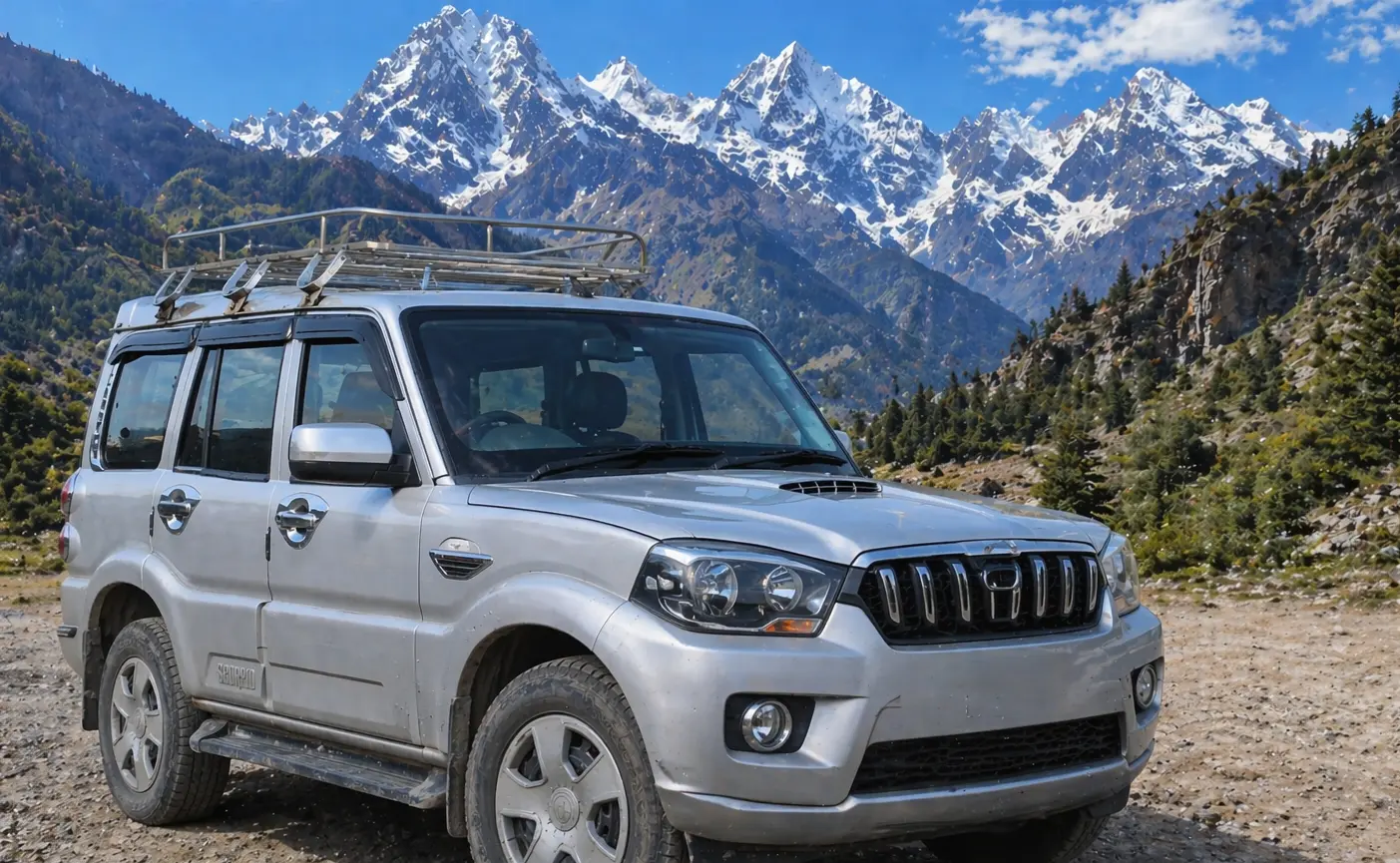
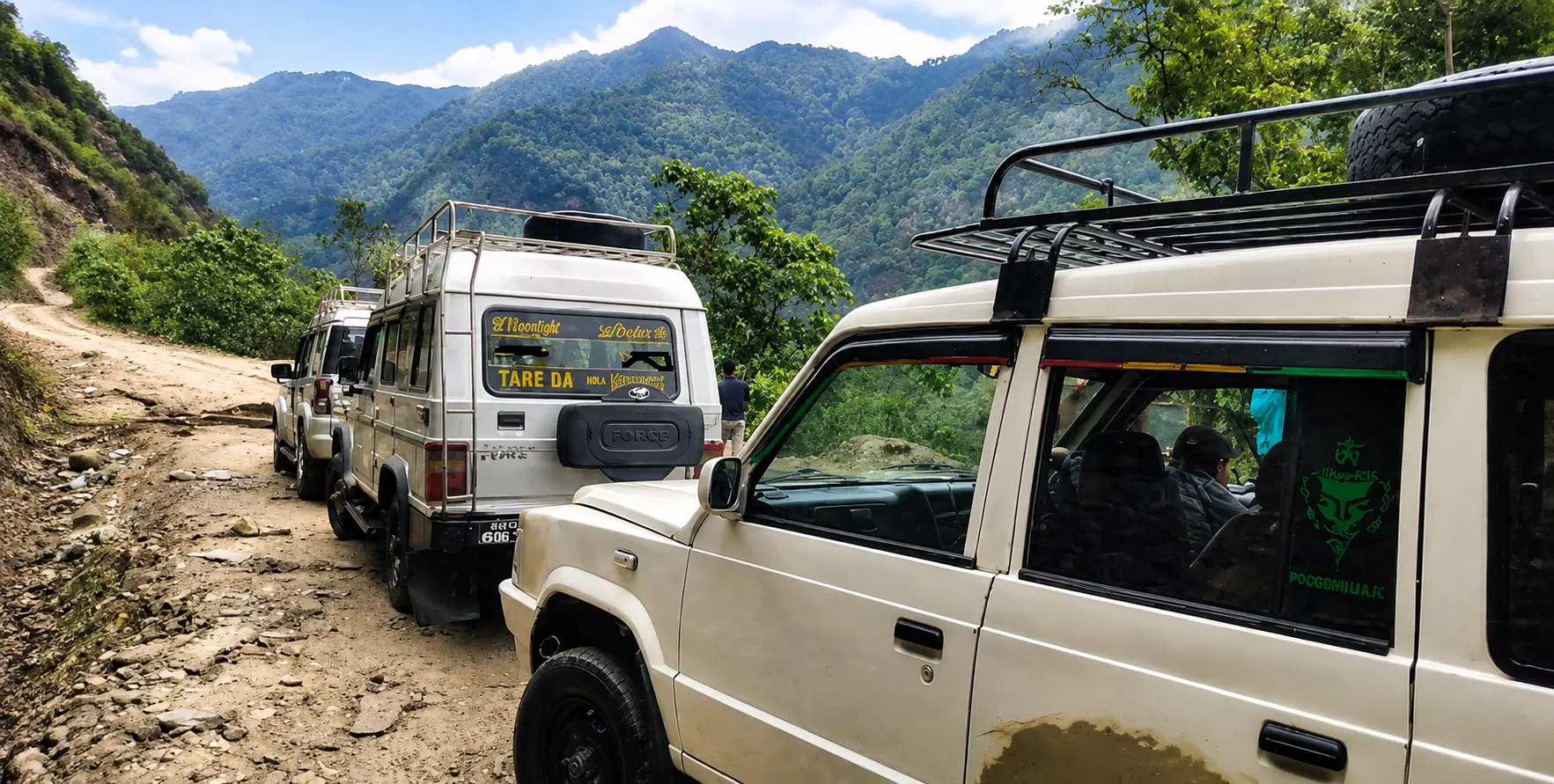
Vehicle Requirements: Why 4WD is Essential Beyond Salleri. The Kathmandu-to-Salleri section on the BP Highway is smooth blacktop accessible to all vehicle types. Beyond Salleri, the road is strictly 4WD territory — rough gravel, steep gradients, river crossings, and the narrow-track character of the Solu-Khumbu road extension make standard cars and Hiace vans unsuitable for the Salleri-to-Paiya section.
- High ground clearance: the road surface between Salleri and Paiya has uneven sections, drainage washouts, and rock outcrops — standard passenger car clearance is insufficient
- 4WD traction: steep gradient climbs and loose surface descents require all-wheel-drive engagement on multiple sections
- Experienced eastern Nepal driver: the Salleri-to-Paiya section is remote and requires a driver who knows the road’s current condition, the key checkpoints, and emergency protocols
- Adequate luggage space: trekkers typically carry large expedition-weight packs (60 to 80 liters) plus porter bags — our
- ur jeeps accommodate full trekking kit for groups of up to 6
Nepal Vehicle Hiring deploys exclusively from our 4WD jeep hire fleet for all Paiya- and Surkhet-bound journeys — Mahindra Scorpio (5 to 7 passengers) and Toyota Land Cruiser (4 to 5 passengers). For groups of 8 to 14 trekkers, our Hiace van hire covers the Kathmandu-to-Salleri highway section, with 4WD jeeps taking over from Salleri for the off-road mountain section.
Jeep Transfer Costs: Kathmandu to Paiya and Surke
| Route | Vehicle | All-In Price/VehiclPerson | Person (5 pax) | Person (4 pax) |
| Kathmandu to Salleri (1-way) | Mahindra Scorpio | NPR 16,000–22,000 | NPR 3,200–4,400 | NPR 4,000–5,500 |
| Kathmandu to Thamdanda (1-way) | Mahindra Scorpio | NPR 22,000–30,000 | NPR 4,400–6,000 | NPR 5,500–7,500 |
| Kathmandu to Paiya (1-way) | Mahindra Scorpio | NPR 26,000–35,000 | NPR 5,200–7,000 | NPR 6,500–8,750 |
| Kathmandu to Surke (1-way) | Mahindra Scorpio | NPR 28,000–38,000 | NPR 5,600–7,600 | NPR 7,000–9,500 |
| Kathmandu to Paiya (1-way) | Toyota Land Cruiser | NPR 34,000–46,000 | NPR 6,800–9,200 | NPR 8,500–11,500 |
| Kathmandu to Salleri, Hiace (highway only) | Hiace van hire | NPR 18,000–25,000 | NPR 1,800–2,500 (10 pax) | NPR 2,250–3,125 (8 pax) |
All prices are all-inclusive — vehicle, experienced driver, fuel, and driver accommodation and meal allowance for multi-day journeys. Contact us via our Plan Your Trip page for confirmed 2026/27 pricing.
Section-by-Section Road Guide: Kathmandu to Paiya
Kathmandu to Khurkot (126 km, 2.5–3 hours): The BP Highway
The journey begins on the BP Highway (Prithvi Rajmarg) — heading east from Kathmandu through Bhaktapur, Dhulikhel, and Bhakundebesi along the Sun Koshi valley. The road is a fully paved concrete highway in good condition — the easiest and most comfortable section of the full journey. At Khurkot junction, the highway continues east along the Sun Koshi while the Paiya-bound route turns north toward Ghurmi. Nepal Vehicle Hiring drivers use Khurkot as the standard first fuel stop and rest break—about 2.5 to 3 hours from Thamel.
Khurkot to Salleri via Ghurmi and Okhaldhunga (144 km, 3–4 hours)
From Khurkot, the route heads north along the Sun Koshi River to Ghurmi Bazaar, where the road divides — left for Jiri (the classic EBC approach starting point) and right for the Everest Solu approach via Okhaldhunga and Salleri. The Okhaldhunga section is a provincial road that is largely paved but narrower and busier than the BP Highway. The approach to Dhap village (2,970 m) is the first high-altitude point on the journey — from Dhap on clear days, Everest and the Solu Himalayan range are visible to the northeast, providing the first dramatic confirmation of the mountain world ahead. Salleri (2,390 m) — the administrative headquarters of Solukhumbu District — is the standard overnight stop for the two-day Kathmandu-to-Paiya approach. It has hotels, restaurants, ATMs, and mobile signal — the last reliable services before the off-road section begins.
Salleri to Thamdanda (70 km, 4–5 hours): The Off-Road Begins
North of Salleri, the paved road ends and the Solukhumbu off-road track begins. The road passes through Phaplu (Phaplu Airport is here—domestic flights from Kathmandu are possible directly to Phaplu as an alternative to the full road journey), then continues through Ringmu (where the classic Jiri-to-Everest trail joins the road from the west) and eastward through Sherpa villages toward Thamdanda. This section is the most demanding of the approach — rough gravel, steep switchbacks, narrow sections where vehicles must pull aside for oncoming traffic, and river crossings at several points. The landscape is extraordinarily beautiful: forested ridges, terraced Sherpa farmland, rhododendron forests in spring, and the first distant views of major Himalayan peaks above the valley walls. Drive time: 4 to 5 hours for the 70-kilometer section.
Thamdanda to Paiya (10 km, 45 minutes–1 hour)
From Thamdanda (2,344 m), the road continues east through dense forest and steep hillside terrain to Paiya (2,730 m). The 10-kilometer section gains nearly 400 meters of altitude on a rough mountain track. Paiya is a small Sherpa village with basic teahouse accommodation and the junction from which the trail branches—north toward Surke and Lukla, east toward Pangom and the Hinku Valley for Mera Peak. Most trekking groups choose to overnight at Paiya or push on to Surke depending on energy levels and timing.
Paiya to Surke (15 km, 1 hour) — Road Completed December 2024
As of December 8, 2024, the road extends from Paiya a further 15 kilometers to Surke (2,290 m) — essentially at the foot of Lukla. Trekkers dropped at Surke face approximately 45 minutes to 1 hour of walking to reach Lukla and the Sagarmatha National Park entrance gate at Chaurikharka. This extension has dramatically changed the economics of the overland EBC approach; getting to within 1 hour’s walk of Lukla by road is genuinely competitive with the flight option in total time and cost, particularly when Lukla flight weather delays are factored in.
Why Drive to Paiya Instead of Flying to Lukla?
For most EBC trekkers, the Kathmandu-to-Lukla domestic flight is the default approach. But the Paiya jeep transfer is a genuinely compelling alternative in the following situations:
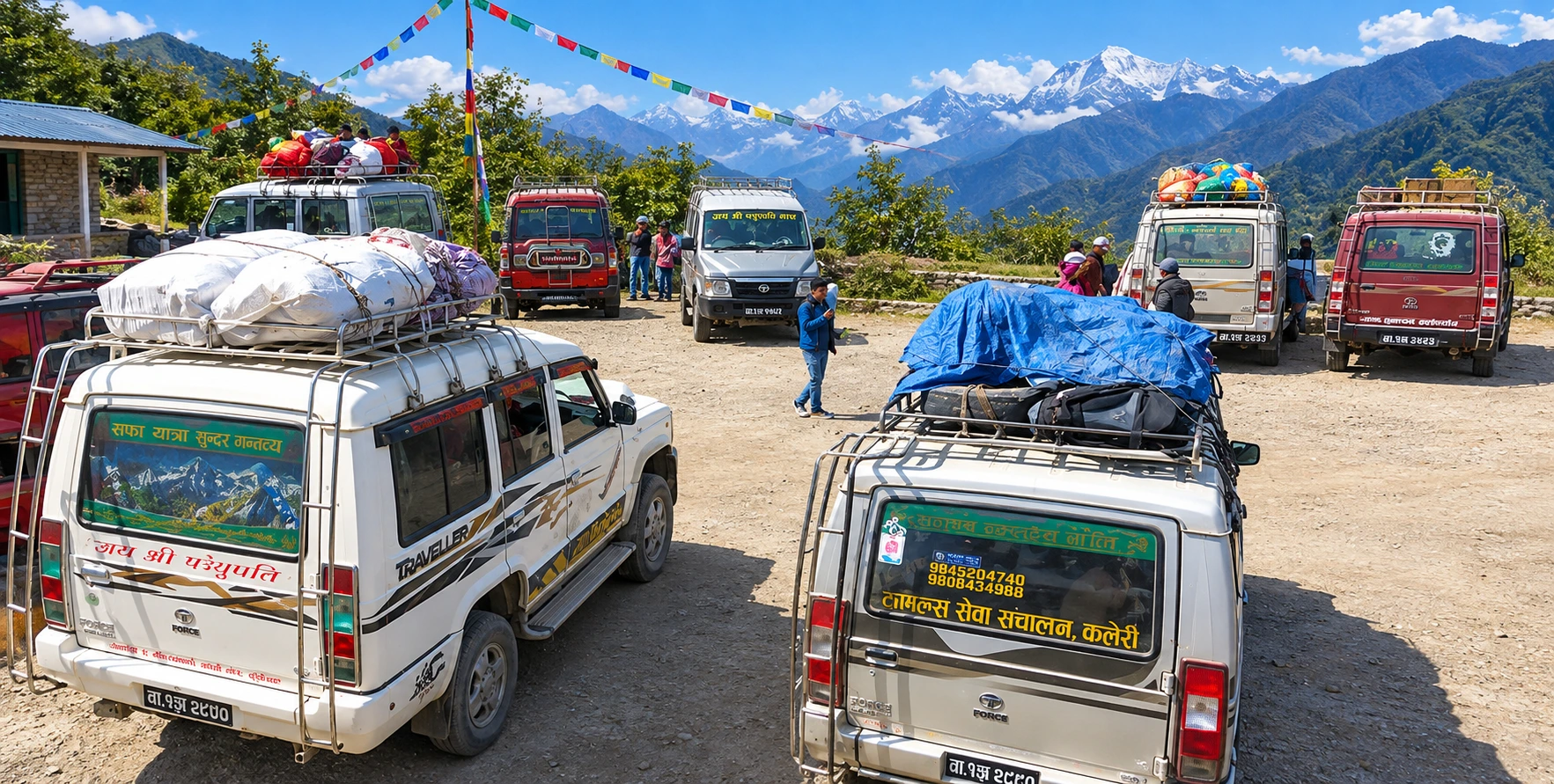
- Lukla weather delays: Lukla is one of the world’s most weather-dependent airports. In peak season, flight delays of 1 to 4 days are common. Trekkers with fixed return dates cannot afford these delays—the jeep transfer provides schedule certainty that no flight can match.h
- Cost savings: the Kathmandu-to-Lukla domestic flight costs approximately NPR 18,000 to 25,000 per person. A private jeep for 5 people to Paiya/Surke costs NPR 26,000 to 38,000 per vehicle — NPR 5,200 to 7,600 per person — comparable or cheaper than the flight for groups of 4 or more.
- Cultural experience: the BP Highway and Solu-Khumbu road pass through the Sun Koshi Valley, the Okhaldhunga Hills, and the classic Solu Sherpa heartland — providing a genuine Nepal landscape experience that the 35-minute Lukla flight entirely bypasses.s
- Mera Peak trekkers: those approaching via the Hinku Valley Mera route start from Paiya — the jeep transfer is the standard approach for this itinerary
- Trekkers who specifically want the lower Solu trail experience: starting from Salleri or Phaplu and walking the classic approach adds 3 to 4 days of lower-Khumbu trail walking that EBC purists value.
- Ramechhap: an alternative some trekkers use the Paiya jeep rather than the Ramechhap airport option — both avoid TIA congestion, but the Paiya jeep serves trekkers specifically wanting the Solu-approach entry into the Khumbu
Treks Served by the Kathmandu-to-Paiya Jeep Transfer
Everest Base Camp Trek (Solu Approach)
The EBC trek via the Paiya/Surke approach starts from Surke — a 45-minute walk from the jeep drop — and then follows the standard EBC trail north through Chaurikharka, Lukla, Namche Bazaar, Tengboche, Dingboche, Lobuche, and Gorakshep to Everest Base Camp (5,364 m) and Kala Patthar (5,555 m). The Solu approach saves 3 to 4 days of lower Solu walking compared to starting from Salleri on foot, while providing a less crowded lower trail experience than the standard Lukla-flight start. Nepal Vehicle Hiring’s Everest Base Camp trek transport service covers the complete Kathmandu-to-Paiya/Surke jeep transfer for EBC-bound trekkers.
Mera Peak Climb via Paiya (Hinku Valley Route)
The Mera Peak via Paiya route is one of Nepal’s most rewarding and least crowded high-altitude trekking experiences — entering the Hinku Valley from the south via Pangom (2,846 m), Ningsow/Sibuje (3,150 m), Chhatra Khola, and Kothe before reaching Mera Base Camp and the Mera Peak summit at 6,476 m. The Kathmandu-to-Paiya jeep transfer supports this approach: trekkers are dropped at Paiya and begin the Pangom trail the following morning. The Mera Peak via Paiya route offers a far more immersive experience of the lower Hinku Valley than the standard Lukla-flight approach, and Nepal Vehicle Hiring coordinates this approach specifically for Mera Peak climbing groups.
Phaplu to EBC Classic Route
Trekkers wanting the classic full Solu approach — walking from Phaplu through Ringmu, Takshindu, Nunthala, Jubhing, Paiya, Surke, and Chaurikharka to Lukla over 4 to 5 days — can be dropped at Phaplu or Salleri by the Kathmandu jeep transfer and begin walking from there. Nepal Vehicle Hiring’s Salleri one-way jeep hire provides the road approach without losing the lower-trail experience this itinerary values.
Gokyo Lakes and Three Passes Trek
Trekkers approaching Gokyo Lakes (4,700 m) or the Three Passes Trek (Renjo La 5,360 m, Cho La 5,420 m, Kongma La 5,535 m) via the Surke/Paiya road approach follow the same EBC route from Surke to Namche Bazaar, then branch west or east as their specific circuit requires. The jeep transfer to Surke serves all Khumbu circuit treks equally.
Seasonal Conditions: Kathmandu to Phakding Road 2026/27
| Season | Months | Road Condition | Trekking Suitability | Booking Lead Time |
| Spring | Mar–May | Good — dry, stable | Excellent. Rhododendron forests, clear skies | 3–5 weeks |
| Monsoon | Jun–Aug | Challenging — landslides, erosion | Not recommended for EBC; Mera Peak July–Aug possible | 1–2 weeks; check conditions |
| Post-Monsoon | Sep–Oct | Repaired but rough patches | Best overall: clearest skies, lush green | 4–6 weeks |
| Autumn Peak | Oct–Nov | Good post-repair | Peak season: finest mountain clarity, full teahouse service | 5–7 weeks |
| Winter | Dec–Feb | Generally open, cold | Quiet, fewer trekkers, Khumbu accessible | 1–2 weeks |
The monsoon is the most significant seasonal risk for the Salleri-to-Paiya off-road section. Landslides and road erosion are common during heavy monsoon rain, and the Solu-Khumbu road can close temporarily ffor1– days after major rain events. Nepal Vehicle Hiring monitors this road daily during the May-to-October active season and provides current road condition assessments before any booking departure.
Recommended Two-Day Itinerary: Kathmandu to Paiya
Nepal Vehicle Hiring recommends spreading the Kathmandu-to-Paiya journey across two days for maximum comfort and predictable arrival at the trailhead:
- Day 1: Depart Kathmandu Thamel b6:30 a.mto 6:30 a.m. BP Highway east through Bhaktapur, Dhulikhel, along the Sun Koshi to Khurkot junction (fuel and rest stop, 20 minutes). Continue to Ghurmi; turn north. Okhaldhunga lunch stop. Arrive Salleri b66:00 p.m. to:00 p.m. Overnight in Salleri — hotel with proper rooms, ATM, hot food.
- Day 2: Depart at 7:00 a.m. by 4WD jeep (same vehicle, same driver). Through Phaplu, Ringmu, and forest sections to Thamdanda (lunch stop, 30 minutes). Continue off-road to Paiya — arrive 4:00 p.m. to 4:00 p.m. Overnight at Paiya guesthouse. Begin trekking Day 1 from Paiya the following morning.
For trekkers who want Surke on Day 2, depart at 6:30 a.m. and arrive in Surke by 5:00 p.m., staying in Surke, then begin the trail walk the following morning. Both configurations use the same jeep and driver from Nepal Vehicle Hiring across the two-day approach.
Permits for the EBC/Mera Peak Trek via Paiya
| Permit | Cost (2026) | Where to Get | Notes |
| Sagarmatha National Park Permit | NPR 3,000 per foreigner | NTB office Kathmandu or Monjo checkpoint | Required for EBC trekkers entering from Surke/Chaurikharka |
| TIMS Card | NPR 2,00Personperson | NTB office, K.P. Indu or Salleri | Trekkers Information Management System |
| Makalu Barun National Park Permit | NPR 3,000 per foreigner | NTB Kathmandu or park office | Required for Mera Peak via Hinku Valley (Pangom route) |
| Khumbu Pasang Lhamu Fee | NPR 2,00Personperson | Lukla or Namche Bazaar checkpoint | Local area fee for Khumbu trekking |
Nepal Vehicle Hiking recommends arranging the SNP permit and TIMS card at the Nepal Tourism Board office in Kathmandu before departure. Contact us through our partner agencies for permitPlanTrip permit coordination.
Salleri: The Overnight Stop on the Kathmandu–Paiya Route
Salleri (2,390 m) is the administrative headquarters of Solukhumbu District and the most important staging town on the Kathmandu-to-Paiya jeep route. Understanding what Salleri offers makes the overnight stop more than just a logistics pause:
- Accommodation: several hotels and guesthouses in the NPR 500 to 2,000 per room range — proper beds, attached or shared bathrooms, hot food. The Hotel Everest View and Hotel Khumbu are the standard trekker options—better quality accommodation than anything available beyond Salleri on the off-road section.
- Banking: Salleri has ATMs (NIC Asia, Nepal SBI) — the last reliable ATMs before Paiya. Withdraw sufficient NPR cash for the complete trek from Salleri; no ATMs exist between Salleri and Namche Bazaar.
- Trekking permits: the TIMS card and Sagarmatha National Park permit can be arranged at the Salleri checkpoint for trekkers who did not obtain them in Kathmandu — though we recommend Kathmandu for a smoother checkpoint passage.
- Phaplu Airport: Salleri’s Phaplu Airport (5 km from town) serves domestic flights from Kathmandu — an alternative access option for trekkers who prefer flying to Phaplu and then driving the Phaplu-to-Paiya section by 4WD jeep (approximately 3 to 4 hours). Nepal Vehicle Hiking can arrange Phaplu pickup vehicles for trekkers arriving by domestic flight.
- Mobile signal and WiFi: Salleri has reliable mobile signal (NCell and NTC). Use the Salleri overnight to download offline maps (Maps.me, Gaia GPS), communicate with home, and charge all electronics before the remote section begins.
Frequently Asked Questions: Kathmandu to Paiya Jeep Transfer
How long is the drive from Kathmandu to Paiya?
The drive takes about 10 to 14 hours, depending on road conditions and stops. Nepal Vehicle Hiring recommends spreading this over two days: Day 1, Kathmandu to Salleri (8 to 10 hours); Day 2, Salleri to Paiya (3 to 4 hours). A single-day drive is possible with a 4:00 a.m. departure, but it’s exhausting before a multi-week trek.
Is a 4WD jeep necessary all the way from Kathmandu?
A 4WD is mandatory from Salleri northward — the Salleri-to-Paiya road is a rough off-road track requiring 4WD traction and high ground clearance. The Kathmandu-to-Salleri section on the BP Highway is accessible for all vehicles — Nepal Vehicle Hiring uses our 4WD jeep hire fleet for the complete journey. For groups of 8 to 14, our Hiace van hire covers the Kathmandu-to-Salleri highway section, with 4WD jeep transfer at Salleri.
Can I drive all the way to Lukla by jeep now?
The road to Surke (2,290 m) was completed in December 2024 and is about a 45-minute walk from Lukla. As of 2026, there is no road directly into Lukla — the final section from Surke to Lukla requires walking the trail. Nepal Vehicle Hiring drops trekkers at Paiya or Surke, depending on current road conditions; Surke is the standard endpoint in good dry-season conditions.
Why choose the jeep transfer over flying to Lukla?
Key reasons: schedule certainty (jeep transfers can’t be canceled like flights), more affordable for groups of 4+, the cultural experience of the BP Highway and Solu District, and the specific Mera Peak/Hinku Valley approach that starts at Paiya. For trekkers with flexible timing and solo or pair groups, the Lukla domestic flight remains the faster option.
What happens at Paiya — is there accommodation?
Paiya has basic teahouse accommodation — simple rooms and dal bhat meals in the NPR 300 to 600 range. It is a small but functional trekker guesthouse hub. Most trekkers overnight at Paiya after the jeep drop and begin the Surke/Pangom trail the following morning. The short drive extension to Surke (15 km from Paiya) gives another teahouse option closer to Lukla if time and energy allow.
Does Nepal Vehicle Hiring do return pickups from Paiya?
Yes — Nepal Vehicle Hiking can pre-book a return pickup at Paiya or Surke for a specific date matching your trek completion schedule. This is the most reliable return option — confirmed before departure from Kathmandu, eliminating the uncertainty of finding shared transport at the trailhead end. Contact us through our Plan Your Trip page to book both the outbound and return jeep together.
Book Your Kathmandu to Paiya Jeep Transfer
Nepal Vehicle Hiring Pvt. Ltd., Thamel, Kathmandu — your specialist for the Kathmandu-to-Paiya and Kathmandu-to-Surke jeep transfer. Hotel door pickup from Thamel, experienced Solu-Khumbu route driver, maximum road penetration to the trailhead.
- 4WD jeep hire — Mahindra Scorpio and Toyota Land Cruiser for Paiya/Surke approach
- Hiace van hire — Kathmandu to Salleri highway section for groups of 8–14
- Trekking transport services — complete approach and trailhead logistics for all Khumbu and Mera treks
- Everest Base Camp trek transport — dedicated EBC approach service
- Kathmandu airport transfer — arrival from international flight before the trek departure
- Kathmandu sightseeing service — Kathmandu cultural circuit for trekkers with a preparation day
- Nepal tour packages and Nepal holiday tours — Everest region trekking within a broader Nepal circuit
- WhatsApp / Call: +977 9851013196
- Email: [email protected]
- www.vehiclehiringnepal.com
Visit our Plan Your Trip page with your Kathmandu departure date, group size, trek destination (EBC, Mera Peak, Gokyo), and preferred drop-off point (Paiya or Surke). We respond within 24 hours with a confirmed vehicle, driver, all-in price, and departure time. The Everest region is calling — Nepal Vehicle Hiring drives you to the starting line.
Startingolu-Khumbu Landscape: What to Expect on the Drive
The Kathmandu-to-Paiya jeep journey passes through some of eastern Nepal’s finest mid-hill landscape — a succession of river valleys, forested ridges, terraced farmland, and Sherpa villages that introduces trekkers to the cultural region’s and natural character of the reey have walked a single metre of metermeterUnderstanding what to look for at each stage makes the drive itself a rewarding experience rather than time to sleep through.
The Sun Koshi Valley (Kathmandu to Khurkot)
The BP Highway from Kathmandu follows the Sun Koshi River through a deep gorge landscape of subtropical forest and terraced hillsides. The Sun Koshi — one of Nepal’s seven Koshi tributaries — carries a powerful flow year-round, and the gorge walls rise dramatically on both sides of the road. The river is used for white-water rafting (the Sun Koshi rapids are among Nepal’s most popular commercial rafting runs), and the highway crosses several suspension bridges above the turbulent water. In the morning light, the gorge is particularly photogenic — Nepal Vehicle Hiring drivers always pause at the best viewpoint near Dolalghat for the first clear river photo opportunity.
The Okhaldhunga Hills (Khurkot to Salleri)
North of Khurkot, the landscape transitions from the Sun Koshi gorge to the broader mid-hill terrain of Okhaldhunga District — terraced rice and millet fields, rhododendron forests at higher elevations, and the characteristic Newari and Rai village architecture of eastern Nepal’s hills. The approach to Dhap (2,970 m) is the journey’s first genuinely high-altitude point, where the vegetation shifts to oak and rhododendron forest and the first snow peaks become visible on clear days. The Dhap viewpoint — where the road reaches its highest point before descending to Salleri — is one of the best accessible mountain viewpoints in eastern Nepal: Everest, Lhotse, Makalu, and Numbur (6,959 m, Solukhumbu’s most sacred peak) are all theoretically visible from this point on clear pre-monsoon and post-monsoon mornings.
The Solu Sherpa Heartland (Salleri to Thamdanda)
Beyond Salleri, the road enters the traditional Sherpa heartland of Solu — the lower-altitude, more temperate homeland of the Sherpa people, distinct from the high-altitude Khumbu above. The Solu Sherpa villages along the road — Ringmu (where the classic Jiri trail joins) and the farmsteads en route to Thamdanda — represent the agricultural foundation of Sherpa culture that the high-altitude trading and mountaineering reputation has somewhat overshadowed. The houses here are more substantial than the Khumbu stone construction above Namche — wooden-framed, with carved window details, surrounded by potato and buckwheat fields. Buddhist chortens, mani walls with carved prayer stones, and prayer flags mark every village junction. The landscape is lush in spring and post-monsoon, dramatic in winter when snow covers the higher ridges.
The Forest Section (Thamdanda to Paiya)
The final 10 kilometers from Thamdanda to Paiya passes through dense mixed forest — rhododendron, oak, and hemlock at these altitudes — that frames the road in spring with extraordinary floral color (the rhododendron bloom peaks in March and April, turning the hillsides red and pink above the road). Birdlife in this section is exceptional: Nepal has over 800 bird species, and the Solu-Khumbu forest zone is one of the country’s finest birding corridors. Red-billed choughs, Himalayan bulbuls, pheasants (including the danphe, Nepal’s national bird), and various flycatcher and warbler species are all likely sightings for observant passengers. Nepal Vehicle Hiring drivers will pause the vehicle briefly for exceptional wildlife sightings on request.
Comparing the Paiya Jeep Transfer with the Ramechhap Airport Option
EBC trekkers in 2026 have two main alternatives to the standard Kathmandu-TIA domestic Lukla flight: the Paiya jeep transfer and the Ramechhap (Manthali) airport option. Understanding the differences helps trekkers choose the right approach.
Ramechhap Airport (Manthali) Option
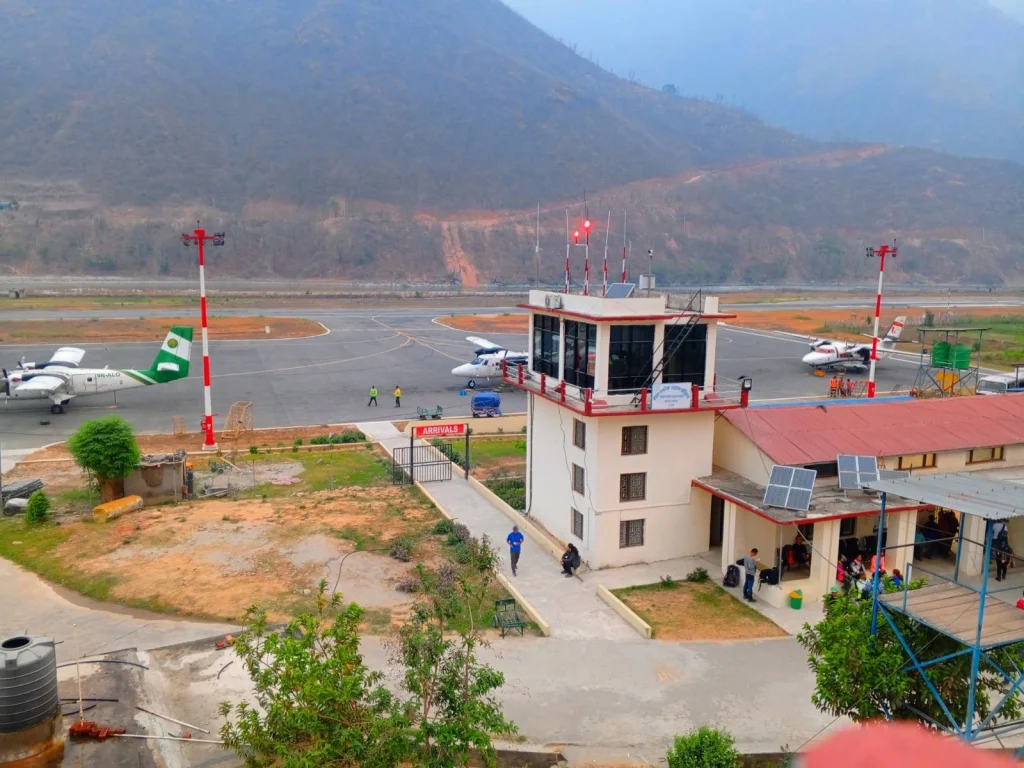
The Ramechhap option involves a 3:30 a.m. private vehicle departure from Thamel to Manthali Airport about 44 to 5 hours), arriving in time for a morning domestic flight to Lukla (20 to 25 minutes from Manthali). Nepal Vehicle Hiring’s Everest Base Camp trek transport covers this Ramechhap vehicle. The advantage: the flight to Lukla is short (25 minutes), and trekkers arrive in Lukla by mid-morning. The disadvantage: the Kathmandu departure is 2:30 a.m., and the Lukla flight remains weather-dependent from the Manthali side.
Paiya Jeep Transfer Option
The Paiya jeep option involves a 6:00 a.m. Thamel departure (at 6:00 a.m.), a 10- to 14-hour two-day drive via Salleri, and arrival at Paiya or Surke — 45 minutes to 1 hour’s walk from Lukla. The advantages: no flight weather dependency, comparable or lower per-person cost for groups of 4+, a genuine introduction to the Solu-Khumbu cultural and natural landscape, and a trailhead that provides the Mera Peak Hinku Valley approach that no flight can match. The disadvantage: total elapsed time from Kathmandu is 1.5 to 2 days instead of the Manthali option’s single morning.
Which option is right for you: choose Ramechhap if you have a tight trekking schedule and can handle the 2:30 a.m. departure; choose Paiy2:30 a.m. jeep if you have 2 days to spare, value the overland experience, are a group of 4+ finding per-person costs competitive, or are specifically doing the Mera Peak via Hinku Valley approach.
The December 2024 Road Extension: What Changed at Surke
The completion of the Paiya-to-Surke road on December 8, 2024 was a significDecember 8, 2024he development of the Everest region’s ground access infrastructure — the mometwhen the jeep road reached eff to the footreachedf Lukla for the first time. Understanding what this road extension means for trekkers helps calibrate the current (2026) state of the Kathmandu-to-Paiya/Surke approach.
Before December 2024, the road endpoint was at Thamdanda or Paiya, requiring trekkers to walk the final section from Paiya through the Kharikhola-Surke trail—a 3- to 4-hour walk to Surke, plus 45 minutes from Surke to Lukla. The total walk from the Paiya road endpoint to Lukla was about 4 to 5 hours—a manageable half-day, but a significant final leg after 10 to 14 hours of driving.
After December 2024, the road endpoint is Surke — reducing the walk from the jeep drop to Lukla to 45 minutes to 1 hour. This is a transformative improvement: trekkers arriving at Surke in the afternoon can walk to Lukla and check in to a teahouse by early evening, or they can overnight at Surke and walk to Lukla in the morning before beginning the Namche ascent. The Surke endpoint makes the overland EBC approach genuinely competitive with the Lukla flight in terms of the starting-point experience—the first day’s walk from Surke to Namche Bazaar is the same whether the trekker arrived by jeep at Surke or by plane at Lukla.
The April 2026 road condition report confirms the Kathmandu-to-Surke road was in good, drivable condition as of April 10, 2026. Nepal Vehicle Hire provides daily road reports for this section and will advise on current conditions and whether Surke or Paiya is the appropriate vehicle endpoint at the time of any booking.
Practical Tips for the Kathmandu to Paiya Jeep Transfer
- Depart Kathmandu early: a 6:00 a.m. Thamel departure gets you there by 4:00 to 5:00 p.m., with time for a proper lunch and an early bed before Day 2. A 7:00 a.m. departure is too late 7:00 a.m.leri comfort — push to 6:00 a.m.
- Carry snacks and water. 6:00 a.m. BP Highway: the Khurkot junction is the first reliable food stop (approximately 3 hours from Kathmandu). Carry energy bars, biscuits, and 1.5 liters of water from Kathmandu for the morning highway section.
- Withdraw NPR at Salleri ATMs: this is the last reliable ATM before Namche Bazaar (which itself only has unreliable ATMs). Withdraw enough NPR for your complete trek — accommodation, food, permit top-ups, and tips. Budget NPR 2,500 to 4,000 per person per day for the EBC teahouse circuit.
- Download offline maps beforehand. In Kathmandu: mobile signal is available in Salleri and intermittently in Phaplu, but disappears on the off-road section and trail. Download the Maps.me Solukhumbu trekking map and the Gaia GPS EBC/Mera Peak tracks before departure.
- Pack your trek gear in accessible order: when the jeep drops you at Paiya or Surke, you begin trekking immediately. Keep your essentials, first-day snacks, water filter, and layers at the top of your pack — not buried under gear you won’t need until camp 3.
- Nepal Vehicle Hiring will advise on road conditions before departure: the Salleri-to-Paiya off-road section is the variable element — current condition depends on recent rain and maintenance. Our operations team checks road status from Kathmandu before every Paiya-bound departure and will advise on any known issues or required modifications. Trekking Start Point: What the Village Offers
Paiya (2,730 m) is small but fully functional as a trekking start point—more developed than many villages at this altitude in Nepal because of its position on the vehicle road and the classic Solu-Khumbu trail. The village has 4 to 6 teahouses and guesthouses offering basic accommodation (NPR 300 to 700 per room) and standard trekking menus (dal bhat, pasta, noodle soup, fried rice, pancakes, eggs). The Paiya guesthouses have seen a significant increase in their trekker client base since the road extension brought vehicles from Kathmandu directly to their doorstep.
From Paiya, two trails diverge: north toward Surke (2,290 m, approximately 1.5 hours downhill) and then Chau,arka ato nd Lukla; and east toward Pangom (2,846 m, approximately 4 to 5 hours) for the Mera Peak Hinku Valley approach. The trail to Surke passes through Kharikhola (2,072 m) and Bupsa (2,361 m) before reaching Surke. Most trekkers can walk from the jeep drop-off at Paiya to Surke in 2 to 3 hours, making a same-day Paiya-arrival-to-Surke-overnight a realistic schedule when the jeep arrives at Paiya by 3:00 p.m.
The Paiya area is als3:00 p.mle for its connectivity to the
Takshindu Gompa — a significant Nyingma Buddhist monastery on the ridge above the Dudh Koshi valley, approximately 2 to 3 hours’ walk north of Paiya. For trekkers with a specific interest in Buddhist heritage, a brief Takshindu detour is worth the extra half-day before descending to the Dudh Koshi valley below. The monastery’s position on the ridge offers sweeping views of the Khumbu peaks above and the Solu hills below.
Mera Peak via Paiya: The Jeep Transfer That Makes This Route Possible
The Mera Peak climb via the Hinku Valley, starting from Paiya, is one of Nepal’s most sought-after alternative high-altitude trekking routes. It avoids the crowded Lukla-start approach while offering a lower-valley circuit experience and a genuinely wilderness approach to one of Nepal’s highest trekking peaks (6,476 m). The Kathmandu-to-Paiya jeep transfer is what makes this route logistically practical.
The standard Mera Peak via Paiya approach: day 1 — jeep arrives Paiya, overnight Paiya teahouse; day 2 — walk from Paiya to Pangom (2,846 m, approximately 5 to 6 hours via the Hinku entry trail); day 3 — Pangom to Ningsow/Sibuje (3,150 m); day 4 — Ningsow to Chhatra Khola (3,150 m); day 5 — Chhatra Khola to Kothe (3,691 m); day 6 — Kothe to Thaknak (4,358 m); day 7 — Thaknak to Mera Base Camp (5,300 m); day 8 — Base Camp to Mera High Camp (5,780 m); day 9 — Summit day and return to high camp. The full circuit (Kathmandu by jeep to Paiya, then Mera Peak and descent to Lukla for the return flight) is approximately 17 to 20 days total.
For the Mera Peak approach, Nepal Vehicle Hiring’s Kathmandu-to-Paiya jeep transfer is the only vehicle required—dropped at Paiya, trekkers begin the Pangom trail the following morning; only return from Lukla after the summit uses the standard Lukla-to-Kathmandu domestic flight or the Lukla-to-Surke walk and Surke-to-Kathmandu jeep return (also bookable with Nepal Vehicle Hiring). Contact us through our trekking transport services page for the complete Mera Peak approach logistics.
The Everest Region’s Road Development: Context for the Paiya Route
The Kathmandu-to-Paiya jeep road is part of a broader road development program that has progressively extended vehicle access into the Everest region. This development has transformed trekking approach economics in this part of Nepal over the last decade. Understanding this context helps trekkers appreciate what the current road network means and where it may go next.
The Solu-Khumbu road development began with improvements to the way to Khurkot, then the provincial road extension to Salleri and Phaplu, then the off-road track development toward Thamdanda, Paiya, and ultimately Surke. Each extension has been driven by a combination of local development needs (reducing the isolation of Solukhumbu District communities), Nepal government infrastructure investment, and the tourism sector’s appetite for overland Everest access.
As of 2026, the road ends at Surke — 45 minutes from Lukla. Reaching Lukla itself is both technically possible and politically contentious. Lukla’s economy depends largely on the Khumbu Gateway Airport, a role a road would significantly disrupt. Local community sentiment is mixed, and the Nepal government has not committed to extending the road beyond Surke as of 2026. Nepal Vehicle Hiring will update this guide as the road development situation evolves.
For 2026 trekkers, the practical summary is: the road is at Surke, 45 minutes from Lukla, and this is a very good position for the overland EBC approach. Nepal Vehicle Hiking’s Kathmandu-to-Surke jeep transfer — dropping trekkers at Surke in the afternoon and allowing a same-day walk to Lukla or a next-morning departure — provides the most efficient and competitive overland alternative to the Lukla domestic flight.
Nepal Vehicle Hiring’s Eastern Nepal Transport Network
Nepal Vehicle Hiring’s transport services extend well beyond the Kathmandu-to-Paiya route into the broader eastern Nepal transport network. For trekkers and travelers whose Nepal circuit includes the Everest region alongside other eastern Nepal destinations, our complete eastern network covers:
- Kathmandu to Ramechhap/Manthali: for Lukla domestic flight staging — the 130 km, 4 to 5 hour ea5-hourhourg r5-hourthe alternative Lukla flight approach. Our Everest Base Camp trek transport service coordinates this.
- Kathmandu to Tumlingtar: 280 km, 7 to 8 hours — the approach for the Makalu Base Camp Trek and the Arun Valley trekking routes in far eastern Nepal.
- Kathmandu to Dharan: 350 km, 7 to 8 hours — the eastern Terai hub city and approach for Taplejung and the Kanchenjunga Circuit.
- Kathmandu to Taplejung: 530 km, 12 to 14 hours — the Kanchenjunga Base Camp and Kangchenjunga Conservation Area approach for Nepal’s third-highest mountain circuit.
- Kathmandu to Biratnagar: the eastern Nepal airport city and access point for Ilam tea gardens and the far eastern Nepal circuit.
Nepal Vehicle Hiring’s jeep hire, car hire, Hiace van, Coaster bus, and full-bus services cover these eastern Nepal routes as part of our comprehensive Nepal trekking transport network. Contact us for current pricing and road condition information for any eastern Nepal destination.
What Makes Nepal Vehicle Hiring the Right Choice for the Paiya Jeep Transfer
The Kathmandu-to-Paiya route is served by both formal operators like Nepal Vehicle Hiring and informal local jeep services assembled at the last minute. Understanding what distinguishes our service helps trekkers make an informed booking decision.
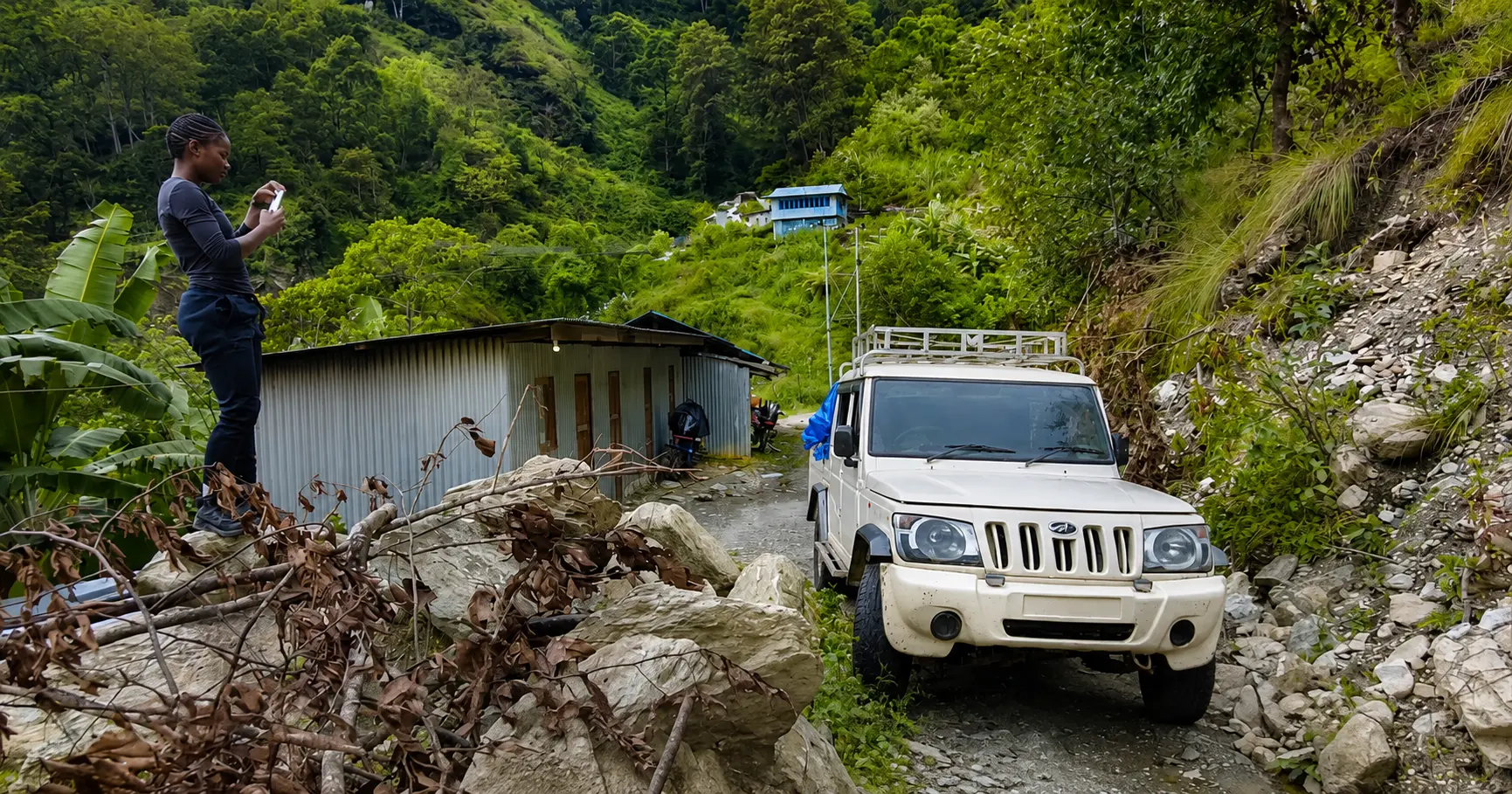
Nepal Vehicle Hiring’s Paiya jeep transfer advantages: confirmed hotel pickup from your Thamel address at the agreed time (critical for the early morning 6:00 a.m. departure); a Solu-Khu6:00 a.m.te-specialist driver with experience on the Salleri-to-Paiya off-road section in all conditions; current road condition intelligence from our operations team based on daily driver reports (not online sources that may be weeks out of date); all-inclusive pricing confirmed in writing before departure; and 24/7 WhatsApp support throughout the journey. If the road has been damaged since your booking and your point is temporarily inaccessible, our operations team will advise you immediately and offer either a modified endpoint (Thamdanda or Salleri) or a rebooking for a later date.
For trekkers who have experienced the frustration of informal Nepal jeep arrangements — the driver who shows up late, the vehicle that breaks down 5 kilometers in, the road reported clear that turns out to be closed — Nepal Vehicle Hiring’s managed service provides the certainty that multi-week trekking itineraries cannot afford to lose to logistics failures. A missed jeep departure on Day 1 of an EBC trek with a fixed return flight can cascade into a genuinely difficult situation; Nepal Vehicle Hiring’s reliability at the start ensures the most controllable element of the trek—the approach vehicle—isn’t the last thing you want to worry about. Solu-Khumbu Trail: What You Miss on the Jeep (And Why That’s Fine)
The Kathmandu-to-Paiya jeep transfer skips approximately 3 to 4 days of trail walking that the classic full Solu-Khumbu approach from Jiri or Salleri on foot covers. For most EBC trekkers with 12 to 16 days of total trek time, this is a straightforward and sensible time trade-off. But understanding what the jeep transfer bypasses helps trekkers who specifically want the full classic experience make an informed choice.
The classic Solu-Khumbu approach — either from Jiri (6 to 7 days to Namche Bazaar on foot) or from Salleri (3 to 4 days to Namche via Paiya and Surke) — passes through some of Nepal’s finest and most authentic trail landscapes. The section from Salleri through Solu Sherpa villages to Paiya covers terraced farmland, Buddhist monasteries (including the beautiful Takshindu Gompa above Nunthala), and the gradual transition from the subtropical lower hills to the temperate mid-mountain zone. Trekkers who walk this section experience a genuine introduction to the human and cultural geography of Solukhumbu that the jeep transfer compresses into roadside glimpses rather than day-long immersions.
The practical recommendation: trekkers with 18 to 22 days available and a specific interest in the classic approach should consider walking from Salleri, with the Nepal Vehicle Hiring jeep dropping them at Salleri rather than Paiya. Trekkers with 12 to 15 days and a primary goal of Everest Base Camp or Kala Patthar should take the jeep to Paiya or Surke and save the 3 to 4 lower-trail days for more time in the Khumbu. The classic approach and the jeep transfer are both valid choices—they prioritize different elements of the Everest region experience.
Sagarmatha National Park: Starting at the Right Entry Point
The Sagarmatha National Park entry gate for trekkers approaching from Paiya and Surke is at Chaurikharka (approximately 2,660 m), just below Lukla — a 20 to 30 minute walk from Lukla’s main street. The park permit is checked here for all trekkers entering the Khumbu, regardless of whether they arrived by flight at Lukla or by road at Surke. Trekkers approaching from Paiya/Surke who have not already obtained the SNP permit in Kathmandu can purchase it at the Yhaurikharka checkpoint — though processing is slower here than at the Kathmandu NTB office and can cause delays if the checkpoint officer is managing multiple groups simultaneously. We recommend obtaining the Sagarmatha National Park permit and TIMS card in Kathmandu before departure for the Paiya jeep transfer — both for checkpoint efficiency and because the Kathmandu NTB office can process permits in 20 minutes, compared to the variable wait at mountain checkpoints. Our operations team coordinates permit office addresses and opening hours for clients booking the Paiya jeep transfer.
The SNP permit (NPR 3,000 per foreign national as of 2026) and the KPCAP fee (NPR 2,000 per person) apply equally to trekkers entering via the Paiya/Surke road approach as to those flying to Lukla. There is no reduced or alternative permit for the overland approach — all foreign nationals entering Sagarmatha National Park pay the standard fee regardless of how they reached the park boundary.
From Surke to Phortse Bazaar: The First Day of EBC Trekking
For trekkers dropped at Surke by a Nepal Valley hiring jeep, the first day of Khumbu trekking connects Surke to Lukla and then begins the Namche ascent, setting the tone for the entire Everest Base Camp experience. Understanding this first day helps trekkers arrive in Surke prepared.
From (2,290 m), the trail climbs steadily for 45 minutes to 1 hour to Lukla (2,860 m). The trail passes through Chaurikharka (Sagarmatha National Park checkpoint) and arrives in Lukla. It arrives at the main street — a compact, busy trekker hub with teahouses, equipment shops, bakeries, and the famous Tenzing-Hillary Airport visible on the ridge above. Most trekkers arriving by jeep choose to overnight in Lukla on the first night before beginning the Namche ascent the following morning.
The Lukla-to-Namche section (approximately 20 km, 6 to 7 hours, 880 m altitude gain) is one of the Everest trek’s most iconic days — descending into the Dudh Koshi gorge, crossing the famous Hillary Suspension Bridge (there are several, but the one near Phakding at approximately 2,652 m is the most photographed), and then beginning the long sustained climb through pine and rhododendron forest to Namche Bazaar (3,440 m). For trekkers arriving at Surke by jeep in the late afternoon of their Day 2 drive, the Namche ascent typically happens on Day 3 of the total itinerary — arriving in Namche in the afternoon for the mandatory acclimatization.
The overall EBC itinerary from the jeep drop at Surke to Everest Base Camp (5,364 m) and return to Lukla for the domestic flight back to Kathmandu takes approximately 14 to 16 days of trekking — essentially the same as the standard flight-to-Lukla EBC itinerary, since the jeep transfer replaces the Lukla flight rather than adding extra trekking days. Nepal Vehicle Hiking’s Kathmandu-to-Paiya jeep transfer is therefore a genuine flight alternative, not an itinerary extension.
Nepal Vehicle Hiring’s Complete Everest Region Transport
Nepal Vehicle Hiring provides the complete ground transport support for every type of Everest region trekking approach. Beyond the Kathmandu-to-Paiya jeep transfer, our Everest region transport services include:
- Kathmandu to Ramechhap/Manthali airport vehicle — the 3:00 a.m. Thamel departure for the 3:00 a.m. Manthali-to-Lukla domestic flight approach. Our Everest Base Camp trek transport service is the standard booking for this configuration.
- Kathmandu to Jiri vehicle — for trekkers doing the full classic Jiri-to-Namche Bazaar 6 to 7 day approach on foot. Jiri (1,905 m) is approximately 180 km from Kathmandu on the BP Highway, accessible by private car hire or Hiace van hire in 5 to 6 hours.
- Kathmandu to Salleri one-way jeep — for trekkers walking the Phaplu-to-Paiya-to-Lukla classic Solu approach, dropped at Salleri for the 3 to 4 day walk north.
- Return jeep from Paiya/Surke to Kathmandu — pre-booked return vehicle for trekkers descending from Lukla to Surke after the EBC trek and returning to Kathmandu overland. Scheduled on a specific date from Kathmandu before departure.
- Kathmandu airport transfer for EBC heli return clients — our Kathmandu airport transfer meets trekkers arriving by helicopter at TIA after the helicopter return from Gorakshep, then drives them to Thamel. Our Everest Base Camp trek heli return service page covers the full helicopter return logistics.
- Post-trek Kathmandu vehicle services — Kathmandu sightseeing for recovery-day cultural visits, Bhaktapur Durbar Square day tour, and the final international departure airport transfer.
Nepal Vehicle Hiring’s Everest re offerson transport is available r all trek types and group sizes, from solo trekkers to large expedition teams. Contact us via WhatsApp +977 9851013196 for current road conditions, available vehicles, and confirmed pricing for any Everest region transport requirement.
- Kathmandu to Paiya Jeep Transfer for Trekkers: Complete Guide
- Where is Paiya and Why Does It Matter for Trekkers?
- Kathmandu to Paiya: Distance, Drive Time and Route
- Vehicle Requirements: Why 4WD is Essential Beyond Salleri. The Kathmandu-to-Salleri section on the BP Highway is smooth blacktop accessible to all vehicle types. Beyond Salleri, the road is strictly 4WD territory — rough gravel, steep gradients, river crossings, and the narrow-track character of the Solu-Khumbu road extension make standard cars and Hiace vans unsuitable for the Salleri-to-Paiya section.
- Jeep Transfer Costs: Kathmandu to Paiya and Surke
- Section-by-Section Road Guide: Kathmandu to Paiya
- Why Drive to Paiya Instead of Flying to Lukla?
- Treks Served by the Kathmandu-to-Paiya Jeep Transfer
- Seasonal Conditions: Kathmandu to Phakding Road 2026/27
- Recommended Two-Day Itinerary: Kathmandu to Paiya
- Permits for the EBC/Mera Peak Trek via Paiya
- Salleri: The Overnight Stop on the Kathmandu–Paiya Route
- Frequently Asked Questions: Kathmandu to Paiya Jeep Transfer
- Book Your Kathmandu to Paiya Jeep Transfer
- Startingolu-Khumbu Landscape: What to Expect on the Drive
- Comparing the Paiya Jeep Transfer with the Ramechhap Airport Option
- The December 2024 Road Extension: What Changed at Surke
- Practical Tips for the Kathmandu to Paiya Jeep Transfer
- Mera Peak via Paiya: The Jeep Transfer That Makes This Route Possible
- The Everest Region's Road Development: Context for the Paiya Route
- Nepal Vehicle Hiring's Eastern Nepal Transport Network
- What Makes Nepal Vehicle Hiring the Right Choice for the Paiya Jeep Transfer
- Sagarmatha National Park: Starting at the Right Entry Point
- From Surke to Phortse Bazaar: The First Day of EBC Trekking
- Nepal Vehicle Hiring's Complete Everest Region Transport

Related Blog & Articles
Kathmandu to Pikey Peak Trek Transport
Kathmandu to Kharikhola & Surke | Transfer Guide 2026
Kathmandu to Phaplu Vehicle Guide 2026
Kathmandu to Salleri & Phaplu Jeep Price 2026–2027