Plan a Trip


Kathmandu to Pathivara Transport
Kathmandu to Pathivara Transport – Complete Pilgrimage Guide 2026
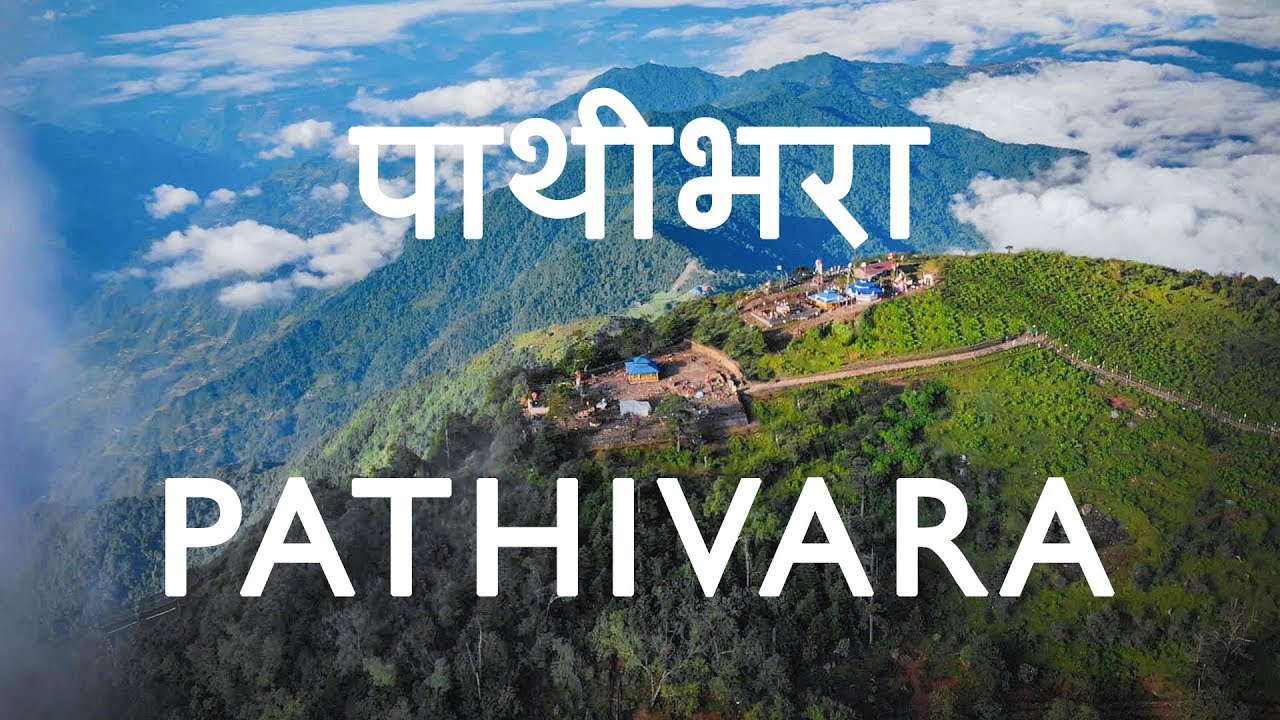
Pathivara Devi Temple – perched at a breathtaking altitude of 3,794 meters in the high Himalayan ridges of Taplejung District in far eastern Nepal – is one of the most powerful and most revered Hindu pilgrimage sites in the entire country. Millions of devotees from Nepal, India, and across the world travel to Pathivara each year to seek the blessings of Goddess Pathivara – a fierce manifestation of Shakti believed to fulfill wishes, remove obstacles, and grant liberation. TheTemplee is surrounded by the majestic Kanchenjunga (8,586 m), Makalu (8,485 m), and Everest (8,849 m) on clear days – a Himalayan panorama of extraordinary scale and beauty.
Getting from Kathmandu to Pathivara is a long, multi-day journey across the breadth of Nepal to the far eastern corner of the country. The route is demanding, the roads are challenging in sections, and the final approach to theTemplee is on foot – but for devotees who complete this pilgrimage, it is one of the most deeply transformative journeys in Nepal. This complete 2026 guide covers every transport option from Kathmandu to Pathivara – private car, Scorpio jeep, Hiace van, bus, and flight combinations – with full route details, prices, road conditions, pilgrimage tips, and booking information.
About Pathivara Devi – The Sacred Goddess of the East
Temple Name: Pathivara Devi Mandir (also Pathibhara Devi Temple)
Location: Phungling Municipality, Taplejung District, Koshi Province, far eastern Nepal
Altitude: 3,794 m above sea level
Distance from KTM: Approximately 600–650 km by road
Distance from Taplejung Bazaar: Approximately 10 km by foot from Phungling (Taplejung Bazaar)
Trek to Temple: 3 to 5 hours uphill walk from Phungling / Chitlang – no vehicle access toTemplee
Deity: Pathivara Devi – a form of Goddess Durga / Shakti revered as the fulfiller of wishes
Famous For: Wish-fulfilling power, Kanchenjunga and eastern Himalayan panorama, deep pilgrimage tradition
Annual Visitors: Over 500,000 pilgrims and tourists annually
Pathivara Devi is considered one of the Shakti Peethas of Nepal – one of the most powerful divine feminine sacred sites – and is particularly revered among the Limbu, Rai, Sherpa, and Brahmin communities of eastern Nepal and the Indian Darjeeling-Sikkim region. The goddess is depicted as a fierce, powerful deity. She is believed to grant prosperity, health, success, and liberation to devoted pilgrims who complete the arduous journey and offer sincere prayer at her shrine.
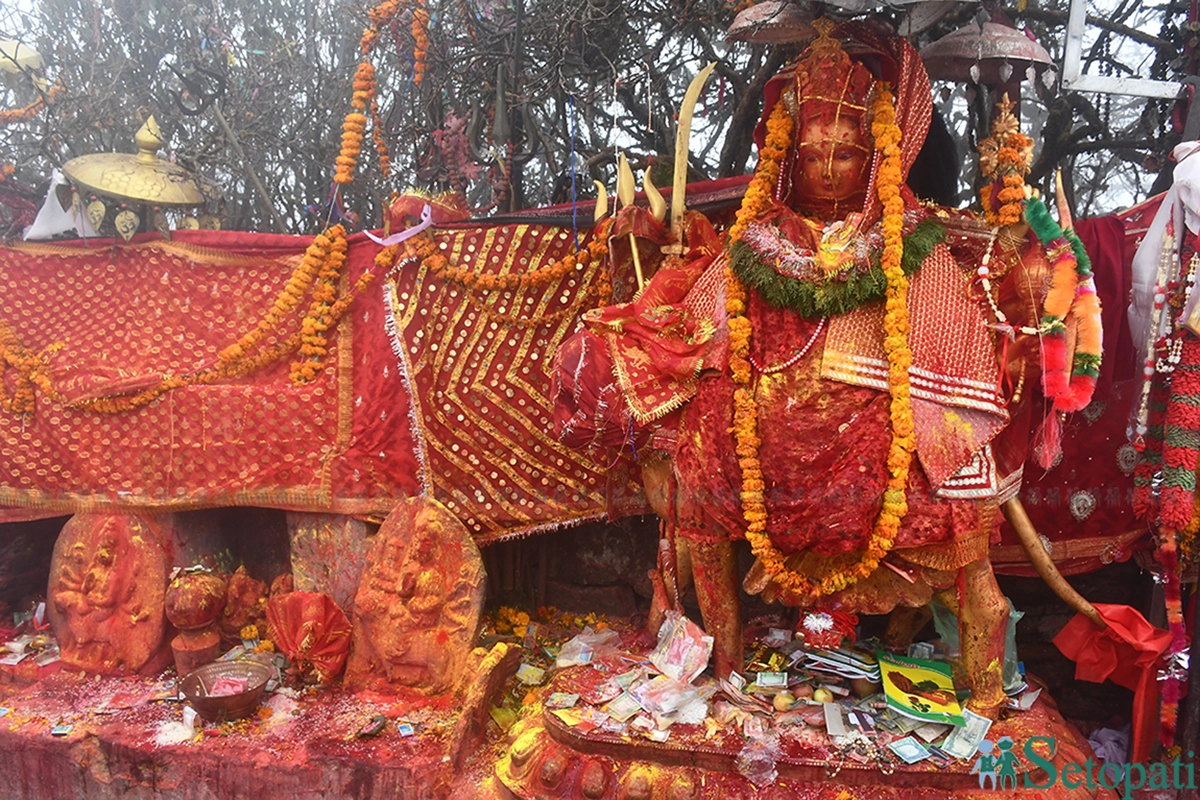
TheTemplee itself is simple – a stone shrine with a trident (trishul) and the sacred image of the goddess – but the atmosphere at 3,794 m on the Himalayan ridge, with the great eastern peaks surrounding the sacred site and prayer flags streaming in the mountain wind, is one of profound spiritual power. Many pilgrims report extraordinary experiences of grace and answered prayers after completing the Pathivara pilgrimage.
Understanding the Journey: Kathmandu to Pathivara
TheKathmandu-to-Pathivaraa journey is one of the longest domestic pilgrimages in Nepal. Here is the key information:
Total Road Distance: Approximately 600–650 km from Kathmandu to Phungling (Taplejung Bazaar)
Road Journey Time: 12 to 16 hours driving – done over 2 to 3 days
Trek to Temple: 10 km from Phungling – 3 to 5 hours uphill walk (no vehicle access)
Total Journey: 3 to 5 days from Kathmandu to theTemplee and back – minimum recommended
Main Road Route: Kathmandu – East-West Highway – Itahari – Dharan – Taplejung road – Phungling – Pathivara (walk)
Alternative Route: Fly Kathmandu to Biratnagar / Taplejung, then vehicle/walk to Pathivara
The journey from Kathmandu to Pathivara is a true pilgrimage – long, challenging, and deeply rewarding. Unlike many Nepali pilgrimages, Pathivara cannot be reached by vehicle all the way – the final 10 km to the Temple is on foot, ascending from Phungling through rhododendron forest and past smaller shrines to the main Pathivara temple at 3,794 m. This walk itself is considered part of the pilgrimage, and many devotees perform it barefoot as an act of devotion.
Vehicle Options: Kathmandu to Taplejung (Phungling)
For the road journey from Kathmandu to Phungling (Taplejung Bazaar), Vehicle Hiring Nepal provides three main vehicle options, each suited to different group sizes and comfort preferences:

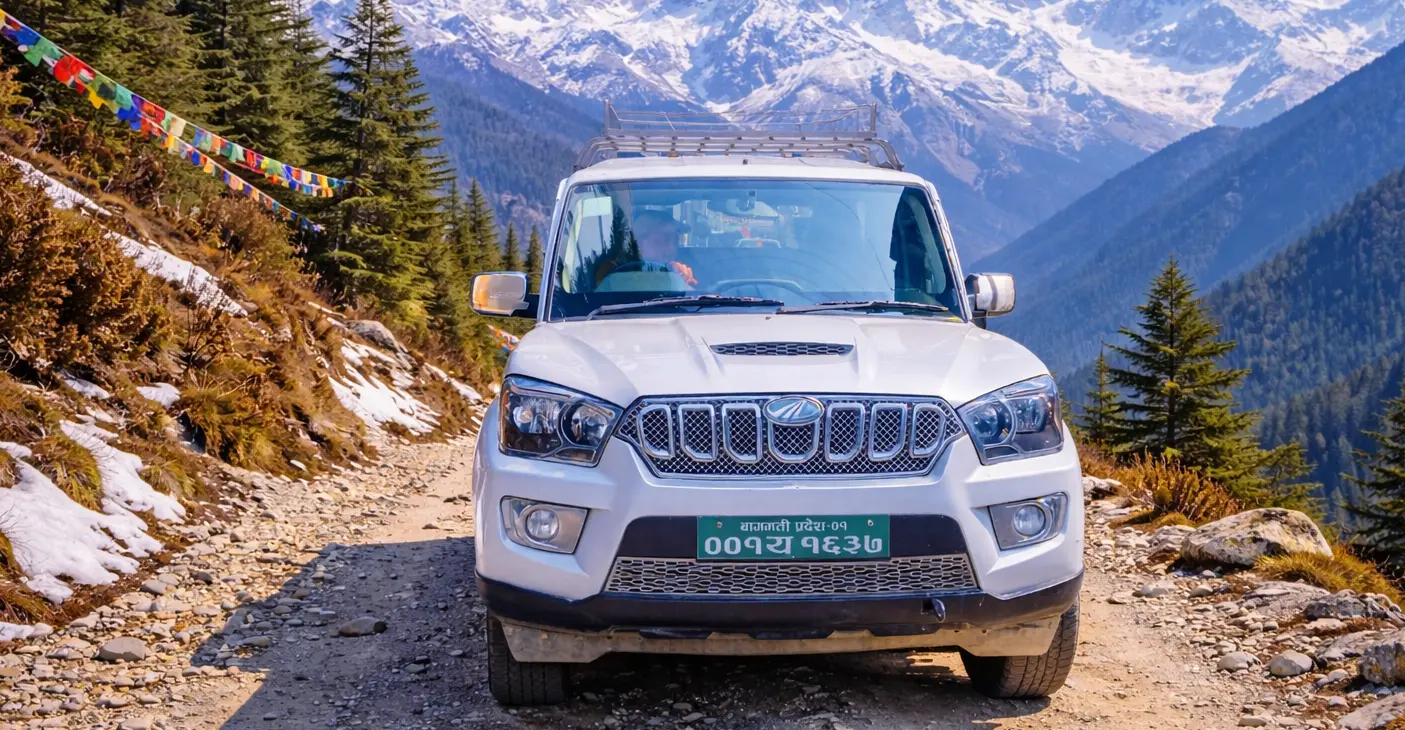
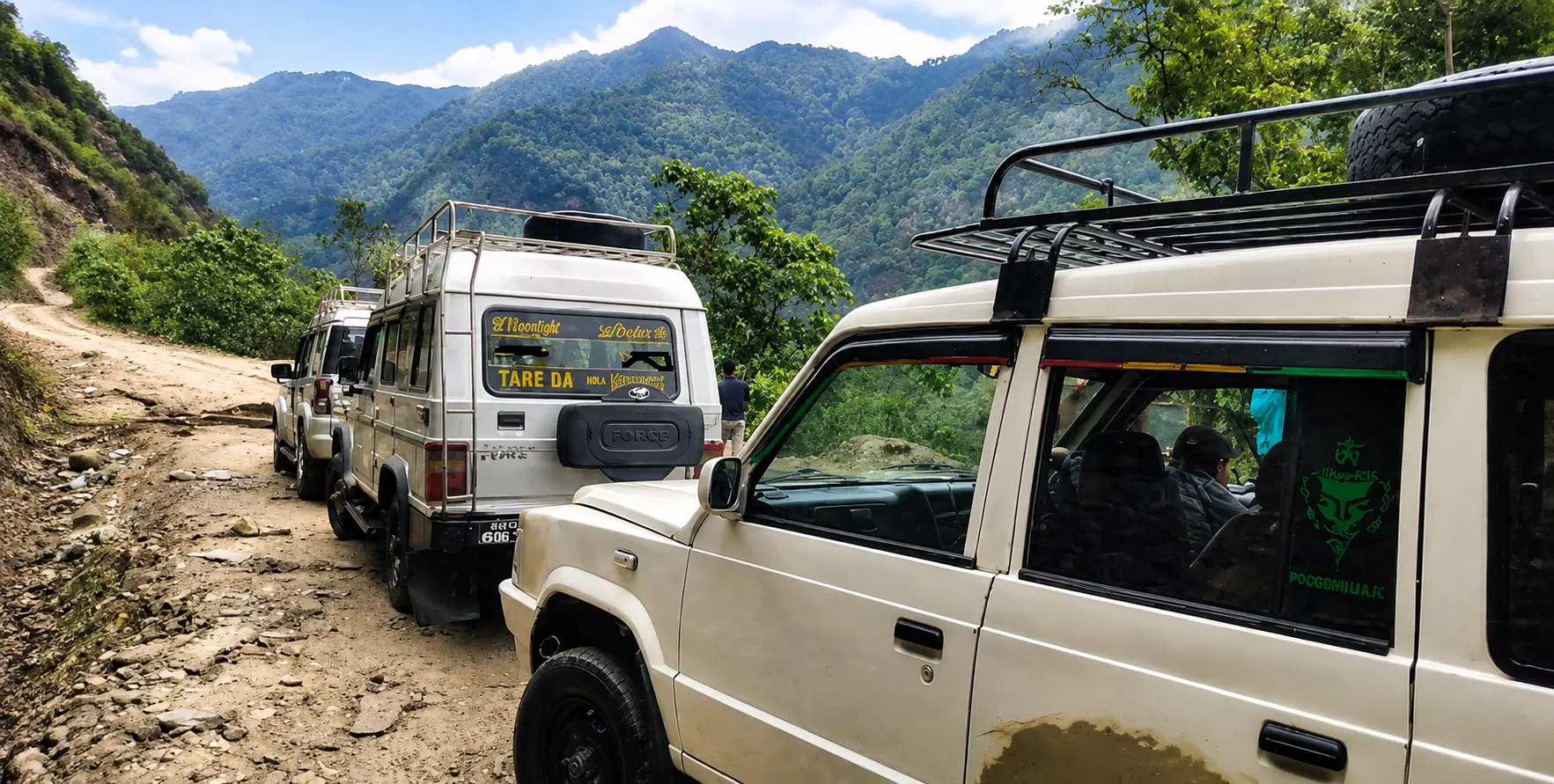
Mahindra Scorpio – Best Choice for Eastern Nepal Hill Roads
Capacity: 6 to 9 passengers
Engine: 2.2L mHawk turbodiesel – powerful on steep eastern hill roads
4WD: Available – essential for the Dharan to Taplejung mountain section
Best for: Groups of 5 to 7 pilgrims – ideal balance of capacity and hill road capability
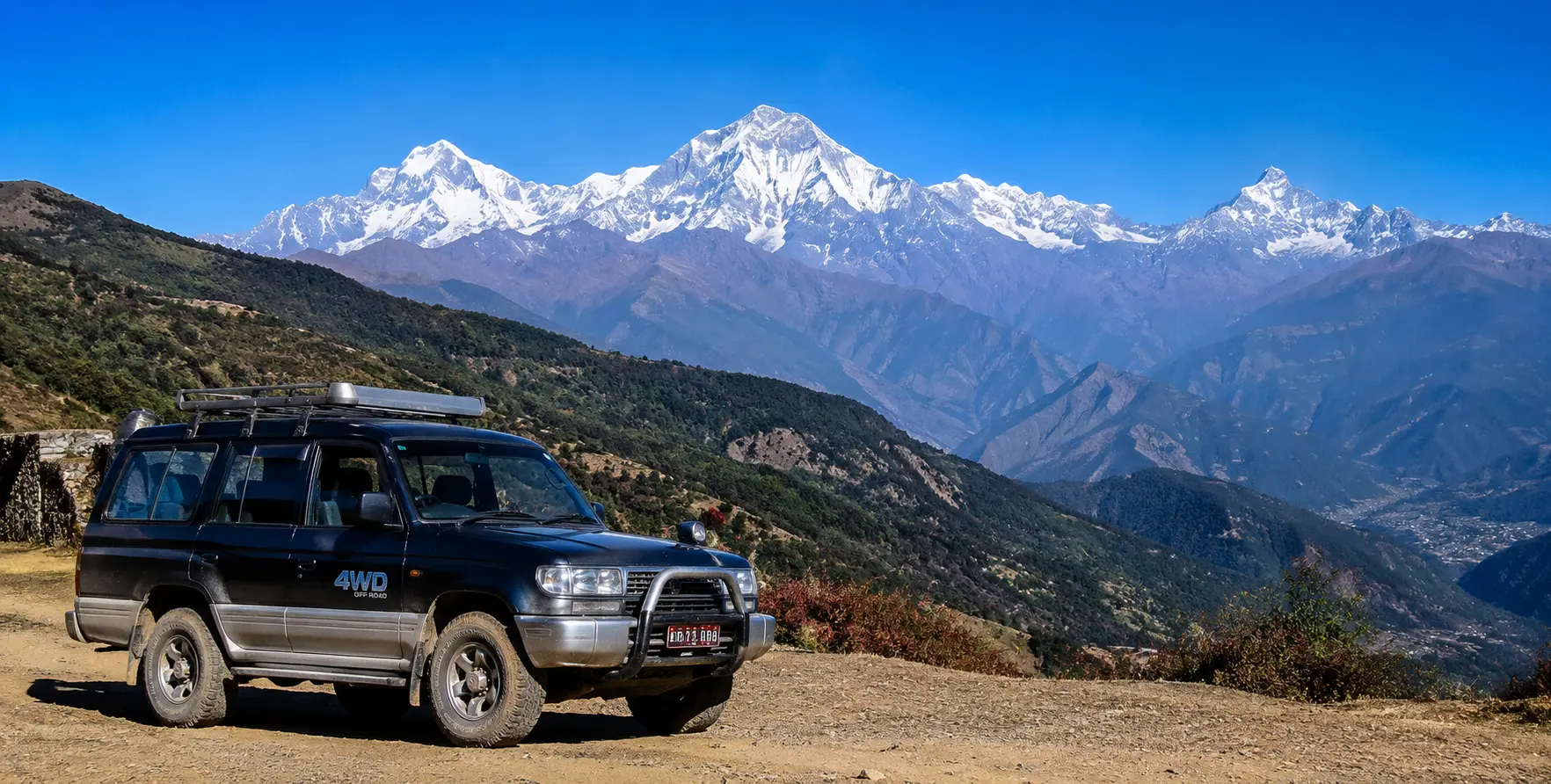
The Mahindra Scorpio is the vehicle of choice for the Kathmandu-Taplejung route. The road from Dharan to Phungling (Taplejung) is one of eastern Nepal’s most winding, steep, and demanding mountain roads – rising from 400 m at Dharan to over 1,700 m at Taplejung over approximately 170 km of switchbacks and narrow hill roads. The Scorpio’s powerful diesel engine, high ground clearance, and 4WD capability handle this section with confidence. Local drivers along this route predominantly use Scorpios and Boleros – a testament to thevehicles’s suitability.

Toyota Hiace Van – Best for Larger Pilgrimage Groups
Capacity: 7 to 14 passengers
Best for: Groups of 8 to 14 pilgrims – families, community pilgrimage parties
The Toyota Hiace is the practical choice for larger pilgrim groups who need to keep everyone together throughout the long journey. The Hiace handles the flat Terai East-West Highway section comfortably and the Dharan-to-Taplejung hill road in dry conditions. For monsoon travel (June to September), the Scorpio’s 4WD gives it an advantage on the wetter hill roads – for monsoon pilgrimages, two Scorpios may be preferable to a single Hiace for groups of 10 to 14.

Sedan Car – For Small Groups and Individuals
Capacity: 1 to 3 passengers
Best for: Solo pilgrims or couples in the dry season
A standard sedan can reach Phungling in the dry season. Still, the steep, winding Dharan-to-Taplejung road and the occasional rough patches on the final approach to Phungling make a more capable vehicle preferable. For pilgrims traveling solo or in pairs, the sedan is economical, but the Scorpio is recommended even for small groups on this specific route.
Local Jeep from Taplejung / Chitlang
From Phungling (Taplejung Bazaar) and from Chitlang (a village approximately 3 km above Phungling on the Pathivara approach road), local jeeps and 4WD vehicles can carry pilgrims to the Chitlang base point – the last vehicle access point before the walking trail to theTemplee begins. This section from Phungling to Chitlang takes approximately 30 to 45 minutes by local jeep. From Chitlang, the walk to Pathivara takes 2.5 to 3.5 hours.
Vehicle Rental Prices: Kathmandu to Taplejung 2026
| Vehicle | Capacity | One-Way (USD) | Round Trip (USD) | Notes |
| Mahindra Scorpio | 6–9 pax | USD 220–280 | USD 370–460 | Best for this route – recommended |
| Toyota Hiace Van | 7–14 pax | USD 250–320 | USD 420–530 | Best for groups of 8–14 |
| Sedan Car | 1–3 pax | USD 170–220 | USD 290–360 | Budget option – dry season only |
| SUV / Toyota Fortuner | 4–5 pax | USD 200–260 | USD 340–430 | Good for small groups – comfortable |
| Toyota Coaster Bus | 15–22 pax | USD 340–430 | USD 570–710 | Large pilgrimage groups |
All prices include the driver, full fuel for the complete journey, and vehicle insurance. The Kathmandu to Taplejung journey is done over 2 to 3 days – driver accommodation during overnight stops is arranged separately and is not included in the vehicle price. Round-trip pricing covers the full return journey from Phungling back to Kathmandu on your chosen return date. Contact Vehicle Hiring Nepal for exact 2026 pricing.
Route Overview: Kathmandu to Phungling (Taplejung)
Total Distance: Approximately 615–650 km
Total Driving Time: 14 to 17 hours – done over 2 to 3 days
Main Route: Kathmandu – Tribhuvan/Araniko Hwy – East-West Hwy – Itahari – Dharan – Basantpur – Taplejung/Phungling
Overnight Stops: Day 1 – Dharan or Birtamod (8–9 hrs from KTM) | Day 2 – Taplejung/Phungling (7–8 hrs from Dharan)
Critical Section: Dharan to Taplejung (170 km, 6–8 hrs) – steep mountain road, 4WD/Scorpio essential
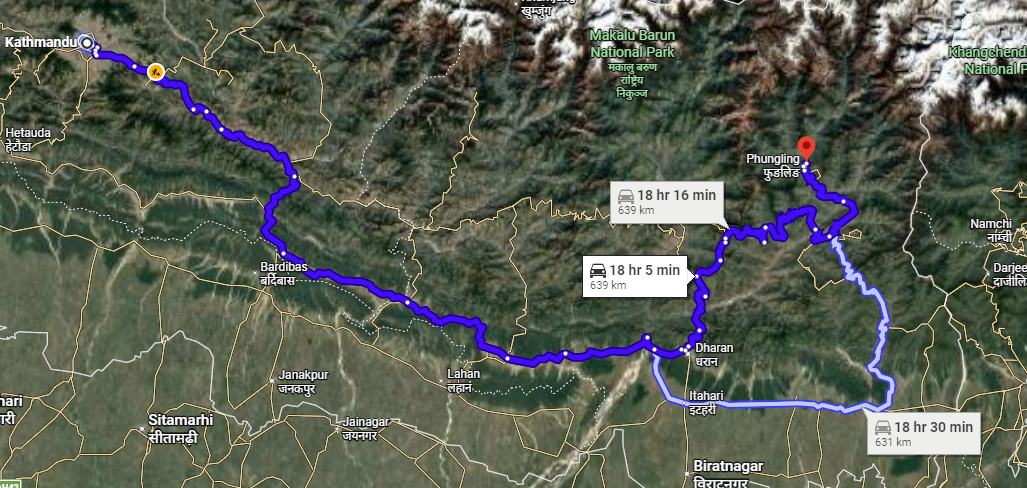
Stage-by-Stage Road Guide: Kathmandu to Pathivara
Day 1, Stage 1: Kathmandu to Hetauda (95 km | 2.5 hrs)
Depart Kathmandu from 5:30 to 6:00 AM via the Tribhuvan Highway – Nepal’s historic first road, winding dramatically over the Mahabharat Range from the Kathmandu Valley to the Terai plains below. The Tribhuvan Highway is steep, winding, and scenic, with spectacular views over the Terai from the Daman ridge at an elevation of approximately 2,322 m. Hetauda is a Terai industrial city – a good early morning breakfast stop.
Day 1, Stage 2: Hetauda to Itahari (260 km | 4.5 hrs)
From Hetauda, join the East-West Highway heading east. This long, flat Terai highway section passes through the rice paddies, mustard fields, and subtropical forests of the Chitwan, Sarlahi, and Sunsari districts. The road is wide, paved, and generally fast. Pass through Narayanghat, Gaur, and Lahan, and arrive at Itahari Junction in Sunsari District – the major junction for traffic heading north to Dharan and east to Biratnagar and the Indian border.
Day 1 Overnight: Dharan or Birtamod
From Itahari, continue 20 km north to Dharan – the recommended overnight stop for Day 1. Dharan is an attractive city at the base of the Siwalik Hills with good hotels, restaurants, and the famous Budhasubba Temple. Alternatively, continue 80 km east to Birtamod in Jhapa District if you prefer to be further east for the Day 2 morning start. Total Day 1 driving: approximately 8 to 9 hours from Kathmandu.
Day 2, Stage 3: Dharan to Taplejung / Phungling (170 km | 6–8 hrs)
This is the most challenging and most spectacular section of the entire journey – the long mountain climb from Dharan (400 m) through the eastern hill districts to Phungling / Taplejung Bazaar (1,700 m). Depart Dharan by 6:30 AM.
The road heads north from Dharan into the Siwalik and Mahabharat hills through Dhankuta District, Tehrathum District, and finally Taplejung District. Key towns and landmarks:
- Dhankuta (1,150 m) – district headquarters, 50 km from Dharan, good morning tea stop. Beautiful hill town with panoramic views
- Hile (1,900 m) – a busy market town on the ridge with excellent views. Famous junction – the road to Taplejung branches here
- Basantpur (2,200 m) – the highest point on the Taplejung road, a small market town with tea shops and the first views of the eastern Himalayan range, including Kanchenjunga on clear days
- Taplejung / Phungling (1,700 m) – the district headquarters, final vehicle destination before the walk to Pathivara begins. Has hotels, restaurants, ATMs, and shops
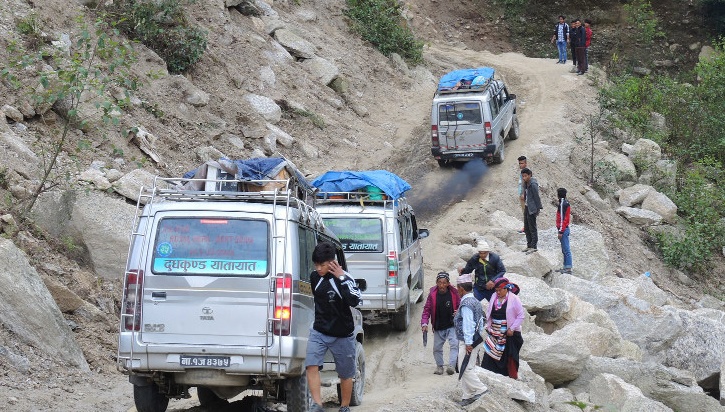
TheDharan-Taplejungg road is one of eastern Nepal’s most winding and demanding mountain roads. It climbs through dense forest, terraced rice paddies, and traditional Limbu and Rai villages. The road is paved in most sections but has rough patches, particularly after the monsoon. Narrow sections and hairpin bends are frequent from Dhankuta onwards. The Scorpio is the ideal vehicle for this section.
Distance and Time Summary
| Stage | From – To | Distance | Time | Road Type |
| Day 1-A | Kathmandu → Hetauda | 95 km | 2.5 hrs | Tribhuvan Hwy – winding mountain road |
| Day 1-B | Hetauda → Itahari | 260 km | 4.5 hrs | East-West Hwy – flat paved Terai |
| Day 1-C | Itahari → Dharan | 20 km | 30 min | City road – paved |
| OVERNIGHT | Dharan | – | – | Hotel overnight |
| Day 2-A | Dharan → Dhankuta | 50 km | 2 hrs | Hill road – paved, steep |
| Day 2-B | Dhankuta → Basantpur | 70 km | 2.5 hrs | Mountain road – winding, rough patches |
| Day 2-C | Basantpur → Phungling | 50 km | 2 hrs | Hill road – steep descent to Taplejung |
| Day 3-A | Phungling → Chitlang (jeep) | 3 km | 30 min | Rough track – local jeep |
| Day 3-B | Chitlang → Pathivara (walk) | 7 km | 2.5–3.5 hrs | Mountain footpath – uphill walk |
| TOTAL | KTM → Pathivara | 548 km + 10 km walk | 3 days | Paved + mountain road + footpath |
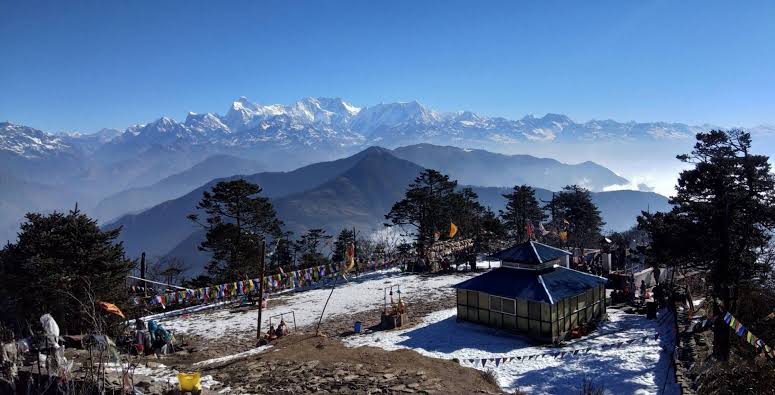
The Trek to Pathivara Temple
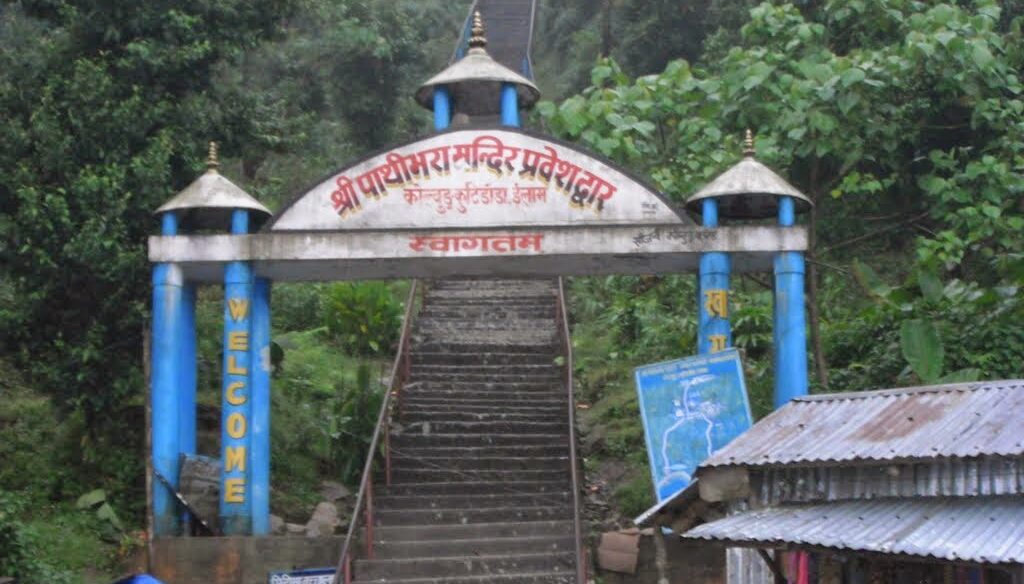
The vehicle journey ends at Phungling (Taplejung Bazaar) or Chitlang, from where all pilgrims continue on foot to theTemplee. This walk is not optional – there is no vehicle access to Pathivara temple itself.
Route Options to the Temple
Option A – Phungling to Pathivara directly: 10 km, – 5 hours uphill. Starting from the bazaar level (1,700 m) and ascending to 3,794 m. Steep in sections. Passes multiple rest stops, small shrines, and teahouses along the trail.
Option B – Jeep to Chitlang, then walk: Local jeep from Phungling to Chitlang (3 km, 30 min), then a 7 km walk from Chitlang to the Pathivara temple (2.5 to 3.5 hours). This is the most popular approach as it reduces total walking time.
Option C – Overnight at Chitlang: Drive to Phungling on Day 2, take a local jeep to Chitlang, overnight at Chitlang teahouses, and begin the walk to Pathivara at dawn on Day 3 for the morning light.
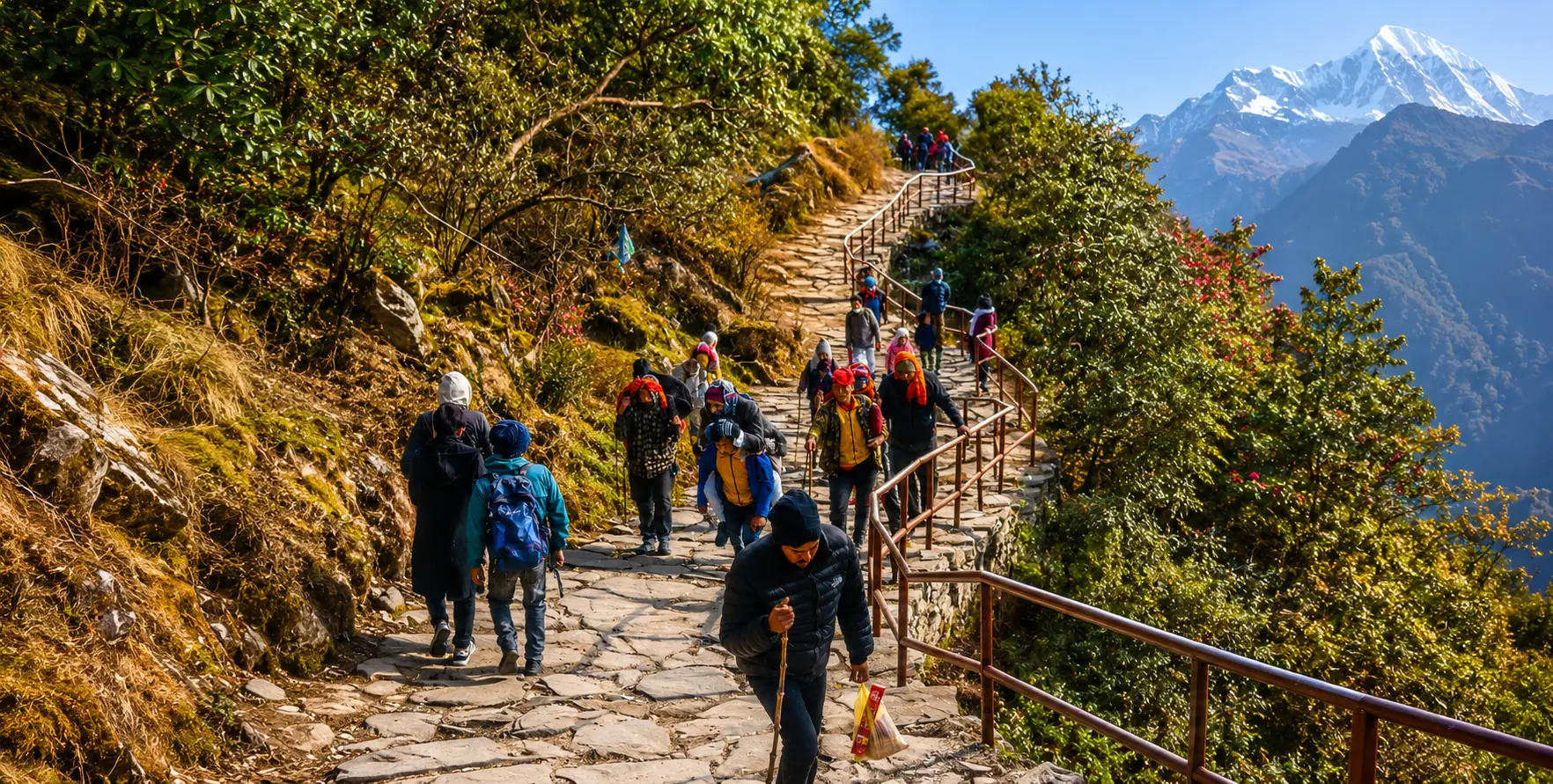
The Walking Trail
The trail from Chitlang to Pathivara passes through a rhododendron forest, open meadows with increasingly expansive mountain views, and past several smaller sacred shrines and rest points. The path is well-marked and heavily used by pilgrims – you will never be alone on the trail during peak pilgrimage season. Steel handrails and stone steps have been installed on the steepest sections in recent years, making the climb more manageable for elderly pilgrims and devotees with limited mobility.
As you ascend, the mountain panorama opens progressively. At the Pathivara temple ridge (3,794 m), on clear days you can see Kanchenjunga (8,586 m) to the northeast, Makalu (8,485 m) to the northwest, Everest (8,849 m) in the far west, and the rolling eastern Himalayan ranges in all directions – one of the most extraordinary panoramic views available at any pilgrimage site in Nepal.
Porters and Pony Service
For elderly pilgrims, those with limited mobility, or those carrying heavy offerings, porter and pony services are available from Phungling and Chitlang. Porters carry bags and personal items for approximately NPR 1,000 to NPR 2,000 per trip. Ponies can carry devotees who are unable to walk the full distance to theTemplee for approximately NPR 3,000 to NPR 5,000 for the full ascent. These services are available at the Chitlang departure point and are operated by local community members.
Pathivara Temple – Pilgrimage Experience
The Goddess Pathivara
Pathivara Devi is a fierce manifestation of the Divine Mother – an aspect of Shakti and Durga worshipped primarily by the Kirat (Limbu, Rai) communities of eastern Nepal who consider her the supreme tribal goddess, and by Hindu devotees from across Nepal and India who revere her as a wish-fulfilling goddess of immense power. The name Pathivara may derive from ‘path’ (way/road) and ‘vara’ (boon/blessing) – the goddess who grants boons on the path – or from the Limbu language term for the deity.
Pathivara Devi is worshipped in a simple stone shrine with a prominent trishul (trident) – the symbol of Shakti’s power – as the primary sacred object. The goddess does not have an elaborate anthropomorphic image in the main shrine – she is considered to be formlessly present in the sacred site itself, in the mountain rock, the wind, and the surrounding peaks.
The Sacred Animals
Pathivara is one of Nepal’s most active animal sacrifice pilgrimage sites. Thousands of goats, ducks, and other animals are offered to the goddess each year by devotees fulfilling vows or seeking blessings. Temple priests conduct the sacrifice in the dedicated sacrificial area adjacent to the main shrine. For visitors who are unfamiliar with or uncomfortable with animal sacrifice, this is worth knowing before the visit – the pilgrimage atmosphere during high season (particularly Dashain in October) is very intense.
The Temple Complex
The Pathivara temple complex at 3,794 m includes the main goddess shrine, smaller secondary shrines, a sacred dhara (water spout) where pilgrims bathe ritually, prayer flag lines strung from poles across the ridge, stone rest areas for pilgrims, and basic teahouses where food and tea are available. The Taplejung District government and the Pathivara Development Committee have developed improved facilities, including permanent pilgrim rest areas and a small visitor information center.
Pilgrimage Rituals
The traditional Pathivara pilgrimage sequence for devotees:
- Bathe at the sacred dhara (water spout) on arrival – ritual purification before entering the main shrine
- Offer flowers, marigold garlands, incense, red cloth, and fruit at the main goddess shrine
- Perform pradakshina (circumambulation) of the main shrine clockwise
- Offer animal sacrifice if making a vow-fulfillment offering – conducted by temple priests
- Sit in meditation or prayer at the viewpoint ridge – facing the Kanchenjunga massif
- Take darshan of all secondary shrines and sacred stones on the temple ridge
- Purchase and string a prayer flag from the temple complex as an offering
- Descend with the feeling of having received the goddess’s blessing and grace
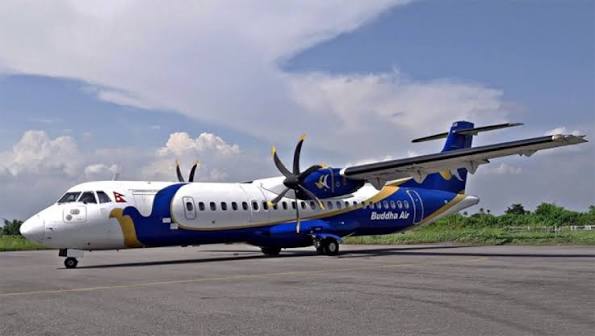
Alternative Route: Fly to Biratnagar or Taplejung, then drive / Trek
Fly Kathmandu to Biratnagar + Drive to Taplejung
Flight: Kathmandu to Biratnagar – 45 minutes, USD 80 to USD 110 per person
Drive Biratnagar to Taplejung: Approximately 290 km, 7 to 9 hours by Scorpio or Hiace
Vehicle from Biratnagar: Scorpio NPR 8,000 to NPR 12,000 / Hiace NPR 10,000 to NPR 15,000 (local hire rates)
Total time: 1 day flight + drive vs 2 days full road from Kathmandu
Flying to Biratnagar saves the longKathmandu-to-Teraii driving day. It allows you to complete the Biratnagar-to-Taplejung journey in a single day, arriving in Taplejung the same evening as your flight. This option works well for time-limited pilgrims and is particularly popular during peak pilgrimage season when the road from Kathmandu is congested.
Fly Kathmandu to Taplejung (Suketar Airport)
Flight: Kathmandu to Suketar (Taplejung) – approximately 1 hour, USD 130 to USD 160 per person
Airlines: Tara Air, Summit Air – small aircraft, weather dependent
Advantage: Arrives directly in Taplejung – eliminates all road travel from Kathmandu
Disadvantage: Suketar Airport is very weather-sensitive – frequent delays and cancellations
From the airport: Suketar Airport is approximately 3 km from Phungling – short local transport to the bazaar
Flying directly to Taplejung / Suketar airport is the fastest way to begin the Pathivara pilgrimage, cutting travel time from 2 to 3 road days to a single 1-hour flight. However, Suketar is one of Nepal’s most weather-affected small airports and cancellations are common – always build buffer days into your itinerary. Vehicle Hiring Nepal does not sell these flight tickets but can advise on booking through licensed agencies.
All Transport Options Summary: Kathmandu to Pathivara
| Option | Route | Total Time | Approx. Cost | Best For |
| Option A – Full Road | KTM → East-West Hwy → Dharan → Taplejung → walk | 3–4 days total | USD 220–280 vehicle + local jeep | Most pilgrims complete the journey by road |
| Option B – Fly Biratnagar | KTM → fly BIR → drive Taplejung → walk | 2–3 days | USD 80–110 flight + local vehicle | Time-saving first leg – common option |
| Option C – Fly Taplejung | KTM → fly Taplejung → local jeep → walk | 2 days | USD 130–160 flight + NPR 1,500 jeep | Fastest – flight cancellation risk |
| Option D – Bus Kathmandu to Itahari then Scorpio | Bus + private vehicle | 3–4 days | USD 15–25 bus + USD 150–200 vehicle | Budget pilgrims |
Peak Pilgrimage Seasons at Pathivara
Dashain – October (Biggest Season)
Vijaya Dashami during the Dashain festival (September to October) is the single busiest and most auspicious time at Pathivara. Hundreds of thousands of pilgrims from Nepal and India ascend to theTemplee during the Dashain fortnight. Animal sacrifices reach their highest volume. The atmosphere is intensely devotional and festive. The road from Kathmandu to Taplejung is at its most congested – allow extra travel days. Book vehicles 4 to 8 weeks in advance for the Dashain season.
Chaitra Dashain – March / April (Second Major Season)
The spring Dashain (Chaitra Dasain) in March and April is the second peak pilgrimage season at Pathivara. Rhododendron forests below theTemplee are in magnificent bloom. The weather is generally good. A smaller but significant pilgrimage season – book vehicles 2 to 4 weeks ahead.
Year-Round Pilgrimage
Unlike many Nepali sacred sites, Pathivara receives pilgrims year-round. The Temple is always accessible (weather permitting), and pilgrims arrive every day. Outside of Dashain and Chaitra Dasain, visitor numbers are lower and the atmosphere more contemplative. TheTemple’ss power is considered equally present in all seasons.
Monsoon Season (June to September)
The Dharan-Taplejung road is most challenging during the monsoon. Landslides can temporarily block sections of the road and make driving conditions difficult. The trail to the Temple becomes slippery, and leeches are present in the forest section. Travel is possible but requires an experienced driver and a capable 4WD vehicle (Scorpion is recommended). Monsoon clouds may obscure mountain views from the Temple, but many devoted pilgrims choose to travel specifically during the monsoon.
Accommodation: Phungling and Chitlang
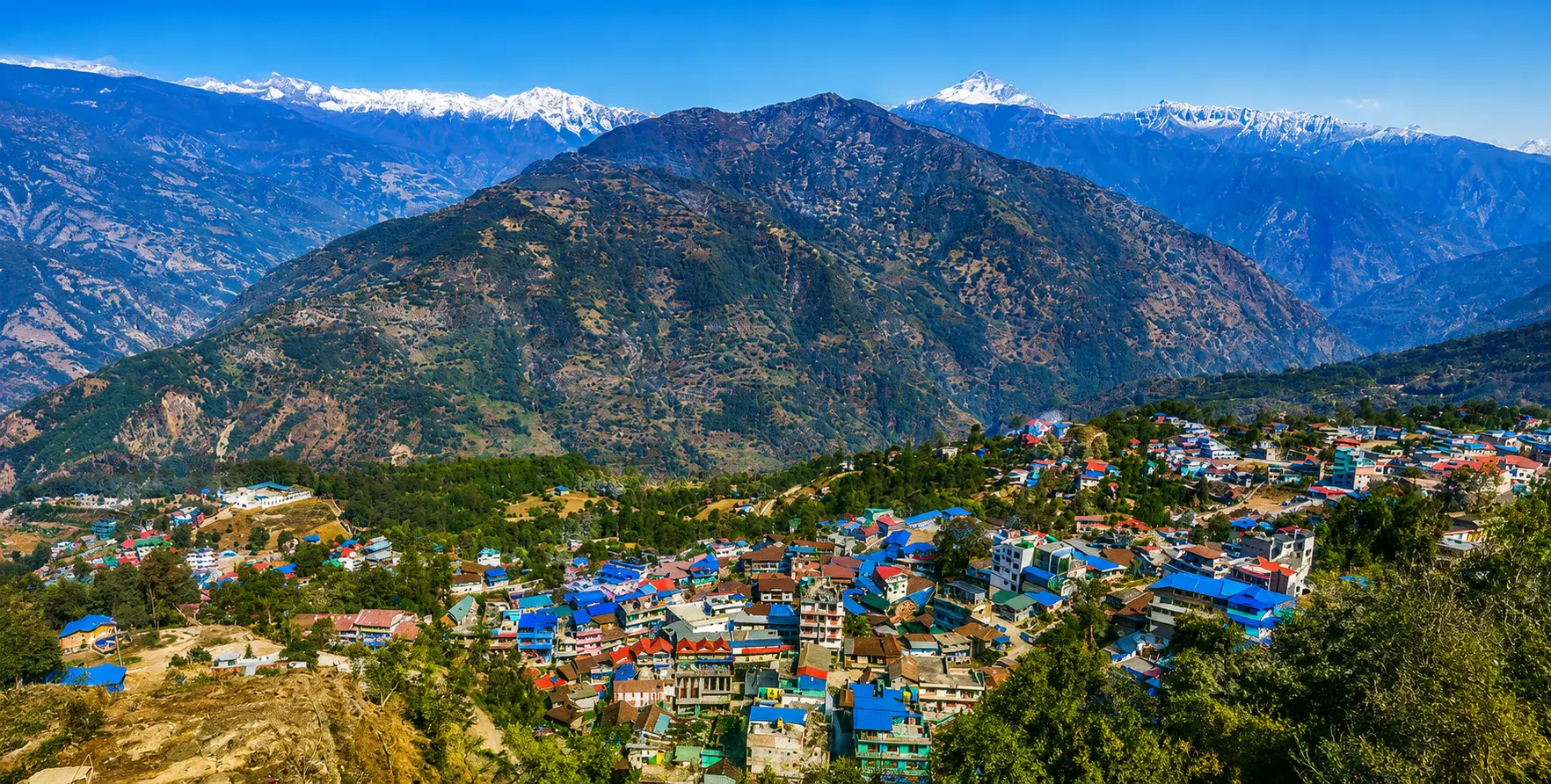
Phungling (Taplejung Bazaar) – 1,700 m
Phungling has a good range of accommodation for pilgrims arriving after the long journey from Kathmandu:
- Basic Guesthouse: NPR 400 to NPR 800 per night – simple rooms, shared bathroom, cold water, local food
- Mid-range Hotel: NPR 800 to NPR 2,000 per night – better rooms, hot water available, restaurant
- Better Hotels: NPR 2,000 to NPR 4,000 – comfortable rooms, hot shower, Wi-Fi, good Nepali and Indian food
- Phungling has ATMs, pharmacies, shops for pilgrimage supplies (marigolds, incense, red cloth), and local restaurants
- Electricity is available but can be unreliable – charge devices during daylight hours
Chitlang – 2,100 m (Last Vehicle Point)
Chitlang has basic teahouses for pilgrims who wish to overnight here before the morning ascent to theTemplee:
- Teahouse rooms: NPR 300 to NPR 600 per night – very basic, blankets provided, shared facilities
- Simple meals available – dal bhat, noodles, eggs, tea
- The advantage of overnighting in Chitlang is a shorter 7 km walk to the Temple on the morning of your pilgrimage, rather than the full 10 km from Phungling.
At theTemplee (3,794 m)
Basic pilgrim shelter is available adjacent to the Pathivara temple complex – simple dormitory-style accommodation with blankets for pilgrims who wish to spend the night at the sacred site. Bring a sleeping bag for warmth at this altitude. Food is very basic at the temple level.
Road Conditions: Kathmandu to Taplejung
| Section | Surface | Difficulty | Vehicle Needed | Monsoon Risk |
| KTM → Hetauda (Tribhuvan Hwy) | Paved mountain road | Moderate | Any vehicle | Low |
| Hetauda → Itahari (East-West) | Paved flat highway | Easy | Any vehicle | Low (flooding risk) |
| Itahari → Dharan | Paved city road | Easy | Any vehicle | Low |
| Dharan → Dhankuta | Paved hill road | Moderate | Scorpio/SUV | Moderate |
| Dhankuta → Basantpur | Paved/rough mountain | Hard | Scorpio/4WD | High – landslide risk |
| Basantpur → Phungling | Mixed paved/rough | Moderate-Hard | Scorpio/4WD | High – landslide risk |
| Phungling → Chitlang (jeep) | Rough track | Hard | Local 4WD only | Very High |
| Chitlang → Pathivara (walk) | Mountain footpath | Strenuous walk | Walk only | Slippery trail |
Best Time to Travelfrom Kathmandu to Pathivara
October (Dashain – Peak Pilgrimage)
The most auspicious and most crowded time. Vijaya Dashami is considered the most powerful day for Pathivara worship. The road from Dharan to Taplejung has been fully repaired after the monsoon and is in the best condition of the year. Clear post-monsoon skies offer the finest Kanchenjunga views from theTemplee. Book vehicles and accommodation 4 to 8 weeks ahead.
March to April (Chaitra Dasain and Spring)
The spring pilgrimage season, with rhododendrons blooming beautifully in the forest below the Temple. Good weather, less crowded than Dashain, and excellent mountain views in the morning. Highly recommended for first-time pilgrims who want a quieter experience.
November to February (Post-Dashain / Winter)
After Dashain crowds thin and the road is in good dry condition. November is excellent – clear skies and cool temperatures. December and January bring cold at the temple altitude (below 0°C at night) and occasional frost on the path. February is improving and still quiet. Good for pilgrims who prefer a contemplative rather than aestival atmosphere.
May and early June
Pre-monsoon season. Roads are dry, temperatures are warm at lower altitudes, and crowds are moderate. As the monsoon approaches in late May and June, road conditions deteriorate and landslide risk increases along the Dhankuta-Taplejung section.
What to Pack for the Kathmandu to Pathivara Journey
For the Long Vehicle Journey
- Water – 2 liters per person minimum for each driving day
- Snacks and food for the long East-West Highway section – limited quality food stops in remote sections
- Motion sickness tablets – the Dharan to Taplejung road has extremely winding sections
- Warm layer for the hill sections – Dhankuta, Basantpur, and Taplejung are significantly cooler than the Terai
- Cash in NPR – ATMs in Dhankuta and Taplejung but not on the mountain road sections
For the Pilgrimage Trek to Pathivara
- Comfortable trekking or walking shoes with good grip – the trail is steep and can be slippery.
- Warm jacket and wind layer – at 3,794 m the temperature drops sharply, ly and the wind can be very cold.
- Rain poncho or waterproof jacket – weather at 3,794 m can change quickly
- Pilgrimage offerings: fresh marigold garlands, red cloth or sindoor, incense, coconut, and fruit – purchased at Phungling bazaar
- Enough NPR for teahouse food on the trail, porter if needed, and temple donation
- Personal medications and basic first aid
- Headlamp – for early morning ascents before dawn
- Sunscreen and sunglasses – UV radiation is strong at 3,794 m
Practical Tips for the Kathmandu to Pathivara Pilgrimage
- Plan the vehicle journey for at least 2 days – overnight in Dharan, then Taplejung on Day 2. Never attempt to reach Taplejung from Kathmandu in a single day
- Depart Kathmandu from 5:30 to 6:00 AM on Day 1 to reach Dharan by late afternoon, with time to rest.
- Depart Dharan by 6:30 AM on Day 2 for Taplejung – the Dhankuta to Taplejung section is long and windy.ng
- Book your Taplejung hotel in advance for Dashain season – accommodation fills weeks in advance.
- Take the local jeep from Phungling to Chitlang before beginning the walk – it saves significant energy for the actual ascent to Templemple.
- Hire a local porter in Chitlang if carrying heavy offerings or if any group member needs assistance – they are highly knowledgeable about the trail.
- Begin the temple ascent from Chitlang before 8:00 AM on clear mornings for the best Kanchenjunga views and to avoid afternoon clouds.
- Wear modest, clean clothing for the pilgrimage – traditional dress is respected and appreciated at theTemplee
- The Dharan to Taplejung section is one of Nepal’s most winding hill roads – take motion sickness medication 30 minutes before this section if needed.
- Keep emergency cash in a separate place from your main wallet – remote eastern Nepal roads have limited services.
What is Included in Your Vehicle Rental
- Mahindra Scorpio, Toyota Hiace, or selected vehicle – fully maintained and insured
- Professional driver experienced on the Kathmandu to Taplejung,g eastern Nepal route
- Full fuel cost for the complete journey
- Vehicle insurance throughout
- Pickup from your Kathmandu hotel at your confirmed departure time
- Drop-off at Phungling (Taplejung Bazaar)
- Overnight stop in Dharan with the driver arranging own accommodation
- Return journey from Phungling to Kathmandu on your confirmed return date
- 24/7 WhatsApp support during the journey
Not included: Driver’s overnight accommodation (driver arranges own), local jeep from Phungling to Chitlang (NPR 500–800 per seat), porter and pony hire at Chitlang, pilgrimage offerings, your accommodation, personal meals, and any additional detour stops.
How to Book Your Kathmandu to Pathivara Transport
- Contact Vehicle Hiring Nepal via WhatsApp at +977 9851013196 or visit vehiclehiringnepal.com
- Choose your vehicle – Scorpio for groups of 5–8, Hiace for groups of 9–14, Fortuner for 4–5
- Confirm your pilgrimage travel dates and Dashain or Chaitra Dasain timing, if applicable.
- Provide your pickup address in Kathmandu.
- Confirm overnight stop preference – Dharan or Birtamod for Day 1
- Specify the return date from Phungling to Kathmandu
- Receive a booking confirmation with the driver’s name, vehicle details, and a 2-day journey plan
Frequently Asked Questions
How far isthe PathivaraTemplee from Kathmandu?
The road distance from Kathmandu to Phungling (Taplejung Bazaar, the vehicle’s endpoint) is approximately 615-650 km. From Phungling, the walk to Pathivara temple is 10 km (or 7 km from Chitlang, reached by local jeep from Phungling). The total journey from Kathmandu to the Pathivara temple is typically 3 days.
Can I visit Pathivara on a single-day trip from Kathmandu?
No. The road distance alone from Kathmandu to Phungling is 615 to 650 km – requiring 2 full days of driving even before the walk to theTemplee. A minimum of 3 days is required: Day 1 – Kathmandu to Dharan; Day 2 – Dharan to Phungling; Day 3 – walk to the Pathivara temple and return to Phungling. A 5-day round trip from Kathmandu is more comfortable and recommended.
Is the Pathivara temple accessible for elderly pilgrims?
Yes, with appropriate assistance. The pony service from Chitlang to near Templemple and the porter service for carrying bags make the pilgrimage accessible to elderly and less mobile devotees. The stone staircase and handrail sections on the trail have been improved in recent years. Many elderly pilgrims from India and Nepal complete the Pathivara pilgrimage with the help of porters and ponies. Inform Vehicle Hiring Nepal at the time of booking if you have elderly group members so that we can advise on the best approach.
What is the best vehicle for the Dhara- Taplejung road?
The Mahindra Scorpio is the best vehicle for the Dharan-Taplejung section. The road is steep, winding, and has rough patches – particularly from Dhankuta to Basantpur and on the final descent to Phungling. Local transport on this route overwhelmingly uses Scorpios and Boleros – a clear indication of which vehicles handle the road best. The Scorpio’s high ground clearance, 4WD, and powerful diesel engine are all put to use on this demanding road.
Are there ATMs along the route from Kathmandu to Taplejung?
ATMs are available in Dharan, Dhankuta, and Phungling (Taplejung Bazaar). There are no ATMs on the mountain road between these towns. Withdraw sufficient Nepali Rupees in Dharan to cover all expenses through to Phungling and beyond – including local jeep hire, porter fees, offerings, and accommodation—budget approximately NPR 5,000 -0,000 per person beyond Dharan for the full Pathivara pilgrimage.
How far in advance should I book for the Dashain season?
For the Dashain (October) pilgrimage, book your vehicle 6 to 10 weeks in advance. Pathivara is one of Nepal’s busiest pilgrimage destinations during Dashain, and vehicles, accommodation, and guides are in extremely high demand. For Chaitra Dasain (March–April), a 3- to 5-week booking is recommended. Outside of these peak seasons, 1 to 2 weeks’ notice is usually sufficient.
Final Thoughts
The journey from Kathmandu to Pathivara is one of Nepal’s most demanding and most rewarding pilgrimages – a3-3 to 5-day odyssey from the Kathmandu Valley across the breadth of the country to the far eastern Himalayas, ending with a challenging ascent to a sacred ridge at 3,794 m where the Goddess Pathivara holds court beneath the gaze of Kanchenjunga, Makalu, and Everest. It is not an easy journey – but for the millions of devotees who complete it each year, it is one that changes lives, fulfills vows, and brings the deepest blessings.
Vehicle Hiring Nepal provides the most reliable and experienced transport service for the Kathmandu-Taplejung route. Our Scorpio and Hiace drivers know the winding Dhankuta to Taplejung road intimately, understand the pilgrimage timing requirements around Dashain and Chaitra Dasain, and provide the dependable service that such a sacred journey deserves.
Book your Kathmandu-to-Pathivara transport today. WhatsApp: +977 9851013196 | Website: www.vehiclehiringnepal.com | Email: [email protected]. Jai Pathivara Devi!
- Kathmandu to Pathivara Transport – Complete Pilgrimage Guide 2026
- About Pathivara Devi – The Sacred Goddess of the East
- Understanding the Journey: Kathmandu to Pathivara
- Vehicle Options: Kathmandu to Taplejung (Phungling)
- Vehicle Rental Prices: Kathmandu to Taplejung 2026
- Route Overview: Kathmandu to Phungling (Taplejung)
- Stage-by-Stage Road Guide: Kathmandu to Pathivara
- Distance and Time Summary
- The Trek to Pathivara Temple
- Pathivara Temple – Pilgrimage Experience
- Alternative Route: Fly to Biratnagar or Taplejung, then drive / Trek
- All Transport Options Summary: Kathmandu to Pathivara
- Peak Pilgrimage Seasons at Pathivara
- Accommodation: Phungling and Chitlang
- Road Conditions: Kathmandu to Taplejung
- Best Time to Travelfrom Kathmandu to Pathivara
- What to Pack for the Kathmandu to Pathivara Journey
- Practical Tips for the Kathmandu to Pathivara Pilgrimage
- What is Included in Your Vehicle Rental
- How to Book Your Kathmandu to Pathivara Transport
- Frequently Asked Questions
- Final Thoughts

Related Blog & Articles
Eastern Nepal Tour Vehicle Rental
Kathmandu to Ilam Vehicle Rental – Car, Scorpio & Hiace Guide 2026
Kathmandu to Halesi Mahadev Transport

Kathmandu to Dolakha Vehicle Rental 2026 – Car, Jeep, Van, Hiace & Bus Hire