Plan a Trip


Kathmandu to Zhangmu Border Private Transport | Kodari Jeep
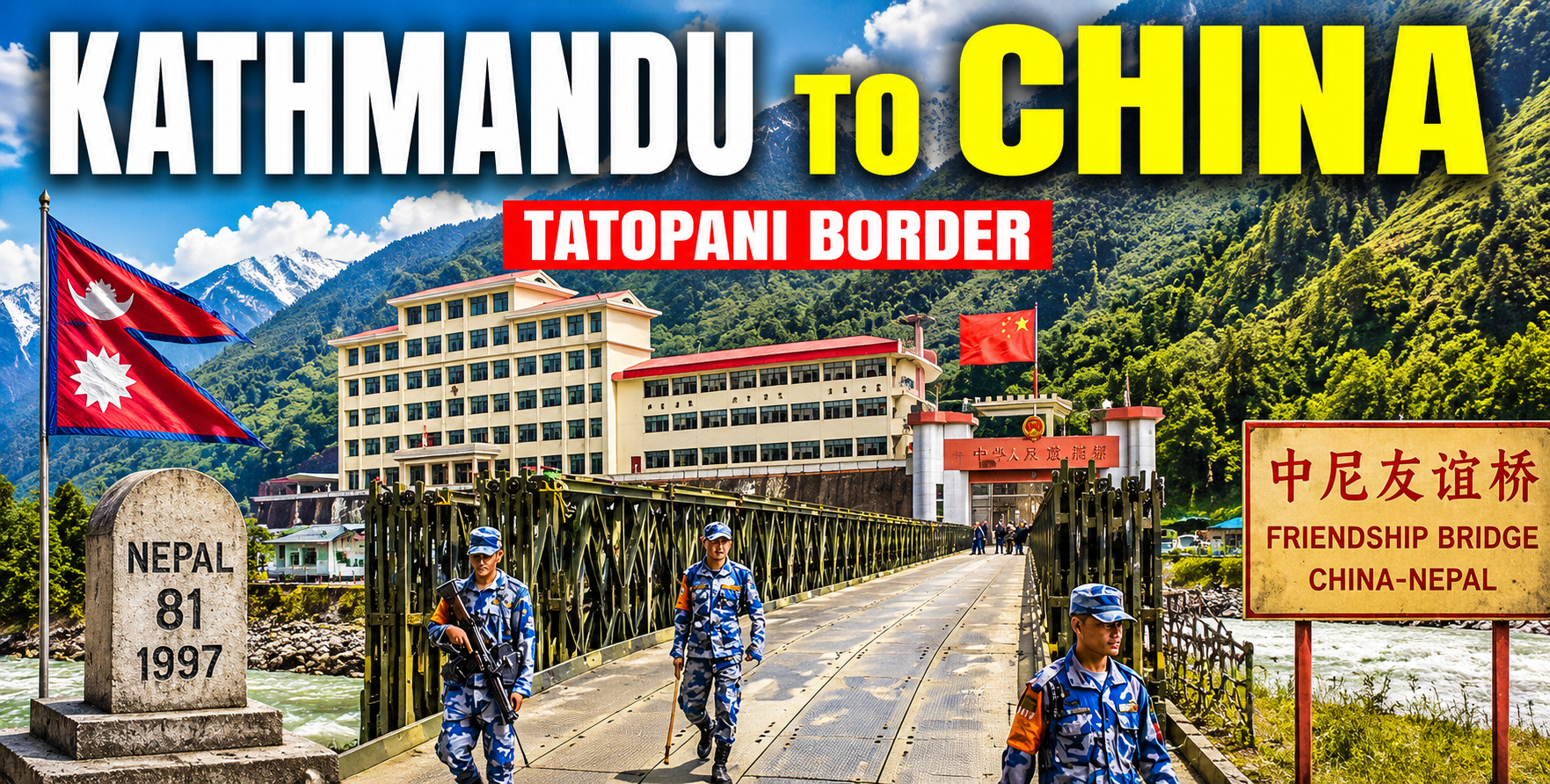
Kathmandu to Zhangmu Border Private Transport: Jeep, Car, Hiace and Bus to Kodari
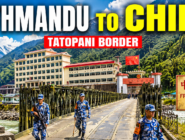
The Tatopani–Kodari crossing, opposite Zhangmu (Khasa) in Tibet, is Nepal’s historic overland gateway to China. It sits at the northern end of the Araniko Highway, where the Sino-Nepal Friendship Bridge spans the Bhote Ko River. For travelers heading to Tibet, Kailash Mansarovar pilgrims, and groups returning from the Tibetan plateau, the road from Kathmandu to the border is the first or last leg of an unforgettable journey. A Kathmandu-to-Zhangmu border private transport booking gets you there in one comfortable vehicle with a driver who knows the road.
This guide explains the route and drive time, what the Araniko Highway is like, which vehicle to choose, USD price ranges, what to expect at the border, documents and permits, pickups for travelers returning from Tibet, and how to plan around landslides and border changes. At Nepal Vehicle Hiring, we run private jeeps, Mahindra Scorpios, cars, Toyota Hiace vans, Coaster buses, and tourist buses to the Kodari border for tourists, pilgrims, and travel agencies.
To book, send your crossing date and group size on WhatsApp at +977 9814227196 or email [email protected].
NOTE: Border operations at Tatopani–Kodari can change at short notice because of landslides, floods, or decisions by either government. Tourist crossings and cargo movement have sometimes been treated differently. Always confirm the current status with your Tibet travel agency before traveling, and we’ll check road conditions on our side.
Kathmandu to Zhangmu Border at a Glance
- Start: your hotel in Kathmandu, Thamel, Patan, Boudha, or Bhaktapur
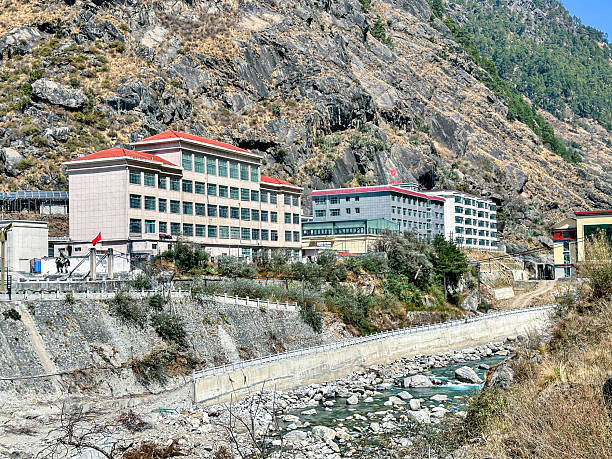
- End: Tatopani–Kodari border point, Sindhupalchok district, at the Friendship Bridge opposite Zhangmu
- Approximate distance: about 112–120 km
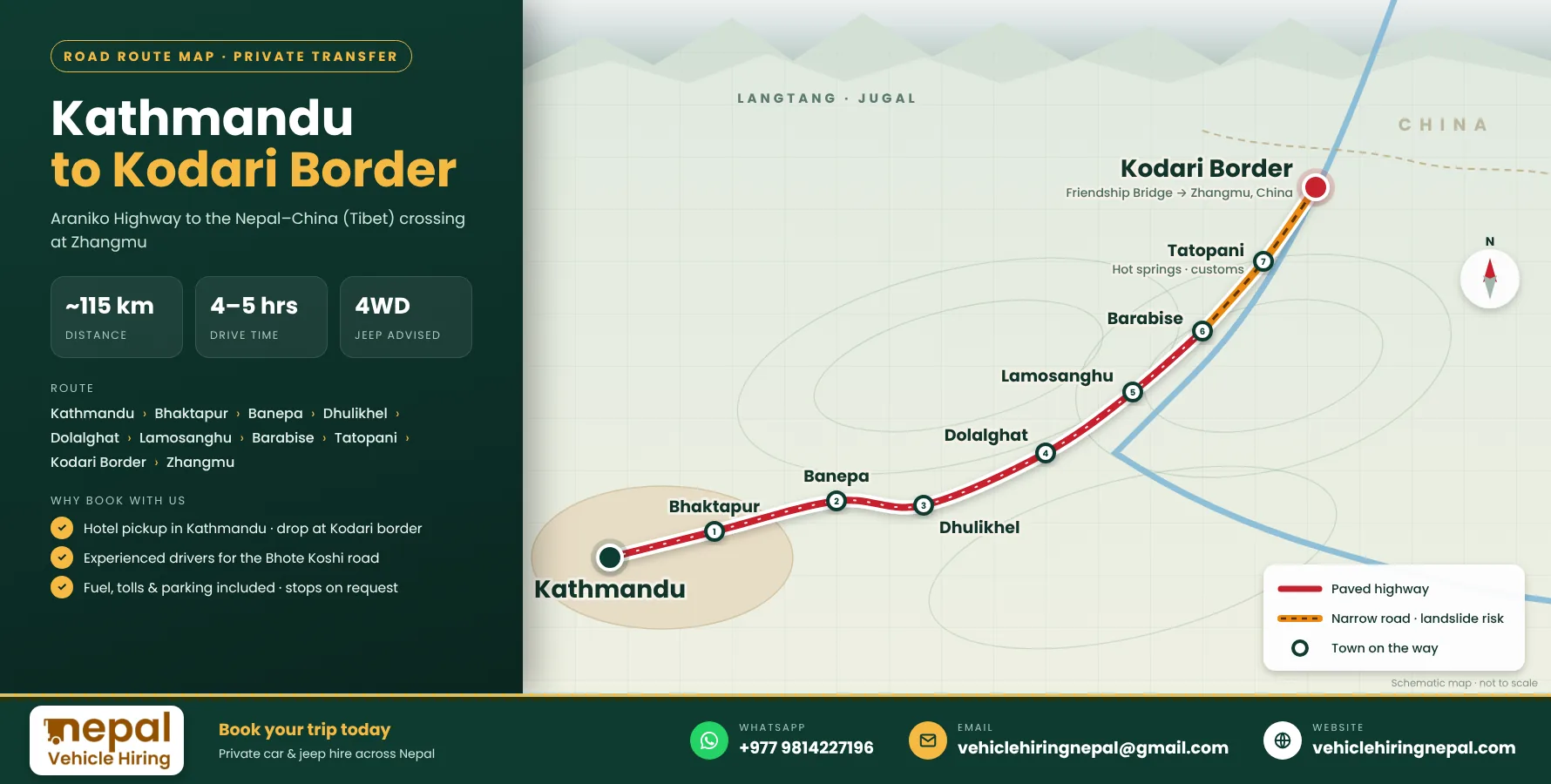
- Route: Kathmandu – Bhaktapur – Banepa – Dhulikhel – Dolalghat – Lamosangu – Barhabise – Tatopani – Kodari
- Typical drive time: about 4 to 6 hours, longer if road works or landslides cause delays
- Road: paved highway to Dolalghat, then a narrower mountain road with rough and landslide-prone sections
- Best vehicles: 4WD jeep or Mahindra Scorpio; Hiace, Coaster,, or bus for groups
- Private jeep price range: about USD 140–180 one way
Why Book Private Transport to the Border?
Timed for the Border Opening Hours
Border crossings work within set opening hours, and your Tibet guide will usually meet you at a fixed time on the other side. A private vehicle leaves Kathmandu when you need it to, with buffers for road delays, so you reach Kodar with plenty of time to spare.
Right Vehicle for the Araniko Highway
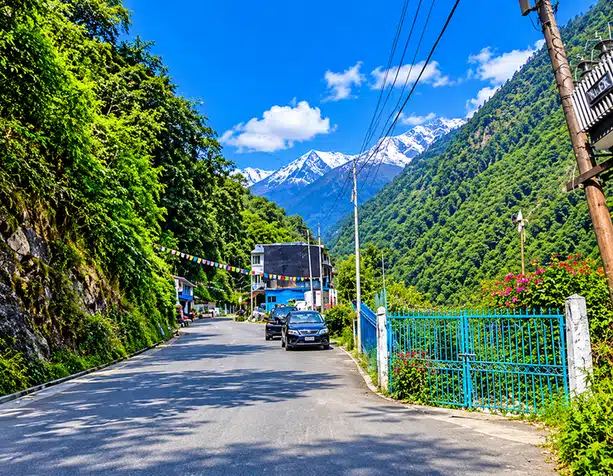
The upper part of the Araniko Highway, beyond Barhabise, follows the steep Bhote Koshi gorge. Landslides, road works, and rough patches are common. A 4WD jeep or Scorpio handles these sections far better than a small taxi.
Space for Luggage and Supplies
Tibet journeys need warm clothing, snacks,s and sometimes extra supplies for high-altitude travel. A private vehicle carries everything without crowding, and your bags stay with you right up to the bridge.
A Reliable Pickup on Return
If you’re coming back from Tibet or Kailash, a pre-arranged vehicle waiting at Kodari saves you from searching for transport at a busy border point after a long journey.
The Route, Section by Section
Kathmandu to Dhulikhel
The journey heads east through Bhaktapur and Banepa to Dhulikhel, a hill town famous for its Himalayan views. This section is paved and usually smooth. If you have time, you can combine our Bhaktapur Durbar Square tour with the start of the journey.
Dhulikhel to Dolalghat
From Dhulikhel, the highway descends through terraced hills to Dolalghat, where the Indrawati and Sunkoshi rivers meet. It’s a popular stop for tea and fried river fish.
Dolalghat to Barhabise
The road follows the Sunkoshi north through Khadichaur and Lamosangu to Barhabise, a busy bazaar town. The valley narrows, and the hills grow steeper. This section has seen repair work in recent years, so expect some rough stretches.
Barhabise to Tatopani and Kodari
The final stretch of about 27 km is the most challenging. The road climbs along the Bhote Koshi gorge past Tatopani, with its natural hot springs, to Kodari at the Friendship Bridge. Steep slopes above the road make this section prone to landslides and rockfall, especially in the monsoon. Experienced drivers take it slowly and watch conditions carefully.
NOTE: The Araniko Highway has been closed for long periods in some monsoon seasons due to landslides. We check the latest road status before every trip and will advise you if conditions change.
Which Vehicle Is Best for the Border Trip?
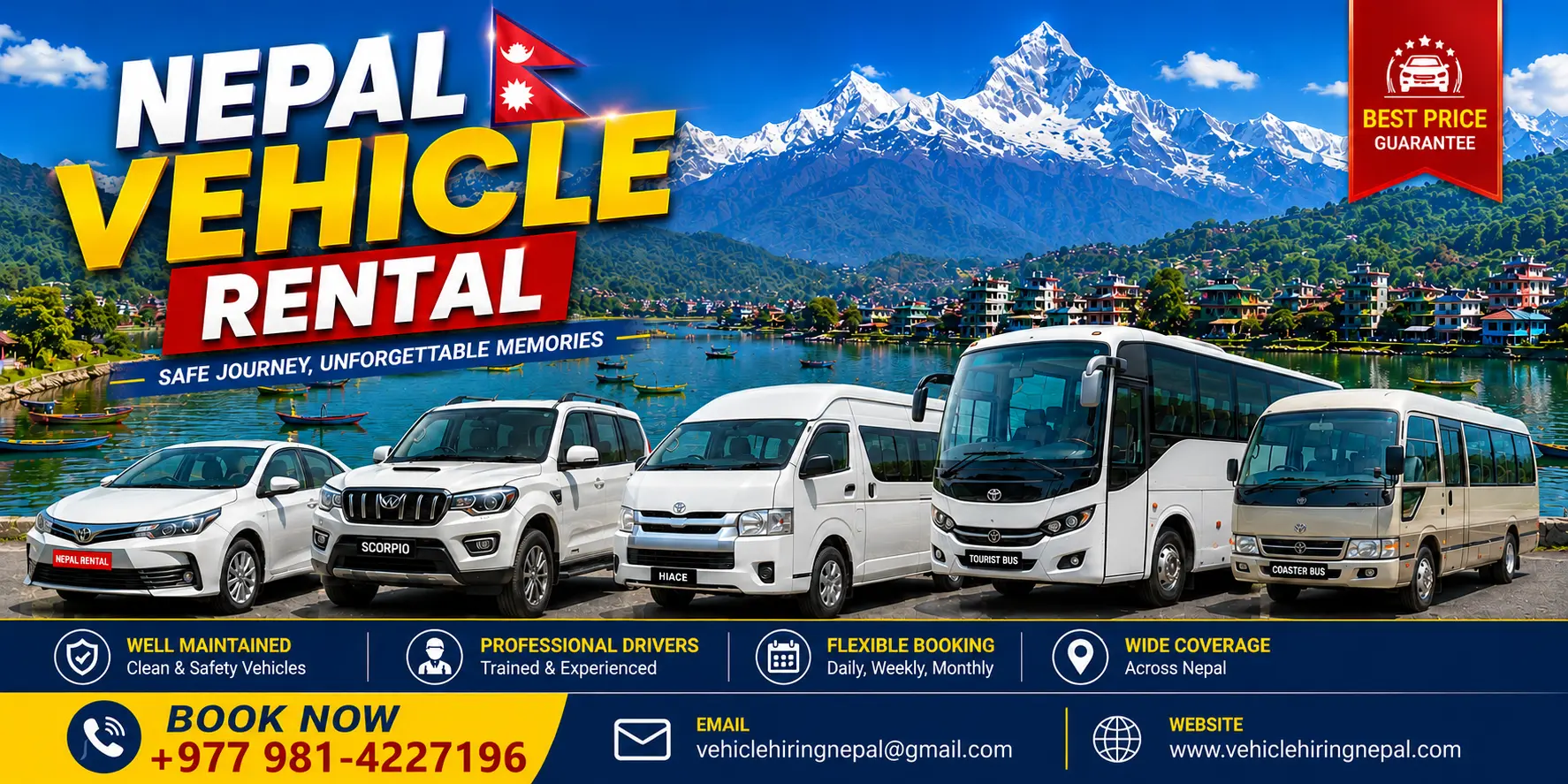
4WD Jeep (Up to 6 Passengers)
A 4WD private jeep is our top recommendation. Its ground clearance and four-wheel drive handle rough, muddy, or broken sections above Barhabise, and the roof rack carries luggage for up to six travelers.
Mahindra Scorpio (Up to 5 Passengers)
The Scorpio combines SUV comfort with good clearance. It suits couples, families, and small groups who want a smoother ride on paved sections while still handling rough patches.
Private Car (1–3 Passengers)
A private car can manage the route in good, dry conditions, but its low clearance makes the upper gorge less comfortable. We only recommend a car when the road is in good shape, and we’ll advise honestly on the day.
Toyota Hiace (6–12 Passengers)
A Toyota Hiace is ideal for small groups, including tour groups heading into Tibet together. It handles the highway well in normal conditions.
Coaster and Tourist Bus (Large Groups)
Pilgrim groups traveling to Kailash Mansarovar often travel in larger numbers. A coaster bus or tourist bus keeps everyone together. On narrow or damaged sections, large vehicles may need to travel slowly, and we plan timings around this.
Kathmandu to Zhangmu Border Price (USD)
Our prices include a private vehicle, an experienced mountain driver, fuel, the driver’s costs, insurance, road taxes, and parking. They sit slightly above the cheapest local offers because the Araniko Highway requires reliable vehicles and drivers who know the gorge, and we plan around border hours.
One-Way, Kathmandu to Tatopani–Kodari
- Private 4WD jeep (1–6 passengers): USD 160–170
- Mahindra Scorpio (1–5 passengers): USD 170–185
- Private car (1–3 passengers), dry conditions: USD 140–150
- Toyota Hiace (6–12 passengers): USD 190–220
- Coaster bus (15–25 passengers): USD 330–360
- Tourist bus (26–40 passengers): USD 420–460
Return, Pickups and Extras
- Kodari to Kathmandu pickup on return from Tibet: same range as one-way
- Round trip booked together: ask for a combined discount
- Overnight stay near the border with the same vehicle: add about USD 60–85 per night
- Waiting time if the crossing is delayed: by arrangement
For pilgrims and tour groups, a Hiace, Coaster, or bus brings the per-person cost down considerably. Get your exact quote on WhatsApp.
At the Border: What to Expect
Your driver will take you as close to the border point as vehicles are allowed and help unload your bags. From there, the crossing process generally follows these steps:
- Nepal exit: complete exit formalities at the Nepal immigration office at Tatopani–Kodari
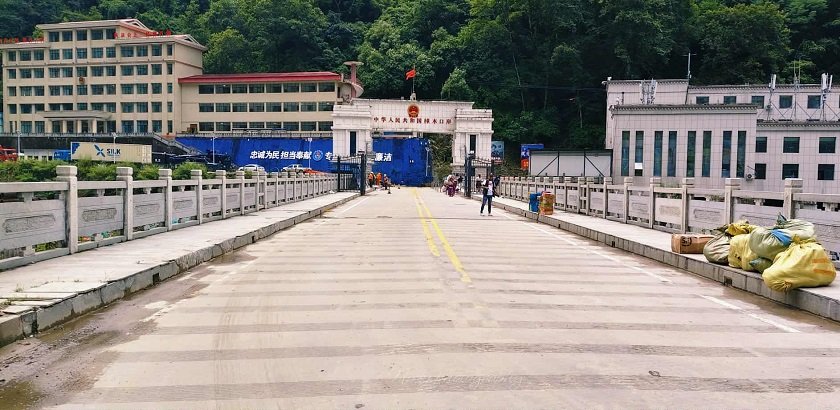
- Crossing the bridge: walk across the Friendship Bridge over the Bhote Koshi
- China entry: pass through Chinese immigration and customs; facilities have at times operated further uphill from the bridge
- Meet your Tibet guide: your Tibet travel agency’s guide and vehicle meet you on the Chinese side.
Nepali vehicles generally cannot continue into Tibet, so your Tibet agency arranges all onward travel. Border opening hours apply, and China’s time is 2 hours and 15 minutes ahead of Nepal, which matters when planning meeting times.
Documents and Permits for Tibet
Foreign travelers entering Tibet from Nepal need to make special arrangements in advance through a licensed Tibet travel agency. Requirements depend on your nationality and can change, so always check with your agency. Typically, travelers need:
- A passport valid for at least six months
- A Tibet Travel Permit arranged by a Tibet travel agency
- A Chinese visa, often issued as a group visa in Kathmandu for travelers entering from Nepal, unless your passport allows visa-free entry.
- A booked tour with a licensed guide, as independent travel in Tibet is not permitted for most foreigners
These documents take several working days to process, so plan well ahead. Nepali and Indian citizens may follow different rules. We provide the road transport, but your Tibet agency handles all permits and the onward journey.
Kailash Mansarovar Pilgrimage Transport
Every year, thousands of pilgrims travel from Kathmandu to Mount Kailash and Lake Mansarovar in western Tibet. When other crossings are disrupted, the Tatopani–Kodari route has carried many of these groups. We provide transport for pilgrim groups of all sizes, from a single jeep to several buses.
- Early departures timed for border opening hours
- Space for luggage, warm clothing and supplies
- Group coordinators to manage multiple vehicles
- Return pickups at Kodari matched to your group’s arrival
Agencies organizing Kailash yatras can book through our contact page or WhatsApp.
Preparing in Kathmandu Before the Border
Most Tibet trips begin with a few days in Kathmandu while your Tibet agency finalizes the permit and group visa. Use the time well:
- Arrival: book an airport pickup from Tribhuvan International Airport to your hotel
- Documents: submit your passport to your Tibet agency for the group visa and permit, and keep copies
- Sightseeing: visit Boudhanath, Swayambhunath and Pashupatinath on a Kathmandu sightseeing tour
- Heritage: explore the squares of Bhaktapur, conveniently on the way east
- Acclimatize gently: an overnight at Nagarkot adds a little height and a Himalayan sunrise
- Shopping: buy warm layers, snacks and medicines in Thamel for the Tibetan plateau
Staying in Bhaktapur or on the eastern side of Kathmandu shortens the drive to Kodari on crossing day.
A Typical Crossing Day
- Early morning: your driver collects you from your Kathmandu hotel, with bags loaded on the roof rack or in the back
- First hour: east through Bhaktapur and Banepa to Dhulikhel
- Mid-morning: down to Dolalghat for a tea break by the river
- Late morning: north along the Sunkoshi to Barhabise
- Midday: the slow, scenic climb up the Bhote Koshi gorge past Tatopani
- Early afternoon: arrival at Kodari, Nepal exit formalities and the walk across the Friendship Bridge
- Afternoon: meet your Tibet guide on the Chinese side and continue toward Nyalam
Your Tibet agency will set the meeting time on the Chinese side. We’ll plan your departure from Kathmandu backward from that time, with a buffer for road delays.
Tatopani Hot Springs and the Bhote Koshi Valley
The last section of the drive passes through one of Nepal’s most dramatic river valleys. The Bhote Koshi, meaning ‘river from Tibet’, rushes through a steep, forested gorge, and the road clings to its side. Tatopani, meaning ‘hot water’, is named for the natural hot springs near the river, traditionally used by locals and travelers for bathing.
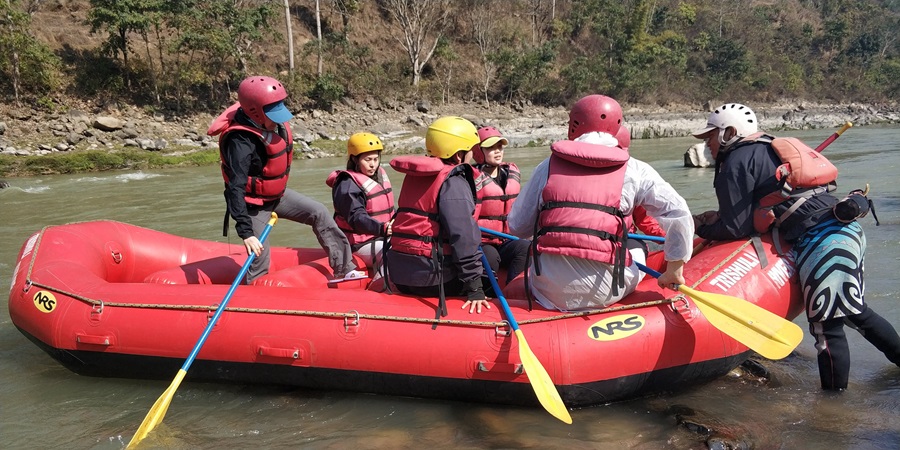
The valley is also one of Nepal’s adventure hubs. Whitewater rafting and whitewater kayaking on the Bhote Koshi are famous for their fast, continuous rapids, and the area also offers canyoning and bungee jumping. If you have extra days before or after your Tibet trip, these activities make a thrilling addition. Our drivers can drop you at riverside resorts along the way.
Staying Overnight Near the Border
Because of border opening hours and unpredictable road conditions, many travelers prefer to spend the night before crossing near the border. This lets you reach the Friendship Bridge early, rested and with time to spare.
- Barhabise: a busy bazaar town with simple hotels, about an hour or so from the border
- Bhote Koshi riverside resorts: quieter stays surrounded by forest and river sounds
- Tatopani and Kodari: basic guesthouses closest to the crossing
We can drive you to your overnight stop the afternoon before and collect you in the morning for the final stretch. Add an overnight to your private jeep or Hiace booking for about USD 60–85 per night.
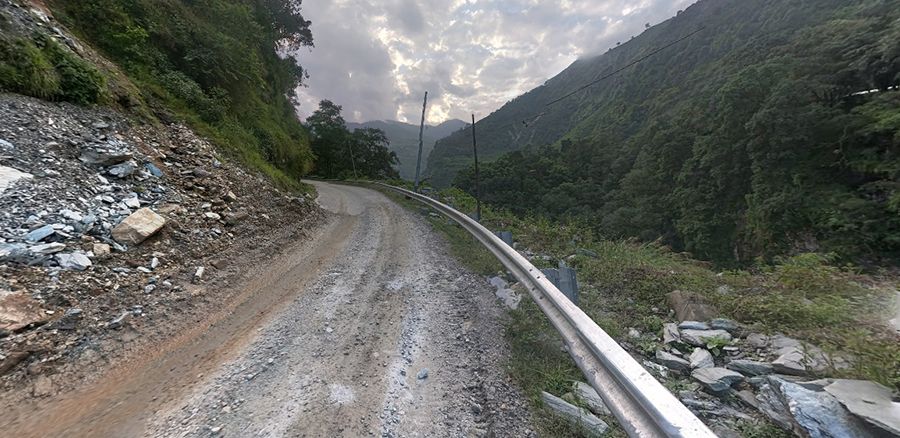
Road Safety on the Araniko Highway
The Araniko Highway is one of Nepal’s most challenging main roads, especially beyond Barhabise. A major earthquake damaged many slopes along the Bhote Koshi, and landslides still affect the road, particularly during the monsoon. In some seasons, sections close for weeks. We take safety seriously:
- Experienced drivers who know every landslide-prone section of the gorge
- 4WD vehicles for rough or muddy stretches
- Daylight travel on the upper highway wherever possible
- Daily road checks with local contacts before departure
- Flexible plans: if the road is unsafe, we wait, reroute, or reschedule
- Insured, licensed vehicles under our company name
Never let a tight schedule push you onto a dangerous road. That’s why we recommend leaving early or staying near the border the night before.
Best Seasons for Travel to the Border
Spring
Warmer weather and generally dry roads make spring a popular time for Tibet tours and the start of the Kailash pilgrimage season. Landslide risk is lower than in the monsoon.
Monsoon
The heaviest rains bring the highest landslide risk on the Araniko Highway. Closures are possible. Kailash pilgrimages continue in this season, so allow extra time and stay flexible.
Autumn
After the monsoon, roads gradually improve and skies clear. Autumn is an excellent time to travel in Tibet, with crisp air and wide views on the plateau.
Winter
Fewer travelers cross in winter, as the Tibetan plateau becomes very cold. Roads on the Nepal side are usually dry, but check whether tours and border crossings are operating.
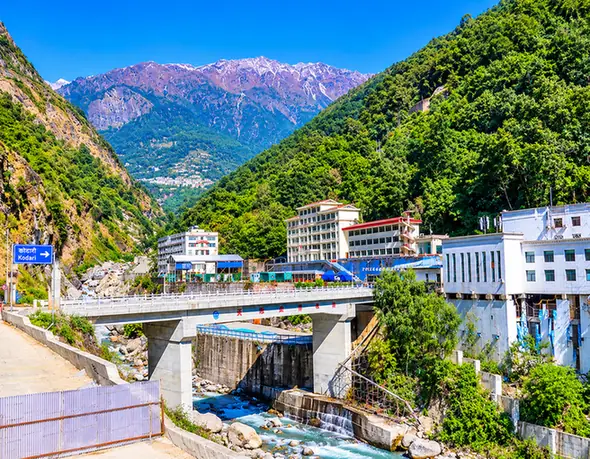
Returning From Tibet: Pickups at Kodari
After days on the Tibetan plateau or a Kailash kora, the last thing you want is to search for transport at a busy border. Book your return pickup in advance, and our driver will be waiting on the Nepal side when you cross back over the Friendship Bridge.
- Share your expected crossing date and your Tibet agency’s schedule
- Message us when you’re near the border so the driver is ready
- If your crossing is delayed, we’ll adjust the pickup
- On the way back, stop for a meal at Barhabise or Dolalghat
- We’ll drop you at your Kathmandu hotel or the airport
If you have an international flight, keep at least a day’s buffer in case the border or road is delayed.
Altitude on the Tibet Side
Kodari, on the Nepal side, is at a modest altitude, but the road into Tibet climbs steeply. Nyalam, the first main town on the Chinese side, sits at around 3,700 meters, and the Tibetan plateau beyond is even higher. Your Tibet agency will plan acclimatization. Still, it helps to arrive rested, hydrated, and healthy. Avoid alcohol in the first days, walk slowly, and tell your guide if you feel unwell.
Group and Agency Transfers
Tibet tour operators and Kailash yatra organizers regularly book our vehicles for groups crossing Tatopani–Kodari. We provide:
- 1–3 travelers: a private car in good condition or a jeep
- 4–6 travelers: a 4WD jeep or Scorpio
- 7–12 travelers: a Toyota Hiace
- 13–25 travelers: a Coaster bus
- 26–40 travelers: a tourist bus
- Luggage vehicle: an extra jeep for supplies and equipment if needed
- Return transfers: matched to each group’s crossing back into Nepal
Agencies can book through our contact page or WhatsApp, with USD invoicing for repeat partners.
What Is Included
Included
- Private vehicle and experienced mountain driver
- Fuel, driver’s wage, meals and accommodation on multi-day trips
- Insurance, road taxes and parking
- Hotel pickup in the Kathmandu Valley and drop-off at the border point
- Help with luggage at both ends
Not Included
- Tibet permits, Chinese visa and onward transport in Tibet
- Your meals and accommodation
- Activities such as rafting or canyoning
- Tips for the driver (optional)
Your Driver
The road to Kodari calls for patience and experience. We choose our drivers for their knowledge of the Araniko Highway, careful driving in the gorge, and familiarity with Nepal’s border procedures.
- Licensed and experienced on mountain highways
- Knows the landslide-prone sections and safe stopping points
- Plans meal and rest stops at Dolalghat and Barhabise
- Helps with bags at the border
- Speaks basic English
Why Our Prices Are a Little Higher
You may find cheaper transport to Kodari, but the Araniko Highway is no place to cut corners. Our prices are slightly higher because we use well-maintained 4WD vehicles, experienced mountain drivers, all-inclusive pricing, and departure times planned around border hours, with daily road checks. For a journey without a fixed border meeting time, reliability matters.
The Other Route: Rasuwagadhi–Kerung
Nepal has another overland crossing to Tibet at Rasuwagadhi, opposite Kerung (Gyirong), reached via the Langtang region. In recent years, it has been the main route for many Tibet tours and Kailash pilgrims. When floods or landslides disrupt one crossing, travelers often switch to the other, so both the Kodari and Rasuwagadhi routes have taken turns carrying most of the traffic.
Your Tibet agency will tell you which crossing your tour uses. We provide transport to both, and the Rasuwagadhi road also leads toward the Langtang Valley trek area, making it a good add-on for travelers with extra time.
Explore More of Nepal Before or After Tibet
Many travelers combine Tibet with Nepal. After crossing back into Kathmandu, there’s plenty more to see:
- Kathmandu to Pokhara and Pokhara car hire
- Sarangkot sunrise above Pokhara
- Chitwan jungle safari via Pokhara to Chitwan
- Lumbini, the Buddha’s birthplace
- Everest Base Camp trek from the Nepal side
- Annapurna Base Camp and Poon Hill via Nayapul
- Annapurna Circuit via Besisahar
- Manaslu Circuit with our Manaslu transport
- Langtang Valley and Helambu close to Kathmandu
- Upper Mustang, the hidden kingdom on the Tibetan border
Our sister companies, Trek Nepal Himalayas, organize treks across Nepal. Browse our Nepal tour packages or start with our trip planner.
Questions to Ask Before You Book
- Is the vehicle suitable for the upper Araniko Highway?
- What time will we leave to meet the border hours?
- How do you check road conditions?
- Can you arrange an overnight stop near the border?
- Will you pick us up when we return from Tibet?
We’re happy to answer all of these on WhatsApp or email.
Common Mistakes to Avoid
- Not checking the border status: it can change quickly
- Leaving too late: road delays can push you past border hours
- Choosing a small car in poor conditions: the gorge road can be rough
- Forgetting the time difference: China is 2 hours 15 minutes ahead
- No buffer before international flights: keep a spare day after returning from Tibet
- Not booking the return pickup: transport at Kodari can be hard to find
Key Takeaways
- The Tatopani–Kodari border, opposite Zhangmu, is about 112–120 km from Kathmandu.
- The drive usually takes 6 hours on the Araniko Highway.
- A 4WD jeep or Scorpio is best; a jeep costs about USD 140–180 one way.
- Border status can change, so confirm with your Tibet agency before traveling.
- Tibet permits and a licensed Tibet travel agency arrange visas.
- Book your return pickup at Kodari and allow extra time before your flights home.
Our Promise
Your vehicle will arrive on time with an experienced driver who knows the road to the border. We’ll plan around your border meeting time, check conditions on the day, and be waiting at Kodari when you return from Tibet.
Sindhupalchok: The District Along the Way
Most of the drive to Kodari passes through Sindhupalchok district, a rugged region of steep hills, deep river valleys, and terraced farmland. It was among the hardest-hit areas in the great earthquake, and many villages have since been rebuilt. Along the highway, you’ll see small bazaars, suspension bridges, rice terraces, and roadside temples, with the whitewater Sunkwhitewaterhote Koshi rivers never far away. Traveling by private vehicle lets you stop at viewpoints and local tea shops, supporting the communities that live along this important route.
Stops Along the Way
Bhaktapur
The medieval Newar city of Bhaktapur sits right on the road to the east. With an early start, you can see Durbar Square and Taumadhi Square before the day’s drive. You can combine our Bhaktapur Durbar Square tour with your border transfer if you’re staying overnight near the border.
Dhulikhel
A hill town with a historic Newar core and wide Himalayan views on clear days. It’s a pleasant first break, especially for travelers coming from Thamel. Nearby Nagarkot offers similar views if you’d like an overnight before the journey.
Dolalghat
At the meeting of the Indrawati and Sunkoshi rivers, Dolalghat is known for fried river fish and riverside tea shops. It’s the classic halfway stop.
Barhabise
The last big bazaar before the border, with shops, restaurants, and simple hotels. It’s a good place to buy last-minute snacks and drinks before Tibet.
Packing for Tibet
The Tibetan plateau is much higher, colder, and drier than Kathmandu. Pack carefully before you leave:
- Warm layers, a down jacket, hat and gloves, even in summer
- Sunglasses, a sun hat and high-factor sunscreen
- Lip balm and moisturizer for the dry air
- Reusable water bottle and electrolyte sachets
- Snacks for long driving days on the plateau
- Personal medicines, including altitude medication if advised by your doctor
- Copies of your passport, permit and visa
- Some Chinese currency, arranged through your agency or at the border
Your jeep or Hiace has plenty of space for warm gear and supplies, which are often bulky.
Money, SIM Cards and Communication
Plan for money and communication before crossing:
- Nepali rupees: carry enough for meals and tips on the Nepal side
- Chinese yuan: ask your Tibet agency about the best way to get local currency
- Payments in Tibet: mobile payment is common in China, but foreigners may find it easier to carry some cash
- Mobile phones: your Nepali SIM won’t work in Tibet; your guide can advise on local options
- Apps and internet: many international apps don’t work in China without special arrangements
Share your Tibet guide’s phone number with our office so we can coordinate your return pickup.
Before or After: Adventure on the Bhote Koshi
If your schedule allows, the Bhote Koshi valley offers some of Nepal’s best adventure activities, close to the border road. Rafting trips run on the river’s fast, technical rapids, and canyoning descends the side streams in a series of jumps and abseils. Bungee jumping over the gorge is another famous option. Riverside resorts offer accommodation, meals, and organized activities. A night or two here makes a great break before crossing into Tibet or after returning, and our drivers can drop you at the resort and collect you later.
Families and Older Travellers
Tibet tours attract families and older travelers too, especially for pilgrimages and cultural journeys. A Mahindra Scorpio or Toyota Hiace offers comfortable seats for the winding highway, with regular stops at Dolalghat and Barhabise. Consider an overnight near the border to avoid a long, rushed day, and talk to your doctor about altitude before you go.
Solo Travellers
Solo travelers usually join a group tour into Tibet, as most foreigners can’t travel independently. Ask your Tibet agency whether group transport to the border is included. If not, a private car in good condition or a shared jeep with other group members is a comfortable option. We can help coordinate.
If Weather or the Border Causes Delays
Landslides on the Arnikoighway or changes in border operations can delay your journey. If this happens, our driver will keep you informed, and our office will work with your Tibet agency to adjust the plan. That might mean waiting for the road to clear, staying overnight near the border,r or rescheduling the crossing. Stay in touch with us on WhatsApp throughout the day.
Back in Kathmandu After Tibet After returning from Tibet, many travelers spend a day or two in Kathmandu to rest before flying home. Use the time to explore what you missed: a Kathmandu sightseeing tour, an afternoon in Bhaktapur,r or a sunrise at Nagarkot. When it’s time to leave, our airport drop service takes you to Tribhuvan International Airport.
Photography on the Road to Kodari
The Bhote Koshi gorge is one of Nepal’s most dramatic stretches of road. Waterfalls tumble down the cliffs, terraced villages cling to the slopes, and the river churns below. Ask your driver to stop at safe pull-offs for photos. At the border, photography restrictions apply around immigration areas and the bridge, so follow official instructions and put your camera away when asked.
Responsible Travel
- Carry a reusable bottle and avoid single-use plastic
- Take rubbish with you rather than leaving it at roadside stops
- Respect local customs in Sindhupalchok villages
- Follow border rules and photography restrictions
- Support local tea shops, restaurants and guesthouses
One Partner for Your Whole Journey
A Tibet trip usually involves several road journeys in Nepal: airport pickup on arrival, sightseeing while your visa is processed, the drive to the border, pickup on return, and the final airport drop. With Nepal Vehicle Hiring, one booking covers them all, and one office follows your journey from start to finish. Share your full itinerary through our trip planner for a single USD quote, or explore our Nepal tour packages.
What Our Guests Value Most: Travelers crossing to Tibet often mention punctual early pickups, drivers who knew the gorge road well, sensible stops at Dolalghat and Barhabise, and a vehicle waiting at Kodari when they returned from the plateau. Pilgrim group leaders value one coordinator per vehicle, and agencies appreciate quick updates when road or border conditions change.
Crossing-Day Checklist
- Confirm the border status and meeting time with your Tibet agency
- Confirm your pickup time with us the evening before
- Pack passport, permit, visa copies, and cash in your daypack
- Prepare warm layers, snacks, and water for the plateau
- Save our number and your Tibet guide’s number
- Allow extra time if it has rained heavily in the previous days
- Book your return pickup at Kodari before you leave
The Araniko Highway and the Friendship Bridge
The Araniko Highway is named after Araniko, a celebrated Newar artist and architect from the Kathmandu Valley who traveled to Tibet and China centuries ago and is remembered as a symbol of cultural exchange between the two lands. Built with Chinese assistance, the highway became Nepal’s first modern road link to Tibet, running from Kathmandu to the Friendship Bridge at Kodari.
For decades, this was the main overland route between Nepal and China, carrying traders, tourists and pilgrims. The Friendship Bridge over the Bhote Koshi marks the border, with Kodari on the Nepal side and Zhangmu, also called Khasa, on the steep hillside above on the Chinese side. A major earthquake severely damaged the road and border facilities, closing the crossing for an extended period. Since then, the route has been repaired and reopened in stages, though landslides remain a constant challenge.
Zhangmu and the Road to Nyalam
Zhangmu was once a lively border town built in tiers on the forested slopes above the Bhote Koshi. Above it, the road climbs dramatically through switchbacks and waterfalls, leaving the green Himalayan foothills behind as it rises onto the barren Tibetan plateau. Within a short distance, the altitude jumps by more than 2,000 meters.
Nyalam, at around 3,700 meters, is usually the first overnight stop for tours entering from Kodari. From there, routes continue to Tingri for views of Everest’s north face, to Shigatse and Lhasa, or west across the plateau toward Saga, Lake Mansarovar, and Mount Kailash. Your Tibet agency will plan the route, while we handle the Nepal side.
The Kailash Mansarovar Journey
For Hindus, Buddhists, Jains, and followers of Bön, Mount Kailash is one of the holiest places on Earth. Pilgrims travel from Kathmandu across the Tibetan plateau to Lake Mansarovar, where they bathe and pray before walking the three-day kora (circumambulation) around the sacred mountain and crossing the Dolma La pass at more than 5,600 meters.
The overland route from Kathmandu usually takes around two weeks, with acclimatization stops along the way. When the Tatopani–Kodari crossing is open, the journey starts with a drive from Kathmandu to the border, then continues through Nyalam and Saga to Mansarovar. Pilgrim groups often travel in large numbers, and reliable transport on the Nepal side is the first step. We provide Hiace vans, Coaster buses, and tourist buses for yatra groups, coordinated with your Tibet operator.
Monsoon Travel: Extra Advice
The monsoon coincides with the busiest Kailash season, but it is also when the Araniko Highway is most at risk from landslides. If you’re traveling in the rainy season:
- Leave Kathmandu as early as possible
- Consider staying overnight near the border the night before crossing
- Choose a 4WD jeep or Scorpio for small groups
- Carry extra snacks and water in case of road blockages
- Keep in close contact with your Tibet agency and our office
- Build spare days into your itinerary on both sides of the trip
Trade, Cargo and Tourist Crossings
Tatopani–Kodari is an important trade route and a tourist crossing. Cargo movement and passenger crossings have not always followed the same schedule: at times, freight has been suspended while tourists could still cross, and at other times the reverse. Delays affecting cargo trucks can also cause congestion near the border. Your Tibet agency will have the latest information for passengers, and our drivers will tell you about road conditions and traffic on the day.
Kodari or Rasuwagadhi: A Transport Perspective
From a road-transport perspective, the two crossings are quite different. Kodari is slightly closer to Kathmandu along the Araniko Highway, but its final section through the Bhote Koshi gorge is narrow and prone to landslides. You reach Rasuwagadhi via the road north through Trishuli and the Langtang region, also a mountain road with its own challenges. Travel times to both are similar in good conditions. Which one you use depends on your Tibet agency and the current border status. We’ll send the right vehicle for whichever route you take.
Is Private Transport Worth It?
For most travelers heading to Tibet, yes. Public buses to Barhabise and Kodari are cheap but slow, crowded, and run on fixed schedules that don’t account for border hours. With a private vehicle, you leave when you need to, travel in comfort with all your gear, and have a driver who knows the gorge. On return, there’s a vehicle waiting at Kodari. For groups sharing a jeep, Hiace or bus, the cost per person is often modest compared with the reliability it brings.
Where to Stay in Kathmandu Before Crossing
Because the border is to the north-east, hotels on the eastern side of the valley shorten your drive on the crossing day. Bhaktapur, a short way along the Araniko Highway, is ideal for an early departure and has beautiful heritage guesthouses. Boudha, near the great stupa, is calm and well placed for the eastern exit. Thamel remains the most popular base, with Tibet agencies, gear shops, and restaurants nearby, but it adds a little time to the drive. Wherever you stay, our driver picks you up at your door. If you have a free day while your visa is processed, our Kathmandu sightseeing service covers the main heritage sites.
How Tibet Permits and Visas Work From Kathmandu
Travelers entering Tibet from Nepal usually do so on an organized tour. The general process is:
- Book a tour with a licensed Tibet travel agency, well in advance
- Send passport details so the agency can apply for the Tibet Travel Permit
- Arrive in Kathmandu a few working days before departure
- Group visa: the agency arranges a Chinese group visa in Kathmandu, unless your passport allows visa-free entry
- Collect documents: your agency provides the permit and visa before crossing day
Processing times and rules change and vary by nationality, so always follow your agency’s advice. We plan your road transport around these steps, from airport pickup to hotel drop-off.
Health Preparation for Tibet
The Tibetan plateau sits mostly above 4,000 meters, and the road from Kodari climbs very quickly. Good preparation helps:
- See your doctor before travel, especially if you have heart, lung, or blood-pressure conditions
- Ask about altitude medication
- Arrive in Kathmandu rested and healthy
- Drink plenty of water and avoid alcohol in the first days
- Follow your guide’s acclimatization plan and report symptoms early
- Carry travel insurance that covers high-altitude travel and emergency evacuation
Carrying Supplies for Kailash and Long Tours
Kailash pilgrims and travelers on long Tibet tours often carry more than standard luggage: warm sleeping bags, dry food, puja items, medicines, and extra layers. A 4WD jeep with a roof rack, or a Hiace with a large luggage area, carries everything safely to the border. For big groups, we can add a separate luggage vehicle. Tell us about your luggage when you book so we can plan enough space. At the border, porters may be available to help carry bags across the bridge, depending on local arrangements.
Accessibility and Special Requirements
If anyone in your group has limited mobility or medical needs, let us know in advance. We’ll choose a vehicle with easier access, plan extra rest stops, and make sure the driver helps with bags at the border. Remember, the crossing itself involves some walking across the bridge and between immigration points, so plan with your Tibet agency for any assistance you may need on the Chinese side.
Food on the Road to the Border
The drive to Kodari passes several good places to eat. Dhulikhel and Dolalghat have restaurants serving dal bhat, momos, noodles, and fried river fish, the specialty of the rivers in this area. Barhabise has plenty of simple eateries and shops for snacks and drinks. Near the border, choices become more limited, so eat a proper meal in Barhabise before you cross. Once you cross into Tibet, the food changes to Tibetan and Chinese dishes, with butter tea, tsampa, noodles, and dumplings. Carry snacks you enjoy for long days on the plateau, as stops can be far apart. Your driver can recommend clean, reliable places to stop on the Nepal side.
Traveling With a Tour Group
If your Tibet agency is organizing a group tour, they may include transport to the border in the package. Check before booking separately. If it isn’t included, or your group would prefer private vehicles, we can transport the whole group together. Sharing a Toyota Hiace or Coaster bus keeps everyone on the same schedule, which matters when the whole group must cross the border and meet the Tibet guide at the same time. We coordinate directly with your tour leader on pickup points and timings.
Understanding Border Hours and Time Zones
Border crossings between Nepal and Tibet operate within fixed hours, usually with a midday break on the Chinese side. Opening times are set in local time on each side, and China runs on Beijing time, which is 2 hours and 15 minutes ahead of Nepal. This difference catches many travelers out. For example, when it’s midday in Kodari, it’s already mid-afternoon on the Chinese side, so the Chinese counters may be closer to their afternoon break than you expect.
Your Tibet agency will tell you the exact time to arrive at the border and when your guide will meet you, in Chinese local time. Share both times with us, and we’ll calculate your Kathmandu departure in Nepal time, adding a buffer for the road. If road delays put the meeting time at risk, our driver will let you know early so you can update your agency. With proper planning, the time difference becomes a minor detail rather than a source of stress.
Why Book With Nepal Vehicle Hiring
- Experienced mountain drivers who know the Araniko Highway
- Full fleet: jeeps, Scorpios, cars, Hiace vans, coasters and buses
- Timed for border hours, with buffers for road delays
- Clear USD pricing, all-inclusive
- Return pickups at Kodari for travelers coming back from Tibet
- 24/7 support on WhatsApp +977 9814227196
See our car hire in Nepal, Nepal tour package, and trekking transport pages for more.
How to Book
- Step 1: Send your crossing date, hotel, group size, luggage, and your Tibet agency’s meeting time to WhatsApp or email.
- Step 2: We recommend a vehicle and departure time, then send a USD quote.
- Step 3: Confirm with a small advance payment.
- Step 4: Receive your driver’s details the day before.
- Step 5: Travel to the border and cross into Tibet.
Or use our trip planner and contact page.
Frequently Asked Questions
How far is the Zhangmu border from Kathmandu?
The Tatopani–Kodari border, opposite Zhangmu, is about 112–120 km from Kathmandu, usually 4 to 6 hours by road.
Is the Kodari–Zhangmu border open?
Its status can change because of landslides, floods, or government decisions, and tourist and cargo crossings have sometimes been treated differently. Confirm with your Tibet agency before you travel.
How much is a private jeep to the Kodari border?
About USD 140–180 one way for up to six passengers.
Can our vehicle drive into Tibet?
No. Nepali vehicles generally stop at the border. Your Tibet agency arranges onward transport.
What documents do I need? Usually, you’ll need a passport, a Tibet Travel Permit, and a Chinese visa arranged through a Tibet travel agency. Check your agency for current requirements.
Can you pick us up at Kodari after our Tibet trip?
Yes. Share your expected crossing date and time, and we’ll be waiting.
Is the road safe?
The upper Araniko Highway has landslide-prone sections, especially in the monsoon. We use experienced drivers, check conditions, and avoid traveling when the road is unsafe.
Do you provide buses for Kailash groups?
Yes. We provide Hiace vans, coasters, and buses for pilgrim groups.
Can we stay overnight near the border?
Yes. We can drive you to Barhabise, a Bhote Koshi riverside resort, or Kodari the afternoon before. Add an overnight to your jeep booking.
Can you drop us at the airport after returning from Tibet?
Yes. We can take you straight to the airport, but keep a buffer day in case of delays.
Do you also go to Rasuwagadhi?
Yes. We also provide transport to the Rasuwagadhi–Kerung crossing.
What is the time difference with Tibet?
China, including Tibet, is 2 hours and 15 minutes ahead of Nepal.
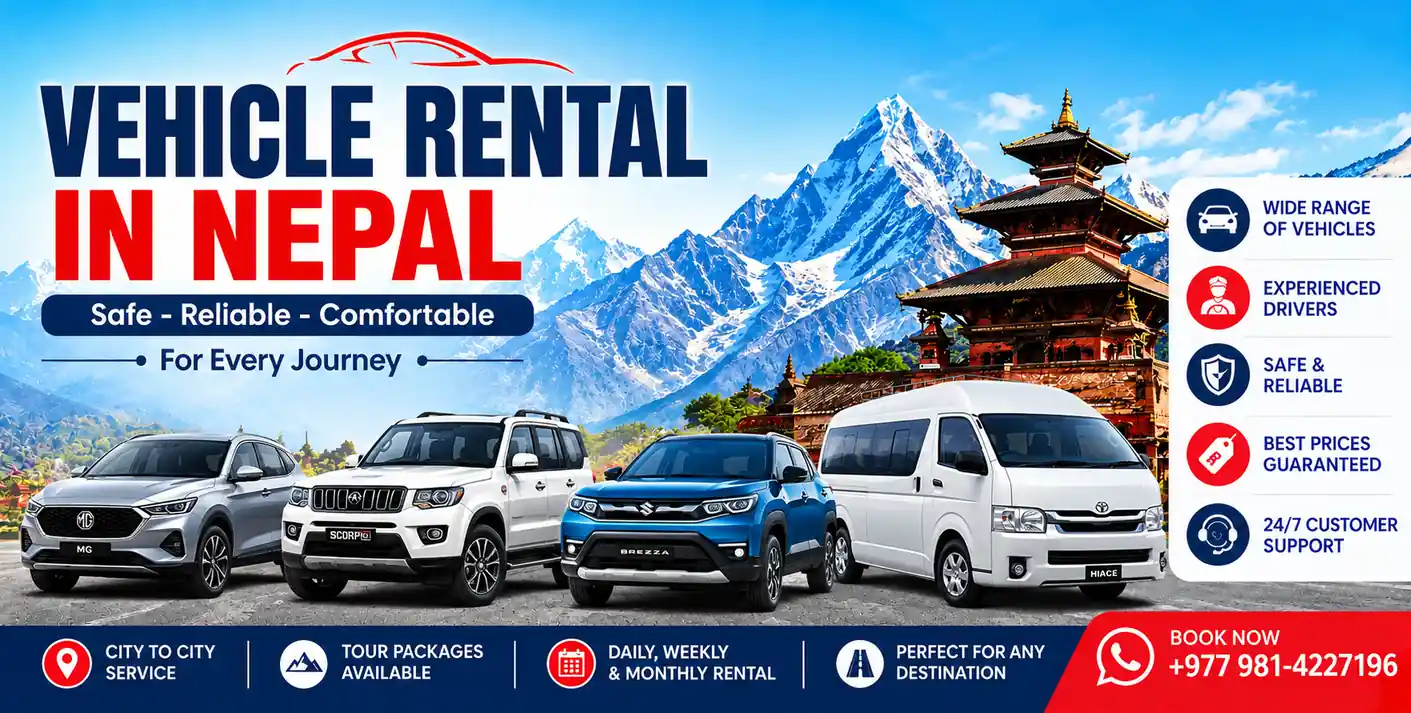
Book Your Kathmandu to Zhangmu Border Transport
Start or end your Tibet journey with a safe, comfortable ride in a private vehicle with an experienced driver and a plan built around the border.
WhatsApp: +977 9814227196
Email: [email protected]
Online: Plan your trip | Contact us | Nepal Vehicle Hiring
Send your crossing date and group size today, and we’ll reply with the right vehicle and a clear USD quote.
The road from Kathmandu to the Friendship Bridge is the gateway to one of the world’s most extraordinary regions. With a reliable vehicle, an experienced driver, and a plan built around the border, you can focus on the journey ahead to the Tibetan Plateau, shMount Kailash, and beyond. We look forward to taking you there and welcoming you back.
- Kathmandu to Zhangmu Border Private Transport: Jeep, Car, Hiace and Bus to Kodari
- Kathmandu to Zhangmu Border at a Glance
- Why Book Private Transport to the Border?
- The Route, Section by Section
- Which Vehicle Is Best for the Border Trip?
- Kathmandu to Zhangmu Border Price (USD)
- At the Border: What to Expect
- Documents and Permits for Tibet
- Kailash Mansarovar Pilgrimage Transport
- Preparing in Kathmandu Before the Border
- A Typical Crossing Day
- Tatopani Hot Springs and the Bhote Koshi Valley
- Staying Overnight Near the Border
- Road Safety on the Araniko Highway
- Best Seasons for Travel to the Border
- Returning From Tibet: Pickups at Kodari
- Altitude on the Tibet Side
- Group and Agency Transfers
- What Is Included
- Your Driver
- Why Our Prices Are a Little Higher
- The Other Route: Rasuwagadhi–Kerung
- Explore More of Nepal Before or After Tibet
- Questions to Ask Before You Book
- Common Mistakes to Avoid
- Key Takeaways
- Our Promise
- Sindhupalchok: The District Along the Way
- Stops Along the Way
- Packing for Tibet
- Money, SIM Cards and Communication
- Before or After: Adventure on the Bhote Koshi
- Families and Older Travellers
- Solo Travellers
- If Weather or the Border Causes Delays
- Back in Kathmandu After Tibet After returning from Tibet, many travelers spend a day or two in Kathmandu to rest before flying home. Use the time to explore what you missed: a Kathmandu sightseeing tour, an afternoon in Bhaktapur,r or a sunrise at Nagarkot. When it's time to leave, our airport drop service takes you to Tribhuvan International Airport.
- Photography on the Road to Kodari
- Responsible Travel
- One Partner for Your Whole Journey
- What Our Guests Value Most: Travelers crossing to Tibet often mention punctual early pickups, drivers who knew the gorge road well, sensible stops at Dolalghat and Barhabise, and a vehicle waiting at Kodari when they returned from the plateau. Pilgrim group leaders value one coordinator per vehicle, and agencies appreciate quick updates when road or border conditions change.
- Crossing-Day Checklist
- The Araniko Highway and the Friendship Bridge
- Zhangmu and the Road to Nyalam
- The Kailash Mansarovar Journey
- Monsoon Travel: Extra Advice
- Trade, Cargo and Tourist Crossings
- Kodari or Rasuwagadhi: A Transport Perspective
- Is Private Transport Worth It?
- Where to Stay in Kathmandu Before Crossing
- How Tibet Permits and Visas Work From Kathmandu
- Health Preparation for Tibet
- Carrying Supplies for Kailash and Long Tours
- Accessibility and Special Requirements
- Food on the Road to the Border
- Understanding Border Hours and Time Zones
- Why Book With Nepal Vehicle Hiring
- How to Book
- Frequently Asked Questions
- Book Your Kathmandu to Zhangmu Border Transport

Related Blog & Articles
Kailash Return: Kodari to Sunauli Border Drop — Private Jeep Guide
Kathmandu to Kodari Border Transport

Airport to Mountains