Plan a Trip


Kailash Mansarovar Yatra After the 2026 Flood: Alternative Routes and Best Vehicle Hire

Kailash Mansarovar Yatra After the 2026 Flood: Alternative Routes and Best Vehicle Hire
|
The Kailash Mansarovar Yatra — the holiest pilgrimage in Hinduism, circumambulating Mount Kailash (6,638 m) and bathing at Lake Mansarovar (4,590 m) in western Tibet — has been irreversibly disrupted for the 2026 season from the Nepal overland side. The August 26, 20266 flash flood in Rasuwa District destroyed the bridge and road infrastructure of the Rasuwagadhi–Kerung corridor — Nepal’s primary overland gateway to Tibet and to Kailash — for the second consecutive year. The Trekking Agents Association of Nepal (TAAN) has confirmed that the Rasuwagadhi/Kerung route is completely affected and closed. The Nepal-China border at Rasuwagadhi will not reopen for civilian pilgrimage traffic for several weeks to months at minimum.
For the hundreds of thousands of pilgrims who make the Kailash Mansarovar Yatra annually — many having saved and planned for years for this most sacred of journeys — the 2026 Kerung closure is devastating news. But it is not the end of the Kailash Yatra from Nepal. Three alternative routes remain fully operational: the Simikot–Hilsa western Nepal route (now significantly improved with the July 2025 Kharpunath Bridge inauguration making full motor vehicle access possible); the Kathmandu–Lhasa air route (Tibet Air, Air China, and Himalaya Airlines connecting Kathmandu to Lhasa with onward overland to Kailash); and the Kodari/Tatopani route via the Nepal-China border at Kodari in eastern Nepal.
Nepal Vehicle Hiring Pvt. Ltd., based in Thamel, Kathmandu, provides the ground vehicle hire for all three Kailash Yatra alternative routes from the Nepal side — from the Kathmandu airport transfer that begins every pilgrimage to the Nepal-side vehicle service to each alternative border crossing. This complete 2026 guide covers every alternative route option, the vehicle hire required for each, the costs, the additional logistics, and exactly how Nepal Vehicle Hiring supports Kailash Yatra pilgrims in the post-flood 2026 season.
Why the Kerung Route is Closed in 2026: The Full Picture
Understanding what the August 26, 2026 flood destroyed helps pilgrims see why the Kerung route closure is not a temporary inconvenience but a genuine season-ending event for the overland Nepal Kailash approach.
At approximately 9:00 a.m. AM on August 26, 2026, a massive flash flood — believed to originate from a glacial lake outburst on the Tibetan plateau — descended the Bhote Koshi River into Rasuwa District. The flood destroyed:
- The motorable bridge at the Rasuwagadhi Nepal-China border crossing (the same bridge that had only been functional since January 1, 20266, itself a replacement for the bridge destroyed in the July 2025 flood)
- Multiple bridges along the 42-kilometer Betrawati-to-Rasuwagadhi road, including at least 6 concrete bridges that carried the main pilgrimage vehicle traffic
- The Rasuwagadhi customs office, immigration facilities, and police post at the border crossing
- Significant sections of the road surface between Betrawati and Rasuwagadhi — the Department of Roads reported the entire lower 42-kilometer section damaged at multiple points.
- The additional 16-kilometer road section from Syabrubesi toward Rasuwagadhi — completely impassable
Even with China deploying approximately 100 technicians and heavy equipment to rebuild the crossing — an extraordinarily rapid response by any infrastructure standard — rebuilding a vehicle-capable Nepal-China bridge at Rasuwagadhi is a project measured in months, not weeks. Based on the 2025 precedent (July 2025 flood, January 2026 reopening — a 6-month restoration), the 2026 Kerung crossing is unlikely to reopen before early 2027. TAAN’s official position confirms the route is closed for the remainder of the 2026 pilgrimage season.
The Three Alternative Routes to Kailash Mansarovar in 2026
| Route | Status | Access Method | Nepal Vehicle Hire Required | Approx Cost Premium vs Kerung |
| Simikot–Hilsa (Western Nepal) | FULLY OPEN | Kathmandu–Nepalgunj–Simikot by air, then road to Hilsa | Kathmandu city vehicle + Nepalgunj local transport | +40–60% (domestic flights) |
| Kathmandu–Lhasa by Air | FULLY OPEN | Direct flight Kathmandu to Lhasa, then overland Tibet | Airport transfer + Kathmandu pre-departure services | +30–50% (international airfare) |
| Kodari/Tatopani Route (East Nepal) | OPEN but check | Kathmandu east to Kodari border, then Tibet overland | Private jeep hire Kathmandu to Kodari (115 km) | +10–20% (longer Tibet-side road) |
Alternative Route 1: Simikot–Hilsa — The Western Nepal Corridor
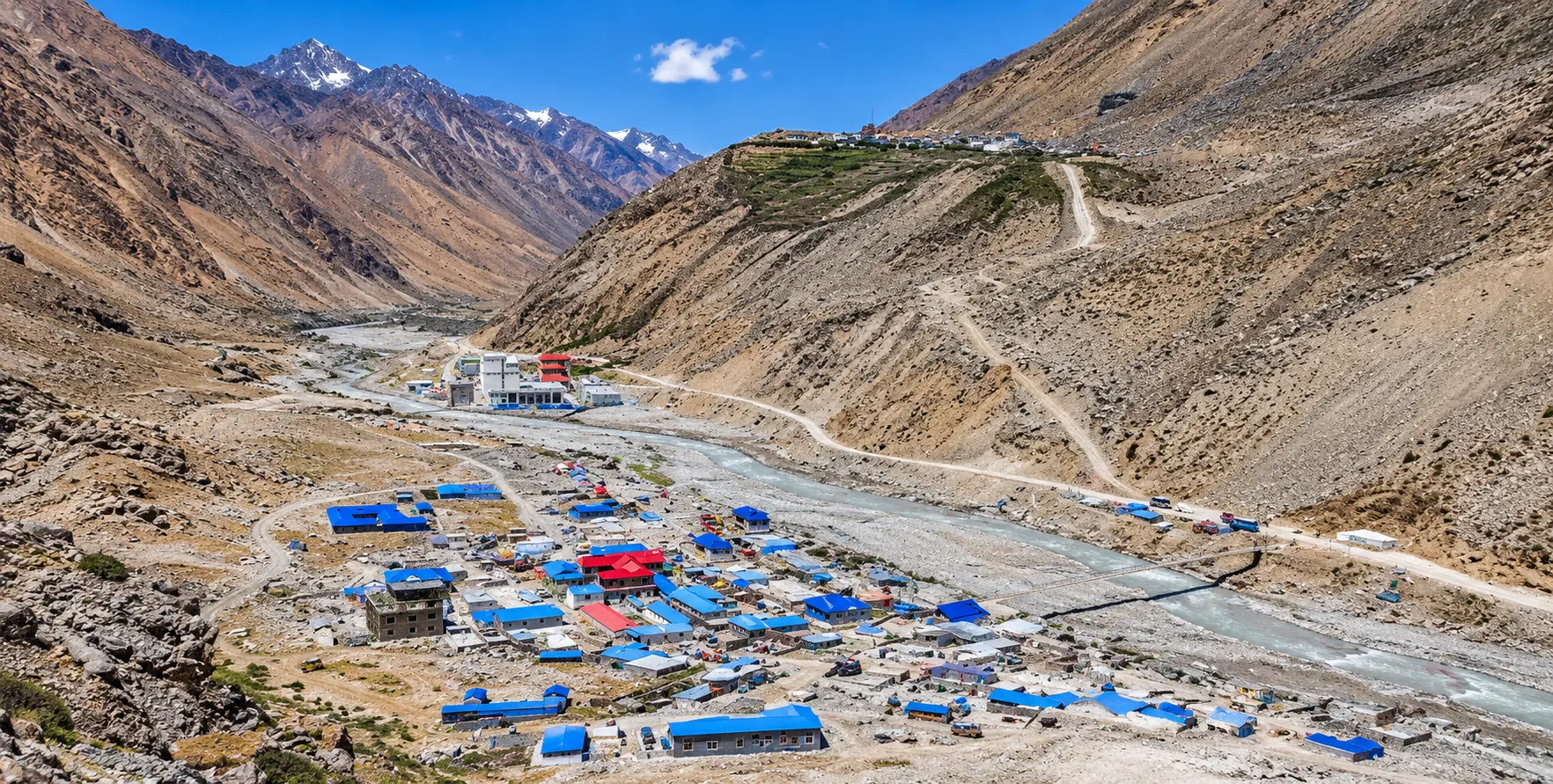
The Simikot–Hilsa route through Humla District in Nepal’s far west is the most established and most recommended alternative to the Kerung route in 2026. This route was historically inaccessible to standard vehicles — requiring trekking or helicopter connections between Simikot and the Hilsa border crossing — but was permanently transformed on July 7, 2025, when Prime Minister KP Sharma Oli inaugurated the Kharpunath Bridge, completing the first full overland road connection between Nepalgunj and Hilsa at 3,640 meters without any helicopter requirement. This road development, coinciding perfectly with the Kerung route’s repeated flood closures, makes the Simikot–Hilsa corridor the practical standard alternative for 2026.
The Simikot–Hilsa Route Sequence
The complete Simikot–Hilsa Kailash route from Kathmandu involves:
- Kathmandu to Nepalgunj: flight (approximately 1 hour, NPR 12,000 to 18,000) or a 12- to 14-hour road journey. Nepal Vehicle Hiring’s car hire in Nepal or Hiace van hire covers the Kathmandu-to-Nepalgunj road option for pilgrims preferring to avoid domestic air travel.
- Nepalgunj to Simikot: domestic flight (approximately 45 minutes on Twin Otter aircraft, NPR 15,000 to 22,000). No road alternative currently. Multiple daily flights during peak season.
- Simikot to Hilsa (3,640 m): road journey approximately 150 kilometers (2 to 3 days driving on mountain road via Kharpunath Bridge). Since the July 2025 bridge opening, this section is accessible by 4WD vehicle — a transformative change from the previous helicopter-or-trek requirement.
- Hilsa border crossing to Purang/Taklakot (Tibet): cross into Tibet at Hilsa. From Purang (approximately 30 km from Hilsa), overland drive continues to Manasarovar and Darchen (Kailash base). China-licensed Tibet operators handle this section.
- Tibet section: Purang to Darchen (Kailash) to Manasarovar: approximately 130 km from Purang to Darchen at 4,560 m. Full Kailash parikrama (52 km circumambulation), Manasarovar ritual bathing.
Total route from Kathmandu to Kailash via Simikot–Hilsa: approximately 450+ km on the Nepal side, 130 km on the Tibet side. Total duration (Nepal to Kailash and return): 11- 14 days.
Nepal Vehicle Hiring Services for the Simikot–Hilsa Route
Nepal Vehicle Hiring’s vehicle services for the Simikot–Hilsa Kailash Yatra:
- Kathmandu airport transfer — arrival from an international flight to Thamel for pilgrims beginning from Kathmandu
- Kathmandu sightseeing service — Pashupatinath sacred site visit before the Kailash departure (the standard Kathmandu pilgrimage preparation)
- Kathmandu to Nepalgunj by road (optional): Hiace van hire or car hire in Nepal for pilgrim groups preferring road transit over domestic flight for the Kathmandu-to-Nepalgunj leg
- Kathmandu to domestic airport transfer for Nepalgunj flight: Kathmandu airport transfer or car hire in Nepal
- Nepal Nekhor tour transport — for pilgrims combining the Kailash Yatra with Nepal’s other sacred circuit stops (Pashupatinath, Muktinath, Lumbini) before or after the Kailash journey
The Simikot–Hilsa route does not require the extensive private vehicle hire that the Kerung overland route required (Kathmandu to Syabrubesi to Kerung) because domestic flights replace the Nepal road section. Nepal Vehicle Hiring’s primary role in the Simikot–Hilsa configuration is Kathmandu-side logistics—airport transfers, pre-departure sacred site visits, and any Kathmandu-to-Nepalgunj road sections for groups choosing road over air.
Alternative Route 2: Kathmandu–Lhasa by Air
The Kathmandu-to-Lhasa air route is the fastest alternative to the Kerung overland closure — a direct flight from Tribhuvan International Airport to Lhasa Gonggar Airport (approximately 1.5 to 2 hours) that gets pilgrims to Tibet without any Nepal road travel. From Lhasa (3,650 m), the Kailash Yatra continues overland by Tibet-licensed vehicle through Shigatse, Saga, Manasarovar, and Darchen — a journey of approximately 2,000 kilometers and 5 to 6 days of driving across the Tibetan plateau.
Airlines operating the Kathmandu–Lhasa route include Tibet Airlines, Air China, and Himalaya Airlines. Flight frequency varies by season — in peak pilgrimage season (May to September), flights operate daily or several times weekly. The Tibet Tourism Bureau permit (TTB permit, Chinese group visa) is required for all foreign nationals entering Tibet; arrange it through a licensed Chinese Tibet tour operator before departing Kathmandu, as you must present it at Lhasa airport immigration.
Nepal Vehicle Hiring Services for the Lhasa Air Route
For the Kathmandu–Lhasa air route, Nepal Vehicle Hiring provides:
- Kathmandu airport transfer — TIA hotel pickup for the early morning Lhasa departure flight
- Kathmandu sightseeing service — Pashupatinath evening Aarti and Kathmandu Valley sacred circuit before departure
- Bhaktapur Durbar Square day tour and Nagarkot sunrise tour — cultural Nepal experiences for pilgrims spending 2 to 3 days in Kathmandu before the Lhasa flight
- Post-return Kathmandu transfer: Kathmandu airport transfer from TIA after the Lhasa return flight, plus any additional Kathmandu-side sacred circuit visits (Muktinath extension, Lumbini continuation)
- Nepal Nekhor tour — complete Nepal sacred circuit for pilgrims combining the Lhasa-route Kailash Yatra with Muktinath, Lumbini, and Janakpur
The Kathmandu–Lhasa air route requires the least Nepal-side vehicle hire of the three alternatives — primarily airport transfers and cultural visit vehicles during the Kathmandu preparation days. Nepal Vehicle Hiring’s role is correspondingly smaller in this configuration. Still, the Kathmandu preparation experience remains important: the Pashupatinath evening Aarti, the Boudhanath sunrise kora, and the Swayambhunath hilltop darshan are the sacred preparation activities that Hindu and Buddhist pilgrims traditionally complete at the start of any Kailash Yatra, and our Kathmandu sightseeing service covers all of them.
Alternative Route 3: Kodari/Tatopani Route (Eastern Nepal)
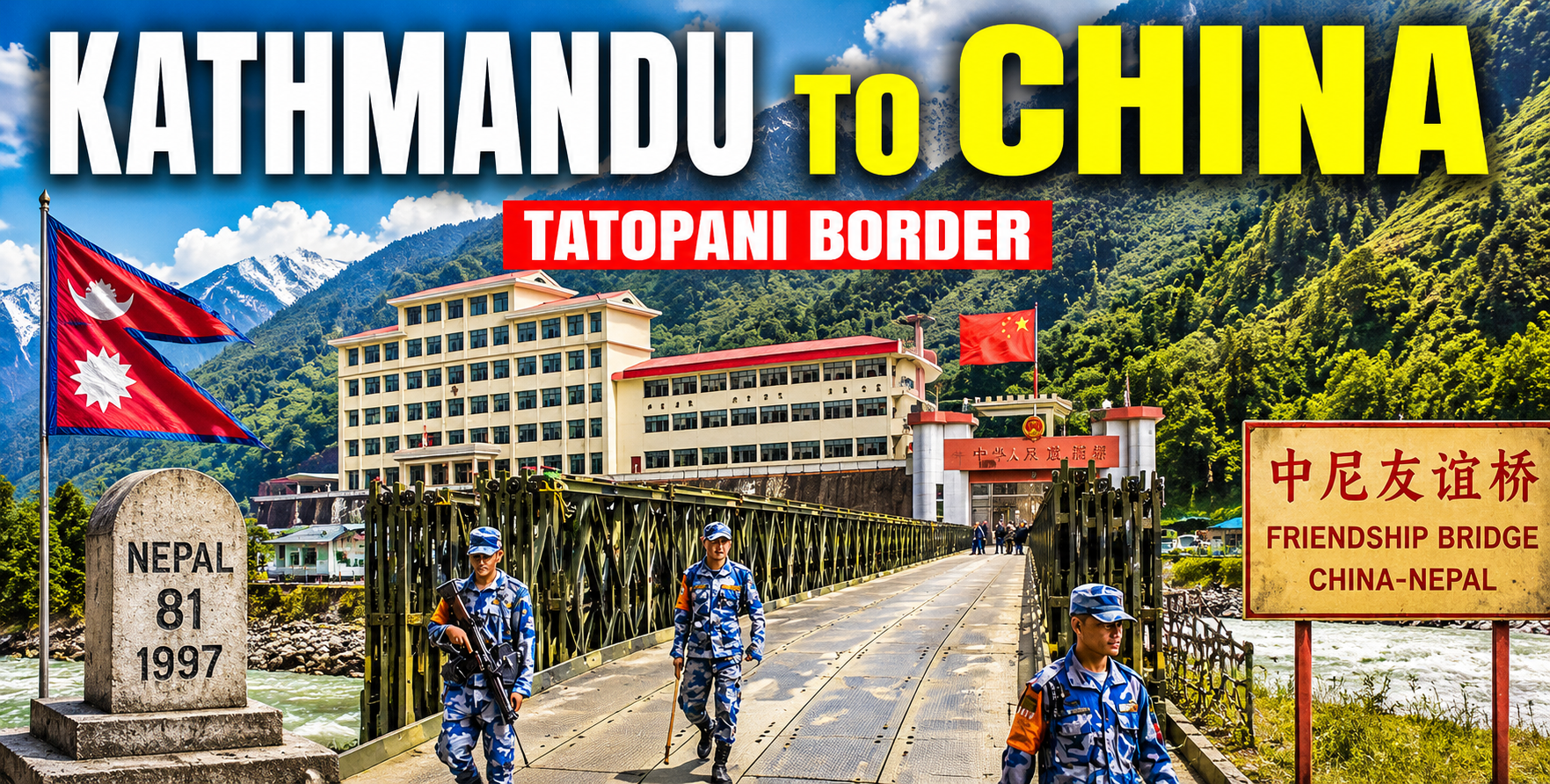
The Kodari–Zhangmu/Tatopani border crossing in Sindhupalchok District—approximately 115 kilometers northeast of Kathmandu on the Araniko Highway—is Nepal’s eastern Nepal-China border crossing and the most direct road route to Tibet from Kathmandu for the eastern approach. The Kodari crossing connects to the Tibetan town of Zhangmu (also known as Dram), from where the overland route continues to Nyalam, Shigatse, Saga, Manasarovar, and Kailash. TAAN has confirmed that the Kodari/Tatopani route remains operational as an alternative to the Kerung closure.
Important note: the Kodari route’s Tibet-side road is longer than the Kerung route to reach Kailash — approximately 1,800 to 2,000 km from Kodari to Kailash via the Nyalam-Shigatse-Saga route, compared to approximately 1,500 km from Kerung. This adds 1 to 2 days of driving on the Tibet side. The Nepal-side road from Kathmandu to Kodari (115 km on the Araniko Highway) takes about 0.5 to 3.5 hours by private vehicle—significantly shorter than the former Kerung approach (which required 175+ km to Syabrubesi). The Kodari route suits pilgrims who want an overland Nepal-China crossing rather than flying into Tibet or taking the western Simikot approach.
Nepal Vehicle Hiring Services for the Kodari Route
For the Kodari overland alternative, Nepal Vehicle Hiring provides the critical Nepal-side vehicle service:
- Private jeep hire — Kathmandu (Thamel) to Kodari border (115 km, approximately 2.5 to 3.5 hours on the Araniko Highway). Our Mahindra Scorpio and Toyota Land Cruiser are well-suited to this highway-and-mountain-road combination.
- Car hire in Nepal — for smaller pilgrim groups (2 to 4 people) using the Kodari approach
- Hiace van hire — for medium pilgrim groups (8 to 14 people) on the Kathmandu-to-Kodari highway
- Kathmandu airport transfer — arrival logistics before the Kodari departure
- Kathmandu sightseeing service — pre-departure Pashupatinath and valley sacred circuit
The Araniko Highway from Kathmandu to Kodari passes through Dhulikhel (30 km) — a hilltop town with excellent Himalayan views, including the first sightline toward the Tibet-Nepal border range — and then descends through the Bhotekoshi gorge to the border town at Kodari. The gorge section of the Araniko Highway is itself susceptible to monsoon landslides (the 2015 earthquake damaged this road significantly), and Nepal Vehicle Hiring monitors current Araniko Highway conditions before any Kodari-bound departure. Contact us for a current road status assessment via WhatsApp +977 9851013196.
Kailash Yatra Routes: Complete Comparison
| Factor | Kerung Route | Simikot–Hilsa | Lhasa by Air | Kodari/Tatopani | Best For |
| 2026 Status | CLOSED (flood) | FULLY OPEN | FULLY OPEN | OPEN — check | — |
| Nepal road vehicle hire | Kathmandu to Syabrubesi (175 km) | Airport transfers only | Airport transfers only | Kathmandu to Kodari (115 km) | — |
| Nepal road distance | 175+ km | Nepalgunj–Simikot (450 km road) | Nil (fly Kathmandu→Lhasa) | 115 km | — |
| Time from Kathmandu to Kailash | 8–10 days overland | 11–14 days | 9–11 days (incl. flight) | 10–13 days | — |
| Cost premium vs Kerung | Baseline (now closed) | +40–60% | +30–50% | +10–20% | — |
| Best for | N/A — closed | Pilgrims wanting Nepal ground approach; groups with flexibility | Time-pressed pilgrims; those preferring air travel | Overland pilgrims wanting Nepal-China road crossing | — |
Best Vehicle Hire for Each Kailash Yatra Alternative Route
For the Simikot–Hilsa Route: Kathmandu Logistics Focus
The Simikot–Hilsa alternative uses domestic flights rather than road for the Nepal corridor, so Nepal Vehicle Hiring’s role focuses on Kathmandu-side logistics:
- Small groups (2 to 4 pilgrims): private car hire in Nepal for all Kathmandu transfers, airport runs, and sacred site visits
- Medium groups (5 to 7): 4WD jeep hire — comfortable for the Kathmandu-Nepalgunj road option if preferred over flying
- Larger groups (8 to 14): Hiace van hire — for Kathmandu city logistics and the optional Kathmandu-to-Nepalgunj road leg
- Large pilgrim parties (15 to 25): Coaster bus hire — for group city transport and pre-departure sacred circuit visits
For the Lhasa Air Route: Minimal Nepal Vehicle Hire
The Lhasa air route requires only airport transfers and vehicles for Kathmandu cultural visits. Car hire in Nepal for individuals, Hiace van hire for groups. Our Kathmandu sightseeing service handles the cultural preparation efficiently.
For the Kodari Route: Private Jeep Required
The Kodari overland route requires private jeep hire for the Kathmandu-to-Kodari section. Our Mahindra Scorpio seats 5 to 7 pilgrims with luggage for the 115 km Araniko Highway drive — approximately NPR 8,000 to 12,000 per vehicle all-inclusive. The Land Cruiser is the premium option for groups of 4 to 5 requiring maximum comfort on the mountain road approach to Kodari. For groups of 8 to 14, our Hiace van hire covers the Araniko Highway section, with 4WD jeeps for any required mountain sections.
Permits for the 2026 Kailash Yatra Alternative Routes
| Permit | Simikot–Hilsa | Lhasa Air Route | Kodari Route |
| Tibet Tourism Bureau (TTB) permit | Required — via China Tibet operator | Required — via China Tibet operator | Required — via China Tibet operator |
| Chinese Group Visa | Required | Required | Required |
| Kailash Restricted Area Permit | Required — via China Tibet operator | Required — via China Tibet operator | Required — via China Tibet operator |
| Nepal domestic flight permits | Required for Nepalgunj and Simikot flights | Not required | Not required |
| Humla restricted area permit (Nepal) | Required for Simikot entry | Not required | Not required |
All Tibet-side permits (TTB, Chinese Group Visa, Kailash Restricted Area) must be arranged through a licensed Chinese Tibet tour operator — they cannot be obtained independently. Nepal Vehicle Hiring partners with established Tibet operators and can provide referrals as part of the complete Kailash Yatra support service. Contact us through our Plan Your Trip page.
Cost Implications of the Alternative Routes vs Kerung
The 2026 Kerung route closure has cost implications for Kailash pilgrims that are important to understand and budget for:
Simikot–Hilsa Cost Premium
The Simikot–Hilsa route adds the cost of 2 to 3 domestic flights per person (Kathmandu–Nepalgunj, Nepalgunj–Simikot, and the reverse on return) that did not exist on the Kerung overland route. At approximately NPR 12,000 to 22,000 per sector, the additional flight cost per person is approximately NPR 60,000 to 100,000 (USD 430 to 720) for the round-trip domestic flight additions. The overland Nepal road vehicle hire is reduced (no long Kathmandu-to-Syabrubesi jeep hire), partially offsetting this cost. Overall, most operators quote the Simikot–Hilsa route at 40 to 60 percent above the former Kerung overland package cost.
Lhasa Air Route Cost Premium
The Kathmandu–Lhasa international flight (return) costs approximately USD 400 to 700 per person depending on operator and booking timing. The Tibet-side itinerary from Lhasa to Kailash and return adds significantly more driving distance and days compared to the Kerung approach (Kerung was already much closer to Kailash than Lhasa). Most operators quote the Lhasa air route at 30 to 50 percent above the former Kerung package cost.
Kodari Route Cost Premium
The Kodari route is the most economical alternative — the Nepal-side vehicle hire (Kathmandu to Kodari, 115 km) is shorter and cheaper than the former Kerung approach (Kathmandu to Syabrubesi, 175 km). The Tibet-side adds 1 to 2 days of additional driving (Kodari/Zhangmu to Kailash is longer than Kerung to Kailash), which adds accommodation and driver costs on the Tibet side. Most operators quote the Kodari route at 10 to 20 percent above the former Kerung package cost — the most cost-effective alternative for budget-conscious pilgrims who specifically want an overland Nepal-China crossing.
Sacred Preparation in Kathmandu: Making the Most of the Alternative Route
One silver lining of the Kerung closure for 2026 Kailash pilgrims is that the alternative routes—particularly the Simikot–Hilsa and Lhasa air routes—typically build in 2 to 3 days in Kathmandu at the start of the pilgrimage, which the tight Kerung overland schedule often did not allow. Nepal Vehicle Hiring recommends using these Kathmandu days for the sacred preparation circuit that most Kailash pilgrims intend but often rush through:
- Pashupatinath Temple evening Aarti (Kathmandu sightseeing service): the most sacred Shiva temple in Nepal, whose evening fire ceremony on the Bagmati River ghats is among the most powerful sacred ceremonies in Asia. For Shiva devotees beginning a Kailash pilgrimage — Kailash being Shiva’s eternal abode — the Pashupatinath Aarti is the consecrated departure point of the entire Yatra
- Boudhanath Stupa kora (Kathmandu sightseeing service): for Buddhist pilgrims, the circumambulation of Boudhanath — one of the most important Buddhist pilgrimage sites in the world — in the company of the Tibetan Buddhist community that has made this stupa the heart of Himalayan Buddhism in Nepal, is a profound preparation for the Kailash-Mansarovar circuit
- Swayambhunath hilltop darshan (Kathmandu sightseeing service): the ancient hilltop stupa that is revered by both Hindu and Buddhist devotees, offering both a sacred visit and a panoramic view of the Kathmandu Valley’s sacred geography
- Nagarkot sunrise and Himalayan panorama (Nagarkot sunrise tour via Kathmandu to Nagarkot vehicle): the pre-dawn drive to the Nagarkot ridge for the full Himalayan panorama at first light — including the distant Tibet border range that the Kailash Yatra will penetrate — is a powerful visual and spiritual preparation for the mountain journey ahead
Nepal Vehicle Hiring’s Kathmandu sightseeing service covers the full Pashupatinath, Boudhanath, and Swayambhunath circuit in a single well-paced day. Our Kathmandu to Nagarkot sunrise tour delivers the mountain panorama preparation. Combined with our Bhaktapur Durbar Square day tour for the Newari Buddhist heritage dimension, Nepal Vehicle Hiring’s Kathmandu preparation service gives the 2026 Kailash Yatra its proper sacred foundation before the alternative route departure.
Combining the Kailash Yatra with Nepal’s Sacred Circuit
For many Kailash pilgrims, the Yatra is part of a broader Nepal sacred circuit that includes Pashupatinath in Kathmandu, Muktinath in the Mustang District, and Lumbini in the Terai. The 2026 Kerung closure, while disruptive to the Kailash approach specifically, does not affect any of Nepal’s domestic sacred sites. Nepal Vehicle Hiring’s Nepal Nekhor tour service coordinates the complete Nepal sacred circuit — and the alternative Kailash routes described in this guide slot naturally into the Nekhor circuit alongside Muktinath and Lumbini:
For pilgrims planning the Simikot–Hilsa approach: Nepal Vehicle Hiring coordinates the Kathmandu sacred preparation circuit (Pashupatinath, Boudhanath), then the airport transfer to Nepalgunj, then post-Kailash return transport for the Muktinath Yatra itinerary via Pokhara and the Pokhara to Mustang jeep, and finally the Hiace van hire for the Lumbini pilgrimage.
For pilgrims using the Lhasa air route: the Kathmandu preparation (Pashupatinath Aarti via Kathmandu sightseeing service) before the Lhasa flight, and then on return — the Muktinath Yatra jeep hire from Pokhara and Lumbini via Hiace van hire. Nepal Vehicle Hiring’s Nepal tour packages and Nepal holiday tours incorporate the Kailash alternative route logistics within the complete Nepal circuit.
Practical Advice for 2026 Kailash Yatra Pilgrims
- Do not attempt the Kerung route: the Rasuwagadhi–Kerung border is closed. Do not travel to Syabrubesi or toward Rasuwagadhi expecting to cross — the border infrastructure is destroyed, and the roads are unsafe.
- Choose and book an alternative route immediately: the 2026 Kailash Yatra season is in its final weeks (the overland season typically closes in September/October as weather deteriorates). You have very little time to rebook via an alternative route for 2026.
- 2027 Kerung planning: even if the Kerung crossing is rebuilt by early 2027, pilgrims planning the 2027 Kailash Yatra via Kerung should build a contingency plan (alternative route booked in principle) into their package before committing to Kerung as the sole option. Two consecutive years of Kerung closure is a pattern, not a coincidence.
- Tibet permits lead time: Tibet Tourism Bureau permits for alternative routes (Simikot–Hilsa or Lhasa air) require 4 to 8 weeks lead time through a licensed Chinese Tibet operator. Start the permit process immediately if you’re considering 2026 alternative-route travel.
- Travel insurance: verify that your travel insurance covers the route change and any additional costs incurred due to the Kerung closure. Operators should offer route-change rebooking with minimal or zero change fees, given the force-majeure nature of the flood closure.
- Contact Nepal Vehicle Hiking for Nepal-side logistics: WhatsApp +977 9851013196. We can advise on the best vehicle hire option for your specific alternative route and coordinate with our partner Tibet operators for the Tibet-side connections.
Frequently Asked Questions: Kailash Yatra Alternative Routes 2026
Is there any chance the Kerung route reopens in time for 2026?
Based on expert assessments from Nepal’s trekking industry, government sources, and the 2025 precedent (6-month closure after a similar flood), the Kerung route is very unlikely to reopen before early 2027. TAAN’s official position and multiple Nepal trekking operators have confirmed the route is closed for the 2026 season. Pilgrims planning a 2026 Kailash Yatra should arrange an alternative route without waiting for news of Kerung reopening.
Which alternative route is best for an elderly or mobility-limited pilgrim?
The Kathmandu–Lhasa air route is the most accessible for elderly and mobility-limited pilgrims — it eliminates all Nepal road driving and replaces it with a comfortable 1.5 to 2-hour flight. The Simikot–Hilsa route involves multiple domestic flight sectors (also comfortable), but the Simikot-to-Hilsa road section is a rough mountain track. The Kodari route involves 115 km of road driving in Nepal. For pilgrims with specific mobility needs, the Lhasa air route is the most controlled and comfortable Nepal-side approach.
Can Nepal Vehicle Hiring arrange the complete Kailash Yatra alternative route package?
Nepal Vehicle Hiring provides the Nepal-side vehicle logistics for all three alternative routes. For the Tibet-side arrangements (TTB permits, Chinese Group Visa, Tibet operator, Kailash parikrama, Manasarovar accommodation), we work with partner Tibet operators who provide referrals. Contact us through our Plan Your Trip page with your pilgrim group size, preferred alternative route, and timeline for a complete Nepal-side logistics quote.
What is the Kharpunath Bridge and why does it matter for the Simikot route?
The Kharpunath Bridge — inaugurated by Nepal’s Prime Minister on July 7, 2025 — completes the road connection between Nepalgunj and Hilsa at the Nepal-Tibet border in Humla District. Before this bridge, the Simikot-to-Hilsa section required helicopter or trekking access. The new bridge makes the entire Nepalgunj-to-Hilsa route accessible by 4WD vehicle, transforming the Simikot–Hilsa corridor from an expensive helicopter-dependent route into a viable vehicle-accessible alternative to Kerung.
How much more will the Kailash Yatra cost via an alternative route?
The Kodari route adds approximately 10 to 20 percent to the former Kerung package cost. The Lhasa air route adds 30 to 50 percent. The Simikot–Hilsa route adds 40- 60 percent. These additional costs mainly reflect the domestic flight sectors on the Simikot route and the extra Tibet-side driving distance on the Kodari and Lhasa routes.
Book Your Kailash Yatra Alternative Route Vehicle with Nepal Vehicle Hiring
Nepal Vehicle Hiring Pvt. Ltd., Thamel, Kathmandu — your Nepal-side ground transport specialist for all three Kailash Yatra alternative routes in 2026. Our services for Kailash Yatra pilgrims:
- Kathmandu airport transfer — international arrival logistics
- Kathmandu sightseeing service — Pashupatinath, Boudhanath, Swayambhunath sacred preparation circuit
- Bhaktapur Durbar Square day tour and Nagarkot sunrise tour via Kathmandu to Nagarkot vehicle
- Private jeep hire — Kathmandu to Kodari (115 km) for the Kodari route
- Car hire in Nepal — individual pilgrims and small groups
- Hiace van hire — medium pilgrim groups, Kathmandu-Nepalgunj road option for Simikot route
- Coaster bus hire — large pilgrim parties (15 to 25)
- Nepal Nekhor tour — complete Nepal sacred circuit including Muktinath and Lumbini
- Muktinath Yatra itinerary — Muktinath temple sacred visit post-Kailash return
- Pokhara to Mustang jeep — Muktinath approach from Pokhara
- Nepal holiday tours and Nepal tour packages — Kailash Yatra within a broader Nepal sacred circuit
- WhatsApp / Call: +977 9851013196
- Email: [email protected]
- www.vehiclehiringnepal.com
Visit our Plan Your Trip page with your pilgrim group size, preferred alternative route (Simikot–Hilsa, Lhasa air, or Kodari), and 2026 timeline. We respond within 24 hours with a complete Nepal-side vehicle logistics plan and referrals to partner Tibet operators. The road to Kailash is blocked at Kerung—but not everywhere. Nepal Vehicle Hiring will help you find the open path to Lord Shiva’s mountain.
The Simikot–Hilsa Route: A Deeper Look at Nepal’s Far Western Corridor
For most Kailash pilgrims from Nepal and India, the Simikot–Hilsa route is an unfamiliar alternative — a corridor through Nepal’s far western Humla District that few outside the adventure trekking community had reason to know about before the Kerung closure made it the primary alternative. Understanding this route in greater depth helps pilgrims who are now considering it for the first time.
Humla District — where Simikot is located — is Nepal’s most remote district by road distance from Kathmandu. Before the Khaphuandh Bridge was inaugurated in July 2025, Humla was accessible only by domestic flight to Simikot airport. The journey from Simikot to the Tibet border at Hilsa required either a 5- to 7-day trek over the Nara La Pass (4,620 m) or a helicopter flight — both expensive and physically demanding options that effectively limited the Simikot–Hilsa Kailash route to hardy trekkers and very well-funded pilgrims. The bridge changes this completely. The new road allows vehicles to carry pilgrims from Simikot to Hilsa in 2 to 3 days of driving, making the route accessible to the same pilgrim demographic that previously used the Kerung overland corridor.
The Simikot area itself is genuinely beautiful and culturally rich. The Humla Karnali River valley — one of Nepal’s great western rivers, joining the Karnali system that feeds the Ganges — is lined with ancient Tibetan Buddhist villages, apple orchards, and juniper forests. The Limi Valley, accessible on a side trek from the main Simikot route, contains ancient cave monasteries and villages with an extraordinarily intact Tibetan cultural character. For pilgrims with an extra 2 to 3 days of schedule flexibility, a brief exploration of the Humla Valley adds a dimension of Nepal’s cultural landscape that the Kerung approach, which races through Rasuwa District to reach the border, could never provide.
The domestic flight from Kathmandu to Nepalgunj (approximately 1 hour) and then Nepalgunj to Simikot (approximately 45 minutes) is weather-dependent — both sectors use small aircraft (Twin Otter or similar) on mountain airstrips that may have daily weather windows. In peak Kailash Yatra season (July to September), daily morning flights typically operate on both sectors, with afternoon weather closing the airstrips. Nepal Vehicle Hiring coordinates with domestic airlines for current flight availability on the Simikot approach sectors and advises on the best day-of-week departure timing to maximize flight reliability.
The Tibet Plateau Journey: What Happens After the Nepal Border
Once pilgrims cross from Nepal into Tibet—whether at Hilsa, Kodari/Zhangmu, or Lhasa airport—the journey continues under the management of a China-licensed Tibet tour operator. Nepal Vehicle Hiring does not operate vehicles in Tibet, but understanding what the Tibet-side journey involves helps pilgrims appreciate the complete Kailash Yatra in context.
From Hilsa (Tibet border, 3,640 m), the route drives north to Purang/Taklakot (3,900 m, approximately 30 km) — the first Tibetan town, where Chinese immigration formalities are completed, and Tibet permits are verified. From Purang, the route continues to Lake Mansarovar (4,590 m) — one of the world’s highest freshwater lakes, considered by Hindu tradition to have been created by Brahma and to exist simultaneously in the minds of the gods and in physical form. The ritual bathing at Mansarovar — traditionally performed at dawn in the icy waters — is one of the most sacred acts available to a Hindu devotee. Buddhist pilgrims circumambulate the lake’s 90-kilometer shore.
From Mansarovar, the route continues to Darchen (4,560 m) — the base town at the foot of Kailash from which the sacred kora (circumambulation) begins. The 52-kilometer kora circuit around Mount Kailash crosses the Drolma La Pass (5,630 m) — the highest point of the standard Kailash parikrama — and takes 2 to 3 days for most pilgrims, with the option of a horse for portions of the circuit for those who need physical support. Millions of pilgrims complete the kora annually, and Hindu tradition considers it to wash away a lifetime of sins in a single completion.
The return journey from Kailash to the Nepal border follows the same route in reverse, with the Nepal-side vehicle arranged by Nepal Vehicle Hiring waiting at the border crossing for the group’s return.
Understanding the Kailash Permit System for Alternative Routes
The permit system for the Kailash Mansarovar Yatra is one of the most complex in South Asian travel — involving both Nepal-side and China-side documentation that must be arranged in a specific sequence through licensed operators. The 2026 alternative routes do not change the fundamental permit requirements, but they affect the logistics of obtaining and processing permits.
Tibet Tourism Bureau (TTB) Permit
The Tibet Tourism Bureau permit is the master document allowing entry into the Tibet Autonomous Region. Foreign nationals cannot obtain it independently —it must be arranged through a licensed Chinese Tibet tour operator on behalf of a pilgrim group. The TTB permit specifies the route, the dates, the border crossing point, and the Tibet operator’s details. For alternative route bookings, the TTB permit must specify Hilsa (for the Simikot approach), Zhangmu/Kodari (for the Kodari approach), or Lhasa Airport (for the air approach) as the entry point. Lead time for TTB permits is typically 4-8 weeks.
Chinese Group Visa
Foreign nationals entering Tibet require a Chinese Group Visa — individual tourist visas are not accepted for Tibet entry. The Chinese Group Visa is arranged through the Tibet operator alongside the TTB permit and typically covers the duration of the Tibet itinerary. Indian nationals require a special China visa arrangement that differs from other nationalities — the Kailash Mansarovar pilgrimage for Indian nationals is managed through a government bilateral framework (the Indian government organizes annual quota groups, but private-operator arrangements are also possible for those outside the government quota system).
Humla Restricted Area Permit (for Simikot–Hilsa route)
The Simikot–Hilsa route requires a Nepal Restricted Area Permit for Humla District — obtainable through a licensed Nepal trekking agency (not independently) at the Nepal Tourism Board in Kathmandu. The Humla RAP costs USD 90 per person per week. This Nepal-side permit is in addition to the Tibet-side TTB and Chinese Group Visa. Nepal Vehicle Hiking coordinates RAP processing through our partner agencies as part of the complete Simikot route logistics service.
Nepalgunj: The Western Nepal Gateway
For pilgrims using the Simikot–Hilsa route, Nepalgunj becomes an important overnight staging city—the last major Nepal city before the Simikot domestic flight and the hub through which all Humla District travel passes. Understanding Nepalgunj’s role in the alternative Kailash route logistics helps pilgrims plan their staging appropriately.
Nepalgunj (93 m above sea level, approximately 530 km west of Kathmandu) is a city of about 0,000 people in Banke District—a mid-size western Nepal commercial center with a significant Muslim community, a busy market, and an airport that serves as the western Nepal domestic aviation hub. Hotel quality in Nepalgunj ranges from basic to comfortable mid-range — for the overnight staging before the Simikot flight, several established hotels near the airport provide adequate accommodation. Nepal Vehicle Hiring does not operate vehicles in Nepalgunj, but we coordinate with local transport providers for ground logistics in the city through our partner network.
The Nepalgunj-to-Simikot domestic flight sector is a genuinely spectacular mountain flight — the route crosses from the Terai plains northward into the Karnali Zone hills and then the high mountain country of Humla, with Himalayan peaks including Api (7,132 m) and Saipal (7,031 m) visible on clear days. For many pilgrims who have not previously flown in small mountain aircraft, this flight is itself an experience of genuine excitement and beauty.
Kailash Yatra Planning: Advice for Next Season
For pilgrims who cannot complete the 2026 Kailash Yatra due to the Kerung closure—either because no alternative route is available in their time window or because the alternative route cost is beyond their current budget—planning for the 2027 season offers an opportunity to approach the pilgrimage with better preparation and contingency planning.
For 2027 Kailash Yatra planning from Nepal, Nepal Vehicle Hiring recommends:
- Do not book the 2027 Kailash Yatra exclusively on the Kerung route. The 2025 and 2026 consecutive Kerung closures establish a pattern of risk that makes sole reliance on Kerung inadvisable. Book with an operator who explicitly addresses the ng flood risk in their terms and conditions, provides a confirmed alternative-routing contingency plan, and has a clear cancellation and rebooking policy for weather-related border closures.
- Consider the Simikot–Hilsa route as a first choice rather than a fallback. The new Kharpunath Bridge has made this route genuinely viable as the primary approach — and its independence from the Bhote Koshi flood corridor means it is far less vulnerable to the GLOF events that have repeatedly closed Kerung. The additional cost (40 to 60 percent over Kerung) reflects the domestic flights, but the route-reliability advantage may be worth the premium for pilgrims with fixed pilgrimage dates.
- Book international flights with full flexibility for date changes. Given the Kailash Yatra’s dependence on weather and border conditions, flexible international airfares—even if more expensive than fixed-date tickets—provide essential insurance if Nepal-China border conditions force a departure date change.
- Contact Nepal Vehicle Hiring 4 to 6 months before the planned pilgrimage to confirm Nepal-side vehicle logistics. Our operations team will have the most current road-condition intelligence for all three Nepal-to-Tibet corridor options and can advise on the best vehicle hire for the chosen route.
Nepal Vehicle Hiring will continue to update our Kailash Yatra ground transport services as the Nepal road and border situation evolves through 2026 and into 2027. For the most current information, WhatsApp +977 9851013196 is the fastest channel — our operations team responds to Kailash Yatra enquiries within hours during business hours and within 24 hours at all other times.
The Sacred Significance of Mount Kailash: Why Pilgrims Keep Coming
For readers who are not yet familiar with why Mount Kailash generates such profound devotion among hundreds of thousands of pilgrims annually — and why the closure of the Kerung route is experienced as a genuine spiritual loss rather than merely a travel inconvenience — understanding the mountain’s sacred significance provides essential context.
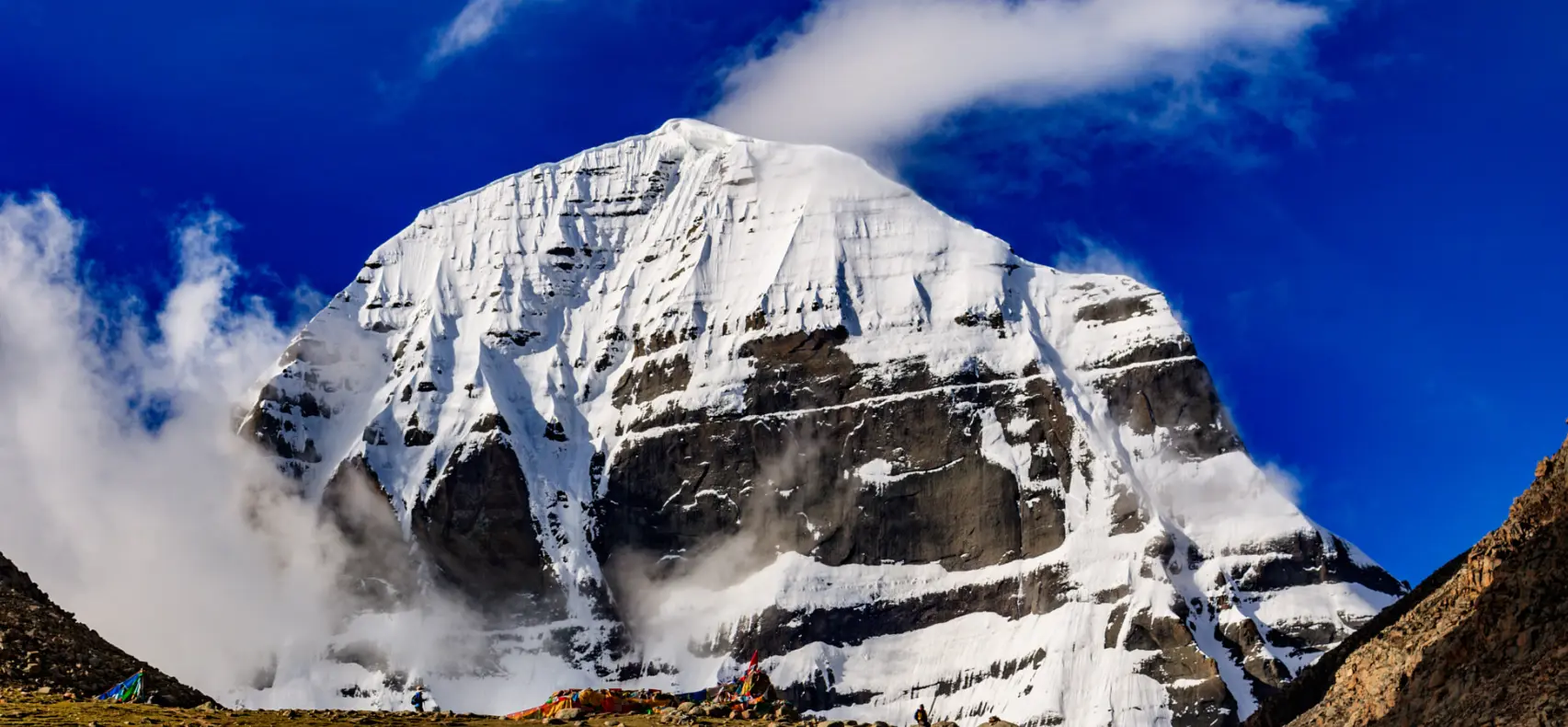
Mount Kailash (Tibetan: Gang Rinpoche, ‘Precious Snow Mountain’; Sanskrit: Kailasa) is not the world’s highest mountain, nor even among the 100 highest. At 6,638 meters, dozens of Himalayan peaks surpass it. But Kailash has never been climbed — not because it is technically beyond human capability, but because climbing it is considered so deeply sacrilegious by the traditions that venerate it that no serious mountaineer has ever attempted a summit bid. The mountain is worshipped, not conquered.
In Hindu cosmology, Kailash is the physical abode of Lord Shiva—the seat from which he meditates eternally —flanked by Parvati, Sand Ishhisconsrt, and Nand andihi hisbullhis Ganga floand ws fro his matted hair. The Hindu scriptures describe Kailash as Mount Meru — the cosmic axis connecting Earth and the heavens — and as the dwelling place from which Shiva sustains, dissolves, and recreates the universe. For a Shiva devotee, circumambulating Kailash is physically approaching the home of their supreme deity — an act of devotional intimacy that no temple visit, however sacred, can replicate.
In Tibetan Buddhist cosmology, Kailash is the mandala of the deity Chakrasamvara — a wrathful emanation of Buddha associated with supreme bliss and the transcendence of ego. The mountain is one of 24 sacred Tantric power places (pithas) in the Himalayan Buddhist world, and the kora is considered one of the most meritorious acts in the entire Buddhist practice vocabulary. Completing the kora 108 times is considered equivalent to full enlightenment.
For Jains, the mountain is Ashtapada — where Rishabhadeva, the first Tirthankara (ford-crosser, one who has crossed the sea of rebirth), achieved liberation. For the ancient Bon tradition of Tibet, Kailash is the seat of all spiritual power and the center of the universe. Four of Asia’s greatest rivers originate from the Kailash-Mansarovar region: the Indus, the Sutlej, the Brahmaputra, and the Karnali (a Ganges tributary) — a hydrological fact that has reinforced the mountain’s mythological status as a cosmic source point.
This is why the Kailash Mansarovar Yatra is not simply a scenic trek or a cultural tourism experience — for its pilgrims, it is the most sacred journey of their lives, often planned and saved for over decades, and completed in a spirit of total devotional commitment. Affected pilgrims experience the closing of the Kerung route by the 2026 flood not as a travel disruption but as a postponement of the most important spiritual act they had planned for years. Nepal Vehicle Hiring’s team understands this weight, and our communication with affected Kailash Yatra clients reflects it — we treat the rebooking of a Kailash Yatra as the serious matter of spiritual significance that it is.
Nepal’s Role in the Kailash Yatra: The Gateway Nation
Nepal’s position as the primary overland gateway to the Kailash Mansarovar region is not accidental — it reflects both geography and a centuries-old tradition of pilgrimage transit that has been central to Nepal’s relationship with its northern neighbor and with the global Hindu and Buddhist communities.
The Himalayan range that forms Nepal’s northern border with Tibet is the physical barrier between the Indian subcontinent and the Tibetan plateau, and the passes and river valleys that cross it have been used by pilgrims, traders, and travelers for millennia. The Kali Gandaki gorge (which Nepal Vehicle Hiring serves with its Muktinath Yatra jeep service) was the primary salt-and-grain trade route between Tibet and the Indian plains. The Bhote Koshi valley (the Rasuwagadhi-Kerung corridor) was a major Tibet-India trading corridor. The Humla Karnali (the Simikot-Hilsa route) was the most westerly of these trans-Himalayan corridors, traditionally used by traders from the Humla and Jumla regions of western Nepal who exchanged grain for Tibetan salt, wool, and livestock.
In the modern era, all of these historical trade corridors have become pilgrimage routes — the Kali Gandaki now serves the Muktinath Yatra, the Bhote Koshi served the Kerung-route Kailash Yatra until its 2026 closure, and the Humla Karnali now serves the Simikot-Hilsa Kailash route, which the 2025 Kharpunath Bridge has newly opened to motor vehicles. The pilgrims who walk or drive these corridors today follow, in purpose if not always in route, the same paths traders and pilgrims have used for centuries to cross the Himalayan barrier between the sacred worlds of India and Tibet.
Nepal Vehicle Hiring’s ground transport services for the Kailash Yatra are thus part of a continuum of Himalayan corridor service that extends back far before motorized vehicles existed. Our jeeps and Hiace vans carry twenty-first-century pilgrims along routes that their ancestors made on foot, on horseback, and in animal caravans — and we try to serve these routes with the same understanding of their significance that those earlier travelers carried.
How the 2026 Flood Changes Nepal’s Kailash Tourism Landscape
The 2026 Kerung closure has implications for Nepal’s Kailash Yatra tourism industry that extend beyond the immediate disruption to the 2026 season. Understanding these broader implications helps operators, pilgrims, and the Nepal tourism sector adapt appropriately.
Nepal’s Kailash Yatra sector had been growing steadily in the years before the 2025 and 2026 floods, with the Kerung route established as the dominant approach. The Nepal trekking and tourism industry had built significant infrastructure and capacity around the Kerung route — specialist operators, guide training, vehicle preparation, and the supporting economy of Rasuwa District’s guesthouses and service businesses. Two consecutive Kerung closures in 2025 and 2026 represent an existential disruption for this sector’s Rasuwa-dependent components.
The net beneficiary of the Kerung disruption is the Simikot-Hilsa alternative — which was already growing before the floods and is now positioned to become the dominant Nepal Kailash approach route, particularly after the 2025 Kharpunath Bridge infrastructure improvement. Nepal’s western Humla District — which had previously seen minimal tourism despite its extraordinary landscape — is suddenly the center of the Nepal Kailash approach industry. Guesthouses in Simikot, guide services in Humla, and the domestic aviation sector serving Nepalgunj-Simikot are all benefiting from the Kerung closure in ways that will likely persist even when Kerung reopens, as pilgrims who used the Simikot route in 2026 and found it rewarding may prefer it in subsequent years.
Nepal Vehicle Hiring’s transport services are route-agnostic — we serve whichever corridor carries pilgrims, and we have the fleet and operational capability to support the Kathmandu-side logistics of all three alternative routes described in this guide. As the Kailash Yatra industry reconfigures around the new reality of Kerung vulnerability, Nepal Vehicle Hiring will continue to provide the ground-transport backbone every Nepal-side approach requires.
Indian Pilgrims: The Most Affected Community
The largest single group affected by the 2026 Kerung closure is Indian pilgrims — by far the most numerous nationality making the Kailash Mansarovar Yatra annually. For Indian pilgrims who independently arranged Nepal-overland Kailash Yatra packages through private Nepal operators (outside the government quota system using the Lipu Lekh or Nathu La routes), the 2026 Kerung closure requires immediate rerouting via the Simikot-Hilsa, Lhasa air, or Kodari alternatives.
Nepal Vehicle Hiring’s transport services connect at the Nepal border entry point for Indian pilgrim groups. Our Hiace van hire and Coaster bus hire serve Indian pilgrim groups arriving at the Sunauli-Bhairahawa border — covering the Bhairahawa-to-Kathmandu highway leg and all Kathmandu-side logistics before domestic flights to Nepalgunj and Simikot begin. Our Nepal Nekhor tour service connects the Kailash alternative route logistics with the broader Nepal sacred circuit that most Indian pilgrims include alongside Kailash — Pashupatinath, Muktinath, and Lumbini. Contact us via WhatsApp +977 9851013196 for Indian pilgrim group Kailash alternative routing coordination.
Sample 14-Day Kailash Yatra Itinerary via Simikot–Hilsa
Day 1: Arrive in Kathmandu. Nepal Vehicle Hiring: airport transfer from TIA to Thamel hotel.
Day 2: Kathmandu sacred preparation — Nepal Vehicle Hiring Kathmandu sightseeing service covers Pashupatinath evening Aarti (the consecrated departure ceremony for the Kailash Yatra), Boudhanath kora, and Swayambhunath darshan.
Day 3: Nepal Vehicle Hiring airport transfer to TIA for early morning Nepalgunj flight (approximately6:00 a.m.M). Flight Kathmandu to Nepalgunj (1 hour). Overnight in Nepalgunj.
Day 4: Early morning Nepalgunj to Simikot domestic flight (45 minutes, 2,962 m). Road journey northward on the new Humla road begins.
Day 5: Continue road journey through Humla District toward Hilsa. Overnight in Tumkot or an en route village.
Day 6: Complete road journey to Hilsa (3,640 m). Nepal-Tibet border crossing. Tibet operator takes over logistics. Overnight Purang/Taklakot.
Day 7: Drive Purang to Lake Mansarovar (4,590 m). Ritual bathing at dawn. Circumambulation of the sacred lake. Overnight at Mansarovar camp.
Day 8: Drive to Darchen (4,560 m). Begin Kailash parikrama — Day 1: Darchen to Diraphuk (5,090 m), 18 km, 8 to 9 hours.
Day 9: Kailash parikrama Day 2 — Diraphuk to Zutulphuk via Drolma La Pass (5,630 m), 22 km, 9 to 10 hours. Most sacred section.
Day 10: Kailash parikrama Day 3 — Zutulphuk to Darchen, 12 km, 4 hours. Kailash parikrama complete.
Day 11: Rest day at Darchen. Second Mansarovar bathing option.
Day 12: Drive from Purang to Hilsa. Cross into Nepal. Nepal vehicle hiring; return vehicle meets group at Hilsa (Nepal side). Begin return road journey through Humla.
Day 13: Return road journey through Humla. Overnight en route. Simikot to Nepalgunj domestic flight. Overnin ight Nepalgunj.
Day 14: Fly from Nepalgunj to Kathmandu. Nepal Vehicle Hiring airport transfer from TIA to Thamel. Optional: Muktinath Yatra extension or Lumbini pilgrimage continuation.
Nepal Vehicle Hiring provides confirmed transport on Days 1, 2, 3, 12, 13, and 14 — the Nepal-side logistics that bookend the Tibet experience. Contact us through our Plan Your Trip page (vehiclehiringnepal.com/plan-trip/) to book complete Nepal-side vehicle coordination for this itinerary.
A Word on Faith: What the Alternative Routes Mean for Pilgrims
For pilgrims most deeply affected by the 2026 Kerung closure — those who had booked, paid deposits, obtained leave from work, and spiritually prepared for the Kailash Yatra this season — the disruption is more than logistical. The Kailash pilgrimage occupies a unique place in Hindu religious life: it is not simply a trip that can be rescheduled without consequence, but a vow (sankalpa) that many pilgrims have made in a sacred ceremony, with specific dates and intentions attached.
The concept of sankalpa — the sacred intention — is central to Hindu pilgrimage practice. When external forces disrupt the journey— a natural disaster, a border closure—traditional teachers advise that the sankalpa remains valid and meritorious even if the physical route must change or the timing be postponed. The flood does not erase the devotional intention. The kora around Kailash is the same walk whether the pilgrim arrived at Darchen via Kerung, Hilsa, Lhasa, or Kodari. The sacred is not diminished by the route that leads to it.
Nepal Vehicle Hiring’s team understands this dimension of the Kailash Yatra experience. We do not describe the alternative routes as substitutes or compromises—we describe them as the path the 2026 journey now takes, altered by forces beyond human control but no less sacred in their destination. Our operations team is available on WhatsApp at+9777 9851013196 to support every aspect of Nepal-side logistics for Kailash Yatra pilgrims navigating the 2026 alternative routes—with the same care and cultural understanding the sacred journey deserves.
- Kailash Mansarovar Yatra After the 2026 Flood: Alternative Routes and Best Vehicle Hire
- Why the Kerung Route is Closed in 2026: The Full Picture
- The Three Alternative Routes to Kailash Mansarovar in 2026
- Alternative Route 1: Simikot–Hilsa — The Western Nepal Corridor
- Alternative Route 2: Kathmandu–Lhasa by Air
- Alternative Route 3: Kodari/Tatopani Route (Eastern Nepal)
- Kailash Yatra Routes: Complete Comparison
- Best Vehicle Hire for Each Kailash Yatra Alternative Route
- Permits for the 2026 Kailash Yatra Alternative Routes
- Cost Implications of the Alternative Routes vs Kerung
- Sacred Preparation in Kathmandu: Making the Most of the Alternative Route
- Combining the Kailash Yatra with Nepal's Sacred Circuit
- Practical Advice for 2026 Kailash Yatra Pilgrims
- Frequently Asked Questions: Kailash Yatra Alternative Routes 2026
- Book Your Kailash Yatra Alternative Route Vehicle with Nepal Vehicle Hiring
- The Simikot–Hilsa Route: A Deeper Look at Nepal's Far Western Corridor
- The Tibet Plateau Journey: What Happens After the Nepal Border
- Understanding the Kailash Permit System for Alternative Routes
- Nepalgunj: The Western Nepal Gateway
- Kailash Yatra Planning: Advice for Next Season
- The Sacred Significance of Mount Kailash: Why Pilgrims Keep Coming
- Nepal's Role in the Kailash Yatra: The Gateway Nation
- How the 2026 Flood Changes Nepal's Kailash Tourism Landscape
- Indian Pilgrims: The Most Affected Community
- Sample 14-Day Kailash Yatra Itinerary via Simikot–Hilsa
- A Word on Faith: What the Alternative Routes Mean for Pilgrims

Related Blog & Articles
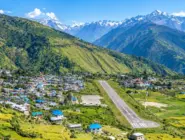
Nepalgunj to Simikot Transport
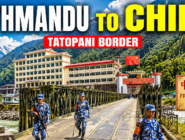
Kathmandu to Kodari Border Transport
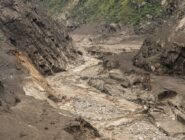
Kerung Border Nepal China Condition 2026