


 Plan a Trip


Kerung Border Nepal China Condition 2026
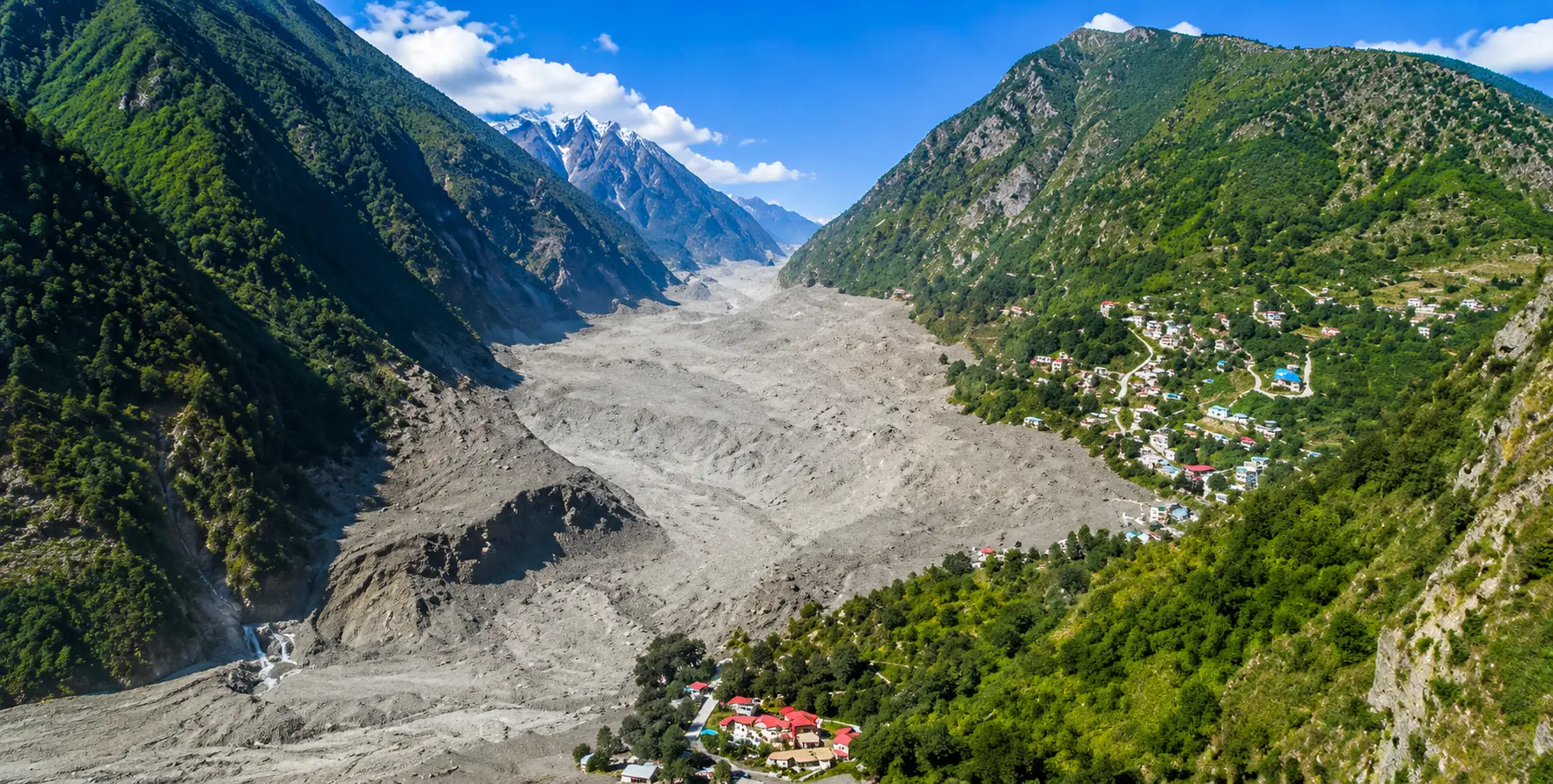
Kerung Border Nepal China Condition 2026 — Complete Update on Nepal-China Rasuwagadhi Crossing
CRITICAL ALERT: CURRENT STATUS (August 29, 2026): The Rasuwagadhi-Kerung (Gyirong) border between Nepal and China is COMPLETELY DESTROYED and INDEFINITELY CLOSED. A catastrophic glacial lake outburst flood (GLOF) struck on August 26, 2026. The Gyirong Port complex on the Chinese side was confirmed on August 28 as ‘nothing but ruins.’ The Rasuwagadhi customs office was destroyed. 300+ vehicles were swept away. 626+ confirmed deaths in Nepal; 1,924+ missing. 579 tourists unaccounted for. The 2026 Kailash Mansarovar overland pilgrimage season is canceled. There is NO reopening timeline. Do NOT travel toward Rasuwagadhi. Contact Nepal Vehicle Hiring Pvt Ltd at +977-9851013196 for current status and alternative transport options.
The Kerung border — officially the Rasuwagadhi-Kerung (Gyirong) international boundary between Nepal and the Tibet Autonomous Region of China — is Nepal’s most important overland land crossing with China, and the primary gateway for the Kailash Mansarovar overland pilgrimage, bilateral trade, and Nepal-China diplomatic transit. On August 26, 2026, a glacial lake outburst flood originating on the Tibetan side of the border destroyed it. This guide provides the most comprehensive and current available information on the disaster, the border’s condition, the implications for trade and pilgrimage, alternative routes to Tibet and Kailash, and the full range of unaffected Nepal trekking and touring destinations that Nepal Vehicle Hiring Pvt Ltd continues to serve through our complete private vehicle hire network.
What Happened — The August 26, 2026 GLOF Disaster
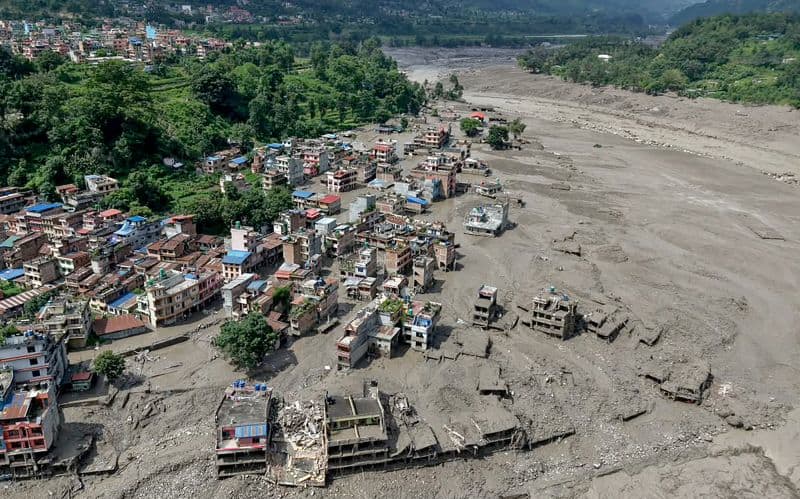
At approximately 9:15 a.m. on Wednesday August 26, 2026, a glacial lake outburst flood from the Lhende Khola — a Tibetan tributary — sent a catastrophic wall of water and debris down the Bhote Koshi River at Rasuwagadhi. The flood destroyed the Gyirong Port complex on the Chinese side. The flood destroyed the Rasuwagadhi customs office on the Nepal side. Approximately 300 vehicles queuing at the border were swept away. Around 80 trucks were stranded in Gyirong after 5 km of road between Gyirong town and Rasuwagadhi was destroyed.
The human toll is devastating—at least 626 confirmed deaths in Nepal and 5+ in Tibet. 1,924+ people remain missing in Nepal, including 579 tourists — 113 Nepali and 466 foreign nationals. The helipad at Timure was swept away, removing emergency helicopter access. Syabrubesi was submerged in mud. Multiple hydropower projects — including Rasuwagadhi Hydropower (111 MW) and Chilime (22 MW) — were destroyed. Nepal Electricity Authority confirmed 431 MW was knocked off the national grid. The 42-kilometer road from Betrawati to Rasuwagadhi was damaged at multiple points. Public transport to seven districts downstream was suspended.
Nepal Vehicle Hiking Pvt Ltd extends its deepest condolences to all families affected. Our contact team at +977-9851013196 is providing real-time road status updates and alternative Nepal transport arrangements for all affected travelers. Our plan trip page accepts inquiries about rerouting to unaffected regions.
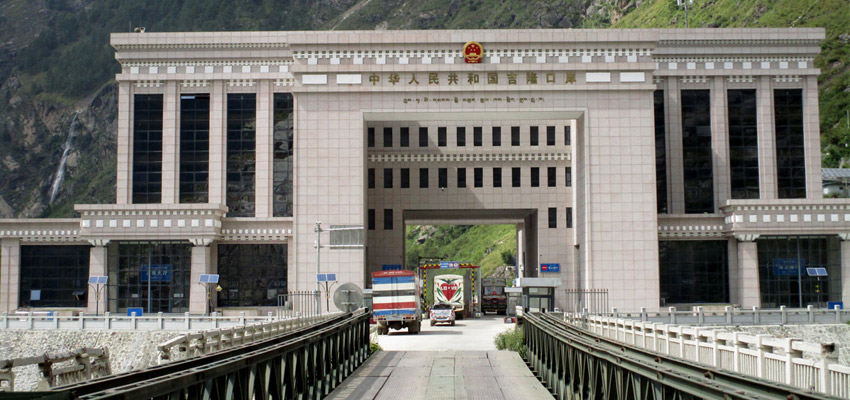
Kerung Border Nepal China — Background and Significance
The Rasuwagadhi-Kerung crossing became Nepal’s primary overland gateway to China after the April 2015 Gorkha earthquake destroyed the Kodari/Tatopani crossing on the Arniko Highway. After an eight-year closure, both crossings were reopened in April-May 2023. The Rasuwagadhi-Kerung corridor handles goods from approximately 15 Chinese provinces entering Nepal. During its six-month closure after the July 2025 flood, revenue losses exceeded NPR 22 billion in import collections. The border is also the planned entry point for the proposed Kathmandu-Kerung cross-border railway — a flagship project in Nepal-China bilateral relations now facing serious questions about corridor viability after two catastrophic GLOF events in 13 months.
The Kailash Mansarovar overland yatra — one of Hinduism’s and Tibetan Buddhism’s most sacred pilgrimages — uses this corridor as its primary overland Nepal-Tibet route. 2026 is the Year of the Horse, a twelve-year astrological cycle in which a Kailash parikrama carries twelve times the normal spiritual merit — driving bookings to near-capacity months in advance. The August 26 disaster has canceled this pilgrimage season on the overland route entirely. One operator, Himalayan Glacier, confirmed 40 pilgrims and 7 field staff unaccounted for. Alpine Luxury Treks and Trek Nepal Himalayas are advising all affected clients individually on alternative pilgrimage options.
Pattern of Closures — A Corridor Under Repeated Threat
April 2015 — Gorkha Earthquake. Destroyed Kodari/Tatopani crossing. The crossing was closed for eight years before partial reopening in May 2023.
July 2025 — Miteri Bridge Flood. A GLOF destroyed the Miteri Friendship Bridge at Rasuwagadhi. China constructed a 91-meter temporary Bailey bridge. The border reopened January 1, 2026, after a six-month closure costing Nepal NPR 22+ billion in lost import revenue.
August 26, 2026 — The GLOF Catastrophe. Categorically more destructive than July 2025. The entire Gyirong Port complex was ‘destroyed.’ Road damaged over 42 km at multiple points. 626+ deaths. Two GLOF events in 13 months from the same Tibetan watershed signal accelerating glacial instability.
Recovery Timeline. The July 2025 closure required 6 months to replace a bridge. The 2026 damage is port-level destruction across the full facility — not just a bridge. A realistic minimum recovery estimate, based on 2025 precedent and the scale of the 2026 damage, is spring 2027 at the earliest for any partial reopening. Full infrastructure restoration will likely take 12 to 24 months. Contact Nepal Vehicle Hiring Pvt Ltd for regular updates as the situation develops.
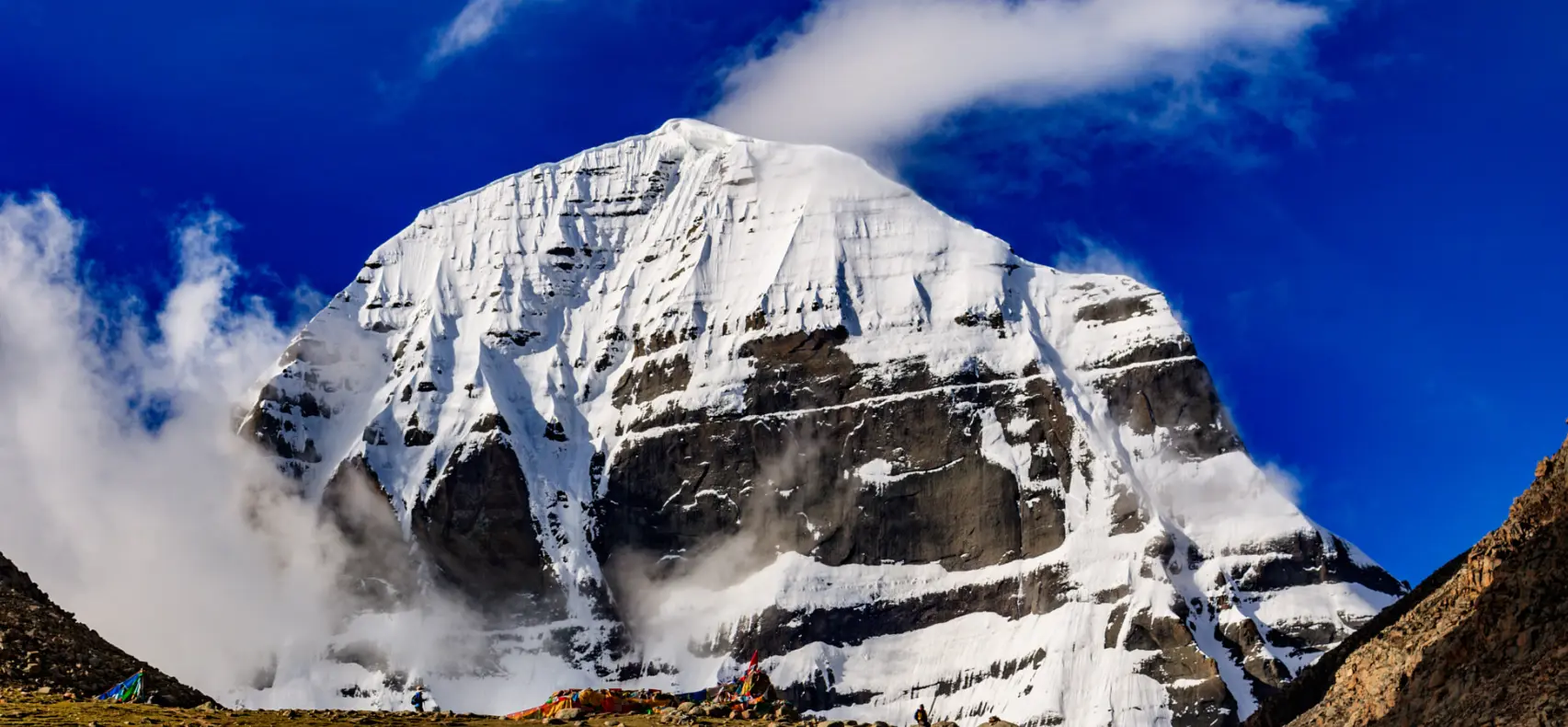
Kailash Mansarovar Yatra — Alternative Routes
Option 1 — Hilsa-Purang Route (Western Nepal). This route via Simikot Airport in Humla District crosses into Tibet’s Purang County — completely unaffected by the Rasuwa flood. It is the only available overland Nepal-Tibet alternative. Capacity is limited: domestic flights to Simikot are constrained, and demand will surge sharply. Book immediately through a registered Kailash yatra operator. Nepal Vehicle Hiring Pvt Ltd provides Kathmandu airport transfer for the Simikot flight connection.
Option 2 — Kathmandu-Lhasa Direct Flight. Nepal Airlines and Air China operate direct flights between Kathmandu and Lhasa Gonggar Airport. Tibet Tourism Bureau permits anda Chinese group visa are still required. From Lhasa, the overland drive to Kailash continues via Shigatse along the Trans-Himalayan Highway. This is currently the most reliable, weather-independent Tibet access option available.
Option 3 — Redirect to Unaffected Nepal Treks. Travelers whose Nepal-Tibet plans are canceled can redirect to Nepal’s extraordinary unaffected trekking regions through Nepal Vehicle Hiking Pvt Ltd’s transport network: the Annapurna Circuit via our Besisahar private vehicle, the Everest Base Camp trek via our Salleri-Phaplu jeep, the Upper Mustang trek via Jomsom, the Manaslu Circuit via our Soti Khola jeep hire, and Chitwan jungle safari via our Pokhara to Chitwan bus. Plan through our plan trip page.
Nepal-China Trade — Economic Implications
The bilateral trade impact is immediate and severe. Nepal imports goods from approximately 15 Chinese provinces through the Rasuwagadhi-Kerung corridor. The July 2025 six-month closure cost NPR 22 billion in lost import-duty revenue — the 2026 closure during peak trade season, with complete facility destruction, is expected to generate larger losses. The alternative Tatopani-Khasa crossing on the Arniko Highway has insufficient capacity to absorb the displaced cargo volume. Supply chains for manufacturing inputs, consumer electronics, vehicle parts, and building materials will face disruption until an alternative arrangement is established.
The electricity grid impact is equally direct: 431 MW of generation capacity knocked offline represents a significant setback to Nepal’s energy independence program. The Rasuwagadhi Hydropower Project (111 MW) and Chilime (22 MW) were among the primary generation assets destroyed. Power shortages in the affected downstream districts are expected during the repair period.
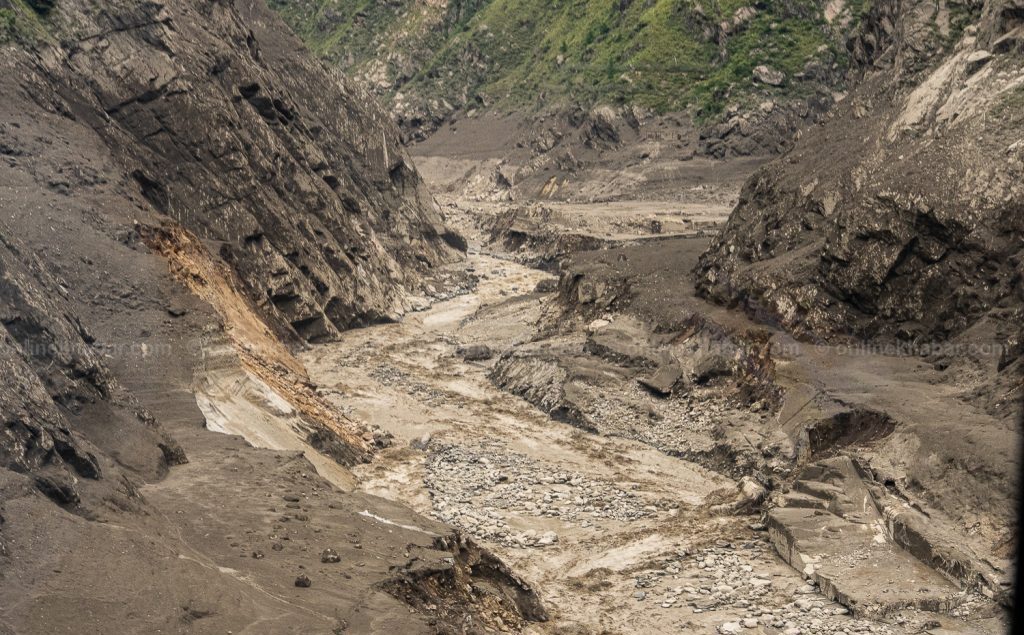
Road Damage — Section by Section
Rasuwagadhi Border to Timure (0-5 km). Destruction. Gyirong Port complex destroyed. Rasuwagadhi customs office destroyed. 300+ vehicles swept away. 5 km of road between Gyirong and Rasuwagadhi destroyed. Requires complete reconstruction.
Timure to Syabrubesi (5-22 km). Severe damage. Timure trading village heavily damaged. 60+ houses destroyed across Timure and Syabrubesi. 2 bridges destroyed. Helipad at Timure swept away. Road damaged at multiple riverside points.
Syabrubesi to Dhunche (22-37 km). Syabrubesi described as submerged in mud. The road between Syabrubesi and the higher-ground Dhunche was less directly hit but remains under emergency restriction.
Dhunche to Betrawati (37-42 km). Department of Roads confirmed the road is damaged ‘at multiple points’ over the full 42-km Betrawati-Rasuwagadhi corridor. Even the paved lower sections require inspection and repair before normal traffic can resume.
Nepal Vehicle Hiring Pvt Ltd monitors road status through our driver network. We do not dispatch vehicles to the Rasuwa corridor without current confirmation. Contact us at +977-9851013196 or via our contact page for the latest road status before any planned Rasuwa departure.
Seasonal Road Character — The Corridor Under Normal Conditions
Under normal non-disaster conditions, the Pasang Lhamu Highway from Kathmandu to Syabrubesi (approximately 117-122 km, 6-9 hours by private jeep) follows this seasonal pattern:
October-November (Best). Post-monsoon consolidation delivers the most stable surface. Department of Roads completes main repairs. Peak Langtang trek transport demand — book the Syabrubesi private jeep at least 1-2 weeks ahead.
March-May (Good). Dry, consolidated post-winter surface. Second peak for Langtang Valley trek traffic.
December-February (Quiet). Road remains open. Private jeep hire available year-round.
June-August (High Risk). Highest landslide frequency. The August 2026 GLOF occurred during this window. Nepal Vehicle Hiring Pvt Ltd does not dispatch vehicles without current confirmation in this season. The Ramche Landslide Zone — 2-3 km of active-slope unpaved road approximately 3 km before Dhunche — is the consistently most challenging section in all seasons.
Vehicle Options for Kathmandu to Syabrubesi Under Normal Conditions
Under normal (non-emergency) conditions, the private 4WD Scorpio or Hilux jeep is the standard and recommended vehicle for the full Kathmandu-to-Syabrubesi corridor — the Ramche Landslide Zone specifically benefits from 4WD in wet conditions. The 2026 normal price is NPR 14,000 to 22,000 (USD 105 to 165) for the full vehicle one way, 4-6 passengers.
A Toyota Hiace van serves groups of 7-13 on paved sections. A tourist coaster or bus handles very large groups on highway portions. The local shared jeep (Sumo) costs NPR 2,000-2,500 per seat from Gongabu Bus Park. The local public bus costs NPR 700-1,000 per person. Nepal Vehicle Hiring Pvt Ltd offers car hire in Nepal for all vehicle types and group sizes.
What Is Still Open — The Full Unaffected Nepal Network
The August 2026 disaster affects the Rasuwa corridor specifically. Every other Nepal trekking and touring region is fully operational for the autumn 2026 season.
Everest Region. The Everest Base Camp trek via Lukla flight is unaffected. Our Salleri-Phaplu overland jeep serves the overland Everest approach. The luxury EBC lodge trek is fully available. Book through our plan trip page.
Annapurna Region. The Annapurna Circuit via our Besisahar private vehicle is fully operational. The Annapurna Base Camp trek via our Nayapul transfer is open. The Ghorepani Poon Hill trek is available. The Nar Phu Valley trek is unaffected—Pokhara car hire and Sarangkot sunrise vehicle cover Pokhara-based additions.
Manaslu Region. The Manaslu Circuit trek via our Soti Khola jeep hire and Manaslu trek transport is fully operational.
Upper Mustang. The Upper Mustang trek via Jomsom is completely unaffected. Alpine Luxury Treks provides premium Mustang experiences.
Kathmandu Heritage. All Kathmandu sightseeing, Bhaktapur heritage tours, Nagarkot sunrise transfers, and car hire in Nepal are fully operational. Kathmandu airport transfers are operating normally.
Wildlife and Other Destinations. Chitwan jungle safari via our Pokhara to Chitwan bus is fully operational. Lumbini pilgrimage bus and Kathmandu to Pokhara bus are unaffected. Helambu trek, Panch Pokhari trek transport, and all eastern Nepal approaches are open.
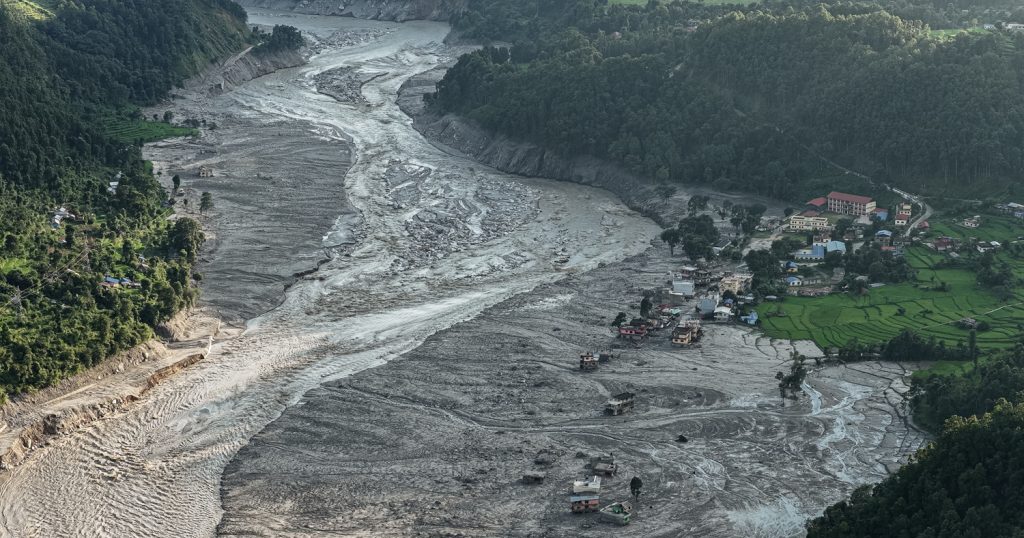
The Kerung Border and Nepal-China Railway — Questions the Flood Reopens
The proposed Kathmandu-Kerung cross-border railway — the most significant infrastructure project in Nepal’s bilateral agenda with China — is planned to follow the same Bhotekoshi-Rasuwa corridor that has now experienced two catastrophic GLOF events in 13 months. Planning documents have discussed the engineering challenges of building a permanent, high-capacity transport corridor in this valley—steep, seismically active, and evidently subject to recurring glacial lake outburst events from the Tibetan watershed for years. The 2025 and 2026 disasters add urgency to the calls for upstream GLOF monitoring and early warning systems as prerequisites for any railway investment in this corridor.
Scientists and disaster management experts have called for a formalized cross-border early warning protocol between Nepal and China for glacial lake monitoring in the shared Bhote Koshi-Lhende watershed. The Tibetan side reportedly alerted Nepal police of the August 26 flood before it struck, but the warning came too late for meaningful evacuation. An automated monitoring system could provide earlier notification. This protocol would need to involve India as well — the flood wave carried bodies 240+ kilometers downstream into Bihar State, crossing the Nepal-India border through the Narayani River system.
Practical Guidance for Affected Travelers
- Do not travel toward Rasuwagadhi: The road and border are closed. Do not attempt to reach the border regardless of prior bookings.
- Contact your operator immediately: If you have a booked Kailash overland yatra, contact your operator for cancellation and refund procedures.
- Review travel insurance: The August 2026 disaster is a force majeure event. Review cancellation and emergency assistance coverage.
- Hilsa-Purang alternative: For pilgrims determined to reach Kailash in 2026 — the Hilsa-Purang route via Simikot is the only overland option. Book immediately — capacity is limited.
- Redirect to unaffected Nepal: Contact Nepal Vehicle Hiring Pvt Ltd at +977-9851013196 to discuss alternative trekking transport in unaffected regions.
- Monitor official updates: The Nepal Tourism Board and the Department of Immigration issue official border status updates. Do not rely on pre-disaster route information.
- For general Nepal travel: The autumn 2026 trekking season is fully available in all unaffected regions. Plan through our trip planning page.
Frequently Asked Questions — Kerung Border 2026
Is the Kerung/Rasuwagadhi border open in August 2026?
No. Destroyed by the August 26, 2026 GLOF. It is indefinitely closed, with no reopening timeline as of August 29, 2026.
Can I do the Kailash Mansarovar Yatra in 2026?
Not via the overland Rasuwagadhi-Kerung route. The Hilsa-Purang route via Simikot Airport (western Nepal) and the Kathmandu-Lhasa direct flight are the only available alternatives.
How long will the Kerung border remain closed?
No official timeline. The July 2025 closure (less severe) took 6 months. The 2026 damage is far more severe — complete port destruction. A realistic minimum estimate is spring 2027. Contact us at +977-9851013196 for regular status updates.
Which Nepal treks are unaffected by the August 2026 flood?
The Annapurna Circuit, Everest Base Camp trek, Upper Mustang trek, Manaslu Circuit, Nar Phu Valley, Helambu trek, Poon Hill trek, and Chitwan safari are all completely unaffected. Contact our team to reroute your Nepal plans.
What happened to the Gyirong Port on the China side?
Chinese rescue workers confirmed on August 28, 2026, that the Gyirong Port complex was destroyed—described as ‘nothing but ruins.’ Approximately 300 vehicles queuing at the border were swept away. Around 80 trucks were stranded in Kyirong after 5 km of road was destroyed.
How do I reach Nepal Vehicle Hiring Pvt Ltd for current updates?
WhatsApp +977-9851013196, visit vehiclehiringnepal.com, or submit inquiries through our plan trip page. We treat all Rasuwa-related inquiries as our highest priority.
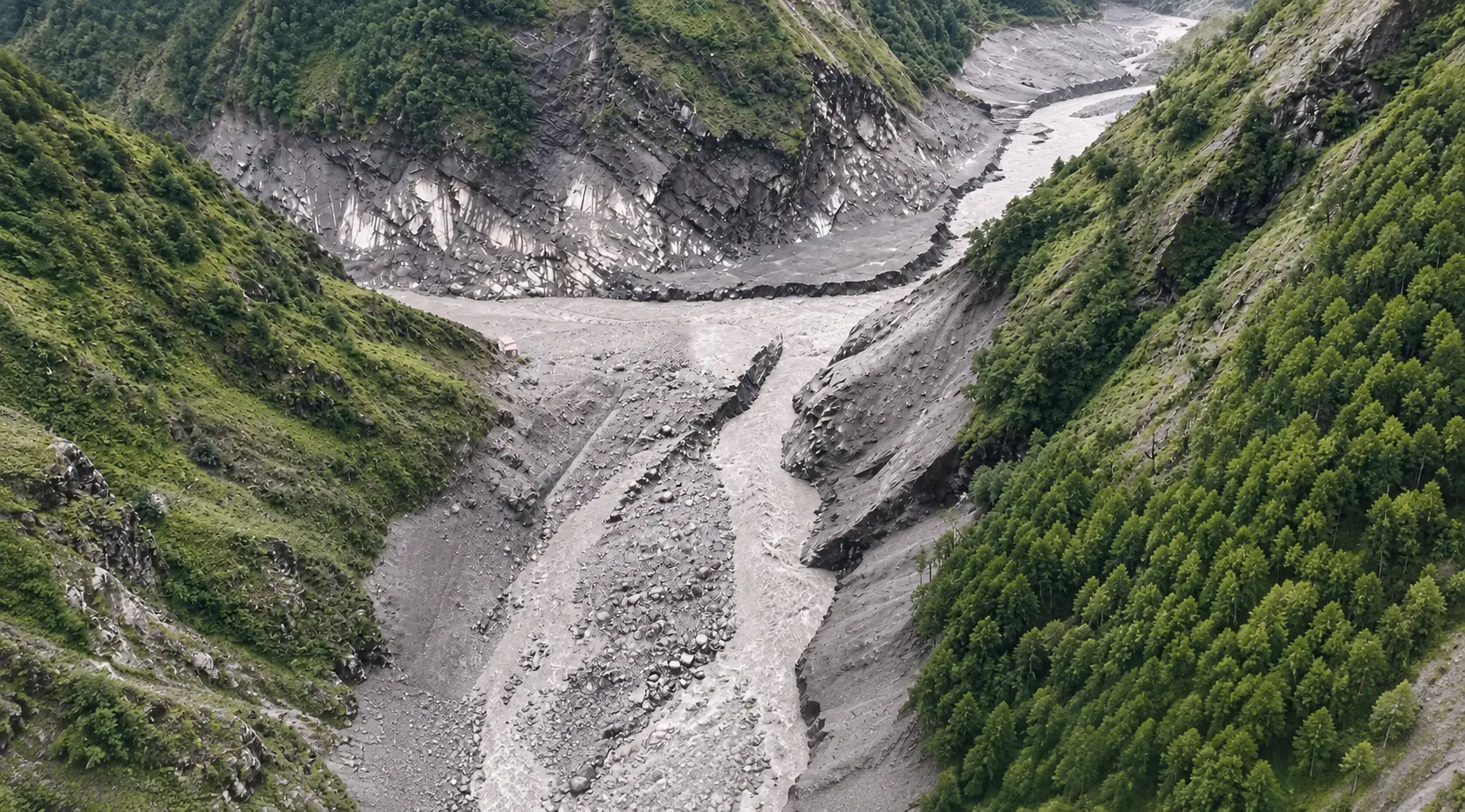
The Gyirong Port — What Was There and What Was Lost
The Gyirong Port (Chinese: Jilong) on the Tibetan side of the Nepal-China border was one of the most recently modernised international border facilities in the Tibet-Nepal trade network. Following its designation as Nepal’s primary overland China crossing after the 2015 earthquake, the port received significant Chinese investment: modern customs inspection facilities capable of handling container trucks, immigration processing offices for Kailash pilgrims and trade personnel, large vehicle marshaling areas, and the Miteri Friendship Bridge over the Bhote Koshi connecting the port to the Nepal side. The Gyirong port handled Nepal imports from approximately 15 Chinese provinces. Its destruction on August 26, 2026, removes not just a building complex but the complete operational infrastructure of Nepal’s most important land trade gateway.
The implications for Nepal’s import economy are hard to overstate. Before the July 2025 flood caused a six-month closure, the corridor processed hundreds of containers monthly. Nepal imports Chinese-manufactured goods, electronics, vehicle parts, building materials, pharmaceuticals, and an enormous range of consumer goods through this crossing. The Tatopani-Khasa alternative on the Arniko Highway currently lacks the capacity to absorb displaced cargo volume. The economic impact on Nepal’s manufacturing sector, retail supply chains, and construction industry will be felt nationwide during the recovery period. Nepal Vehicle Hiring Pvt Ltd will continue to support Kathmandu’s business community through our corporate vehicle hire and logistics transport services as the trade corridor recovers.
The Kailash Mansarovar Year of the Horse — What Was Lost
In Tibetan Buddhist, Hindu, and Bon religious calendars, 2026 is the Year of the Horse — a twelve-year astrological cycle in which a parikrama (circumambulation) of Mount Kailash carries twelve times the spiritual merit of ordinary years. For the Kailash pilgrimage community across India, Nepal, and the global Hindu and Buddhist diaspora, the Year of the Horse is the most auspicious possible time to make the yatra, creating a once-in-twelve-years spiritual opportunity that drives pilgrimage demand to extraordinary levels. Operators had booked 2026 Kailash groups to capacity months in advance. Many pilgrims had waited specifically for this twelve-year cycle.
The cancellation of this pilgrimage season on the overland Nepal-Tibet route is not merely a logistical disruption — for devout pilgrims who planned their 2026 yatra around the Year of the Horse’s specific spiritual significance, it represents the loss of a once-in-twelve-year sacred opportunity. Those who cannot redirect to the Hilsa-Purang or Kathmandu-Lhasa flight routes face waiting until 2038 for the next Year of the Horse. Alpine Luxury Treks and established Kailash yatra operators are working with affected pilgrims individually to find viable alternatives. For redirects to unaffected Nepal sacred sites—Muktinath (the 106th Divya Desam), Gosaikunda (sacred lake at 4,380m), and Pashupatinath in Kathmandu—Nepal Vehicle Hiring Pvt Ltd provides private vehicle hire for all these alternatives.
Historical Context — Nepal-Tibet Trade and Pilgrimage Before 2015
Understanding the Kerung border’s current significance requires understanding what Nepal-Tibet connectivity looked like before the 2015 earthquake — and how fundamentally the earthquake changed the geography of Nepal-China overland trade.
Before April 2015, the Arniko Highway (Kathmandu-Kodari-Tatopani-Khasa) was Nepal’s primary and almost sole overland gateway to China and Tibet. Commissioned in 1967 as a joint Nepal-China project, the road served both bilateral trade and the overland Kailash Mansarovar pilgrimage, connecting Kathmandu via the Sun Koshi valley to the Kodari/Tatopani border crossing and continuing to Lhasa on the Chinese-constructed road beyond. The Rasuwagadhi crossing existed but was secondary and less developed. The 2015 earthquake severely damaged the Arniko Highway infrastructure—particularly at Tatopani, where landslides buried sections of the road—so the crossing was closed for eight years and only partially reopened in May 2023.
After 2015, both Nepal and China invested in upgrading the Rasuwagadhi-Kerung route as the new primary crossing. The Miteri Friendship Bridge was constructed. Customs facilities were upgraded. And by 2023, when both crossings reopened, the Rasuwagadhi-Kerung corridor had become the dominant route — handling the majority of bilateral trade and virtually all of the overland Kailash pilgrimage traffic. The concentration of Nepal-China trade and pilgrimage on a single corridor that has now suffered two major GLOF events in 13 months raises legitimate questions about corridor diversification — whether Nepal and China should invest in upgrading both crossings to provide genuine redundancy in the bilateral overland connectivity network.
For travelers and operators monitoring border recovery, Nepal Vehicle Hiring Pvt Ltd will update our contact team and trip-planning page with the latest confirmed status as the Department of Roads and bilateral diplomatic channels report road-clearing and reconstruction progress. Our private jeep hire and full Nepal trekking transport network remains fully available for all unaffected corridors. Book your autumn 2026 Nepal trek or tour arrangements through WhatsApp at +977-9851013196 or our plan trip page.
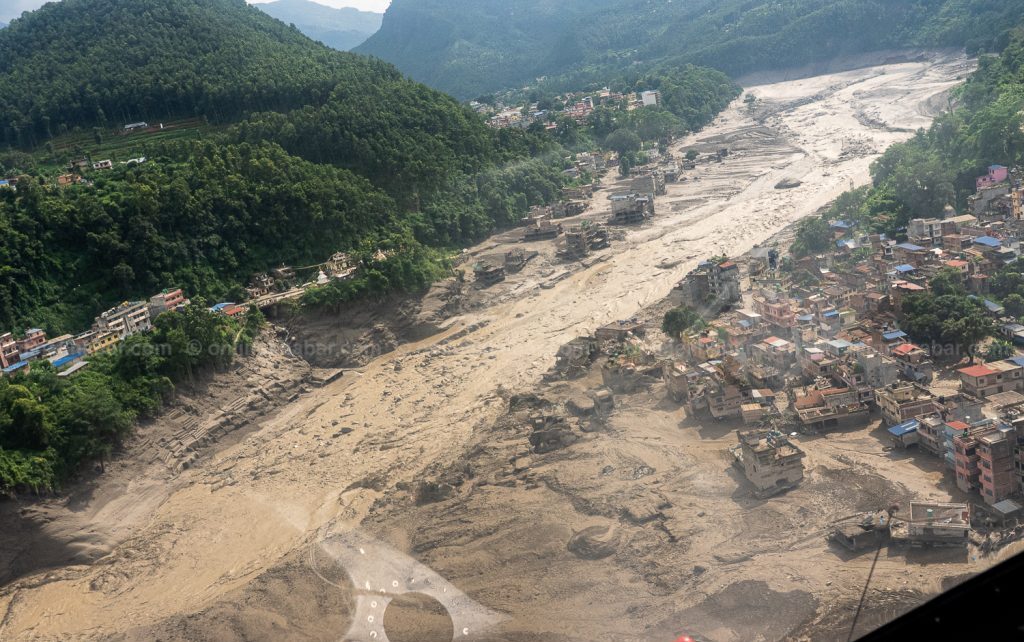
Downstream Communities — The Human Cost Beyond Rasuwa
The August 2026 GLOF’s destruction did not stop at Rasuwa District. The flood wave carried downstream through the Trishuli and Narayani river systems, affecting Nuwakot, Dhading, Chitwan, and both Nawalparasi districts. Bodies were recovered as far as 240 kilometers from the origin point, across the Nepal-India border in Bihar State, India—carried by the Narayani River, which receives the Trishuli’s floodwaters and crosses into the Indian plains. The Prithvi Highway and Tribhuvan Highway — Nepal’s two most critical domestic road arteries — were put on high alert as the flood pulse moved downstream. Devighat, where the Trishuli meets the Marshyangdi at the base of the Annapurna foothills, received significant flooding. Trishuli Bazaar reported major damage to riverside infrastructure. The scale of downstream impact across five districts and into India makes this one of the most geographically extensive river flood events in Nepal’s recorded disaster history.
The communities living along the Pasang Lhamu Highway whose livelihoods depend on the Langtang trekking economy and the Rasuwagadhi border trade — guesthouse owners in Syabrubesi, porters who carry loads for Langtang trekkers, drivers who operate shared jeeps between Kathmandu and the trailhead, traders who move goods between Dhunche and the border — have seen their economic base completely disrupted. Nepal Vehicle Hiking Pvt Ltd commits to prioritizing hiring from these communities as road access is progressively restored, and to channeling trekking transport bookings through local operators and drivers in the Rasuwa corridor as the recovery progresses. For travelers planning Nepal visits in 2027 and beyond, choosing Langtang Valley trek packages from Trek Nepal Himalayas and premium guided experiences from Alpine Luxury Treks— both of which employ local Rasuwa community members—is the most direct way to support the affected communities’ economic recovery through tourism.
Broader Nepal Tourism Reassurance — What the Season Holds
Nepal’s autumn 2026 trekking season — October and November — is expected to be exceptional across all unaffected regions. Post-monsoon air clarity in October typically delivers the Year’s finest mountain views. The Annapurna Circuit via our Besisahar private vehicle service is already seeing strong booking demand from European and North American trekking groups. The Everest Base Camp trek accessible via our Salleri Phaplu jeep hire and Lukla domestic flight has an outstanding season ahead. The Upper Mustang trek via Jomsom Airport is unaffected, and Marpha’s apple orchards will be in peak harvest in October. The Manaslu Circuit trek via our Kathmandu-to-Soti Khola jeep transfer is fully available. Our Pokhara to Chitwan bus service also offers some of the finest wildlife experiences in South Asia, with peak-season visibility in Chitwan National Park.
Nepal Vehicle Hiring Pvt Ltd’s full fleet — private jeep hire, Hiace van hire, tourist coaster, bus hire, car hire in Nepal, Pokhara car hire, and Kathmandu airport transfers — is available and fully staffed for the autumn 2026 season. We are proactively reaching out to clients with Rasuwa corridor bookings to offer rerouting assistance, and we are accepting new bookings for all unaffected Nepal corridors with our standard all-inclusive transparent pricing. Book through WhatsApp at +977-9851013196 or our plan trip page, and let Nepal’s extraordinary, unaffected Himalayan landscape be the adventure the autumn 2026 season delivers.
Understanding Glacial Lake Outburst Floods — Why They Keep Happening
The August 26, 2026 event is formally classified as a Glacial Lake Outburst Flood (GLOF)—a specific category of natural disaster that occurs when the natural dam containing a glacial lake fails catastrophically, releasing accumulated meltwater in a sudden, uncontrolled surge downstream. GLOFs are categorically different from river floods caused by extreme rainfall: they originate from the sudden failure of an ice dam, moraine dam, or bedrock barrier, and they release energy in a compressed timeframe that generates flood waves far more powerful than the volume of water would suggest, because the energy of the impounded water is released almost instantaneously rather than through the sustained river flow of a rainfall flood. The August 2026 event, originating from the Lhende Khola on the Tibetan side of the border, follows this classic GLOF pattern: no significant rainfall event, no warning from conventional weather monitoring, and a sudden flood wave that reached communities 60+ kilometers downstream within hours of the dam failure.
Nepal is among the world’s most GLOF-vulnerable countries, with approximately 2,000 glacial lakes recorded in its territory and more on the Tibetan side of the watershed. Of these, scientists and government monitoring agencies have identified approximately 20 to 25 as posing high to very high outburst risk — lakes that have grown to sizes where their natural dam structures are under stress from the weight and temperature of the impounded water, and where a triggering event (earthquake tremor, ice avalanche, sustained warm weather accelerating meltwater input) could initiate a catastrophic release. The Lhende Khola lake system on the Tibetan side of the Rasuwagadhi border area has now produced two major outburst events in 13 months —suggesting the lake system is in a state of ongoing instability that makes further events a genuine possibility even after the current crisis resolves.
The specific driver of the increase in GLOF frequency in the Himalayan region is well documented: climate change is accelerating glacial melt at high altitudes, creating new glacial lakes faster than in previous geological eras and expanding existing ones beyond the stability thresholds of their natural containment structures. The Intergovernmental Panel on Climate Change has identified the Hindu Kush-Himalayan glacial system as one of the most rapidly changing glacial environments on Earth, with the Tibet-Nepal border watershed among the most sensitive. This is not a future projection but a current, observed reality — the formation of the Lhende Khola lake system that produced the August 2026 flood is itself a product of glacial retreat that has accelerated significantly since the 1990s. The pattern of Nepal-China border GLOF events—2025 and 2026 both originating from Tibetan glacial systems—will likely continue unless Nepal and China establish comprehensive upstream monitoring and early warning systems as a joint scientific priority.
The Nepal-China Early Warning Protocol — What Is Needed
The most immediate and most practical mitigation measure that scientists, engineers, and disaster management experts have identified for the Rasuwagadhi-Kerung corridor is a binding bilateral early warning protocol between Nepal and China for glacial lake monitoring and GLOF alert communication. This protocol would require both countries to share real-time data on glacial lake water levels, temperature, and structural conditions across the shared Bhote Koshi watershed — data that currently exists in both countries’ national monitoring networks but is not systematically shared across the border.
The July 2025 flood demonstrated both the potential value and the current limitations of cross-border communication: Tibetan authorities reportedly alerted Nepal police to an upstream flood, and some communities received warnings. But the communication was informal, arrived late relative to the flood wave’s travel time, and was not integrated with the automated sirens and community alert systems that could have triggered faster evacuation. In the August 2026 event, the Tibetan side again issued the warning. Still, the scale and speed of the surge meant the communities closest to the flood origin had minimal response time regardless of when the warning arrived.
A properly designed early warning system would include: continuous automated monitoring of identified high-risk glacial lakes on both sides of the border, with sensor networks that detect anomalous water level rise or dam stress; a direct digital alert channel between the monitoring agencies of both countries that transmits warnings within minutes of a threshold breach being detected; and an integrated community alert system in all at-risk downstream villages — sirens, mobile phone emergency alerts, and designated evacuation routes — that can be activated automatically when the upstream sensors trigger. The technical components of such a system are well-understood and not prohibitively expensive. The political and diplomatic requirements — a binding bilateral agreement on data sharing across a sensitive international boundary — are the primary obstacle. The August 2026 death toll provides the strongest possible argument for resolving that diplomatic obstacle urgently. Nepal Vehicle Hiring Pvt Ltd supports all calls for such a protocol and will continue to implement our own morning-of road condition confirmation policy for the Rasuwa corridor as a private-sector contribution to early warning in the transport network.
Recovery Timeline and What Travelers Should Expect
Based on the July 2025 precedent and the documented scale of the August 2026 destruction, this section provides the most realistic available assessment of the Kerung border and Pasang Lhamu Highway recovery timeline. This assessment is based on engineering reality rather than optimism.
Immediate Phase (August- September 2026 — Currently Ongoing). Search and rescue operations continue in Rasuwa District, coordinated by Nepal’s National Disaster Risk Reduction and Management Authority (NDRRMA) with helicopter support and ground teams. Road clearing for emergency vehicle access, not normal traffic, is the top infrastructure priority. The Department of Roads is conducting damage assessment across the full 42-kilometer Betrawati-to-Rasuwagadhi corridor. Chinese rescue teams are operating on the Tibetan side. No timeline for any traffic restoration has been announced.
Short-Term Recovery (October-December 2026 — Possible Timeline for Lower Road). Following the pattern of the July 2025 recovery, the first road sections to reopen will be the lower, less severely damaged portions of the Betrawati-to-Dhunche road. Authorities may establish single-lane emergency access for relief supplies and personnel before the monsoon season ends. The Dhunche-to-Syabrubesi section, which is less directly damaged than the Syabrubesi-to-Rasuwagadhi section, may follow. However, none of this constitutes a Rasuwagadhi border reopening or a restoration of the Langtang trekking transport corridor to its pre-flood standard.
Medium-Term Recovery (2027 — Estimated Border Infrastructure Timeline). Rebuilding the Gyirong Port complex and Rasuwagadhi customs infrastructure is a multi-month construction project that cannot be completed before 2027 under any realistic assessment. China’s rapid response to the July 2025 bridge replacement—meters of Bailey bridge in six months—demonstrates Chinese engineering capacity on this corridor. Still, a Bailey-replacing border-crossing bridge is a categorically larger undertaking. Spring 2027 is the earliest realistic target for any limited border reopening, and full infrastructure restoration to pre-flood standard will take longer.
Long-Term Questions (2027 and Beyond). The strategic question of whether the Rasuwagadhi-Kerung corridor should be rebuilt to its previous standard, whether additional GLOF mitigation engineering should be incorporated into any reconstruction, and whether the proposed Kathmandu-Kerung railway should be redesigned to reduce GLOF vulnerability — these are policy decisions that will be negotiated between Nepal and China over the coming months and years. Nepal Vehicle Hiking Pvt Ltd will continue to offer private jeep hire on the Pasang Lhamu Highway as the road progressively reopens, and will update our plan trip page and contact team with current road status for all clients planning Langtang and Rasuwa region visits in 2027 and beyond.
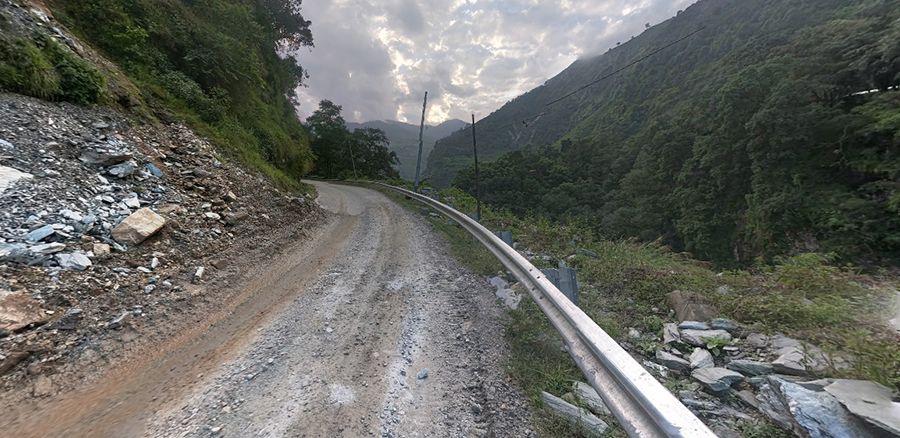
The Arniko Highway Alternative — The Other Nepal-China Road
While the Rasuwagadhi-Kerung corridor faces indefinite closure, Nepal’s other overland connection to China — the Arniko Highway (national highway no. 6) connecting Kathmandu via Banepa, Dhulikhel, Dolalghat, Lamosangu, and the Sun Koshi gorge to the Tatopani-Khasa border crossing at Kodari — is a theoretically available alternative that traders, operators, and the Nepal-China bilateral trade relationship will increasingly rely on during the Rasuwagadhi recovery period. Understanding the Arniko Highway’s current capacity and limitations is essential context for any realistic assessment of Nepal’s trade and pilgrimage alternatives during the Rasuwagadhi closure.
The Tatopani-Khasa crossing on the Arniko Highway resumed limited operations in May 2023 after its eight-year post-earthquake closure — but ‘resumed’ should be understood in context. The crossing is operational but not at the infrastructure standard of the pre-2015 Kodari crossing, nor at the standard the Rasuwagadhi-Kerung port had achieved before its August 2026 destruction. The road from Kathmandu to Tatopani on the Nepal side has been substantially repaired since 201t. Still, it retains characteristics of post-earthquake reconstruction: functional sections, but below the surface and width standards of the original highway.
The Khasa/Zhangmu port on the Chinese side similarly operates on a reconstructed infrastructure base. Traders shifting cargo to Tatopani from Rasuwagadhi will find a crossing that can absorb some of the displaced volume but not all of it — creating a supply chain bottleneck that will translate into price increases and availability delays for Chinese goods in Nepal’s market during the recovery period.
For the Kailash Mansarovar pilgrimage, the Arniko Highway to Tatopani-Khasa provides access to a different Chinese-Tibet approach road — the route continuing from Khasa through Nyalam and along the Trans-Himalayan Highway toward Shigatse and then westward to Kailash. This route is longer than the Gyirong-to-Kailash approach the Rasuwagadhi corridor enabled, and different Chinese regional authorities manage its logistics than those for the Gyirong route.
Established Kailash yatra operators who previously used the Rasuwagadhi route will need to negotiate access and permits for the Tatopani-Khasa alternative with their Chinese counterparts — a process that takes time. Nepal Vehicle Hiring Pvt Ltd provides private vehicle hire on the Arniko Highway to Tatopani for any Nepal-China traveler needing ground transport on the Nepal side of this corridor. Contact our team for current Arniko Highway road status and Tatopani border crossing arrangements.
What Nepal Can Learn — Disaster Preparedness for the Mountain Corridor
Every major natural disaster in Nepal — the 1993 floods, the 2015 earthquake, the 2016 Bhote Koshi flood, the July 2025 Rasuwagadhi flood, and now the August 2026 GLOF — reveals both the extraordinary vulnerability of Nepal’s mountain communities and the extraordinary resilience with which those communities respond. The institutional learning from each disaster has been real: the National Disaster Risk Reduction and Management Authority (NDRRMA) has grown in capacity and resources since 2015, the Department of Roads has developed faster post-disaster assessment and response protocols, and the domestic media and social media ecosystem now provides much faster and more accurate disaster information to affected communities and the diaspora than was available before 2015.
But institutional learning has not kept pace with the changing Himalayan disaster environment. GLOF risk in the Nepal-Tibet border watershed is not stable—it is increasing as glacial melt accelerates. The July 2025 and August 2026 events are not anomalies but early manifestations of a multi-decade trend that will produce more frequent and potentially larger GLOF events in the coming decades unless comprehensive upstream monitoring, early warning, and community preparedness measures are implemented.
The communities of Timure, Syabrubesi, and the Rasuwa valley floor did not fail to prepare — they had no tools with which to prepare for an event originating on the other side of an international border, arriving with less than an hour’s warning, and carrying energy sufficient to sweep away bridge infrastructure, government buildings, and hundreds of vehicles.
The answer is not to abandon these communities or to declare the Rasuwa valley uninhabitable — it is to invest in the monitoring, warning, and community preparedness infrastructure that gives mountain communities a fighting chance against the GLOF events that the changing Himalayan cryosphere will continue to generate.
Nepal Vehicle Hiring Pvt Ltd will continue to support the Rasuwa corridor’s recovery by deploying our private vehicle hire network as road access progressively restores, by prioritizing local driver employment in the corridor, and by maintaining the most current, honest road condition information for all travelers through our contact team at +977-9851013196 and our plan trip page. Nepal remains one of the world’s finest trekking and cultural destinations — the Rasuwa disaster is a tragedy that demands a sustained response, not a reason to avoid a country whose mountains, cultures, and communities are among the most extraordinary on earth.
The 2026 disaster has underscored once again that Nepal’s mountain communities and transport corridors face genuine, escalating risks from a changing climate—and that responding to those risks requires international cooperation, scientific investment, and sustained political will on both sides of the Nepal-China border. Nepal Vehicle Hiring Pvt Ltd will continue to provide accurate, current road condition information for all our operating corridors, refuse to dispatch private vehicles on unconfirmed routes, and actively support the Rasuwa community’s recovery as the situation evolves.
Our full Nepal trekking transport network — covering the Annapurna Circuit, Everest Base Camp trek, Upper Mustang, Manaslu Circuit, Chitwan safari, and all of Nepal’s unaffected mountain destinations — remains fully operational and ready to deliver an outstanding autumn 2026 season for all travelers who choose Nepal this Year. Book with confidence through our plan trip page or WhatsApp +977-9851013196.
For trade operators, freight forwarders, and importers who previously relied on the Rasuwagadhi-Kerung corridor for Nepal-China cargo movement, Nepal Vehicle Hiring Pvt Ltd’s commercial vehicle hire and bus hire services cover the alternative road logistics on the Nepal side — including Kathmandu to Tatopani Arniko Highway transfers for cargo diverted to the Khasa crossing, warehouse-to-customs transfers, and the inter-city commercial transport network that keeps Nepal’s supply chains moving as the bilateral trade routes adapt.
For individual travelers — including Kailash pilgrims redirecting through Kathmandu for the Lhasa flight option — our Kathmandu airport transfer, Kathmandu sightseeing, Bhaktapur day tour, and Nagarkot sunrise transfer provide a meaningful Nepal cultural experience even for travelers whose primary Tibet plans have been canceled. Nepal’s sacred sites — Pashupatinath, Boudhanath, Swayambhunath, and Muktinath, accessible via our Jomsom and Muktinath jeep service — offer pilgrimage experiences of profound depth that complement or, in some cases, substitute for the canceled Kailash yatra. Contact Nepal Vehicle Hiring Pvt Ltd at +977-9851013196 to discuss how we can support your Nepal visit after the August 2026 disaster.
Nepal’s mountain communities have shown extraordinary resilience through the 2015 earthquake, the 2025 flood, and now the 2026 GLOF. The Rasuwa Valley will rebuild. The border will reopen. The Langtang Valley trek and Helambu trek will welcome trekkers again when the trail is declared safe and the road to Syabrubesi is restored.
And when that day comes, Nepal Vehicle Hiring Pvt Ltd will be the first transport operator to resume our private jeep hire on the Syabrubesi corridor, connecting trekkers once again to one of Nepal’s closest and finest mountain valleys. Until then, we remain committed to honesty, safety, and the extraordinary alternative that Nepal’s unaffected trekking network provides — contact our team or visit our plan trip page to start planning your Nepal adventure today.
Conclusion
The August 26, 2026 glacial lake outburst flood is one of Nepal’s most catastrophic recent natural disasters — and for the Rasuwagadhi-Kerung border corridor, it has destroyed the crossing and closed it indefinitely, with recovery timelines extending well into 2027. Nepal Vehicle Hiring Pvt Ltd is monitoring the situation continuously, not dispatching vehicles to the affected corridor, and actively supporting affected travelers through alternative transport arrangements across Nepal’s fully operational, unaffected trekking network. The Annapurna Circuit, Everest Base Camp trek, Upper Mustang, and Manaslu Circuit are all open for the autumn 2026 season.
For Kerung border status updates, alternative Nepal trek transport, and all private vehicle hire services — call or WhatsApp +977-9851013196, visit vehiclehiringnepal.com, or plan your journey through our plan trip page.
- Kerung Border Nepal China Condition 2026 — Complete Update on Nepal-China Rasuwagadhi Crossing
- What Happened — The August 26, 2026 GLOF Disaster
- Kerung Border Nepal China — Background and Significance
- Pattern of Closures — A Corridor Under Repeated Threat
- Kailash Mansarovar Yatra — Alternative Routes
- Nepal-China Trade — Economic Implications
- Road Damage — Section by Section
- Seasonal Road Character — The Corridor Under Normal Conditions
- Vehicle Options for Kathmandu to Syabrubesi Under Normal Conditions
- What Is Still Open — The Full Unaffected Nepal Network
- The Kerung Border and Nepal-China Railway — Questions the Flood Reopens
- Practical Guidance for Affected Travelers
- Frequently Asked Questions — Kerung Border 2026
- The Gyirong Port — What Was There and What Was Lost
- The Kailash Mansarovar Year of the Horse — What Was Lost
- Historical Context — Nepal-Tibet Trade and Pilgrimage Before 2015
- Downstream Communities — The Human Cost Beyond Rasuwa
- Broader Nepal Tourism Reassurance — What the Season Holds
- Understanding Glacial Lake Outburst Floods — Why They Keep Happening
- The Nepal-China Early Warning Protocol — What Is Needed
- Recovery Timeline and What Travelers Should Expect
- The Arniko Highway Alternative — The Other Nepal-China Road
- What Nepal Can Learn — Disaster Preparedness for the Mountain Corridor
- Conclusion

Related Blog & Articles
Rasuwagadhi Kerung Border Condition Now | Nepal Update

Rasuwagadhi Kerung Jeep Transfer for Kailash Yatra
Kathmandu to Dhunche Syabrubesi Road Conditions 2026