Plan a Trip


Rasuwagadhi Kerung Jeep Transfer for Kailash Yatra
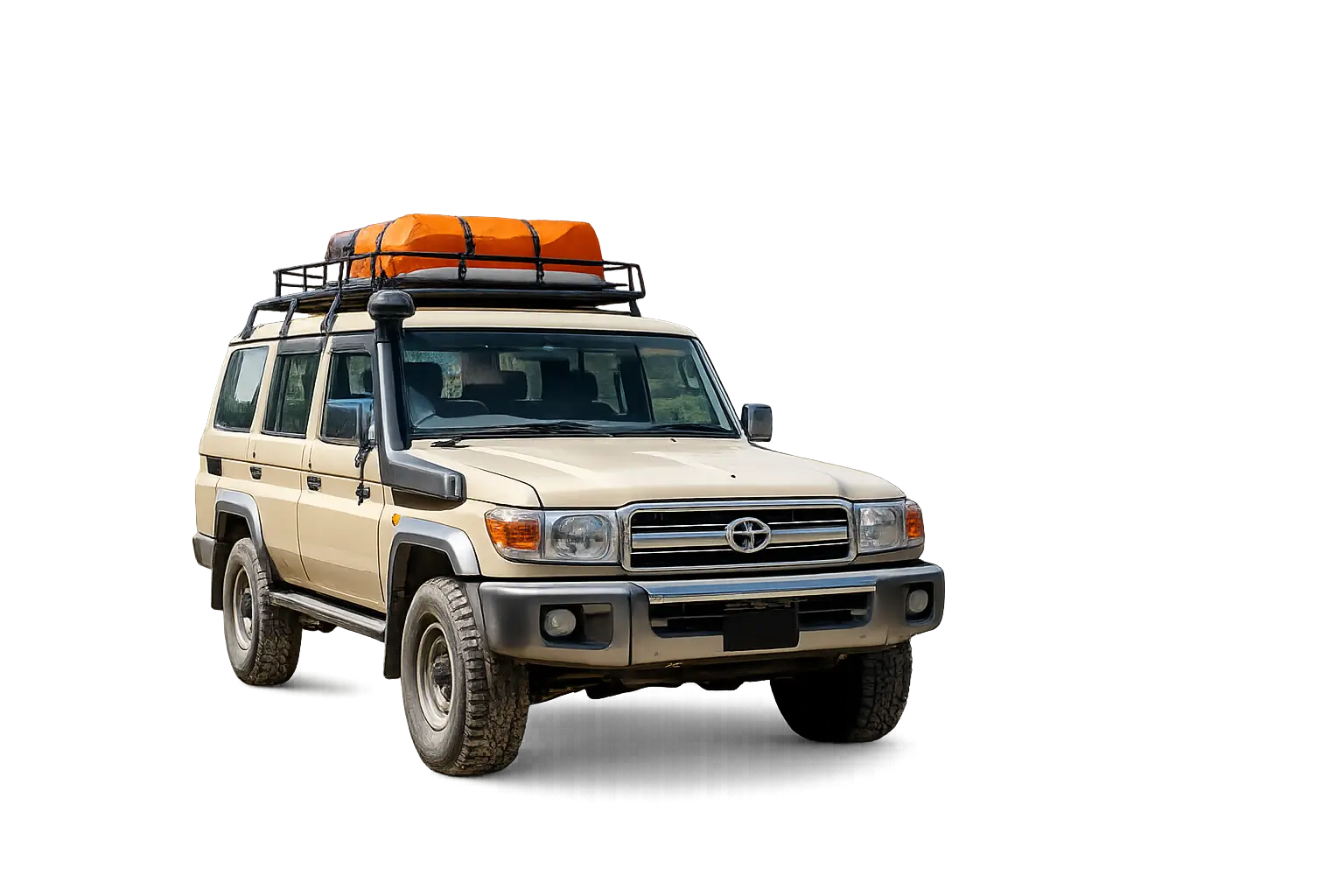
Rasuwagadhi Kerung Jeep Transfer for Kailash Yatra
For devoted pilgrims across four major world faiths- Hinduism, Buddhism, Jainism, and the ancient Bon tradition of Tibet- few journeys carry the spiritual weight of the pilgrimage to Mount Kailash and Lake Mansarovar in western Tibet. Since the 2015 earthquake damaged the older Kodari-Zhangmu crossing that once served as Nepal’s primary land gateway into Tibet, the
Rasuwagadhi-Kerung border crossing has become the main overland route connecting Kathmandu to the Tibetan plateau, and with it, the standard starting point for pilgrims choosing to reach Kailash by road rather than by air through Lhasa.
This guide covers everything pilgrims need to know about arranging a
Rasuwagadhi Kerung jeep transfer for the Kailash Yatra: the significance of Kailash and Mansarovar themselves, the two main routes available from Nepal, the overland journey from Kathmandu to the border itself, the crossing process, the onward journey across the Tibetan plateau, permits and visa requirements, health and altitude considerations, and how to combine this pilgrimage with time in Kathmandu before departure. Nepal Vehicle Hiring has arranged ground transport along this exact corridor for pilgrims and trekkers for years, and this guide draws directly on that route experience.
Why Kailash and Mansarovar Matter
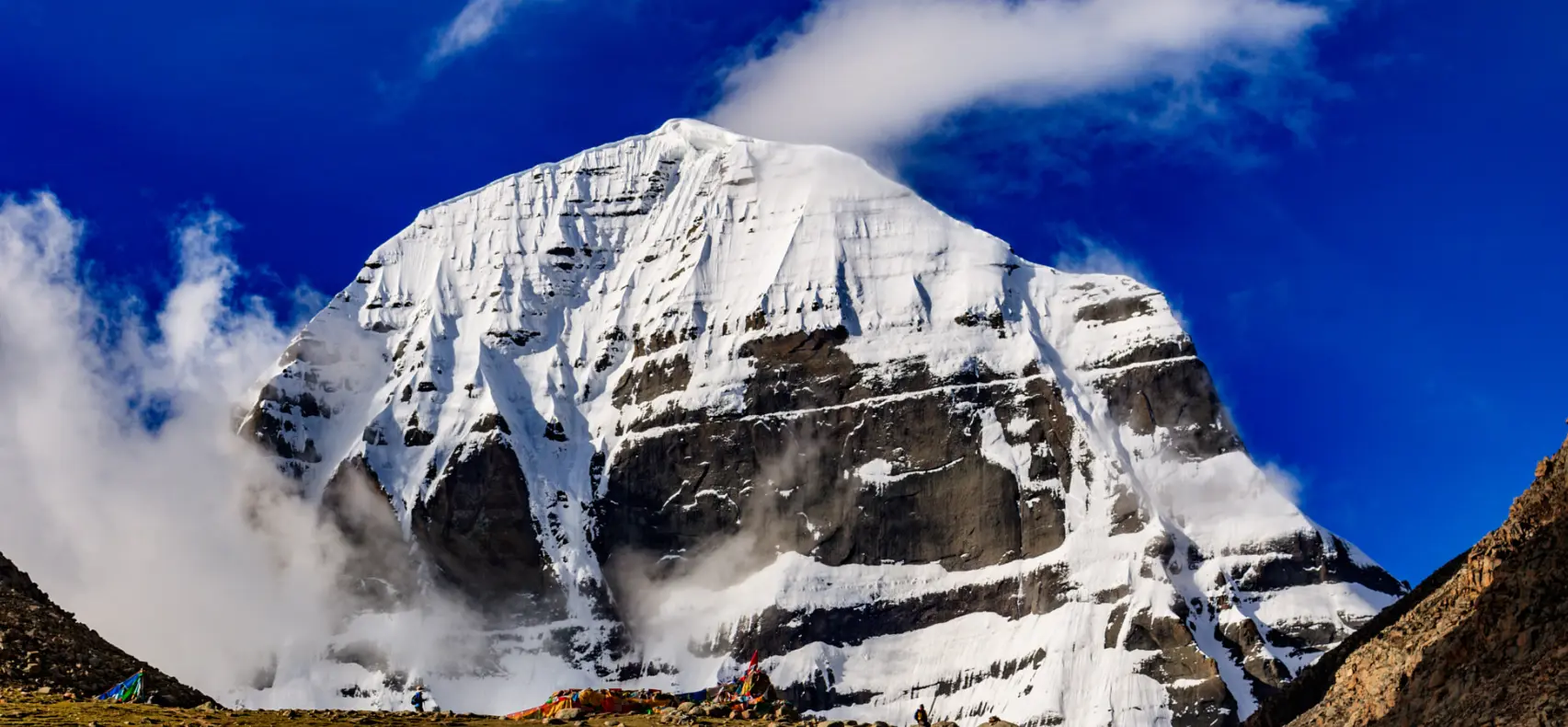
Mount Kailash itself, standing at a striking 6,638 meters in the remote far west of the Tibet Autonomous Region, is revered as the physical embodiment of Mount Meru, the cosmic center of the universe in Hindu cosmology, and the eternal abode of Lord Shiva and his consort Parvati. Buddhists regard the mountain as the home of the Buddha Demchok, a manifestation of supreme bliss. At the same time, followers of the indigenous Tibetan Bon religion consider it the sacred seat of their own spiritual tradition, which predates Buddhism’s arrival in Tibet.
Jains, meanwhile, believe it was here that Rishabhadeva, the first Tirthankara, attained spiritual liberation. This convergence of four distinct faiths onto a single sacred mountain makes Kailash one of the most religiously significant pilgrimage destinations anywhere on earth, and one of the very few places where such genuinely different spiritual traditions hold such closely overlapping reverence.
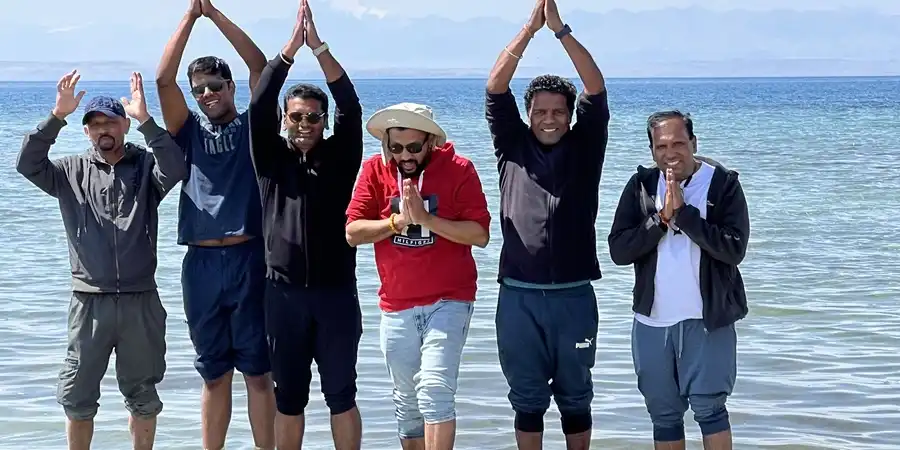
Lake Mansarovar, sitting at 4,590 meters near the base of Kailash, holds its own profound significance, believed in Hindu tradition to have been created in the mind of Lord Brahma and regarded as one of the holiest bodies of water in the subcontinent. Pilgrims traditionally bathe in its waters as part of the broader Yatra, believed to cleanse a lifetime of sin, before continuing to complete the parikrama, or circumambulation, of Kailash itself.
Two Routes to Kailash From Nepal
Flying via Lhasa or Kathmandu-Nepalgunj-Simikot
Some pilgrims reach the Kailash region by flying directly into Lhasa from Kathmandu before continuing overland across Tibet by vehicle, or via a considerably more remote route through Nepalgunj and Simikot near the Tibetan border in far western Nepal. These air-based options generally cost more but reduce overall travel time compared to the full overland journey from Kathmandu.
The Overland Route via Rasuwagadhi and Kerung
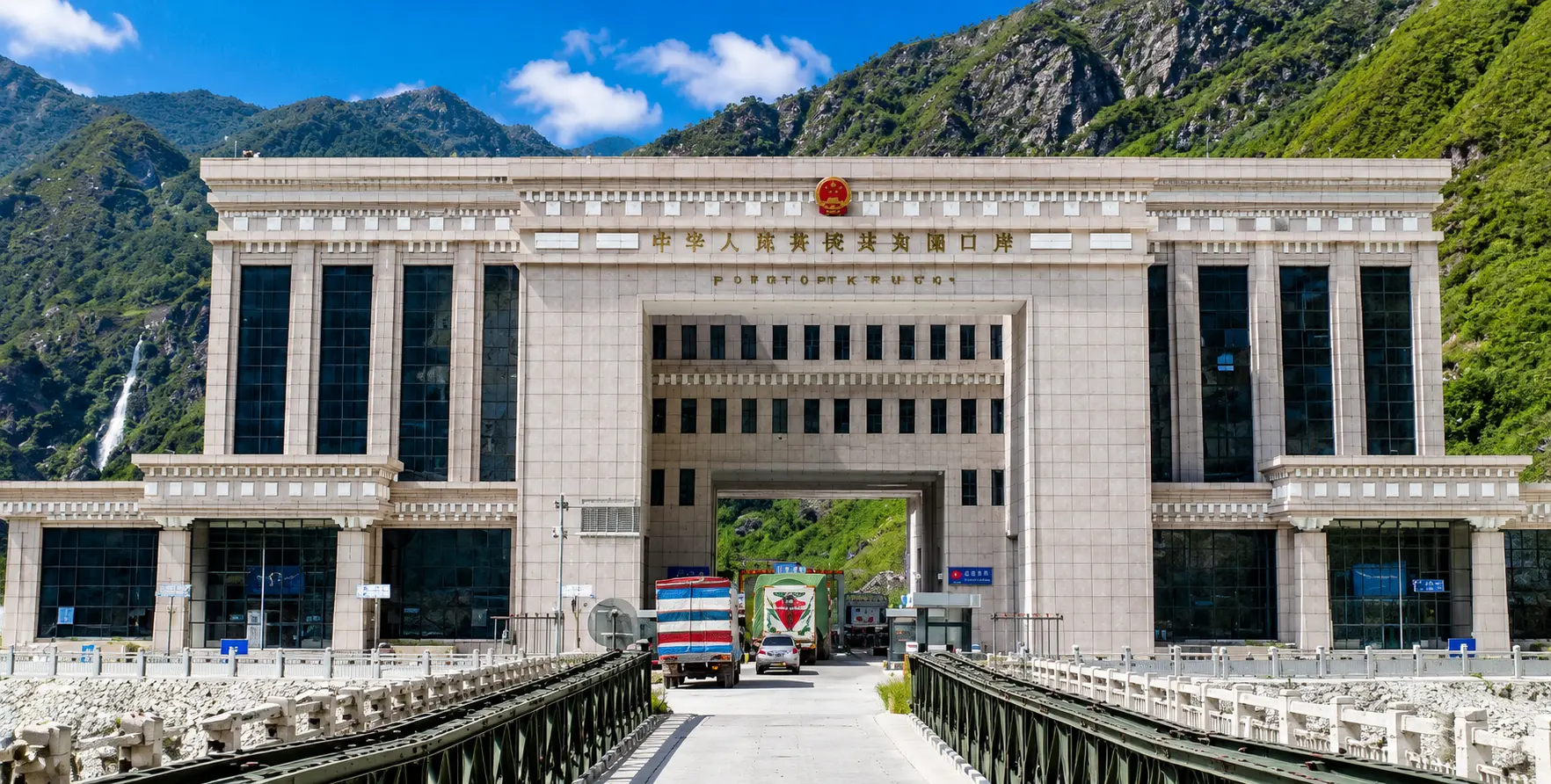
The alternative, and since 2015 the more commonly used option for pilgrims beginning their journey in Kathmandu, is the fully overland route: a jeep transfer from Kathmandu to the Rasuwagadhi border crossing in Rasuwa district, crossing into Kerung, known as Gyirong in Chinese, on the Tibetan side, before continuing by Chinese-registered vehicle across the Tibetan plateau toward Lake Mansarovar and Mount Kailash itself. This route has grown in popularity precisely because it offers a genuinely complete overland pilgrimage experience, crossing gradually from the Nepali mid-hills into the high Tibetan plateau, rather than the more abrupt transition involved in flying directly into Lhasa.
Why Rasuwagadhi Became the Primary Crossing
Before 2015, the Araniko Highway connecting Kathmandu to the Tibetan border at Kodari and onward to Zhangmu served as Nepal’s main land route into Tibet. The devastating earthquake of April 2015 caused extensive damage to this route, including landslides and infrastructure destruction that rendered the crossing unusable for an extended period. In response, both Nepal and China invested in developing the Rasuwagadhi-Kerung crossing, further west in Rasuwa district, as the new primary land border connection between the two countries. This crossing has since become the standard route not only for general trade and travel between Nepal and Tibet, but specifically for the growing number of pilgrims choosing the overland option for their Kailash Mansarovar Yatra.
The Journey From Kathmandu to Rasuwagadhi
The drive from Kathmandu to the Rasuwagadhi border crossing covers approximately 170 kilometers, following the same corridor used for trekkers heading toward Langtang Valley and the Tamang Heritage Trail, covered in more detail in our companion guide to
Kathmandu to Tamang Heritage Trail transport. The route passes through Trishuli Bazaar and Dhunche, the headquarters of Langtang National Park, before continuing to Syabrubesi and onward along the Bhote Koshi valley to the border crossing itself at Rasuwagadhi. This journey typically takes eight to ten hours by private jeep, occasionally longer during the monsoon season or when road maintenance work is underway.
This corridor demands a genuine four-wheel-drive vehicle given the unpaved and occasionally rough sections beyond Dhunche, and pilgrims should expect a physically demanding, if scenically rewarding, day of travel before reaching the border itself. Our
Jeep Hire in Nepal service is built specifically around routes like this one, pairing a Land Cruiser or Prado-class vehicle with a driver experienced on the Trishuli-Dhunche-Rasuwagadhi corridor across multiple seasons.

Vehicle Options for the Rasuwagadhi Approach
Toyota Land Cruiser and Prado
Given the genuinely demanding nature of this route and the importance of arriving at the border in good time for the crossing process, a Land Cruiser or Prado remains the most reliable option for pilgrimage groups, offering the comfort and mechanical dependability this journey requires.
Executive Hiace for Larger Pilgrimage Groups
Larger pilgrimage groups traveling together often use our
Hiace hire service for the journey, offering greater seating and luggage capacity for groups carrying additional religious items or equipment for the extended Tibet-side journey ahead.
The Border Crossing Process at Rasuwagadhi-Kerung
Crossing from Nepal into Tibet at Rasuwagadhi involves formal immigration and customs procedures on both sides of the border, with Nepali exit formalities completed at Rasuwagadhi before crossing a bridge into Kerung on the Chinese side, where Tibetan and Chinese immigration officials process entry documentation. Pilgrims traveling as part of an organized Kailash Yatra group typically have this process coordinated by their tour operator, who arranges the necessary paperwork in advance and manages the practical logistics of the crossing itself, including luggage transfer between the Nepali vehicle and the Chinese-registered vehicle that continues the journey on the Tibetan side, since Nepali vehicles are not permitted to continue beyond the border crossing.
The Onward Journey Across the Tibetan Plateau
From Kerung, pilgrims continue by Chinese-registered vehicle across the Tibetan Plateau, typically traveling through Saga and Paryang over several days before reaching Lake Mansarovar and the town of Darchen, the starting point for the Kailash parikrama itself. This onward journey covers considerable distance across genuinely high-altitude terrain, often exceeding 4,500 meters for extended stretches, and is typically broken into multiple driving days with overnight stops to allow for gradual acclimatization rather than attempting the full crossing in a single push.
Permits and Visa Requirements for the Kailash Yatra
Pilgrims undertaking the Kailash Mansarovar Yatra via the Nepal overland route require a Chinese Group Visa, arranged collectively for the pilgrimage group rather than as an individual visa, along with a Tibet Travel Permit and additional Foreign Affairs permits specific to the restricted border region surrounding Kailash and Mansarovar. These permits are considerably more complex to arrange than standard Nepali trekking permits, and virtually all pilgrims undertake this journey through an organized tour operator who manages the full permit and visa process on their behalf, given the close coordination required with Chinese and Tibetan authorities.
Best Time of Year for the Kailash Yatra via Rasuwagadhi
Late Spring to Early Summer (May to June)
This period offers relatively stable weather on both the Nepal approach and the Tibetan plateau, with the Rasuwagadhi road generally in good condition before the main monsoon rains begin.
Summer and Monsoon (July to August)
The main pilgrimage season for many groups, despite monsoon rainfall affecting the lower Nepal approach roads, since the high Tibetan plateau itself sits largely in a rain shadow and remains comparatively dry and accessible during this period.
Early Autumn (September)
A popular closing window for the Yatra season, offering clearer skies on the Tibetan plateau before winter conditions begin to affect road access and temperatures at the high-altitude sections of the route.
Winter (October to April)
The Kailash Yatra is not typically operated during this period, given the extreme cold and snow-related road closures across the high Tibetan plateau sections of the journey.
Health and Altitude Considerations
The Kailash Mansarovar Yatra involves sustained travel at genuinely extreme altitude, with Lake Mansarovar itself at 4,590 meters and the Dolma La pass, the high point of the Kailash parikrama, reaching approximately 5,630 meters. This makes the Yatra one of the most physically demanding pilgrimages available anywhere in the world, and pilgrims should approach it with realistic expectations regarding altitude sickness risk, proper acclimatization built into the itinerary, and a genuine assessment of their own physical fitness before committing to the journey. Most organized Yatra itineraries build in acclimatization days and a gradual ascent profile specifically to manage this risk, and pilgrims with underlying heart, lung, or other significant health conditions should consult a doctor well in advance of departure.
The Kailash Parikrama Itself
The circumambulation of Mount Kailash, known as the parikrama or kora, is traditionally completed on foot over two to three days, covering approximately 52 kilometers around the base of the mountain, including the demanding crossing of the Dolma La pass at its highest point. Hindu, Buddhist, Jain, and Bon pilgrims all complete this same physical circuit. However, the specific rituals, prayers, and spiritual significance attached to particular points along the route vary according to each tradition. Some pilgrims unable to complete the full trek arrange for yak or pony transport for portions of the circuit, a practice widely accommodated by local operators at Darchen.
Combining the Yatra With Kathmandu Sightseeing Before Departure
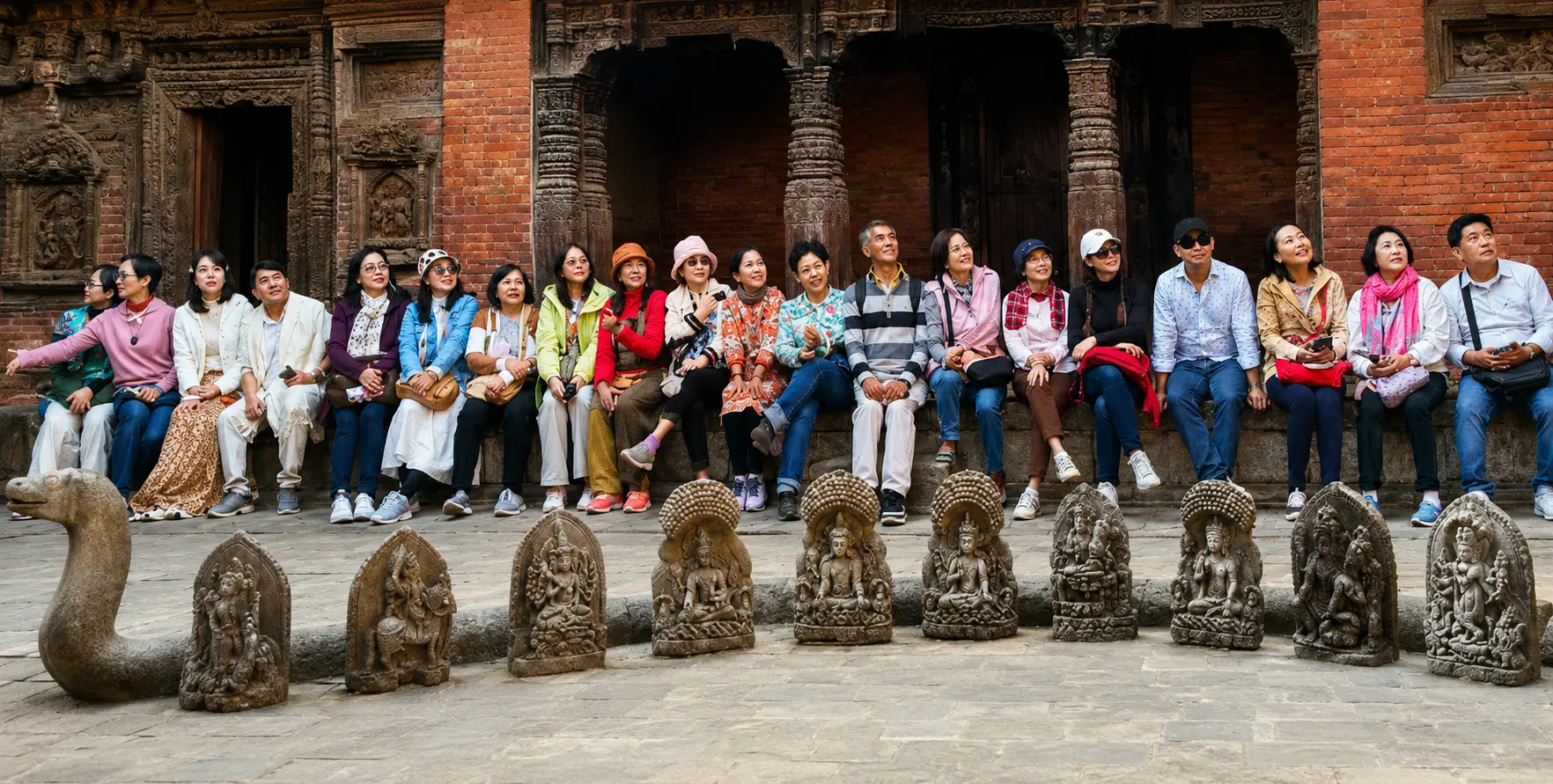
Most Kailash Yatra itineraries include at least a day or two in Kathmandu before departing for the border, both for final group coordination and acclimatization, and many pilgrims use this time for cultural sightseeing. Our
Kathmandu sightseeing tour and
Bhaktapur Durbar Square tour services pair naturally with the days before departure. At the same time, a visit to Pashupatinath Temple, Nepal’s most significant Shiva shrine, holds particular resonance for Hindu pilgrims about to undertake a journey to Kailash, Lord Shiva’s own mountain abode. A reliable
Kathmandu airport transfer ensures a smooth arrival before the demanding journey ahead.
Combining the Kailash Yatra With a Broader Regional Tour
Given the considerable time and logistical investment required for the Kailash Mansarovar Yatra, some pilgrims combine the journey with a broader regional circuit spanning Nepal, Tibet, and Bhutan. Our sister company’s
Nepal, Tibet, and Bhutan tour packages offer a template for this kind of extended pilgrimage and cultural circuit, allowing travelers to combine the Kailash Yatra with additional time exploring Lhasa’s monasteries, Bhutan’s Buddhist heritage sites, or Nepal’s own rich collection of Hindu and Buddhist pilgrimage destinations within a single, well-coordinated regional journey.
Cost Factors for the Rasuwagadhi Route
Costs for the Kailash Mansarovar Yatra via the Rasuwagadhi overland route include the Kathmandu-to-border ground transport, Chinese group visa and permit fees, the Tibet-side vehicle and accommodation arrangements, and any guide or support staff costs for the parikrama itself. The ground transport portion from Kathmandu to Rasuwagadhi is typically a smaller component of the overall Yatra cost compared to the Chinese-side permits and logistics, though selecting a reliable vehicle and driver for this first leg remains essential to a smooth start to the pilgrimage. Our team is glad to arrange the Kathmandu-to-Rasuwagadhi ground transport component for pilgrimage groups, working alongside your chosen Yatra operator for the Tibet-side arrangements.

How to Book Your Rasuwagadhi Ground Transport
Booking the Kathmandu-to-Rasuwagadhi jeep transfer is straightforward: share your group size, preferred travel dates, and your Yatra operator’s border crossing schedule, and our team will arrange the appropriate vehicle, whether a Land Cruiser, Prado, or Hiace, along with a driver experienced on this specific corridor. Given the tightly coordinated nature of Kailash Yatra group departures, booking this ground transport well in advance, ideally alongside your overall Yatra booking with your chosen operator, ensures your group arrives at the border on schedule for the coordinated crossing process.
Frequently Asked Questions
How long does the drive from Kathmandu to Rasuwagadhi take?
The drive typically takes eight to ten hours by private jeep, depending on road conditions and season, following the same corridor used for Langtang Valley and Tamang Heritage Trail trekkers.
Can I use my Nepali vehicle to continue into Tibet?
No. Nepali-registered vehicles are not permitted to continue beyond the Rasuwagadhi-Kerung border crossing. Pilgrims transfer to a Chinese-registered vehicle for the onward journey across the Tibetan plateau.
What permits are required for the Kailash Yatra?
Pilgrims require a Chinese Group Visa, a Tibet Travel Permit, and additional Foreign Affairs permits specific to the restricted border region around Kailash and Mansarovar, typically arranged collectively by an organized Yatra tour operator.
Is the overland route via Rasuwagadhi safer than flying via Lhasa?
Both routes are used regularly by organized pilgrimage groups. The overland route offers a more gradual altitude transition, which some pilgrims find preferable for acclimatization purposes, while flying reduces overall travel time.
What is the best time of year for the Kailash Yatra?
The main season runs from May through September, with July and August being the most popular months despite monsoon conditions on the lower Nepal approach roads, since the high Tibetan plateau itself remains comparatively dry during this period.
Do I need to be extremely fit to complete this pilgrimage?
A good level of general fitness is important given the extreme altitudes involved, particularly for the Dolma La pass crossing during the parikrama. Pilgrims unable to complete sections on foot can typically arrange yak or pony transport at Darchen.
Can I book only the Kathmandu to Rasuwagadhi ground transport separately from my Yatra package?
Yes. Many pilgrims arrange their Tibet-side Yatra package through a specialized operator while booking the Kathmandu-to-border ground transport separately through a trusted local vehicle hire provider such as Nepal Vehicle Hiring.
Is travel insurance necessary for this pilgrimage?
Yes. Comprehensive travel insurance covering high-altitude travel and emergency evacuation is strongly recommended given the extreme altitudes and remote setting involved in the Kailash Mansarovar Yatra.
Final Thoughts: A Sacred Journey Across Two Countries
The pilgrimage to Mount Kailash and Lake Mansarovar remains one of the most profound spiritual journeys available to travelers of Hindu, Buddhist, Jain, and Bon faith, and the overland route via Rasuwagadhi and Kerung offers a genuinely complete way to experience this journey, crossing gradually from Nepal’s mid-hills into the vast, sacred landscape of the Tibetan plateau. Getting the first leg of this journey right, with a reliable vehicle and an experienced driver for the demanding road to the border itself, sets a steady, well-prepared tone for the remarkable pilgrimage that follows.
Please do get in touch with Nepal Vehicle Hiring today at +977 9851013196 or visit
vehiclehiringnepal.com to arrange your private jeep from Kathmandu to the Rasuwagadhi border for your Kailash Mansarovar Yatra, and to help coordinate the Nepal-side ground transport alongside your chosen Tibet Yatra operator.
The History of Kailash Pilgrimage and Its Growing Accessibility
Pilgrimage to Mount Kailash has been recorded across Hindu, Buddhist, and Bon religious texts for well over a thousand years, historically undertaken by only the most determined pilgrims willing to endure months of difficult overland travel across the Tibetan plateau, often on foot or by pack animal. The mountain’s remote location in far western Tibet, combined with the political closure of Tibet to outside visitors for extended periods during the twentieth century, meant that for much of modern history the Yatra remained accessible only to a small number of pilgrims able to navigate complex diplomatic and logistical arrangements.
The gradual opening of organized tourism access to Tibet in subsequent decades, combined with improving road infrastructure across both the Nepali approach and the Tibetan plateau itself, has made the pilgrimage considerably more accessible to ordinary devotees in recent years. However, it remains, even today, a genuinely demanding undertaking reserved for only the most committed pilgrims given the extreme altitudes and remote logistics still involved.
Understanding the Rasuwagadhi-Kerung Border in Context
The Rasuwagadhi-Kerung crossing sits within Rasuwa district, the same broader region covered in our companion guides to the
Langtang Valley Trek, both of which share a portion of the same overland corridor used by Kailash Yatra pilgrims before the routes diverge, with trekkers continuing toward Syabrubesi’s trailheads. In contrast, pilgrims continue toward the border crossing itself. This shared corridor means the same vehicles, drivers, and general route infrastructure that serve Nepal’s trekking tourism industry also directly support the growing pilgrimage tourism sector centered on this border crossing.
Kerung: The Tibetan Gateway Town
On the Tibetan side of the border, Kerung, known as Gyirong in Mandarin Chinese, has developed considerably as a gateway town supporting the growing volume of both general trade and pilgrimage traffic crossing from Nepal. The town offers basic accommodation and services for pilgrims completing the border crossing process and transferring to Chinese-registered vehicles for the onward journey, and its development mirrors the broader growth in cross-border infrastructure investment following the 2015 shift away from the older Kodari-Zhangmu crossing point.
Coordinating With a Kailash Yatra Tour Operator
Given the complexity of Chinese visa and Tibet Travel Permit arrangements, virtually all pilgrims undertaking the Kailash Mansarovar Yatra via the Rasuwagadhi route work with an established Yatra tour operator who manages the full Tibet-side logistics, including permits, Chinese-side vehicle arrangements, accommodation, and guide services for the parikrama itself. This operator typically coordinates closely with a Nepal-based ground transport provider for the Kathmandu-to-border leg, ensuring the pilgrimage group’s overland transfer timing aligns properly with the scheduled border crossing and onward Tibet-side vehicle connection.
A Typical Full Itinerary for the Kailash Yatra via Rasuwagadhi
While specific itineraries vary by operator, a common pattern for the full Kailash Mansarovar Yatra via the Rasuwagadhi overland route spans twelve to fifteen days from Kathmandu departure to return. The journey typically begins with one or two days in Kathmandu for final group coordination and any last-minute permit confirmation, followed by the overland drive to Rasuwagadhi and the border crossing itself.
From Kerung, several days of Tibet-side travel follow, typically routed through Saga and Paryang, with overnight stops allowing gradual acclimatization, before reaching Lake Mansarovar for ritual bathing and then Darchen, the starting point for the Kailash parikrama. The parikrama itself typically takes two to three days, crossing the demanding Dolma La pass, before pilgrims retrace the route back through Tibet to Kerung, cross back into Nepal at Rasuwagadhi, and return to Kathmandu by private vehicle to conclude the pilgrimage.
Religious Rituals and Practices Along the Way
Pilgrims of different faiths observe distinct rituals throughout the Yatra, reflecting the different religious traditions that converge on this single sacred landscape. Hindu pilgrims typically perform puja rituals and bathe in Lake Mansarovar’s waters, believed to cleanse accumulated sin, before undertaking the parikrama with prayers dedicated to Lord Shiva. Buddhist pilgrims often complete the parikrama in a clockwise direction consistent with standard Buddhist circumambulation practice.
In contrast, Bon pilgrims traditionally circle the mountain counterclockwise, reflecting a distinct ritual practice within their own tradition. Jain pilgrims undertake the journey specifically in reverence for Rishabhadeva’s spiritual liberation believed to have occurred at this site. Tour operators experienced in serving pilgrims from these different traditions typically structure itineraries with appropriate flexibility to accommodate the specific ritual practices and pacing preferences of each faith group.
Physical Preparation for the Yatra
Given the extreme altitudes involved throughout this pilgrimage, physical preparation in the months before departure meaningfully improves a pilgrim’s experience and reduces altitude-related risk. Regular cardiovascular exercise, ideally including hill walking or stair climbing to build relevant fitness, is commonly recommended by Yatra operators as part of pre-departure preparation. Pilgrims with any underlying health conditions, particularly cardiac or respiratory concerns, should consult a doctor well in advance and discuss the specific altitude profile of their planned itinerary, since the Kailash Yatra involves some of the most sustained high-altitude travel available in any organized pilgrimage tourism product worldwide.
What to Pack for the Kailash Yatra
- Warm, layered clothing suited to extreme cold, since temperatures across the Tibetan plateau and at the Dolma La pass can be well below freezing even during the main summer pilgrimage season.
- Sturdy, broken-in walking boots for the parikrama, along with trekking poles if planning to complete sections on foot rather than by yak or pony.
- A basic first aid kit including altitude sickness medication discussed in advance with a doctor, along with any personal prescription medication.
- Sun protection, given the intensity of high-altitude sunlight across the exposed Tibetan plateau.
- Any religious items specific to your personal practice, such as prayer items for Hindu, Buddhist, Jain, or Bon rituals performed during the pilgrimage.
- Sufficient cash in both Nepali rupees and Chinese yuan, since currency exchange options become limited once travelers cross into the Tibetan plateau.
Group Travel and the Nature of Organized Yatra Bookings
Unlike much of Nepal’s independent trekking tourism, the Kailash Mansarovar Yatra is almost universally undertaken as part of an organized group booking, given the Chinese Group Visa requirement and the complex, tightly coordinated logistics involved in crossing the border and traveling across the Tibetan plateau.
Pilgrimage groups typically range from a handful of devotees to considerably larger parties of twenty or more, often organized through temples, religious associations, or specialized pilgrimage tour operators with established relationships with Chinese and Tibetan authorities. This group-based structure means the Kathmandu-to-Rasuwagadhi ground transport component must be carefully coordinated to align with the entire group’s collective visa and border-crossing schedule, rather than accommodating individual pilgrims traveling on independent timelines.
Language and Cultural Considerations During the Journey
Pilgrims traveling the Rasuwagadhi-Kerung route encounter a genuine linguistic and cultural transition partway through their journey, moving from Nepali-speaking territory through the border crossing into a region where Tibetan and Mandarin Chinese become the primary languages of communication. Most organized Yatra tour operators provide guides or translators fluent in the relevant languages to support pilgrims through this transition, particularly important given the formal nature of the border-crossing process and the practical logistics of coordinating accommodation, transport, and dietary needs across this linguistic boundary during the Tibet-side portion of the journey.
Accommodation Standards Along the Route
Accommodation standards vary considerably across the different stages of the Kailash Yatra. The Kathmandu portion of the trip typically offers standard hotel accommodation, while overnight stops in Kerung and across the Tibetan plateau, including Saga, Paryang, and the guesthouses near Lake Mansarovar and Darchen, generally offer more basic facilities reflecting the remote, high-altitude setting. Pilgrims should approach this portion of the journey with realistic expectations regarding accommodation comfort, understanding that the spiritual significance of the pilgrimage, rather than luxury travel standards, remains the central purpose of this particular journey.
Weather Conditions Across the Tibetan Plateau
The Tibetan plateau surrounding Kailash and Mansarovar experiences a genuinely harsh high-altitude climate even during the main summer pilgrimage season, with cold nights, strong winds, and rapid weather changes common throughout the region. Daytime temperatures during the main Yatra season can feel relatively mild in direct sun given the thin atmosphere and intense solar radiation at this altitude. Still, temperatures drop sharply once the sun sets or cloud cover moves in, and pilgrims should prepare for genuinely cold conditions throughout the Tibet-side portion of their journey regardless of the specific month of travel.
Comparing the Rasuwagadhi Route to Other Kailash Access Points
Beyond the Rasuwagadhi-Kerung crossing and the Lhasa flight option, a small number of pilgrims access Kailash via the remote far-western Nepal route through Simikot and the Hilsa border crossing, or via routes originating from India rather than Nepal. The Rasuwagadhi route offers particular advantages for pilgrims already based in or traveling through Kathmandu, given its relatively direct overland connection compared to the additional domestic flights required to reach Simikot, and its status as the primary, most heavily used crossing since 2015 means it benefits from more established infrastructure and more experienced operators familiar with the specific logistics involved compared to some of the less-trafficked alternative routes.
Why Choose Nepal Vehicle Hiring for the Kathmandu to Rasuwagadhi Leg
Nepal Vehicle Hiring has arranged ground transport along the Kathmandu-to-Rasuwagadhi corridor for pilgrimage groups, trekkers, and general cross-border travelers for years, giving our team direct familiarity with the specific coordination required for Kailash Yatra departures. Our drivers assigned to this route understand the importance of arriving at the border crossing on schedule, given the tightly coordinated nature of group visa processing and the onward Chinese-side vehicle connection, and our vehicles undergo regular inspection given the demanding nature of the Trishuli-Dhunche-Rasuwagadhi road. We work directly with pilgrimage groups and their chosen Yatra tour operators to ensure the Nepal-side ground transport integrates smoothly with the broader Tibet-side logistics managed by the specialist pilgrimage operator.
Road Safety Considerations on the Rasuwagadhi Approach
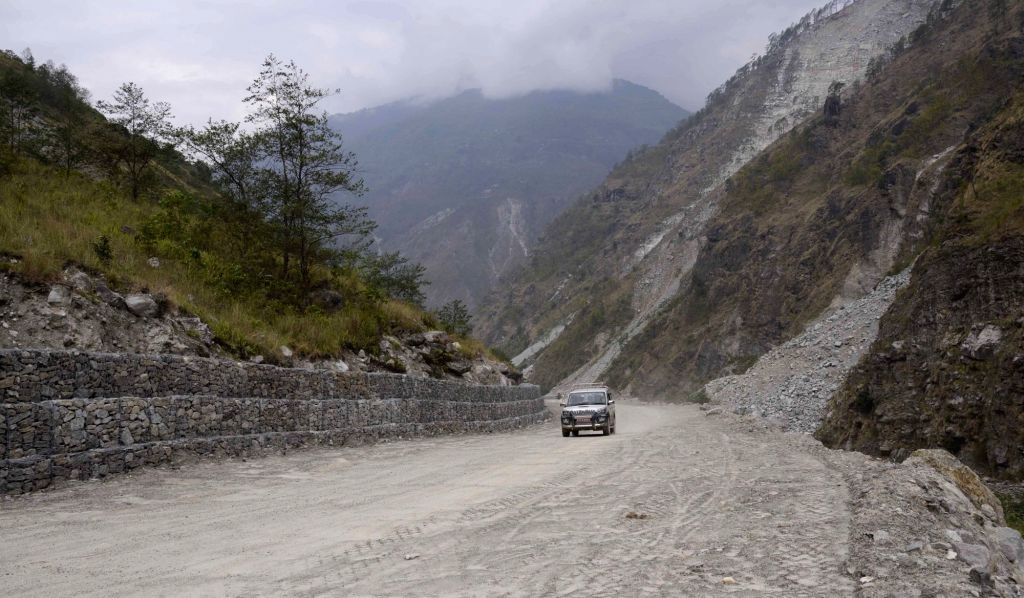
The road from Kathmandu through Trishuli Bazaar, Dhunche, and onward to Rasuwagadhi passes through landslide-prone terrain, particularly during and immediately after the monsoon season, the same considerations that apply to trekkers heading toward Langtang Valley and the Tamang Heritage Trail along this shared corridor. An experienced driver familiar with this specific route across multiple seasons is essential, both for general road safety and for maintaining a reliable schedule given the coordinated nature of Kailash Yatra group departures at the border crossing itself.
Currency and Financial Logistics for the Journey
Pilgrims undertaking the Kailash Yatra should plan for financial logistics spanning two currencies and, in effect, two distinct financial systems. Nepali rupees remain necessary for the Kathmandu portion of the journey and any expenses before crossing the border. At the same time, Chinese yuan becomes necessary once travelers cross into Kerung and continue across the Tibetan plateau. Currency exchange facilities become increasingly limited the further pilgrims travel from Kathmandu, and most experienced Yatra operators advise pilgrims to arrange sufficient Chinese currency in advance, either through their tour operator or through currency exchange in Kathmandu before departure, given the impracticality of exchanging money once deep into the remote Tibetan plateau region.
Group Coordination and Communication During the Yatra
Given the considerable logistical complexity of coordinating a pilgrimage group across an international border, multiple overnight stops, and the demanding parikrama itself, clear communication between the pilgrimage group’s designated coordinator, the Nepal-side ground transport provider, and the Tibet-side Yatra operator is essential throughout the journey. Most organized Yatra groups designate a lead coordinator, sometimes a senior member of the sponsoring temple or religious association, sometimes a professional tour leader, who serves as the primary point of contact for logistics questions and any necessary itinerary adjustments throughout the pilgrimage.
Wildlife and Landscape of the Tibetan Plateau
The high Tibetan plateau surrounding the Kailash and Mansarovar region offers a genuinely stark, vast landscape unlike anywhere else pilgrims are likely to have encountered, characterized by wide open plains, distant snow-capped peaks, and a scale of open space that many first-time visitors describe as spiritually powerful in its own right, independent of the specific religious significance of Kailash itself. Wildlife across this remote plateau includes wild yak, Tibetan gazelle, and, in the more remote stretches, occasional sightings of Tibetan wild ass, though the primary focus of most pilgrims’ attention remains understandably on the spiritual objectives of the journey rather than wildlife observation.
The Significance of Lake Mansarovar in Greater Detail
Beyond its general sacred status, Lake Mansarovar holds specific ritual significance across the traditions that revere it. Hindu pilgrims traditionally believe that bathing in its waters, or even simply touching them, cleanses sins accumulated across many lifetimes, and many pilgrims collect a small quantity of the lake’s water to carry home for family members unable to make the journey themselves. The lake’s neighboring smaller lake, Rakshastal, believed in Hindu mythology to be associated with the demon king Ravana, offers a striking visual and spiritual contrast, and many Yatra itineraries include time to view both lakes as part of the broader pilgrimage experience near Darchen.
Practical Considerations for Elderly Pilgrims
Given the considerable age range typical among Kailash Yatra pilgrims, including many older devotees for whom this pilgrimage represents a lifelong spiritual goal, tour operators experienced in serving this pilgrimage typically offer some flexibility in itinerary pacing and transport arrangements to accommodate older or less physically robust pilgrims.
This can include arranging yak or pony transport for portions of the parikrama that might otherwise require an unrealistic level of physical exertion, building additional rest days into the broader itinerary, and ensuring medical support and oxygen supplies are available given the extreme altitudes involved throughout the journey. Pilgrims or their families should discuss these accommodations directly with their chosen Yatra operator well before departure to ensure appropriate arrangements are in place.
The Emotional and Spiritual Dimension of the Journey
Beyond the practical logistics covered throughout this guide, it is worth acknowledging that the Kailash Mansarovar Yatra carries an emotional and spiritual weight for many pilgrims that transcends the physical journey itself. For many devotees, this pilgrimage represents the culmination of a lifetime of faith and devotion, and the physical hardship involved,-the extreme altitude, the demanding parikrama, the long overland journey,-is itself understood as a form of spiritual discipline and offering rather than simply an obstacle to be endured. Tour operators and ground transport providers experienced in serving this particular pilgrimage understand this dimension of the journey and generally approach their logistical role with an appropriate sense of the deeper purpose underlying the practical arrangements they help coordinate.
Insurance and Emergency Considerations for the Yatra
Given the extreme altitudes and remote setting involved throughout the Kailash Mansarovar Yatra, comprehensive travel insurance covering high-altitude travel and emergency evacuation is essential rather than optional for this pilgrimage. Emergency medical response in the remote Tibetan plateau region is considerably more limited than in Nepal’s more established trekking regions, and pilgrims should discuss emergency protocols and evacuation procedures directly with their chosen Yatra operator before departure, ensuring appropriate insurance coverage is confirmed for the specific altitudes and cross-border nature of this particular journey.
Dietary Considerations During the Pilgrimage
Food options across the Tibet-side portion of the Yatra reflect the remote, high-altitude setting, with simpler, more limited menu options available compared to Nepal’s more developed trekking regions. Many pilgrimage groups, particularly those observing specific dietary practices connected to their religious tradition, arrange for appropriate meals to be prepared by their Yatra operator’s support staff, ensuring dietary requirements are met throughout the more remote stretches of the journey where local food options may be limited. Pilgrims with specific dietary needs should discuss these requirements in detail with their chosen tour operator during the initial booking process.
The Role of Faith-Based Organizations in Organizing Yatra Groups
Many Kailash Yatra pilgrimage groups are organized through temples, religious associations, or faith-based community organizations rather than purely commercial tourism operators, reflecting the deeply devotional nature of this particular journey. These faith-based organizers often have established, long-standing relationships with experienced Yatra tour operators and ground transport providers familiar with serving pilgrimage groups specifically, and pilgrims traveling through this kind of organized community group often benefit from the accumulated institutional knowledge these organizations have built up over years of coordinating this demanding pilgrimage for their members.
Seasonal Booking Patterns for Kailash Yatra Ground Transport
Demand for Kathmandu-to-Rasuwagadhi ground transport tied to Kailash Yatra departures follows the pilgrimage season closely, with the highest volume of bookings occurring during the main May-through-September window, and particularly concentrated during July and August when the majority of organized Yatra groups schedule their pilgrimage. Given the tightly coordinated nature of these group departures, tied to specific Chinese Group Visa processing dates and Tibet-side vehicle availability, booking Nepal-side ground transport well in advance, ideally as soon as a pilgrimage group’s overall Yatra dates are confirmed with their tour operator, is strongly advised rather than waiting until close to the departure date.
A Note on Photography and Documentation Along the Route
Pilgrims often wish to document this significant journey through photography. While general photography is permitted throughout most of the route, pilgrims should be aware that certain sections near the international border and within Chinese territory may carry specific restrictions on photography, particularly around official checkpoints and security-sensitive infrastructure. Yatra tour operators typically brief pilgrims on these specific restrictions before the border crossing, and following this guidance carefully helps ensure a smooth crossing process without unnecessary complications.
Combining the Yatra With Additional Nepal Pilgrimage Sites
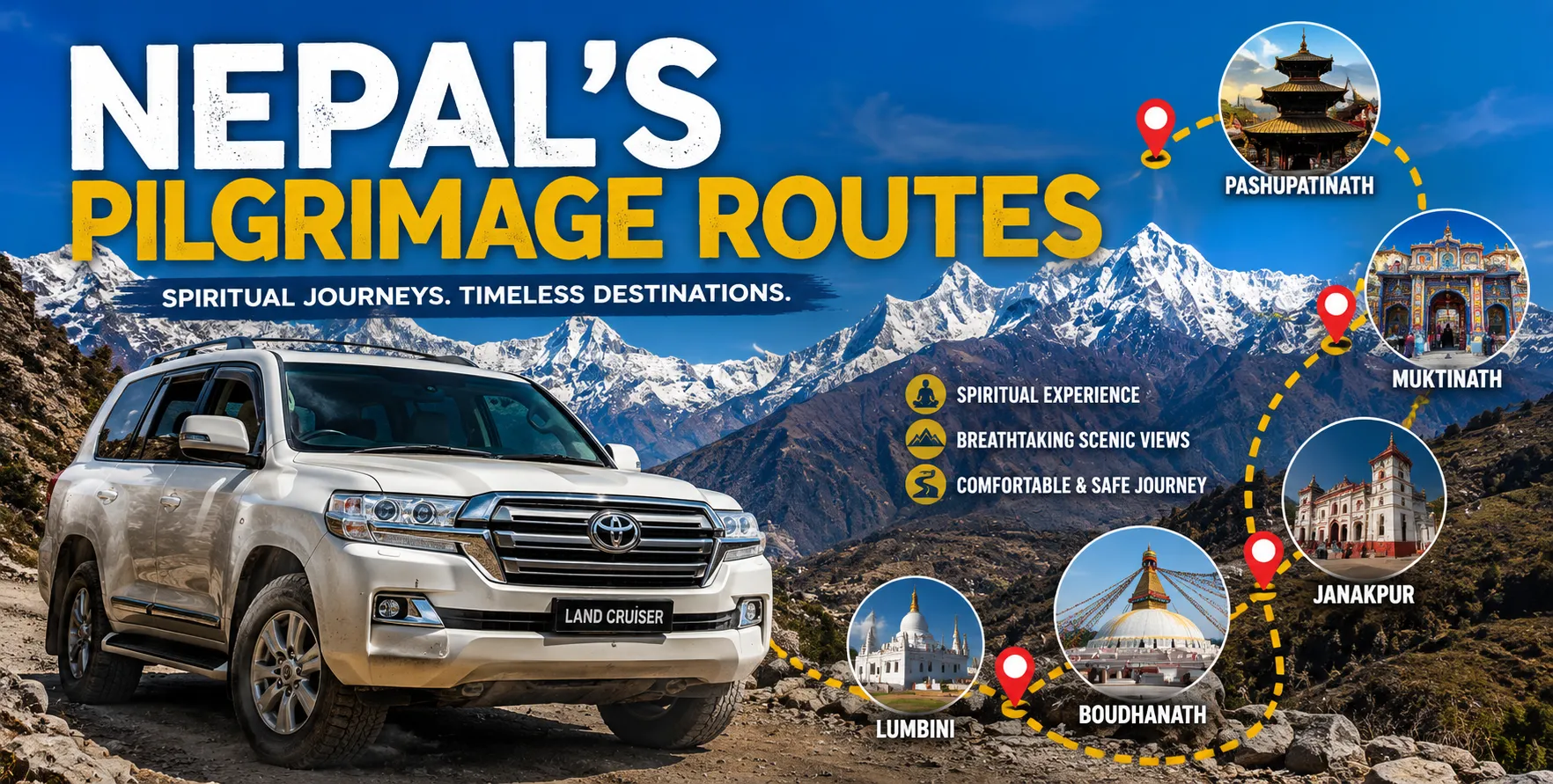
Given that many pilgrims undertaking the Kailash Yatra are already deeply engaged in a broader spiritual journey, some choose to combine their trip with visits to other significant Nepal pilgrimage sites either before or after the main Yatra itself. Pashupatinath Temple in Kathmandu, one of the most significant Shiva temples anywhere in the world, holds particular resonance given Kailash’s own association with Lord Shiva, while pilgrims with additional time sometimes extend their trip to include a visit to
Muktinath, covered in detail in our companion pilgrimage guide, adding a second major Vishnu and Buddhist pilgrimage site to their broader spiritual journey through the Himalayan region.
Final Practical Tips Before You Go
- Confirm your Chinese Group Visa and Tibet Travel Permit arrangements with your chosen Yatra operator well in advance, ideally several months before departure.
- Book your Kathmandu-to-Rasuwagadhi ground transport as soon as your overall Yatra dates are confirmed, given the tightly coordinated nature of the border crossing schedule.
- Begin physical preparation months in advance, given the extreme altitudes involved throughout this pilgrimage.
- Pack warm, layered clothing and any religious items specific to your personal practice.
- Arrange comprehensive travel insurance covering high-altitude travel and emergency evacuation.
- Carry both Nepali rupees and Chinese yuan, since currency exchange becomes limited once travelers cross the border.
- Discuss any health conditions with a doctor well before departure, given the sustained extreme altitude involved throughout the journey.
A Closing Reflection on This Sacred Overland Journey
The sacred pilgrimage to Mount Kailash and Lake Mansarovar remains, for a great many devotees across several continents, the single most significant and profound spiritual journey of their entire lives, and the overland route via Rasuwagadhi and Kerung offers a way to experience this pilgrimage as a genuine journey rather than simply a destination reached by air. From the forested hills of Rasuwa district to the vast, sacred plains of the Tibetan plateau, this route carries pilgrims gradually and meaningfully toward one of the most revered sacred sites shared across four of the world’s great spiritual traditions.
Additional Frequently Asked Questions
How many pilgrims typically travel together on a Kailash Yatra group?
Group sizes vary considerably, from small parties of a handful of devotees to larger organized groups of twenty or more, often coordinated through temples, religious associations, or specialized pilgrimage tour operators.
Can solo pilgrims join an existing Yatra group?
Yes. Many Yatra tour operators organize scheduled group departures that individual pilgrims or smaller families can join, given the Chinese Group Visa requirement that necessitates collective rather than individual visa processing.
What happens if the Rasuwagadhi border is temporarily closed?
Border closures can occasionally occur due to weather, road conditions, or administrative reasons on either side. Experienced Yatra operators monitor border status closely and build contingency planning into their itineraries to accommodate this possibility.
Is the Kailash parikrama mandatory for all pilgrims?
While the parikrama forms the traditional core of the pilgrimage, some pilgrims, particularly those with health limitations, choose to focus their visit on Lake Mansarovar and views of Kailash itself without completing the full circumambulation on foot.
How does this pilgrimage differ from a standard Nepal trekking holiday?
The Kailash Yatra involves considerably more complex cross-border logistics, mandatory group visa arrangements, and sustained extreme altitude exposure compared to standard Nepal trekking, making organized operator support essential rather than optional for this particular journey.
The Growing Popularity of the Rasuwagadhi Route Among Pilgrims
As awareness of the Rasuwagadhi-Kerung crossing’s status as Nepal’s primary land gateway to Tibet continues to spread among the pilgrimage community, an increasing number of Yatra groups now specifically request this overland route rather than the alternative Lhasa flight option, drawn by the gradual, genuinely overland nature of the journey and the opportunity to experience Nepal’s own mid-hill landscape as a meaningful prelude to the Tibetan plateau beyond.
This growing preference has, in turn, encouraged continued investment in road infrastructure along the corridor and in the vehicle fleets and driver expertise serving this specific route. This virtuous cycle continues to make this increasingly demanding but deeply rewarding pilgrimage more accessible to devotees across Nepal, India, and the wider global community of the faithful.
Supporting Local Communities Along the Route
The growing volume of Kailash Yatra traffic along the Kathmandu-to-Rasuwagadhi corridor has brought genuine economic benefit to the communities along the way, from guesthouses and shops in Trishuli Bazaar and Dhunche to the growing service infrastructure developing around the border crossing itself. Choosing ground transport and support services provided by established local operators, rather than informal or unregulated arrangements, helps ensure this economic benefit flows appropriately to the communities whose home region forms the gateway to one of the world’s most significant pilgrimage journeys.
One Final Word for Prospective Pilgrims
If you are seriously considering undertaking the Kailash Mansarovar Yatra yourself, begin your planning process well ahead of your intended travel dates, both to allow adequate time for the Chinese visa and permit process and to properly prepare physically for the considerable altitude challenges this pilgrimage presents. Working with an experienced Yatra tour operator for the Tibet-side arrangements, paired with a reliable, experienced ground transport provider for the Nepal-side journey to Rasuwagadhi, gives this once-in-a-lifetime pilgrimage the strongest possible foundation for a safe, smooth, and spiritually rewarding journey to one of the most sacred places on earth.
Thank You for Reading
We sincerely hope this detailed guide has provided a clear, genuinely useful overview of exactly what the Kailash Mansarovar Yatra via the Rasuwagadhi-Kerung overland route genuinely involves. We sincerely wish every pilgrim currently planning this remarkable journey a safe, smooth, and deeply meaningful pilgrimage to Mount Kailash and Lake Mansarovar, wherever their own personal faith and devotion may lead them along the way.
May Your Journey Be Blessed
Whatever faith tradition guides your own personal pilgrimage to Kailash and Mansarovar, we hope the practical logistics covered throughout this guide help remove some of the uncertainty from your planning process, leaving you free to focus on the deeper spiritual purpose that brought you to consider this remarkable journey in the first place.
Nepal’s Broader Role as a Gateway for Himalayan and Trans-Himalayan Pilgrimage
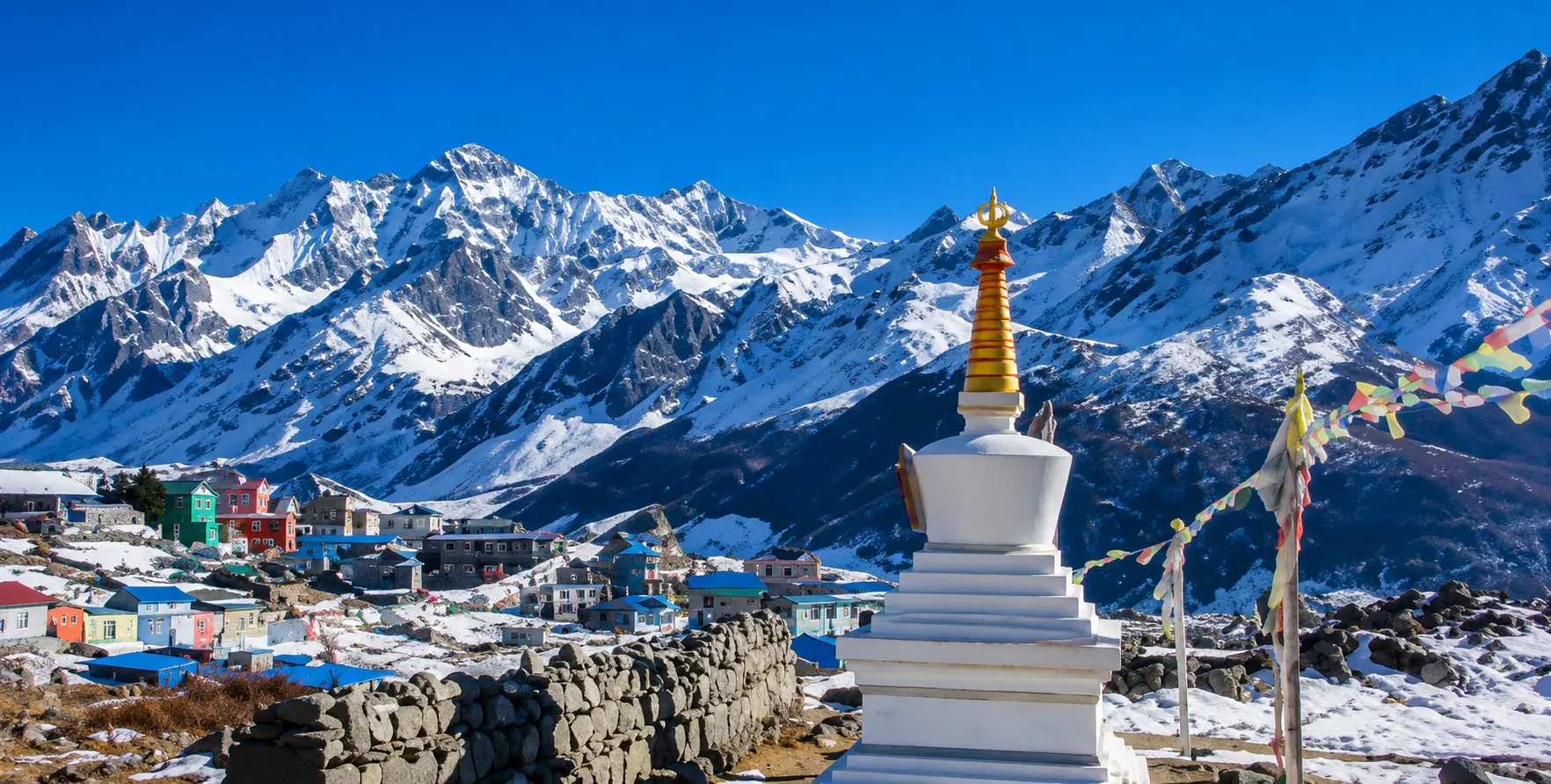
The Rasuwagadhi-Kerung crossing is only one part of a much larger story: Nepal’s position as the essential gateway country connecting South Asian pilgrims and travelers to the sacred landscapes of the wider Himalaya and the Tibetan plateau beyond. Nearly every pilgrim undertaking the Kailash Mansarovar Yatra by land passes through Kathmandu at some stage of their journey, just as trekkers heading toward
Everest, the
Annapurna region, or the pilgrimage route to
Muktinath all begin their journeys from the same capital city. This makes Kathmandu’s ground transport infrastructure, and the network of vehicle hire services supporting it, a genuinely central piece of Nepal’s entire Himalayan and trans-Himalayan tourism and pilgrimage economy, connecting travelers not only to destinations within Nepal itself but onward into Tibet via crossings such as Rasuwagadhi.
Comparing Kailash to Nepal’s Own Sacred Mountain Landscapes
While Kailash sits across the border in Tibet, Nepal itself is home to numerous peaks and landscapes with profound religious significance, offering an interesting point of comparison for pilgrims already engaged with Himalayan sacred geography. Machapuchare, the striking, unclimbed peak above Pokhara covered in our
Annapurna Base Camp Helicopter Tour guide, holds its own sacred, unclimbed status out of respect for Gurung religious tradition, in some ways paralleling the reverence shown to Kailash itself. Similarly, the
Everest range, known in Nepali as Sagarmatha, carries deep spiritual significance for Sherpa Buddhist communities living in its shadow. Pilgrims and travelers drawn to the sacred power of mountain landscapes often find these parallel traditions within Nepal itself a meaningful complement to the Kailash Yatra, whether visited before or after the main pilgrimage to Tibet.
Ground Transport Infrastructure Supporting Cross-Border Pilgrimage
The vehicles, drivers, and route infrastructure supporting Kailash Yatra pilgrims along the Kathmandu-to-Rasuwagadhi corridor form part of the same broader ground transport network serving Nepal’s wider trekking and touring economy, discussed in detail in our guide to
why luxury vehicle hire is transforming Nepal travel. Just as this broader transformation has improved airport transfers, trekking logistics, and pilgrimage routes such as Muktinath across the country, the same rising standards of vehicle quality, driver training, and route reliability increasingly benefit pilgrims undertaking the considerably more complex, cross-border Kailash Yatra journey via Rasuwagadhi.
Related Guides for Planning Your Broader Nepal and Himalayan Journey
Pilgrims and travelers planning a Kailash Yatra often combine the journey with additional time exploring Nepal itself, either before departure or upon return from Tibet. The following related guides may help with planning the wider Nepal portion of your trip:
- Muktinath Temple: Vehicle Hire and Pilgrimage Route Guide
- Kathmandu to Tamang Heritage Trail Transport
- Everest Range Nepal: Full Guide
- Everest Helicopter Tour: One-Day Full Guide
- Annapurna Base Camp Helicopter Tour: One-Day Full Guide
- Kathmandu to Machha Khola Jeep Transfer
- Pokhara to Jhinu Danda Private Jeep
- Luxury Airport Transfer Nepal
- Luxury Vehicles for Trekking in Nepal
- Why Luxury Vehicle Hire Is Transforming Nepal Travel
- College Tour Vehicle Service in Nepal

Our Full Range of Ground Transport Services
Beyond the Kailash Yatra ground transport covered in this guide, Nepal Vehicle Hiring offers a full range of vehicle hire services supporting nearly every corner of the country’s trekking, touring, and pilgrimage landscape, including our
Sarangkot sunrise tour services, all coordinated through the same trusted local team supporting your Kailash Yatra ground transport.
- Rasuwagadhi Kerung Jeep Transfer for Kailash Yatra
- Why Kailash and Mansarovar Matter
- Two Routes to Kailash From Nepal
- Why Rasuwagadhi Became the Primary Crossing
- The Journey From Kathmandu to Rasuwagadhi
- Vehicle Options for the Rasuwagadhi Approach
- The Border Crossing Process at Rasuwagadhi-Kerung
- The Onward Journey Across the Tibetan Plateau
- Permits and Visa Requirements for the Kailash Yatra
- Best Time of Year for the Kailash Yatra via Rasuwagadhi
- Health and Altitude Considerations
- The Kailash Parikrama Itself
- Combining the Yatra With Kathmandu Sightseeing Before Departure
- Combining the Kailash Yatra With a Broader Regional Tour
- Cost Factors for the Rasuwagadhi Route
- How to Book Your Rasuwagadhi Ground Transport
- Frequently Asked Questions
- Final Thoughts: A Sacred Journey Across Two Countries
- The History of Kailash Pilgrimage and Its Growing Accessibility
- Understanding the Rasuwagadhi-Kerung Border in Context
- Kerung: The Tibetan Gateway Town
- Coordinating With a Kailash Yatra Tour Operator
- A Typical Full Itinerary for the Kailash Yatra via Rasuwagadhi
- Religious Rituals and Practices Along the Way
- Physical Preparation for the Yatra
- What to Pack for the Kailash Yatra
- Group Travel and the Nature of Organized Yatra Bookings
- Language and Cultural Considerations During the Journey
- Accommodation Standards Along the Route
- Weather Conditions Across the Tibetan Plateau
- Comparing the Rasuwagadhi Route to Other Kailash Access Points
- Why Choose Nepal Vehicle Hiring for the Kathmandu to Rasuwagadhi Leg
- Road Safety Considerations on the Rasuwagadhi Approach
- Currency and Financial Logistics for the Journey
- Group Coordination and Communication During the Yatra
- Wildlife and Landscape of the Tibetan Plateau
- The Significance of Lake Mansarovar in Greater Detail
- Practical Considerations for Elderly Pilgrims
- The Emotional and Spiritual Dimension of the Journey
- Insurance and Emergency Considerations for the Yatra
- Dietary Considerations During the Pilgrimage
- The Role of Faith-Based Organizations in Organizing Yatra Groups
- Seasonal Booking Patterns for Kailash Yatra Ground Transport
- A Note on Photography and Documentation Along the Route
- Combining the Yatra With Additional Nepal Pilgrimage Sites
- Final Practical Tips Before You Go
- A Closing Reflection on This Sacred Overland Journey
- Additional Frequently Asked Questions
- The Growing Popularity of the Rasuwagadhi Route Among Pilgrims
- Supporting Local Communities Along the Route
- One Final Word for Prospective Pilgrims
- Thank You for Reading
- May Your Journey Be Blessed
- Nepal's Broader Role as a Gateway for Himalayan and Trans-Himalayan Pilgrimage
- Comparing Kailash to Nepal's Own Sacred Mountain Landscapes
- Ground Transport Infrastructure Supporting Cross-Border Pilgrimage
- Related Guides for Planning Your Broader Nepal and Himalayan Journey
- Our Full Range of Ground Transport Services

Related Blog & Articles

Kathmandu to Syabrubesi Jeep Guide 2026
Kathmandu to Langtang Trek Vehicle Hire: The Complete Guide (2026)
Kathmandu Historical Heritage Sites: The Complete Travel Guidey