Plan a Trip


Lumbini to Bandipur: Car, Jeep, Scorpio & Hiace Hire

Lumbini to Bandipur: Car, Jeep, Scorpio And Hiace Hire
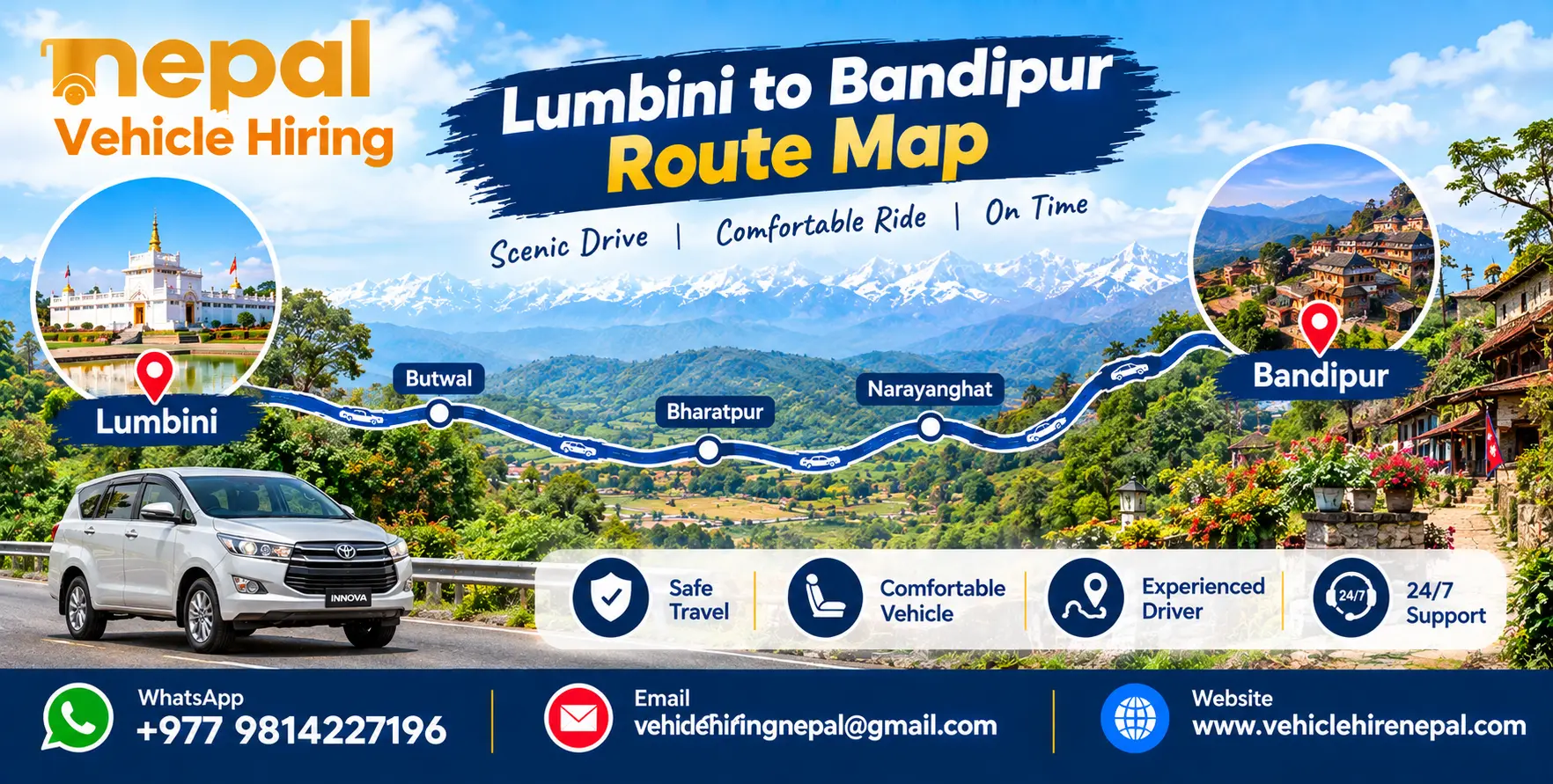
After the sacred atmosphere of Lumbini — the Buddha’s birthplace, the Maya Devi Temple, the international monastery zone — the journey north to Bandipur connects Nepal’s most important Buddhist sacred site with its finest mid-hills heritage town. Bandipur (1,030 m), perched on a Marsyangdi valley ridge with a perfectly preserved Newari bazaar and panoramic Himalayan views, is one of Nepal’s most rewarding single overnight stops. Nepal Vehicle Hiring Pvt. Ltd. provides private cars, Mahindra Scorpio jeeps, Toyota Hiace vans, Coaster buses, and all vehicle types for the Lumbini-to-Bandipur journey—covering about 248 kilometres via Bhairahawa, Butwal, Narayanghat, Mugling, and the Dumre junction ascent in 4.5 to 6 hours.
Lumbini to Bandipur: Distance, Route and Drive Time
- Lumbini to Bhairahawa: 22 km, 25–30 min (Siddhartha Highway west)
- Bhairahawa to Butwal: 22 km, 25 min
- Butwal to Narayanghat (Mahendra Highway): 115 km, 2–2.5 hours — flat Terai plains, sal forest, Deukhuri valley scenic section
- Narayanghat to Mugling (NH44): 33 km, 35–40 min — Nepal’s finest highway section, newly widened
- Mugling to Dumre (Prithvi Highway east): 40 km, 40–45 min — follows Marsyangdi River valley.
- Dumre to Bandipur ascent: 16 km, 30–40 min — winding hill road, 930 m altitude gain to ridge
Total: approximately 248 km, 4.5 to 6 hours. A 9:00 AM departure from Lumbini with a Mugling fish lunch gets you to Bandipur by 3:30-4:30 PM, with time for a golden-hour bazaar walk and an evening temple visit.
All-In Vehicle Prices: Lumbini to Bandipur
- Private car (2–4 pax): NPR 11,000–25,000
- Mahindra Scorpio 4WD (4–7 pax): NPR 14,000–30,000
- Toyota Land Cruiser (4–5 pax, premium): NPR 18,000–80,000
- Toyota Hiace van (8–14 pax): NPR 18,000–35,000
- Coaster bus hire (15–25 pax): NPR 24,000–45,000
All prices include vehicle, driver, fuel, and all road charges. Contact Nepal Vehicle Hiring via WhatsAppat +977 9814227196 or visit the Plan Your Trip page for confirmed pricing.
Why Combine Lumbini and Bandipur
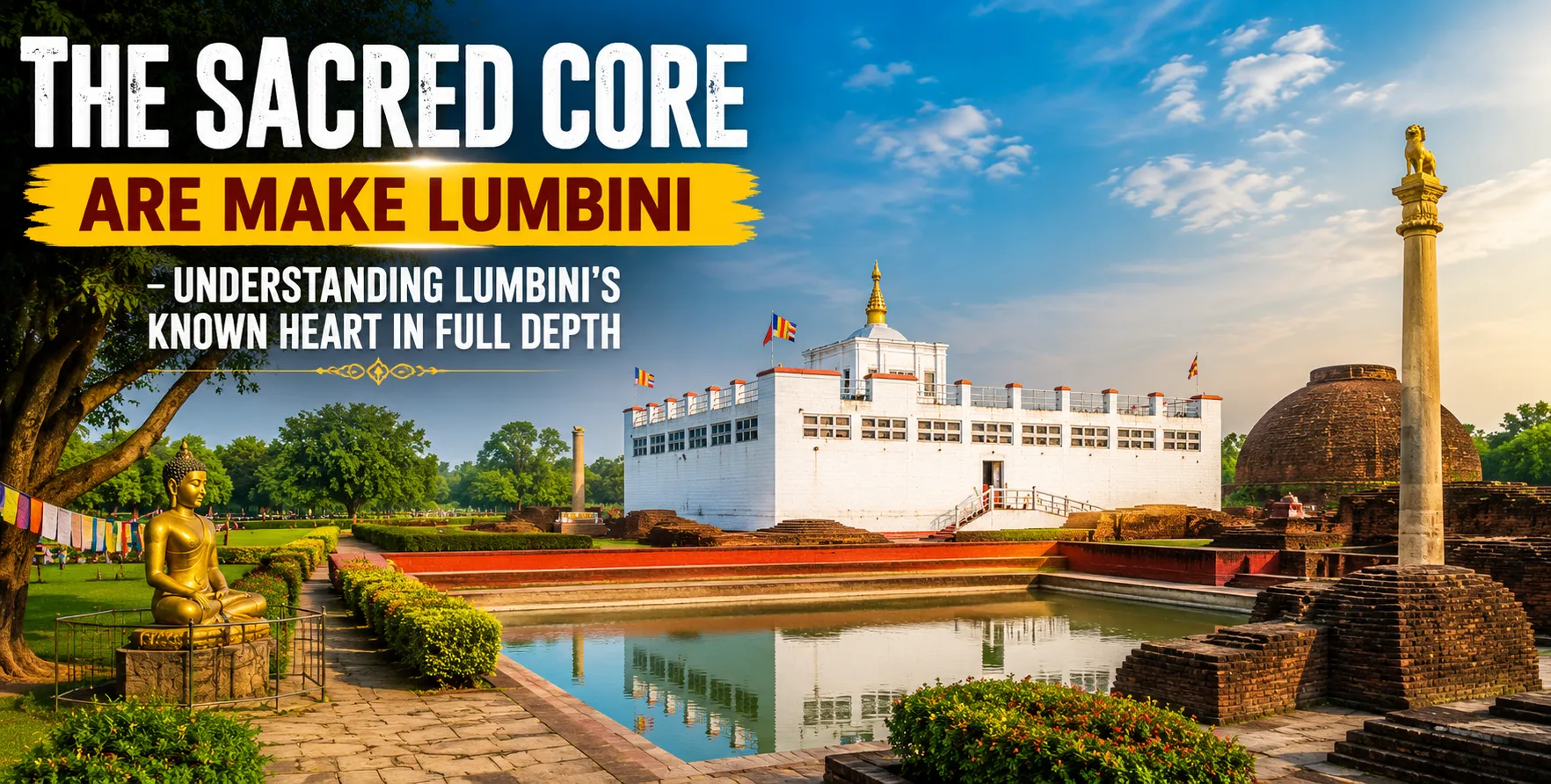
Lumbini (100 m) is globally managed, internationally Buddhist, flat and sacred — the UNESCO heritage birthplace confirmed by Ashoka’s 249 BCE inscription and modern archaeology. Bandipur (1,030 m) is locally lived, specifically Newari, and mountain-ridged — a 18th-19th century merchant heritage town preserved by the accident of the Prithvi Highway bypassing it below. The two sites represent Nepal’s heritage at different scales and in entirely different idioms: Lumbini is the world coming to Nepal; Bandipur is Nepal being itself.
The Lumbini-to-Bandipur vehicle connects these complementary experiences in a single afternoon—the 930-metre altitude gain from the sacred Terai plains to the mountain heritage ridge compresses Nepal’s entire ecological and cultural transition into one drive.
Route Section by Section
Lumbini to Butwal (44 km, 55 minutes)
West on the Siddhartha Highway through Bhairahawa’s commercial centre (ATM, fuel stop) to Butwal junction. Butwal’s Tinau River gorge marks the northern edge of the flat plains. Standard 20-minute rest stop at Butwal before the Terai highway run.
Butwal to Narayanghat (115 km, 2 to 2.5 hours — Mahendra Highway)
Nepal’s western Terai artery — flat, fast blacktop through sal forest and agricultural plains. The Deukhuri valley (about 60 km from Butwal) is the most scenic mid-section: a forested mid-hills corridor where the highway briefly enters the hill country—birdlife in the sal forest patches: painted storks, adjutant storks, crested serpent eagles, bee-eaters.
Narayanghat to Mugling (33 km, 35 to 40 minutes — NH44)
Nepal’s finest highway section — recently widened dual carriageway following the Narayani River north. The optional Devghat sacred confluence (8 km from Narayanghat, confluence of Trishuli and Kali Gandaki rivers, Nepal’s most sacred tirtha) adds a 30-minute sacred river bath for Hindu pilgrims — directly on the northbound route and completely appropriate for Lumbini-departing pilgrim groups.
Mugling to Dumre (40 km, 40 to 45 minutes)
East on the Prithvi Highway following the Marsyangdi River. Mugling junction’s riverside fish restaurants — freshwater Mahseer (sahar) in mustard oil, riverside tables above the Trishuli rapids, NPR 300 to 600 per person, 40 to 45 minutes — are the journey’s finest food stop and fall directly on the route. Nepal Vehicle Hiring’s drivers always offer this stop.
Dumre to Bandipur (16 km, 30 to 40 minutes — the ascent)
The winding hill road from Dumre junction (190 m) to Bandipur’s ridge (1,030 m) climbs 840 metres in 16 kilometres through terraced farms, forested sections, and mid-hills villages before emerging at the ridge with the first Himalayan views. The temperature drops noticeably on the final ascent — arriving in Bandipur from the Terai heat, the ridge cool feels restorative. Nepal Vehicle Hiring drops you at the specific Bandipur guesthouse entrance.
The Bandipur Arrival Experience
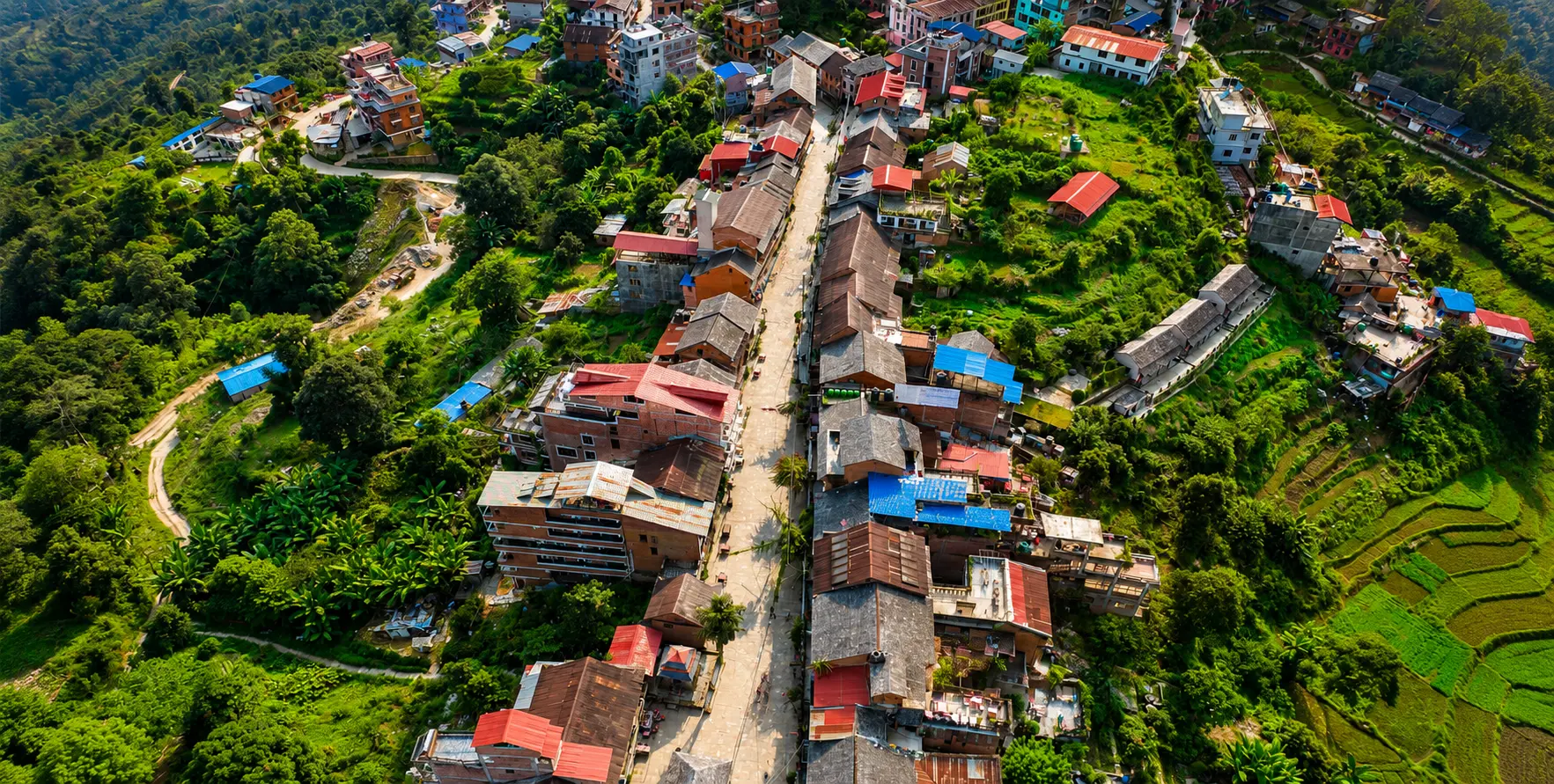
The finest arrival window in Bandipur is 4:00 to 5:30 PM — the golden-hour light on the Newari carved wooden facades, the evening puja at the Khadga Devi Temple (5:00 to 6:30 PM bells, incense, lamp lighting), and the sunset view from the Bindyabasini Temple at the western ridge end are all accessible to groups arriving in this window. Lumbini groups departing at 9:00 AM reach Bandipur by 3:30 to 4:30 PM — perfectly timed.
The Tundikhel meadow mountain sunrise the following dawn — Manaslu (8,163 m), the entire Annapurna range, and Machhapuchhre (Fishtail, 6,993 m) in alpenglow — is the confirmation that the Bandipur overnight was worth it. It’s a 10-minute walk from any bazaar guesthouse, with no jeep ride or cable car required.
Vehicle Notes: Scorpio vs Car vs Hiace for This Route
The Mahindra Scorpio is the recommended vehicle for groups of 4 to 7 on the Lumbini-to-Bandipur route. The flat Terai highway sections (Butwal to Narayanghat, 115 km) suit any vehicle equally; the Dumre-to-Bandipur 16 km ascent road rewards the Scorpio’s higher clearance and 4WD stability on narrow and occasionally rough sections. A private car suits 2 to 3 passengers in dry conditions. Hiace vans are ideal for the Terai sections; Nepal Vehicle Hiring assesses the Dumre-to-Bandipur ascent road suitability for Hiace on current conditions — some pilgrimage groups transfer to a Scorpio at Dumre for the final ascent while the Hiace waits.

Optional Stops on the Route
- Devghat sacred confluence (8 km from Narayanghat, 30 min): Trishuli-Kali Gandaki river junction — Nepal’s most sacred tirtha, old sadhus in riverside meditation, small temples along the ghats. Essential addition for Hindu pilgrims departing Lumbini.
- Mugling fish lunch (at Mugling junction, 40 to 45 min): freshwater Mahseer from the Trishuli River, riverside restaurants, one of Nepal’s finest roadside food experiences. Directly on the route — ask the driver to include it.
- Siddha Gufa cave (4 km past Dumre on the Bandipur ascent, 1.5 hrs total): Nepal’s largest cave (430 m long, 45 m high main chamber), stalactites, local guide at entrance. Adds 1.5 hours — allow for early Lumbini departure if including.
Onward from Bandipur: Where the Circuit Continues
- Bandipur to Pokhara: 70 km west via Dumre (2 hours) — Phewa Lake, Sarangkot sunrise, world mountain views
- Bandipur to Kathmandu: 130 km east via Dumre and Prithvi Highway (3.5 to 4 hours)
- Bandipur to Sunauli India border: 200 km (4 to 5 hours via Narayanghat, Butwal, Bhairahawa, Belahiya gate)
- Bandipur to Chitwan: 145 km via Narayanghat (3 to 3.5 hours)
Nepal Vehicle Hiring coordinates all onward legs from Bandipur as part of the complete circuit booking — contact us to pre-confirm both the Lumbini-to-Bandipur vehicle and all subsequent legs as a single managed arrangement.
Lumbini-to-Bandipur Seasonal Conditions
- Spring (March to May): excellent in all sections. Terai warm (28–36°C) — AC essential. Mountain views at Bandipur clear before pre-monsoon haze. Book 3 to 7 days in advance.
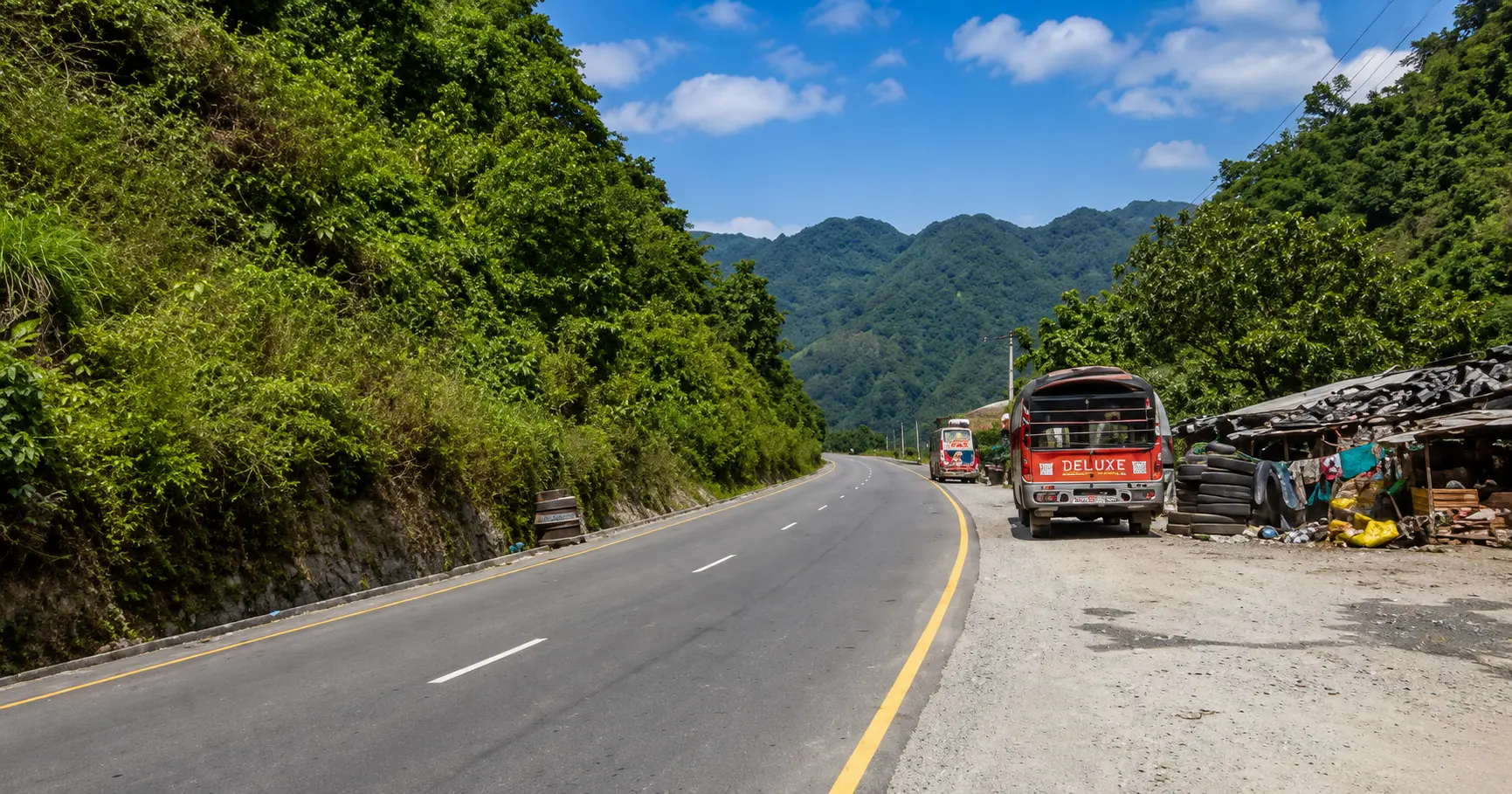
- Monsoon (June to September): Terai highway reliable. Dumre-to-Bandipur ascent road can be slippery — Scorpio preferred over car. Bandipur lush green in monsoon. Book 1 to 3 days in advance.
- Post-Monsoon (October to November): finest season — crystal-clear Himalayan panorama from Bandipur Tundikhel, all roads at best post-repair condition. Book 7 to 14 days in advance — peak season.
- Winter (December to February): comfortable in all sections, outstanding mountain clarity at Bandipur. Book 24 to 48 hours in advance in low season.
Circuit Routing: Lumbini and Bandipur in the Nepal Triangle
The standard India-origin Nepal circuit incorporating Lumbini and Bandipur: Sunauli → Lumbini → (north, this route) → Bandipur overnight → Pokhara → Kathmandu → return. Nepal Vehicle Hiring coordinates all legs: Sunauli-to-Lumbini, Lumbini-to-Bandipur (this guide), Bandipur-to-Pokhara (70 km), and Pokhara-to-Kathmandu. The Nepal holiday tour and Nepal tour package pages cover the complete circuit vehicle service.
The Nepal Nekhor tour — Nepal’s complete sacred pilgrimage circuit — routes the Lumbini-to-Kathmandu return via Bandipur for clients who want the heritage overnight addition. The Besisahar private vehicle service and Kathmandu-to-Manang jeep serve trekkers who continue from Bandipur to the Annapurna Circuit at Besisahar after the overnight.
Frequently Asked Questions
How far is Lumbini from Bandipur?
Approximately 248 km, taking 4.5 to 6 hours by private vehicle. A 9:00 AM departure with a Mugling fish lunch arrives in Bandipur between 3:30 and 4:30 PM.
Which vehicle is best for this route?
The Mahindra Scorpio (4–7 passengers, NPR 14,000–30,000) is the recommended choice — best balance of comfort on the 115 km Terai highway and capability on the Dumre-to-Bandipur ascent road. Private car hire in Nepal (NPR 11,000–25,000) for 2-3 passengers. Hiace van hire (NPR 18,000–35,000) for groups of 8 to 14 — confirm ascent road suitability when booking.
Can we do a dawn visit to Lumbini, then drive to Bandipur the same day?
Yes — Lumbini Sacred Garden 5:30 AM to 8:00 AM, vehicle departure 9:00 AM, Bandipur arrival 3:30 to 4:30 PM. This is Nepal Vehicle Hiring’s recommended schedule — it captures Lumbini’s finest early-morning Sacred Garden window before the day-tour groups arrive from Bhairahawa, then makes the full Bandipur afternoon available.
Is Bandipur on the way from Lumbini to Kathmandu?
Bandipur adds approximately 70 km and 1.5 hours versus the direct Lumbini-to-Kathmandu route. Most groups treat it as a two-day addition — Lumbini Day 1 evening, Bandipur overnight Day 2, Kathmandu Day 3 morning arrival (4 hours, 130 km from Bandipur via Dumre and Prithvi Highway).
Does Nepal Vehicle Hiring pick up from inside the Lumbini zone?
Yes — Nepal Vehicle Hiring collects from the Lumbini zone hotel entrance or the Sacred Garden car park. Confirm the specific pickup address when booking. Our driver is at the hotel entrance at the confirmed departure time.

Book the Lumbini to Bandipur Vehicle
- Car hire in Nepal — private car, 2–4 passengers
- 4WD jeep hire — Scorpio, 4–7 passengers
- Hiace van hire — group van, 8–14 passengers
- Nepal holiday tour — complete Nepal circuit
- Nepal tour package
- Nepal Nekhor tour
- Kathmandu sightseeing service
- Bhaktapur Durbar Square day tour
- Sarangkot sunrise tour vehicle
- Nagarkot sunrise tour via Kathmandu to Nagarkot vehicle
- Besisahar private vehicle service
- Kathmandu to Manang jeep
- Kathmandu airport transfer
- WhatsApp / Call: +977 9814227196
- Email:[email protected]
- www.vehiclehiringnepal.com
Visit our Plan Your Trip page with your group size, Lumbini pickup location, and Bandipur arrival time. Nepal Vehicle Hiring confirms the all-in price and driver within 24 hours. From the Maya Devi Temple to the Tundikhel mountain sunrise — one vehicle, one afternoon’s drive, two of Nepal’s finest heritage encounters.
Lumbini’s Sacred Significance: Departure Context
Every journey from Lumbini begins at one of the world’s most historically documented sacred sites. Emperor Ashoka’s personal pilgrimage inscription from 249 BCE—the oldest dated stone epigraph in the Indian subcontinent— unambiguously confirms that the Buddha was born here. Archaeological excavations since 1996 have uncovered a brick structure beneath the Maya Devi Temple that radiocarbon-dates to approximately the 6th century BCE, consistent with the traditional dating of Siddhartha Gautama’s birth. No other ancient sacred site in the world offers this combination of imperial contemporaneous documentation and modern archaeological confirmation.
For Buddhist pilgrims, departing from Lumbini carries the merit of a northward pilgrimage —the 108-spout sacred bath at Muktinath and the Lumbini birthplace darshan together constitute the two most powerful devotional acts available in Nepal. For Hindu pilgrims who venerate the Buddha as Vishnu’s ninth avatar, a visit to Lumbini completes a sacred arc that connects the divine in its cosmic (Muktinath) and human incarnate (Lumbini) expressions. For secular cultural travellers, leaving Lumbini with Ashoka’s pillar still visible in the rearview mirror means leaving the oldest confirmed sacred site they will likely ever visit. All of these departures deserve a worthy next destination — and Bandipur, with its mountain ridge and its living Newari heritage, is precisely that.
The Terai Highway: What the Flat Road Reveals
The 115-kilometre Mahendra Highway section between Butwal and Narayanghat — the longest flat section of the Lumbini-to-Bandipur drive — carries more interest than its flat character suggests for observant passengers.
The western Terai along the Mahendra Highway is part of the Terai Arc Landscape — a 49,000 square kilometre transboundary conservation corridor connecting Nepal’s western reserves (Bardia National Park, Shuklaphanta Wildlife Reserve) with India’s Terai reserves. The sal forest patches visible from the highway are functional wildlife habitat where tiger and rhinoceros populations move between protected areas. For groups who have visited Chitwan’s wildlife on their Nepal circuit, the Terai along the Mahendra Highway reminds them that Chitwan’s biodiversity is part of a much larger connected landscape.
The Deukhuri valley section — a forested mid-hills corridor where the Churia (Siwalik) Hills create a scenic backdrop north of the highway — is the most pleasant 25-kilometre stretch of the flat highway run. The occasional river crossing reveals the broad, gravelly Terai river character, and birdlife along the sal forest corridor rewards patient window-watchers: painted storks in wetland margins, adjutant storks (nearly 2 metres tall, one of Nepal’s most impressive birds) stalking the paddy field edges, and crested serpent eagles circling above the forest canopy.
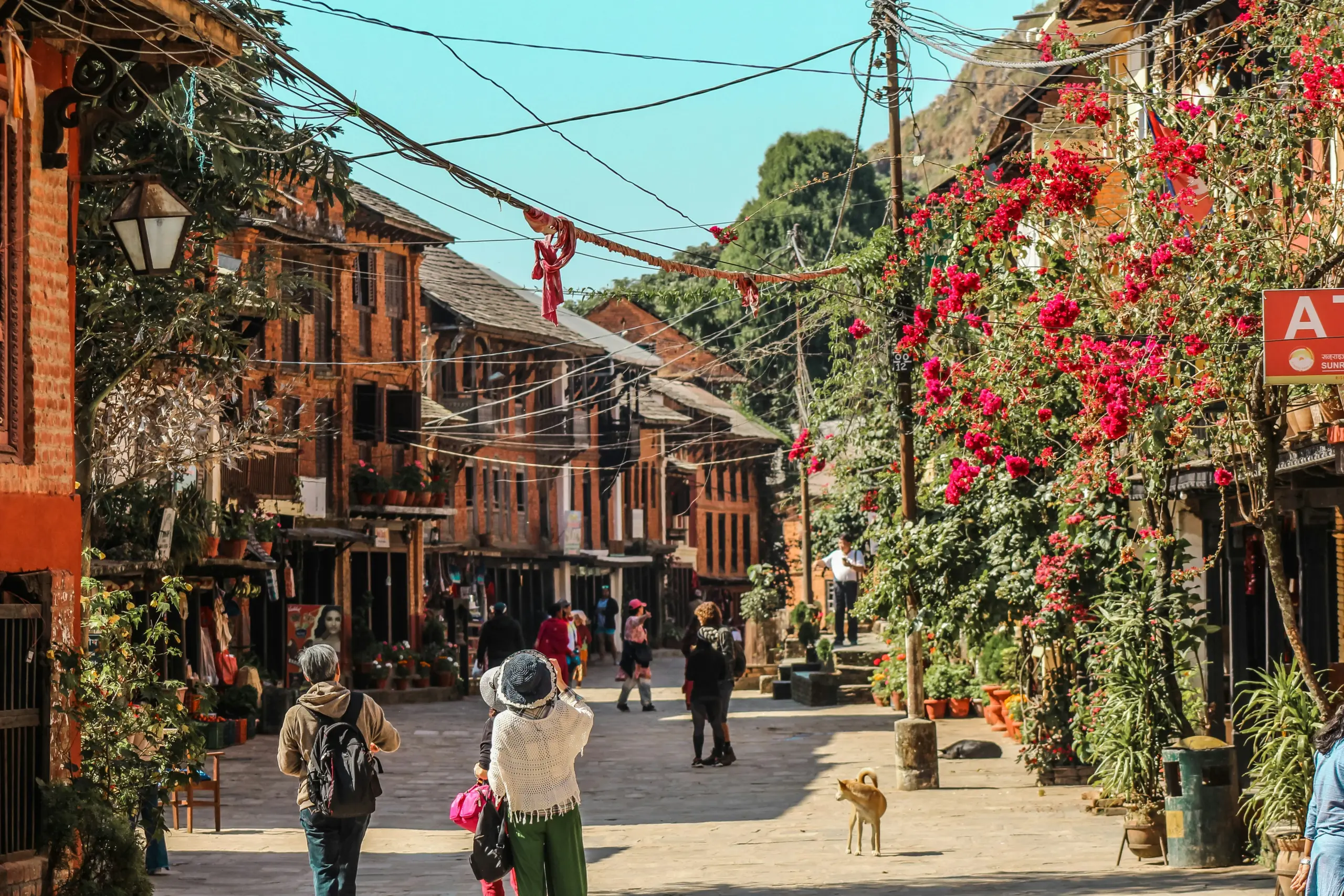
Bandipur’s Newari Heritage: A Cultural Primer
For visitors arriving in Bandipur from Lumbini, understanding the Newari cultural tradition that shaped the town adds real depth to the bazaar wwalk The Newar community is one of the oldest civilisations, indigenous to the Kathmandu Valley, and established trading outposts along Nepal’s key mid-hills trade routes from the medieval period onward. BaAt,030 m w, Bandipur is one of the most strategically positioned of these outposts: above the malarial Terai but accessible from the Marsyangdi valley trade corridor leading north toward Tibet.
The carved wooden windows, doorways, and struts that line Bandipur’s bazaar are the most visible expression of Newari material culture in the mid-hills. The torana (carved arch above the doorway) signals the house’s sacred allegiance through deity imagery—typically Vishnu, Ganesh, or the protective Bhairav—surrounded by attendant figures, floral motifs, and naga (serpent) imagery. Each merchant house has its own torana whose iconographic programme repays study. The latticed window screens (tikijhya) encode auspicious geometric patterns that double as natural ventilation systems. The corner struts of traditional buildings carry erotic imagery that serves an apotropaic (evil-averting) function in Newari religious understanding—a tradition directly related to the corner-strut carving visible at Kathmandu’s Durbar Squares.
Bandipur’s preservation is a historical accident. When the Prithvi Highway was built in the 1970s, it followed the Marsyangdi valley floor rather than the ridge where Bandipur sits. The road that would have brought modernisation and development passed 16 kilometres below the town, leaving Bandipur’s historic fabric intact while other Nepal mid-hills towns were transformed. The bypass that impoverished Bandipur commercially is what made it Nepal’s finest heritage town. Visitors arriving in the afternoon from Lumbini find a town that has had decades of quiet to maintain its historical character — and the result is one of Nepal’s most rewarding heritage encounters.
The Lumbini-to-Bandipur-to-Kathmandu 3-Day Programme
For visitors on a tight Nepal schedule who want to include both Lumbini and Bandipur before reaching Kathmandu, the following 3-day programme is Nepal Vehicle Hiring’s optimal recommendation:
- Day 1 PM: Arrive in Lumbini from Kathmandu, Pokhara, or the Sunauli border. Afternoon: Maya Devi Temple and Sacred Garden (2 hours). Evening international monastery zone walk (3 to 4 selected monasteries along the central canal, 1.5 hours). Overnight in a Lumbini zone hotel or Bhairahawa.
- Day 2 Dawn to PM: 5:30 AM Sacred Garden dawn visit — Maya Devi Temple and Puskarini pool before day-tour groups arrive from Bhairahawa. Return for hotel breakfast. Nepal: Hire a vehicle at 9:00 AM. Mugling fish lunch at Trishuli riverside (40 minutes). Arrive in Bandipur between 3:30 and 4:30 PM. Evening golden-hour bazaar walk, Khadga Devi Temple puja (5:00 to 6:30 PM), Newari dinner at bazaar restaurant. Overnight at Bandipur heritage guesthouse.
- Day 3 Dawn to KTM: 5:30 AM Tundikhel meadow mountain sunrise (Manaslu, Annapurna range, Machhapuchhre in alpenglow, 10-minute walk from any guesthouse). Return for hotel breakfast. Nepal Vehicle Hiring: vehicle at 9:00 AM — Bandipur to Kathmandu via Dumre and Prithvi Highway, arrival in Thamel by 1:00 to 2:00 PM.
This 3-day programme delivers both Lumbini’s finest hour (the Sacred Garden at dawn) and Bandipur’s finest hour (the Himalayan sunrise from the Tundikhel) without rushing either site. Nepal Vehicle Hiring pre-confirms all three vehicle legs — Sunauli/Kathmandu-to-Lumbini, Lumbini-to-Bandipur, and Bandipur-to-Kathmandu — as a single circuit booking.
Pilgrimage Groups on the Lumbini-to-Bandipur Route
Hindu pilgrim groups completing the Nepal Muktinath or Pashupatinath circuit often route south to Lumbini as a sacred addition before crossing the Sunauli border into India. For these groups, the Lumbini-to-Bandipur vehicle is an optional heritage addition on the circuit — the Bandipur overnight giving a mountain heritage night before the Sunauli border crossing the following morning via the Bandipur-to-Sunauli route (200 km, 4 to 5 hours).
Nepal Vehicle Hiring’s Hiace van is the standard vehicle for Hindu pilgrim groups of 8 to 14 on this circuit — spacious for puja materials, sacred items from Lumbini (butter lamps, temple prasad, monastery publications), and the luggage of a group that has been travelling Nepal for 7 to 14 days. Our Hiace drivers serving pilgrim groups on this route understand the devotional character of the journey — stopping at roadside temples on request, accommodating group prayer in the vehicle, and timing the Devghat sacred confluence detour for groups wanting this additional sacred stop between Lumbini and Bandipur.
Buddhist pilgrim groups from Sri Lanka, Myanmar, Thailand, Korea, Japan, and China who have visited Lumbini as the Nepal leg of the India-Nepal Buddhist pilgrimage circuit sometimes continue to Bandipur before flying from Pokhara or Kathmandu. For these groups, Bandipur’s gompa and Tibetan-Buddhist iconography connect them to Nepal’s living Buddhist heritage, complementing the internationally managed UNESCO site of Lumbini.
Practical Tips for the Lumbini-to-Bandipur Journey
- Withdraw NPR at Bhairahawa before Butwal: Bhairahawa has the most reliable ATMs on the route — NIC Asia, Everest Bank, Nepal SBI. After Butwal, the next reliable ATMs are in Narayanghat. Withdraw sufficient NPR for Mugling lunch, Bandipur accommodation, and any onward journey cash needs before leaving Bhairahawa.
- Confirm Devghat stop when booking: the Devghat sacred confluence detour (8 km from Narayanghat, 30 minutes) is not automatic — confirm with Nepal Vehicle Hiring when booking if the group wants this stop. Our driver adjusts the Butwal departure time to accommodate Devghat within the overall Bandipur arrival timing.
- Request Mugling fish stop when booking: the Mugling fish lunch is the route’s finest food experience and falls directly on the way — but confirm it when booking so the driver paces the Butwal-to-Mugling section to arrive at the right time and allows the full 40 to 45 minutes.
- Wear layers for the Bandipur ascent: the Terai sections of the route are warm (28 to 35°C in dry season), requiring light clothing and air conditioning. The Bandipur ridge at 1,030 m can be 8 to 12 degrees cooler — have a light layer accessible in the vehicle cabin for the Dumre ascent.
- Siddha Gufa cave: if the group wants to visit Nepal’s largest cave (4 km past Dumre on the Bandipur road, 1.5 hours total), allow a 7:30 to 8:00 AM Lumbini departure for the extended journey day with cave stop included while still reaching Bandipur by 4:00 to 5:00 PM.
Pricing Summary: Lumbini to Bandipur All Vehicles
Nepal Vehicle Hiring’s all-inclusive one-way prices:
- Private car (sedan/SUV, 2–4 pax): NPR 11,000–25,000
- Mahindra Scorpio 4WD (4–7 pax): NPR 14,000–30,000
- Toyota Land Cruiser (4–5 pax, premium): NPR 18,000–80,000
- Toyota Hiace van (8–14 pax): NPR 18,000–35,000
- Coaster minibus (15–25 pax): NPR 24,000–45,000
All prices: vehicle, driver, fuel, road charges. Optional stops (Devghat, Mugling fish, Siddha Gufa) at no additional vehicle charge. Passenger entry fees and food are additional. WhatsApp +977 9814227196 or email [email protected] to book. From Lumbini’s sacred plains to Bandipur’s mountain ridge — Nepal Vehicle Hiring makes the connection seamless.
Bandipur at Dusk: The Golden Hour the Lumbini Group Arrives Into
The best window to experience Bandipur’s bazaar is late afternoon—specifically 4:00 to 6:00 PM—and groups arriving from Lumbini by mid-afternoon reach Bandipur within this window. Golden-hour light transforms the Newari carved wooden facades in a way midday flat light cannot: the directional western sun catches the three-dimensional carved screen patterns of the tikijhya windows and the relief work of the torana doorway arches, casting shadows that give the carving full visual depth. Photographers who have documented Bandipur consistently rate the late-afternoon bazaar as one of Nepal’s most rewarding heritage photography environments.
The Khadga Devi Temple evening puja—the daily worship ceremony at Bandipur’s principal temple, dedicated to the goddess Khadga Devi, whose image is paraded on a chariot during the town’s most important annual festival—begins between 5:00 and 6:30 PM, depending on the season. The ceremony includes bells, incense, lighting outer lamps in the temple shrine, and gathering local devotees for the evening prayer. For Lumbini pilgrims arriving in the late afternoon, the Khadga Devi evening puja naturally continues the devotional mood from the morning’s Sacred Garden visit—a transition from the globally significant Buddhist sacred to the locally intimate Hindu sacred that Bandipur’s community has maintained continuously.
The walk from the bazaar’s eastern Tundikhel meadow to the Bindyabasini Temple at the western ridge end (approximately 700 metres along the main bazaar lane, 15 minutes at a leisurely pace) takes in the full bazaar streetscape. It ends at the hilltop Durga temple, with views over the valley and mountains. In the late afternoon, the view from Bindyabasini’s stone platform extends west across the Marsyangdi valley toward the Pokhara basin — Machhapuchhre’s pyramid visible on clear days above the western ridgelines. This westward view at sunset is specific to Bindyabasini’s position and cannot be replicated from the Tundikhel’s eastward-facing panorama. Together, the Tundikhel (morning, Manaslu-Annapurna panorama) and the Bindyabasini (evening, Marsyangdi valley-Machhapuchhre view) form Bandipur’s complete mountain view circuit.
The Lumbini-Bandipur Heritage Juxtaposition: What Travel Teaches
The specific experience of visiting Lumbini and Bandipur in sequence — in either order — is one of Nepal’s most instructive cultural encounters precisely because of the contrast between the two sites. No amount of reading about Nepal’s heritage diversity prepares a traveller for the visceral difference between the flat Terai Sacred Garden and the mountain-ridge Newari bazaar, experienced within 24 hours of each other.
At Lumbini, heritage is international, Buddhist, and carefully managed — the UNESCO development zone with its Kenzo Tange master plan, its 20-country monastery zone, its multilingual interpretive signage, and its controlled visitor movement is a heritage landscape designed for the global Buddhist community. The Maya Devi Temple at its centre is tended by priests whose service tradition predates the UNESCO designation by centuries, but the surrounding landscape is deliberate and planned. This is heritage as an international institution.
At Bandipur, heritage is local, Newari, and organically present — the bazaar that was not designed for visitors but preserved by economic circumstance, the temples served by the community’s own priests for the community’s own devotional needs, and the architectural fabric maintained (imperfectly, with visible decay alongside preservation efforts) by residents who live inside the heritage rather than administering it from outside. This is heritage as living community.
Travelling between these two expressions of Nepal’s heritage in a single afternoon — aboard a Nepal Vehicle Hiring private car or Scorpio that covers the 248-kilometre transition in 4.5 to 6 hours — gives the traveller a compressed understanding of Nepal’s cultural range that months of reading cannot replicate. In this sense, the Lumbini-to-Bandipur vehicle journey is more than a transport connection: it is a structured encounter with the full diversity of what Nepal means as a heritage landscape.
The Marsyangdi Valley: Bandipur’s Setting Explained
Bandipur’s extraordinary mountain view is a direct consequence of its position above the Marsyangdi River valley — the same valley that the Annapurna Circuit follows upstream from Besisahar to Manang and the Thorong La. Understanding the Marsyangdi valley’s geography helps travellers appreciate why Bandipur’s ridge offers the specific mountain panorama it does.
The Marsyangdi River originates from the glaciers on the eastern approaches to the Annapurna massif. It flows south through the dramatic Marsyangdi gorge (the valley that Nepal Vehicle Hiring’s Annapurna Circuit approach vehicles drive through) before spreading into the broader valley visible from Bandipur’s ridge. The river joins the Trishuli at Mugling junction — the same Mugling where the Lumbini-to-Bandipur vehicle stops for the fish lunch. The entire upper Marsyangdi drainage is the Annapurna Conservation Area — the world’s most visited trekking destination.
From Bandipur’s Tundikhel meadow, the view north into the Marsyangdi valley reveals the specific mountain arrangement that makes the panorama so striking: Manaslu (8,163 m) to the northeast, rising above its own valley system; the Annapurna massif filling the northern horizon in a 50-kilometre sweep of snow peaks; and Machhapuchhre (Fishtail, 6,993 m) rising above the Pokhara basin to the northwest in its unmistakable twin-summit profile. This simultaneous view of Manaslu (world’s 8th highest), Annapurna I (10th highest), and Machhapuchhre (one of Nepal’s most beautiful mountains) is available from Bandipur’s Tundikhel in a single panoramic sweep — an extraordinary mountain geography concentration that the ridge position above the Marsyangdi valley uniquely enables.
For Lumbini-to-Bandipur travellers arriving from the flat Terai plains where no mountains are visible, the Tundikhel mountain panorama at dawn the following morning is a revelation. These snow peaks were invisible, suddenly filling the entire northern horizon from a ridge that is itself only 930 metres above the highway junction below. This sudden mountain encounter, made possible by the Bandipur ascent road that Nepal Vehicle Hiring’s vehicle navigates the previous afternoon, is one of Nepal’s finest spatial surprises.
Nepal Vehicle Hiring: The Circuit Vehicle Partner from Lumbini to Bandipur and Beyond
Nepal Vehicle Hiring’s role in the Lumbini-to-Bandipur journey is straightforward: we provide the vehicle, driver, route knowledge, and coordination that make the connection between these two heritage sites seamless. But the vehicle service extends beyond this single leg — Nepal Vehicle Hiring coordinates the complete Nepal circuit vehicle service for clients who want a single operator managing every vehicle leg from their first Nepal arrival to their last Nepal departure:
- Airport arrival: Nepal Vehicle Hiring’s Kathmandu airport transfer meets TIA arrivals at the terminal and delivers to a Thamel hotel. The Nepal circuit begins here.
- Kathmandu sightseeing: the Kathmandu UNESCO heritage circuit — Pashupatinath, Boudhanath, Swayambhunath, Bhaktapur — by Nepal Vehicle Hiring’s private vehicle with a sightseeing-experienced driver.
- Lumbini approach: from Kathmandu or from the Sunauli border, Nepal Vehicle Hiring’s Hiace van or private car delivers to the Lumbini zone.
- Lumbini to Bandipur: this journey is confirmed and coordinated as part of the complete circuit booking.
- Bandipur onward: to Pokhara (70 km, 2 hours), Kathmandu (130 km, 4 hours), Sunauli border (200 km, 4 to 5 hours), or Chitwan (145 km, 3 to 3.5 hours) — whichever the circuit requires.
- Airport departure: Nepal Vehicle Hiring’s TIA airport transfer completes the Nepal circuit with the same confirmed, named-driver reliability as the arrival pickup.
One WhatsApp contact at +977 9814227196. One operations team. Every vehicle leg confirmed before the circuit begins. Nepal Vehicle Hiring is the circuit vehicle partner for Nepal travel — from the international airport to the heritage hilltop and back again.
Siddha Gufa: Nepal’s Largest Cave on the Bandipur Approach
Four kilometres above Dumre junction on the Bandipur ascent road, a signposted track leads to Siddha Gufa — Nepal’s largest known cave system. For groups arriving from Lumbini with an early enough departure, adding the cave visit to the Bandipur approach is one of the journey’s finest enrichments.
Siddha Gufa extends about 430 metres into the limestone hillside, with a main cavern rising to 45 metres. The geological formations — stalactites and stalagmites accumulated over tens of thousands of years — create a subterranean landscape of genuine drama. Local sadhus and yogis have used the cave as a meditation site for generations; small shrines at the entrance acknowledge this sacred dimension. For pilgrims leaving Lumbini’s sacred outdoor landscape, the cave’s enclosed, sacred darkness offers a complementary encounter with Nepal’s devotional geography.
The cave visit adds approximately 1.5 hours to the Lumbini-to-Bandipur journey. Nepal Vehicle Hiring recommends a 7:30 to 8:00 AM departure from Lumbini for groups who want the cave and still want to reach Bandipur by 4:00 to 5:00 PM. Confirm the cave stop when booking — our driver knows the access road and parking area and will factor the cave timing into the day’s schedule.
The Mugling Fish Lunch: Not to Be Skipped
The Mugling riverside fish restaurants fall directly on the Lumbini-to-Bandipur route at precisely the right time — midday, approximately 3 hours after a 9:00 AM Lumbini departure. Freshwater Mahseer (sahar) from the Trishuli River, fried in mustard oil with ginger and garlic and served at riverside tables above the rapids, is one of Nepal’s finest casual food experiences. Cost: NPR 300 to 600 per person, including rice or bread; 40 to 45 minutes. Nepal Vehicle Hiring’s drivers know the freshest-catch establishments on the Mugling strip — ask for the stop to be included when booking.
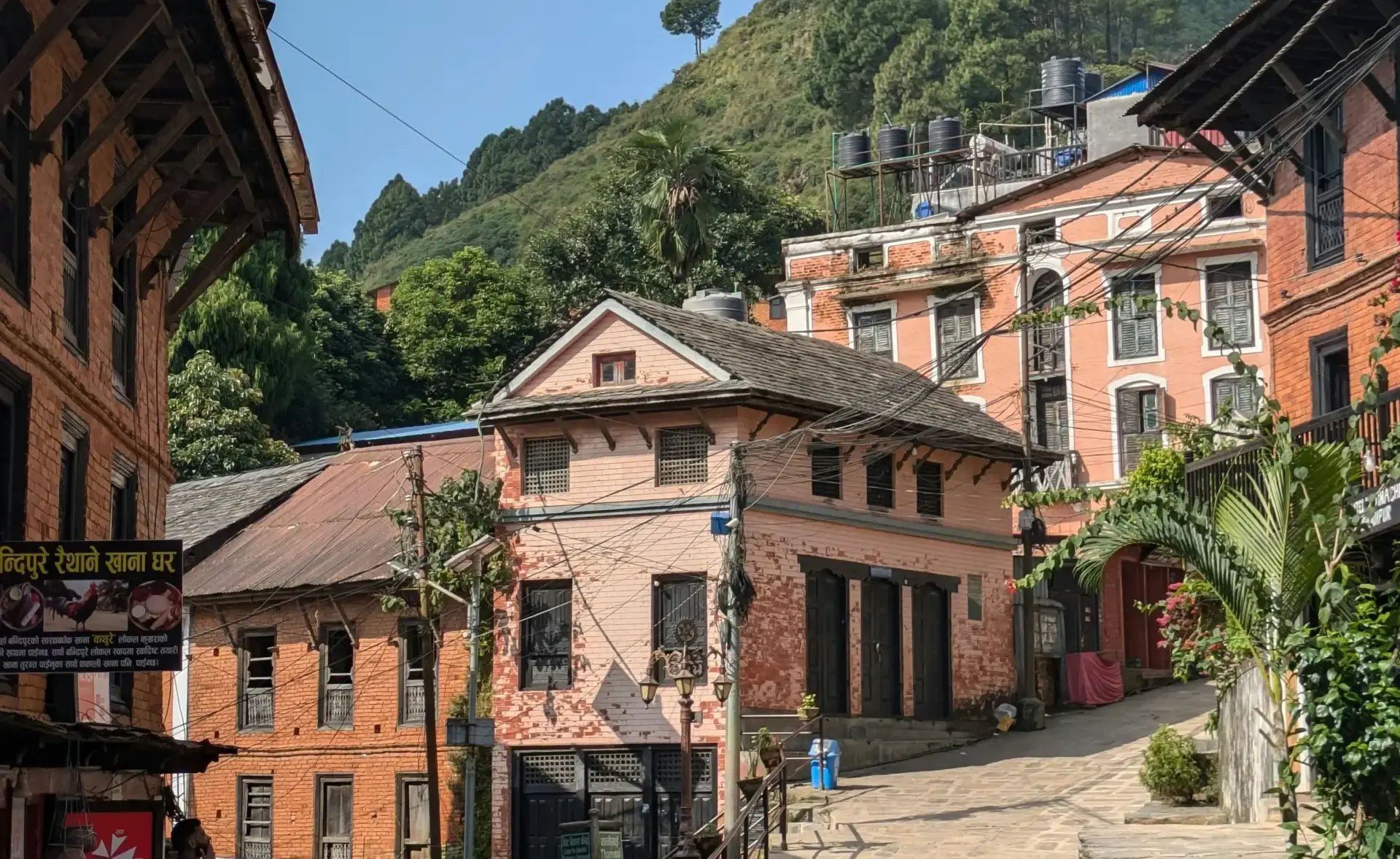
Bandipur Accommodation: Staying in a Heritage House
Bandipur’s guesthouses occupy former Newari merchant mansions — the carved wooden windows visible from the bazaar are the guesthouses’ interior windows, and upper-floor terraces look directly to the Annapurna range. Accommodation ranges from simple budget rooms (NPR 600 to 1,200 per room) to developed heritage lodge properties (NPR 2,000 to 5,000 per room with private bathroom and mountain view). Nepal Vehicle Hiring’s operations team can recommend specific Bandipur guesthouses from current driver knowledge of the town’s properties — ask when booking the vehicle.
Book the Bandipur guesthouse in advance, especially during the October-November peak season. Book via WhatsApp with the guesthouse on the morning of your Lumbini departure to secure the room for an afternoon arrival.
The Ecological Arc: Lumbini to Bandipur in Five Zones
Lumbini to Butwal (100 to 206 m): Subtropical Terai
Flattest and warmest section — rice paddies, wheat fields, sal forest patches, temperature 30 to 38°C in dry season. The Lumbini development zone’s managed Bodhi and sal tree landscape gives way to western Terai agricultural plains passing through the outer buffer zones of Nepal’s western wildlife corridors.
Butwal to Narayanghat (206 to 190 m): Western Terai Highway
The 115 km Mahendra Highway maintains flat Terai character. The Deukhuri valley (forested mid-hills corridor, approximately 60 km from Butwal) is the most ecologically interesting section — mixed sal and secondary forest with notably richer birdlife than the open plains sections. By Narayanghat, the first foothills appear on the northern horizon.
Narayanghat to Mugling: The Transition Zone
NH44 north follows the Narayani River — a mountain-origin river whose character signals the approaching mid-hills. Devghat confluence (8 km from Narayanghat) marks the meeting of the Trishuli and Kali Gandaki rivers at the Terai edge—a sacred hydrological junction and an optional stop for Hindu pilgrims.
Mugling to Dumre: Mid-Hills Valley
The Prithvi Highway east follows the Marsyangdi River into the mid-hills. The valley is used for roads and agriculture; surrounding ridgelines rise high and are forested. Chestnut, oak, and rhododendron begin on upper slopes. Occasional snow peaks visible through the valley head on clear days.
Dumre to Bandipur (190 to 1,030 m): The Ascent
840 metres of altitude gain in 16 kilometres — from dry lower agricultural slopes through increasingly forested mid-sections to the open ridge crest where Bandipur’s town appears with the Himalayan backdrop. Temperature drops 5 to 8 degrees Celsius between Dumre and the ridge. The transition from Terai heat to ridge cool physically confirms the journey’s ecological arc.
Why This Connection Deserves More Visitors
Despite the logical appeal of combining Lumbini’s sacred plains with Bandipur’s heritage ridge, this connection remains underutilised — most tour operators route the Lumbini-to-Kathmandu journey directly via the highway. Nepal Vehicle Hiring’s Lumbini-to-Bandipur private vehicle service makes this connection as easy to book as any other Nepal circuit leg: confirmed pickup from the Lumbini zone, hotel-door Bandipur delivery, optional stops coordinated in a single booking. For India-origin visitors on the Nepal circuit, adding Bandipur to the Lumbini-exit routing adds one overnight and one 248 km vehicle journey—and delivers one of Nepal’s finest heritage town experiences as the circuit’s final statement before the Sunauli crossing.
WhatsApp +977 9814227196 or email [email protected] to book. From the Maya Devi Temple to the Tundikhel mountain sunrise — 248 kilometres, one private vehicle, two of Nepal’s finest heritage encounters. Nepal Vehicle Hiring makes the connection.
Bandipur’s Festivals: Timing the Visit for Celebration
Bandipur has a small but vibrant festival calendar that rewards visitors who plan; the most dramatic is the annual Khadga Devi chariot festival — the procession of the town deity on a wooden chariot through the bazaar lane, accompanied by traditional Newari dhime drums and sahanai horns, priests, and the entire community in traditional dress. This procession transforms the bazaar into a living expression of the same Newari processional culture that animates Kathmandu’s major festivals. The chariot festival timing follows the lunar calendar; contact Nepal Vehicle Hiring’s operations team for current festival dates when planning the Lumbini-to-Bandipur routing around this event.
The annual Bandipur Mahotsav heritage festival—when the bazaar fills with cultural performances, traditional food stalls, and craft demonstrations—is another calendar highlight that draws visitors from Pokhara and Kathmandu. For groups whose Nepal circuit can be timed around either event, the festival adds a living-culture experience to Bandipur’s heritage architecture, making the town even more rewarding than its physical fabric alone would suggest.
Post-monsoon (October and November) is both Nepal’s finest trekking season and Bandipur’s most atmospheric period — the crystal-clear skies of the post-monsoon window give the Tundikhel mountain panorama its greatest visual clarity, the recently-washed landscape is intensely green against the snow-white peaks, and the Bandipur tourist season’s peak energy gives the bazaar a lively character that the quieter winter months lack. India-origin visitors completing their Nepal circuit in October or November, routing from Lumbini to Bandipur to Sunauli, arrive in Bandipur during this optimal window.
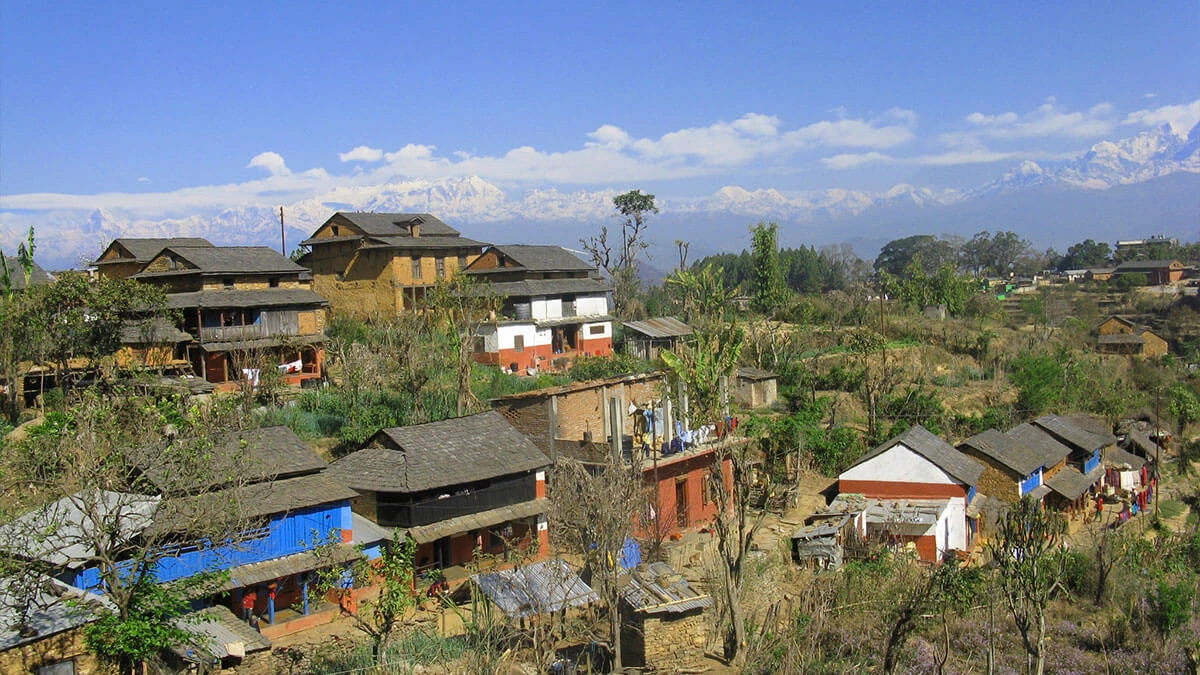
The Bandipur Sunrise: Validating the Overnight
The Tundikhel mountain sunrise from Bandipur’s ridge most consistently validates the decision to overnight in Bandipur rather than route directly through to Pokhara or Kathmandu. For groups arriving from Lumbini’s flat Terai who have not yet encountered the Himalayan range at close range, the dawn panorama from the Tundikhel — Manaslu (8,163 m) and the Annapurna massif filling the northern horizon in the first alpenglow — is a revelation that no photograph or description can fully prepare.
The Tundikhel is a 10-minute walk from any Bandipur bazaar guesthouse. The optimal timing: arrive at the meadow’s eastern edge approximately 20 minutes before sunrise, when the first alpenglow touches Manaslu’s summit. Over the following 40 minutes, the light sweeps across the entire Annapurna range as the sun rises above the eastern hills. In the dry season, the Marsyangdi valley below Bandipur’s ridge fills with morning mist, giving the mountains an island-in-cloud quality that photographers consistently find most rewarding.
For Lumbini-to-Bandipur travellers who have already experienced the Lumbini Sacred Garden in the early-morning light — the Puskarini pool at dawn, the Ashoka Pillar in the first light, the monastery zone before the day-tour crowds — the Bandipur Tundikhel dawn is the second great early-morning Nepal experience of the circuit. Two dawn heritage experiences within 24 hours: the Buddha’s birthplace at 5:30 AM one morning, and the Himalayan panorama at 5:30 AM the following morning. Nepal Vehicle Hiring’s Lumbini-to-Bandipur private vehicle connects these two dawn experiences.
Comparing Lumbini-to-Bandipur with Direct Lumbini-to-Kathmandu
The direct Lumbini-to-Kathmandu highway route (approximately 300 km, 6 to 7 hours via Narayanghat and the Prithvi Highway) is the most commonly booked Nepal circuit leg between these two destinations. The Lumbini-to-Bandipur routing is 248 km to Bandipur plus 130 km from Bandipur to Kathmandu — approximately 378 km total, split across two days with a Bandipur overnight. The following comparison helps groups decide which routing is right for their Nepal schedule:
- Direct Lumbini to Kathmandu (single day, 300 km, 6 to 7 hours): appropriate for groups with tight schedules, groups who have already visited Bandipur on the outbound journey, or groups prioritising maximum Kathmandu time. Nepal Vehicle Hiking’s Lumbini-to-Kathmandu service covers this direct route efficiently.
- Lumbini to Bandipur to Kathmandu (two days, 378 km total, Bandipur overnight): appropriate for groups with one additional day in their Nepal schedule, groups who have not previously visited Bandipur, and groups whose Nepal circuit emphasises heritage depth over destination count. Adds one night accommodation cost (NPR 1,000 to 5,000 depending on guesthouse) and the vehicle hire difference (approximately NPR 3,000 to 8,000 more total for the split journey versus the direct route). The added cost is modest, but the experience is significant.
Nepal Vehicle Hiring coordinates both routing options — direct Lumbini-to-Kathmandu and the Lumbini-Bandipur-Kathmandu split — with equal ease as part of the complete Nepal circuit booking. Groups who are undecided between the two routings at the time of initial booking can leave the Bandipur decision open until the Lumbini morning, confirming the vehicle by WhatsApp as the Sacred Garden dawn visit concludes.
The NVH Advantage: Local Knowledge on the Lumbini-Bandipur Route
Nepal Vehicle Hiring’s specific advantages for the Lumbini-to-Bandipur private vehicle:
- Lumbini zone pickup: Nepal Vehicle Hiring collects from the specific hotel or guesthouse inside the Lumbini development zone or at the Sacred Garden car park — not from the Bhairahawa bus park 22 km away. The driver is at the hotel entrance at the confirmed departure time.
- Dumre ascent expertise: the 16 km Bandipur ascent road is narrow and requires knowledge of the passing points and the current road condition. Nepal Vehicle Hiring’s Bandipur approach drivers have made this ascent many times and navigate it with appropriate speed and confidence.
- Devghat and Mugling coordination: both optional stops fall naturally on the route. Nepal Vehicle Hiring’s drivers time the Butwal departure to accommodate both (Devghat 8 km from Narayanghat, 30 minutes; Mugling 40 to 45 minutes) within the Bandipur arrival window. No separate arrangement needed — confirm the stops when booking and the driver handles the timing.
- Bandipur hotel delivery: Nepal Vehicle Hiring delivers to the specific guesthouse entrance in Bandipur’s bazaar approach lanes — not to the Dumre junction below where informal vehicles may leave passengers to arrange their own local transport up the hill. All Bandipur guesthouses are accessible by vehicle via the approach lanes.
- Single circuit booking: the Lumbini-to-Bandipur vehicle and all subsequent circuit legs (Bandipur-to-Pokhara, Bandipur-to-Kathmandu, or Bandipur-to-Sunauli) are pre-confirmed as a single booking — one WhatsApp contact, no last-minute vehicle arrangement at Bandipur.
Contact Nepal Vehicle Hiring at WhatsApp +977 9814227196 or email [email protected] to book the Lumbini-to-Bandipur private vehicle and any onward Nepal circuit legs. We confirm all-in pricing and driver details within 24 hours. The journey from the Buddha’s birthplace to Nepal’s finest hilltop heritage town is one of Nepal’s great private vehicle routes — Nepal Vehicle Hiring drives it for you.
- Lumbini to Bandipur: Car, Jeep, Scorpio And Hiace Hire
- Lumbini to Bandipur: Distance, Route and Drive Time
- All-In Vehicle Prices: Lumbini to Bandipur
- Why Combine Lumbini and Bandipur
- Route Section by Section
- The Bandipur Arrival Experience
- Vehicle Notes: Scorpio vs Car vs Hiace for This Route
- Optional Stops on the Route
- Onward from Bandipur: Where the Circuit Continues
- Lumbini-to-Bandipur Seasonal Conditions
- Circuit Routing: Lumbini and Bandipur in the Nepal Triangle
- Frequently Asked Questions
- Book the Lumbini to Bandipur Vehicle
- Lumbini's Sacred Significance: Departure Context
- The Terai Highway: What the Flat Road Reveals
- Bandipur's Newari Heritage: A Cultural Primer
- The Lumbini-to-Bandipur-to-Kathmandu 3-Day Programme
- Pilgrimage Groups on the Lumbini-to-Bandipur Route
- Practical Tips for the Lumbini-to-Bandipur Journey
- Pricing Summary: Lumbini to Bandipur All Vehicles
- Bandipur at Dusk: The Golden Hour the Lumbini Group Arrives Into
- The Lumbini-Bandipur Heritage Juxtaposition: What Travel Teaches
- The Marsyangdi Valley: Bandipur's Setting Explained
- Nepal Vehicle Hiring: The Circuit Vehicle Partner from Lumbini to Bandipur and Beyond
- Siddha Gufa: Nepal's Largest Cave on the Bandipur Approach
- The Mugling Fish Lunch: Not to Be Skipped
- Bandipur Accommodation: Staying in a Heritage House
- The Ecological Arc: Lumbini to Bandipur in Five Zones
- Why This Connection Deserves More Visitors
- Bandipur's Festivals: Timing the Visit for Celebration
- The Bandipur Sunrise: Validating the Overnight
- Comparing Lumbini-to-Bandipur with Direct Lumbini-to-Kathmandu
- The NVH Advantage: Local Knowledge on the Lumbini-Bandipur Route

Related Blog & Articles

Bandipur to Langdruk Private Jeep Hire – Complete Transfer Guide
Kathmandu to Bandipur Heritage Day Trip Transport Guide
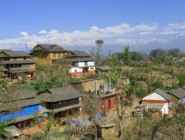
Kathmandu to Bandipur Vehicle Hire