Plan a Trip


Best Time to Visit Nepal 2026/2027-2028
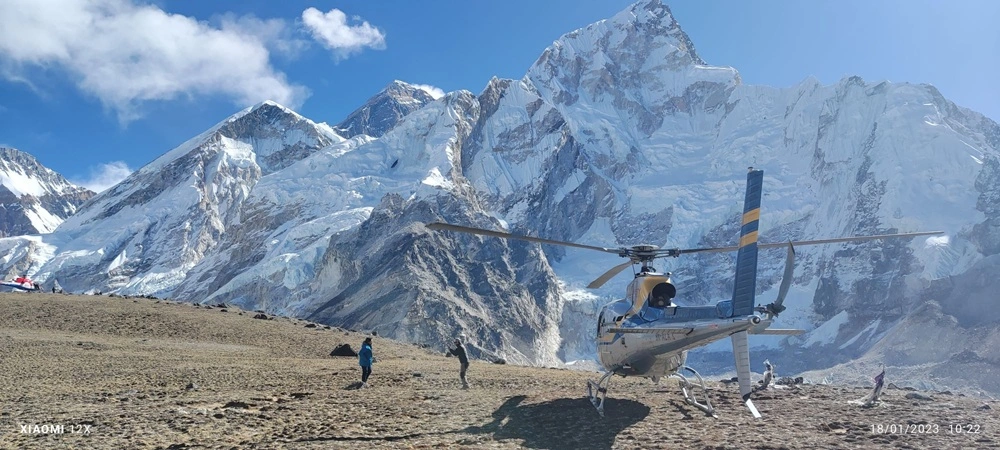
Ask ten different travellers about the best time to visit Nepal, and you will likely get ten different answers, and all of them could be correct, depending on what each traveller actually wants from their trip. Nepal’s dramatic elevation range, from the steamy lowland Terai near sea level to summits above 8,000 meters, means the country never experiences a single uniform season. A month that delivers perfect high-altitude trekking weather might be uncomfortably hot in Chitwan.
At the same time, a month ideal for wildlife viewing might be too cold for comfortable trekking above 4,000 meters. This guide breaks down Nepal’s seasons and months in detail, covering weather, trekking conditions, festivals, wildlife viewing, and costs, so you can match your trip dates to your actual priorities rather than relying on a single generic recommendation.
Whichever month you choose, reliable travel between Nepal’s varied regions matters as much as timing. Throughout this guide, we highlight where vehicle hire in Nepal makes a meaningful difference, as road conditions vary considerably with the seasons, particularly on mountain routes.
Quick Answer: Nepal’s Two Peak Seasons
For most travellers, the best time to visit Nepal is autumn (late September through November) or spring (March through May). Autumn delivers the most reliable clear skies of the year, following the monsoon’s cleansing rains, with stable, dry weather and excellent mountain visibility lasting through most of the season. Spring runs a close second, combining good visibility with blooming rhododendron forests and longer daylight hours, though afternoon cloud builds more readily than in autumn.
Both seasons represent Nepal’s peak tourist periods, meaning higher prices, busier trails, and the need to book trekking permits, teahouses, and vehicle hire well in advance, particularly for popular routes. For travellers with flexible dates, even shifting a planned trip by a week or two within these broader windows, toward late October or early November rather than the very first week of October, for instance, can noticeably ease both pricing pressure and trail congestion without meaningfully sacrificing weather reliability.
For travellers prioritising lower costs, quieter trails, or specific interests such as wildlife viewing or off-the-beaten-path regions, winter and even the monsoon season each have genuine advantages, covered in detail below.
Autumn (September to November): Nepal’s Premier Season
September
September marks the tail end of the monsoon, and the transformation it brings is dramatic. By the end of the month, the rains have largely cleared, washing dust and haze from the air and leaving the countryside vivid green and freshly washed. Early September can still see scattered rain, but conditions improve steadily as the month progresses, with the second half offering increasingly reliable trekking weather.
October
October is widely considered Nepal’s single best trekking month and the peak of the autumn tourist season. Skies are reliably clear, temperatures are comfortable for both valley sightseeing and high-altitude trekking, and visibility for Himalayan panoramas is at its best all year. This is also peak season for popular trekking routes, including Everest Base Camp and the Annapurna Circuit, so book teahouse accommodation, domestic flights to Lukla, and jeep hire in Nepal to mountain trailheads well in advance.
November
November frequently delivers the clearest skies of the year, as the dry post-monsoon air tends to have minimal haze. Trekking conditions remain excellent throughout the month, with daytime temperatures still comfortable, though nights grow noticeably colder at altitude as the month progresses toward winter. November also tends to have slightly thinner crowds than October’s peak, making it an excellent compromise month for travellers who want autumn’s clarity without October’s busiest trail traffic.
Why Autumn Works So Well
The combination of dry weather, clear mountain visibility, and comfortable temperatures makes autumn ideal for virtually every activity Nepal offers: trekking toward Everest Base Camp or Annapurna Base Camp, sunrise viewing from Nagarkot or Sarangkot, wildlife safaris in Chitwan, and comfortable city sightseeing in Kathmandu and Bhaktapur. Road conditions on mountain routes are also most stable in autumn, since monsoon-related landslide damage is typically cleared and repaired by the start of the season.
Spring (March to May): Nepal’s Second Peak Season
March
March marks the proper start of spring, with rhododendron forests beginning to bloom across the mid-hills and daylight hours lengthening noticeably compared to winter. Temperatures climb steadily through the month, and trekking conditions improve week by week. However, afternoon clouds can occasionally obscure views, a pattern that becomes more pronounced as spring progresses.
April
April is widely regarded as the single best month for trekking in Nepal, combining warm, comfortable daytime temperatures (typically 15–28°C in the valleys) with rhododendron forests at their most spectacular and still-clear morning visibility before afternoon haze builds. This is Nepal’s second major peak season, so book popular routes and accommodation well in advance, and expect 4WD jeep hire to trekking trailheads to be in high demand. April also hosts Bisket Jatra, a colourful nine-day festival celebrated with dramatic flair in Bhaktapur, where a massive chariot is pulled through the city streets.
May
May is one of the warmest months of the year, with temperatures climbing into the low-to-mid 30s °C in Kathmandu and Pokhara, and even higher in the Terai. It offers the last reliable window for spring trekking before the monsoon arrives in June, with rhododendron season past its peak but mountain views still generally good, especially in the first half of the month. Afternoon clouds and occasional showers become increasingly common as May progresses, signalling the approaching change of season.
Winter (December to February): Clear Skies, Cold Nights
December
December brings Nepal’s coldest temperatures but also some of its clearest, driest skies, since cold air holds less moisture than autumn or spring. Crowds thin out noticeably compared to the October–November peak, making December an appealing month for travellers who prioritise quieter trails and lower accommodation prices over warmth. December is also one of the best months for wildlife viewing in Chitwan National Park, where dry conditions and excellent visibility improve the odds of spotting rhinos and, with good fortune, tigers gathering near waterholes.
January
January is Nepal’s coldest month, with Kathmandu Valley nights regularly dropping to around 1–3°C and high-altitude regions experiencing significantly harsher cold, with night temperatures at places like Namche Bazaar or Everest Base Camp routinely falling well below freezing. High mountain passes are frequently snow-blocked during this period, making high-altitude trekking impractical. However, lower-elevation treks and cultural sightseeing remain entirely feasible. Tiger-watching season in Chitwan begins mid-month as villagers cut back tall grasses, improving wildlife visibility.
February
February starts cold but warms progressively as the month advances, marking the gradual transition toward spring. Late February sees the genuine start of the spring trekking season at lower elevations, though higher peaks may remain obscured by lingering winter cloud. Crowds remain low throughout the month, and Holi, Nepal’s vibrant festival of colour, often falls in late February or early March depending on the lunar calendar.
Why Winter Appeals to Budget and Quiet-Trail Travellers
Winter offers a genuinely different Nepal experience: dramatically fewer crowds on popular trails and at major sightseeing destinations, noticeably lower accommodation and vehicle hire prices compared to peak season, and, on clear days, exceptional mountain visibility thanks to the dry winter air. The trade-off is genuinely cold conditions, particularly at altitude, and the closure of some high mountain passes, meaning winter trekking itineraries generally need to stay at lower elevations than their autumn or spring equivalents.
Monsoon (June to Early September): The Misunderstood Season
June
June marks the arrival of the monsoon across most of Nepal, with regular afternoon and overnight rainfall becoming the norm. Trekking in most regions becomes considerably more difficult, with muddy trails, increased leech activity at lower elevations in forested areas, and a real risk of landslides affecting both walking trails and mountain roads.
Most rain falls overnight or in concentrated afternoon bursts rather than as constant all-day drizzle. This pattern catches some first-time monsoon visitors by surprise when their mornings turn out far more pleasant than they had expected based on the season’s reputation alone. Most of the rain falls overnight or in the afternoon, often leaving mornings fresh, clear, and surprisingly pleasant before clouds build later in the day.
July and August
July is typically the wettest month of the year, with August close behind, and it’s also Nepal’s quietest tourist period for most regions. Trekking is not recommended on the standard Everest or Annapurna routes during the peak monsoon, given the landslide risk and poor visibility, though travellers seeking a different kind of Nepal experience still have real options.
Upper Mustang and Upper Dolpa sit in the rain shadow of the main Himalayan range and remain comparatively dry even at the height of monsoon elsewhere in the country, making this an excellent — and distinctly uncrowded — season to explore these high-desert regions by 4WD jeep. Kathmandu Valley sightseeing also remains entirely feasible throughout the monsoon, since city streets and major temple complexes are unaffected by the landslide risk that closes mountain trails.
Early September
Early September still carries lingering monsoon rain in most years, though conditions noticeably improve as the month progresses toward the clear, dry weather of true autumn. Climate variability in recent years has occasionally delayed monsoon rains slightly into September relative to historical norms, so travellers planning early-September trips should build some weather flexibility into mountain itineraries.
Why Some Travellers Choose Monsoon Deliberately
Monsoon season offers the lowest prices of the year across flights, hotels, and tour packages, often 20–40% below peak-season rates, alongside dramatically thinner crowds at every major destination. The landscape itself transforms into vivid, saturated green, particularly striking on the terraced hillsides of the mid-hills, and travellers focused on cultural sightseeing in Kathmandu, the rain-shadow regions of Mustang and Dolpa, or simply avoiding peak-season crowds often find the monsoon a genuinely rewarding, if less conventional, time to visit.
Best Months for Trekking, by Route
Everest Base Camp Trek
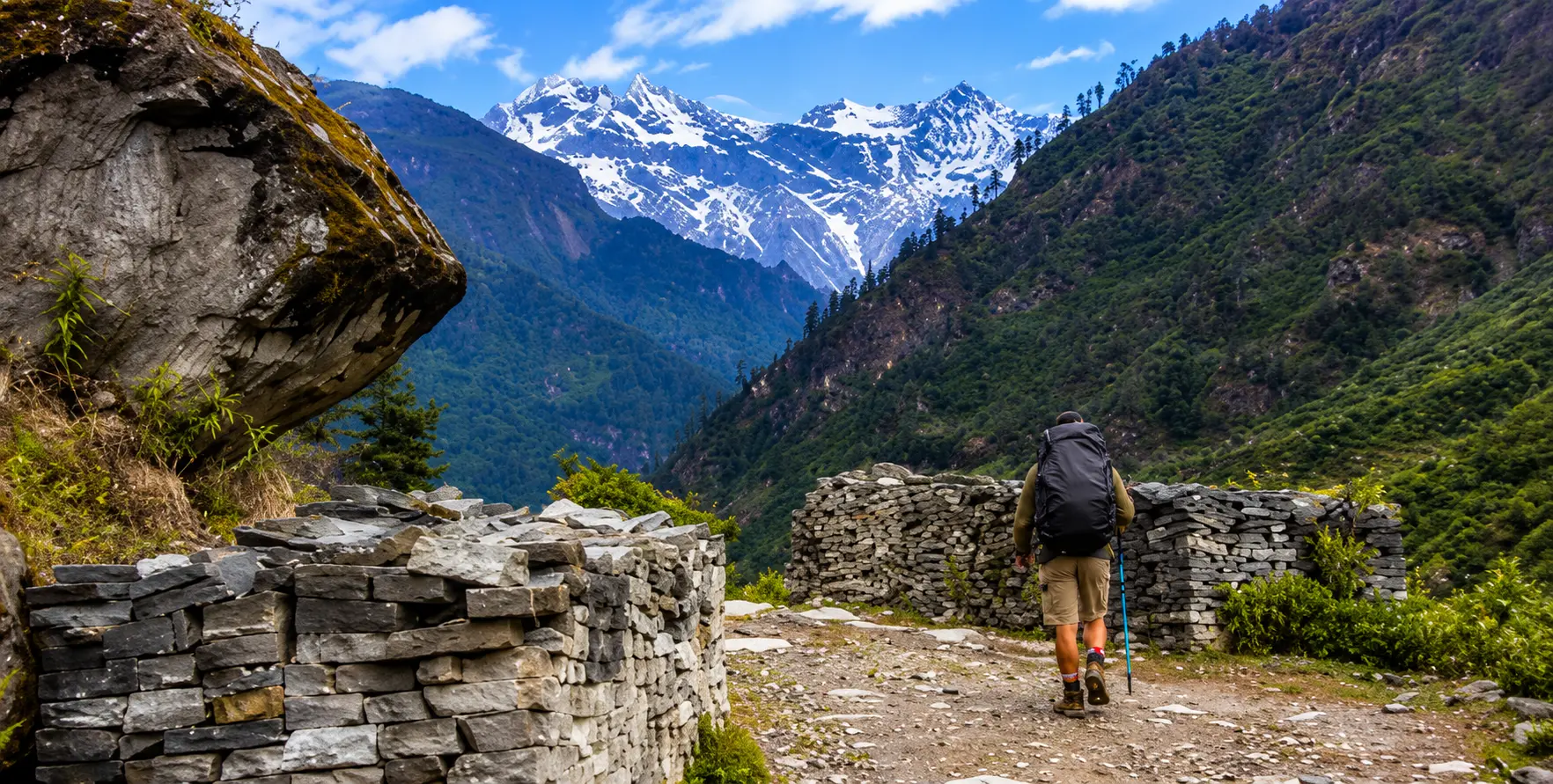
The best months for the Everest Base Camp trek are October, November, March, and April. October and November offer the clearest post-monsoon skies and most stable weather, while March and April bring warmer temperatures and overlap with the spring mountaineering season. January and February are too cold for the full trek because of extreme cold at high camps like Gorak Shep, and June through September should be avoided because of landslide risk and poor visibility on the standard route.
Annapurna Circuit and Annapurna Base Camp
Similarly, autumn and spring offer the best conditions for both the Annapurna Circuit and Annapurna Base Camp treks, with the route to Besisahar reached via private vehicle, which is busiest during these peak windows. Winter trekking on the lower Annapurna routes, including the popular Ghorepani–Poon Hill loop, is accessible via bus from Pokhara to Nayapul and remains considerably quieter than during peak season.
Upper Mustang and Upper Dolpa
These rain-shadow regions are the exception to Nepal’s general seasonal pattern, remaining accessible and comparatively dry even during the height of the monsoon, making June through August a genuinely good window for visiting Mustang specifically, alongside the more conventional autumn and spring seasons.
Manaslu Circuit
The Manaslu Circuit, typically accessed via Kathmandu to Soti Khola by jeep, follows the same autumn and spring preference as Everest and Annapurna, with the Larkya La pass crossing requiring stable weather and clear conditions, best found in October–November and March–May.
Best Time for Wildlife Viewing in Chitwan
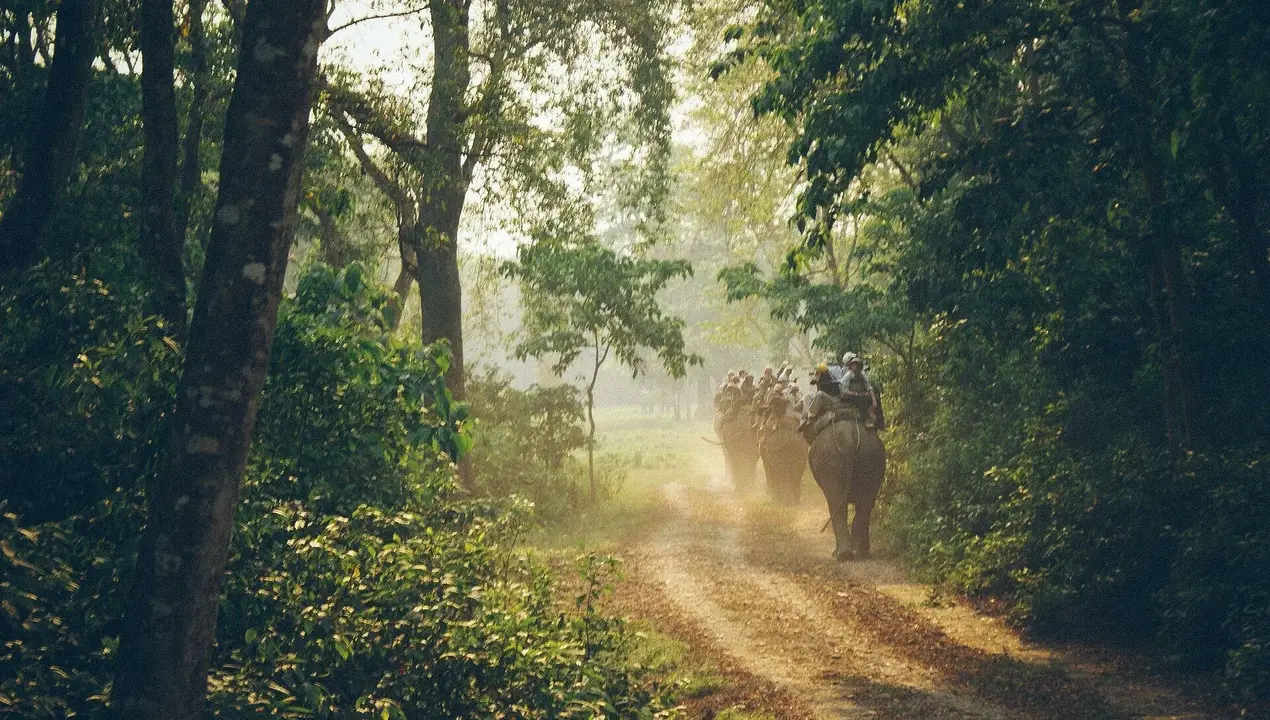
Wildlife viewing in Chitwan National Park is best during the dry months of October through April, when vegetation has been cut back, and animals congregate more predictably around the remaining water sources, improving the odds of seeing rhinos, deer, and, with good fortune, Bengal tigers.
December and January are particularly favoured for tiger watching, as villagers traditionally cut tall grasses for thatch around mid-January, dramatically improving sightlines across the park. Chitwan is commonly combined with Pokhara via the Pokhara-to-Chitwan bus. This route works well in nearly any season, given its lower elevation and less monsoon disruption than mountain routes.
Festival Season: Timing Your Trip Around Nepal’s Biggest Celebrations
Nepal’s festival calendar is concentrated heavily in the autumn peak season, adding a cultural dimension to what is already the country’s most popular travel window. Dashain, Nepal’s largest Hindu festival, typically falls in September or October and lasts roughly 15 days, centred on family gatherings and kite flying, with many businesses operating reduced hours during the festival’s peak days. Tihar, the festival of lights, is followed by two to three weeks of transformation, with homes and streets lit by oil lamps and marigold garlands.
Spring brings its own festival highlights: Holi, the boisterous festival of colours, falls in March, while Bisket Jatra animates Bhaktapur in April with its dramatic chariot-pulling ceremony.
Buddha Jayanti, which marks the Buddha’s birth, typically falls in April or May and draws large crowds to Lumbini, Boudhanath, and Swayambhunath. Travellers who want to experience one of these major festivals should check the exact dates each year, since several follow the lunar calendar and shift accordingly.
Travel Costs by Season
Nepal’s pricing closely follows its tourism calendar. Peak season — autumn and spring — sees the highest prices across flights, hotels, trekking permits, and vehicle hire, along with the tightest availability for popular routes and accommodation, so booking — ideally a month or more ahead — for the most sought-after trekking trailheads and teahouses is strongly advised. Monsoon season offers the steepest discounts, typically 20–40% below peak rates across flights, hotels, and tour packages. In contrast, winter, excluding the brief Christmas and New Year period, also offers better value than the autumn and spring peaks, without the monsoon’s trekking limitations.
Vehicle hire pricing follows a similar pattern: jeep hire and other transport to popular trekking trailheads are busiest and least flexible on short notice during October–November and March–May, while the same routes are typically easier to book, sometimes even at slightly better rates, during the quieter winter and monsoon windows.
Choosing Your Travel Month by Activity
High-altitude trekking (Everest, Annapurna, Manaslu): October–November or March–April for the most reliable conditions and clearest mountain views.
Budget travel and avoiding crowds: Monsoon (June–August) or winter (December–February, outside the holiday period) for significantly lower prices and thinner crowds.
Wildlife safari in Chitwan: October through April, with December–January offering the best tiger-watching conditions specifically.
Rain-shadow trekking in Mustang or Dolpa: Any season works, including monsoon, given the dry, rain-shadow climate of these specific districts.
Cultural and festival travel: September–October for Dashain and Tihar, or March–April for Holi and Bisket Jatra.
Kathmandu Valley sightseeing only: Nearly any season works well, since temple complexes, Durbar Squares, and city touring are minimally affected by monsoon rain or winter cold compared to high-altitude trekking.

How Season Affects Vehicle Travel and Road Conditions
Nepal’s road conditions vary considerably by season, directly affecting which vehicle hire option in Nepal suits a given trip. During autumn and spring, mountain roads toward trekking trailheads are typically in their best condition of the year, having been cleared and repaired following monsoon damage, making jeep hire both more comfortable and more predictable in timing. The Kathmandu–Pokhara highway, served by the Kathmandu -Pokhara bus, remains fully paved and passable in almost all conditions. However, monsoon rain can still cause occasional delays due to landslides on the steeper sections through the hills.
During the monsoon, mountain roads toward remote trailheads like Soti Khola or the upper reaches of Besisahar can experience temporary washouts, making experienced local drivers, who know current road conditions and alternative routes, especially valuable during this period. Winter generally offers stable road conditions at lower and mid elevations, though the highest mountain passes, including sections of the Mustang and Manang jeep routes, can close temporarily following snowfall.
Temperature and Climate Zones Explained
Nepal’s climate cannot be understood through a single national temperature line, since the country spans an extraordinary elevation range within a relatively narrow north-south distance. The Terai zone in the south, bordering India, lies near sea level and experiences a subtropical climate, with summer temperatures regularly exceeding 35°C and humid, monsoon-heavy conditions for much of the year.
The mid-hill region, including Kathmandu and Pokhara, enjoys a far more temperate climate, with comfortable daytime temperatures for most of the year and a genuine four-season pattern recognisable to visitors from temperate countries.
Above roughly 3,000 meters, conditions shift into genuine alpine territory, with even summer nights dropping close to freezing and winter nights regularly falling well below it. This means that a single Nepal itinerary spanning the Terai, the mid-hills, and a high-altitude trek can expose travellers to three distinct climate zones within the same trip, regardless of which season they choose, making layered clothing and flexible planning essential rather than optional for any itinerary that crosses these elevation bands. Travellers sometimes underestimate how stark this contrast can be in a single day of travel, packing as though the whole trip will resemble Kathmandu’s comfortable valley climate, only to find themselves underprepared once a jeep or trekking trail carries them several thousand meters higher within hours.
As a rough rule of thumb, temperature drops by roughly one degree Celsius for every hundred meters of elevation gained, meaning a comfortable 25°C afternoon in Kathmandu at 1,400 meters can correspond to a distinctly chilly single-digit temperature at a 3,500-meter trekking village on the very same day, a pattern worth remembering when packing for any Nepal itinerary that includes meaningful elevation gain.
Understanding Nepal’s Rainfall Patterns
Nepal’s monsoon rainfall is not evenly distributed across the country, which surprises many first-time visitors expecting uniform wet-season conditions nationwide. The eastern and central regions, including the commonlythe commonly trekked Everest and Annapurna area, receive substantially more monsoon rainfall than the western and trans-Himalayan regions, where the main Himalayan range blocks much of the moisture carried up from the Bay of Bengal.
This rain-shadow effect is why Upper Mustang, Upper Dolpa, and parts of Manang remain comparatively dry even during the peak monsoon elsewhere in the country, a pattern consistent enough that experienced trekking operators actively route monsoon-season clients toward these districts.
Even within the wetter regions during monsoon, rainfall timing follows a fairly predictable daily pattern: the heaviest rain typically falls overnight or in the afternoon, often leaving mornings clear, fresh, and surprisingly pleasant before clouds build through the day. Travellers visiting during the shoulder months of late May, early June, or early September can use this pattern to their advantage by scheduling outdoor activities and photography for the mornings, when visibility and comfort are typically at their best, even during an otherwise unsettled period of the year.
Daylight Hours and Trekking Schedules
Daylight availability shifts meaningfully across Nepal’s seasons and directly affects trekking itinerary planning, particularly for longer daily walking stages. Summer months around the June solstice offer Nepal’s longest days, with daylight lasting past 7 pm in Kathmandu, giving trekkers and drivers considerably more flexibility for longer stages or delayed starts. Winter months around the December solstice see daylight shrink to a much tighter window, often requiring trekking parties and mountain drivers alike to plan departures before dawn to ensure they arrive at the day’s destination with enough daylight remaining.
This seasonal variation in daylight also affects vehicle travel planning for long highway or mountain routes. A six-to-eight-hour drive between Kathmandu and Pokhara comfortably fits within a single daylight window during summer’s long days. Still, during the shorter days of December and January, an early morning departure becomes considerably more important to avoid arriving after dark on routes that are best driven, particularly on mountain sections, in daylight.
This is equally true for jeep routes into trekking trailheads, where the combination of shorter winter daylight and the slower average speeds typical of unpaved mountain roads makes a pre-dawn start genuinely necessary rather than merely advisable for reaching some of the more distant trailheads within a single comfortable driving day.
Shoulder Season Strategy: Late May, Early September, Late February
Travellers seeking to balance good conditions with lower prices and thinner crowds often deliberately target Nepal’s shoulder seasons, rather than choosing strictly between peak season and off-season. Late May offers the final window of spring trekking before monsoon arrives, with rhododendron season past its peak but mountain views often still excellent in the mornings, alongside noticeably lower accommodation demand as the peak spring crowd has largely departed.
Early-to-mid September similarly catches the tail end of the monsoon, with conditions improving rapidly through the month and significantly lower prices than the imminent October peak. However, some weather risk remains given the lingering chance of late monsoon rain.
Late February occupies a similar shoulder position between winter and spring, with rising temperatures, thinning winter crowds, and the first blooms of the approaching rhododendron season, while still avoiding the higher prices and busier trails of the March–April spring peak. These shoulder windows reward flexible travellers willing to accept slightly more variable weather in exchange for better value and quieter trails than the immediately adjacent peak months.
Regional Variation: Same Month, Different Experience
Because Nepal’s geography spans such dramatic elevation contrasts, the same calendar month can offer genuinely different experiences depending on which region a traveller visits. January in Chitwan, at low elevation in the Terai, offers comfortably mild daytime temperatures well suited to wildlife safaris, while January at Everest Base Camp brings genuinely dangerous cold, with night temperatures plunging far below freezing at the highest camps.
Similarly, July in Kathmandu means daily monsoon rain and humid, overcast conditions, while July in Upper Mustang, just a few hundred kilometres away across the Himalayan rain shadow, can deliver clear skies and dry, dusty trekking conditions more reminiscent of a high desert than the wet, green hillsides typical of central Nepal during the same month.
This regional variation means that a generic answer to ‘when is the best time to visit Nepal’ is only ever a starting point; the more useful question for trip planning is almost always ‘when is the best time to visit the specific regions I want to see’, since the right month for a Chitwan-and-Kathmandu trip can differ substantially from the right month for an Everest Base Camp trek or an Upper Mustang jeep expedition, even though all three fall within the borders of the same country.
Working through this region-by-region lens before settling on travel dates, rather than starting with a single calendar month and working backwards, tends to produce itineraries that more closely match traveller expectations once they arrive.
Packing Differently for Each Season
Autumn and Spring Packing
These peak seasons generally call for layered clothing suited to warm daytime temperatures in the valleys and noticeably cooler conditions at altitude or after sunset. A light fleece or down layer, comfortable trekking shoes, sun protection, and a light rain jacket cover most contingencies, with additional insulated layers needed only for treks climbing above roughly 3,500 meters.
Winter Packing
Winter visitors need genuinely warm layers even for city-based itineraries, given Kathmandu’s cold nights, and serious cold-weather gear, including a quality down jacket and warm sleeping bag, for any trekking above 3,000 meters. A warm hat, gloves, and thermal base layers are essential, not optional, for winter trekking itineraries, alongside sun protection, since winter’s clear skies still carry significant UV exposure at altitude despite the cold air temperature.
Monsoon Packing
Monsoon travel calls for genuinely waterproof outer layers rather than simple water-resistant jackets, quick-drying clothing given the high humidity and frequent rain, and footwear with good grip for muddy, slippery trail and road conditions. A dry bag or waterproof pack cover protects electronics and important documents, and insect repellent becomes considerably more important given increased mosquito and leech activity in lower-elevation forested areas during this season.
Air Quality Considerations in Kathmandu Valley
Kathmandu Valley’s air quality varies meaningfully by season, a factor worth considering for travellers with respiratory sensitivities or those hoping for clear mountain views directly from the valley. Pre-monsoon months, particularly March and April, can see elevated haze and particulate levels due to dry conditions, agricultural burning in the wider region, and dust, occasionally reducing visibility even on otherwise clear days.
The monsoon rains that follow have a dramatic cleansing effect, and the immediate post-monsoon period of late September through November typically delivers the valley’s cleanest air and clearest long-distance visibility of the year, reinforcing autumn’s reputation as Nepal’s premier travel season from multiple angles at once, not just weather stability.
Best Time to Visit Nepal for First-Time Visitors
First-time visitors to Nepal, especially those on a single trip with no strong preference for a specific activity, are generally best served by visiting in October or April. Both months combine reliable weather, manageable temperatures across the full elevation range that a typical itinerary might cover, and the widest range of fully operational tourist infrastructure, from teahouses and guesthouses to scheduled domestic flights and vehicle hire.
October in particular offers the bonus of overlapping with Nepal’s major autumn festivals, giving first-time visitors a chance to witness Dashain or Tihar celebrations alongside their sightseeing and trekking activities.
For first-time visitors specifically combining Kathmandu sightseeing, a Pokhara stay, and perhaps a short trek or jungle safari, both October and April support the full range of activities comfortably: clear conditions for a Kathmandu sightseeing tour, reliable views from Nagarkot or Sarangkot, good trekking weather for shorter routes like Poon Hill, and decent wildlife viewing odds in Chitwan, even though these are not technically the peak wildlife-viewing months of deep winter.
Best Time to Visit Nepal for Returning Travellers. Travellers who have already experienced Nepal’s classic autumn or spring peak season and are returning for a second or third trip often deliberately choose winter or monsoon for a meaningfully different experience of the same country. Returning visitors frequently report that winter’s quieter trails and clearer light produce some of their most memorable photography, despite the cold. At the same time, monsoon-season visits to Upper Mustang or a purely cultural, Kathmandu-focused itinerary offer a side of Nepal that peak-season crowds can sometimes obscure.
Some returning travellers also use a second or third Nepal trip to explore regions skipped on their first visit entirely, such as the far-eastern Kanchenjunga region or the remote western districts opened more recently to independent trekking, choosing a season specifically around that new region’s particular climate pattern rather than defaulting automatically to the same autumn or spring window used on their original trip.
This pattern of season-travellers deliberately seeking out Nepal’s quieter, less conventional seasons reflects a broader truth about the country: there is no single wrong time to visit, only different trade-offs between weather reliability, crowd levels, cost, and which activities and regions take priority for your trip.
How Nepal’s Best Time to Visit Compares to Neighbouring Regions: Travelling to Nepal, and combining it with visits to neighbouring Bhutan or northern India, often requires reconciling slightly different optimal seasons across these adjoining regions. Tibet’s high-altitude plateau climate aligns reasonably well with Nepal’s autumn and spring windows, making combined Nepal-Tibet itineraries via routes through the Korala border area near Upper Mustang a logical pairing during these shared peak seasons. Bhutan’s climate follows a broadly similar monsoon pattern to Nepal, meaning the same October-November and March-April windows that suit Nepal also tend to suit a combined Nepal-Bhutan itinerary well.
Northern India’s plains, including common gateway cities for travellers entering or exiting Nepal overland, experience considerably hotter summers than Nepal’s hill regions, meaning travellers combining Nepal with northern India destinations like Varanasi or Delhi should factor in that India’s plains can become uncomfortably hot in April and May, even while Nepal’s mid-hill regions remain pleasantly warm during the same weeks, a useful planning distinction for multi-country South Asia itineraries. Travelersepal-specific seasonal guidance often overlooks this, especially when planning broader regional trips.
Climate Change and Shifting Seasonal Patterns
Nepal’s traditionally reliable seasonal patterns have become more variable in recent years, a trend widely attributed to broader climate change affecting the Himalayan and South Asian region. Monsoon onset and withdrawal dates have become somewhat less predictable than the historical norms long used for trip planning, with some recent years seeing monsoon rains extend into September, beyond what the traditional calendar would suggest, narrowing the reliable window for early-autumn travel slightly compared to past decades.
Glacial retreat across Nepal’s high mountain regions has also become more visible in recent years, with several popular trekking routes showing noticeably different glacial landscapes compared to photographs from even a decade or two earlier.
Trekking agencies and conservation area authorities have responded by updating route guidance and, in some cases, repositioning teahouse infrastructure and trail sections where glacial melt has destabilised previously stable ground, a reminder that even well-established trekking routes can see meaningful year-to-year changes worth checking immediately before departure rather than relying solely on older trip reports or guidebooks.
While these long-term shifts do not fundamentally change the broad seasonal guidance in this article, travellers planning trips close to the traditional season boundaries, such as early September or late May, may benefit from checking more recent, specific weather forecasts and trail condition reports rather than relying purely on historical seasonal averages, given this increasing year-to-year variability.
Booking Timeline: When to Reserve Based on Your Travel Month
For October and November travel, booking trekking permits, teahouse accommodation on popular routes, and jeep hire to major trailheads should ideally be done one to three months in advance, particularly for the most popular routes like Everest Base Camp and the Annapurna Circuit, where capacity can be genuinely tight during the heart of peak season. For travel in March and April, a similar one- to two-month booking window is advisable, with slightly more flexibility than during the October peak, given marginally lower overall visitor volumes.
Winter and monsoon travel generally allows considerably more flexible, closer-to-departure booking, since demand is lower across accommodation, vehicle hire, and trekking permits alike. That said, travellers with fixed international flight dates or limited trip windows are still well served by booking key logistics, particularly any required mountain jeep transport, at least a week or two ahead even in the lower season, to guarantee vehicle availability on the specific dates needed rather than risking a last-minute scramble.
Frequently Asked Questions
What is the single best month to visit Nepal?
October is generally considered the single best all-around month, combining the clearest skies, most stable weather, and best trekking conditions of the year. However, it is also the busiest and most expensive month, so you’ll need to book popular routes and accommodation early.
Is it worth visiting Nepal during monsoon season?
Yes, especially for travellers focused on Kathmandu Valley sightseeing, rain-shadow regions like Upper Mustang and Upper Dolpa, or simply seeking lower prices and thinner crowds. Standard high-altitude trekking routes like Everest Base Camp and the Annapurna Circuit are not recommended during peak monsoon (June–August) due to landslide risk and poor visibility.
When should I avoid trekking to Everest Base Camp?A void
January and February for a full Everest Base Camp trek because of extreme cold at high camps, and avoid June through September because of monsoon-related landslide risk and poor visibility on the standard route.
What is the cheapest time to visit Nepal?
Monsoon season (June–August) offers the lowest prices of the year, typically 20–40% below peak-season rates across flights, hotels, and tour packages, with winter (excluding the Christmas and New Year period) also offering better value than the autumn and spring peaks.
Is Nepal good to visit in December?
Yes. December offers clear, dry skies, noticeably thinner crowds than the October–November peak, and excellent conditions for wildlife viewing in Chitwan National Park. However, nights are cold, particularly at higher elevations, and high-altitude trekking becomes increasingly limited as the month progresses toward January’s deep winter cold. Many travellers choose December for a quieter, more contemplative version of the classic Nepal sightseeing circuit, trading a few degrees of warmth for noticeably thinner crowds at sites that feel considerably more congested during the October peak season.
Do I need to book a vehicle hire further in advance during peak season?
Yes. During October–November and March–May, popular jeep-hire routes to major trekking trailheads can become genuinely constrained, and booking one to two weeks ahead is strongly advised to guarantee availability on your exact travel dates.
Month-by-Month Snapshot: A Quick Reference. For travellers who want a quick reference rather than reading the full month-by-month breakdown above, here is a condensed summary of what each month typically offers, recognising that conditions vary year to year and by region
- January: Coldest month, clear skies, low-altitude trekking only; good for Chitwan wildlife viewing and quiet cultural sightseeing.
- February: Still cold but warming; spring trekking season begins late in the month; thin crowds. Holi festival often falls in late February or early March.
- March: Spring proper begins; rhododendrons start blooming; temperatures warm; trails increasingly busy.
- April: Widely considered the single best trekking month alongside October, peak rhododendron bloom, Bisket Jatra festival in Bhaktapur.
- May: Warmest month, last reliable spring trekking window before monsoon, building afternoon cloud and occasional showers.
- June: Monsoon arrives; standard trekking routes become difficult; Mustang and Dolpa remain dry, rain-shadow exceptions.
- July: The wettest month nationally and the quietest tourist period, good for cultural sightseeing and travel in rain-shadow regions.
- August: Still wet but easing slightly toward the month’s end; landscapes lush and green; low-season pricing throughout.
- September: Monsoon clears progressively through the month, and conditions improve week by week toward the autumn peak.
- October: Peak trekking month, with the clearest skies, busiest trails, and highest prices; Dashain and Tihar often fall within this window.
- November: Often the clearest skies of the entire year, excellent trekking conditions, slightly thinner crowds than in October.
- December: Cold but dry and clear, thinning crowds, excellent Chitwan wildlife viewing, comfortable lower-elevation travel.
A Note on Indoor and Alternative Activities in Off-Peak Months
Travellers visiting during winter’s coldest weeks or monsoon’s wettest stretches need not abandon outdoor activity entirely, since Nepal offers a meaningful range of activities less affected by weather extremes than high-altitude trekking. Cooking classes, traditional craft workshops, and museum visits in Kathmandu and Patan provide engaging indoor alternatives during heavy rain or bitter cold, while short, lower-elevation excursions to places like Bandipur or Dhulikhel remain comfortable for nearly the entire calendar year, given their moderate mid-hill elevations.
Scenic mountain flights, which climb close to the Himalayan range for dramatic aerial views in under an hour, operate reasonably reliably outside the very wettest weeks of peak monsoon, offering travellers a way to see Everest, Lhotse, and Makalu up close even during a winter or shoulder-season visit when a full trek is not part of the itinerary. Combined with a comfortable Kathmandu sightseeing tour and a day trip to Bhaktapur, these alternative activities round out a satisfying Nepal itinerary even in months that are not technically considered ideal for high-altitude trekking.
Is it safe to drive on Nepal’s mountain roads during the monsoon?
Driving remains possible but requires experienced local drivers familiar with current conditions, as monsoon rain increases the risk of landslides on the steeper, unpaved sections of mountain roads. Reputable jeep hire operators monitor road conditions closely during the monsoon. They will reroute or delay departures when a specific stretch becomes genuinely unsafe, which is one of the strongest arguments for booking experienced local drivers rather than self-driving on unfamiliar mountain roads during this season.
Which season has the best photography conditions in Nepal?
Late autumn, particularly November, generally offers the best overall conditions for photography, combining the year’s clearest air with still-comfortable temperatures for extended outdoor shooting sessions. Winter’s clear but bitterly cold conditions also produce excellent results for photographers willing to brave the cold for crisp, high-contrast mountain light. At the same time, monsoon’s dramatic cloud formations and saturated green landscapes appeal to photographers seeking a moodier, less conventional aesthetic than Nepal’s standard clear-sky postcard imagery.
Combining Multiple Regions Across a Single Trip: Travellers planning a comprehensive Nepal itinerary spanning Kathmandu, Pokhara, Chitwan, and a trek often find that a single fixed travel month rarely suits all regions and activities equally well, so it’s worth considering trip sequencing alongside seasonal timing. An itinerary that begins with Kathmandu sightseeing, moves to a Pokhara-based trek, and concludes with a Chitwan safari can be timed. Hence, the trekking portion falls within the optimal autumn or spring window. At the same time, the more weather-flexible Kathmandu and Chitwan segments absorb any shoulder-season uncertainty at the start or end of the trip.
This kind of sequencing also meaningfully affects transport planning. A traveller starting in late September, for instance, might find early days in Kathmandu still affected by lingering monsoon showers, while their later trekking days in October enjoy the season’s best conditions, and their final Chitwan safari via the Pokhara to Chitwan bus benefits from the drier, clearer skies typical of early autumn in the lower-elevation Terai. Thinking through regional and activity sequencing, rather than picking a single travel month and assuming it suits the entire itinerary equally, tends to yield noticeably better trip outcomes for multi-region travel in Nepal.
Final Thoughts: Matching the Season to Your Trip
There is no universally best time to visit Nepal, only the best time for the specific trip you want to take. Autumn delivers the most reliable clear skies and the best all-round conditions for trekking, sightseeing, and photography, making it the natural default choice for first-time visitors without strong scheduling constraints. Spring offers a close second, with the bonus of blooming rhododendrons and longer daylight hours. Winter rewards travellers willing to embrace cold nights with dramatically quieter trails, lower prices, and some of the clearest skies of the year, while monsoon, often unfairly dismissed entirely, offers genuine value for cultural travel, rain-shadow trekking in Mustang and Dolpa, and substantial cost savings for budget-conscious visitors.
Whichever season you choose, Nepal Vehicle Hiring Pvt Ltd adjusts its fleet and route planning to match seasonal road conditions, from peak-season jeep hire to mountain trailheads in October and April, to monsoon-ready vehicles for Mustang’s rain-shadow roads in July, to comfortable winter transport for Chitwan wildlife safaris via the Pokhara to Chitwan bus. Browse our full range of vehicle hire in Nepal, or explore a complete Nepal tour package tailored to the season and activities that matter most to you.
Still deciding when to travel? Contact our team; we help travellers match their ideal Nepal itinerary to the right season, route, and vehicle every day of the year.
- Quick Answer: Nepal's Two Peak Seasons
- Best Months for Trekking, by Route
- Best Time for Wildlife Viewing in Chitwan
- Choosing Your Travel Month by Activity
- How Season Affects Vehicle Travel and Road Conditions
- Packing Differently for Each Season
- Best Time to Visit Nepal for First-Time Visitors
- Frequently Asked Questions
- Month-by-Month Snapshot: A Quick Reference. For travellers who want a quick reference rather than reading the full month-by-month breakdown above, here is a condensed summary of what each month typically offers, recognising that conditions vary year to year and by region
- A Note on Indoor and Alternative Activities in Off-Peak Months

Related Blog & Articles

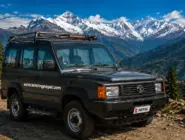
4WD Himalayan Jeep in Nepal
ACAP Permit – The Annapurna Conservation Area Entry Pass: Complete Guide
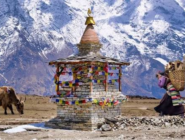
MCAP Permit Guide