Plan a Trip


Kathmandu to Salleri & Phaplu Jeep Price 2026–2027

Kathmandu to Salleri & Phaplu Jeep Price 2026–2027 – Complete Transport Guide
Salleri and Phaplu are two of the most strategically important yet least-discussed destinations in Nepal’s trekking transport network. Located in Solukhumbu District — the same district that contains Mount Everest, the Sherpa homeland of the Khumbu valley, and the legendary Tenzing-Hillary Airport at Lukla — both towns serve as the road-accessible entry points to the Everest region for the growing number of trekkers, pilgrims, and travelers who choose to approach on foot from the south rather than flying directly to Lukla from Kathmandu.
For 2026 and 2027, the road connection from Kathmandu to Salleri and Phaplu has become increasingly important for several reasons: the Lukla flight is still one of Nepal’s most frequently cancelled domestic routes due to weather; the road access approach provides significantly better acclimatization than flying directly to Lukla at 2,860 m; and the Solu Khumbu region below Lukla — the traditional homeland of the Sherpa lower-altitude community, with its remarkable cultural heritage and ancient monasteries — is almost entirely bypassed by trekkers who fly to Lukla but can be explored richly by those who drive to Salleri or Phaplu and walk north.
This complete 2026–2027 guide covers everything you need to know about jeep transport from Kathmandu to Salleri and Phaplu — distances, travel times, road conditions, vehicle types, detailed 2026–2027 price tables, the trekking routes accessible from each destination, comparison with the Lukla flight option, and how to book your private vehicle hire with Vehicle Hiring Nepal.
Understanding Salleri and Phaplu — The Road Gateways to Everest
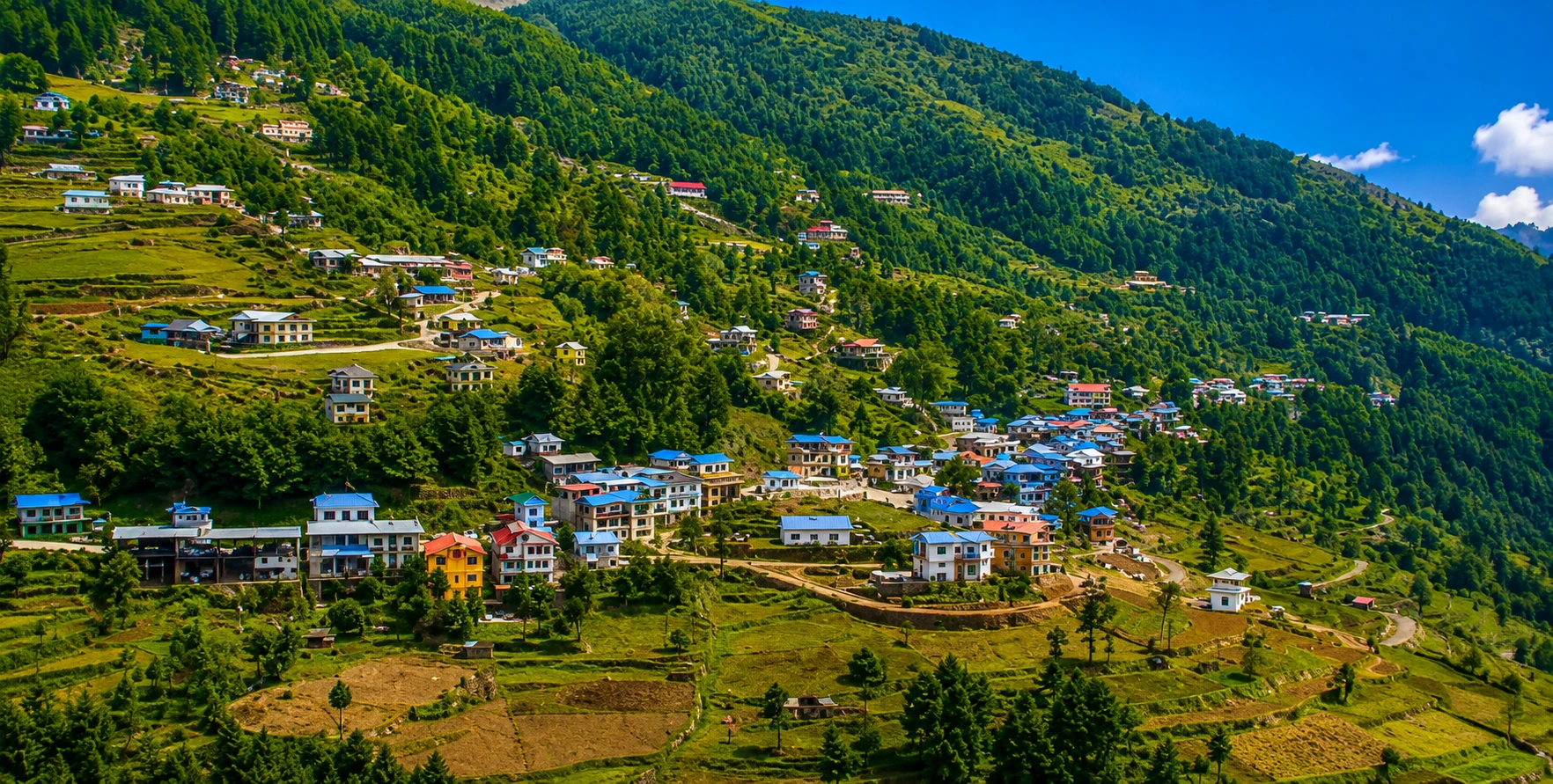
Salleri: District headquarters of Solukhumbu District, altitude approximately 2,398 m (7,867 ft), Koshi Province
Phaplu: Village and small airport, altitude approximately 2,413 m (7,917 ft), approximately 10 km north of Salleri
District: Solukhumbu — the district of Everest, home of the Sherpa people
Region: Solu Khumbu — traditionally divided into Solu (the southern lower hills) and Khumbu (the high northern valleys surrounding Everest)
Why Important: Both Salleri and Phaplu are the southernmost vehicle-accessible points in Solukhumbu District, serving as the trailhead for trekkers walking north toward Namche Bazaar, Everest Base Camp, and the Khumbu region
Salleri and Phaplu are separated by only about 10 km of road but represent different access approaches to the Everest trekking network. Salleri, as the district headquarters, has better facilities — hotels, banks, ATMs, pharmacies, government offices, and a small but growing tourist infrastructure. Phaplu, slightly further north, has a small domestic airport (the alternative to Lukla for those flying into Solukhumbu) and sits closer to the northern trails heading toward Junbesi and eventually Namche Bazaar. Most trekkers driving from Kathmandu choose Phaplu as their terminus since it saves 2 to 3 hours of walking compared to starting from Salleri.
Why Drive to Salleri or Phaplu Instead of Flying to Lukla?
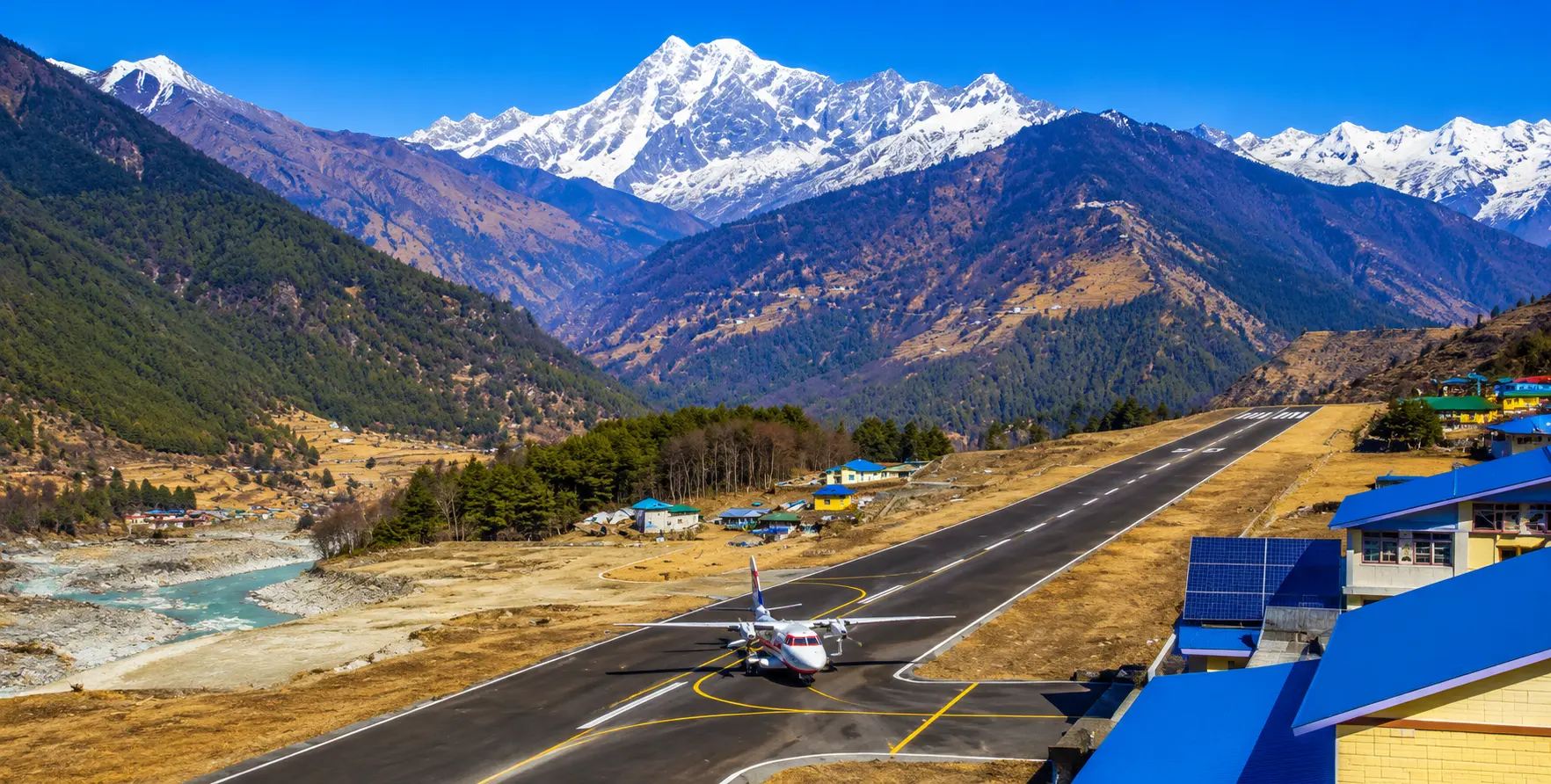
The standard approach to the Everest region for the vast majority of international trekkers is to fly from Kathmandu to Lukla (Tenzing-Hillary Airport at 2,860 m) and begin trekking from there. This flight takes 35 to 45 minutes and is undeniably fast and convenient. But the road option to Salleri or Phaplu has several compelling advantages that make it the preferred choice for a growing number of trekkers in 2026 and 2027:
Acclimatization
Flying from Kathmandu (1,400 m) to Lukla (2,860 m) in 35 minutes represents a rapid altitude gain that significantly increases AMS risk in the early days of the trek. Driving to Salleri or Phaplu (2,398–2,413 m) over two days — ascending gradually through the mid-hills — provides better physiological acclimatization before trekking begins. Trekkers who road-access the Everest region through Salleri consistently report fewer AMS symptoms in Namche and higher sections than with the Lukla-flight approach.
Lukla Flight Reliability
Tenzing-Hillary Airport at Lukla has one of the highest flight cancellation rates of any commercial airport in the world, due to its extreme mountain position, short runway, and sensitivity to cloud and wind. In bad weather windows — which are common in monsoon and not rare in other seasons — the Kathmandu-Lukla flight can be cancelled for 3 to 5 consecutive days, stranding trekkers in Kathmandu with ruined itineraries. The drive to Salleri or Phaplu is cancelled for weather only in extreme monsoon landslide situations — it is by far the more reliable option for trekkers who cannot afford extended weather delays.
The Solu Cultural Heritage
The Solu region — the hill country between Salleri and Lukla — is one of Nepal’s richest and most historically significant Sherpa cultural landscapes. The ancient monasteries of Junbesi, Phagding, Solu Khumbu’s famous Thubten Choling Gompa (one of Nepal’s most important active monasteries), and the traditional Sherpa villages of the mid-altitude zone between 2,400 m and 3,000 m are almost entirely bypassed by trekkers who fly to Lukla. Walking north from Phaplu through this landscape adds 3 to 5 days to the trek but provides access to a cultural heritage that most Everest trekkers never see.
Cost Effectiveness for Groups
The Kathmandu–Lukla flight costs USD 150 to USD 195 per person each way in 2026 — USD 300 to USD 390 round trip per person. For a group of 6 sharing a Land Cruiser from Kathmandu to Phaplu, the per-person transport cost is substantially lower, and the return from Salleri or Phaplu by the same vehicle is cheaper than individual return Lukla flights.
Jeep Prices: Kathmandu to Salleri and Phaplu 2026–2027
The following prices are current 2026–2027 rates for private vehicle hire from Kathmandu to Salleri and Phaplu. All prices cover the full vehicle (not per person) and include driver, fuel, and insurance:
| Vehicle Type | Capacity | KTM → Salleri (One-Way) | KTM → Phaplu (One-Way) | Round Trip (KTM→Phaplu→KTM) | Notes |
| Toyota Land Cruiser 4WD | 4–6 pax | USD 220–280 | USD 240–300 | USD 400–520 | Best vehicle — recommended |
| Toyota Land Cruiser Prado | 4–5 pax | USD 240–310 | USD 260–330 | USD 430–560 | Premium comfort option |
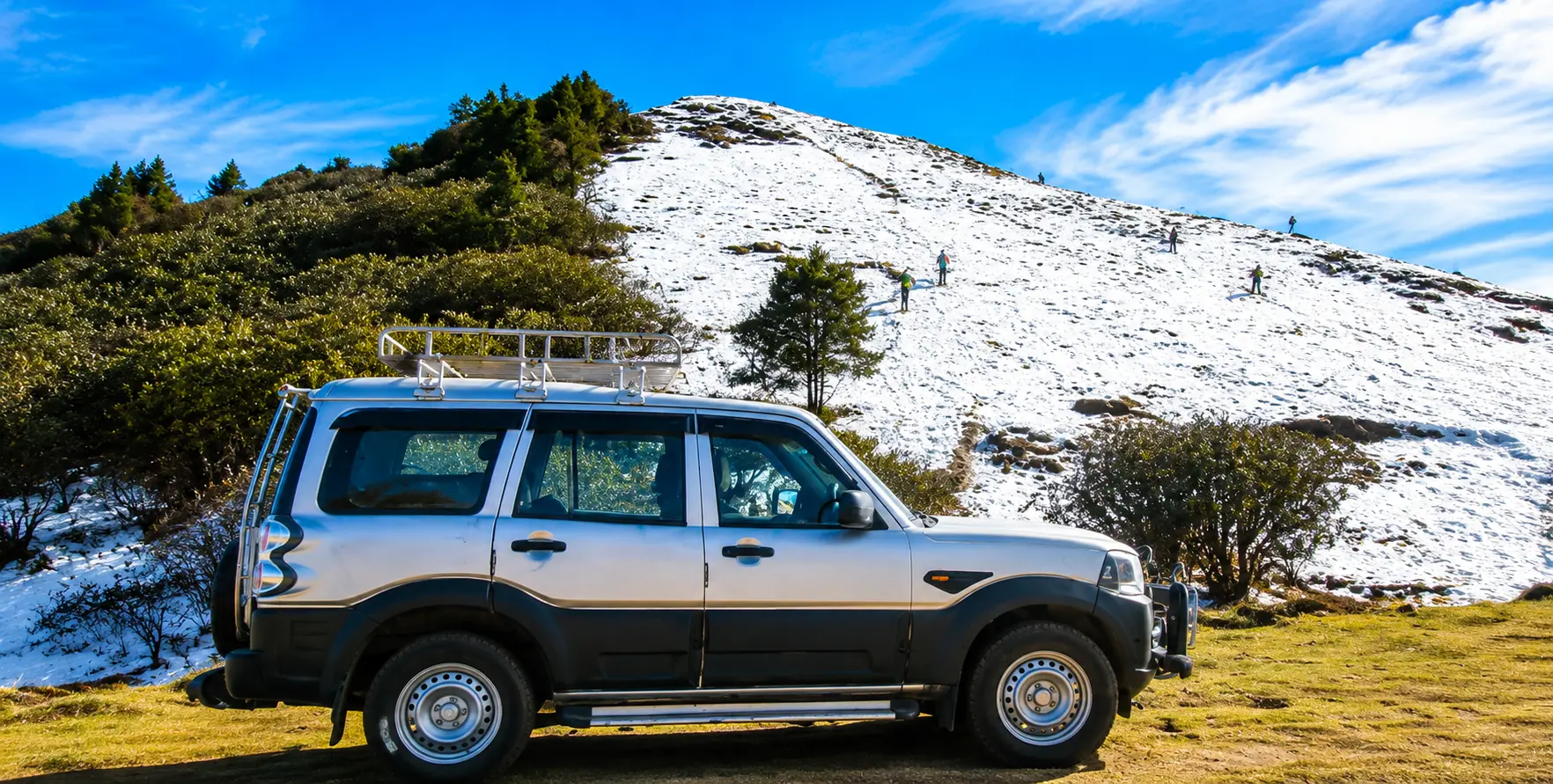
| Mahindra Scorpio | 6–9 pax | USD 180–230 | USD 200–250 | USD 340–430 | Budget 4WD, good for groups |
| Mahindra Bolero | 4–6 pax | USD 160–200 | USD 180–220 | USD 300–380 | Budget option |
| Toyota Fortuner / SUV | 4–5 pax | USD 200–260 | USD 220–280 | USD 370–480 | Good for smaller groups |
All prices are for the complete vehicle — not per person. For a group of 5 trekkers sharing a Land Cruiser to Phaplu, the per-person cost works out to approximately USD 48 to USD 60 each way — significantly less than the Lukla flight per person. Round-trip pricing is available at a discount compared to booking two one-way trips separately. Contact Vehicle Hiring Nepal for exact 2026–2027 pricing based on your specific travel date and group size.
Per-Person Cost Comparison: Drive vs Fly 2026–2027
| Option | Cost per Person | Travel Time | Reliability | Acclimatization | Best For |
| Fly KTM → Lukla (one-way) | USD 150–195 | 35–45 min | Low (frequent cancellations) | Poor — rapid altitude gain | Extreme time pressure, solo, light luggage |
| Drive KTM → Phaplu (group of 4, Land Cruiser) | USD 65–80/person | 8–10 hrs (2 days) | High | Excellent — gradual ascent | Groups, budget-conscious, acclimatization priority |
| Drive KTM → Phaplu (group of 6, Land Cruiser) | USD 43–53/person | 8–10 hrs (2 days) | High | Excellent | Larger groups — most economical |
| Fly KTM → Phaplu (Sita Air) | USD 100–140 | 45 min | Moderate (Phaplu less reliable than Lukla) | Moderate | Compromise: faster than road, cheaper than Lukla |
Route Overview: Kathmandu to Salleri and Phaplu
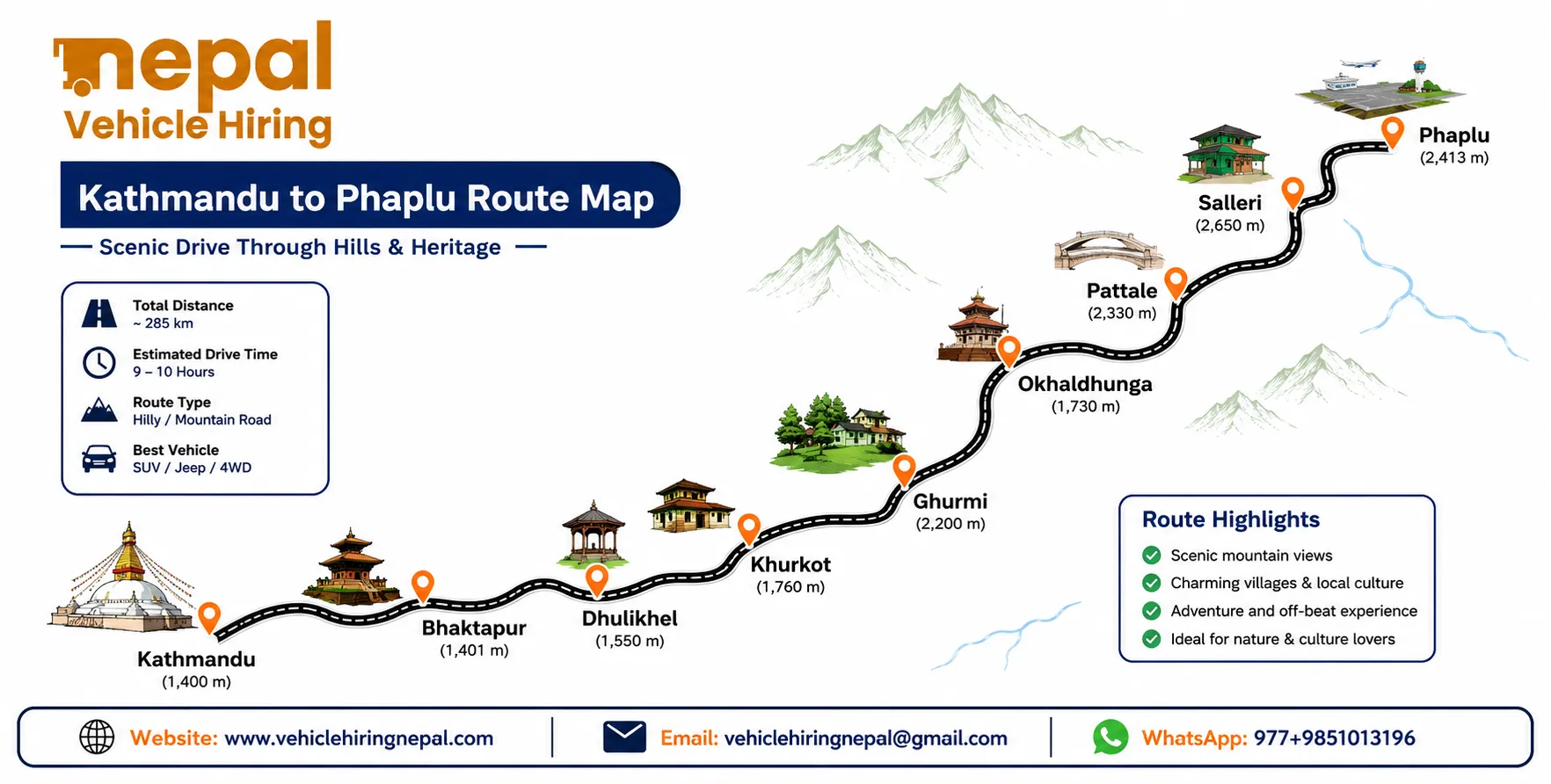
Total Distance: Approximately 285–300 km from Kathmandu to Salleri; ~295–310 km to Phaplu
Total Driving Time: 8 to 11 hours total — strongly recommended over 2 days
Main Route: Kathmandu → Bhaktapur → Lamosangu → Suri Dobhan → Okhaldhunga → Salleri → Phaplu
Road Type: Mostly paved national highway Kathmandu to Lamosangu; rough but improving mountain road Lamosangu onward
4WD Required: Yes — from Lamosangu onward the road requires 4WD capability, particularly the Okhaldhunga section
Overnight Stop: Suri Dobhan or Okhaldhunga (approximately 5 to 6 hours from Kathmandu) — strongly recommended
Stage-by-Stage Road Guide: Kathmandu to Phaplu
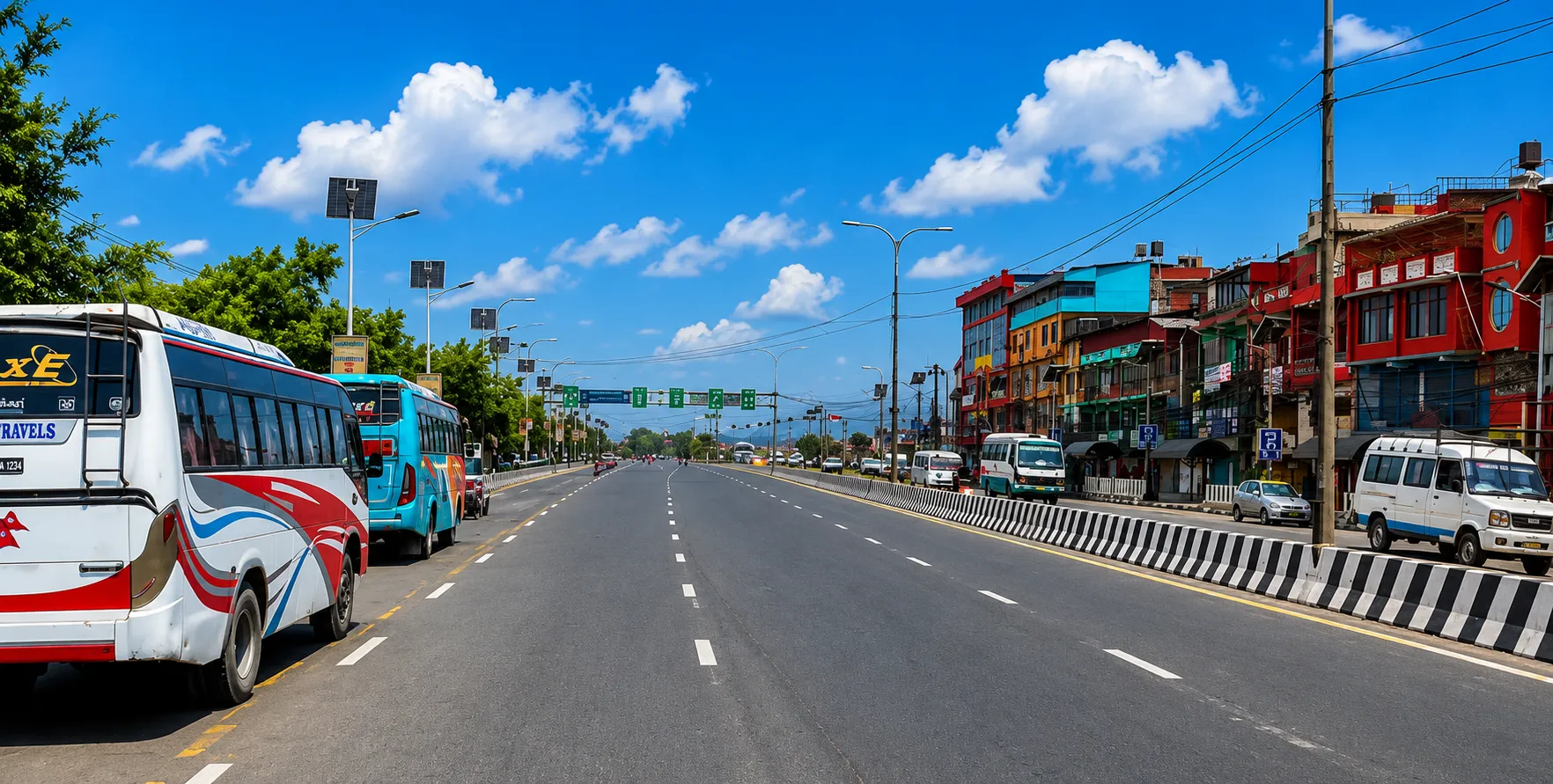
Stage 1: Kathmandu to Lamosangu (72 km | 1.5–2 hrs)
Depart Kathmandu heading east on the Araniko Highway (BP Highway) through Bhaktapur and Banepa. The road is well-paved and fast in this section, passing through the Kavrepalanchok hills. Lamosangu is a busy market town on the Sun Koshi River — the last major commercial center before the road becomes genuinely rural and mountain in character. Lamosangu is a good breakfast stop and the last ATM for a considerable distance. Fuel up here if needed.
Stage 2: Lamosangu to Suri Dobhan (75 km | 2.5–3 hrs)
From Lamosangu the road heads southeast, climbing into the Sindhuli and Ramechhap hills. The surface becomes rougher as the road enters the mid-hill zone — a mix of paved sections and compacted gravel that requires 4WD confidence from this point. The landscape is beautiful: terraced rice paddies, sub-tropical forest in the lower gorge sections, and the occasional distant view of the high Himalaya on clear mornings. Suri Dobhan on the Sun Koshi River is a common overnight stop for the Kathmandu to Salleri journey.
Stage 3: Suri Dobhan to Okhaldhunga (45 km | 1.5–2 hrs)
The road continues southwest, then south, into Okhaldhunga District, crossing the Likhu Khola and climbing toward Okhaldhunga Bazaar. This section has a significant gradient—the climb from the river valley to the Okhaldhunga ridge is one of the most demanding sections of the entire route in terms of engine power and 4WD traction requirements. The views from the Okhaldhunga ridge on clear days extend to the high Himalaya—Numbur Himal, Khatang —and, on exceptional days, the Everest massif itself is visible above the lower ridges.
Stage 4: Okhaldhunga to Salleri (50 km | 2–2.5 hrs)
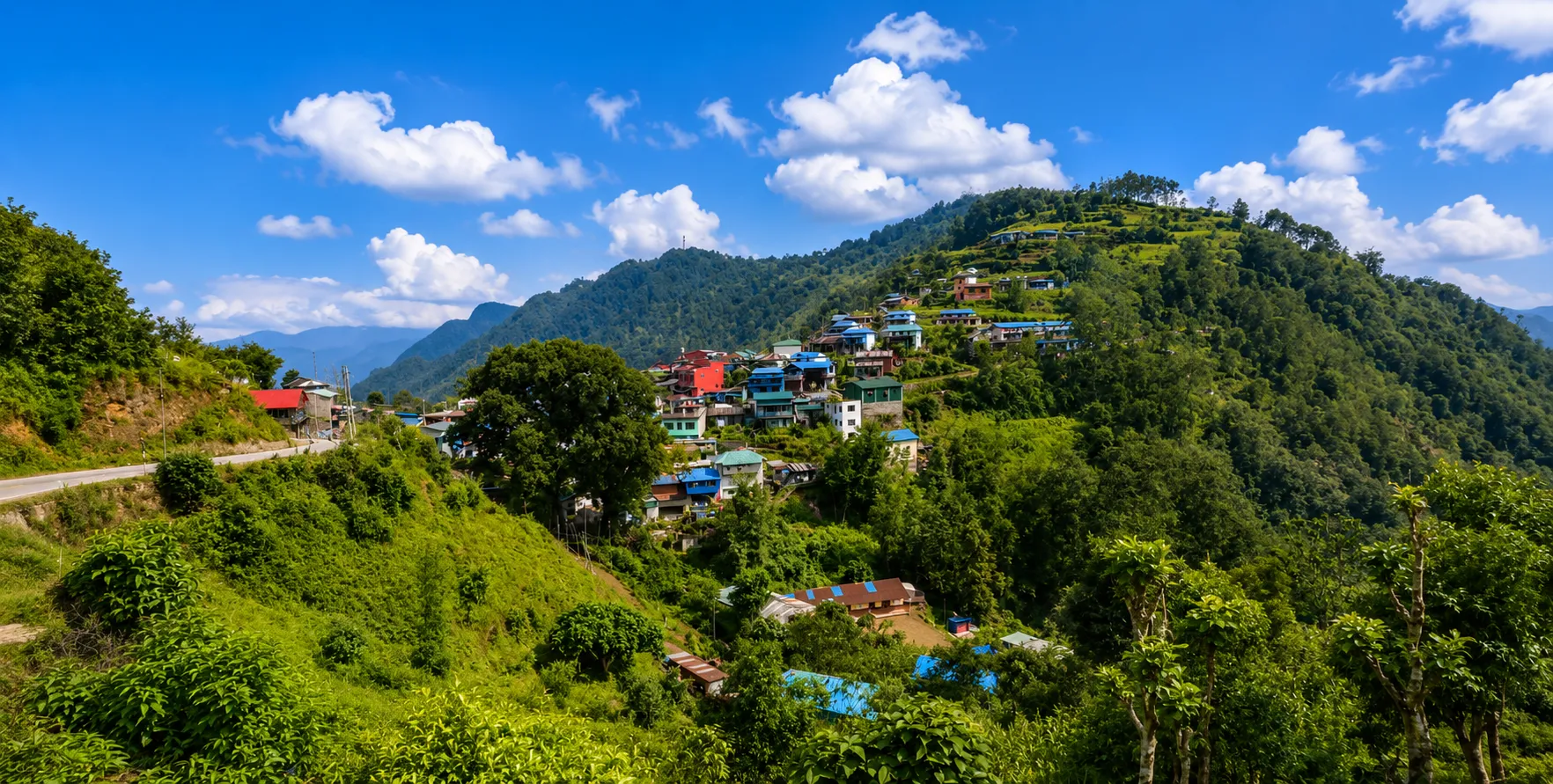
From Okhaldhunga, the road continues east, descending and re-ascending through the Solukhumbu hills toward Salleri. The surface remains rough,h but the road has been progressively improved. The landscape transitions into the distinctly Sherpa cultural zone — the architecture of houses begins to show Tibetan-influenced elements, monasteries appear more frequently, and the community structures of the Solu Khumbu social system become visible. Salleri Bazaar, the district headquarters of Solukhumbu, is a substantial town with hotels, restaurants, the district hospital, banks, and good facilities.
Stage 5: Salleri to Phaplu (10 km | 30 min)
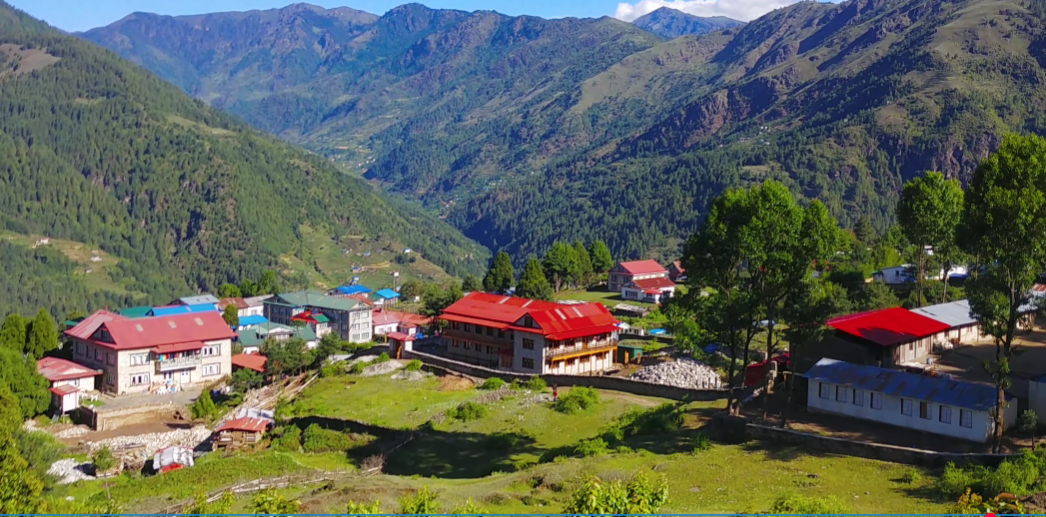
A short continuation north from Salleri on a rough track brings you to Phaplu — the small airport village that serves as the preferred trailhead for trekkers heading north into the Solu Khumbu. Phaplu itself is a quiet, atmospheric village. The small airport here (used by Twin Otter aircraft of Sita Air and similar operators) provides an alternative to Lukla for those flying in. From Phaplu, the trekking trail heads north through Junbesi toward Everest Base Camp.
Distance and Driving Time Summary
| Stage | From – To | Distance | Drive Time | Road Type |
| 1 | Kathmandu → Lamosangu | 72 km | 1.5–2 hrs | Paved — BP Highway |
| 2 | Lamosangu → Suri Dobhan | 75 km | 2.5–3 hrs | Mixed paved and gravel — 4WD advised |
| 3 | Suri Dobhan → Okhaldhunga | 45 km | 1.5–2 hrs | Rough mountain road — 4WD required |
| 4 | Okhaldhunga → Salleri | 50 km | 2–2.5 hrs | Rough mountain road — 4WD required |
| 5 | Salleri → Phaplu | 10 km | ~30 min | Rough track — 4WD |
| TOTAL | KTM → Phaplu | 252 km | 8–10 hrs driving | 2-day journey recommended |
Overnight Stop Options — Kathmandu to Phaplu Day 1
The Kathmandu to Phaplu journey is too long and demanding to complete comfortably in a single day. An overnight stop after 5 to 6 hours of driving is strongly recommended:
Option A: Overnight at Suri Dobhan
Suri Dobhan on the Sun Koshi River is approximately 5 hours from Kathmandu and serves as the most common overnight point for the Salleri/Phaplu drive. Basic guesthouses and local restaurants are available. The riverside setting is pleasant and the early morning light on the surrounding hills is beautiful. Depart Suri Dobhan by 7:00 AM on Day 2 to reach Phaplu by early afternoon.
Option B: Overnight at Okhaldhunga
Okhaldhunga is approximately 6 to 7 hours from Kathmandu and sits at a higher elevation (approximately 1,700 m) with better mountain views and more comfortable accommodation options than Suri Dobhan. The Okhaldhunga bazaar has mid-range hotels, good Nepali restaurants, and a more substantial overnight experience. Departing Okhaldhunga by 7:00 AM on Day 2 reaches Salleri by 9:00 AM and Phaplu by 10:00 AM — allowing the full afternoon for trek preparation.
Option C: Overnight at Salleri
For groups pushing further on Day 1 (suitable for an early Kathmandu departure of 5:00 to 5:30 AM and good road conditions), reaching Salleri by early evening is possible. Salleri has the best accommodation options on the route outside Kathmandu — several hotels with reliable electricity, hot water, and good food. Arriving in Salleri in the evening allows a good rest before the short continuation to Phaplu the following morning.
Road Conditions: Kathmandu to Salleri and Phaplu
| Section | Surface | Condition (2026) | 4WD Required? | Monsoon Risk |
| KTM → Lamosangu (Araniko/BP Hwy) | Paved asphalt | Good | No | Low |
| Lamosangu → Suri Dobhan | Mixed paved/gravel | Moderate | Advised | Moderate — occasional slides |
| Suri Dobhan → Okhaldhunga | Rough gravel/earth | Rough | Yes | High — landslide-prone gorge |
| Okhaldhunga → Salleri | Rough gravel | Rough | Yes | High — washout risk |
| Salleri → Phaplu | Rough track | Basic | Yes | Moderate |
The Lamosangu to Salleri section is the most demanding part of the drive. The road between Okhaldhunga and Salleri in particular was significantly affected by the 2015 Gorkha earthquake and subsequent monsoons. While ongoing repair and improvement work has been underway since 2015, the road retains rough sections that require 4WD capability and an experienced mountain road driver. Road quality can change significantly after a monsoon season — Vehicle Hiring Nepal drivers stay current on conditions through local networks before each journey.
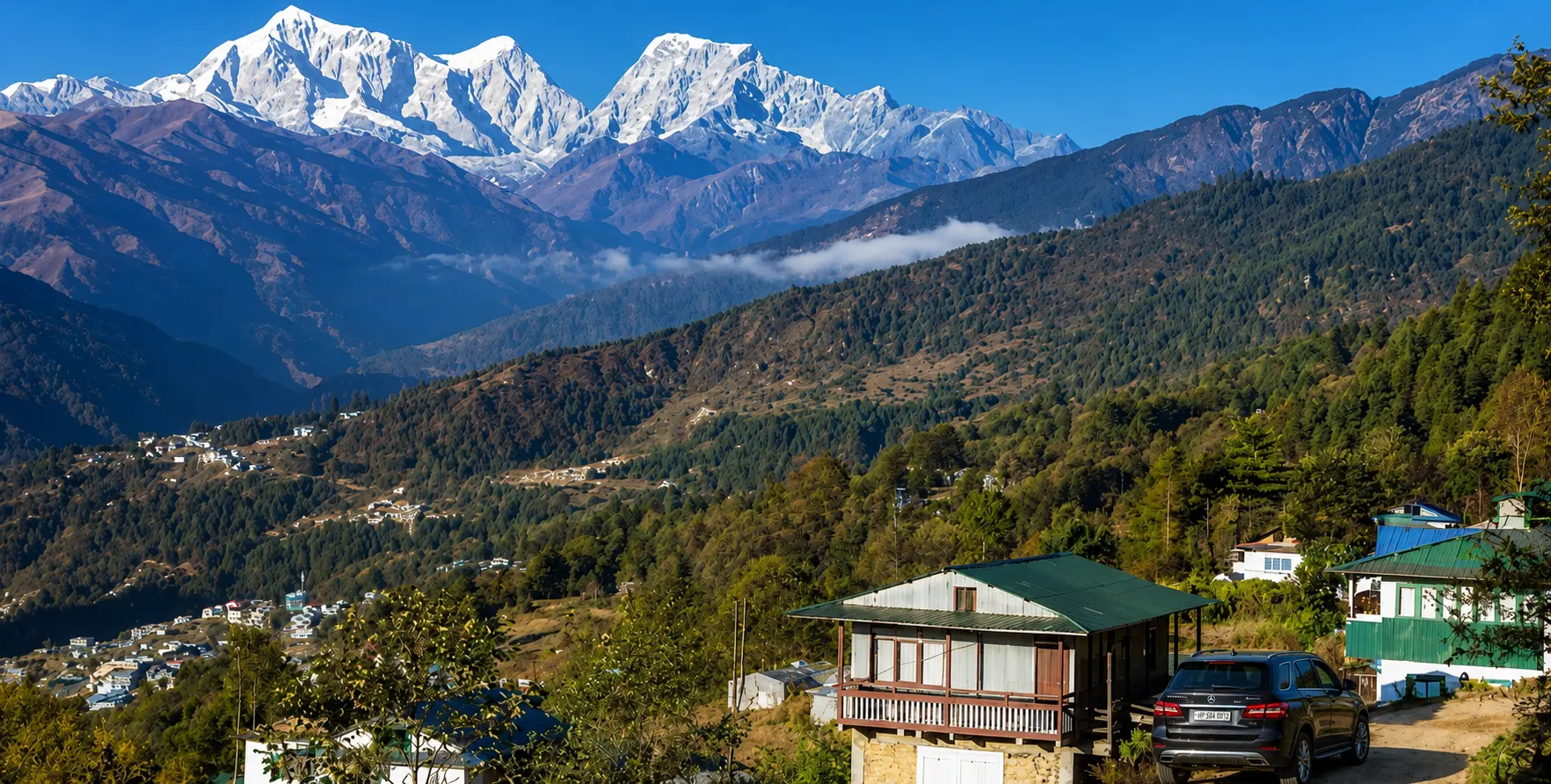
Trekking Routes from Salleri and Phaplu to Everest
The primary reason travelers drive to Salleri and Phaplu is to begin a trekking journey north toward the Everest region. Here is a guide to the main trekking routes accessible from these two trailheads:
Phaplu to Namche Bazaar — The Classic Lower Solu Route
Distance: Approximately 65 km trekking
Duration: 4 to 6 days from Phaplu to Namche
Highlights: Junbesi village and monastery, Solu Sherpa culture, Dudh Koshi river valley, Phakding
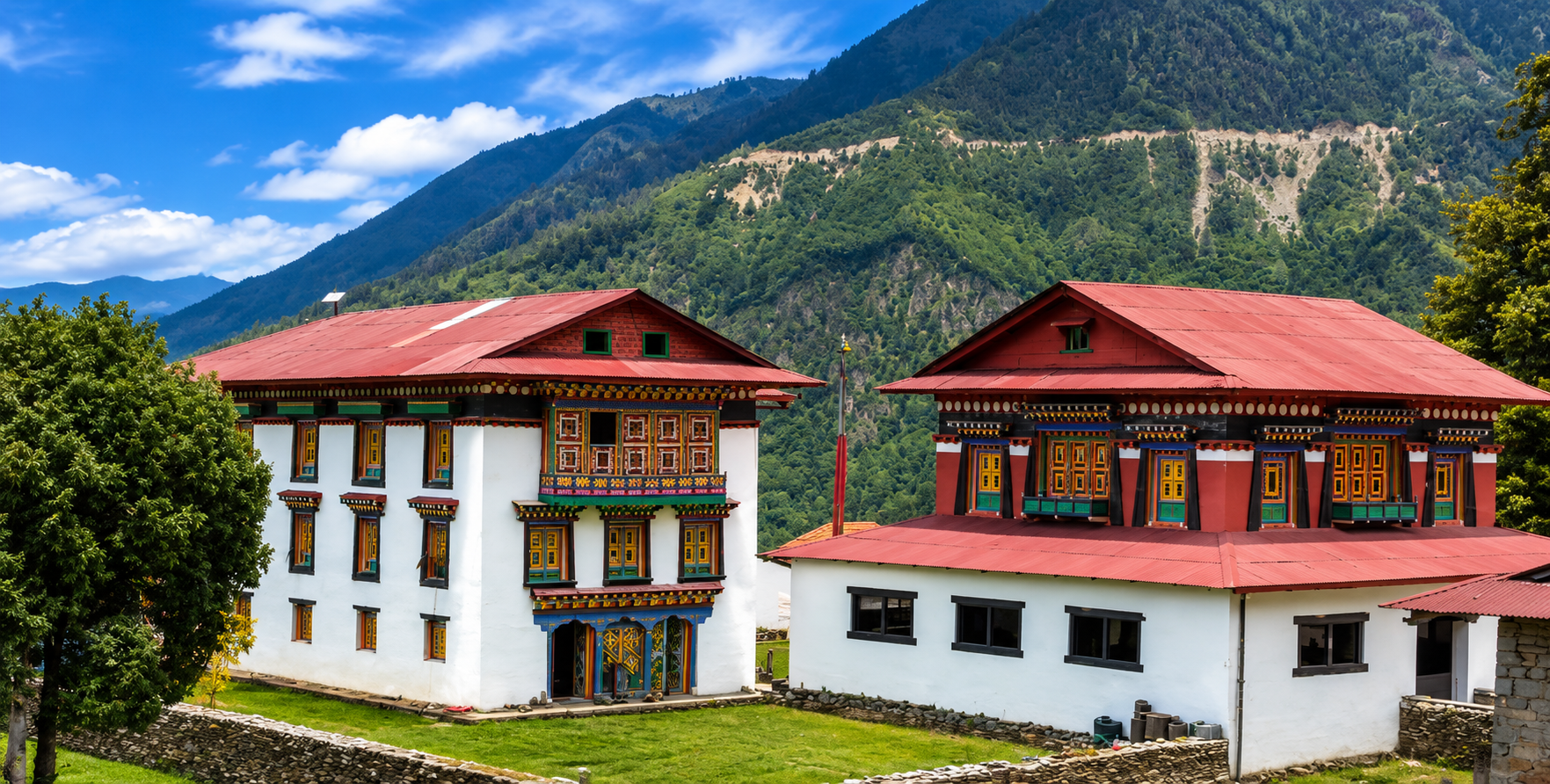
The trail from Phaplu heads north through some of the Khumbu’s finest and most culturally rich lower-altitude landscapes. Junbesi village (2,675 m) is one of the most beautiful traditional Sherpa settlements in the lower Solu region, with the ancient Thubtenchholing Gompa nearby — one of Nepal’s most significant active monasteries, home to several hundred monks and lamas and one of the finest examples of Tibetan Buddhist monastic architecture in the entire Himalayan region. The route then continues north through Nunthala, Khari Khola, and Bupsa before joining the standard Lukla trail at Phakding or Namche Bazaar.
Phaplu to Everest Base Camp — Full Lower Approach Trek
Duration: 14 to 18 days from Phaplu to EBC and return to Lukla
Best For: Trekkers with time for a fuller, more culturally immersive Everest experience
Driving to Phaplu and walking the full lower approach to Everest Base Camp adds 4 to 6 days to the standard Lukla-based EBC trek itinerary but passes through the entire Solu Khumbu cultural landscape from the lower hills to the Khumbu high valleys. This approach provides natural acclimatization, passes through villages rarely seen by most EBC trekkers, and offers the satisfaction of having truly walked the full Sherpa homeland from the road end to the world’s highest mountain.
Salleri to Chialsa / Solu Khumbu Cultural Trek
Duration: Variable — 3 to 7 days for lower Solu circuits
Salleri itself serves as the starting point for shorter cultural treks within the lower Solu Khumbu, exploring the traditional Sherpa farming villages, ancient stupas, and lesser-known monasteries of the district without committing to the full EBC approach. These shorter circuits are increasingly popular with cultural travelers who want the Sherpa experience without the high-altitude challenge.

Comparing Transport Options: Kathmandu to Everest Region
| Option | Route | Total Time | Per Person Cost (group of 5) | Reliability | Acclimatization |
| Drive to Phaplu + walk north | KTM → Phaplu by 4WD → trek | 2 days drive + 4–5 days to Namche | ~USD 54–68 + trek costs | High | Excellent |
| Fly Kathmandu to Lukla | KTM → Lukla (flight) → trek | 35–45 min flight + 2 days to Namche | USD 150–195 per person | Low–Moderate | Poor |
| Fly KTM to Phaplu (Sita Air) | KTM → Phaplu airport → trek | ~45 min flight + 4 days to Namche | USD 100–140 per person | Moderate | Moderate |
| Drive KTM → Jiri + trek old route | KTM → Jiri (5 hrs) → 8-day trek to Namche | 5 hrs + 8 days | ~USD 30–40 vehicle + trek costs | High | Excellent — takes longer |
| Helicopter (Kathmandu to Namche) | KTM → Namche by helicopter | 20–25 min | USD 500–700 per person | Very High | Very Poor |
Key Facilities at Salleri and Phaplu
Salleri Facilities
- Banks and ATMs — reliable ATM services in Salleri Bazaar; last reliable ATM before the high Khumbu
- District Hospital — the most significant medical facility in Solukhumbu, important pre-trek health check option
- Hotel accommodation — several mid-range hotels with hot water, electricity, and food
- Trekking agencies and permit services — TIMS cards and Sagarmatha National Park permits available in Salleri.
- Market and supplies — well-stocked bazaar for final food purchases before trekking north
- Fuel station — last reliable fuel for the return vehicle journey
- Mobile signal — NTC and Ncell both work reliably in Salleri Bazaar
Phaplu Facilities
- Phaplu Airport — small airstrip served by Sita Air and similar operators with Twin Otter aircraft; weather-dependent
- Guesthouses and small hotels — basic but adequate accommodation for trekkers
- Permit checkpoint — ACAP/Sagarmatha permit checkpoint for Everest region entry.
- Trekking suppliers — limited gear and food supplies; bring what you need from Salleri or Kathmandu
- Medical facilities — very basic; rely on Salleri for anything significant
Permits Required for Trekking from Salleri and Phaplu
| Permit | Cost 2026–2027 | Where to Get | Notes |
| Sagarmatha National Park Entry Permit | NPR 3,000 (~USD 22) for foreigners; NPR 150 Nepali | Nepal Tourism Board, Kathmandu or Salleri/Phaplu checkpoint | Required for trekking into Sagarmatha National Park — checked at Monjo gate near Namche |
| TIMS Card | USD 10 per person | Nepal Tourism Board or TAAN, Kathmandu or Salleri | Trekkers Information Management System — required on this route |
| Khumbu Pasang Lhamu Rural Municipality Fee | NPR 2,000 (~USD 15) | Paid at local municipality checkpoint | Newer local government fee introduced in recent years |
Obtain permits in Kathmandu before departure — the Nepal Tourism Board office on Pradarshani Marg processes both the Sagarmatha National Park permit and TIMS card in a single visit. Permit checks at the Salleri and Phaplu approach checkpoints and at Monjo (near Namche) are thorough. Having permits ready in an accessible document holder rather than buried in a trekking pack speeds up checkpoint processing significantly.
Best Time for Kathmandu to Salleri / Phaplu Drive
October to November — Ideal Season
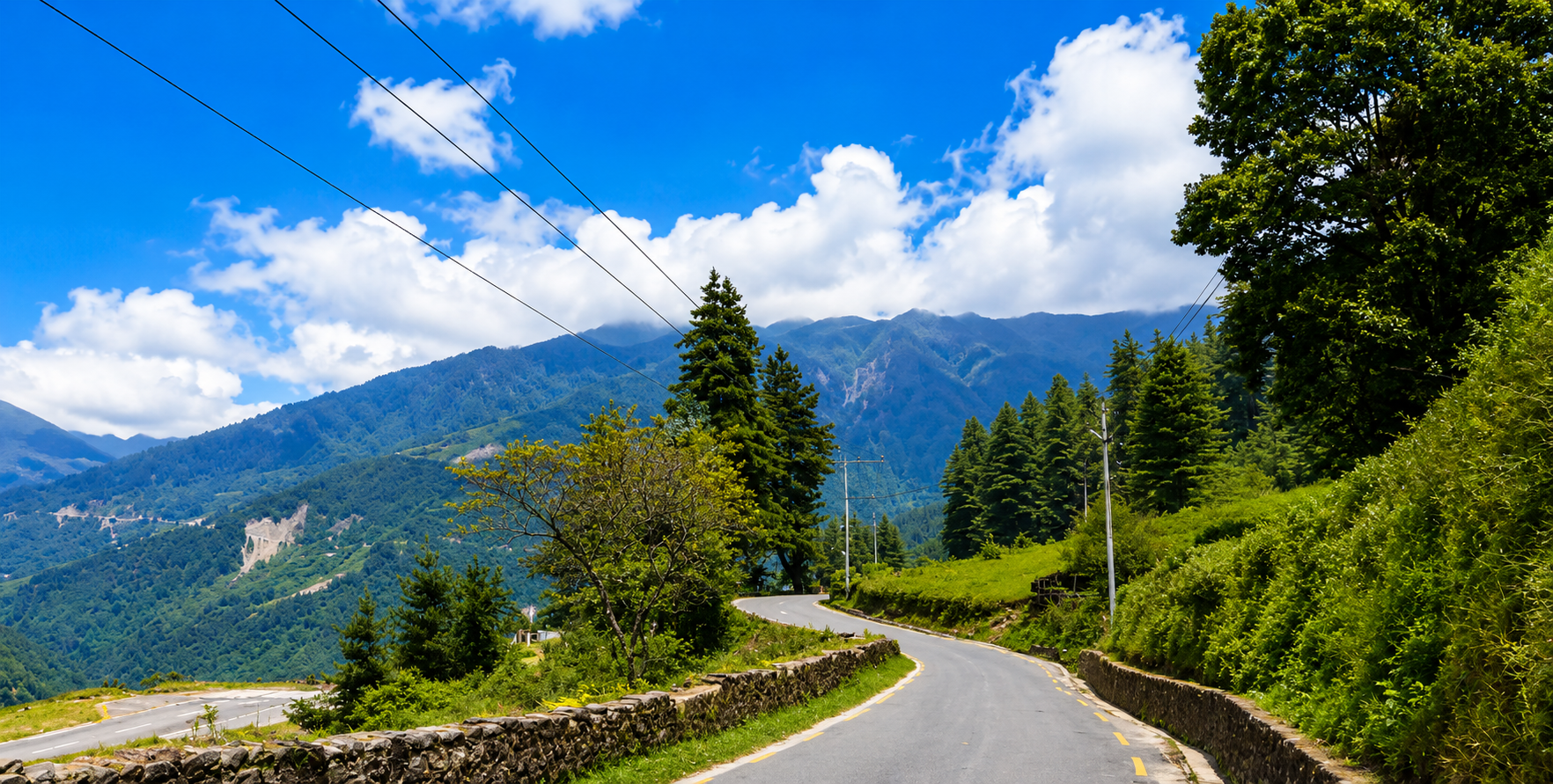
Post-monsoon is the best time for the Kathmandu to Salleri/Phaplu road journey. Roads have been repaired from monsoon damage and are in their best annual condition. The skies are clear,r and mountain views from the higher sections of the route — particularly above Okhaldhunga — are exceptional. Everest trekking demand is at its peak; book your vehicle 3 to 4 weeks in advance.
March to May — Good Spring Season
Spring is excellent for both the road journey and the Everest trek. Rhododendron forests are in bloom throughout the mid-hill sections. Roads are dry and stable after winter. March and April are particularly good — May can bring pre-monsoon cloud that reduces visibility. The Everest region sees its second annual peak of trekking activity in April and May (climbing season).
December to February — Possible with Preparation
The road to Salleri and Phaplu remains accessible through winter in most years, though the higher sections can be cold and occasionally icy. The Everest region’s high passes can be snowy in January and February. Winter offers quiet roads and exceptional mountain views in the cold, clear air. Prepare for cold overnight temperatures at Okhaldhunga and Salleri.
Monsoon (June to September) — Caution Required
The Lamosangu to Salleri section is the most landslide-affected road in the standard Nepal trekking transport network during monsoon. Landslides regularly block sections of the Okhaldhunga road and the Suri Dobhan gorge. Travel is possible with an experienced driver and a significant time buffer, but it is not recommended for fixed-schedule trekking itineraries during this period.
Practical Tips for the Kathmandu to Salleri / Phaplu Journey
- Plan 2 days for the drive — do not attempt Kathmandu to Phaplu in a single day. The Okhaldhunga section is long, rough, and demanding.
- Depart Kathmandu by 6:00 AM on Day 1 to reach your overnight stop before dark.k
- Withdraw all the Nepali Rupees you need in Kathmandu before departure — the last fully reliable ATM before Salleri is in Lamosangu. Salleri has ATMs but don’t rely on them for your full trek budget.
- Carry motion sickness medication — the Okhaldhunga hill road has sustained winding sections that affect many passengers.s
- Water and snacks for the full Day 1 drive — reliable food stops are limited between Lamosangu and Okhaldhunga
- Carry trekking permits in a document folder accessible at the front of your daypack — checkpoint stops are frequent.
- For the return journey from Phaplu/Salleri to Kathmandu, pre-arrange your vehicle with Vehicle Hiring Nepal before starting your trek — communication from the Solu Khumbu high zones can be unreliable.e
- If any group member has a history of altitude sickness, the Phaplu drive-in approach provides significantly better acclimatization than the Lukla flight and should be the first choice.e
Return Journey Options — Phaplu / Salleri to Kathmandu
At the end of your Everest region trek, there are three main return options from the Solukhumbu:
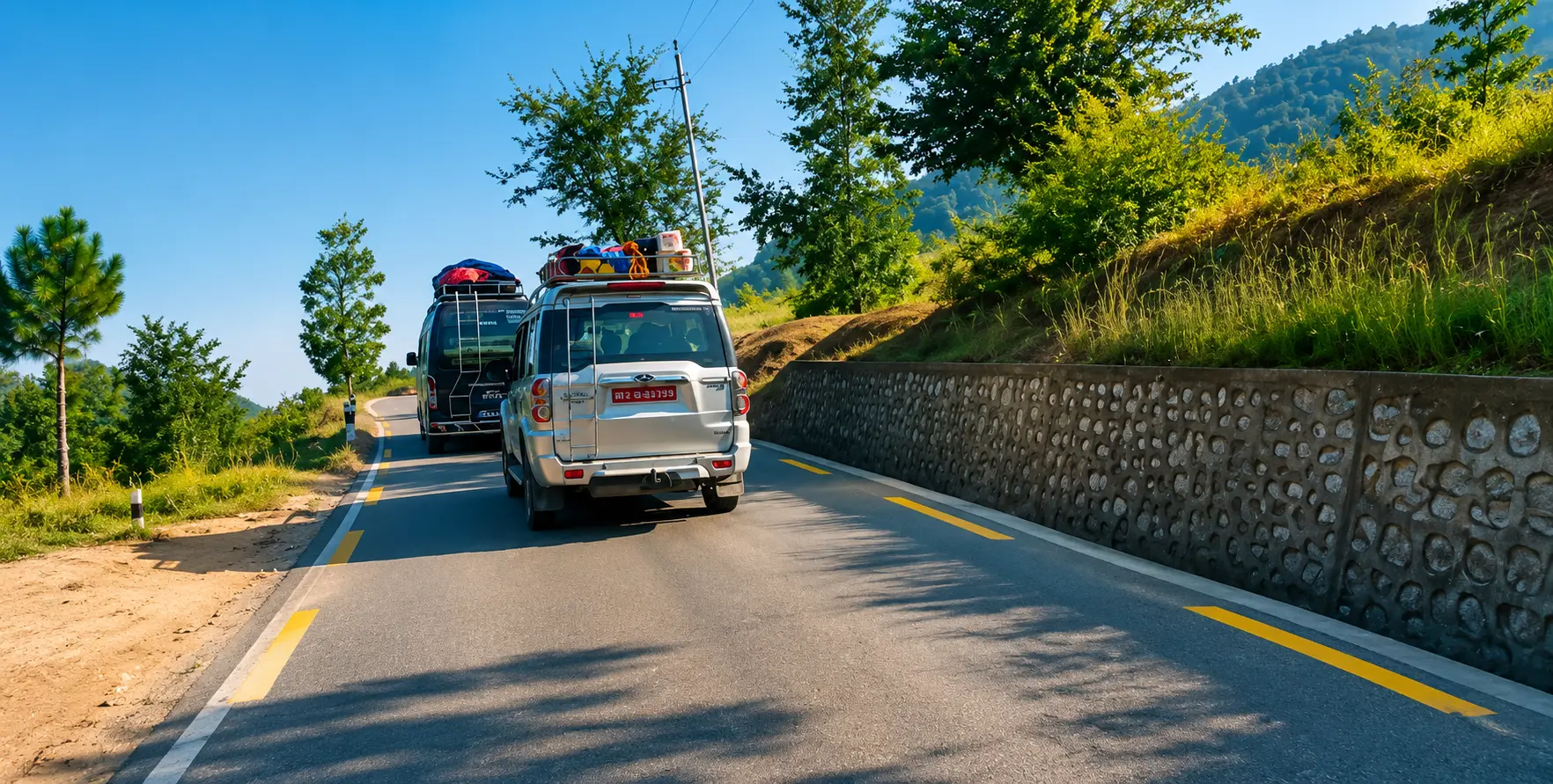
Option A — Drive Phaplu/Salleri to Kathmandu: Same route in reverse. Vehicle Hiring Nepal pre-arranges a pickup from Phaplu or Salleri on your confirmed return date — 2-day return drive to Kathmandu (same overnight stops). USD 220–280 for the Land Cruiser vehicle.
Option B — Fly Lukla to Kathmandu: Most popular choice for those who walked in via Phaplu — exit the trek at Lukla (after completing EBC or the Gokyo circuit), fly back to Kathmandu in 35 to 45 minutes (USD 150–195). Vehicle Hiring Nepal can arrange a Kathmandu airport transfer to your hotel on arrival.
Option C — Fly Phaplu to Kathmandu: If returning the same way you arrived, Sita Air operates seasonal flights from Phaplu Airport to Kathmandu — check current schedule and availability as this route is less frequent than the Lukla-Kathmandu service.
What is Included in Your Kathmandu to Salleri / Phaplu Vehicle Hire
- Toyota Land Cruiser or selected 4WD vehicle, fully maintained and insured
- Experienced driver with knowledge of the Kathmandu to Salleri/Phaplu road — this specific route, not a generic mountain driver
- Full fuel cost for the complete 2-day journey
- Vehicle insurance throughout
- Pickup from your Kathmandu hotel
- Drop-off at Salleri Bazaar or Phaplu village/airport as specified
- Flexible overnight stop arrangements — Suri Dobhan, Okhaldhunga, or Salleri as preferred
- Return vehicle pre-booking for end of trek pickup from Salleri or Phaplu
- 24/7 WhatsApp support throughout
Not included: Permits (Sagarmatha NP permit, TIMS, Municipality fee), trek guide and porter fees, your accommodation during the drive, personal meals, and trekking equipment.

How to Book Your Kathmandu to Salleri / Phaplu Jeep
- Contact Vehicle Hiring Nepal via WhatsApp at +977 9851013196 or visit vehiclehiringnepal.com
- Confirm your travel dates — Day 1 departure date from Kathmandu and preferred overnight stop
- Specify your group size and number of trekking packs or bags
- Choose your vehicle type — Land Cruiser for maximum capability and comfort, Scorpio for budget groups
- Specify destination — Salleri only, or continuing to Phaplu
- Arrange your return date pickup if driving back
- Receive booking confirmation with driver details, vehicle type, and day-by-day journey .plan
WhatsApp: +977 9851013196
Email: [email protected]
Frequently Asked Questions
How long does the drive from Kathmandu to Phaplu take?
The total driving distance from Kathmandu to Phaplu is approximately 252 km — but this should always be done over 2 days, not one. Day 1 covers approximately 150 to 170 km to either Suri Dobhan or Okhaldhunga (5 to 7 hours of driving). Day 2 covers the remaining 80 to 100 km to Phaplu (3 to 4 hours). Total driving time excluding overnight stops is approximately 8 to 10 hours.
Is driving to Salleri or Phaplu better than flying to Lukla?
It depends on your priorities. If you have limited time (10 to 12 days total for the trek) and are not particularly concerned about acclimatization speed, the Lukla flight is faster. It puts you directly on the standard Everest trail. If you have 14 or more days, value better acclimatization, want to reduce weather-cancellation risk, have a larger group where per-person flight costs are high, or are interested in the remarkable cultural landscape of the lower Solu Khumbu, the Phaplu drive is the better choice.
What is the cheapest way to get from Kathmandu to the Everest region start?
For a solo traveler, the cheapest option is a tourist bus from Kathmandu to Jiri (approximately NPR 600 to 800) and then trekking the traditional 8 to 10-day lower approach to Namche from Jiri. For a group of 4 to 6, hiring a Land Cruiser to Phaplu works out cheaper per person than individual Lukla flights. It is faster than the Jiri approach while still providing good acclimatization and the Solu Khumbu cultural experience.
Can a standard car or Hiace van reach Salleri?
A standard sedan is not suitable for the Okhaldhunga section — the road is too rough, the gradients too steep, and the surface too variable. A Toyota Hiace van can manage the road as far as Suri Dobhan and potentially Okhaldhunga in dry conditions, but beyond Okhaldhunga to Salleri the terrain requires genuine 4WD capability. We do not recommend sending a Hiace beyond Okhaldhunga, and we would never send a sedan on this route. The Toyota Land Cruiser or Mahindra Scorpio are the appropriate vehicles.
What is the altitude of Salleri and Phaplu? Do I need to acclimatize there?
Salleri is at approximately 2,398 m and Phaplu at approximately 2,413 m — altitudes at which most healthy adults without a history of altitude sickness do not experience significant AMS. The gradual ascent over 2 days from Kathmandu (1,400 m) via mid-hill overnight stops provides natural acclimatization. A day’s rest at Salleri or Phaplu before beginning the trek northward is recommended if you have any concerns about altitude sensitivity, and is in any case a good opportunity to prepare permits and supplies for the trek.
Final Thoughts
Salleri and Phaplu represent the road-accessible threshold of Nepal’s most famous trekking world — the southern gateway to Solukhumbu, to the Sherpa homeland, and ultimately to the foot of Everest. For travelers willing to invest 2 days of road travel rather than 45 minutes in a weather-dependent aircraft, this gateway offers not just a transport alternative but an entirely different and more complete version of the Everest region experience — with better acclimatization, lower per-person transport costs for groups, higher transport reliability, and access to the magnificent lower Solu cultural landscape that the standard Lukla approach entirely bypasses.
Vehicle Hiring Nepal provides reliable, experienced 4WD vehicle hire for the Kathmandu to Salleri and Phaplu route with drivers who know this specific road — the Okhaldhunga section’s demands, the overnight stop options, the checkpoint locations, and the contingency plans for monsoon or post-monsoon road conditions. Book your jeep hire today and begin your Everest region journey on the ground, at your own pace, through the full beauty of Solukhumbu.
Book your Kathmandu to Salleri/Phaplu jeep today. WhatsApp: +977 9851013196 | Website: www.vehiclehiringnepal.com | Email: [email protected]
- Kathmandu to Salleri & Phaplu Jeep Price 2026–2027 – Complete Transport Guide
- Understanding Salleri and Phaplu — The Road Gateways to Everest
- Why Drive to Salleri or Phaplu Instead of Flying to Lukla?
- Jeep Prices: Kathmandu to Salleri and Phaplu 2026–2027
- Per-Person Cost Comparison: Drive vs Fly 2026–2027
- Route Overview: Kathmandu to Salleri and Phaplu
- Stage-by-Stage Road Guide: Kathmandu to Phaplu
- Distance and Driving Time Summary
- Overnight Stop Options — Kathmandu to Phaplu Day 1
- Road Conditions: Kathmandu to Salleri and Phaplu
- Trekking Routes from Salleri and Phaplu to Everest
- Comparing Transport Options: Kathmandu to Everest Region
- Key Facilities at Salleri and Phaplu
- Permits Required for Trekking from Salleri and Phaplu
- Best Time for Kathmandu to Salleri / Phaplu Drive
- Practical Tips for the Kathmandu to Salleri / Phaplu Journey
- Return Journey Options — Phaplu / Salleri to Kathmandu
- What is Included in Your Kathmandu to Salleri / Phaplu Vehicle Hire
- How to Book Your Kathmandu to Salleri / Phaplu Jeep
- Frequently Asked Questions
- Final Thoughts

Related Blog & Articles
Kathmandu to Phaplu Vehicle Guide 2026
Best 4WD Jeep for Everest Base Camp Trek Transfers
Kathmandu to Salleri & Phaplu Jeep Price 2026–2027
Kathmandu to Salleri Jeep Guide 2026