


 Plan a Trip


Altitude and Health: Essential Muktinath Advice
Muktinath altitude sickness: Essential Muktinath Advice
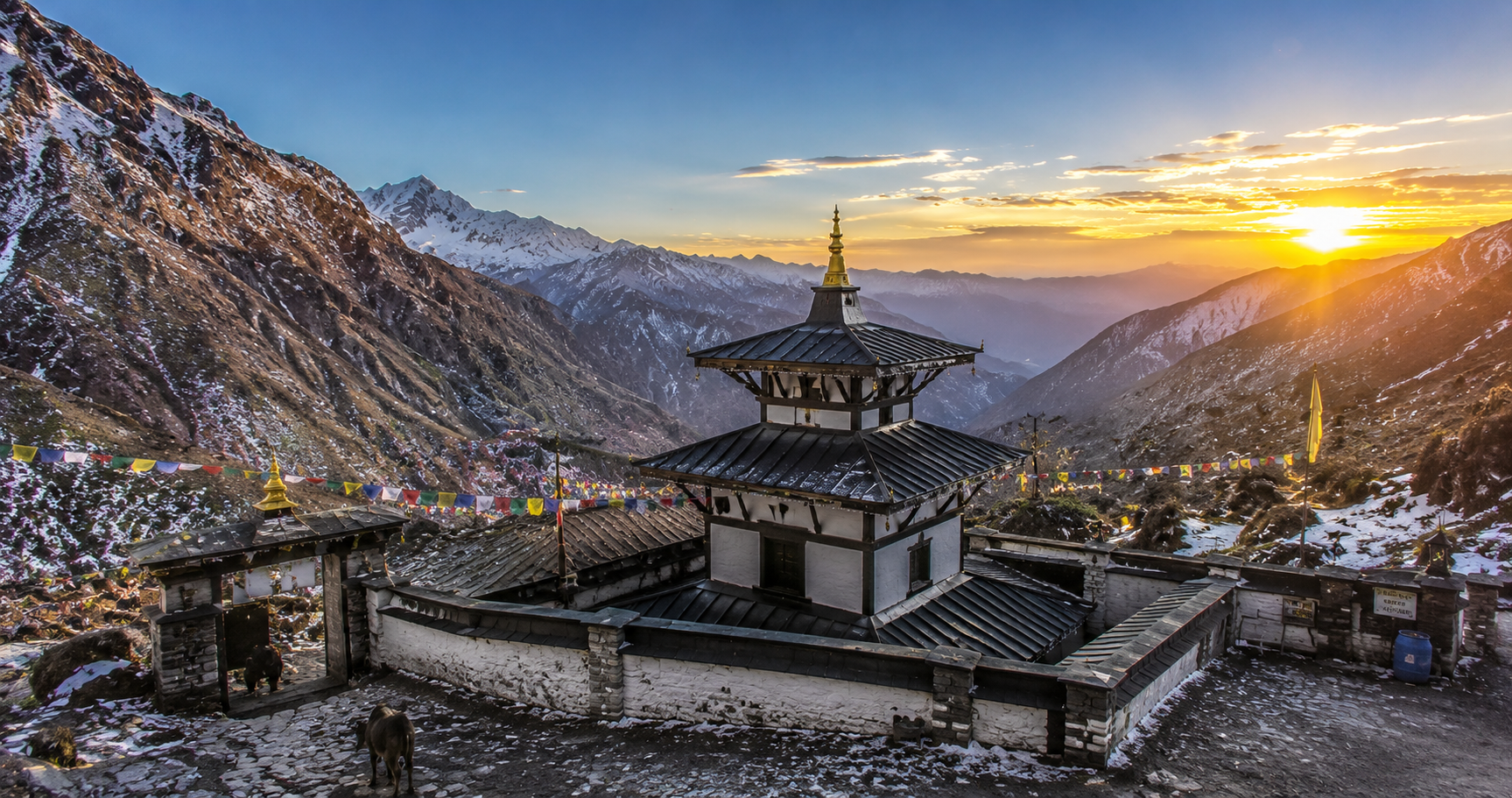
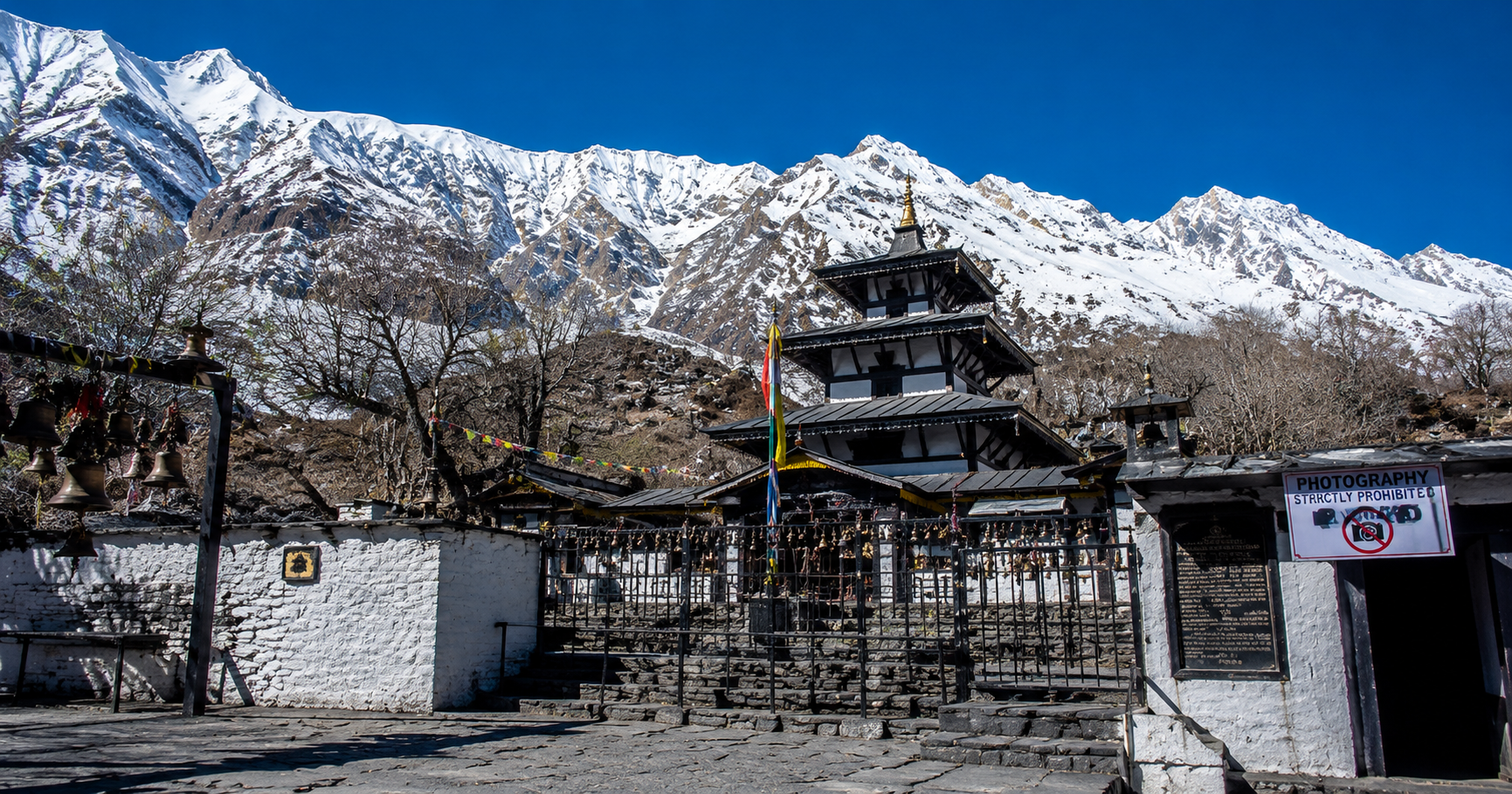
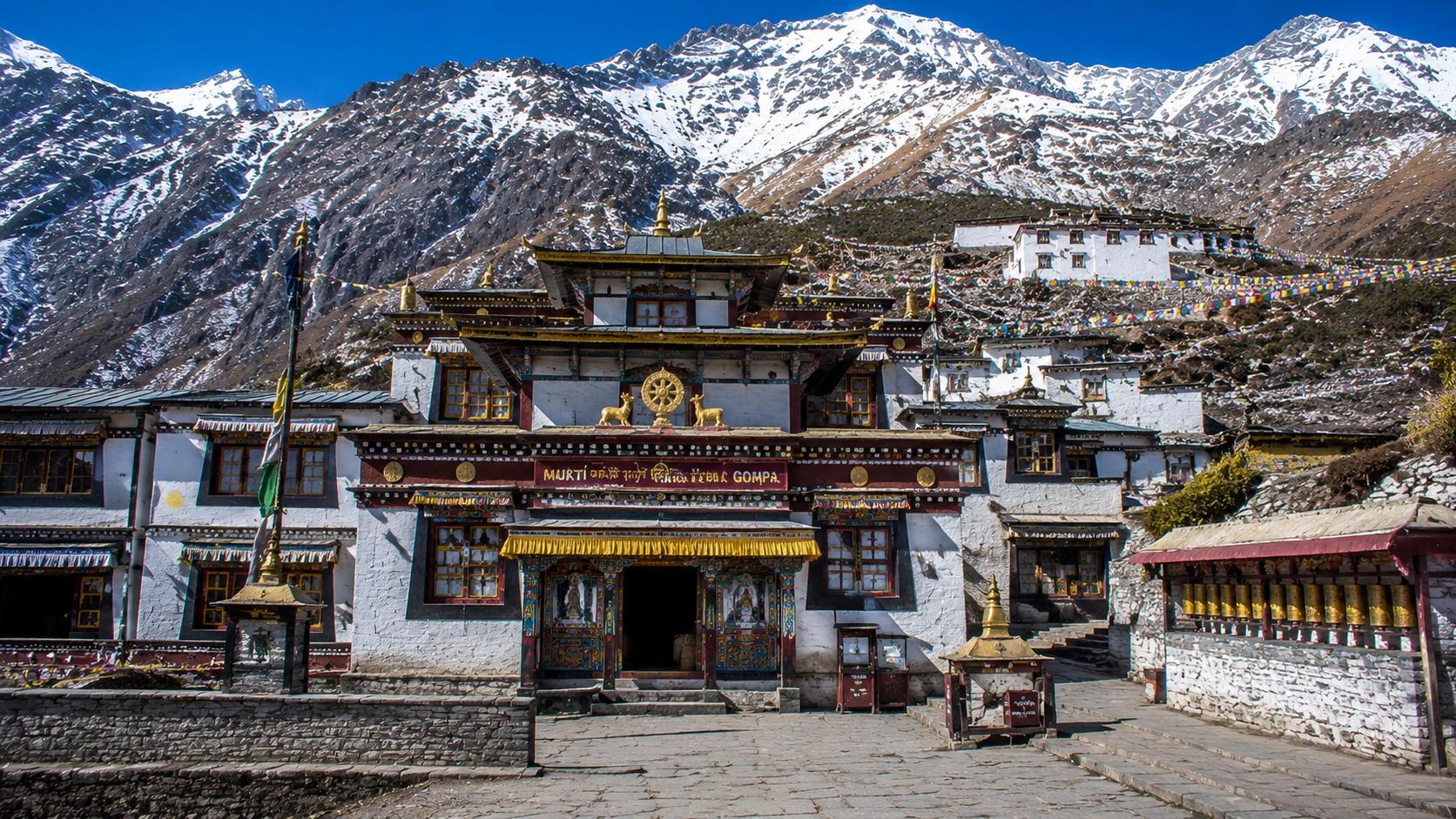
Muktinath — the sacred Vishnu temple perched at 3,710 meters (12,172 feet) in the high-altitude desert landscape of the upper Mustang valley — draws hundreds of thousands of pilgrims and trekkers from Nepal, India, and across the world each year. For most visitors, the journey to Muktinath represents a deeply meaningful spiritual experience: reaching one of the most sacred sites in Hindu and Buddhist tradition, at the foot of the Thorong La Pass in the shadow of the Annapurna and Dhaulagiri massifs.
But at 3,710 meters, Muktinath sits well into the altitude zone where Acute Mountain Sickness (AMS) becomes a genuine health risk — one that affects fit athletes and sedentary pilgrims alike, regardless of age, experience, or physical condition. Every year, visitors to Muktinath experience altitude-related illness ranging from uncomfortable headaches to serious medical emergencies requiring helicopter evacuation.
This essential 2026 altitude and health guide covers everything you need to know to reach Muktinath safely and comfortably: understanding altitude and its effects on the body, recognising AMS symptoms, the best acclimatization strategies, medications, special considerations for elderly pilgrims and other vulnerable groups, emergency contacts, and how Nepal Vehicle Hiring Pvt Ltd’s transport services can support safe and gradual ascent to this sacred high-altitude destination.
Muktinath Altitude — Understanding the Numbers
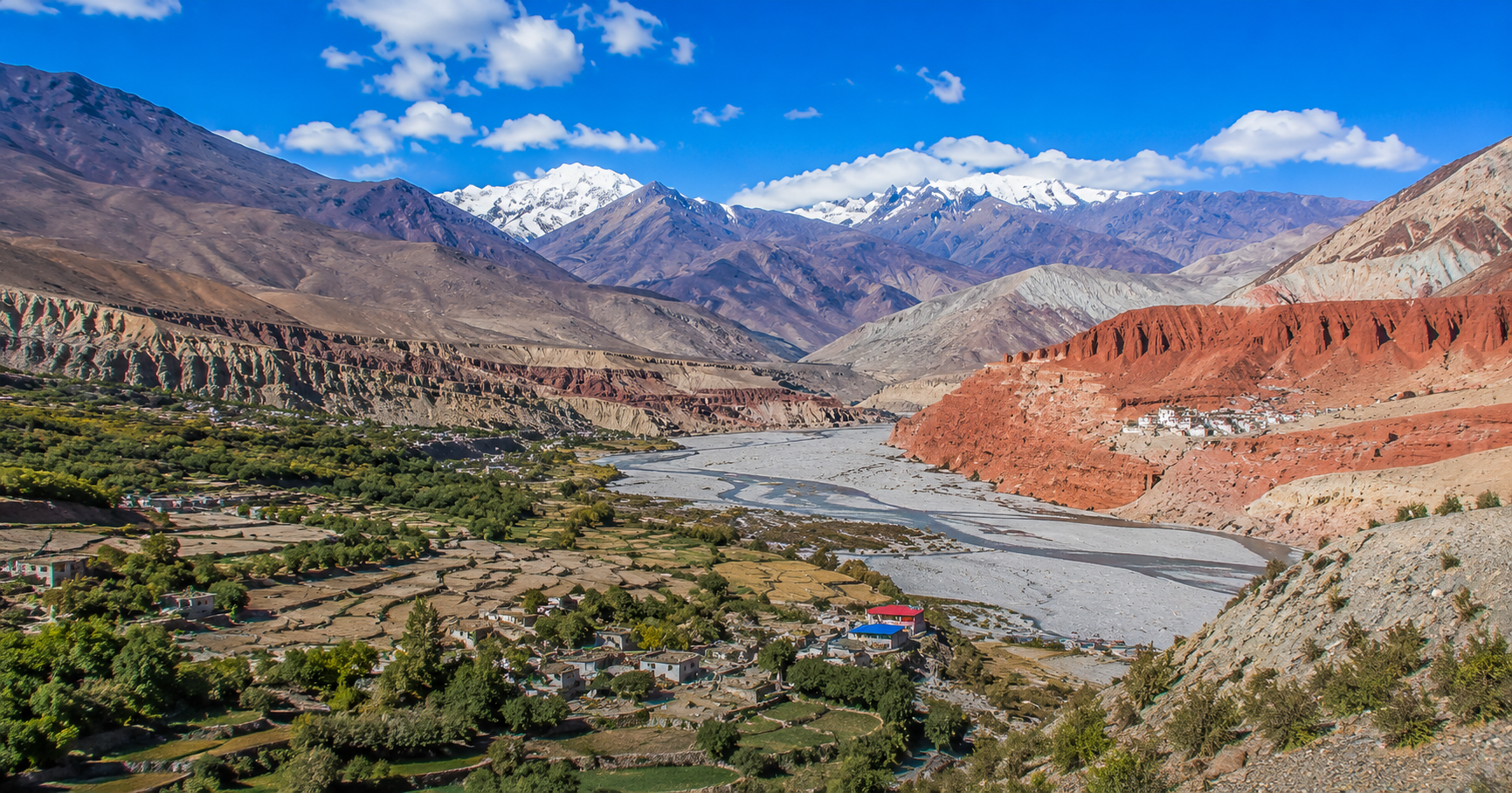
Muktinath Temple (formally known as Muktikshetra) sits at approximately 3,710 meters (12,172 feet) above sea level in Mustang District, Gandaki Province, Nepal. The temple complex is situated on a high plateau above the Kali Gandaki gorge — the world’s deepest gorge — and is accessible by jeep road from Jomsom (2,720 m) or on foot via multiple trekking routes.
How Altitude Affects the Body
As altitude increases, atmospheric pressure decreases, and with it the partial pressure of oxygen in each breath. At 3,710 meters, the air contains approximately 60% of the oxygen available at sea level. While this reduction is not immediately dangerous for most people, it means that every breath delivers significantly less oxygen to the bloodstream — and the body must work harder to supply its organs and muscles with adequate oxygen.
The body’s primary adaptation response to altitude is hyperventilation — breathing faster and deeper to compensate for reduced oxygen per breath. This is normal and healthy. However, when the body’s adaptation cannot keep pace with the rate of altitude gain, Acute Mountain Sickness (AMS) develops.
- Sea level (0 m): 100% oxygen availability — baseline reference
- Pokhara (827 m): 91% of sea-level oxygen — no significant effect
- Jomsom (2,720 m): 73% of sea-level oxygen — mild effects begin for some
- Muktinath (3,710 m): 61% of sea-level oxygen — AMS risk begins
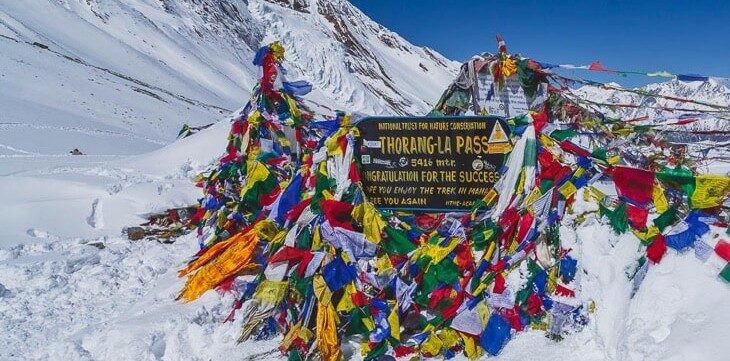
- Thorong La Pass (5,416 m): ~50% of sea-level oxygen — serious AMS risk
Key Fact: Fitness does NOT protect against altitude sickness. Extremely fit athletes can get AMS just as easily as sedentary individuals. Altitude sickness is primarily determined by your rate of ascent and your individual physiological response to reduced oxygen, not by how physically prepared you are.
Altitude Zones on the Muktinath Route
| Altitude Zone | Range | AMS Risk | Key Locations on Muktinath Route |
| Low Altitude | Below 1,500 m | None | Pokhara (827 m), Beni (830 m), Tatopani (1,190 m) |
| Moderate Altitude | 1,500–2,500 m | Low | Ghasa (2,010 m), Marpha (2,670 m) |
| High Altitude | 2,500–3,500 m | Moderate — AMS possible | Jomsom (2,720 m), Kagbeni (2,810 m) |
| Very High Altitude | 3,500–5,500 m | High — AMS likely without acclimatization | Muktinath (3,710 m), Thorong La (5,416 m) |
| Extreme Altitude | Above 5,500 m | Severe — HACE/HAPE risk | Above Thorong La Pass |
The key insight from this table is the dramatic altitude jump involved in many common Muktinath approach routes. Flying from Kathmandu (1,400 m) to Jomsom (2,720 m) and then driving to Muktinath (3,710 m) on the same day represents a gain of approximately 2,310 meters in under 24 hours — a rate of ascent that is highly likely to cause AMS in a significant proportion of visitors.
Understanding Acute Mountain Sickness (AMS)
Acute Mountain Sickness (AMS) is the body’s response to insufficient oxygen at altitude. It is not a sign of weakness or poor fitness — it is a physiological reaction that can affect any person who ascends too quickly to altitudes above approximately 2,500 meters. At Muktinath’s altitude of 3,710 meters, AMS is a genuine and significant risk for visitors who ascend too rapidly.
AMS Symptoms — Recognizing the Warning Signs
| AMS Stage | Symptoms | Action Required |
| Mild AMS | Headache, fatigue, loss of appetite, mild nausea, difficulty sleeping | Rest at current altitude — do NOT ascend further until symptoms resolve |
| Moderate AMS | Severe headache not relieved by ibuprofen, vomiting, extreme fatigue, dizziness, and loss of coordination. of coordination | DESCEND immediately 300–500 m — do not wait overnight |
| Severe AMS / HACE | Confusion, inability to walk straight, extreme fatigue, loss of consciousness | EMERGENCY — Descend immediately, administer oxygen, seek evacuation |
| HAPE (Pulmonary) | Persistent dry cough, breathlessness at rest, pink/frothy sputum, crackling in the chest | LIFE-THREATENING EMERGENCY — Evacuate immediately, administer oxygen |
THE GOLDEN RULE OF ALTITUDE: If symptoms are getting WORSE with higher elevation — DESCEND IMMEDIATELY. Do not ‘wait it out.’ Do not ‘push through.’ Descending by even 300–500 meters is often sufficient to resolve mild-to-moderate AMS within hours. Delaying descent when symptoms are worsening is the primary cause of altitude-related deaths.
The Lake Louise Score — AMS Self-Assessment
The Lake Louise Score is a widely used self-assessment tool for AMS severity. At altitude, ask yourself these questions and rate each from 0 (none) to 3 (severe):
- Headache: 0 = none, 1 = mild, 2 = moderate, 3 = severe and incapacitating
- Gastrointestinal (nausea/vomiting): 0 = none, 1 = poor appetite/nausea, 2 = moderate nausea/vomiting, 3 = severe
- Fatigue/weakness: 0 = none, 1 = mild, 2 = moderate, 3 = severe/incapacitating
- Dizziness/lightheadedness: 0 = none, 1 = mild, 2 = moderate, 3 = severe/incapacitating
- Difficulty sleeping: 0 = slept as well as usual, 1 = did not sleep as well as usual, 2 = woke many times, 3 = could not sleep at all
A total score of 3 or more in a person who has recently ascended to altitude, with headache being one of the symptoms, indicates AMS. A score of 6 or more indicates moderate-to-severe AMS that requires immediate action.
How to Approach Muktinath Safely — Acclimatization Strategies
| Approach Route | Starting Altitude | Muktinath Altitude | Altitude Gain | Acclimatization Quality | AMS Risk |
| Fly Kathmandu → Jomsom, walk to Muktinath | 1,400 m (KTM) | 3,710 m | 2,310 m in 1 day | Poor — too fast | HIGH |
| Drive KTM → Pokhara → Jomsom by jeep, walk to Muktinath | 827 m (Pokhara) | 3,710 m | 2,883 m in 1–2 days | Poor — too fast | HIGH |
| Trek Jomsom to Muktinath after 1 night in Jomsom | 2,720 m (Jomsom) | 3,710 m | 990 m | Moderate — short acclimatization | MODERATE |
| Trek Pokhara → Tatopani → Jomsom → Muktinath (3–4 days) | 827 m | 3,710 m | 2,883 m over 3–4 days | Good — gradual | LOW–MODERATE |
| Full Annapurna Circuit from Besisahar (10+ days) | 760 m | 3,710 m | 2,950 m over 10+ days | Excellent — fully graduated | LOW |
The ‘Climb High, Sleep Low’ Principle
The single most effective acclimatization strategy is the ‘climb high, sleep low’ principle: ascend higher during the day for activity, but always return to a lower altitude to sleep. This is because the body acclimatizes primarily during sleep. By sleeping at a lower altitude than the day’s highest point, you give your body an extended period of physiological adjustment at a more manageable oxygen level.
For Muktinath visitors, this might mean spending the day visiting the Muktinath temple at 3,710 m and then descending to Jomsom (2,720 m) to sleep, reducing sleeping altitude by nearly 1,000 meters. This is one of the most commonly recommended strategies for first-time Muktinath pilgrims.
The 300–500 Meter Rule
Above 3,000 meters, the standard altitude medicine guideline is to increase sleeping altitude by no more than 300-500 meters per day. With Jomsom at 2,720 m and Muktinath at 3,710 m (a gain of 990 meters), the conservative approach is to spend a minimum of 2 nights in the Jomsom area before sleeping at Muktinath altitude — or to ascend to Muktinath during the day and return to Jomsom to sleep on the first night.
Recommended Safe Approach Sequence to Muktinath
- Day 1: Arrive in Pokhara (827 m) or Jomsom (2,720 m) — rest, hydrate, light activity only
- Day 2 (if arriving in Pokhara): Drive or fly to Jomsom (2,720 m) — rest, walk at Jomsom level, sleep at Jomsom.
- Day 3: Depart Jomsom for Muktinath (3,710 m) — arrive mid-morning, visit temple, rest, explore slowly
- Option A: Sleep at Muktinath (3,710 m) — only after 1 night at Jomsom acclimatization
- Option B (Safer for sensitive individuals): Return to Jomsom (2,720 m) to sleep on first night — visit Muktinath again on Day 4 if desired
- Day 4 (if applicable): Return journey to Pokhara or Kathmandu
Nepal Vehicle Hiring Pvt Ltd strongly recommends the 2-day approach: Pokhara to Jomsom on Day 1, Jomsom to Muktinath on Day 2. This simple strategy dramatically reduces the risk of AMS compared to a single-day drive from Pokhara to Muktinath.
Prevention — How to Avoid Altitude Sickness at Muktinath
| Prevention Strategy | Effectiveness | How to Apply at Muktinath |
| Gradual ascent (max 300–500 m / day above 3,000 m) | Very High | Do not fly directly to Jomsom and go to Muktinath the same day |
| Hydration (3–4 liters/day) | High | Drink consistently throughout the journey — do not wait until thirsty |
| Avoid alcohol above 2,500 m | High | Skip alcohol in Jomsom and Muktinath — dehydrates and worsens AMS |
| Rest day acclimatization | Very High | Spend 1 night in Jomsom (2,720 m) before ascending to Muktinath (3,710 m) |
| Light physical activity on ascent days | Moderate | Walk slowly — ‘climb high, sleep low’ principle |
| Diamox (Acetazolamide) medication | High (preventive) | 125–250 mg twice daily starting 24 hrs before ascent — consult doctor |
| Avoid sedatives and sleeping pills | High | These suppress breathing at altitude — avoid entirely above 3,000 m |
| Eat regular meals | Moderate | Maintain nutrition even if appetite is reduced — carbohydrates are best |
| Acclimatization walk on rest day | High | Walk 200–300 m above sleeping altitude during rest day |
Hydration — The Most Accessible Prevention Tool
Dehydration dramatically worsens altitude sickness symptoms. At altitude, the body loses water more quickly through increased breathing rate and drier air. Most people visiting Muktinath significantly underestimate how much water they need. The guideline is 3 to 4 liters per day at altitude — roughly double the amount most people drink at sea level. Drink consistently throughout the day, not in large quantities all at once. Electrolyte supplements can help maintain sodium and potassium balance lost through increased urination.
Diet at Altitude
High-carbohydrate foods are more efficiently converted to energy at altitude than fats or proteins, as carbohydrate metabolism requires less oxygen per calorie. Traditional Nepali high-carbohydrate foods — dal bhat (lentils and rice), tsampa (roasted barley flour), bread, and potatoes — are well-suited for eating at altitude. Avoid large, heavy meals at altitude as they divert blood circulation to the digestive system. Eat smaller, more frequent meals. Even if appetite is reduced (a common AMS symptom), maintain regular caloric intake.
What to Avoid at Altitude
- Alcohol: Dehydrates, suppresses breathing during sleep, and worsens AMS symptoms — avoid above 2,500 m and especially at Muktinath and Jomsom
- Sleeping pills and sedatives: Suppress the respiratory drive that maintains oxygenation during sleep — avoid entirely at altitude
- Smoking: Reduces oxygen-carrying capacity of blood — significantly worsens altitude tolerance
- Over-exertion: Heavy exercise at altitude increases oxygen demand beyond what acclimatized lungs can supply — walk slowly, rest frequently
- Ignoring early symptoms: The most dangerous AMS mistake is dismissing early symptoms as ‘just tiredness’ and continuing to ascend.
Medications for Altitude — Complete Guide
| Medication | Purpose | Dosage (typical) | Notes |
| Diamox (Acetazolamide) | Prevention and treatment of AMS | 125–250 mg twice daily | Start 24 hrs before ascent; consult doctor first; avoid if sulfa allergy |
| Ibuprofen (400–600 mg) | AMS headache relief | Every 6–8 hours as needed | Do NOT mask symptoms to push higher — treat and rest |
| Paracetamol / Panadol | Mild headache relief | 500–1,000 mg every 4–6 hours | Gentler alternative to ibuprofen for headache |
| Dexamethasone (4 mg) | Emergency treatment of severe AMS/HACE | 4 mg every 6 hours (emergency only) | NOT for prevention; emergency use only; requires medical guidance |
| Nifedipine (30 mg) | Emergency treatment of HAPE | 30 mg slow-release (emergency only) | For high-altitude pulmonary edema only; requires medical guidance |
| Ondansetron / Anti-nausea | Nausea and vomiting from AMS | As directed on the packaging | Helps manage nausea while descending |
Diamox (Acetazolamide) — The Most Important AMS Medication
Diamox (Acetazolamide) is the only medication with strong scientific evidence for both preventing and treating AMS. It works by stimulating faster breathing (by acidifying the blood), thereby increasing blood oxygen levels and accelerating the body’s natural acclimatization process. It is available on prescription in most countries and over the counter at pharmacies in Kathmandu and Pokhara.
- Standard preventive dose: 125 mg twice daily (morning and evening), starting 24 hours before significant altitude gain
- Treatment dose for AMS: 250 mg twice daily
- Side effects: Increased urination (expected and harmless), tingling in hands and feet (common and harmless), carbonated drinks taste flat
- Contraindications: Sulfa allergy (Diamox is a sulfa drug — do NOT take if allergic to sulfa), kidney disease, pregnancy
- Where to obtain in Nepal: Kathmandu pharmacies (Thamel area), Pokhara pharmacies, Jomsom health post
Diamox is a prescription medication in many countries. Consult your doctor or a travel medicine clinic before your Muktinath trip to determine if Diamox is appropriate for you, get the correct dosage for your situation, and screen for contraindications. The CIWEC Clinic in Kathmandu offers altitude medicine consultations.
Ibuprofen for AMS Headache
Ibuprofen (400–600 mg) is effective in relieving AMS headaches and is supported by clinical evidence as a useful adjunct. However, it is critical to understand that taking ibuprofen to relieve an AMS headache does NOT mean you can continue ascending — it only manages the symptom while your body acclimatizes. If headache returns after the medication wears off, or if other AMS symptoms are present, the correct action is to rest at the current altitude or descend, not take another dose and push higher.
Special Health Considerations for Muktinath Visitors
| Group | Special Considerations | Recommendations |
| Children (under 12) | Higher AMS risk; may not communicate symptoms clearly | Extra caution; slow ascent; descend at first symptom; pediatrician consult pre-trip |
| Elderly pilgrims (60+) | Pre-existing cardiac or respiratory conditions increase risk | Medical clearance before trip; travel with a companion; keep itinerary flexible |
| Pregnant women | Altitude affects fetal oxygen supply; limited medication options | Medical advice strongly recommended — many doctors advise against above 2,500 m |
| Heart condition history | Reduced cardiac efficiency at altitude accelerates AMS | Cardiologist clearance is mandatory before high-altitude travel |
| Previous AMS history | Past AMS significantly increases future risk | Use Diamox preventively (with doctor); ascend more slowly; be extra vigilant. |
| Visiting from India (sea level) | Particularly susceptible to sudden altitude gain from near sea level | Very gradual ascent essential; Diamox strongly recommended; do NOT fly to Jomsom same-day as Muktinath |
| Asthma and respiratory conditions | Cold, dry Muktinath air can trigger attacks | Carry a reliever inhaler; inform travel companions; monitor breathing closely. |
Advice for Elderly Pilgrims
Muktinath is one of Nepal’s most important Hindu pilgrimage destinations and draws large numbers of elderly devotees — particularly from India — who may not have any prior experience with high-altitude travel. Elderly visitors with pre-existing cardiac or respiratory conditions face a higher risk of serious altitude illness. Key recommendations for elderly pilgrims include:
- Obtain medical clearance from your cardiologist or physician before traveling to Muktinath, specifically at an altitude of 3,710 m.
- Always travel with a younger family member or companion who can recognize AMS symptoms and assist in an emergency descent.
- Plan a minimum 2-day approach: Pokhara or Jomsom on Day 1, Muktinath on Day 2 — never fly from sea level (India) directly to Jomsom and proceed to Muktinath the same day.
- Discuss Diamox with your doctor well before travel — many elderly pilgrims benefit significantly from preventive Diamox.
- Keep the visit to Muktinath as low-activity as possible — avoid rushing between temple sections, sit and rest frequently.
- Know the emergency descent route: A jeep ride from Muktinath to Jomsom takes approximately 1.5 to 2 hours — helicopter evacuation to Pokhara is available from the Jomsom airstrip.
Advice for Indian Pilgrims Visiting from Sea-Level Cities
A very large proportion of Muktinath pilgrims travel from sea-level or near-sea-level cities in India — Mumbai, Chennai, Kolkata, Hyderabad, and many others. These pilgrims are at particularly high risk of AMS because the altitude difference between their home city and Muktinath (3,710 m) is nearly the maximum that can be safely managed. For this group, the most common dangerous mistake is flying from India to Kathmandu, continuing to Pokhara, and then immediately driving or flying to Jomsom and proceeding to Muktinath — all within 24 to 36 hours. This approach regularly results in AMS emergencies.
The recommended approach for Indian pilgrims arriving from sea level:
- Day 1: Arrive Kathmandu (1,400 m) — rest, light sightseeing only, do NOT proceed to Pokhara same day
- Day 2: Kathmandu to Pokhara (827 m) — rest, acclimatize at Pokhara level
- Day 3: Pokhara to Jomsom (2,720 m) by jeep or flight — rest in Jomsom, short walk only
- Day 4: Jomsom to Muktinath (3,710 m) — visit temple, worship, consider returning to Jomsom for the first night
- Day 5: If sleeping in Muktinath on Day 4 was comfortable, spend the day there. Begin descent.
For pilgrims from Indian sea-level cities: Do NOT attempt to reach Muktinath within 48 hours of leaving India. The altitude difference is too large for safe rapid ascent. Nepal Vehicle Hiring Pvt Ltd advises all Indian pilgrims to discuss this itinerary with their doctor and plan a minimum of 3 to 4 days to reach Muktinath from sea level.

How Transport Choices Affect Altitude Safety
One of the most important yet underappreciated aspects of Muktinath altitude safety is that transport choices directly determine the quality of acclimatization. The vehicle or flight you choose to reach Muktinath fundamentally affects how quickly your body gains altitude — and therefore how high your AMS risk is.
| Vehicle Approach | Common Altitude Endpoints | AMS Risk | Nepal Vehicle Hiring Service |
| Pokhara → Jomsom by jeep (1 day) | Jomsom: 2,720 m | Moderate — sleep at Jomsom first | Kathmandu/Pokhara to Jomsom jeep hire |
| Pokhara → Muktinath by jeep (1 day) | Muktinath: 3,710 m | HIGH — too fast for acclimatization | 2-day recommended: Jomsom overnight first |
| Jomsom → Muktinath by jeep (next day) | Muktinath: 3,710 m | Lower — after Jomsom acclimatization | Jomsom to Muktinath short jeep service |
| Kathmandu → Pokhara → Jomsom (2 days) | Jomsom: 2,720 m (Day 2) | Low–Moderate — gradual approach | Multi-day jeep package with overnight |
Why Nepal Vehicle Hiring Pvt Ltd Recommends a 2-Day Approach
Nepal Vehicle Hiring Pvt Ltd’s standard recommendation for all clients traveling from Pokhara or Kathmandu to Muktinath is the 2-day approach: Day 1, drive from Pokhara to Jomsom, overnight in Jomsom at 2,720 m; Day 2, drive from Jomsom to Muktinath (3,710 m). This approach costs one additional day of vehicle hire but dramatically reduces AMS risk and ensures pilgrims arrive at Nepal’s most sacred high-altitude temple in good health rather than suffering from altitude illness.
- Day 1: Pokhara (827 m) → Jomsom (2,720 m) — altitude gain of 1,893 m (manageable in one day for most people)
- Night 1: Sleep in Jomsom at 2,720 m — body begins acclimatizing
- Day 2: Jomsom (2,720 m) → Muktinath (3,710 m) — altitude gain of 990 m (safe with one night of Jomsom acclimatization)
Nepal Vehicle Hiring Pvt Ltd provides private jeep hire for both legs of this route — Pokhara to Jomsom and Jomsom to Muktinath — with experienced drivers familiar with both the Kali Gandaki highway and the Jomsom-Muktinath road.
The Danger of Same-Day Muktinath Visits
The increasing availability of direct jeep services from Pokhara to Muktinath in a single day has, unfortunately, also increased the number of AMS cases at Muktinath. A single-day drive from Pokhara (827 m) to Muktinath (3,710 m) is a gain of 2,883 meters — well above the recommended safe altitude gain for any single day. While some physically robust individuals complete this without problems, a significant proportion of visitors — particularly the elderly, children, those from sea-level origins, and anyone with underlying health conditions — experience AMS symptoms at Muktinath after a same-day drive.
Nepal Vehicle Hiring Pvt Ltd’s Health Pledge: We always inform clients about the altitude risks of same-day Pokhara-to-Muktinath transfers and recommend the 2-day approach. We can arrange flexible itineraries that include an overnight stay in Jomsom at no extra service charge — only the additional accommodation cost.
Emergency Contacts and Medical Resources
| Emergency Resource | Location | Contact / Notes |
| Muktinath Health Post | Muktinath village | Basic medical care; limited resources; assists with evacuation coordination. |
| Jomsom Hospital / Health Post | Jomsom (2,720 m) | Nearest hospital to Muktinath, better equipped; 2 hours descent |
| Pokhara Airport Hospitals | Pokhara (827 m) | Full hospital facilities, Western Regional Hospital, and private hospitals |
| Helicopter Evacuation | Arranged from Jomsom or Muktinath | Available year-round (weather permitting); costs USD 3,000–5,000+ without insurance. |
| Travel Insurance Emergency Line | Your insurance provider | Call your insurer’s 24-hr emergency line — essential for helicopter evacuation authorization. |
| CIWEC Clinic Kathmandu | Kathmandu (for pre-trip advice) | Leading altitude medicine clinic in Nepal — pre-trip consultation available |
| Muktinath Darshan Trust | Temple complex office | Can assist pilgrims in emergencies and coordinate with the local health post |
Travel Insurance — The Essential Muktinath Purchase
Travel insurance covering high-altitude helicopter evacuation is not optional for Muktinath visitors — it is essential. Helicopter evacuation from Muktinath or Jomsom to Pokhara costs between USD 3,000 and USD 5,000 or more, depending on conditions. Without insurance, this cost falls entirely on the patient’s family at an extremely stressful moment. Nepal has limited provision for uninsured emergency medical care.
When purchasing travel insurance for a Muktinath trip, verify that the policy explicitly covers:
- Helicopter evacuation from altitude (specify 3,710 m / 12,172 ft minimum)
- Emergency medical treatment in Nepal
- Medical repatriation to your home country if necessary
- Pre-existing conditions, if applicable — some policies exclude altitude-related illness if pre-existing cardiac or respiratory conditions are present.
Major travel insurers with strong coverage in Nepal include World Nomads, AXA Travel Insurance, and Allianz Travel. Indian pilgrims should note that many standard travel insurance policies from Indian providers do not cover helicopter evacuation above 3,000 m — check this specifically before purchasing.
Recognizing and Responding to AMS at Muktinath
If You or a Travel Companion Develops AMS Symptoms
- STOP ascending — do not proceed to higher altitude while symptoms are present
- REST at current altitude — mild AMS often resolves with 12 to 24 hours of rest at the same altitude
- HYDRATE — drink 3 to 4 liters of water or oral rehydration solution
- Take ibuprofen (400–600 mg) for headache — note: this treats the symptom, not the cause
- If already taking Diamox, continue the dose; if not started, consider starting now
- Monitor closely — reassess every 2 hours. If symptoms improve, continue resting at the same altitude. If symptoms worsen, descend immediately.
- DESCEND if: headache is not relieved by ibuprofen, vomiting begins, balance is affected, confusion develops, or any HAPE symptoms appear
The Descent Protocol
The most important thing to know about AMS treatment is this: descent is the only reliable cure. Every other treatment — Diamox, oxygen, rest, ibuprofen — is a supportive measure to manage symptoms or buy time. Descent is the definitive treatment.
- Even 300 to 500 meters of descent often provides rapid, dramatic relief from AMS symptoms.
- Muktinath (3,710 m) to Kagbeni (2,810 m): ~900 m descent — approximately 1 hour by jeep
- Muktinath (3,710 m) to Jomsom (2,720 m): ~990 m descent — approximately 1.5 to 2 hours by jeep
- Jomsom to Pokhara (827 m): Full evacuation — available by vehicle (6–7 hours), flight (25 min), or helicopter (20 min)
Never leave an AMS patient alone. Never let a person with moderate or severe AMS sleep at high altitude, hoping to ‘feel better in the morning.’ Descent must happen immediately when moderate AMS is identified. Nepal Vehicle Hiring Pvt Ltd drivers are briefed on AMS symptoms and emergency descent procedures — they will assist immediately if a client shows concerning symptoms.
What to Pack — Health Essentials for Muktinath
- Diamox (Acetazolamide) tablets — prescribed and discussed with your doctor in advance
- Ibuprofen (400 mg tablets) — for AMS headache management
- Oral rehydration salts (ORS) sachets — for maintaining electrolyte balance
- Anti-nausea medication (ondansetron or promethazine) — for AMS-related nausea
- Paracetamol / Panadol — gentle headache relief alternative to ibuprofen
- Pulse oximeter (optional but recommended) — a clip-on device measuring blood oxygen (SpO2) and pulse rate; below 80% SpO2 at altitude is concerning
- Warm clothing, including a down jacket, thermal base layers, a hat, and gloves — Muktinath is cold year-round, especially at night and early morning
- High-SPF sunscreen (50+) and UV-protective sunglasses — high-altitude UV intensity is severe
- Lip balm with SPF — lips crack severely in the dry, cold, high-altitude air
- Water bottle (1–2 liters) and water purification tablets — drink consistently throughout the day
- Snacks and energy food — high-carbohydrate snacks for the jeep journey and temple visit
- Personal prescription medications — carry in hand luggage, NOT in vehicle luggage
- Copy of travel insurance policy with emergency number — accessible at all times
Muktinath Altitude Health — Seasonal Considerations
October to December (Post-Monsoon / Autumn)
The best season for visiting Muktinath is for clear weather and good road conditions. The air is dry, the skies are clear, and the views of Dhaulagiri, Annapurna, and Nilgiri are spectacular from the temple. However, October and November are peak pilgrimage seasons, and the higher altitude gain rates among many visitors during this busy period mean AMS cases are more common than in quieter months. Take your time regardless of crowd pressure.
January to February (Winter)
Muktinath is accessible by jeep year-round in normal years, though nights at the temple in January and February can be extremely cold — temperatures can drop to -15°C or below. Cold temperatures do not directly increase AMS risk, but they do increase the body’s overall physiological stress at altitude. Dress in heavy warm layers and ensure your accommodation has functioning heating.
March to May (Spring)
Spring is the second peak season, with rhododendron forests in bloom on the lower approach routes and generally good visibility. March and April see large numbers of pilgrims from India visiting during Ram Navami and other festivals — acclimatization advice is particularly important for the high volume of sea-level visitors arriving during this period.
June to September (Monsoon)
The Muktinath area falls in the rain shadow of the Annapurna range and actually receives relatively little monsoon rainfall compared to the wetter regions of Nepal. Trekking and driving to Muktinath is possible during the monsoon with reasonable road conditions. However, the approach roads through the Kali Gandaki can be affected by flooding and landslides. Weather visibility is more variable, but the lush landscape of the lower valleys in the monsoon is beautiful. AMS risk is the same year-round — altitude does not change with the seasons.
Nepal Vehicle Hiring Pvt Ltd — Safe Altitude Transport
Nepal Vehicle Hiring Pvt Ltd is not just a vehicle hire company — we are partners in ensuring your Muktinath journey is safe, comfortable, and altitude-aware. Here is how our services directly support your altitude health:
- 2-Day Itinerary Recommendation: We always recommend and offer 2-day Pokhara-to-Muktinath itineraries with an overnight stop in Jomsom — the single most effective altitude safety strategy for jeep travelers.
- Altitude-Briefed Drivers: All Nepal Vehicle Hiring Pvt Ltd drivers serving the Jomsom-Muktinath corridor are briefed on AMS symptoms and are familiar with the emergency descent route and evacuation procedures.
- Flexible Scheduling: We build our Muktinath jeep itineraries with altitude-conscious pacing — adequate rest stops, early morning departures from Jomsom to arrive at Muktinath with maximum daylight, and no rushed schedules.
- Emergency Response: If a client develops AMS symptoms at Muktinath, our driver will assist with an immediate descent to Jomsom and contact our Pokhara office to coordinate further emergency assistance, including liaison with travel insurance.
- Vehicle for Descent: Having your own private jeep at Muktinath means emergency descent is available immediately — you do not need to wait for shared transport or taxis, as you would with public buses.
- Pre-Trip Health Advice: When clients book Muktinath transfers with Nepal Vehicle Hiring Pvt Ltd, we provide this altitude health information and recommend consulting a doctor for a Diamox prescription before the journey.
- Pokhara–Jomsom–Muktinath Full Package: We provide complete vehicle hire for the entire route from Pokhara to Jomsom (Day 1) and from Jomsom to Muktinath (Day 2), plus return transfers — one booking covers your entire safe ascent and descent.
Frequently Asked Questions — Altitude Health at Muktinath
Is Muktinath safe to visit without acclimatization?
Muktinath at 3,710 m is safe for most healthy adults if approached with gradual acclimatization—specifically by spending at least one night in Jomsom (2,720 m) before ascending to Muktinath. Visiting Muktinath without any acclimatization — particularly after flying from sea level and driving directly there on the same day — carries a high risk of AMS and is not recommended.
Can older adults visit Muktinath safely?
Yes, many elderly pilgrims visit Muktinath safely every year. The key requirements are: medical clearance from a doctor before travel, 2-day gradual travel with a companion, Diamox under a doctor’s guidance, and flexible plans that allow descent if any symptoms appear. Nepal Vehicle Hiring Pvt Ltd provides comfortable private jeep hire specifically suited to elderly pilgrim groups.
Should I take Diamox for Muktinath?
Diamox is strongly recommended for: first-time high-altitude visitors, elderly pilgrims, visitors from sea-level cities in India, anyone with a history of AMS, and anyone who cannot do a gradual acclimatization approach. Consult your doctor before travel for a prescription and guidance on proper dosage. Diamox is widely available at pharmacies in Kathmandu and Pokhara.
What is the altitude of Muktinath?
Muktinath Temple is situated at approximately 3,710 meters (12,172 feet) above sea level. This is well into the high-altitude zone where AMS becomes a significant risk without proper acclimatization.
How do I get from Muktinath to a hospital in an emergency?
The nearest health post is at Muktinath village itself — basic facilities only. The nearest hospital with better facilities is in Jomsom (2,720 m), approximately 1.5 to 2 hours by jeep from Muktinath. Full hospital facilities are available in Pokhara (827 m), approximately 6 to 7 hours by jeep from Jomsom or 25 minutes by flight. Helicopter evacuation from Jomsom or Muktinath to Pokhara takes approximately 20 minutes and requires travel insurance or upfront payment of USD 3,000–5,000.
What blood oxygen level should I be concerned about at Muktinath?
At 3,710 m, blood oxygen saturation (SpO2) of 80–85% is typical and generally not concerning for healthy acclimatized individuals. SpO2 below 75–80% combined with AMS symptoms warrants serious attention. SpO2 below 70% at altitude is concerning regardless of symptoms. A pulse oximeter (small clip-on device available at most pharmacies in Kathmandu and Pokhara) is a useful tool for self-monitoring at altitude.
Is Muktinath accessible year-round?
Yes. Muktinath is accessible by jeep year-round in normal conditions. The Jomsom to Muktinath road is open year-round, with occasional temporary closures following heavy snowfall in January and February. The Pokhara-Jomsom road via the Kali Gandaki is also generally open year-round. Nepal Vehicle Hiring Pvt Ltd monitors road conditions on this route year-round.
What’s the difference between AMS, HACE, and HAPE?
AMS (Acute Mountain Sickness) is the common, manageable form — headache, nausea, fatigue. HACE (High Altitude Cerebral Edema) occurs when AMS progresses to brain swelling, characterized by loss of coordination, confusion, and deteriorating consciousness. HAPE (High Altitude Pulmonary Edema) is fluid accumulation in the lungs, characterized by breathlessness at rest, dry cough, and pink frothy sputum. Both HACE and HAPE are life-threatening emergencies requiring immediate descent and evacuation.
Conclusion
Muktinath is one of Nepal’s most sacred and most rewarding destinations. In this place, Hindu and Buddhist devotion converge at 3,710 meters in one of the most dramatic high-altitude landscapes on earth. Reaching it safely is entirely possible for the vast majority of visitors, provided they respect the fundamental principle of altitude travel: go slowly, acclimatize properly, listen to their body, and never hesitate to descend.
The golden rule of altitude medicine — ‘if in doubt, go down’ — applies at Muktinath just as firmly as it does on Everest. The sacred temple will welcome you with equal grace whether you arrive after one day from Jomsom or two. But arriving healthy, clear-headed, and with the energy to engage in the spiritual experience fully is infinitely better than arriving with AMS.
Nepal Vehicle Hiring Pvt Ltd is committed to safe, altitude-aware transport to Muktinath. Our recommended 2-day Pokhara-to-Jomsom-to-Muktinath itinerary, altitude-briefed drivers, flexible scheduling, and emergency response readiness make us the safest and most responsible transport partner for your Muktinath pilgrimage. We look forward to taking you there safely.
Book your Muktinath jeep today — Call or WhatsApp: +977 9851013196
Email: [email protected]
Website: www.vehiclehiringnepal.com
- Muktinath altitude sickness: Essential Muktinath Advice
- Muktinath Altitude — Understanding the Numbers
- Altitude Zones on the Muktinath Route
- Understanding Acute Mountain Sickness (AMS)
- How to Approach Muktinath Safely — Acclimatization Strategies
- Prevention — How to Avoid Altitude Sickness at Muktinath
- Medications for Altitude — Complete Guide
- Special Health Considerations for Muktinath Visitors
- How Transport Choices Affect Altitude Safety
- Emergency Contacts and Medical Resources
- Recognizing and Responding to AMS at Muktinath
- What to Pack — Health Essentials for Muktinath
- Muktinath Altitude Health — Seasonal Considerations
- Nepal Vehicle Hiring Pvt Ltd — Safe Altitude Transport
- Frequently Asked Questions — Altitude Health at Muktinath
- Conclusion

Related Blog & Articles
Muktinath Pilgrimage & Mustang Tour
Muktinath Tour from Kathmandu – Complete Travel Guide 2026/
Muktinath Tour guide 2026 – Complete Travel & Pilgrimage Guide from Nepal