Plan a Trip


Everest Region Road Access and Jeep Rental Guide 2026
Everest Region Road Access and Jeep Rental Guide 2026
Kathmandu → Salleri → Phaplu → Khari Khola → Thamdanda → Surke — The Complete Alternative to the Lukla Flight
Everest Region Road Access — Quick Reference 2026 |
| Primary Road Gateway: Salleri (2,375 m) and Phaplu (2,413 m) — Solukhumbu District |
| Distance Kathmandu to Salleri/Phaplu: 266–270 km via BP Koirala Highway |
| Drive Time: 8–10 hours by private 4WD jeep (Kathmandu to Salleri) |
| 2026 Road End: Thamdanda (2,780 m) — extended toward Surke/Paiya near Lukla |
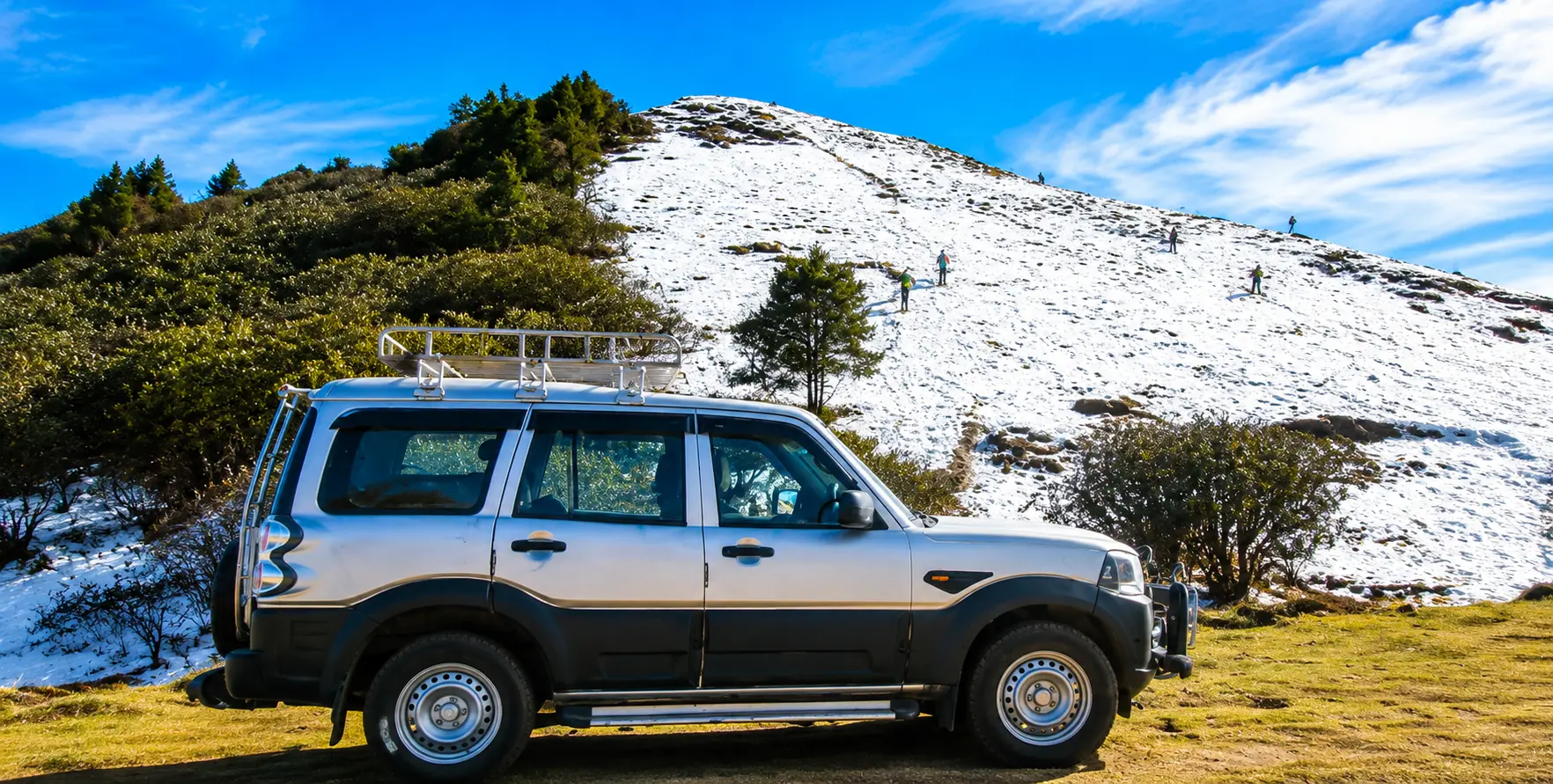
| Vehicle: 4WD Jeep ESSENTIAL — Toyota Fortuner, Land Cruiser or Hilux |
| Private Jeep Cost: NPR 28,000–38,000 (Kathmandu to Salleri/Phaplu, one-way) |
| Extended to Kharikhola/Thamdanda: NPR 38,000–55,000 (all-inclusive) |
| Why Use Road: Flight cancellations at Lukla are frequent — road is the weather-proof alternative |
| Trek Permits: Sagarmatha National Park Permit + TIMS + Khumbu Pasang Lhamu Fee |
| Book: Nepal Vehicle Hiring Pvt. Ltd. | +977 9851013196 | [email protected] |
Introduction: The Road That Changes Everything for Everest Trekkers
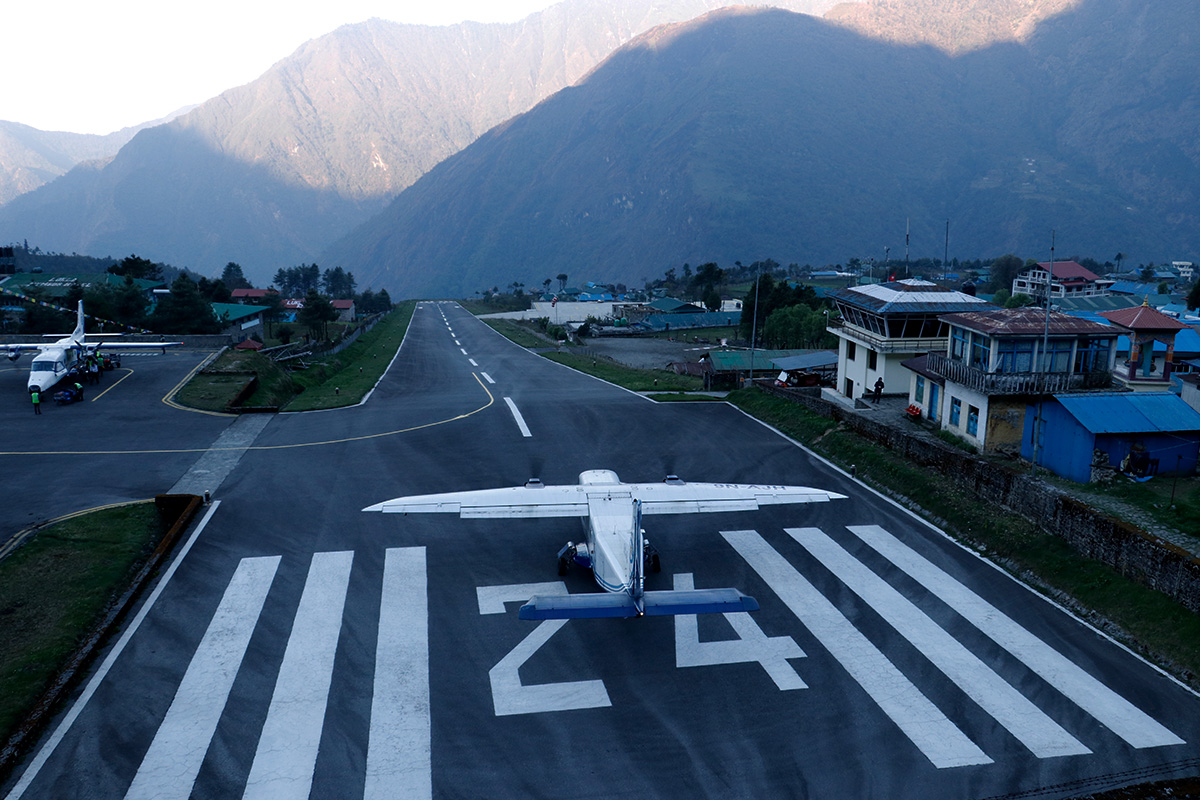
For decades, there was only one way to begin the Everest Base Camp Trek: fly from Kathmandu to Lukla on one of the world’s most storied and most nerve-wracking mountain flights — a 35-minute journey in a small Twin Otter aircraft onto a 527-metre runway perched at 2,860 metres on a Himalayan hillside, with a 12 percent gradient, a sheer drop at the lower end, and a reputation as one of the most dangerous commercial airports on the pla et. For most trekkers, the Lukla flight was simply part of the Everest experience — celebrated, feared, endured, and ultimately remembered as one of the most viscerally exciting moments of the entire trip. But the weather made no concessions to schedules or itineraries, and for many trekkers the reality of the Lukla flight was days of delays, canceled bookings, cascading itinerary failures, and the particular misery of sitting in Kathmandu or Ramechhap Airport watching the mountain clouds that stood between them and the world’s greatest trek.
In 2026, there is a genuine and increasingly well-developed alternative. The road to the Everest region — specifically the route via the BP Koirala Highway from Kathmandu through the Solu Khumbu region to Salleri, Phaplu, Khari Khola, Thamdanda, and now reaching within striking distance of Surke near Lukla — has become a serious, viable, and in many respects superior alternative to the famous flight for trekkers who want to skip the Lukla air lottery and instead experience the extraordinary cultural and geographic landscape of the Solu Khumbu foothills before ascending into the high Khumbu on foot. Nepal Vehicle Hiring Pvt. Ltd. provides the private 4WD jeep service that makes this alternative not just possible but genuinely comfortable, flexible, and rewarding.
This deep-research guide covers the complete picture of Everest region road access and jeep rental in 2026 — the current state of the road network, the specific routes and their drive times, why the road option is gaining rapidly in popularity among experienced Everest trekkers, the vehicle requirements for each section, the complete 2026 cost picture, the permits required, and how Nepal Vehicle Hiring Pvt. Ltd. delivers the most reliable, well-organized, and experience-rich version of the Kathmandu to Salleri and Kathmandu to Phaplu jeep transfer that anchors this whole alternative approach to the Everest Base Camp Trek.
The Lukla Flight Problem — Why Trekkers Are Choosing the Road
Lukla Airport: The Statistics Behind the Stress
Tenzing-Hillary Airport at Lukla has been consistently rated as one of the world’s most dangerous commercial airports for decades, and the operational challenges that make it so are not merely a matter of physical runway character but of a meteorological and geographical situation that creates fundamental unpredictability. The airport operates entirely on visual flight rules —meaning that if visibility at either Lukla or Kathmandu’s Tribhuvan International Airport falls below minimum standards, all flights are canceled, and the backlog of waiting passengers builds rapidly. During the monsoon season (June–September), flights can be grounded for days at a time. During spring trekking season (March–May), the afternoon cloud buildup narrows the morning flight window, and any delay cascades through the entire day’s schedule Even in the supposedly reliable autumn season (October–November), fog and cloud over the Kathmandu Valley can ground the early morning flights that most Lukla schedules rely on.
The practical consequence for trekkers is significant: a meaningful percentage of EBC trekkers experience at least one or two days of Lukla flight delay during their trip, and those whose schedules are not sufficiently flexible — who have pre-booked Kathmandu hotel checkout dates, international flight connections, or work commitments — face the specific anguish of watching their trek shrink day by day as the weather refuses to cooperate. Since the Lukla flight was restructured to operate primarily from Ramechhap Airport (to reduce the Kathmandu airspace congestion), the situation has become more complex: trekkers now need to reach Ramechhap (approximately 130 km from Kathmandu by road, a further logistical step) for their Lukla flight This reorganization, while reducing some problems, adds transport complexity and another potential point of failure in the Lukla flight system.
The Road as the Weather-Proof Alternative
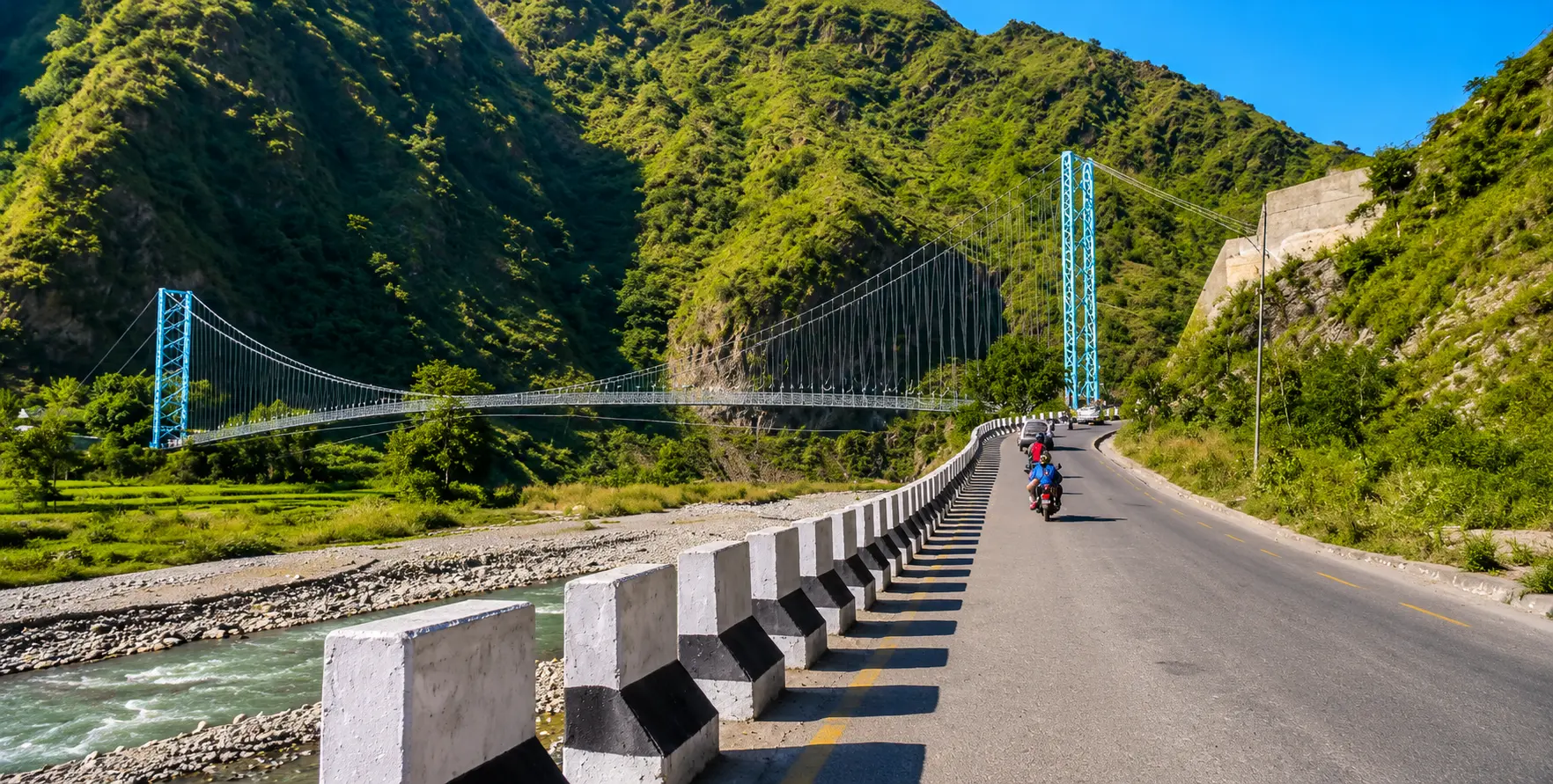
The road to the Everest region via Salleri and Phaplu is completely independent of the weather conditions that ground Lukla flights. A private 4WD jeep from Nepal Vehicle Hiring Pvt. Ltd. departs your Kathmandu hotel at the agreed time, drives the BP Koirala Highway regardless of cloud, fog, or precipitation, and delivers trekkers to their chosen road-end point on a schedule that depends only on road conditions — which, while variable, do not produce the complete groundings that weather delivers to the Lukla flight system. This weather independence is, for many trekkers, the single most compelling advantage of the road approach — the certainty of departure and arrival that the flight cannot guarantee.
Beyond the weather advantage, the road to Salleri and Phaplu delivers something the Lukla flight cannot: the extraordinary human and cultural landscape of the Solu Khumbu region. This mid-hill country lies between Kathmandu and the high Khumbu that 90 percent of Everest Base Camp trekkers fly over without ever experiencing. The BP Highway corridor passes through Rai and Tamang villages, Sherpa settlements, rhododendron forests, and the Solu plateau — a landscape of authentic Himalayan mid-hill culture that trekkers who experience it on the road approach as one of the most unexpectedly rewarding dimensions of the whole Everest journey.
The 2026 Road Network — Current Access Points and Distances
The BP Koirala Highway — Nepal’s Most Important Trekking Road
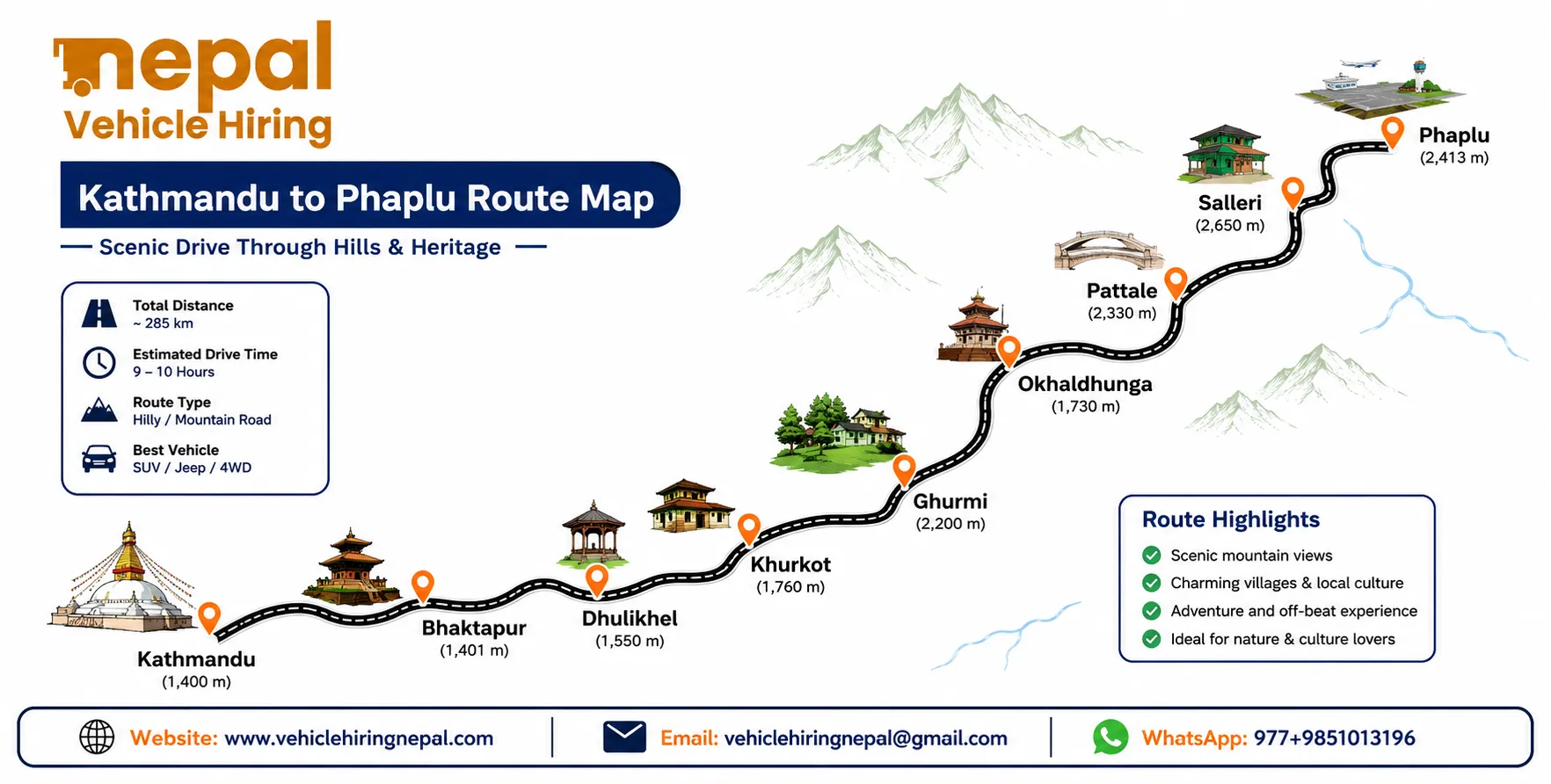
The backbone of the Everest region road access is the BP Koirala Highway — a major inter-regional road connecting Kathmandu to the eastern hill districts of Nepal via Banepa, Dhulikhel, Khurkot, and Okhaldhunga before entering the Solukhumbu District toward Salleri. This is the same Highway used by locals traveling to the eastern hills, by commercial traffic serving the Solu region’s increasingly growing economy, and by the growing number of Everest Base Camp trekkers who have discovered the road alternative. In 2026, the BP Highway is paved for the majority of its length and represents one of Nepal’s better-quality regional road connections. This standard enables the consistent eight- to ten-hour drive time between Kathmandu and Salleri in a capable private vehicle.
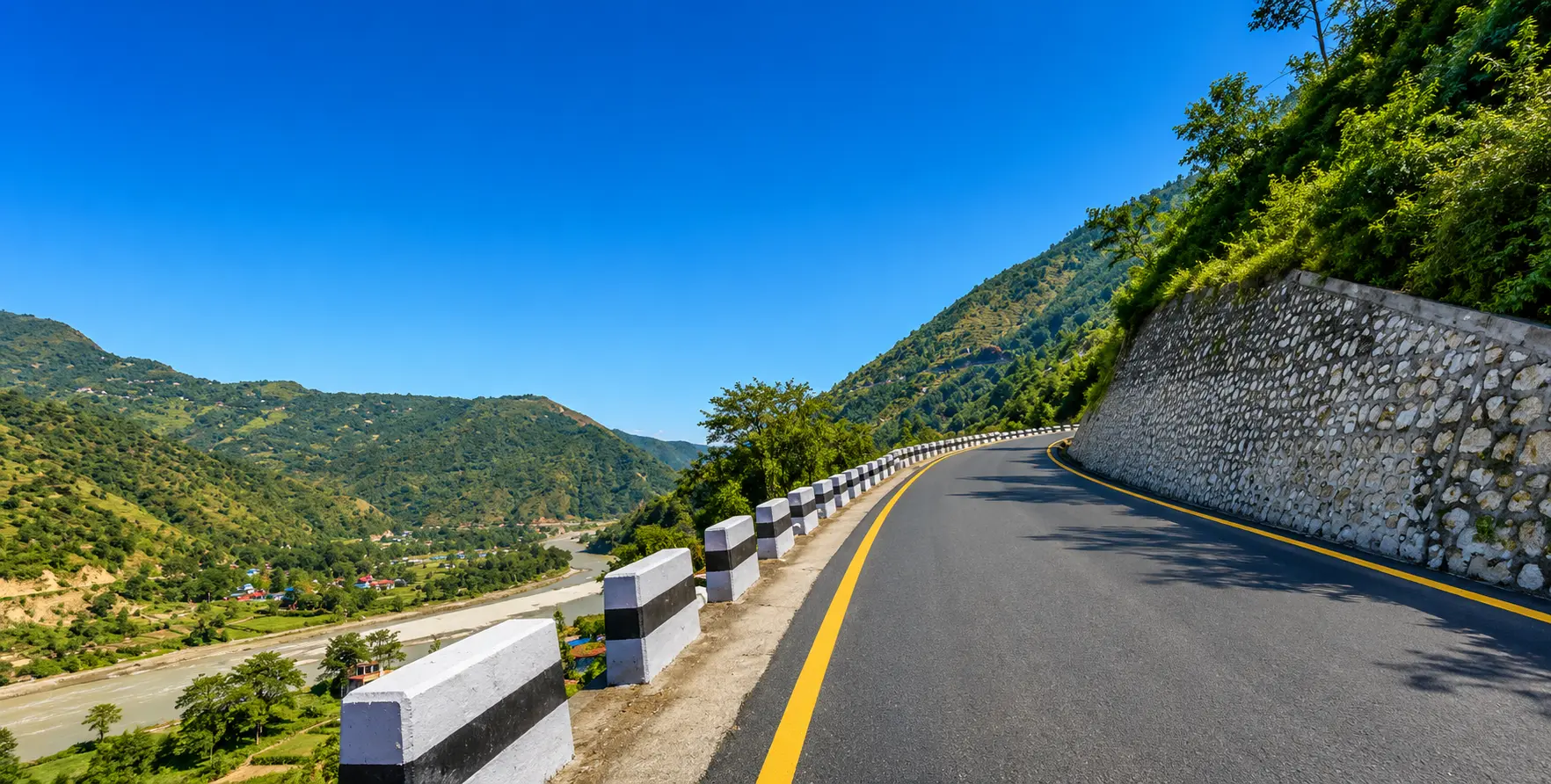
The BP Highway route exits Kathmandu eastward through Banepa and Dhulikhel — the same initial section used for the Kathmandu to Nagarkot tour and the Bhaktapur day trip before branching away from the valley rim — and then descends into the Sun Koshi River valley before climbing again into the mid-hill terrain of Okhaldhunga and Solukhumbu districts. The drive through these mid-hill landscapes, particularly the Sun Koshi gorge and the progressively more remote Solu Khumbu foothills, is one of the most visually varied and culturally rewarding road journeys in all of Nepal. This experience stands entirely on its own as a worthy component of the Everest trek rather than simply a means to an end.
Kathmandu to Salleri — The Primary Gateway (267 km)
Salleri (2,375 m), the headquarters of Solukhumbu District, is the primary gateway for the Everest region road approach and the most established point at which trekkers in private jeeps have been arriving to begin their walk toward the Khumbu. The distance from Kathmandu to Salleri is approximately 266.9 to 270 km depending on the specific route and measurement. By private 4WD jeep from Nepal Vehicle Hiring Pvt. Ltd., the journey takes approximately eight to nine hours with a single rest stop, requiring departure from Kathmandu by 5:00 AM for a comfortable arrival in Salleri before dark.
Salleri itself is a well-developed small district town with comfortable guesthouse accommodation, restaurants, ATMs, pharmacies, and the full range of services one expects from a district headquarters. It functions as an excellent overnight base before continuing on foot or by vehicle toward the higher Khumbu. Trekkers who begin walking from Salleri face approximately three to four trekking days to reach Namche Bazaar — the famous trading hub and acclimatization stop of the Everest Base Camp Trek — passing through the extraordinary cultural landscape of the Solu Khumbu foothills in a way that the Lukla flight entirely skips. This lower-Khumbu trekking section through Phaplu, Ringmo, Takshindu La, Nunthala, and Phakding is consistently described by those who walk it as one of the finest and most culturally authentic sections of the entire Everest region trekking experience.
Kathmandu to Phaplu — The Airport Alternative (268 km)
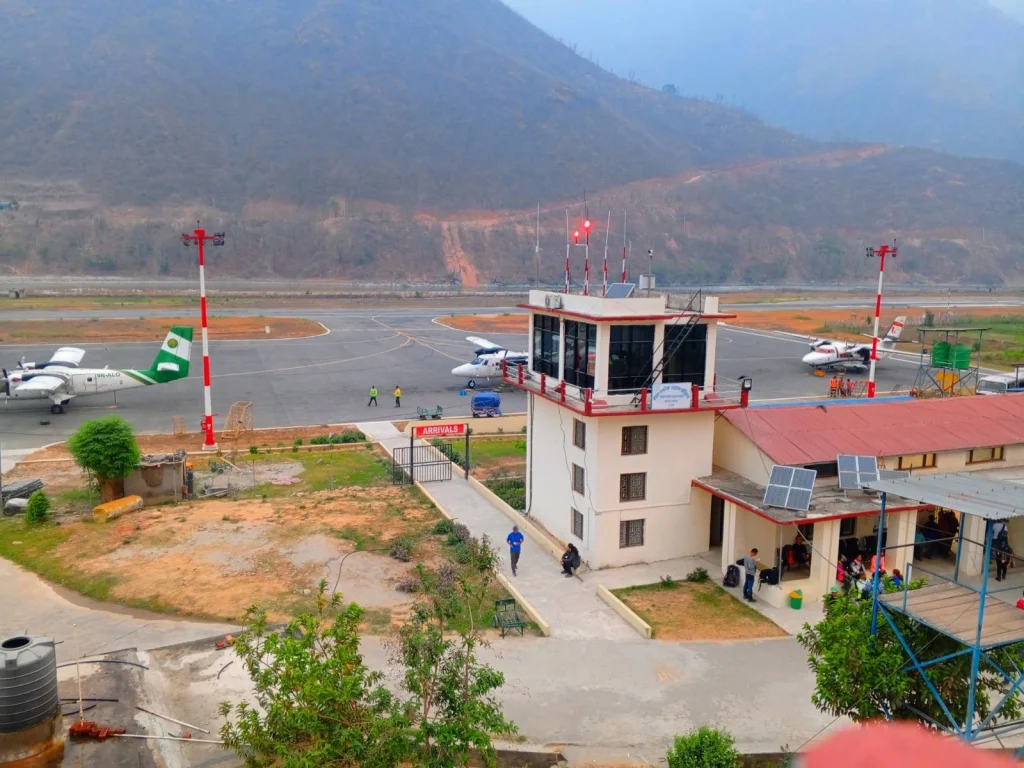
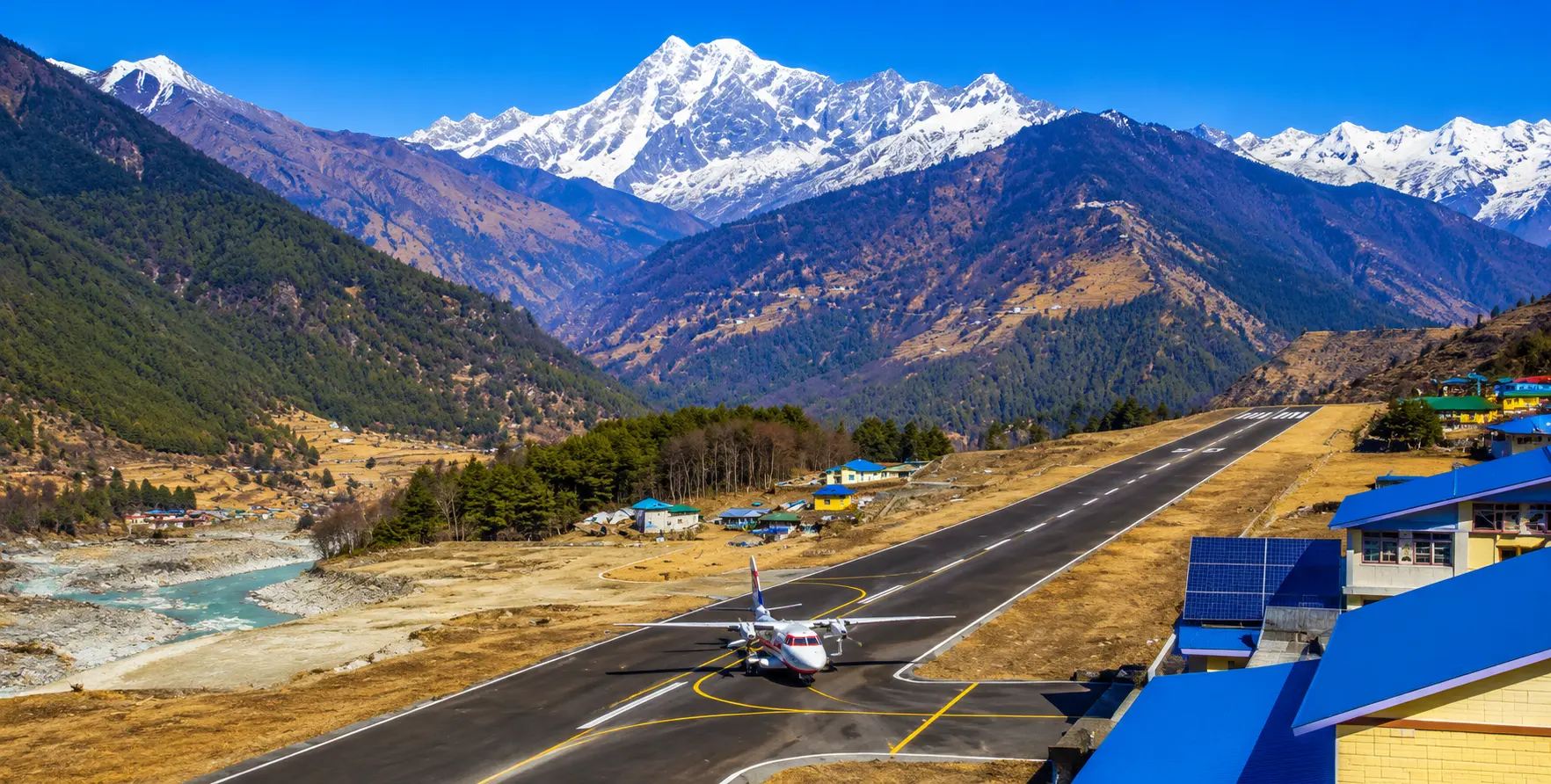
Phaplu (2,413 m) sits approximately 5 km above Salleri on the same road and is perhaps most familiar to trekkers as the location of Phaplu Airport — one of three small airports in the Solukhumbu District, handling flights from Kathmandu on small aircraft when weather permits By private jeep, Phaplu is reached in essentially the same time as Salleri — approximately eight to nine hours from Kathmandu — and represents, for many trekkers, the preferred road terminus because of its slightly higher elevation starting point for the walk-in and the marginally more established trekking infrastructure relative to Salleri The private jeep cost to Phaplu from Kathmandu is essentially identical to the Salleri cost — the additional 5 km does not materially change the vehicle pricing.
From Phaplu, trekkers have the option of walking all the way into the Khumbu on the classic lower-Solu route, or using a local jeep transfer from Phaplu northward toward Khari Khola and Thamdanda to reduce the approach-day walk. This combination — private jeep from Kathmandu to Phaplu for the comfortable, efficient main journey, followed by a shorter local jeep transfer from Phaplu to Khari Khola — is one of the most popular and practical itinerary structures for trekkers using the road approach to the Everest region in 2026.
Salleri to Khari Khola — The Extended Road (19 km beyond Salleri)
Khari Khola (approximately 2,070 m) lies 19 kilometers north of Salleri along a significantly rougher road than the BP Highway section used for the Kathmandu to Salleri leg. This extension, while short in distance, takes approximately 45 minutes to one hour in a capable 4WD jeep due to the road quality and gradient. From Khari Khola, trekkers join the classic trail at a point that is approximately two trekking days from Namche Bazaar—significantly reducing the approach walk compared to starting from Salleri or Phaplu while still experiencing a meaningful section of the lower Khumbu landscape. Khari Khola is particularly popular with EBC trekkers who have tighter schedules and want to reduce the overall approach days while still using the road alternative to Lukla flights.
Thamdanda — The 2026 Road End (2,780 m)
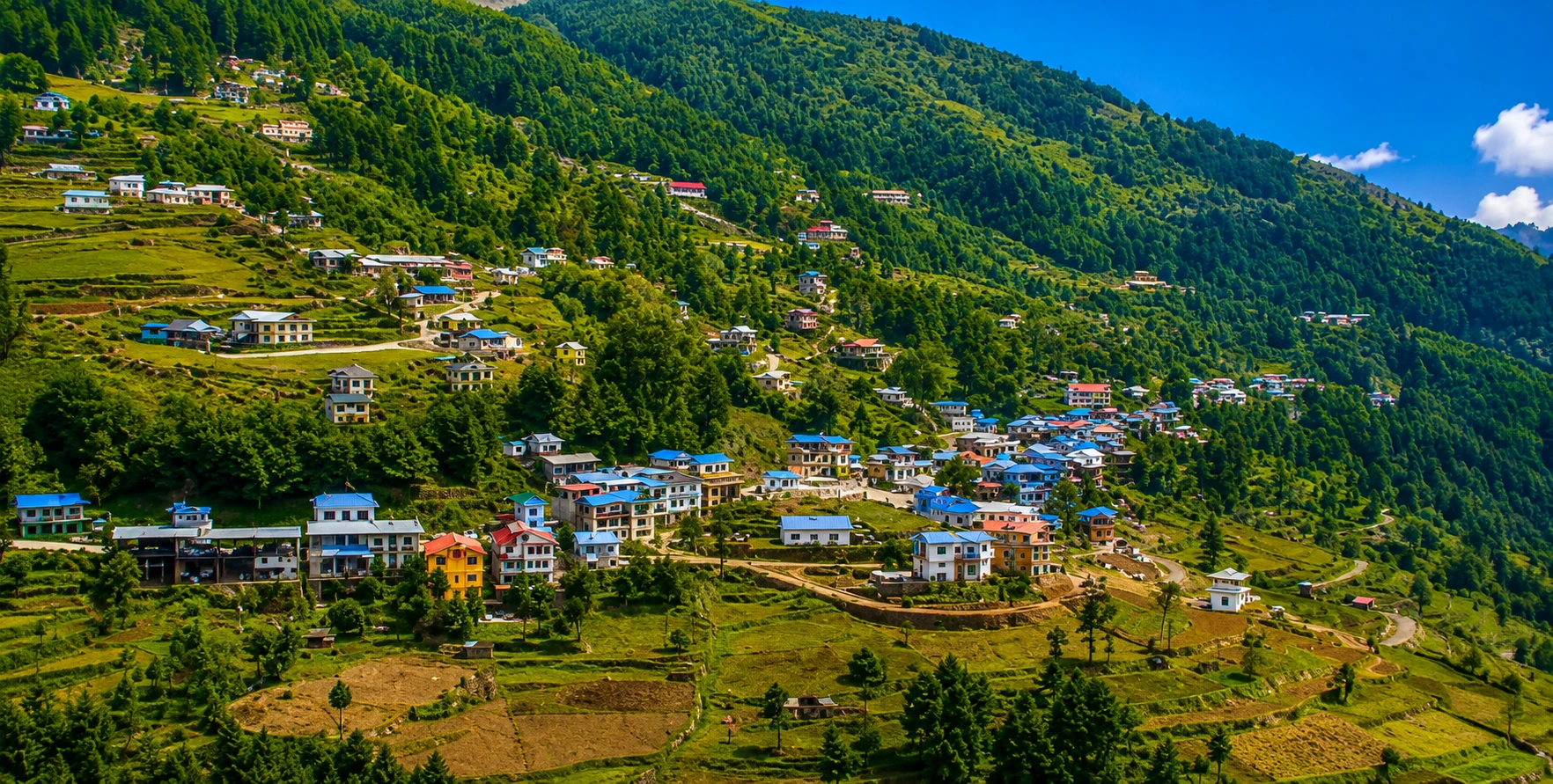
Thamdanda at 2,780 meters is the current furthest practical vehicle endpoint for the Everest region road access in 2026 — a small settlement where the road currently terminates and from which the walk to Paiya and beyond begins. The drive from Kathmandu to Thamdanda covers approximately 320 to 330 km. It takes between ten and twelve hours in a capable 4WD jeep, making it a very long single-day vehicle journey that many operators recommend splitting across two days with an overnight stop at Salleri or Khari Kola. From Thamdanda, it is approximately four to five hours of walking to Surke, from where Lukla is another hour’s walk. Arriving in Lukla by road thus avoids the famous airport entirely—entering it from below on foot rather than above by aircraft.
The road extension to Thamdanda is genuinely transformative for Everest Base Camp trekkers who use it. By driving to Thamdanda and walking the remaining sections to Surke and Lukla, the total approach walking distance from the road-end to Namche Bazaar is reduced to approximately one trekking day — a dramatic reduction from the three to four days of approach walking needed from Salleri, and a compelling option for any trekker who wants the complete freedom of the road approach without the additional days of lower-altitude walking.
The Road to Surke — The Near-Future Extension
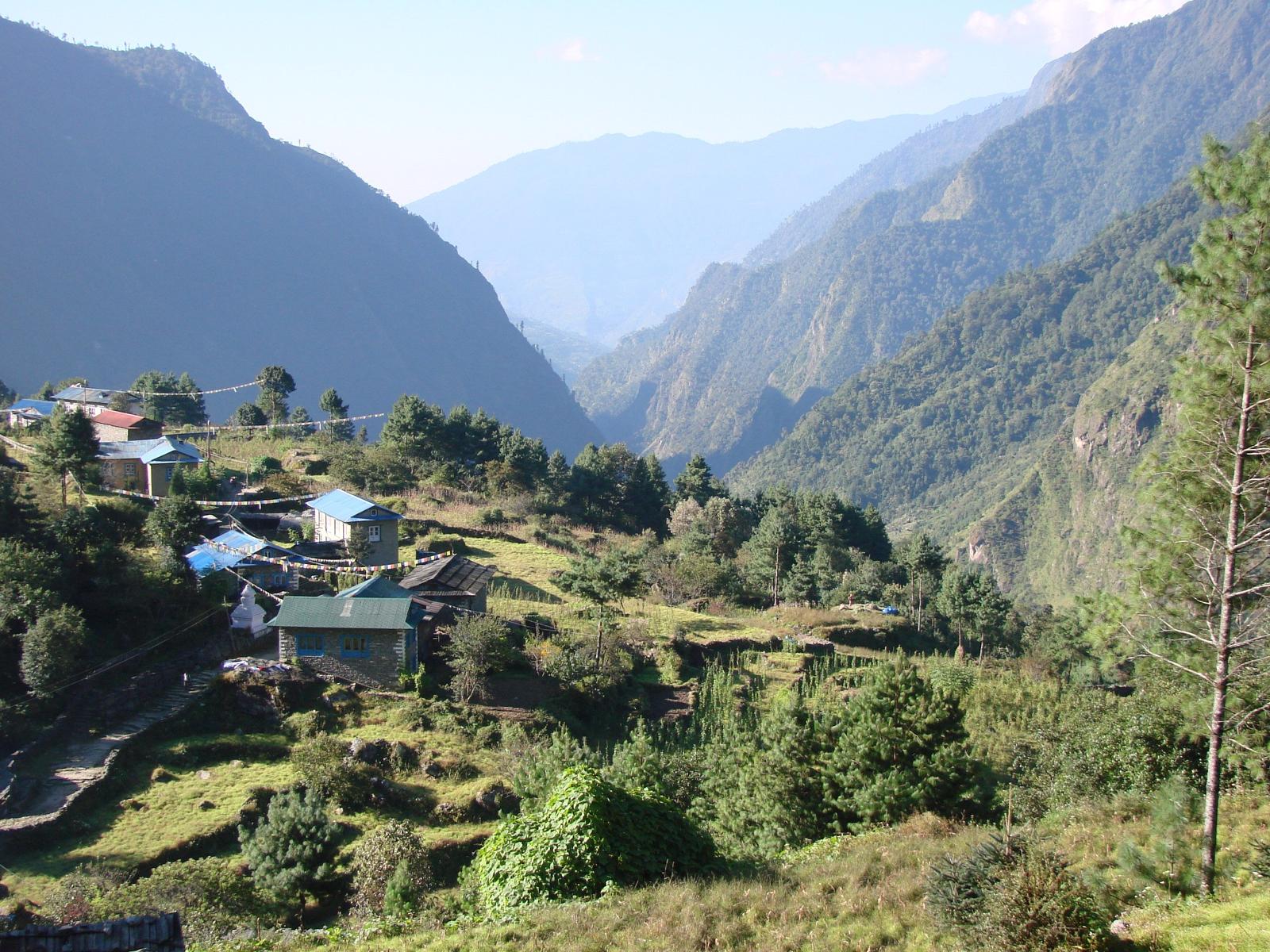
According to 2026 road development reports from the Khumbu Pasang Lhamu Rural Municipality, the road is being progressively extended from Thamdanda toward Surke (approximately 2,310 m), a village immediately below Lukla Airport. Survey work for this extension has been completed, and construction is ongoing, with the road reaching parts of the Surke approach area in 2025-2026. When complete, the Surke extension will make the road approach essentially equivalent to the Lukla flight in terms of access:ptpoint trekkers arriving by jeep from Kathmandu will reach the same point as those arriving by aircraft, but without the weather dependency, the flight cost, and the airport anxiety. This development is widely regarded as one of the most significant changes in Everest region trekking logistics in many years.
Why the Road Approach Is Becoming More Popular Than the Flight
Cost Comparison: Road vs Lukla Flight
The cost comparison between the road approach to the Everest region and the Lukla flight is more nuanced than a simple number comparison, but directionally very clear A one-way Lukla flight from Kathmandu (or from Ramechhap, plus the Kathmandu to Ramechhap vehicle transfer) costs foreign nationals approximately USD 180 to 220 per person each way — making the round-trip flight cost approximately USD 360 to 440 per person, exclusive of the booking fees, hotel nights during weather delays, and the cost of the Ramechhap transfer that is now required for most morning flights.
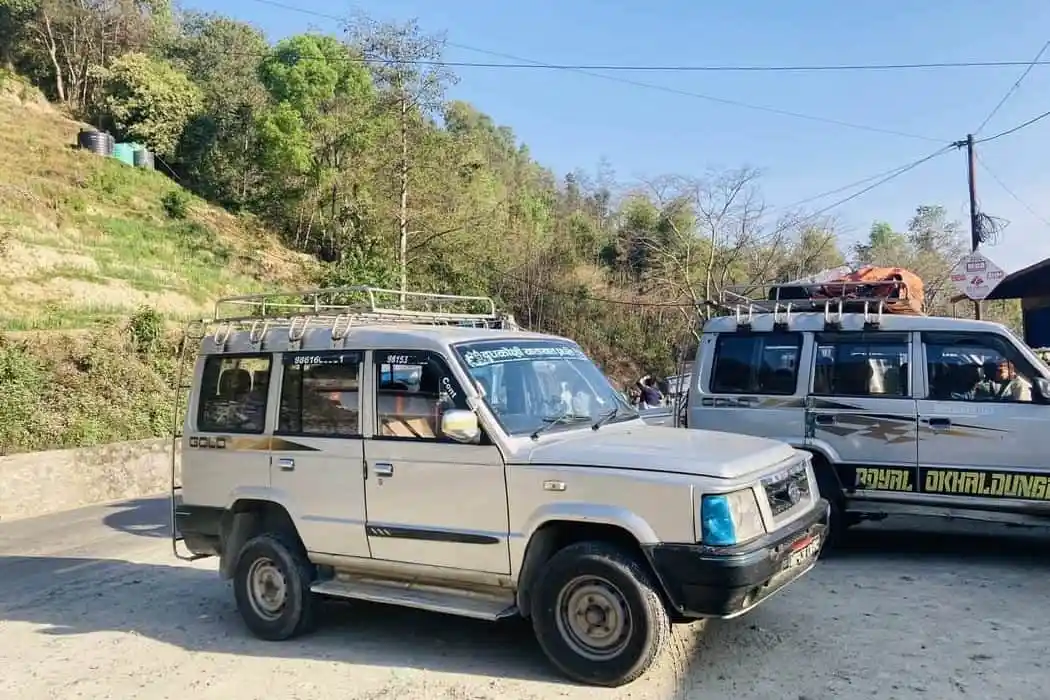
A private 4WD jeep from Nepal Vehicle Hiring Pvt. Ltd. from Kathmandu to Salleri or Phaplu costs approximately NPR 28,000 to 38,000 (USD 200 to 275) for the entire vehicle — which, shared between a group of four to six trekkers, produces a per-person cost of approximately USD 35 to 70 each way Even for a solo traveller paying the full vehicle cost, the one-way jeep rental at USD 200 to 275 is still lower than a single one-way Lukla flight, and t. The road saves the second flight entirely. For groups of four or more, the economic case for the road is overwhelming — the total vehicle hire cost for a group return journey is often lower than the cost of a single person’s round-trip Lukla flights.
The Cultural Dimension: What the Flight Misses
Perhaps the most compelling case for the road approach to the Everest region is not the cost or the weather independence but what the road actually shows you that the Lukla flight entirely skips. The BP Highway corridor from Kathmandu through the Solu Khumbu foothills passes through one of Nepal’s most culturally rich and least touristically developed landscapes — Rai villages with their distinctive cultural traditions and local deities, Sherpa communities in the mid-hills that preceded the high Khumbu settlement and maintain a more diverse economic base than the trek-focused higher villages, Tamang communities with their Buddhist monasteries and chorten networks, and the extraordinary Solu plateau landscape with its apple orchards, Takshindu La pass (3,071 m) panoramas, and the famous Takshindu Monastery that has been welcoming travelers on this ancient route for centuries.
Trekkers who drive to Salleri and walk in through the lower Solu Khumbu are essentially recreating the experience of the historic Jiri to Everest Base Camp route — the route used by the earliest serious trekkers to the Everest region before Lukla Airport was built in 1964 and by Sir Edmund Hillary’s support teams in the years following the first Everest ascent. This historic route through the lower Khumbu is currently walked by fewer than 5 percent of EBC trekkers — and those who choose it consistently describe it as the most authentic and culturally rich section of their entire Nepal experience.
The Jeep Rental: Vehicle Requirements for Each Road Section
Kathmandu to Salleri/Phaplu — 4WD Strongly Recommended
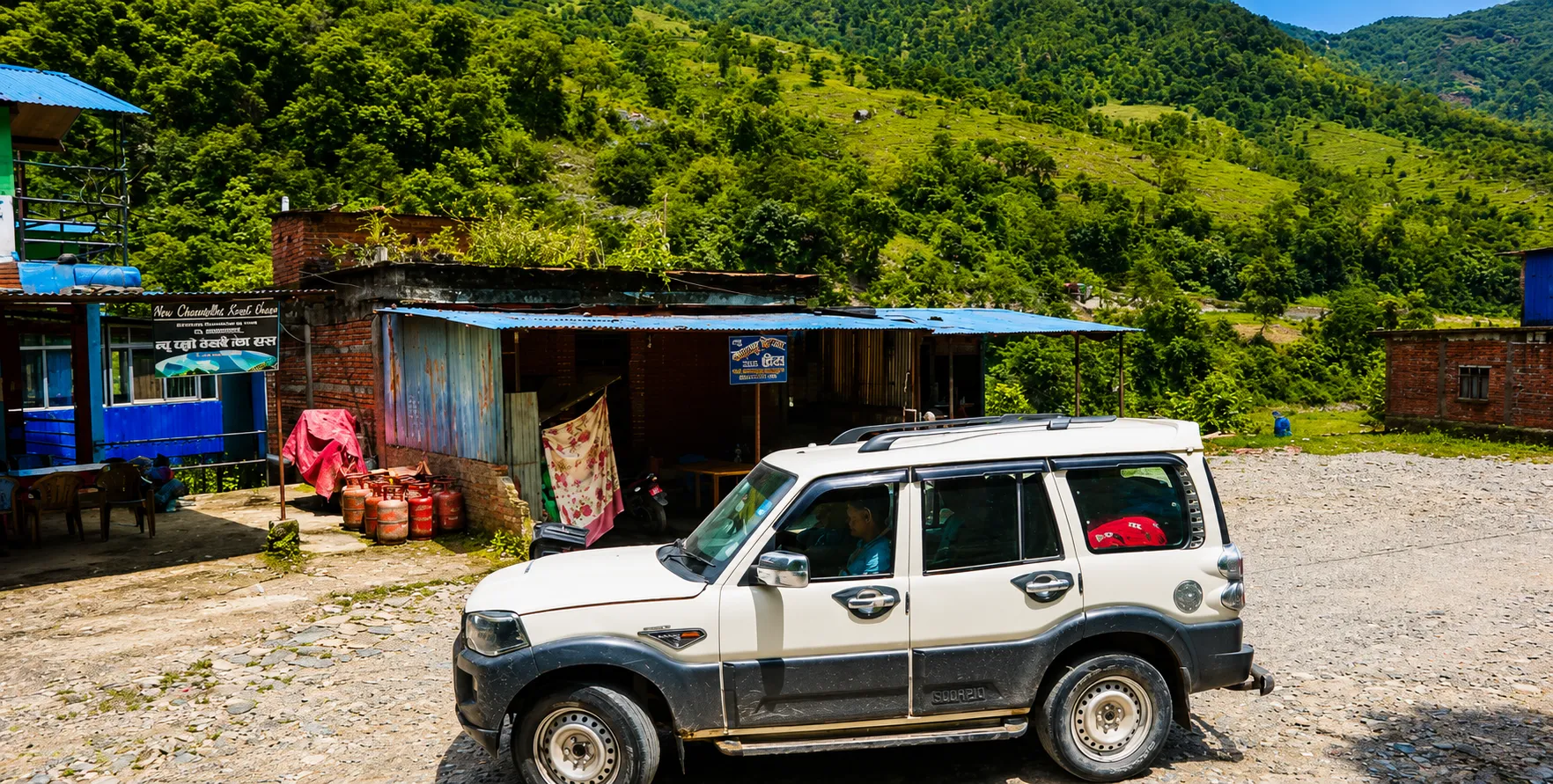
The BP Koirala Highway from Kathmandu to Salleri and Phaplu is paved for the majority of its length and is in generally good condition by Nepal mid-hill road standard. In the dry season, well-maintained standard vehicles can manage the route. Still, NepalVehicle Hiring Pvt. Ltd. recommends a 4WD Toyota Fortuner or Land Cruiser for all Everest region road transfers for consistent reasons: the BP Highway includes several sections of rough or damaged surface that benefit from higher ground clearance; the route passes through areas with periodic landslide risk where a robust vehicle provides greater safety margin; and the very long drive time of eight to ten hours makes the comfort and stability of a quality 4WD vehicle significantly more valuable for trekkers who need to arrive at the road end in reasonable condition for the walking that follows.
The Toyota Fortuner — the most popular option in Nepal Vehicle Hiring Pvt. Ltd.’s fleet for this route — provides the right combination of cabin comfort for the long journey, adequate luggage capacity for trek gear, and genuine 4WD capability for the road’s variable section. For groups of six or seven, the Toyota Land Cruiser is the recommended upgrade — its larger cabin, superior engine torque for the long sustained mountain road grades, and premium passenger space make it the first choice for full groups undertaking the Kathmandu to Salleri jeep rental.
Salleri to Khari Khola and Thamdanda — 4WD Mandatory
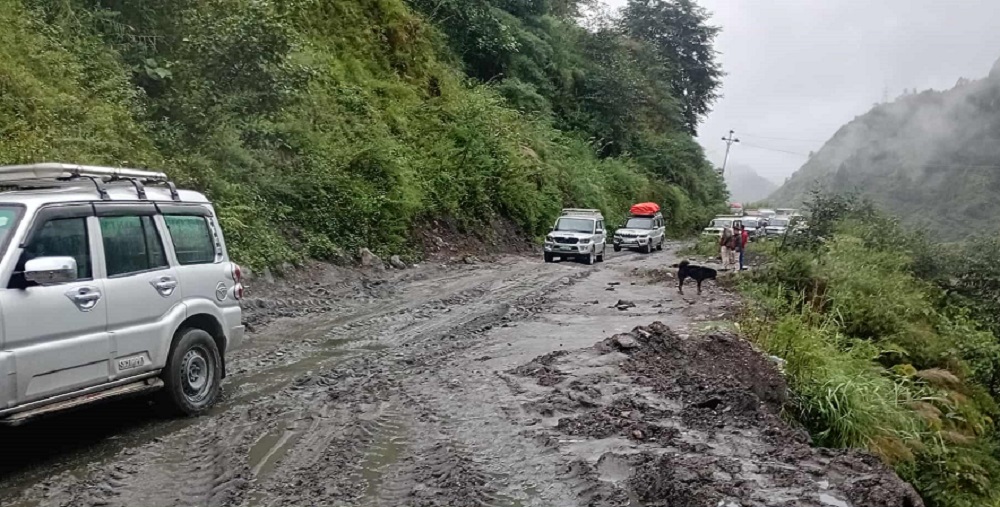
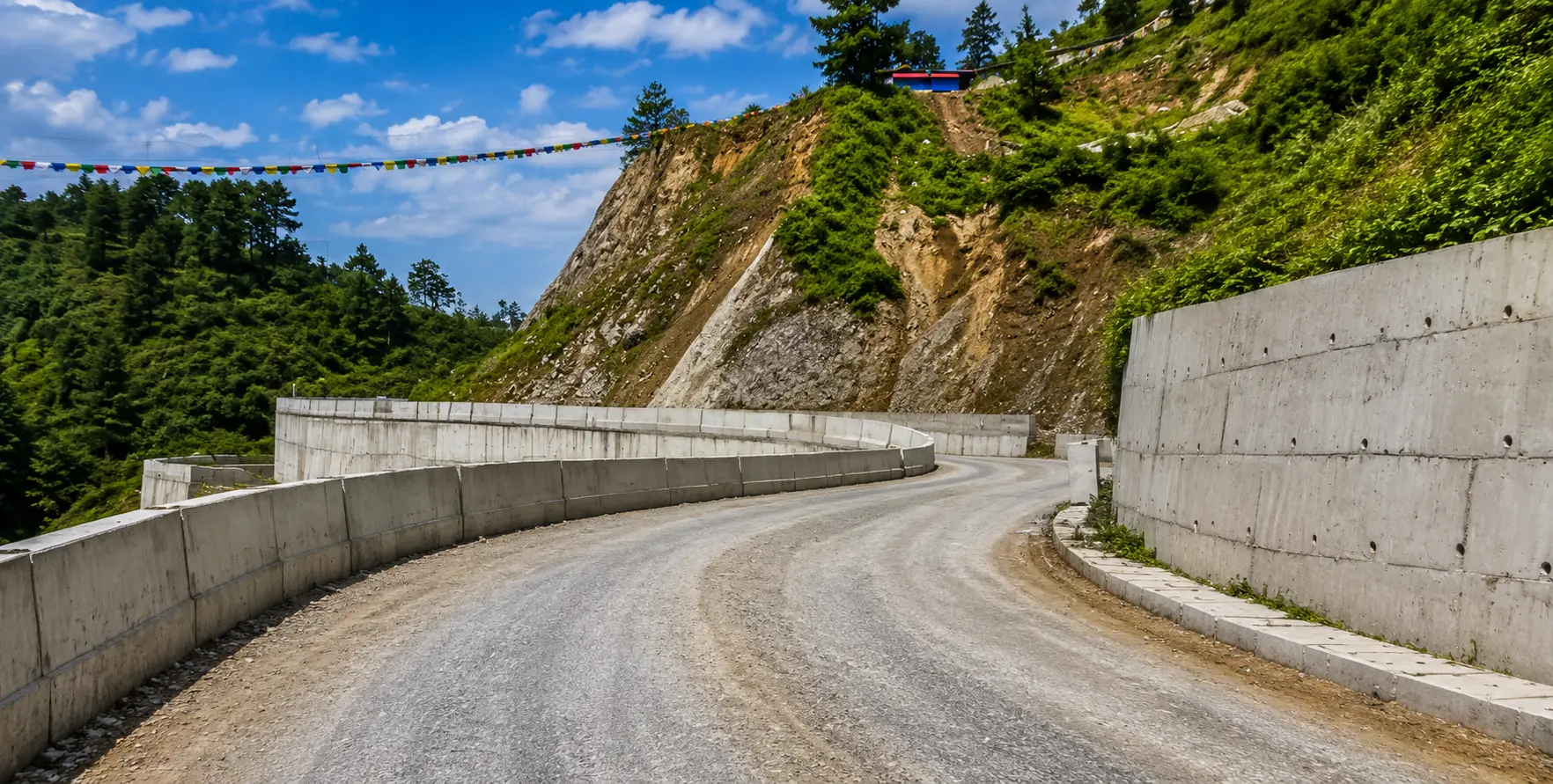
Beyond Salleri and Phaplu, the road toward Khari Khola and Thamdanda becomes progressively rougher and more technically demanding, transitioning from the relatively well-maintained BP Highway standard to a rough jeep track that requires genuine 4WD capability to navigate reliably. This section—particularly the Khari Khola to Thamdanda segment—involves narrow mountain tracks, significant gradient changes, river proximity, and a road surface that deteriorates substantially during and after the monsoon. A Toyota Hilux 4WD or Land Cruiser is the recommended vehicle type for the Khari Khola to Thamdanda section, with its higher ground clearance and more robust off-road drivetrain providing the additional capability this terrain demands.
Nepal Vehicle Hiring Pvt. Ltd. currently operates the Kathmandu to Salleri/Phaplu transfer using its main 4WD fleet from the capital. For the extension from Salleri toward Khari Khola and Thamdanda, the company coordinates with local operators who use vehicles specifically adapted for the upper road section — a practical arrangement that ensures the most appropriate vehicle type is used for each segment of the total journey. Trekkers who want to travel beyond Phaplu to Khari Khola or Thamdanda should discuss this with the Nepal Vehicle Hiring Pvt. Ltd. team at the time of booking so that the complete vehicle arrangement can be coordinated in advance.
The Everest Region Road Transfer — Stage by Stage
Stage 1: Kathmandu to Banepa and Dhulikhel (31 km / 1 hour)
The Kathmandu to Salleri jeep departs fromparts from your hotel in Kathmandu at the recommended time and heads eastward through the capital toward Banepa and Dhulikhel — the same initial stretch used for the Bhaktapur heritage tour and the eastern valley rim approach before branching onto the Highway southward. The Kathmandu Valley exit via Banepa is straightforward and well-paved, with the road reaching Dhulikhel at approximately 1,550 meters — a popular starting point for the BP Highway’s descent toward the Sun Koshi valley.
Stage 2: Dhulikhel to Khurkot via Sun Koshi (70 km / 2.5 hours)
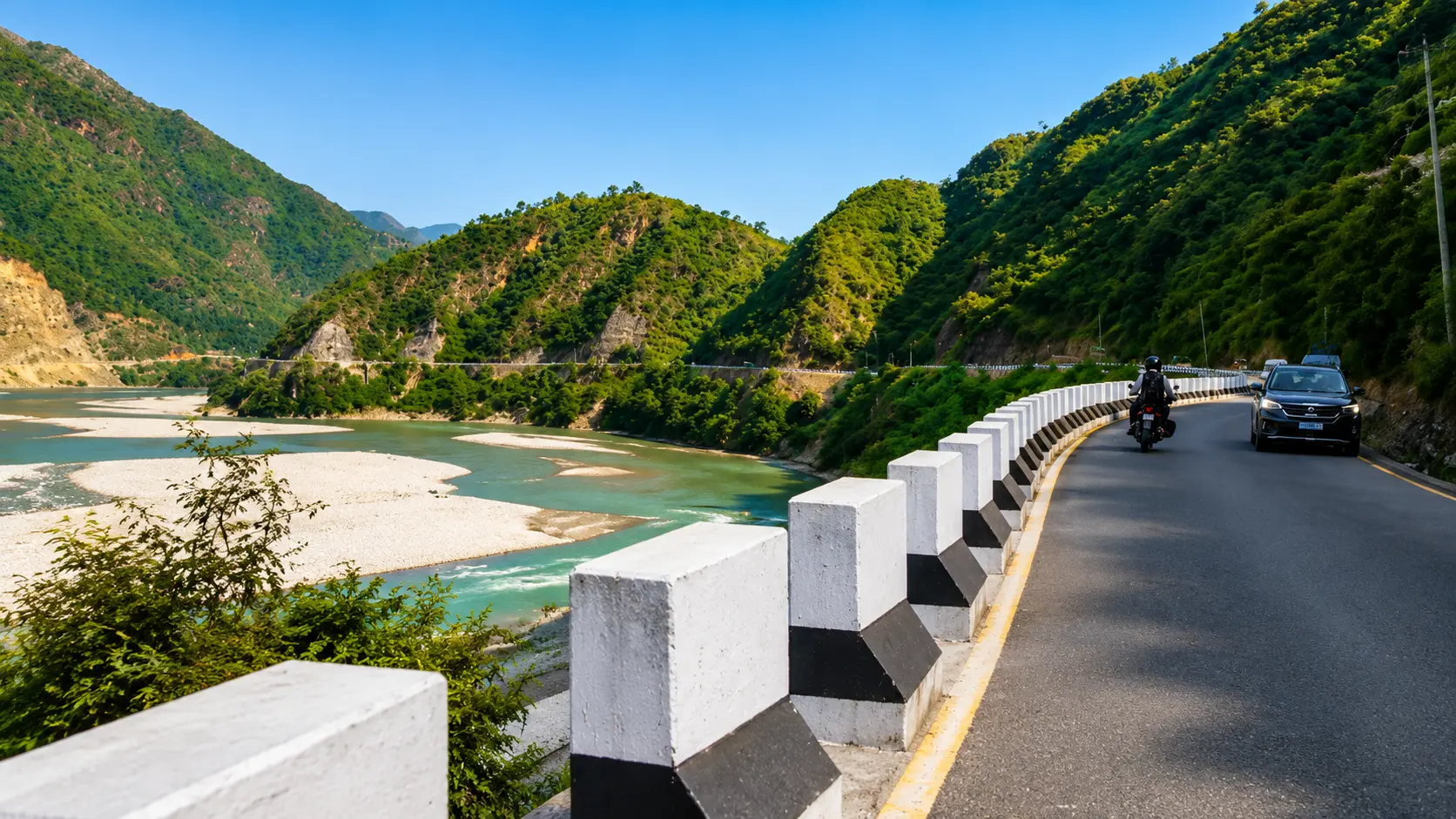
From Dhulikhel, the BP Koirala Highway descends through switchbacks to the Sun Koshi River valley at Dolalaghat bridge before climbing again through the mid-hill terrain of Sindhuli District toward Khurkot. This section of approximately 70 kilometres contains some of the most varied and visually rich landscape of the entire Kathmandu to Salleri road journey — the Sun Koshi River gorge scenery, the progressive change in vegetation character from the Kathmandu Valley‘s temperate zone to the subtropical character of the lower river valleys, and the first encounters with the Tamang and Rai communities whose villages line the hiHighways it climbs toward the Solukhum u District border. Khurkot is the junction where the BP Highway meets the Khurkot Ghurmi Madhya Pahadi Highway, marking the transition into the final section toward Okhaldhunga and Solukhumbu.
Stage 3: Khurkot to Salleri via Okhaldhunga (166 km / 4.5–5 hours)
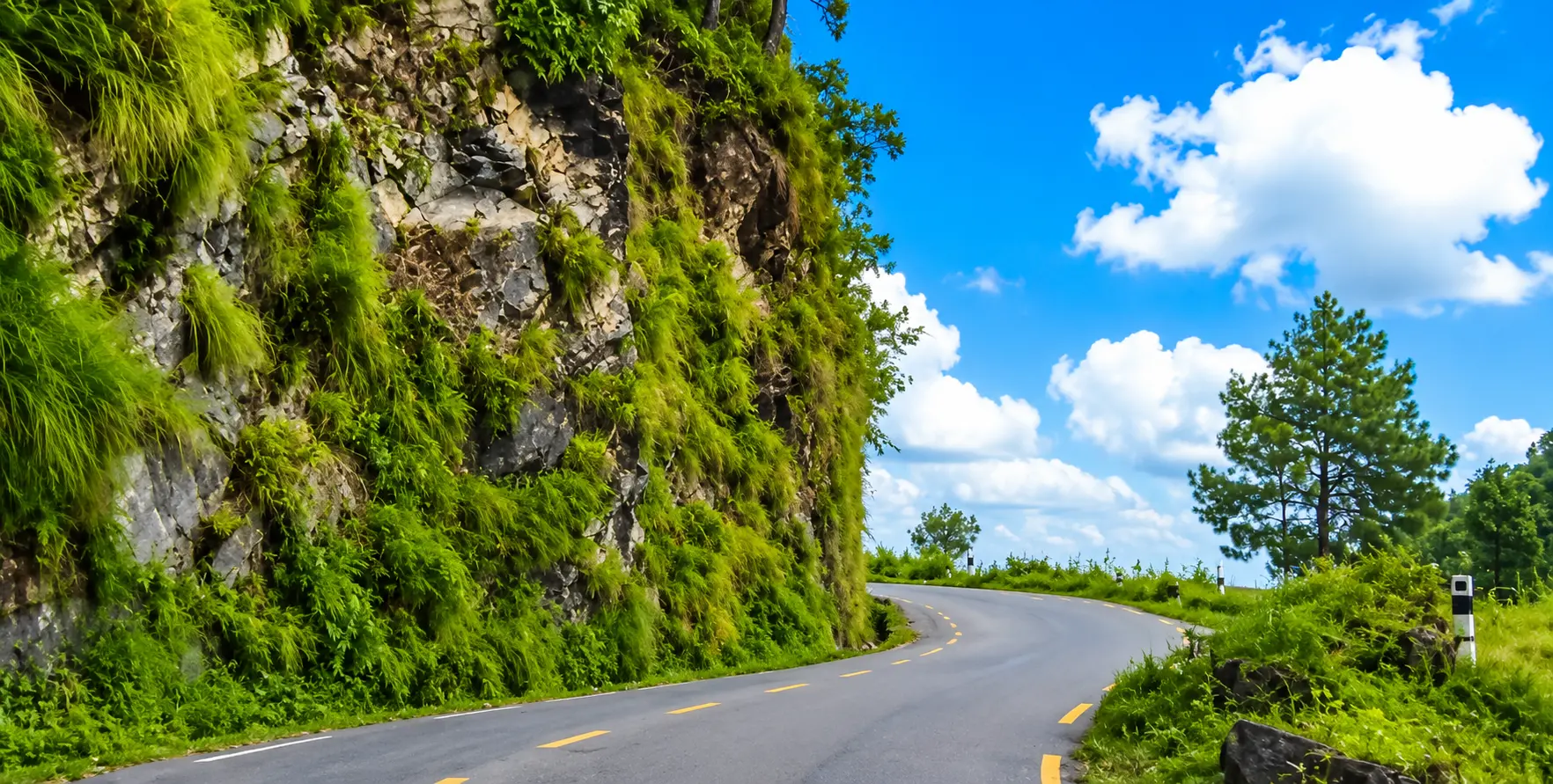
The longest and most scenic section of the Kathmandu to Salleri drive runs from Khurkot through Okhaldhunga and into Solukhumbu District toward Salleri. This section covers approximately 166 kilometers and takes four and a half to five hours in a capable private 4WD jeep. The road climbs progressively through the Solu Khumbu foothills, passing the district headquarters of Okhaldhunga and then continuing through the increasingly Sherpa-influenced cultural landscape of the upper Solu region before reaching Salleri. This section also passes through the zone most susceptible to seasonal landslides — an important consideration for monsoon-season travel planning, when Nepal Vehicle Hiring Pvt. Ltd.‘s real-time road condition monitoring is most valuable for ensuring safe and efficient journey planning.
Permits Required for the Everest Region Trek via Road Access
Sagarmatha National Park Entry Permit
The Sagarmatha National Park Entry Permit is required for all trekkers entering the Everest region, including those using the road approach via Salleri and Phapu. The cost in 2026 is NPR 3,000 for foreign nationals. The permit is obtained at the Nepal Tourism Board office in Kathmandu or at the National Park entry checkpoints on the trail. Trekkers using the road approach from Salleri or Phaplu enter the Sagarmatha National Park boundary later in the trek than those flying to Lukla—typically on the classic route—and the permit is checked at the Monjo checkpoint. Obtaining this permit in Kathmandu before the Salleri jeep transfer is the most reliable approach.
Khumbu Pasang Lhamu Rural Municipality Fee
A Khumbu Pasang Lhamu Rural Municipality Trekking Fee of NPR 2,000 per person is levied on all trekkers entering the Khumbu Pasang Lhamu municipality area — which includes the upper Everest region above Mo jo. This fee was introduced to fund local development and conservation within the municipality and is collected at the Monjo checkpoint on the classic EBC route. Trekkers using the road approach from Salleri pass through this checkpoint in the same way as those arriving from Lukla and are subject to the same fee.
TIMS Card
The TIMS Card (NPR 2,000 for individual trekkers) must be obtained from the Nepal Tourism Board in Kathmandu before departure. As with all Nepal trekking permits, obtaining this card in Kathmandu the day before the Salleri jeep transfer is the most reliable and time-efficient approach. Nepal Vapproachiring Pvt. Ltd. includes permit reminders in all Everest region transfer booking confirmations.
 Cost Guide: Everest Region Jeep Rental 2026 (Verified Rates)
The following cost information for Everest region jeep rental in 2026 reflects the all-inclusive pricing of Nepal Vehicle Hiring Pvt. Ltd., covering driver, fuel, vehicle insurance, and hotel pickup from anywhere in Kathmandu.
Kathmandu to Salleri or Phaplu — One-Way: NPR 28,000 to 35,000 (Toyota Fortuner) | NPR 35,000 to 45,000 (Toyota Land Cruiser). These reflect the long distance of approximately 267 km, requiring a nine- to ten-hour drive, and the fuel consumption of a 4W operating on mixed BP Highway terrain for a full day.
Kathmandu to Khari Khola — One-Way: NPR 35,000 to 48,000 (Toyota Fortuner or Hilux). The extension from Salleri to Khari Khola (19 km on rough road) adds approximately NPR 7,000 to 12,000 above the Salleri base rate, reflecting the additional vehicle time and road difficulty.
Kathmandu to Thamdanda — One-Way (Full Road Extension): NPR 45,000 to 60, 00. This is the complete Everest region road jeep rental package covering the entire current road extent from Kathmandu to the trek start point closest to Lu la. The rate reflects the very long single-day or two-day journey and the significantly more demanding road conditions on the upper section.
Return Pickup (Salleri/Phaplu to Kathmandu): NPR 25,000 to 32,000 (Fortuner) — slightly lower than outbound due to the partial uphill character of the Salleri approach road. As with all Nepal Vehicle Hiring Pvt. Ltd. services, the return pickup can be pre-booked with a flexible date adjustable via WhatsApp at +977 9851013196 during the trek.
Per-person economics for groups: for a group of four sharing a Fortuner jeep rental to Salleri, the per-person one-way cost is approximately NPR 7,000 to 8,750 (USD 51 to 64) — dramatically less than the USD 180 to 220 Lukla flight and with a significantly better journey experience included.
Planning Your Everest Region Road Transfer — Practical Guide
Optimal Departure Timing
The Kathmandu to Salleri jeep transfer requires the earliest departure of any standard Nepal trekking trailhead transfer — Nepal Vehicle Hiring Pvt. Ltd. recommends departing your Kathmandu hotel at 5:00 AM or earlier for the Salleri rorouteThis early start is non-negotiable for a single-day transfer — the nine to ten hour drive time means that a 5:00 AM departure from Kathmandu delivers trekkers to Salleri by approximately 2:00 to 4:00 PM, leaving adequate time to check into accommodation before dark. Departures after 6:00 AM risk arriving in Salleri after nightfall, which is uncomfortable and adds no trekking value.
Two-Day Transfer Option for Thamdanda
For trekkers who want to reach the road end at Thamdanda rather than beginning their walk from Salleri, a two-day transfer is the preferred arrangement — Day 1 from Kathmandu to Salleri overnight, Day 2 from Salleri to Thamdanda in a local jeep — arriving at the walk-in point in the morning with a full day’s walking available. Nepal Vehicle Hiring Pvt. Ltd. coordinates the full two-day arrangement including the Salleri accommodation recommendation and the local jeep coordination for the upper section.
Pre-Transfer Kathmandu Activities
Trekkers arriving in Kathmandu with one or two days before the Salleri transfer have excellent options for sightseeing. Nepal Vehicle Hiring Pvt. Ltd.‘s Kathmandu sightseeing tour covers Boudhanath Stupa, Pashupatinath Temple, Swayambhunath, and Patan Durbar Square in a single day. The Bhaktapur Durbar Square day tour and Nagarkot sunrise tour are further excellent options for pre-trek engagement with Nepal’s extraordinary heritage.
Nepal Vehicle Hiring Pvt. Ltd. — The Trusted Everest Road Access Partner
Nepal Vehicle Hiring Pvt. Ltd. brings to the Everest region road transfer service the same qualities that have made it Nepal’s most trusted private vehicle hire company across its full range of services: meticulously maintained 4WD vehicles — Toyota Fortuner, Toyota Land Cruiser, and Toyota Hilux — experienced drivers with specific knowledge of the BP Koirala Highway and the Solukhumbu District road network, transparent all-inclusive pricing, and the 24-hour WhatsApp support at +977 9851013196 that keeps clients informed and connected throughout one of Nepal’s most logistically demanding trekking transfer journeys.
Whether you are planning a Kathmandu to Salleri jeep hire to begin the Everest Base Camp Trek by road, a private jeep rental to Phaplu, as the weather-independent alternative to the Lukla flight, or a complete Kathmandu to Thamdanda vehicle service that takes you to within walking distance of the famous Lukla Airport approach trail, Nepal Vehicle Hiring Pvt. Ltd. has the vehicle, the driver, and the operational expertise to make the journey reliable, comfortable, and genuinely enriching.
Book Your Everest Region Jeep Rental with Nepal Vehicle Hiring |
| Website: www.vehiclehiringnepal.com |
| Phone / WhatsApp: +977 9851013196 (24/7 — 5 AM Departures Available) |
| ✉Email: [email protected] |
| Office: Bhagawatisthan, Thamel, Kathmandu, Nepal |
| Fleet: Toyota Fortuner 4WD | Toyota Land Cruiser | Toyota Hilux 4WD |
| Routes: Kathmandu → Salleri | Kathmandu → Phaplu | → Khari Khola | → Thamdanda |
| Return Pickup: Salleri/Phaplu to Kathmandu — pre-book, date-flexible via WhatsApp |
| 8,000+ Happy Customers | 5.0 TripAdvisor | 200+ Verified Reviews |
| All-Inclusive Pricing | Hotel Pickup | Experienced Mountain Drivers |
| Licensed & Registered | Company Reg. No. 219204 | Best Value Guaranteed |
Frequently Asked Questions — Everest Region Road Access and Jeep Rental
How far is it from Kathmandu to Salleri or Phaplu by road?
The road distance from Kathmandu to Salleri is approximately 266.9 to 270 km via the BP Koirala Highway. Phaplu is approximately 5 km further, making the total distance to Phaplu approximately 272 km. By private 4WD jeep from Nepal Vehicle Hiring Pvt. Ltd., the drive takes eight to nine hours with a single rest stop, requiring a 5:00 AM departure from Kathmandu for a comfortable pre-dark arrival.
Is the road approach to the Everest region better than the Lukla flight?
The road approach is better in specific and significant ways. For example: it is completely weather-independent (no cancellations), substantially less expensive for groups of 3 or more, and delivers trekkers through the extraordinary Solu Khumbu cultural landscape that the flight skips entirely. The Lukla flight is better when time is the absolute priority and budget is secondary — it delivers trekkers to the heart of the Khumbu in 35 minutes instead of 8 ho rs. For most independent trekkers and groups traveling in 2026, the combination of private jeep transfer to Salleri or Phaplu followed by the walk-in through the lower Khumbu represents the most rewarding, most reliable, and most cost-effective approach to the Everest Base Camp Trek.
Can I drive all the way to Lukla?
Not yet, but the road is getting closer. In 2026, the road extends to approximately Thamdanda (2,780 m) and partially toward Surke (near Lukla). From Thamdanda, it is approximately four to five hours of walking to Surke and one more hour to Lukla. Complete road access to Lukla or Surke is expected within the next few years as road construction continues. Nepal Vehicle Hiring Pvt. Ltd. provides the most current road-end information at the time of booking.
How much does the Kathmandu to Salleri jeep rental cost in 2026?
A private Toyota Fortuner 4WD jeep from Nepal Vehicle Hiring Pvt. Ltd. from Kathmandu to Salleri or Phaplu costs approximately NPR 28,000 to 35,000 (USD 200–255) all-inclusive for the full vehicle. For a group of four sharing the vehicle, the per-person cost is approximately NPR 7,000 to 8,750—significantly less than the USD 180 to 220 cost of a Lukla flight per person. Contact Nepal Vehicle Hiring Pvt. Ltd. at +977 9851013196 for a specific quote for your dates and group size.
What vehicle is best for the Kathmandu to Salleri road?
A Toyota Fortuner 4WD is the standard recommendation for the Kathmandu to Salleri transfer for groups of two to f vfiveor groups of six or seven, the Toyota Land Cruiser provides the best cabin space and performance for the long jjourney For the extension beyond Salleri toward Khari Khola and Thamdanda, the Toyota Hilux 4WD is specifically recommended for its high ground clearance and mechanical robustness on the more demanding upper road.
Conclusion: The Road Is Open — The Everest Adventure Begins Here
The Everest region road access in 2026 represents one of the most significant and positive changes in Nepal trekking logistics of the past ddecade The road to Salleri, Phaplu, Khari Khola, and now Thamdanda has transformed what was once a binary choice — fly to Lukla or don’t go to Everest — into a genuine and in many ways superior alternative that is weather-independent, cost-effective for groups, and culturally enriching in ways the flight cannot rreplicate The ancient Solu Khumbu landscape that the road corridor reveals — the Rai villages, the Sherpa settlements, the rhododendron forests, the Takshindu Monastery, the extraordinary mid-hill cultural geography that Hillary’s earliest support teams walked through — is waiting to be rediscovered by the 95 percent of Everest trekkers who have never seen it.
Nepal Vehicle Hiring Pvt. Ltd. is the trusted jeep rental partner that makes this road approach comfortable, reliable, and well-organized — from the Kathmandu hotel pickup at 5:00 AM through the extraordinary BP Highway journey to the Salleri or Phaplu road-end, and back again at the trek’s end with the same quality of vehicle and driver. Contact us today at +977 9851013196 or vehiclehiringnepal. om. The road to Everest is open — and it is extraordinary.
- Everest Region Road Access and Jeep Rental Guide 2026
- Introduction: The Road That Changes Everything for Everest Trekkers
- The Lukla Flight Problem — Why Trekkers Are Choosing the Road
- The 2026 Road Network — Current Access Points and Distances
- Why the Road Approach Is Becoming More Popular Than the Flight
- The Jeep Rental: Vehicle Requirements for Each Road Section
- The Everest Region Road Transfer — Stage by Stage
- Permits Required for the Everest Region Trek via Road Access
- Planning Your Everest Region Road Transfer — Practical Guide
- Nepal Vehicle Hiring Pvt. Ltd. — The Trusted Everest Road Access Partner
- Frequently Asked Questions — Everest Region Road Access and Jeep Rental
- Conclusion: The Road Is Open — The Everest Adventure Begins Here

Related Blog & Articles
Kathmandu to Phaplu Vehicle Guide 2026
Kathmandu to Salleri & Phaplu Jeep Price 2026–2027
Kathmandu to Lukla Road Route Transfer
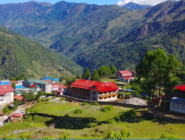
Kathmandu to Salleri Jeep Guide 2026