Plan a Trip


Surkhet to Rara Lake Jeep Rental | Remote Drive
Surkhet to Rara Lake Jeep Rental — Your Complete Guide to Nepal’s Most Remote Lake
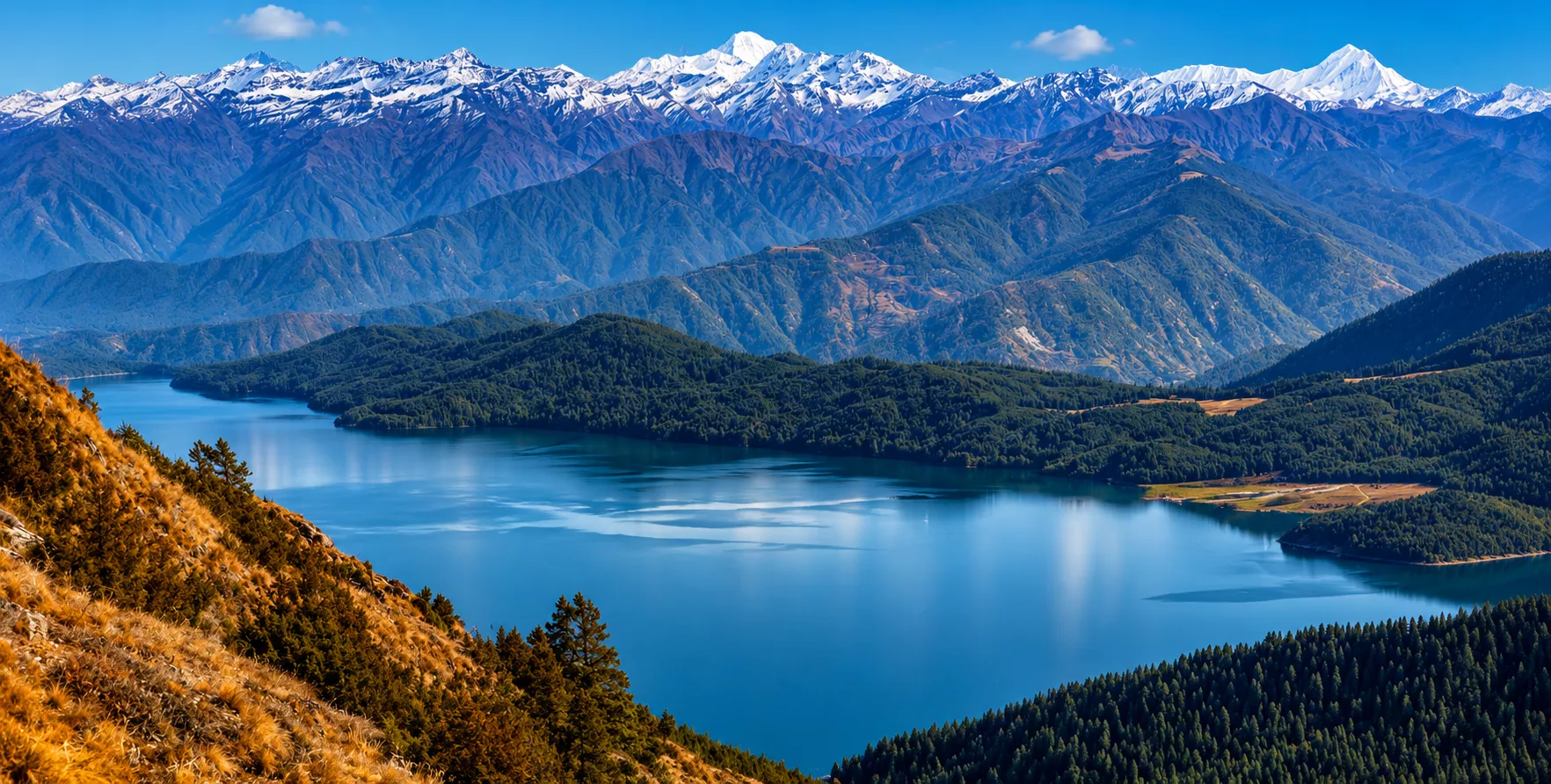
There is a lake in the far west of Nepal that almost nobody outside the country knows about — and very few within it have actually visited. Rara Lake, sitting at 2,990 meters in the remote Mugu District of Karnali Province, is Nepal’s largest lake by surface area, covering 10.8 square kilometres of crystalline mountain water so clear that the rocky lake bed is visible at depths that, in most mountain lakes, would be completely opaque with suspended sediment. Ringed by dense coniferous forest of pine, spruce, and juniper rising to snow-capped ridges on every side, and home to a national park that harbours hangul (Kashmiri red deer), Himalayan black bear, grey wolf, and the bar-headed goose on its annual migration across the Himalayan range, Rara Lake and its surrounding national park represent one of the purest, least-disturbed natural environments accessible anywhere in the Himalaya — and one of the most logistically demanding destinations in the entire country to reach.
The most common gateway for the overland journey to Rara Lake is Surkhet, officially known as Birendranagar, the provincial capital of Karnali Province and a moderate-sized city in Nepal’s far western hills at about 720 meters altitude. Surkhet is reachable from Kathmandu by a 13- to 15-hour road journey along the Prithvi and Mahendra highways, or by a 50- to 60-minute domestic flight to Surkhet Airport — making it the practical entry point into the Karnali province road network that connects, via some of Nepal’s most demanding mountain driving, all the way northward to Rara’s remote basin. From Surkhet, the road distance to Rara Lake is about 280 to 330 kilometres, depending on the exact route, and it takes 14 to 30 hours of driving spread across two to three days through Dailekh, Kalikot, Manma, Jumla, and Gamgadhi before the final push into the Rara National Park approaches.
This guide covers everything a traveller planning a Surkhet to Rara Lake jeep rental needs to know: the full route and its road characteristics, the alternative approaches from Jumla and Nepalgunj, the road upgrade status on the Karnali Highway, what the terrain actually involves, the permits and logistics specific to Rara National Park, the wildlife and ecology that makes the journey worthwhile, and how Nepal Vehicle Hiring Pvt Ltd provides the private 4WD jeep hire that handles this demanding and spectacular remote Nepali drive.
Rara Lake — Why the Difficulty Is Worth Every Kilometre
Nepal’s most famous lakes — Phewa Lake in Pokhara, Gosaikunda in the Langtang region, the Gokyo lakes in the Khumbu — are beautiful. But Rara Lake is categorically different from all of them, in a way that visitors who make the considerable effort to reach it consistently struggle to articulate but universally agree upon: it is genuinely wild. While hotels and kayak rental stalls line Phewa Lake, and Gosaikunda is crowded with pilgrims during Janai Purnima season, Rara receives only a few thousand visitors per year—making it one of the least-visited natural sites of this quality anywhere in South Asia. On any given weekday outside the very brief peak visitor windows, a traveller sitting on Rara’s shore may be the only person within several kilometres in any direction, with nothing between them and the reflection of the Mugu Karnali peaks in the water but undisturbed alpine silence.
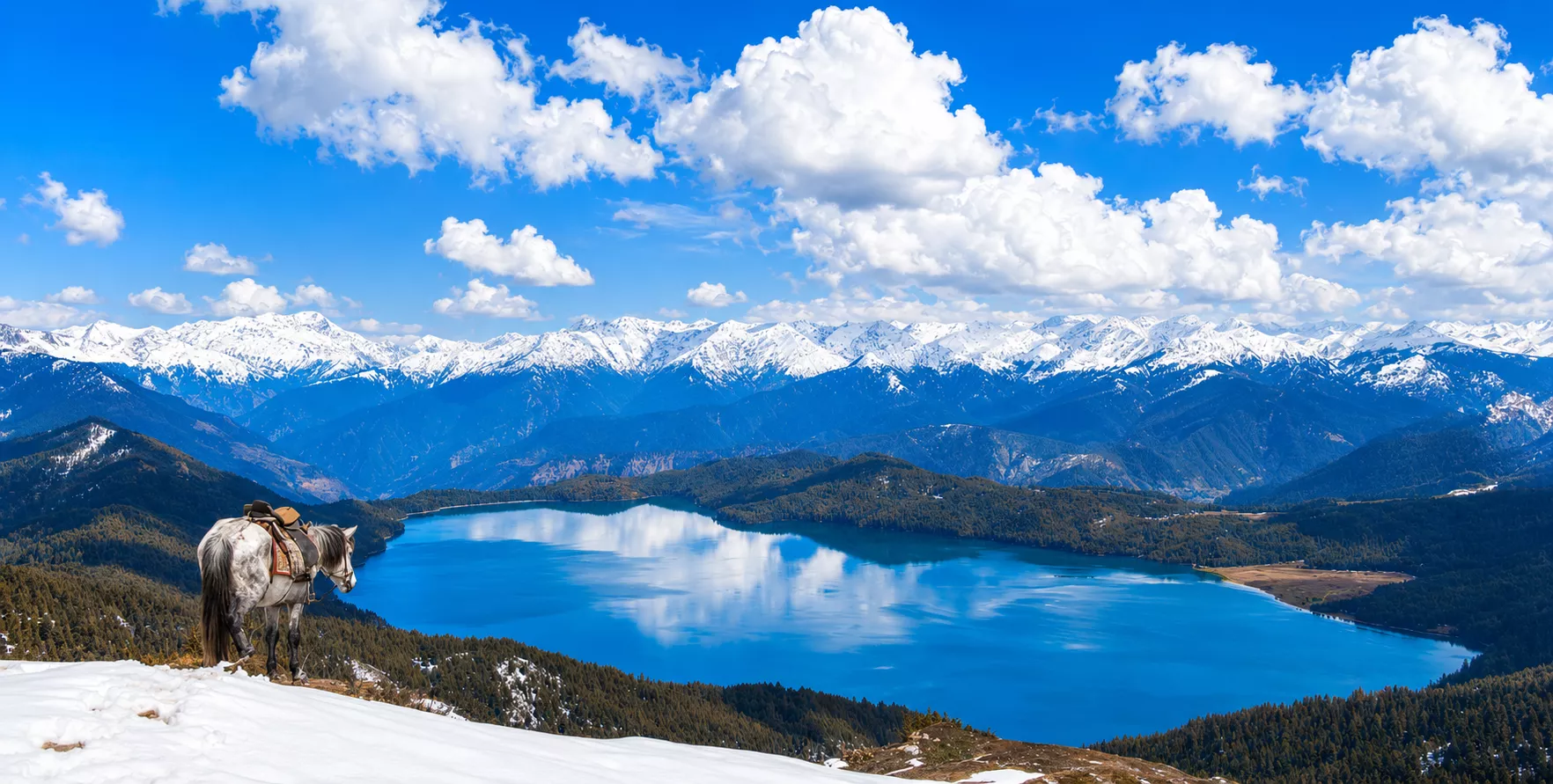
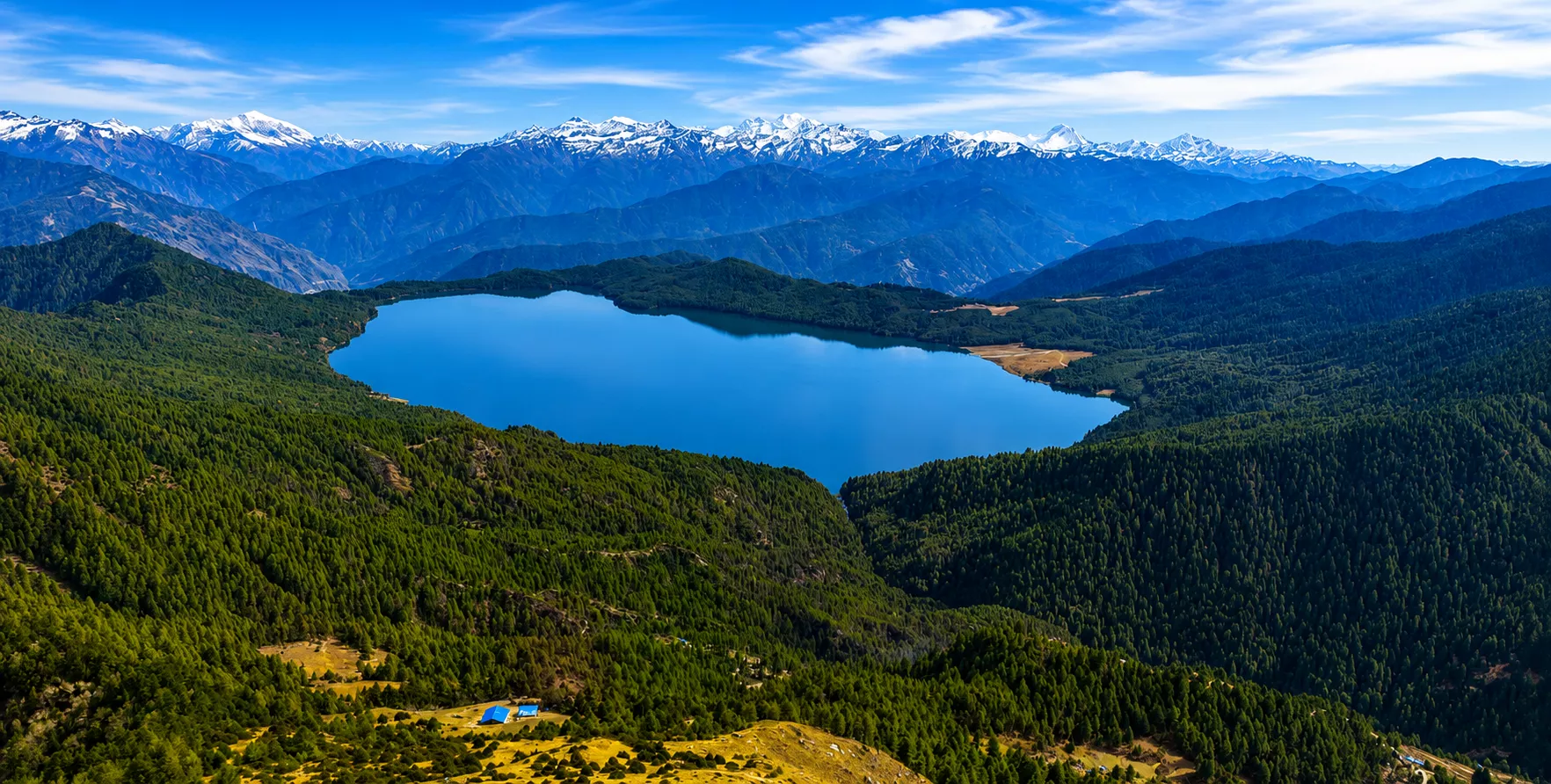
The lake’s physical characteristics compound this impressiveness at every scale. At 10.8 square kilometres, it is larger than Kathmandu’s Phewa Lake and considerably larger than any lake in the Gokyo group in the Everest region. At a maximum depth of 167 meters, it is one of the deepest mountain lakes in the Himalayan chain. And at 2,990 meters above sea level, it sits at an altitude high enough to be surrounded by the subalpine forest belt — primarily Himalayan pine, West Himalayan spruce, and Himalayan silver fir — that gives the lake its most distinctive visual character: the deep green of the surrounding hillsides rising from the water’s edge to the treeline and beyond. This setting differs completely from the typically bare-rock, moraine environment of most Himalayan lakes at comparable altitude.
Rara National Park, established in 1976 as Nepal’s smallest national park by area at 106 square kilometres, was created specifically to protect this lake and its surrounding watershed ecosystem. The park’s small size relative to its ecological importance reflects both the extraordinary biodiversity concentrated around the lake itself and the relatively small catchment area that drains into Rara — the lake has no significant river inflow, being fed primarily by direct rainfall and underground springs. This characteristic contributes to its exceptional water clarity, which requires correspondingly strict catchment protection. The hangul, or Kashmiri red deer — a subspecies listed as Critically Endangered globally — is one of the park’s most significant wildlife inhabitants. Bar-headed geese, which make the extraordinary annual migration directly over the highest Himalayan peaks at altitudes exceeding 8,000 meters, rest on Rara Lake during both their spring northward and autumn southward migrations. The grey wolf, Himalayan black bear, common leopard, and several species of Himalayan pheasant round out a wildlife community that, thanks to the park’s restricted visitor numbers and remote location, shows the kind of relative habituation to human presence that characterises places where hunting pressure has been consistently low for generations. Nepal Vehicle Hiring Pvt Ltd offers private 4WD jeep hire for the full overland approach to this extraordinary national park, coordinated with Nepal trekking packages and Nepal tour packages on our plan trip page.
Surkhet — The Gateway City of Karnali Province
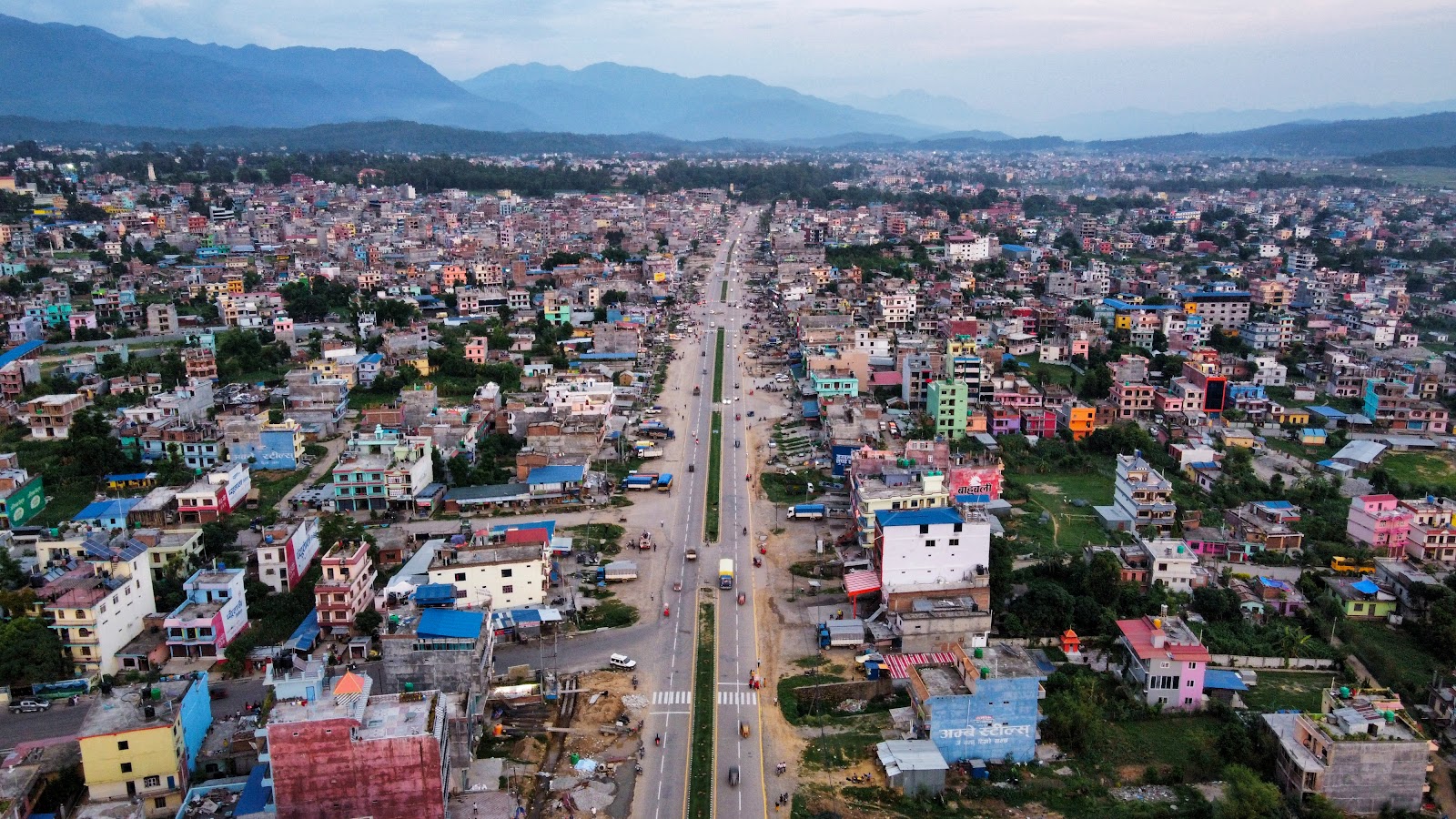
Surkhet, or Birendranagar, sits at approximately 720 meters in the broad, fertile Surkhet Valley — one of the few genuinely flat valleys in Nepal’s western hills, bounded on all sides by forested ridges and known locally for its pleasant climate, which avoids both the extreme cold of the higher Karnali mountain districts and the intense lowland heat of the Terai below. Since Nepal’s 2015 federal restructuring, Surkhet has grown substantially in governmental and commercial importance as the provincial capital of Karnali Province. Its infrastructure now includes a functioning domestic airport with scheduled flights from Kathmandu and Nepalgunj, hotels across all budget categories, ATMs and banking facilities, fuel stations, and a well-stocked bazaar—all of which matter enormously to travellers preparing for the long, equipment-demanding jeep journey north to Rara.
For travellers arriving from Kathmandu, Surkhet is accessible by two routes. The direct road journey follows the Prithvi Highway westward from Kathmandu to Narayangarh. The East-West Mahendra Highway runs westward through Butwal, Kohalpur, and Chisapani to Surkhet—a total distance of approximately 520 to 60 kilometres,s taking 13 to 15 hours by private vehicle, or longer by public bus. Nepal Vehicle Hiring Pvt Ltd offers a two-day Kathmandu-to-Surkhet private jeep hire, with an overnight stop in Butwal or Kohalpur, ensuring drivers are properly rested before the far more demanding Surkhet-to-Rara section begins the following day. Alternatively, a 50 to 60 minute domestic flight from Kathmandu to Surkhet Airport eliminates the road journey, and our Kathmandu airport transfer service connects travellers from Tribhuvan International to the Surkhet flight departure for a coordinated end-to-end arrangement. Our car hire in Nepal page covers all vehicle options for the Kathmandu-to-Surkhet highway leg, while the Hiace van hire serves larger groups of 7 to 12 passengers on the paved Terai highway section.
Surkhet is where all final preparations for the Rara Lake journey should be completed: fuel top-up at Surkhet’s fuel stations (the last reliably functioning fuel point before Gamgadhi); cash withdrawal at Surkhet’s ATMs (the last functioning ATMs on the Rara approach, as Jumla and Gamgadhi have limited and unreliable cash facilities); food and supply purchase for the driving days ahead; and any remaining permit documentation that has not been arranged in Kathmandu. Nepal Vehicle Hiring Pvt Ltd’s drivers on this route factor a Surkhet preparation stop into the standard schedule, typically spending the afternoon of the Surkhet arrival day on these logistics tasks before an early morning departure toward Rara the following day.
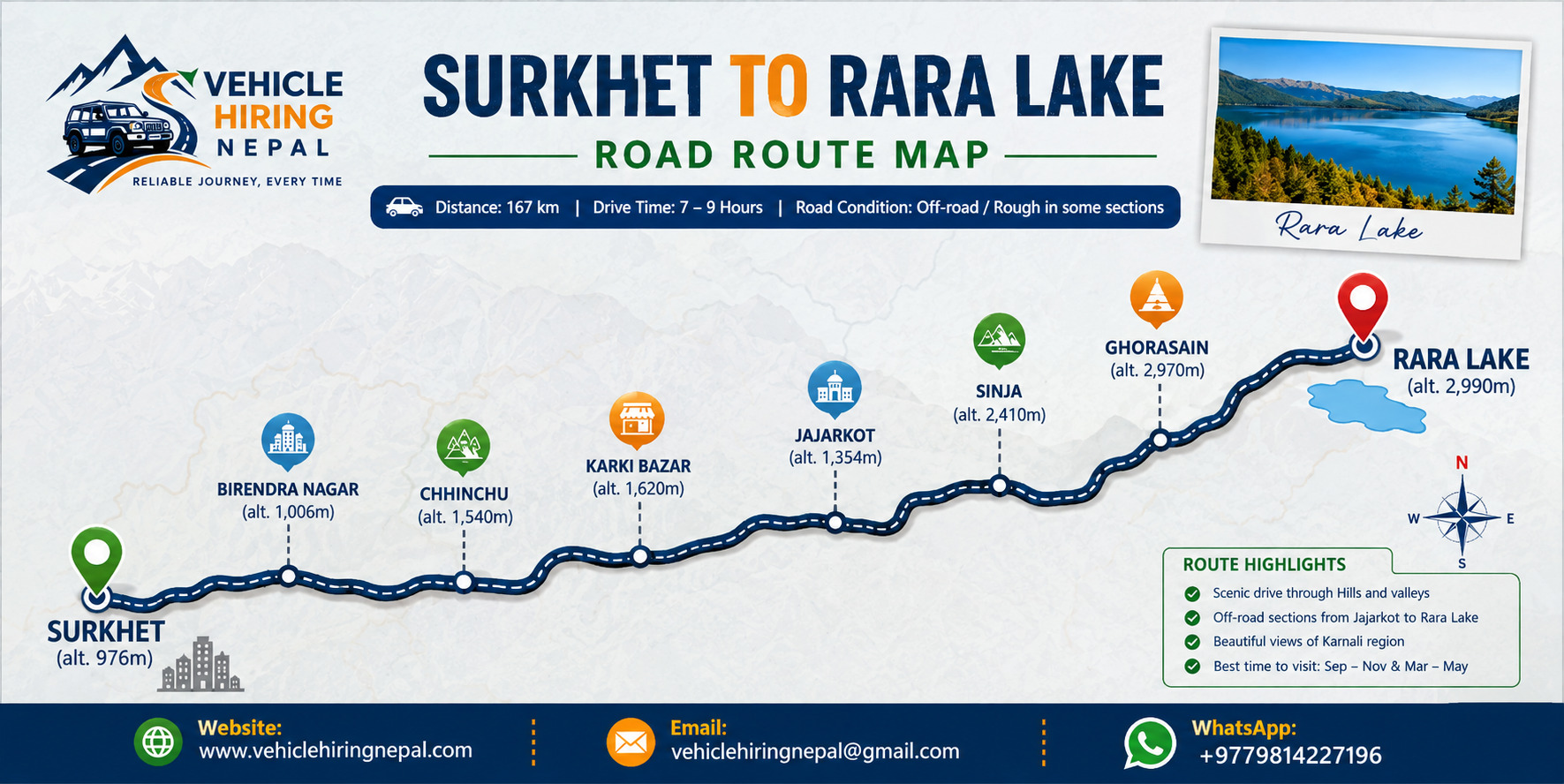
The Route — Surkhet to Rara Lake Step by Step
The Surkhet to Rara Lake road journey follows the Karnali Highway north from the provincial capital, climbing steadily through successive district capitals and river valleys in western Nepal’s inner Himalayan hill belt. In 2026, the route covers approximately 280 kilometres, depending on road conditions and whether it goes via Jumla or proceeds more directly via Kalikot and Gamgadhi. The journey is consistently described as one of Nepal’s most demanding extended overland drives — not because any single section is uniquely difficult, but because the cumulative effect of two to three days of rough, winding, high-altitude mountain road driving through terrain with minimal services, limited communication infrastructure, and genuinely remote emergency response capacity makes it a journey that rewards extensive preparation and severely punishes casual planning. Nepal Vehicle Hiring Pvt Ltd’s jeep hire service provides a private 4WD vehicle and an experienced driver for every section of the journey, from the initial Kathmandu airport transfer to the final Gamgadhi drop-off. Details of all our Nepal transport packages are available through our plan trip page.
Surkhet to Dailekh and Guranshe. The first section from Surkhet climbs northward into the forested hills of Dailekh District, with the road rising quickly from the flat Surkhet Valley into the characteristic folded terrain of Nepal’s mid-western hills. Guranshe, about 20 kilometres from Surkhet and at a higher elevation, is a small hill settlement known locally for its rhododendron forests—in spring, the slopes around Guranshe are covered with blooming rhododendrons that turn what would otherwise be a scenic drive into something more visually spectacular. The Dailekh section of the drive also passes through religious territory of some significance: several sites in Dailekh District are associated with the mythological narrative of Sati Devi, with local tradition identifying specific locations where different parts of the goddess’s body fell after Shiva carried her away from the divine intervention of Vishnu — shrines at Shirsthan, Navisthan, Padukasthan, Duleshwor, and Kotila each commemorating this Shakta tradition that, like the Gosaikunda sacred lake narrative and the Muktinath pilgrimage, layers deep religious significance over a physically dramatic landscape.
Dailekh to Kalikot — The Deepening Remote. The Kalikot District section of the journey, continuing north from Dailekh, marks the transition from the relatively accessible western hills into the genuinely remote inner Himalayan terrain that characterises the Karnali basin. The road from Dailekh to Manma (Kalikot District headquarters) covers approximately 150 kilometres of what is described in multiple recent traveller and operator accounts as genuinely challenging off-road driving — unpaved for significant stretches, subject to active construction and surface repair in 2026 as the Karnali Highway blacktopping programme progresses northward, and involving the kind of exposed cliff-edge mountain road sections that make a 4WD Scorpio or Hilux not merely comfortable but genuinely necessary. The distance from Surkhet to Kalikot headquarters at Manma is about 150 kilometres and typically takes 7 to 9 hours to drive.
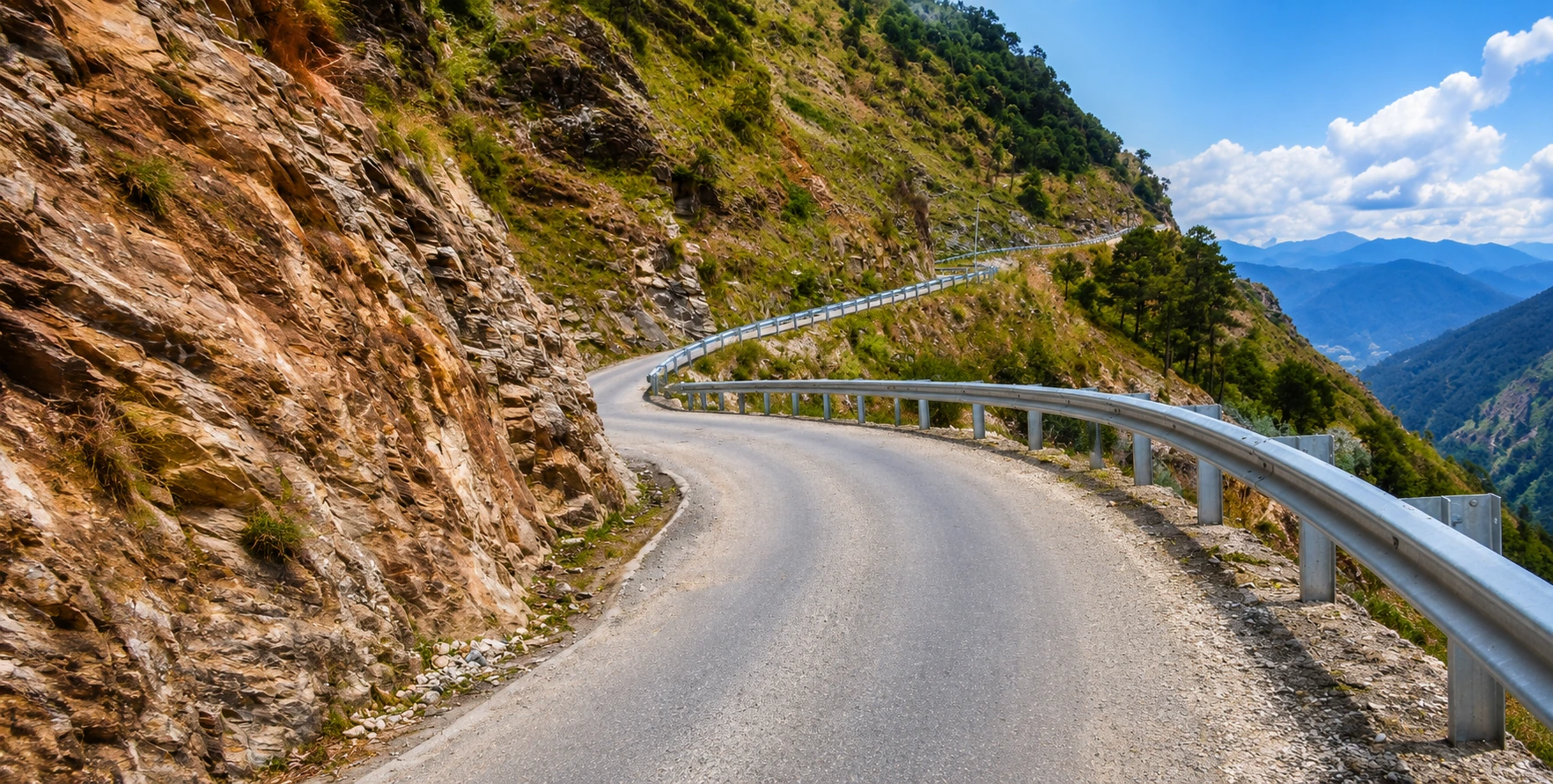
The Karnali Highway and the 2026 Blacktopping Progress. One of the most significant road network developments in western Nepal in recent years is the ongoing blacktopping of the Karnali Highway from Surkhet northward toward Gamgadhi and eventually Rara. As of 2026, major sections of the road from Nagma to Gamgadhi are reportedly under an active blacktopping program, with work progressing at a rate that has made sections that were rough gravel roads in 2023 considerably more drivable today, even if the overall route remains characterised by challenging, narrow mountain roads requiring experienced drivers. This means the Surkhet to Rara Lake jeep rental experience in 2026 is measurably more accessible than it was even two years ago—while still demanding enough to require the full 4WD hire approach rather than any lighter vehicle option. Nepal Vehicle Hiring Pvt Ltd monitors the Karnali Highway’s progress and advises clients on current road conditions before any scheduled departure.
Kalikot to Jumla. From Kalikot, the route continues northwest to Jumla—Jumla District headquarters, historically one of Nepal’s most important inner Himalayan commercial centres and the gateway for the classic Rara Lake trek for those who choose the walking approach. Jumla is also notable as the location of the Chandannath Temple, one of the most important Hindu pilgrimage sites in western Nepal, and as the historical heartland of the Khasa Kingdom — the medieval polity whose cultural and administrative legacy shaped the western Himalayan region’s development and whose ancient capital at Sinja Valley, accessible on a side trip from Jumla, represents one of Nepal’s most historically significant and most undervisited archaeological sites. Jumla is the standard overnight stop for two-day Surkhet-to-Rara road itineraries, with basic but adequate guesthouse accommodation and the last slightly more developed services point before the final push to Gamgadhi and the lake.
Jumla to Gamgadhi and Rara Lake. The final section from Jumla to Gamgadhi — the headquarters of Mugu District and the last town before the Rara National Park approach — covers approximately 108 kilometres of road that passes through the Sinja and Nagma valleys, along sections of the Karnali River gorge, and through forest and village terrain that becomes progressively more remote and more dramatically beautiful as the distance from any larger population centre increases. From Gamgadhi (also called Chhopra), the approach to Rara Lake continues via Talcha, where Talcha Airport sits. This small, weather-dependent airstrip provides the direct flight alternative for those arriving by the Kathmandu-Nepalgunj-Jumla or Kathmandu-Nepalgunj-Talcha flight chain. From Talcha, a private jeep can continue for about 20 to 25 minutes to the Milichaur entry point of Rara National Park, where the lake shore is a short walk away — or a 3-hour walk from Talcha for those who prefer to approach on foot.
Transport Options — What Works for This Route and What Does Not
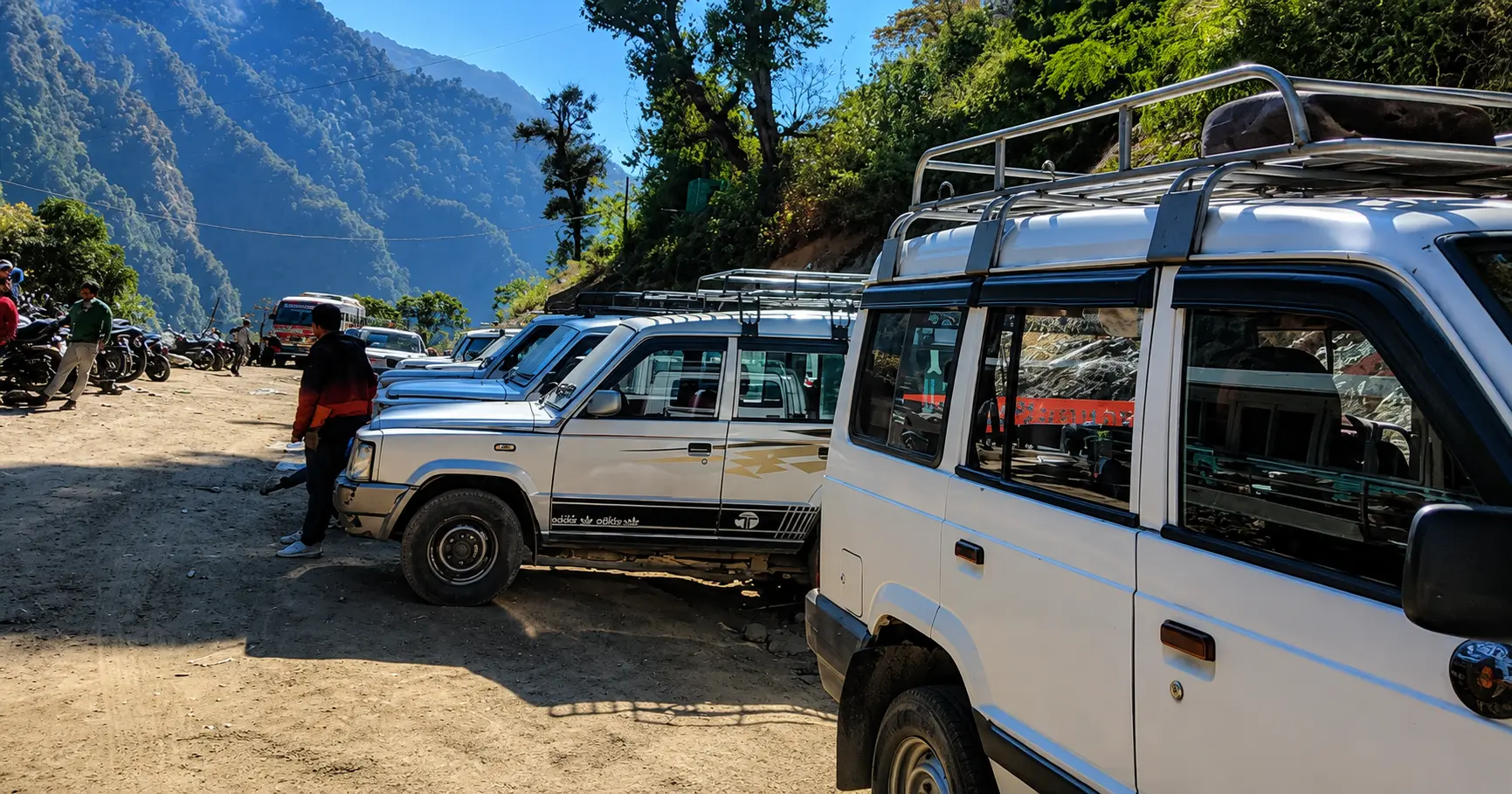
The Surkhet to Rara Lake route is one of the clearest cases in Nepal’s trekking transport network where the gap between appropriate and inappropriate vehicle choice has real safety implications, not just comfort consequences. Local microbus and shared jeep services do operate on this corridor — connecting Surkhet to Kalikot, Kalikot to Jumla, and Jumla to Gamgadhi in separate shared legs — but doing so requires navigating multiple transfer points in a road network where departure times are extremely unpredictable, available seats are severely limited, and vehicle condition is not standardised to anything resembling the maintained, inspected fleet that Nepal Vehicle Hiring Pvt Ltd provides through its 4WD jeep hire service.
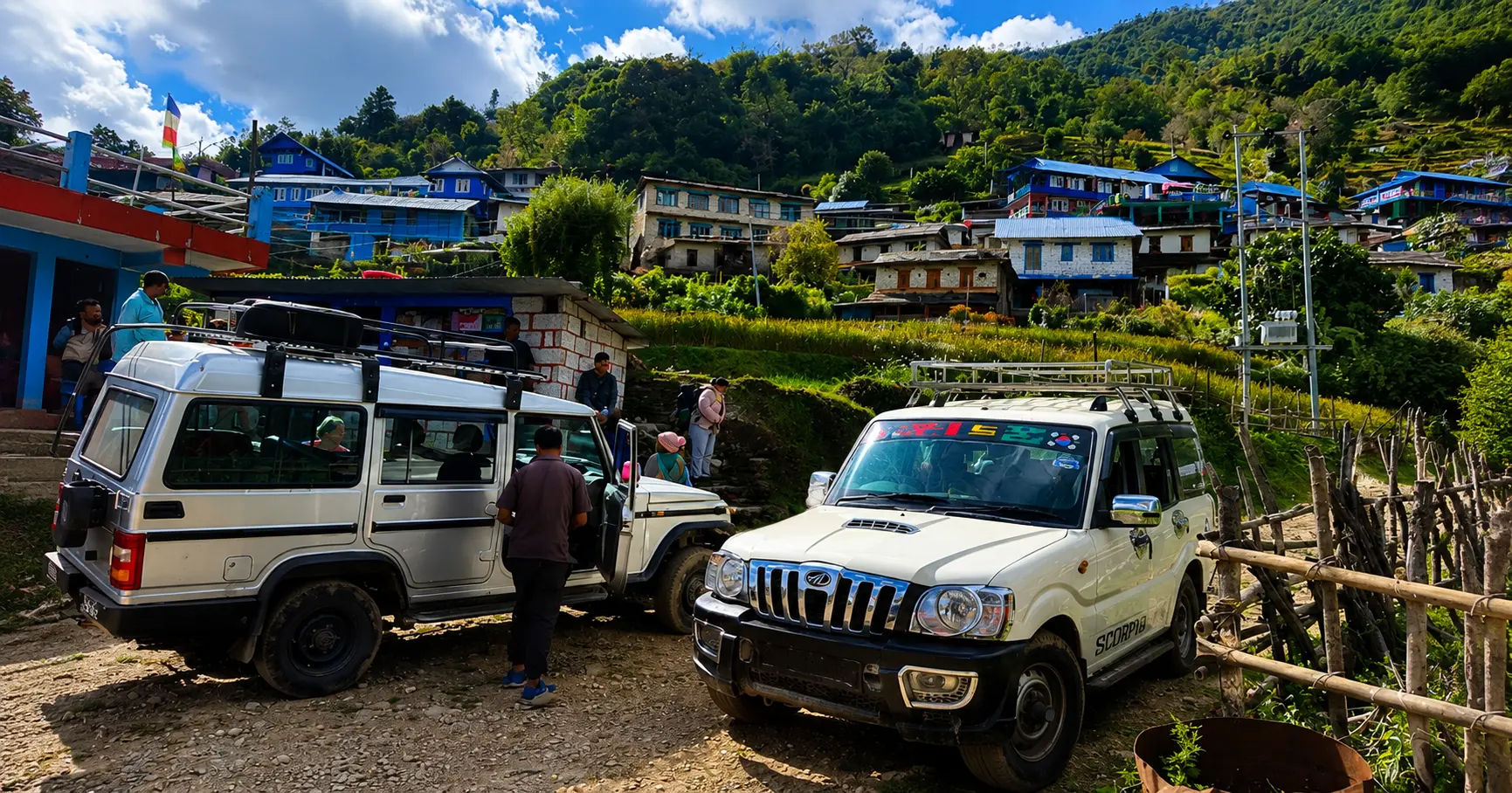
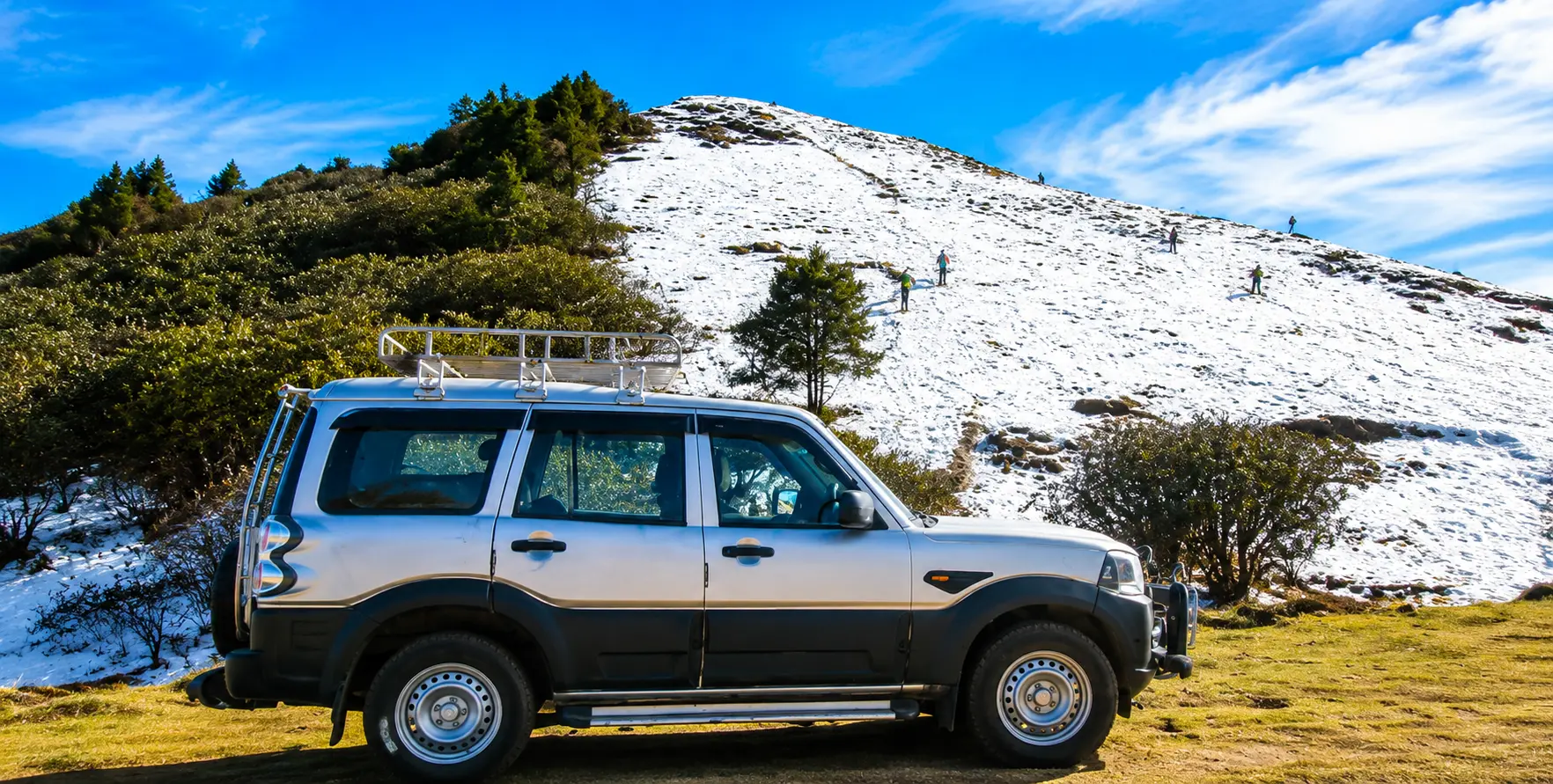
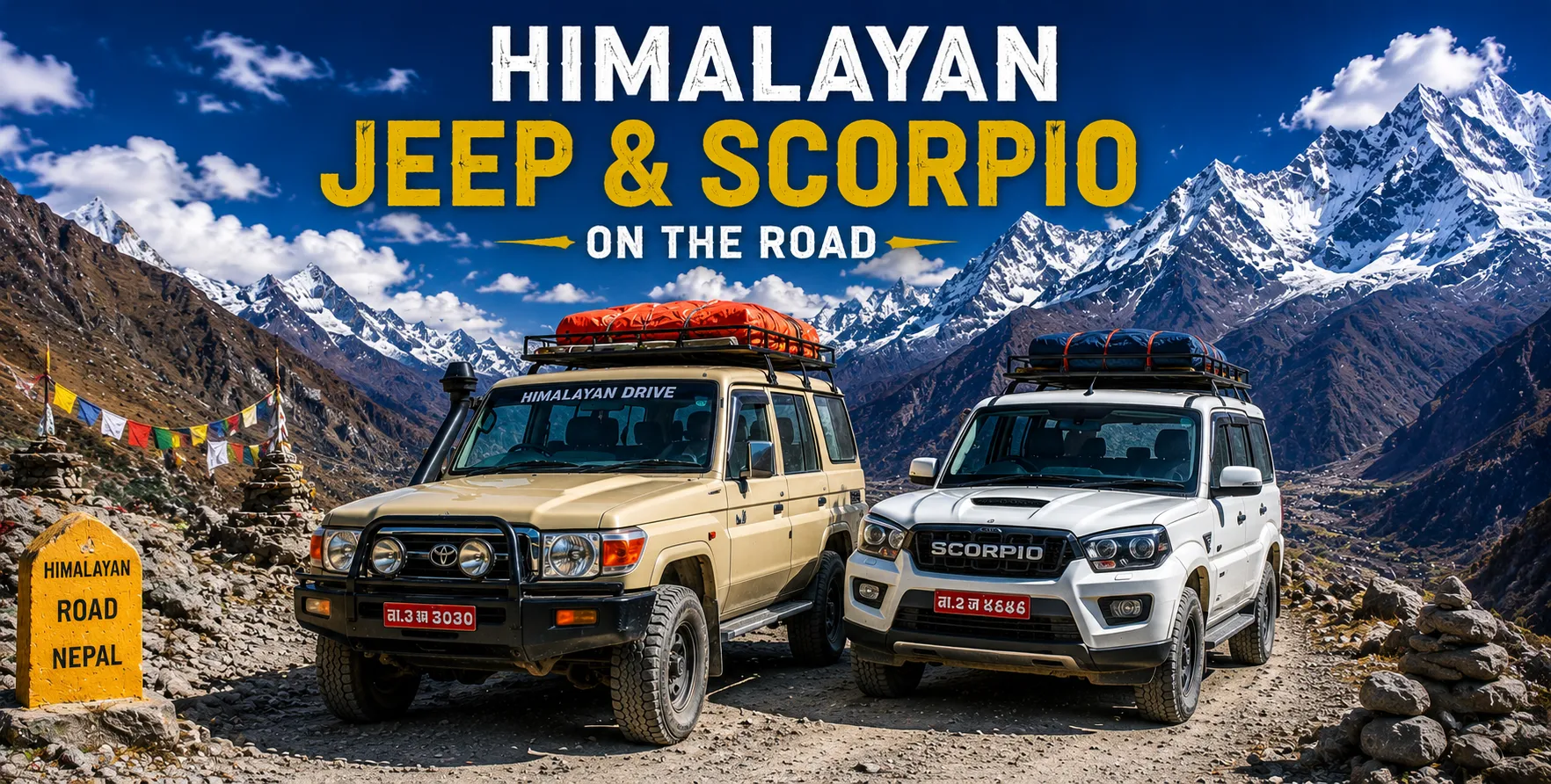
Private 4WD Jeep (Scorpio or Hilux) — The Only Appropriate Choice. A private 4WD Scorpio or Hilux jeep from Nepal Vehicle Hiring Pvt Ltd provides the ground clearance, low-range differential, engine power, and cabin space this route demands for 4 to 6 passengers with luggage. The vehicles used for the Karnali region are specifically selected for demonstrated reliability on long, rough mountain road journeys — fuel capacity is verified before departure, a spare tyre and basic toolkit are standard inclusions, and drivers assigned to this route have personal experience on the full Surkhet-to-Rara-and-return itinerary rather than general-fleet drivers unfamiliar with the specific challenges of Karnali Province’s mountain roads.
The 2026 cost for a private 4WD jeep rental from Surkhet to Rara Lake (round trip, covering all stages from Surkhet to the Rara National Park entry and return to Surkhet) is approximately NPR 55,000 to NPR 85,000 (USD 413 to 638) for the full vehicle over the multi-day round trip, depending on the exact duration, number of days at the lake, and route variations. This all-inclusive price from Nepal Vehicle Hiring Pvt Ltd covers driver fees, fuel for the entire round trip, and road tolls — there are no separate fuel charges or hidden additions. For a group of 4 to 6 sharing the vehicle, this works out to about USD 69 to 160 per person for the full round trip — genuinely reasonable given the distance, terrain, and multi-day driving commitment.
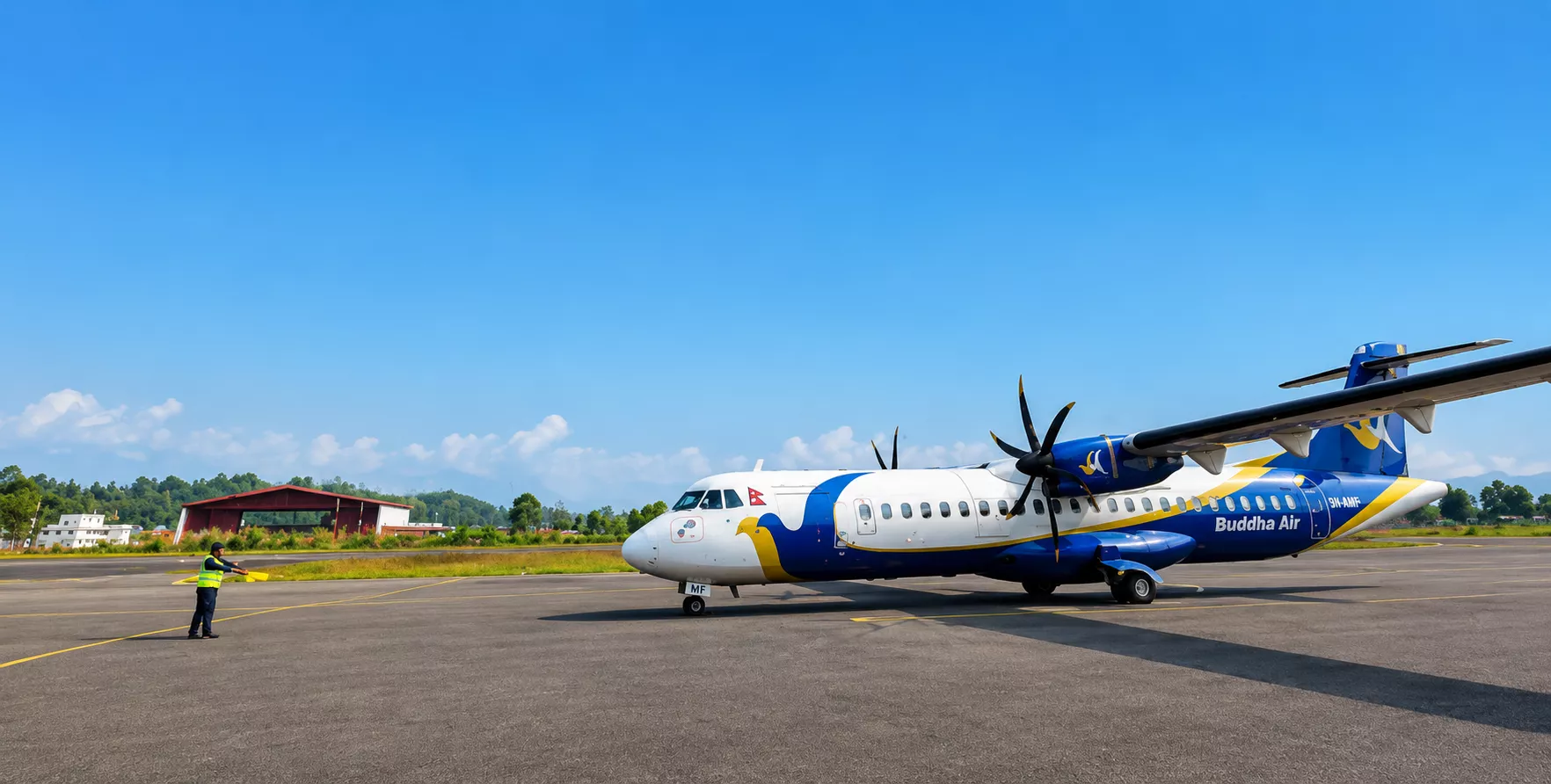
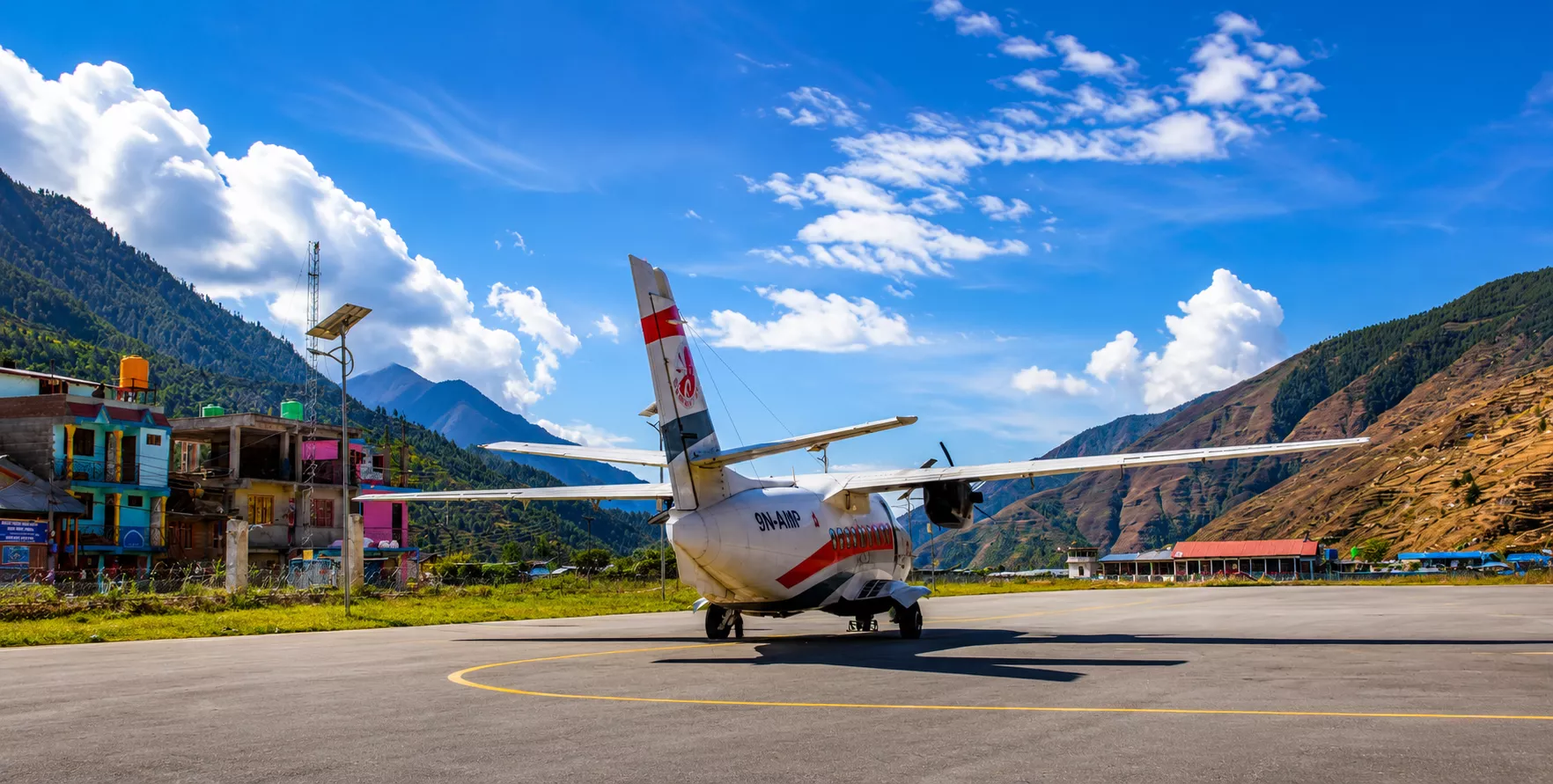
The Flight-and-Drive Hybrid Approach. A popular and time-efficient approach for visitors with limited road journey tolerance combines a domestic flight from Kathmandu via Nepalgunj to either Jumla Airport or Talcha Airport (the small airstrip near Rara itself), with private jeep hire for local transfers at the destination. Jumla flights, operated by Twin Otter aircraft on the Nepalgunj-Jumla sector, provide the most reliable flight option and place trekkers at the standard starting point for the Rara Lake trekking approach; Talcha flights, landing at an airstrip even closer to the lake, are considerably more weather-dependent and have a higher cancellation rate. Nepal Vehicle Hiring Pvt Ltd provides the Kathmandu airport transfer for the Kathmandu-to-Nepalgunj connection as part of a coordinated multi-leg arrangement.
The Full Kathmandu to Rara Lake Overland Drive. For the most adventurous and immersive approach — and for road journey enthusiasts who want to experience the full sweep of Nepal’s western geography by land — Nepal Vehicle Hiring Pvt Ltd coordinates the complete Kathmandu-to-Rara Lake overland journey as a private jeep tour covering approximately 600+ km from Kathmandu to Surkhet (overnight) and then the full Surkhet-to-Rara route over the following two to three driving days. The total itinerary for a round-trip overland Rara Lake journey from Kathmandu by private 4WD vehicle typically runs 8 to 10 days, combining the best of Nepal’s western midlands scenery, the extraordinary inner Himalayan terrain of Karnali Province, and the remote alpine splendour of the lake itself.
Road Conditions in Detail — What the Karnali Highway Actually Demands
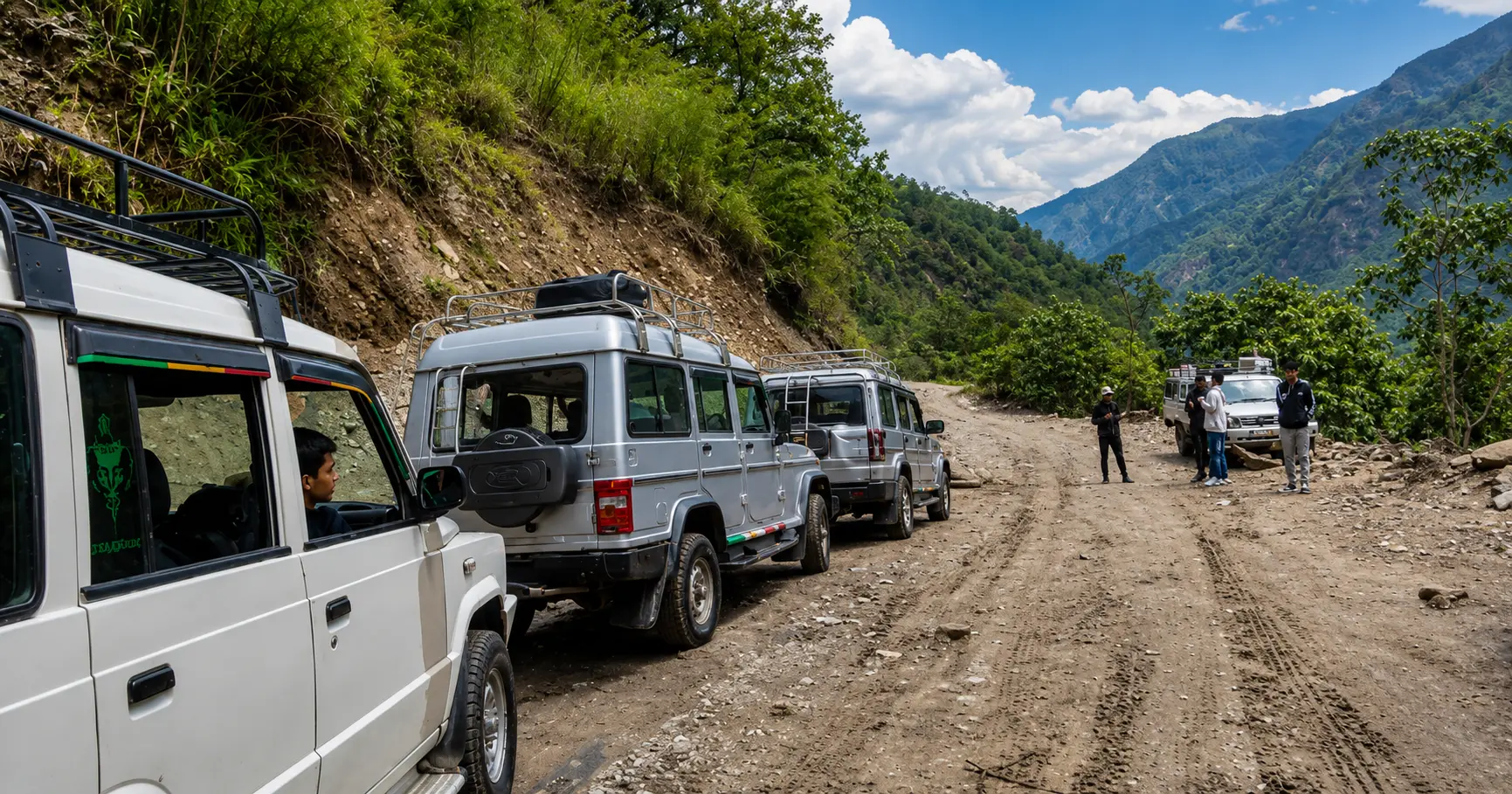
The Karnali Highway — the official designation of the main road connecting Surkhet to Jumla and beyond toward Gamgadhi — has a reputation, consistently repeated in traveller accounts spanning two decades, as one of Nepal’s most challenging paved and semi-paved mountain roads. This reputation is well-earned and, as of 2026, partially but not fully ameliorated by the ongoing blacktopping work that has improved specific sections while leaving the overall route character as demanding as ever. Understanding what the road actually requires — section by section — is essential for setting appropriate expectations for both the journey and the private jeep hire specification needed to complete it.
The Surkhet-to-Dailekh section, approximately 40 to 5kilometresrs, is the most manageable portion: newly improved in parts and mostly navigable at a normal mountain-road pace. Beyond Dailekh toward Kalikot, the road narrows. The gradient intensifies, with sections of active construction where travellers in 2025 and 2026 report encountering bulldozers and road crews working on the surface—meaning detours around construction zones, temporary closure waits, and fresh-cut road surface with poor compaction are all realistic possibilities on any given travel day. Drivers familiar with this corridor advise carrying patience as well as equipment: a one-hour construction delay on an otherwise 8-hour driving day is not an exception but a normal expectation.
The Kalikot-to-Jumla section covers approximately 100 kilometres through the increasingly remote interior of the Karnali basin, with the road following river valleys and crossing ridge lines in a pattern that delivers spectacular scenery alongside the genuine off-road challenge of a surface that, in its less-improved sections, combines deep potholes, exposed rock, and the kind of soft shoulder that gives a Scorpio or Hilux 4WD its essential advantage over any 2WD vehicle. The Karnali River itself is crossed on this section — a dramatically powerful mountain river, one of Nepal’s longest and most hydrologically significant waterways, whose gorge sections provide some of the most visually arresting moments of the entire Karnali Highway journey.
The Jumla-to-Gamgadhi final section has historically been the most challenging of the three, with multiple accounts describing sections that require careful low-range 4WD driving on steep gradients, river-adjacent tracks where the road narrows to barely vehicle-plus margin, and occasional seasonal damage from landslides or river erosion that creates temporary obstacles. Recent improvement work has, according to 2025 and 2026 traveller reports, made the Nagma-to-Gamgadhi section more accessible than before, with the blacktopping program specifically targeting this upper section as a priority stretch. Nepal Vehicle Hiring Pvt Ltd’s drivers on this route are fully aware of current conditions, and our contact team advises all Karnali-bound clients on the specific road status report for their planned travel dates.
NOTE: Monsoon season (June to August) adds significant additional risk to the Karnali Highway, with landslide frequency and road closure probability substantially higher than in the dry season. Nepal Vehicle Hiring Pvt Ltd does not recommend the Surkhet to Rara route during peak monsoon months and requires explicit current road confirmation before any planned June-to-August departure.
The Karnali Region — A Landscape and Culture Outside the Tourist Map
One of the defining experiences of the Surkhet to Rara Lake jeep journey is passing through Nepal’s least-visited and least-developed provincial landscape — the Karnali Province, which spans a vast area of the mid-western Himalayan interior and is home to communities whose way of life, cultural traditions, and material circumstances differ substantially from the more accessible and more tourism-familiar regions that most Nepal visitors experience. The Thakuri, Brahmin, Chhetri, and Magar communities of Dailekh and Kalikot districts, and the more ethnically mixed communities of Jumla and Mugu, maintain agricultural and pastoral traditions adapted to high-altitude, limited-resource environments in ways that have been largely undisturbed by the commercial tourism economy that has reshaped so much of the Annapurna, Everest, and Langtang regions.
Jumla District, in particular, holds a distinctive historical significance that most international travelers passing through have no awareness of: the Sinja Valley, a 30 to 40 kilometre detour from the main Jumla bazaar, was the capital of the Khasa Kingdom (also called the Khasa Malla Kingdom), a medieval polity that held sway over much of western Nepal, Kumaon, and western Tibet between roughly the 10th and 14th centuries. The Sinja Valley ruins—stone palace foundations, temple remains, and an inscription-bearing archaeological record of a sophisticated mountain civilisation that maintained diplomatic and trade relations across the Himalayan range—represent one of Nepal’s most significant and most overlooked historical sites. The Nepali language itself, in its earliest recorded written form, appears in Sinja Valley inscriptions — making this remote western Himalayan valley nothing less than the birthplace of the national language that 17 million people speak as their mother tongue today.
The communities visible from the Karnali Highway — roadside villages, farmers working terraced fields at steep gradients, shepherds moving livestock between seasonal grazing grounds — offer a quality of encounter with traditional Nepali hill life that the more heavily touristed Annapurna Circuit, Langtang Valley, and Everest Base Camp trails can no longer provide without significant deliberate effort to get off the main trail corridors. Children wave from doorways. Elderly residents sit in the morning sun outside stone houses whose design has not fundamentally changed for generations. The occasional monastery or temple on a hillside ridge-top has none of the tourist-accessible signage and teahouse crowd of its counterparts in Namche Bazaar or Ghorepani—it is simply a place of worship, functioning as it always has, visited by the community that belongs to it. This cultural immersion, available on no other Nepal trekking transport route in quite the same form, is one of the most compelling reasons experienced Nepal travellers consistently rate the Karnali overland approach as one of the country’s finest journeys. Nepal Vehicle Hiring Pvt Ltd is proud to be the private vehicle hire partner that makes this journey possible.
Rara National Park — Entry, Permits, and What to Do at the Lake
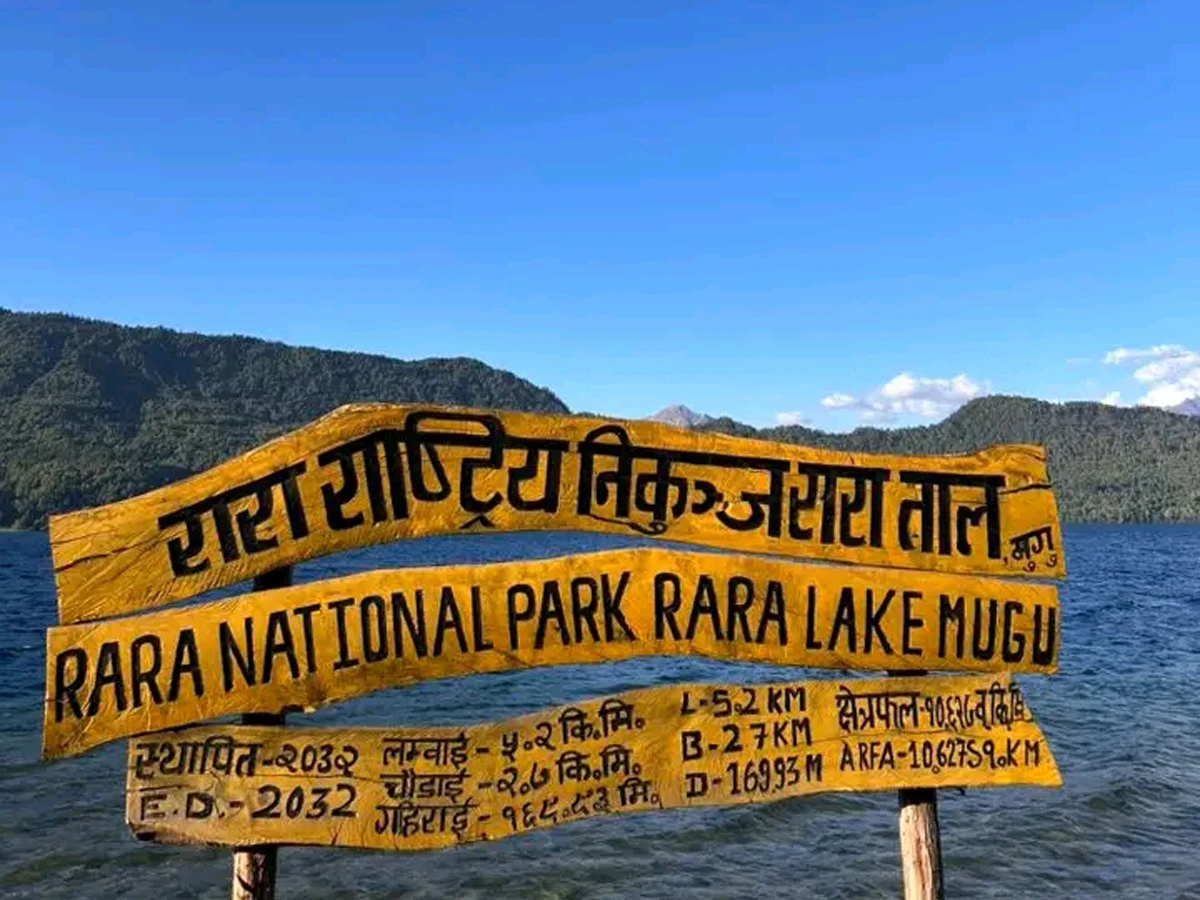
Entry to Rara National Park requires a national park entry permit, available at the park checkpost in the Gamgadhi or Talcha area. The 2026 entry permit fee is NPR 3,000 (approximately USD 22 to 25) per person for foreign nationals — the same fee structure that applies to Nepal’s other national parks, including Sagarmatha, Langtang, and Chitwan. A TIMS card is also recommended for the trekking section. Because Rara sits within Mugu District, which borders the Tibet Autonomous Region, additional restricted area permit requirements apply for some specific sections beyond the main lake area: travellers planning to explore the upper reaches or border-adjacent areas of Mugu District should confirm current permit requirements with a registered trekking agency in Kathmandu before departure. Our contact team advises on current permit costs and documentation requirements at the time of every jeep hire booking for this corridor. You can plan full trekking and tour packages, including Rara Lake, through our plan trip page.
At the lake itself, visitor activities are deliberately limited, a management approach consistent with the park’s philosophy of minimal infrastructure and maximum conservation. The most rewarding and most common activity is simply walking the circuit around the lake’s perimeter: a trail of about 16 kilometres that can be completed in a full day, passing through all the main forest and shoreline habitat types and offering views of the lake from multiple angles and elevations. The northwest and northeast shores, in particular, offer viewpoints where the full length of the lake is visible alongside the encircling forested ridgelines, a visual composition that several experienced Nepal photographers have described as the finest pure nature landscape in the entire country.
Wildlife observation is a genuine activity at Rara rather than a hope: the hangul deer are visible particularly in the early morning and late afternoon hours at the lake’s eastern shore areas; bar-headed geese and other waterfowl are present at the lake surface throughout the day during migration season; and the forest circuits above the main trail provide good birdwatching opportunities for Himalayan pheasant species including the monal, the crimson tragopan, and the kalij pheasant. Boating on the lake—with manual rowing boats available through the national park authorities—offers a different perspective on the surrounding topography and is especially recommended for the late afternoon light, which turns the lake’s surface from blue-green into a spectrum of reflected mountain colours as the sun drops toward the western ridgeline.
Accommodation at Rara is basic but genuine: several small teahouses and a national park accommodation facility operate near the lake’s main entry area, providing simple dal bhat and rice-based meals alongside basic dormitory or double room accommodation. This is emphatically not a luxury tourism destination in any conventional sense — and that is, for the traveller specifically seeking what Rara offers, precisely its appeal. Alpine Luxury Treks provides premium-grade camping and guided services in the Rara Lake area for travellers who want a higher comfort standard than the local teahouse infrastructure provides, coordinated through booking in Kathmandu.
Season Guide — When to Make the Journey
The best time for the Surkhet to Rara Lake jeep rental journey follows broadly similar seasonal logic to other high-altitude Himalayan destinations, but with specific western Nepal characteristics that make the timing windows somewhat different from the better-known patterns of the Annapurna or Everest regions.
Spring (March to May) is the most reliably recommended season for both the road journey and the lake experience: rhododendron forests along the Dailekh and Kalikot sections of the Karnali Highway bloom spectacularly through March and April, the road surface is at its most consolidated after winter drying, and the vivid green of new forest growth surrounds the lake itself. This is also when migratory birds,,including bar-headed geese,, are most likely to be at the lake, making it the best season for birdwatching. The April-early May window avoids both the winter cold and the approaching monsoon heat in the Terai below. This is also the period that drives peak demand for private jeep hire across Nepal’s major trekking regions—including Annapurna Circuit transport and Manaslu Circuit jeep hire. Book well in advance.
Autumn (September to November) is the second peak season: post-monsoon air clarity delivers exceptional views of the surrounding Mugu Karnali peaks, and lake temperatures are comfortable rather than cold for most of September and October. November brings increasingly cold nights at the lake’s 2,990-meter altitude — maximum daytime comfort in early autumn, with increasing cold requiring preparation as November progresses. This is the same season that drives peak demand for Everest Base Camp trekking, Annapurna Circuit, and Langtang Valley trekking — but Rara sees none of the crowding that peak season brings to those routes. The Ghorepani Poon Hill trek and Manaslu Circuit trek are equally popular alternatives during this window for travellers choosing between Nepal’s classic routes and the remote western Nepal circuit.
Winter (December to February) is challenging and generally not recommended: snowfall at altitude blocks sections of the Karnali Highway from Jumla onward, the lake itself may have ice at its edges, and temperatures at the lake overnight can fall well below -15 Celsius. Winter visits by properly equipped, experienced mountaineering groups with appropriate shelter are possible, and some operators market winter Rara as a uniquely beautiful destination—the snow-covered forest surrounding the lake creates a landscape quite different from its summer and autumn appearance. Our coaster hire and bus services support larger winter expedition groups on the Terai highway sections.
Monsoon (June to August) is not recommended for road travel. However, the lake itself receives less rainfall than might be expected given Rara’s location in the rain shadow of the main Himalayan range. The main monsoon concern is road conditions: the Karnali Highway’s untarred sections become much more prone to landslides and surface washout during heavy monsoon rainfall. Nepal Vehicle Hiring Pvt Ltd does not recommend Karnali jeep hire during peak monsoon months without explicit current road confirmation. Contact our team for up-to-date conditions before any monsoon booking.
Comparing Approaches — Road vs Flight vs Trek
Three distinct approaches to reaching Rara Lake each have their own character, time requirements, cost profile, and experiential quality, and the right choice depends on what a traveller wants from their Rara Lake journey.
The overland road approach via Surkhet—the primary focus of this guide—offers the most complete immersion in western Nepal’s geography and culture, passing through terrain, communities, and historical sites no other approach reveals. It is also the most demanding, requiring 2 to 3 days of 4WD driving on roads that are challenging by any standard, and the most time-consuming overall. For travellers with a week or more who want the journey as part of the experience rather than simply a means of reaching the destination, and who want to see western Nepal’s extraordinary Karnali Province interior with their own eyes, this is unambiguously the right choice.
The flight-and-trek approach via Jumla, flying from Kathmandu to Nepalgunj to Jumla, then trekking to Rara in 2 to 3 days, is the most popular among international visitors and guided trekking groups. The Rara Lake trekking route from Jumla passes through the historically significant Sinja Valley (the ancient Khasa Kingdom capital mentioned above), traditional western Himalayan village communities, and forest and high-pasture terrain that is among the finest trekking landscapes in Nepal’s western region. Our sister company Trek Nepal Himalayas offers guided western Nepal trekking packages coordinated with Nepal Vehicle Hiring Pvt Ltd’s transport services. The limitations of this approach are flight cost and, more significantly, weather-dependent flight reliability: both Jumla and Talcha airports are small, high-altitude airstrips where weather cancellations are far more frequent than at Kathmandu’s main international airport.
The direct road approach from Kathmandu — taking the Prithvi and Mahendra Highway to Surkhet in two days, then continuing to Rara in a further two to three days, creating a total of 4 to 5 days one way by private jeep — is the most adventurous and most geographically comprehensive option, and the one that experienced Nepal travel enthusiasts who have already visited the standard trekking regions most consistently recommend. Nepal Vehicle Hiring Pvt Ltd provides the complete Kathmandu-to-Rara-and-back private vehicle package as a coordinated, multi-day arrangement with accommodation recommendations, fuel planning, and driver rotation where appropriate for the total distance involved.
Practical Tips for the Surkhet to Rara Lake Jeep Journey
- Cash in Surkhet: Withdraw generous NPR cash at Surkhet’s ATMs before departure — the last reliably functioning ATMs on the route. Jumla has limited ATM infrastructure, and Gamgadhi has none, essentially. Budget for at least 5 to 7 days of daily expenditure plus a significant emergency buffer.
- Fuel confirmation: Nepal Vehicle Hiring Pvt Ltd tops up fuel in Surkhet before departure and verifies the vehicle’s fuel capacity is sufficient for the full Surkhet-to-Gamgadhi section. No reliable fuel stations exist beyond Surkhet on the standard route.
- Permits in Kathmandu: Arrange the Rara National Park entry permit before departure through our trekking team or a registered trekking agency — the Gamgadhi checkpoint does issue permits, but arranging them in Kathmandu reduces uncertainty at the checkpoint itself.
- Two-day minimum Surkhet to Rara: The distance from Surkhet to Rara is 280 to 330 km on difficult roads — this is a genuine two-day minimum journey, with a comfortable overnight stop at Jumla or Manma strongly recommended to keep driving days at a manageable 7 to 9 hours each.
- Weather window booking: Contact Nepal Vehicle Hiring Pvt Ltd via WhatsApp at +977 9814227196 at least 2 to 3 weeks before your planned departure to confirm 4WD jeep availability and current road conditions on the Karnali Highway. Reach us through our contact page or plan trip form.
- Cold gear at the lake: Even in spring and autumn, temperatures at Rara’s 2,990meterss drop below freezing overnight. Pack accordingly, just as you would for any high-altitude Nepal trek.
- Pre-Rara sightseeing: Before departing Kathmandu, consider adding Kathmandu sightseeing, a Bhaktapur day tour, or the Nagarkot sunrise transfer to your itinerary through Nepal Vehicle Hiring Pvt Ltd’s car hire services.
- Communication: Mobile network coverage becomes very limited beyond Surkhet on the Karnali Highway. Ensure your trekking agency, guide, and family members have your full planned itinerary before departure.
Combining Rara Lake with Other Nepal Destinations
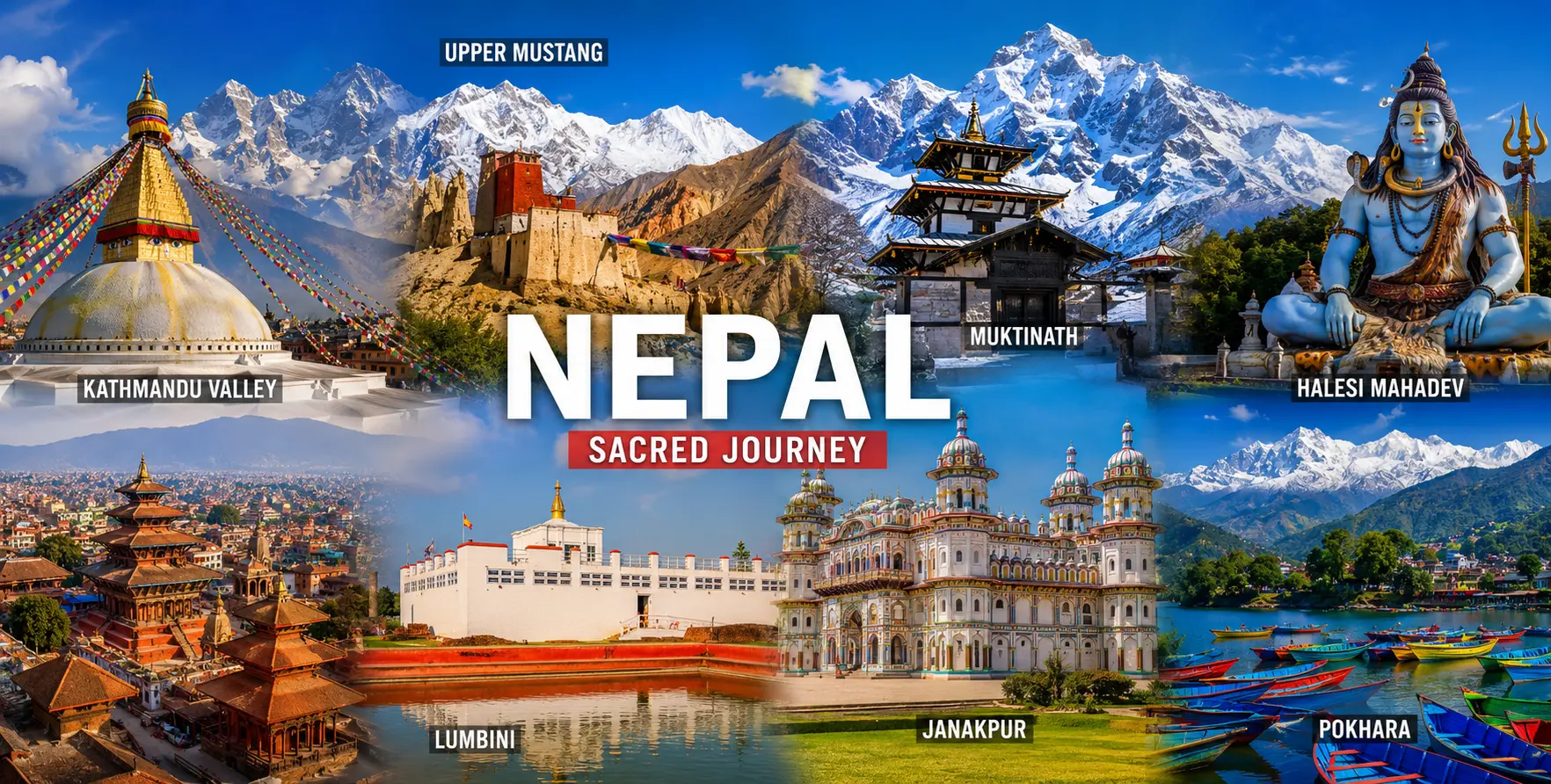
The Rara Lake journey from Surkhet naturally pairs with several other western and central Nepal destinations for travellers with enough time to build a comprehensive Nepal itinerary around this remote northwestern destination. The most logical pre-Rara combination is a Lumbini visit—reachable via the Kathmandu-to-Lumbini bus and located along the highway corridor that connects Kathmandu to the UNESCO World Heritage site—before heading north to Karnali Province. A Chitwan jungle safari extension is equally logical given the Terai highway routing: the Pokhara-to-Chitwan bus or a private vehicle transfer slots naturally between Pokhara and the Surkhet-bound Terai highway. A post-Rara Pokhara extension is equally natural: return from Surkhet via the Mahendra Highway, then head north to Pokhara via Butwal for an efficient route that positions travellers in Pokhara for the Ghorepani Poon Hill trek, the Annapurna Base Camp trek, or the Annapurna Circuit as a second major Nepal adventure immediately after the Rara experience. From Pokhara, our Pokhara-to-Nayapul transportation and Besisahar private vehicle service cover all Annapurna trailhead approaches. The Kathmandu-to-Pokhara bus and Sarangkot sunrise tour complete the Pokhara-based extension package.
For adventurous western Nepal enthusiasts specifically drawn to the Karnali-Dolpo-Mustang remote region, the broader Upper Mustang trek and the Dolpo region — accessible from Jumla by trekking over high passes — represent extensions that, combined with Rara, create one of Nepal’s finest and most immersive far-western adventure circuits. The Nar Phu Valley trek in the Annapurna-Manaslu border region is another option for experienced trekkers who want to combine Rara with a second remote, restricted-area destination in the same extended Nepal visit. Alpine Luxury Treks provides premium guidance and support for multi-destination western Nepal circuits that pair Rara with Dolpo or Mustang, and Trek Nepal Himalayas offers coordinated western Nepal trekking packages that include a flight-and-trek approach to Rara as part of a broader regional circuit.
Why Choose Nepal Vehicle Hiring Pvt Ltd for Your Rara Lake Transfer
The Surkhet to Rara Lake private jeep rental is one of the most demanding bookings in Nepal Vehicle Hiring Pvt Ltd’s service portfolio—and we accept it because we have the driver experience, vehicle specifications, and Karnali region route knowledge to execute it properly. Our drivers on the Karnali corridor have personal, recent experience on the full Surkhet-to-Gamgadhi route in both dry-season and transitional-season conditions, including specific familiarity with the recurring problem sections, the construction zones currently active on the Nagma-to-Gamgadhi section, and the fuel and accommodation logistics that make the difference between a well-managed two-day Surkhet-to-Rara transfer and a poorly organised one.
We maintain our 4WD Scorpio and Hilux fleet to a standard suited to this demanding multi-day off-road journey—not just road-legal, but specifically checked for fuel capacity, tyre condition, spare equipment, and mechanical reliability for a 280-kilometre280-kilometre round trip on Nepal’s most demanding provincial highway. Every Rara Lake booking includes a pre-departure vehicle inspection, a full fuel top-up in Surkhet, driver accommodation at overnight stops in Jumla or Manma, and daily driver contact confirmation. You can expect communication with the Nepal Vehicle Hiring Pvt Ltd team at every stage of the journey.
Book your Surkhet to Rara Lake jeep rental by contacting our team on WhatsApp at +977 9814227196, through our plan trip page, or via the contact page on our website. Given the limited vehicle availability on this corridor and the planning required for fuel, driver, and route logistics, we recommend booking at least 2 to 3 weeks in advance for any Rara Lake transfer during peak trekking season.
Frequently Asked Questions — Surkhet to Rara Lake
How far is Surkhet from Rara Lake, and how long does the journey take?
The road distance from Surkhet to Rara Lake is approximately 280 to 330 km via Dailekh, Kalikot, Jumla, and Gamgadhi. By private 4WD jeep, the journey takes 14 to 30 hours of total driving time, spread over at least two days, with an overnight stop in Jumla or Manma strongly recommended.
What vehicle is required for the Surkhet to Rara Lake journey?
A 4WD Scorpio or Hilux jeep is essential — not optional. The Karnali Highway, particularly the Kalikot-to-Jumla and Jumla-to-Gamgadhi sections, has unpaved, steep, and technically demanding sections that are unsuitable for any 2WD or standard sedan vehicle. Nepal Vehicle Hiring Pvt Ltd provides 4WD jeep hire exclusively for this route.
What permits do you need for Rara National Park?
A Rara National Park entry permit (NPR 3,000 / USD 22-25 per person for foreign nationals) is required. A TIMS card is also recommended. Arrange both in Kathmandu before departure through a registered trekking agency.
What is the best time to visit Rara Lake?
Spring (March to May) and autumn (September to November) are the best seasons. Spring offers rhododendron bloom and bird migration; autumn offers post-monsoon clarity. Winter is cold; roads can be blocked, and the monsoon is not recommended for the road journey.
Can I fly to Rara Lake instead of driving?
Yes — flights from Kathmandu via Nepalgunj to Jumla or directly to Talcha Airport provide the flight-based approach. Jumla is more reliable; Talcha is closer to the lake but more weather-dependent. From Jumla, the lake is a 2- to 3-day trek or a combined jeep-and-walk arrangement.
How do I reach Surkhet from Kathmandu?
By a 50 to 60 minute domestic flight to Surkhet Airport, or by private vehicle along the Prithvi and Mahendra highways (13 to 15 hours, usually split across two days). Nepal Vehicle Hiring Pvt Ltd provides a Kathmandu-to-Surkhet jeep transfer as part of a coordinated Rara Lake tour.
Conclusion
Rara Lake is, without reasonable dispute, Nepal’s most extraordinary natural destination that almost no visitor actually reaches. In a country internationally famous for its mountains, its trekking routes, and its natural beauty, the existence of a lake this pristine, this large, and this completely undisturbed by mass tourism infrastructure — sitting only a few days’ overland journey from the provincial capital — remains one of Nepal’s best-kept and most genuinely deserved secrets. The Surkhet to Rara Lake jeep rental that makes the overland approach possible is not a simple logistics booking — it is a commitment to one of the most remote and most rewarding drives in the entire Himalayan region, through a landscape of medieval history, extreme natural beauty, and living cultural tradition that the more accessible parts of Nepal cannot provide.
Nepal Vehicle Hiring Pvt Ltd provides private 4WD jeep hire that makes the journey possible ble with verified vehicles, experienced Karnali corridor drivers, transparent all-inclusive pricing, and the specific knowledge that separates a safe, well-managed remote Nepal transfer from an ill-prepared one. For luxury trekking extensions once you reach the lake, and for guided western Nepal trekking packages combining Rara with Dolpo or Mustang, our sister companies Alpine Luxury Treks and Trek Nepal Himalayas are ready to complete the picture. Book your Surkhet to Rara Lake jeep rental by reaching us at +977 9814227196 via WhatsApp, through vehiclehiringnepal.com, or via our plan trip page.
- Surkhet to Rara Lake Jeep Rental — Your Complete Guide to Nepal's Most Remote Lake
- Rara Lake — Why the Difficulty Is Worth Every Kilometre
- Surkhet — The Gateway City of Karnali Province
- The Route — Surkhet to Rara Lake Step by Step
- Transport Options — What Works for This Route and What Does Not
- Road Conditions in Detail — What the Karnali Highway Actually Demands
- The Karnali Region — A Landscape and Culture Outside the Tourist Map
- Rara National Park — Entry, Permits, and What to Do at the Lake
- Season Guide — When to Make the Journey
- Comparing Approaches — Road vs Flight vs Trek
- Practical Tips for the Surkhet to Rara Lake Jeep Journey
- Combining Rara Lake with Other Nepal Destinations
- Why Choose Nepal Vehicle Hiring Pvt Ltd for Your Rara Lake Transfer
- Frequently Asked Questions — Surkhet to Rara Lake
- Conclusion

Related Blog & Articles

All Over Nepal Vehicle Hire – Private Car, Scorpio, 4WD Jeep, Hiace And Tourist Bus
Api Himal Trek Transport: The Complete Vehicle Service Guide
Sudurpaschim Tour Transportation

Mahendranagar Basbasa Pickup and Drop Vehicle Guide