Plan a Trip


Mahendranagar Basbasa Pickup and Drop Vehicle Guide 2026
Mahendranagar Basbasa Pickup and Drop Vehicle
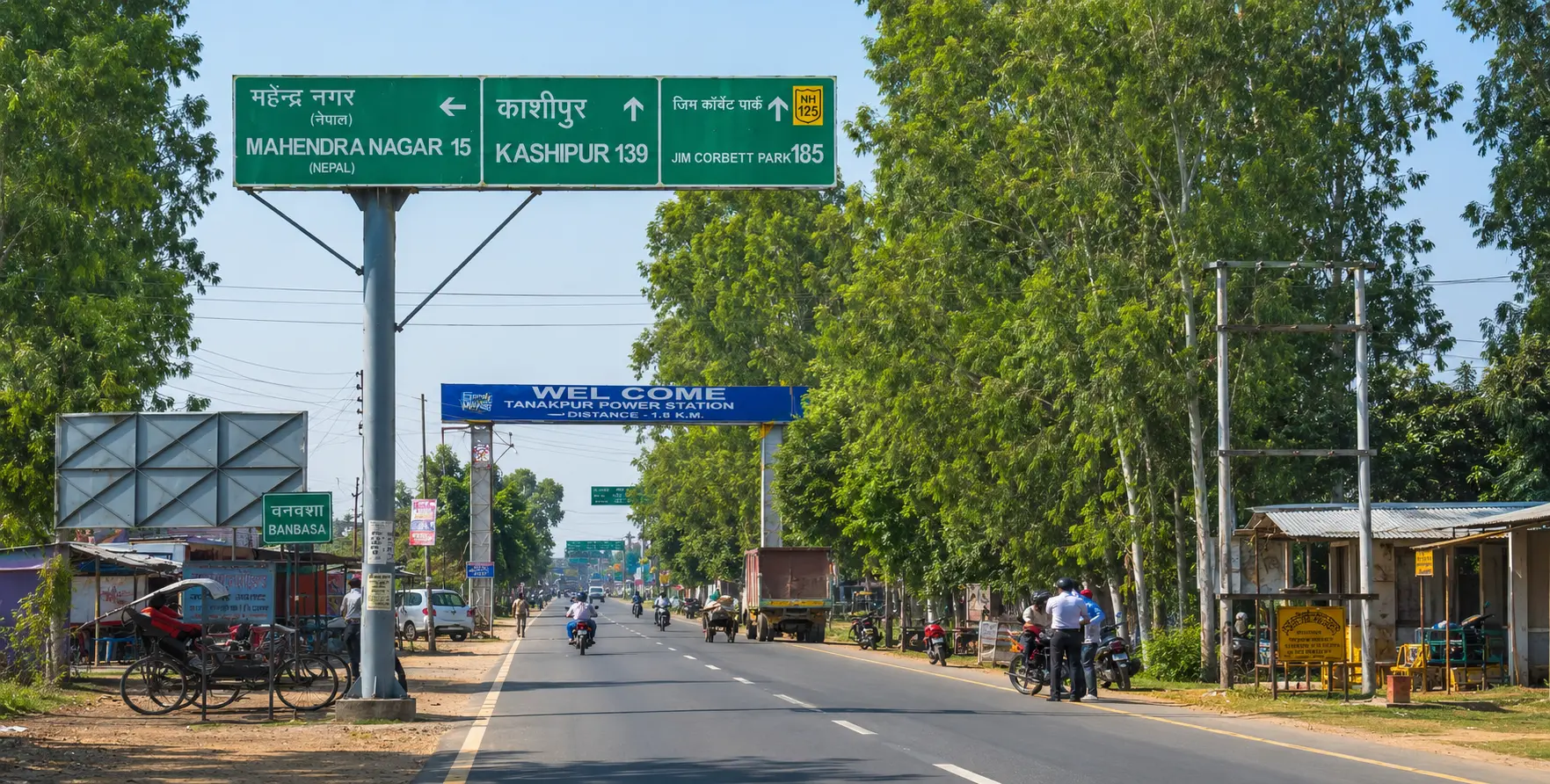
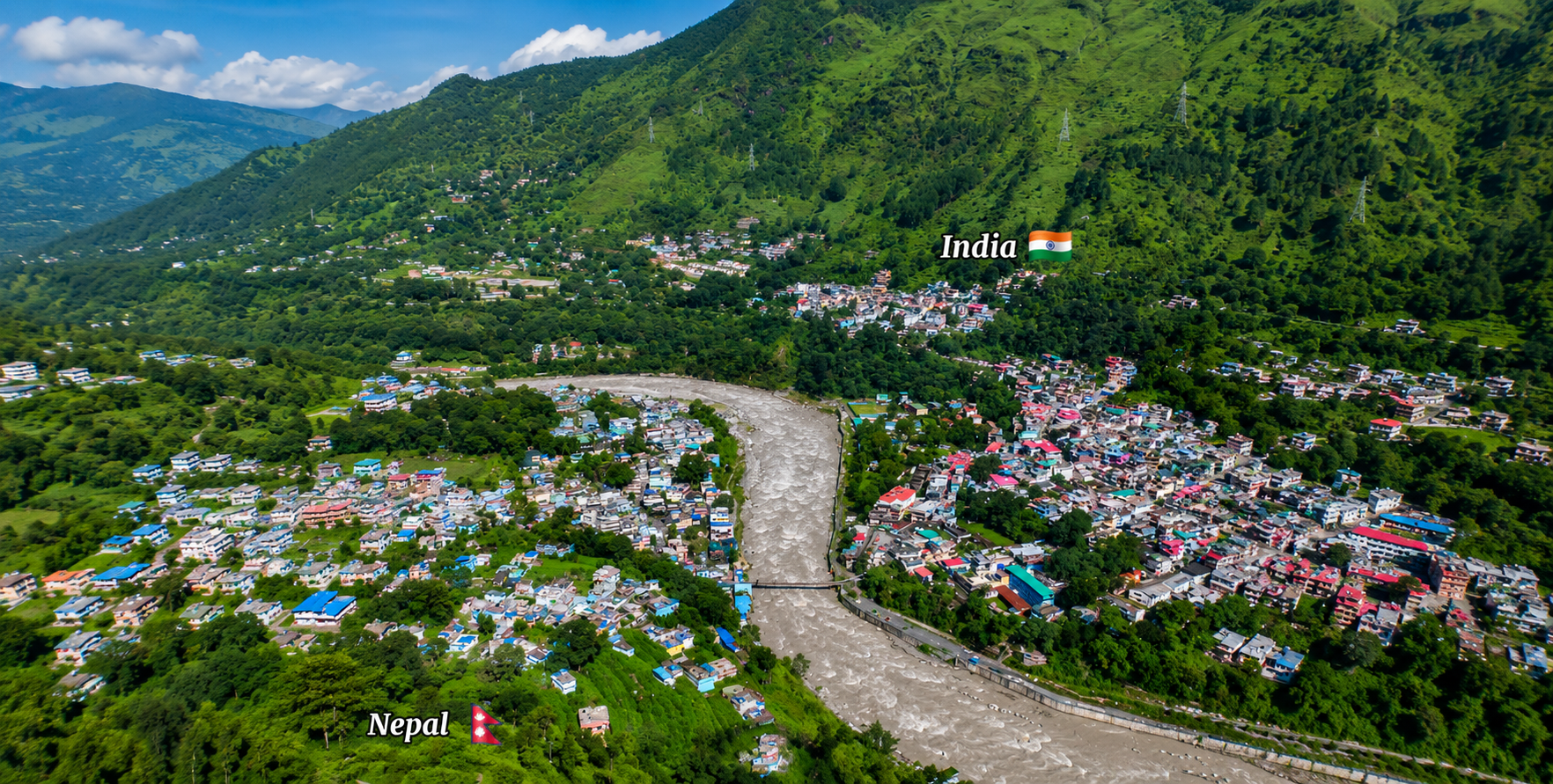
At the very far western edge of Nepal, precisely where the Mahakali River marks the formal international boundary with India, sits the city of Mahendranagar, officially known as Bhimdatta Municipality, the administrative headquarters of Kanchanpur district and one of Nepal’s most significant far-western gateway cities. Just a short distance outside the town itself, the Basbasa border crossing connects directly to Banbasa on the Indian side in Uttarakhand state, forming one of the busiest and most economically important land border crossings along Nepal’s entire western frontier.
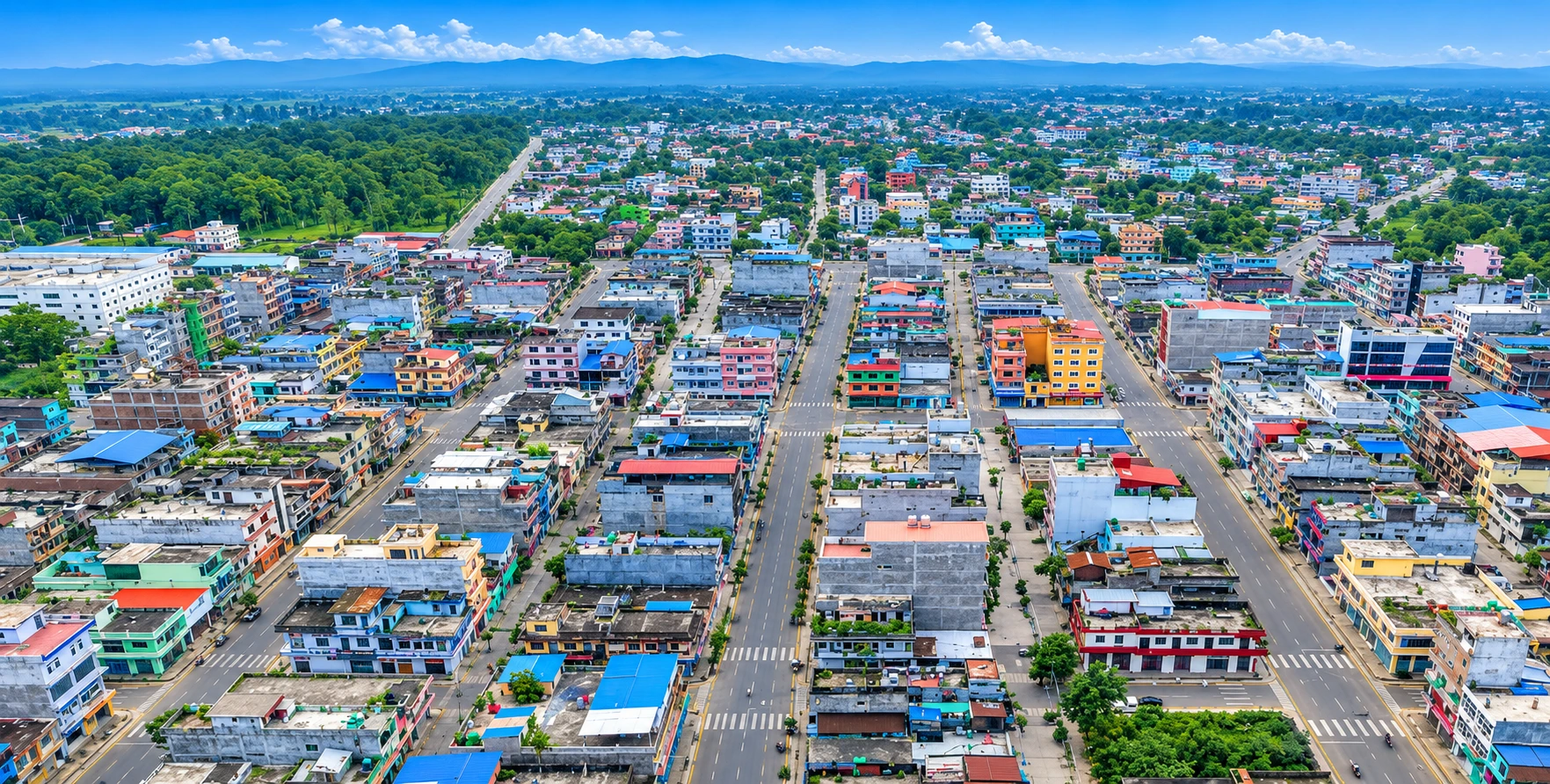
This guide covers everything travelers and businesses need to know about arranging.
Mahendranagar Basbasa pickup and drop vehicle services: the geography and significance of this far-western gateway, the Basbasa border crossing itself, airport pickup options, nearby Shuklaphanta National Park, onward connections across far-western Nepal, and how to arrange reliable ground transport for business, wildlife tourism, pilgrimage, or cross-border travel through this corner of the country. Nepal Vehicle Hiring supports travelers throughout Nepal, and this guide draws on our understanding of this far-western corridor’s specific transport needs.
Where Is Mahendranagar
Mahendranagar, known formally today as Bhimdatta Municipality, serves proudly as the administrative headquarters of Kanchanpur district within Nepal’s Sudurpashchim, or Far-Western, Province. Sitting near the Mahakali River, which forms the international border with India along this stretch, the city occupies a strategically significant position at the very western edge of Nepal’s Terai plains, considerably further from Kathmandu than most of the destinations covered in our other guides, reflecting the sheer geographic breadth of Nepal from east to west.
This far-western position has historically made Mahendranagar an important trade and administrative center, and the city has grown considerably in recent decades as both a commercial hub for the surrounding agricultural region and a transit point for cross-border trade and travel with India.
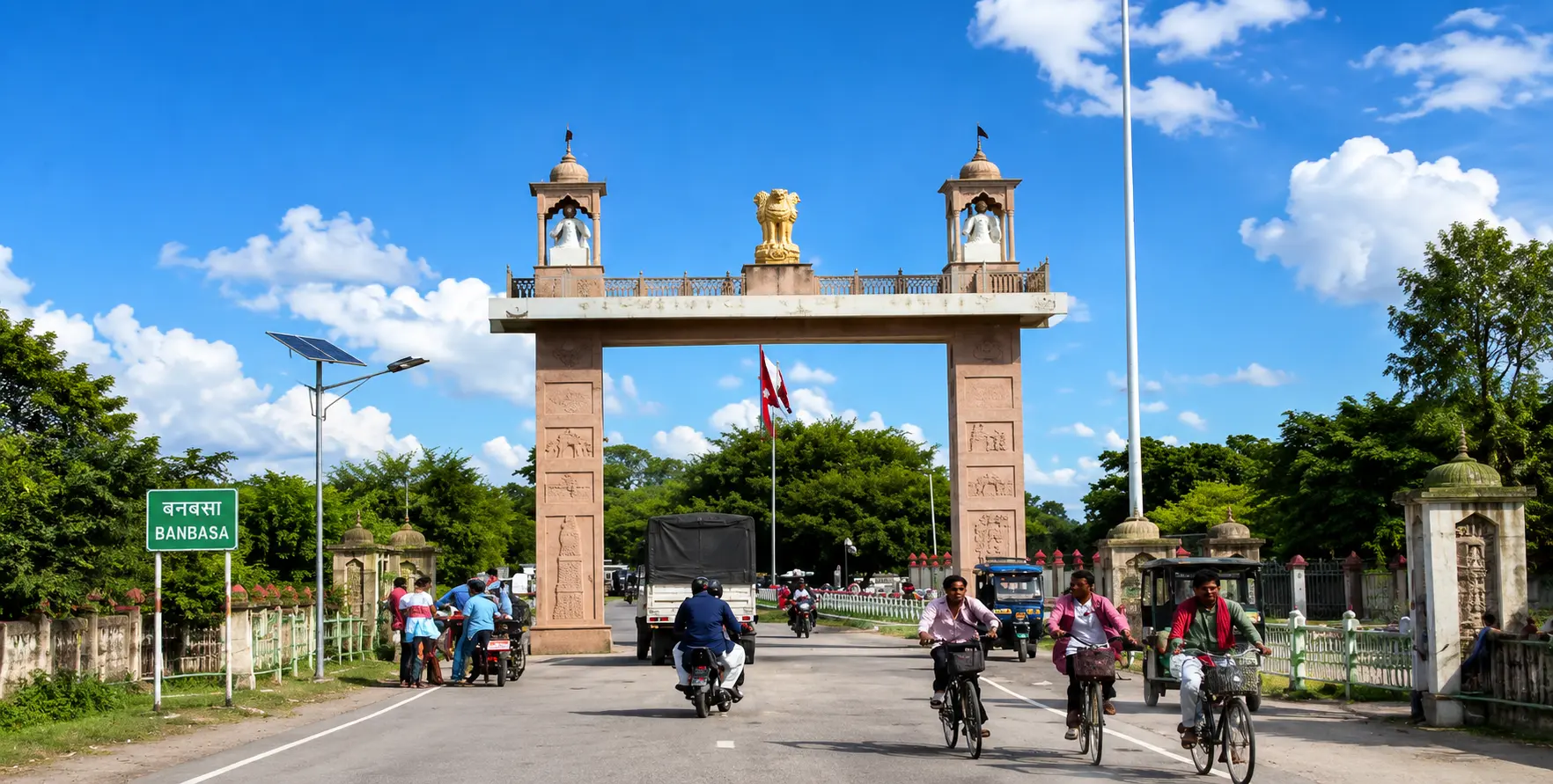
The Basbasa Border Crossing
The Basbasa crossing itself, connecting directly across to Banbasa in India’s neighboring Uttarakhand state, ranks among the more significant land border crossings along Nepal’s western frontier, handling substantial trade traffic alongside passenger travel between the two countries. This crossing serves not only bilateral Nepal-India trade and travel but also functions as a transit point for travelers continuing further into India, whether for business, pilgrimage, or onward travel to Indian cities such as Delhi, accessible via road and rail connections from the Indian side of the border.
For Nepali citizens working across the border in India, alongside Indian citizens engaged in cross-border trade or family connections, this crossing represents a genuinely vital daily transport corridor, distinct from the more purely tourist-oriented border crossings found elsewhere in Nepal.
Pickup and Drop Vehicle Services at Mahendranagar
Reliable pickup and drop vehicle service at Mahendranagar typically serves several distinct traveler needs: airport transfers for those flying into the region’s small local airstrip, border crossing transfers for travelers arriving from or departing toward Basbasa and Banbasa, and onward connections toward Shuklaphanta National Park or further along Nepal’s Mahakali Highway toward Dhangadhi and the rest of far-western Nepal. A dependable local vehicle service coordinating all of these transport needs removes considerable uncertainty for travelers navigating this less-visited but genuinely significant corner of the country.
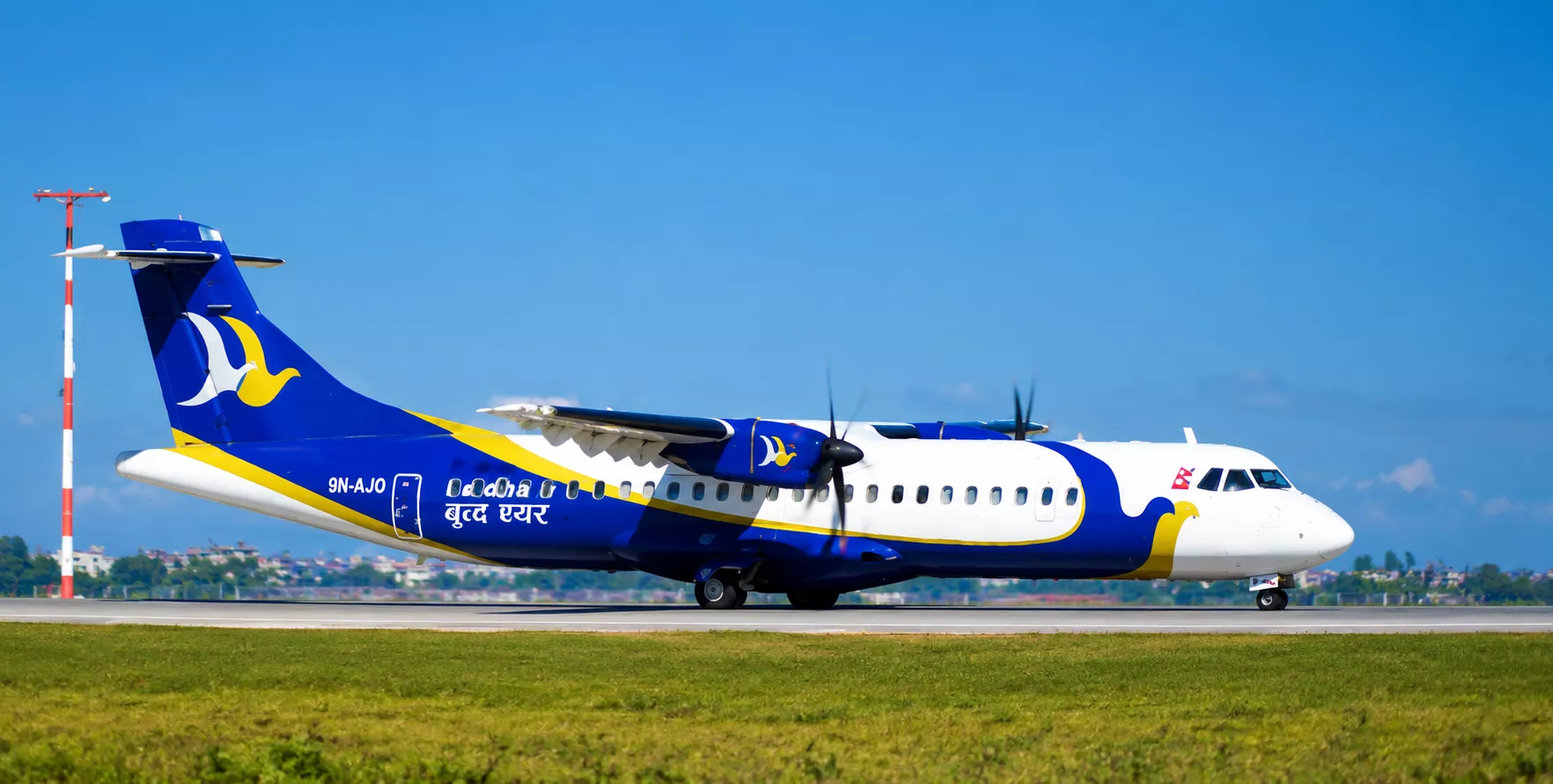
Mahendranagar’s Local Airport
Mahendranagar is served by a small domestic airstrip offering limited flight connections to Kathmandu and other parts of Nepal, providing an alternative to the considerably longer overland journey from the capital given the sheer distance involved in reaching this far-western corner of the country by road. Reliable airport pickup service ensures travelers flying into this airstrip can connect smoothly to their onward destination, whether a border crossing at Basbasa, a wildlife excursion to Shuklaphanta, or further travel along the Mahakali Highway.
Vehicle Options for This Region
Private Car for Border and City Transfers
For straightforward airport pickups, border crossing transfers, or general transport within Mahendranagar itself, a standard private car offers a comfortable, efficient option suited to this generally flat, well-connected Terai region.
Jeep and SUV for Shuklaphanta and Rural Access
Travelers heading toward Shuklaphanta National Park or more rural sections of Kanchanpur district benefit from a 4WD vehicle, given the less developed road conditions found away from the main highway corridors.
Vans and Buses for Group and Business Travel
Larger groups, whether business delegations, pilgrimage groups transiting toward India, or wildlife tourism parties, can be accommodated through larger vehicle bookings suited to the specific group size involved.
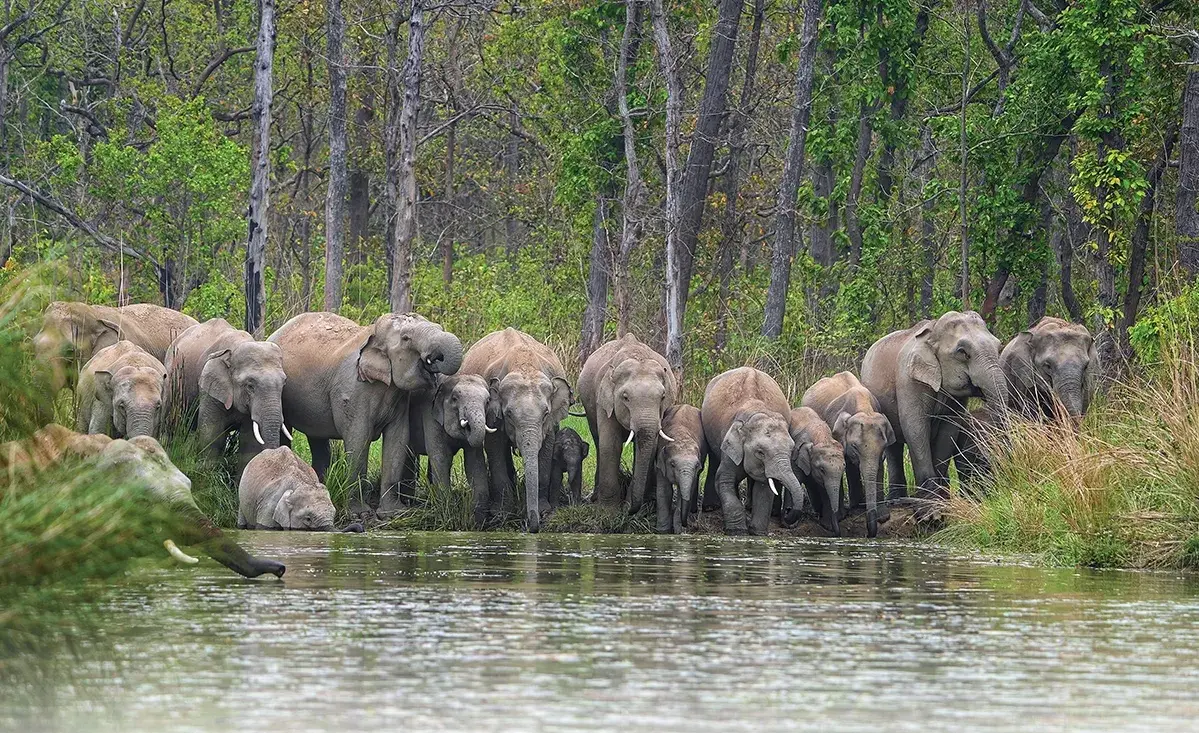
Shuklaphanta National Park
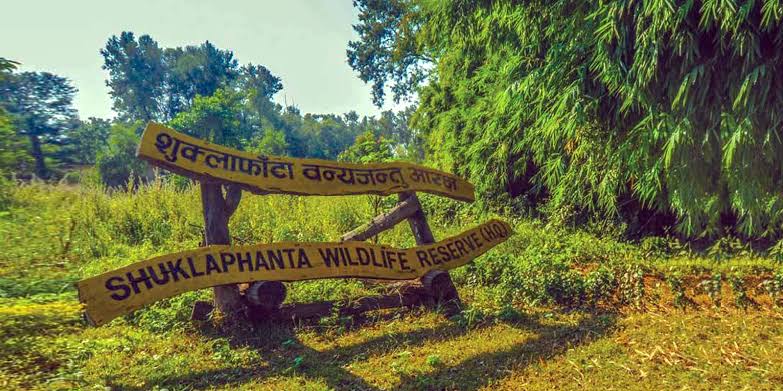
A relatively short distance from Mahendranagar itself, Shuklaphanta National Park carefully protects one of Nepal’s most significant remaining grassland ecosystems, home to the country’s largest population of swamp deer, known locally as barasingha, alongside Bengal tigers, wild elephants, and a wide range of Terai wildlife and bird species. Considerably less visited than Chitwan National Park further east, Shuklaphanta offers a genuinely quieter wildlife tourism experience for travelers willing to venture into this far-western corner of Nepal, and reliable vehicle transport from Mahendranagar makes this park a practical addition to any trip through the region.
Onward Connections Across Far-Western Nepal
Mahendranagar serves as a starting point for onward travel along the Mahakali Highway toward Dhangadhi and the broader far-western Terai region, alongside connections toward the hill and mountain districts further north within Sudurpashchim Province. Business travelers, government officials, and NGO workers active throughout this region commonly use Mahendranagar as a base or transit point, given its position and relatively developed transport infrastructure compared to more remote parts of far-western Nepal.
Cross-Border Travel Toward India
Beyond the immediate Basbasa-Banbasa crossing itself, travelers continuing further into India often use this route as a gateway toward destinations such as Delhi or the hill stations of Uttarakhand, including Nainital, given the road and rail connections available from the Indian side of the border. Business travelers and pilgrims alike use this corridor as a practical alternative to flying, particularly for those already based in far-western Nepal rather than Kathmandu.
Best Time of Year for This Region
Winter (October to February)
Generally the most comfortable season for travel and wildlife viewing at Shuklaphanta, with milder Terai temperatures than the intense summer heat this region experiences.
Summer (March to June)
Considerably hot given this region’s low-elevation Terai climate, with temperatures often exceeding those found in Kathmandu or the hill regions covered in our other guides.
Monsoon (July to September)
Heavy rainfall affects road conditions throughout the region, and travelers should expect potential delays given the flatter, flood-prone terrain characteristic of this part of the Terai.
Cost Factors for Mahendranagar Vehicle Services
Vehicle rental cost in this region depends on vehicle class, trip duration, and whether the booking involves a straightforward airport or border transfer versus an extended itinerary including Shuklaphanta or onward travel across far-western Nepal. Given this region’s distance from Kathmandu, most bookings are arranged with locally based vehicles and drivers familiar with the specific area, and our team is glad to help coordinate arrangements for travelers planning a visit to this part of Nepal.
How to Book Your Mahendranagar Transport
Booking begins with sharing your travel dates, specific transport needs (airport pickup, border-crossing transfer, or a wildlife-focused itinerary toward Shuklaphanta), and group size. Given this region’s distance from our core Kathmandu and Pokhara operating areas, advance coordination is particularly helpful in ensuring the right vehicle and driver are properly arranged for your specific far-western Nepal itinerary.
Related Guides for Planning Your Broader Nepal Journey
Travelers whose itinerary spans both far-western Nepal and the more established Kathmandu and Pokhara-based routes may find these related guides useful:
- Kathmandu to Hetauda Vehicle Rental
- Kathmandu to Lumbini Bus and Private Vehicle
- Pokhara to Chitwan Bus Service
- Luxury Airport Transfer Nepal
- Why Luxury Vehicle Hire Is Transforming Nepal Travel
- College Tour Vehicle Service in Nepal
Frequently Asked Questions
How far is Mahendranagar from Kathmandu?
Mahendranagar sits at the far western edge of Nepal, a considerable distance from Kathmandu, typically requiring either a domestic flight or a long multi-day overland journey.
Can I arrange a vehicle for border crossing transfers at Basbasa?
Yes. Pickup and drop service can be arranged for travelers crossing at Basbasa toward Banbasa in India, or arriving from India into Nepal at this crossing.
Is Shuklaphanta National Park worth visiting compared to Chitwan?
Shuklaphanta offers a considerably quieter wildlife experience with a genuinely significant swamp deer population, appealing to travelers specifically seeking a less commercialized alternative to Chitwan’s busier tourism infrastructure.
Does Mahendranagar have its own airport?
Yes, a small domestic airstrip serves Mahendranagar with limited flight connections to other parts of Nepal, offering an alternative to the long overland journey from Kathmandu.
Can I continue from Mahendranagar into India by road?
Yes. The Basbasa-Banbasa crossing provides direct road access into India’s Uttarakhand state, with onward connections toward Delhi and other Indian destinations.
What is the best season to visit this region?
Winter, from October through February, offers the most comfortable travel conditions given this region’s hot Terai climate during summer months.
Final Thoughts: Nepal’s Far-Western Gateway
Mahendranagar and the Basbasa border crossing may sit far outside Nepal’s typical tourist circuit. Still, this far-western gateway plays a genuinely significant role in the country’s cross-border trade, regional administration, and access to the quieter wildlife landscapes of Shuklaphanta National Park. Reliable pickup and drop-off vehicle service in this region supports the varied travelers who pass through, whether for business, wildlife tourism, or cross-border journeys into India.
Please do get in touch with Nepal Vehicle Hiring today at +977 9851013196 or visit
vehiclehiringnepal.com to discuss your transport needs for Mahendranagar, Basbasa, and Nepal’s far-western region, whether for business travel, cross-border logistics, or a wildlife excursion into Shuklaphanta National Park.
The History and Development of Bhimdatta Municipality
Mahendranagar, officially renamed Bhimdatta Municipality in recent years, reflecting a broader pattern of Nepali municipal renaming, has a history closely tied to the settlement and development of the far-western Terai. This region saw later and more gradual settlement than the central Terai areas closer to Kathmandu and Chitwan, given its more remote location and malaria-prone conditions that historically limited permanent settlement in parts of Nepal’s lowland Terai before mid-twentieth-century malaria eradication programs made the region more habitable. The city’s growth into its current role as Kanchanpur district’s administrative and commercial center reflects this broader pattern of Terai development, alongside its specific strategic significance as a border gateway.
Kanchanpur District: Geography and Economy
Kanchanpur district, with Mahendranagar as its headquarters, sits at the extreme western edge of Nepal’s Terai region, bordered by the Mahakali River and India to the west and south. The district’s economy centers significantly on agriculture, given the fertile Terai plains characteristic of this region, alongside the commercial and trade activity generated by the district’s border position. This combination of agricultural production and cross-border trade has shaped Kanchanpur’s economic development in ways distinct from Nepal’s more mountainous districts, whose economies more typically center on tourism, remittances, or hydropower rather than agriculture and border trade specifically.
Sudurpashchim Province in National Context
Mahendranagar’s position within Sudurpashchim, or Far-Western, Province places it within one of Nepal’s seven federal provinces established under the country’s 2015 constitution, a province that has historically received less infrastructure investment and tourism development attention compared to provinces closer to Kathmandu. This relative under-development has both challenges and advantages for travelers: infrastructure and services remain less developed than in more heavily visited parts of Nepal. Still, destinations like Shuklaphanta National Park offer a genuinely uncrowded alternative to the country’s more famous tourist attractions.
The Mahakali River and Its Border Significance
The Mahakali River, known as the Sharda River on the Indian side of the border, forms a natural boundary between Nepal and India along a considerable stretch of the western frontier, including the section near Mahendranagar and Basbasa. This river has longstanding significance for bilateral water resource management between the two countries, alongside its role as a natural border marker, and the Mahakali Treaty governing shared water resources along this river remains an important part of the broader Nepal-India bilateral relationship, adding a further layer of significance to this border region beyond its role in trade and passenger transit.
Trade Activity Through the Basbasa Crossing
The Basbasa-Banbasa crossing handles substantial bilateral trade traffic, with goods moving in both directions between Nepal and India, reflecting the broader economic interdependence between the two countries along their shared open border. This trade activity has historically supported Mahendranagar’s development as a commercial hub, with warehousing, customs facilities, and associated logistics businesses developing around the crossing point to support this cross-border commercial activity. Business travelers engaged in this trade increasingly rely on organized, reliable vehicle transport to move efficiently between Mahendranagar, the border crossing itself, and onward destinations either within Nepal or across into India.
Pilgrimage Connections Through This Border Crossing
Beyond trade, the Basbasa crossing also serves pilgrims and religious travelers moving between Nepal and India, given the shared Hindu religious heritage and numerous significant pilgrimage sites found on both sides of this open border. Travelers from far-western Nepal sometimes use this crossing as a starting point for pilgrimage journeys to significant Indian religious sites. In contrast, Indian pilgrims occasionally use the same crossing for journeys into Nepal, reflecting the porous, culturally connected nature of this particular stretch of the Nepal-India border.
Comparing Shuklaphanta to Nepal’s Other Wildlife Parks
Shuklaphanta National Park’s relative obscurity compared to Chitwan reflects both its more remote far-western location and Nepal’s broader tourism infrastructure development pattern, which has historically concentrated around Kathmandu, Pokhara, and the more centrally located Chitwan National Park. For wildlife enthusiasts specifically seeking Nepal’s swamp deer population, found in its largest concentration anywhere in the country at Shuklaphanta, this park offers something genuinely unique compared to Chitwan or Bardia National Park, Nepal’s other major Terai wildlife destinations, each of which has developed its own distinct wildlife tourism niche within the country’s broader protected area network.
Local Culture in Far-Western Nepal
Kanchanpur district and the broader far-western Terai region are home to a distinct cultural landscape compared to central and eastern Nepal, with Tharu indigenous communities, alongside various hill-origin communities who have settled in the region over recent generations, forming the area’s demographic base. This far-western Tharu culture, while sharing broad similarities with Tharu communities found further east near Chitwan, has developed its own distinct regional character, reflecting the area’s particular history and its close, ongoing cultural exchange with neighboring communities across the Indian border.
Business Travel Considerations for This Region
Companies engaged in cross-border trade through the Basbasa crossing, or those operating agricultural, logistics, or general commercial activities in Kanchanpur district, benefit from establishing reliable, ongoing vehicle transport arrangements rather than seeking ad hoc transport for each business trip. Given this region’s distance from Kathmandu, most such businesses work with locally based transport providers with genuine familiarity with the area’s specific roads, border procedures, and general business travel needs, rather than attempting to coordinate transport remotely from the capital.
A Typical Itinerary Combining Mahendranagar and Shuklaphanta
Travelers specifically visiting this region for wildlife tourism typically combine a stay in or near Mahendranagar with a dedicated excursion into Shuklaphanta National Park, often across two to three days to allow adequate time for wildlife viewing given the park’s considerable size and the more dispersed wildlife populations typical of its grassland habitat compared to the denser forest viewing conditions found in some other Nepali parks. A typical itinerary might include arrival via the local airstrip or a long overland journey, a day or two of guided safari activity within Shuklaphanta itself, and a final day allowing for either onward travel further into far-western Nepal or a return journey toward Kathmandu.
Health and Practical Considerations for This Region
Given this region’s low-elevation Terai climate, travelers should prepare for considerably warmer temperatures than found in Kathmandu or Nepal’s hill and mountain regions, particularly during the hot pre-monsoon months. Basic precautions typical of Terai travel throughout Nepal, including appropriate insect protection given the region’s proximity to wetland and grassland habitat, and adequate hydration given the heat, remain relevant considerations for travelers visiting Mahendranagar and the surrounding Shuklaphanta region.
Communication and Connectivity in Far-Western Nepal
Mobile network coverage in Mahendranagar itself is generally reliable, reflecting its status as a significant district headquarters and commercial center. However, coverage becomes more variable in the more rural sections of Kanchanpur district and within Shuklaphanta National Park itself. Travelers should not assume the same level of connectivity found in Kathmandu or Pokhara throughout this entire region, particularly once away from Mahendranagar’s immediate urban area.
Currency and Practical Logistics
As with most of Nepal outside major tourist centers, cash in Nepali rupees remains essential throughout Mahendranagar and the surrounding region, with card payment infrastructure considerably more limited than in Kathmandu or Pokhara. Travelers planning any cross-border activity toward Banbasa should also consider Indian rupee requirements for that portion of their journey, given the practical realities of conducting transactions on either side of this international border.

Why Choose a Local, Established Vehicle Provider for This Region
Given Mahendranagar’s considerable distance from Kathmandu and Pokhara, and the specific local knowledge required for border-crossing procedures, Shuklaphanta park access, and general navigation throughout Kanchanpur district, working with a vehicle provider genuinely familiar with this region offers considerable advantages over attempting to coordinate transport remotely from a Kathmandu-based perspective alone. Local familiarity with current border crossing procedures, seasonal road conditions specific to this Terai region, and the practical logistics of reaching Shuklaphanta all matter considerably for a smooth travel experience in this less-visited part of Nepal.
Combining This Region With a Broader Far-Western Nepal Itinerary
Travelers with additional time sometimes combine a Mahendranagar and Shuklaphanta visit with further exploration of Sudurpashchim Province, including the hill districts further north within the same province, though these areas generally require considerably more planning and local knowledge given their more remote, less developed transport infrastructure compared to Mahendranagar and the immediate Terai region around it. Such extended itineraries typically require working closely with a locally based operator with genuine familiarity with these more remote districts.
The Role of NGOs and Development Organizations in This Region
Given Sudurpashchim Province’s historically lower level of infrastructure development compared to other parts of Nepal, the region hosts a meaningful presence of non-governmental organizations and development agencies working on various rural development, health, and Education initiatives throughout Kanchanpur district and the broader far-western region. These organizationsorganizations often require reliable local transport for their staff and program activities, forming another distinct segment of transport demand in this region beyond tourism, trade, and general business travel already discussed.
Seasonal Wildlife Viewing Patterns at Shuklaphanta
Wildlife viewing conditions at Shuklaphanta vary considerably by season, with the drier winter months generally offering the best visibility across the park’s characteristic open grassland habitat, since vegetation growth during and immediately after the monsoon can significantly reduce visibility for wildlife spotting. The park’s swamp deer population, along with other resident wildlife, tends to be most visible during these clearer winter viewing conditions, making the October through February period particularly popular among the relatively modest number of wildlife tourists who make the journey to this far-western park each year.
What to Pack for a Mahendranagar and Shuklaphanta Trip
- Lightweight, breathable clothing given this region’s hot Terai climate, particularly outside the cooler winter months.
- Insect protection suited to the grassland and wetland habitat found throughout Shuklaphanta National Park.
- Sufficient Nepali rupees in cash, and Indian rupees if planning any cross-border activity toward Banbasa.
- Basic first aid supplies and any personal medication needed given this region’s distance from major medical facilities.
- Appropriate documentation for cross-border travel if your itinerary includes crossing at Basbasa toward India.
Road Connections Between Mahendranagar and Dhangadhi
The Mahakali Highway connects Mahendranagar to Dhangadhi, the largest city in far-western Nepal and headquarters of Kailali district, a journey covering a moderate distance across the flat Terai terrain characteristic of this region. Dhangadhi itself hosts a more developed regional airport with more frequent flight connections to Kathmandu than Mahendranagar’s smaller airstrip, and many travelers to this region choose to fly into Dhangadhi before continuing to Mahendranagar by road, given the generally more reliable flight schedule this larger airport offers. Reliable vehicle transport along this Mahakali Highway corridor supports this common travel pattern for visitors to Nepal’s far-western region.
Understanding the Broader Sudurpashchim Transport Network
Beyond the Mahendranagar-Dhangadhi corridor, Sudurpashchim Province’s transport network extends into considerably more challenging hill and mountain terrain further north, connecting the Terai lowlands to remote hill districts that, in some cases, remain among the least accessible parts of Nepal given their distance from both Kathmandu and the more developed road networks found in central Nepal. This broader network context helps explain why Mahendranagar and Dhangadhi, sitting within the more accessible Terai portion of the province, serve as such important gateway and staging points for any travel deeper into this less-developed far-western region.
Cross-Border Trade Patterns and Their Transport Implications
The volume and pattern of cross-border trade through Basbasa fluctuate according to broader Nepal-India trade policy and seasonal agricultural cycles, given the significant agricultural trade component moving through this crossing. Business travelers and logistics operators engaged in this trade require vehicle transport that can adapt to these fluctuating patterns, sometimes requiring more vehicles during peak agricultural trading seasons and less during quieter periods, a dynamic distinct from the more predictable, tourism-season-driven demand patterns seen on Nepal’s trekking-focused transport corridors covered throughout our other guides.
A Note on Safety and Border Crossing Procedures
Travelers crossing at Basbasa should ensure all necessary documentation, including passports and any required visas for onward travel into India, is properly in order before arriving at the border, since immigration and customs procedures at this crossing follow standard bilateral protocols requiring proper documentation. Working with a vehicle provider or local guide familiar with current crossing procedures helps ensure a smooth experience, particularly for travelers unfamiliar with this specific border crossing’s practical requirements.
Combining Business and Wildlife Tourism in a Single Trip
Some business travelers visiting Mahendranagar for trade or commercial purposes extend their trip with a short wildlife excursion to Shuklaphanta, taking advantage of their presence in this otherwise less-visited region to experience its natural attractions alongside their primary business purpose. This kind of combined itinerary requires coordinating both a business-appropriate transport schedule and a separate wildlife-focused excursion, something a locally knowledgeable vehicle provider can arrange as part of a single overall visit to the region.
Government and Administrative Travel Through Mahendranagar
As the headquarters of Kanchanpur district and a significant center within Sudurpashchim Province, Mahendranagar sees regular government and administrative travel connected to provincial and district-level governance functions, alongside the border security and customs administration necessarily concentrated at a significant crossing point like Basbasa. This administrative travel forms another distinct segment of the transport demand in this region, often requiring flexible, on-demand vehicle arrangements suited to government schedules and requirements rather than fixed tourist itineraries.
The Broader Significance of Far-Western Nepal’s Development
Mahendranagar and the broader Kanchanpur district’s continued development reflects broader national conversations in Nepal regarding balanced regional development, given the historical concentration of infrastructure investment and tourism attention around Kathmandu, Pokhara, and the central and eastern regions of the country. Continued investment in this far-western region’s transport infrastructure, tourism development around Shuklaphanta, and border trade facilities at Basbasa all form part of this broader development conversation, and reliable vehicle transport services play a genuinely practical role in supporting whatever development this region continues to see in the years ahead.
Final Practical Tips Before You Go
- Confirm current border crossing requirements and documentation well before your planned Basbasa transit if continuing into India.
- Consider flying into Dhangadhi rather than Mahendranagar directly if seeking more reliable flight scheduling from Kathmandu.
- Book vehicle transport in advance given this region’s distance from our core operating areas and the value of working with genuinely local expertise.
- Pack for hot Terai conditions, particularly outside the cooler winter months.
- Consider combining a Shuklaphanta wildlife excursion with any business or border-crossing purpose bringing you to this region.
A Comparison With Nepal’s Other Border Crossings
Nepal maintains several significant land border crossings with India, each serving a somewhat different regional and trade purpose. The Basbasa crossing near Mahendranagar serves far-western Nepal specifically, connecting to Uttarakhand in India, distinct from the Birgunj crossing further east, covered in our companion guide to
Kathmandu to Hetauda vehicle rental, which serves as Nepal’s busiest overall land crossing connecting to Bihar in India. Understanding these different crossings and their respective connections to different Indian states helps travelers and businesses plan their specific cross-border journey according to their actual origin and destination on both sides of the border.
Wildlife Conservation Efforts at Shuklaphanta
Shuklaphanta National Park’s conservation significance extends beyond its swamp deer population to broader efforts protecting the park’s grassland ecosystem, one of the last significant remaining examples of this habitat type in Nepal’s Terai region, given how much of the country’s original grassland habitat has been converted to agricultural use over recent decades. Conservation organizations working in and around the park focus on habitat protection, anti-poaching efforts, and community engagement with local Tharu and other communities living near the park boundary, reflecting the broader pattern of community-based conservation increasingly common throughout Nepal’s protected area network.
Historical Trade Routes Through This Region
Long before the formal establishment of the modern Basbasa border crossing, this general region of far-western Nepal served as a historical trade corridor connecting the hill regions of what is now Sudurpashchim Province to the plains and onward into the Indian subcontinent, a trade pattern reflecting the broader historical relationship between Nepal’s hill kingdoms and the lowland trade networks of northern India. This historical trade significance helps explain the standing importance of this general border region, predating the specific modern infrastructure now found at Mahendranagar and Basbasa.
Supporting Both Nepali and Indian Travelers at This Crossing
The Basbasa-Banbasa crossing serves genuinely bidirectional travel, supporting Nepali citizens traveling into India for work, trade, or family reasons, alongside Indian citizens traveling into Nepal for similar purposes, reflecting the deeply interconnected nature of communities living on either side of this border. Vehicle transport services in this region should be prepared to serve both directions of this cross-border travel pattern, rather than assuming travel flows purely in one direction.
Additional Frequently Asked Questions
Is Mahendranagar safe for tourists to visit?
Yes, Mahendranagar and the surrounding region are generally safe for travelers. However, as with any less-visited part of Nepal, working with a locally knowledgeable guide or vehicle provider helps ensure a smooth experience given the more limited tourism infrastructure compared to Kathmandu or Pokhara.
How long does it take to reach Shuklaphanta from Mahendranagar?
The park sits a relatively short distance from Mahendranagar, typically reachable within an hour or so by vehicle, making it a practical day-trip addition to any visit to the region.
Can I arrange a multi-day safari package at Shuklaphanta?
Yes, though options are more limited than at Chitwan given the park’s lower overall tourism development. Local lodges and guides can arrange multi-day wildlife viewing itineraries for interested travelers.
What documentation do I need to cross at Basbasa into India?
Standard passport and any required Indian visa documentation apply for this crossing, as with any other formal Nepal-India border crossing. Confirm current requirements before travel, as visa policies can change.
Is there a significant language barrier in this region?
Nepali remains the primary language throughout the region, alongside Tharu and other local languages, with Hindi also widely understood given the proximity to India and ongoing cross-border interaction.
Can business travelers arrange recurring transport for regular trips to this region?
Yes. Companies with regular business activity in Kanchanpur district or requiring recurring border crossing transport can arrange standing vehicle arrangements suited to their ongoing needs.
The Growing Potential for Tourism Development in This Region
As Nepal’s tourism sector continues to mature and travelers increasingly seek alternatives to the country’s most famous, and increasingly crowded, destinations, far-western Nepal’s genuine natural attractions, including Shuklaphanta National Park’s swamp deer population and grassland ecosystem, offer real potential for continued tourism development in the years ahead. This potential development would likely bring improved transport infrastructure and vehicle service options to the region, building on the foundation already provided by Mahendranagar’s role as district headquarters and border gateway.
A Closing Perspective on This Far-Western Gateway
Mahendranagar and the Basbasa border crossing represent a genuinely distinct piece of Nepal’s transport and travel landscape, shaped by cross-border trade, regional administration, and a still largely undiscovered wildlife destination in Shuklaphanta National Park, rather than the trekking and cultural heritage tourism that defines most of Nepal’s more famous destinations. Understanding this region’s particular character, and working with vehicle transport providers who genuinely understand its specific needs, helps ensure a smooth experience for whatever business, wildlife, or cross-border purpose brings travelers to this far-western corner of the country.
Combining a Far-Western Trip With Nepal’s Wider Attractions
Travelers with sufficient time sometimes combine a visit to Mahendranagar and Shuklaphanta with the more established attractions covered throughout our other guides, whether Kathmandu’s cultural heritage sites, Pokhara’s lakeside setting, or the trekking regions further east. Given the considerable distance involved, this kind of combined itinerary typically requires flying between the far-western region and Kathmandu or Pokhara, rather than attempting a purely overland journey connecting these distant parts of the country within a single reasonable trip duration.
Understanding Nepal’s East-West Geographic Scale
Mahendranagar’s distance from Kathmandu offers a useful reminder of Nepal’s genuine east-west geographic scale, a country that, despite its relatively modest overall area, spans a considerable distance from its far-eastern districts near Kanchenjunga to its far-western border with India near Mahendranagar and the Mahakali River. This scale means that travel between different regions of Nepal often requires more careful planning around domestic flights or lengthy overland journeys than visitors unfamiliar with the country’s actual geography might initially assume, a consideration worth factoring into any itinerary spanning both far-western Nepal and the country’s more central regions.
Local Guides and Their Value in This Region
Given the more limited tourism infrastructure in far-western Nepal compared to Kathmandu, Pokhara, or Chitwan, working with a knowledgeable local guide adds particular value for travelers visiting Shuklaphanta National Park or exploring the broader Kanchanpur district. Local guides bring genuine wildlife spotting expertise specific to Shuklaphanta’s grassland habitat, alongside cultural knowledge of the Tharu and other communities living in the surrounding area, enriching what might otherwise be a purely transit-focused visit to this part of Nepal.
Practical Considerations for International Visitors
International visitors planning a trip to this region should note that Mahendranagar and the surrounding area see considerably fewer international tourists than Nepal’s more established destinations, meaning English-language services, international-standard accommodation, and general tourism infrastructure remain more limited than visitors accustomed to Kathmandu or Pokhara might expect. This is not a barrier to visiting, but rather a genuine consideration worth factoring into realistic expectations for anyone planning a trip to this far-western corner of Nepal specifically for its wildlife or border-crossing significance.
Combining Vehicle Hire With Our Wider Nepal Network
While Mahendranagar and the Basbasa border crossing sit at a considerable distance from our core Kathmandu and Pokhara-based operating areas, travelers whose broader Nepal itinerary spans both this far-western region and more established destinations can still benefit from coordinating their overall trip planning through a single point of contact. Our core services cover:
car hire in Pokhara, and
Pokhara to Chitwan transport can be coordinated alongside your far-western Nepal plans, even where the Mahendranagar-specific leg of your journey is arranged through locally based partners more directly familiar with that particular region.
Why Reliable Ground Transport Matters in Border Regions
Border regions like Mahendranagar and Basbasa carry particular importance for reliable ground transport, given the formal, time-sensitive nature of border-crossing procedures and the genuine economic significance of the cross-border trade these crossings support. A missed or unreliable transport connection at a border crossing carries more significant consequences than a similar delay on a purely domestic tourist route, whether through missed business meetings, disrupted trade logistics, or complications with time-sensitive visa or permit arrangements, making dependable, well-coordinated vehicle service particularly valuable in this specific context.
Environmental Context of the Shuklaphanta Grasslands
Shuklaphanta’s grassland ecosystem, among the most significant remaining examples of this habitat type in Nepal, plays an important ecological role beyond simply supporting its notable swamp deer population, including watershed protection functions and supporting a broader web of grassland-dependent species beyond the more visible large mammals that draw most visitor attention. This ecological significance has drawn increasing conservation research and international attention to the park in recent years, gradually raising its profile beyond the relatively small number of dedicated wildlife tourists who have historically made the journey to this far-western destination.
A Final Word on Planning Your Visit
Whether your reason for visiting Mahendranagar involves cross-border trade through Basbasa, wildlife tourism at Shuklaphanta, government or NGO work in the region, or simply a genuine interest in experiencing a less-visited corner of Nepal, careful planning and coordination with locally knowledgeable transport providers makes a considerable difference to how smoothly your visit unfolds. This far-western gateway rewards travelers willing to venture beyond Nepal’s more established tourist circuit with genuine cultural and natural experiences difficult to find anywhere else in the country.
Seasonal Business Cycles Affecting Transport Demand
Transport demand through Mahendranagar and Basbasa fluctuates according to several distinct seasonal cycles beyond the standard tourism seasonality discussed earlier, including agricultural trading seasons that affect cross-border trade volume, and periodic increases in cross-border passenger travel tied to major Hindu festivals celebrated on both sides of the border, given the shared religious calendar between Nepal and northern India. Vehicle providers serving this region need to remain attentive to these varied demand cycles, distinct from the purely trekking-season-driven patterns seen elsewhere in Nepal’s tourism-focused transport corridors.
The Contrast Between This Region and Nepal’s Mountain Tourism
Mahendranagar and the Basbasa border crossing offer a genuinely useful point of contrast with the mountain trekking and pilgrimage routes covered throughout most of our other guides, a reminder that Nepal’s transport and travel landscape extends well beyond its famous Himalayan attractions into the flat, agriculturally significant, and internationally connected Terai plains along its southern and western borders. This contrast reflects Nepal’s genuine geographic and economic diversity, from the world’s highest mountains in the north to significant international trade gateways in the south and west, each requiring a different kind of transport service and local expertise to support effectively.
Building Long-Term Knowledge of This Specialized Corridor
Supporting travelers and businesses in a region as specific and distinct as Mahendranagar and Basbasa requires genuine, ongoing local knowledge rather than simply extending standard Kathmandu-based tourist transport service into an unfamiliar region. Understanding current border crossing procedures, seasonal road conditions specific to this Terai border area, and the practical needs of the varied traveler base using this corridor, from traders to pilgrims to wildlife tourists to government officials, all require a genuinely specialized approach distinct from standard tourism transport service elsewhere in Nepal.
Insurance and Documentation for Cross-Border Travel
Travelers planning to cross at Basbasa into India should confirm their travel insurance policy appropriately covers cross-border activity, and ensure all relevant documentation, including passports, visas, and any vehicle-related paperwork if driving across the border directly, are properly arranged well in advance of travel. These requirements differ somewhat from purely domestic Nepal travel and warrant specific attention given the international nature of this particular journey segment.
The Value of Advance Communication for This Region
Given Mahendranagar’s distance from our core operating areas and the specialized local knowledge required for this specific corridor, travelers and businesses planning a visit to this region benefit considerably from early, detailed communication regarding their specific transport needs, whether airport pickup, border crossing transfer, Shuklaphanta wildlife access, or broader business travel throughout Kanchanpur district. This advance communication allows appropriate coordination with locally knowledgeable transport partners well before your actual travel dates, ensuring a smoother overall experience in this less-visited but genuinely significant part of Nepal.
Reflecting on Nepal’s Full Range of Travel Purposes
This guide’s focus on Mahendranagar and Basbasa, a region defined by trade, border administration, and quiet wildlife tourism rather than the trekking and cultural heritage experiences covered throughout most of our other guides, reflects our broader commitment to supporting the full range of genuine travel purposes that bring people to and through Nepal, not only its most famous and heavily marketed attractions. Business travelers, cross-border traders, development workers, and the small but growing number of wildlife tourists drawn to Shuklaphanta’s grasslands all deserve the same quality of reliable, well-informed ground transport service as trekkers heading toward Everest or pilgrims traveling to Muktinath, even though this particular corner of Nepal rarely features in the country’s standard tourism marketing.
Thank You for Reading
We hope this guide has provided genuinely useful insight into Mahendranagar, the Basbasa border crossing, and the broader far-western Nepal region surrounding them, and we look forward to helping coordinate your own transport needs for whatever business, wildlife, or cross-border purpose brings you to this distinctive corner of the country.
One Final Practical Note
Before finalizing any travel plans to this region, we recommend confirming current conditions and requirements directly with our team or a locally based partner, given both the seasonal variability of road and border conditions in this Terai region and the more limited general information available online for this less-visited part of Nepal compared to the country’s more famous destinations.
Wishing You Smooth Travels
From the bustling cross-border trade activity at Basbasa to the quiet grasslands of Shuklaphanta National Park, Mahendranagar and its surrounding region offer a genuinely distinctive slice of Nepal, one shaped as much by international trade and border administration as by natural beauty and wildlife. We wish you safe, smooth, and well-coordinated travels through this far-western gateway, whatever purpose brings you here.
Where to Learn More
For travelers wanting to learn more about combining a far-western Nepal visit with the rest of the country’s attractions, our other guides covering Kathmandu, Pokhara, Chitwan, and Nepal’s major trekking and pilgrimage routes offer a useful starting point for planning the broader portions of a Nepal itinerary, even where the Mahendranagar-specific leg requires its own dedicated local coordination given the region’s distinct character and considerable distance from these more established destinations.
A Brief Word on Regional Pride
Residents of Kanchanpur district and the broader far-western region take genuine pride in their area’s unique cultural heritage, agricultural productivity, and role as Nepal’s gateway to this particular stretch of the Indian border, and visitors who take time to appreciate this local identity, rather than treating the region purely as a transit point on the way to somewhere else, often find their visit considerably more rewarding as a result.
Thank you very much indeed for reading all the way through this detailed and comprehensive guide, and safe, pleasant travels wherever your own personal journey through Nepal’s far west ultimately takes you next.
- Mahendranagar Basbasa Pickup and Drop Vehicle
- Where Is Mahendranagar
- The Basbasa Border Crossing
- Pickup and Drop Vehicle Services at Mahendranagar
- Mahendranagar's Local Airport
- Vehicle Options for This Region
- Shuklaphanta National Park
- Onward Connections Across Far-Western Nepal
- Cross-Border Travel Toward India
- Best Time of Year for This Region
- Cost Factors for Mahendranagar Vehicle Services
- How to Book Your Mahendranagar Transport
- Related Guides for Planning Your Broader Nepal Journey
- Frequently Asked Questions
- Final Thoughts: Nepal's Far-Western Gateway
- The History and Development of Bhimdatta Municipality
- Kanchanpur District: Geography and Economy
- Sudurpashchim Province in National Context
- The Mahakali River and Its Border Significance
- Trade Activity Through the Basbasa Crossing
- Pilgrimage Connections Through This Border Crossing
- Comparing Shuklaphanta to Nepal's Other Wildlife Parks
- Local Culture in Far-Western Nepal
- Business Travel Considerations for This Region
- A Typical Itinerary Combining Mahendranagar and Shuklaphanta
- Health and Practical Considerations for This Region
- Communication and Connectivity in Far-Western Nepal
- Currency and Practical Logistics
- Why Choose a Local, Established Vehicle Provider for This Region
- Combining This Region With a Broader Far-Western Nepal Itinerary
- The Role of NGOs and Development Organizations in This Region
- Seasonal Wildlife Viewing Patterns at Shuklaphanta
- What to Pack for a Mahendranagar and Shuklaphanta Trip
- Road Connections Between Mahendranagar and Dhangadhi
- Understanding the Broader Sudurpashchim Transport Network
- Cross-Border Trade Patterns and Their Transport Implications
- A Note on Safety and Border Crossing Procedures
- Combining Business and Wildlife Tourism in a Single Trip
- Government and Administrative Travel Through Mahendranagar
- The Broader Significance of Far-Western Nepal's Development
- Final Practical Tips Before You Go
- A Comparison With Nepal's Other Border Crossings
- Wildlife Conservation Efforts at Shuklaphanta
- Historical Trade Routes Through This Region
- Supporting Both Nepali and Indian Travelers at This Crossing
- Additional Frequently Asked Questions
- The Growing Potential for Tourism Development in This Region
- A Closing Perspective on This Far-Western Gateway
- Combining a Far-Western Trip With Nepal's Wider Attractions
- Understanding Nepal's East-West Geographic Scale
- Local Guides and Their Value in This Region
- Practical Considerations for International Visitors
- Combining Vehicle Hire With Our Wider Nepal Network
- Why Reliable Ground Transport Matters in Border Regions
- Environmental Context of the Shuklaphanta Grasslands
- A Final Word on Planning Your Visit
- Seasonal Business Cycles Affecting Transport Demand
- The Contrast Between This Region and Nepal's Mountain Tourism
- Building Long-Term Knowledge of This Specialized Corridor
- Insurance and Documentation for Cross-Border Travel
- The Value of Advance Communication for This Region
- Reflecting on Nepal's Full Range of Travel Purposes
- Thank You for Reading
- One Final Practical Note
- Wishing You Smooth Travels
- Where to Learn More
- A Brief Word on Regional Pride

Related Blog & Articles

4WD Himalayan Jeep in Nepal

Car Hire in Nepal – Complete Guide for Travelers

Jeep Hire in Nepal – Best Vehicle for Mountain Roads
Best Time to Visit Nepal 2026/2027

Hiace Hire in Nepal