Everest Mountain Flight Nepal: Complete Guide
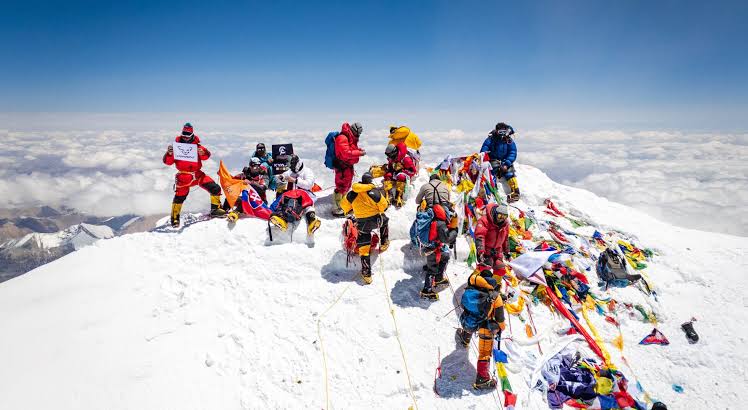
| Everest Mountain Flight Nepal — Quick Reference |
| Flight length: about 50 to 60 minutes in the air (allow roughly 3 hours door-to-door, including check-in) |
| Departs from: Tribhuvan International Airport, Kathmandu domestic terminal, early morning |
| Typical fare for foreign nationals: roughly USD 250 to USD 280 per person, depending on airline and package |
| Seating: every passenger gets a window seat on the dedicated scenic aircraft |
| Best months: October to December and March to May, always the first flights of the morning |
| Private transfer from Thamel hotel to the domestic terminal and back: from about USD 25-30 by car |
| After the flight: add a Kathmandu UNESCO sightseeing tour by car, jeep, Hiace van or Coaster bus. |
| Book transport: Nepal Vehicle Hiring Pvt. Ltd. | WhatsApp | [email protected] |
The Easiest Way to Meet the Highest Mountain on Earth
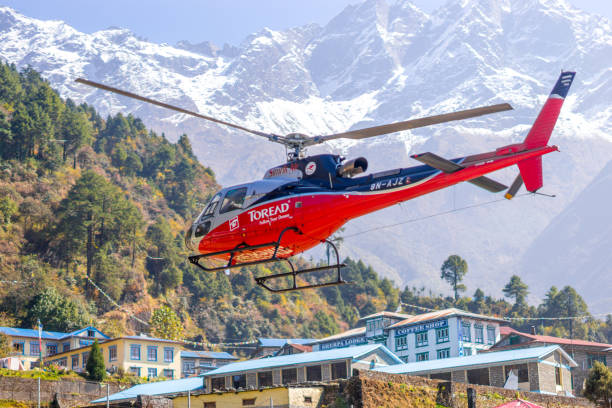
The Everest mountain flight is the simplest way to face the highest mountain on Earth. In roughly one hour, a small turboprop aircraft lifts off from Kathmandu, turns east along the great Himalayan wall, and carries you level with Everest, Lhotse, Makalu and a long procession of snow giants before returning you to the capital while most visitors are still finishing breakfast.
No trekking permit to arrange, no altitude to acclimatise to, and no multi-week itinerary to protect. All it asks of you is an early alarm, a window seat and a reasonably clear morning.
Yet the flight itself is only the middle of the story. The beginning is a quiet pre-dawn pickup from your hotel in Thamel, a short drive through empty streets to the domestic terminal, and a check-in queue that moves faster when you arrive on time and relaxed.
The end is the part many travellers forget to plan: what you do with the rest of a morning that has already delivered the trip’s most spectacular view. This guide covers both halves.
It explains how the flight works, which airlines operate it, what it costs in US dollars, which seat to request, when to go, and how to avoid small mistakes that cost people their best views. It also shows how a punctual private vehicle from Nepal Vehicle Hiring Pvt. Ltd. makes the whole morning smooth and unhurried, from your hotel door to the last temple on your Kathmandu tour.
Everything here is written to stay useful for years. Fares and schedules move slightly with seasons and airline policies, so treat every number as a realistic range and confirm the final figure when you book.
The principles — go early, choose the right season, understand the seating, protect your timing on the ground — never change. If you would like help planning the road side of your morning, message us on WhatsApp or write to [email protected], and our team will build the plan around your flight reporting time.
What Exactly Is the Everest Mountain Flight Nepal?
A Scenic Flight, Not a Landing
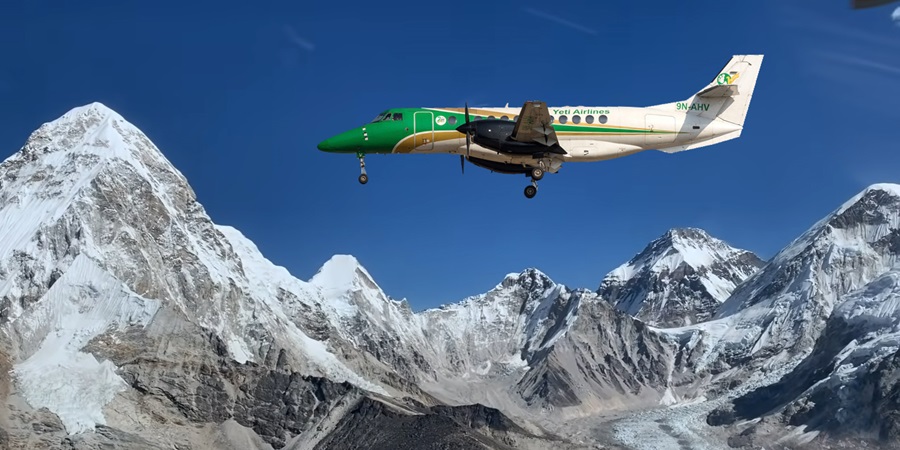
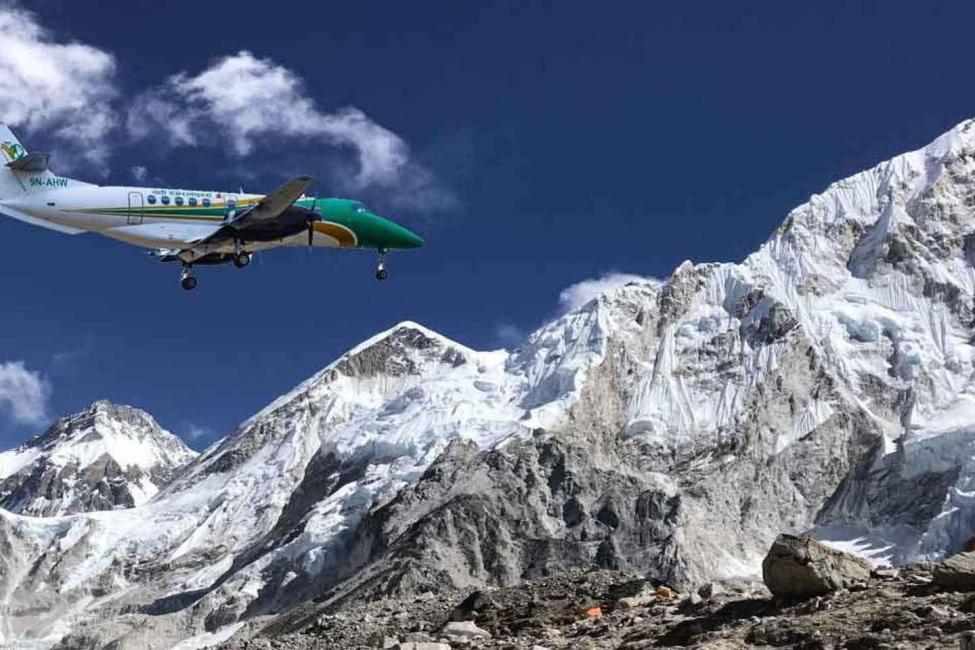
The Everest mountain flight is a dedicated scenic flight, not a regular transport service. It takes off from Tribhuvan International Airport in Kathmandu, flies east parallel to the Himalayan range, approaches the Everest region, turns, and flies back along the same line. It does not land anywhere in the mountains.
The aircraft stays well clear of the peaks while still getting close enough that Everest, its neighbours and the long glacial valleys below are clearly visible from the cabin windows. Think of it as a one-hour guided tour of the Himalaya, delivered from the air, with the pilots and cabin crew acting as your hosts and spotters.
Because it is purely scenic, the flight has a different rhythm from a normal domestic hop. Passengers sit so everyone has a window. The crew gives a short briefing about which side of the aircraft sees what at each stage.
A map or peak identification card is commonly handed out so you can match the white summits to their names, and many operators add a small certificate of completion after landing. On good mornings, the captain may also invite passengers to the cockpit one at a time for a few moments of the pilot’s own view, although this is always at the crew’s discretion and never guaranteed.
The Aircraft, the Altitude and the Terminal
Mountain flights use small turboprop aircraft whose slim cabins make a guaranteed window seat for everybody possible. Depending on the airline and the day, this can be a smaller Beechcraft-class aircraft carrying around eighteen passengers or a slightly larger ATR turboprop.
Cruising altitude is high enough to clear the foothills and give a sweeping perspective on the range. The aircraft stays comfortably pressurised, so you don’t need oxygen or worry about altitude sickness. You remain in an ordinary air-conditioned cabin throughout.
Departures leave from the domestic terminal of Tribhuvan International Airport, not the international terminal. This matters more than it sounds, because the two buildings are separate, and an arrival at the wrong entrance on a 5:30 AM taxi ride has ruined more than one morning.
Your driver should know the exact drop-off point for scenic flight passengers, which is one of the small advantages of using a transport company that handles early airport runs every week rather than an occasional taxi. Our airport and city transfer drivers are briefed on the domestic terminal approach, the parking area and the best waiting position so that your pickup after landing is as quick as your drop-off before departure.
The Flight Minute by Minute
Before Take-Off: Pickup, Check-In and Boarding
Most scenic flights depart between roughly 6:30 and 7:30 in the morning, because the Himalayan air is calmest and clearest soon after sunrise and clouds tend to build from mid-morning onward. Working back from that, hotel pickups are usually arranged between about 5:15 and 6:00 AM.
The drive from the heart of Thamel to the domestic terminal takes only fifteen to twenty-five minutes at that hour, but you want a cushion for check-in, security screening and the walk to the departure gate. Arriving about an hour before the scheduled departure is the standard guidance, and arriving earlier on your first Nepal morning removes the stress of an unfamiliar airport.
Boarding is orderly but quick. You’ll be seated in your window seat, the crew will check the cabin, and the aircraft will taxi to the runway. Because mountain flights are scenic services, the operators watch the weather closely before departure.
If visibility to the east is poor, flights can be held, delayed or cancelled, which is why the earliest departures of the day are the most reliable. A flexible attitude and a vehicle that can wait or reschedule easily are real assets on a morning like this, and they’re part of why a private transfer beats a quick taxi.
In the Air: The Outbound and Return Legs
Shortly after take-off, the aircraft climbs over the Kathmandu Valley rim and turns east. In the first half of the flight, the mountains appear on the left-hand side of the cabin, beginning with the Langtang and Jugal ranges and moving through the great peaks of the Rolwaling and then the Khumbu region.
Around the turning point near the Everest region,n the crew announces the closest approach to the highest peaks. The aircraft then turns, and on the return leg the mountains appear on the right-hand side of the cabin, giving passengers on that side their close-up views.
Over the course of the flight, both sides see the whole range, but each side sees different sections up close.
On a good morning, the sequence feels almost theatrical. Foothills glow with early light, white ridges line up on the horizon, and the peaks gradually separate into individual summits as the aircraft draws closer.
Passengers move toward the cockpit one by one when invited, cameras come out, and the cabin falls into a delighted, slightly breathless quiet. Within an hour, the aircraft is back above the valley, the Kathmandu skyline reappears, and the landing is as smooth as any domestic arrival.
By the time you collect your belongings, the morning has barely begun.
Which Peaks Will You See?
The Great Names of the Himalaya From One Window
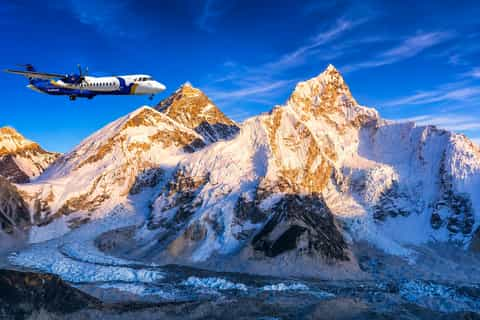
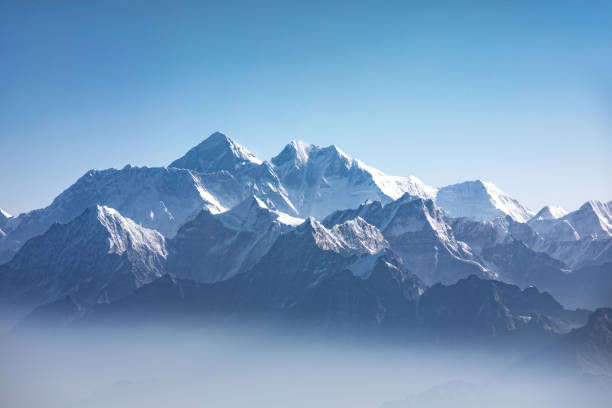
One of the joys of the flight is how many famous mountains appear in a single morning. Commonly seen peaks include Gaurishankar, the twin-summited sacred mountain on the border region; Dorje Lhakpa and the Langtang group near the start of the route; Cho Oyu, the sixth-highest mountain in the world; Nuptse and Lhotse, the immense walls that surround the approach to Everest; Pumori, the elegant pyramid above the Khumbu glacier; Ama Dablam, often named the most beautiful mountain in the Himalaya; Makalu, the fifth-highest mountain on Earth; and, on clear days, Mount Everest itself at about 8,849 metres. Operators often describe the line-up as twenty or more recognisable summits.
What surprises many first-time flyers is that Everest does not dominate the skyline as a postcard suggests. Because the neighbouring peaks are also enormous and some, like Nuptse and Lhotse, stand directly in front of it, Everest can appear as a dark, modest summit behind a white wall.
That is exactly why the crew’s briefing and the identification card matter. Once you know to look for Everest’s black pyramid beside the long wall of Lhotse, the identification clicks into place, and the mountain’s true scale sinks in.
The same is true of Makalu, whose sharp four-sided shape stands apart to the east, and of Ama Dablam, instantly recognisable by its pointed summit and hanging glacier.
If the peaks you see on your flight whet your appetite for the mountains on the ground, you can explore the region by road. Overland approaches such as the classic Jiri trailhead or the higher starting points of Salleri and Phaplu are reached by four-wheel-drive jeep from Kathmandu, and our jeep and trekking transfers cover them with a Scorpio or Bolero jeep and an experienced driver.
For a shorter taste of Himalayan scenery near Kathmandu, the Nagarkot sunrise tour is a classic add-on, and many travellers book it on a different morning from their mountain flight to double their dawn views.
Left Side or Right Side: Choosing Your Seat
How the Seating Really Works
Every passenger on a dedicated scenic aircraft has a window seat, the biggest difference from an ordinary flight. The question that sparks the most debate among travellers is whether the left or the right side is better. The honest answer is that it depends on what you want from the flight.
Because the aircraft flies east with the Himalaya to the north, the left side sees the range first and, on the outbound leg, the broader panorama. After the turning point, the aircraft reverses direction, and the right side gets its turn.
Both sides see the full range during the flight, and on many mornings passengers swap places or lean across during the turn at the crew’s invitation.
A useful rule of thumb that experienced flyers share is to ask for the left side if you want the sweeping, whole-range view and the first sight of Everest, and the right side if you want closer, more detailed views on the return. If you are travelling as a couple or a family, booking one seat on each side lets you share photos afterwards.
Whatever seat you get, follow the crew’s guidance, since they know the day’s routing. Sitting behind the propeller line, when you can, also keeps the blades out of your photographs. None of these choices will make or break the flight, because most passengers come away delighted regardless of seat number.
Window Etiquette and Cockpit Visits
A little cabin etiquette makes the flight better for everyone. Move slowly and calmly during cockpit visits, remove lens hoods or reflections when photographing through the window, and take turns so those on the opposite side can see.
When offered, the cockpit visit lasts only a few minutes per person, so have your camera ready and your photos planned. Remember, this is a courtesy extended by the crew rather than a guaranteed part of the ticket, so don’t be disappointed if the schedule or weather makes it impossible on your particular morning.
Everest Mountain Flight Airlines: Who Flies and How to Compare
The Main Operators
Several Nepali airlines operate scenic Everest flights from Kathmandu. The carriers most commonly associated with the regular morning departures are Buddha Air, Yeti Airlines and Shree Airlines, and some seasons or travel agents also list departures with other operators such as Simrik Air.
Each flies the same basic route along the Himalayan wall and back, so the central experience — a window seat, an hour in the air, and a line-up of the world’s greatest peaks — is shared across all of them. What differs is the detail: the exact aircraft type, the number of departures each morning, the cabin service style, the extras included in the ticket, and the policy for weather delays and cancellations.
Because those details change over time, the most reliable way to choose is to compare a few practical questions rather than rely on any ranking. How many departures does the airline run each morning, and what is the earliest?
More departure slots mean a better chance of rescheduling onto another flight on the same trip if weather interferes. Is the ticket sold with a printed peak map, in-flight commentary and a certificate? What is the stated policy if the flight is cancelled for weather, and what is the policy if you cancel yourself?
And does the quoted price include airport taxes and a private hotel transfer, or are those extras? Answering these questions takes ten minutes and prevents the surprise charges and misunderstandings that give the whole experience a bad start.
Direct Airline Booking Versus Agent Packages
You can buy a mountain flight ticket directly from an airline or its sales channels, through your hotel, or through a travel agency that sells a package including the transfer. Direct tickets can look cheaper on paper, but the flight-only price rarely includes the pre-dawn ride to the domestic terminal or the ride back.
Agent packages bundle the ticket with a hotel pickup and often a guaranteed seating arrangement, which suits travellers who want a single point of contact. Neither approach is universally better. What matters is that the reporting time, pickup time, and transfer details are written down clearly before the day of the flight.
Nepal Vehicle Hiring Pvt. Ltd. concentrates on the ground side of the morning. If you already have a flight ticket from an airline, hotel, or agent, send us your reporting time and hotel location, and we will plan a punctual pickup and a driver who waits for your return.
If you prefer to arrange everything in one conversation, message us on WhatsApp, and our team will explain how we coordinate with your flight booking. Private vehicle options range from a comfortable car for a couple to a Hiace van or Coaster bus for a group so that the same company can handle your airport transfer and onward sightseeing.
Everest Mountain Flight Price in US Dollars
What the Flight Typically Costs
For foreign nationals, the Everest mountain flight typically costs roughly USD 170 to USD 280 per person, depending on the airline, the season, and whether the price includes a private hotel transfer, airport taxes and extras such as a flight certificate. Entry-level flight-only fares sit at the lower end of that range, while packages that include a private pickup, a guaranteed seat arrangement and assistance at the terminal sit toward the middle or upper end.
Indian nationals commonly pay a lower fare when they present valid identification at booking. Children’s fares and infant policies differ by airline, so always confirm them in advance rather than assuming a discount.
These figures are indicative, not fixed. Airlines revise fares from time to time, and taxes and fuel components can shift the final amount. The constant is that the flight is excellent value compared with the cost and effort of seeing the same mountains by any other route.
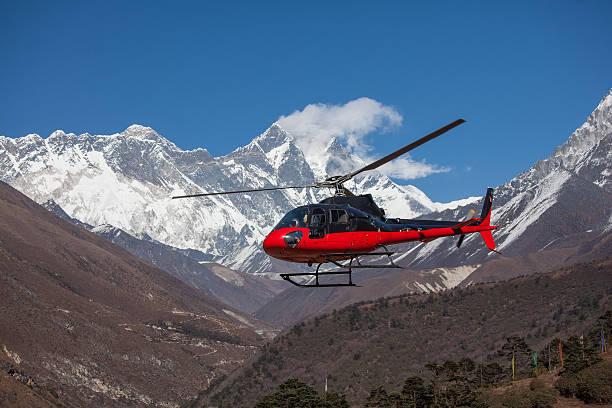
A helicopter tour that lands in the Everest region costs several times more per person, and a trek to Everest Base Camp takes weeks. One morning and a modest ticket give you the full Himalayan panorama, which is why mountain flights remain the most popular scenic experience for visitors with limited time.
What Is Usually Included and What Is Not
A typical mountain flight ticket includes the flight itself, domestic airport taxes, and the seat. Many packages also include hotel transfers, an Everest flight certificate, and a printed peak identification map. Meals and drinks, personal expenses, entrance fees at any monuments you visit afterwards, and travel insurance are usually not included.
Read the inclusion list carefully, because a cheaper headline price with no transfer can end up costing more than a package that includes everything once you add a taxi to and from the terminal at pre-dawn rates.
Our Ground Transport Prices at a Glance
If you arrange your own flight ticket, Nepal Vehicle Hiring Pvt. Ltd. can help with the ground side. For the hotel-to-terminal-and-back run with the driver waiting during your flight, indicative prices are from about USD 30 to USD 35 by car for up to four passengers, USD 45 to USD 50 by jeep (Scorpio or Bolero) for up to five, USD 65 to USD 70 by Hiace van for groups of up to fourteen, and USD 90 to USD 120 by Coaster bus for groups of fifteen to twenty-two.
If you add a half-day Kathmandu sightseeing tour after landing, the combined morning-to-afternoon service is roughly USD 80 to USD 90 by car, USD 110 to USD 115 by jeep, USD 150 to USD 160 by Hiace and USD 230 to USD 240 by Coaster. These ranges depend on pickup location, waiting time, and the exact route, and we confirm the final price in writing when you book.
Our rates sit slightly above the cheapest budget transport in Nepal, and we explain why in the pricing and value section below.
Best Time of Year and Best Time of Day
The Two Best Seasons
Everest mountain flights operate year-round, but view quality changes dramatically with the season. The two outstanding periods are October to December and March to May. After the monsoon washes dust from the air, autumn air is transparent, peaks stand out in sharp detail, and mornings are cool and calm.
October and November are the clearest of all, and December adds crisp, snowy views with colder mornings. Spring brings warmer air, blooming valleys and generally good views in March and April, though haze can build by May as the pre-monsoon heat rises.
September can be excellent on certain mornings, as the monsoon retreats and the air begins to clear, but it is more weather-dependent. January and February are often very clear but colder and occasionally affected by winter fog around Kathmandu, which can delay the first departures.
The summer monsoon months from June to August bring cloud and rain to much of the Himalaya, reducing the chances of seeing Everest clearly. However, flights still operate and some mornings are surprisingly bright.
If your dates are flexible, plan your Kathmandu stay around the autumn and spring windows, and reserve your mountain flight for your first or second morning so that you can reschedule if the weather misbehaves.
Why Mornings Matter
Mountain flights fly early for a good reason. The Himalayan air is usually calmest and clearest between sunrise and about mid-morning. As the sun heats the lowlands and valleys, convective cloud begins to build, and by late morning the great peaks can disappear behind rising haze or cumulus.
The earliest scheduled departure therefore has the best statistical chance of delivering a clear view, which is why experienced travellers prefer the first slot even though it means a very early start. If your airline offers several departures, choose the earliest one and confirm your pickup accordingly.
Being on time is equally important. If your vehicle is late, check-in can become rushed, boarding can be missed, and operators do not hold scenic flights for latecomers in the way that long-haul airlines might. A punctual, experienced driver is therefore part of the flight experience, not an optional extra.
The drivers at Nepal Vehicle Hiring Pvt. Ltd. plan the pre-dawn run by arriving before the agreed time, knowing the quietest route to the domestic terminal, and keeping a clear line of communication open with you on WhatsApp.
How to Book: Timing, Documents and Practical Steps
How Far in Advance to Book
In the busy autumn and spring seasons, booking your Everest mountain flight two to three days ahead is a sensible minimum, and a week or more is wiser if you have fixed dates or are travelling as a group. Outside peak seasons, same-day or next-day bookings are often possible, but the earliest departures fill first.
Booking early also improves your odds of reserving a preferred seat side, and it gives you time to reschedule if a morning is cancelled for weather. When you travel in a group or with family, book all seats together so that you fly on the same departure.
Documents and What to Bring
Carry your passport or valid photo ID as required by the airline for domestic check-in, along with your ticket confirmation and your driver’s your driver’s contact number. Bring a light jacket or fleece, because early mornings in Kathmandu can be cool, particularly from October to March.
Wear comfortable clothing and shoes, because you will be walking through the terminal and possibly standing in line. Bring a camera or phone with plenty of battery and memory, a soft cloth to wipe the window if needed, and a small bag for belongings.
Leave bulky luggage at the hotel, since cabin space on small aircraft is limited and security checks are quicker with less baggage.
The Role of Your Driver on Flight Morning
A good driver does far more than steer. On a mountain flight morning, the driver confirms the pickup time the night before, arrives early, loads your belongings, takes the quickest route to the right terminal entrance, and waits nearby so you can walk out and find your vehicle immediately after landing.
If your flight is delayed or cancelled, the driver adjusts rather than disappears, which is exactly why a pre-booked private service beats a spontaneous taxi. Our drivers are accustomed to early airport runs, understand the domestic terminal layout, and stay in touch via WhatsApp and phone so they can handle any change in your flight plan calmly.
Weather, Delays and Cancellations
Why Flights Are Sometimes Cancelled
Scenic flights operate in clear-visibility conditions, because the whole point is to see the mountains. If visibility to the east is poor, low cloud covers the foothills, or airport conditions are unsuitable, the operator may delay or cancel the flight.
This is a safety-first decision and a normal part of mountain flying in Nepal, not an airline failure. Early morning departures have the best on-time record, which is another reason to choose the first slot of the day.
What Usually Happens If Your Flight Is Cancelled
Major operators and many agents say that a weather cancellation leads to either a refund or a free reschedule to another available departure. Policies differ, however, and a few products state that a flight that does operate will not be refunded merely because clouds limited the views on the day.
Read the terms before you pay, ask specifically what happens if the flight is cancelled and what happens if it flies in poor visibility, and keep a spare day in your itinerary. If you are cancelled, rebooking for the following morning is usually the quickest solution, and a flexible driver can adjust your pickup time with a message.
Customer cancellations follow different rules from weather cancellations. Some packages refund fully when cancelled more than twenty-four hours before departure, others refund only a portion, and no-shows are generally not refunded. If your plans are uncertain, choose a product with a flexible policy, and tell your driver and transport provider as soon as your plans change so that the vehicle can be rescheduled without penalty on the ground side.
Photography Tips for the Everest Mountain Flight
Getting Sharp, Reflection-Free Photos Through the Window
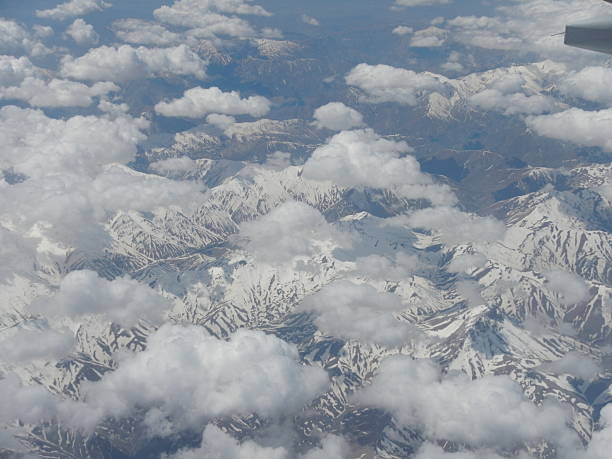
Photographing through an aircraft window rewards a few simple habits. Turn off the flash, because it reflects off the glass and ruins the shot. Get close to the window without pressing the lens against it, because engine vibration transfers through contact and softens the image.
If the glass is dirty or scratched, wipe the inside gently and choose a slightly different angle to reduce glare. Avoid wearing bright clothing that reflects in the window, and shoot with a fast shutter speed because the aircraft is moving and vibrating.
If you use a phone, tap on the mountains to set focus and exposure, and take several frames rather than just one.
Capturing the Memory and Not Just the Image
Many travellers spend the whole flight behind the lens and miss the experience itself. A better balance is to take a burst of photographs at the key moments — the first appearance of the range, the closest approach to Everest, the cockpit visit — and then put the camera down and look.
The scale of the Himalaya is difficult for any lens to capture, and the memory of seeing it directly is worth more than a hundred identical photographs. Share the view with your companions, point out peaks to each other, and let the experience settle.
After landing, you’ll still have a full morning ahead, and photos of Kathmandu’s heritage sites will complement your mountain pictures.
Getting to the Domestic Terminal: Your Private Vehicle Plan
Choosing the Right Vehicle for Your Group
Four vehicle types cover every mountain flight morning. A car suits solo travellers, couples and small families of up to four, offering comfortable air-conditioned seating and ample space for day bags.
A jeep — a Scorpio or Bolero — suits up to five passengers who want extra headroom, a higher seating position and a more relaxed ride, and it is also the right choice when your wider itinerary includes hill roads. A Hiace van carries up to fourteen passengers and is ideal for family gatherings, friends travelling together and small tour groups.
A Coaster bus carries fifteen to twenty-two and keeps larger groups, corporate teams and school parties together in one vehicle. You can see the whole selection on our vehicle hire page.
For most mountain flight passengers, the decision is simple. Two or three people take a car. A family of five takes a jeep.
A group of ten takes a Hiace. Twenty colleagues on an incentive trip take a Coaster. The price per person falls as the group grows, so shared vehicles are increasingly economical for larger parties.
Because all four vehicle types are maintained to the same standard and driven by experienced professionals, the only question is how many seats you need and how much space your belongings take.
A Realistic Timeline for the Morning
Here is how a typical flight morning runs with a private transfer from Nepal Vehicle Hiring Pvt. Ltd.. The evening before, we confirm your pickup time and driver details on WhatsApp.
Around 5:15 to 5:45 AM your driver picks you up, loads your small bag and drives you 15 minutes to the domestic terminal for check-in, security and boarding. You board for a departure around 6:30 to 7:30. The driver parks nearby and waits.
After landing, around 8:00 to 9:00 AM, you walk out to find the same vehicle ready, and you either return directly to your hotel for breakfast or continue on a sightseeing tour. The whole sequence flows without a single negotiation, because everything has been arranged in advance.
We handle weather or schedule changes just as smoothly. If your flight is delayed, the driver waits and keeps you informed. If it is cancelled, you message us, and we either take you back to the hotel or reschedule the pickup for the next morning at no additional hassle.
This flexibility is why many travellers prefer a pre-booked vehicle to a taxi flagged at dawn. Message us on WhatsApp or [email protected], and we will prepare the plan.
Why Not Just Take a Taxi?
A taxi can get you to the airport, but it cannot promise to be at your door at 5:15 AM, wait for three hours, and be at the exit when you land. Pre-dawn taxis in Kathmandu are scarce, fares are negotiated on the spot, and a driver who leaves after dropping you gives you no easy way back.
If you arrange a taxi for the return, you may stand outside with other travellers hunting for the same limited cars. A scheduled private vehicle removes those uncertainties and gives you a named driver, a confirmed price and a direct phone number.
The small extra cost buys a smooth start to a morning you have spent real money and planning on.
Combining the Flight With Kathmandu Sightseeing
The Classic Mountain Flight and UNESCO Tour Morning
The most popular combination is to follow the mountain flight with a Kathmandu sightseeing tour covering the valley’s four great heritage sites. After landing at about 8:30 to 9:00 AM, you return to your hotel for a quick breakfast and refresh, then head out with the same driver at a relaxed pace.
The tour includes Pashupatinath Temple, Nepal’s most sacred Hindu shrine on the Bagmati River; Boudhanath Stupa, one of the world’s largest Buddhist stupas; Swayambhunath, the hilltop Monkey Temple with views over the valley; and Patan Durbar Square, the finest concentration of Newari temple architecture in Kathmandu. Entrance fees are paid separately at each site, and the driver handles parking and timing so that you spend your energy on the sights rather than logistics.
Doing the flight first and the temples second works well because the mountain view is time-critical. If the sky is clear, you have captured it before the weather changes, and the cultural sites are available all day.
The morning mood also flows naturally: a pre-dawn flight over the abode of snow, followed by incense, prayer flags, and ancient courtyards below. A single vehicle booking for the whole morning avoids waiting for separate cars and gives you a driver who has been with you since the first pickup and understands your pace.
Adding Bhaktapur and Nagarkot
Travellers with a few extra days can add the Bhaktapur Durbar Square day tour to see the best-preserved medieval city in the valley, with its pottery square, five-storey temple, and stepped palace courtyards. The Nagarkot sunrise tour is the natural companion to the mountain flight for travellers who want to see the Himalaya twice, once from the air and once from a ridge-top viewpoint, with a very different perspective each time.
Because both trips start before dawn or early in the morning, schedule them on different days from your flight so you aren’t exhausted. A sensible plan is to fly on your first clear morning, tour the temples the same day, and keep Bhaktapur or Nagarkot for the following morning.
Our drivers know the roads, timings and parking at all of these sites, and they can adjust the order if a particular morning looks clearer than expected. For example, if the sky is brilliant at Nagarkot at sunrise, they can advise you to book the mountain flight for the same dawn window instead of waiting.
This kind of day-by-day flexibility is easy to manage when a single transport company coordinates your whole stay, and it is one of the main advantages of building your Kathmandu programme through Nepal Vehicle Hiring Pvt. Ltd..
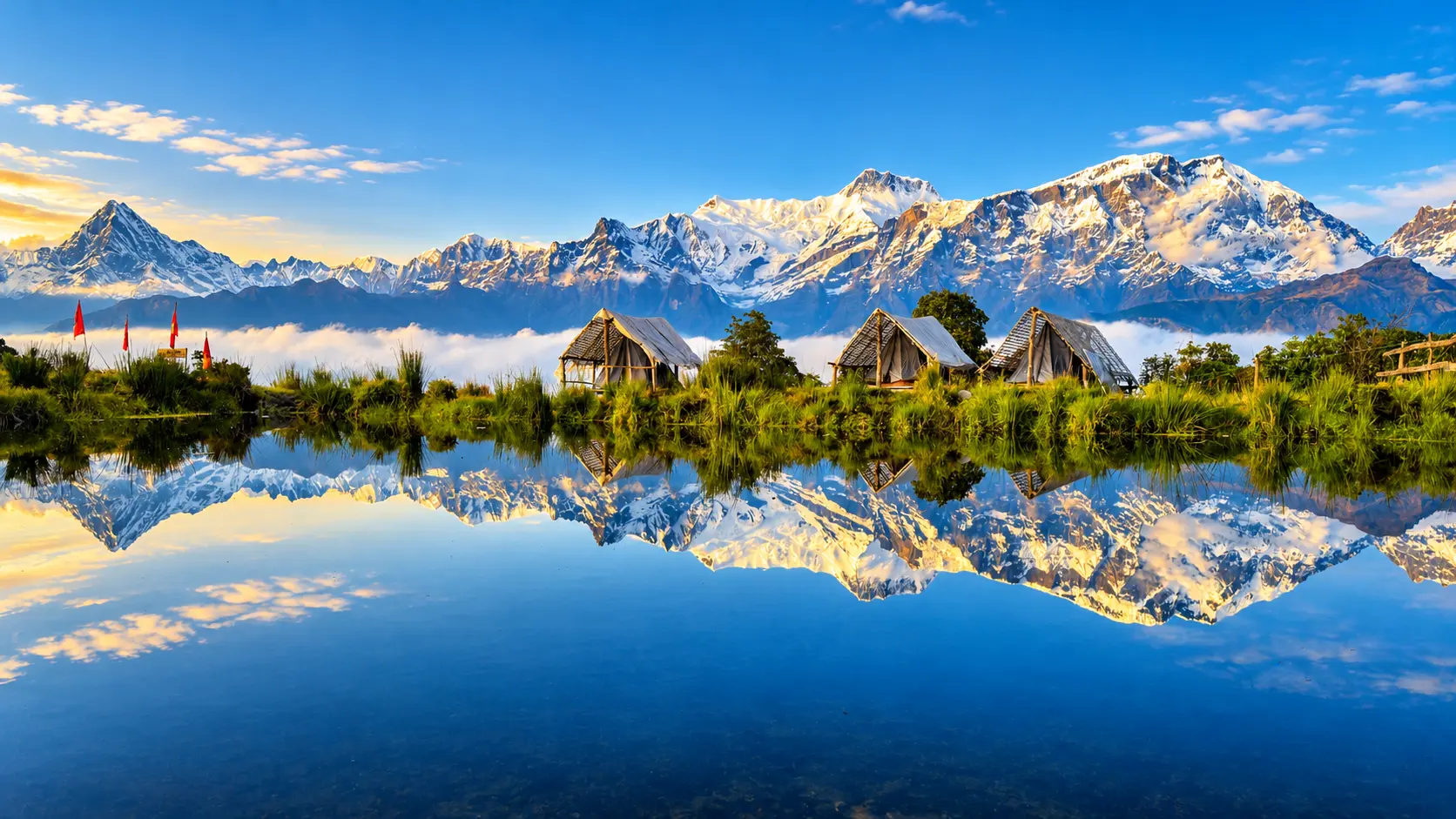
Beyond Kathmandu: Extending Your Himalayan Journey
Pokhara, Chitwan and Lumbini
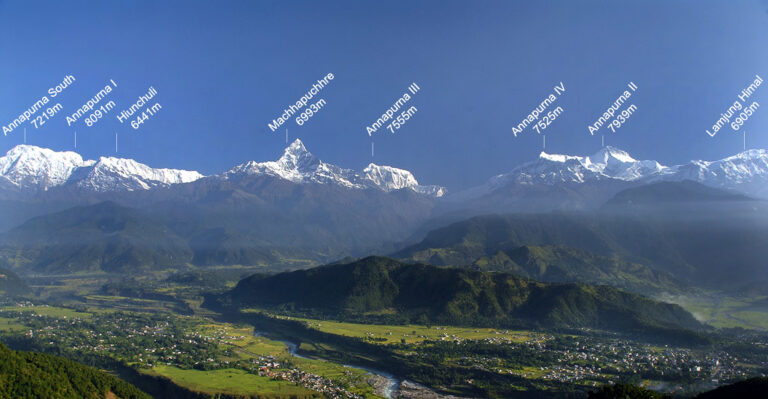
Many travellers use the mountain flight as the opening scene of a longer Nepal journey. From Kathmandu, a private transfer to Pokhara takes about five to six hours on the Prithvi Highway and delivers you to a lakeside city with its own spectacular Annapurna panorama.
The car hire in Pokhara service covers Sarangkot sunrise, Phewa Lake, the World Peace Pagoda and the lakeside neighbourhoods. From there, the road leads onward to the Terai: the Buddhist birthplace at Lumbini, which our Lumbini to Chitwan car service connects with Chitwan National Park and its famous rhinoceros and tiger habitat.
A typical sequence is mountain flight and Kathmandu heritage, then Pokhara for lakes and mountains, then Chitwan for wildlife, then Lumbini for pilgrimage, all linked by private vehicles.
Heritage Hill Towns and the India Border
Travellers who enjoy quieter, older Nepal can add the heritage hill town of Bandipur. Our Kathmandu to Bandipur heritage day trip climbs to a car-free Newari bazaar with a mountain-view ridge, and it makes an excellent overnight between Kathmandu and Pokhara.
If you are entering Nepal overland from India, the Sunauli to Pokhara car service delivers you from the border to Pokhara through the Palpa hills, and a mountain flight from Kathmandu then becomes the grand finale of your Nepal journey rather than the introduction. Whichever order you choose, our team can coordinate all the transfers through one WhatsApp conversation so that every vehicle is waiting when you arrive.
Trekking Roadheads for the Inspired
For some travellers, seeing Everest from the air sparks a longer ambition. If you are tempted to walk in the Himalaya after your flight, the road journeys to the trailheads are some of the most scenic and demanding in the country.
The Syabrubesi jeep guide explains the Langtang approach in detail, and our jeep transfers to other trailheads cover the Annapurna, Manaslu and Everest region roadheads with Scorpio and Bolero jeeps driven by experienced mountain drivers. Even if you do not trek this time, the flight gives you a memorable preview of what the trails lead to.
Families, Seniors, Children and First-Time Flyers
Is the Mountain Flight Suitable for Everyone?
The mountain flight is one of Nepal’s most accessible adventures. No physical exertion beyond walking through the terminal and boarding the aircraft, no altitude to adjust to, and no technical skill required.
That makes it suitable for most families with children, for older travellers who cannot trek, and for visitors with limited mobility who want to see the Himalaya without climbing a single step on a trail. The cabin is comfortable, the flight is short, and the crew is accustomed to assisting passengers of all ages.
If anyone in your party has a medical condition or special need, mention it when booking and discuss it with the airline.
Tips for Nervous Flyers and Young Children
First-time or nervous flyers often find the mountain flight gentler than expected because the aircraft flies smoothly in the calm morning air and the views hold your attention. Choose the earliest departure, when conditions are most stable, sit with a companion, and listen to the crew briefing.
Children usually enjoy the window seat, the cockpit visit when offered, and the simple wonder of seeing real mountains from above. Bring a small snack, a light layer for the terminal, and any comfort items that help younger passengers.
A private vehicle with a patient driver reduces stress on the ground, since there is no rush to find a taxi and no negotiation with children waiting beside you.
Families travelling together often fit well in a jeep or Hiace van, with room for strollers, day bags, and a comfortable, unhurried ride. Grandparents appreciate the higher seating of a jeep for easy entry, while a car offers the most economical choice for a small group.
If you are unsure which vehicle suits your family, message our team with the ages and number of people in your party, and we will recommend the right size.
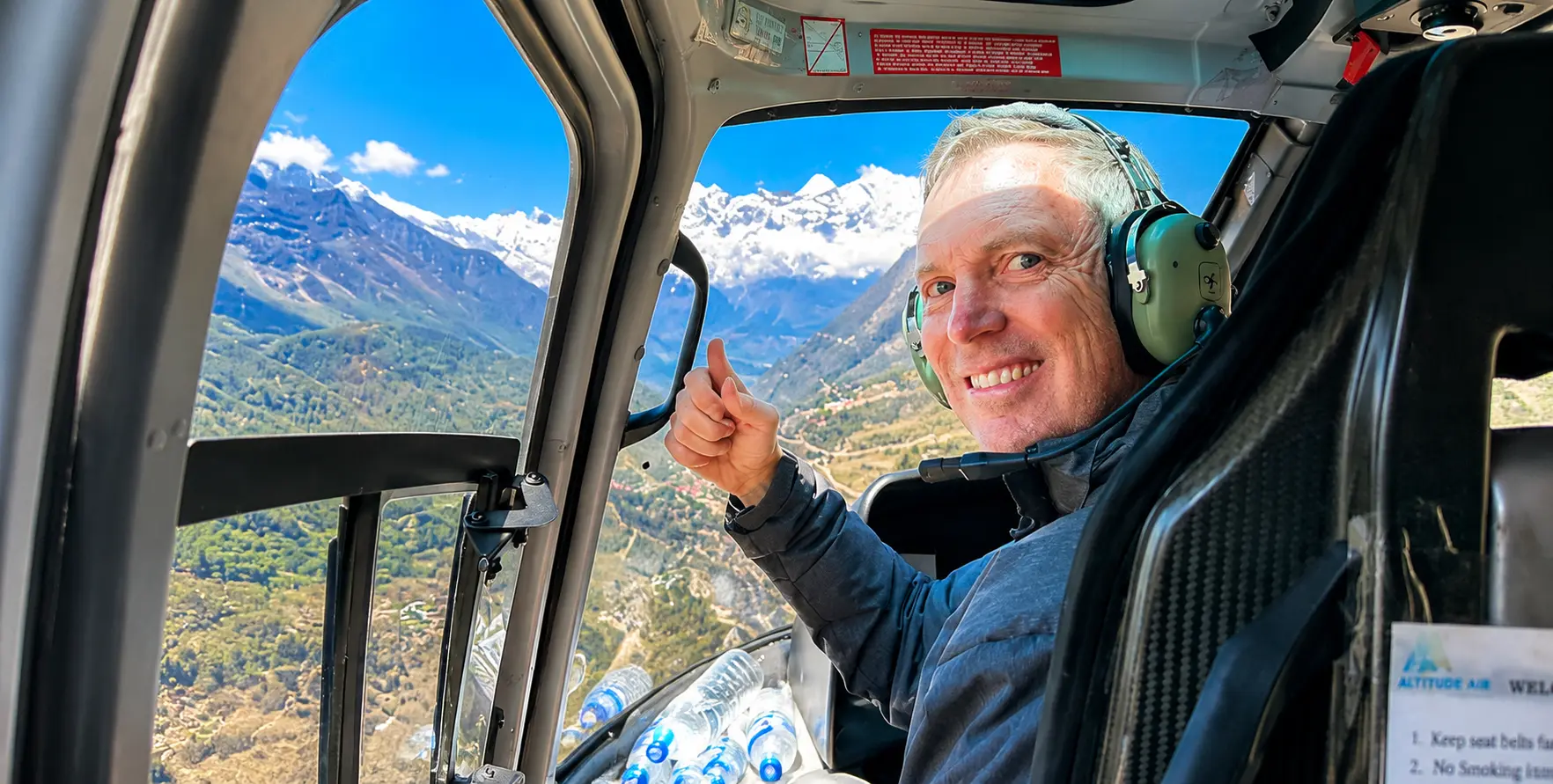
Mountain Flight, Helicopter, Lukla Flight or Trek: Which Is Right for You?
Mountain Flight Versus Helicopter Tour
The two aerial options differ in character, not quality. The fixed-wing mountain flight is a one-hour panoramic flight that takes in the whole range from the cabin of a small passenger aircraft, with every passenger in a window seat and a price within reach of most travellers.
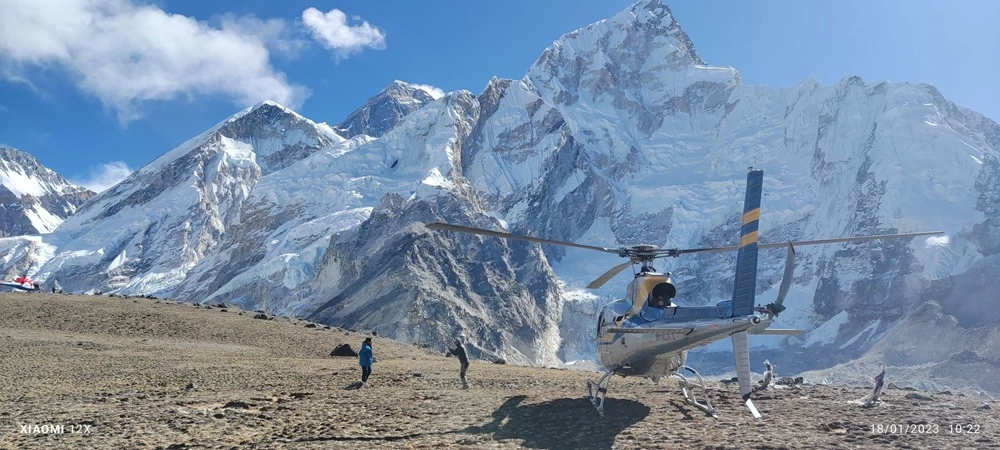
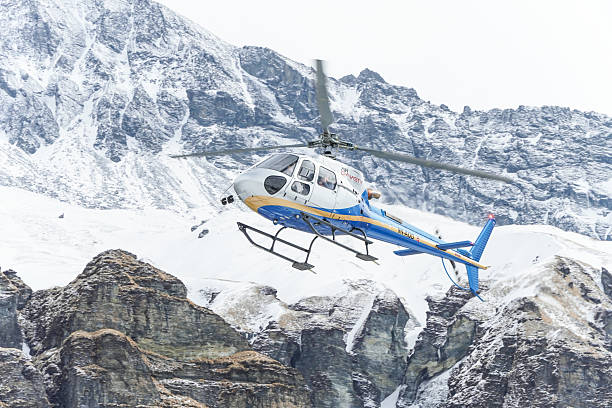
A helicopter tour is a more flexible, more expensive experience that can fly to specific locations, hover for photographs and, in some cases, land at viewpoints in the Everest region. Still, it carries only a handful of passengers and costs several times more per person.
If your budget is limited, if you want to see the whole range, or if you are travelling with a larger group, the mountain flight is the sensible choice. If you want a specific landing or a private charter experience, the helicopter is a better fit.
Mountain Flight Versus the Lukla Flight and Trekking
The Lukla flight is a different kind of journey entirely. It is a short flight to a mountain airstrip that serves as the gateway for the Everest Base Camp trek, and it is a transport service rather than a sightseeing flight.
Trekking to Everest Base Camp takes around two weeks and delivers a profound, physically demanding experience that no flight can match. For travellers with only a few days in Nepal, a mountain flight offers the most Himalaya for the least time.
For travellers with three weeks and the fitness for trekking, the mountain flight can still be a worthwhile first day, giving you a preview from the air before you arrive on the ground.
Mountain Flight Versus Nagarkot Sunrise
The Nagarkot sunrise tour is a ridge-top viewpoint experience about an hour from Kathmandu, offering a long, distant panorama of the eastern Himalaya at dawn. It is cheaper than the mountain flight, requires no airport procedures, and suits travellers who prefer to stay on the ground.
The mountain flight, by contrast, takes you far closer to the peaks and offers a perspective that no viewpoint on the valley rim can match. Many visitors do both, treating them as complementary rather than competing: Nagarkot for a tranquil dawn view with tea in hand, and the mountain flight for the closer, more dramatic encounter. Our transport can cover either or both on separate mornings.
Sample Itineraries Built Around the Mountain Flight
Three Days in Kathmandu
On Day 1, arrive at Tribhuvan Airport, settle into your hotel, and rest. On Day 2, take the early mountain flight, return for breakfast, and spend the late morning and afternoon on a Kathmandu UNESCO sightseeing tour covering Pashupatinath, Boudhanath, Swayambhunath and Patan.
On Day 3, choose between the Bhaktapur day tour and the Nagarkot sunrise before your onward journey. A single car or jeep and one driver can cover all three days, with airport transfers bookending the stay.
Five Days: Kathmandu and Pokhara
Spend your first two days as above, then take a private transfer to Pokhara on Day 3 with a stop at a riverside restaurant. On Day 4, enjoy Sarangkot sunrise, Phewa Lake and the old bazaar using Pokhara car hire.
On Day 5, return to Kathmandu by road or fly, ending your trip with either a final evening in Thamel or a departure transfer. This itinerary gives you the Himalaya from the air, from a ridge, and from a lakeshore, plus the cultural contrasts of the capital and the lake city.
Eight to Ten Days: Mountains, Wildlife and Pilgrimage
Begin with the mountain flight and Kathmandu heritage, then travel to Pokhara for lakes and mountain viewpoints. Continue to Chitwan for a jungle safari, then to Lumbini for the birthplace of the Buddha, and finally return to Kathmandu for your departure.
The Lumbini-to-Chitwan connection and the border-to-Pokhara road make it easy to fit these places together. For a quieter night midway, add the Bandipur heritage town between Kathmandu and Pokhara.
A single transport partner coordinating all these legs means one booking conversation, one payment structure and a consistent standard of vehicle and driver across the whole trip.
Groups, Families and Corporate Travellers
Hiace Vans and Coaster Buses for Group Flights
Group travel is where a well-organised ground plan makes the largest difference. A group of eight to fourteen arrives together in one Hiace van, checks in together and returns together after landing, which keeps everyone on schedule and in good spirits.
A group of fifteen to twenty-two uses a Coaster bus for the same smooth flow. Both vehicle types suit early pre-dawn runs, the waiting period during the flight, and the sightseeing tours afterwards; the price per person drops sharply as the group size rises.
For very large groups that must be split across several flights, we can coordinate multiple vehicles with synchronised timing through one WhatsApp contact.
Corporate Incentives, Conferences and Wedding Parties
Businesses use the mountain flight as an incentive reward, a conference excursion or a team-building morning. Wedding parties and family reunions use it as a shared adventure that guests remember for years.
In every case, the key to success is a clear, written timeline: pickup times by vehicle, reporting times at the terminal, expected return times and the sightseeing or lunch plan afterwards. Our team prepares that timeline and shares it with the group organiser in advance.
If you are planning a group event, email [email protected] with your numbers and dates, and we will respond with a proposal.
Pricing and Value: Why Our Rates Sit Slightly Above the Cheapest Options
An Honest Note on Price
You will find cheaper transport in Kathmandu, and we want to be straightforward about that. Our prices sit slightly above the lowest budget quotes you may see online or on the street.
The difference reflects what you actually receive: regularly serviced, clean vehicles; experienced, courteous drivers; fuel, tolls, and parking included in the quoted price; built-in waiting time; and a team that answers WhatsApp messages around the clock. On a morning as time-sensitive as a mountain flight, a vehicle that arrives early, a driver who knows the terminal, and a plan that survives a delay are worth more than the small extra cost.
The prices in this guide are shown as ranges in US dollars because the final figure depends on pickup location, number of passengers, waiting time and any extra stops. We confirm the exact amount in writing before you travel, and the quoted price is the price you pay, with no surprise additions at the end.
If you compare quotes, compare what is included — fuel, tolls, waiting time, a named driver, a direct contact number — rather than just the headline price. Many travellers find that a slightly higher, clearly inclusive price is better value than a lower price with hidden extras.
See more about our approach on the Nepal Vehicle Hiring Pvt. Ltd. website.
What You Can Expect From Us
- A confirmed vehicle and driver for your exact flight reporting time, arranged before you travel.
- Early arrival at your hotel and the quietest route to the domestic terminal
- A driver who waits for your return and keeps in touch if your flight is delayed
- Clear USD price ranges, confirmed in writing, with fuel, tolls and parking included
- Four vehicle types — car, jeep, Hiace van and Coaster bus — for every group size
- Optional Kathmandu sightseeing, Bhaktapur, Nagarkot and onward transfers booked together
- A single contact on WhatsApp and email at [email protected]
| Book Your Mountain Flight Morning — Nepal Vehicle Hiring Pvt. Ltd. |
| Website: www.vehiclehiringnepal.com |
| WhatsApp / Phone: WhatsApp (early morning pickups arranged) |
| Email: [email protected] |
| Office: Bhagawatisthan, Thamel, Kathmandu, Nepal | Registration No. 219204 |
| Hotel to domestic terminal and back: from about USD 25 (car) to USD 120 (Coaster bus) |
| Flight plus Kathmandu sightseeing morning: from about USD 65 (car) to USD 240 (Coaster bus) |
| Vehicles: Car | Jeep (Scorpio or Bolero) | Hiace Van | Coaster Bus |
| Add-ons: Kathmandu sightseeing, Bhaktapur tour, Nagarkot sunrise, Pokhara, Chitwan, Lumbini |
| 8,000+ customers | 5.0 TripAdvisor rating | 200+ verified reviews |
Frequently Asked Questions About the Everest Mountain Flight
Q: How long is the Everest mountain flight?
The flight lasts about 50 to 60 minutes, and the whole experience takes around 3 hours from hotel pickup to hotel return, including transfers, check-in, and boarding. You can then fill the rest of the morning with a Kathmandu sightseeing tour.
Q: How much does the Everest mountain flight cost?
For foreign nationals, it is typically around USD 250 to USD 280 per person, depending on the airline and whether the price includes a private transfer. Indian nationals often pay a lower fare with valid identification. Always confirm the total price and inclusions at booking, and compare what is covered rather than only the headline number.
Q: Will I actually see Mount Everest?
On a clear morning, yes. Everest is often not the most prominent peak because Lhotse and Nuptse stand in front of it, but the crew points it out, and the identification card helps. The earliest departures and the autumn and spring seasons give the best chances.
If the weather prevents a clear view, the flight may be cancelled, delayed or rescheduled according to the airline’s policy.
Q: Does every passenger get a window seat?
Yes, on the dedicated scenic aircraft, every passenger has a window seat. On the outbound leg, the left side sees the range first; on the return, the right side does. Both sides see the whole range over the flight.
You can request a preferred side when booking, though it is not always guaranteed.
Q: Can I visit the cockpit?
Often, but not always. Crews often invite passengers to the cockpit one at a time for a brief look, subject to the captain’s discretion and the day’s conditions. Treat it as a bonus, not a promise.
Q: What is the best time of year for the flight?
October to December and March to May are the best seasons, with October and November the clearest. Always choose the earliest departure of the day, because mornings are calmest and clearest. The monsoon months are hazier, but some mornings are still bright.
Q: What happens if the flight is cancelled for weather?
The usual practice is a refund or a free reschedule to another departure, but policies differ by operator and package. Read the terms, ask how poor-visibility flights are handled, and keep a spare day in your schedule. Tell your driver promptly so that we can adjust your pickup.
Q: How do I get to the airport at that hour?
Arrange a private transfer in advance. We offer cars, jeeps, Hiace vans and Coaster buses with a driver who picks you up early, waits during the flight and brings you back. Contact us on WhatsApp or by email at [email protected].
Q: Is the flight suitable for children and older travellers?
Yes. It requires no trekking, no altitude adjustment and very little walking. Mention any medical needs when booking, and consider a jeep or Hiace for easy seating and a calm ride on the ground.
Q: Can I combine the flight with other tours?
Absolutely. The most popular combination is the flight followed by Kathmandu UNESCO sightseeing, and many travellers add the Bhaktapur tour or Nagarkot sunrise on other days. We can also arrange onward transfers to Pokhara, Chitwan and Lumbini through one booking.
Conclusion: One Morning, One Memorable View
The Everest mountain flight compresses a lifetime wish into a single morning. In an hour, you see the highest mountains on Earth from a window seat, with no trek, no altitude and no complicated planning, and you are back in time to explore the temples, courtyards and cafes of Kathmandu.
The difference between a good morning and a great one lies in the details: choosing the earliest departure, understanding the seating, reading the weather policy, and having a reliable vehicle waiting at your door at the right time. Those details are small, but together they determine whether you arrive calm and early or flustered and late.
That is where Nepal Vehicle Hiring Pvt. Ltd. fits in. We provide the car, jeep, Hiace van, or Coaster bus; an experienced driver; a clear USD price range; and an always-open WhatsApp line to make your mountain-flight morning smooth from first pickup to last temple.
Message us on WhatsApp, email [email protected], or visit vehiclehiringnepal.com to plan your morning. The mountains will be waiting. Let us make sure you are there on time to see them.
Bhagawatisthan, Thamel, Kathmandu, Nepal | vehiclehiringnepal.com | WhatsApp| [email protected]
Keep reading