Plan a Trip


Kathmandu: A Hidden Historical, Magnificent and Spiritual Valley – Complete Guide
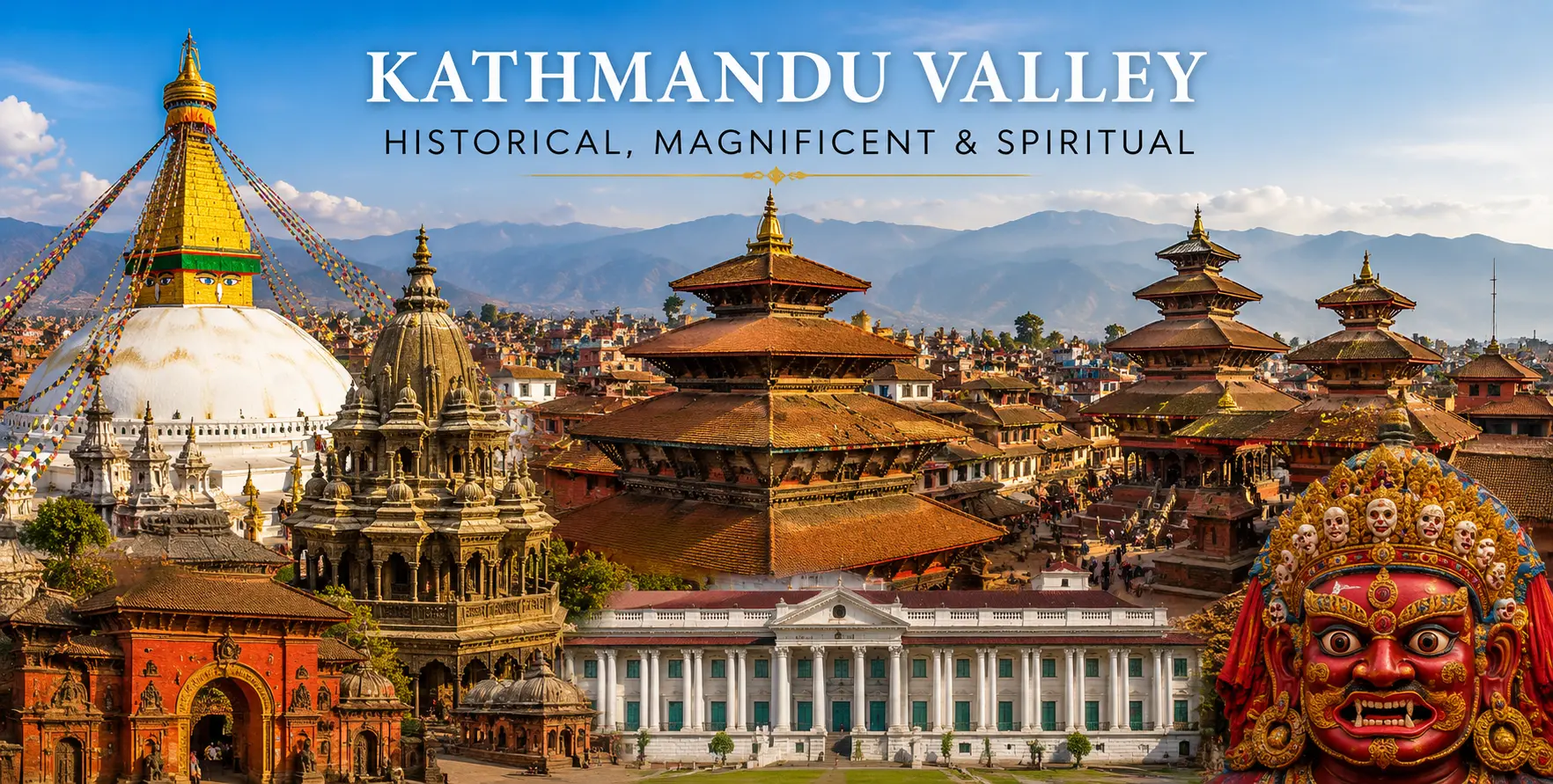
Kathmandu: A Hidden, Historical, Magnificent and Spiritual Valley – Complete Guide
Some places on Earth carry the accumulated weight of human civilisation—physically, almost viscerally —where the past isn’t something read about in guidebooks. Still, something breathes in the incense smoke, sounds in the temple bells, and touches the carved surfaces of a doorway worn smooth by two thousand years of hands. The Kathmandu Valley is one of those places — and, in the view of many serious students of world culture and religious history, the single most concentrated expression of Asian civilisation’s spiritual and artistic achievement that still exists in a living, inhabited, functioning form.
Its own ancient texts describe the valley as Nepal Mandala—a sacred geometric space in the Himalayan foothills where the divine and the human have always occupied the same geography. According to the Swayambhu Purana, one of the valley’s most ancient religious texts, the land itself was created by divine intervention: when Bodhisattva Manjushree drained the primordial lake Nagdaha by cutting the valley rim at Chobar Gorge with his sword of wisdom, the fertile valley floor emerged — and on the hill where a sacred lotus had bloomed in the middle of the lake, the Swayambhunath stupa arose of its own accord — ‘self-existent’ (Swayambhu) — the first sacred monument of a civilization that would spend the next two thousand years building one of the most extraordinary concentrations of religious architecture anywhere Earthrth.
This guide is not a standard tourism itinerary — it is an invitation to understand what the Kathmandu Valley actually is: a hidden historical world whose documented civilisation stretches back to the Kirat period around 700 BCE; a magnificent artistic achievement in which the Newar people created temples, sculptures, urban squares, and carved facades that rank among the finest craft traditions in all of Asia; and a living spiritual valley where Hinduism and Buddhism have coexisted, intertwined, and created each other for over seventeen centuries in a syncretic tradition found nowhere else on Earth. The valley has been inscribed as a UNESCO World Heritage Site since 1979, covering seven monument zones — but this designation barely scratches the surface of what the Kathmandu Valley contains and means.
Nepal Vehicle Hiring Pvt Ltd provides private jeep and car hire for heritage and spiritual circuits across the Kathmandu Valley — connecting visitors to every layer of this extraordinary place, from the major UNESCO sites to the hidden corners where the most authentic encounters with Nepal’s living spiritual culture await. Book your Kathmandu heritage circuit | Call/WhatsApp: +977-9814227196
The Seven UNESCO World Heritage Monument Zones – Complete Reference
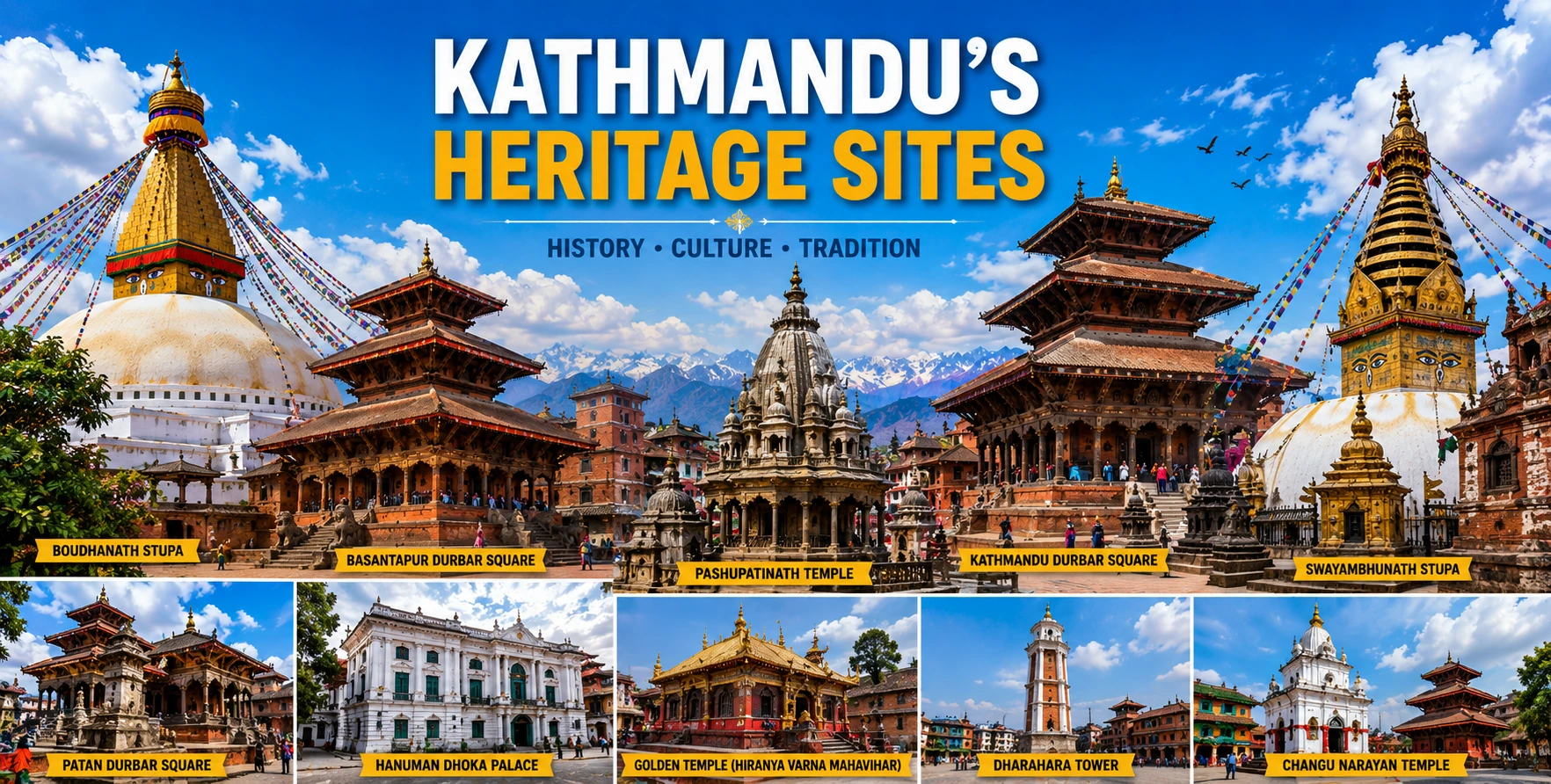
| Monument Zone | Era | Distance from Thamel | Entry Fee (Foreign) | Defining Significance |
| Pashupatinath Temple | Licchavi 5th c. | 5 km east | NPR 1,000 | Nepal’s holiest Hindu shrine; sacred Bagmati River; Panchamukha Shiva Linga; cremation ghats; Maha Shivaratri |
| Boudhanath Stupa | Post 600 CE | 8 km east | NPR 400 | Largest stupa in Nepal; heart of Tibetan Buddhism outside Tibet; kora circumambulation; 108 deities at base |
| Swayambhunath Stupa | Over 2,000 yrs | 3 km west | NPR 200 | Valley’s oldest monument; self-arisen stupa; all-seeing Buddha eyes; 365 sacred steps; syncretism of faiths |
| Kathmandu Durbar Square | Malla–Shah | City centre | NPR 1,000 | Hanuman Dhoka Palace; Kumari Ghar (Living Goddess); Taleju Temple; Kal Bhairav statue; Indra Jatra festival |
| Patan Durbar Square | Malla period | 5 km south | NPR 1,000 | Most artistically refined square; Krishna Mandir; Patan Museum; Golden Temple; finest Newari metalwork |
| Bhaktapur Durbar Square | Malla period | 14 km east | NPR 1,800 | Best-preserved medieval city; Nyatapola Pagoda; 55-Window Palace; Pottery Square; Peacock Window |
| Changu Narayan Temple | Licchavi 464 CE | 12 km NE | NPR 300 | Oldest temple in the valley; Nepal’s earliest inscription, 464 CE; open-air Licchavi sculpture museum |
The Hidden History – A Valley Written in 2,700 Years of Human Civilisation
Documented human communities have continuously inhabited the Kathmandu Valley for at least 2,700 years — and the archaeological and mythological record extends considerably further. What makes this history particularly extraordinary is not merely its length but its unbroken continuity: unlike many of the world’s ancient civilisations, the Kathmandu Valley was never abandoned, never reduced to ruins awaiting archaeological excavation, never conquered to the point of cultural erasure. The ancient trade route connecting India to Tibet passed through this valley for millennia — bringing wealth, cultural exchange, and the meeting of two of Asia’s greatest civilizational streams, Hindu and Buddhist, in a single geographical space that became their common home.
The Kirat Period – Nepal’s First Documented Kingdom
The Kirat dynasty, arriving from the northeastern hill regions approximately 700 BCE, represents the earliest documented political entity in the valley’s written and archaeological record. The Kiratas appear in the epic Mahabharata as martial people of the hills who controlled the valley during the time of the historical Buddha. Nepali Buddhist tradition holds that the Buddha himself visited the Kathmandu Valley during the reign of the Kirat king Jitedasti. This unverifiable but culturally resonant claim speaks to the depth of the valley’s Buddhist identity. The most significant physical remnant of Kirat occupation is Hadigaon (Handigaon) in eastern Kathmandu—a modern neighbourhood built atop the ruins of what was once the valley’s oldest royal site, where 2,700 years of layered history lie beneath the street surface. According to the Gopal Raja Vamsavali, Nepal’s oldest royal chronicle, the Kiratas ruled for about 29 king-generations before the Licchavi dynasty gradually supplanted them.
| Dynasty / Period | Era | Capital | Greatest Legacy |
| Prehistoric / Gopal | Mythological | Valley lake / Nagdaha | Manjushree legend; geological lake; foundation mythology; first settlement narratives |
| Kirat Dynasty | 700 BCE – 300 CE | Hadigaon | First documented rulers; Mahabharata references; Buddhist tradition of Buddha visiting during the Kthe irat reign |
| Licchavi Dynasty | 300 – 879 CE | Hadigaon / Valley | Sanskrit inscriptions from 464 CE; Changu Narayan; Hindu-Buddhist synthesis; trade conduit India-Tibet |
| Thakuri / Transitional | 879 – 1200 CE | Various | Political fragmentation; cultural continuity; Newari art foundations; lost period in historiography |
| Malla Dynasty (United) | 1200 – 1484 CE | Kathmandu Valley | Cultural and artistic zenith; pagoda architecture refined; trans-Himalayan trade dominance |
| Three Malla City-States | 1484 – 1769 CE | KTM, Patan, Bhaktapur | Three rival kingdoms; Durbar Squares built; Nyatapola Pagoda; Krishna Mandir; Newar art at its zenith |
| Shah Dynasty | 1769 – 2008 CE | Kathmandu | Prithvi Narayan Shah unification; preservation of Malla heritage; modern Nepal; constitutional monarchy to republic |
The Licchavi Miracle – When Stone Became Nepal’s Memory
The Licchavi dynasty (approximately 300–879 CE) represents the most important single turning point in the Kathmandu Valley’s recorded history. These rulers — with deep connections to the Licchavi republic of ancient India, from which the Buddha’s own mother, Queen Maya Devi, came — began systematically documenting their acts in Sanskrit stone inscriptions, creating Nepal’s first genuine historical archive. The Changu Narayan inscription of 464 CE, recording the military campaigns and donations of King Mandeva I (Manadeva), is simultaneously Nepal’s oldest written document, the foundational text of Nepali historiography, and one of the finest pieces of political Sanskrit literature of its era. Standing before this stone inscription in the Changu Narayan temple courtyard today — reading the first page of Nepal’s written history, carved 1,560 years ago into stone that has outlasted every political structure it described — is one of the most quietly extraordinary experiences available to any visitor to Nepal.
The Licchavi period also produced the valley’s most artistically sophisticated stone sculptures—the Vishnu images at Changu Narayan and Budhanilkantha —whose carving quality rivals the finest Gupta-era sculpture of contemporary India. Most significantly, the Licchavis provided the cultural transmission belt between India and Tibet that shaped the first phcivilisationan Buddhist civilisation: Nepali princess Bhrikuti (7th century CE), daughter of King Amshuvarma, married the Tibetan king Songtsen Gampo and is credited in Tibetan tradition as one of the two consorts who brought Buddhism to Tibet and civilised its court.
The Malla Golden Age – When Rivalry Created Art
The Malla dynasty’s arrival in the 12th century initiated what is, by any measure of artistic output, one of the most sustained and extraordinary creative periods in Asian civilizational history. The critical catalyst was the 1484 division of the kingdom between the three sons of King Yaksha Malla — creating the independent city-states of Kathmandu (Kantipur), Patan (Lalitpur), and Bhaktapur. What followed was three centuries of intense, politically charged artistic rivalry in which each Malla king understood that the quality and magnificence of his temples, palaces, and festivals directly asserted divine favour, royal legitimacy, and cultural superiority over his neighbours.
This competitive devotion — where political ambition and genuine religious sincerity were utterly inseparable — produced the three Durbar Squares, the soaring Nyatapola Pagoda (1702), the incomparable Krishna Mandir (1637), the golden temple facades, the carved peacock windows, and the entire architectural vocabulary that defines Nepal’s cultural identity to this day. Scholarly consensus holds that the multi-tiered pagoda form that spread across East and Southeast Asia originated in Nepal and was transmitted to China along Buddhist trade routes—making the Newar architects of the Malla period one of the most influential architectural communities in Asian history, despite their near-complete obscurity in standard world-history narratives.
The Magnificent Spiritual Valley – Where Two Great Faiths Became One
The Kathmandu Valley’s most profound and distinctive spiritual characteristic is one that surprises and moves virtually every thoughtful visitor: Hinduism and Buddhism do not merely coexist here — they have intertwined, fertilised each other, and created a third thing, a Nepali religious synthesis that belongs fully to neither tradition and is utterly unique to this valley. The same deity is worshipped with different names in the Hindu and Buddhist traditions. The same temple courtyard hosts both Buddhist monks and Hindu priests. Followers of both faiths celebrate the same festival. The Kumari — the Living Goddess — is chosen from the Buddhist Shakya caste and worshipped as the incarnation of the Hindu goddess Taleju, with priests of both faiths performing her installation ceremonies. This is not religious confusion or compromise — it is a sophisticated, centuries-old theological achievement that the entire world would do well to study.
| Sacred Site | Faith | Core Ritual | Best Time to Visit |
| Pashupatinath | Hindu | Evening Sandhya Aarti on Bagmati ghats; Maha Shivaratri vigil; Arya Ghat cremation rites | 5–7 PM daily for Sandhya Aarti. Maha Shivaratri (Feb/Mar) for mass pilgrimage gathering |
| Boudhanath | Buddhist | Kora (clockwise circumambulation); butter lamp offerings; monks chanting 108 prayers | Dawn and dusk, when the kora atmosphere is deepest; Losar (Tibetan New Year) for an extraordinary atmosphere |
| Swayambhunath | Both | Dawn circumambulation; prayer wheel circuit; 365 steps as spiritual ascent | Sunrise – valley mist below; Buddha Jayanti (May full moon) for mass celebration |
| Kumari Ghar (Durbar Sq.) | Both | Darshan (brief appearance of the Living Goddess); Indra Jatra chariot procession | Morning for a chance of Kumari darshan; September for Indra Jatra (Sep 23-30, 2026) |
| Changu Narayan | Hindu | Vishnu puja; reading 5th-century stone inscription; sculpture contemplation | Early morning or late afternoon for a quiet atmosphere; Kartik (Oct/Nov) for Haribodini Ekadashi |
| Guhyeshwari Temple | Hindu (Shakti) | Tantric Shakti worship; yoni pitha shrine; inner mysteries (non-Hindus: outer complex only) | Early morning puja; Navaratri festival (Oct) for maximum devotional energy |
| Nagi Gomba (Shivapuri) | Buddhist | Silent meditation; forest walking practice; monk teachings occasionally open to guests | Any morning – arriving early before tourism; most powerful in October-November clarity |
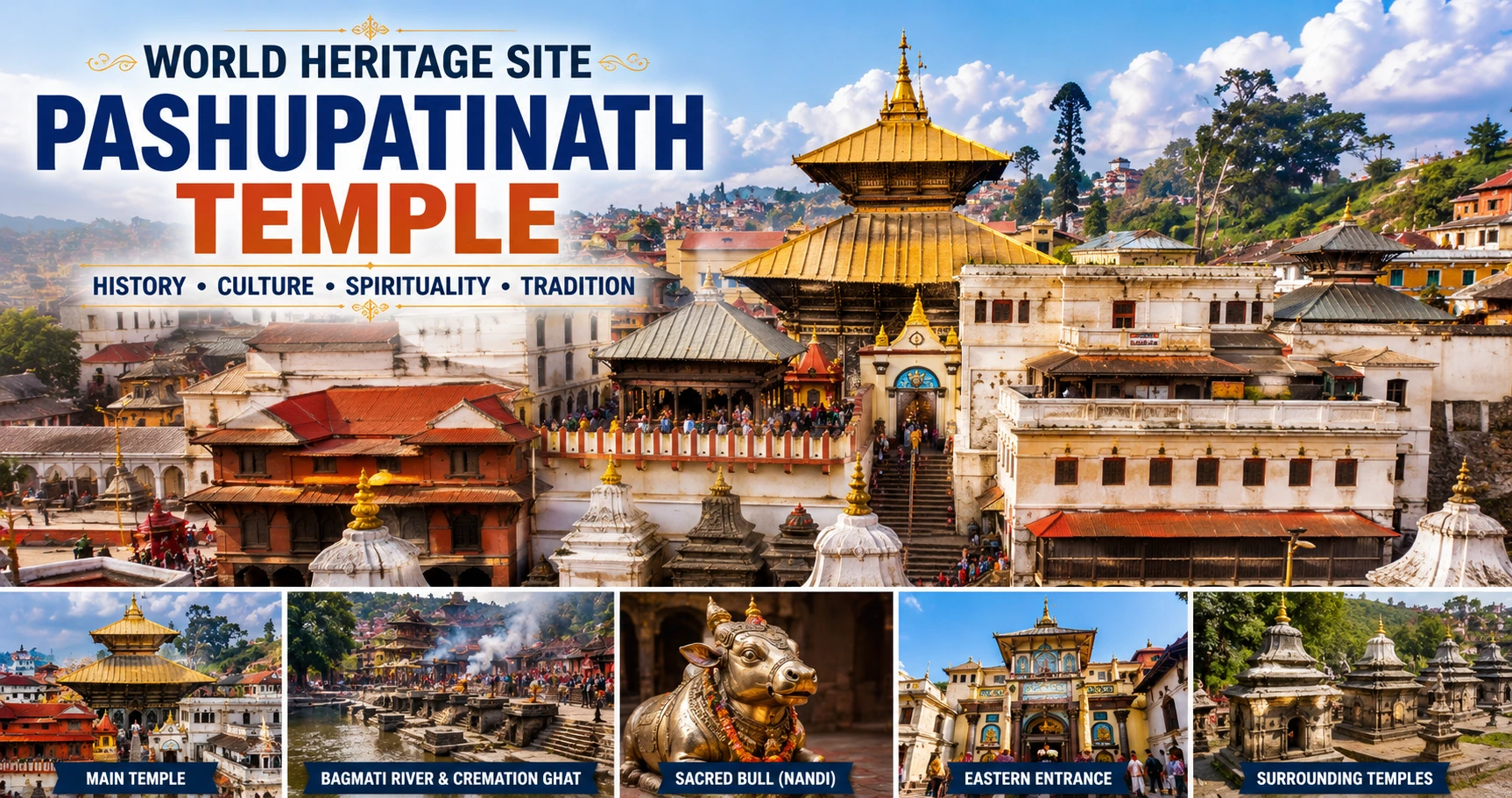
Pashupatinath – Where the Cycle of Life and Death Is Visible to All
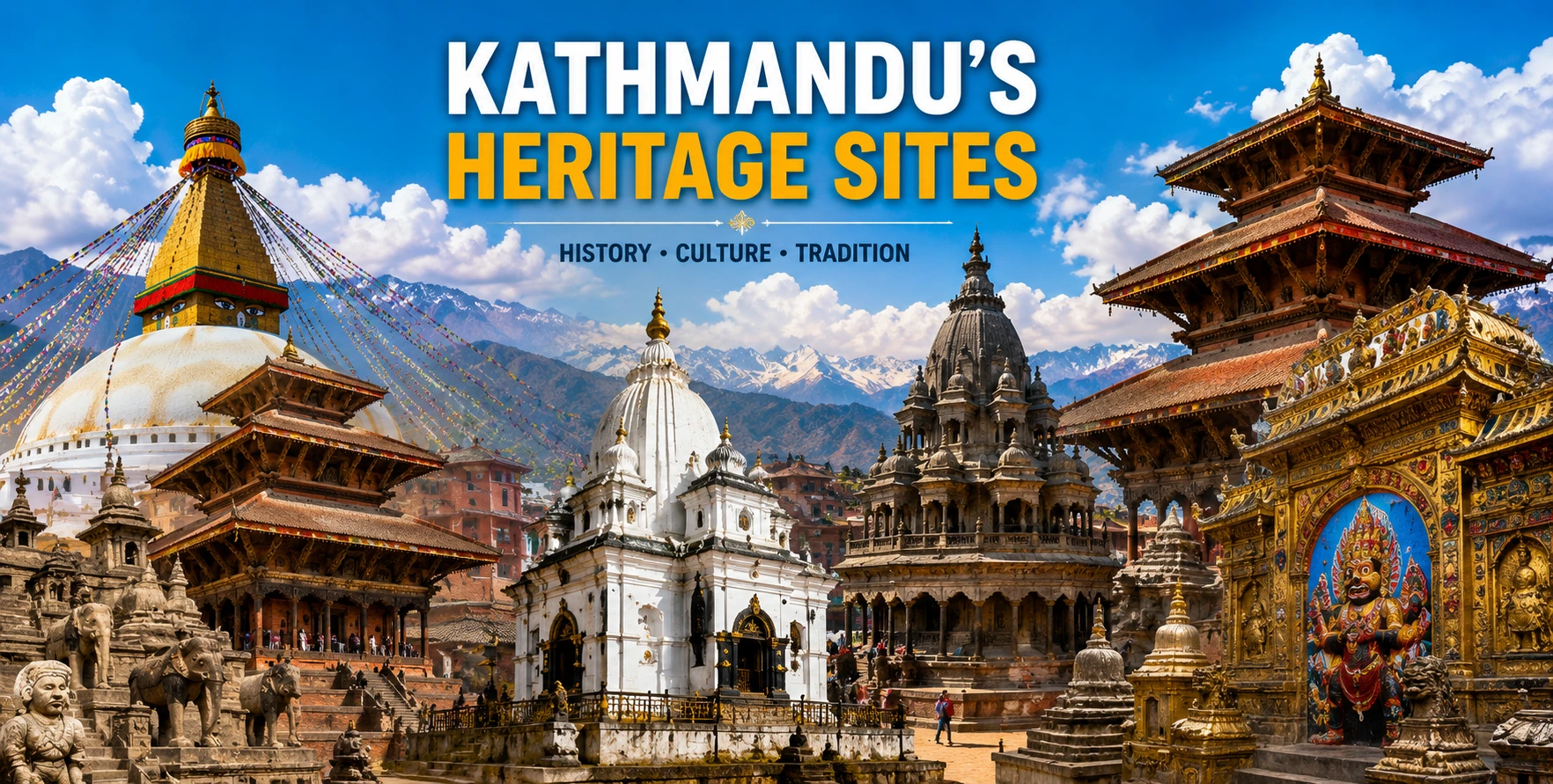
No place in the Kathmandu Valley — arguably no place in all of Nepal — carries the accumulated spiritual charge of Pashupatinath Temple. Situated on the banks of the Bagmati River in eastern Kathmandu (5 km from Thamel), Pashupatinath is simultaneously Nepal’s most important Hindu shrine, one of the four most significant Shiva temples in the world, and a UNESCO World Heritage Site. Its 1,500+ year history of continuous worship, royal patronage, artistic development, and pilgrimage has created a temple complex of extraordinary scope — 492 associated temples and shrines, 15 Shivalaya (Shiva lingas), major ghats (cremation and bathing platforms) on both banks of the Bagmati, ashrams for sadhus (wandering holy men), and the main temple: a two-tiered golden-roofed pagoda with silver-plated doors, housing the Panchamukha (five-faced) Shiva Linga — one of the most theologically complex and artistically magnificent sacred objects in Hinduism.
The Panchamukha Linga at Pashupatinath is not merely a religious symbol — it is a complete cosmological statement in carved stone. Each of the five faces — Sadyojata (west, Earth), Vamadeva (north, Water), Aghora (south, Fire), Tatpurusha (east, Air), and Ishana (top, Ether/Sky) — represents one of the five cosmic elements and a distinct philosophical aspect of Shiva’s nature. The name Pashupatinath encapsulates one of the deepest insights of Shaiva philosophy: Pashu (the individual soul), Pasha (the bonds of ignorance that bind it), and Pati (the Lord who liberates it) — the entire Shaiva Siddhanta philosophical framework compressed into a single name. This is a temple where architecture, iconography, philosophy, and living practice are a single undivided whole.
The experience at Pashupatinath that most profoundly affects visitors is the Arya Ghat, the cremation ghat on the Bagmati River bank, visible from the opposite bank, where non-Hindus stand. Here, in the Air of a warm Kathmandu afternoon, the Hindu understanding of death, rebirth, and liberation plays out literally and without ceremony. Funeral pyres burn. Families stand in ritual mourning. Priests chant Sanskrit verses. Ashes enter the sacred river. The cycle of life, death, and renewal — which most of the modern world conceals behind institutional walls and clinical euphemism — is here visible, accepted, sacred, and profoundly ordinary. Few experiences anywhere in the world dissolve the defensive distance between the observer and the great human universal of mortality more powerfully. The Sandhya Aarti (evening fire ceremony) at 5–7 PM daily adds a layer of ritual beauty to this confrontation with the sacred, making the Pashupatinath evening one of the most powerful spiritual encounters any traveller on Earth can have.
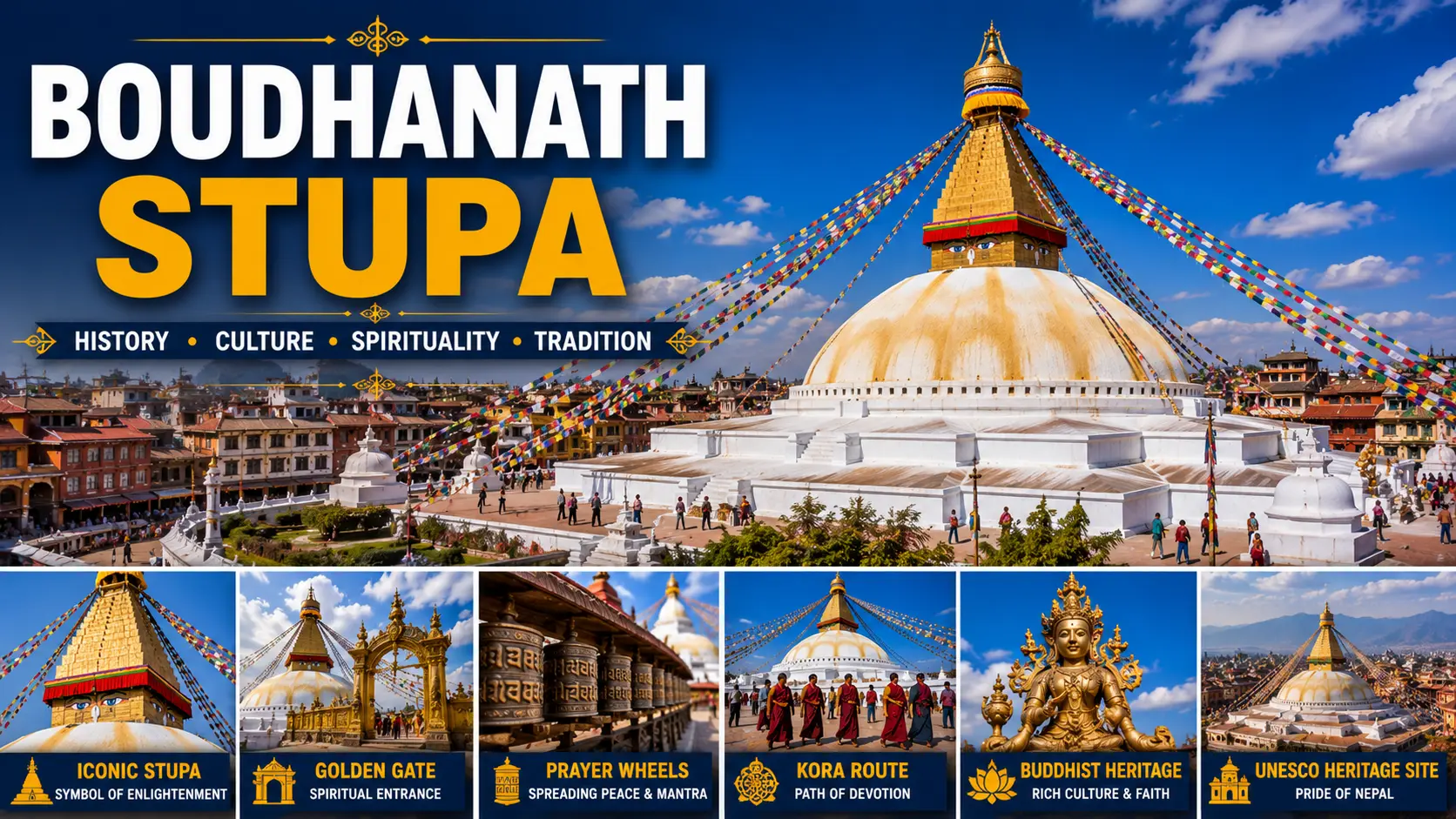
Boudhanath – The Great Mandala of Compassion
If Pashupatinath is the valley’s Hindu heart, Boudhanath is its Buddhist soul — and the two sites together, barely 4 km apart, demonstrate with perfect concision the depth of the Kathmandu Valley’s dual spiritual inheritance. The Boudhanath Stupa — one of the world’s largest spherical stupas, standing 38 metres high with a base circumference of 107 metres — is also the primary centre of Tibetan Buddhist culture outside Tibet itself. When the Chinese occupation of Tibet from 1959 onward drove tens of thousands of Tibetan refugees into Nepal, Boudhanath became the centre of their exile community — and the 50+ Tibetan Buddhist monasteries that now surround the stupa have transformed the area into one of the world’s most concentrated and active centres of Vajrayana Buddhist scholarship, practice, and art.
The stupa’s iconographic program is a complete cosmological statement. The white hemispheric dome (anda) represents Earth; the square gilded harmika above it represents the four directions and the mind of Enlightenment; the thirteen rings of the spire represent the thirteen stages on the path to Enlightenment; and the crowning parasol represents the Buddha’s sovereignty over all states of existence. The two enormous, all-seeing eyes painted on each face of the harmika—arguably Nepal’s most recognisable religious image—represent the Buddha’s omniscient awareness, watching over the valley in all four directions. The 108 niches at the base of the dome, each housing a specific deity with a dedicated prayer wheel, form a three-dimensional mandala of the Buddhist universe.
The experience of walking the kora (clockwise circumambulation) of Boudhanath at dawn or dusk — when hundreds of Tibetan pilgrims in traditional dress, monks in maroon robes, and devotees from across the Buddhist world move in a great slow circle around the vast dome, prayer wheels spinning, lips moving in the mantra Om Mani Padme Hum — is one of the most profoundly peaceful, community-felt, and spiritually resonant experiences available to any human being anywhere Eaon EarthThe atmosphere at Boudhanath is not merely religious — it is genuinely compassionate in the specific Mahayana Buddhist sense: a place where the entire community is engaged in a practice oriented toward the liberation of all beings without exception, and where the palpable sincerity of that intention creates a remarkable, tangible peace.
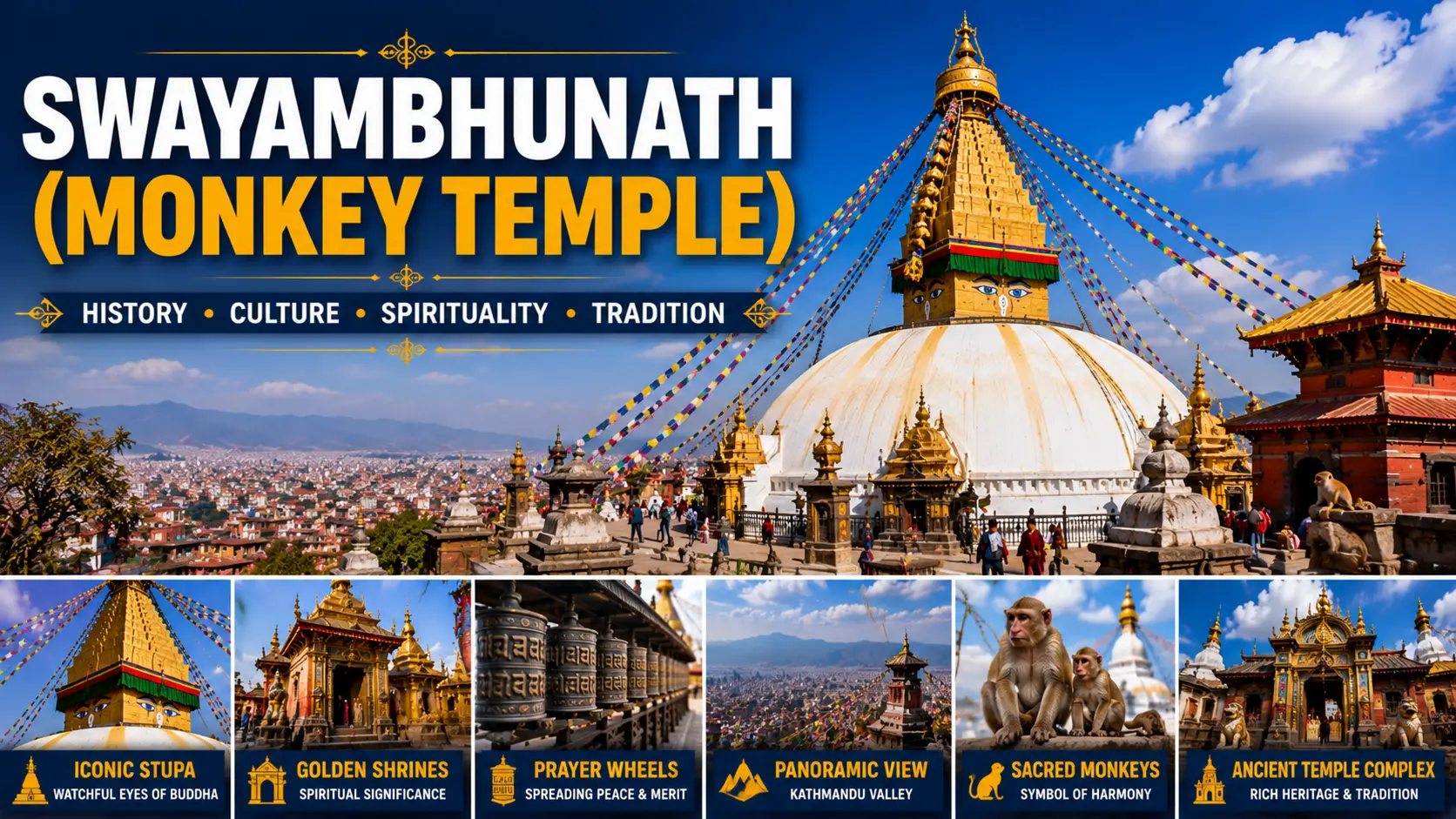
Swayambhunath – The Soul of Kathmandu
Swayambhunath — the ‘Self-Arisen One’ — is the valley’s oldest and perhaps its most mythologically potent sacred site. The stupa’s origin in the valley’s creation mythology—arising spontaneously from the sacred lotus that bloomed in the centre of the primordial lake Nagdaha as Manjushree’s sword drained it—gives it a cosmological priority no other site in the valley can claim. The dosite’s documented history extends back at least 1,500 years, with Buddhist texts from the 5th century CE describing it as already ancient and venerated.
Climbing the 365 stone steps that rise to the Swayambhunath hilltop — accompanied by the resident population of rhesus monkeys (hence its popular Western name, ‘Monkey Temple’) who are considered sacred and protected — is the paradigmatic spiritual ascent of the valley: each step corresponds to one day of the year, and the physical effort of the climb is understood as a spiritual preparation for arrival at the summit. At the top, the gleaming white dome, the gilded harmika with its all-seeing eyes, the forest of prayer flags radiating from the spire in every direction, and the panoramic view of the entire Kathmandu Valley below combine to create an experience of arrival at the sacred centre that is simultaneously geographical, physical, and spiritual.
From a cultural-historical perspective, Swayambhunath is particularly extraordinary because it perfectly embodies the Hindu-Buddhist synthesis that defines the Kathmandu Valley. The site is simultaneously a major Buddhist stupa complex and a significant Hindu pilgrimage site, with Hindu temples, shrines to Saraswati and Manjushree, Tibetan Buddhist monasteries, Hindu priests, and Buddhist monks all sharing the same hilltop complex in a centuries-old arrangement of mutual respect and shared sacred space that the rest of the world might profitably study.
The Three Magnificent Cities – Kathmandu, Patan and Bhaktapur
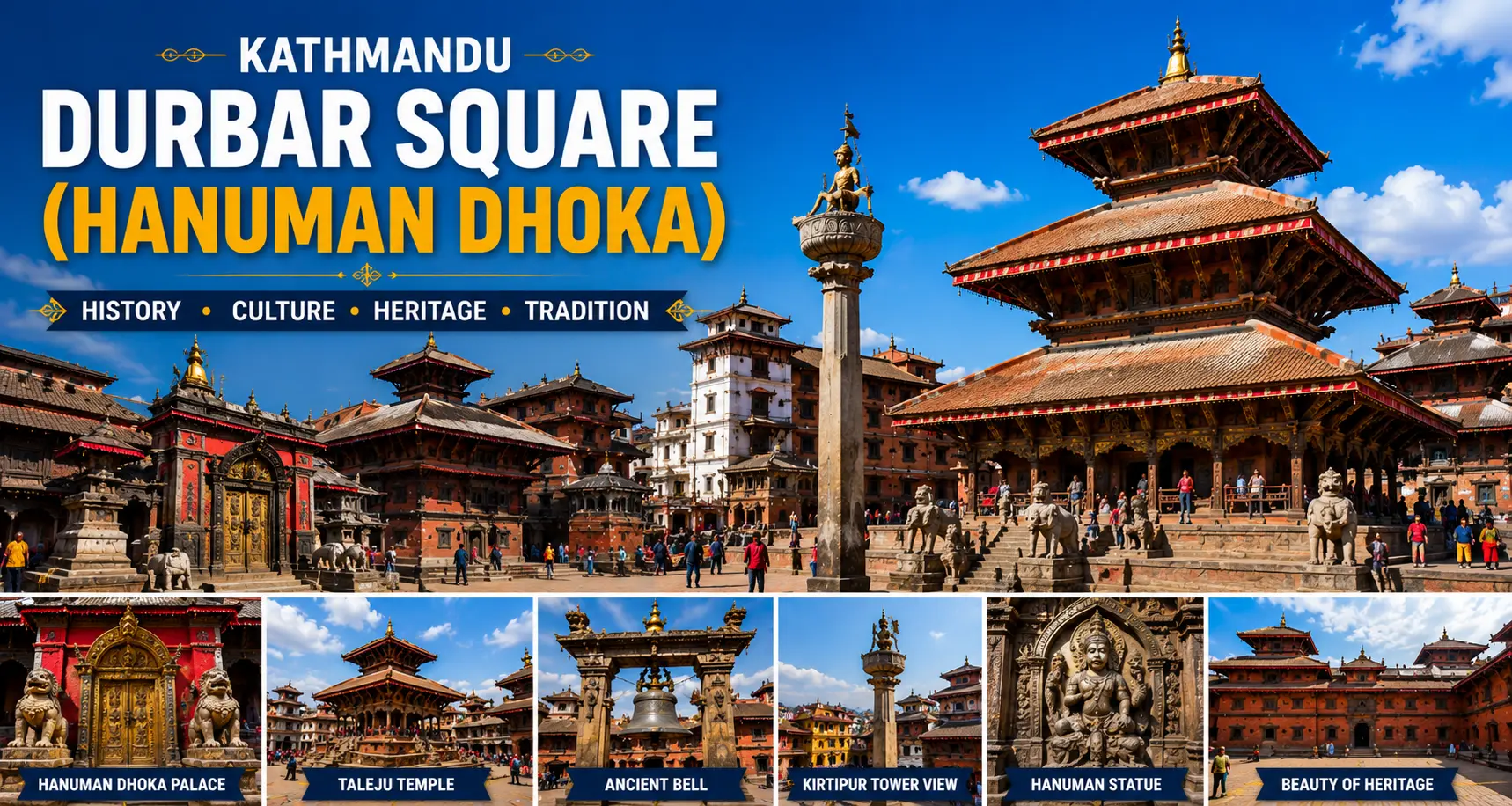
Kathmandu Durbar Square – The Stage of Sacred Kingship
The Kathmandu Durbar Square (Hanuman Dhoka) served as the political and ceremonial heart of the Malla and Shah kingdoms — the stage on which royal coronations, state festivals, military triumphs, and religious ceremonies were enacted before the valley’s population for over five centuries. Its 50+ temples and shrines span multiple centuries of Malla and Shah patronage, making it one of the most architecturally layered religious complexes in South Asia. The Kasthamandap — the ancient communal pavilion from which Kathmandu takes its name, recently reconstructed using traditional Newar timber-joinery after the 2015 earthquake damage — stands at the square’s heart, its very name a foundation myth: built, according to tradition, from the timber of a single miraculous tree.
The Kumari Ghar (House of the Living Goddess) occupies one side of the square — a three-story, ornately carved building housing the Kumari, a pre-pubescent girl chosen from the Newar Buddhist Shakya caste as the living vessel of the goddess Taleju. The selection process is extraordinary in its rrigor candidates must be between four and five years old, free of any scar or blemish, meeting 32 physical perfections (lakshanas) derived from Hindu-Buddhist theology, and must pass a psychological test of extraordinary demands — walking fearlessly through a dark courtyard filled with severed buffalo heads while masked dancers perform aggressive dances around hethemThe Kumari who passes this test is considered to have demonstrated that she houses the divine Shakti (energy) of Taleju and is installed as a living goddess — worshipped daily, consulted by politicians, and revered as Nepal’s supreme religious authority until puberty ends her term. The Indra Jatra festival (September 23–30, 2026) is the one occasion on which the Kumari is carried through the city in a towering ceremonial chariot — the single most spectacular religious procession in Nepal.
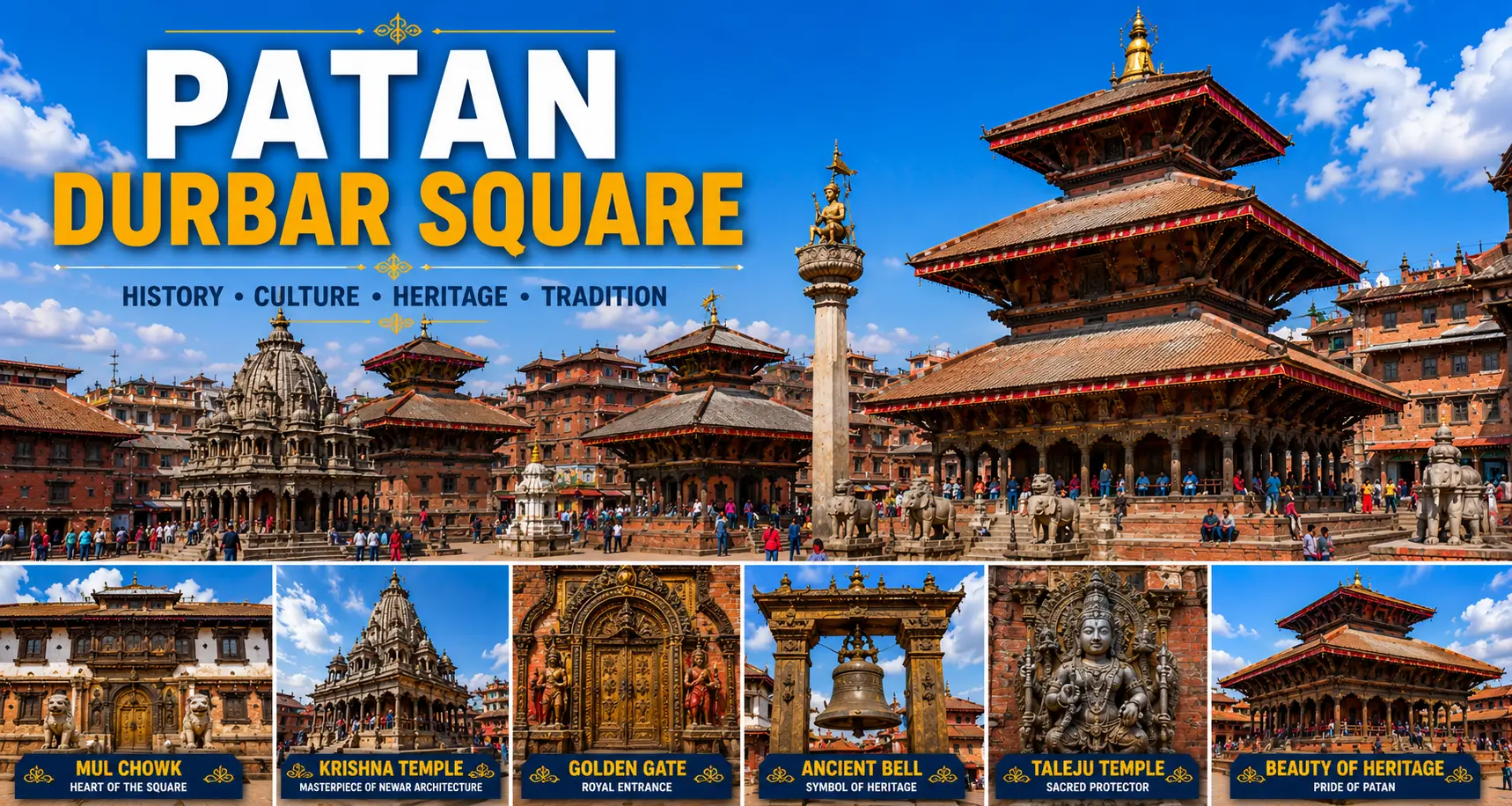
Patan – The City of Beauty and Metal
Patan (Lalitpur — City of Beauty), 5 km south of Kathmandu across the Bagmati River, is, by most architectural and artistic measures, the finest of the three valley cities — where the Newar craft tradition reached its most refined expression in metalwork, stone sculpture, and temple architecture. The Shakya community of Patan — Buddhist metalworkers of extraordinary skill — produced lost-wax bronze castings of deities that were exported across the Himalayan world, from Bengal to Lhasa, and that are today among the most sought-after objects in major museum collections worldwide.
The Patan Durbar Square is more intimate and more artistically refined than Kathmandu’s square — its atmosphere more scholarly, its scale more contemplative. The Krishna Mandir (1637), built entirely from stone in the shikhara style by King Siddhi Narasimha Malla, rises with 21 gilded pinnacles above friezes depicting the Mahabharata and Ramayana in stone relief that rivals the finest medieval Indian temple carving. The Patan Museum within the Mul Chowk palace courtyard is widely regarded as the finest museum of Himalayan art in the world—its collection of bronze statues, copper repoussé artwork, and ritual objects is displayed in beautifully restored palace rooms. And the Hiranya Varna Mahavihara (Golden Temple) — a Buddhist monastery whose gilded facade, encrusted with centuries of devotional metalwork, creates an atmosphere of layered sacred time — represents the Newar Buddhist monastic tradition in its most visually concentrated form.
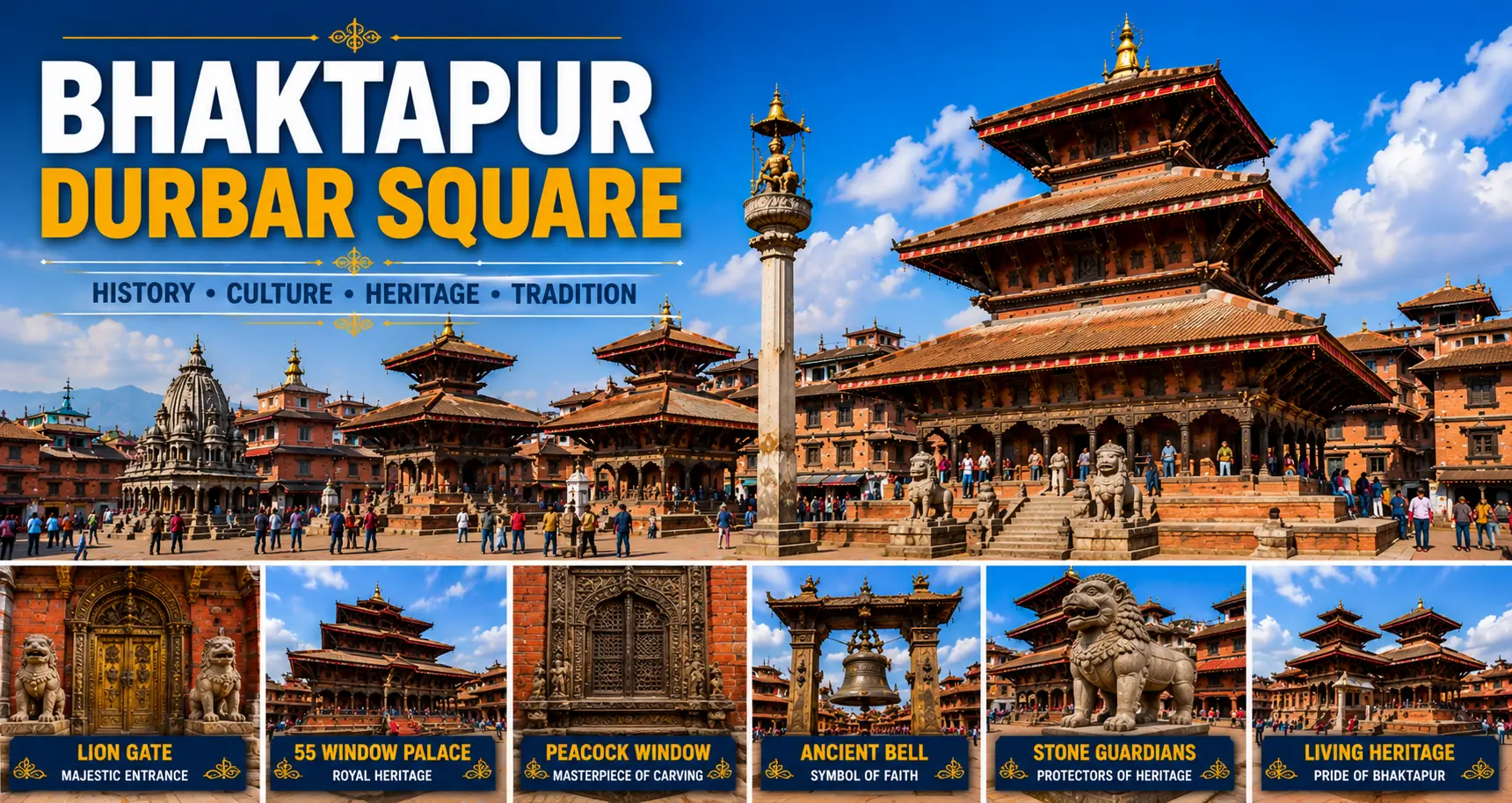
Bhaktapur – The Medieval City Frozen in Time. Bhaktapur (City of Devotees), 14 km east of Kathmandu on the valley’s eastern ridge, is Nepal’s most completely preserved medieval city. This urban landscape comes closest to what the Mallas built. Strict control over modern development within the historic core, combined with the Bhaktapurians’ great civic pride in their heritage, has preserved a medieval urban environment where daily life still flows through ancient brick-paved courtyards, essentially unchanged for centuries.
The Nyatapola Pagoda (1702) — Nepal’s tallest temple at 30 meters, built by King Bhupatindra Malla in just four years — is the supreme surviving example of Malla-era architecture. It rises on a five-stepped plinth flanked by paired stone guardians of increasing power: Malla wrestlers, elephants, lions, gryphons, and the Tantric goddesses Baghini and Singhini. It’s perfect proportional refinement — each tier slightly smaller, each roofline slightly steeper — that creates an optical illusion of even greater height. The Nyatapola has survived every earthquake since its completion in 1702, including the devastating 1934 and 2015 earthquakes, with minimal structural damage — a testament to the Newar architects’ profound empirical understanding of seismic forces, achieved centuries before the discipline of earthquake engineering existed. The Peacock Window in the adjacent Jaiside neighbourhood — a pierced timber screen carved in the form of a peacock’s displayed tail feathers, commissioned in the 1century, still intact — is considered the finest piece of decorative woodcarving in Nepal and among the most accomplished in all of South Asia.
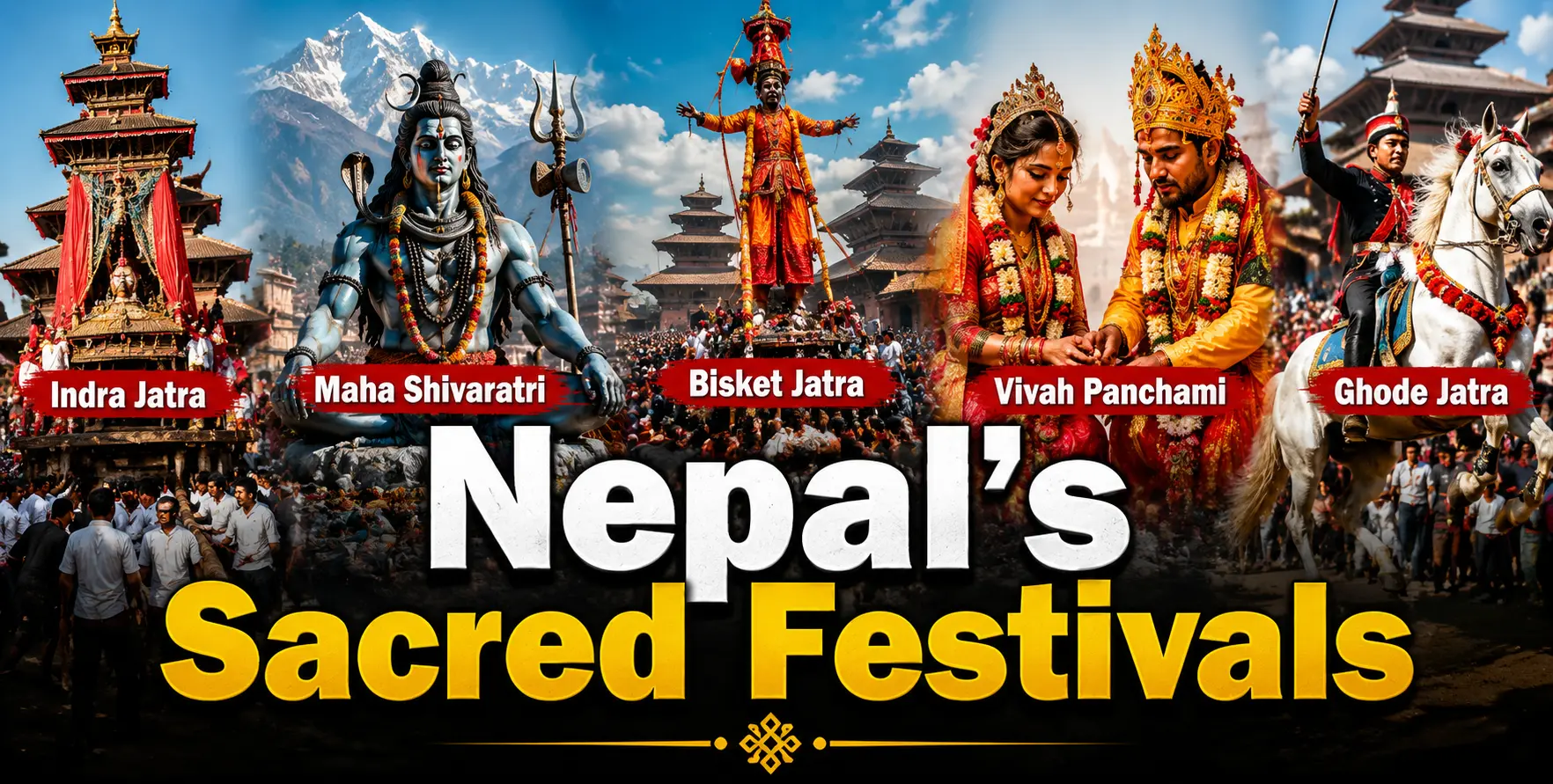
The Living Valley – Festivals That Keep the Ancient World Alive
The Kathmandu Valley’s festivals are not performances for tourists — they are the living continuation of theological, agricultural, political, and community traditions stretching back centuries. They are the mechanism by which the valley’s ancient religious culture reproduces itself across generations, ensuring that the cosmological worldview embedded in its architecture and iconography is not merely preserved as heritage but actively lived as reality.
| Festival | Period (2026) | Primary Location | Significance |
| Indra Jatra | Sep 23–30, 2026 | Kathmandu Durbar Sq. | 8-day festival: Living Goddess Kumari chariot procession; masked Lakhey dances; Pulu Kisi elephant dance; political legitimation ritual; city boundary rites for the dead |
| Dashain | Oct 2–12, 2026 | Valley-wide; Kathmandu Durbar Sq. | Nepal’s most important festival; 15 days celebrating Durga’s victory over evil; animal sacrifice; Tika (blessing) ceremony; family reunions across the country |
| Tihar / Deepawali | Oct 20–24, 2026 | Valley-wide | Festival of lights; 5 days honouring crows, dogs, cows, Laxmi, and brothers; illuminated streets; Laxmi puja draws Lakshmi of wealth into the home |
| Maha Shivarat Feb February 26 | , 2026 | Pashupatinath Feb February 26 | Lord Shiva’s great niFebruary 26undreds of thousands of pFebruary 26s; sadhus from across South Asia; all-night vigil; sacred cannabis use permitted; most powerful Hindu event at Pashupatinath |
| Losar (Tibetan New Year Feb February 28 | , 2026 | Boudhanath Stupa Feb February 28 | Tibetan New Year February 28; processions of monks and community; February 28; ter sculptures; kora with traditional Tibetan dress; Boudhanath at its most vibrant |
| Buddha Jayanti May 12 | , 2026 | Swayambhunath; May 12nath | Birthday of Gautama; May May 12ss pilgrimage to Swayambhunath; candlelit circumambulations; white-clad devotees; one of the most visually beautiful nights in the valley |
| Rato Machhendranath Jatra | Apr–May 2026 (every 4 yrs) | Patan / Lalitpur | Month-long chariot festival of the Rain God; tallest chariot in South Asia; Bhoto Jatra (Jewelled Vest display); ancient Newari fertility and harvest tradition |
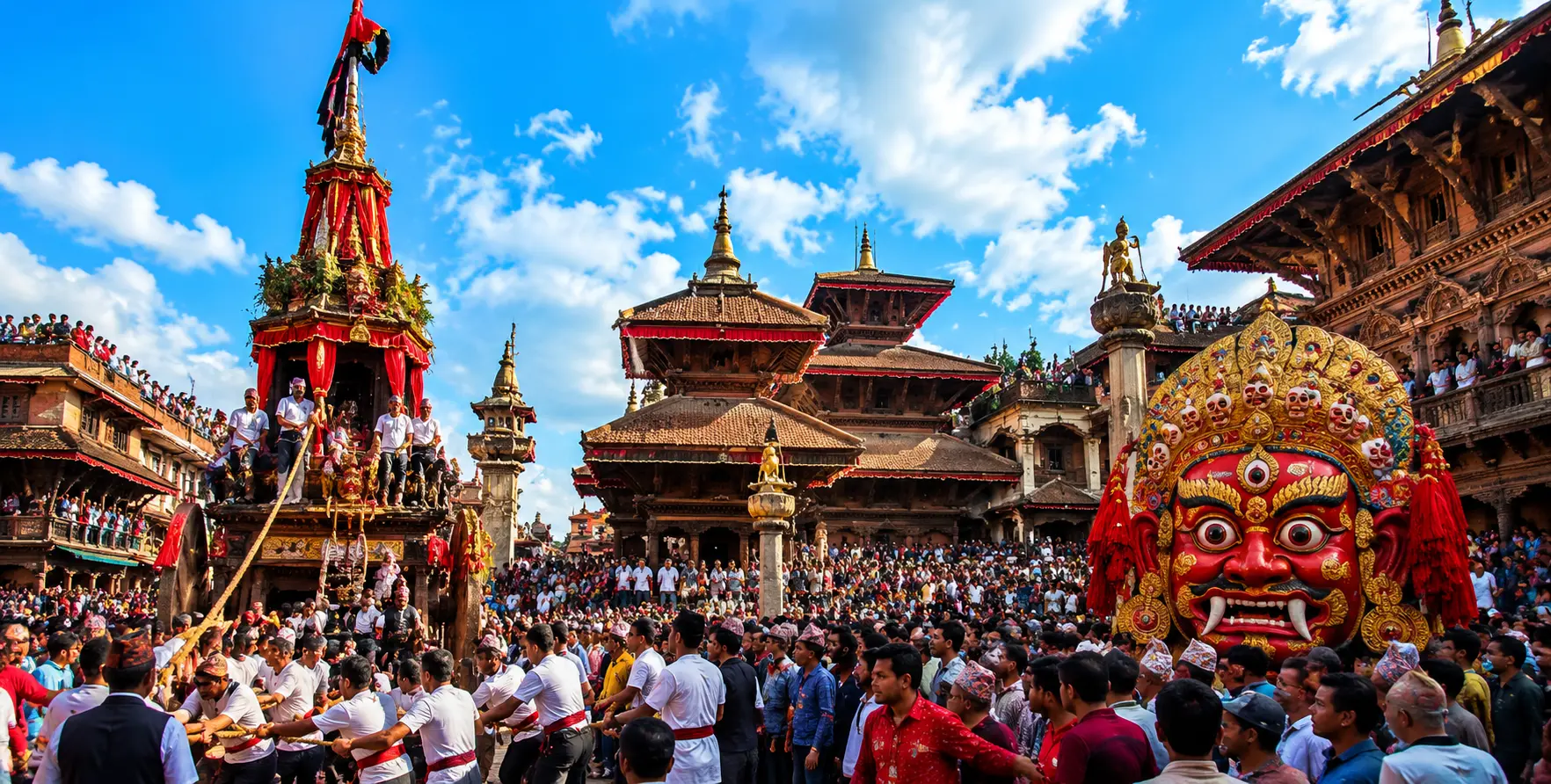
Indra Jatra 2026 – The Festival That Defines Kathmandu
Of all the valley’s hundreds of annual festivals, Indra Jatra (September 23–30, 2026) most completely encapsulates what the Kathmandu Valley actually is. This eight-day eruption of chariot processions, masked dances, sacred rice beer, political ceremony, and communal grief operates simultaneously on five distinct registers: mythological (the story of Indra’s capture by the valley’s inhabitants), agricultural (securing the rice harvest), political (legitimising state authority through the Kumari’s blessing), communal (honouring the year’s dead), and cosmological (maintaining the sacred geography of the city through processional re-enactment).
The founding myth is remarkable in its cosmic irreverence: Lord Indra, king of the gods, came secretly to the Kathmandu Valley to steal a specific flower for his mother, was caught by the valley’s residents, who did not recognise him, and was imprisoned and paraded through the streets like a common thief. The festival commemorates this event — and through it, the extraordinary theological assertion that the people of the Kathmandu Valley are sufficiently powerful in sacred terms to arrest the king of heaven. Every head of state of Nepal since the Malla period has received the Kumari’s blessing during Indra Jatra as an act of political legitimation — the Gorkha conqueror Prithvi Narayan Shah famously chose the day of Indra Jatra in 1769 to march into Kathmandu precisely to claim this blessing. The festival is living proof that in the Kathmandu Valley, mythology and politics have always been the same language.
The Hidden Sacred Sites – What Most Visitors Never Find
Beyond the famous seven UNESCO World Heritage sites, the Kathmandu Valley contains a second, less-visited layer of spiritual and historical significance—sacred sites, ancient villages, and hidden shrines frequented by local devotees, pilgrims, and serious students of Himalayan culture but largely absent from standard tourist itineraries. These are, in many ways, the places where the most authentic encounter with the valley’s living spiritual culture occurs.
Guhyeshwari Temple – The Valley’s Tantric Heart
Just 400 meters from the Pashupatinath complex, Guhyeshwari Temple is one of Nepal’s most important Tantric shrines —and one of the least discussed in tourism literature. The temple is a yoni pitha (a sacred site of the goddess’s creative power) — one of the 51 pitha sites across the Indian subcontinent where, according to Shakta mythology, parts of the goddess Sati’s body fell after her divine dismemberment. Non-Hindus are not admitted to the inner sanctum. Still, the outer temple complex, the devotional atmosphere, and the significance of understanding why this site exists 400 meters from the holiest Shiva temple in Nepal — the pairing of Shiva and Shakti as complementary cosmic principles — provide essential context for the entire Pashupatinath complex.
Pharping – Where the Cliff Face Itself Is Sacred
Pharping, 15 km south of Kathmandu on the valley’s southern rim, is one of the most spiritually charged locations in the entire Himalayan Buddhist world. In this village, the cliff face is literally sacred, marked by the impression of Guru Rinpoche’s (Padmasambhava’s) face in the rock above his meditation cave. The Asura Cave at Pharping is one of three places in the Kathmandu Valley where the great 8th-century Vajrayana master is said to have meditated and attained realisation. It is still in active use as a meditation retreat by Tibetan Buddhist practitioners from across the world. The Vajrayogini Temple above the cave — a Tantric goddess temple of great antiquity built into the cliff — and the beautiful Sekh Narayan Temple carved from the cliff face below together make Pharping a concentrated sacred site of extraordinary depth and authenticity, virtually unknown to most visitors yet profoundly significant in Himalayan religious history.
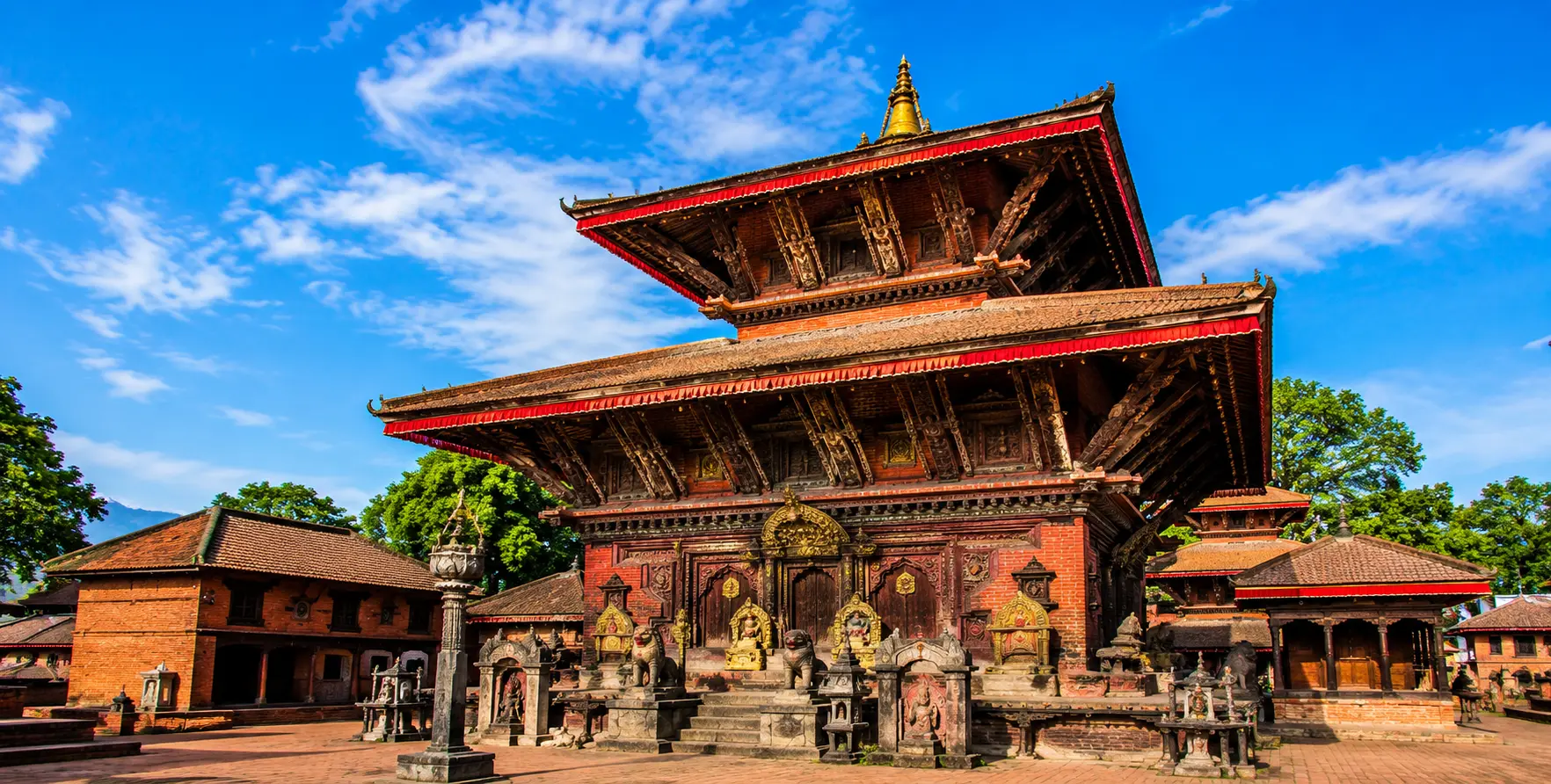
Changu Narayan – Reading Nepal’s Oldest Temple
Changu Narayan (12 km northeast of Kathmandu), the oldest temple in the valley and home to Nepal’s earliest written inscription (464 CE), is the single destination in the Kathmandu Valley that most directly connects the visitor to the Licchavi period — to the time when Nepal’s history was first written down in the carved Sanskrit of royal proclamations. The temple’s courtyard is a genuine open-air museum of Licchavi-era stone sculpture: Vishnu in his ten avatars, the magnificent Garuda image, Narasimha (the man-lion), Trivikrama (the cosmic measurer), all carved between the 5th and 9th centuries CE with an artistic sophistication that matches anything produced in contemporary India. The quiet Changu village above the Bhaktapur rim — reached by Nepal Vehicle Hiring jeep in 45 minutes from Thamel and famous for the Nagarkot-to-Changu Narayan descent trail — is one of the valley’s most rewarding half-day destinations for the historically minded visitor.
Bungamati and Khokana – The Twin Sacred Villages
The twin villages of Bungamati and Khokana, 8 km south of Patan, represent the finest surviving examples of traditional Newar mandala urbanism — the medieval town-planning principle in which the village is organised around a central temple as a physical mandala, with streets radiating outward from the sacred centre. Bungamati is the winter home of Rato Machhendranath — the Rain God — whose chariot is brought here in winter and kept until the great Jatra festival in spring. Khokana’s traditional mustard oil press (kol)—still operating with a wooden mechanism unchanged from the Malla period—offers one of the most tangible, immediate connections to medieval Newar agricultural life in the valley.
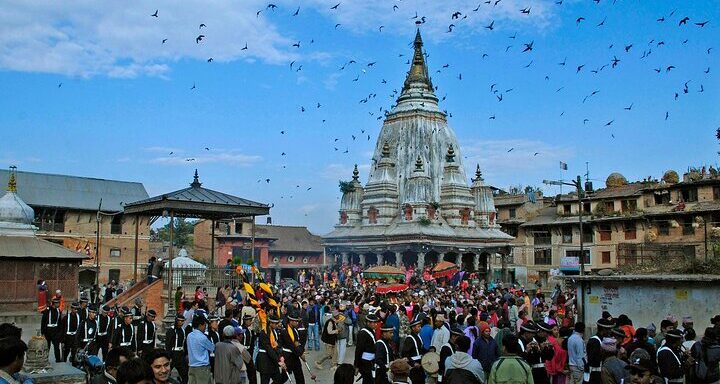
Exploring Kathmandu’s Historical and Spiritual Valley with Nepal Vehicle Hiring
The Kathmandu Valley’s seven UNESCO monument zones span 30+ km of valley terrain, from Changu Narayan in the northeast to Bungamati in the south, with the major spiritual sites of Pashupatinath and Boudhanath in the east and Swayambhunath in the west. Navigating this geography efficiently, comfortably, and with the timing flexibility heritage and spiritual sites demand — early morning at Pashupatinath for the dawn puja, mid-morning at Bhaktapur before tourist coaches arrive, sunset at Swayambhunath for the finest light on the valley below — is only practical with a private vehicle.
As one 2026 heritage tour specialist puts it: “trying to cram all seven Kathmandu UNESCO World Heritage Sites into one day using public transport involves navigating heavy traffic and leaves no time for cultural immersion. To truly appreciate the history and spiritual atmosphere, it is better to split the sites over two or three days with a private driver”. Nepal Vehicle Hiring Pvt Ltd’s private car, jeep, and Hiace van hire for Kathmandu Valley heritage circuits provides exactly this: door-to-door hotel pickup, flexible timing, driver knowledge of traffic patterns and alternative routes, and the capacity to spend exactly the right amount of time at each site without the constraint of bus schedules or shared vehicle departures.
| Day | Morning | Afternoon | Nepal VH Service |
| Day 1 | Pashupatinath Temple (arrive by 6 AM for dawn puja); Guhyeshwari Temple; Boudhanath Stupa kora walk | Swayambhunath Stupa at sunset; Kathmandu Durbar Square evening walk; Kumari Ghar vigil | Nepal VH private car; hotel pickup 5:30 AM; day circuit with driver-guide |
| Day 2 | Patan Durbar Square; Hiranya Varna Mahavihara (Golden Temple); Krishna Mandir; Patan Museum | Bhaktapur Durbar Square; Nyatapola Pagoda; Pottery Square; 55-Window Palace; Peacock Window | Nepal VH Hiace for groups; private car for 1-4 pax; full day with driver |
| Day 3 | Changu Narayan Temple (Nepal’s oldest, 464 CE); walk down through Newar villages to Bhaktapur | Kirtipur hilltop medieval fort town; Dhulikhel heritage town and Himalayan view | Nepal VH jeep hire; Changu Narayan drop-off; Kirtipur-Dhulikhel circuit |
| Day 4 | Pharping Vajrayogini Temple and Asura Cave (Guru Rinpoche meditation cave); Dakshinkali Temple | Bungamati (Rato Machhendranath winter home); Khokana traditional oil-press village | Nepal VH private car; southern valley spiritual circuit |
| Day 5 | Budhanilkantha reclining Vishnu (5th-century Licchavi statue); Bishnudwar sacred river-source hike in Shivapuri NP | Nagarjun / Jamacho Buddhist monastery summit (2,130 m); valley panorama and prayer | Nepal VH car hire; Budhanilkantha to Nagarjun full day sacred circuit |
Dress Code and Cultural Respect at Heritage Sites
All of the Kathmandu Valley’s heritage sites are active religious centres, not museums. Respectful behaviour is not a recommendation; it is a requirement and a moral obligation to the communities for whom these places are sacred. Key points:
- Dress Code: Shoulders and knees covered at all times. Remove shoes before temple entry. Remove leather items (belts, bags) before entering some inner sanctums.
- Photography: Ask permission before photographing individuals, especially at Pashupatinath ghats and during rituals. Photography of the Kumari is strictly prohibited.
- Cremation Ghats (Pashupatinath): Observe with respect from the designated viewpoints on the opposite bank. Do not approach or photograph cremation ceremonies disrespectfully.
- Non-Hindu Restriction: The main sanctum of the Pashupatinath temple is restricted to Hindus. Guhyeshwari’s inner sanctum is restricted to Hindus. The outer complexes of both are accessible to all.
- Behaviour at Boudhanath Kora: If you join the kora, always walk clockwise. Silence is appreciated in the inner circuit areas.
Resilience and Renewal – The Valley After 2015
Apri2015On 015, a 7.8 magnituApr magnitude earthquake Kathmanpril 25ki, killing00 people and causing catastrophic damage to many of the heritage sites described in this guide. The Kasthamandap was destroyed, the Kathmandu and Patan Durbar Squares suffered significant temple damage, and thousands of traditional Newar homes collapsed. The tragedy was total and immediate.
What followed in the decade since 2015 is a story of remarkable resilience, community-led reconstruction, and a genuine triumph of traditional knowledge. Today, the Kasthamandap has been completely reconstructed using traditional Newar timber-frame joinery without metal nails or concrete—master Newar carpenters drawing on multi-generational craft knowledge to rebuild as their ancestors did. The Nyatapola Pagoda of Bhaktapur was undamaged, its medieval seismic engineering proving its worth once more after 313 years. Most damaged structures across all seven UNESCO zones have been rebuilt or significantly restored. In 2024, UNESCO Creative Cities Network designated Kathmandu a UNESCO Creative City of Films — a recognition that the valley’s extraordinary cultural legacy continues to generate living creative energy, not merely historical preservation.
Related Nepal Vehicle Hiring Services
- Kathmandu Valley Heritage Sightseeing by Private Jeep
- Bhaktapur Durbar Square Private Vehicle Hire
- Kathmandu to Nagarkot and Changu Narayan Day Tour
- Kathmandu to Dhulikhel and Namobuddha Tour
- Kathmandu Hidden Valley Hiking Guide
- Kathmandu Forgotten Kingdoms History Tour
- Nepal Trekking Packages
- Why Private Vehicle Hire Is the Smartest Way to Travel in Nepal

Frequently Asked Questions
When was the Kathmandu Valley inscribed as a UNESCO World Heritage Site?
The Kathmandu Valley was inscribed as a UNESCO World Heritage Site in 1979, covering seven monument zones: the three Durbar Squares of Kathmandu, Patan, and Bhaktapur; the Buddhist stupas of Swayambhunath and Boudhanath; and the Hindu temple complexes of Pashupatinath and Changu Narayan. The inscription recognised their outstanding universal value for cultural heritage, artistic achievement, and living religious significance.
What is the significance of Pashupatinath Temple?
Pashupatinath is Nepal’s most sacred Hindu temple, dedicated to Lord Shiva as Pashupati (Lord of Beings). Its significance operates on multiple levels: theological (the Panchamukha five-faced Shiva Linga encodes a complete cosmological philosophy), historical (1,500+ years of continuous worship from the Licchavi period), political (rulers of Nepal were historically stewards of Pashupatinath, not absolute kings), and experiential: the cremation ghats on the Bagmati River provide an open encounter with the Hindu sacred understanding of life, death, and liberation that is available nowhere else in the world with such directness and depth.
What is the Kumari and why is she significant?
The Kumari is the Living Goddess of the Kathmandu Valley — a pre-pubescent girl chosen from the Newar Buddhist Shakya caste as the living vessel of the goddess Taleju. She is selected through a rigorous process involving 32 physical perfections (lakshanas) and a psychological endurance test. The Kumari represents the valley’s unique Hindu-Buddhist synthesis: chosen from the Buddhist community, worshipped as a Hindu goddess, and served by priests of both faiths. She is the most extraordinary religious institution in South Asia and the central figure of the Indra Jatra festival.
Is Kathmandu historically significant beyond its temples?
Absolutely— for centuries, Kathmandu was a major nexus of trans-Himalayan trade, where the cultural worlds of India and Tibet met and exchanged. The valley’s Licchavi-period Sanskrit inscriptions from 464 CE are the oldest written documents in Nepal; the Malla-period pagoda architectural tradition may have been the origin of the pagoda form that spread across all of East and Southeast Asia; and the Newar Buddhist metalwork tradition produced some of the finest religious bronzes in Asian art history, examples of which are now in the collections of major museums worldwide.
What is Indra Jatra and when does it take place?
Indra Jatra is Kathmandu’s largest and most complex street festival, running September 23–30, 2026. It commemorates the mythological arrest of Lord Indra by the valley’s residents. It simultaneously celebrates the agricultural harvest, the communal rites for the year’s dead, the political legitimisation of the state through the Kumari’s blessing, and the cosmological renewal of the city’s sacred geography. The festival features the Kumari chariot procession, Lakhey (demon) masked dances, Pulu Kisi (elephant) dance, and the erection of the ceremonial pole (Yosin) at Hanuman Dhoka.
How should I plan a vehicle-based heritage circuit of the Kathmandu Valley?
Nepal Vehicle Hiring recommends at least 3 days to complete the circuit of seven UNESCO sites plus hidden sacred sites. Day 1: Pashupatinath (dawn, before crowds) + Guhyeshwari + Boudhanath kora + Swayambhunath sunset. Day 2: Patan Durbar Square + Golden Temple + Bhaktapur full afternoon. Day 3: Changu Narayan + Kirtipur + Pharping sacred circuit. Private car or jeep hire from Nepal Vehicle Hiring provides the flexibility, timing control, and door-to-door service that make this circuit achievable without rushed transitions between sites.
What makes the Kathmandu Valley unique compared to other heritage sites in Asia?
Three qualities combine to make the Kathmandu Valley uniquely extraordinary: (1) Density — seven UNESCO-inscribed monument zones within a single valley, representing 2,000 years of civilisational achievement in a 30 km diameter; (2) Living continuity — unlike many heritage sites, the valley’s temples, shrines, and festivals are actively used by their communities daily, not preserved as static museums; and (3) Unique religious synthesis — the Kathmandu Valley’s Hindu-Buddhist syncretic tradition, manifested in the Kumari institution, the shared sacred sites, and the inseparable interweaving of both faiths in every aspect of Newar cultural life, is found nowhere else Earthrth and represents a model of religious coexistence and creative synthesis of permanent world significance.
Explore the Historical, Magnificent, and Spiritual Kathmandu Valley with Nepal Vehicle Hiring
The Kathmandu Valley is not merely a UNESCO World Heritage Site — it is one of the most remarkable accumulations of human spiritual aspiration, artistic achievement, and civilizational continuity anywhere on Earth. From the 5th-century Sanskrit inscription at Changu Narayan that is Nepal’s first written word, to the Kumari’s brief appearance at her Durbar Square window that has moved kings and commoners alike for centuries, to the dawn kora at Boudhanath where hundreds of pilgrims circle the great mandala of compassion in the early morning mist, to the evening Aarti fire at Pashupatinath where the sacred and the mortal meet at the burning ghat’s edge — every hour in this valley offers encounters of depth, beauty, and meaning that few places on Earth can match.
Nepal Vehicle Hiring Pvt Ltd provides private car, jeep, and Hiace van hire for Kathmandu Valley heritage and spiritual circuits — from the full seven-site UNESCO circuit to the hidden sacred sites of Pharping, Bungamati, Kirtipur, and Changu Narayan, with experienced drivers, flexible timing, door-to-door hotel service, and 24/7 support.
Call / WhatsApp: +977-9814227196 | Website: vehiclehiringnepal.com | Book Heritage Sightseeing Vehicle | Nepal Trekking Packages
- Kathmandu: A Hidden, Historical, Magnificent and Spiritual Valley – Complete Guide
- The Seven UNESCO World Heritage Monument Zones – Complete Reference
- The Hidden History – A Valley Written in 2,700 Years of Human Civilisation
- The Magnificent Spiritual Valley – Where Two Great Faiths Became One
- The Three Magnificent Cities – Kathmandu, Patan and Bhaktapur
- The Living Valley – Festivals That Keep the Ancient World Alive
- The Hidden Sacred Sites – What Most Visitors Never Find
- Exploring Kathmandu's Historical and Spiritual Valley with Nepal Vehicle Hiring
- Resilience and Renewal – The Valley After 2015
- Related Nepal Vehicle Hiring Services
- Frequently Asked Questions
- Explore the Historical, Magnificent, and Spiritual Kathmandu Valley with Nepal Vehicle Hiring

Related Blog & Articles
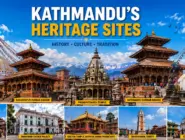
Kathmandu Historical Heritage Sites: The Complete Travel Guidey
Kathmandu Sightseeing: Car and SUV Hire Guide
Nuwakot Historical and Spiritual Sites Guide – The Complete Travel and Transport Guide