Plan a Trip


Kathmandu to Kande Private Jeep Hire | Mardi Himal Transfer
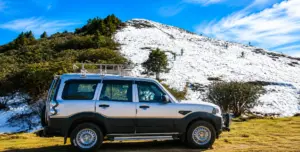
Kathmandu to Kande Private Jeep Hire: Direct Transfer to the Australian Camp and Mardi Himal Trailhead
Kande is a small roadside settlement on the Pokhara–Baglung highway at around 1,700 to 1,770 metres, and it is one of the busiest trailheads in the Annapurna foothills. From here, stone steps climb through forest to Australian Camp, Pothana, and Deurali, then on to Forest Camp, High Camp, and Mardi Himal Base Camp. A Kathmandu-to-Kande private jeep takes you from your Kathmandu hotel straight to the start of the trail. You don’t have to change vehicles in Pokhara, haul luggage to a bus park, or haggle for a taxi.
This guide explains how the transfer works: the route and drive time, which vehicle to choose, USD price ranges, how to time the trip so you can start walking, and what to expect at Kande. It also covers the return from Dhampus, Phedi or Siding back to Kathmandu. At Nepal Vehicle Hiring, we run private jeeps, Mahindra Scorpios, cars and Toyota Hiace vans to Kande for individual trekkers, families and trekking agencies.
To book, message us on WhatsApp +977 9814227196 or email [email protected] with your date and group size, or use our trip planner.
Kathmandu to Kande at a Glance
- Start: any hotel in the Kathmandu Valley, or Tribhuvan International Airport.
- End: Kande trailhead on the Pokhara–Baglung highway (around 1,700–1,770 m)
- Approximate distance: about 220–230 km
- Route: Kathmandu – Naubise – Malekhu – Mugling – Damauli – Pokhara – Kande
- Typical drive time: about 7 to 9 hours with short stops
- Road: paved highway most of the way, with occasional rough patches where widening work is underway
- Vehicles: private car, Mahindra Scorpio, 4WD jeep, Hiace, Coaster, or bus
- Private jeep price range: about USD 170–250 one way
- Treks from Kande: Australian Camp, Dhampus, Pothana and the Mardi Himal trek
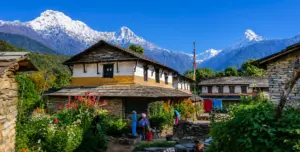
Why Go Direct From Kathmandu to Kande?
Save Time
Most trekkers travel to Pokhara first, spend a night, then take a Pokhara-to-Kande jeep the next morning. That works well, but if your schedule is tight, a direct Kathmandu-to-Kande transfer can save half a day. Leave Kathmandu early, arrive in Kande in the afternoon, and walk up to Australian Camp that same evening.
No Changes, No Hassle
One vehicle and one driver carry you and your luggage from your hotel door to the trailhead. No switching at the Pokhara Tourist Bus Park and no last-minute taxi search with a heavy pack.
Room for Trekking Gear
Duffels, backpacks, poles and sleeping bags fit easily in a jeep or Scorpio. You can drop bags you don’t need on the trek at your Pokhara hotel along the way.
Flexible Stops
Stop to buy snacks and water, pick up your guide in Pokhara, or collect permits on the way. Your driver works to your plan.
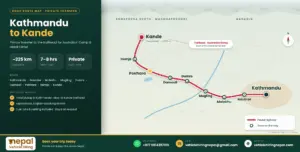
The Route From Kathmandu to Kande
Kathmandu to Naubise
You leave the Kathmandu Valley heading west through Kalanki. Where small private vehicles are permitted, drivers can now use the new Nagdhunga tunnel, which avoids the old winding pass at the valley rim. Larger vehicles may still use the older road. The route then descends to Naubise and joins the Prithvi Highway.
Naubise to Mugling
The highway follows the Trishuli River through Gajuri, Malekhu and Kurintar. The gorge is scenic but winding, with heavy truck traffic at times. Malekhu is a popular tea stop, and Mugling, at the confluence of the Trishuli and Marsyangdi, is the usual lunch stop.
Mugling to Pokhara
East of Pokhara, the road passes Dumre and Damauli along the Marsyangdi and Seti valleys. This widened section is one of the smoothest parts of the drive. You reach Pokhara in the early afternoon if you left Kathmandu early.
Pokhara to Kande
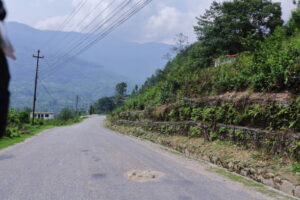
From Pokhara, the road turns northwest onto the Pokhara–Baglung highway through Hemja, following the Seti and Yamdhi valleys before climbing to Kande. This last section usually takes 30 to 60 minutes depending on your starting point in Pokhara and traffic. The road is mostly paved, though widening works sometimes create short gravel sections. Kande itself is a small roadside stop with tea shops and the start of the stone trail.
NOTE: Roads in Nepal change from season to season. We check current conditions before every departure. Our Kathmandu to Pokhara road condition guide has more background on the highway.
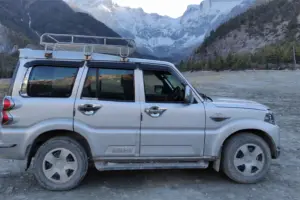
Which Vehicle Is Best for Kathmandu to Kande?
Private Car (1–3 Trekkers)
Because the route to Kande is paved for almost the whole way, a private car is a comfortable, economical choice for one to three trekkers with backpacks. It is smooth on the highway and handles the Pokhara–Baglung road in normal conditions.
Mahindra Scorpio (2–5 Trekkers)
The Scorpio offers more space for duffels and poles, higher ground clearance for rough patches, and comfortable seats for the long day. It is our most popular choice for couples and small groups.
4WD Jeep (Up to 6 Trekkers)
A 4WD jeep carries up to six passengers with bags on the roof rack. It is a good choice in the monsoon, when roads can turn muddy, or if you will also need a vehicle for rougher roads after the trek.
Toyota Hiace (6–12 Trekkers)
For trekking groups, a Toyota Hiace keeps everyone together with guides, porters and duffels. It is comfortable on the highway and well suited to the paved Kande road.
Coaster and Bus (Large Groups)
School groups, clubs and large trekking parties can travel by coaster bus or tourist bus. We confirm drop-off arrangements at Kande, where roadside space is limited.
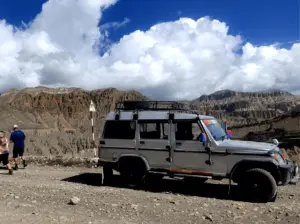
Kathmandu to Kande Private Jeep Price (USD)
Our prices include a private vehicle, an experienced driver, fuel, driver costs, insurance, road taxes, and parking, plus hotel pick-up in Kathmandu and drop-off at Kande. They cost a little more than the cheapest local offers because we use well-maintained vehicles and experienced highway drivers, and we plan around your trek.
One-Way, Kathmandu to Kande
- Private car (1–3 passengers): USD 120-200
- Mahindra Scorpio (1–5 passengers): USD 175–250
- 4WD jeep (1–6 passengers): USD 180–260
- Toyota Hiace (6–12 passengers): USD 200–300
- Coaster bus (15–25 passengers): USD 380–450
- Tourist bus (26–40 passengers): USD 450–550
Return and Combined Transfers
- Kathmandu to Kande, then pick-up from Dhampus, Phedi or Siding back to Kathmandu: about double the one-way rate, with a discount for booking both
- Pick-up at the end of the trek to Pokhara only: see our local Pokhara to Kande and Dhampus to Pokhara rate.
- Overnight stop with the same vehicle: add about USD 60–85 per extra day
Sharing a jeep or Scorpio with your trekking partners usually brings the per-person cost close to a tourist bus plus taxis, with far more comfort. Get an exact quote for your date on WhatsApp.
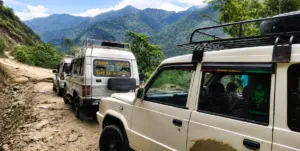
Timing Your Transfer Around the Trek
The drive from Kathmandu to Kande is long, so plan your first trekking day carefully.
Option 1: Early Start, Walk to Australian Camp
Leave Kathmandu at first light, ht and you can usually reach Kande by mid-afternoon in good conditions. From Kande, the walk to Australian Camp (around 2,060 m) takes roughly 1.5 to 2 hours up stone steps through forest. You’ll arrive in time for sunset over Machhapuchhre and Annapurna South. This is the most popular plan for direct transfers.
Option 2: Overnight in Pokhara, Start Next Morning
If you prefer a gentler start, or your departure from Kathmandu is later, stay overnight in Pokhara and drive the final 30 to 60 minutes to Kande the following morning. Our driver can drop you in Lakeside and return for you, or book a separate Pokhara to Kande jeep.
Option 3: Arriving the Same Day From the Airport
Landing in Kathmandu and heading straight to the trail is possible, but after a long flight most trekkers benefit from a night’s rest, time to collect permits and a chance to meet their guide. An airport pick-up plus a night in Kathmandu, then an early departure for Kande, is a safer and more enjoyable plan.
TIP: Avoid starting the trail in the dark. If traffic delays you and you reach Kande late in the afternoon, consider staying the night in Pokhara or at a guesthouse near Kande and hiking up the next morning.
Treks That Start at Kande
Australian Camp and Dhampus
The classic short trek. Climb from Kande to Australian Camp for sunset and sunrise views of Annapurna South, Hiunchuli, Machhapuchhre and Annapurna II, III and IV, then walk down through Pothana to Dhampus and Phedi. It suits families, beginners and anyone short on time. Our Dhampus to Pokhara jeep service and direct transfers back to Kathmandu cover the return.
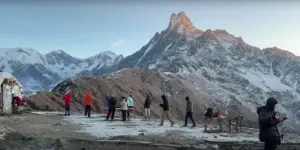
Mardi Himal Trek
One of the most popular short treks in the Annapurna region. From Kande, the trail climbs past Australian Camp and Pothana to Deurali, then through rhododendron and oak forest to Forest Camp, Low Camp, High Camp and the viewpoint below Mardi Himal Base Camp. Close-up views of Machhapuchhre are the highlight. Most itineraries take four to six days of walking, finishing at Siding or Lwang, or back through Dhampus.
Longer Annapurna Routes
Kande also connects with trails toward Landruk and Ghandruk, which link to the Annapurna Base Camp trek and the Ghorepani Poon Hill trek. Our sister company Trek Nepal Himalayas runs guided treks on all these routes, while Alpine Luxury Treks offers more comfortable lodge-based trips.
Permits and Trekking Rules
The trails from Kande lie inside the Annapurna Conservation Area, so foreign trekkers need an ACAP permit, available in Kathmandu and Pokhara. The checkpoint on this route is at Pothana, above Australian Camp. Rules on TIMS cards and licensed guides for foreign trekkers have changed in recent years, and enforcement varies, so confirm current requirements with your trekking agency or with us before departure. If you need to collect permits in Pokhara on the way, tell us and your driver will plan a stop.
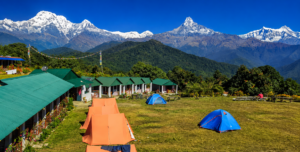
What to Expect at Kande
Kande is a small roadside settlement, not a place to stay. A few tea shops and small stores sell water and snacks, and the trail begins just above the road. Your driver will drop you at the trailhead and help unload your bags. Porters and guides often meet trekkers here.
- Buy water, snacks and sunscreen in Kathmandu or Pokhara before you arrive, as choice at Kande is limited.
- Use the toilet at a tea shop before you start the climb
- Store any non-trekking luggage at your Pokhara hotel on the way
- Keep your permit handy for the Pothana checkpoint
The Return Trip After Your Trek
Most Kande treks don’t finish at Kande. Australian Camp treks usually end at Dhampus or Phedi, while Mardi Himal treks often finish at Siding, Lwang or Dhampus. We can pick you up at your finishing point and take you to Pokhara or all the way back to Kathmandu.
- Finish to Pokhara: a short jeep transfer from Dhampus, Phedi, Siding or Lwang.
- Finish to Kathmandu: a direct private jeep, similar in length to the outbound trip.
- Finish to Kathmandu airport: combine a Dhampus to Pokhara jeep or a direct transfer with our airport drop, and allow a buffer day before international flights
Book both directions together, and we’ll keep the same driver where possible. Use our contact page or WhatsApp.
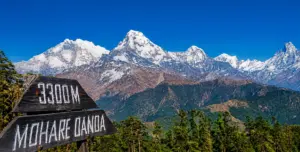
Private Jeep vs Bus vs Flight to Pokhara
Direct Private Jeep or Car
- Hotel door in Kathmandu to Kande trailhead in one vehicle
- Departure time to suit you, with stops whenever needed
- Space for trekking gear, guides and porters
- Option to start walking the same afternoon
Best value for groups of two or more who share a jeep, Scorpio or Hiace.
Tourist Bus.Plus Taxi
- Tourist bus from Kathmandu to Pokhara, then a taxi or Pokhara to Kande jeep
- Cheaper for solo travellers
- Fixed departure times and two vehicle changes
- Usually means a night in Pokhara before the trek
Flight to Pokhara Plus Jeep
- A short domestic flight, then a transfer to Kande
- Fastest on paper, but weather delays are common
- Strict baggage limits on small aircraft
- Transfers needed at both airports
For most trekkers, a direct private vehicle is the most reliable and stress-free choice, especially with a guide, porters or a group.
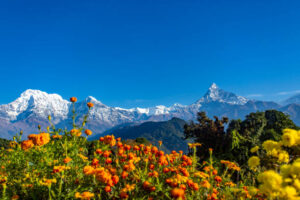
A Typical Transfer Day
- Early morning: your driver arrives at your Kathmandu hotel. Your driver loads your bags and secures them under a cover. For the highway section, see our Kathmandu to Pokhara private car service.
- First hour: out of the valley before traffic builds, then down to Naubise.
- Breakfast: a riverside stop near Malekhu.
- Late morning: along the Trishuli gorge past Kurintar.
- Lunch: Mugling, with dal bhat or noodles.
- Early afternoon: through Dumre and Damauli to Pokhara. Quick stops for your guide, permits, cash or luggage storage.
- Mid-afternoon: the last 30 to 60 minutes on the Pokhara–Baglung road to Kande.
- Late afternoon: start walking to Australian Camp for sunset, or stay in Pokhara and begin the next morning.
Australian Camp Trek From Kande
The Australian Camp trek is one of Nepal’s easiest and most rewarding short walks. From Kande, the trail climbs about 350 metres up a stone staircase through forest, taking roughly 1.5 to 2 hours to reach Australian Camp at around 2,060 metres. The grassy meadow faces the Annapurna range head-on, with Annapurna South, Hiunchuli, Machhapuchhre and Annapurna II, III and IV lined up across the horizon. On clear days, Lamjung Himal and even Manaslu can appear to the east.
After sunrise, many trekkers walk a short way to Pothana, then descend gently through forest and terraces to the Gurung village of Dhampus and on to Phedi on the highway. The whole loop works well over one or two days and suits families, beginners and anyone with limited time. Our drivers can pick you up in Dhampus or Phedi for the return to Pokhara or Kathmandu. See our Dhampus to Pokhara and Pokhara to Dhampus services.
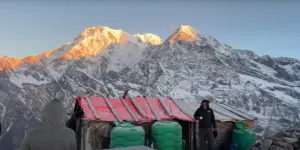
Mardi Himal Trek From Kande
The Mardi Himal trek has become one of the favourite short treks in the Annapurna region, thanks to its quiet forest trails and spectacular close views of Machhapuchhre. Kande is one of its most common starting points.
- Kande to Australian Camp or Pothana: a short climb on the first afternoon or morning
- To Deurali and Forest Camp (around 2,500 m): through rhododendron and oak forest
- To Low Camp (around 2,970 m): the first big views of Machhapuchhre
- To High Camp (around 3,500–3,600 m): above the tree line on a narrow ridge
- Viewpoint or Base Camp (around 4,500 m): an early-morning climb for the panorama
- Descent: usually to Siding or Lwang, or back via Low Camp and Dhampus
Most itineraries take four to six walking days. Altitudes above 3,000 metres call for a steady pace and good hydration. Our sister company, Trek Nepal Himalayas, runs guided treks in the region, and we handle all road transport at both ends. For other routes in the area, see the Annapurna Base Camp trek and the Ghorepani Poon Hill trek.
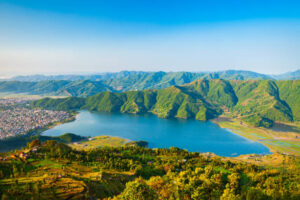
Stops in Pokhara on the Way
Pokhara comes late on the route, just 30 to 60 minutes before Kande, so it’s the ideal place for practical stops:
- Meet your guide or porters at an agreed point in Lakeside
- Collect ACAP permits if you haven’t already
- Visit an ATM for trek cash, as there are no ATMs on the trail
- Store spare luggage at your Pokhara hotel
- Rent or buy gear in Lakeside’s trekking shops
- Buy snacks and water for the first day
Tell us your stops when you book so we can plan the timing. Short stops are included in the price. If you want a full day in Pokhara, add a Pokhara car hire day or a Sarangkot sunrise before the trek.
Trekking Agencies and Group Transfers
We regularly provide transport for trekking agencies taking groups from Kathmandu to Kande, including guides, porters and duffels.
- Up to 6 people: a 4WD jeep or Scorpio
- 7–12 people: a Toyota Hiace
- 13–25 people: a coaster bus
- 26–40 people: a tourist bus
- End-of-trek pick-ups: from Siding, Lwang, Dhampus or Phedi
Agencies can book through our contact page or WhatsApp, with USD invoicing for repeat clients. We also cover other trailheads, including Nayapul, Besisahar and Manaslu trek starts.
Food and Drink Along the Way
The long drive from Kathmandu to Kande passes plenty of places to eat. Breakfast stops near Malekhu serve tea, eggs, toast and fried river fish. At Mugling, restaurants offer dal bhat, the classic Nepali meal of rice, lentil soup, vegetable curry and pickles, which is filling fuel for a trek. Noodles, momos and fried rice are also widely available. In Pokhara, Lakeside cafés serve everything from espresso to pasta if you want a final familiar meal before the trail.
At Kande, choices are limited to small tea shops, so stock up on snacks, chocolate and water in Kathmandu or Pokhara. On the trail, lodges at Australian Camp and higher camps serve hot meals, but prices rise with altitude, so carry enough cash. Your driver can recommend reliable, clean places to stop along the highway.
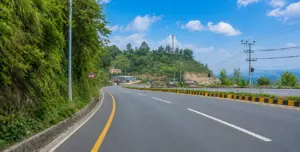
Highway Stops Between Kathmandu and Pokhara
Malekhu
About two hours from Kathmandu, Malekhu is known for fried river fish and riverside restaurants. It’s a good place to stop for breakfast and tea.
Kurintar
Riverside resorts with gardens and the Manakamana cable car station. It’s a pleasant place to stretch your legs, though the cable car adds a couple of hours if you take it.
Mugling
The halfway town at the meeting of the Trishuli and Marsyangdi rivers, with plenty of restaurants. It’s the classic lunch stop.
Dumre and Damauli
Tea and fuel stops in the last part of the highway before Pokhara. Dumre is also the turn-off for Bandipur and the road to Besisahar.
For more ideas along the highway, see our Kathmandu to Pokhara road trip guide.
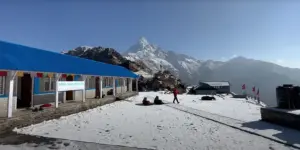
Best Season for Kande Treks and Transfers
Autumn
Clear skies, dry roads and the sharpest mountain views make autumn the most popular season for Australian Camp and Mardi Himal. Book your vehicle well ahead, as trekking traffic peaks.
Spring
Rhododendron forests bloom along the trail above Kande, and the weather is warm. Afternoon haze can soften the views, so go early for photos.
Winter
Cold, clear mornings and quiet trails. High Camp can see snow, so pack warm layers and check conditions before going high. Roads are usually dry.
Monsoon
Rain, leeches and clouds make trekking harder, and landslides can delay traffic on the highway. A sturdy jeep or Scorpio and flexible plans are a good idea.
Safety on the Road
- Experienced highway drivers who know the Prithvi Highway and the Pokhara–Baglung road
- Serviced vehicles with good tyres, brakes and working seat belts
- Daylight driving wherever possible on winding sections
- Rest breaks on the long drive so the driver stays alert
- Road checks before departure, especially in the monsoon
- Insured, licensed vehicles under our company name
We would always rather you reach Kande a little later and safely. If timing gets tight, we’ll suggest a night in Pokhara instead of starting the trail in the dark.
What Is Included
Included
- Private vehicle and experienced driver
- Fuel, driver’s wage and meals
- Insurance, road taxes and parking
- Pick-up in Kathmandu and drop-off at Kande
- Short stops for meals, tea, permits, ATMs and luggage storage
- Cover for luggage on the roof rack
Not Included
- Your meals and drinks
- ACAP permits and trekking fees
- Guide and porter services (available through our trekking partners)
- Accommodation on overnight options
- Tips for the driver (optional)
Packing for the Transfer and First Trek Day
- Daypack with water, snacks, sunscreen, a warm layer and a rain jacket
- Passport, ACAP permit and copies
- Nepali cash for the trek, as there are no ATMs on the trail
- Headlamp in case you reach Australian Camp around dusk
- Trekking poles for the stone steps above Kande
- Motion sickness tablets for the winding highway
- Soft duffels for the roof rack, with valuables kept inside
- Phone, charger and power bank
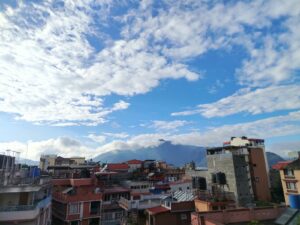
Before You Leave Kathmandu
If you have a day in Kathmandu before heading to Kande, use it to prepare and to explore:
- Collect permits and meet your trekking agency
- Buy or rent gear in Thamel
- Visit Boudhanath, Swayambhunath or Pashupatinath on a Kathmandu sightseeing tour
- Explore the medieval squares of Bhaktapur
- Watch a Himalayan sunrise from Nagarkot
Arriving in Nepal first? Book an airport pick-up, and we’ll handle the whole journey from your arrival to the trailhead.
If weather or traffic causes delays, traffic jams, road works or, in the monsoon, landslides can slow the Prithvi Highway. If your journey is delayed, your driver will keep you informed, and our office will help you adjust the plan. That could mean starting the trek the next morning, staying overnight in Pokhara or near Kande, or shortening the first day’s walk. We never push drivers to make up time on winding roads. Stay in touch on WhatsApp throughout the day.
Plan More Adventures in Nepal
After your Kande trek, there’s much more to explore. We provide transport for:
- Pokhara to Nayapul for Poon Hill and Annapurna Base Camp
- Besisahar for the Annapurna Circuit and Nar Phu Valley
- Manaslu trek transport for the Manaslu Circuit
- The Upper Mustang trek and Langtang Valley trek
- Chitwan jungle safari via Pokhara to Chitwan
- Lumbini, the Buddha’s birthplace
- Everest Base Camp and Helambu with our sister company
- Pokhara to Kathmandu by tourist bus or private vehicle
Browse our Nepal tour packages or start planning with our trip planner.
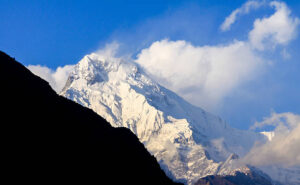
Kande, Phedi, Dhampus or Siding: Choosing Your Trailhead
Several road-heads give access to the Australian Camp and Mardi Himal area. Knowing the differences helps you plan both the trek and the transport.
Kande
The highest of the main highway trailheads, at around 1,700–1,770 metres. It offers the shortest climb to Australian Camp and is the most popular start for both Australian Camp and Mardi Himal. It is easy to reach on a paved road from Pokhara.
Phedi
Lower down the Pokhara–Baglung road, at around 1,130 metres. A steep stone staircase leads up to Dhampus in roughly two to three hours. Phedi is often used as the finishing point of the Australian Camp loop.
Dhampus
A Gurung village at around 1,650 metres, reachable by a rough jeep track from Hemja. Some trekkers drive up to Dhampus to shorten the first day, then walk to Pothana and Deurali. OurPokhara-to-Dhampuss jeep covers this option.
Siding and Lwang
Villages on the eastern side of the Mardi Khola, used mainly as finishing points for the Mardi Himal trek. Rougher rural roads reach them, so a 4WD jeep is the right vehicle for pick-ups.
Not sure which suits your plans? Please tell us your trek route, and we’ll recommend the best drop-off and pick-up points.
Altitude and Acclimatisation on the Mardi Himal Trek
Kande itself is at a comfortable altitude, and Australian Camp, around 2,060 metres, is fine for most healthy walkers. The Mardi Himal trek, however, climbs well above 3,000 metres to High Camp, and the viewpoint near Base Camp is around 4,500 metres. Because the trek gains height quickly, listen to your body.
- Walk at a steady, comfortable pace.
- Drink plenty of water throughout the day
- Avoid alcohol at higher camps
- Know the signs of altitude sickness: headache, nausea, dizziness and unusual tiredness.
- Descend if symptoms get worse.e
A direct jeep from Kathmandu to Kande doesn’t add altitude risk, as you only reach about 1,700 metres on the first day. It simply gets you to the start of the trail faster.
Leaving Kathmandu Smoothly
The first hour is often the slowest. Kalanki, on the western edge of the city, can be congested from mid-morning onward, and traffic sometimes queues on the climb out of the valley. Leaving early is the best way to avoid delays.
Where small private vehicles are permitted, the new Nagdhunga tunnel offers a smoother way out of the valley than the old winding pass. Our drivers check traffic on the morning of departure and choose the best route from your hotel, whether you’re staying in Thamel, Lazimpat, Boudha, Patan or Bhaktapur
Australian Camp With Children
The Kande to Australian Camp walk is one of the best family hikes near Pokhara. The climb is short, the trail is well defined, and the reward is a huge mountain panorama from a grassy meadow where children can play. Several lodges at Australian Camp offer simple rooms and family-friendly meals.
For families, a Mahindra Scorpio or Hiace makes the long drive from Kathmandu more comfortable, and we can provide child seats on request. Break the journey with plenty of stops, and consider spending a night in Pokhara before the hike so children start fresh.
Guides and Porters
Hiring a licensed guide makes trekking safer and more enjoyable, and rules for foreign trekkers in conservation areas now require one. A porter takes the weight of your main bag so you can enjoy the climb from Kande with just a daypack.
Our sister companies, Trek Nepal Himalayas and Alpine Luxury Treks, can arrange experienced guides and porters for Australian Camp, Mardi Himal, and other Annapurna routes. We can pick up your guide in Kathmandu or Pokhara on the way to Kande, at no extra charge.
Your Driver
On a seven-to-nine-hour drive, your driver matters. We choose our drivers for their experience on the Prithvi Highway and the Pokhara–Baglung road, their calm driving, and their knowledge of good stops along the way.
- Licensed and experienced on long highway routes
- Basic English for directions and help
- Knowledge of clean, reliable food stops
- No reckless overtaking or racing
- Help with luggage at both ends
Why Our Prices Are a Little Higher
You may find cheaper offers for Kathmandu to Kande. Our rates are slightly higher because they include reliable, well-maintained vehicles, experienced drivers, all-inclusive pricing and planning around your trek, so you reach Kande with daylight to walk. An office team also supports you throughout the day. For most trekkers, that reliability is worth the small difference.
Questions to Ask Before You Book
- Is the price all-inclusive, with fuel, driver costs and parking?
- What time will we leave, and will we reach Kande in daylight?
- Can we stop in Pokhara for permits, cash or our guide?
- Is the vehicle suitable for our group size and luggage?
- Can you also arrange our pick-up at the end of the trek?
- Who do we contact if there’s a delay?
We’re happy to answer all of these before you confirm. Ask on WhatsApp or email.
Key Takeaways
- Kathmandu to Kande is about 220–230 km and usually takes 9 hours.
- The route is paved almost all the way, so a car, Scorpio, jeep or Hiace all work.
- A private jeep costs about USD 170–215 one way; a private car costs about USD 140–175.
- Leave early to walk up to Australian Camp the same afternoon, or stay overnight in Pokhara.
- Pokhara is a handy stop for permits, cash, guides and luggage storage.
- Book your end-of-trek pick-up from Dhampus, Phedi, Siding or Lwang at the same time.
Kande and Australian Camp for Photographers
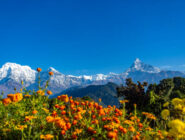
Photographers love the Kande area for its easy access to big mountain views. From Australian Camp, the whole Annapurna range spreads across the northern horizon, with Machhapuchhre’s fishtail summit rising directly ahead. Sunrise is the classic shot, when the first light turns the snow peaks pink and gold while the valleys below are still in shadow. Sunset can be just as dramatic, especially after an afternoon shower clears the air.
A direct transfer from Kathmandu lets you reach Australian Camp the same evening and catch both sunset and the following sunrise. Carry a tripod for low-light shots and spare batteries, as cold mornings drain them quickly. Pack your camera gear in a padded daypack rather than on the roof rack. Further up the Mardi Himal trail, High Camp and the viewpoint near Base Camp offer close-up views of Machhapuchhre that few other short treks can match.
School, College and Club Trips
The short walk from Kande to Australian Camp is popular with school groups, colleges, hiking clubs and company outings. It’s a manageable climb with a big reward at the top, and the lodges at Australian Camp can host groups.
We provide Hiace vans, coaster buses and tourist buses from Kathmandu to Kande for groups of all sizes, with a coordinator to manage timings. Many groups stay overnight at Australian Camp, walk down to Dhampus and Phedi the next day, and meet our vehicle there for the return to Pokhara or Kathmandu. Contact us early through our contact page so we can reserve vehicles, especially in autumn and spring.
Festivals and Busy Travel Periods
During major festivals such as Dashain and Tihar, many Nepalis travel home, and the Prithvi Highway becomes much busier. Tourist buses fill up, vehicles book out early, and journeys can take longer. If your trek falls during a festival period, book your Kande transfer well in advance and allow extra time on the road. The upside is a chance to see villages decorated for celebrations, with swings, lights and family gatherings along the way.
What Our Guests Value Most
Trekkers who travel with us from Kathmandu to Kande often mention the same things: a driver who arrived early and helped load their gear, sensible stops for food and tea, quick stops in Pokhara for permits and cash, and reaching Kande with time to walk to Australian Camp before sunset. Many also appreciate knowing their end-of-trek pick-up is already arranged, so they can relax and enjoy the trail.
A Simple Checklist Before Departure
- Confirm your pick-up time and address with our office the evening before
- Pack the night before and keep your daypack separate
- Checkthat you have your passport, permits and enough cash
- Share your guide’s phone number with the driver if you’re meeting in Pokhara
- Charge your phone and power bank
Our Promise
Your vehicle will arrive on time and in good condition, with a driver who knows the route. We will plan your departure so you reach Kande in daylight to walk, keep in touch throughout the day, and be ready to collect you at the end of your trek. We aim to make the road part of your adventure, not something to worry about.
Monsoon Transfers: Extra Advice
The monsoon turns the Annapurna foothills lush and green, but it also makes travel less predictable. If you’re heading to Kande in the rainy season:
- Leave early: rain and clouds often build in the afternoon
- Allow extra time: landslides in the Trishuli gorge can cause long delays
- Choose a sturdy vehicle: a Scorpio or 4WD jeep copes better with muddy road sections
- Plan a flexible first day: be ready to stay in Pokhara if you arrive late
- Pack for leeches: salt, repellent and long socks help on forest trails
- Keep electronics dry: use dry bags inside your pack
Our team watches road reports closely in the monsoon and will contact you the evening before if conditions change.
Travelling Solo to Kande
For solo trekkers, a private car from Kathmandu to Kande costs more than a tourist bus and taxi, but it saves a vehicle change and lets you start walking the same day. If you’re on a tight budget, take the tourist bus to Pokhara and a short jeep to Kande the next morning. Many solo trekkers also share a vehicle with others starting the same trek. Ask us, and we’ll help you find the best option.
The Trail Above Kande
The first steps from Kande climb through terraced fields and small farms before entering cool forest. Stone steps make the path easy to follow, and tea shops along the way offer welcome breaks. As you gain height, glimpses of the Annapurna range appear through the trees, and the trail opens onto the meadow at Australian Camp.
Beyond Australian Camp, the path continues to Pothana, where the ACAP checkpoint sits, then on to Deurali, where the Mardi Himal route branches north into the forest. From Deurali, other trails lead west toward Tolka, Landruk and Ghandruk, linking with longer Annapurna treks. This network of paths is part of what makes Kande such a useful starting point.
After the Trek: Back to Pokhara and Kathmandu
After your trek, a few days in Pokhara are a great way to recover. Relax by Phewa Lake, take a boat to the Tal Barahi temple, visit the World Peace Pagoda or catch a Sarangkot sunrise. Our Pokhara car hire service makes sightseeing easy.
When you’re ready to return, we offer private transfers from Pokhara to Kathmandu or direct from your trek finishing point. If you have an international flight, plan to reach Kathmandu at least a day before. Our airport transfer service then gets you to Tribhuvan International Airport with plenty of time.
Responsible Trekking From Kande
- Carry a refillable bottle and use purified water at lodges
- Pack out plastic and batteries
- Stay on marked trails to protect forest and farmland
- Respect local customs and ask before photographing people
- Support local lodges, tea shops and guides
- Keep noise down at viewpoints at sunrise and sunset
Small choices help keep the Annapurna foothills beautiful for the communities who live there and for future trekkers.
Planning the Return From Phedi or Dhampus to Kathmandu
Many Australian Camp treks finish at Phedi or Dhampus after just one or two days. If you need to return to Kathmandu straight away, we can collect you at the end of the walk and drive directly back to the capital. Because Phedi sits right on the Pokhara–Baglung road, you can start the return as soon as you come off the trail.
If you finish in the morning, a same-day return to Kathmandu is usually comfortable, arriving in the evening. If you finish in the afternoon, we recommend staying the night in Pokhara and starting early the next day, so you avoid driving the Trishuli gorge after dark. For pick-ups from Dhampus itself, we use a 4WD jeep or Scorpio for the rough track down to Hemja.
Booking both the outbound and return transfers together is the easiest way to plan. We’ll confirm your expected finishing time a day or two before and keep the driver on standby. If your plans change on the trail, such as finishing a day early or late, message us on WhatsApp, and we’ll adjust.
Travelling With Older Trekkers
Australian Camp is a popular choice for older travellers who want a taste of Himalayan trekking without long days or high altitude. A comfortable vehicle makes a big difference on the long drive from Kathmandu. A Mahindra Scorpio or Toyota Hiace offers easier entry and more legroom, and our drivers plan regular stops to stretch and rest.
At Kande, take the climb slowly and use trekking poles on the stone steps. A porter can carry the main bag so you walk with a light daypack. If you prefer an even shorter walk, consider driving up to Dhampus with our Pokhara to Dhampus jeep transfer, then walk the gentler trail to Australian Camp from there.
Why Book Your Kande Transfer With Us
- Trekking transport specialists in Kathmandu and Pokhara
- Full fleet: cars, Scorpios, jeeps, Hiace vans, coasters and buses
- Clear USD pricing, all-inclusive
- Trek-aware planning, so you reach the trailhead with daylight to walk
- End-of-trek pick-ups from Dhampus, Phedi, Siding and Lwang
- 24/7 support on WhatsApp +977 9814227196
Explore our trekking transport, car hire in Nepal and Nepal tour package pages for more.
How to Book
- Step 1: Send your date, Kathmandu pick-up address, group size, luggage and trek plan to WhatsApp or email.
- Step 2: We recommend the vehicle and departure time and send a USD quote.
- Step 3: Confirm with a small advance.
- Step 4: Receive your driver’s details the day before.
- Step 5: Start your trek from Kande.
Or use our trip planner and contact page.
Frequently Asked Questions
How long does Kathmandu to Kande take?
Usually about 7 to 9 hours by private vehicle, including short stops. Traffic leaving Kathmandu, road works and monsoon weather can add time.
How much is a private jeep from Kathmandu to Kande?
About USD 1800–250 one way for a jeep with up to six passengers. A private car costs about USD120–200.
Can a normal car reach Kande?
Yes. The route is paved for almost the whole way, so a private car works well in normal conditions.
Can I start trekking on the same day?
Yes, if you leave Kathmandu early. Most trekkers walk the 1.5 to 2 hours up to Australian Camp the same afternoon.
Where does the Mardi Himal trek finish?
Often at Siding, Lwang or Dhampus. We can collect you at any of these points.
Do I need a permit?
Yes. Foreign trekkers need an ACAP permit, checked at Pothana. Confirm the current guide and TIMS rules before you go.
Can you pick up our guide in Pokhara on the way?
Yes. Please tell us the pick-up point, a nd we’ll include the stop.
Can you drive us from the airport to Kande?
Yes, though we recommend a night in Kathmandu first. We offer airport pick-ups and the Kande transfer as a package.
Is Kande the same as Phedi?
No. Both are trailheads on the Pokhara–Baglung road. Kande is higher and leads to Australian Camp and Mardi Himal, while Phedi is lower and leads up to Dhampus. Many treks start at Kande and finish at Phedi.
How many bags fit in the vehicle?
A jeep or Scorpio carries bags for its passengers, with extra room on the roof rack. Groups with porters and duffels should choose a Hiace.
Can we book the return from Siding or Lwang?
Yes. Please tell us your expected finish date and point, and we’ll arrange a pick-up to Pokhara or Kathmandu.
Do you provide transport for trekking agencies?
Yes. We regularly transfer agency groups with guides and porters, and we invoice repeat clients in USD.
Book Your Kathmandu to Kande Private Jeep
Start your Australian Camp or Mardi Himal trek the easy way: one private vehicle, one experienced driver and a plan that gets you to the trailhead with time to walk.
WhatsApp: +977 9814227196
Email: [email protected]
Online: Plan your trip | Contact us | Nepal Vehicle Hiring
Send your date and group size today, and we’ll reply with the right vehicle and a clear USD quote.
From the busy streets of Kathmandu to the quiet stone steps above Kande, this journey takes you from the capital to the heart of the Annapurna foothills in a single day. With a reliable vehicle, an experienced driver and a plan built around your trek, you can save your energy for the trail and the views waiting at Australian Camp and beyond. We look forward to starting your adventure with you.
- Kathmandu to Kande Private Jeep Hire: Direct Transfer to the Australian Camp and Mardi Himal Trailhead
- Kathmandu to Kande at a Glance
- Why Go Direct From Kathmandu to Kande?
- The Route From Kathmandu to Kande
- Which Vehicle Is Best for Kathmandu to Kande?
- Kathmandu to Kande Private Jeep Price (USD)
- Timing Your Transfer Around the Trek
- Treks That Start at Kande
- Permits and Trekking Rules
- What to Expect at Kande
- The Return Trip After Your Trek
- Private Jeep vs Bus vs Flight to Pokhara
- A Typical Transfer Day
- Australian Camp Trek From Kande
- Mardi Himal Trek From Kande
- Stops in Pokhara on the Way
- Trekking Agencies and Group Transfers
- Food and Drink Along the Way
- Highway Stops Between Kathmandu and Pokhara
- Best Season for Kande Treks and Transfers
- Safety on the Road
- What Is Included
- Packing for the Transfer and First Trek Day
- Before You Leave Kathmandu
- Plan More Adventures in Nepal
- Kande, Phedi, Dhampus or Siding: Choosing Your Trailhead
- Altitude and Acclimatisation on the Mardi Himal Trek
- Leaving Kathmandu Smoothly
- Australian Camp With Children
- Guides and Porters
- Your Driver
- Why Our Prices Are a Little Higher
- Questions to Ask Before You Book
- Key Takeaways
- Kande and Australian Camp for Photographers
- School, College and Club Trips
- Festivals and Busy Travel Periods
- What Our Guests Value Most
- A Simple Checklist Before Departure
- Our Promise
- Monsoon Transfers: Extra Advice
- Travelling Solo to Kande
- The Trail Above Kande
- After the Trek: Back to Pokhara and Kathmandu
- Responsible Trekking From Kande
- Planning the Return From Phedi or Dhampus to Kathmandu
- Travelling With Older Trekkers
- Why Book Your Kande Transfer With Us
- How to Book
- Frequently Asked Questions
- Book Your Kathmandu to Kande Private Jeep

Related Blog & Articles
Pokhara to Kande Jeep Price – Complete Transport And Trek Guide
ACAP Permit – The Annapurna Conservation Area Entry Pass: Complete Guide
Dhampus to Kathmandu Airport Transfer Jeep | Private Hire
Kathmandu to Dhampus Private Jeep Rental