Plan a Trip


Kathmandu to Machha Khola Jeep Transfer
Kathmandu to Machha Khola Jeep Transfer
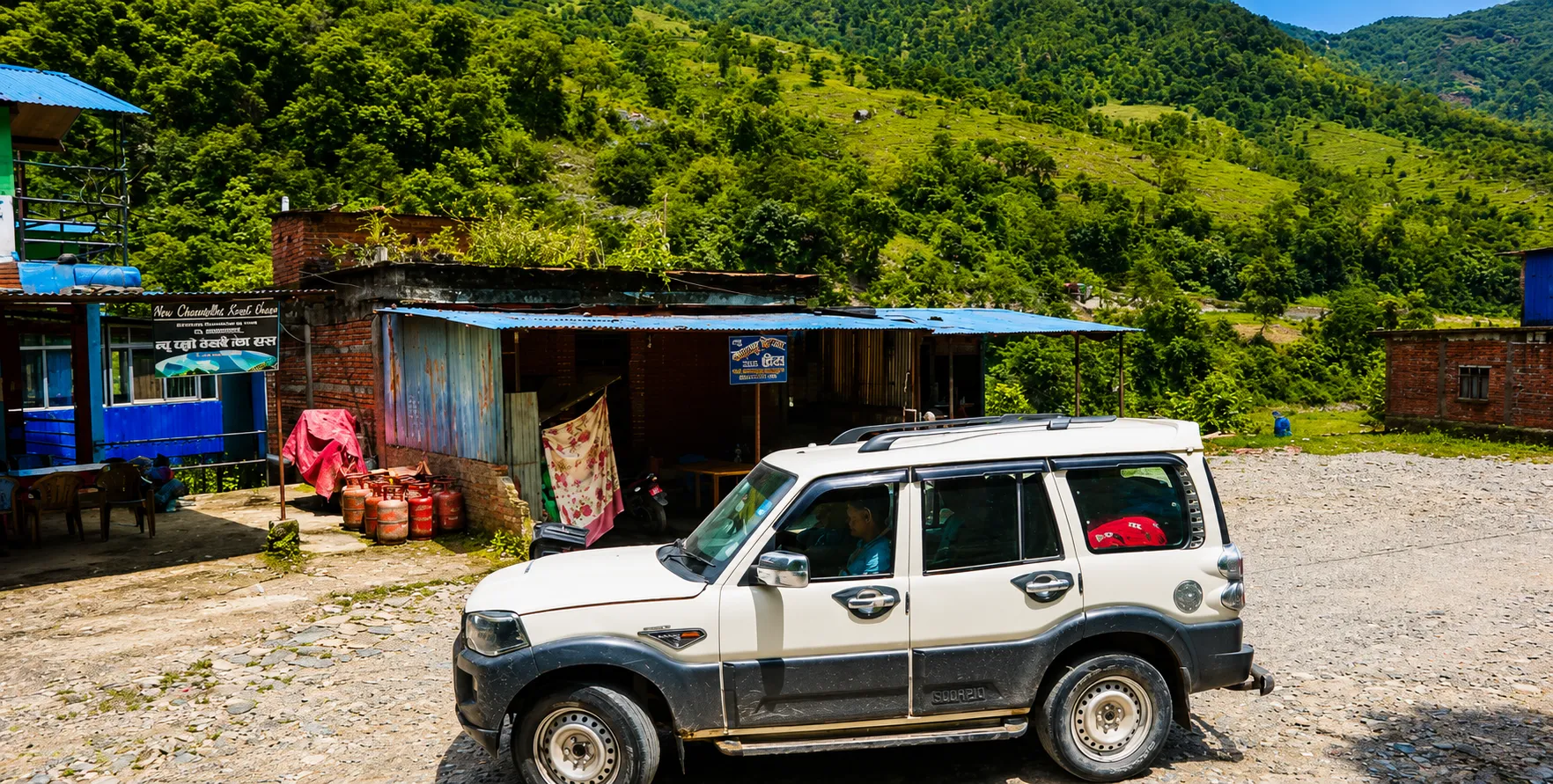
Kathmandu to Machha Khola jeep transfer has become the standard way for trekkers to reach the Manaslu Circuit trailhead, replacing what used to be an additional day or two of walking from the former roadhead at Soti Khola.
This guide covers everything travelers need to know about the journey from Kathmandu to Machha Khola: the route itself, road conditions, vehicle options, how this changing roadhead affects Manaslu Circuit trekking itineraries, permits, seasonal considerations, and how to combine this transfer with the wider trekking, touring, and cultural experiences available through Nepal Vehicle Hiring and our sister trekking companies.
Where Is Machha Khola
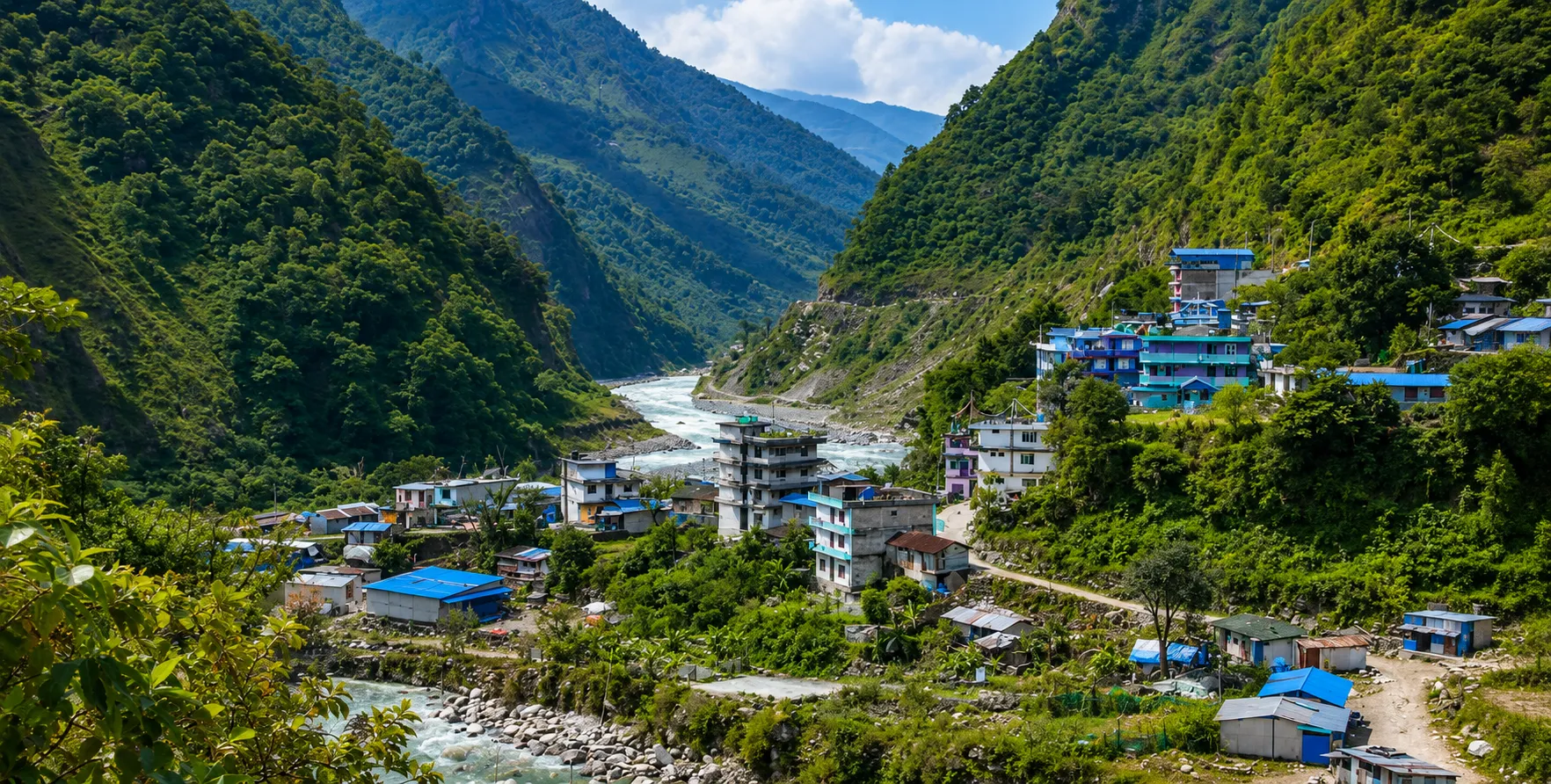
Machha Khola sits along the Budhi Gandaki river in Gorkha district at an elevation of around 930 meters, roughly one full trekking day beyond the older roadhead at Soti Khola, covered in detail in our companion guide to
Kathmandu to Soti Khola jeep hire. The village takes its name from the Nepali words for fish and stream, reflecting the clear side stream that joins the Budhi Gandaki here, and serves today as the effective starting point for most Manaslu Circuit itineraries following recent road improvements along this corridor.
This part of Gorkha district sits within the lower reaches of the Manaslu Conservation Area, a transition zone between the mid-hill farming villages closer to Arughat and the high alpine terrain further up the valley toward Samagaon and the base of Manaslu itself, the eighth-highest mountain in the world at 8,163 meters.
The Journey From Kathmandu to Machha Khola
The drive from Kathmandu to Machha Khola covers approximately 150 to 160 kilometers, depending on the exact route taken through Dhading Besi and Arughat, and typically takes eight to ten hours by private jeep, occasionally longer during the monsoon season or when road maintenance work is underway along the more recently constructed sections beyond Soti Khola. The route follows the Prithvi Highway partway out of Kathmandu before turning north through Dhading Besi, continuing along an increasingly rural and unpaved road through Arughat Bazaar, the last significant town before the trekking region proper begins, and onward past Soti Khola to Machha Khola itself.
This corridor ranks among the more physically demanding jeep routes in Nepal’s central hill region, with the final stretch beyond Soti Khola in particular still subject to landslide-related disruption during and after the monsoon. A genuine four-wheel-drive vehicle with a driver experienced on this specific route is essential rather than optional. Our
Jeep Hire in Nepal service is built specifically around demanding corridors like this one, pairing a Land Cruiser or Prado-class vehicle with a driver who knows the Arughat-Soti Khola-Machha Khola stretch across multiple seasons.
Why Machha Khola Has Replaced Soti Khola as the Practical Trailhead
For much of the Manaslu Circuit’s modern trekking history, Soti Khola served as the standard roadhead, with trekkers walking a full additional day to reach Machha Khola before continuing up the valley toward Jagat, Philim, and the higher Manaslu villages. As road construction has gradually extended beyond Soti Khola in recent years, jeep transport to Machha Khola itself has become increasingly reliable, allowing many trekking itineraries to shave a full day off the total trip length by driving directly to this further trailhead rather than walking the Soti Khola to Machha Khola stretch on foot.
This shift mirrors similar road development patterns seen elsewhere in Nepal’s trekking regions, where gradually improving rural road networks continue to push the practical trailhead further into what was previously trek-only terrain. Trekkers should confirm current road conditions with their vehicle operator before finalizing an itinerary, since the exact drivable endpoint along this corridor can shift from season to season depending on landslide damage and ongoing road construction work.
Vehicle Options for the Machha Khola Route
Toyota Land Cruiser and Prado
For trekking groups of up to four, a Land Cruiser or Prado remains the most comfortable and dependable option for this route, offering the ground clearance and suspension needed on the roughest sections beyond Arughat.
Mahindra Bolero and Local Jeeps
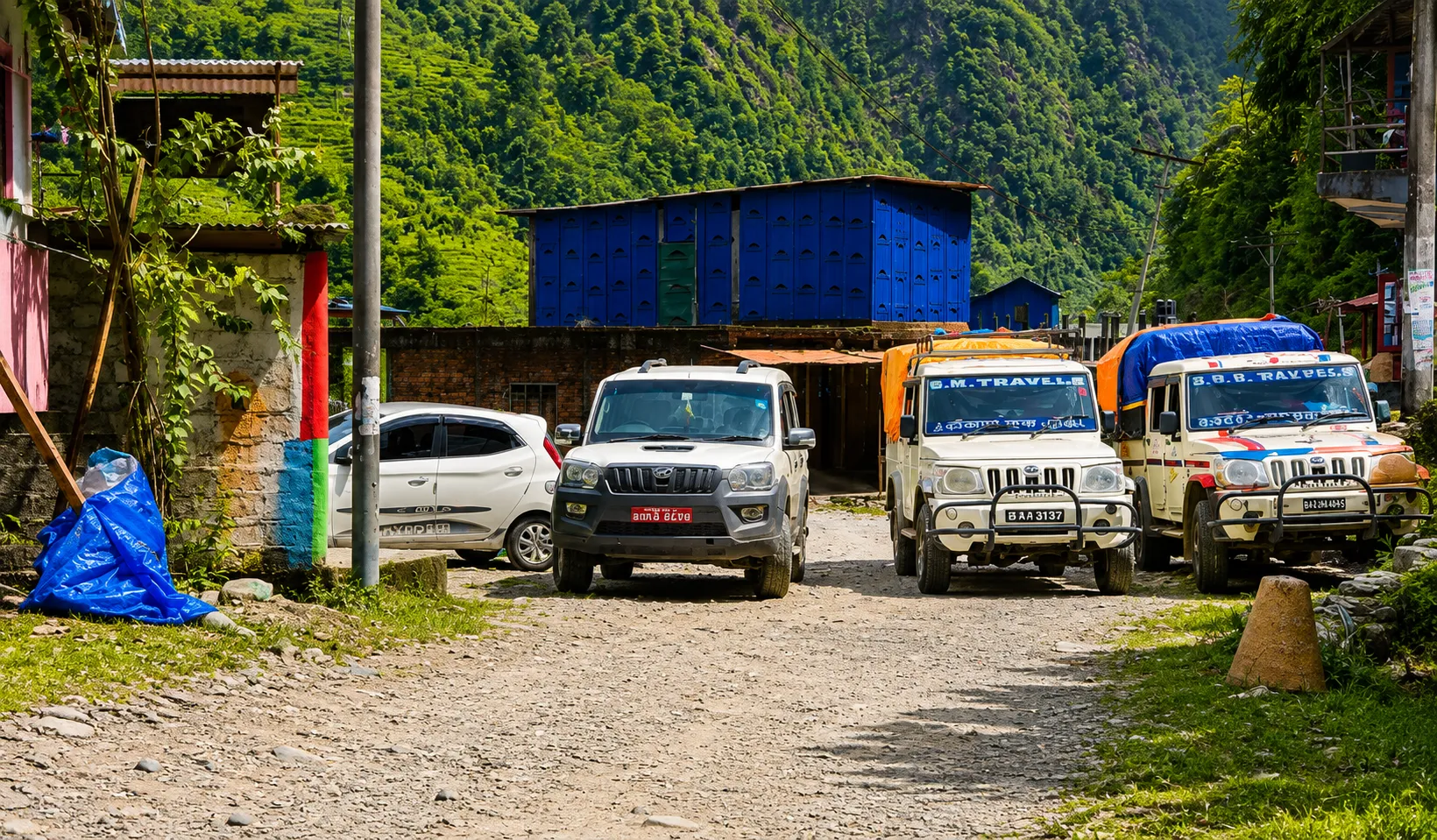
Budget-conscious trekkers traveling in smaller groups often choose a Mahindra Bolero-class jeep, covered in more detail in our
Mahindra Bolero and Tata Sumo trekking transfer guide, a practical and cost-effective option widely used by local operators on this exact corridor.
Executive Hiace for the Paved Sections
Some larger trekking groups use our
Hiace hire service for the paved highway sections of the journey out of Kathmandu, transferring into smaller 4WD jeeps for the unpaved stretch beyond Dhading Besi, since a Hiace’s size becomes a liability on the narrowest sections of the Arughat-Machha Khola road.
The Manaslu Circuit Trek Beyond Machha Khola
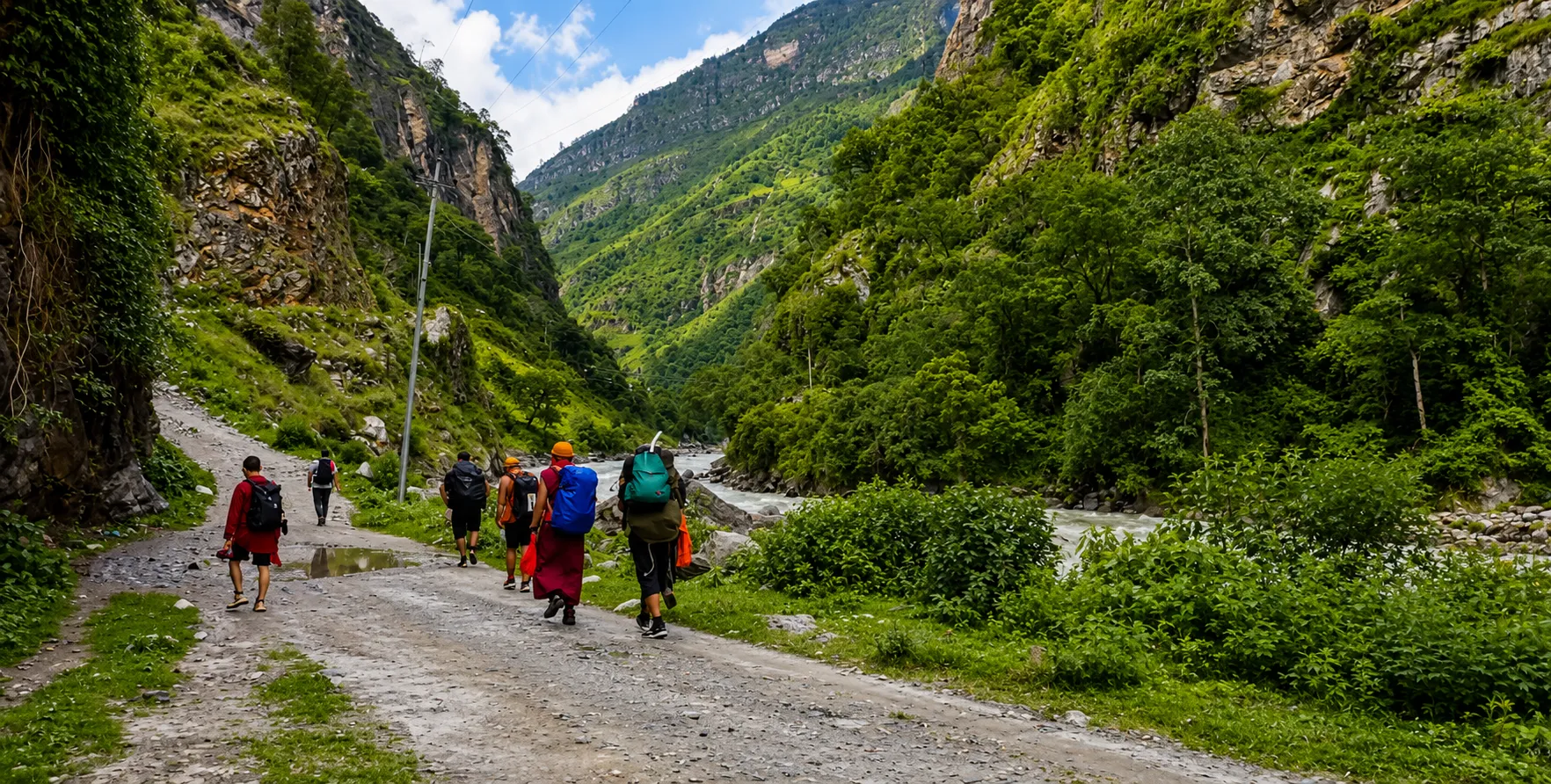
From Machha Khola, the classic
Manaslu Circuit Trek offered by our sister company, Alpine Luxury Treks, continues up the Budhi Gandaki valley through Jagat, Philim, Deng, and Namrung, before reaching the high alpine village of Samagaon beneath Manaslu itself. From Samagaon, the route continues to Samdo and the high-altitude settlement near the Tibetan border, before crossing the demanding Larkya La pass at over 5,100 meters and descending into the Manang district, connecting with the lower sections of the
Annapurna Circuit Trek near Dharapani. This connection between the Manaslu and Annapurna regions makes the full circuit one of the more logistically elegant multi-week treks available in Nepal, beginning and ending in two entirely different, road-connected trailheads rather than requiring a return along the same route.
Permits Required for the Manaslu Region
Trekkers traveling beyond Machha Khola into the Manaslu Conservation Area require several permits not needed on more standard trekking routes. These include a Manaslu Restricted Area Permit, required specifically because the upper Manaslu region sits close to the Tibetan border, a Manaslu Conservation Area Project entry permit, and, for the final stretch of the circuit connecting into Annapurna Conservation Area territory near Dharapani, an additional Annapurna Conservation Area Permit.
Unlike many of Nepal’s more open trekking regions, the Manaslu Restricted Area Permit requires trekkers to travel with a licensed guide and in a minimum group size under current Nepali regulations, so independent solo trekking without a guide is not permitted on this route.
Best Time of Year for the Machha Khola Route and Manaslu Trekking
Spring (March to May)
Rhododendron forests bloom across the lower Budhi Gandaki valley during this period, and road conditions on the Machha Khola approach are generally favorable, making spring one of the two peak seasons for both the drive and the trek itself.
Summer and Monsoon (June to August)
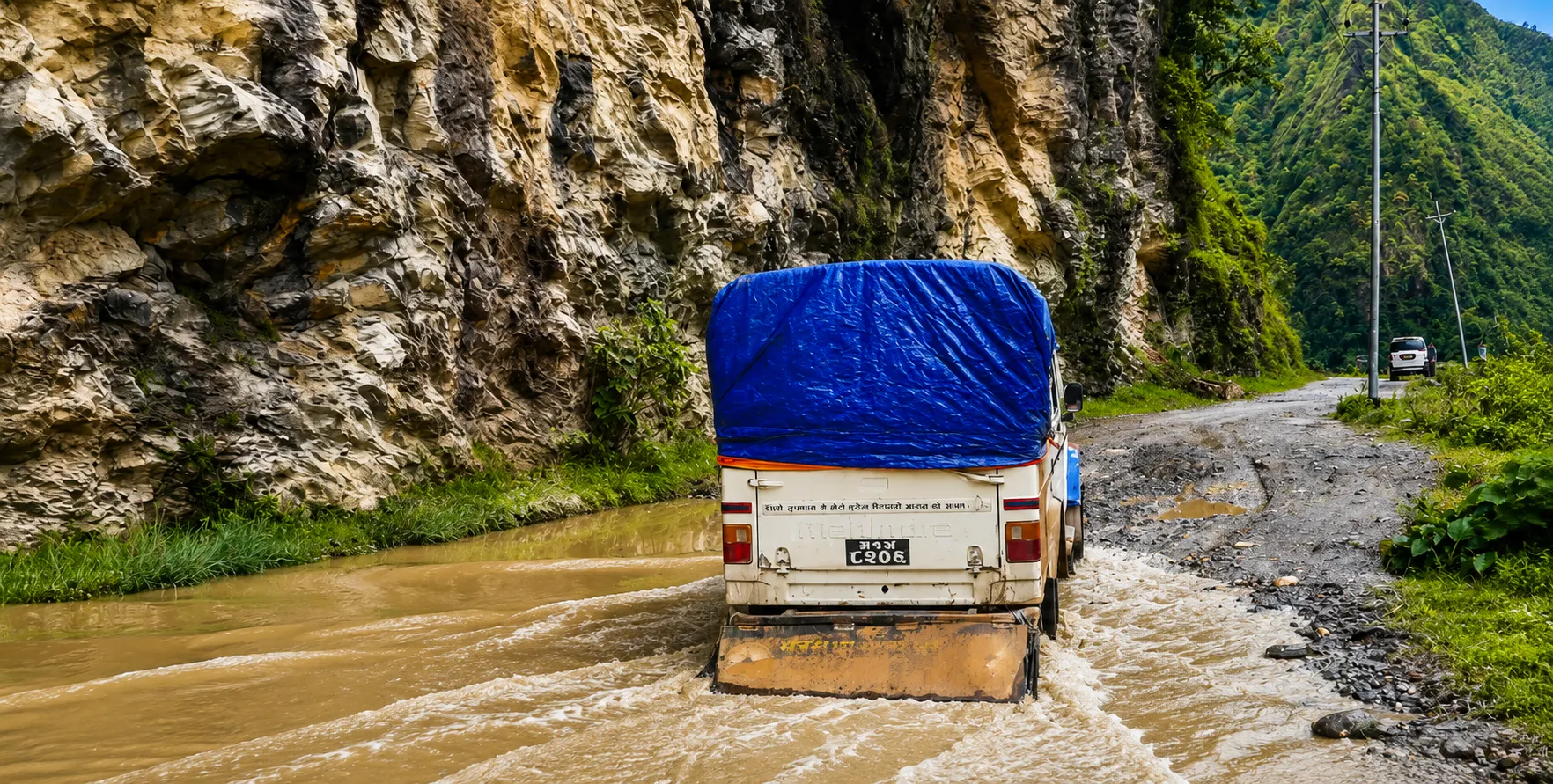
Heavy rainfall significantly increases landslide risk on the unpaved sections beyond Arughat, and this is generally considered the least reliable season for both vehicle access and trekking conditions along the lower Manaslu corridor.
Autumn (September to November)
The clearest skies and most stable road and trail conditions of the year, and the busiest season for Manaslu Circuit trekking. Vehicle bookings for the Machha Khola route should be arranged well in advance during this period.
Winter (December to February)
The Larkya La pass higher up the circuit can be affected by heavy snow during winter months. However, the lower Machha Khola approach itself generally remains accessible, appealing to trekkers seeking a quieter trail on the lower sections of the route.
Road Safety on the Kathmandu to Machha Khola Corridor
The road beyond Arughat toward Soti Khola and Machha Khola passes through active landslide zones, particularly during and immediately after the monsoon. An experienced driver familiar with this specific corridor across multiple seasons is essential for both comfort and safety. Vehicles should be inspected for strong brakes, reliable suspension, and appropriate tires before departure, given the strain this route places on a vehicle compared to standard highway driving.
Combining the Manaslu Region With a Tsum Valley Extension
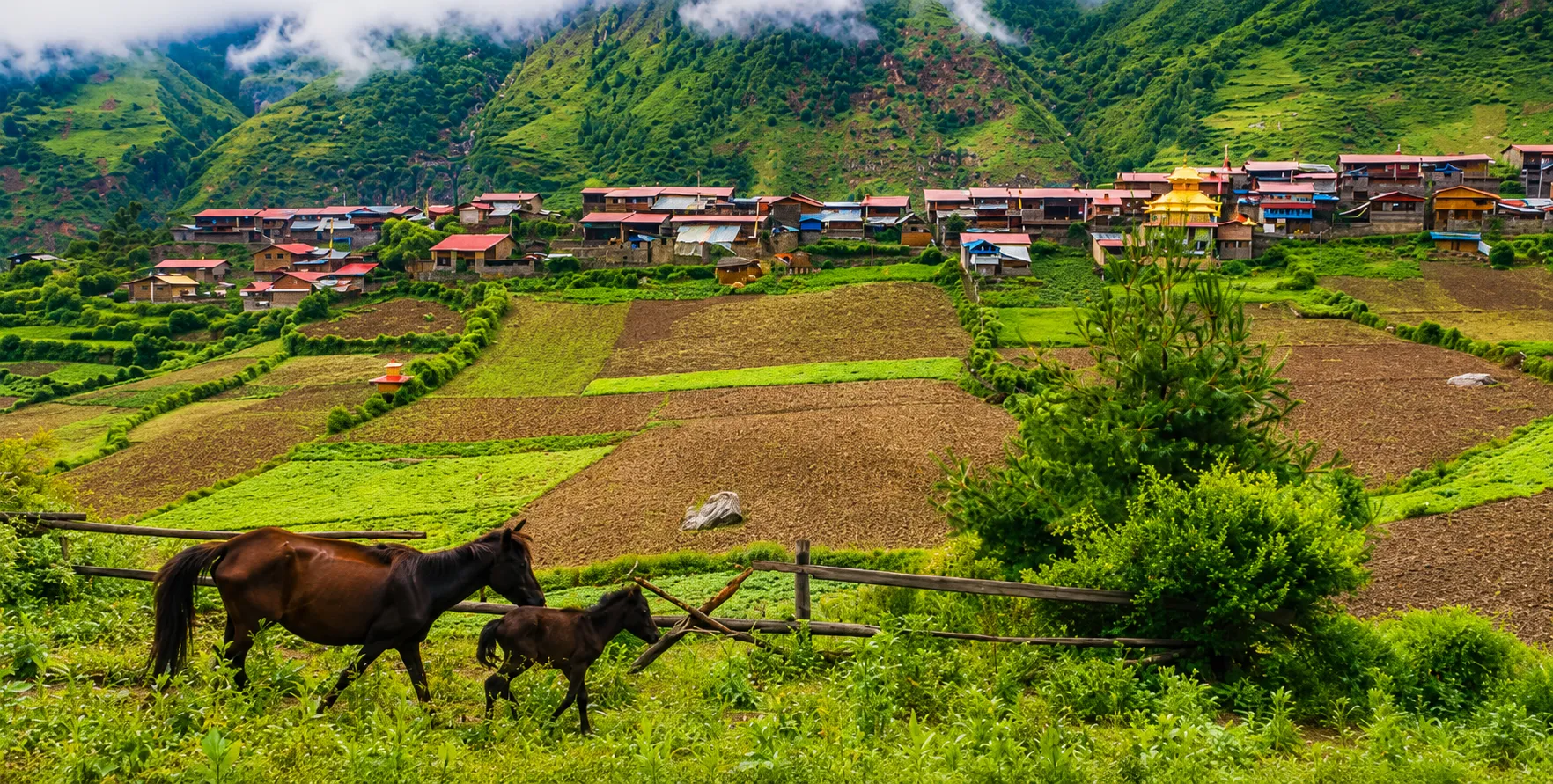
Trekkers with additional time sometimes extend their Manaslu itinerary with a side trip into the Tsum Valley, a separate restricted area branching off the main Budhi Gandaki route near Jagat, known for its own distinct Tibetan Buddhist culture and considerably lower trekking traffic than the main Manaslu Circuit itself. This extension requires its own additional permit and typically adds five to seven days to a standard Manaslu itinerary, but rewards trekkers with an even deeper level of cultural immersion than the main circuit alone.
Combining Vehicle Hire With Kathmandu Valley Sightseeing
Most Manaslu Circuit itineraries include at least one or two nights in Kathmandu before and after the trek, and many trekkers use this time for Valley sightseeing. Our
Kathmandu sightseeing tour and
Bhaktapur Durbar Square tour services pair naturally with a Machha Khola transfer booking, while a sunrise excursion through our
Nagarkot sunrise tour vehicle service offers an additional Himalayan panorama for trekkers with an extra day to spare. A reliable
Kathmandu airport transfer rounds out a smooth start and finish to the entire journey.
Cost Factors for Machha Khola Transport
Vehicle hire cost for the Kathmandu to Machha Khola route depends primarily on vehicle class and group size, with a private Land Cruiser or Prado costing more than a shared local jeep but offering considerably greater comfort and flexibility for the long, physically demanding drive. Our team is glad to prepare a custom quote based on your group size, travel dates, and whether your itinerary includes a Tsum Valley extension or a connecting return via the Annapurna region. Visit our
homepage or explore our
trekking transport section for further route-specific guidance.
How to Book Your Machha Khola Transport
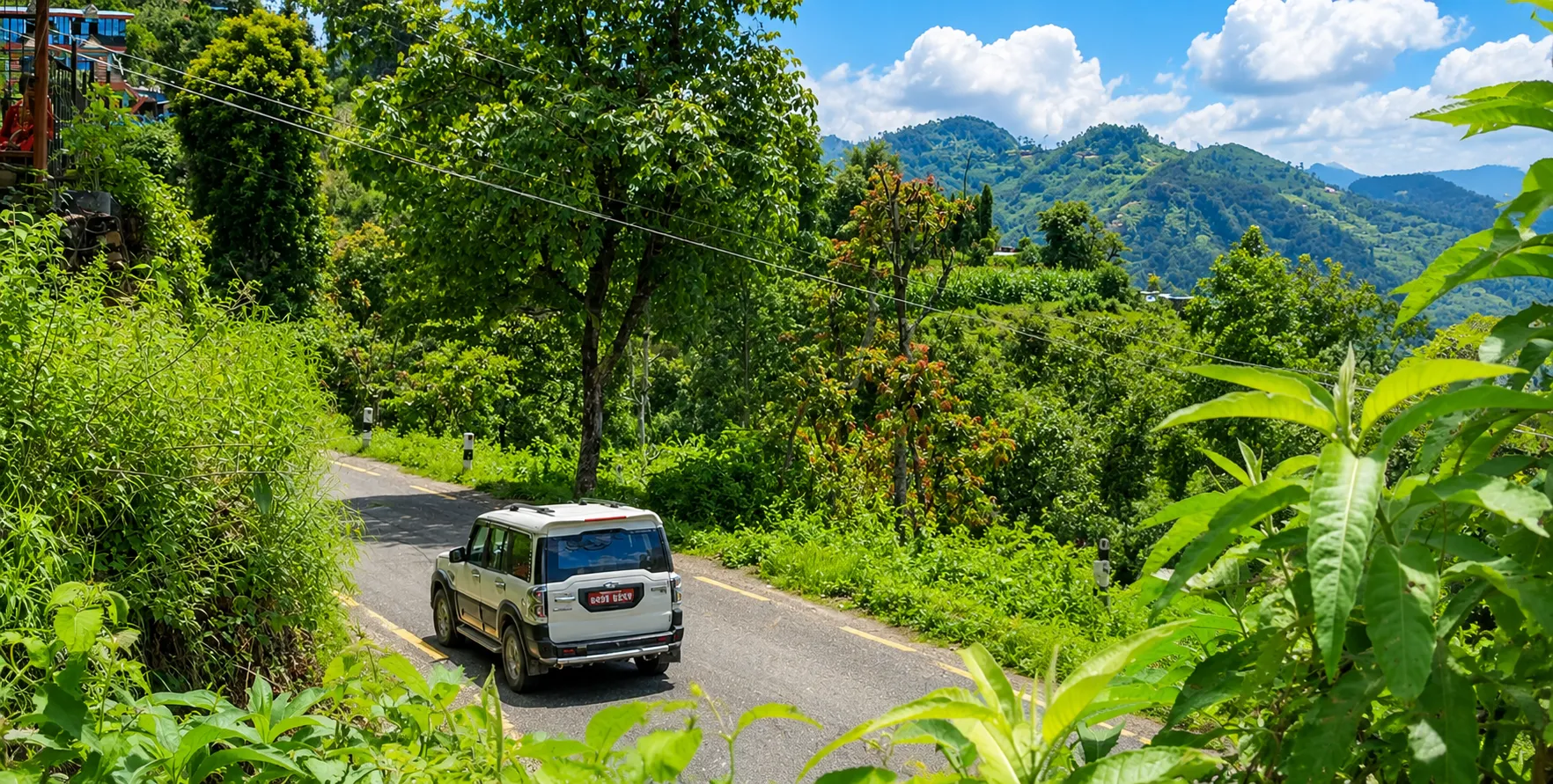
Booking is straightforward: share your group size, preferred travel dates, and whether your itinerary includes a Tsum Valley extension or a Larkya La crossing connecting into the Annapurna region, and our team will match the right vehicle, whether a Land Cruiser, Prado, or Mahindra Bolero-class jeep, along with a driver experienced on the Arughat-Soti Khola-Machha Khola corridor. Booking at least two to three weeks ahead is recommended during the peak spring and autumn seasons.
Frequently Asked Questions
How long does the drive from Kathmandu to Machha Khola take?
The drive typically takes eight to ten hours by private jeep, depending on road conditions and season, with monsoon-season travel sometimes taking longer due to landslide-related delays.
Is a 4WD vehicle necessary for this route?
Yes. The road beyond Arughat includes unpaved and rutted sections that require a genuine four-wheel-drive vehicle such as a Toyota Land Cruiser, Prado, or Mahindra Bolero, rather than a standard car.
Do I still need to trek from Soti Khola, or can I drive directly to Machha Khola?
Improved road access now allows most itineraries to drive directly to Machha Khola, saving a full trekking day compared to the older Soti Khola roadhead. However, exact drivable conditions can vary by season.
What permits are required for the Manaslu region?
Trekkers need a Manaslu Restricted Area Permit, a Manaslu Conservation Area Project permit, and, for the final stretch of the full circuit, an Annapurna Conservation Area Permit. A licensed guide and minimum group size are mandatory for the restricted area permit.
Can I trek independently without a guide on the Manaslu Circuit?
No. Current Nepali regulations require trekkers in the Manaslu Restricted Area to travel with a licensed guide and in a minimum group size, unlike more open trekking regions.
What is the best season for this route?
Spring (March to May) and autumn (September to November) offer the most reliable road and trail conditions, with autumn being the busiest season overall.
Can the Manaslu Circuit be combined with the Tsum Valley?
Yes. Many trekkers add a Tsum Valley extension near Jagat, requiring its own additional permit and typically adding five to seven days to a standard Manaslu itinerary.
How does the Manaslu Circuit connect to the Annapurna region?
After crossing the Larkya La pass, the trek descends into Manang district and connects with the lower Annapurna Circuit route near Dharapani, allowing a single extended trek across both regions.
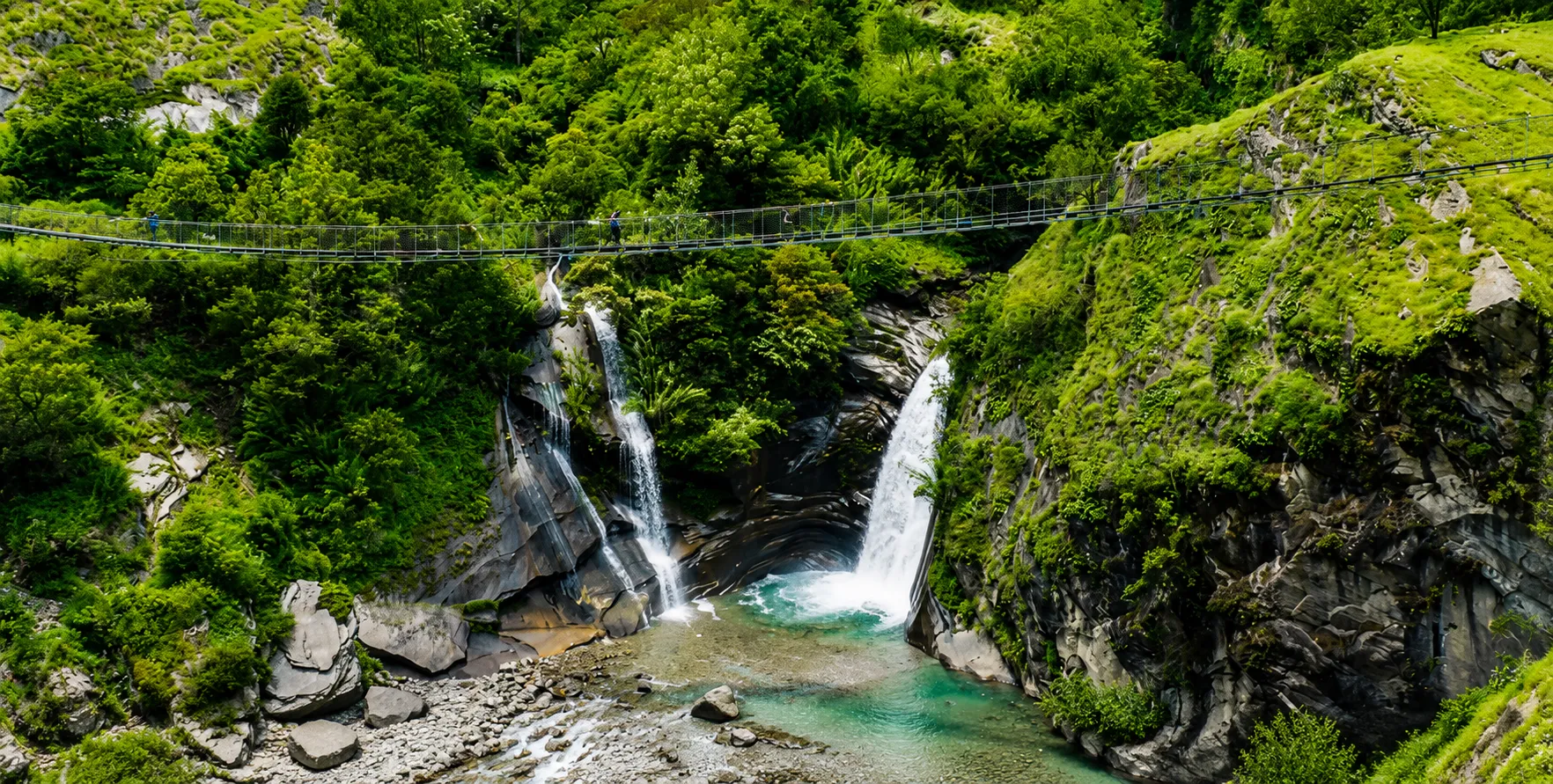
Final Thoughts: The Changing Gateway to Manaslu
Machha Khola’s steady emergence as the practical, drivable roadhead for the Manaslu Circuit reflects a broader pattern seen consistently across Nepal’s trekking regions, where steadily improving rural roads continue to reshape how trekkers access some of the country’s most remote and rewarding mountain landscapes. Getting this first leg of the journey right, with a genuine four-wheel-drive vehicle and a driver experienced on this specific corridor, sets the tone for the demanding and deeply rewarding trek that follows toward Manaslu, the Larkya La pass, and beyond.
Contact Nepal Vehicle Hiring today at +977 9851013196 or visit
vehiclehiringnepal.com to arrange your private jeep for the Kathmandu to Machha Khola journey and the wider Manaslu region, including any Tsum Valley extension or full circuit crossing into the Annapurna region you may be planning.
The History and Development of the Manaslu Region
The Manaslu Circuit only opened to foreign trekkers in 1991, considerably later than the Everest and Annapurna regions, which had welcomed international visitors since the 1950s and 1960s respectively. This later opening, combined with the ongoing restricted area permit requirements still in place today, has helped preserve a level of cultural authenticity and lower trekking traffic along the Budhi Gandaki valley that has become increasingly rare on Nepal’s more established circuits. The region takes its name from Mount Manaslu itself, meaning mountain of the spirit in Sanskrit, the eighth-highest peak in the world and the dominant physical presence throughout the upper sections of the trek.
Road construction along the lower Budhi Gandaki valley has progressed steadily since the early 2010s, gradually extending the drivable roadhead first to Arughat, then to Soti Khola, and more recently toward Machha Khola itself, part of a broader Nepali government initiative to improve rural road connectivity throughout Gorkha district. This ongoing development means the exact drivable endpoint continues to shift, and trekkers should always confirm current conditions before finalizing an itinerary rather than relying on older trip reports.
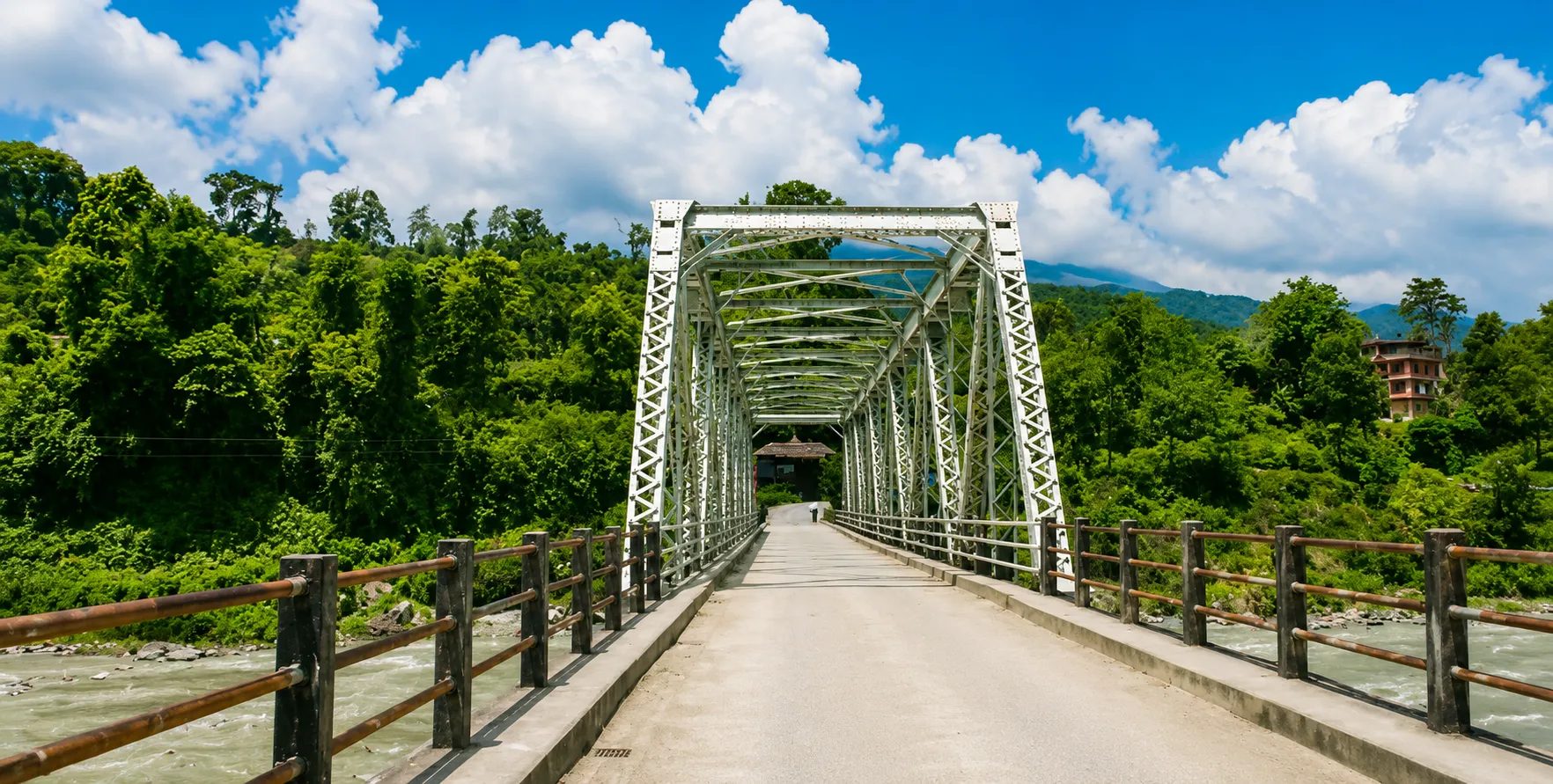
Arughat: The Last Major Town Before the Trailhead
Arughat Bazaar, the substantial market town roughly two-thirds of the way along the drive from Kathmandu, serves as the last significant settlement with reliable shops, fuel, and services before the road narrows considerably on its final stretch toward Soti Khola and Machha Khola. Many drivers use Arughat as a natural rest stop, both to refuel and to allow trekking groups a break partway through the long drive. The town itself sits at the boundary between the more populated mid-hill farming region and the beginning of the narrower, more mountainous Budhi Gandaki gorge that characterizes the remainder of the journey toward the Manaslu trailhead.
Jagat and the Restricted Area Checkpoint
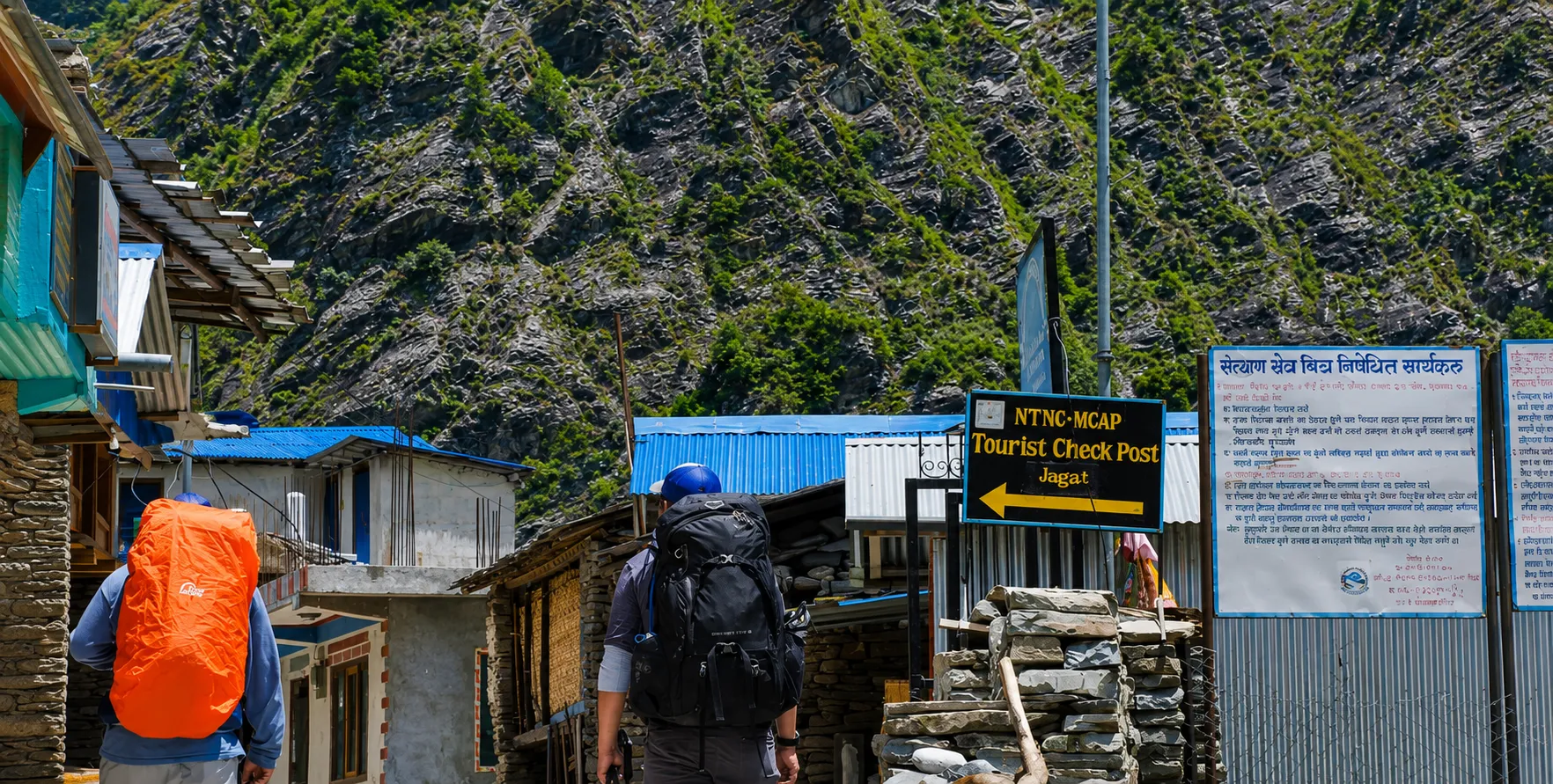
Shortly beyond Machha Khola, the village of Jagat marks the formal checkpoint where trekkers’ permits are verified before continuing into the restricted Manaslu Conservation Area proper. This checkpoint reflects the region’s distinct regulatory status compared to more open trekking areas. Trekkers should ensure all required permits, the Manaslu Restricted Area Permit, the Manaslu Conservation Area Project permit, and appropriate guide documentation, are properly arranged before reaching this point, since incomplete paperwork can result in delays or being turned back at the checkpoint itself.
Cultural Diversity Along the Budhi Gandaki Valley
The Manaslu Circuit passes through a genuinely diverse cultural landscape as it climbs from the lower Budhi Gandaki valley toward the high Tibetan-influenced villages near the Larkya La pass. Gurung and Magar communities predominantly populate the lower villages around Machha Khola and Jagat with a cultural character similar to the lower Annapurna region. In contrast, the upper villages of Samagaon, Samdo, and the areas closest to the Tibetan border reflect a much stronger Tibetan Buddhist influence, visible in monasteries, chortens, and the distinct dialect spoken by residents of these higher settlements. This cultural gradient across a single trekking route is one of the Manaslu Circuit’s most distinctive features compared to other major Nepal treks, where cultural character tends to remain more uniform throughout a given route.
Wildlife and Ecology of the Manaslu Conservation Area
The Manaslu Conservation Area, established in 1998 specifically to protect this transitional landscape between the mid-hills and the high Himalaya, is home to a genuinely rich range of wildlife, including Himalayan tahr, musk deer, and, in the more remote upper reaches near the Tibetan border, occasional snow leopard activity. The lower forested sections of the valley near Machha Khola and Jagat support diverse bird life and dense subtropical vegetation, giving way progressively to alpine scrub and eventually high-altitude desert terrain as the route climbs toward Samagaon and beyond, a transition trekkers experience directly over the course of a single multi-week trip.
Why This Route Matters Beyond Trekking Access
Beyond its role as a trekking gateway, the road connecting Kathmandu to Machha Khola serves genuine local economic and social functions for Gorkha district communities, carrying goods, medical supplies, and passengers between the capital and increasingly remote villages along the Budhi Gandaki valley. Improved road access has brought tangible benefits to residents, including faster emergency transport, more reliable supply of goods, and easier access to markets in Kathmandu for agricultural products from the mid-hill farming villages along the route. Trekking tourism and local infrastructure development along this corridor have, in many respects, grown together, each supporting the other’s continued expansion.
Choosing Between a Guided Package and Independent Vehicle Hire
Given the Manaslu Restricted Area’s mandatory guide requirement, most trekkers arrange their entire trip, including ground transport, permits, and guiding, through a single trekking agency such as our sister company, Alpine Luxury Treks. This differs from more open trekking regions where independent travelers might arrange vehicle hire and guiding separately. Travelers considering the Manaslu Circuit should confirm with their chosen agency exactly how ground transport to Machha Khola is arranged, whether bundled into the overall package price or booked as a separate line item, and whether the agency works with an established vehicle hire partner such as Nepal Vehicle Hiring or arranges transport on an ad hoc basis for each trip.
A Typical Manaslu Circuit Itinerary Including the Machha Khola Transfer
While exact itineraries vary, a common pattern for the full Manaslu Circuit spans roughly seventeen to twenty days including the overland journey. Day one covers the drive from Kathmandu to Machha Khola, arriving in the late afternoon or early evening depending on road conditions. The trek then proceeds through Jagat, Deng, Namrung, and Samagaon over the following six to eight days, with acclimatization days built in around Samagaon given the significant elevation gain involved. From Samagaon, the route continues to Samdo and the high camp before the Larkya La crossing, followed by a descent into Bimthang and onward to Dharapani, where trekkers either continue into the lower Annapurna Circuit or arrange a return vehicle transfer back to Kathmandu or Pokhara.
What to Pack for the Machha Khola Journey and Manaslu Trek
Given the wide range of elevations and conditions encountered on this route, from the relatively warm lower Budhi Gandaki valley to the genuinely cold, high-altitude terrain near the Larkya La pass, layered clothing remains essential throughout. A good down jacket, warm sleeping bag rated for well below freezing, sturdy broken-in trekking boots, and quality sun protection are all standard requirements for the upper sections of the trek. For the drive itself, comfortable, loose clothing suited to a long day in a vehicle, along with snacks and water for the journey, since roadside food options become increasingly limited beyond Arughat, are worth preparing in advance.
Connectivity and Communication Along the Route
Mobile network coverage along the Machha Khola approach and the lower Manaslu Circuit has improved considerably in recent years, with reasonable signal in Arughat and the lower trekking villages. However, coverage becomes progressively patchier in the higher sections of the route near Samagaon and Samdo. Trekkers should not rely on continuous connectivity throughout the journey, particularly once past Jagat and into the more remote sections of the restricted area, and informing family or travel companions of the general itinerary before departure remains a sensible precaution given the route’s relative remoteness compared to more heavily trafficked circuits.
Currency and Practical Logistics on the Manaslu Route
As with most rural trekking routes in Nepal, cash in Nepali rupees is essential throughout the journey beyond Kathmandu, since card payment infrastructure is effectively nonexistent once travelers pass Arughat. Teahouse costs, meals, and any additional services along the trekking route are settled in cash directly with lodge owners or through a guide managing group payments. Withdrawing sufficient cash in Kathmandu before departure, with a reasonable buffer for the length of the full circuit, remains the most practical approach given the extended, multi-week nature of a typical Manaslu itinerary.
Comparing the Manaslu Circuit to Nepal’s Other Major Treks
Travelers weighing the Manaslu Circuit against Nepal’s more established routes such as Everest Base Camp or the Annapurna Circuit should understand a few key distinctions beyond simply the mandatory guide requirement. Manaslu offers considerably lower trekking traffic than either of the more famous circuits, a genuine draw for travelers seeking a quieter, less commercially developed trekking experience. The route’s cultural gradient, from Gurung and Magar lower villages to Tibetan Buddhist upper settlements, offers a more pronounced cultural transition within a single trek than either Everest or the standard Annapurna Circuit routes typically provide. The Larkya La pass, while demanding, is generally considered comparable in difficulty to Everest’s Cho La or Renjo La passes rather than requiring the more extreme technical skill of a true mountaineering objective.
Guides and Porters for the Manaslu Circuit
Given the mandatory guide requirement for the Manaslu Restricted Area, selecting an experienced, licensed guide familiar with this specific route matters considerably more here than on treks where independent walking remains an option. A knowledgeable guide adds genuine value beyond simple permit compliance, offering insight into the cultural transition along the route, safety judgment on the Larkya La crossing, which can be affected by early-season snow, and practical knowledge of teahouse quality and availability in the less-developed upper villages. Porters remain widely available in Arughat and Machha Khola, typically carrying fifteen to twenty kilograms per porter, making the trek’s considerable overall distance more accessible to a broader range of trekkers.
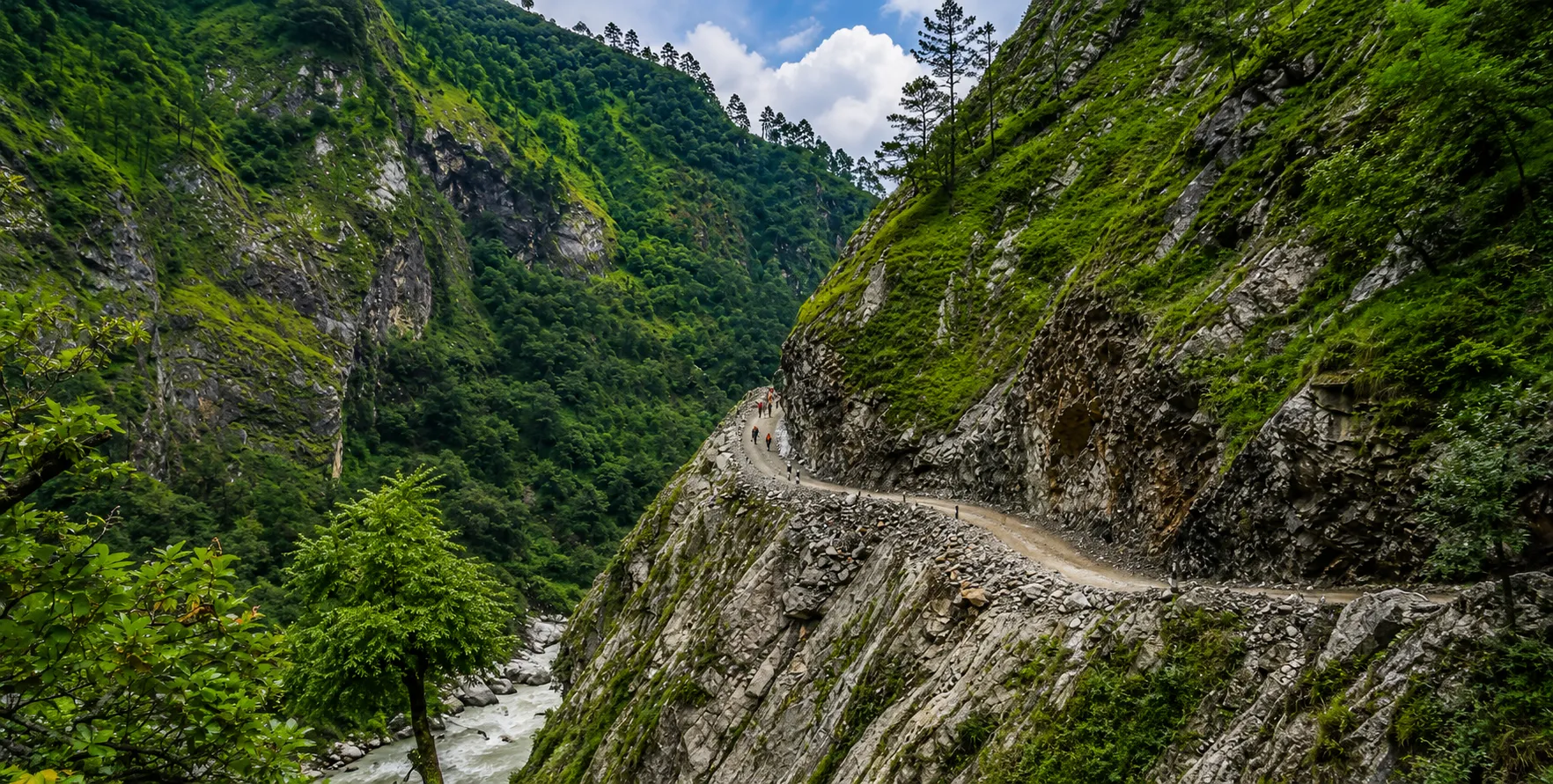
Health and Altitude Considerations on the Manaslu Circuit
The Manaslu Circuit involves sustained high-altitude trekking, with the Larkya La pass reaching over 5,100 meters, making proper acclimatization essential rather than optional. Standard itineraries build in rest days around Samagaon specifically to allow gradual adjustment before the push toward Samdo and the Larkya La crossing itself. Trekkers should take altitude symptoms seriously throughout the upper sections of the route, and comprehensive travel insurance covering high-altitude trekking and helicopter evacuation is strongly recommended given the region’s relative remoteness and more limited emergency response infrastructure compared to the busier Everest region.
Seasonal Booking Patterns for Machha Khola Vehicle Hire
Demand for private vehicle hire toward Machha Khola follows a similar seasonal rhythm to Nepal’s other major trekking corridors, with autumn representing the peak booking period, followed by spring. Because the Manaslu region remains considerably less trafficked than Everest or Annapurna, vehicle availability during peak season is generally somewhat easier to secure than on the busiest routes, though booking at least two to three weeks ahead remains sensible, particularly for larger groups or those requiring a specific vehicle class.
The Road Ahead: Continued Infrastructure Development
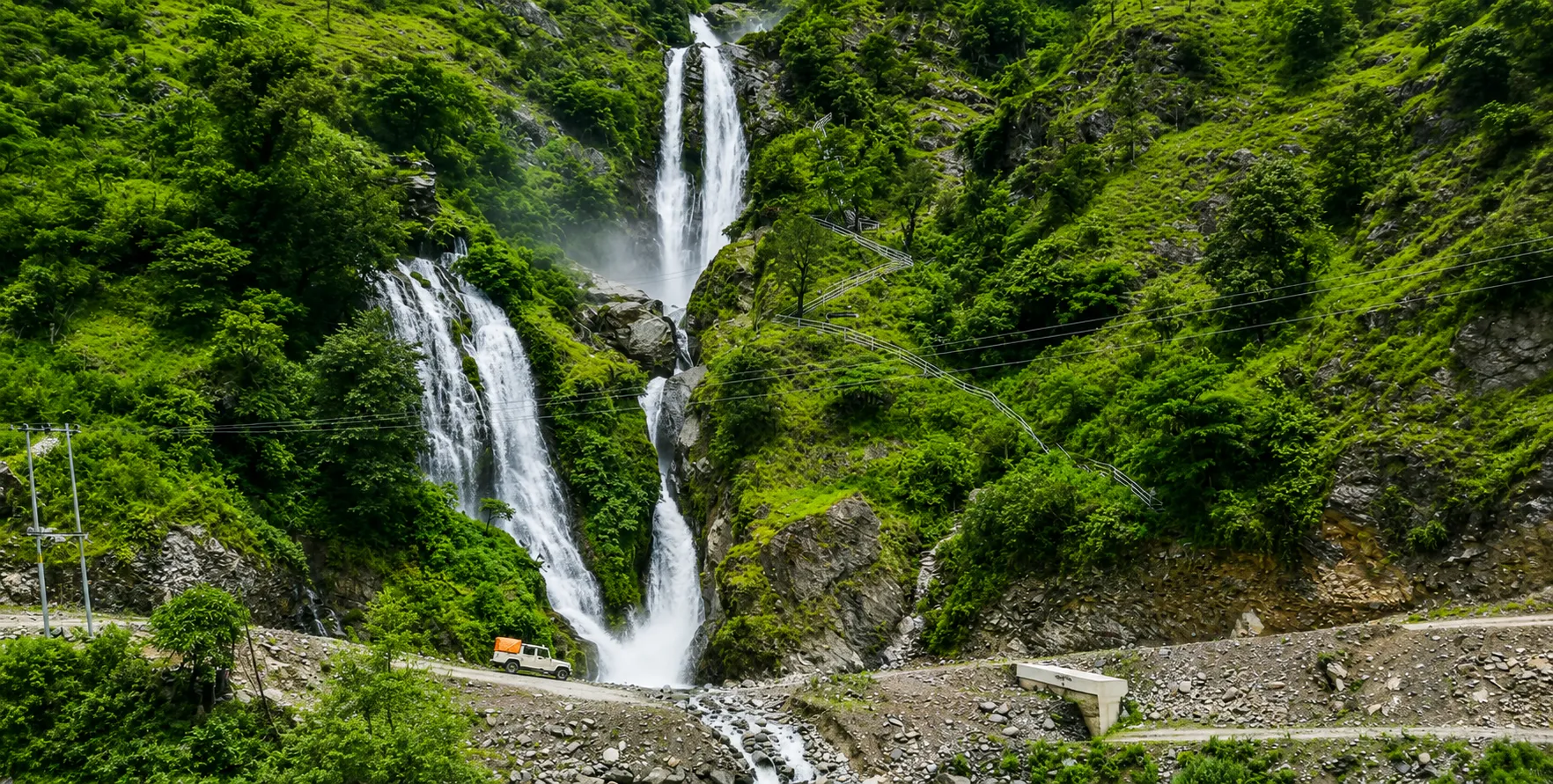
Given the pace of road construction seen over the past decade along this corridor, further extension of the drivable roadhead beyond Machha Khola toward Jagat or even Philim remains a genuine possibility in coming years, following the same pattern that has already shortened the traditional trekking approach from Soti Khola to Machha Khola. Trekkers and vehicle hire operators alike continue to monitor this ongoing development, since further road extension would likely reshape standard Manaslu Circuit itineraries much as the extension to Machha Khola itself already has, potentially compressing the overall trek duration further while preserving access to the demanding upper sections of the route near Samagaon and the Larkya La pass.
Why Choose Nepal Vehicle Hiring for This Route
Nepal Vehicle Hiring has arranged transport along the Kathmandu to Machha Khola corridor for years, serving trekkers heading into the Manaslu region for both the standard circuit and Tsum Valley extensions. Our drivers assigned to this route are selected specifically for their experience navigating the Arughat-Soti Khola-Machha Khola stretch across multiple seasons, and our vehicles undergo regular inspection with particular attention to the brakes, suspension, and tires this corridor places under genuine strain. Because we work closely with our sister companies, Alpine Luxury Treks and Trek Nepal Himalayas, we can also help coordinate the trekking and permit side of your itinerary alongside the ground transport, ensuring a single, consistent point of contact for your entire Manaslu Circuit journey from Kathmandu pickup to final return, whether that return comes via the same road or through Pokhara following a full circuit crossing into the Annapurna region.
Combining This Journey With a Broader Nepal Itinerary
Given the considerable time investment required for a full Manaslu Circuit trek, typically two to three weeks including the overland approach, many travelers combine this trip with additional time in Kathmandu or Pokhara either before or after the trek itself. A relaxed period exploring Kathmandu’s Durbar Squares and temples, or, for trekkers finishing via Dharapani and the Annapurna side of the circuit, an extended stay in Pokhara using our car hire in Pokhara service, both round out a longer Nepal itinerary beyond the Manaslu trek alone.
Environmental and Cultural Respect Along the Route
The Manaslu Conservation Area, like other protected regions in Nepal, faces genuine environmental pressure from growing trekking traffic, even at levels considerably lower than Everest or Annapurna. Trekkers are encouraged to carry out non-biodegradable waste, minimise unnecessary firewood use in lodges, particularly in the higher, more sparsely forested sections near Samagaon, and approach the Tibetan Buddhist cultural sites found throughout the upper valley with appropriate respect and sensitivity, recognising that the monasteries, chortens, and prayer walls encountered along the route hold genuine religious significance for local communities rather than serving purely as trekking scenery.
A Note on Realistic Trip Planning
Given the mandatory guide and permit requirements, the Manaslu Circuit generally requires more planning than more open trekking regions such as Annapurna or Langtang. Travelers should begin arranging permits, guides, and ground transport at least a month or two before their intended departure date, particularly during the peak autumn season, to ensure all the necessary paperwork and logistics are properly coordinated well before arrival in Nepal. This planning requirement, while adding a layer of complexity compared to more independent trekking regions, also contributes to the lower overall trekking traffic and more preserved cultural character that makes the Manaslu region so appealing to travelers seeking an alternative to Nepal’s busier circuits.
Final Practical Tips Before You Go
- Book your vehicle and confirm permit arrangements at least a month ahead, particularly during the peak autumn season.
- Carry sufficient Nepali rupees in cash, since card payment infrastructure is essentially unavailable beyond Arughat.
- Pack layered clothing to handle the wide range of elevations between Machha Khola and the Larkya La pass.
- Confirm your guide arrangements well in advance, given the mandatory guide requirement for the Manaslu Restricted Area.
- Consider whether a Tsum Valley extension or a full circuit crossing into the Annapurna region fits your available time and interests.
- Arrange appropriate travel insurance covering high-altitude trekking and emergency evacuation given the route’s relative remoteness.
Understanding the Full Circuit Versus a Shorter Manaslu Trip
Not every trekker completing the drive to Machha Khola intends to undertake the full Manaslu Circuit crossing the Larkya La pass into the Annapurna region. Some itineraries instead focus on a shorter trip into the lower and middle sections of the Budhi Gandaki valley, reaching as far as Samagaon or the base of Manaslu itself before returning the same way, without attempting the high pass crossing. This shorter variation still requires the same restricted area permit and guide arrangements but reduces the overall trip duration and altitude exposure, appealing to trekkers with more limited time or those preferring not to attempt the demanding Larkya La crossing.
Namrung and the Approach to Samagaon
Namrung, roughly midway through the trek beyond Machha Khola, marks a noticeable shift in the route’s character, with the valley widening somewhat and the first clear views of the high Manaslu massif becoming visible on clear days. This village also hosts a small but growing collection of more comfortable teahouses compared to the more basic accommodation typical of the lower villages closer to Machha Khola, reflecting the gradual development of tourism infrastructure along this route as trekking numbers have grown in recent years. From Namrung, the trail continues to climb steadily toward Samagaon, the largest and most developed village in the upper Manaslu region, serving as the primary acclimatization base before the push toward Samdo and the Larkya La pass.
Samagaon: The Heart of Upper Manaslu
Samagaon functions similarly to Namche Bazaar in the Everest region, serving as the main acclimatization stop and cultural hub for the upper Manaslu trek. The village offers direct views of Manaslu’s summit on clear days, along with access to the Pungyen Monastery and, for trekkers with an extra day to spare, a rewarding side trip to the Manaslu Base Camp itself or the glacial lake at Birendra Tal just above the village. Most Manaslu Circuit itineraries schedule at least one full rest day here, mirroring the acclimatization pattern used at Namche Bazaar on the Everest route, before continuing toward Samdo and the high camp preceding the Larkya La crossing.
The Larkya La Pass: The Circuit’s Defining Challenge
At over 5,100 meters, the Larkya La pass represents the physical and logistical high point of the entire Manaslu Circuit, typically crossed in a single long day from a high camp near Dharamsala or directly from Samdo depending on the specific itinerary. The crossing demands an early start, often well before dawn, to take advantage of calmer weather conditions and firmer snow underfoot before the day’s warming softens the trail. Weather on the pass can shift quickly, and early or late-season crossings carry a genuine risk of snow-related delays or closures, another reason why most trekking agencies schedule Manaslu Circuit departures firmly within the spring and autumn windows rather than the shoulder seasons.
Descending Into Bimthang and the Annapurna Connection
Beyond the Larkya La pass, the trail descends into Bimthang, a scenic high meadow offering excellent views back toward Manaslu and the surrounding peaks, before continuing down through forested terrain toward Dharapani, where the route joins the established Annapurna Circuit trail network. This final descent marks a noticeable shift back into more heavily trafficked trekking territory after the relative solitude of the upper Manaslu sections, and trekkers often comment on the contrast between the quiet, restricted-area trail they have just completed and the busier, more commercially developed Annapurna corridor they join at Dharapani.
Return Transport Options From Dharapani or Besisahar
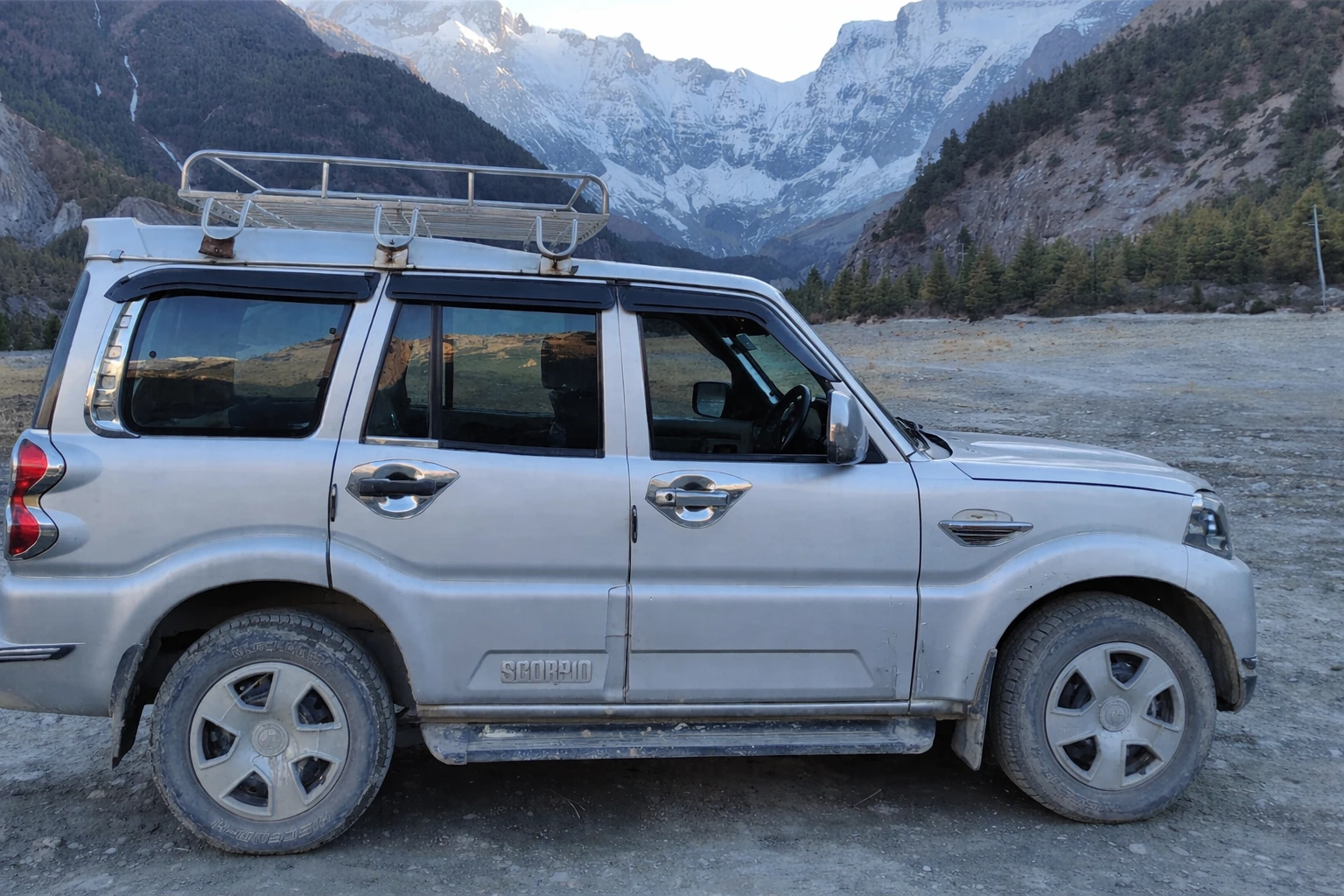
Trekkers completing the full Manaslu Circuit through to Dharapani typically arrange return transport either back toward Kathmandu via the Annapurna region’s own road network, or onward to Pokhara for a different conclusion to their trip than the one used on the outbound journey. Our
Kathmandu to Besisahar private vehicle service covers the return leg for trekkers completing the circuit and returning via the lower Annapurna road network, offering a genuinely different route home than the one used to reach Machha Khola at the start of the trip, and reflecting the elegant point-to-point nature of the full Manaslu to Annapurna crossing.
Why the Full Circuit Appeals to Experienced Trekkers
For trekkers who have already completed one or more of Nepal’s more established routes, such as Everest Base Camp or a standard Annapurna trek, the full Manaslu Circuit, beginning at Machha Khola and concluding via the Larkya La pass into Dharapani, offers a genuinely different and often more solitary experience, while still delivering world-class high-altitude scenery and cultural immersion. This has made it an increasingly popular choice among repeat visitors to Nepal specifically seeking an alternative to the busier circuits they may have already experienced on previous trips.
Local Cuisine Along the Machha Khola to Manaslu Route
Food along the lower sections of this route reflects standard Nepali hill cuisine, with dal bhat widely available in Machha Khola, Jagat, and the lower villages. In contrast, the upper sections near Samagaon and Samdo increasingly feature Tibetan-influenced dishes such as thukpa noodle soup and momos, reflecting the stronger Tibetan Buddhist cultural presence at these higher elevations. Teahouse variety and quality generally improve at the more developed stops such as Namrung and Samagaon. However, options remain considerably more limited than on the busier Everest or Annapurna circuits, another reflection of the Manaslu region’s comparatively recent tourism development and lower overall visitor numbers.
Weather Patterns Specific to the Budhi Gandaki Corridor
The Budhi Gandaki valley’s weather is shaped significantly by its position between the mid-hill farming region and the high Himalaya, with the lower sections near Machha Khola experiencing a warmer, more monsoon-influenced climate, while the upper reaches near Samagaon and the Larkya La pass see considerably colder conditions and a higher chance of snow, particularly outside the core spring and autumn trekking windows. This elevation-driven weather gradient means trekkers should prepare for a genuinely wide range of conditions across a single trip, from warm, humid lower valley trekking to potentially freezing conditions during the high pass crossing.
Insurance and Emergency Evacuation Considerations
Given the Manaslu region’s relative remoteness and more limited emergency response infrastructure compared to the Everest or Annapurna regions, comprehensive travel insurance covering high-altitude trekking and helicopter evacuation is particularly important for this route. Helicopter rescue is available in the region but response times and landing options can be more limited than in the busier Everest region, given the lower overall infrastructure investment along this less-trafficked corridor. Trekkers should confirm their guide’s emergency response protocol and nearest evacuation points before departure, and ensure their insurance policy specifically covers the elevations and restricted area status of the Manaslu Circuit.
A Broader Reflection on Choosing Manaslu
Choosing the Manaslu Circuit over Nepal’s more famous trekking routes reflects a particular set of priorities: genuine cultural immersion across a pronounced ethnic and religious gradient, meaningfully lower trekking traffic than Everest or Annapurna, and a demanding but achievable high pass crossing at the Larkya La, all combined with the practical convenience of a road transfer that now reaches as far as Machha Khola itself. For trekkers weighing this route against more established alternatives, understanding both the additional planning requirements, the mandatory guide and permit arrangements, and the genuine rewards- quieter trails and a deeper cultural cross-section within a single trek- helps set realistic and well-informed expectations before committing to this increasingly popular but still comparatively undiscovered corner of the Nepali Himalaya.
Photography Highlights Along the Machha Khola to Manaslu Route
The journey from Machha Khola through to the Larkya La pass offers a genuinely varied range of photography opportunities, from the terraced hillsides and riverside scenery of the lower Budhi Gandaki valley near Jagat and Philim, to the dramatic first views of Manaslu itself from Namrung and Samagaon, and finally the stark, high-altitude landscape surrounding the Larkya La crossing itself. The Pungyen Monastery above Samagaon and the glacial lake at Birendra Tal both offer rewarding side trips for photographers willing to add an extra day to their itinerary around the main Samagaon acclimatization stop.
Group Size Considerations Given the Guide Requirement
Because the Manaslu Restricted Area Permit requires a minimum group size under current regulations, solo travelers should confirm with their chosen trekking agency how this requirement is met, whether by joining an existing scheduled group departure or through the agency’s own arrangement to satisfy the minimum group size on paper while still trekking with a private guide. This detail is worth clarifying early in the planning process, since it can affect both cost and the overall trekking experience, particularly for solo travelers accustomed to more flexible arrangements on Nepal’s more open trekking routes.
Combining Machha Khola Transport With Other Nepal Vehicle Hiring Services
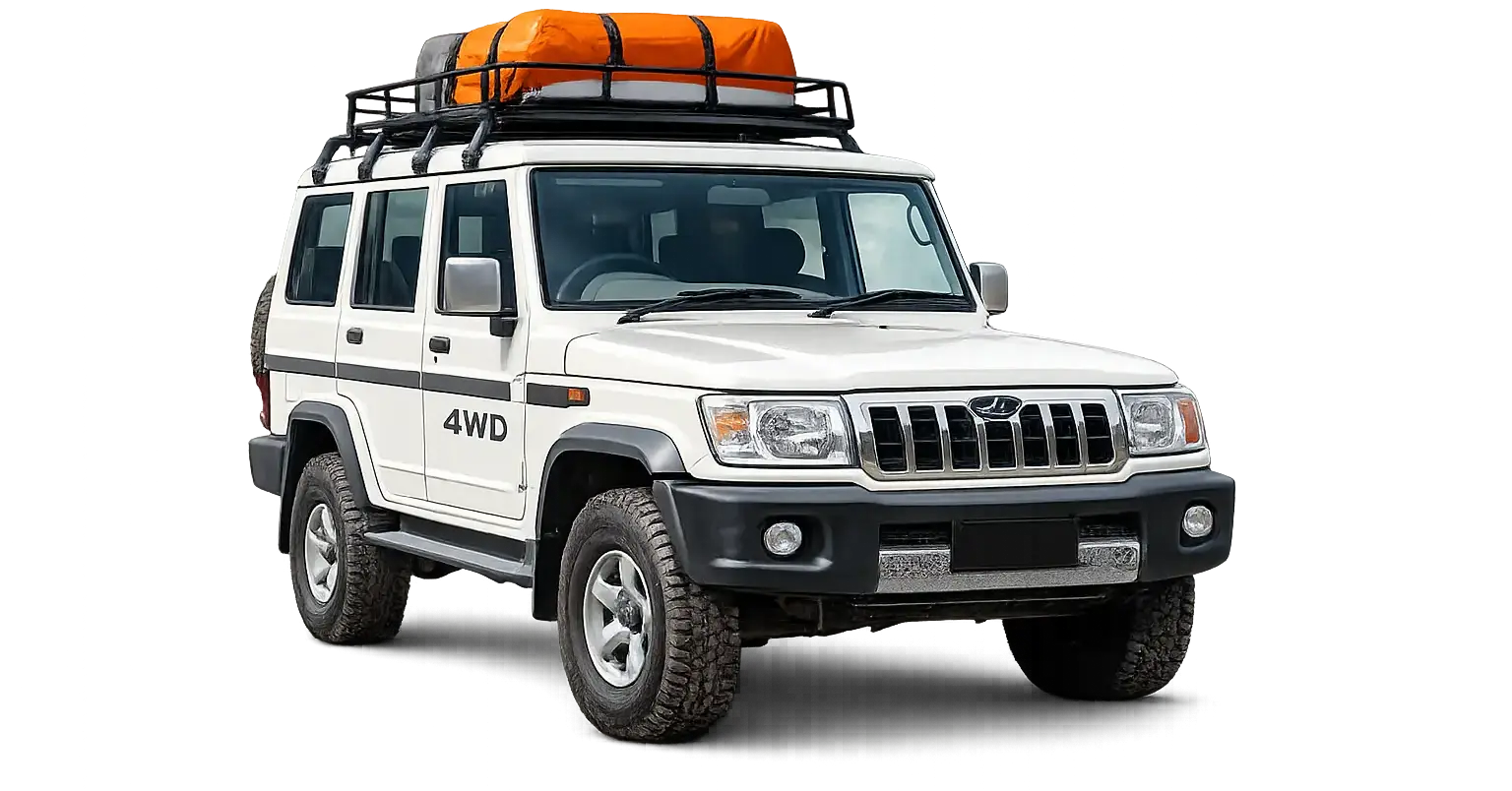
Trekkers arranging their Manaslu Circuit ground transport with Nepal Vehicle Hiring often combine this booking with other services across their broader Nepal trip, from an initial Kathmandu airport transfer on arrival through to a final Kathmandu to Pokhara journey if their circuit concludes via Dharapani and they choose to continue to Pokhara rather than returning directly to Kathmandu. Coordinating these multiple legs through a single provider simplifies logistics considerably compared to arranging each transfer separately with different local operators, particularly valuable given the Manaslu Circuit’s naturally point-to-point structure, beginning at one trailhead and concluding at an entirely different one after crossing the Larkya La pass.
Additional Frequently Asked Questions
Can I see Manaslu’s summit from Machha Khola itself?
No. Machha Khola sits within the lower, forested section of the valley, and clear views of Manaslu’s summit only become possible considerably further up the route, typically from Namrung onward and more prominently from Samagaon itself.
Is the Machha Khola road ever closed entirely during monsoon?
Temporary closures due to landslide damage are possible during heavy monsoon rainfall, and travelers planning trips during this season should build extra flexibility into their schedule and confirm current road status with their vehicle operator shortly before departure.
How does the Manaslu Restricted Area Permit process work in practice?
Permits are typically arranged in advance through a licensed trekking agency in Kathmandu, who handles the paperwork alongside your guide arrangement, with the permit itself checked at the Jagat checkpoint shortly beyond Machha Khola.
A Closing Perspective on This Changing Route
The steady extension of the road from Arughat through Soti Khola and now to Machha Khola itself reflects a broader story playing out across many of Nepal’s trekking regions, where rural road development continues to reshape the practical starting point of journeys that once required considerably more time and physical effort to reach the trailhead. For travelers actively planning a Manaslu Circuit trek in the years directly ahead, staying genuinely well informed about current road conditions, working with an experienced ground transport provider familiar with this specific corridor, and building genuinely appropriate flexibility into an itinerary that still depends heavily on a remote and weather-sensitive high mountain environment all remain essential, non-negotiable parts of any well-planned trip into one of Nepal’s most rewarding and still comparatively undiscovered trekking regions.
One Final Consideration for Your Booking
As with any remote mountain corridor in Nepal, the single most valuable habit any trekker can adopt before committing to a Manaslu Circuit itinerary is confirming current, up-to-date information directly with a trusted local operator, rather than relying solely on older trip reports or outdated online guides, given how quickly road conditions and permit requirements along this particular corridor continue to evolve year over year.
- Kathmandu to Machha Khola Jeep Transfer
- Where Is Machha Khola
- The Journey From Kathmandu to Machha Khola
- Why Machha Khola Has Replaced Soti Khola as the Practical Trailhead
- Vehicle Options for the Machha Khola Route
- The Manaslu Circuit Trek Beyond Machha Khola
- Permits Required for the Manaslu Region
- Best Time of Year for the Machha Khola Route and Manaslu Trekking
- Road Safety on the Kathmandu to Machha Khola Corridor
- Combining the Manaslu Region With a Tsum Valley Extension
- Combining Vehicle Hire With Kathmandu Valley Sightseeing
- Cost Factors for Machha Khola Transport
- How to Book Your Machha Khola Transport
- Frequently Asked Questions
- Final Thoughts: The Changing Gateway to Manaslu
- The History and Development of the Manaslu Region
- Arughat: The Last Major Town Before the Trailhead
- Jagat and the Restricted Area Checkpoint
- Cultural Diversity Along the Budhi Gandaki Valley
- Wildlife and Ecology of the Manaslu Conservation Area
- Why This Route Matters Beyond Trekking Access
- Choosing Between a Guided Package and Independent Vehicle Hire
- A Typical Manaslu Circuit Itinerary Including the Machha Khola Transfer
- What to Pack for the Machha Khola Journey and Manaslu Trek
- Connectivity and Communication Along the Route
- Currency and Practical Logistics on the Manaslu Route
- Comparing the Manaslu Circuit to Nepal's Other Major Treks
- Guides and Porters for the Manaslu Circuit
- Health and Altitude Considerations on the Manaslu Circuit
- Seasonal Booking Patterns for Machha Khola Vehicle Hire
- The Road Ahead: Continued Infrastructure Development
- Why Choose Nepal Vehicle Hiring for This Route
- Combining This Journey With a Broader Nepal Itinerary
- Environmental and Cultural Respect Along the Route
- A Note on Realistic Trip Planning
- Final Practical Tips Before You Go
- Understanding the Full Circuit Versus a Shorter Manaslu Trip
- Namrung and the Approach to Samagaon
- Samagaon: The Heart of Upper Manaslu
- The Larkya La Pass: The Circuit's Defining Challenge
- Descending Into Bimthang and the Annapurna Connection
- Return Transport Options From Dharapani or Besisahar
- Why the Full Circuit Appeals to Experienced Trekkers
- Local Cuisine Along the Machha Khola to Manaslu Route
- Weather Patterns Specific to the Budhi Gandaki Corridor
- Insurance and Emergency Evacuation Considerations
- A Broader Reflection on Choosing Manaslu
- Photography Highlights Along the Machha Khola to Manaslu Route
- Group Size Considerations Given the Guide Requirement
- Combining Machha Khola Transport With Other Nepal Vehicle Hiring Services
- Additional Frequently Asked Questions
- A Closing Perspective on This Changing Route
- One Final Consideration for Your Booking

Related Blog & Articles

Kathmandu to Soti Khola by Jeep – Complete Route Guide (2025)
Kathmandu to Arughat Transport
Kathmandu to Gorkha Jeep Service: The Complete Guide (2026)
Kathmandu to Machha Khola