Plan a Trip


Nepal Travel Guide for Foreigners
Introduction: Why Nepal Captivates Every Foreign Traveller
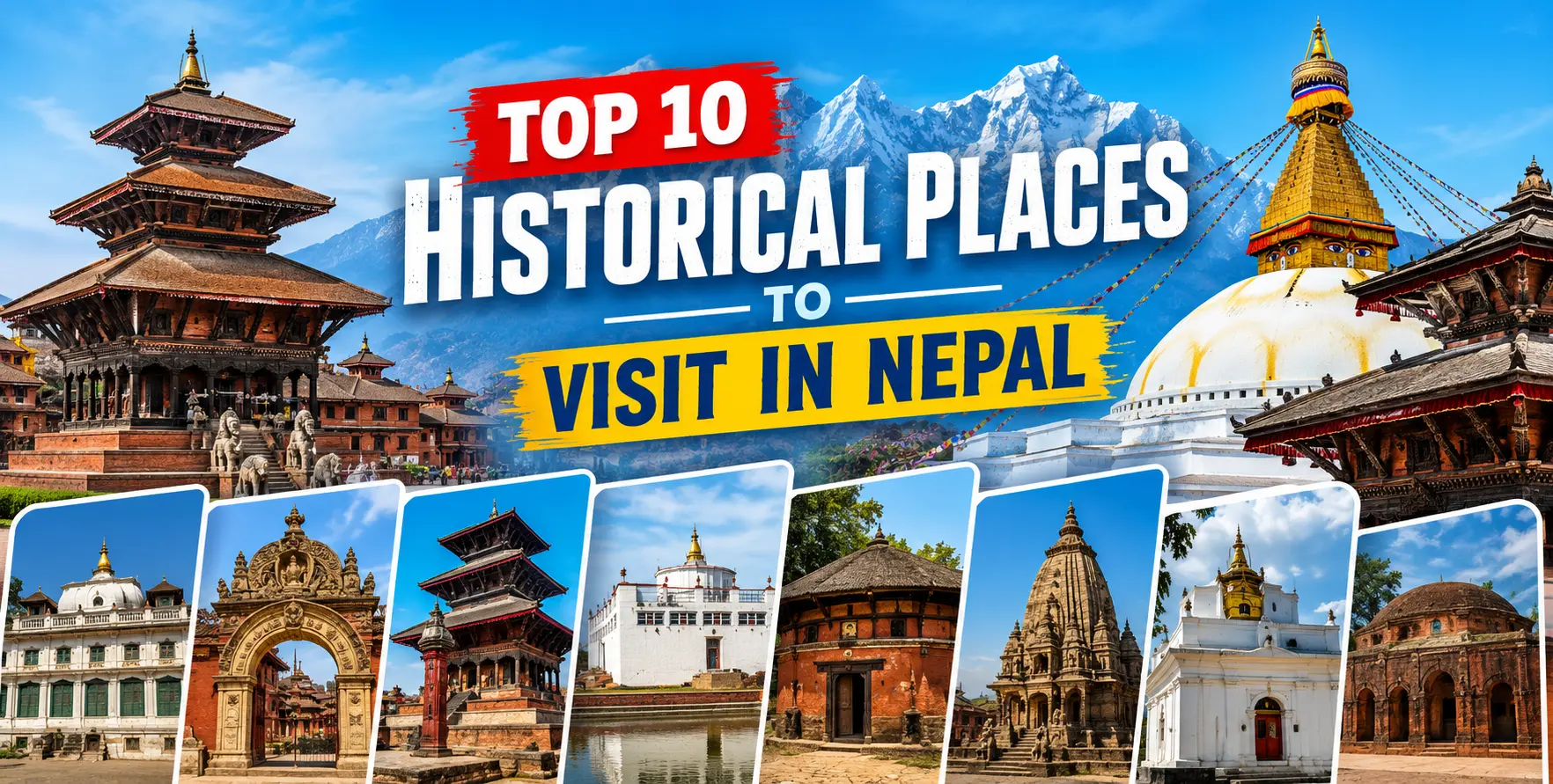
Few countries on earth compress as much contrast into so small a space as Nepal. Within a single week, a visitor can stand among the medieval pagoda temples of Kathmandu’s Durbar Squares, drift across the glassy waters of Phewa Lake in Pokhara beneath the Annapurna range, track one-horned rhinos through the elephant grass of Chitwan National Park, and watch the sun rise over the highest mountains on the planet from a ridge in Nagarkot or Sarangkot. This Nepal travel guide for foreigners was built specifically for international visitors who are planning their first, or their fifth, trip to this Himalayan nation, and who want a single, reliable reference covering visas, money, transport, permits, safety, culture, and itineraries — all grounded in 2025/26 information rather than outdated blog posts.
Nepal welcomes well over a million foreign visitors a year, and the infrastructure that supports tourism — airlines, hotels, trekking agencies, and ground transport — has matured considerably over the last decade. Yet Nepal remains a country where planning matters. Mountain roads wash out in monsoon season, internal flights get delayed by weather, and permit rules for restricted areas change without much warning. The single biggest factor that determines whether a Nepal trip feels effortless or exhausting is reliable, comfortable ground transport, which is precisely why thousands of travelers each year choose to arrange their
vehicle hire in Nepal in advance, rather than negotiating with random drivers at the airport gate. Throughout this guide, we will point out exactly where private transport, jeep hire, or scheduled bus tickets make the biggest difference to your trip, alongside the practical, non-transport details — visas, money, permits, health, and culture — that together determine how smoothly a Nepal journey unfolds from the moment you step off the plane to the moment you fly home.
Why Nepal Should Be on Every Traveler’s List
Nepal is roughly the size of England and Wales combined. Yet, it contains eight of the world’s fourteen peaks above 8,000meterss, including Mount Everest, Kangchenjunga, Lhotse, Makalu, Dhaulagiri, Manaslu, Annapurna I, and a share of Cho Oyu. Beyond the mountains, Nepal is home to ten UNESCO World Heritage Sites within a country smaller than the U.S. state of Arkansas — an extraordinary density of cultural and natural significance found nowhere else.
For trekkers, Nepal offers routes for every fitness level, from the gentle Poon Hill loop above Pokhara to the technical high passes of the Annapurna Circuit and the legendary trail to Everest Base Camp. For travelers who prefer culture over altitude, Kathmandu Valley alone holds seven UNESCO-listed monument zones within a 20-kilometer radius. For wildlife enthusiasts, Chitwan and Bardia National Parks offer some of the best rhino and tiger viewing in South Asia. And for pilgrims, Nepal is both the birthplace of the Buddha in Lumbini and home to the sacred Hindu temple of Pashupatinath, making it one of the rare countries where two of the world’s major religions converge geographically.
This diversity is exactly why a generic guidebook chapter is not enough. Nepal rewards travelers who plan their route, itineraries, and transport thoughtfully, rather than improvising everything on the ground.
Nepal Visa Requirements for Foreigners (2026 Update)
Most nationalities, except Indian citizens (who do not require a visa) and SAARC nationals (who receive a free 30-day visa once per calendar year), need a Tourist Visa on Arrival or a pre-arranged visa to enter Nepal.
The Tourist Visa on Arrival is available at Tribhuvan International Airport in Kathmandu and at major land border crossings, including Kakarbhitta, Birgunj/Raxaul, Bhairahawa/Sunauli, Nepalgunj, Mahendranagar, and Rasuwagadhi/Timure on the Tibet border. As of 2026, standard tourist visa fees remain:
- 15-day multiple-entry visa — US$30
- 30-day multiple-entry visa — US$50
- 90-day multiple-entry visa — US$125
Children under 10 years old (with some nationality-specific exceptions) receive a visa. Visa fees must be paid in clean, undamaged foreign currency, with US dollars strongly preferred; some counters also accept euros or British pounds, but Indian and Nepali rupees are not accepted for the visa fee itself. Many travelers now complete the online arrival form through Nepal’s Department of Immigration portal before flying, which generates a barcoded receipt and shortens the queue at the visa desk during the busy spring (March–May) and autumn (September–November) trekking seasons.
Tourist visas, however obtained, can be extended at the Department of Immigration offices in Kathmandu or Pokhara. Still, the total time a tourist may spend in Nepal cannot exceed 150 days within a single calendar year (January to December), regardless of how many separate visas or extensions are used. A handful of nationalities are not eligible for visa on arrival and must apply through a Nepali embassy or consulate before departure, so it is worth checking your specific country’s status well ahead of booking flights.
Practical tip: Carry your passport, a recent passport-sized photo (digital capture is increasingly accepted), proof of onward travel, and your first night’s accommodation booking. Immigration officers occasionally ask for these, especially for longer-duration visas.
Best Time to Visit Nepal
Autumn (late September to November)
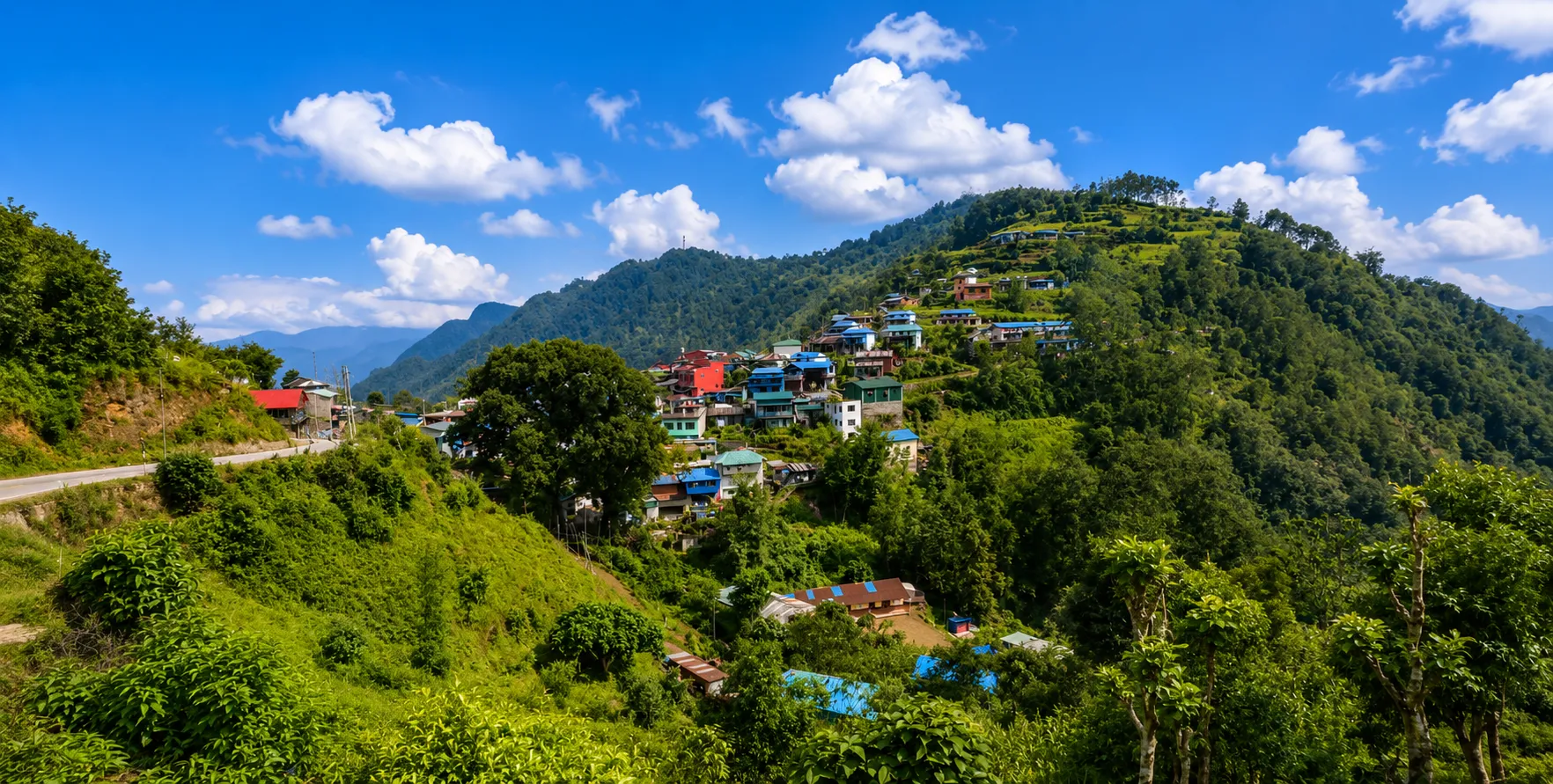
This is Nepal’s premier travel season. Skies are clear after the monsoon, temperatures are mild in the valleys and pleasantly cool in the mountains, and visibility for Himalayan panoramas is at its best. It is also the busiest season for trekking permits, teahouse bookings, and domestic flights to Lukla, so booking transport and accommodation in advance is strongly recommended.
Spring (March to May)
Spring brings blooming rhododendron forests across the mid-hills, comfortable daytime trekking temperatures, and excellent conditions for both cultural sightseeing and high-altitude trekking. This is the second peak season, and the window most mountaineering expeditions use for Everest and other 8,000-meter attempts.
Winter (December to February)
Winter is ideal for lower-altitude trekking, jungle safaris in Chitwan, and sightseeing in Kathmandu, Pokhara, and Lumbini. Nights are cold at altitude, and some high passes close, but daytime skies are often crystal clear, and tourist numbers — and prices — drop noticeably.
Monsoon (June to early September)
Monsoon brings heavy afternoon rain to most of the country, which can affect mountain roads and visibility on lower treks. However, this is precisely when the rain-shadow regions of Upper Mustang and Upper Dolpa shine, since they sit north of the main Himalayan range and stay largely dry even while the rest of Nepal is wet. Monsoon travel also means fewer crowds and lower prices for vehicle hire, hotels, and flights.
Arriving in Nepal: Airports and First Steps
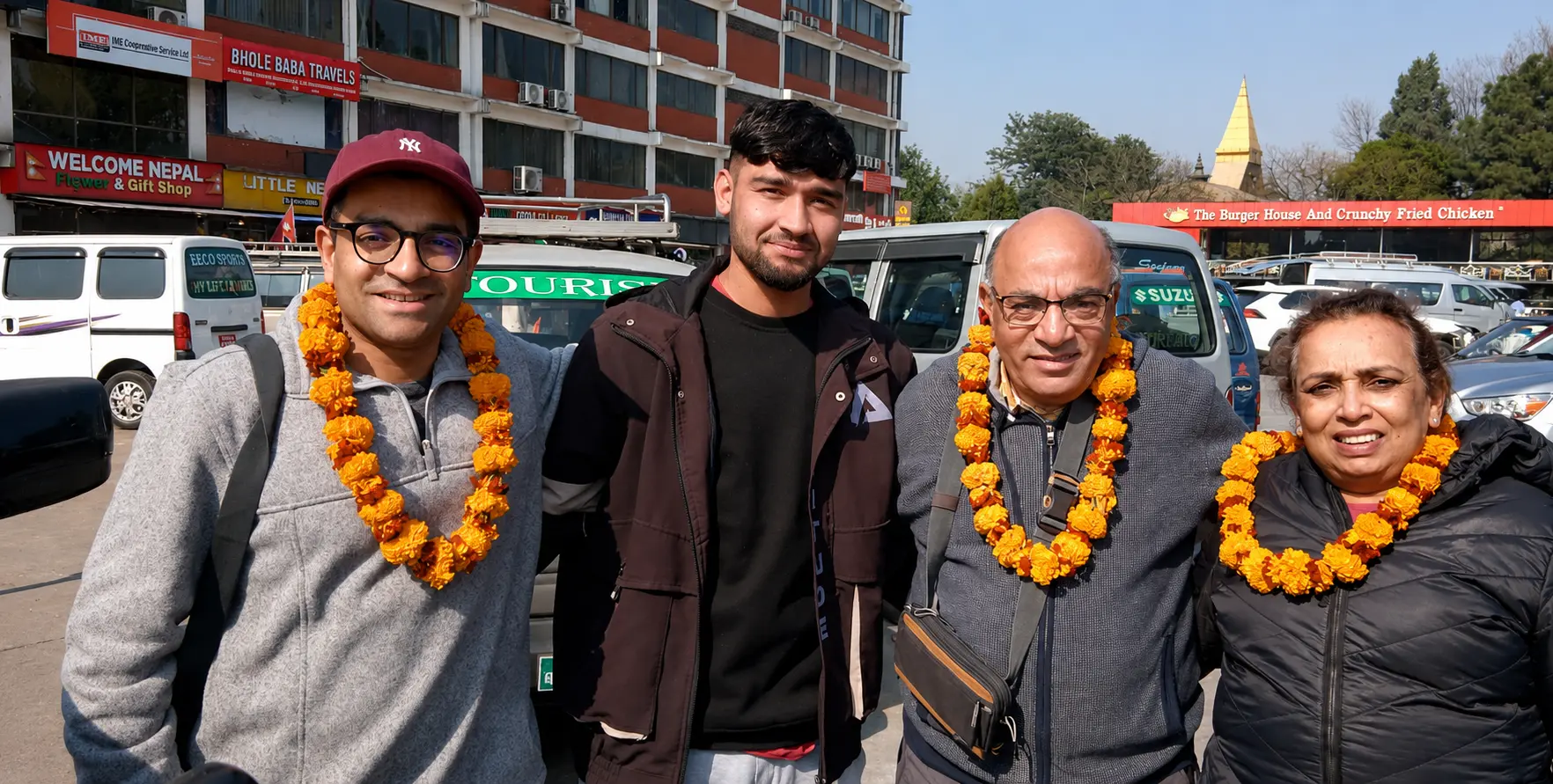
The vast majority of international visitors arrive through Tribhuvan International Airport (TIA) in Kathmandu, Nepal’s only international airport. However,h Pokhara International Airport now handles a small but growing number of regional connections from India and other nearby countries. After clearing immigration and customs at TIA, travelers typically need three things immediately: local currency, a SIM card, and a ride into the city.
This is where pre-booking a Kathmandu airport transfer pays off enormously. Arriving after a long international flight, navigating Kathmandu’s chaotic taxi rank, haggling over fares in an unfamiliar currency, and trying to communicate your hotel’s exact location to a driver who may not speak much English can be the most stressful 30 minutes of an otherwise wonderful trip. A pre-arranged private vehicle with an English-speaking driver waiting at arrivals with a name board removes all of that friction, and it is one of the simplest upgrades a first-time visitor to Nepal can make.
Getting Around Nepal: Transport Options for Foreigners
Nepal’s terrain — steep mountains, narrow valley roads, and a road network still being upgraded in many regions — makes transport choice one of the most important decisions in trip planning. Broadly, foreign visitors choose between four options:
Private Car or SUV Hire
For city sightseeing, short day trips, and travel between Kathmandu and Pokhara on paved highway, a car hire in Nepal with a driver is the most comfortable option for couples, solo travelers, and small families. Sedans and compact SUVs handle the Kathmandu–Pokhara highway, Kathmandu Valley sightseeing circuits, and Terai routes toward Lumbini and Chitwan comfortably. Travelers based in the lakeside city can also arrange
car hire in Pokhara for day trips to Sarangkot, Begnas Lake, and the surrounding Annapurna foothills.
Jeep and 4WD Hire
Nepal’s mountain districts — Mustang, Manang, Dolpa, the Tsum and Manaslu regions, and most high-altitude trekking trailheads — are reached by rough, unpaved roads that climb steep switchbacks above 2,500 meters; a standard sedan cannot manage these roads safely. This is where 4WD hire in Nepal becomes essential rather than optional. A purpose-built
jeep hire in Nepal with high ground clearance, four-wheel drive, and an experienced mountain driver is the standard way foreigners reach trailheads such as Soti Khola for the Manaslu Circuit, or Salleri and Phaplu for the lower Everest region without flying. Routes like
Kathmandu to Soti Khola jeep service and the Kathmandu to Salleri Phaplu jeep route save trekkers a day or more compared to public transport, while being dramatically more comfortable than crowded local buses on unpaved roads.
Travelers heading toward the Annapurna region and the increasingly popular Upper Mustang district should also consider Besisahar private vehicle transfers, which connect Kathmandu to the start of the Annapurna Circuit trailhead.
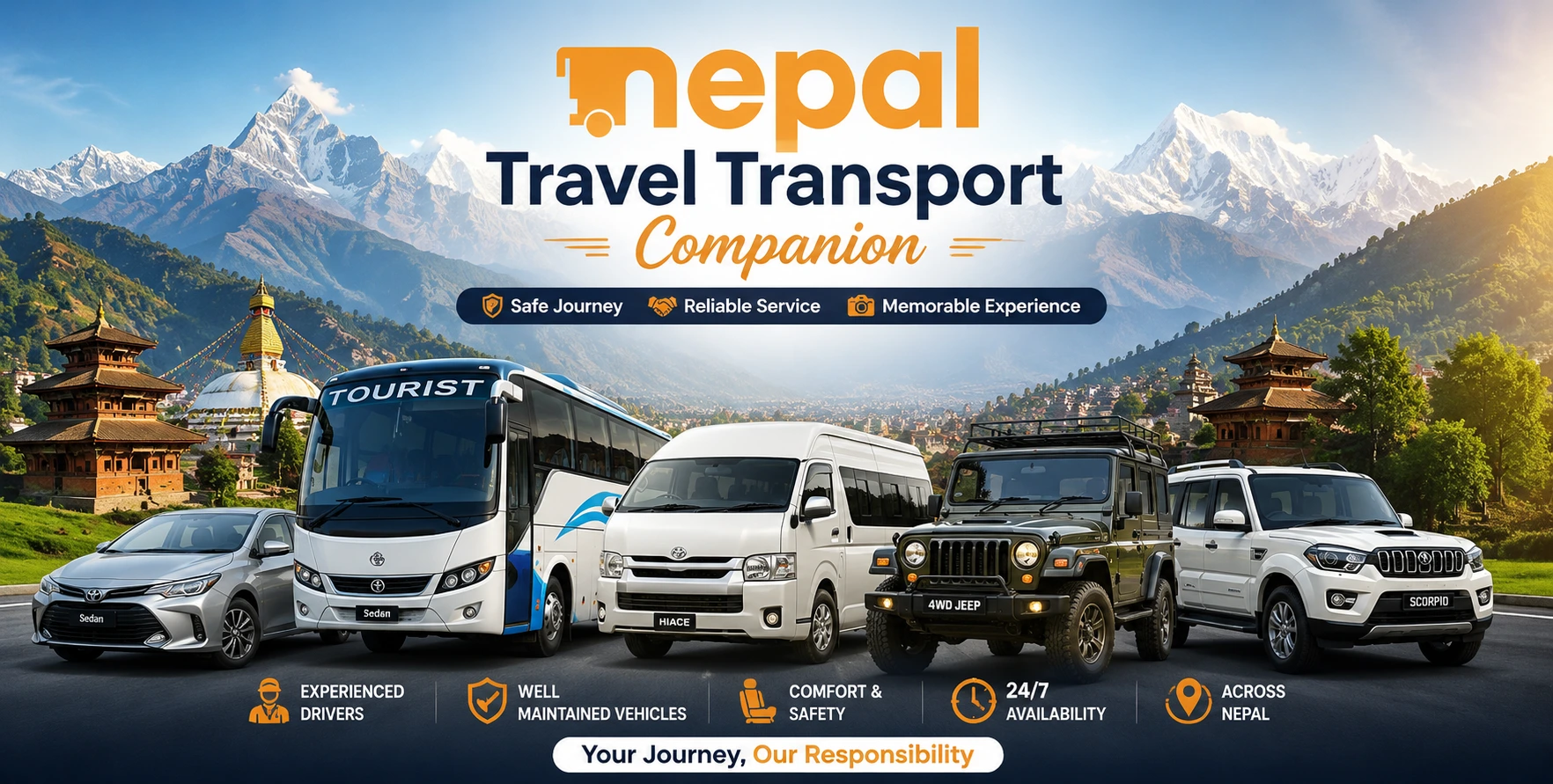
Hiace Vans for Groups
For families, small groups, and trekking parties of seven to fourteen people, a Hiace van hire offers a comfortable middle ground between a private car and a full-size bus. Hiace vans are commonly used for the Kathmandu sightseeing tour, day trips such as the Kathmandu to Nagarkot vehicle service for sunrise Himalayan views, and the popular Bhaktapur Durbar Square day tour.
Tourist Bus, Coaster, and Scheduled Bus Tickets
For budget-conscious travelers moving between major tourist hubs, Nepal’s tourist bus network is reliable and inexpensive. Daily departures run on the Kathmandu to Pokhara bus route and its reverse, the Pokhara to Kathmandu bus, as well as connections toward the Buddha’s birthplace via the Kathmandu to Lumbini bus and Lumbini to Kathmandu bus services, and toward the jungle via the Pokhara to Chitwan bus.
Trekkers heading to the Annapurna region by road commonly use the Kathmandu Besisahar bus ticket service, while larger groups touring the Kathmandu Valley and beyond often charter a coaster bus for cost-effective group movement, or book seats directly through the bus hire service for tourist-standard coaches with reclining seats and onboard comfort.
For day excursions from Pokhara, services such as Pokhara to Nayapul transportation (the trailhead for the Ghorepani–Poon Hill trek) and the Sarangkot sunrise tour vehicle are extremely popular among foreigners wanting Himalayan views without committing to a multi-day trek.
Money, Currency, and Costs in Nepal
The Nepalese Rupee (NPR) is the official currency, and it is pegged to the Indian Rupee at a fixed rate of 1.6 NPR to 1 INR. Foreign currency, particularly US dollars, euros, and British pounds, can be exchanged at licensed money changers in Kathmandu’s Thamel district and Pokhara’s Lakeside area, as well as at the airport. However, airport rates are typically less favorable than city exchange counters.
ATMs are widely available in Kathmandu, Pokhara, and other major towns, and most accept international Visa and Mastercard. However, withdrawal limits per transaction are often capped at around NPR 10,000–35,000 depending on the bank, with a service fee. Outside the main tourist hubs and in trekking regions, ATMs become scarce or nonexistent, so carrying sufficient cash before heading into the mountains is essential.
As a rough daily budget guide for foreigners in 2026:
- Budget travelers: US$25–35 per day, covering guesthouse accommodation, local food, and public transport.
- Mid-range travelers: US$50–90 per day, covering comfortable hotels, private vehicle transfers, and restaurant meals.
- Comfort and luxury trtravelersUS$120 and upward per day, covering boutique hotels, private 4WD or car hire throughout, and curated tours.
Tipping is customary but not mandatory; drivers, trekking guides, and porters typically receive a tip at the end of a multi-day service, and hotel and restaurant staff appreciate small tips in tourist areas.
SIM Cards and Staying Connected
Nepal’s two principal mobile networks for foreigners are Ncell, a private operator with strong 4G coverage in Kathmandu, Pokhara, and most lower-altitude tourist areas, and Nepal Telecom (NTC). This state-owned operator generally offers wider coverage in remote mountain districts, including parts of the Everest, Annapurna, Manaslu, and Langtang trekking regions.
Both networks operate counters at Tribhuvan International Airport directly past the baggage claim area, where travelers can purchase a SIM card on arrival by presenting their passport, a passport-sized photo (often captured digitally at the counter), and completing a short registration form. A basic prepaid SIM with a starter data and call package typically costs NPR 100–500, with 30-day data plans of 5–10GB costing roughly NPR 500–1,000. Both operators now support eSIM activation for compatible phones, and third-party travel eSIM providers offer pre-purchase options for travelers who prefer to land already connected. However, these are usually more expensive per gigabyte than a local SIM.
For trekkers heading above 3,000 meters, signal becomes intermittent regardless of network, and many teahouses above Namche Bazaar, Manang, or similar altitudes charge a small fee for WiFi or device charging. A power bank of at least 10,000mAh is a worthwhile addition to any trekking packing list.
Health, Altitude, and Safety for Foreign Visitors
Vaccinations and General Health
There is no mandatory vaccination requirement for entry into Nepal from most countries. However, routine vaccinations (MMR, tetanus, diphtheria) should be current, and travelers are commonly advised to consider Hepatitis A and Typhoid vaccination given variable food and water hygiene standards outside major hotels. Tap water should not be consumed directly; bottled or properly filtered and treated water is recommended throughout the country.
Altitude Sickness
Acute Mountain Sickness (AMS) is the most significant health risk for travelers heading into the high mountains, including popular short excursions to viewpoints like Sarangkot and longer treks toward Everest Base Camp, Annapurna Base Camp, or Upper Mustang. Ascending gradually, building rest days into any itinerary above 3,000 meters, staying hydrated, and avoiding alcohol at altitude are standard precautions. Symptoms of AMS — headache, nausea, dizziness, and disturbed sleep — should never be ignored; the only reliable treatment for worsening symptoms is descent.
Travel Insurance
Comprehensive travel insurance that explicitly covers high-altitude trekking and helicopter evacuation is strongly recommended for anyone heading above 3,000 meters. Many standard travel policies cap altitude coverage at 3,000 or 4,000 meters, which excludes treks like Everest Base Camp (5,364 meters) or Annapurna Circuit’s Thorong La pass (5,416 meters) unless a specific high-altitude rider is purchased.
General Safety
Nepal is, on balance, a safe country for foreign travelers, with violent crime against tourists being uncommon. The more relevant everyday risks are road safety on mountain highways, particularly during monsoon landslides, and the general chaos of unregulated traffic in Kathmandu. This is another reason experienced local drivers, familiar with seasonal road conditions, are worth the modest cost over self-driving or unfamiliar taxi operators.
Trekking Permits and Restricted Areas
Most trekking regions in Nepal require one or more permits, separate from the tourist visa. The two most common are:
- TIMS Card (Trekkers’ Information Management System): Required for independent trekking in most non-restricted areas, used to track trekker movement for safety purposes.
- Area-specific conservation or national park permits: Such as the Annapurna Conservation Area Permit (ACAP), Sagarmatha National Park permit for the Everest region, and Manaslu Conservation Area Permit.
Certain regions, including Upper Mustang, Upper Dolpa, Manaslu, and parts of Humla, are classified as restricted areas and require special permits issued only through a registered Nepali trekking agency, often at a significantly higher daily fee than standard conservation permits, and typically require a minimum of two trekkers and a licensed guide. Upper Mustang permit fees, for instance, were restructured in recent years and now apply a tiered daily rate depending on length of stay. At the same time, the opening of the new road link toward the Korala border crossing with Tibet in 2025 has also changed how some travelers approach the region by vehicle rather than purely on foot.
Travelers planning a Mustang itinerary that combines trekking with road travel often pair a guided walking section with a 4WD hire in Nepal for the more remote stretches, since the jeep road network through Upper Mustang has expanded considerably and allows flexible combinations of driving and walking depending on time and fitness.
Top Destinations for Foreign Visitors in Nepal
Kathmandu Valley
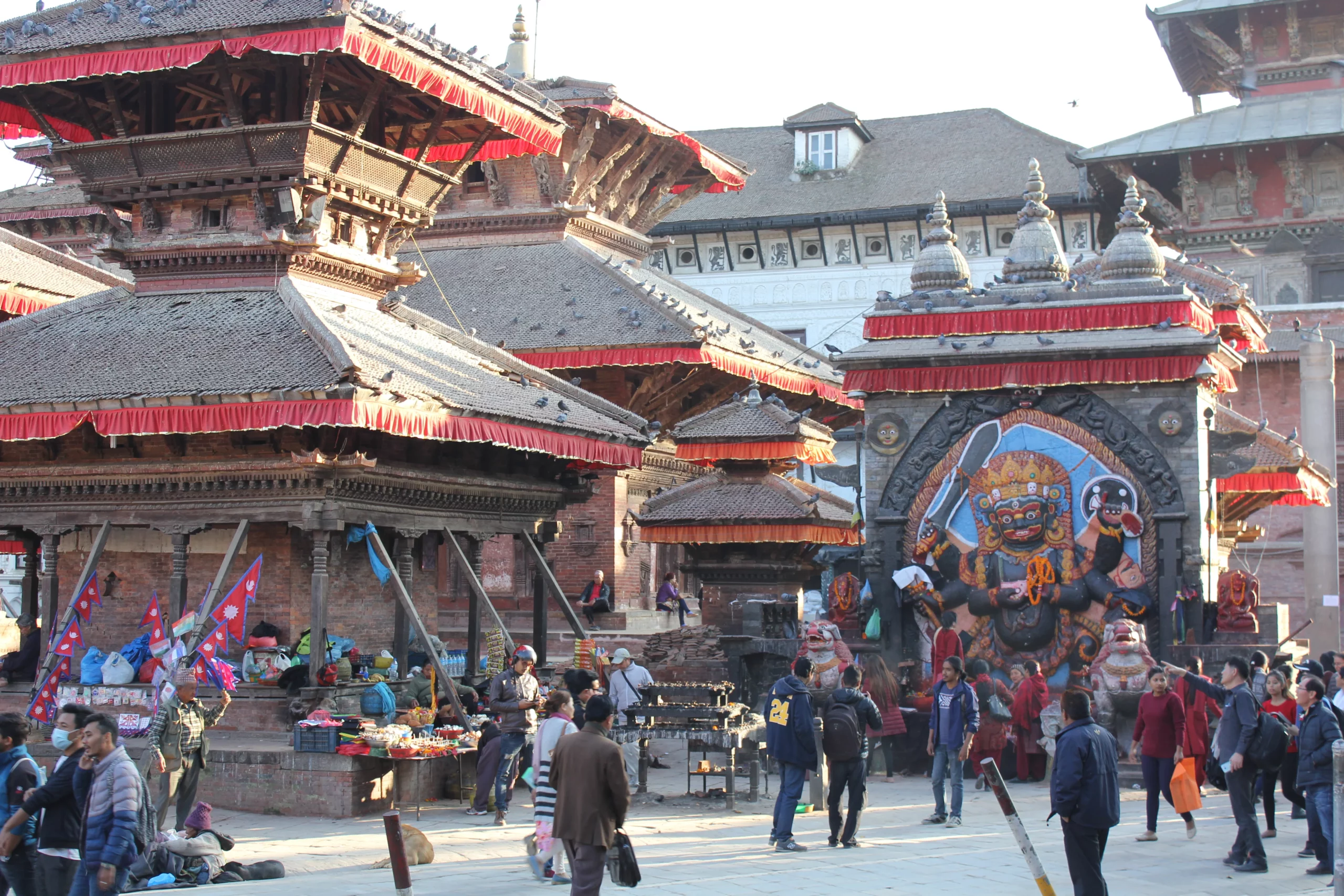
Kathmandu is almost every foreign visitor’s entry point, and the valley alone could fill a week of sightseeing. Key sites include Kathmandu Durbar Square, the Boudhanath and Swayambhunath stupas, and the Hindu temple complex of Pashupatinath. A well-organized Kathmandu sightseeing tour by private vehicle is the most time-efficient way to see these scattered sites in a single day without the fatigue of public transport or repeated taxi negotiations.
Just outside the valley, the medieval city of Bhaktapur preserves Newari architecture remarkably intact; a Bhaktapur Durbar Square day tour is one of the most rewarding half-day trips available from Kathmandu.
Nagarkot
Roughly 32 kilometers east of Kathmandu, Nagarkot is the valley’s most accessible Himalayan viewpoint, with sunrise panoramas stretching from Annapurna to Everest on clear days. A Kathmandu-to-Nagarkot vehicle trip is typically combined with an early hotel departure to catch sunrise, making it one of the most popular short escapes for foreigners with limited time in Nepal.
Pokhara
Nepal’s second-largest tourist hub sits beside Phewa Lake with the Annapurna range as a backdrop, and serves as the launch point for most Annapurna-region treks. Pokhara’s relaxed lakeside atmosphere, paragliding launch sites, and the dawn viewpoint at Sarangkot make it a near-mandatory stop on any Nepal itinerary, typically reached from Kathmandu by the scenic Kathmandu–Pokhara highway.
Chitwan National Park
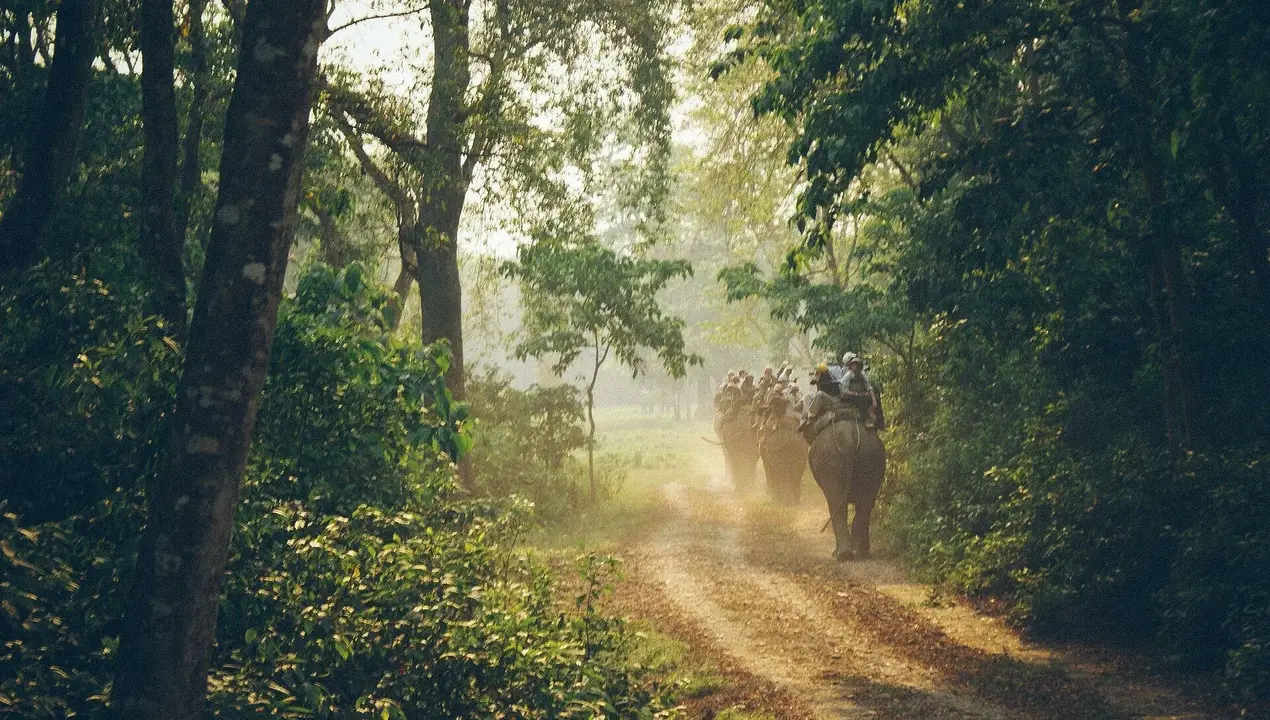
In the lowland Terai region, Chitwan offers jungle safaris, canoe trips, and some of Asia’s best opportunities to spot the one-horned rhinoceros in the wild, alongside crocodiles, deer, and — for the fortunate — Bengal tigers. Chitwan is commonly combined with Pokhara on a loop itinerary using the Pokhara to Chitwan bus service or a private vehicle for those who prefer flexibility along the route.
Lumbini
The birthplace of Siddhartha Gautama, the historical Buddha, Lumbini is a UNESCO World Heritage Site and one of Buddhism’s four most sacred pilgrimage sites. The Maya Devi Temple marks the exact birth site, and the surrounding Lumbini Garden hosts monasteries built by Buddhist communities from around the world. The Kathmandu to Lumbini bus connects the capital directly to this sacred site.
Muktinath and the Mustang Region
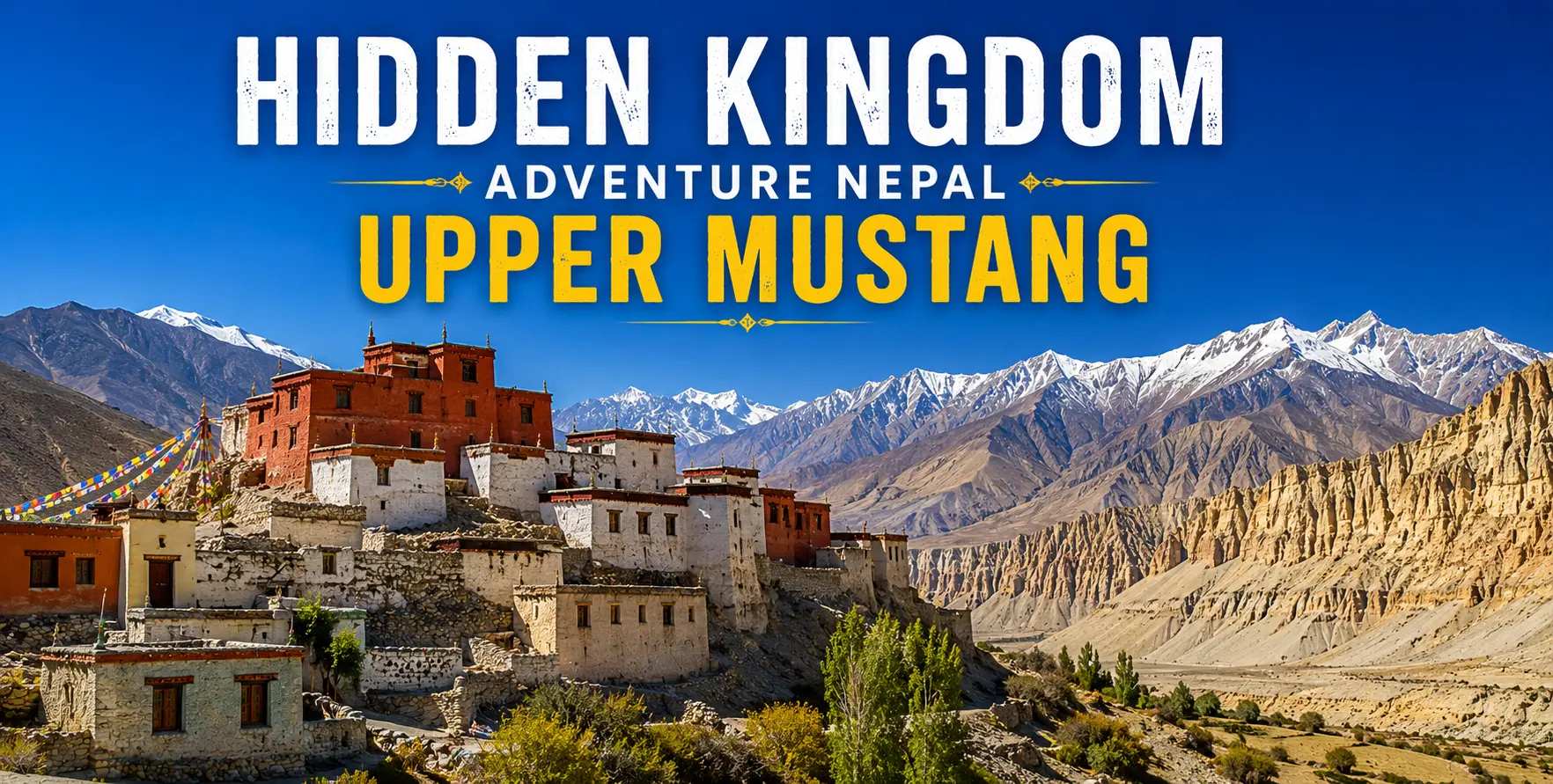
Muktinath, sacred to both Hindus and Buddhists, sits at over 3,700 meters in the Mustang district and is a major pilgrimage destination as well as a trekking highlight along the Annapurna Circuit. Beyond Muktinath, Upper Mustang’s stark, Tibetan-influenced landscape around the walled city of Lo Manthang has become increasingly accessible by 4WD jeep, particularly since road improvements and the opening of new border infrastructure toward Tibet in 2025 expanded travel options for both pilgrims and trekkers.
Everest and Annapurna Regions
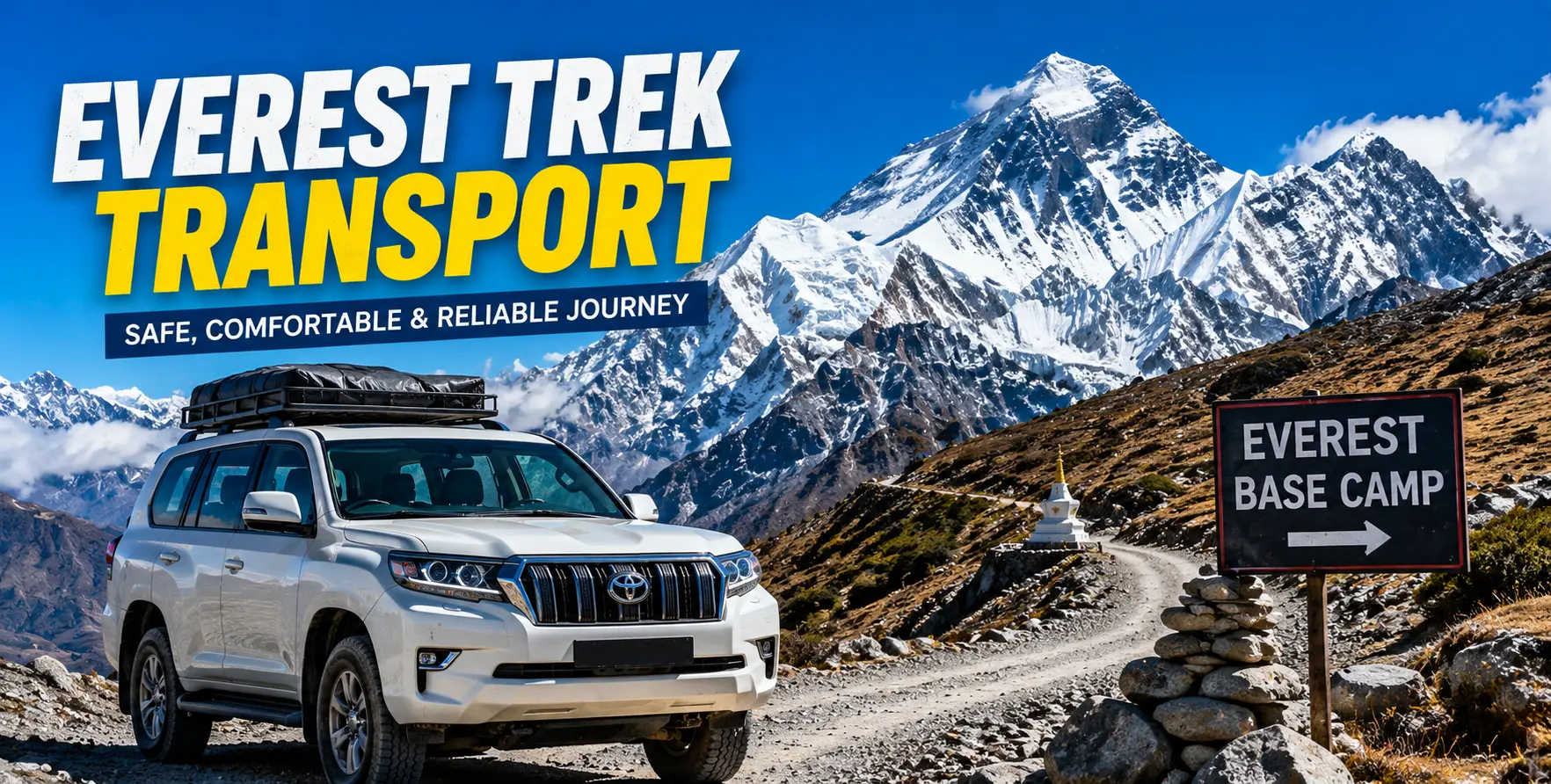
For trekkers, the two flagship regions remain Everest (Khumbu) and Annapurna. Everest is most commonly reached by flying from Kathmandu to Lukla, although overland alternatives via Kathmandu to Salleri Phaplu jeep service followed by a multi-day approach trek have grown in popularity among travelers seeking lower cost and lower weather risk than the Lukla flight. The Everest Base Camp trek remains the single most sought-after trekking itinerary among foreign visitors to Nepal, typically taking 12–14 days round trip.
The Annapurna region, reached via Besisahar for the full Circuit or via Nayapul/Pokhara for shorter loops like Ghorepani–Poon Hill, offers similarly spectacular scenery with somewhat gentler logistics and a wider range of trek lengths suited to different fitness levels and time budgets.
Culture, Etiquette, and Respectful Travel in Nepal
Nepal is religiously diverse, predominantly Hindu and Buddhist, with deep-rooted customs that foreign visitors are generally expected to respect rather than strictly required to follow. A few practical guidelines make a noticeable difference:
- Remove shoes before entering temples, monasteries, and most private homes.
- Use the right hand (or both hands) for giving and receiving items, including money and food; the left hand is traditionally considered unclean.
- Walk clockwise around Buddhist stupas and mani walls, keeping them to your right.
- Dress modestly when visiting temples and rural areas — shoulders and knees covered is a safe default for both men and women.
- Public displays of affection are uncommon and best minimized outside obviously tourist-oriented areas.
- Photography inside some temple inner sanctums and during certain ceremonies may be restricted; always look for signage or ask permission.
Nepali hospitality is famously warm, and a simple ‘Namaste’ (a respectful greeting, often accompanied by joined palms) goes a long way in opening friendly interactions throughout the country.
Food and Dining for Foreign Visitors
Nepali cuisine centers on dal bhat — lentil soup, rice, and vegetable curry, often served with pickles and sometimes meat — which remains a staple across the country, including most teahouses on trekking routes, where it is frequently offered with unlimited refills. In Kathmandu and Pokhara, the dining scene has expanded well beyond traditional fare, with Thamel and Lakeside both offering a wide range of international cuisine, from Italian and Continental restaurants to Japanese, Korean, and Indian options catering specifically to the steady flow of foreign visitors.
Newari cuisine, native to the Kathmandu Valley, is worth seeking out specifically — dishes like choila (spiced grilled meat), yomari (sweet rice dumplings), and bara (lentil patties) offer a distinctly local culinary experience rarely found outside the valley. Street food, particularly momos (Nepali dumplings), is ubiquitous and generally safe when purchased from busy, high-turnover stalls. However, travelers with sensitive stomachs should exercise the usual caution with raw vegetables and tap water in less touristed areas.
What to Pack for Nepal
Packing needs vary enormously depending on whether your trip is city- and culture-focused or includes high-altitude trekking, but a sensible base layer for most foreign visitors includes:
- Layered clothing — Kathmandu and Pokhara can be warm by day and cool at night, especially October through February.
- A good rain jacket, particularly outside the dry winter months.
- Comfortable, broken-in walking shoes, even for non-trekkers, given uneven pavement in old city ccenters
- Sun protection — UV exposure is significant at altitude even on cool days.
- A reusable water bottle with a filter or purification tablets to reduce single-use plastic.
- A universal power adapter (Nepal uses Type C, D, and M sockets) and a portable power bank.
- For trekkers: a four-season sleeping bag, headlamp, trekking poles, and proper insulated layers for nights above 3,000 meters.
- Modest clothing for temple and monastery visits — a light scarf or shawl is versatile for both warmth and coverage.
Sample Itineraries for Foreign Travelers
7-Day Classic Nepal Itinerary
Day 1–2: Arrive in Kathmandu, settle in, take a private Kathmandu sightseeing tour covering Durbar Square, Boudhanath, and Swayambhunath. Day 3: Day trip to Bhaktapur Durbar Square and a sunrise excursion via Kathmandu to Nagarkot by vehicle. Day 4: Travel to Pokhara via the Kathmandu-Pokhara bus or a private car. Day 5: Sunrise at Sarangkot using the Sarangkot sunrise tour vehicle, boating on Phewa Lake. Day 6: Short Ghorepani–Poon Hill hike or relaxed Lakeside exploration. Day 7: Return to Kathmandu via the Pokhara to Kathmandu bus for departure.
14-Day Nepal Highlights and Trekking Itinerary
Combine the 7-day classic route above with an extension into Chitwan via the Pokhara to Chitwan bus for a two-night jungle safari, followed by either a Ghorepani–Poon Hill trek extension from Pokhara or, for more ambitious travelers, the start of the Annapurna Circuit via Besisahar private vehicle or the Kathmandu Besisahar bus ticket service. Travelers wanting a fully curated, multi-region experience without managing each leg independently can also explore a complete Nepal tour package, which bundles transport, accommodation, and guiding into a single itinerary.
18–21 Day Everest Base Camp Itinerary
Serious trekkers aiming for Everest Base Camp should budget at least 12–14 trekking days, plus 2–3 days in Kathmandu before and after for acclimatization, permit processing, and gear preparation. Those wanting to combine trekking with the broader Nepal experience often pair the Everest Base Camp trek with a few days in Pokhara or Chitwan either before flying home or as a decompression period after the high-altitude push.
Frequently Asked Questions
Do foreigners need a visa to visit Nepal?
Yes, except Indian citizens, who do not require a visa, and SAARC nationals, who receive a free 30-day gratis visa once per calendar year. Most other foreign nationals can obtain a Tourist Visa on Arrival at Tribhuvan International Airport or major land borders, or apply in advance through a Nepali embassy.
How much does a Nepal tourist visa cost?
As of 2026, a 15-day visa costs US$30, a 30-day visa costs US$50, and a 90-day visa costs US$125. Fees are payable in clean foreign currency, with US dollars strongly preferred.
Is it better to hire a private vehicle or take public transport in Nepal?
It depends on budget, time, and comfort priorities. Public tourist buses are inexpensive and reliable for fixed routes like Kathmandu–Pokhara, but private car hire in Nepal or jeep hire offers far more flexibility, comfort, and time savings, particularly for multi-stop itineraries, families, or travel to mountain trailheads where road conditions demand a proper 4WD.
Do I need a guide to trek in Nepal?
Independent trekking remains possible in many popular regions. However, Nepal has progressively required licensed guides for an increasing number of routes in recent years, particularly restricted areas like Upper Mustang, Manaslu, and Upper Dolpa, where a registered trekking agency and minimum group size of two are mandatory.
Is Nepal safe for solo female travelers?
Generally yes, with the same common-sense precautions recommended anywhere: avoiding isolated areas after dark, dressing modestly outside clearly tourist-oriented venues, and booking reputable accommodation and transport providers, particularly for overnight or multi-day journeys.
What is the best way to get from Kathmandu to Pokhara?
Most foreign visitors choose between a tourist bus (around 6–7 hours, via the Kathmandu to Pokhara bus service), a short 25-minute domestic flight, or a private vehicle, which allows photo stops along the scenic Trishuli and Marsyangdi river valleys en route.
Language and Communication
Nepali is the official language, written in the Devanagari script, but English is widely spoken in the tourism industry — hotels, trekking agencies, restaurants, and drivers serving foreign visitors in Kathmandu, Pokhara, and along the main trekking routes generally communicate comfortably in English. Outside these tourist corridors, particularly in rural villages and smaller Terai towns, English fluency drops considerably, and a handful of basic Nepali phrases go a long way. ‘Namaste’ (hello), ‘Dhanyabad’ (thank you), and ‘Kati ho?’ (how much is it?) are useful starting points for any foreign visitor.
Nepal is also linguistically diverse beyond Nepali itself, with more than 120 languages spoken across different ethnic communities, including Newari in the Kathmandu Valley, Sherpa in the Everest region, Gurung and Magar in parts of the central hills, and Maithili and Bhojpuri in the southern Terai. This diversity is part of what makes regional festivals, food, and architecture vary so noticeably even within a relatively small country.
Electricity, Internet, and Practical Logistics
Nepal runs on a 230V supply with Type C, D, and M plug sockets, so foreign visitors from regions using Type A, G, or other plug standards will need a universal adapter. Power outages, locally called ‘load shedding’, have become far less frequent in Kathmandu and Pokhara in recent years thanks to expanded hydropower capacity. However, rural and high-altitude areas can still experience interruptions, particularly during the dry pre-monsoon months when hydropower output drops.
WiFi is widely available in hotels, cafés, and restaurants across Kathmandu, Pokhara, and other tourist centers, generally free of charge, though speeds vary. As discussed earlier, a local SIM card with a data plan remains the most reliable way to stay connected outside fixed WiFi locations, particularly for navigation apps and ride-hailing services within the cities.
Best Day Trips from Kathmandu for Foreign Visitors
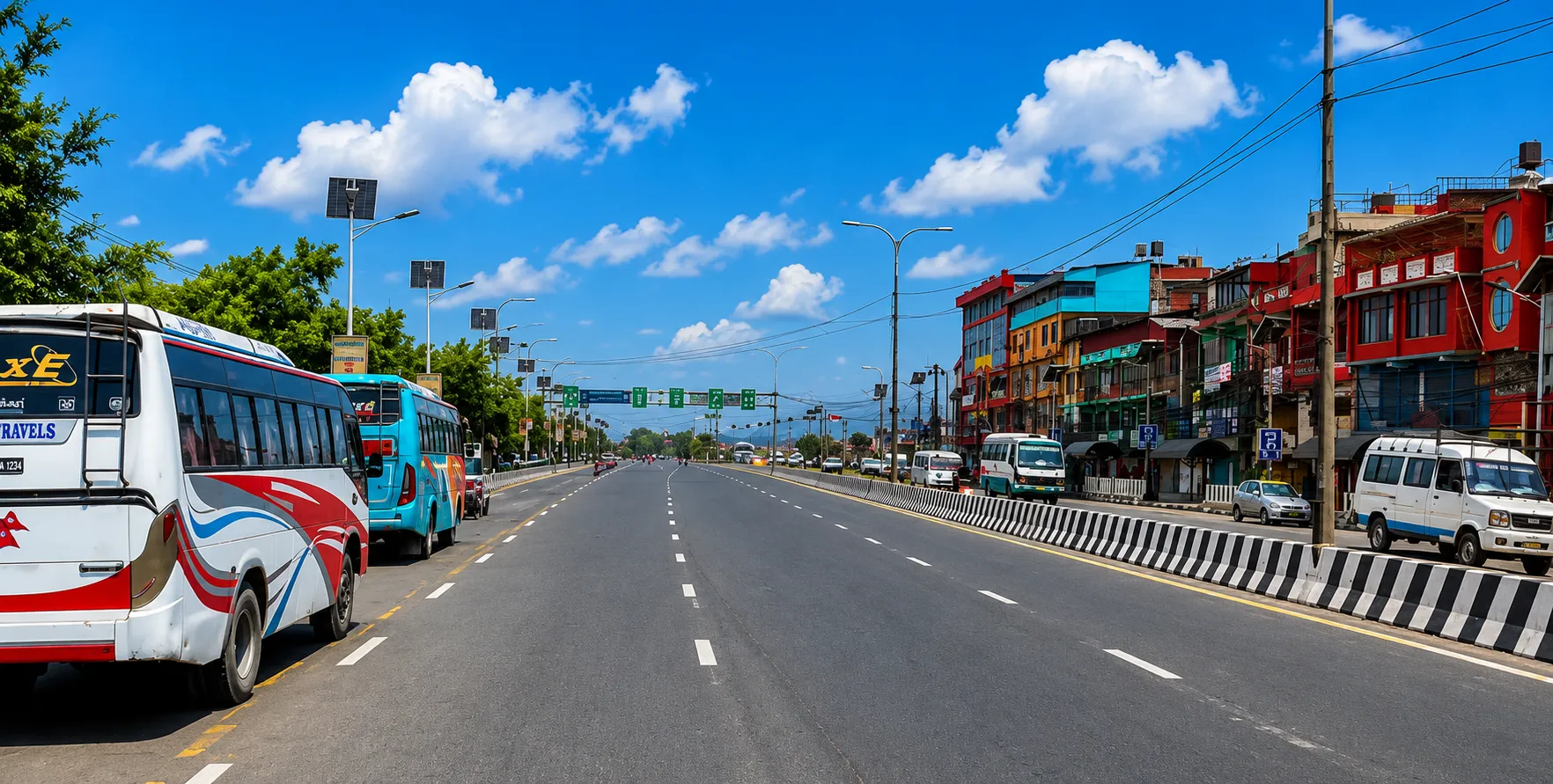
Travelers with limited time based in Kathmandu have an unusually rich set of day-trip options within a two-hour radius of the city, all of which work well with a private vehicle and driver rather than navigating local transport independently.
Nagarkot Sunrise Excursion
Beyond the standard sunrise viewing, Nagarkot also offers short nature walks through pine forest and views into the Indrawati and Sun Koshi river valleys. Many visitors combine the Nagarkot sunrise tour with a stop at Bhaktapur on the return journey, making efficient use of a single early-morning departure.
Dhulikhel and the Eastern Valley Rim
East of Bhaktapur, Dhulikhel offers similar Himalayan panoramas to Nagarkot with a quieter, more local atmosphere, along with access to the historic Namobuddha monastery, an important Buddhist pilgrimage site associated with a Jataka tale about the Buddha’s previous life.
Chandragiri Hills Cable Car
A cable car from the Kathmandu Valley rim at Thankot climbs to Chandragiri, offering panoramic views over the entire valley and, on clear days, a distant Himalayan skyline — a fast and relatively effortless way to gain elevation and perspective on the city below.
Patan (Lalitpur) Durbar Square
Technically part of greater Kathmandu but historically a separate Newari kingdom, Patan’s Durbar Square is widely regarded as having Nepal’s finest concentration of traditional stone-and-wood temple architecture, along with the excellent Patan Museum housed in the former royal palace.
Trekking Logistics: Gear, Guides, and Porters
Foreign trekkers do not need to arrive in Nepal with a full set of mountaineering-grade gear. Kathmandu’s Thamel district and Pokhara’s Lakeside area both have dense clusters of trekking gear shops selling and renting down jackets, sleeping bags, trekking poles, and boots at a fraction of equivalent costs in Europe, North America, or Australia, including a thriving second-hand and rental market for gear that does not justify a full purchase for a single trip.
Hiring a licensed guide and, for longer treks, a porter, is strongly recommended even on routes that technically allow independent trekking. Guides provide route-finding in poor weather, language assistance in remote villages, and crucially, recognize early signs of altitude sickness in clients who may not recognize their own symptoms. Porters, meanwhile, support the local trekking economy directly and allow trekkers to carry a lighter daypack rather than a full multi-day load, which materially reduces fatigue and injury risk on long, multi-week routes.
Whether trekking independently or with a full-service agency, transport to and from the trailhead is a separate logistical question worth planning early. As outlined earlier in this guide, routes into Manaslu, Mustang, and the lower Everest region increasingly rely on private jeep transport rather than purely on foot or by domestic flight, particularly as road networks continue to extend further into mountain districts each year.
Shopping and Souvenirs
Thamel in Kathmandu and Lakeside in Pokhara are Nepal’s two principal tourist shopping districts, offering everything from Pashmina shawls and hand-knotted Tibetan carpets to singing bowls, thangka paintings, and trekking gear. Bargaining is expected and customary in most informal shops and street stalls, though fixed-price stores, increasingly common for higher-quality handicrafts and government-certified Pashmina, do not negotiate. Genuine Pashmina, distinguished from cheaper synthetic blends, typically carries a noticeably higher price and a slightly rougher, warmer texture than mass-produced imitations.
Buddhist and Hindu religious items — prayer flags, malas, and small statues — are widely available and culturally significant souvenirs, though travelers should be aware that exporting genuine antiques from Nepal is restricted and requires certification from the Department of Archaeology; reputable shops selling antique-style items will typically clarify whether a piece is a modern reproduction or a regulated antique.
Common Mistakes Foreign Travelers Make in Nepal
- Underestimating Kathmandu’s traffic and travel times. A route that looks like 10 kilometers on a map can take 45 minutes or more during peak hours; always build buffer time into airport transfers and same-day connections.
- Booking a Lukla flight with zero buffer days. Kathmandu–Lukla flights are notoriously weather-dependent and frequently delayed by a day or more during cloudy periods; itineraries with no slack risk missed international connections.
- Ascending too quickly on treks. Rushing acclimatization schedules to save a day or two is the single most common cause of altitude sickness evacuations.
- Carrying only large denomination or worn USD notes. Visa counters and some money changers reject torn, marked, or pre-2009 series US dollar bills.
- Assuming all regions have ATM access. Cash should be withdrawn in Kathmandu or Pokhara before heading into trekking regions or smaller towns.
- Skipping travel insurance with altitude and evacuation coverage. Standard policies frequently exclude trekking above 3,000–4,000 meters without an explicit add-on.
- Negotiating transport informally at the airport curb. Pre-arranged transfers avoid inflated ‘tourist pricing’ and the stress of negotiating immediately after a long flight.
Festivals Worth Timing Your Trip Around
Nepal’s calendar is dense with festivals, and several are spectacular enough to shape when foreign visitors choose to travel actively. Dashain, typically falling in September or October, is Nepal’s largest Hindu festival, a fifteen-day celebration involving family gatherings, kite flying, and animal sacrifice rituals at temples; many businesses operate on reduced hours during the peak days. Tihar, the festival of lights, follows roughly two to three weeks later and includes the dog-honoring Kukur Tihar and the sister-brother bonding day of Bhai Tika, with homes and streets decorated in oil lamps and marigold garlands.
Holi, the spring festival of color, falls in March and is celebrated enthusiastically in Kathmandu and Pokhara with crowds throwing colored powder and water—joining in is welcomed. However, valuables and good clothing are best left at the hotel. Buddha Jayanti, marking the Buddha’s birth, Enlightenment, and death, draws large crowds to Lumbini and Kathmandu’s Boudhanath and Swayambhunath stupas, typically in April or May. For travelers interested in Sherpa and Tibetan Buddhist culture specifically, Mani Rimdu, celebrated with masked dances at monasteries in the Everest region in autumn, is a remarkable cultural experience for trekkers whose itinerary happens to align with the dates, which shift annually according to the lunar calendar.
Domestic Flights vs Road Travel
Nepal’s domestic aviation network connects Kathmandu to Pokhara, Lukla (for Everest region access), Bhairahawa (near Lumbini), Nepalgunj, Bharatpur (near Chitwan), and several smaller regional airstrips. Flights save substantial time compared to road travel — Kathmandu to Pokhara takes roughly 25 minutes by air against 6–8 hours by road — but come at a materially higher cost and carry real weather-related cancellation risk, particularly on mountain routes like Lukla, where low cloud and high winds regularly ground flights for hours or, occasionally, days at a time during the shoulder seasons.
For most foreign visitors building a multi-stop itinerary across Kathmandu, Pokhara, Chitwan, and Lumbini, a mix of strategic flights for the longest legs and private vehicle or bus travel for shorter, scenic legs offers the best balance of cost, time, and experience. Road travel through the Trishuli and Marsyangdi valleys between Kathmandu and Pokhara, for instance, passes terraced hillsides, suspension bridges, and rural villages that many travelers consider a worthwhile experience in its own right, not merely a transit inconvenience to be flown over.
Working with a Local Operator vs Booking Everything Independently
Foreign visitors to Nepal generally fall into one of two planning styles: fully independent travelers who book each hotel, vehicle, and activity separately as they go, and those who prefer a structured itinerary arranged in advance, whether for an entire trip or just the transport backbone connecting major destinations. Both approaches work well in Nepal, but the independent style demands considerably more time spent comparing prices, negotiating fares, and managing logistics on the ground, time that many visitors with a fixed two- or three-week window would rather spend actually seeing the country.
A practical middle path many foreign travelers settle on is booking accommodation independently for flexibility, while pre-arranging the transport layer — airport transfers, intercity travel, and any 4WD hire in Nepal needed for mountain trailheads — through a single, reliable local operator. This removes the single biggest source of day-to-day friction (finding and pricing transport in an unfamiliar country) while still leaving room to change plans, extend a stay somewhere unexpectedly beautiful, or adjust an itinerary around weather, all without renegotiating logistics from scratch. Nepal Vehicle Hiring Pvt Ltd structures its services around exactly this model, offering everything from single airport pickups to multi-week, multi-vehicle itineraries booked as one coordinated plan.
Accommodation Options for Foreign Visitors
Nepal’s accommodation spectrum runs from simple trekking teahouses charging a few dollars a night, with the expectation that guests eat dinner and breakfast at the lodge, through to internationally branded five-star hotels in Kathmandu and Pokhara offering spa facilities, fine dining, and mountain-view rooms. Mid-range boutique hotels have grown substantially in both cities over the past several years, often converted from traditional Newari buildings and offering a more characterful stay than larger chain properties at a comparable price point.
Booking ahead is advisable during the peak autumn and spring seasons, particularly for properties in Thamel and Lakeside with mountain or lake views, and is effectively mandatory for teahouses along the most popular trekking routes during October and November, when bed space on the Everest and Annapurna trails can be genuinely scarce on the busiest nights.
Final Thoughts: Planning Your Nepal Trip with Confidence
Nepal rewards travelers who arrive with a basic understanding of visa rules, seasonal timing, permit requirements, and realistic transport expectations, while still leaving plenty of room for the spontaneity that makes Himalayan travel so memorable. Whether your itinerary centers on temple-hopping in Kathmandu, sunrise views over the Annapurna range from Pokhara, a jungle safari in Chitwan, or a multi-week trek toward Everest Base Camp, the single thread connecting every successful Nepal trip is dependable, comfortable transport between these widely scattered destinations.
Nepal Vehicle Hiring Pvt Ltd specializes in exactly this — connecting foreign visitors with experienced drivers and the right vehicle for every leg of a Nepal journey, from a simple Kathmandu airport transfer on arrival, to rugged 4WD jeep hire for mountain trailheads, to scheduled tourist bus tickets between major cities. Explore the full range of vehicle rental options across Nepal or browse a complete Nepal tour package to start planning a trip that matches your interests, timeline, and budget.
For tailored advice on routes, permits, or vehicle selection for your specific itinerary, contact our team directly — we plan Nepal journeys for foreign travelers every day and are happy to help shape yours.
- Introduction: Why Nepal Captivates Every Foreign Traveller
- Why Nepal Should Be on Every Traveler's List
- Nepal Visa Requirements for Foreigners (2026 Update)
- Best Time to Visit Nepal
- Arriving in Nepal: Airports and First Steps
- Getting Around Nepal: Transport Options for Foreigners
- Money, Currency, and Costs in Nepal
- SIM Cards and Staying Connected
- Health, Altitude, and Safety for Foreign Visitors
- Trekking Permits and Restricted Areas
- Top Destinations for Foreign Visitors in Nepal
- Culture, Etiquette, and Respectful Travel in Nepal
- Food and Dining for Foreign Visitors
- What to Pack for Nepal
- Sample Itineraries for Foreign Travelers
- Frequently Asked Questions
- Language and Communication
- Electricity, Internet, and Practical Logistics
- Best Day Trips from Kathmandu for Foreign Visitors
- Trekking Logistics: Gear, Guides, and Porters
- Shopping and Souvenirs
- Common Mistakes Foreign Travelers Make in Nepal
- Festivals Worth Timing Your Trip Around
- Domestic Flights vs Road Travel
- Working with a Local Operator vs Booking Everything Independently
- Accommodation Options for Foreign Visitors
- Final Thoughts: Planning Your Nepal Trip with Confidence

Related Blog & Articles
4WD Himalayan Jeep in Nepal

4WD Vehicles in Nepal: The Ultimate Hire Guide 2026
Annapurna Conservation Area
Family Jeep Hire Mustang Tour Nepal
Top Adventure Destinations in Nepal
Best Nepal Tour Package: Best Vehicle Hire Guide for 2026/2027
Kathmandu to Tamang Heritage Trail Transport
Kathmandu to Ramechhap Airport Transfer Full Guide 2026
Chitwan to Birgunj Border Transport – Complete Private Vehicle Hire Guide