Plan a Trip


Nepal Vehicle Rental With Roof Luggage Space
Nepal Vehicle Rental With Roof Luggage Space – Complete Guide
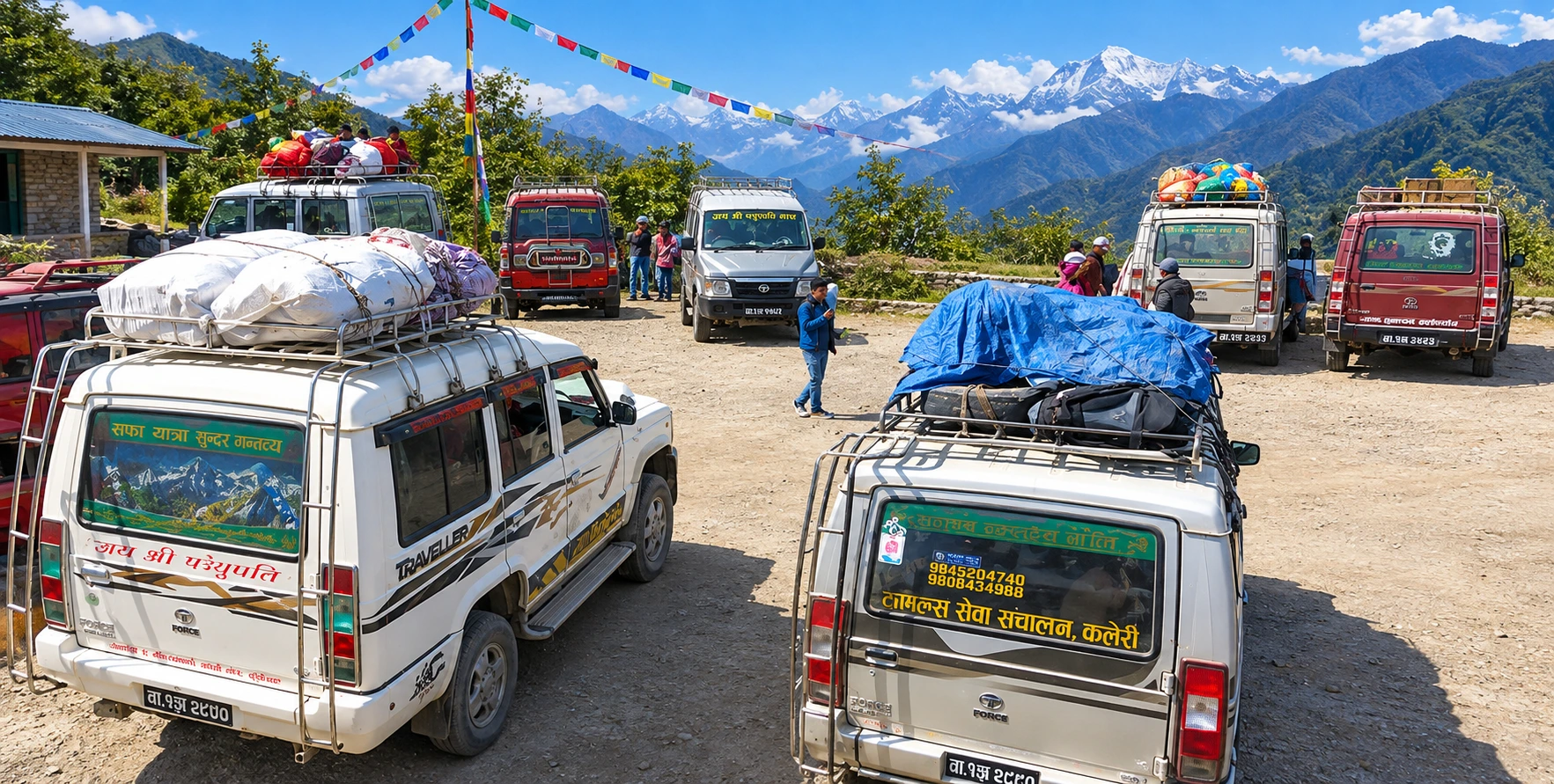
It happens with remarkable regularity on Nepal’s mountain roads: a trekking group arrives at the trailhead after a long jeep journey, opens the vehicle’s boot, and discovers what they already suspected but hoped would not be true — there is genuinely not enough space for everyone’s trekking pack, sleeping bag, and porter duffel to travel together in a single vehicle. The overflow bags that ended up on laps, wedged between seats, or strapped to the outside of the vehicle with bungee cords are damp, misshapen, and, in the case of camera equipment and sensitive electronics, subtly damaged by five hours of mountain-road vibration. The group’s porter duffels, each containing 15–25 kg of trekking supplies, have been stacked in a configuration that blocks the rear view, makes emergency access to any bag during the journey impossible, and has left two passengers sitting bolt upright for the entire drive because the seat recline was blocked by the bag behind them. This scenario is not unusual — it is the predictable result of booking a vehicle based purely on passenger count without giving equivalent attention to luggage volume.
The luggage problem is Nepal’s most consistently underestimated vehicle hire planning challenge, and it has a specific character that makes it more acute in Nepal than in most other trekking destinations: Nepal trekkers carry more gear per person than almost any other category of traveller. A trekking group of six people heading to Everest Base Camp via the Salleri road or the Annapurna Circuit via Besisahar will typically be carrying, per person: one large trekking backpack or duffel (60–80 litres), one day pack, sleeping bag in compression sack, trekking poles, and shared camping or expedition equipment — plus the equipment of hired porters and guides who are often travelling in the same vehicle to the trailhead. The total luggage volume for six adequately equipped trekkers can easily exceed 400–500 litres, a load that challenges even the largest standard jeep configuration and makes roof luggage space not a nice-to-have supplement but an operational necessity.
This guide from Nepal Vehicle Hiring Pvt Ltd provides the complete, practically researched 2026 picture of Nepal vehicle rental with roof luggage space — covering every vehicle in our fleet that provides roof or bed-mounted luggage capacity, the specific trekking routes and group configurations for which each vehicle is best suited, how roof luggage is safely secured and what protection measures apply in different weather conditions, the combined vehicle configurations for large expedition groups whose luggage exceeds single-vehicle capacity, and the specific links to the trekking packages and tour services that most commonly require this specific capability. For trekking packages requiring heavy expedition gear transport, contact Trek Nepal Himalayas; for premium lightweight-luggage luxury trekking, contact Alpinee Luxury Treks.
Book Nepal Vehicle Hiring: vehiclehiringnepal.com | Call/WhatsApp: +977 9851013196
Understanding Nepal’s Luggage Challenge – What Trekkers Actually Carry
The starting point for any honest guide to Nepal vehicle rental with roof luggage space is an accurate accounting of what Nepal trekkers and tour groups actually carry — because the scale of luggage in a typical Nepal trekking group is systematically larger than what most travellers assume when booking transport and far larger than what the nominal seating capacity of a vehicle implies about its luggage accommodation.
A typical participant on a Trek Nepal Himalayas Annapurna Circuit Trek or Everest Base Camp Trek will carry a main trekking duffel of 60–90 litres (carried by the hired porter on the trail) and a day pack of 20–30 litres (carried personally on the trail). The duffel, when packed for a 14–18 day high-altitude trek, typically weighs 12–20 kg — clothing layers for temperatures ranging from 25°C at the trailhead to -10°C or below at high camp, sleeping bag rated to -20°C, down jacket, trekking boots, water purification equipment, first aid supplies, and personal hygiene items. For a group of six trekkers, the combined luggage load includes six such main duffels, six day packs, plus the shared equipment of two to three porters and a guide — the guide’s personal pack and the porters’ loads are often transported in the jeep to the trailhead.
Photography and videography equipment adds a further dimension to the luggage calculation for the growing segment of Nepal adventure travellers who carry serious camera gear: a DSLR or mirrorless camera system with multiple lenses, drone and controller, tripod, and associated accessories can represent 15–25 kg of additional load in hard cases or padded backpacks that require specific positioning — ideally inside the vehicle or in a covered roof compartment rather than on an open rack. For Alpine Luxury Treks premium clients, whose luxury Nepal trekking packages often include filming and photography services, the Land Cruiser’s generous rear cargo area, combined with a roof rack, provides the most complete camera-gear accommodation available in Nepal’s hire fleet.
Expedition-grade trekking — routes like Manaslu Circuit, Kanchenjunga Trek, and Upper Mustang Trek — adds more volume through high-altitude camping equipment, technical climbing gear, supplementary oxygen cylinders, and expedition-grade cold-weather clothing that can double or triple per-person luggage volume compared to standard teahouse trekking. For these routes, calculate luggage needs before selecting a vehicle, not after — and Nepal Vehicle Hiring’s operations team can help match capacity to any expedition group’s specific gear list.
The Toyota Hilux – Nepal’s Premier Roof Luggage Vehicle
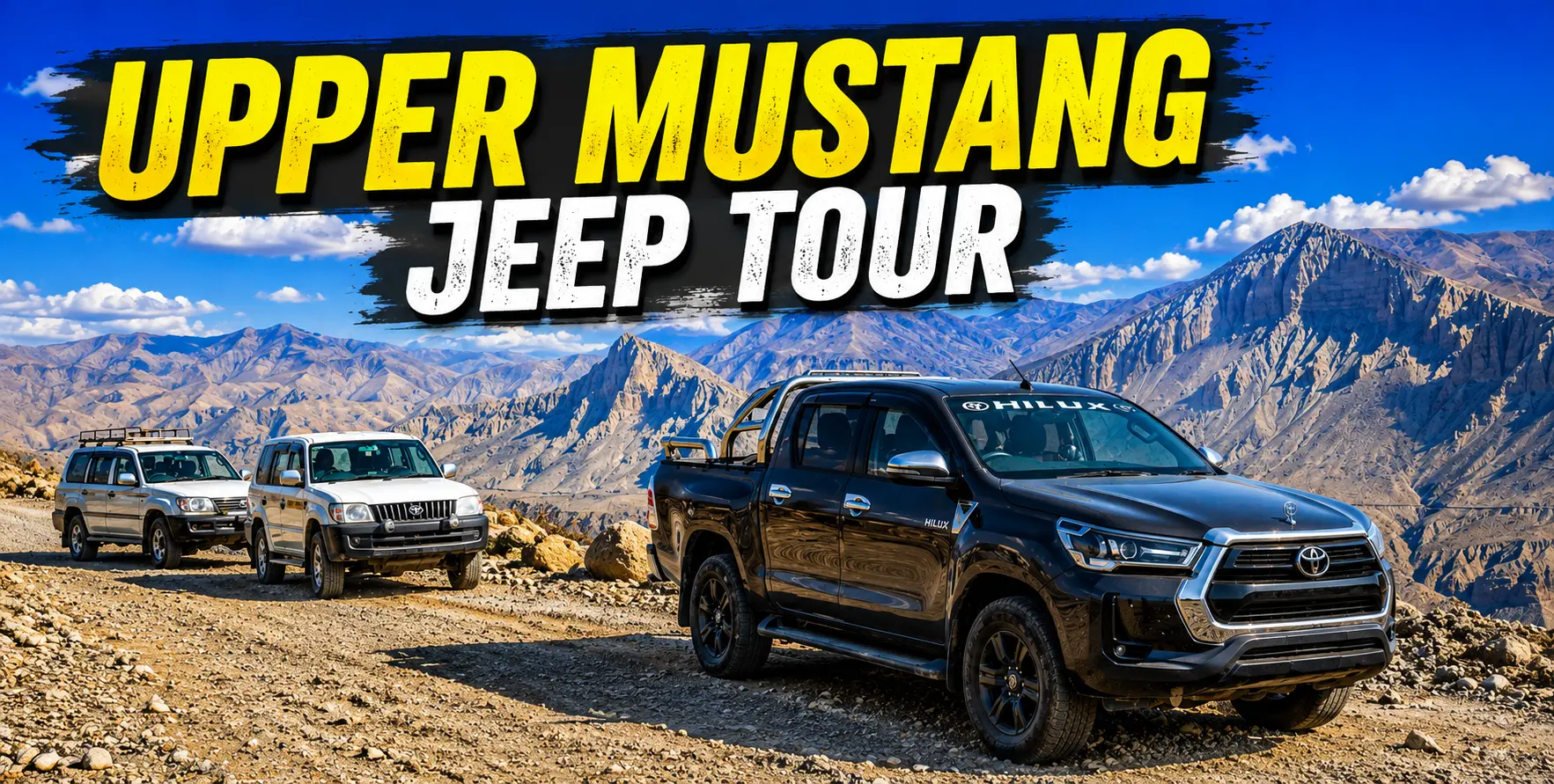
The Toyota Hilux 4WD occupies a unique and extremely valuable position in Nepal’s vehicle hire market — a dual-cab pickup truck whose bed and rooftop carrier configuration provides more usable luggage capacity than any other single vehicle in Nepal’s tourist hire fleet. As Nepal Vehicle Hiring’s own Toyota Hilux, Fortuner and Land Cruiser comparison guide notes, the Hilux’s dual-cab pickup body means the bed and rooftop carrier provide generous luggage space for full trekking expeditions — more space than any comparable single vehicle at the same price point.
The Toyota Hilux bed — the open cargo area behind the passenger cab — provides approximately 1.5 cubic metres of unobstructed cargo space in the standard dual-cab configuration. This single space accommodates the entire luggage load of a four-to-five person trekking group without compression or compromise: main trekking duffels, porter loads, shared expedition equipment, and day packs all fit side by side with full accessibility. The bed’s waterproof liner and aluminium side rails protect the load from surface damage, and a weatherproof tonneau cover or lockable hard canopy — standard on Nepal Vehicle Hiring’s Hilux fleet — provides rain and dust protection that open roof racks cannot match. For the Annapurna Circuit Besisahar to Chame jeep transfer, the Langtang Valley trek Syabrubesi transfer, and the Salleri Everest road access route, the Hilux bed provides a completely protected luggage solution for a full expedition group across Nepal’s most demanding off-road sections.
The Toyota Hilux rooftop carrier — mounted above the cab on a steel frame — provides an additional 0.5–0.8 cubic metres of supplementary luggage capacity for items that can tolerate open-air transport: empty porter duffels, rolled sleeping mats, tent poles and carry bags, and lightweight bulky items that do not require weather protection. The rooftop carrier is secured with ratchet straps and a cargo net as standard practice on all Nepal Vehicle Hiring Hilux operations. Combined, the Hilux bed and rooftop carrier deliver a total luggage capacity that rivals a small truck, while carrying five to six passengers in genuine comfort in the enclosed dual-cab passenger compartment.
The Hilux’s 2026 hire rate is NPR 15,000–22,000 per day including driver and fuel — positioning it as the most cost-effective professional expedition luggage solution in Nepal’s hire market, roughly comparable to the Mahindra Scorpio in daily rate while delivering substantially more cargo capacity. As Nepal Vehicle Hiring’s Hilux guide states, the Hilux’s bed and rooftop carrier handle the largest trekking duffel bags and expedition equipment without compromise, and the hire cost savings compared to a Land Cruiser are approximately NPR 8,000–15,000 per day. For Trek Nepal Himalayas trekking expedition groups that need the highest luggage-to-passenger ratio in a single vehicle, the Hilux is the professional’s first choice.
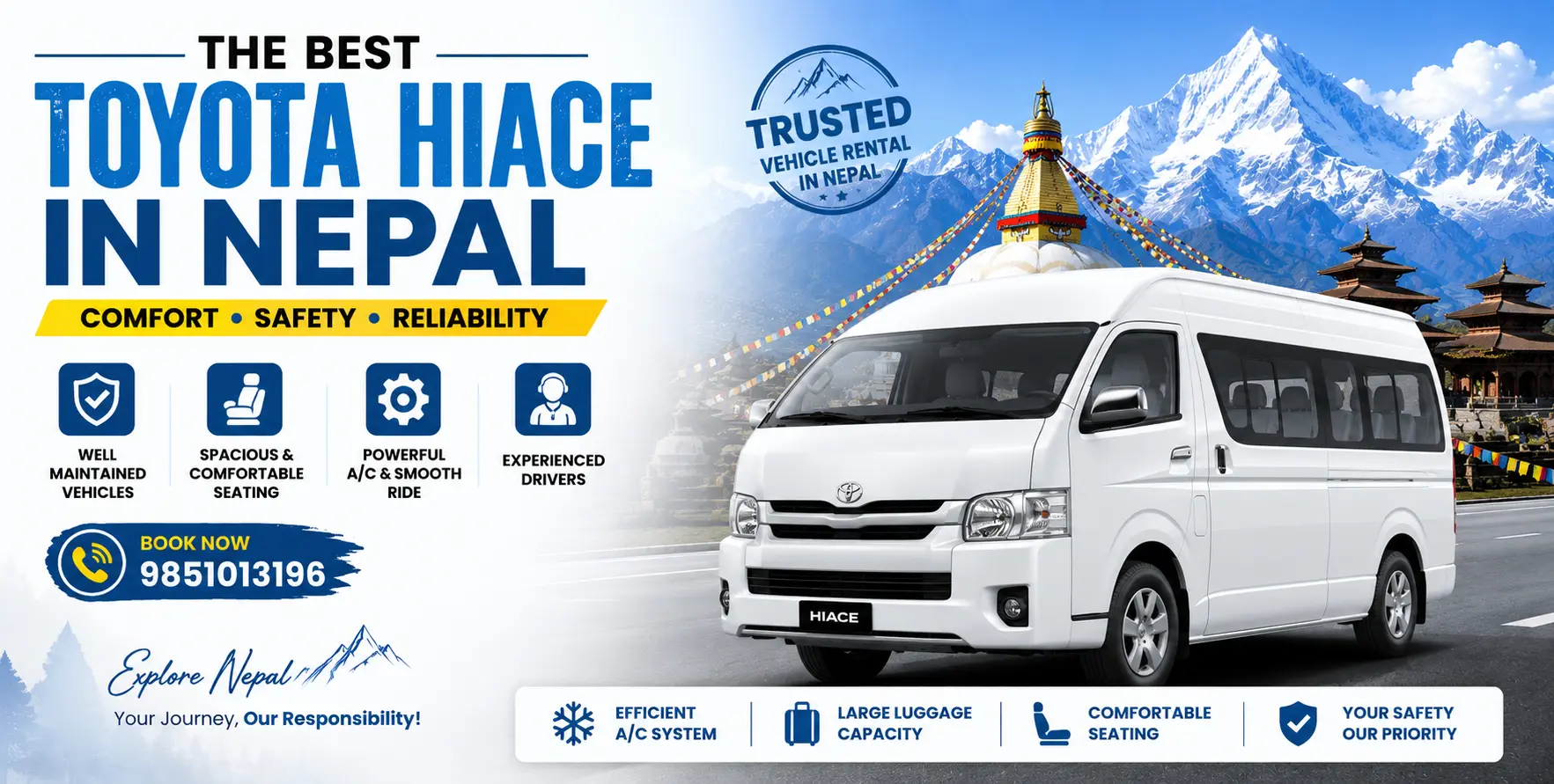
The Toyota Hiace Van – The Group Roof Rack Standard
The Toyota Hiace van is Nepal Vehicle Hiring’s most popular group highway vehicle and the standard choice for medium-sized trekking groups of eight to thirteen people on paved highway routes. Its roof luggage rack capacity for trekking gear and large bags — documented across multiple 2026 Nepal vehicle hire operators — makes it the group roof luggage standard for Terai Highway, Prithvi Highway, and all Category 1 paved road routes.
The Hiace’s roof rack is a factory-fitted or professionally installed steel tube frame running the full length of the vehicle’s roof, providing approximately 2.5–3 metres of rack length and 1.2–1.4 metres of rack width — a total surface area of approximately three square metres. This accommodates eight to ten large trekking duffels and day packs side by side in a single layer, which for a group of eight trekkers provides complete main luggage accommodation without any bags inside the passenger cabin. Nepal Vehicle Hiking’s Hiace van fleet is equipped with cargo nets, ratchet strap tie-downs, and waterproof tarpaulin covers for all roof rack loads — the tarpaulin cover being particularly critical on routes that pass through rain-prone sections such as the Pokhara approach or the Chitwan corridor where afternoon monsoon showers are common even outside the main monsoon season.
The practical advantage of the Hiace roof rack over interior luggage stacking for medium groups is not merely space — it is the fundamental improvement in passenger comfort and safety that comes from keeping the passenger cabin clear. A Hiace carrying thirteen passengers with all luggage inside the cabin is a genuinely uncomfortable, claustrophobic, and, in an emergency, potentially dangerous environment—bags blocking emergency exit aisles, passengers unable to recline seats, and the collective ambient temperature of a full cabin making the AC system struggle. The same Hiace with all luggage on the roof rack carries thirteen passengers in genuine comfort across a twelve-seat configuration with full aisle access and proper seat space — a categorically different experience for the same group.
The Hiace roof rack is appropriate for highway routes including Kathmandu to Pokhara group transfer, Kathmandu to Chitwan Hiace hire, Kathmandu to Lumbini group transfer, and Pokhara to Chitwan Hiace service. For off-road mountain routes, the Hiace is not an appropriate vehicle—the roof rack load raises the vehicle’s centre of gravity in ways that are not problematic on flat highways but create genuine stability concerns on steep, rough mountain tracks, where the Scorpio and Land Cruiser are deployed. For combined itineraries where a group travels by Hiace on the highway section and transfers to a 4WD Scorpio or Bolero for the off-road mountain approach, Nepal Vehicle Hiring coordinates the two-vehicle transfer as a single integrated service.
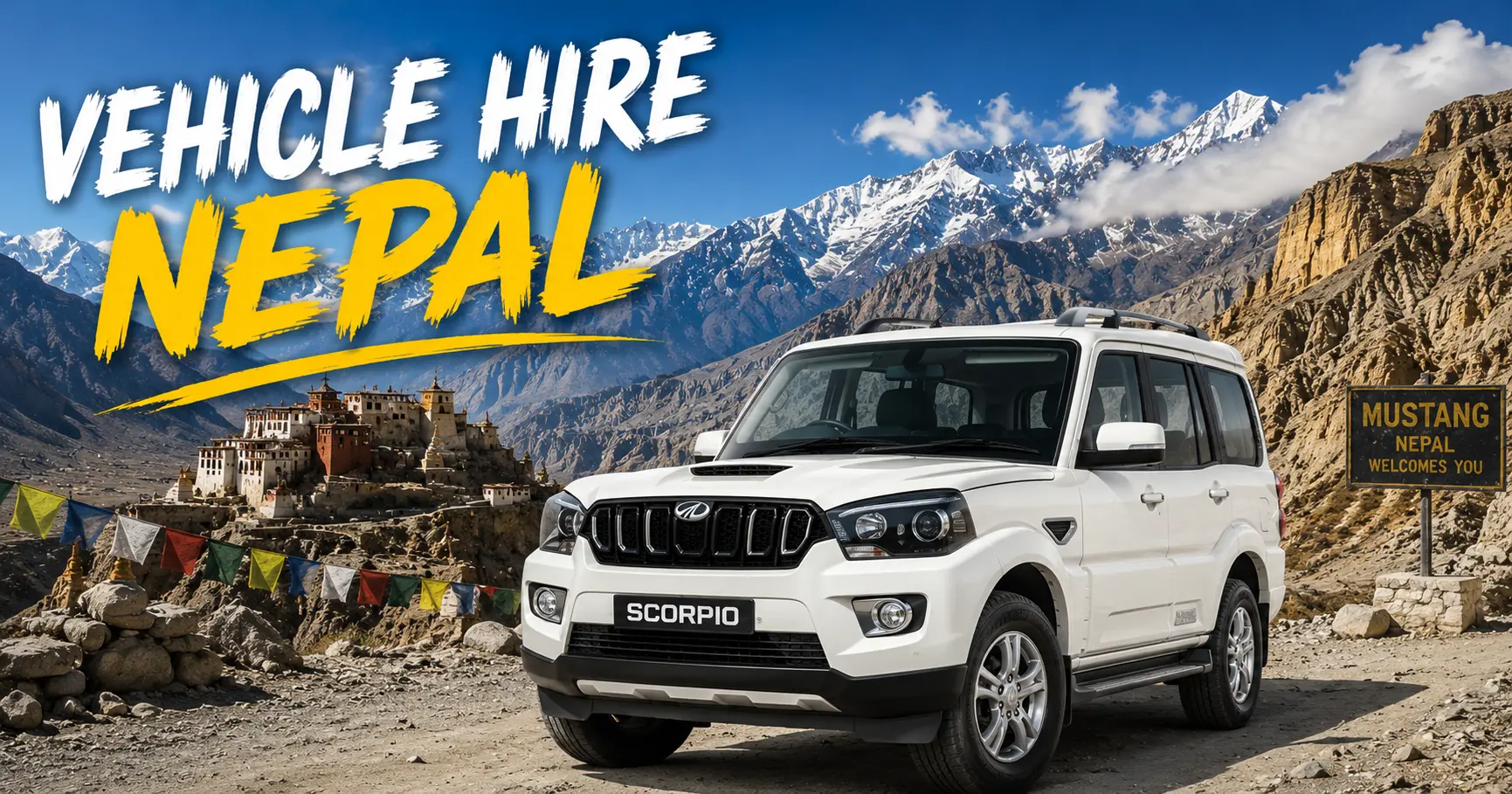
The Mahindra Scorpio – Roof Rack for the Mountain Off-Road Standard
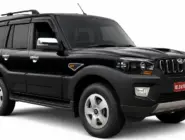
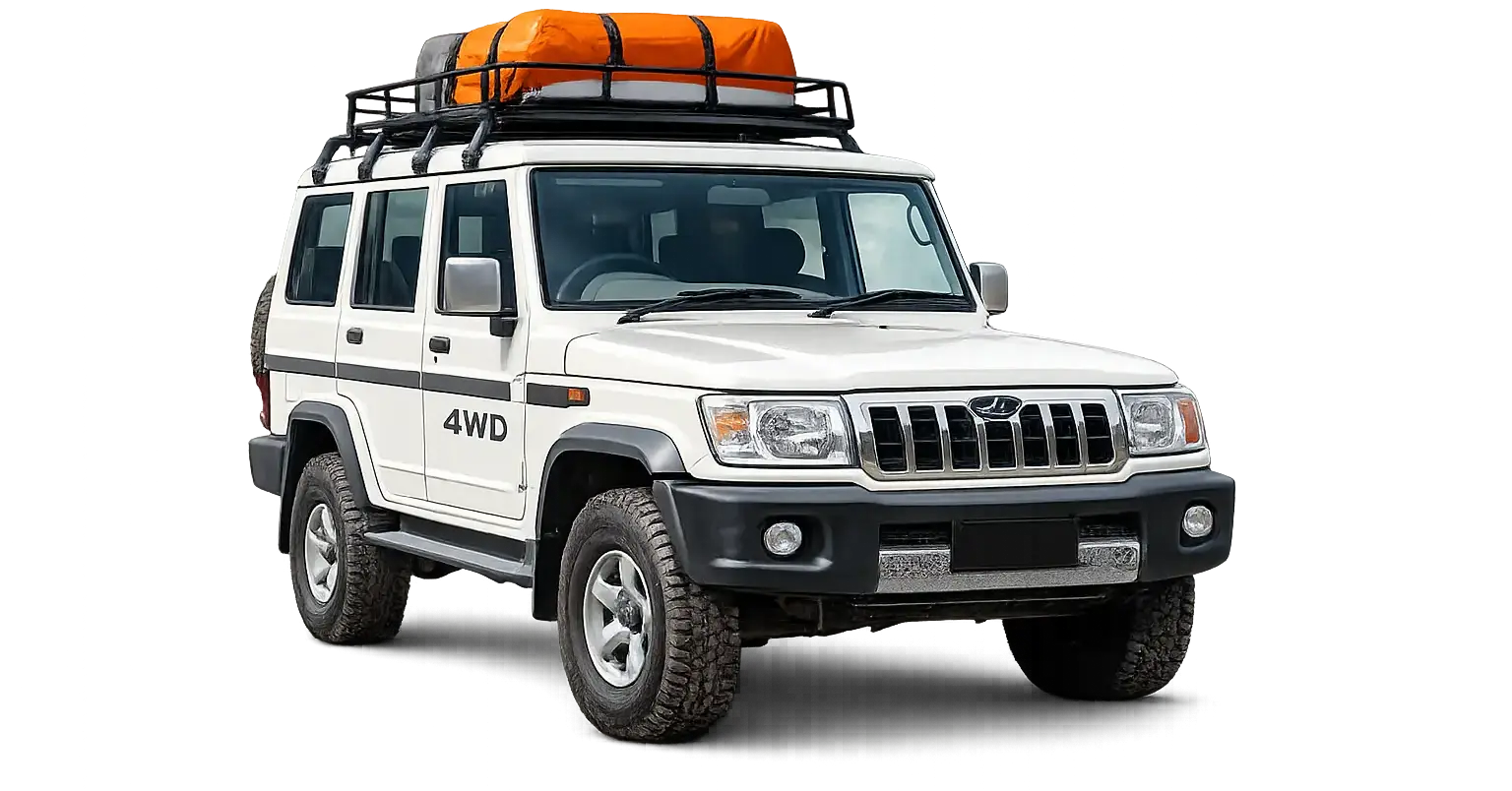
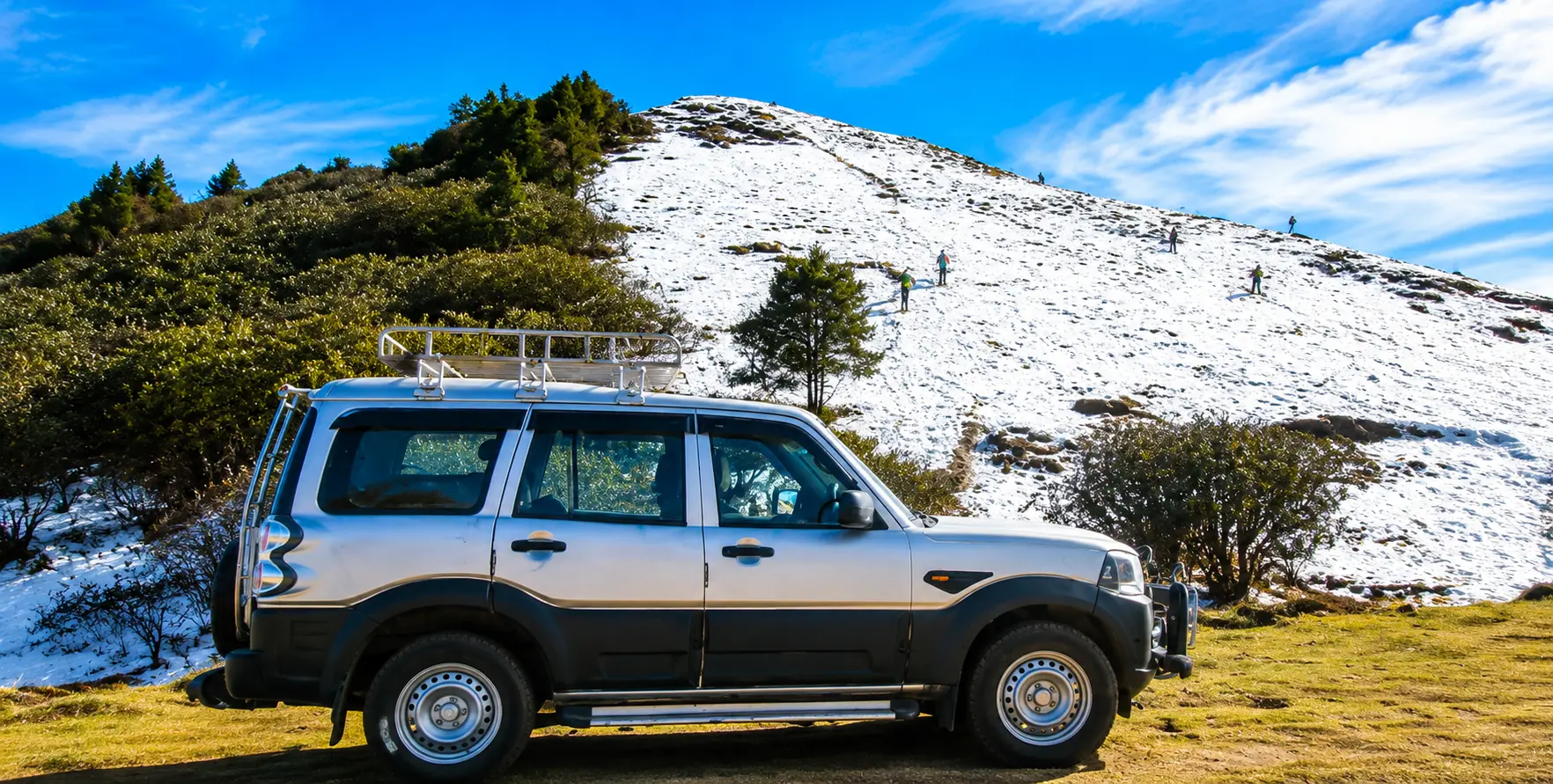
The Mahindra Scorpio 4WD is Nepal’s most widely used private trekking transfer vehicle, and its standard roof rack is one of the most important practical features in the mountain trekking transfer context. The Scorpio’s OEM-standard or aftermarket roof rack — a steel tube frame mounted on the vehicle’s roof rails, covering an area of approximately 1.6 metres long by 1.2 metres wide — provides supplementary luggage capacity that allows a vehicle configured for six passengers to carry six full trekking duffels plus day packs without any compression of passenger space. Without the roof rack, a Scorpio carrying six passengers and their full trekking gear forces a genuinely difficult choice between adequate passenger seating and adequate luggage accommodation — a choice that the roof rack eliminates.
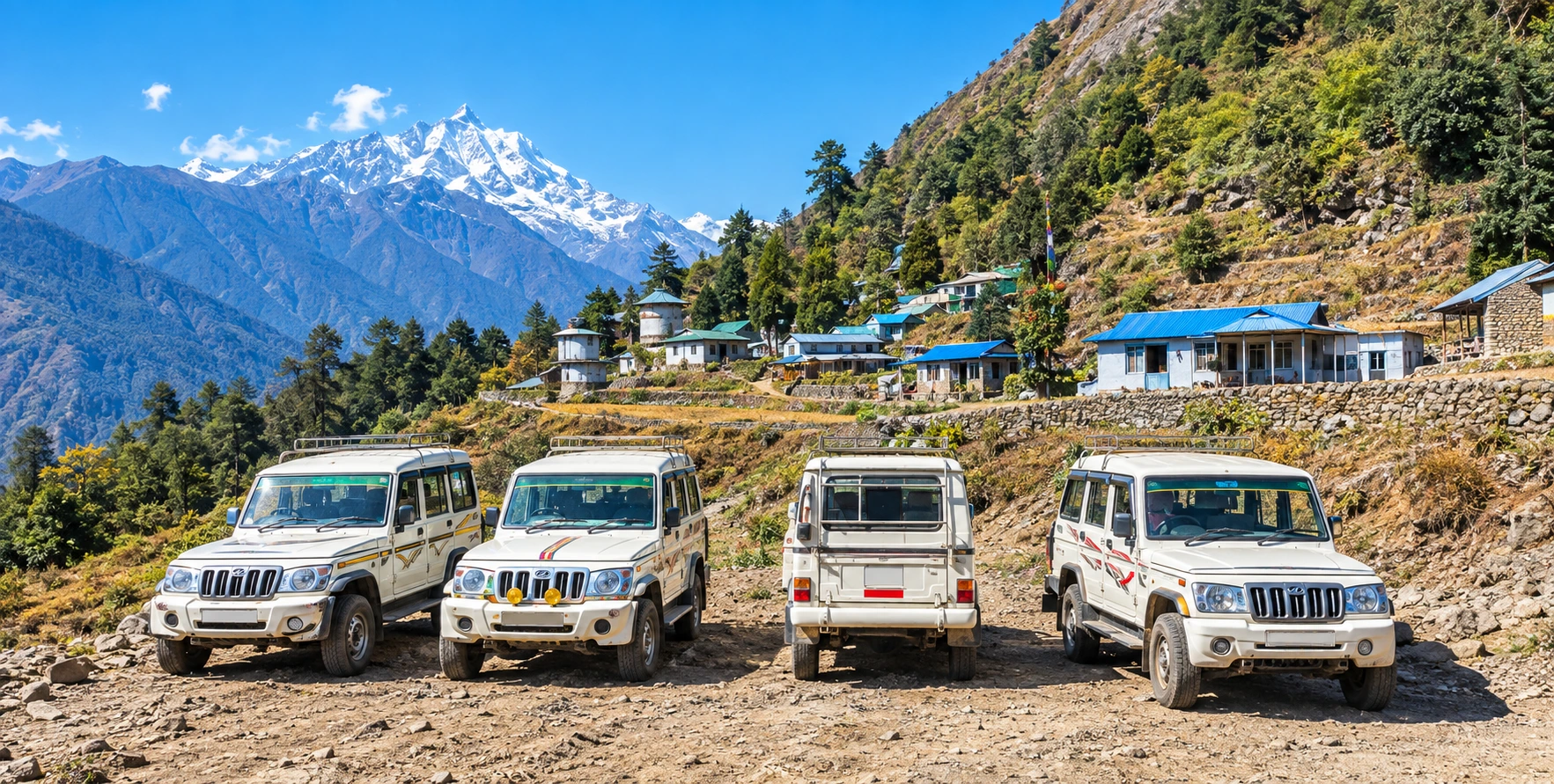
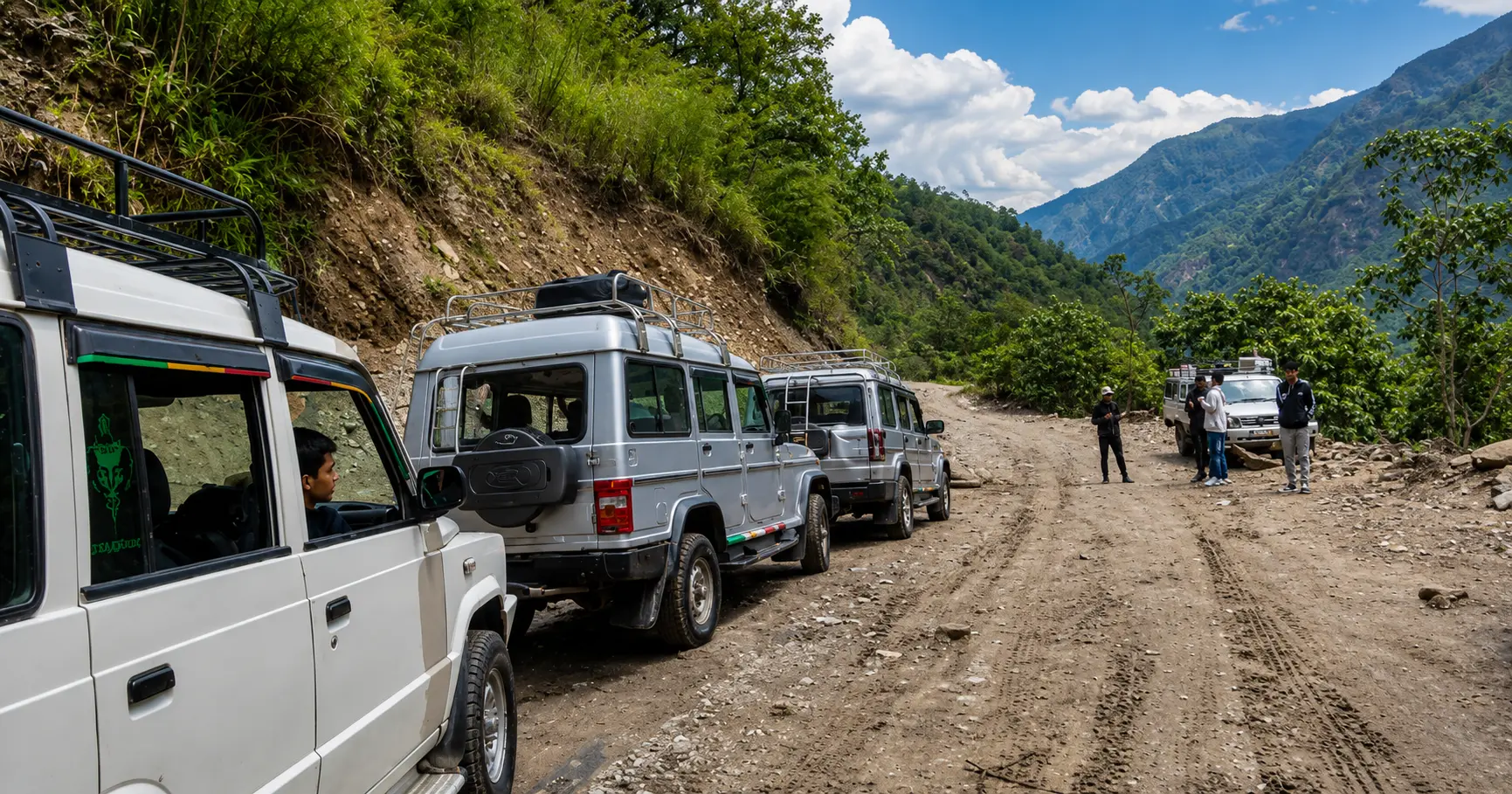
For the routes most commonly served by the Mahindra Scorpio hire fleet — Besisahar to Dharapani on the Annapurna Circuit, Kathmandu to Syabrubesi for the Langtang Valley Trek, Pokhara to Ulleri for the Poon Hill Trek, and Pokhara to Ghorepani Jeep transfer — the roof rack is loaded with main trekking duffels, porter carry bags, and shared group equipment. At the same time, day packs travel inside with passengers for easy access during rest stops. Nepal Vehicle Hiring’s Scorpio fleet carries ratchet strap tie-downs and cargo nets as standard equipment for all roof rack loads, and the pre-departure load check includes confirmation that the roof rack load is within the vehicle’s safe roof load capacity, straps are tensioned correctly on all four attachment points, and the cargo net is secured.
One specific consideration for Scorpio roof rack loads on Nepal’s mountain roads deserves explicit mention: the combination of loose gravel surfaces, continuous vibration, and the physical dynamics of mountain switchbacks creates conditions where improperly secured roof rack loads can shift, loosen, or in extreme cases partially dislodge during a long mountain drive. Nepal Vehicle Hiring’s drivers inspect roof rack loads at every major stop on mountain route transfers—typically at Trishuli Bazaar on the Syabrubesi route, at Besisahar on the Annapurna Circuit approach, and at any intermediate stop of twenty minutes or more. Clients are encouraged to consolidate valuables and fragile items inside the passenger cabin rather than on the roof rack for any route involving extended off-road driving.
For trekkers using Trek Nepal Himalayas for the Ghorepani Poon Hill Trek or the Mardi Himal Trek from Pokhara, the Scorpio roof rack typically carries the guide’s personal pack, porter loads, and group equipment in addition to the trekkers’ main duffels, with the configuration pre-arranged by Trek Nepal Himalayas’ operations team so that the vehicle is loaded correctly before departure rather than requiring reorganisation at the trailhead. This guide-agency coordination of vehicle loading is one practical advantage of booking transport through Nepal Vehicle Hiring as part of a Trek Nepal Himalayas coordinated trekking package.
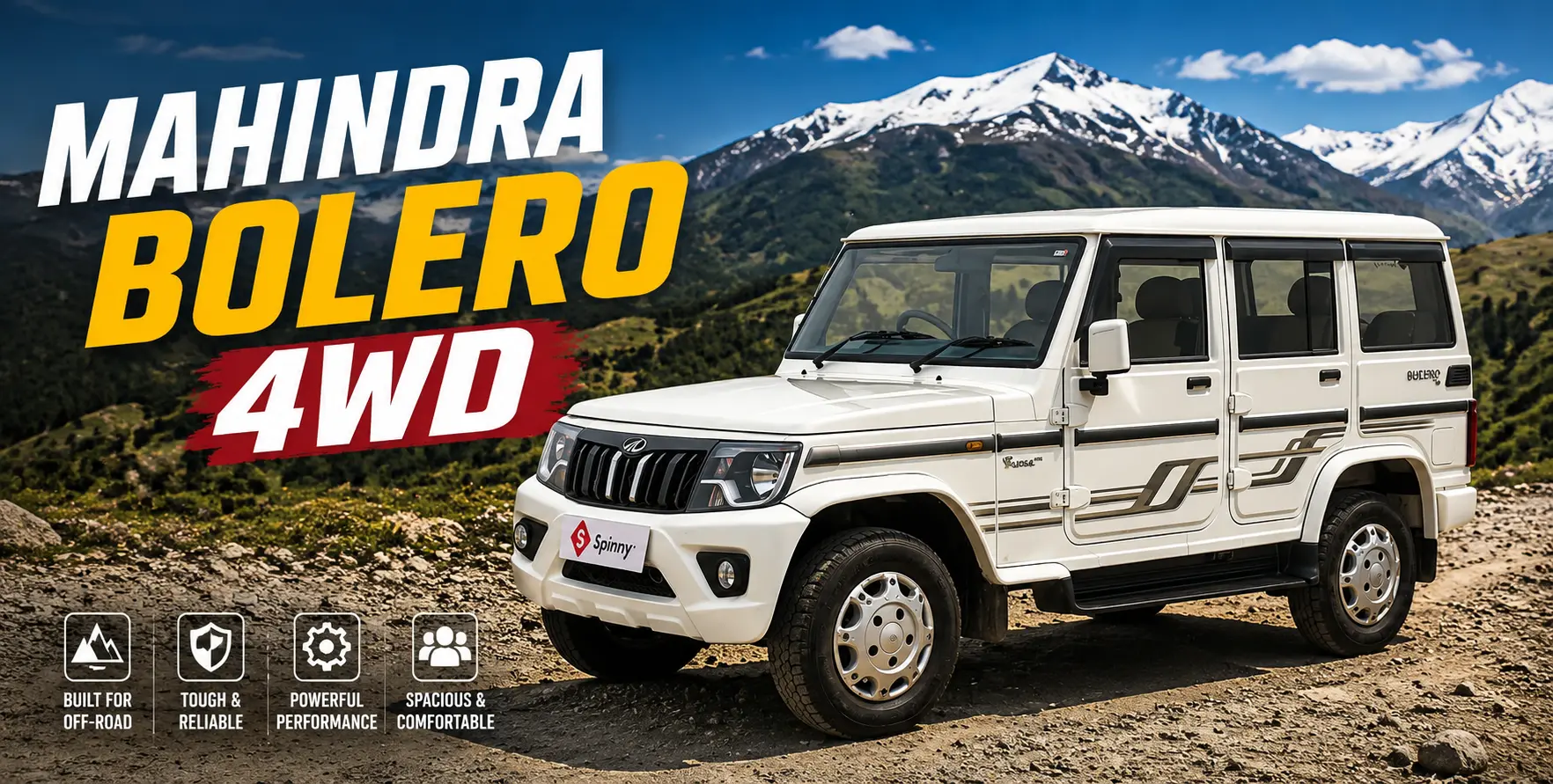
The Mahindra Bolero – Budget Roof Rack for Mountain Routes
The Mahindra Bolero 4WD is Nepal Vehicle Hiring’s budget-category mountain vehicle with genuine 4WD capability, and its roof rack configuration provides essentially the same supplementary luggage capacity as the Scorpio at a lower daily hire rate. As documented across multiple Nepal vehicle hire sources, the Bolero’s roof rack covers a similar surface area to the Scorpio — approximately 1.5 metres long by 1.2 metres wide — and carries the same maximum load. For budget-conscious trekking groups of five to seven people on routes like the Tamang Heritage Trail Syabrubesi transfer, the Manaslu Circuit Arughat approach, and the Besisahar to Dharapani off-road track, the Bolero roof rack delivers the same practical luggage solution as the Scorpio.
The Bolero’s particular advantage for roof rack use on remote mountain routes is its nationwide spare parts availability — mentioned throughout Nepal Vehicle Hiring’s transport companion guides as one of the most practically significant factors for remote area operation. A roof rack attachment bracket that fails on the Rasuwagadhi Kerung border route or on the Salleri Phaplu Everest road approach can be sourced and repaired locally with Bolero parts at any district workshop. This practical redundancy turns minor mechanical failures in remote areas into an inconvenience rather than a journey-ending event.
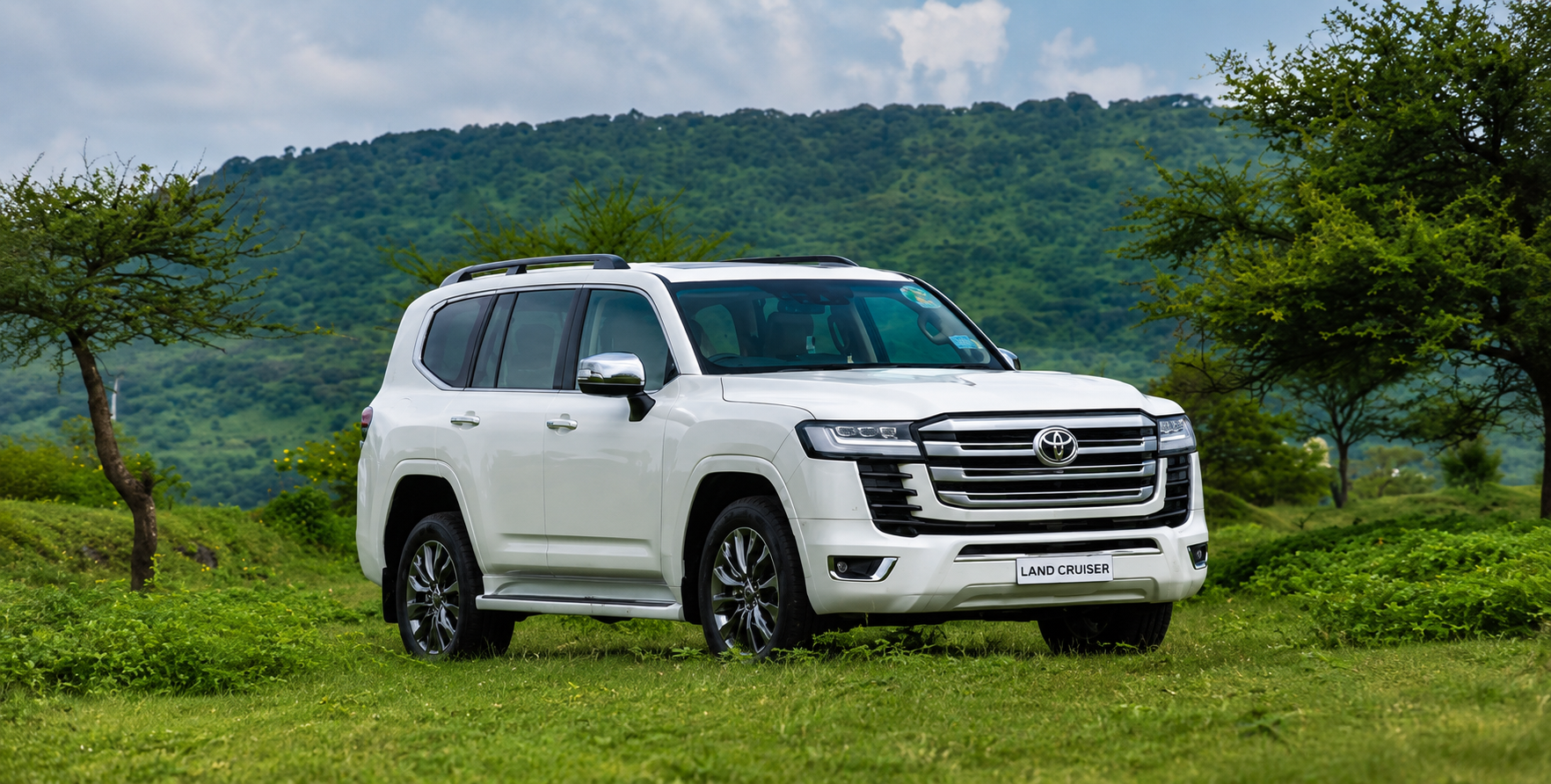
The Toyota Land Cruiser – Premium Cargo for the Most Demanding Routes
The Toyota Land Cruiser 4WD approaches the luggage capacity question differently from the Hilux or Hiace — rather than relying primarily on roof-mounted cargo, the Land Cruiser’s main luggage solution is its expansive rear cargo area within the vehicle’s protected interior. The Land Cruiser’s rear cargo hold, when the third-row seats are folded flat, provides approximately 1.9–2.1 cubic metres of protected interior cargo space — more protected volume than the Hilux bed under a tonneau cover, and accessible from the rear through the full-width tailgate that makes loading and unloading significantly easier than the Hilux’s side-access bed configuration.
However, the Land Cruiser also carries a factory-fitted or aftermarket roof rack on Nepal Vehicle Hiring’s fleet units — particularly on the LC200 and LC300 series used for Upper Mustang jeep hire, Korala Tibet border vehicle service, and Api Himal Darchula route in Sudurpashchim. The Land Cruiser roof rack adds 0.8–1.0 cubic metres of extra capacity—typically used for lightweight expedition items, tent bags, or rolled sleeping pads—on top of the already generous interior cargo space. This combination of interior cargo area plus roof rack makes the Land Cruiser the highest absolute luggage capacity vehicle in Nepal Vehicle Hiring’s 4WD fleet for routes where both passenger comfort and full expedition gear transport must be achieved in a single premium vehicle.
For Alpine Luxury Treks clients whose bespoke Nepal Himalayan journeys involve the Land Cruiser as standard transport between luxury lodges and trailheads, the luggage profile is typically lighter per person than a standard trekking group — luxury trekking packages provide porter services that remove the heaviest gear from the vehicle luggage equation, leaving the Land Cruiser’s interior to accommodate soft duffel bags, day packs, camera equipment, and personal valuables in protected, accessible comfort. The Land Cruiser service page documents the vehicle’s rear cargo plus roof rack configuration as standard for all mountain route operations.
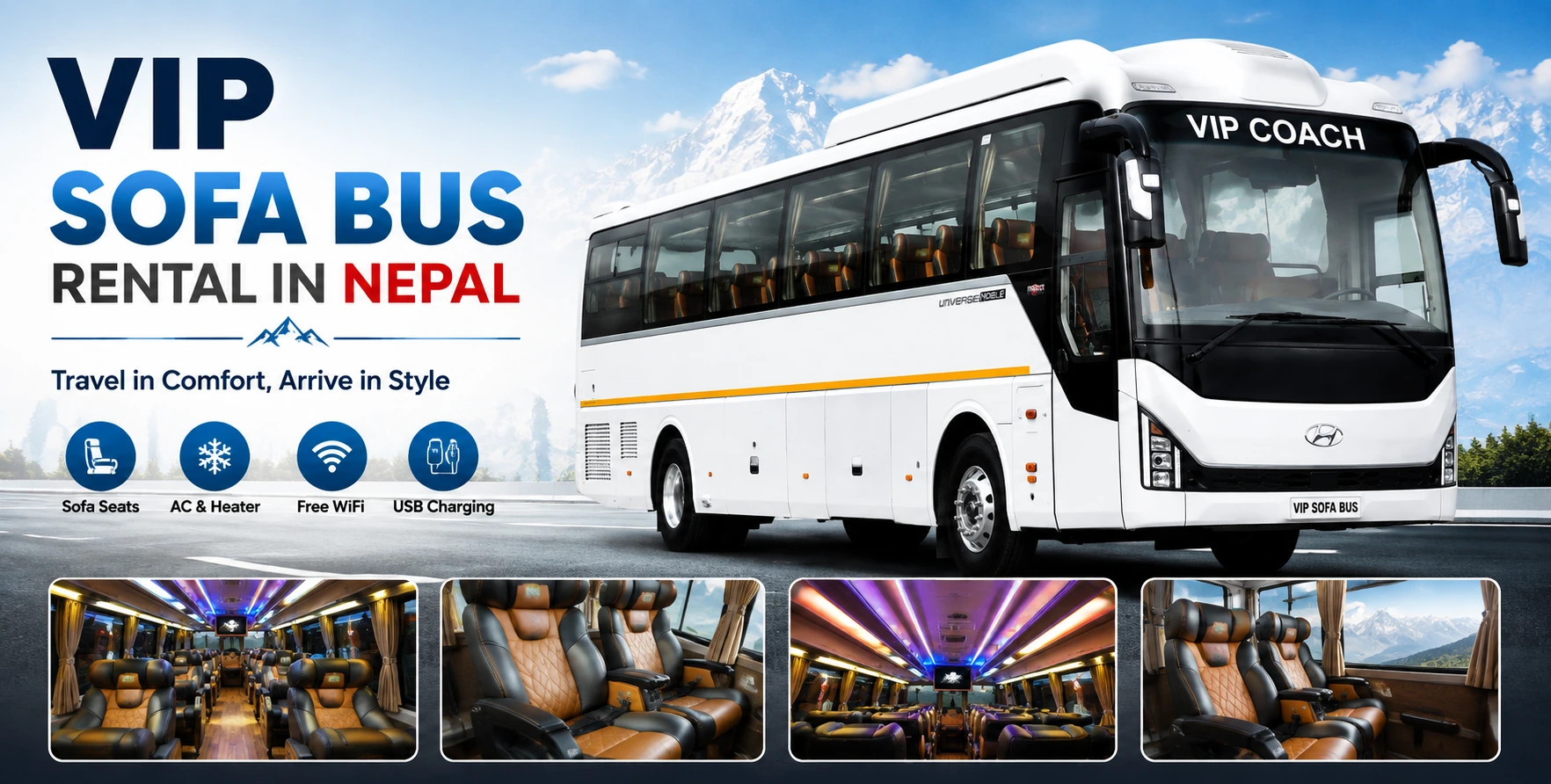
The VIP Sofa Bus and Coaster – Roof Luggage for Pilgrimage and Tour Groups
For large group tours of twenty to forty-five people — Buddhist pilgrimage circuits, corporate Nepal tours, school and university groups, and international adventure travel parties — the VIP Sofa Bus and Cminibusminibus provide a group roof-luggage solution that matches their passenger scale. Both vehicles carry factory-fitted or professionally installed roof racks that can accommodate the full luggage of their respective passenger capacities in a single loading.
The VIP Sofa Bus roof rack — spanning the full length of the bus roof at approximately seven to eight metres — accommodates twenty to thirty large bags in a single layer with full tie-down coverage. For the Kathmandu to Lumbini VIP Sofa Bus pilgrimage service, where groups of twenty to thirty Indian pilgrims carry personal luggage, ritual items, prasad, and shared devotional equipment, the VIP Sofa Bus roof rack accommodates the full load. At the same time, passengers travel in the bus’s individually reclining 2×1 sofa seats in genuine comfort for the eight- to ten-hour journey. Similarly, the Kathmandu to Pokhara VIP Sofa Bus service and the Pokhara to Chitwan group transfer use the roof rack to maintain passenger cabin quality on long highway journeys.
The Cminibusini-bus — Nepal Vehicle Hiring’s preminibusminibus for groups of eighteen to twenty-five — carries a proportionally scaled roof rack that accommodates fifteen to twenty bags in a single loading. The Coaster is particularly valued for its ability to navigate secondary roads and narrower mountain access routes that full-size buses cannot manage, while still providing roof rack luggage capacity far exceeding any jeep or SUV configuration. For groups visiting Chitwan National Park after a Lumbini-to-Chitwan private transfer or connecting from a Trek Nepal Himalayas group trekking package, the Coaster offers the right size and roof capacity for a group that outgrows the Hiace but doesn’t fill a full-size tourist bus.
Roof Luggage Safety – Protection, Security and Weather Management
Roof-mounted luggage on Nepal’s mountain roads is not simply a matter of placing bags on a rack and hoping for the best—it requires specific protection measures that address three distinct challenges: weather exposure, physical security against movement and falls, and protection of contents from dust and vibration damage. Nepal Vehicle Hiring’s roof luggage protocols address all three.
Weather Protection – Tarpaulin Covers on All Roof Racks
Nepal’s weather is among the most variable and rapidly changing in the world. A journey that begins in clear sunshine in Kathmandu can encounter afternoon monsoon showers in the Trishuli Valley, winter hailstorms at Dhunche, and cold fog in the final approach to Syabrubesi Hill on the same day, in different seasons. Without weather protection, roof-mounted luggage on this route would be soaked, partially frozen, or dust-penetrated before arrival. Nepal Vehicle Hiring’s roof rack vehicles carry heavy-duty waterproof tarpaulin covers secured to the rack frame with ratchet clips and elastic cord, providing complete protection against rain, dust, and moderate hail. For the Toyota Hilux bed configuration, a lockable hard canopy or weatherproof tonneau cover provides superior protection over any tarpaulin. It is standard on Nepal Vehicle Hiring’s Hilux fleet for mountain-route operations.
Physical Security – Ratchet Straps and Cargo Nets
Nepal Vehicle Hiring uses a combination of ratchet straps and cargo nets as its standard roof rack securing system. Ratchet straps — minimum two, ideally four per standard roof rack load — are tensioned to the rack rails and create a primary restraint system that prevents lateral and longitudinal shifting of the luggage during the acceleration, braking, and cornering of mountain road driving. A full-coverage cargo net layered over the ratchet-strapped load provides the secondary restraint that prevents any individual bag from working free even if the primary straps loosen during a particularly rough road section. Nepal Vehicle Hiring’s drivers perform a strap and net tension check at every major stop — at Trishuli on the Syabrubesi route, at Besisahar on the Annapurna approach, at Butwal on the Lumbini circuit — and re-tension as required.
Contents Protection – What Should and Should Not Travel on the Roof
Not every category of luggage is appropriate for roof rack transport in Nepal’s mountain conditions, and being clear with the Nepal Vehicle Hiring booking team about the contents of roof-bound bags is the most direct way to ensure appropriate handling. Items appropriate for roof rack transport in weatherproof bags: main trekking duffels in waterproof roll-top bags, porter loads in sealed duffel bags, tents and sleeping bags in compression sacks inside waterproof bags, empty carry bags and lightweight bulky items. Items that should travel inside the vehicle: camera bodies and lenses, laptops and tablets, passports and travel documents, medications, smartphones and charging equipment, any fragile or moisture-sensitive items. The day pack that each trekker carries personally on the trail should always travel inside the vehicle — it is the bag most immediately needed at the trailhead and should be the last bag loaded and the first bag unloaded.
Matching Vehicle to Group and Luggage – The Decision Framework
The most useful planning tool for Nepal vehicle rental with roof luggage space is a clear decision framework that matches group size and luggage volume to the right vehicle configuration—and you should apply it before booking, not at the vehicle loading point.
For one to four passengers with standard trekking luggage, the private car or standard SUV with roof rack is adequate for highway routes. For mountain off-road routes, the Mahindra Scorpio 4WD with roof rack handles the passenger plus luggage load comfortably. Contact Nepal Vehicle Hiring to confirm whether the planned route qualifies for a standard car or requires 4WD.
For five to seven passengers with full trekking gear including porter loads, the Mahindra Scorpio or Bolero 4WD with roof rack provides the most cost-effective single-vehicle solution for mountain routes. The Toyota Hilux with bed and rooftop carrier is the preferred alternative when luggage volume is particularly high — expedition-grade routes like Manaslu Circuit or Kanchenjunga Trek where per-person gear load is at its maximum.
For eight to thirteen passengers on highway routes, the Toyota Hiace van with roof rack is Nepal Vehicle Hiring’s standard recommendation—seating the full group comfortably. In contrast, the roof rack carries all luggage outside the cabin. For off-road mountain routes at this group size, the standard configuration is two Scorpio 4WDs or one Hiace to the highway endpoint, plus Scorpios for the off-road section.
For fourteen to twenty-five passengers, theminibusr minibus with a roof rack or two Toyota Hiace vans are the right configuration for highway travel. For twenty to forty-five passengers, the VIP Sofa Bus or Tourist Bus with a roof rack handles the full group and luggage as a single vehicle.
The crucial caveat for any group larger than seven on mountain off-road routes: no single vehicle in Nepal’s standard hire fleet combines fourteen-plus passenger capacity with Category 3 off-road capability. Large groups on mountain trekking transfers always involve a multi-vehicle convoy configuration — highway vehicles to the Category 1 road endpoint, then a fleet of 4WD Scorpios or Boleros for the off-road approach. Nepal Vehicle Hiring coordinates these multi-vehicle convoy transfers as a standard service for Trek Nepal Himalayas group trekking departures and Alpine Luxury Treks expedition groups.
Route-by-Route Roof Luggage Planning Guide
Kathmandu to Besisahar and Dharapani – Annapurna Circuit Trekking Transfer
The Besisahar to Dharapani Annapurna Circuit jeep transfer is Nepal Vehicle Hiring’s highest-volume mountain trekking transfer route, and roof luggage configuration is the most important vehicle planning element for this transfer. A typical Annapurna Circuit group of six trekkers with a guide and two porters carries nine to ten bags of varying sizes plus trekking poles, crampons, bags, and shared group equipment. The Scorpio roof rack accommodates the six main trekker duffels and the two porter loads — eight bags total — while day packs travel inside. For Annapurna Circuit Trek group departures, Nepal Vehicle Hiring pre-loads the vehicle at the Kathmandu hotel under Trek Nepal Himalayas guide supervision to ensure all equipment is correctly positioned before the six- to seven-hour highway section and the four- to five-hour off-road section.
Kathmandu to Syabrubesi – Langtang and Tamang Heritage Trail
For the Kathmandu to Syabrubesi Langtang transfer serving the Langtang Valley Trek and Tamang Heritage Trail, the seven- to nine-hour drive, with its Ramche zone challenge, makes roof rack load security particularly important. Nepal Vehicle Hiring adds an extra strap inspection on the rough section between Dhunche and Syabrubesi specifically, and camera bags and electronics are always moved inside the vehicle before this section begins.
Pokhara to Ulleri and Ghorepani – Poon Hill and ABC Trekking
The Pokhara to Ulleri jeep service for the Ghorepani Poon Hill Trekincludess the 4WD track from Tikhedhunga to Uller a rough, steep off-road climb that generates significant vehicle vibration and lateral movement. On this section, Nepal Vehicle Hiring’s Pokhara-based drivers secure roof rack loads with maximum strap tension and double cargo-net coverage, drawing on specific experience with the Tikhedhunga-Ulleri track’s luggage-securing demands. The Annapurna Base Camp Trek trailhead transfer to Nayapul follows a comparatively gentler road and standard roof rack securing applies.
Kathmandu to Salleri / Phaplu – Everest Road Access
The Salleri Phaplu Everest road access route is one of Nepal’s longest continuous mountain road journeys — 270 km, eight to ten hours — and the roof rack configuration for this route prioritises waterproof bag selection over everything else, since the Madhya Pahadi Highway passes through multiple climate zones and afternoon moisture is common even in the dry season. All Nepal Vehicle Hiring Scorpio and Bolero roof rack loads on the Salleri route travel under full tarpaulin cover from departure. Trek Nepal Himalayas Everest Base Camp Trek groups using the Salleri road alternative receive a pre-departure briefing on roof pack waterproofing from the guide team as a standard part of the Salleri road departure protocol.
Two-Vehicle and Multi-Vehicle Configurations for Large Expedition Groups
For expedition-scale trekking groups — whether Trek Nepal Himalayas Manaslu Circuit expeditions, Alpine Luxury Treks bespoke Himalayan journeys, or international adventure travel group departures — a single vehicle rarely provides sufficient combined passenger and luggage capacity. Nepal Vehicle Hiring’s standard solution for groups where passenger count and luggage volume exceed single-vehicle capacity is a coordinated two-vehicle or multi-vehicle convoy, designed to distribute the load optimally between vehicles of the appropriate type for the route.
The most common two-vehicle configuration for mountain trekking groups is a Toyota Hilux carrying all expedition equipment and porter loads in the bed and on the roof rack, combined with a Mahindra Scorpio carrying the trekking group and guide, with day packs inside and individual main duffels split between the Scorpio roof rack and the Hilux bed. This configuration delivers genuine comfort for all passengers, fully secured and weather-protected luggage, no compromise on seating quality, and an organised luggage management system that makes trailhead unloading fast and efficient. Both vehicles travel in convoy on mountain routes, maintaining radio or phone contact for the route sections where convoy separation could occur on single-lane mountain tracks.
For the largest expedition departures — Nepal group trekking packages of fifteen or more people — Nepal Vehicle Hiring deploys a Toyota Hiace for the highway section combined with two to three Scorpio 4WDs for the off-road mountain approach. The Hiace carries all passengers in highway comfort on the paved sections, with all luggage on the roof rack. At the Category 2 to Category 3 road transition point — Besisahar, Syabrubesi junction, or the Salleri turning — the group transfers to the waiting Scorpio fleet for the mountain approach, and luggage is redistributed between the Scorpio roof racks for the off-road section. The Hiace driver returns to Kathmandu or Pokhara base after the transfer. On the return, the reverse process applies: the Scorpios bring the group and luggage back to the Category 2 road endpoint where the Hiace is pre-positioned for the highway return journey.
Booking Tips – How to Get the Right Vehicle for Your Luggage
- Provide a Complete Luggage Inventory at Booking, Not on the Day: When contacting Nepal Vehicle Hiring at +977 9851013196, provide the number of passengers, number and approximate size of main bags, porter loads to be transported, any specialist equipment (tents, photography gear, climbing equipment), and whether any items require inside-cabin protection. This information allows the booking team to match the exact right vehicle or vehicle combination to the group’s needs.
- Use Waterproof Bags for All Roof Rack Items: Nepal Vehicle Hiring provides tarpaulin covers on all roof racks but recommends that clients carry their main trekking luggage in waterproof roll-top duffels rather than relying on the tarpaulin alone for moisture protection. Waterproof duffel bags are available at gear shops in Thamel, Kathmandu, and Lakeside, Pokhara, before departure.
- Consider the Toyota Hilux for Six-Person Expedition Groups: The Toyota Hilux bed and roof carrier can handle the full luggage load of a six-person expedition group in a single vehicle, eliminating the need for a two-vehicle configuration on routes like Besisahar to Dharapani or Kathmandu to Syabrubesi, where the Hilux’s off-road capability is adequate.
- Pre-Agree Loading Order With Your Trek Guide: For trekking groups using Trek Nepal Himalayas guide services, coordinate with the guide the night before departure on which bags go on the roof rack, which go inside the vehicle, and the order in which bags will be unloaded at the trailhead. This saves fifteen to twenty minutes of trailhead confusion and ensures valuable items are accessible without moving the entire load.
- Book Roof Rack Vehicles Through Nepal Vehicle Hiring’s Operations Team: Not all Nepal vehicle hire operators include proper cargo nets, ratchet straps, and waterproof tarpaulin covers as standard on roof rack vehicles. Nepal Vehicle Hiring confirms its complete roof rack equipment standard—straps, net, and cover on every deployment at booking and verifies it at the pre-departure vehicle check.
Related Nepal Vehicle Hiring Services and Blogs
- Jeep Hire Nepal – All Mountain 4WD Routes
- Toyota Hilux, Fortuner and Land Cruiser Hire Nepal
- Jeep and SUV – Choosing the Best Hire Vehicle Nepal
- Toyota Hiace Van Hire Nepal – Group Highway Service
- VIP Sofa Bus Hire Nepal
- Coaster Hire Nepal
- Mahindra Scorpio 4WD Hire Nepal
- Luxury Jeep Hire Nepal (Toyota Land Cruiser)
- Best Vehicle Hire Routes for Trekking Trailheads Nepal
- Nepal Annapurna Circuit Road 2026 Vehicle Hire Guide
- Everest Region Nepal Complete Guide 2026
- Kathmandu to Tamang Heritage Trail Transport Guide
- Door-to-Door Transport Nepal 2026 Guide
- Nepal Travel Transport Companion 2026
- Importance of Safe Transportation Nepal Tours
- Nepal Trekking Packages
- Trek Nepal Himalayas – Nepal Trekking Specialists
- Annapurna Circuit Trek
- Annapurna Base Camp Trek
- Ghorepani Poon Hill Trek
- Mardi Himal Trek
- Langtang Valley Trek
- Tamang Heritage Trail
- Everest Base Camp Trek
- Manaslu Circuit Trek
- Kanchenjunga Trek
- Upper Mustang Trek
- Nepal Group Trekking Packages
- Alpine Luxury Treks – Premium Nepal Himalayan Experiences
- Luxury Nepal Trekking Packages
- Bespoke Nepal Himalayan Journeys
Frequently Asked Questions – Nepal Vehicle Rental With Roof Luggage Space 2026
Which Nepal vehicle has the most roof luggage space?
The Toyota Hilux 4WD has the most total luggage capacity of any Nepal Vehicle Hiring vehicle, combining a 1.5 cubic metre bed with a 0.5–0.8 cubic metre rooftop carrier for a total of about 2 cubic metres of protected cargo space—enough for a six-person expedition group. For highway group routes, the VIP Sofa Bus and Toyota Hiace van carry full-length roof racks that accommodate up to thirty and ten bags, respectively.
Is luggage secure on a roof rack on Nepal mountain roads?
Yes — when properly secured with ratchet straps at all four attachment points, plus a full-coverage cargo net, and covered with a waterproof tarpaulin. Nepal vehicle hiring drivers inspect the roof rack load at every major stop and re-tension as needed. The Toyota Hilux bed under a lockable hard canopy provides superior protection for sensitive equipment compared with any open roof rack configuration.
Should camera equipment travel on the roof rack?
No — camera bodies, lenses, laptops, tablets, passports, medications, and any moisture-sensitive or fragile item should travel inside the passenger cabin, not on the roof rack. Nepal Vehicle Hiring recommends day packs containing cameras and electronics always travel inside the vehicle on all Nepal mountain routes, regardless of how generous the roof rack capacity is.
Can Nepal Vehicle Hiring arrange a vehicle specifically for large expedition luggage?
Yes — Nepal Vehicle Hiring provides the Toyota Hilux with a bed and roof carrier, multi-vehicle convoy configurations, and dedicated expedition luggage vehicles for groups whose gear volume exceeds standard jeep capacity. Provide your complete luggage inventory at booking, and Nepal Vehicle Hiring’s team will design the optimal single or multi-vehicle configuratio—contactt: +977 9851013196 or vehiclehiringnepal.com.
Does the Toyota Hiace have roof luggage space?
Yes — all Nepal Vehicle Hiring Toyota Hiace vans have roof luggage rack capacity for trekking gear and large bags, secured with cargo nets and ratchet straps. The Hiace roof rack is appropriate for highway routes (Kathmandu-Pokhara, Kathmandu-Chitwan, Kathmandu-Lumbini). For off-road mountain routes requiring 4WD, a Scorpio or Bolero with a roof rack replaces the Hiace.
Book Nepal Vehicle Rental With Roof Luggage Space
Getting your luggage to the trailhead — all of it, undamaged, dry, and accessible — is the foundation of every successful Nepal trekking departure. Nepal Vehicle Hiring Pvt Ltd’s roof luggage-equipped vehicle fleet — from the Toyota Hilux’s bed and rooftop carrier to the Hiace’s full-length roof rack and the Scorpio’s mountain-proven roof rack system — ensures that no group, regardless of luggage volume or route type, faces the compromised loading scenarios that poor vehicle selection produces.
Working with our sister companies Trek Nepal Himalayas and Alpine Luxury Treks, Nepal Vehicle Hiring coordinates the complete pre-departure loading plan for every trekking group transfer, ensuring the right vehicle for the right load on the right route — before the vehicle arrives at the hotel, not after.
Call / WhatsApp: +977 9851013196 | vehiclehiringnepal.com | Book Your Roof Luggage Vehicle | treknepalhimalayas.com | alpineluxurytreks.com
- Nepal Vehicle Rental With Roof Luggage Space – Complete Guide
- Understanding Nepal's Luggage Challenge – What Trekkers Actually Carry
- The Toyota Hilux – Nepal's Premier Roof Luggage Vehicle
- The Toyota Hiace Van – The Group Roof Rack Standard
- The Mahindra Scorpio – Roof Rack for the Mountain Off-Road Standard
- The Mahindra Bolero – Budget Roof Rack for Mountain Routes
- The Toyota Land Cruiser – Premium Cargo for the Most Demanding Routes
- The VIP Sofa Bus and Coaster – Roof Luggage for Pilgrimage and Tour Groups
- Roof Luggage Safety – Protection, Security and Weather Management
- Matching Vehicle to Group and Luggage – The Decision Framework
- Route-by-Route Roof Luggage Planning Guide
- Two-Vehicle and Multi-Vehicle Configurations for Large Expedition Groups
- Booking Tips – How to Get the Right Vehicle for Your Luggage
- Related Nepal Vehicle Hiring Services and Blogs
- Frequently Asked Questions – Nepal Vehicle Rental With Roof Luggage Space 2026
- Book Nepal Vehicle Rental With Roof Luggage Space

Related Blog & Articles

4WD Jeep Hire Cost in Nepal

4WD Vehicles in Nepal: The Ultimate Hire Guide 2026
4WD Himalayan Jeep in Nepal