Plan a Trip


Best Nepal Tour Package: Best Vehicle Hire Guide

Best Nepal Tour Package Vehicle Hire Guide for
Nepal is one of the most diverse travel destinations on the planet. Within a single journey of two weeks, you can move from the UNESCO-listed medieval temples of the Kathmandu Valley to the mirror-still surface of Phewa Lake in Pokhara, from the subtropical jungle of Chitwan National Park — where one-horned rhinos wade through tall grass — to the high-altitude desert plateaus of Mustang, where ochre cliffs and ancient walled cities feel closer to Tibet than to the tropical south. Eight of the world’s fourteen peaks above 8,000 meters rise from Nepal’s northern frontier. The birthplace of the Buddha sits in the southern plains. And between these poles, hundreds of distinct cultures, languages, and landscapes fill a country smaller than many American states.
Nepal’s tourism sector welcomed 1,158,459 international visitors, reaching 96.8 per cent of its pre-pandemic peak, and projections for 2026 point to record-breaking arrivals of 1.3 to 1.5 million. Every one of those visitors — whether trekking in the Everest region, attending a festival in Mustang, making a pilgrimage to Muktinath, or photographing temple courtyards in Bhaktapur — needs transport. And the right transport is not just a logistical detail; it is one of the most important factors shaping the quality of the entire experience.
This is the fundamental truth that Nepal Vehicle Hiring Pvt. Ltd. has built its business around. The vehicle you choose for each leg of your Nepal tour package determines how rested you arrive, how much you see along the way, how flexibly you can respond to weather or opportunity, and ultimately how deeply you can engage with a country that constantly rewards the traveller who shows up ready to receive it. The wrong vehicle on a mountain roadn’tnot just uncomfortable — it can be unsafe, time-consuming, and capable of derailing a carefully planned itinerary.
This guide covers everything you need to know about choosing the best vehicle hire for your Nepal tour package in 2025 and 2026. We explain each vehicle type in the Nepal Vehicle Hiring fleet — cars, 4WD jeeps, Hiace vans, Coasters, and buses — map them to the routes and destinations where they perform best, walk through Nepal’s most popular tour package itineraries, and explain what separates a professional vehicle hire service from a basic taxi booking. Whether you are planning a solo trip, a family holiday, a group pilgrimage, or a corporate retreat in the Himalayas, this guide will help you make the right choice.
For travellers looking to trek and explore Kathmandu, we recommend continuing your journey with our trusted sister company, Trek Nepal Himalayas. We specialise in organising a wide range of travel experiences across Nepal, from classic trekking adventures to cultural and wildlife tours.
Our top offerings include iconic journeys such as the Everest Base Camp Trek, immersive Kathmandu sightseeing tours, breathtaking Nagarkot sunrise experiences, exciting Chitwan jungle safaris, and luxury packages. In addition, we can arrange short hikes, heritage tours, mountain flights, and customised travel plans tailored to your schedule and interests.
Whether you want a budget-friendly trip or a luxury trekking experience with premium lodges, private guides, and high-end services, we manage every detail professionally. Our goal is to provide a seamless transition from your trekking adventure to a comfortable) and a memorable travel experience in Nepal.
Why Vehicle Hire Is the Backbone of Any Best Nepal Tour Package
Nepal’s geography makes transport more consequential than in almost any other destination in Asia. The country spans five distinct ecological zones — the Terai plains in the south, the Chure and Mahabharat foothills, the Pahad mid-hills, the high Himalayan range, and the trans-Himalayan plateau — each requiring a different transport style and presenting different road conditions. A vehicle that handles the Kathmandu-to-Pokhara stretch of the Prithvi Highway with ease may be completely unusable above Besisahar. A bus that comfortably carries 0 pilgrims from Pokhara to Jomsom is unsuitable for the rough track into Lo Manthang.
Nepal’s road infrastructure has improved dramatically over the past decade. The Prithvi Highway connecting Kathmandu and Pokhara is a well-maintained blacktop. The Siddhartha Highway from Pokhara to Bhairahawa (the gateway to Lumbini) is mostly paved and well-travelled. The East-West Mahendra Highway crosses the Terai and links eastern and western Nepal. But beyond these main arteries, road quality deteriorates rapidly. Mountain roads to trekking regions are unpaved, narrow, prone to seasonal washouts, and often impassable except for a capable 4WD vehicle. Choosing a vehicle that matches the road type isn’t optional—it is a fundamental safety requirement.
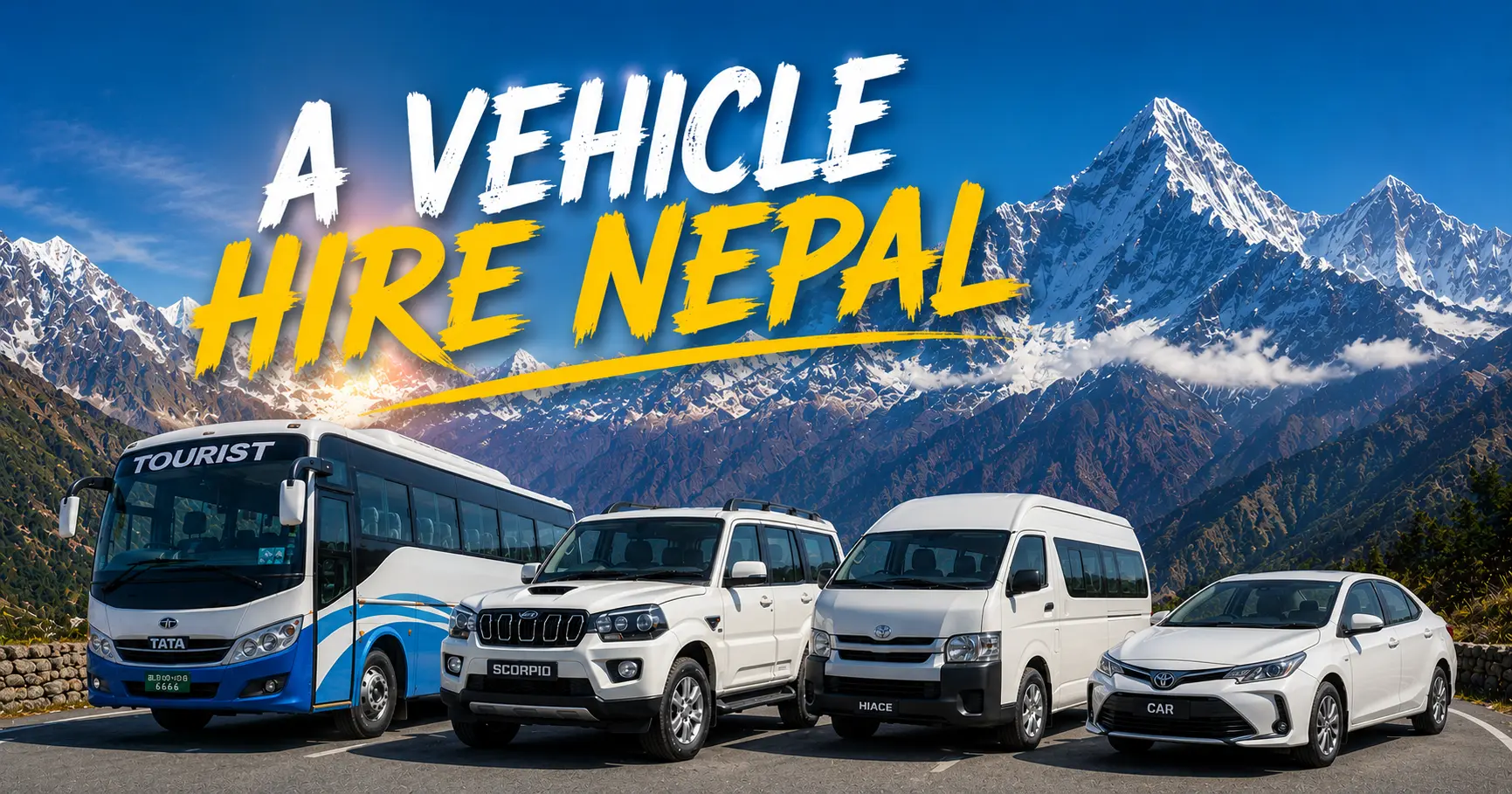
Beyond safety, the right vehicle directly affects your daily experience. A long drive on a bumpy mountain road in a vehicle with poor suspension is genuinely exhausting — arriving at your destination tired, stiff, and irritable is a poor way to begin a day of trekking or sightseeing. The right vehicle, well-maintained and properly matched to the road, turns the journey into part of the adventure. Nepal’s roads pass through some of the most spectacular landscapes in the world — river gorges, terraced hillsides, rhododendron forests, high desert plateaus — and the vehicle you are in determines whether you experience these landscapes as a backdrop to your discomfort or as a living, moving panorama that you are present enough to enjoy.
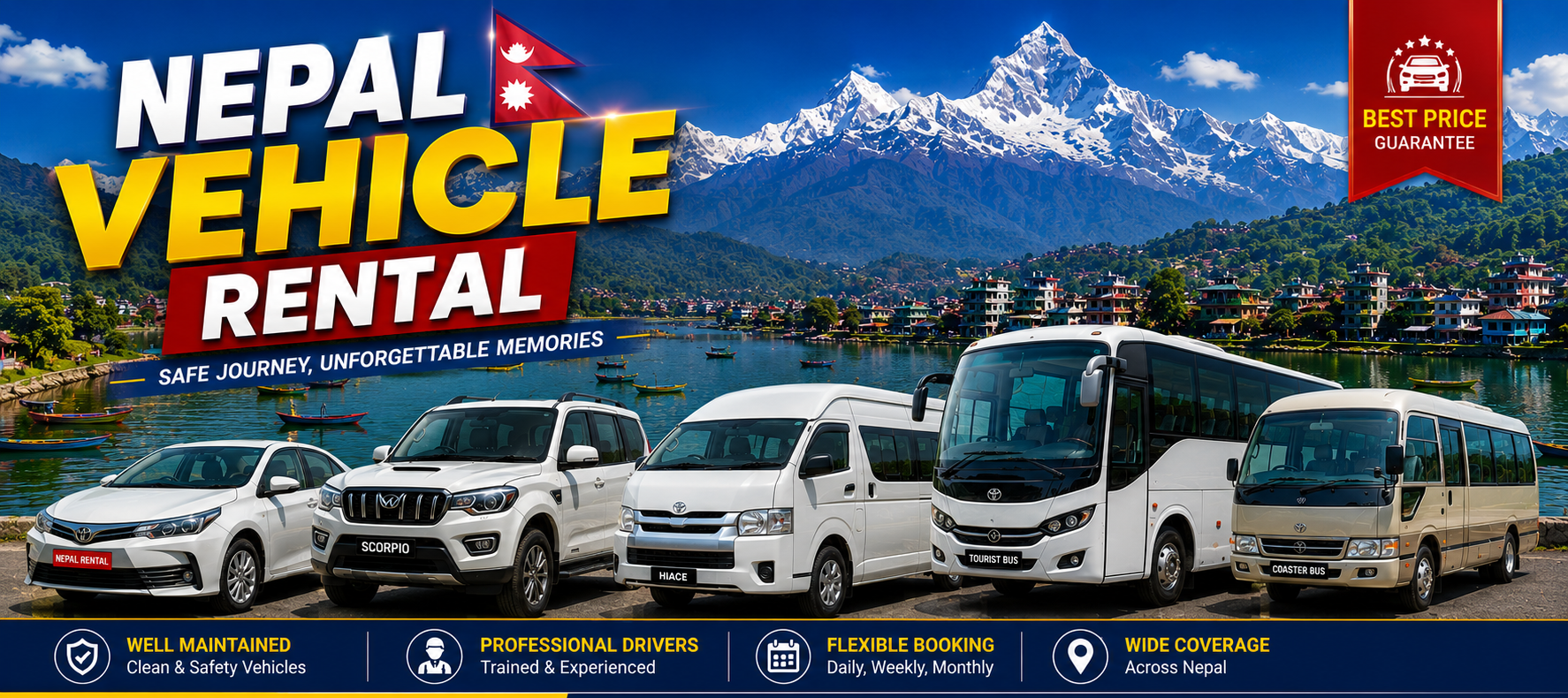
Nepal Vehicle Hiring Pvt. Ltd., based in Thamel, Kathmandu, operates a full fleet of vehicles across all categories required for Nepal tour packages. Individual travellers, families, trekking groups, pilgrimage parties, and corporate clients worldwide use our Nepal tour package transport services. Here is a full guide to every vehicle type and where it fits best on your journey in Nepal.
Nepal Vehicle Hiring Fleet Guide: Every Vehicle and When to Use It
Private Cars and Sedans: The Kathmandu Valley and City Transfers
For city-based travel, airport transfers, and the smooth highways between Nepal’s major cities, a private car hire in Nepal is the most comfortable and cost-effective option. Nepal Vehicle Hiring operates a fleet of well-maintained sedans and compact SUVs suitable for 3 to 4 passengers with luggage. These vehicles are ideal for:
- Airport pickups and drop-offs — our Kathmandu airport transfer service delivers you from Tribhuvan International Airport to your Thamel or Kathmandu hotel in privacy and comfort, avoiding the chaos of the arrivals hall taxi queue.
- Kathmandu Valley sightseeing — our Kathmandu sightseeing service uses comfortable cars to take visitors through the seven UNESCO World Heritage Sites across the valley in a single, well-paced day.
- Day tours to nearby destinations such as Nagarkot, Bhaktapur, and Dhulikhel, where well-maintained roads make a car entirely appropriate.
- The Kathmandu-to-Pokhara highway leg is for small groups of 2 to 4 people who prefer private travel to a shared bus.
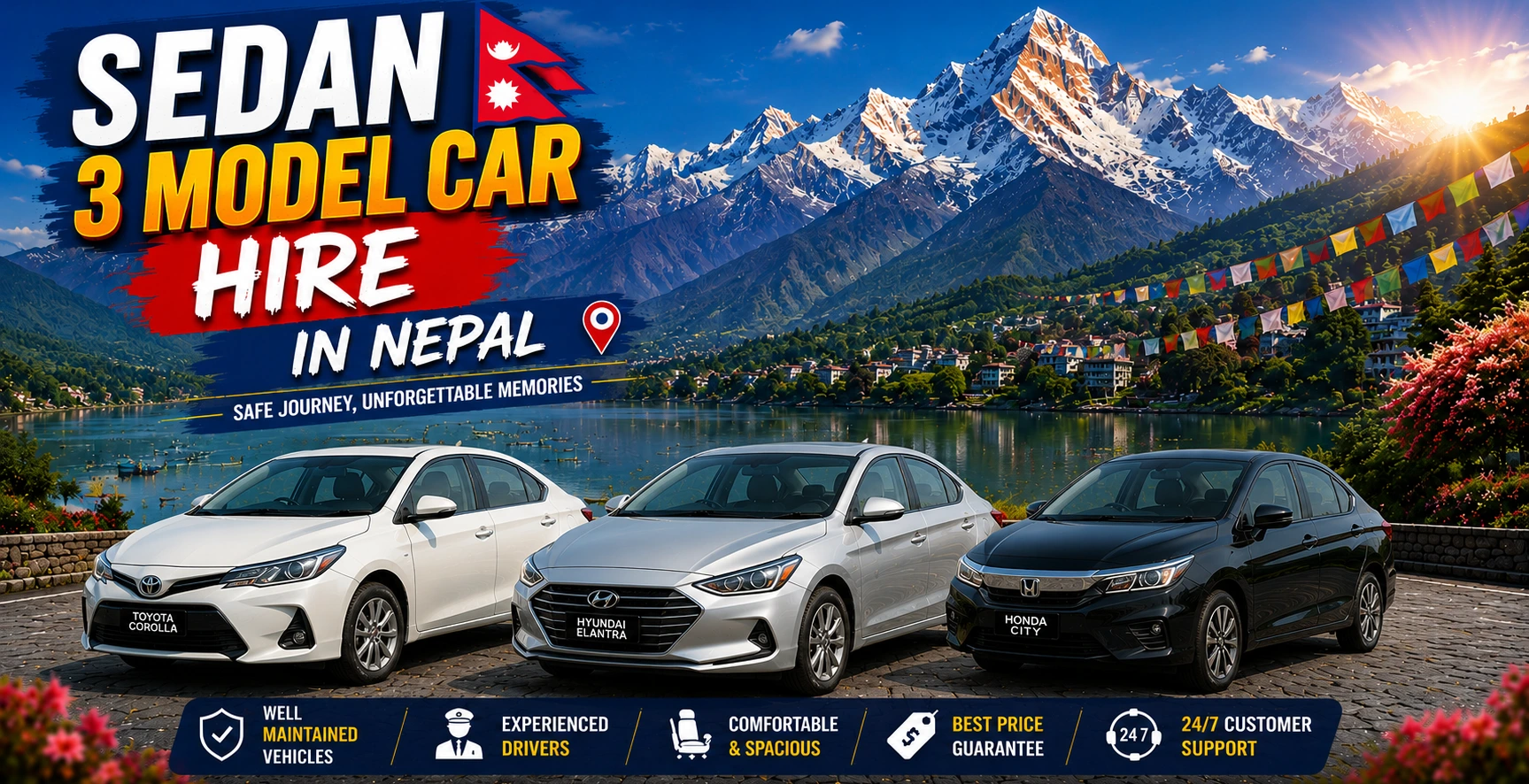
Private cars are not suitable beyond Besisahar on the Annapurna approach, beyond Beni toward Jomsom, or on any track into a mountain trekking region. For those sections, the 4WD jeep is the only appropriate choice.
4WD Jeep Hire: The Mountain Road Workhorse
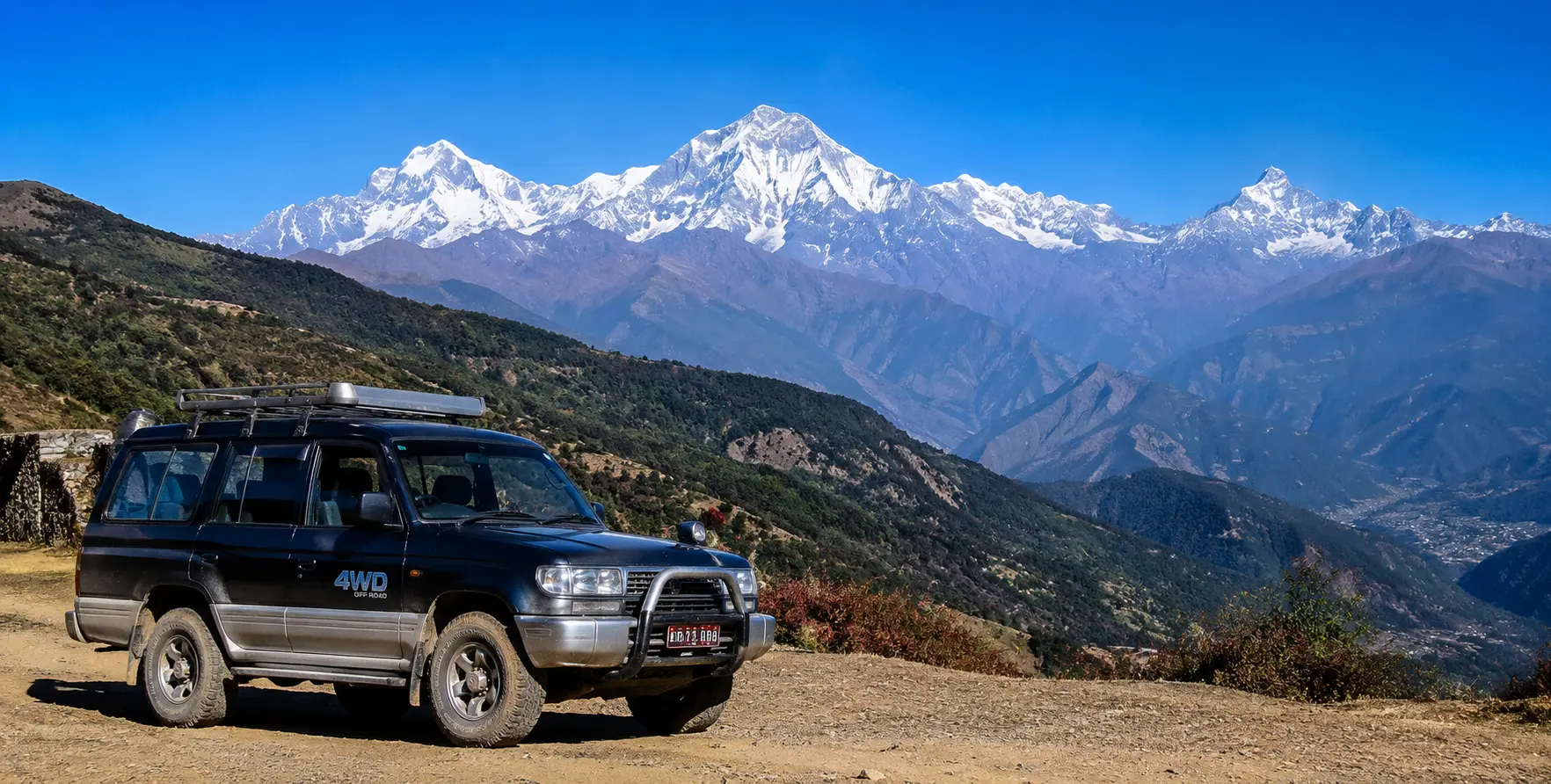
The 4WD jeep hire in Nepal is the most versatile and most important vehicle in the Nepal tour package toolkit. When the road gets serious—above Besisahar toward Manang, above Beni toward Mustang, on the approach to Pathivara, through the Ilam tea gardens, or anywhere in the country’s high-altitude zones- a properly equipped 4WD with an experienced mountain driver is the only safe, reliable transport option.
Nepal Vehicle Hiring’s 4WD fleet includes Mahindra Scorpio and Toyota Land Cruiser options, both with high ground clearance, robust suspension systems, and four-wheel-drive capability for the full range of mountain road conditions. These vehicles seat 5 to 7 passengers comfortably plus luggage, with roof racks for additional gear. Our mountain road drivers have years of experience on specific routes — Kathmandu to Manang, Pokhara to Mustang, Kathmandu to Pathivara, the Ilam circuit — and know every checkpoint, every road-condition hazard, and every stop worth making for photos or tea.
The 4WD jeep is the right choice for:
- Any trekking region approach road — Besisahar and beyond for Annapurna, Beni and beyond for Mustang, Dharan and beyond for Pathivara, Itahari and beyond for Ilam
- The full Kathmandu to Mustang private jeep journey — 3 to 4 days of overland driving through some of Nepal’s most dramatic road scenery
- The Pokhara-to-Mustang jeep service for travellers starts in Nepal’s second city.
- The Kathmandu to Manang jeep for Annapurna Circuit trekkers and Tilicho Lake visitors
- The Besisahar private vehicle service for dedicated Annapurna approach transport
- Any private sightseeing or pilgrimage tour that ventures off the main highways into hill or mountain terrain
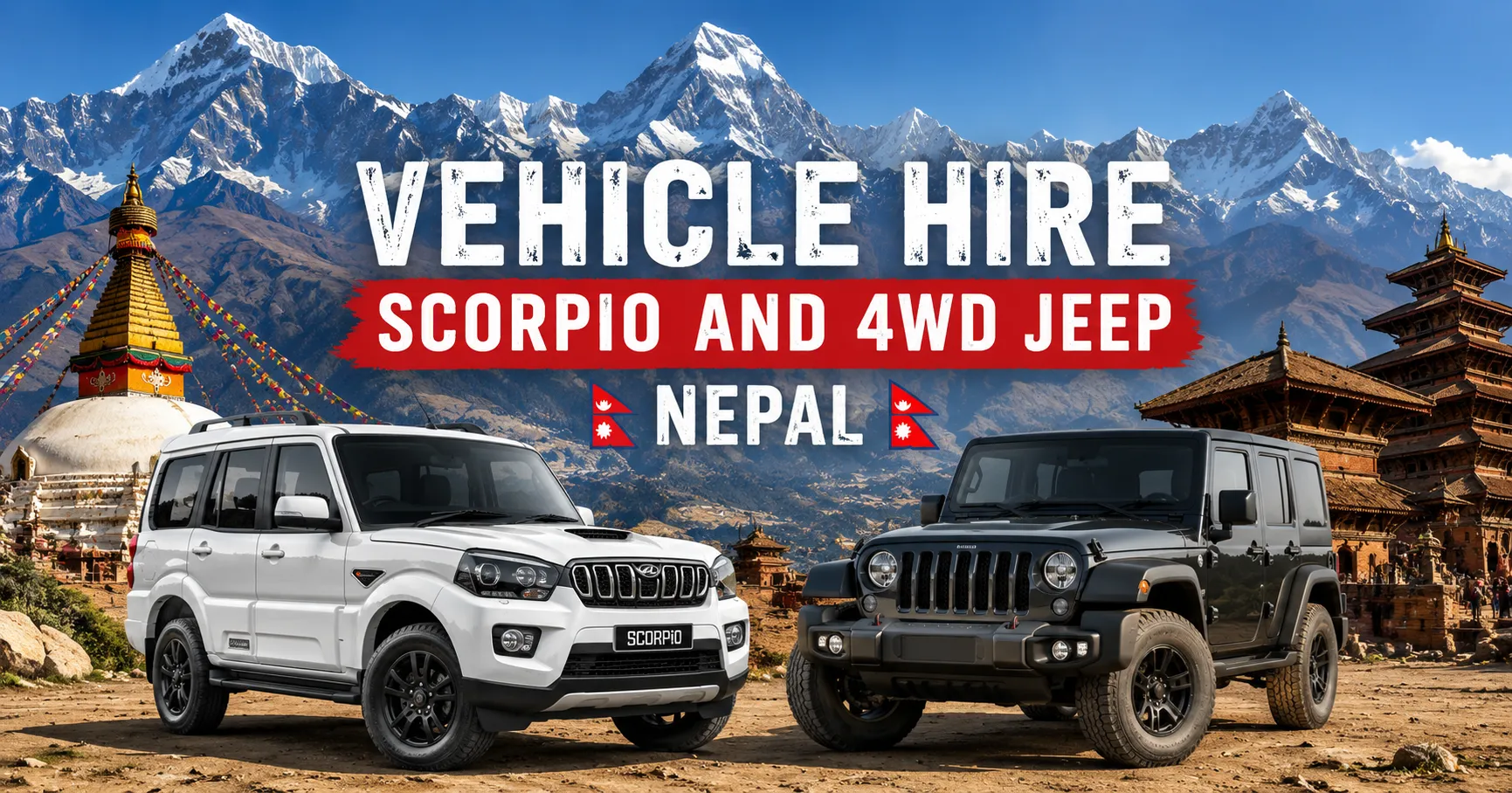
For families and small groups where flexibility and privacy are priorities, a dedicated 4WD hire with Nepal Vehicle Hiring is almost always the right choice for travel in Nepal’s mountains. You depart on your own schedule, stop where you want for photos and tea, and arrive at your destination on your own timeline.
Toyota Hiace Van Hire: The Group Mid-Distance Solution
For groups of 8 to 14 people travelling on Nepal’s major highways and accessible mountain roads, Hiace van hire offers the perfect balance of capacity, comfort, and capability. The Toyota Hiace is Nepal’s workhorse medium-distance vehicle — robust, reliable, widely serviced, and capable of handling the Prithvi Highway, the Siddhartha Highway, and the lower sections of mountain roads up to the point where 4WD becomes essential.
Nepal Vehicle Hiring’s Hiace fleet is configured for tourist use, with comfortable seating, roof luggage racks, and experienced drivers familiar with Nepal’s main tourism routes. The Hiace is particularly well suited for:
- Kathmandu to Pokhara group transfers — the most-travelled tourist route in Nepal, well-served by the Hiace at an excellent economy for groups
- Pokhara to Kathmandu return journeys at the end of an Annapurna Circuit or Pokhara-based holiday
- Pilgrim groups travelling to Muktinath from Pokhara via Beni and Jomsom — the Hiace handles this road to Jomsom, with jeeps handling the final 4WD section if needed
- Family or friend groups on multi-city Nepal holidays covering Kathmandu, Pokhara, Chitwan, and Lumbini
- Corporate group transfers and team retreat itineraries
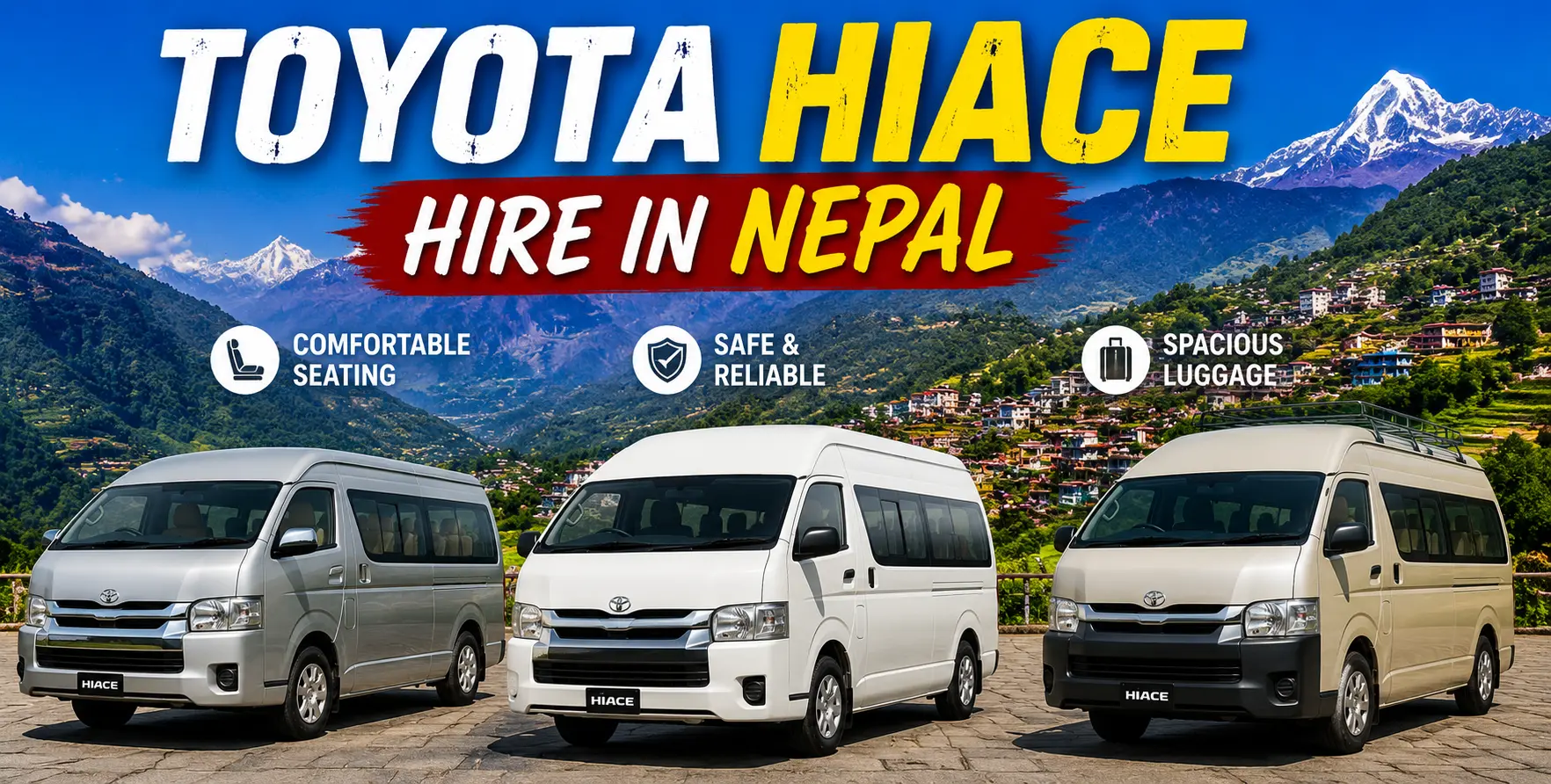
For groups that need mountain-road capability alongside Hiace-level capacity, Nepal Vehicle Hiring often provides a combined solution—Hiace for the highway sections and 4WD jeeps for the mountain approach sections—coordinated seamlessly as part of a single transport package.
Coaster Bus Hire: Mid-Size Groups in Comfort
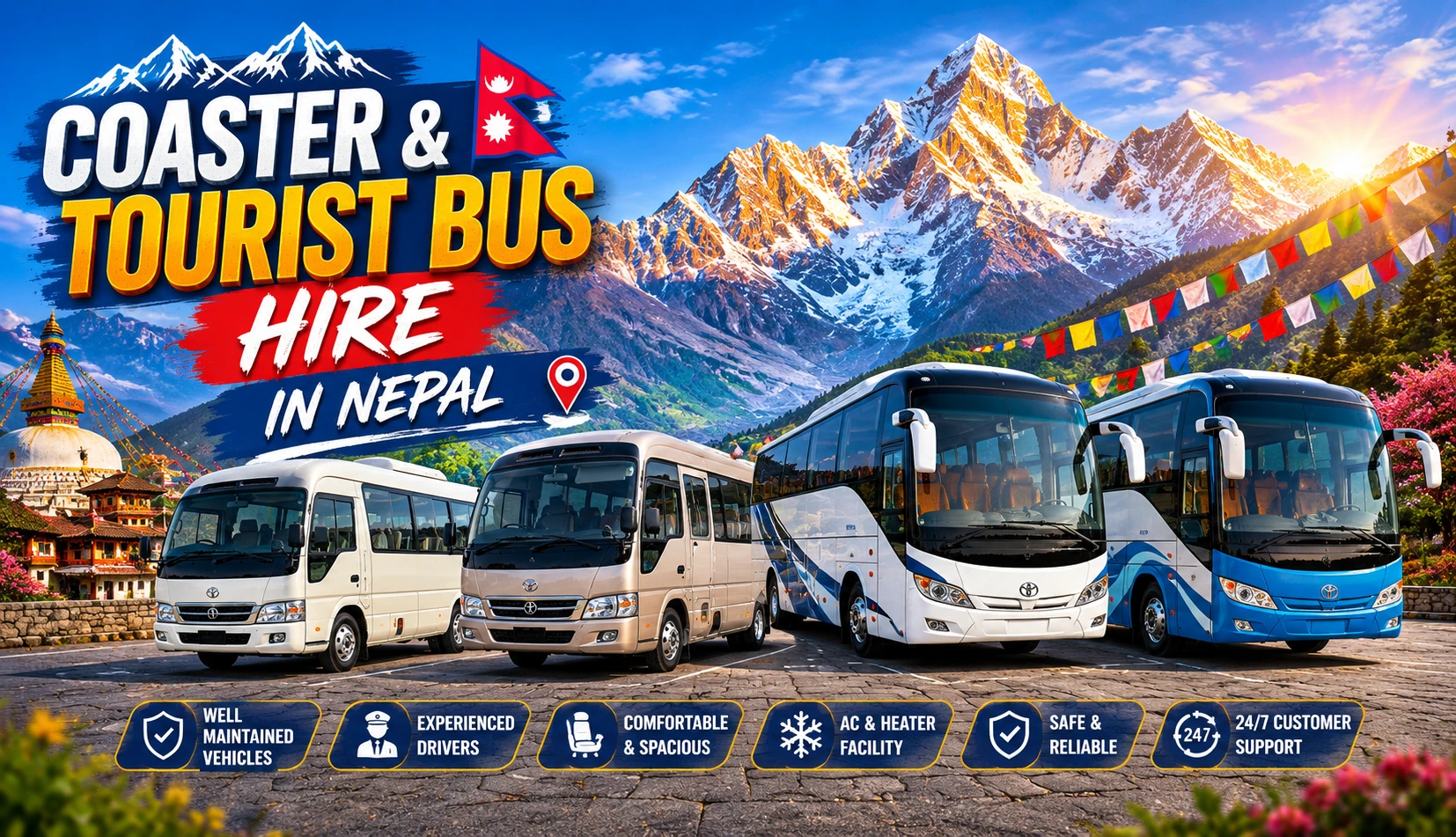
The Coaster bus hire is ideal for groups of 15 to 25 people who want something more spacious and comfortable than a Hiace but don’t need a full-size bus. Coasters are particularly popular with:
- Pilgrimage groups from India and Nepal on travel circuits that include Pashupatinath, Muktinath, Lumbini, and Janakpur
- School and college tour groups exploring Kathmandu Valley or heading to Pokhara
- Wedding and family event groups requiring coordinated transport across Kathmandu
- Corporate groups on team offsite retreats to Nagarkot, Dhulikhel, or Pokhara
Like the Hiace, the Coaster suits Nepal’s main highways and lower approach roads. For routes that require mountain-road 4WD capability, Coasters take the group as far as the road allows, with 4WD jeeps handling the final mountain section.
Full Bus Hire: Large Groups and the Long Haul
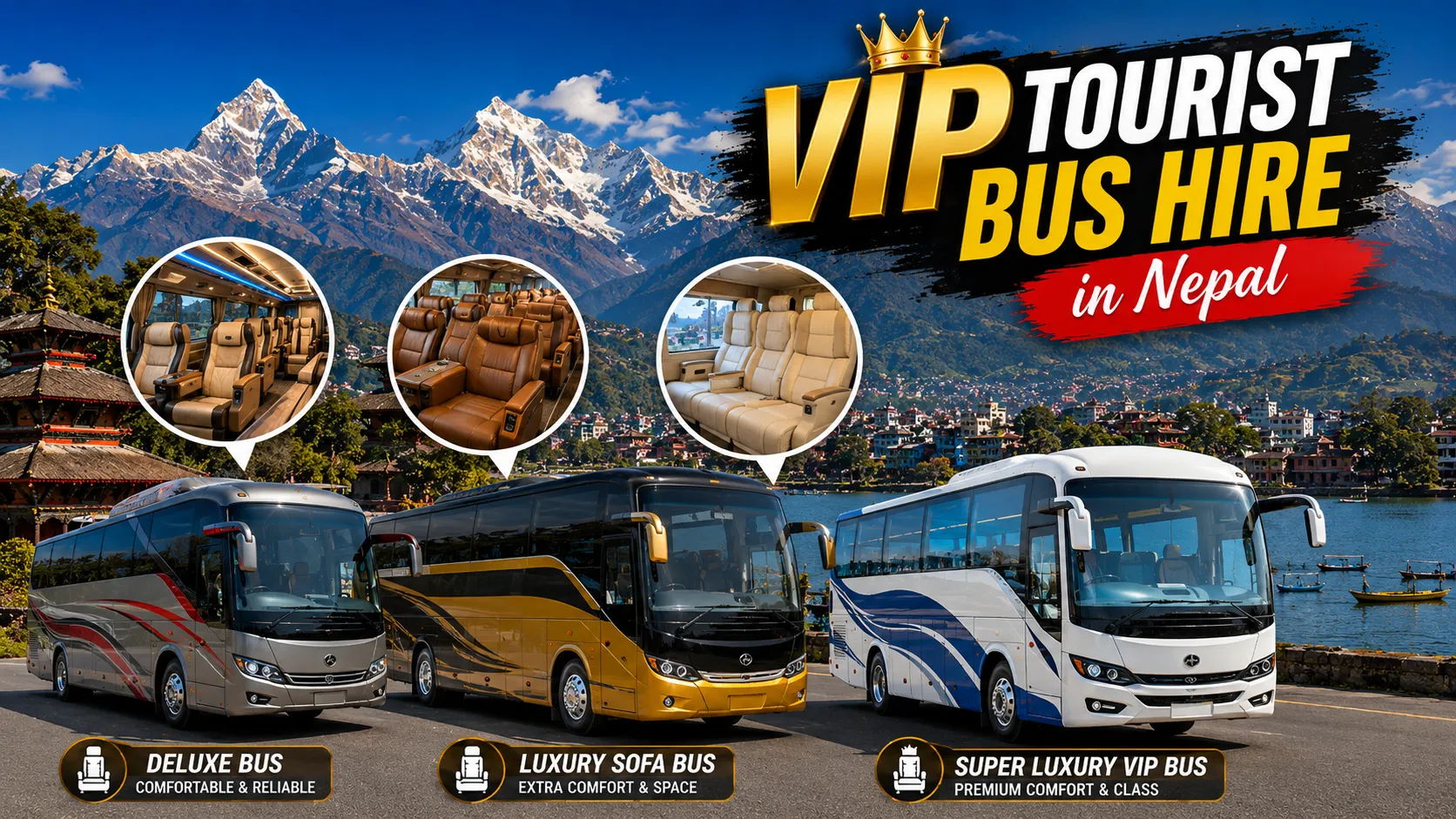
For groups of 25 to 45 passengers — large pilgrimage parties, corporate events, school excursions, or tour operator group bookings — Nepal Vehicle Hiring offers full bus hire on Nepal’s main highway corridors. Nepal Vehicle Hiring’s tourist buses feature comfortable reclining seats, air conditioning, and luggage space, making long highway journeys—such as the full Kathmandu-to-Pokhara run—genuinely comfortable for large parties.
The Kathmandu to Pokhara bus and Kathmandu to Besisahar bus ticket services are among the most-used routes for groups beginning Annapurna Circuit treks or heading into the Gandaki Province mountain region. The bus gets the group comfortably to the mountain trailhead, where dedicated 4WD jeeps take over.
Popular Nepal Tour Package Routes and the Right Vehicle for Each
Every Nepal tour package has its own logic — a combination of destinations, group size, available time, and budget that points to a specific vehicle configuration. Below, we map the most popular Nepal tour itineraries to the optimal vehicle hire choices.
1. The Classic Kathmandu–Pokhara–Chitwan Triangle
Nepal’s most popular tourist circuit connects three of the country’s most iconic destinations: Kathmandu (cultural heritage and the gateway valley), Pokhara (lakeside city below the Annapurnas), and Chitwan National Park (subtropical jungle and wildlife safari). This triangle can comfortably be completed in 7 to 10 days and forms the backbone of more Nepal tour packages than any other combination.
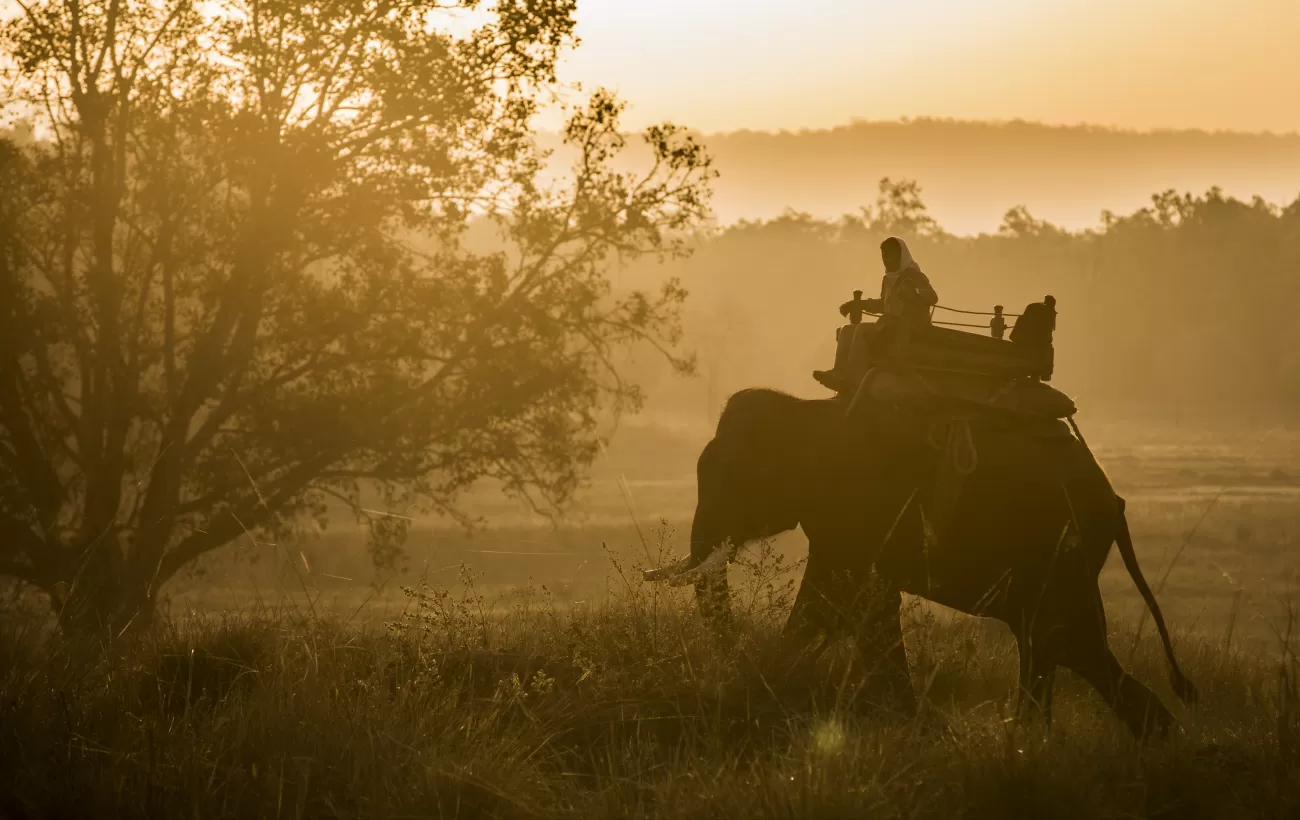
Vehicle requirements for this circuit are straightforward: the three legs — Kathmandu to Pokhara (200 km, 6–7 hours), Pokhara to Chitwan (150 km, 4–5 hours), and Chitwan to Kathmandu (175 km, 5–6 hours) — are all on Nepal’s main paved highways. For individuals and couples, a private car hire covers all three legs. For groups of 8 to 14, the Hiace van hire is the standard choice. For groups of 15 to 25, the Coaster is ideal. For groups of more than 25, our bus hire service handles the circuit with ease.
Common add-ons include the Nagarkot sunrise tour from Kathmandu (requiring a Kathmandu-to-Nagarkot vehicle), the Bhaktapur Durbar Square day tour, and the Sarangkot sunrise tour from Pokhara.
2. The Nepal Pilgrimage Circuit: Pashupatinath, Muktinath, Lumbini
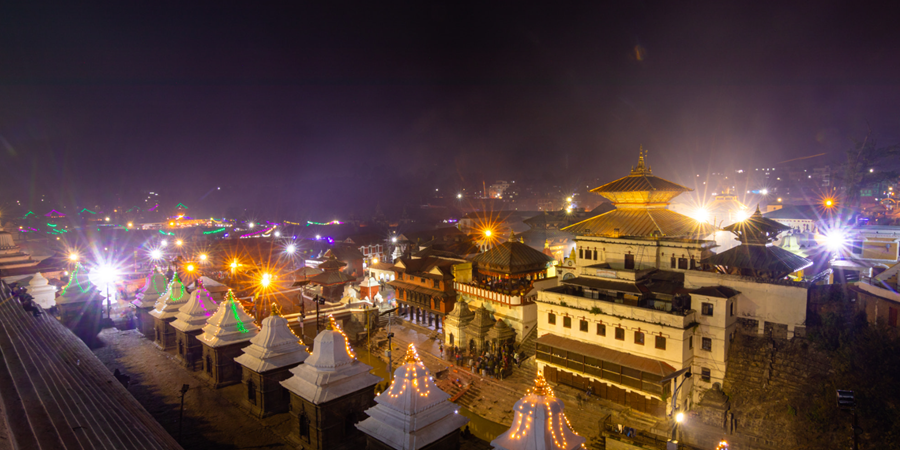
Nepal is one of the world’s great pilgrimage destinations. The country contains some of Hinduism’s and Buddhism’s most sacred sites — Pashupatinath Temple in Kathmandu (one of the most important Shiva temples in the world), Muktinath Temple in the Mustang District (sacred to both Hindus and Buddhists, drawing hundreds of thousands of pilgrims annually), and Lumbini in the Terai plains (the birthplace of the Buddha and a UNESCO World Heritage Site). Combining these three sites in a single Nepal tour package creates the definitive Himalayan pilgrimage circuit.
Our dedicated Muktinath Yatra itinerary details the route to the Muktinath temple. The vehicle requirement is clear: Kathmandu to Pokhara can be done by a Hiace or a car; Pokhara onward to Jomsom requires a Hiace van hire or a 4WD jeep hire; and the final leg from Jomsom to Muktinath on the rough mountain track requires a 4WD. For the Lumbini leg, the Nepal Nekhor tour service provides dedicated pilgrimage transport on the southern Terai highway circuit.
For large pilgrim groups of 20 or more, Nepal Vehicle Hiring typically provides a Coaster bus for the highway sections and two to three 4WD jeeps for the mountain approach to Muktinath. This configuration keeps the group together on highways while providing each passenger with proper mountain-road transport for the high-altitude sections.
3. The Annapurna Circuit Trekking Transport Package
The Annapurna Conservation Area receives approximately twice as many trekkers as the Everest region, making it Nepal’s single most-visited trekking destination. The standard route from Kathmandu to the Annapurna Circuit trail combines highway driving and mountain roads, with the vehicle changing at Besisahar or Dharapani.
Nepal Vehicle Hiring’s Kathmandu-to-Manang jeep and Besisahar private vehicle services use this approach. For groups departing from Pokhara, our Pokhara-to-Nayapul transportation provides access to the southern Annapurna approach. For larger trekking groups, a Hiace van or Coaster handles the Kathmandu-to-Besisahar stretch, with a convoy of jeeps taking over above Besisahar.
The return journey — typically from Jomsom or Pokhara after completing the circuit or crossing Thorong La — is handled by our Jomsom–Pokhara and Pokhara–Kathmandu transport services. For any trekking transport in Nepal, Nepal Vehicle Hiring offers end-to-end coordination from your first hotel pickup in Kathmandu to your final drop-off after the trek.
4. The Upper Mustang Jeep Tour
Upper Mustang — the ancient kingdom of Lo, accessible by a rough mountain road north of Kagbeni — is one of Nepal’s most extraordinary destinations and one of the most vehicle-dependent. No flight goes to Lo Manthang. No trek avoids the jeep road entirely. To reach Lo Manthang, you must either drive the entire route or combine a domestic flight with a jeep.
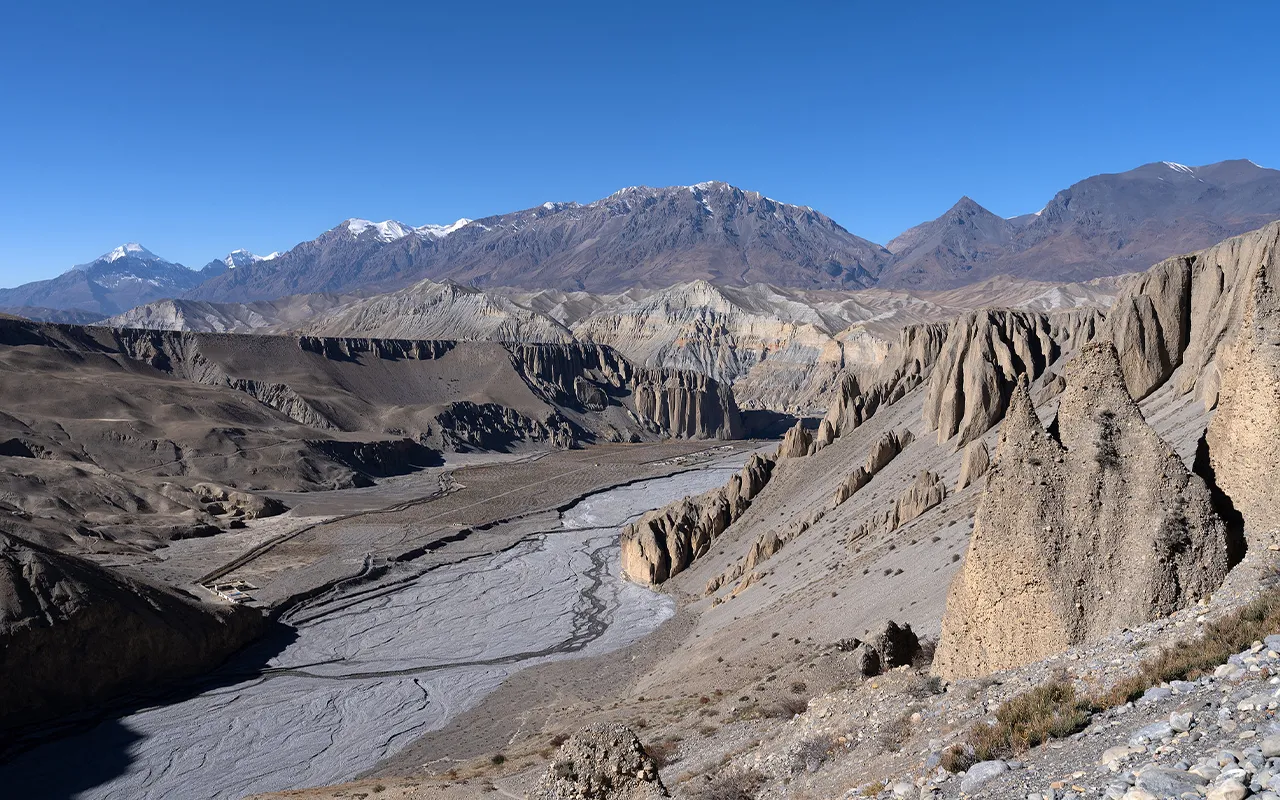
Nepal Vehicle Hiring offers a Kathmandu-to-Mustang private jeep for a complete 3- to 4-day overland journey, and a Pokhara-to-Mustang jeep for those starting in Nepal’s second city. Both services use our most capable 4WD vehicles and our most experienced mountain-road drivers—drivers who have navigated the Kali Gandaki gorge and the Mustang plateau in every season and know the road in a way a city driver with a GPS cannot replicate.
Mustang tours are growing rapidly—the region recorded 161,122 foreign tourists in 2025, an 18.71 per cent increase over 202, and the most important factor in a successful Mustang tour is reliable transport. Nepal Vehicle Hiring’s Mustang jeep service is the gold standard for this route.
5. The Everest Region: Kathmandu to Lukla and the Trek Base
You typically reach the Everest region by domestic flight from Kathmandu to Lukla (Tenzing-Hillary Airport), Nepal’s most popular mountain airstrip. Vehicle hire for Everest treks therefore centres primarily on Kathmandu airport transfers to and from Tribhuvan International Airport or to Ramechhap (where Lukla flights operate during peak season to reduce congestion in Kathmandu airspace, requiring an additional 4- to 5-hour drive from Kathmandu).
Nepal Vehicle Hiring’s Everest Base Camp trek transport service covers the full ground transport component of EBC trek packages — Kathmandu hotel pickup, transfers from Tribhuvan International Airport or Ramechhap airstrip, and Kathmandu drop-off at the end of the trek. For groups, our Hiace and Coaster fleet handles the Kathmandu-to-Ramechhap highway drive comfortably.
6. The Nepal Cultural and Heritage Tour
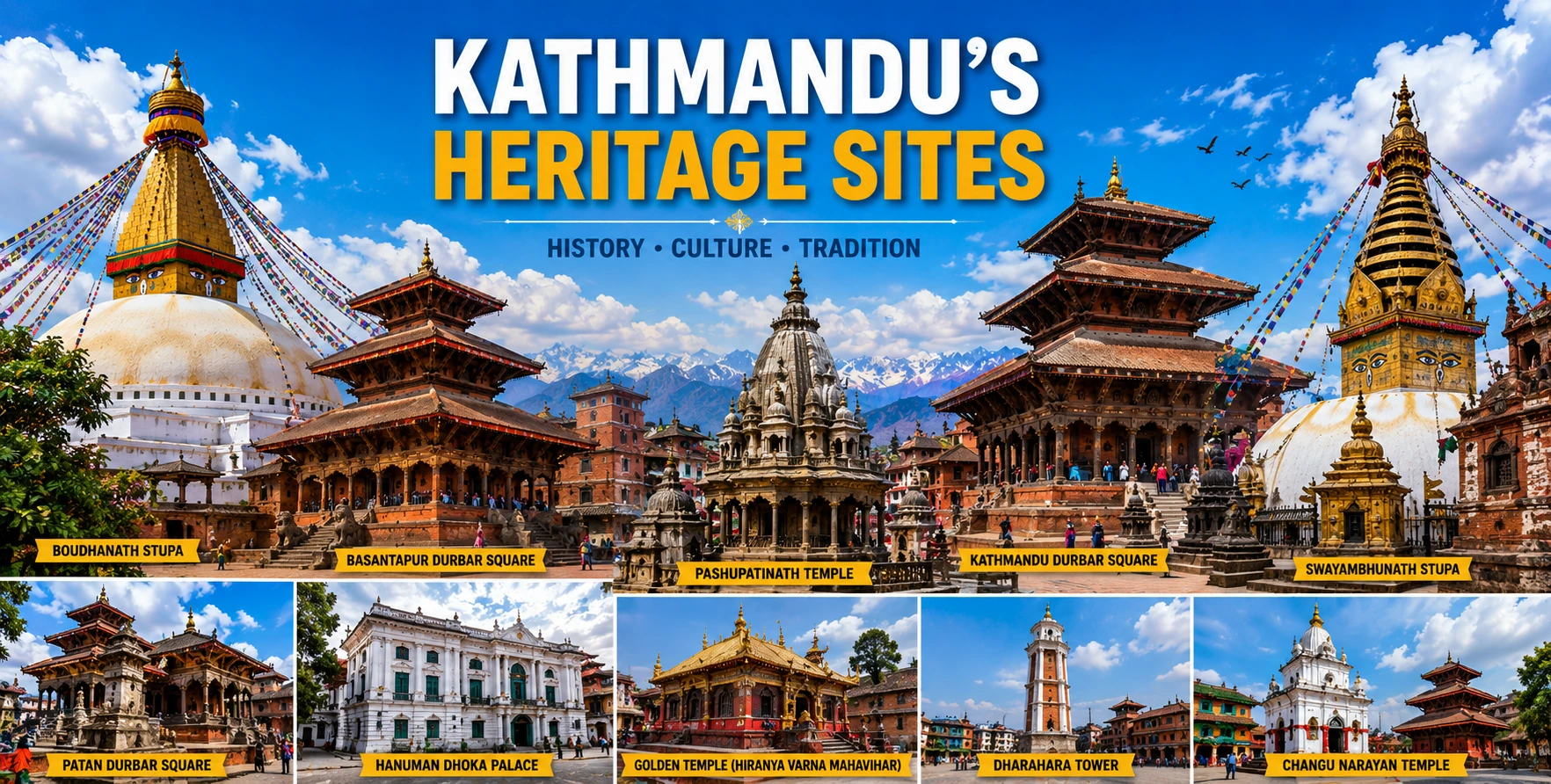
For travellers whose primary interest is Nepal’s extraordinary cultural and architectural heritage — the seven UNESCO World Heritage monument zones of the Kathmandu Valley, the medieval cities of Bhaktapur and Patan, the sacred temples of Pashupatinath and Boudhanath — vehicle hire for a Nepal holiday is primarily city-based and highway-based.
Our Kathmandu sightseeing service provides dedicated vehicles for full-day and half-day heritage tours of the valley. Our Bhaktapur Durbar Square day tour and Nagarkot sunrise tour are among the most popular single-day additions to any Kathmandu cultural package. Our Nepal holiday tour packages combine Kathmandu Valley heritage with Pokhara lakeside and Chitwan wildlife in a single seamless itinerary.
Choosing the Right Vehicle by Group Size for Your Nepal Tour
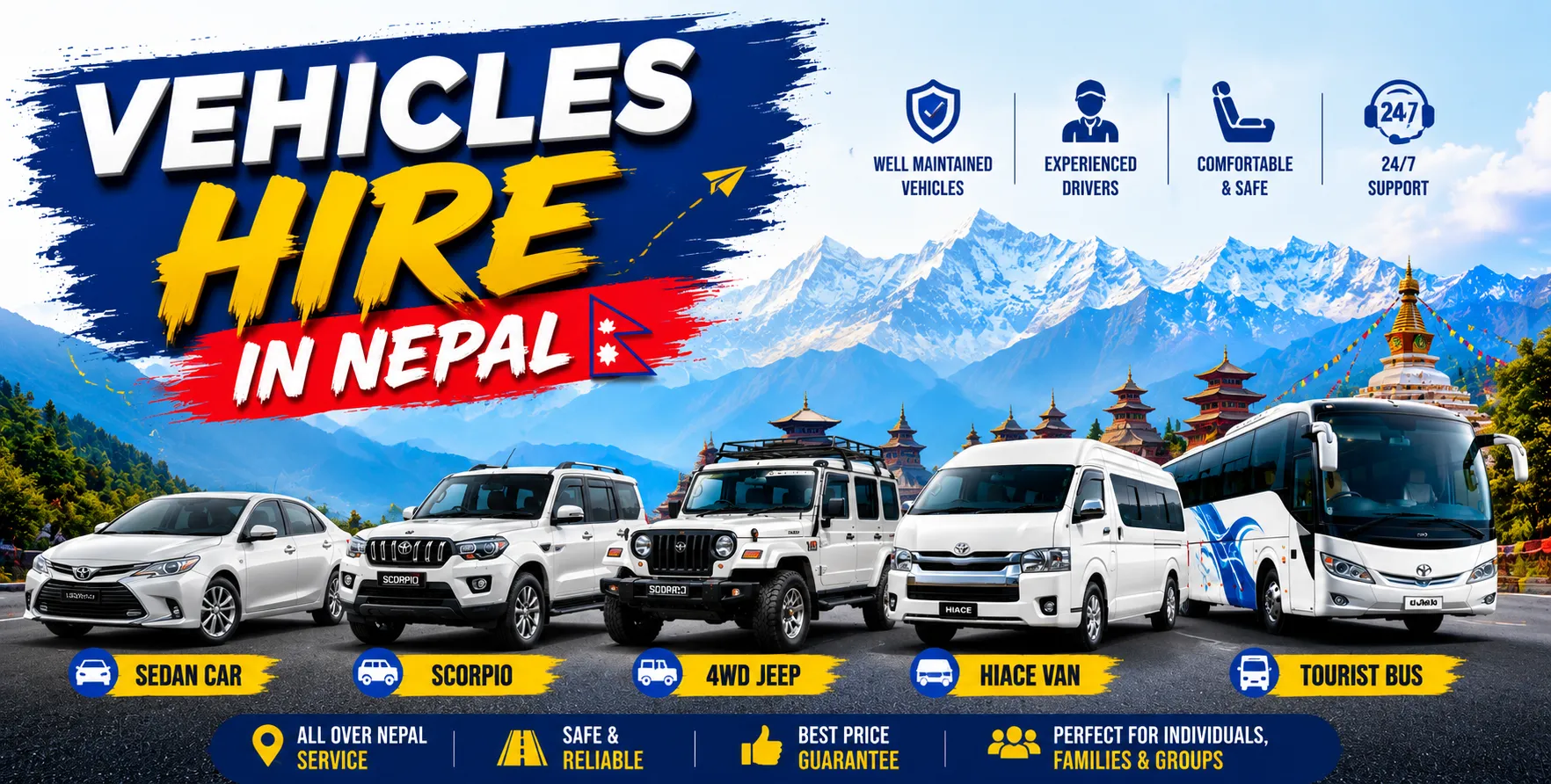
Group size is one of the two most important factors in vehicle selection (the other being road type). Here is a quick guide to matching group size to the Nepal Vehicle Hiring fleet:
1 to 3 Passengers
A private car hire is the most comfortable and economical choice for individuals, couples, and small families travelling on Nepal’s main highways. For mountain roads, a 4WD jeep is required; it comfortably seats 3 with luggage and offers excellent ground clearance and road presence on rough terrain.
4 to 7 Passengers
The 4WD jeep is the natural choice for groups of 4 to 7 for any Nepal tour package that includes mountain roads. The jeep seats 6 to 7 passengers plus roof luggage. For highway-only itineraries, both car hire and Hiace van are options at this group size, with the Hiace offering more space and comfort for longer highway drives.
8 to 14 Passengers
The Toyota Hiace van hire is the definitive vehicle for this group size on Nepal’s highways. Hiace seats 12 to 14 passengers comfortably and is widely used for group Nepal tour packages covering Kathmandu, Pokhara, Chitwan, and Lumbini. For mountain road sections, you can combine Hiaces with 4WD jeeps in a mixed-fleet arrangement.
15 to 25 Passengers
The Coaster bus is the right choice here — more comfortable than two Hiaces, easier to manage as a group, and available on all of Nepal’s main highways. For mountain road sections requiring 4WD, Coasters transfer the group to the end of the all-weather road, and jeeps take over.
26 Passengers and Above
Nepal Vehicle Hiring’sfull-buss hire service handles large groups along all of Nepal’s main highway corridors. Tourist buses with comfortable seating, air conditioning, and ample luggage space suit the Kathmandu–Pokhara, Pokhara–Chitwan, and Kathmandu–Lumbini routes. For mountain access, a bus takes the group to the last accessible road, a, nd jeeps handle the mountain legs.
Best Time of Year for Nepal Tour Packages and Vehicle Hire
Nepal’s tourism calendar is defined by its climate zones, and the right time to visit depends significantly on what you plan to do and where you plan to go.
Spring Season: March to May
Spring is one of Nepal’s two peak trekking seasons and one of the finest times of year to travel the country. The rhododendron forests of the mid-hills are in full bloom — explosions of red and pink covering entire ridgelines — and the pre-monsoon skies are generally clear, offering excellent Himalayan views. Temperatures at altitude are manageable, and the main mountain roads are at their most reliably passable after winter’s freeze-thaw cycle has settled the surfaces. The Tiji Festival in Upper Mustang typically falls in May, making spring the premier time for a combined cultural and vehicle tour of the Mustang region. Nepal Vehicle Hiring’s mountain-road vehicles are in highest demand during the spring trekking season—early booking is strongly recommended.
Monsoon Season: June to August
The monsoon brings heavy rainfall to most of Nepal from June through August, except the rain-shadow destinations of Upper Mustang and Manang, which remain relatively dry. Mountain roads below the rain shadow are subject to landslides, washouts, and extended closures during the monsoon. The main highways between Kathmandu, Pokhara, Chitwan, and Lumbini remain passable but may slow due to landslide-clearing operations. Nepal Vehicle Hiring maintains its fleet throughout the monsoon with experienced drivers who can assess road conditions in real time. If you plan to visit Upper Mustang during the monsoon season, our mountain-road jeeps are the most reliable transport option.
Autumn Season: September to November
Autumn is Nepal’s premier travel season; most experienced travellers consider it the best time to visit. Post-monsoon clarity brings the finest atmospheric conditions for mountain views, and the harvest season fills the middle hills with golden terraced fields and warm light that photographers dream about. October and November are the best months for Annapurna Circuit and Everest Base Camp trekking, Kathmandu Valley sightseeing, and wildlife safaris in Chitwan. Vehicle hire demand across all categories is highest during this period, and Nepal Vehicle Hiring strongly recommends booking 4WD jeeps and mountain-road vehicles at least 2 to 3 months in advance for the October–November window.
Winter Season: December to February
Winter in Nepal is excellent for lower-altitude travel — Kathmandu Valley sightseeing, Chitwan National Park safaris (winter is the prime wildlife-viewing season as vegetation thins), and Lumbini pilgrimage travel all work well in the cool, clear winter months. High-altitude destinations like Upper Mustang and Manang are cold and challenging in winter, with mountain roads potentially snow- or ice-covered and most teahouses closed. For travellers focused on the cultural and wildlife aspects of a Nepal tour package, winter is an underrated and often crowd-free option.
Nepal’s Top Destinations and What Vehicle Gets You There
Kathmandu Valley: Seven UNESCO World Heritage Sites
The Kathmandu Valley concentrates more UNESCO World Heritage Sites — seven — into a smaller area than almost any other place on Earth. Pashupatinath Temple (one of the holiest Shiva temples in Asia), Boudhanath Stupa (the largest stupa in Nepal, a centre of Tibetan Buddhism), Swayambhunath (the Monkey Temple, offering panoramic valley views), and the three Durbar Squares of Kathmandu, Patan, and Bhaktapur are all accessible within a single day with the right vehicle hire. Our Kathmandu sightseeing service is designed specifically for this full-valley circuit.
The Bhaktapur Durbar Square day tour is one of the finest half-day or full-day excursions from Kathmandu — the medieval Newari city of Bhaktapur is widely considered Nepal’s best-preserved ancient city, with pottery squares, woodcarving workshops, and the magnificent 55-Window Palace. The Nagarkot sunrise tour takes you by vehicle to Nagarkot hill station — accessible via our Kathmandu-to-Nagarkot vehicle — for a dawn panorama of the Himalayan range from Dhaulagiri in the west to Kanchenjunga in the east, one of the world’s great sunrise experiences.
Pokhara: Lakeside Gateway to the Annapurnas
Pokhara is Nepal’s most relaxed and most beautiful city — a lakeside destination beneath the Annapurna range where the pace of life slows to match the reflections on Phewa Lake. The Sarangkot sunrise tour from Pokhara is perhaps the city’s most popular single activity — a short pre-dawn drive to the Sarangkot viewpoint ridge, where the full Annapurna panorama — Dhaulagiri, Annapurna South, Annapurna I, Machapuchare (the Fishtail), and Lamjung Himal — ignites in the dawn light. On a clear morning, this sunrise is genuinely life-changing.
Pokhara also serves as the launch point for Annapurna Circuit and Annapurna Base Camp trekkers, with our Pokhara-to-Nayapul transportation covering the most common southern approach to the Annapurna Conservation Area.
Mustang: The Forbidden Kingdom
Upper Mustang — accessible only since 1992, still requiring a restricted area permit, still reached by a rough mountain road that demands full 4WD capability — is Nepal’s most exclusive and most atmospheric overland destination. The ancient walled city of Lo Manthang, the dramatically eroded ochre plateau, the sky caves and ancient monasteries, and the Tiji Festival in May make Mustang a once-in-a-lifetime destination for those who make the journey. Our Kathmandu-to-Mustang private jeep service and Pokhara-to-Mustang jeep service are the definitive ways to reach this extraordinary destination.
Muktinath: The Sacred Temple Above the Clouds
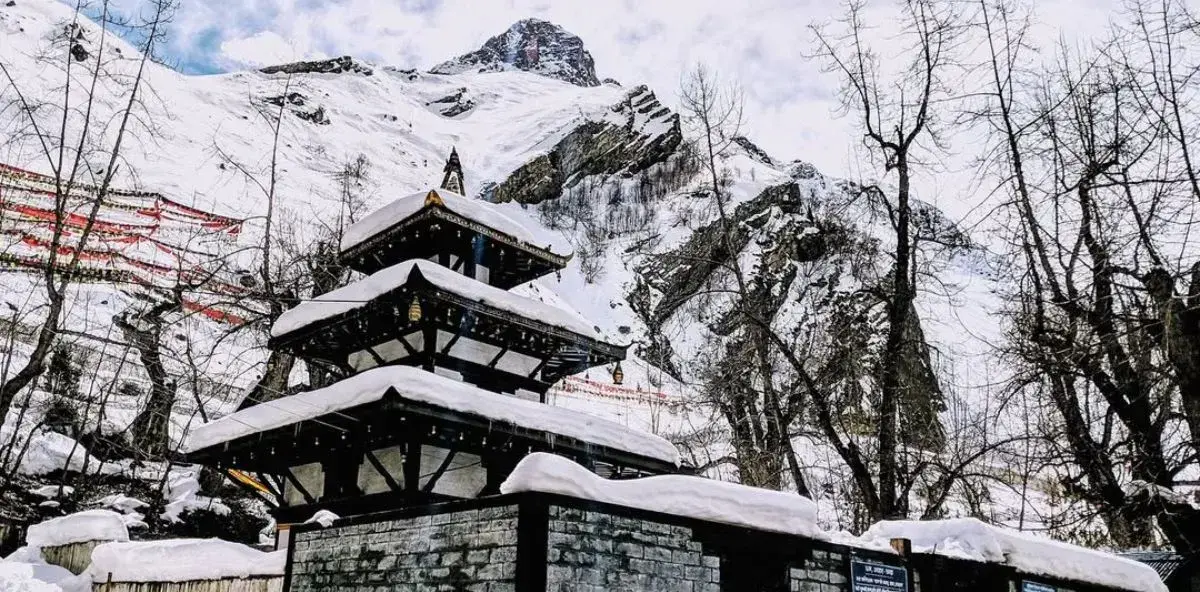
Muktinath Temple, at 3,710 meters in the Mustang District above Jomsom, is one of the most important pilgrimage sites in the Hindu and Buddhist worlds. Its 108 water spouts, sacred eternal flame, and Vishnu temple complex draw hundreds of thousands of pilgrims each year — the vast majority from India. The Muktinath Yatra itinerary covers the full pilgrim transport route from Pokhara to Muktinath and back, using a Hiace van hire to Jomsom and 4WD jeeps for the Jomsom-to-Muktinath section.
Annapurna Circuit: Nepal’s Greatest Trek
The Annapurna Circuit — 160 to 230 kilometres of trekking, depending on the route variation — remains Nepal’s most popular trekking route. Nepal Vehicle Hiring handles the approach to the circuit trailhead by vehicle from Kathmandu or Pokhara (typically Besisahar, Dharapani, or Chame, depending on your starting preference) with our Kathmandu-to-Manang jeep, Besisahar private vehicle, and trekking transport services.
Lumbini: The Birthplace of the Buddha
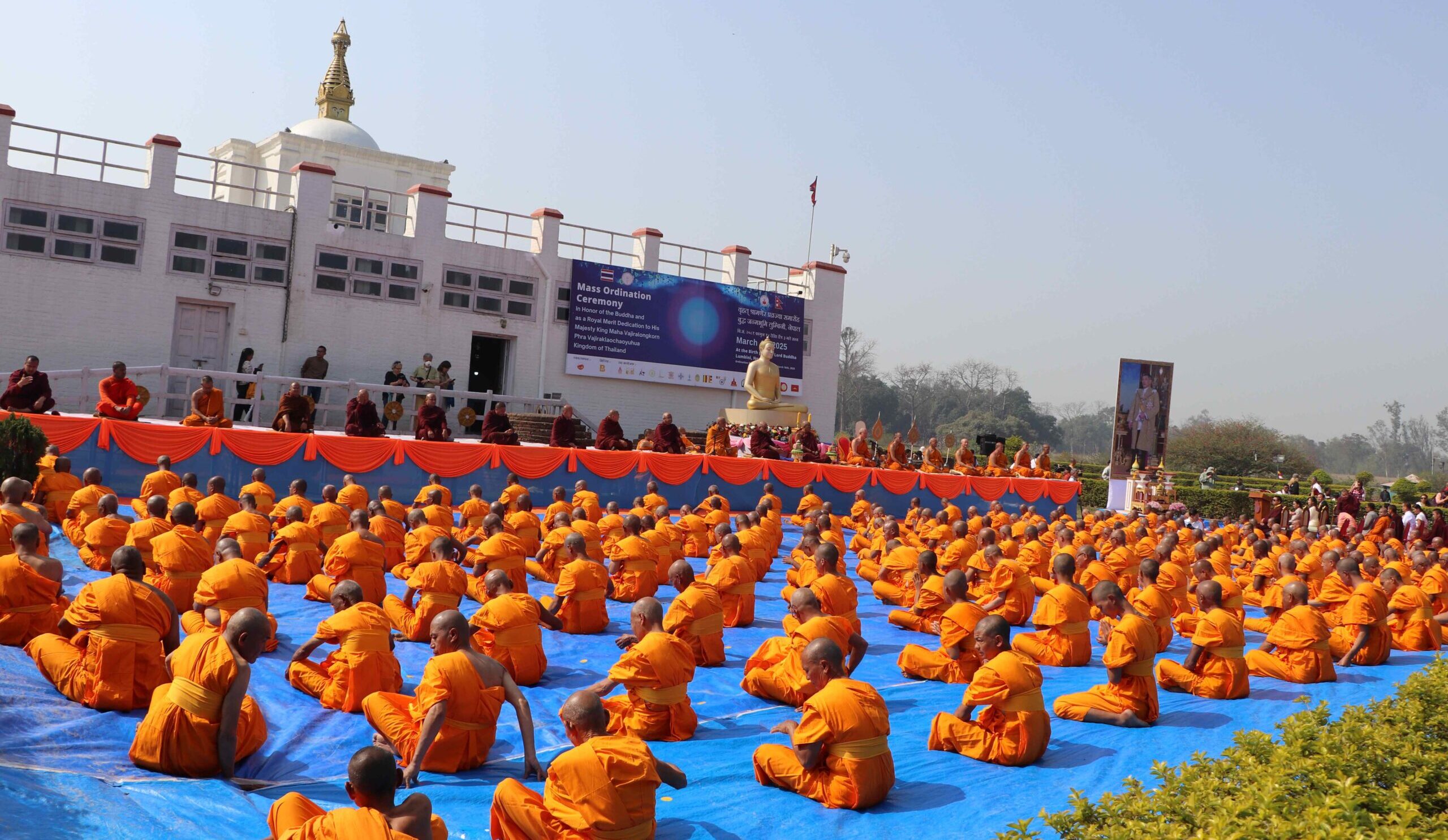
Lumbini, located in the Terai plains near the Indian border, is one of the world’s great Buddhist pilgrimage sites and a UNESCO World Heritage Site. The Maya Devi Temple marks the exact spot where the Buddha is said to have been born. The surrounding sacred garden contains ancient ruins, the Ashoka Pillar (erected by Emperor Ashoka in 249 BC), and dozens of international Buddhist monasteries built by Buddhist communities from Japan, Korea, China, Thailand, Sri Lanka, and beyond. Lumbini is accessible from Kathmandu by bus or car via the main Terai highway, a journey of approximately 300 kilometres that takes 6 to 8 hours. Our Nepal holiday tour packages and Nepal Nekhor tour include Lumbini as part of a comprehensive Nepal spiritual and heritage itinerary.
Why Choose Nepal Vehicle Hiring for Your Nepal Tour Package Transport
Every Nepal tour is only as good as the logistics that underpin it. A missed connection, a vehicle breakdown on a remote mountain road, a driver who doesn’t know the route, a bus that can’t handle the terrain — any of these can derail an itinerary that took months to plan. Nepal Vehicle Hiring exists specifically to ensure that transport is the last thing you need to worry about on your journey in Nepal.
Experience on Every Route
Our drivers are not generalists assigned to whatever job comes in that day. They are specialists — mountain road drivers who have driven the Mustang route dozens of times, Kathmandu Valley sightseeing drivers who know every parking point and temple approach road, and highway drivers who know the best roadside lunch stops and the safest overtaking points on the Prithvi Highway. This depth of route knowledge is the difference between a transport service and a transport experience.
A Full Fleet Under One Roof
Nepal tour packages often require multiple vehicle types across multiple legs. A Kathmandu airport transfer by car, a Kathmandu-to-Pokhara journey by Hiace, a Pokhara-to-Mustang run by 4WD jeep, and a return flight from Jomsom to Pokhara with a Pokhara-to-Kathmandu Hiace at the end — all of this can be coordinated through a single booking with Nepal Vehicle Hiring. Our fleet spans every category from private cars to full buses, and our operations team manages multi-vehicle, multi-leg itineraries as standard practice.
Vehicle Maintenance and Safety
Mountain roads do not forgive poorly maintained vehicles. Every vehicle in the Nepal Vehicle Hiring fleet undergoes regular maintenance checks, tyre inspections, brake assessments, and mechanical servicing before deployment on mountain roads. We carry basic spare parts and tools on mountain road journeys, and our drivers are trained in basic roadside first response for the inevitable minor incidents that occur on rough terrain. We recommend travel insurance for all clients and can advise on reputable providers on request.
Transparent Pricing and No Hidden Costs
Nepal’s informal transport sector is not always transparent about pricing. Drivers may add fuel surcharges, road permit fees, driver accommodation costs, and return-journey charges to an initial quote, inflating the final bill beyond the agreed price. Nepal Vehicle Hiring operates on a transparent, all-in pricing model—the quoted price includes the vehicle, driver, fuel, driver accommodation, and all applicable road charges—so there are no surprises at the end of the journey.
Sample 14-Day Nepal Tour Package with Vehicle Hire Guide
The following sample itinerary demonstrates how Nepal Vehicle Hiring’s fleet can handle a comprehensive Nepal tour package covering the country’s main highlights. Vehicle types are noted for each leg.
- Day 1: Arrive in Kathmandu. Private car transfer from the airport to the Thamel hotel.
- Day 2: Full-day Kathmandu sightseeing tour — Pashupatinath, Boudhanath, Swayambhunath, Patan Durbar Square. Private car or Hiace.
- Day 3: Bhaktapur Durbar Square day tour in the morning. Afternoon drive to Nagarkot for an overnight stay and mountain views.
- Day 4: Nagarkot sunrise tour, then drive to Kathmandu. Afternoon departure from Kathmandu to Pokhara by private Hiace van hire (200 km, 6–7 hours).
- Day 5: Sarangkot sunrise tour from Pokhara. Morning: Explore Phewa Lake and the city.
- Day 6: Drive from Pokhara to Beni to Jomsom by Hiace or 4WD jeep. Overnight in Jomsom.
- Day 7: Drive from Jomsom to Muktinath by 4WD jeep. Visit the Muktinath temple complex. Overnightin Muktinath or Jomsom.
- Day 8: Drive from Jomsom to Pokhara. Return to Pokhara from Nayapul; optional day trek. Overnight in Pokhara.
- Day 9: Drive from Pokhara to Chitwan by Hiace (150 km, 4–5 hours)—afternoon jungle briefing.
- Day 10: Full day Chitwan National Park activities — jungle safari, canoe ride, bird watching.
- Day 11: Drive from Chitwan to Lumbini via Butwal by Hiace or Coaster (120 km, 3–4 hours). Afternoon: Lumbini Garden and Maya Devi Temple.
- Day 12: Full day in Lumbini — international monasteries, Ashoka Pillar, sacred garden.
- Day 13: Drive from Lumbini to Kathmandu by Coaster or bus (300 km, 6–8 hours). Evening in Kathmandu is free.
- Day 14: Morning free for shopping in Thamel. Transfer to the airport by private car for departure.
Frequently Asked Questions
What is the best vehicle for a Nepal tour package?
There is no single best vehicle for Nepal; the right choice depends on your group size, destinations, and road type. For mountain regions, a 4WD jeep is mandatory. For highway-only circuits, cars, Hiace vans, Coasters, or buses suit different group sizes. Nepal Vehicle Hiring will recommend the right vehicle configuration for your specific itinerary when you get in touch.
Do I need a 4WD vehicle for the entire Nepal tour?
No. Nepal’s main highways — the Prithvi Highway from Kathmandu to Pokhara, the Siddhartha Highway from Pokhara to Lumbini, the East-West Highway across the Terai — are well-maintained blacktop roads accessible to standard vehicles. 4WD is required specifically for mountain approach roads: above Besisahar for the Annapurna region, above Beni or Jomsom for Mustang, and on similar rough mountain corridors. Nepal Vehicle Hiring’s operations team will advise which sections of your tour require 4WD and configure your fleet accordingly.
How far in advance should I book a vehicle hire for a tour in Nepal?
For the spring (March–May) and autumn (September–November) peak seasons, we recommend booking mountain road vehicles at least 2- 3 months in advance, as 4WD jeeps and experienced mountain road drivers are in very high demand. For highway-only transport in the off-season, a 2- to 4-week booking is usually sufficient. Festival periods, particularly the Tiji Festival in Mustang in May, require even earlier booking, as transport and accommodation book up quickly.
Can I hire a vehicle in Nepal and drive it myself?
Nepal Vehicle Hiring provides vehicles with professional drivers rather than self-drive hire for mountain road journeys. This is both a safety and a practical consideration — mountain roads in Nepal require knowledge of local conditions, road protocols, and seasonal hazards that you can’t get from a map or GPS. For Kathmandu city driving or Kathmandu Valley day trips, other providers offer self-drive options, but Nepal Vehicle Hiring includes a driver for all vehicle types.
What happens if the road is blocked due to weather or a landslide?
Our experienced mountain road drivers continuously monitor road conditions and maintain extensive local networks for real-time updates. If a road is blocked due to a landslide or bad weather, we adjust your itinerary to find the best alternative—waiting for clearance, rerouting, or rescheduling. Vehicle hire during the monsoon season carries inherent uncertainty on mountain roads, and we build flexibility into our monsoon-season bookings as standard practice.
Can Nepal Vehicle Hiring arrange permits as well as transport?
Yes. For destinations requiring trekking permits, restricted area permits, or conservation area permits — including Upper Mustang (RAP and ACAP), Annapurna Circuit (ACAP), and Everest region (Sagarmatha National Park permit and ACAP) — Nepal Vehicle Hiring coordinates with licensed partner agencies to arrange permit processing in Kathmandu before your departure. This helps prevent checkpoint delays and keeps your journey smooth.
Book Your Nepal Tour Package Vehicle Hire with Nepal Vehicle Hiring
Nepal Vehicle Hiring Pvt. Ltd. is your complete transport partner for Nepal tour packages of any size, duration, and destination. From a single airport transfer to a 14-day multi-vehicle itinerary covering Kathmandu, Pokhara, Mustang, Chitwan, and Lumbini, our team handles every transport detail so that you can focus on the experience.
Booking is straightforward:
- Visit vehiclehiringnepal.com to browse our full fleet and service pages and learn about the options available.
- Complete the inquiry form on our Plan Your Trip page with your travel dates, group size, destinations, and any specific requirements.
- Our team will respond within 24 hours with a detailed vehicle recommendation, an itinerary proposal, and transparent all-in pricing.
- Confirm your booking, and we will handle all logistics—vehicles, drivers, route planning, and permit coordination—from arrival to departure.
Contact us directly:
- WhatsApp / Call: +977-9814227196
- Email: [email protected]
Nepal is waiting. The mountains are extraordinary, the culture is deep, the roads are adventurous, and the journey — with the right vehicle and the right team behind you — is unforgettable. Nepal Vehicle Hiring Pvt. Ltd., Thamel, Kathmandu, is ready to take you there.
Understanding Nepal’s Road Network: A Vehicle Hire Perspective
To make the best transport decisions for a Nepal tour package, it helps to understand how Nepal’s road network is structured and why different road types demand different vehicles. Nepal’s road system can broadly be divided into four categories, each with its own characteristics and vehicle requirements.
National Highways: The Smooth Backbone
Nepal’s national highways are the country’s main arterial roads, connecting Kathmandu to Pokhara, Pokhara to Butwal, Kathmandu to the Terai, and the East-West Highway, which runs the length of the country’s southern plains. These roads are predominantly blacktop-paved, maintained by the Department of Roads, and generally accessible to all vehicle types, including standard cars, vans, buses, and large coaches. The Prithvi Highway (Kathmandu–Pokhara) is Nepal’s most-travelled tourist route, a 200-kilometre drive that takes 6 to 7 hours through river gorges, terraced hillsides, and the Himalayan foothills. The Siddhartha Highway (Pokhara–Bhairahawa/Lumbini) is similarly well-maintained and serves the southern Annapurna pilgrimage circuit.
On these national highways, Nepal Vehicle Hiring’s fleet suits groups of any size. Individual travellers and couples use private car hire; medium groups of 8 to 14 use Hiace van hire; larger groups use Coaster buses and full tourist buses. The Kathmandu-to-Pokhara bus service on the Prithvi Highway is one of the most booked services in our fleet, offering this popular highway corridor at a competitive cost for all group sizes.
District Roads: The Mid-Mountain Challenge
Below the national highway level, district roads connect mid-hill towns and villages with the main arteries. These roads vary enormously in quality — some are paved provincial roads in good condition; others are unpaved gravel tracks that deteriorate significantly during the monsoon. The standard vehicle for district roads is a robust 4WD or a high-clearance van. Regular sedans and standard cars can handle some dirt roads in the dry season, but are vulnerable to damage and getting stuck in wet conditions. Nepal Vehicle Hiring’s 4WD jeep fleet is equipped for travel on district roads in all conditions.
Mountain Approach Roads: 4WD Territory
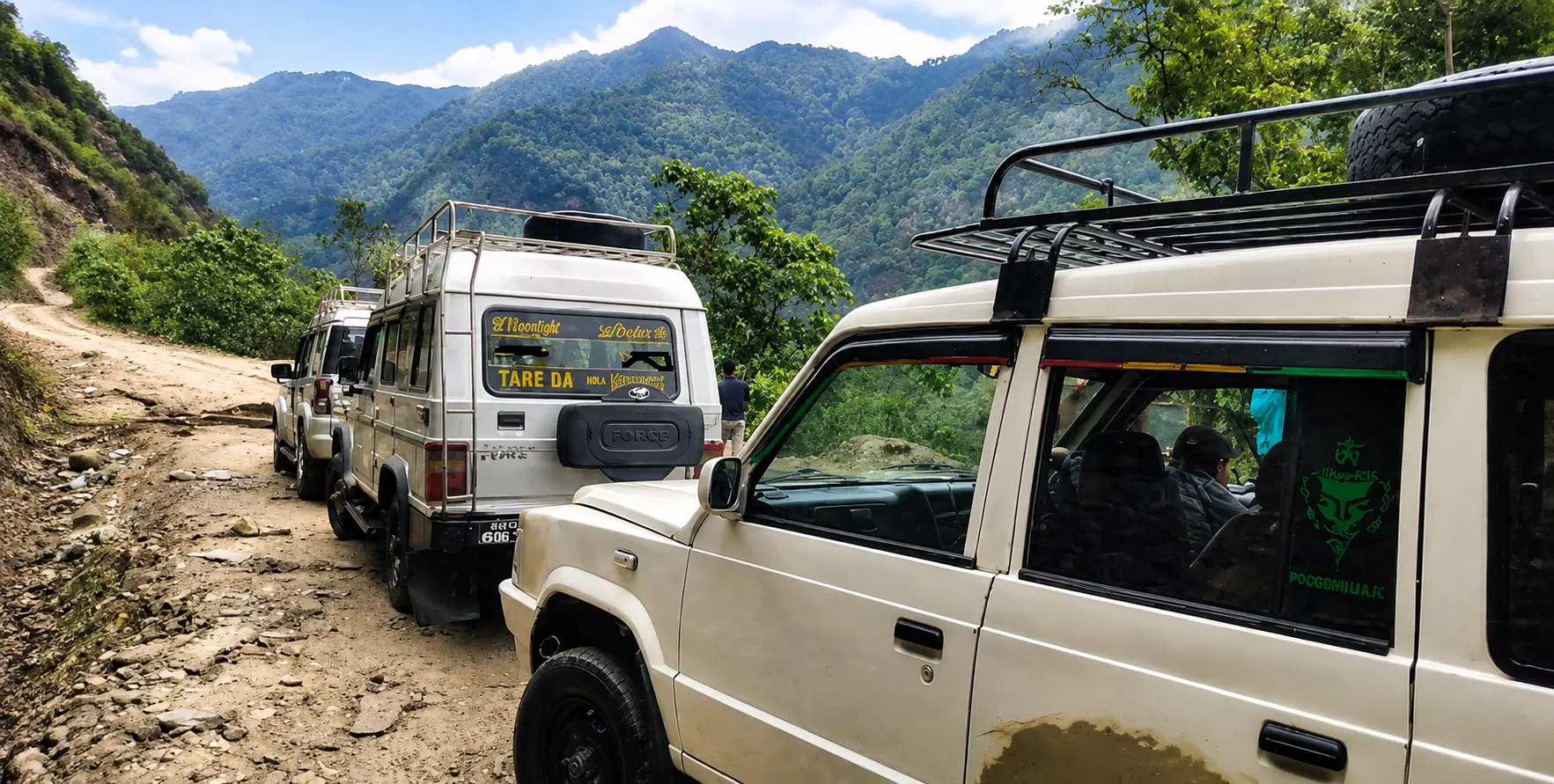
The roads that lead into Nepal’s high trekking regions — the Besisahar-to-Manang corridor for the Annapurna Circuit, the Beni-to-Jomsom road for the Kali Gandaki valley, the Dharan-to-Basantapur road for the Pathivara region, the Itahari-to-Ilam road for the far eastern hills — are classified as off-road or mountain approach roads. These unpaved tracks are often single-lane, subject to seasonal damage from monsoon rains and landslides, involve river crossings and steep switchbacks, and require vehicles with 4WD capability, high ground clearance, and robust suspension.
On mountain approach roads, Nepal Vehicle Hiring deploys exclusively from its 4WD jeep hire fleet, with drivers who have specific experience on each route. For the Annapurna approach, our Besisahar private vehicle service covers the gateway section, while our Kathmandu-to-Manang jeep handles the full overland journey. For Mustang, our Kaour Kathmandu-to-Mustang private vehicle is the definitive service for the full overland approach to Lo Manthang.
High-Altitude Tracks: Only the Capable
Above the mountain approach road level, the tracks that serve Upper Mustang north of Kagbeni, the upper Manang valley, and remote high-altitude destinations are the most demanding vehicle environments in Nepal. These tracks cross seasonal river fords, traverse loose shale and boulder fields, climb to passes above 4,000 meters, and can change character dramatically between morning and afternoon as snow melts or rain falls. Only the most capable, well-maintained 4WD vehicles with the most experienced drivers should attempt these sections.
Nepal Vehicle Hiring selects and maintains Mustang-specific 4WD vehicles for high-altitude track performance. Our drivers for the Upper Mustang route have logged hundreds of hours on the track between Kagbeni and Lo Manthang and know its seasonal character in a way that a city driver cannot replicate. When tour vehicle hire msafety atters most t altitude, on a narrow track above a gorge, 400 kkilometresfrom the nearest city his experience is not optional.
Practical Tips for Vehicle Hire on a Nepal Tour Package
Always Confirm Your Vehicle Type Before Departure
In Nepal’s informal transport sector, it is not uncommon for an operator to confirm a vehicle type aat at booking and substitute a different vehicle on the day of departure. Nepal Vehicle Hiring operates a strict confirmed-vehicle policy — the vehicle type agreed at booking is the vehicle that arrives. We provide photographs and specifications of our fleet on our website, and clients can confirm their vehicle make and model when booking. If you have specific requirements — roof racks for trekking gear, minimum seat count, air conditioning — confirm these at the time of booking rather than assuming they are included.
Pack Smart for Mountain Road Drives
Long mountain road drives in Nepal can be dusty, bumpy, and cold. Here is what experienced Nepal overland travellers recommend carrying in the vehicle for comfort and preparedness:
- A scarf or buff for dust protection on unpaved roads — mountain approach roads generate significant dust in the dry season, and it permeates the vehicle even with windows closed
- Layers — temperatures drop quickly as altitude rises, and a vehicle that felt warm at Besisahar can feel cold at Manang. Have a fleece or down jacket accessible rather than packed in the roof bag.
- Motion sickness medication if you are susceptible — mountain roads with continuous switchbacks and lateral sway affect some travellers significantly.
- Water and snacks — mountain roads have limited food stops, and a long drive between villages on an empty stomach at altitude is genuinely unpleasant.t
- Offline maps downloaded to your phone — mobile signal is unreliable above Besisahar, and offline maps (Maps.me or Gaia GPS) are useful for following the route even without signal
- A power bank for charging devices — mountain road drives can run 4 to 8 hours, and vehicle charging points may not be available in older fleet modes.ls
Understand the Cost Structure of Nepal Vehicle Hire
Vehicle hire costs in Nepal vary based on vehicle type, route, duration, and season. The basic cost structure includes the vehicle itself (day rate per kilometre depending on the service type), the driver’s daily allowance (which covers their food and accommodation on multi-day trips), fuel (included in Nepal Vehicle Hiring’s all-in pricing), and any applicable road or bridge tolls. For multi-day mountain road journeys, drivers’ accommodation and food allowance are standard components—drivers cannot return to Kathmandu after dropping you off in Manang or Lo Manthang and drive back empty; their return-journey expenses are included in the all-in price.
Nepal Vehicle Hiring’s pricing model is fully transparent. When you receive a quote, it includes everything: vehicle, driver, fuel, driver accommodation, and applicable road charges. There are no end-of-journey surprises. For current pricing on any service, contact us through the Plan Your Trip page or WhatsApp us at +977 9851013196.
The Importance of Booking a Licensed Vehicle Operator
Nepal’s vehicle hire sector includes licensed, professional operators and informal, unlicensed operators. The difference matters considerably, particularly for mountain road journeys where vehicle safety, driver training, and operator accountability are genuine safety factors. Nepal Vehicle Hiring Pvt. Ltd. is a licensed vehicle hire company registered in Nepal with fully documented vehicles, properly licensed drivers, and commercial insurance. When booking with us, you have recourse — an address, a contact, a responsible party — that informal operators do not provide.
For international travellers, working with a licensed operator also means your travel insurance is more likely to be valid in the event of an incident. Many travel insurance policies exclude incidents involving unlicensed or informal transport operators. We can provide our vehicle documentation and company registration details upon request for insurance purposes.
Nepal Vehicle Hiring and Sustainable Tourism
Sustainability considerations increasingly shape Nepal’s tourism sector. Travellers are more aware than ever of the environmental and social impacts of their travel choices, and Nepal’s government and tourism industry have responded with a growing emphasis on responsible, community-benefiting tourism practices.
Nepal Vehicle Hiring contributes to sustainable tourism in Nepal in several ways. By employing Nepali drivers and staff, we ensure that the economic benefits of international tourism reach local families directly. Nepali mechanics maintain and service our fleet, and we purchase fuel and consumables locally. By providing reliable, professional transport to destinations across Nepal, we enable travellers to distribute their spending across multiple regions — including the Upper Mustang, eastern Nepal’s Pathivara region, and the Lumbini plains — rather than concentrating it solely in Kathmandu and Pokhara.
For travellers who want their Nepal tour package to benefit the communities they visit, choosing a professional, locally owned vehicle hire company is one of the most direct ways to do so. Nepal Vehicle Hiring is proud to be a Nepali business serving international visitors who love Nepal as much as we do. When you book with us, your transport costs stay in Nepal — with our drivers, mechanics, families, and communities.
Explore our full range of Nepal tour packages and holiday tours on our website, and let us design the transport solution your Nepal journey deserves. The vehicle is not just how you get there — it is part of the story. Make it a good one.
- Best Nepal Tour Package Vehicle Hire Guide for
- Why Vehicle Hire Is the Backbone of Any Best Nepal Tour Package
- Nepal Vehicle Hiring Fleet Guide: Every Vehicle and When to Use It
- Popular Nepal Tour Package Routes and the Right Vehicle for Each
- Choosing the Right Vehicle by Group Size for Your Nepal Tour
- Best Time of Year for Nepal Tour Packages and Vehicle Hire
- Nepal's Top Destinations and What Vehicle Gets You There
- Why Choose Nepal Vehicle Hiring for Your Nepal Tour Package Transport
- Sample 14-Day Nepal Tour Package with Vehicle Hire Guide
- Frequently Asked Questions
- Book Your Nepal Tour Package Vehicle Hire with Nepal Vehicle Hiring
- Understanding Nepal's Road Network: A Vehicle Hire Perspective
- Practical Tips for Vehicle Hire on a Nepal Tour Package
- Nepal Vehicle Hiring and Sustainable Tourism

Related Blog & Articles
All Over Nepal Vehicle Hire – Private Car, Scorpio, 4WD Jeep, Hiace And Tourist Bus
Muktinath Tour guide – Complete Travel & Pilgrimage Guide from Nepal
Kathmandu to Lumbini by Private car, jeep, hiace, and bus full Vehicle Guide