Plan a Trip


Everest Base Camp Trek Heli Return
Everest Base Camp Trek Heli Return Service 2026/27: Complete Guide
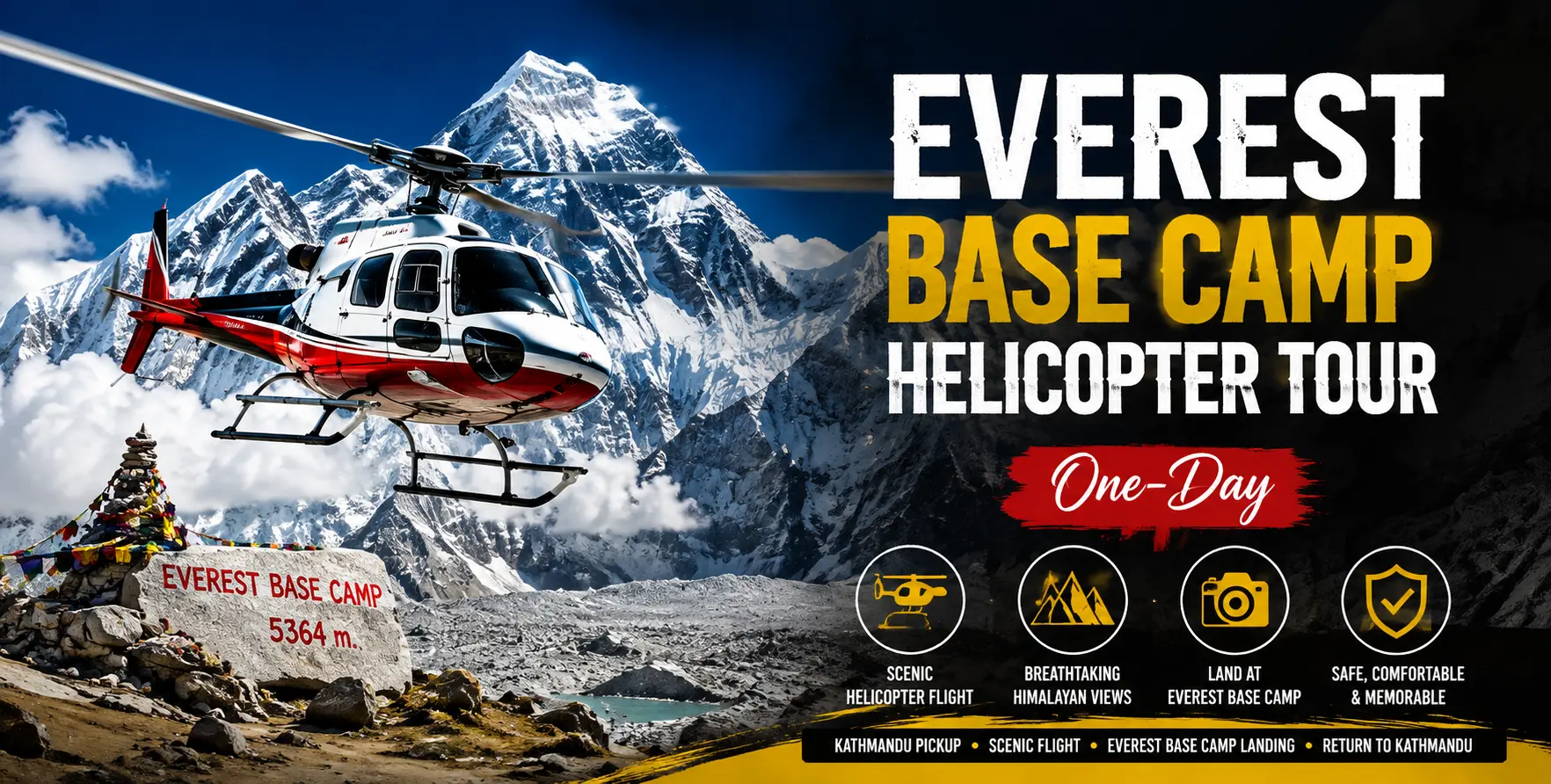
The Everest Base Camp trek with helicopter return has become one of Nepal’s most popular and practical trekking packages—combining the full emotional and physical journey to the foot of the world’s highest mountain on foot with a dramatic, time-saving helicopter flight back to Kathmandu from the high Khumbu plateau. For trekkers who want the complete EBC experience without the three-day descent slog back to Lukla, or for those with limited time who need to be back in Kathmandu by a specific date, the heli return transforms an already extraordinary adventure into something genuinely special.
The helicopter return from Everest Base Camp typically departs from Gorakshep (5,140 m) or Kala Patthar (5,555 m) — the highest points of the standard EBC trek — and flies directly to Kathmandu, covering about 140 kilometers of air distance in 45 to 90 minutes, depending on the route and any required intermediate stops. The views during the flight — Everest’s summit pyramid, the Khumbu Icefall, the great cwm, Lhotse’s south face, Ama Dablam, Makalu, Cho Oyu, and the entire Khumbu Himal spread below — are unlike anything seen from any commercial flight anywhere in the world.
Nepal Vehicle Hiring Pvt. Ltd., based in Thamel, Kathmandu, provides the ground transport component of the EBC helicopter return package. These critical logistics begin and end every EBC heli trek: the Kathmandu airport transfer that starts the adventure, the Ramechhap staging vehicle (increasingly important as domestic flights shift to Ramechhap airport), and the Kathmandu arrival transfer after the helicopter lands at Shyangboche or Kathmandu. This complete guide covers every element of the EBC heli return service—the helicopter route options, costs, ground transport logistics, permits, the booking process, and what to expect at each stage of the experience.
Why Choose the Helicopter Return for EBC?
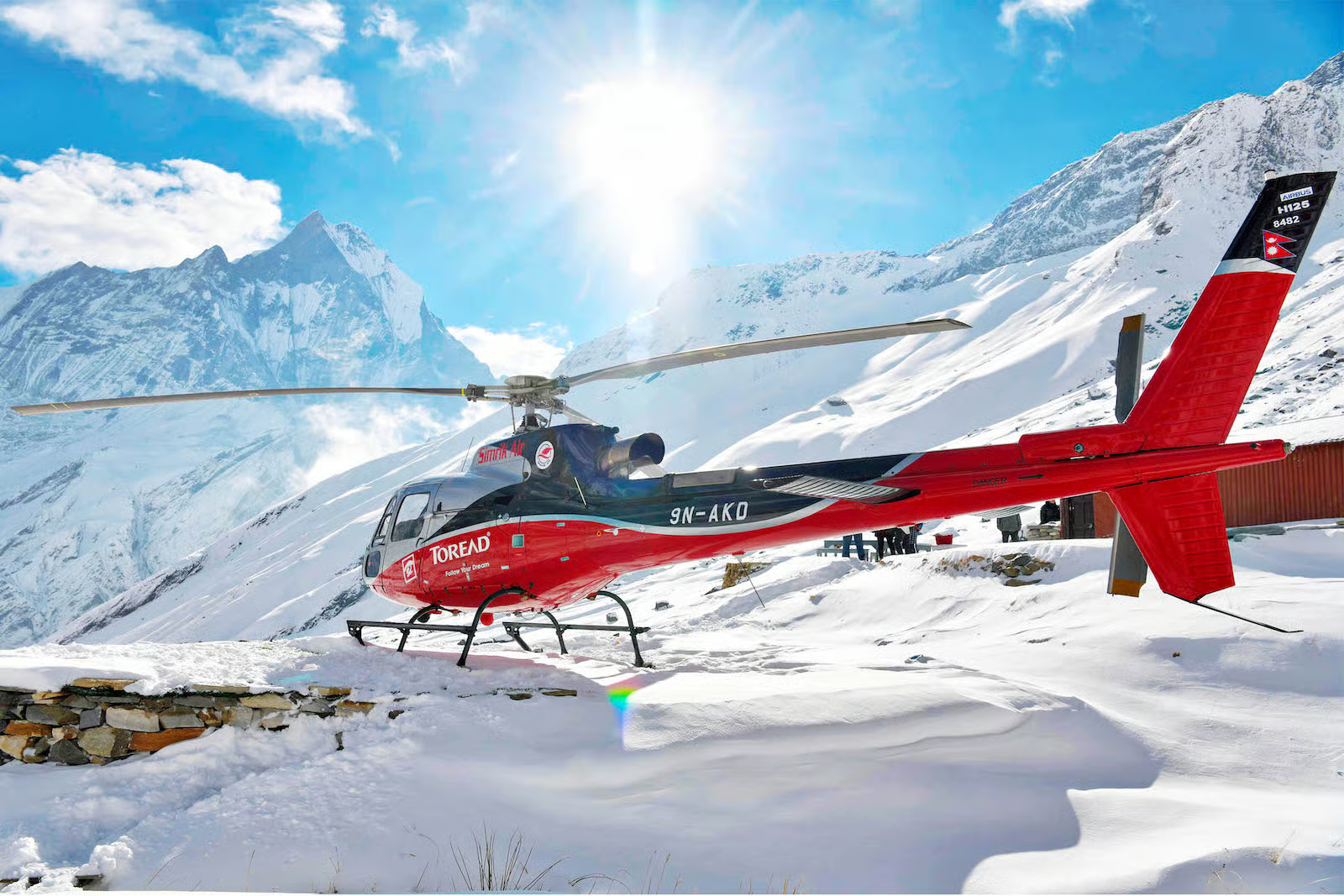
The EBC trek with helicopter return solves the single most common frustration of the Everest Base Camp experience: the descent after reaching EBC (5,364 m) and summiting Kala Patthar (5,555 m) — the emotional and physical peak of the entire journey — trekkers on the standard route face three to four more days of walking back to Lukla before the flight to Kathmandu. This descent covers approximately 65 kilometers of trail and passes through terrain already seen on the way up. For many trekkers, particularly those with specific return-flight commitments, limited leave from work, or physical fatigue from the high-altitude approach, this descent is the least rewarding part of the experience.
- Time saving: 3 to 4 days of trekking replaced by a 45 to 90 minute helicopter flight
- Comfort saving: eliminates knee-intensive 3,000 m descent from Gorakshep to Lukla on hard rocky trail
- Flexibility: allows trekkers to depart from exactly the highest point of the trek — Kala Patthar or Gorakshep — rather than having to descend for any reason
- Aerial experience: the helicopter flight over the Khumbu from above is itself one of Nepal’s finest experiences — no commercial flight comes close to the mountain proximity
- Medical benefit: for trekkers who have pushed hard at altitude, eliminating the descent reduces the cumulative physical stress of the journey
- Schedule certainty: returning by helicopter on a pre-booked specific date allows trekkers to commit to onward international flights with more confidence than the weather-dependent Lukla domestic flights
The helicopter return does cost significantly more than the walking descent and Lukla flight combination — but for most trekkers who have invested the time, cost, and energy of the full EBC journey, the additional cost of the helicopter return is among the most obviously worthwhile travel upgrades available.
Helicopter Return Routes: Options and Differences
Option 1: Gorakshep/Kala Patthar to Kathmandu (Direct — Most Popular)
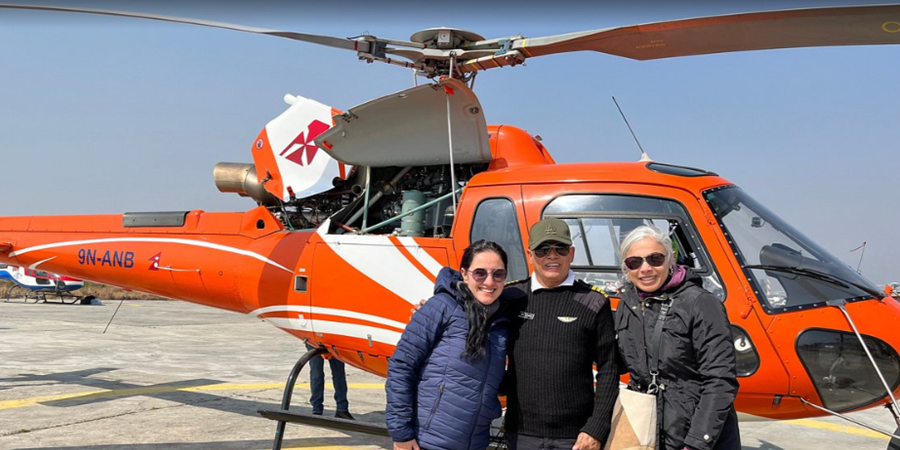
The most popular helicopter return route lifts directly from Gorakshep (5,140 m) or the Kala Patthar plateau after the summit sunrise viewing, flying southeast through the Khumbu valley, past Namche Bazaar, and across the middle hills to Kathmandu. Direct flight time is approximately 45 to 60 minutes. Some helicopters make a brief stop at Pheriche (4,371 m) for weight redistribution — the high-altitude air is thinner and helicopters carry fewer passengers per load at 5,000+ metres than at lower altitudes. The Pheriche stop adds 15 to 30 minutes but does not significantly reduce the experience.
Helicopters landing at Kathmandu for the EBC heli return use the Shyangboche helipad above Namche Bazaar as an intermediate stop in some configurations, or fly directly to the domestic terminal helipad at Tribhuvan International Airport. Nepal Vehicle Hiring’s Kathmandu airport transfer meets heli-return passengers at the TIA helipad. It takes them directly to their Thamel hotel, eliminating the taxi-queue confusion many returning trekkers face after the flight.
Option 2: Gorakshep to Lukla (Partial Heli — Budget Option)
A more economical helicopter return flies from Gorakshep south to Lukla (2,860 m) — a 20 to 30 minute flight — from where the trekker then takes the standard domestic flight from Lukla to Kathmandu (approximately 35 minutes, NPR 18,000 to 25,000). This option costs approximately 40 to 50 percent less than the full Gorakshep-to-Kathmandu helicopter, making it viable for budget-conscious trekkers who still want to avoid the three-day walking descent. The trade-off: the Lukla domestic flight adds Lukla airport weather uncertainty (Lukla is one of the world’s most weather-dependent airports) and the Lukla waiting experience.
Option 3: Kala Patthar to Kathmandu (Premium — Best Views)
Some premium heli return packages lift from the Kala Patthar summit plateau (5,555 m) — the highest point of the standard EBC trek — immediately after sunrise, providing an aerial transition from the trek’s emotional peak directly into the helicopter flight. The views in the first few minutes after liftoff from Kala Patthar — Everest’s summit (8,849 m) at approximately eye level and only 10 kilometers away, the Khumbu Icefall directly below, the Western Cwm visible — are among the most extraordinary available in any helicopter flight anywhere in the world. This premium option costs 15 to 25 percent more than the Gorakshep departure.
EBC Heli Return Costs 2026/27: Complete Breakdown
| Helicopter Route | Group Sharing (per person) | Private Charter (per Charter) | Flight Time |
| Gorakshep to Kathmandu (direct) | USD 1,000–1,400 | USD 2,500–3,500 | 45–75 min |
| Gorakshep to Lukla only | USD 450–650 | USD 1,200–1,800 | 20–30 min |
| Kala Patthar to Kathmandu (premium) | USD 1,200–1,600 | USD 3,000–4,200 | 55–90 min |
| Pheriche to Kathmandu | USD 700–950 | USD 1,800–2,500 | 30–50 min |
Note: Helicopter costs are for the flight only. These are approximate 2026 market rates and vary by operator, season, and availability. Group-sharing helicopters (typically 4 to 5 passengers per Bell 407 or AS350) are the standard budget option. Private charters offer schedule control but cost 2 to 3 times as much per person. The total EBC trek with heli return package cost (including accommodation, meals, guides, porters, permits, domestic flights, and helicopter) ranges from approximately USD 1,800 to USD 3,200 per person depending on duration, services included, and agency.

Ground Transport: Where Nepal Vehicle Hiring Fits In
The helicopter return is the most dramatic element of the EBC heli trek, but the ground transport logistics that wrap around it are equally important to the overall experience. Nepal Vehicle Hiring provides the critical vehicle services at both ends of the EBC heli trek:
Kathmandu to Ramechhap (Manthali Airport): The New EBC Ground Approach
A significant change in Nepal’s EBC trek logistics in recent years is the shift of many Lukla domestic flights from Kathmandu’s Tribhuvan International Airport (TIA) to Ramechhap’s Manthali Airport — approximately 130 kilometers east of Kathmandu. The Civil Aviation Authority of Nepal has been managing TIA congestion by relocating some Lukla morning flights to Ramechhap, which has a shorter approach path and less conflicting traffic with international flights.
For EBC trekkers, this means the Kathmandu-to-Lukla journey now commonly involves: Nepal Vehicle Hiring: private vehicle from your Thamel hotel to Ramechhap airport (130 km, approximately 4 to 5 hours, departing at 2:30 to 3:00 a.m. for early morning flight check-in) → domestic flight Ramechhap to Lukla (25 to 30 minutes) → trek begins at Lukla. Our Everest Base Camp trek transport service covers the Kathmandu-to-Ramechhap vehicle as a standard EBC approach option.
The Ramechhap approach requires a very early morning departure from Kathmandu — typically 2:30 to 3:30 a.m. for a 6:00 to 7:30 a.m. Ramechhap flight check-in. Nepal Vehicle Hiring’s EBC ground transport includes a confirmed hotel pickup at the pre-agreed early morning time; a comfortable vehicle with enough luggage space for a full trekking kit; an experienced driver who knows the Ramechhap road and its current conditions; and a direct drop at the Manthali Airport terminal. Our car hire in Nepal serves solo trekkers and couples, while our Hiace van hire handles group trekking parties.
Kathmandu Airport Transfer on Helicopter Return
After the helicopter lands at Tribhuvan International Airport’s helipad (or the Shyangboche-to-TIA staged return), Nepal Vehicle Hiring’s Kathmandu airport transfer provides the final ground transport: a confirmed private vehicle meeting returned trekkers at the helipad arrival point and delivering them directly to their Thamel hotel. This eliminates the post-trek exhaustion of navigating Kathmandu’s taxi queue while carrying trekking bags after 10 to 14 days at altitude. Our driver is confirmed and waiting when the helicopter lands — pre-arranged at booking, not dependent on finding transport on arrival.
Post-Trek Kathmandu Transport
Trekkers returning from EBC by helicopter typically spend 1 to 2 recovery days in Kathmandu before international departure. Nepal Vehicle Hiring’s complete Kathmandu service supports this recovery period: our Kathmandu sightseeing service for light recovery-day cultural visits (Pashupatinath, Boudhanath, Thamel shopping), our Bhaktapur Durbar Square day tour for a rewarding half-day cultural excursion, and our airport transfer for the final international departure.
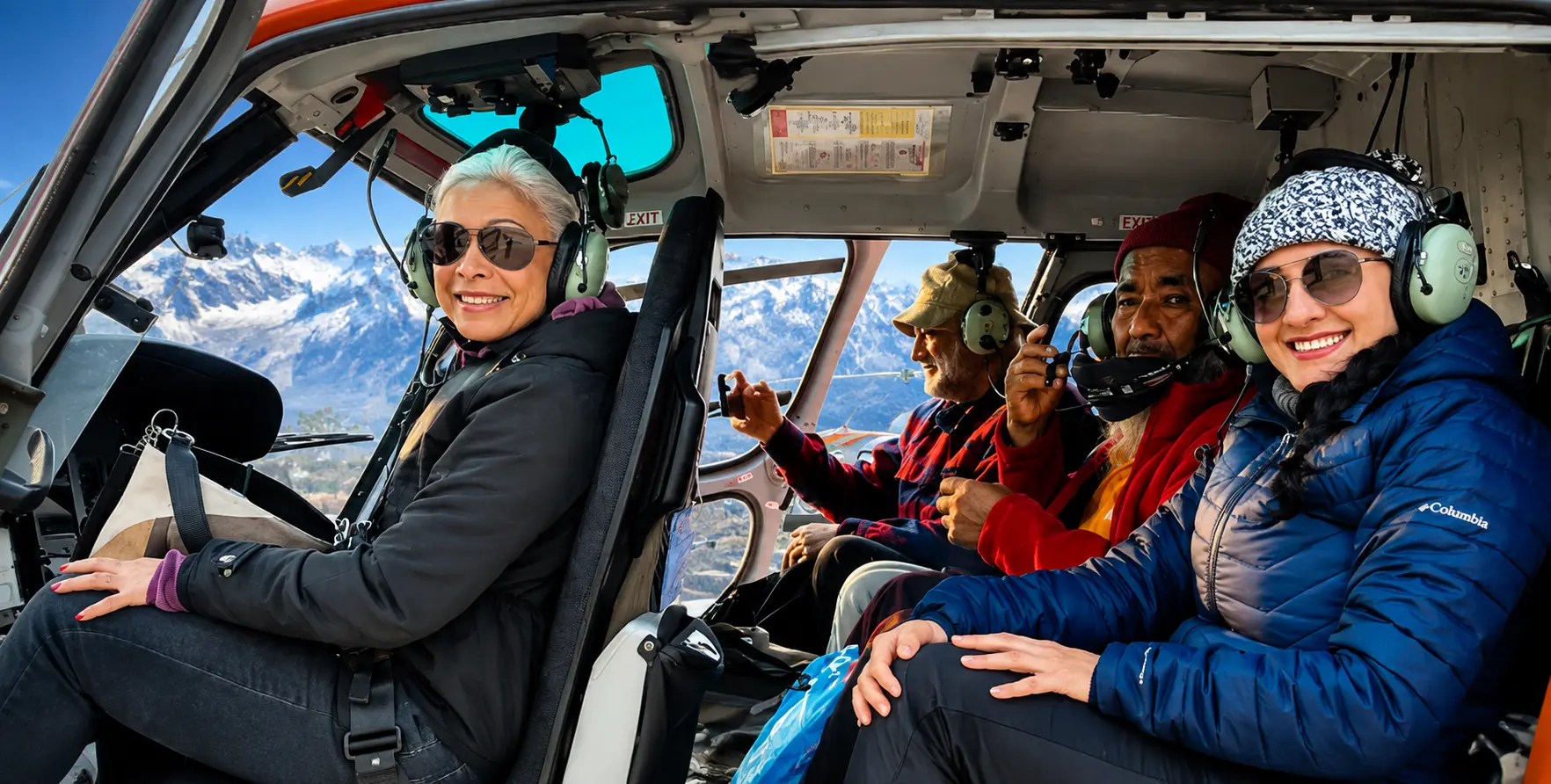
Standard EBC Trek with Helicopter Return: 12-Day Itinerary
The following is the most popular EBC heli return itinerary structure for 2026/27:
- Day 1: Arrive in Kathmandu. Nepal Vehicle Hiring airport transfer. Trek briefing. Gear check.
- Day 2: Kathmandu to Lukla — Nepal Vehicle Hiring vehicle to Ramechhap at 3:00 a.m. or TIA for direct Lukla flight (35 min). Trek begins: Lukla (2,860 m) to Phakding (2,610 m). 3 to 4 hours walking.
- Day 3: Phakding to Namche Bazaar (3,440 m). 5 to 6 hours. Entry into Sagarmatha National Park at Monjo.
- Day 4: Namche acclimatization day. Everest View Hotel visit (3,880 m). Sherpa Museum. Full Everest panorama.
- Day 5: Namche to Tengboche (3,860 m). 5 to 6 hours. Tengboche Monastery — the Khumbu’s most beautiful monastery beneath Ama Dablam.
- Day 6: Tengboche to Dingboche (4,410 m). 5 to 6 hours. Entering the high alpine zone.
- Day 7: Dingboche acclimatization day. Nagarjun Hill (5,100 m) optional hike for Lhotse and Makalu views.
- Day 8: Dingboche to Lobuche (4,910 m). 5 to 6 hours. Khumbu Glacier lateral moraine.
- Day 9: Lobuche to Gorakshep (5,140 m). Afternoon: Everest Base Camp (5,364 m) visit. 7 to 8 hours total.
- Day 10: Pre-dawn ascent to Kala Patthar (5,555 m) for sunrise. Everest at eye level. Helicopter return from Gorakshep to Kathmandu at approximately 8:00–9:00 a.m. 45 to 75 minutes flight. Nepal Vehicle Hiring: airport transfer to Thamel hotel. Arrive in Kathmandu by midday.
- Day 11: Rest and recovery in Kathmandu. Optional: Kathmandu sightseeing, Pashupatinath, Boudhanath.
- Day 12: Nepal Vehicle Hiring; airport transfer. International departure.
This 12-day itinerary saves 3 to 4 days compared to the walking descent and Lukla flight return. It is the most popular EBC heli return configuration in 2026/27.
Permits Required for the EBC Trek with Helicopter Return
| Permit | Cost 2026 | Where to Get | Notes |
| Sagarmatha National Park Entry | NPR 3,000 per foreigner | NTB office Kathmandu or Monjo checkpoint | Required for all EBC trekkers |
| Khumbu Pasang Lhamu Rural Municipality Fee | NPR 2,000 per person | Lukla or Namche checkpoint | Local area conservation fee |
| TIMS Card | NPR 2,000 per person | NTB office Kathmandu | Trekkers Information Management System |
| Helicopter Landing Permit | Included in helicopter cost | Arranged by helicopter operator | Required for Khumbu helipad landings |
Nepal Vehicle Hiring recommends arranging the Sagarmatha National Park permit and TIMS card at the Nepal Tourism Board office in Kathmandu before departure. Our partner agencies coordinate permit processing as part of the complete EBC package — contact us through our plan your trip page.
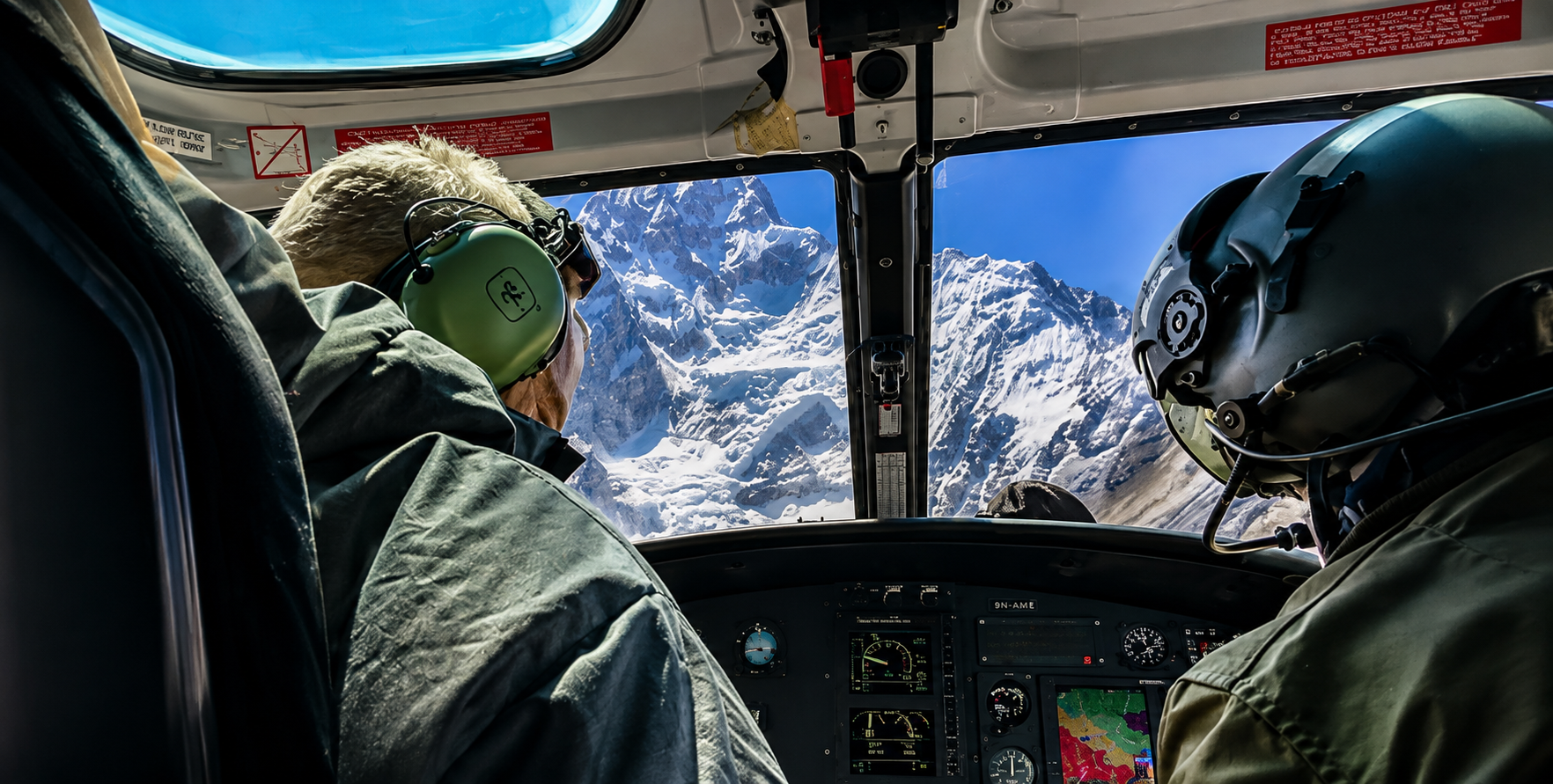
Choosing a Helicopter Operator: What to Look For
Nepal’s helicopter industry has multiple licensed operators serving the EBC return route. When selecting a helicopter operator for the Gorakshep-to-Kathmandu flight, trekkers should verify:
- Civil Aviation Authority of Nepal (CAAN) license: all legitimate Nepal helicopter operators are licensed by CAAN. Ask for the operator’s CAAN registration number.
- Aircraft type: Bell 407, Airbus AS350/355 (Ecureuil), or Robinson R66 are the standard EBC route aircraft. All are appropriate for high-altitude Khumbu operations. Avoid unlicensed or very small piston-engine helicopters for the high-altitude leg.
- Weight limits: group-sharing helicopters are strictly weight-limited at high altitude — typically 4 to 5 passengers maximum at Gorakshep altitude. Verify group size and weight allowance before booking.
- Weather cancellation policy: Khumbu weather is highly variable and helicopter operations are weather-dependent. Confirm the operator’s rebooking policy for weather cancellations—reputable operators provide alternative-date rebooking at no additional charge.
- Insurance: verify that the helicopter operator carries appropriate passenger liability insurance. Nepal trekking insurance for the walker’s section does NOT automatically cover the helicopter flight — confirm with your travel insurer that helicopter return flights are included in your policy.
Weather Windows and Optimal Departure Timing
The helicopter return from Gorakshep or Kala Patthar is weather-dependent — morning weather in the Khumbu is critical, as afternoon clouds and wind typically make helicopter operations difficult or impossible above 4,000 m. The optimal window for the helicopter lift from Gorakshep is 7:00 to 10:00 a.m. — after the sunrise viewing on Kala Patthar and before the afternoon weather builds. Nepal Vehicle Hiring’s Kathmandu airport transfer coordination is timed around the helicopter’s actual landing time at TIA, which can vary by 1 to 2 hours depending on morning conditions in the Khumbu.
Spring (March to May): Most Reliable Flying Season
Spring is the preferred season for EBC trekking and the helicopter return. Pre-monsoon morning windows at the Khumbu are reliable and clear — typically stable from before dawn until 10:00 to 11:00 a.m. The panoramic views during the helicopter return flight in spring clarity — Everest, Lhotse, Makalu, Cho Oyu all simultaneously visible — are at their finest. Spring is Nepal Vehicle Hiring’s busiest EBC ground transport period — book 4 to 6 weeks in advance.
Autumn (September to November): The Other Prime Season
Post-monsoon autumn delivers the Khumbu’s finest mountain clarity — the monsoon rains scrub the atmosphere clean, producing peak views on the helicopter return that rival spring. October and November are the EBC trek’s peak months, and the helicopter return service is fully operational. Weather windows in October are slightly longer than in spring. Book 5 to 7 weeks in advance for October and November helicopter return slots.
Monsoon (June to August): Not Recommended
The monsoon brings unpredictable, frequently closed weather in the Khumbu, making helicopter operations unreliable. EBC trekking and helicopter return services technically operate during monsoon but with significantly higher rates of weather-related cancellation and delay. Not recommended for fixed-schedule travelers.
Winter (December to February): Cold but Possible
Winter EBC trekking and helicopter return operate at reduced frequency. Cold temperatures, strong high-altitude winds, and shorter helicopter weather windows make the winter heli return less reliable than spring and autumn. For experienced cold-weather trekkers not constrained by schedule, winter’s extraordinary snow clarity and empty trails offer a unique EBC experience.
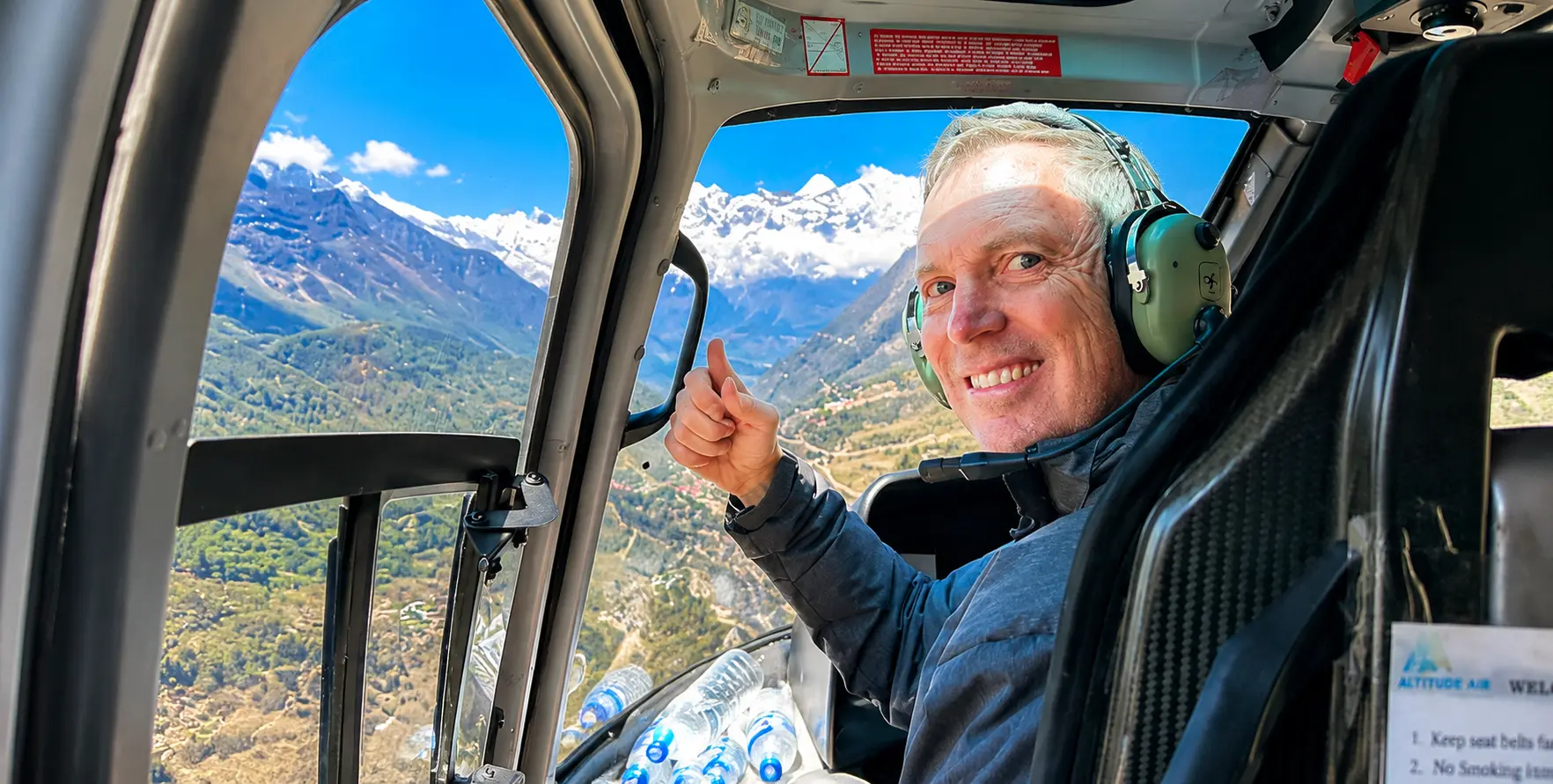
Practical Tips for the EBC Helicopter Return
- Book the helicopter return slot from Kathmandu — not from Lukla: helicopter seat allocation for the EBC return is arranged through Kathmandu-based operators before the trek begins, not from Gorakshep on the day. Attempting to arrange the heli return upon arrival at Gorakshep risks no availability or a significant cost premium.
- Pack a lightweight summit day bag: on the Kala Patthar summit morning and helicopter return day, you need only your warm layers, camera, documents, and water. Your main trekking pack is sent down by porter to Lukla for the separate luggage flight — only carry-on items go on the helicopter.
- Confirm your international travel insurance covers helicopter repatriation: many standard travel policies exclude helicopter flights. Verify with your insurer before departure.
- Arrive at the Gorakshep helipad early: the helicopter picks up passengers based on a coordinated schedule that can change with weather conditions. Be at the designated helipad 30 to 45 minutes before the estimated arrival time.
- Weight limit compliance: individual weight limits on group-sharing EBC helicopters are strict — typically 80 to 90 kg per passenger including carry-on bag. Overweight passengers require booking an additional seat or seat fraction, which adds cost.
- Nepal Vehicle Hiring Kathmandu transfer confirmation: before leaving Kathmandu for the trek, confirm your helicopter return date and expected arrival time with Nepal Vehicle Hiring — we schedule your TIA pickup vehicle around the helicopter’s actual landing time.
Nepal Vehicle Hiring Ground Transport for EBC Trek
Nepal Vehicle Hiring provides the complete ground transport framework for the EBC heli return trek:
- Kathmandu airport transfer — arrival from international flight to Thamel hotel
- Everest Base Camp trek transport — Kathmandu or Ramechhap staging vehicle for the Lukla domestic flight approach
- Car hire in Nepal — solo trekkers and small groups on the Kathmandu-to-Ramechhap run
- Hiace van hire — trekking groups of 8 to 14 on the Kathmandu-to-Ramechhap staging run
- Kathmandu sightseeing service — recovery-day cultural visits after the helicopter return
- Bhaktapur Durbar Square day tour — half-day cultural excursion during Kathmandu recovery
- Nagarkot sunrise tour via Kathmandu to Nagarkot vehicle — for trekkers wanting a final Himalayan dawn view before international departure
- Nepal tour packages and Nepal holiday tours — EBC heli return within a broader Nepal circuit
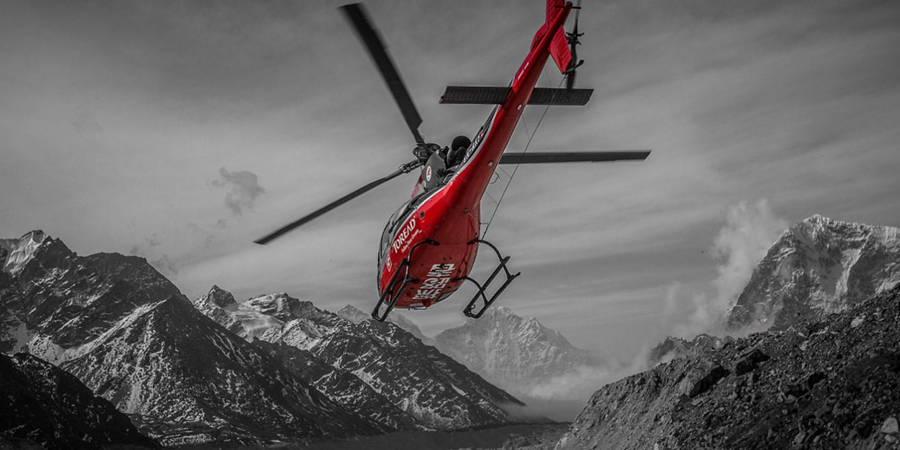
Frequently Asked Questions: EBC Trek Heli Return Service
How much does the EBC helicopter return cost in 2026?
The helicopter-only cost (Gorakshep to Kathmandu, group sharing) is approximately USD 1,000 to USD 1,400 per person. The full EBC trek with a heli-return package (including accommodation, meals, guides, porters, permits, Lukla domestic flight, and helicopter) ranges from about USD 1,800 to USD 3,200 per person, depending on duration, services included, and operator. Prices from local Nepal operators are typically lower than international booking platforms.
Where does the helicopter land in Kathmandu after the EBC return?
Most EBC return helicopters land at the helipad at Tribhuvan International Airport (TIA) in Kathmandu, where passengers clear domestic arrival formalities and then collect their luggage (sent separately from Lukla by cargo flight). Some operators use the Shyangboche airstrip above Namche Bazaar as an intermediate staging point. Nepal Vehicle Hiring’s airport transfer meets passengers at the TIA helipad and delivers them directly to the hotel.
What is the Ramechhap airport and why is it relevant?
Ramechhap’s Manthali Airport (RHP) is approximately 130 km east of Kathmandu and has been designated as the alternative departure point for Lukla domestic flights to manage TIA congestion. Some EBC approach flights now depart from Ramechhap rather than Kathmandu, requiring a 2:30 to 3:30 a.m. departure from Thamel by a Nepal vehicle hiring service to reach Ramechhap for the 6:00 to 7:30 a.m. flight check-in. Our Everest Base Camp trek transport service covers this Ramechhap approach.
Is the helicopter return weather-dependent?
Yes. Khumbu helicopter operations depend on the weather, and morning departure windows (7:00 to 10:00 a.m.) are essential. Reputable operators include weather-delay rebooking in their terms. If the helicopter cannot fly on the scheduled date, operators offer the next available morning window at no additional cost. Nepal Vehicle Hiring adjusts the Kathmandu arrival transfer timing when operators confirm the revised flight schedule.
Can I book the helicopter return and ground transport separately?
Yes — Nepal Vehicle Hiring provides the ground transport component (Kathmandu-Ramechhap staging, TIA arrival transfer) independently of the helicopter booking. Contact us through our Plan Your Trip page with your helicopter return operator, expected TIA landing time, and Thamel hotel address to book the airport transfer element.
Do I need separate insurance for the helicopter flight?
Yes — verify with your travel insurer that helicopter flights are covered. Many standard trekking insurance policies cover helicopter rescue (medical evacuation) but not planned helicopter return flights. The helicopter return is a tourism service, not a rescue — ensure your policy specifically covers tourism helicopter flights in Nepal.
Book Your EBC Trek Ground Transport with Nepal Vehicle Hiring
Nepal Vehicle Hiring Pvt. Ltd., based in Thamel, Kathmandu, provides the ground transport for every stage of the EBC heli return trek:
- WhatsApp / Call: +977 9851013196
- Email: [email protected]
- www.vehiclehiringnepal.com
Visit our Plan Your Trip page with your EBC trek dates, group size, Kathmandu hotel address, and Lukla flight departure point (TIA or Ramechhap). We confirm vehicle, driver, and all-in pricing within 24 hours. The highest mountain on Earth is waiting — Nepal Vehicle Hiring handles every ground kilometer of the journey to reach it.
The Khumbu Region: What You See on the Helicopter Return Flight
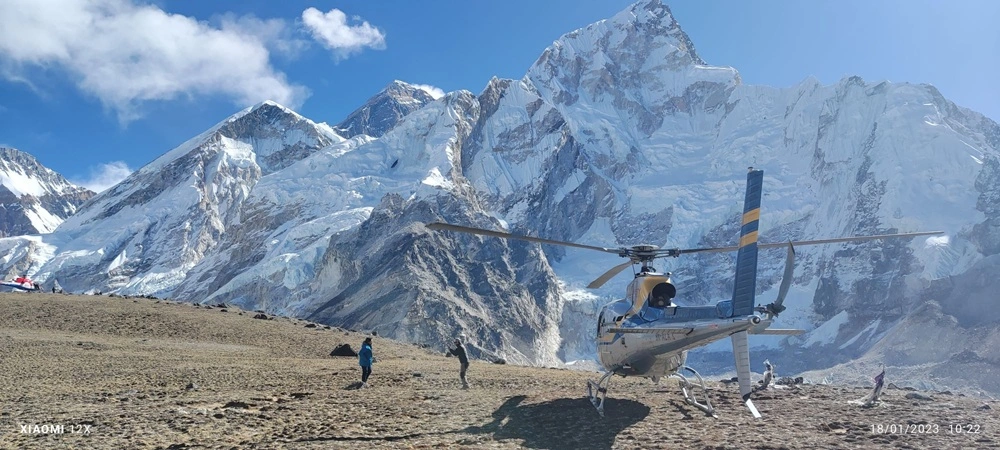
The helicopter return from Gorakshep or Kala Patthar to Kathmandu is not simply a means of transport — it is one of the most extraordinary aerial experiences available anywhere on Earth. Understanding what you will see during each phase of the flight helps passengers prepare their cameras and fully appreciate the sequence of landscapes unfolding below and around the aircraft.
Phase 1: Liftoff from Gorakshep (5,140 m) — The Khumbu Icefall
As the helicopter rises from the Gorakshep plateau, the first and most overwhelming view is directly to the north: the Khumbu Icefall. The icefall — a cascade of broken seracs and crevassed glacial ice that descends from the Western Cwm between Everest and the Nuptse-Lhotse wall — is the most dangerous section of the South Col route to Everest’s summit. From ground level at Gorakshep or Base Camp, the icefall is impressive but foreshortened. From the helicopter at liftoff altitude, the full scale of the icefall suddenly becomes breathtakingly apparent — a frozen river of ice several hundred meters wide and 600 meters tall, surrounded by peak walls that rise another 3,000 meters above it. Mount Everest’s summit pyramid, cleared of the ridgeline foreshortening that limits ground-level views, appears in its full 8,849-meter form directly above. This moment — helicopter airborne, icefall revealed, summit visible — is almost universally described by EBC heli return passengers as the single most powerful visual moment of the entire Nepal experience.
Phase 2: Khumbu Valley to Pheriche (5,140 to 4,371 m)
The helicopter moves south from Gorakshep, following the Khumbu glacier’s lateral moraine and then the valley trail below. Looking down, passengers can see the trail they walked—the yak pastures of Lobuche, the memorial chorten at Thukla—now shrunk to toy scale. The massive south face of Lhotse (8,516 m) fills the eastern horizon, and Ama Dablam (6,812 m) — the mountain that many EBC trekkers describe as the most beautiful they have ever seen — appears to the southeast in the distinctive shark-fin profile that makes it unmistakable. If the helicopter makes the standard Pheriche weight redistribution stop, passengers have a brief on-ground moment at 4,371 m with views across the Imja Khola valley toward Island Peak (6,189 m) and Baruntse (7,129 m).
Phase 3: Namche Bazaar and the Middle Khumbu (4,371 to 3,440 m)
Continuing south from Pheriche, the helicopter descends through the Khumbu Valley, passing above the famous Tengboche Monastery ridge— a natural amphitheater rounded by Ama Dablam, Thamserku, Kangtega, and Kwangde. The red-roofed monastery, clearly visible below, is the same one trekkers visit on Day 5 of the standard itinerary. Approaching Namche Bazaar (3,440 m), the dramatic cliff-face ‘bowl’ of the Sherpa capital becomes visible — the horseshoe of ridges surrounding the tiered town that gives Namche its distinctive character from the air. The Dudh Koshi gorge below Namche, with the classic EBC trail switchbacking down to the valley floor, is visible in full perspective — the same trail trekkers walked for three to four days in each direction condensed to a few minutes of aerial observation.
Phase 4: Sagarmatha National Park Exit to the Middle Hills
Below Namche, the helicopter exits the high Khumbu region and the landscape transitions dramatically from the alpine zone to the mid-hills character of the Solu-Khumbu District. Vegetation shifts from alpine scrub to pine and rhododendron forest, then to the terraced agricultural hillsides of the lower Dudh Koshi valley. The flight passes over or near Lukla — the Hillary Tenzing airport on its ridge visible from the air, the drama of the Lukla runway’s slope and drop at its southern end clear from above. For passengers who flew out of Lukla at the trek’s start, the aerial view of the airport they arrived on puts that experience in geographic context.
Phase 5: The Terai and Kathmandu Valley Approach
The final phase of the helicopter return flight descends from the Khumbu middle hills over the lower river valleys toward the Kathmandu Valley. Approaching from the east, the valley rim appears suddenly, and the flight drops into the bowl of the Kathmandu Valley — the city’s urban density visible in striking contrast to the mountain wilderness of the previous ten days. The approach to TIA passes over or near some of the valley’s most recognizable landmarks: the Boudhanath Stupa’s white dome may be visible to the north, the Pashupatinath temple complex visible to the east of the airport. The helicopter lands at TIA’s helipad, and Nepal Vehicle Hiring’s confirmed driver is waiting at the arrival point.
Everest Base Camp: What You Are Returning From
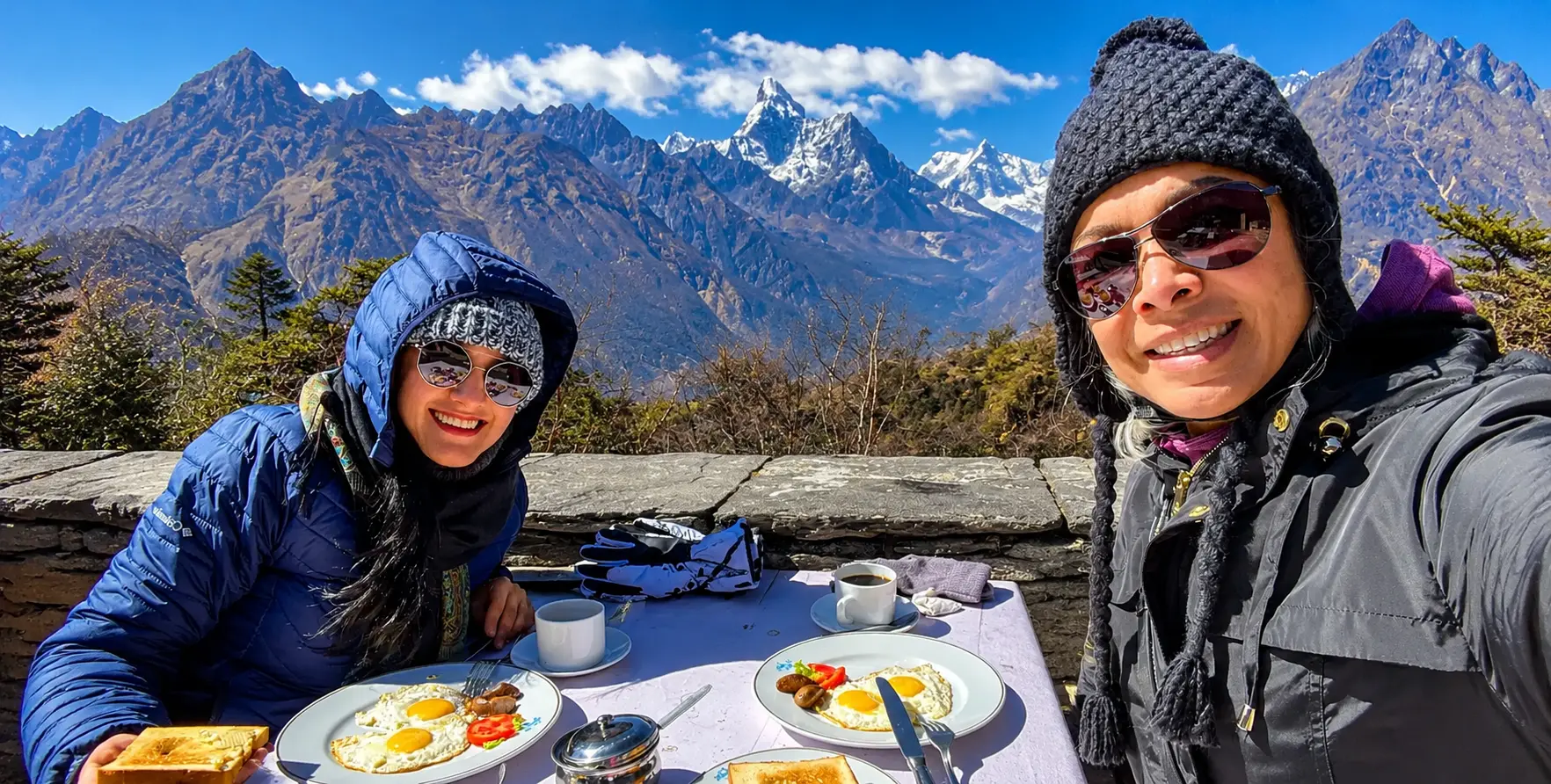
For travelers reading this guide before making the EBC journey, understanding what the helicopter return brings you back from—the achievement it concludes—gives the heli service its full emotional context.
Everest Base Camp (5,364 m) is not the summit of Mount Everest — it is the staging camp on the Khumbu glacier from which summit expeditions depart. The camp sits at the foot of the Khumbu Icefall, surrounded by the glacier’s chaotic surface of moraine debris and crevassed ice, with the South Face of the Nuptse-Lhotse wall dominating the southern skyline and the Khumbu Icefall rising directly above toward the Western Cwm and ultimately Everest’s summit. In April and May, Base Camp is an active city of expedition tents, support helicopters, equipment supplies, and the concentrated energy of mountaineers preparing to attempt one of the most demanding physical challenges in human experience. In the post-monsoon season, Base Camp is quieter and more accessible for trekkers to explore.
Kala Patthar (5,555 m) — the small peak above Gorakshep from which EBC trekkers watch the Everest sunrise — is actually the highest point of the standard EBC trek, 191 meters higher than Base Camp itself, and the best viewpoint for Mount Everest’s summit from the Nepal side. The sunrise from Kala Patthar, when Everest’s summit pyramid catches the first light while the valleys below are still in deep shadow, is universally described as one of the most moving natural spectacles accessible to non-technical hikers anywhere in the world. The helicopter return from Kala Patthar plateau immediately after this sunrise experience — from perhaps the most emotionally intense moment of the trek — creates one of the greatest sequential experiential contrasts in adventure travel: the silence of the mountain dawn at 5,555 m, followed within 30 minutes by the rotor sound of liftoff and then the aerial panorama of the entire Himalayan range spreading away in every direction as the helicopter climbs.
The Sherpa Community and the EBC Trek Economy
The Everest Base Camp trek is the backbone of the Khumbu region’s economy—an industry that has transformed the Sherpa communities of Namche Bazaar, Tengboche, Dingboche, and Gorakshep from subsistence farming and trans-Himalayan trading communities into one of Asia’s most economically sophisticated mountain communities. The Sherpa people — originally a Tibetan ethnic group that migrated to the Khumbu from eastern Tibet about 500 years ago — have built a remarkable mountain services industry around their natural high-altitude capability, cultural knowledge of the terrain, and extraordinary mountain craftsmanship.
The helicopter return service, while time-saving for trekkers, has economic implications for the Sherpa communities that service the trek. The standard descent from Gorakshep to Lukla (3 to 4 days) generates lodge, porter, and guide income for the communities along the trail. Heli return trekkers bypass this section, reducing revenue for teahouses and porters in the Lobuche-Lukla corridor. Most responsible EBC trekking operators address this by building additional porter payments, teahouse tips, and lodge donations into the heli-return package—effectively compensating the trail communities for the nights not spent on the descent. Nepal Vehicle Hiring encourages heli-return clients to tip their Sherpa guides and porters generously at Gorakshep before helicopter departure, acknowledging the full value of the support they provided for the entire trek.
The Khumbu region’s infrastructure — trails, suspension bridges, teahouses, and the Lukla airport — has been substantially built and maintained with the revenue generated by EBC trekking. The helicopter return service, despite bypassing some of this infrastructure on the descent, remains part of the EBC trekking ecosystem that funds it all. Every trekker — whether walking out or flying out — contributes to the economic foundation of one of Nepal’s most extraordinary mountain communities.
EBC Trek with Heli Return: Different Package Options
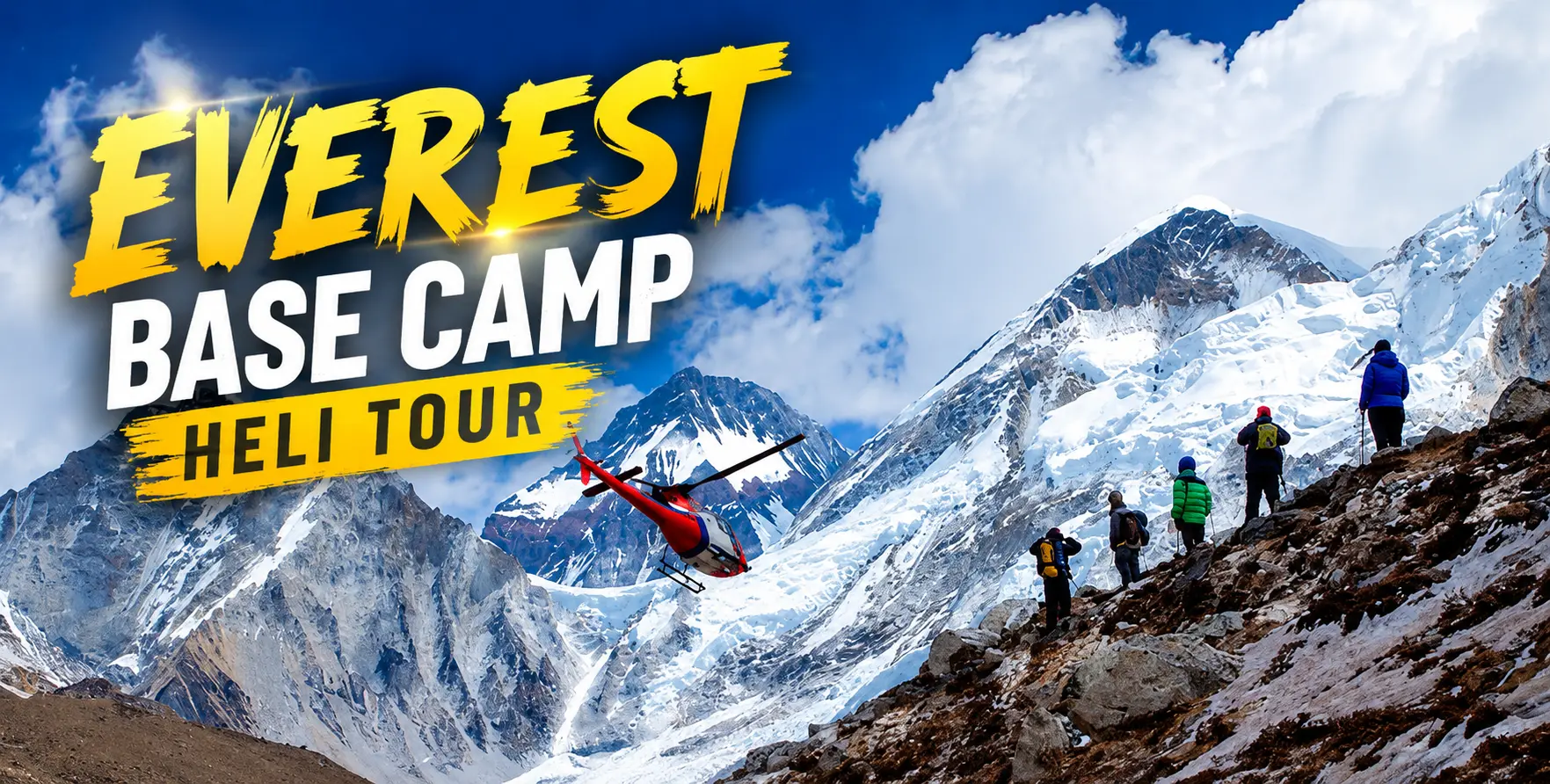
Budget Package (Group Sharing, Ramechhap Approach)
The most economical EBC heli return package uses Ramechhap (Manthali) airport for the Lukla approach flight (cheaper domestic fare than TIA), group-sharing accommodation in teahouses throughout the trek, and a group-sharing helicopter return (4 to 5 passengers sharing one aircraft). This configuration delivers the full EBC experience at the lowest cost — approximately USD 1,800 to USD 2,200 per person for a full 12-day package including all permits, domestic flights, accommodation, meals, guides, porters, and helicopter return. Nepal Vehicle Hiring’s Ramechhap staging vehicle (the 3:00 a.m. Kathmandu departure) is the key ground transport element of this configuration.
Standard Package (TIA Approach, Group Sharing Helicopter)
The standard EBC heli return package uses Tribhuvan International Airport (TIA) for the Lukla domestic flight—more convenient for Kathmandu-to-airport logistics, with a more comfortable morning departure time (5:30 to 6:30 a.m. vs 2:30 to 3:00 a.m. for Ramechhap). Group-sharing helicopter return from Gorakshep. Cost range: approximately USD 2,200 to USD 2,700 per person for the complete package. Nepal Vehicle Hiring’s airport transfer from Thamel to TIA is a comfortable 20 to 30 minute drive at a civilized hour.
Premium Package (Private Helicopter, Kala Patthar Liftoff)
The premium EBC heli return package provides a private helicopter charter (the trekking group has the aircraft exclusively), with the option of a Kala Patthar-top liftoff immediately after the sunrise viewing rather than descending to Gorakshep. The private Charter eliminates the weight-redistribution stop at Pheriche, gives the group full control of departure timing, and provides the most dramatic possible aerial start—rising from 5,555 m with Everest at eye level. Cost range: approximately USD 3,000 to USD 4,500 per person for the premium full package. This configuration is most popular with couples on anniversary and special-occasion EBC journeys, small family groups, and corporate incentive trek groups.
Completing the Nepal Experience After the Helicopter Return
Most EBC heli return trekkers land back in Kathmandu with 1 to 3 days remaining before their international departure — a valuable recovery and exploration window that Nepal Vehicle Hiring’s Kathmandu services can fill with genuinely rewarding experiences.
The Kathmandu Valley’s UNESCO World Heritage Sites — Pashupatinath Temple (one of the world’s most important Shiva shrines), Boudhanath Stupa (the largest stupa in Nepal, with extraordinary Tibetan Buddhist community energy), Swayambhunath (the ancient hilltop stupa with valley panorama views), and Patan Durbar Square (the finest collection of Newari architecture in Nepal) — are all within comfortable recovery-day driving range. Our Kathmandu sightseeing service covers all four in a single manageable day. The Bhaktapur Durbar Square day tour dedicates a full half-day to Nepal’s best-preserved medieval city — an ideal contrast to the high-altitude wilderness you just experienced. For a final Himalayan dawn before departure, our Nagarkot sunrise tour via Kathmandu to Nagarkot vehicle delivers the full Himalayan panorama at 2,175 m — Manaslu, Ganesh Himal, Langtang Lirung, and Dorje Lakpa all visible on clear mornings — as a perfect final Nepal mountain experience before the international flight home.
Nepal Vehicle Hiring’s final airport transfer from your Thamel hotel to Tribhuvan International Airport for your international departure is the last kilometer of the EBC heli return experience — and we make sure it is as smooth and confident as the first. Confirmed vehicle, confirmed timing, comfortable transfer, and the knowledge that the ground transport element of one of the world’s great adventure journeys has been professionally managed from beginning to end.
Physical Preparation for the EBC Trek with Heli Return
The helicopter return service saves the physical demands of the descent — but the ascent to EBC and Kala Patthar still requires genuine physical preparation. Understanding what the body experiences on the way up helps trekkers prepare appropriately and make the most of the heli return’s time-saving advantage.
The EBC trek climbs from Lukla (2,860 m) to Kala Patthar (5,555 m) over 8 to 9 walking days — an altitude gain of 2,695 meters spread across approximately 60 kilometers of trail. The key physiological challenge is not the walking distance or gradient (neither is technically demanding for reasonably fit hikers) but the progressive altitude. Each successive night is spent at a higher altitude than the last, placing increasing demands on the body’s oxygen delivery system. The mandatory acclimatization day at Namche Bazaar (Day 4 in the standard itinerary) and the additional acclimatization day at Dingboche (Day 7) are essential rest days built into the itinerary for physiological reasons — they cannot be shortened without significantly increasing altitude sickness risk.
Recommended physical preparation for the EBC heli return trek: 3 to 4 months of progressive cardio fitness training (hiking, cycling, running) before departure; at least 4 to 6 weeks of regular hiking with a loaded pack (10 to 12 kg) on varied terrain; basic strength training for leg and core muscles that support the daily 5 to 7 hours of trail walking. You can’t train altitude fitness at sea level—the body acclimatizes on the mountain—but baseline cardio fitness improves acclimatization and reduces the risk of AMS symptoms.
The Manthali/Ramechhap Airport: A Complete Guide for EBC Trekkers
Ramechhap’s Manthali Airport (IATA: RHP) has become an increasingly important element of the EBC trek logistics as the Civil Aviation Authority of Nepal manages TIA congestion by redirecting Lukla morning flights to Manthali. Understanding what the Manthali approach involves helps EBC trekkers plan their Kathmandu departure night correctly.
Manthali Airport is about 130 kilometers east of Kathmandu, at an altitude of about 480 meters above sea level. The drive from Thamel to Manthali takes 4 to 5 hours on the highway east through Dhulikhel and Sindhuli — a route that passes through beautiful mid-hill country but is almost entirely driven in the dark for the early morning Lukla flight connection. Nepal Vehicle Hiring’s Manthali approach vehicles are typically confirmed for a 2:30 to 3:00 a.m. Thamel hotel pickup, reaching Manthali by 7:00 to 7:30 a.m. for the 8:00 to 9:00 a.m. first flights to Lukla.
The domestic airline typically decides between TIA and Manthali for the Lukla approach based on that season’s flight allocation. Nepal Vehicle Hiring advises all EBC trekkers to confirm their Lukla flight departure airport with their airline at least 48 hours before departure, as the TIA/Manthali allocation can change. Our Everest Base Camp trek transport service covers both options — the TIA approach with a comfortable 5:30 AM Thamel pickup, or the Manthali approach with a 2:30 to 3:00 a.m. pickup. Both options are confirmed at booking, and the driver is guaranteed to be at the hotel door at the agreed time.
Manthali Airport is a small regional airport with basic facilities—a single terminal building with check-in counters, limited food and beverage options, and outdoor waiting areas. Trekkers should bring their own snacks and water for the pre-dawn journey and airport wait. The flight to Lukla from Manthali takes about 20 to 25 minutes—slightly shorter than the TIA-to-Lukla flight —and uses a different approach path that gives passengers a distinctive view of the Solu-Khumbu mountain approaches.
Comparing the EBC Heli Return with Other Himalayan Helicopter Experiences
The Everest Base Camp helicopter return is Nepal’s most famous helicopter experience in Nepal —but not the only one. Understanding how it compares with other Nepal helicopter options helps trekkers and travelers choose the right aerial experience for their interests and budget.
EBC Heli Return vs Muktinath Helicopter
The Muktinath pilgrimage helicopter — from Pokhara directly to Muktinath Temple (3,710 m) — is a short 40 to 50 minute flight over the Annapurna range that serves elderly and mobility-limited pilgrims who cannot make the ground journey via the Kali Gandaki gorge road. The Muktinath helicopter is a pilgrimage service and a practical access solution, not an adventure experience. Nepal Vehicle Hiring coordinates Muktinath helicopter services alongside our Muktinath Yatra itinerary ground transport. The EBC return helicopter, by contrast, is a premium adventure conclusion — the aerial perspective on a completed mountain journey rather than a substitute for one.
EBC Heli Return vs Everest Mountain Flight
The Everest Mountain Flight — operated by several Kathmandu-based airlines in small propeller aircraft from TIA — provides a 1-hour aerial tour that approaches the Everest massif from the south at approximately 8,000 to 8,500 meters altitude, giving passengers close-range mountain views without landing in the Khumbu. At approximately USD 160 to USD 220 per person, it costs a fraction of the EBC return helicopter fare and requires no trekking. For travellers who cannot commit to the full EBC trek, the mountain flight is the fastest way to experience Everest from close range. The helicopter return from Gorakshep, however, approaches from inside the Khumbu rather than from outside — the difference between watching the mountain from a window seat and leaving from its base.
EBC Heli Return vs Helicopter Base Camp Tour
A third option — the direct Kathmandu-to-EBC helicopter tour (no trekking required) — takes visitors from Kathmandu directly to Gorakshep or Kala Patthar by helicopter for a brief on-ground stop and panoramic views, then returns to Kathmandu. At approximately USD 1,000 to USD 1,500 per person for the 4 to 5 hour round trip, this option delivers the aerial perspective and the brief high-altitude experience without the 10 to 14 day trekking investment. The trade-off is obvious: the helicopter tour provides the view but not the journey — the weeks of walking, the cultural immersion in Sherpa villages, the progressive altitude acclimatization, and the earned right to stand at EBC that makes the heli return so emotionally powerful as a conclusion.
Planning Timeline: When to Book the EBC Heli Return Package
The EBC heli return is one of Nepal’s most in-demand trekking products, and the logistics involve multiple coordinating elements — international flights, domestic flights, trekking permits, accommodation booking, guide and porter arrangements, and the helicopter slot itself. Planning the timeline correctly prevents the most common booking failures:
- 6 to 8 months before departure: book international flights. March to May and October to November EBC departure slots fill far in advance. Book international flights first.
- 4 to 6 months before departure: EBC trekking package booking with a licensed Nepal operator. Confirm that the package includes the helicopter return slot and ground transport.
- 3 to 4 months before departure: Sagarmatha National Park permit, TIMS card, and KPCAP (Khumbu Pasang Lhamu) permit. You can technically arrange these closer to departure, but early processing reduces risk.
- 2 to 4 months before departure: book the domestic flight to Lukla (TIA or Ramechhap). Lukla flight seats fill quickly for the October and April/May peak windows.
- 4 to 8 weeks before departure: Nepal Vehicle Hiring ground transport confirmation — Ramechhap staging vehicle, Kathmandu airport transfer for helicopter return. Contact us via WhatsApp at +977 9851013196 or the Plan Your Trip page.
- 2 to 4 weeks before departure: confirm that your travel insurance covers helicopter return flights. If not, arrange supplemental coverage.
- 48 hours before departure: confirm the TIA or Ramechhap Lukla flight departure airport with the airline. Confirm Nepal Vehicle Hiking pickup time with our operations team.
EBC Heli Return: What Trekkers Say
The EBC trek with helicopter return has built a strong word-of-mouth reputation among Nepal trekking veterans as the finest way to complete the Everest experience. Recurring themes in testimonials from heli return clients:
- ‘The moment the helicopter lifted off Gorakshep and Everest appeared at eye level was the single most powerful travel moment of my life. Nothing I had seen from the trail — not even the Kala Patthar sunrise — prepared me for that aerial perspective.’ — EBC heli return, October 2025
- ‘I had walked to Base Camp twice before and descended on foot both times. The third time I did the heli return, and I genuinely wish I had done it the first time. It is not cheating — it is experiencing the journey in two completely different dimensions, ground and air.’ — EBC veteran, April 2025
- ‘The practical benefit was that I was back in Kathmandu by midday on Day 10, had a proper shower, ate a real meal, and was able to call my family with full voice instead of the exhausted whisper I had on previous descents. The helicopter return gave me the physical recovery time I needed before my international flight.’ — Business traveler, November 2025
- ‘Our Nepal Vehicle Hiring driver was at the TIA helipad when we landed at 10:30 a.m. — I genuinely did not expect that level of coordination. We were in our Thamel hotel by 11:30 a.m. Extraordinary.’ — Group of four, May 2026
The Sagarmatha National Park: Context for the EBC Journey
The entire Everest Base Camp trek takes place within the Sagarmatha National Park — the UNESCO World Heritage Site that encompasses the upper Khumbu valley and some of the world’s highest terrain. Understanding the park’s significance gives the EBC journey its proper conservation and cultural context.
Sagarmatha National Park was established in 1976 and inscribed as a UNESCO World Heritage Site in 1979, recognizing both its extraordinary natural environment and its cultural significance as the homeland of the Sherpa people. The park covers 1,148 square kilometers of high Himalayan terrain from about 2,845 meters to Everest’s summit at 8,849 meters—the highest protected area in the world. It encompasses eight peaks above 7,000 metres, dozens of glaciers, and the entire watershed of the upper Dudh Koshi River.
The park’s entry permit fee (NPR 3,000 for foreign nationals, as of 2026) directly funds conservation management, trail maintenance, the park’s ranger network, and community support programs for the Sherpa communities within the park boundaries. Trekkers using the heli return service still pay the full park entry permit — the helicopter return does not reduce the park contribution. Nepal Vehicle Hiring encourages all EBC clients to treat the permit fee as the important conservation investment it is: the Sagarmatha National Park is one of the world’s great protected areas, and the trekking revenue that sustains it is the direct economic foundation of its continued management.
The park’s wildlife — snow leopard, Himalayan tahr, red panda, musk deer, Himalayan black bear, and over 100 bird species including the danphe (Himalayan monal, Nepal’s national bird) — exists in this form because the park’s protection prevents the hunting and habitat destruction that would otherwise devastate populations at these altitudes. EBC trekkers who keep their eyes open on the trail — particularly in the forest sections below Namche and in the high pastures above Dingboche — have genuine chances of wildlife sightings that no helicopter flight can deliver.
Nepal Vehicle Hiring’s Role in the EBC Ecosystem
Nepal Vehicle Hiring is a ground transport specialist — we move trekkers from their Kathmandu or Pokhara hotels to every trail access point and from every trek exit to their next destination. We are not a trekking agency, a helicopter operator, or a permit agent. But in the EBC heli return context, we are the essential logistical backbone that connects every other element of the experience.
Without a confirmed, reliable 3:00 a.m. Ramechhap pickup, trekkers scrambling for transport at 2:00 a.m. risk missing their Lukla flight and losing a trekking day at the start of a carefully planned 10- to 12-day itinerary. Without a confirmed TIA helipad transfer on the return day, trekkers arriving by helicopter after 10 days at altitude face the Kathmandu taxi queue in the most vulnerable physical state of the entire journey. Nepal Vehicle Hiring’s role at both ends of the EBC heli return experience is brief but consequential; the ground transport is not where the adventure happens. Still, it is what makes the adventure logistically possible.
Our EBC transport clients consistently cite two things above all others: the 3:00 a.m. Ramechhap pickup being precisely on time (a service failure here has cascading consequences for the entire trek that no subsequent recovery can fully address), and the TIA helipad pickup being confirmed and waiting when the helicopter lands (the moment when physical exhaustion is greatest and the desire to be driven to a hotel is most acute). These two moments—a pre-dawn vehicle at a Thamel hotel door and a confirmed driver at an airport helipad—are Nepal Vehicle Hiring’s core contribution to the EBC heli return experience, and we take both seriously.
- Everest Base Camp Trek Heli Return Service 2026/27: Complete Guide
- Why Choose the Helicopter Return for EBC?
- Helicopter Return Routes: Options and Differences
- EBC Heli Return Costs 2026/27: Complete Breakdown
- Ground Transport: Where Nepal Vehicle Hiring Fits In
- Standard EBC Trek with Helicopter Return: 12-Day Itinerary
- Permits Required for the EBC Trek with Helicopter Return
- Choosing a Helicopter Operator: What to Look For
- Weather Windows and Optimal Departure Timing
- Practical Tips for the EBC Helicopter Return
- Nepal Vehicle Hiring Ground Transport for EBC Trek
- Frequently Asked Questions: EBC Trek Heli Return Service
- Book Your EBC Trek Ground Transport with Nepal Vehicle Hiring
- The Khumbu Region: What You See on the Helicopter Return Flight
- Everest Base Camp: What You Are Returning From
- The Sherpa Community and the EBC Trek Economy
- EBC Trek with Heli Return: Different Package Options
- Completing the Nepal Experience After the Helicopter Return
- Physical Preparation for the EBC Trek with Heli Return
- The Manthali/Ramechhap Airport: A Complete Guide for EBC Trekkers
- Comparing the EBC Heli Return with Other Himalayan Helicopter Experiences
- Planning Timeline: When to Book the EBC Heli Return Package
- EBC Heli Return: What Trekkers Say
- The Sagarmatha National Park: Context for the EBC Journey
- Nepal Vehicle Hiring's Role in the EBC Ecosystem

Related Blog & Articles
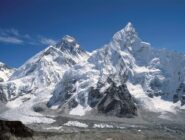
Everest Region Nepal

Annapurna Base Camp Helicopter Tour
Everest Base Camp Helicopter Tour One Day

Annapurna vs Everest Base Camp