Plan a Trip


Langtang Trek Pickup drop Vehicle
Langtang Trek Pickup Drop Vehicle — Quick Reference 2026 |
| Gateway Town: Syabrubesi (1,550 m), Rasuwa District — start of Langtang, Gosaikunda & Tamang Heritage treks |
| Distance: 122–130 km from Kathmandu to Syabrubesi |
| Drive Time: 6–7 hours by private jeep | 8–10+ hours by public bus |
| Best Vehicle: 4WD Jeep — Toyota Fortuner, Land Cruiser or Hilux |
| Private Jeep Cost: NPR 18,000–25,000 one-way (all-inclusive from Nepal Vehicle Hiring) |
| Return Pickup: Syabrubesi to Kathmandu pickup available — pre-book before departure |
| Permits: Langtang National Park Permit (NPR 3,000) + TIMS Card (NPR 2,000) |
| Best Season: October–November and March–May |
| Jeep vs Bus Guide: vehiclehiringnepal.com/jeep-vs-bus-to-syabrubesi/ |
| Book Now: Nepal Vehicle Hiring Pvt. Ltd. | +977 9851013196 | vehiclehiringnepal.com |
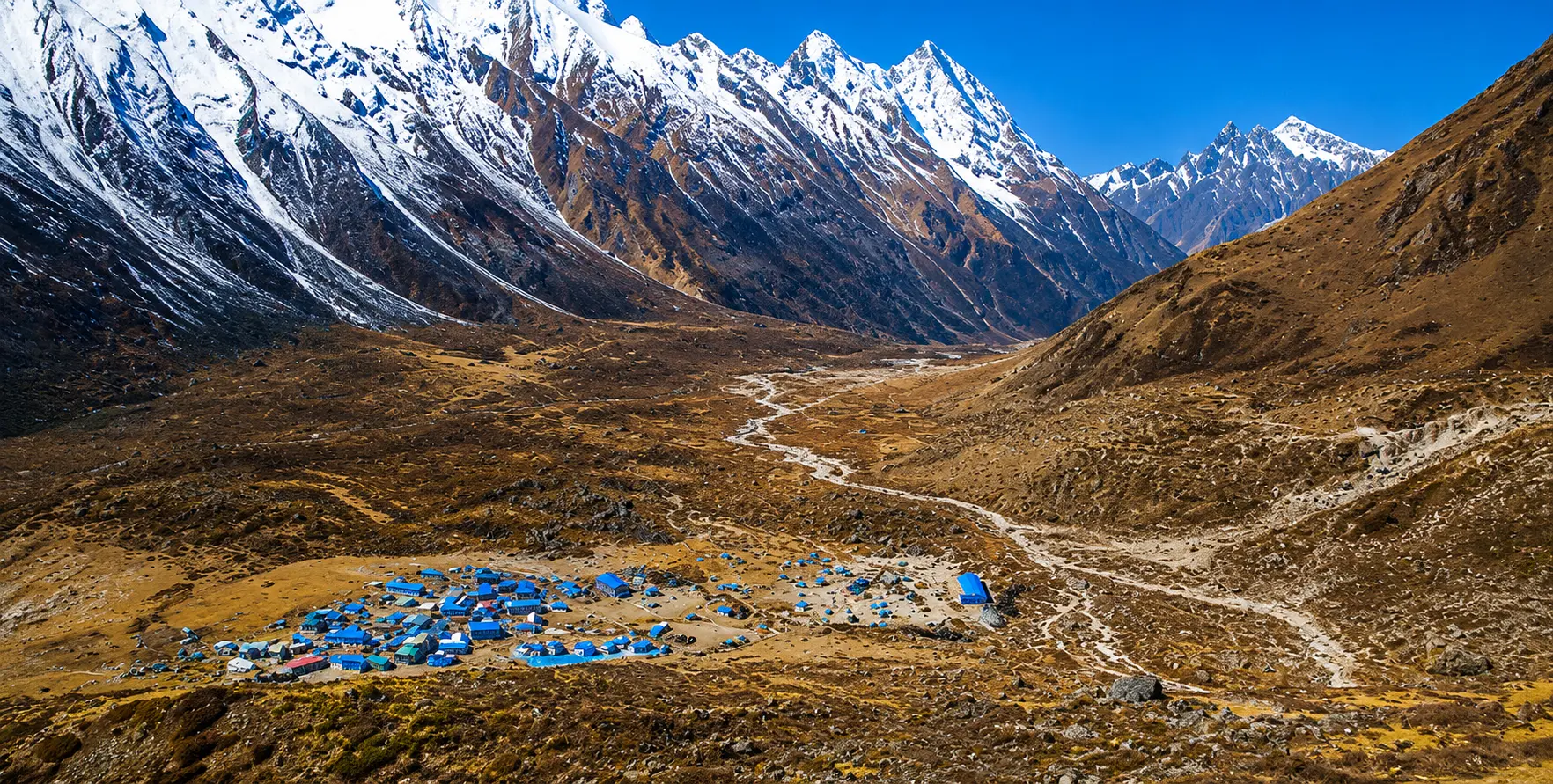
Of all Nepal’s major trekking regions, the Langtang Valley holds a special place in the hearts of trekkers who know it — a valley of extraordinary beauty that lies just north of the Kathmandu Valley rim in the Rasuwa District, accessible within a single day’s drive from the capital and yet offering a depth and quality of Himalayan landscape and cultural experience that rivals any trekking destination in Nepal. The Langtang Valley Trek, the Gosaikunda Lake Trek, and the Tamang Heritage Trail — all three accessing the same mountain region through the same gateway — draw trekkers year-round who find in Langtang the ideal combination of proximity to Kathmandu, genuine high-altitude Himalayan scenery, and an authentic Tamang cultural landscape that the closer heritage sites of the Kathmandu Valley cannot provide.
The gateway to all three of these trekking routes is Syabrubesi — a small but increasingly well-served mountain village at 1,550 meters in the Rasuwa District, sitting at the point where the Langtang Khola meets the Trishuli River and where the last road access ends and the Langtang National Park begins. And the vehicle service that connects Kathmandu to Syabrubesi and, equally importantly, picks trekkers up from Syabrubesi at the end of their adventure — is the essential transport service that bookends every Langtang region trek with the quality of experience it deserves.
This in-depth guide covers every aspect of the Langtang Trek pickup vehicle service in the detail trekkers actually need. It examines the road from Kathmandu to Syabrubesi in full, the specific vehicle requirements for this route, the return pickup service from Syabrubesi at the trek’s end, the permits and timing considerations that affect how transport is organized, and the complete cost picture for 2026. Throughout, Nepal Vehicle Hiring Pvt. Ltd. provides professional private jeep service that delivers the best version of this essential transport connection—on the outbound journey from Kathmandu at the trek’s start and on the return pickup from Syabrubesi at its conclusion.
Syabrubesi — The Gateway That Defines the Langtang Experience
What Is Syabrubesi and Why Does It Matter?
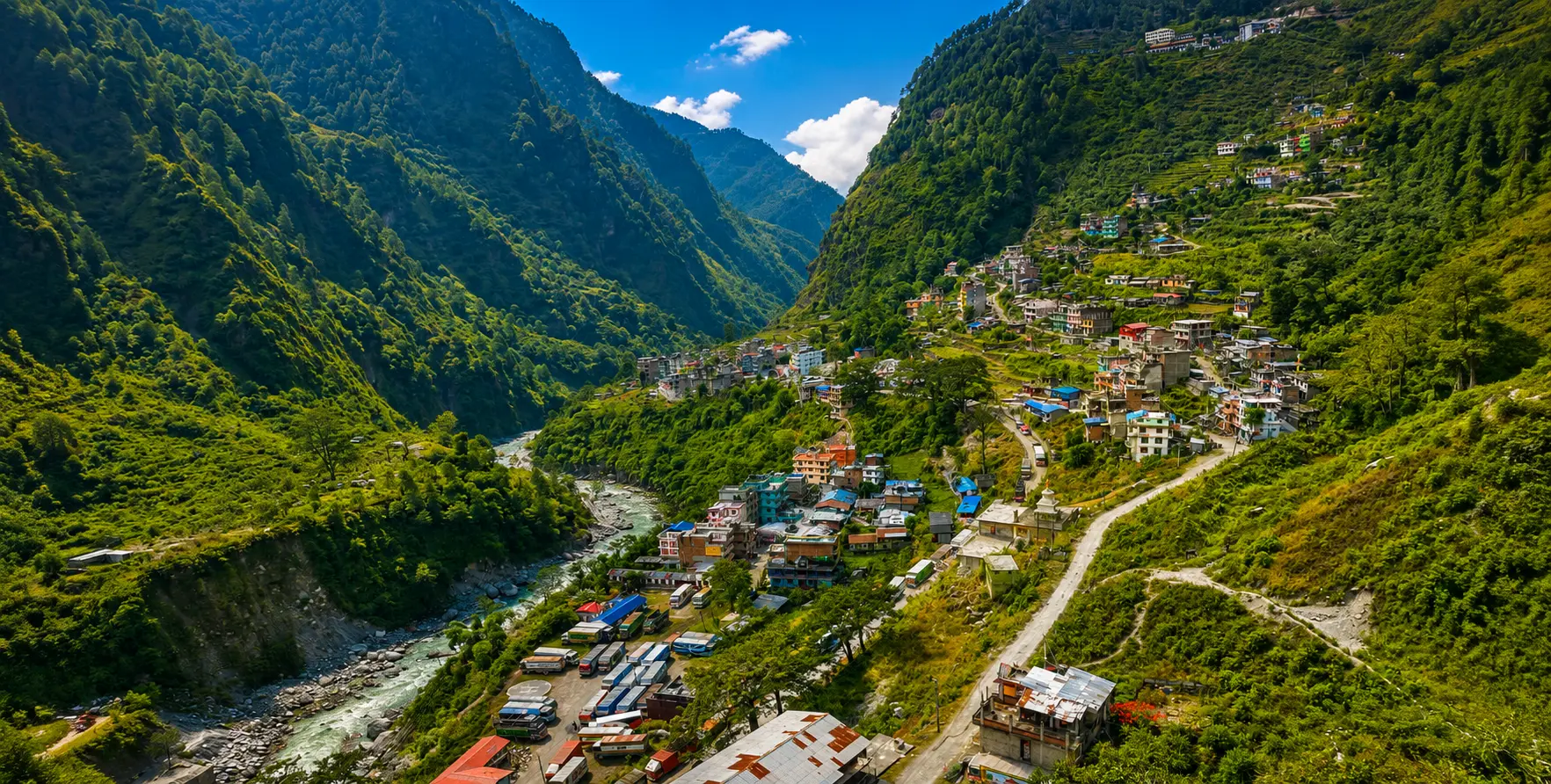
Syabrubesi is a small village community in the Rasuwa District of Bagmati Province, situated at approximately 1,550 meters above sea level at the confluence of the Langtang Khola and Trishuli River in one of Nepal’s most scenic and geologically active mountain corridors. The village serves as the entry point for the Langtang National Park and the starting point for three of Nepal’s most celebrated trekking routes: the Langtang Valley Trek heading northeast into the valley of glaciers; the Gosaikunda Lake Trek climbing southwest to the sacred alpine lakes at over 4,380 metres; and the Tamang Heritage Trail looping through the traditional Tamang villages of the surrounding hills in a culturally immersive circuit that has no equivalent in Nepal’s broader trekking network.
The practical importance of Syabrubesi for trekking logistics cannot be overstated. There is no airport within practical distance of the Langtang region, no helicopter service operating scheduled routes, and no road access into the Langtang National Park beyond Syabrubesi itself. Every trekker visiting the Langtang region — whether for three days or three weeks — must arrive and depart by road through Syabrubesi, making the quality and reliability of the vehicle service connecting this village to Kathmandu one of the single most practically important logistics decisions of the entire trekking trip.
The Langtang Valley Trek — Nepal’s Most Accessible Alpine Trek
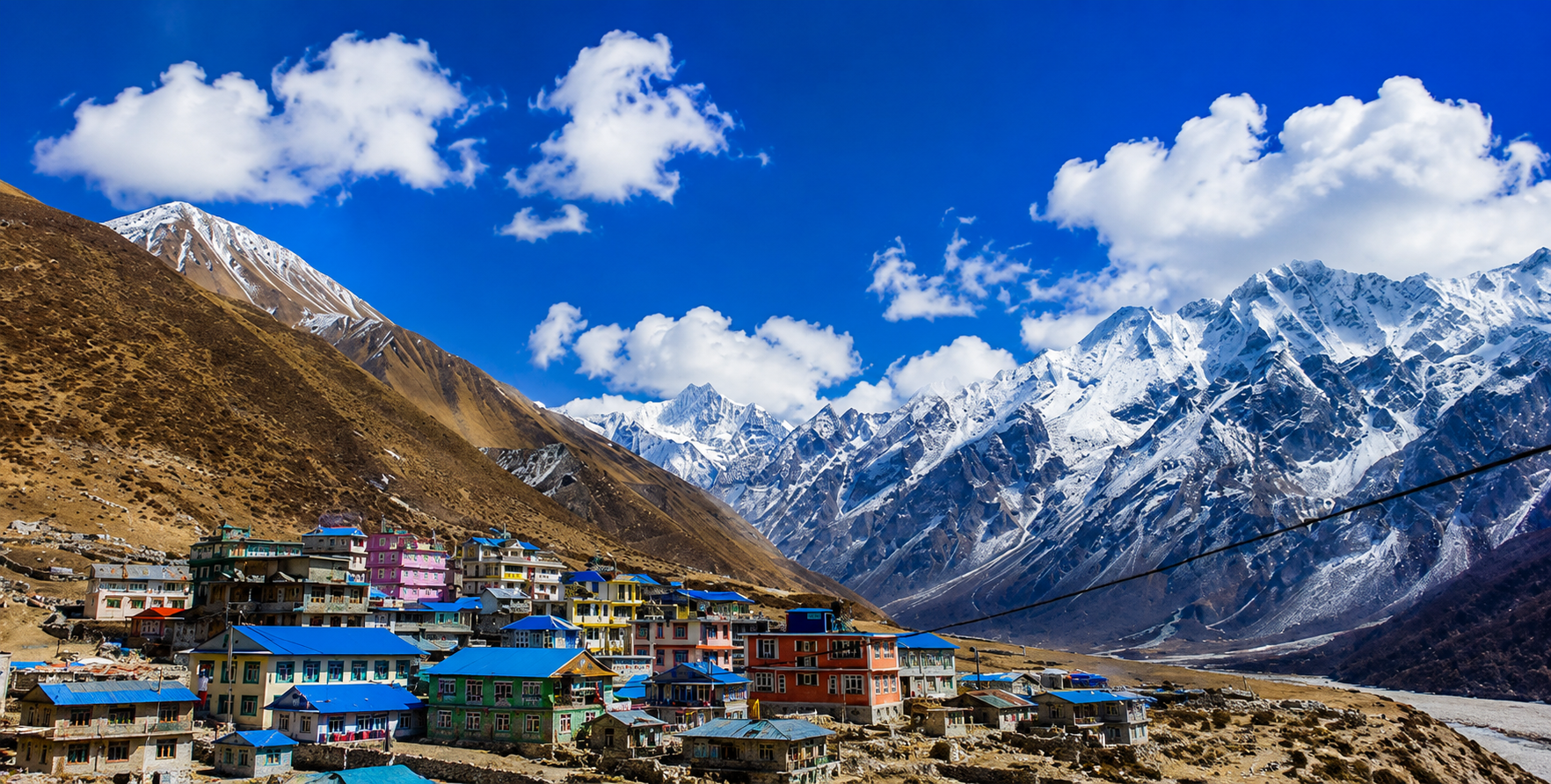
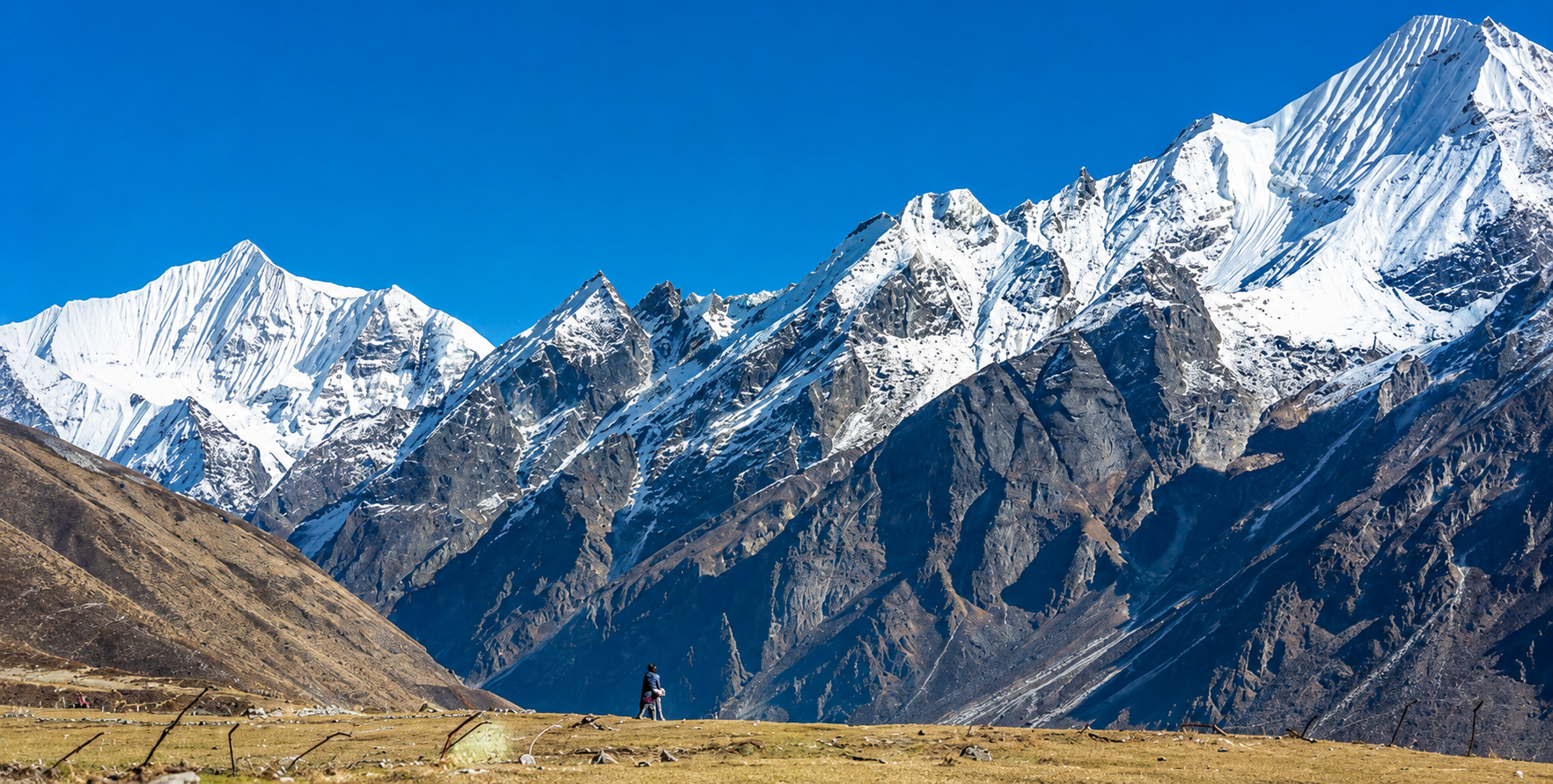
The Langtang Valley Trek is widely described as the most accessible high-altitude trekking route from Kathmandu — not ‘accessible’ in the sense of being easy, but in the sense that it delivers genuinely high-altitude Himalayan environments (the Kyanjin Gompa at 3,870 metres and the optional summit of Kyanjin Ri at 4,773 metres or Tserko Ri at 5,033 metres) within a trek of seven to ten days that can be organized and executed from Kathmandu without the logistics of a domestic flight or an extended multi-week commitment. The valley itself is a place of extraordinary scenic quality — the Langtang Lirung glacier at 7,227 meters dominates the northern skyline from Kyanjin Gompa, and surrounding peaks including Gangchenpo and Dorje Lakpa frame the valley on both sides. The Tamang and Bhotia communities that inhabit the valley’s villages maintain a cultural life of genuine authenticity and warmth that trekkers consistently cite as a highlight equal to the mountain scenery.
The Langtang region was devastated by the April 2015 earthquake, which triggered a catastrophic avalanche and rock fall that buried the village of Langtang itself and killed over 200 people. The community has rebuilt with remarkable resilience and solidarity, and the current Langtang Village — rebuilt in a slightly different position in the valley — is a thriving trekking hub with fully functional teahouse accommodation, good food, and a community whose warmth and hospitality reflect the extraordinary human strength that emerged from the tragedy. Trekkers who visit Langtang Valley in 2026 experience a trek that is both fully operational and invested with a particular depth of human and natural context that makes the experience distinctively moving.
Gosaikunda Lake Trek — The Sacred Alpine Pilgrimage
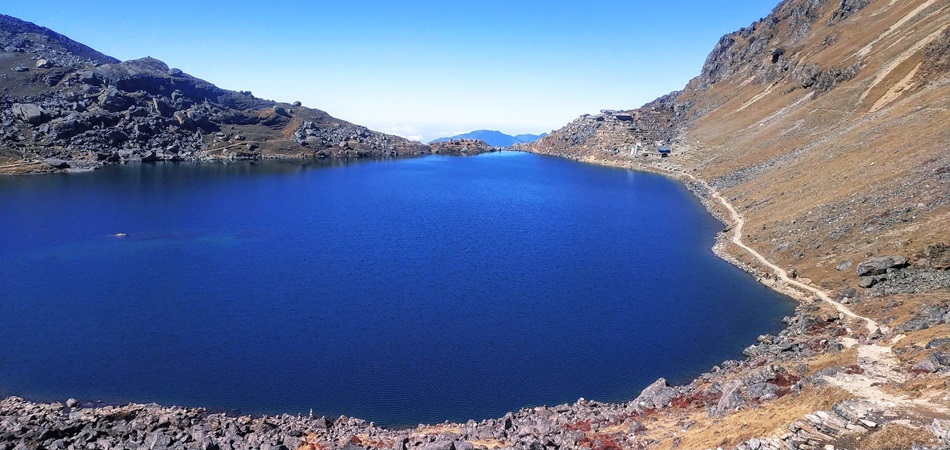
The Gosaikunda Lake Trek offers a completely different experience from the Langtang Valley route, despite sharing the Syabrubesi gateway. Where the Langtang Valley heads northeast into a forested, glacier-hung alpine valley, the Gosaikunda route climbs steeply south from Syabrubesi through the Lauribina area to a series of sacred alpine lakes at 4,380 metres — the highest and most sacred of which, Gosaikunda itself, is one of the most important Hindu pilgrimage destinations in Nepal, associated with Lord Shiva in a legendary narrative that draws hundreds of thousands of pilgrims during the Janai Purnima festival in late July and August. The combination of high-altitude sacred landscape, challenging ascent, and the extraordinary religious atmosphere of the lake area at festival time makes the Gosaikunda Trek one of the most distinctive and emotionally charged experiences available from the Syabrubesi gateway.
Tamang Heritage Trail — Cultural Immersion in the Langtang Region
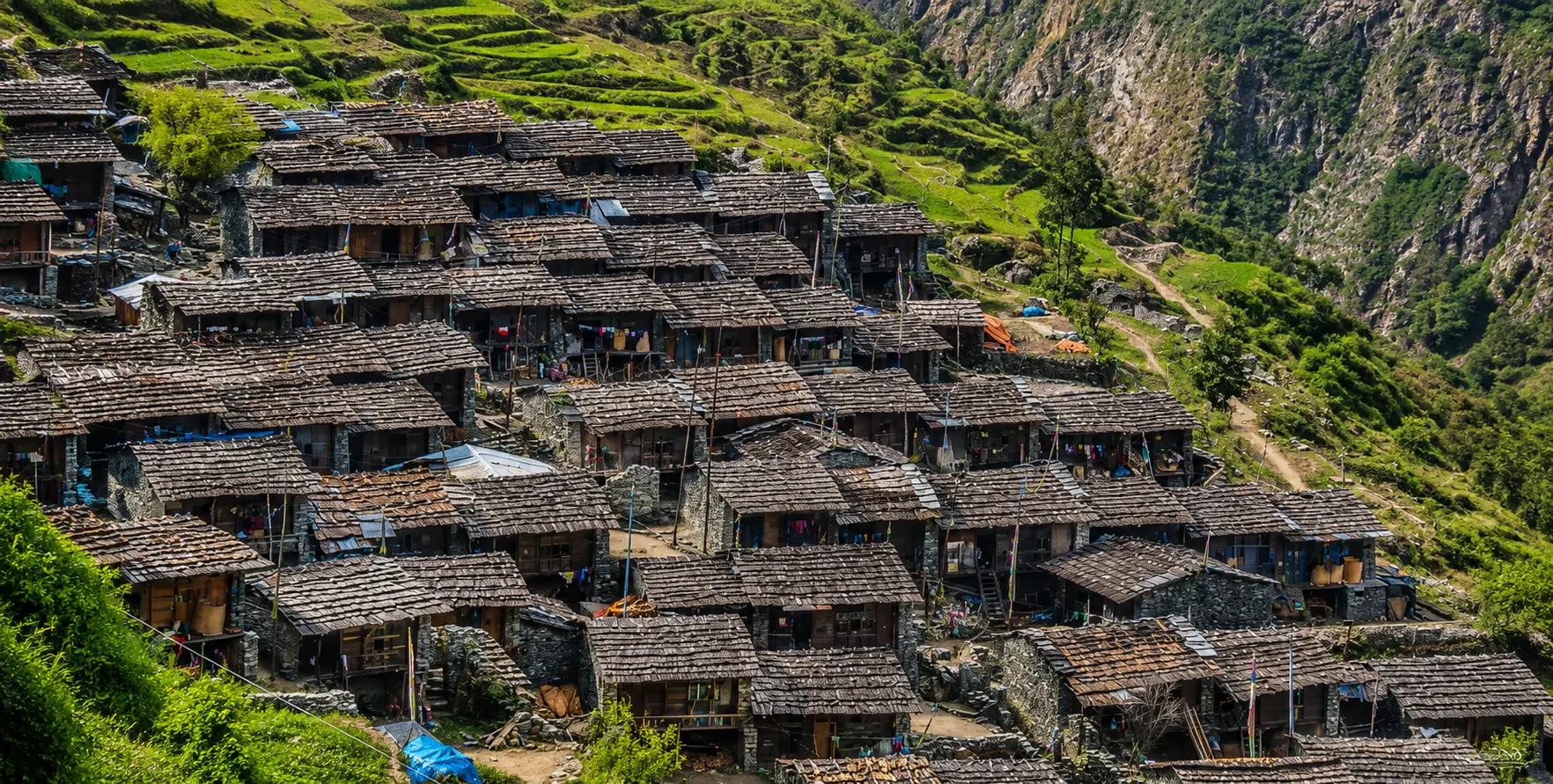
The Tamang Heritage Trail is perhaps the least celebrated and most underrated of the three trekking routes accessible from Syabrubesi, and for exactly that reason the one most frequently described by experienced Nepal trekkers as a genuinely special discovery. The trail loops through a circuit of traditional Tamang villages in the hills surrounding the Langtang National Park boundary — communities that have maintained their Tibetan-Buddhist cultural traditions, traditional stone-and-timber architecture, handwoven textile production, and their distinct Nepal Bhasa variant through centuries of relative isolation from the cultural changes that have affected more accessible mountain communities. Walking this circuit with a licensed guide who speaks Tamang and can facilitate genuine interaction with village communities produces a level of cultural immersion that the more crowded corridors of the Annapurna and Everest regions increasingly cannot provide.
The Road: Kathmandu to Syabrubesi — Full Route Overview
Distance, Drive Time and Route Options
The road distance from central Kathmandu to Syabrubesi is cited between 117 and 146 kilometers, depending on the specific route taken. This variation reflects two distinct routing options between the capital and the Langtang region gateway. The most commonly cited distance of approximately 122 to 130 kilometers reflects the direct route via the Kakani and Galchhi shortcut used primarily by private vehicles. In comparison, the longer measurement of up to 146 kilometers reflects the alternative route through the Trishuli Bazaar area used by public buses. For private jeep hire from Nepal Vehicle Hiring Pvt. Ltd., the typical drive time is six to seven hours under normal conditions, including one rest stop. By public bus via Gongabu Bus Park, the journey extends to eight to ten or more hours depending on departure time, bus condition, and road conditions.
As Nepal Vehicle Hiring Pvt. Ltd.’s own comprehensive jeep vs bus to Syabrubesi guide documents in detail, the private jeep route uses the Tokha-Chhahare-Dhukure shortcut from northern Kathmandu — climbing steeply to Gurje Bhanjyang at approximately 2,000 meters before descending to Galchhi and joining the main Pasang Lhamu Highway toward the Langtang region. This private-vehicle route is approximately 35 kilometers shorter than the public bus route and eliminates the need to exit Kathmandu via the heavily congested Ring Road southern approaches — contributing significantly to the time advantage that private jeep hire delivers over public bus travel on this specific corridor.
Stage 1: Kathmandu to Dhunche via Kakani and Galchhi (70–80 km / 3–4 hours)
Departing from your Kathmandu hotel, the private jeep route to Syabrubesi heads north through Kathmandu’s Tokha area and climbs quickly into the hill terrain north of the valley, passing through Gurje Bhanjyang at approximately 2,000 meters — a viewpoint ridge from which, on clear days, panoramic views of the Kathmandu Valley below and the Himalayan range above are simultaneously visible. This early-morning ridge crossing, often experienced in cool mist when departing at the recommended 6:00 AM or earlier, creates an immediate sense of departure from the urban world that the public bus route through the city’s southern ring road does not provide.
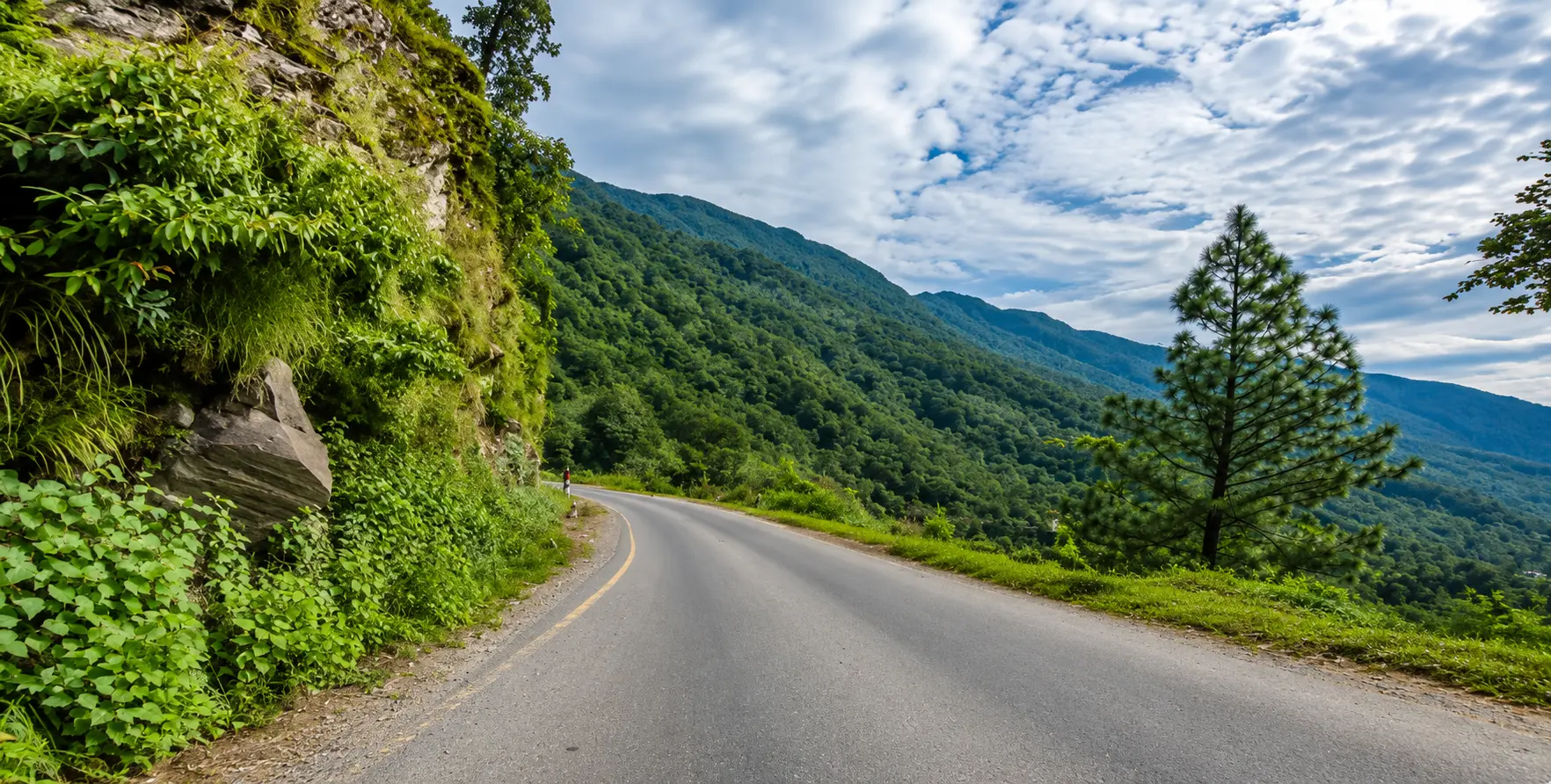
The road descends from Gurje Bhanjyang to Galchhi in the Trishuli River valley and joins the main Pasang Lhamu Highway (also called the Langtang Road or Rasuwa Highway), which serves as the primary route northward toward the Langtang National Park boundary. The highway climbs through a series of hill communities — Betrawati, Ramche — with progressively expanding views of the Trishuli River gorge and the surrounding hill landscape before reaching the important junction and service town of Dhunche (1,950 m) at approximately three to four hours from Kathmandu. Dhunche is the headquarters of Rasuwa District, the last town with reliable fuel stations and a reasonable range of restaurants and shops before the final descent to Syabrubesi, and the location of the Langtang National Park entry checkpoint where trekking permits are verified. Nepal Vehicle Hiring Pvt. Ltd. drivers always recommend a brief stop at Dhunche for fuel confirmation and a meal before the final descent.
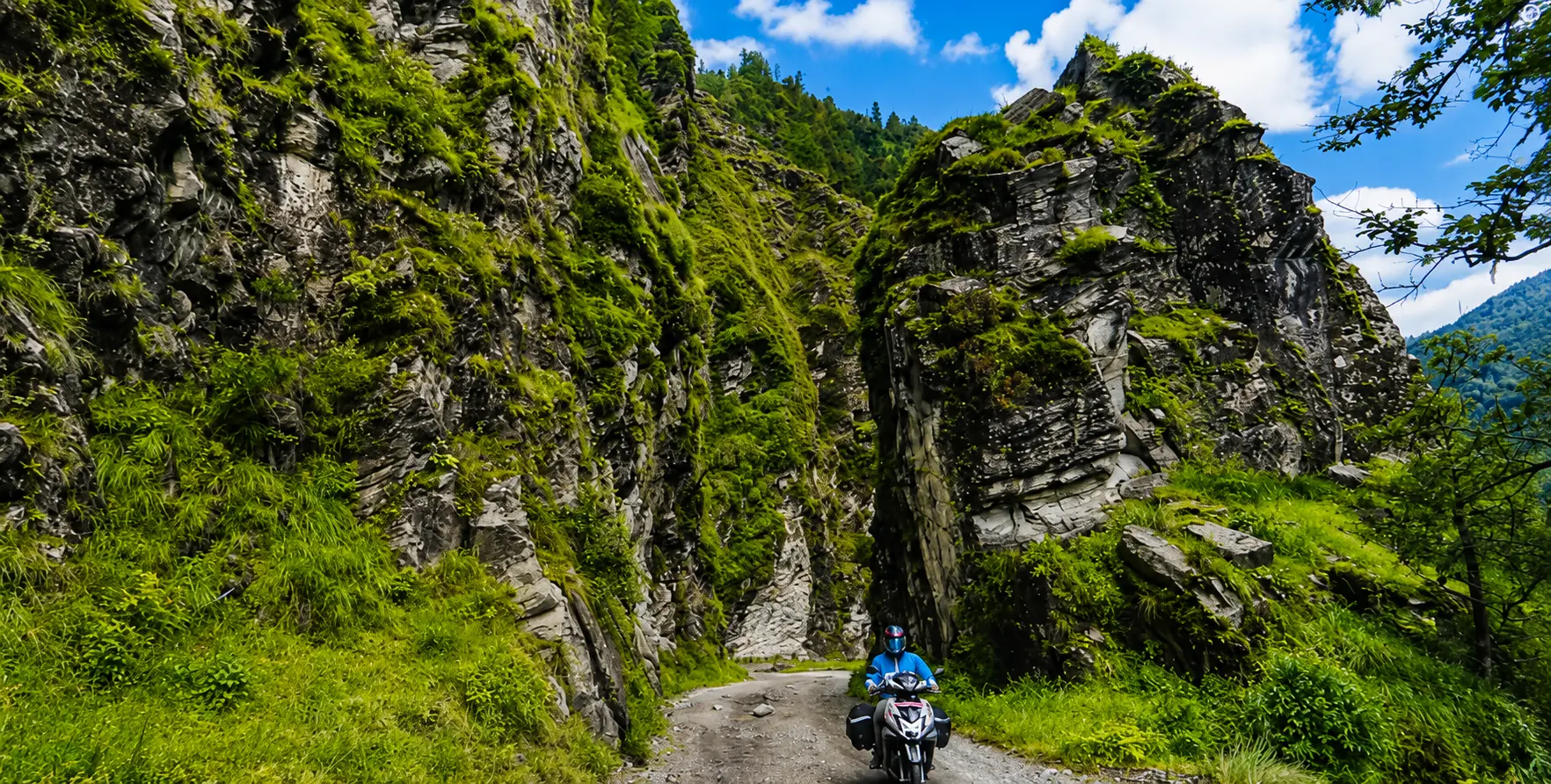
Stage 2: Dhunche to Syabrubesi (22 km / 1–1.5 hours)
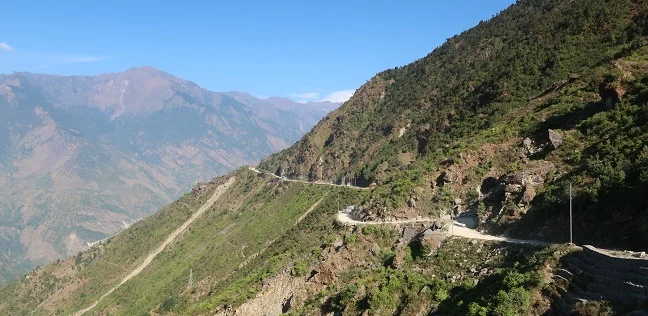
From Dhunche, the road to Syabrubesi descends steeply for approximately 22 kilometers through a series of switchbacks and narrower road sections that drop more than 400 meters in elevation to the valley floor where Syabrubesi sits at 1,550 meters. This descent section is among the most scenic portions of the entire Kathmandu to Syabrubesi road, with views opening progressively toward the Langtang Himalayan range as the valley below deepens and widens. The road surface on the Dhunche-to-Syabrubesi descent alternates between reasonable paved sections and stretches of rougher material where monsoon damage has been repaired to varying standards. This section most clearly demonstrates why a 4WD vehicle with high ground clearance provides meaningfully better performance than a standard car.
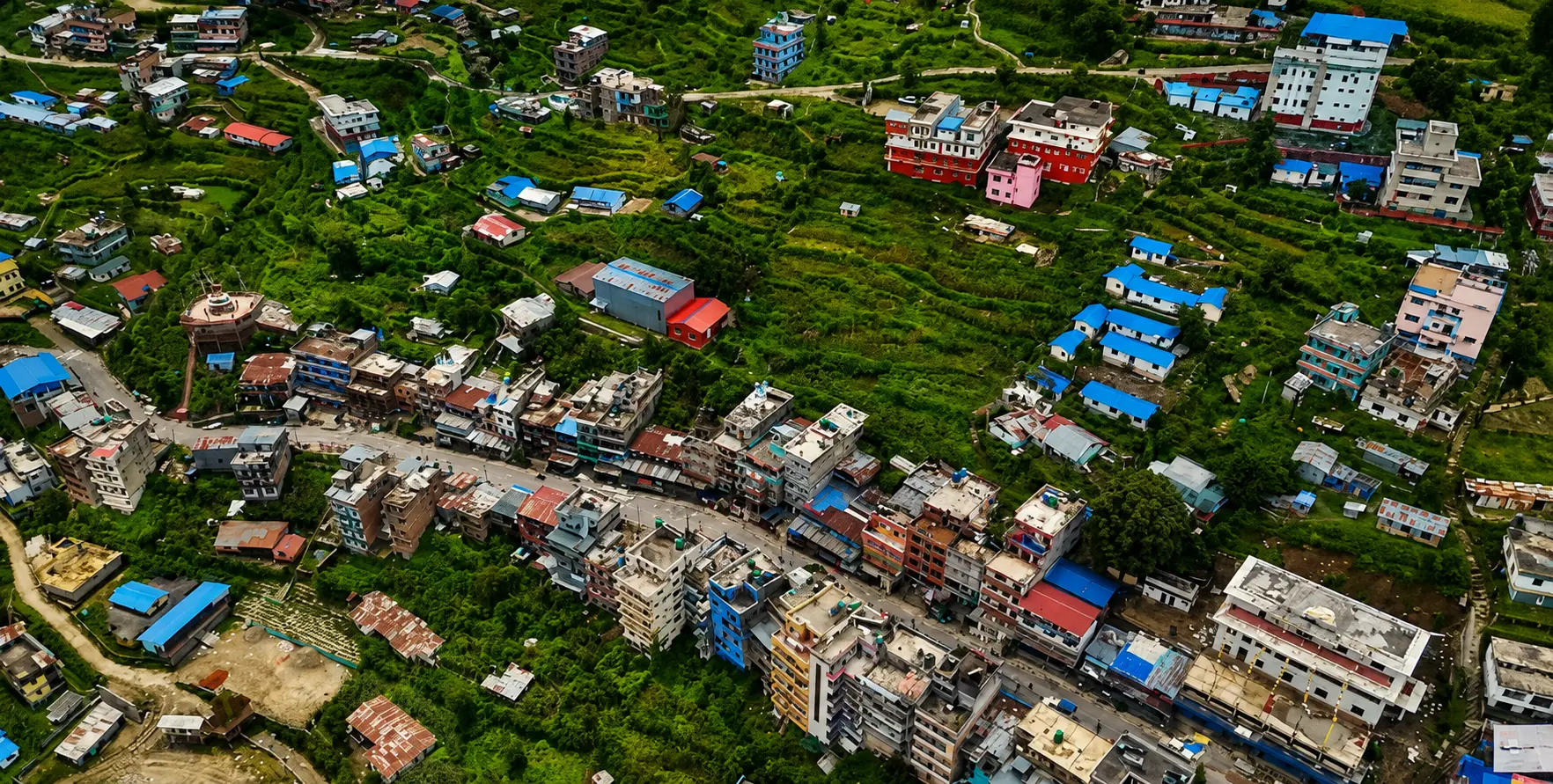
The descent brings trekkers into Syabrubesi through the upper part of the village. It delivers them directly to the main teahouse and guesthouse strip along the main road — a compact cluster of accommodation, restaurants, permit checkpoints, and the trailheads for the Langtang Valley, Gosaikunda, and Tamang Heritage routes. Nepal Vehicle Hiring Pvt. Ltd. drivers on the Kathmandu to Syabrubesi route are familiar with the village’s layout. They will drop trekkers at their specific guesthouse rather than at a generic drop point, using the same personalized door-to-door approach that characterizes the company’s service across all Nepal vehicle hire routes.
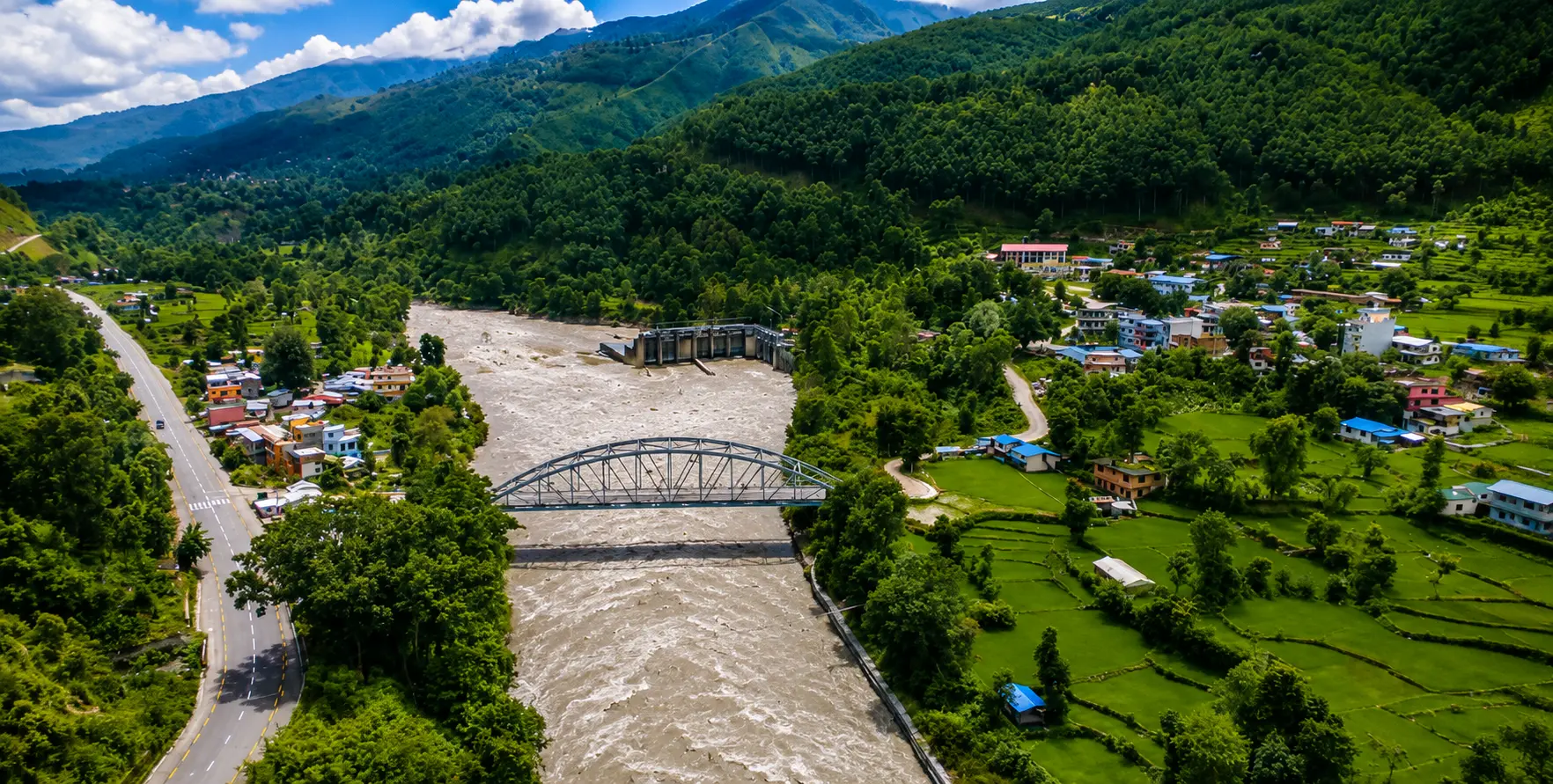
Road Conditions: Honest Assessment for 2026
The Kathmandu to Syabrubesi road presents a clear two-lane structure in 2026. The initial section from Kathmandu through Galchhi and northward to Dhunche is predominantly paved highway, maintained to a standard that is comfortable for any capable vehicle. The section from Dhunche to Syabrubesi — the final descent — involves more variable road surfaces and in some sections genuinely rough patches where the 4WD vehicle’s additional ground clearance and stability provide a meaningful advantage. The route also passes through several landslide-prone sections — the Rasuwa District’s geology and the steepness of the hillsides above the road make periodic rockfall and seasonal landslide debris a consistent road-condition factor, particularly during and immediately after the monsoon season.
During the dry season from October through May, the Kathmandu to Syabrubesi road is reliable and the full six to seven hour private jeep journey is achievable without significant uncertainty. During the monsoon season from June through September, landslide risk is significantly elevated, and the road has historically been blocked for periods ranging from hours to several days by major landslide events. Nepal Vehicle Hiring Pvt. Ltd. maintains real-time road condition contacts on the Syabrubesi route and proactively advises clients on current conditions before confirming monsoon-season bookings. The company’s jeep vs bus to Syabrubesi guide includes current road condition information updated seasonally. It provides the most comprehensive source of route-specific guidance available from a Nepal vehicle hire provider.
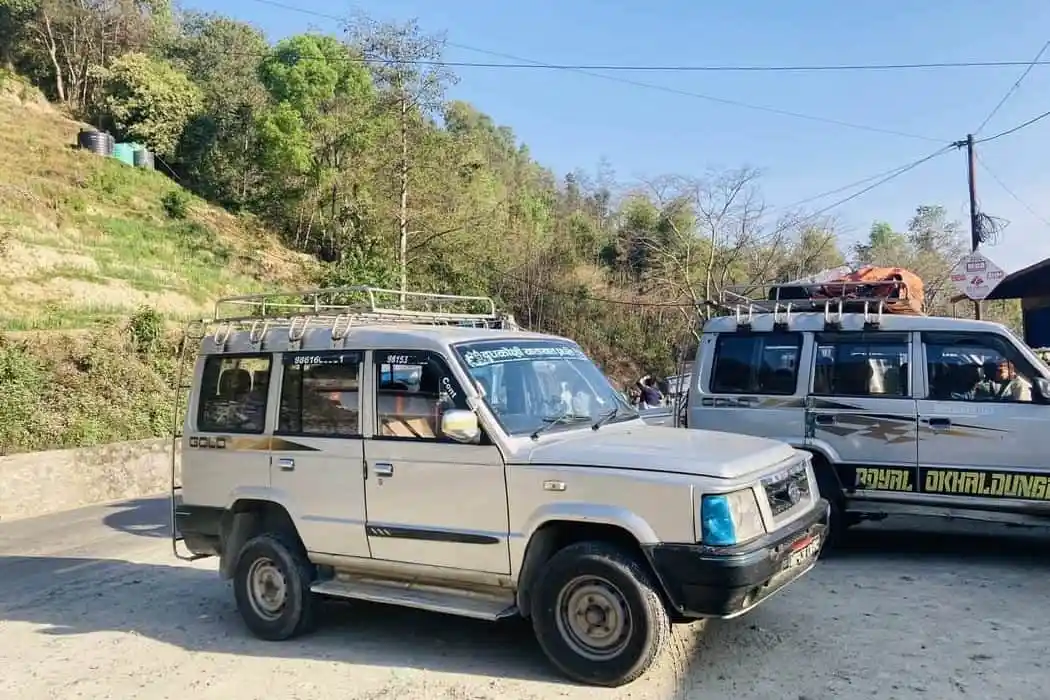
Choosing the Right Pickup Vehicle for the Langtang Trek
Why a 4WD Jeep Is the Recommended Choice
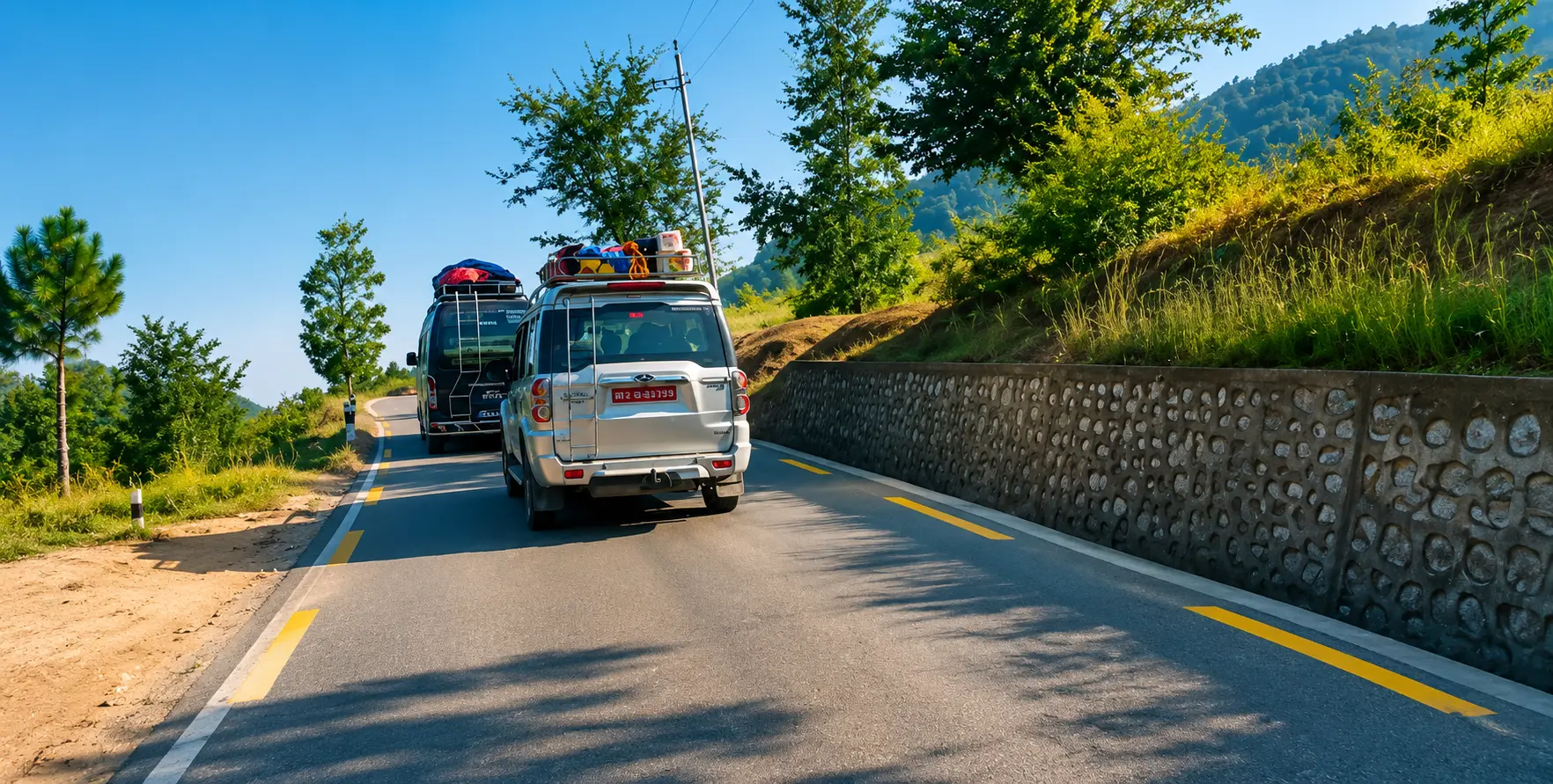
The Kathmandu to Syabrubesi route does not have the extreme off-road character of the Machha Khola road or the Besisahar approach. Still, it is decidedly not a standard highway drive either. The combination of the steep Dhunche-to-Syabrubesi descent section, the periodic rough patches on the Galchhi-to-Dhunche section, and the need to handle potential landslide debris, wet road surfaces in morning fog, and the generally more demanding character of mountain road driving all argue clearly for a 4WD vehicle over a standard city car or lower-specification taxi. The Toyota Fortuner — the most popular vehicle in Nepal Vehicle Hiring Pvt. Ltd.’s fleet for this route — provides the right combination of cabin comfort for the six- to seven-hour journey and four-wheel drive capability for the mountain road sections. The Toyota Land Cruiser serves larger groups of up to seven and provides the most comfortable and capable overall experience. The Hiace van is available for groups of eight to fourteen trekkers and handles the main highway sections with ease. However,h for the Dhunche descent it is best driven by a driver with specific Syabrubesi route experience.
The private vehicle hire comparison that Nepal Vehicle Hiring Pvt. Ltd. has published — the definitive jeep vs bus to Syabrubesi guide — documents clearly and honestly the advantages of private jeep hire over public bus travel on this route across every factor that matters to trekkers: travel time (six to seven hours vs eight to ten-plus), door-to-door delivery vs bus park to bus park, departure at your chosen time vs fixed bus schedule, comfort and luggage space, and the additional scenic dimension of the Kakani shortcut route that private vehicles use. The guide is required reading for any trekker making this journey for the first time.
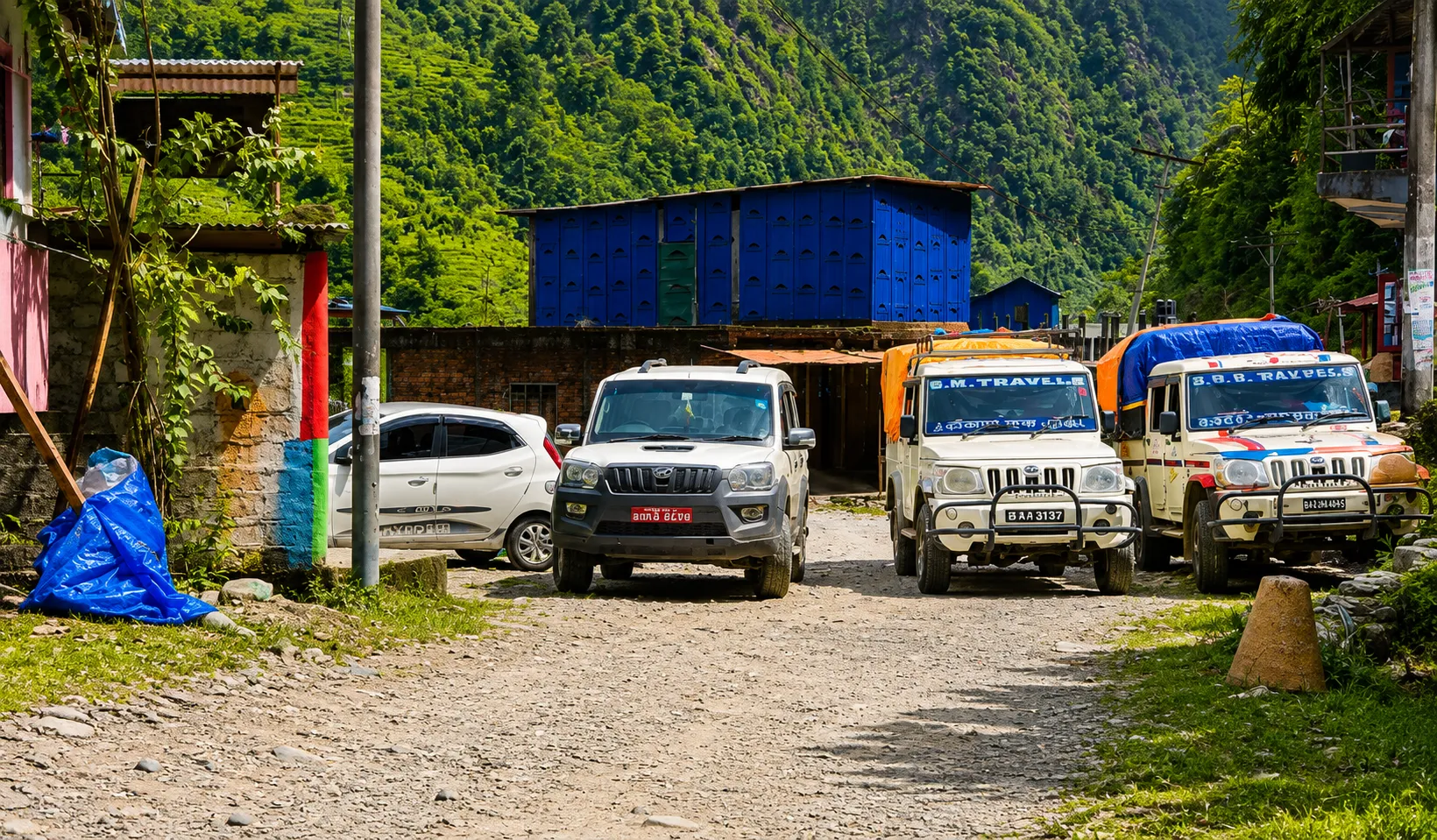
Vehicle Comparison for Different Group Sizes
For solo trekkers or pairs, the Toyota Fortuner or a smaller equivalent provides the most comfortable single-day experience. It is typically the most common private jeep booking for individual travelers. While the per-person cost of a private Fortuner hire for a solo traveler is higher than a shared jeep or bus ticket, many experienced solo trekkers specifically prefer private vehicle hire for the flexibility it provides — the ability to stop at viewpoints, to adjust the departure time slightly if gear packing runs late, and the privacy of a cabin with no strangers for the six to seven hour journey. For groups of four to seven trekkers, the Fortuner or Land Cruiser allows cost sharing that produces a per-person rate very close to or below the equivalent shared jeep alternatives, while delivering the full private-hire experience of door-to-door service, a chosen departure time, and complete schedule flexibility.
For larger trekking groups of eight or more — guided group expeditions, school or university trekking programs, corporate team-building treks — the Hiace van (accommodating up to fourteen passengers) or a combination of Fortuner and Hiace vehicles provides the most practical group transport solution. Nepal Vehicle Hiring Pvt. Ltd. routinely handles multi-vehicle group bookings for Langtang region treks, with coordinated departure times, consistent driver briefings, and group-rate pricing that reflects the economy of scale in multi-vehicle bookings.
The Return Pickup — Syabrubesi to Kathmandu Vehicle Service
Why Pre-Booking the Return Pickup Matters
One of the most frequently overlooked and most practically important aspects of the Langtang Trek vehicle service is the return pickup from Syabrubesi at the trek’s conclusion. Many trekkers focus entirely on the outbound transfer and arrive in Syabrubesi at the end of their trek expecting to find a jeep back to Kathmandu on arrival — only to discover that reliable private vehicle availability at Syabrubesi is significantly less certain than at any point in Kathmandu or Pokhara. Syabrubesi’s remote location means that the vehicle supply is limited to whatever happens to be in the village at the time a trekker needs to return — and after a long final trekking day followed by a cold night in a basic Syabrubesi teahouse, spending several hours negotiating for transport or waiting for a vehicle to become available is a profoundly discouraging end to what should be a triumphant completion of the Langtang Trek.
The solution is simple and stress-eliminating: pre-book the return Syabrubesi to Kathmandu pickup with Nepal Vehicle Hiring Pvt. Ltd. at the same time as the outbound Kathmandu to Syabrubesi transfer booking. The Nepal Vehicle Hiring Pvt. Ltd. team coordinates the return pickup timing around the trekker’s planned return date, keeping the booking flexible for weather- or pace-related date adjustments via WhatsApp at +977 9851013196, and confirming the vehicle and driver assignment the evening before the pickup day. The return journey from Syabrubesi to Kathmandu takes approximately five to seven hours under normal conditions — slightly faster than the outbound journey because the route climbs from Syabrubesi to Dhunche rather than descending, and the afternoon traffic patterns on the Kathmandu approach are typically lighter than morning patterns.
The Syabrubesi Pickup — Logistics and Timing
For trekkers completing the Langtang Valley Trek in its standard seven to ten day format, the return from Kyanjin Gompa to Syabrubesi is typically completed in two days of walking (approximately four to five hours on Day 1 from Kyanjin to Lama Hotel or Riverside, and three to four hours on Day 2 from Lama Hotel to Syabrubesi). The return pickup vehicle is therefore scheduled for the afternoon or evening of the second descent day, or the morning of the following day depending on the trekker’s planned early morning arrival in Syabrubesi. Nepal Vehicle Hiring Pvt. Ltd. drivers for the Syabrubesi pickup typically depart Kathmandu in the early morning to reach Syabrubesi by mid-morning or noon, allowing adequate time to return to Kathmandu comfortably before dark.
For trekkers completing the longer Gosaikunda Trek (typically ten to fourteen days depending on the specific route) or the Tamang Heritage Trail (typically seven to twelve days), the return vehicle service from Syabrubesi or from the specific trail endpoint applies equally — with Nepal Vehicle Hiring Pvt. Ltd. adjusting the pickup date and timing flexibly based on WhatsApp communication with the trekker during the trek itself. The company’s 24-hour WhatsApp line at +977 9851013196 allows real-time communication about date adjustments due to weather, health, or pace changes — a critically important service for trekkers whose return date from any Langtang region trek may shift by one to three days from the originally planned date.
Post-Trek Onward Travel from Syabrubesi
For trekkers who complete the Langtang Trek and want to continue to Pokhara rather than returning to Kathmandu, or who want to connect to the Kathmandu sightseeing circuit before continuing with their Nepal itinerary, Nepal Vehicle Hiring Pvt. Ltd. coordinates all of these onward transport connections as part of a comprehensive Nepal itinerary arrangement. The Bhaktapur Durbar Square day tour, the Nagarkot sunrise tour) car hire in Pokhara, and other heritage and adventure activities before or after the Langtang Trek are all available through the same provider, eliminating the need to source multiple separate transport arrangements from different providers.
Permits Required for the Langtang Region — 2026 Complete Guide
Langtang National Park Entry Permit
All trekkers entering the Langtang National Park — which encompasses the Langtang Valley Trek, the Gosaikunda Lake Trek, and portions of the Tamang Heritage Trail — are required to hold a Langtang National Park Entry Permit. The cost in 2026 is NPR 3,000 for foreign nationals and NPR 1,500 for SAARC nationals. The permit is obtained from the Nepal Tourism Board office in Kathmandu (Bhrikutimandap) before departure, or at the park entrance checkpoint at Dhunche on the road to Syabrubesi. Nepal Vehicle Hiring Pvt. Ltd. strongly recommends obtaining the permit in Kathmandu the day before the transfer for the most reliable and time-efficient approach — the Dhunche checkpoint option exists but adds to the total journey time when the checkpoint queue is long during peak season.
TIMS Card
The TIMS Card (Trekkers Information Management System) at NPR 2,000 per person for independent trekkers (or NPR 1,000 for trekkers with a registered agency) must be obtained from the Nepal Tourism Board or the Trekking Agencies Association of Nepal (TAAN) office in Kathmandu or Pokhara. As with the National Park permit, obtaining the TIMS card in Kathmandu before the Syabrubesi transfer is the most reliable approach. Both the national park permit and TIMS card are verified at checkpoints on the trail and at the Dhunche checkpoint on the road approach.
Mandatory Licensed Guide — Current Status
As part of Nepal’s mandatory licensed guide regulation in force since April 2023, Langtang National Park trekking routes are included in the designated trekking areas where a licensed guide must accompany foreign trekkers. This requirement affects all three Langtang region trekking routes — the Langtang Valley Trek, the Gosaikunda Trek, and the Tamang Heritage Trail — and is enforced at checkpoints on the trail. Trekkers who have arranged a licensed guide through a registered agency will have the guide’s registration documentation verified at these checkpoints. Nepal Vehicle Hiring Pvt. Ltd. can connect trekkers with reliable licensed guide services in Kathmandu at the time of booking the Syabrubesi transfer.
Best Time for the Langtang Trek and Vehicle Transfer — 2026 Seasonal Guide
Autumn — October to November (Peak Season)
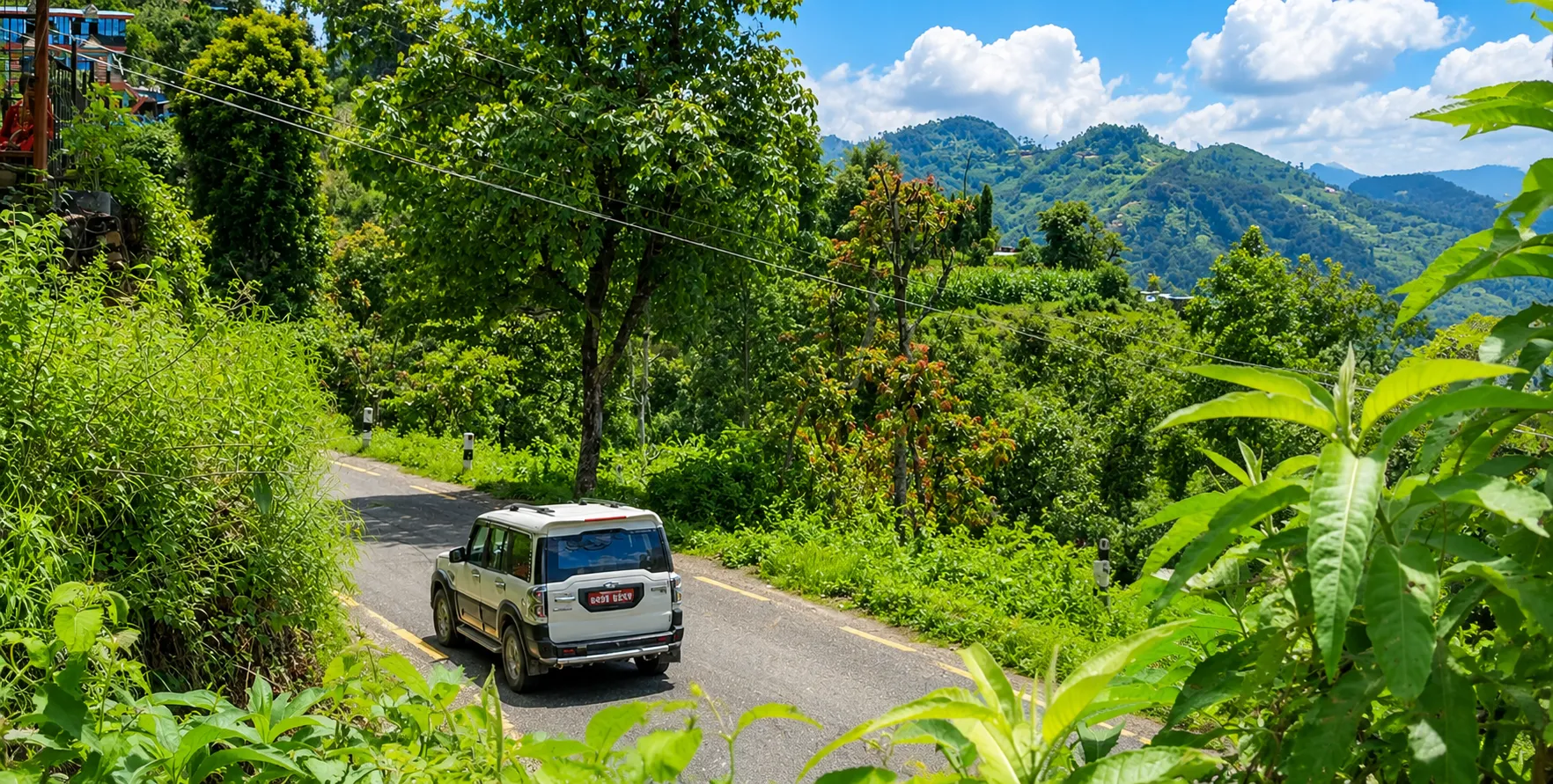
October and November post-monsoon are the peak season for Langtang region trekking and the Kathmandu-to-Syabrubesi vehicle service that supports it — for good reason. The road is at its driest and most reliable following the monsoon season, the sky is exceptionally clear with outstanding mountain visibility from every viewpoint on the route, the vegetation of the Langtang Valley is freshly lush after the monsoon rains, and the combination of warm days and crisp nights at altitude produces ideal trekking conditions. Private jeep hire demand from Nepal Vehicle Hiring Pvt. Ltd. is highest in October and November — booking two to three weeks in advance is recommended for this period to ensure vehicle availability.
Spring — March to May
March through May offers the second peak season for Langtang Trek vehicle service, with conditions that are excellent across virtually all parameters. The road from Kathmandu to Syabrubesi is dry and reliable, the pre-monsoon sky is clear in the mornings (though cloud often builds in the afternoons), and the rhododendron forests that line the mid-altitude sections of the Langtang Valley Trek approach route are in their full spring flowering glory — creating the remarkable combination of red, pink, and white rhododendron forests against snow-covered Himalayan peaks that makes spring trekking in Nepal so visually extraordinary. Spring is also the season of lower guesthouse costs in Syabrubesi and along the Langtang trail compared to the absolute peak of October.
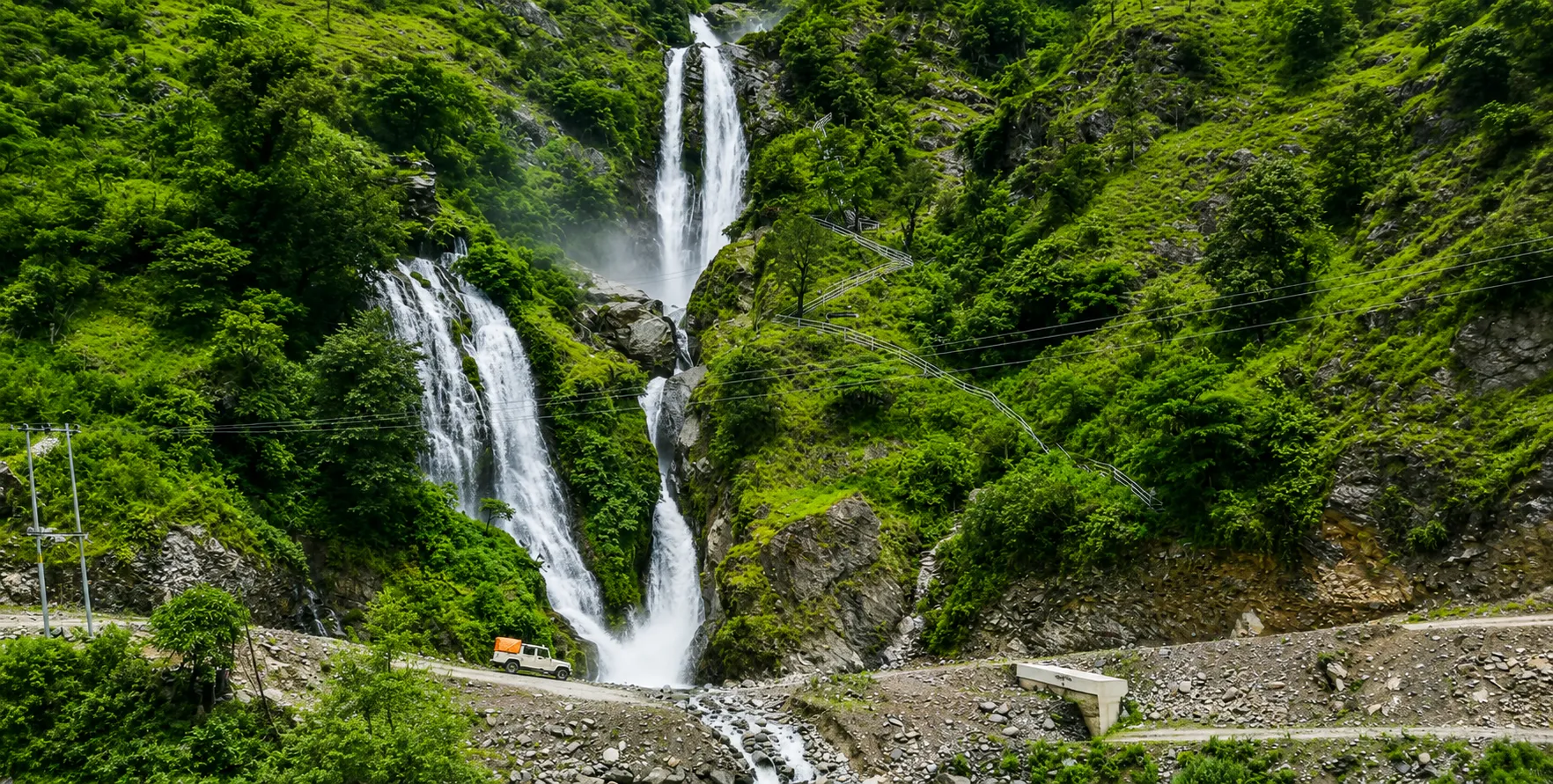
Winter — December to February
The winter period from December through February is cold — Kyanjin Gompa experiences temperatures well below -10°C at night in January, and the trail above Lama Hotel can be snow-covered and icy in its higher sections. But for trekkers with appropriate cold-weather gear and experience, winter Langtang trekking offers compelling advantages: dramatically reduced visitor numbers, extremely clear air providing the sharpest mountain visibility of the year, and a quality of stillness and solitude in the valley that peak season cannot replicate. The road from Kathmandu to Syabrubesi is generally reliable in winter—frost and ice on the Dhunche descent section in early mornings are the primary road-condition consideration, which experienced Nepal Vehicle Hiring Pvt. Ltd. drivers manage by adjusting departure timing to allow the road surface to warm before the Dhunche descent.
Monsoon — June to September
The monsoon season is the most challenging period for both Langtang Trek vehicle service and the trek itself. The Kathmandu to Syabrubesi road is most vulnerable to landslide disruption during heavy monsoon rainfall, and the Langtang Valley Trek trail is affected by leeches, wet conditions, and reduced mountain visibility through the monsoon months. However, the Gosaikunda Lake Trek reaches its most extraordinary single annual moment during monsoon — the Janai Purnima festival at the lake in late July/August draws hundreds of thousands of Hindu pilgrims for a mass bathing ritual in the sacred lake waters that is one of Nepal’s most spectacular religious events. For trekkers specifically targeting this pilgrimage festival, the Syabrubesi transfer service from Nepal Vehicle Hiring Pvt. Ltd. operates during this period with the same road-condition monitoring and client communication that make monsoon-season transfers manageable.
Making the Most of Your Pre-Trek Time in Kathmandu
For trekkers arriving in Kathmandu with one or two days before the Syabrubesi transfer, Nepal Vehicle Hiring Pvt. Ltd.‘s Kathmandu sightseeing tour is the most efficient and enjoyable way to experience the capital’s extraordinary heritage sites before heading into the mountains. The Kathmandu sightseeing service covers the major sites in a single comfortable day by private vehicle: Boudhanath Stupa — the world’s largest Buddhist stupa and the most important center of Tibetan Buddhism outside Tibet; Swayambhunath — the 2,500-year-old hilltop stupa with its famous all-seeing Buddha eyes and panoramic valley views; Pashupatinath Temple — Nepal’s holiest Hindu shrine on the banks of the sacred Bagmati River; and Patan Durbar Square — the City of Fine Arts with its extraordinary concentration of medieval Newari architecture and the finest museum in Nepal.
The Bhaktapur Durbar Square day tour from Nepal Vehicle Hiring Pvt. Ltd. is a further excellent pre-trek day option — Bhaktapur, Nepal’s best-preserved medieval Newari city with its extraordinary Nyatapola Temple, 55-Window Palace, Golden Gate, and active pottery district, can be combined with a visit to the ancient hilltop temple of Changu Narayan — Nepal’s oldest temple — in a single full-day cultural circuit that is consistently rated among the finest heritage day experiences available anywhere in Nepal. And for trekkers who want their first Himalayan mountain panorama before entering the range on foot, the Nagarkot sunrise tour — departing from their Kathmandu hotel before dawn for the thirty-kilometre drive to the Nagarkot viewpoint on the valley’s eastern rim — delivers a spectacular first sight of the Himalayan range, from Dhaulagiri in the west to Kanchenjunga on the eastern horizon, before the trek itself brings them into the heart of those peaks.
Cost Guide: Langtang Trek Vehicle Pickup Service 2026
The private jeep hire cost from Nepal Vehicle Hiring Pvt. Ltd. for the Kathmandu to Syabrubesi transfer is an all-inclusive rate covering the driver, fuel for the complete route, vehicle insurance, and hotel pickup from anywhere in Kathmandu. In 2026, the Toyota Fortuner one-way transfer from Kathmandu to Syabrubesi is priced in the range of NPR 18,000 to 22,000, and the return Syabrubesi to Kathmandu pickup is comparable at NPR 16,000 to 20,000 (slightly lower, reflecting the uphill Syabrubesi-to-Dhunche section’s shorter effective travel time). The Toyota Land Cruiser commands a premium of approximately 25 to 35 percent above the Fortuner rate for the same journey. For the Hiace van serving larger groups, rates are quoted on request based on specific group size and journey requirements.
The case for private jeep hire over the public bus on the Kathmandu to Syabrubesi route is addressed comprehensively in Nepal Vehicle Hiring Pvt. Ltd.’s jeep vs bus to Syabrubesi comparison guide. The public bus, departing from Gongabu Bus Park in Kathmandu, costs approximately NPR 400 to 700 per person—substantially less than a private jeep for a solo traveler. Still, it delivers a nine- to ten-plus-hour journey in shared and often crowded conditions, with no hotel pickup, a fixed departure from the bus park requiring early taxi transit from your hotel, and no flexibility on stops or timing. For groups of four to six sharing a private Fortuner, the per-person private hire cost of NPR 3,000 to 5,500 is close enough to the bus fare that the substantial service advantages of the private vehicle become the dominant consideration. For trekkers who value the quality of their journey start and end. Those who appreciate the additional dimension of the scenic Kakani shortcut route that private vehicles use, the private jeep hire from Nepal Vehicle Hiring Pvt. Ltd. is the clear choice.

Nepal Vehicle Hiring Pvt. Ltd. — Your Trusted Langtang Trek Transport Partner
Nepal Vehicle Hiring Pvt. Ltd. is the vehicle hire partner whose comprehensive jeep vs. bus guide to Syabrubesi has become a definitive resource for trekkers planning the Kathmandu to Syabrubesi journey. With over 8,000 satisfied customers, a 5.0 TripAdvisor rating, and 200+ verified five-star reviews, the company delivers Langtang Trek pickup vehicle service that combines well-maintained 4WD jeeps, drivers with specific Syabrubesi route experience, transparent all-inclusive pricing, and 24-hour WhatsApp support at +977 9851013196 that keeps trekkers connected to reliable transport coordination throughout their entire Langtang Trek experience.
From the outbound Kathmandu to Syabrubesi transfer that starts the trek, through the return Syabrubesi to Kathmandu pickup that concludes it, to any Kathmandu sightseeing tours, Bhaktapur day trips, Nagarkot sunrise experiences, or car hire in Pokhara that wrap the trek, Nepal Vehicle Hiring Pvt. Ltd. covers the complete transport needs of the Langtang Trek experience through a single, trusted, consistently high-quality provider.
Book Your Langtang Trek Pickup Vehicle with Nepal Vehicle Hiring |
| Website: www.vehiclehiringnepal.com |
| Phone / WhatsApp: +977 9851013196 (24/7 — Date-Flexible Return Pickups) |
| Email: [email protected] |
| Office: Bhagawatisthan, Thamel, Kathmandu, Nepal |
| Fleet: Toyota Fortuner | Land Cruiser | Hilux | Hiace Van |
| Outbound: Kathmandu (hotel pickup) → Tokha → Galchhi → Dhunche → Syabrubesi |
| Return Pickup: Syabrubesi → Dhunche → Galchhi → Kathmandu (hotel drop) |
| Full Comparison Guide: vehiclehiringnepal.com/jeep-vs-bus-to-syabrubesi/ |
| 8,000+ Happy Customers | 5.0 TripAdvisor | 200+ Verified Reviews |
| Licensed & Registered | Company Reg. No. 219204 | Best Price Guaranteed |
Frequently Asked Questions — Langtang Trek Pickup Drop Vehicle
How long is the drive from Kathmandu to Syabrubesi?
The drive from Kathmandu to Syabrubesi by private jeep from Nepal Vehicle Hiring Pvt. Ltd. takes approximately six to seven hours, including one rest stop. The private jeep route uses the Tokha-Galchhi shortcut, which is approximately 35 kilometers shorter than the public bus route, contributing to the two- to three-hour time advantage that private jeep hire delivers over the eight- to ten-plus-hour bus journey. For the most detailed comparison of these options, see Nepal Vehicle Hiring Pvt. Ltd.’s comprehensive jeep vs bus guide.
Can I book the return pickup at the same time as the outbound transfer?
Yes — and Nepal Vehicle Hiring Pvt. Ltd. strongly recommends doing so. Booking both the Kathmandu to Syabrubesi transfer and the return Syabrubesi to Kathmandu pickup at the same time guarantees vehicle availability for your return, allows flexible date adjustment via WhatsApp at +977 9851013196 if your trek pace changes, and eliminates the stress of finding transport at Syabrubesi at the end of an already demanding trek.
What permits do I need for the Langtang Trek?
The Langtang Trek requires a Langtang National Park Entry Permit (NPR 3,000 for foreign nationals) and a TIMS Card (NPR 2,000 individual or NPR 1,000 with an agency). Both should be obtained from the Nepal Tourism Board in Kathmandu the day before your Syabrubesi transfer. A licensed guide is now mandatory for trekking in the national park under Nepal’s 2023 regulation.
Is a 4WD vehicle necessary for the Kathmandu to Syabrubesi drive?
A 4WD vehicle is strongly recommended for the Kathmandu to Syabrubesi route, particularly for the Dhunche to Syabrubesi descent section where road surface quality varies and a 4WD’s higher ground clearance and traction capability provide meaningful advantages. During monsoon season when road debris and slippery surfaces are more common, a 4WD Fortuner or Land Cruiser is particularly important. Nepal Vehicle Hiring Pvt. Ltd. uses exclusively 4WD vehicles for the Syabrubesi transfer.
What is the best time to book the Langtang Trek vehicle service?
Book your Kathmandu to Syabrubesi jeep transfer with Nepal Vehicle Hiring Pvt. Ltd. at least two to three days in advance during peak season (October-November and March-May), or the day before during off-peak periods. Contact the team at +977 9851013196 via WhatsApp or through vehiclehiringnepal.com with your trek date, group size, hotel name, and preferred departure time. The return Syabrubesi pickup can be booked at the same time with a flexible date that you confirm via WhatsApp during the trek.
Can Nepal Vehicle Hiring help with the Gosaikunda and Tamang Heritage Trail routes too?
Yes — Nepal Vehicle Hiring Pvt. Ltd. provides the Syabrubesi vehicle transfer service for all three Langtang region trekking routes — the Langtang Valley Trek, the Gosaikunda Lake Trek, and the Tamang Heritage Trail. All three routes share the same Syabrubesi gateway and the same outbound and return vehicle service. The company’s return pickup service handles flexible return dates for all three routes, with WhatsApp date confirmation during the trek.
Conclusion: Start and Finish Your Langtang Trek with the Best in Nepal
The Langtang Trek begins and ends in the same place: at Syabrubesi, where the road from Kathmandu ends, and the Langtang National Park begins. The quality of the vehicle service that delivers trekkers to this gateway and picks them up from it at the end shapes the bookends of what is, for most who do it, one of the most memorable mountain experiences of their lives. A cramped, delayed, late-arriving bus journey sets a poor tone for a trek that deserves better. A smooth, comfortable, on-schedule private jeep transfer from Nepal Vehicle Hiring Pvt. Ltd. — departing your Kathmandu hotel at the optimal time, arriving in Syabrubesi with energy intact, and returning you to the capital after the trek with the same reliability — is the foundation that the Langtang Trek experience deserves.
Contact Nepal Vehicle Hiring Pvt. Ltd. today at +977 9851013196 or through vehiclehiringnepal.com to book your Langtang Trek pickup vehicle — both the outbound transfer and the return pickup. Read our detailed jeep vs bus to Syabrubesi comparison for the full picture on transport options for this route. And then pack your boots, collect your permits, and head for the mountains. Langtang is waiting.
- Langtang Trek Pickup Drop Vehicle — Quick Reference 2026
- Syabrubesi — The Gateway That Defines the Langtang Experience
- The Road: Kathmandu to Syabrubesi — Full Route Overview
- Choosing the Right Pickup Vehicle for the Langtang Trek
- The Return Pickup — Syabrubesi to Kathmandu Vehicle Service
- Permits Required for the Langtang Region — 2026 Complete Guide
- Best Time for the Langtang Trek and Vehicle Transfer — 2026 Seasonal Guide
- Making the Most of Your Pre-Trek Time in Kathmandu
- Cost Guide: Langtang Trek Vehicle Pickup Service 2026
- Nepal Vehicle Hiring Pvt. Ltd. — Your Trusted Langtang Trek Transport Partner
- Frequently Asked Questions — Langtang Trek Pickup Drop Vehicle
- Conclusion: Start and Finish Your Langtang Trek with the Best in Nepal

Related Blog & Articles
Kathmandu to Syabrubesi Jeep Guide 2026

Kathmandu to Syabrubesi Road Overview
Langtang Trek Pickup Vehicle

Kathmandu to Tamang Heritage Trail Transport