Plan a Trip


Pokhara to Darchula Jeep Hire | Complete Travel Guide 2026
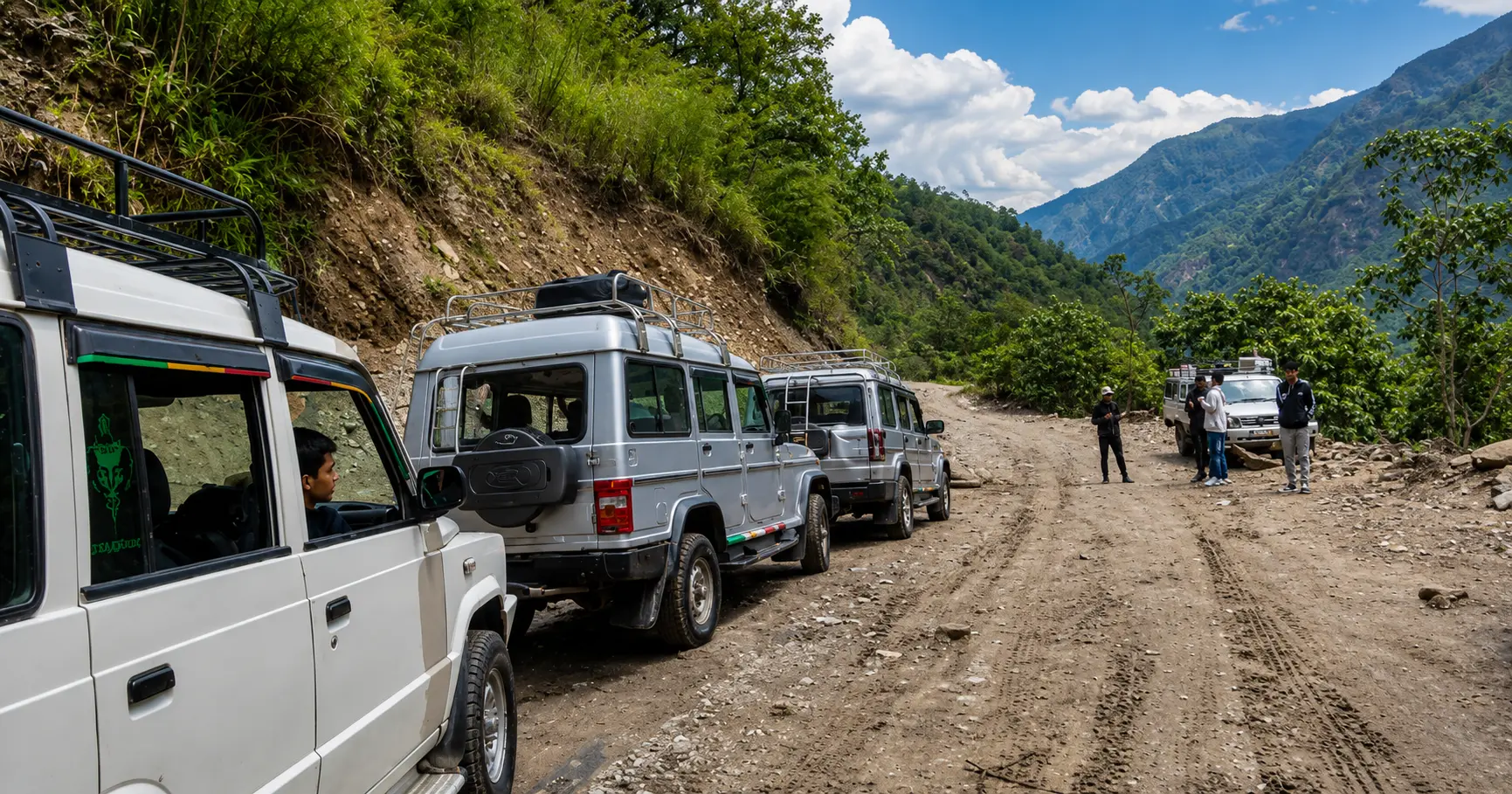
Pokhara to Darchula Jeep Hire
At the very furthest northwestern tip of Nepal, where the wide Mahakali River separates the country from both India and, further upstream, the historic trade routes leading toward the Tibetan plateau, sits Darchula, the headquarters of Nepal’s most remote far-western hill district. Sitting directly across the river from its twin town of Dharchula in India’s Uttarakhand state, and serving as the gateway to the Api Nampa Conservation Area and the historic Byas Valley trade route, Darchula remains one of the least-visited yet most strategically significant corners of the entire country.
This guide covers everything travelers need to know about arranging.
Pokhara to Darchula jeep hire: the geography and significance of this remote frontier district, realistic route options given the considerable distance and terrain involved, the Api Nampa Conservation Area and its Himalayan peaks, the historic Byas Valley trade culture, the district’s connection to the Lipulekh Pass and Kailash pilgrimage history, and how to plan a realistic itinerary for this genuinely remote part of Nepal.
Where Is Darchula
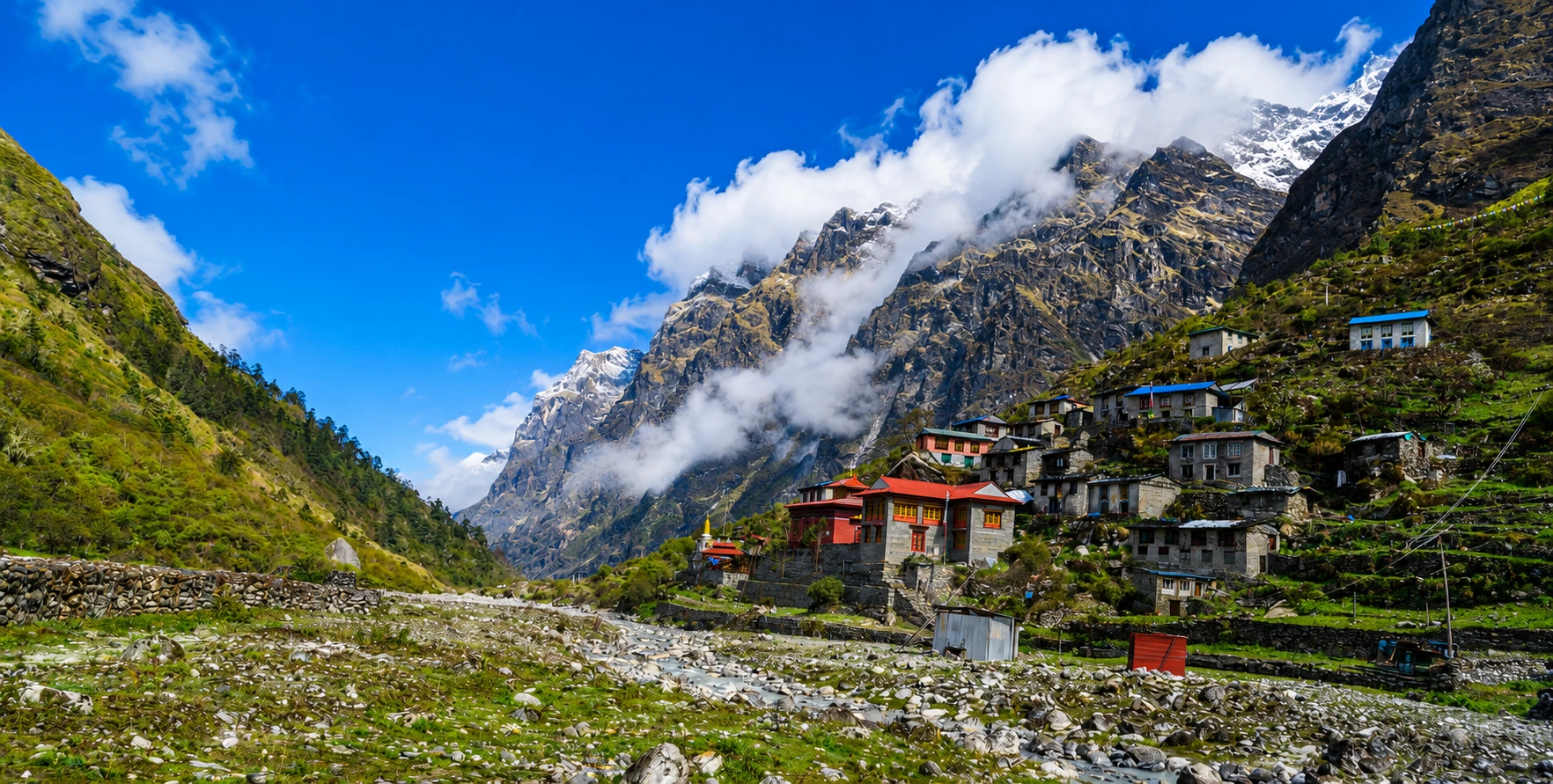
Darchula district itself sits at the very extreme northwestern corner of Nepal within the broader Sudurpashchim Province, bordered by India to the west and south across the Mahakali River, and reaching toward the Tibetan plateau at its northern extent. Darchula town itself, sometimes called Khalanga, serves as the district headquarters and sits directly across the river from Dharchula in India’s Pithoragarh district; a bridge connects the two towns, and they share a closely intertwined history and culture despite being in different countries.
This far-northwestern position makes Darchula one of the most remote district headquarters in Nepal, considerably more difficult to reach than the far-western Terai gateway cities of Mahendranagar or Nepalgunj covered in our companion guides, given the mountainous terrain and limited road infrastructure connecting this district to the rest of the country.
The Journey From Pokhara to Darchula
Reaching Darchula overland from Pokhara is one of the most genuinely demanding overland journeys available anywhere in the country, given the sheer distance involved and the limited highway infrastructure connecting central Nepal to this remote far-western hill district. The most practical overland route follows the Terai highway network west from Pokhara toward Mahendranagar or Dhangadhi, before turning north onto considerably rougher mountain roads that climb through Baitadi district toward Darchula itself. This journey typically requires two to three days of driving given the distance and road conditions involved, and most travelers instead choose to fly at least part of the distance, connecting through Kathmandu or Dhangadhi before completing the final, most difficult stretch by road.
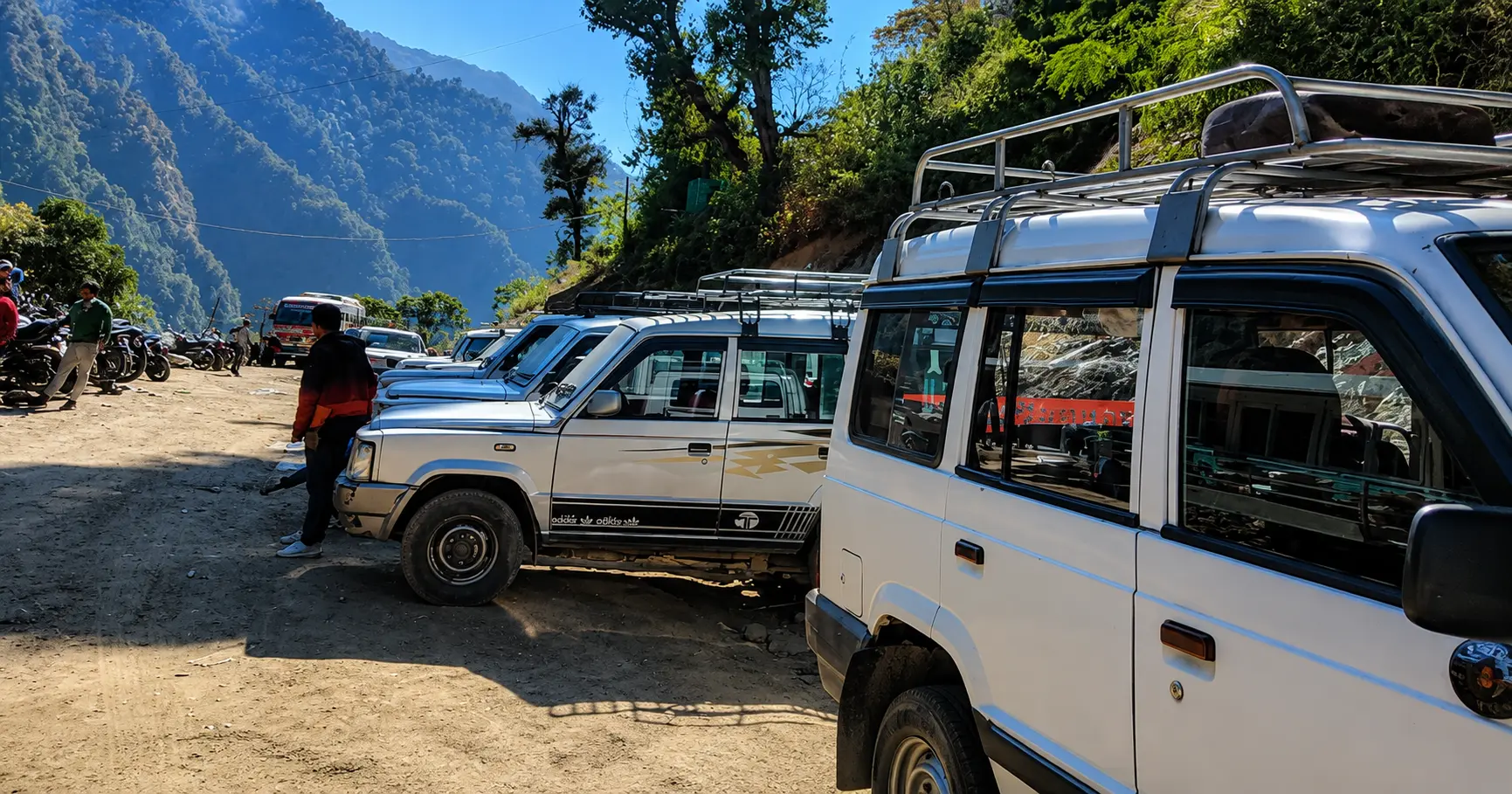
Given this genuinely considerable distance and the demanding road conditions found on the northern sections of this particular route, a properly equipped four-wheel-drive vehicle and a driver with specific experience on this far-western mountain corridor are essential rather than optional. Our
Jeep Hire in Nepal service can help coordinate this journey. However, we recommend discussing realistic timelines and route options directly with our team given the specific challenges this particular corridor presents.
Realistic Alternatives: Combining Flights With Ground Transport
Given the considerable time a full overland journey from Pokhara to Darchula requires, most practical itineraries combine domestic flights with ground transport for the final legs of the journey. A common pattern involves flying from Pokhara to Kathmandu, then onward to Dhangadhi, before continuing by jeep along the rough mountain road north toward Darchula itself. This combined approach, while still requiring a demanding final overland stretch, considerably reduces the total journey time compared to attempting the entire distance by road from Pokhara.
Vehicle Options for This Remote Corridor
Toyota Land Cruiser and Prado
Given the genuinely challenging road conditions on the northern stretches of this route, a Land Cruiser or Prado remains the most dependable option, offering the ground clearance and mechanical reliability this remote corridor demands.
Local Jeeps for the Final Mountain Stretch
The final stretch of road climbing from Baitadi toward Darchula itself is often best handled by local jeeps operated by drivers with direct, specific experience on this exact mountain corridor, given how much local knowledge matters on this particular stretch compared to Nepal’s more established highway routes.
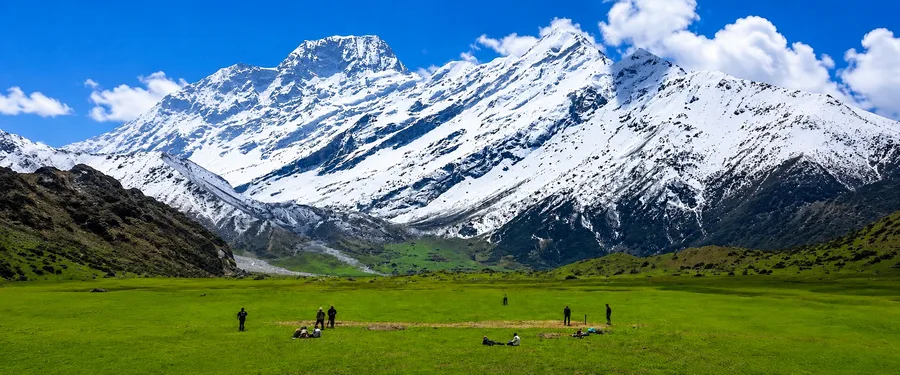
The Api Nampa Conservation Area
Darchula town itself serves proudly as the primary gateway to the entire Api Nampa Conservation Area, established in 2010 to protect the region surrounding Api (7,132 meters) and Nampa (6,757 meters), the westernmost major peaks in the entire Nepal Himalaya. This conservation area protects a genuinely remote and little-visited high-altitude landscape, offering trekkers willing to make the considerable journey to reach it an experience of Himalayan wilderness largely untouched by the tourism development seen in Everest, Annapurna, or even Manaslu further east.
The Byas Valley and Its Historic Trade Culture
Immediately north of Darchula town itself, the Byas Valley, home to the distinctive Byansi or Rung community, carries a genuinely distinctive cultural history tied to the historic salt trade route connecting the Indian plains to the Tibetan plateau. This trade network operated for centuries before the 1962 closure of the Nepal-Tibet border in this region disrupted these traditional trade patterns. The Byansi community’s culture, language, and historical livelihood reflect this unique position straddling three distinct cultural and political zones: Nepal, India, and Tibet, making the Byas Valley one of the more culturally distinctive, if genuinely remote, destinations accessible from Darchula.
Darchula and the Lipulekh Pass Connection
Darchula district’s particular geographic position near the historically significant Lipulekh Pass, a crossing point used for generations by traders and pilgrims moving between India, Nepal, and Tibet, connects this remote district to the broader history of Kailash Mansarovar pilgrimage. Indian pilgrims have historically used a route through Uttarakhand and the Lipulekh Pass as one of the traditional approaches to Kailash, a route geographically distinct from both the Rasuwagadhi-Kerung overland route from Kathmandu and the Simikot-Hilsa western route covered in our companion guides. However, the specific territorial status of the Lipulekh area has been a subject of ongoing discussion between Nepal and India in recent years.
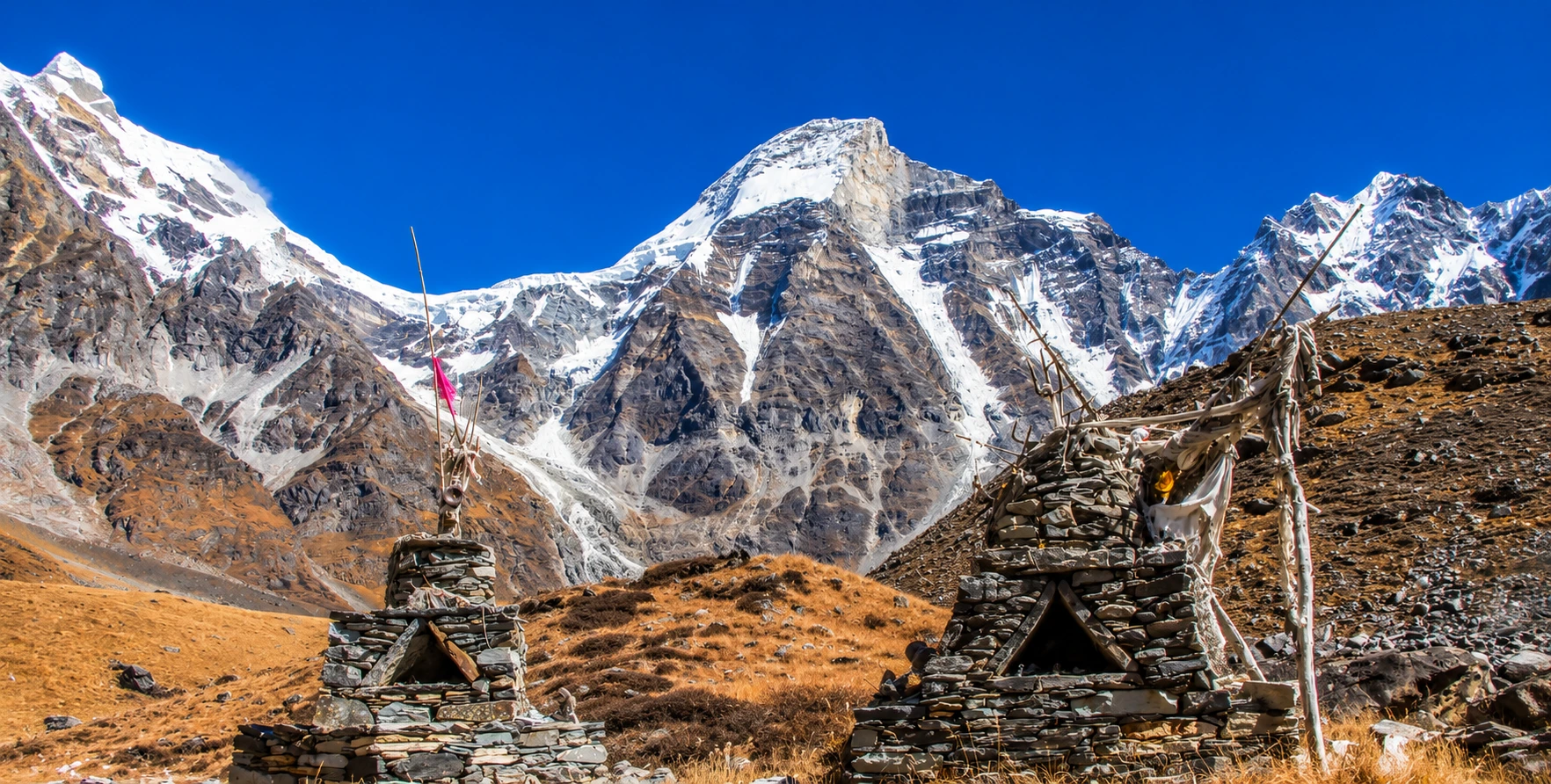
Best Time of Year for This Region
Spring and Autumn
These seasons generally offer the most stable road and trekking conditions for both the journey to Darchula and any onward trekking toward the Api Nampa Conservation Area.
Monsoon
Heavy rainfall significantly increases landslide risk on the already challenging mountain roads north of Baitadi, making this the least reliable season for this journey.
Winter
Snow at higher elevations can affect trekking access toward Api and Nampa, though the lower Darchula town area generally remains accessible.
Cost Factors and Practical Planning
Given this route’s considerable distance and the specialized local knowledge required for the northern mountain sections, vehicle hire costs for this journey reflect the genuine logistical demands involved rather than standard highway transport pricing. Our team is glad to discuss realistic planning and cost expectations for travelers seriously considering this remote far-western journey.
How to Book This Journey
Given the specialized nature of this route, we strongly recommend contacting our team well in advance to discuss realistic itinerary planning, current road conditions, and whether a combined flight and ground transport approach suits your specific travel dates better than a full overland journey from Pokhara.
Related Guides for Planning Your Broader Nepal Journey
Travelers interested in Nepal’s far-western region may find these related guides useful:
- Mahendranagar Basbasa Pickup and Drop Vehicle
- Nepalgunj Jamunaha Border Pickup and Drop Vehicle Hire
- Rasuwagadhi Kerung Jeep Transfer for Kailash Yatra
- Kathmandu to Hetauda Vehicle Rental
- Luxury Airport Transfer Nepal
Frequently Asked Questions
How long does the journey from Pokhara to Darchula take?
A full overland journey typically takes two to three days given the distance and road conditions, though most travelers combine flights with ground transport to reduce total travel time.
Is Darchula accessible year-round?
The lower town area generally remains accessible year-round, though higher trekking routes toward Api and Nampa can be affected by winter snow.
What makes Darchula significant beyond its remote location?
Darchula serves as the gateway to the Api Nampa Conservation Area, the historic Byas Valley trade culture, and sits near the historically significant Lipulekh Pass connected to Kailash pilgrimage history.
Do I need a 4WD vehicle for this journey?
Yes. The northern sections of this route beyond Baitadi involve genuinely rough mountain roads requiring a proper four-wheel-drive vehicle and an experienced local driver.
Can I fly closer to Darchula to reduce road travel time?
Yes. Flying to Dhangadhi and continuing by road significantly reduces total journey time compared to a full overland trip from Pokhara.
Final Thoughts: Nepal’s Remote Northwestern Frontier
Darchula represents one of the most genuinely remote and least-visited corners of Nepal, offering a rare glimpse of far-western frontier culture, historic trans-Himalayan trade routes, and the little-visited peaks of the Api Nampa Conservation Area for travelers willing to undertake the considerable journey required to reach it. Careful planning, realistic expectations, and an experienced local vehicle provider all matter considerably for anyone seriously considering this remote far-northwestern journey.
Please do get in touch directly with our team at Nepal Vehicle Hiring today at +977 9851013196 or visit
vehiclehiringnepal.com to discuss your travel plans toward Darchula and Nepal’s remote far-northwestern frontier, including realistic route options, current road conditions, and how best to combine flights with ground transport for this genuinely demanding journey.
The History of Darchula District
Darchula district’s history reflects its position as a genuine crossroads between Nepal, India, and the Tibetan plateau, with the Byas Valley’s historic salt and wool trade route operating for centuries before Chinese control over Tibet from the mid-twentieth century onward. The 1962 India-China border conflict disrupted the traditional cross-border trade patterns that had long defined this region’s economy. Before this disruption, communities throughout Darchula district maintained active trading relationships spanning all three neighboring regions, with Tibetan salt and wool traded for grains and manufactured goods from the Indian plains, a pattern of exchange that shaped the district’s cultural and economic character for generations.
Following the disruption of this traditional trans-Himalayan trade, Darchula district’s economy gradually shifted toward alternative livelihoods, including agriculture, seasonal labor migration, and, more recently, the beginnings of tourism development connected to the Api Nampa Conservation Area. However, the tourism sector remains genuinely nascent compared to Nepal’s more established trekking regions.
Twin Towns: Darchula and Dharchula
The relationship between Darchula on the Nepali side and Dharchula on the Indian side of the Mahakali River reflects a genuinely close cross-border community relationship, with residents on both sides sharing family ties, language, and cultural practices that predate the modern international border separating them. This kind of close cross-border community relationship, while not unique to this particular crossing, is particularly pronounced given the towns’ physical proximity and their shared position at the edge of both countries’ respective road networks, making this an area where the formal international border coexists with a genuinely integrated local community life spanning both sides.
Geography of the Api Nampa Conservation Area
The Api Nampa Conservation Area spans a considerable range of elevations from the district’s lower valleys up to the summits of Api and Nampa themselves, protecting a genuinely diverse ecological range within a single conservation area. This geographic diversity supports a range of wildlife and vegetation zones from subtropical forest at lower elevations through to high alpine terrain near the peaks themselves. However, the conservation area’s remote location and limited tourism infrastructure mean far less is documented about its specific wildlife populations compared to Nepal’s more thoroughly studied protected areas further east.
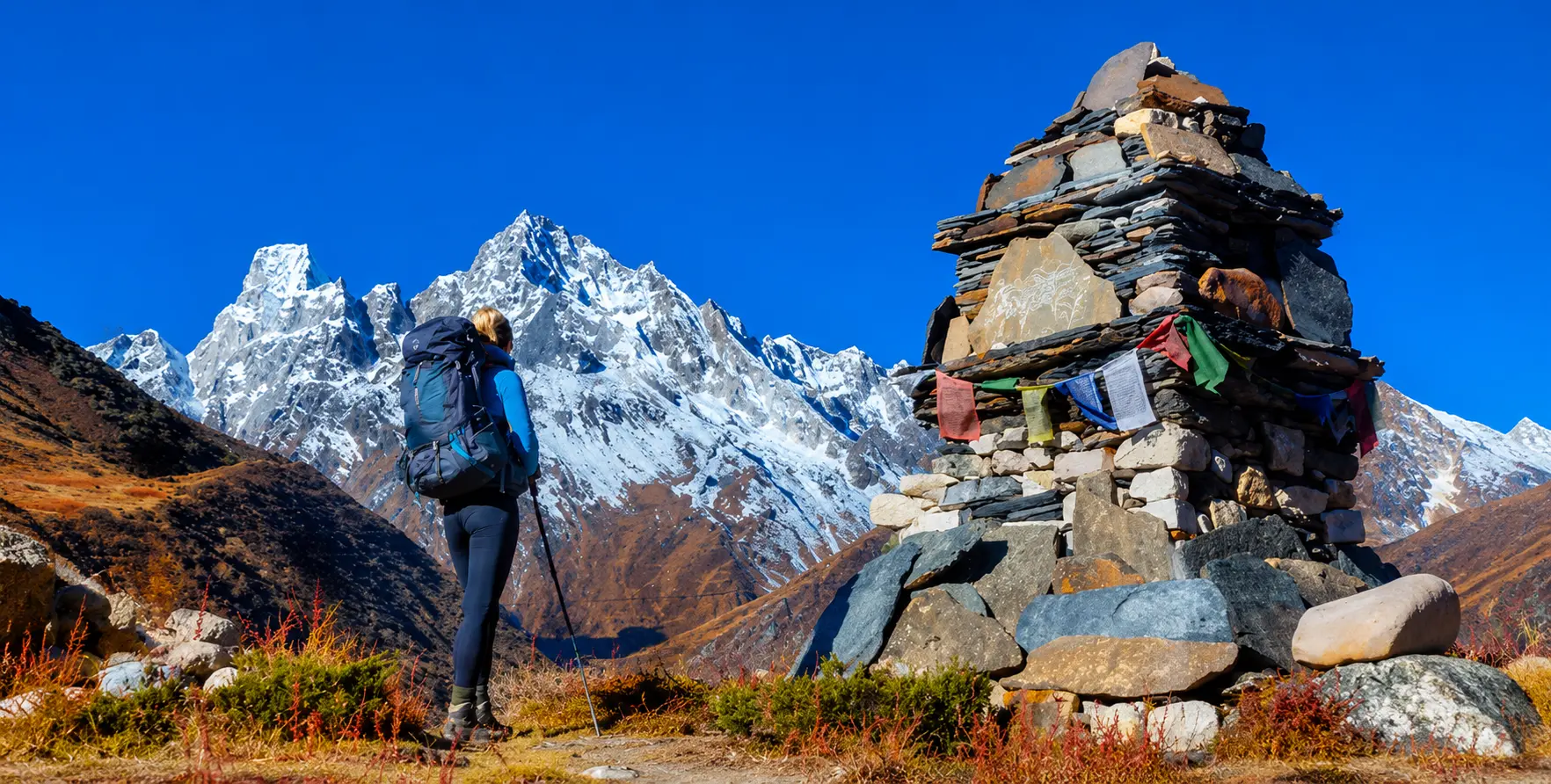
Trekking Toward Api and Nampa Base Camps
For the genuinely small number of trekkers who make the considerable journey to Darchula specifically to explore the Api Nampa Conservation Area, base camp treks toward either peak offer a genuinely remote high-altitude experience largely free of the crowds found on Nepal’s more established trekking routes. These treks typically require considerably more self-sufficiency and planning than routes like Everest Base Camp or the Annapurna Circuit, given the limited teahouse infrastructure and guide availability in this remote region, and trekkers should generally arrange a fully supported expedition with porters and camping equipment rather than expecting the established teahouse network found further east.
The Byansi or Rung Community
The Byansi people, also widely known as Rung, inhabiting the Byas Valley north of Darchula maintain a distinct language and cultural identity shaped by their historic position along the trans-Himalayan trade route connecting Tibet, Nepal, and India. Traditionally practicing a form of transhumance tied to the seasonal trade patterns already discussed, moving between lower winter settlements and higher summer villages closer to the historic trade routes, the Byansi community’s cultural practices offer a genuinely distinctive window into a way of life shaped by this unique trans-border geography. However, the disruption of traditional trade following the 1962 border closure has required considerable economic adaptation within the community over subsequent decades.
Understanding the Lipulekh Territorial Context
The Lipulekh Pass area itself, near Darchula district’s far northern reaches, has been the subject of ongoing territorial discussion between Nepal and India in recent years, given differing historical claims regarding the exact boundary in this specific area. Travelers researching this region should be aware that this remains a live diplomatic topic between the two countries. Any travel plans involving the immediate Lipulekh area specifically should be approached with appropriate awareness of the current political sensitivity surrounding this exact location, distinct from travel to Darchula town and the broader district more generally, which does not carry the same territorial complexity.
Road Infrastructure Development in Far-Western Nepal
The road connecting Baitadi district all the way through to Darchula has seen gradual improvement in recent years, part of a broader pattern of infrastructure investment extending Nepal’s road network into its most remote hill districts, though this development remains considerably less advanced than the road networks found in central and eastern Nepal. Travelers should expect genuinely rough, sometimes unpaved conditions on significant sections of this route, and should build considerable flexibility into any itinerary given the possibility of weather-related delays or temporary road closures on this still-developing corridor.
Why So Few Travelers Make This Journey
Darchula district’s particular combination of considerable distance from both Kathmandu and Pokhara, genuinely demanding road conditions, and limited tourism infrastructure means the district sees only a small fraction of the visitor numbers found in Nepal’s more established trekking and touring regions. This low visitor volume is, for many of the travelers who do make the journey, precisely the point, offering a genuine sense of remote frontier exploration difficult to find anywhere else in a country whose more famous destinations have grown considerably busier over recent decades. Travelers considering this journey should recognize, however, that this remoteness comes with genuinely limited infrastructure, requiring more self-sufficiency and flexibility than a standard Nepal trekking or touring itinerary.
A Realistic Itinerary Framework
Given the considerable distance and time involved, a realistic itinerary for a Darchula visit from Pokhara might span seven to ten days at minimum, including flights connecting through Kathmandu and Dhangadhi, the demanding overland stretch from Dhangadhi through Baitadi to Darchula itself, time in the district exploring Darchula town and, for well-prepared trekkers, a base camp excursion toward Api or Nampa, and the return journey. Travelers with less time available should focus their visit on Darchula town and the immediate surrounding area rather than attempting a full high-altitude trek, given the additional days this would require.
Health and Safety Considerations for This Remote Region
Given Darchula’s very considerable distance from major medical facilities and the genuinely limited emergency response infrastructure available throughout this remote district, travelers should carry comprehensive travel insurance covering remote area travel and, ideally, emergency evacuation, along with a well-stocked first aid kit and any personal medication required. The self-sufficiency required for this journey extends beyond simply physical preparation to genuine contingency planning for medical or logistical emergencies that would be handled far more readily in Nepal’s more developed trekking regions.
What to Pack for a Darchula Journey
- Warm, layered clothing given the range of elevations and genuinely cold conditions possible at higher points in the district.
- A comprehensive first aid kit and any personal medication, given the region’s distance from major medical facilities.
- Sufficient cash in Nepali rupees, since banking and card payment infrastructure remains extremely limited throughout this remote district.
- Camping equipment if planning any trek toward Api or Nampa base camps, given the lack of established teahouse infrastructure.
- A genuine buffer of extra days in your overall itinerary, given the real possibility of weather or road-related delays on this developing corridor.
Why Choose an Experienced Local Vehicle Provider for This Journey
Given the genuinely specialized and demanding nature of the road conditions found north of Baitadi toward Darchula itself, working with a vehicle provider who maintains direct, current knowledge of this specific corridor matters more here than almost anywhere else in Nepal covered throughout our guides. Drivers without recent, specific experience on this exact route may struggle with both the technical driving demands and the practical logistics of fuel availability, rest stops, and realistic timing across this remote corridor. Our team coordinates with locally based drivers who maintain this kind of current, specific knowledge of the Darchula approach road.
Combining Darchula With Broader Far-Western Exploration
Travelers with genuinely substantial time available sometimes choose to combine a Darchula visit with broader exploration of Sudurpashchim Province, potentially including stops in Dhangadhi, Mahendranagar, or the wildlife-focused destinations covered in our companion guides to this broader region. This kind of extended far-western itinerary requires careful planning given the considerable distances and variable road conditions involved across the different districts. Still, it rewards travelers with a genuinely comprehensive view of this least-visited region of Nepal.
Seasonal Trade Fairs and Cultural Events
The Byas Valley and the broader Darchula district as a whole historically hosted seasonal trade fairs tied to the trans-Himalayan trade patterns already discussed, and some of these cultural traditions continue in modified form today, offering occasional cultural events of interest to travelers whose visit happens to coincide with these traditional gathering periods. Travelers interested in experiencing any such events should inquire with local contacts or a knowledgeable guide about current scheduling, since these traditional gatherings do not follow a fixed, widely publicized annual calendar in the way major festivals in Kathmandu or Pokhara typically do.
The Broader Context of Nepal’s Least-Developed Districts
Darchula district ranks among Nepal’s genuinely less-developed districts by most standard socioeconomic measures available, a reality connected to its remote location, difficult terrain, and the disruption of its historic trans-Himalayan trade economy following the 1962 border closure already discussed. This development context shapes the practical realities travelers should expect, including limited accommodation options, basic infrastructure, and a genuine need for self-sufficiency compared to Nepal’s more developed regions, while also reflecting the broader national conversation around balanced regional development touched on in our companion guides covering Nepal’s far-western Terai gateway cities.
Additional Frequently Asked Questions
Is Darchula safe for foreign travelers to visit?
Yes, generally, though travelers should recognize the genuine remoteness and limited infrastructure involved, and should avoid the immediate Lipulekh Pass area given its ongoing territorial sensitivity between Nepal and India.
What accommodation is available in Darchula town?
Basic guesthouse accommodation is available in Darchula town itself, though standards remain considerably more basic than in Nepal’s more developed tourist destinations.
Do I need a special permit to visit Darchula or the Api Nampa Conservation Area?
A conservation area entry permit is required for the Api Nampa Conservation Area specifically, arranged through the relevant conservation office. However, Darchula town itself does not require special permits beyond standard travel documentation.
Can I trek to Api Base Camp independently?
Given the limited infrastructure and guide availability in this remote region, a fully supported trek with local guides and porters is strongly recommended rather than attempting an independent trek without local support.
How does this journey compare in difficulty to Nepal’s other remote trekking regions?
The Darchula approach and any onward trek toward Api or Nampa generally demands greater self-sufficiency and logistical planning than even Nepal’s more remote established trekking regions such as Manaslu or Upper Mustang, given the genuinely limited tourism infrastructure in this specific district.
Comparing Darchula to Nepal’s Other Remote Districts
Darchula’s remoteness places it in a similar category to a handful of Nepal’s other genuinely hard-to-reach districts, including Humla, covered in our companion guide to Nepalgunj as the gateway to that district, and parts of Dolpo further east. Each of these remote districts shares a broadly similar profile: limited road access, genuinely small visitor numbers, and a distinct cultural and geographic character shaped by proximity to the Tibetan plateau and historic trans-Himalayan trade routes. Darchula’s specific distinction lies in its position at the far northwestern corner of the country, its twin-town relationship with India across the Mahakali River, and its connection to the historically significant Lipulekh Pass.
Photography and Documentation of This Remote Region
Given the limited number of visitors who make the journey to Darchula, the district remains relatively undocumented compared to Nepal’s more established tourist destinations, offering photographers and documentarians a genuine opportunity to capture scenes and cultural practices with far less existing visual documentation than found elsewhere in the country. This same limited documentation, however, means travelers should approach trip planning with realistic expectations regarding available information, relying more heavily on direct local knowledge and experienced guides than the extensive trip reports and guidebooks available for Nepal’s more popular routes.
Environmental Considerations in This Remote Ecosystem
The Api Nampa Conservation Area’s relatively undisturbed ecosystem, a direct result of the region’s limited visitor numbers and difficult access, represents a genuinely valuable conservation asset within Nepal’s protected area network. Travelers visiting this region should take particular care to minimize their environmental impact, carrying out all waste management given the limited waste management infrastructure available, and generally treating this little-visited wilderness with the same, if not greater, environmental care expected throughout Nepal’s more established protected areas.
The Value of Local Guides in This Specific Region
Given the genuinely limited documentation and infrastructure available for independent travel planning in Darchula district, working with a local guide who maintains current, direct knowledge of the region offers considerably more value here than in Nepal’s more established trekking areas, where independent travel with only guidebook research remains genuinely feasible. Local guides in this region typically combine practical route knowledge with genuine cultural insight into the Byansi community and the district’s historic trade heritage, adding considerable depth to what would otherwise be a purely transit-focused visit for travelers unfamiliar with the area’s specific history and culture.
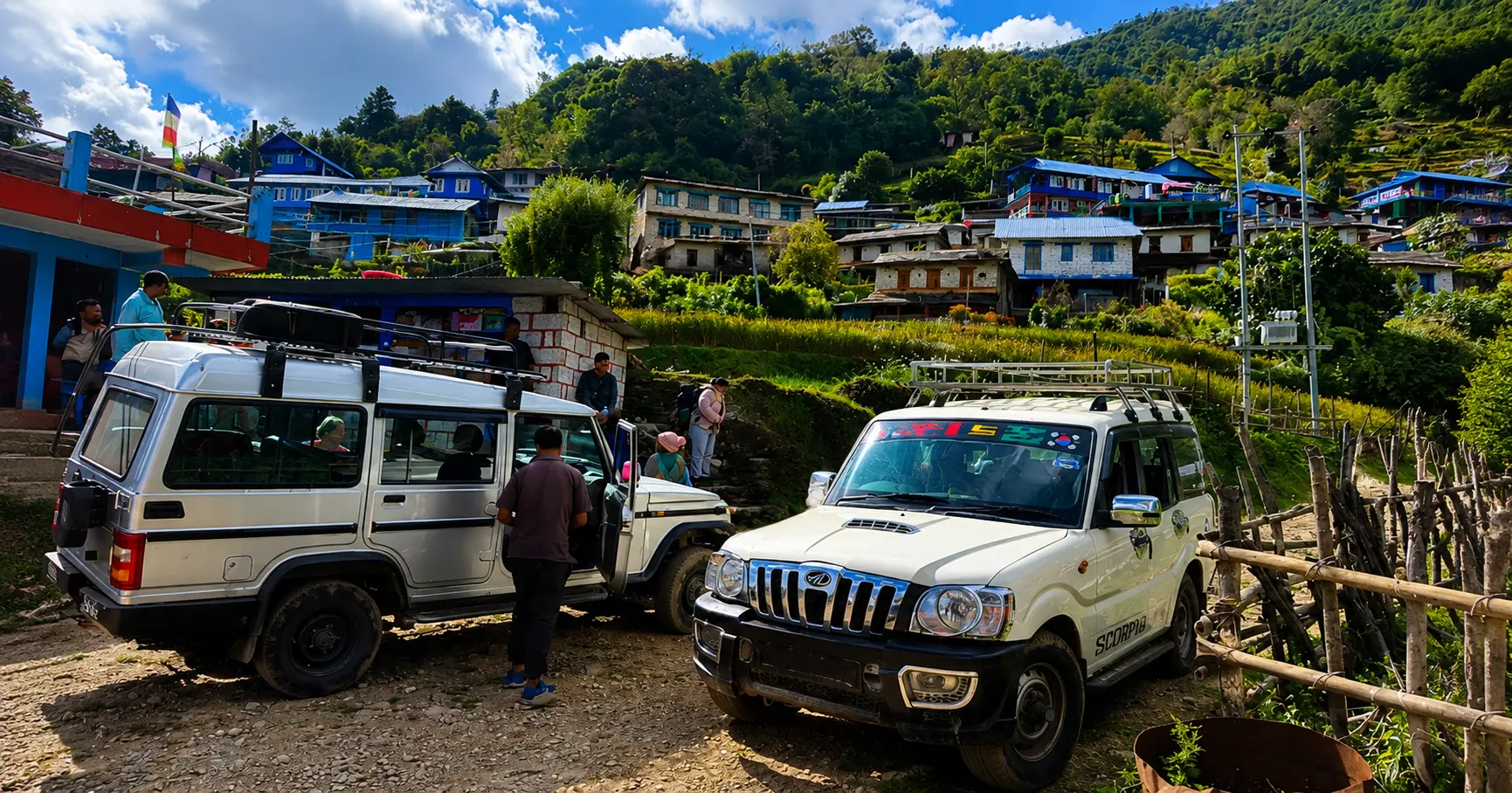
Combining Vehicle Hire With Our Wider Nepal Network
While Darchula sits at a considerable distance from our core Kathmandu and Pokhara-based operating areas, travelers whose broader itinerary spans both this remote far-northwestern district and Nepal’s more established destinations can still benefit from coordinating their overall trip planning through a single point of contact. Our core services covering
Kathmandu airport transfer, and
car hire in Pokhara can be coordinated alongside your Darchula plans, even where the most remote leg of your journey is arranged through locally based partners more directly familiar with that specific corridor.
A Note on Realistic Trip Planning Timeframes
Travelers seriously considering a Darchula visit should begin planning well in advance, given the specialized logistics involved and the genuine value of consulting with a knowledgeable local operator before finalizing travel dates. Unlike a standard Kathmandu or Pokhara-based booking that can often be arranged with relatively short notice, a Darchula journey benefits considerably from weeks of planning, allowing time to confirm current road conditions, arrange any necessary conservation area permits, and coordinate a realistic itinerary given this route’s genuine logistical demands.
Business and Administrative Travel to Darchula
Beyond the small number of adventure travelers and trekkers who visit Darchula for its conservation area and cultural heritage, the district also sees government and administrative travel connected to its role as district headquarters, alongside occasional NGO and development worker travel given the region’s development needs already discussed. This administrative and development-focused travel forms a distinct segment of transport demand in this remote district, generally requiring the same specialized vehicle and driver expertise already discussed for this challenging corridor.
What Previous Visitors Say About This Remote Journey
The small number of travelers who have made the journey to Darchula consistently describe the experience as genuinely distinct from anywhere else in Nepal, citing both the demanding nature of the journey itself and the rewarding sense of reaching a truly remote frontier largely untouched by the tourism development seen elsewhere in the country. This feedback consistently emphasizes the importance of realistic expectations and thorough preparation, rather than treating this journey as simply a more remote version of Nepal’s standard trekking and touring experiences.
The Historical Salt Trade in Greater Detail
The historic salt trade route through the Byas Valley connected Tibetan salt sources to the grain-producing lowlands of the Indian Terai and Nepali plains, with Byansi traders traditionally leading pack animal caravans across high mountain passes to conduct this seasonal exchange. This trade pattern, common across much of the Himalayan borderland before the mid-twentieth-century political changes already discussed, gave communities like the Byansi a genuinely important economic and cultural role as intermediaries between distinct highland and lowland economies. This role has necessarily evolved considerably since the traditional trade routes closed following the 1962 border disruption.
Comparing Overland and Flight-Based Approaches in Detail
Travelers weighing a full overland journey from Pokhara against a combined flight and ground transport approach should carefully consider both the time savings and cost implications of each option. A full overland journey, while offering a genuinely comprehensive view of Nepal’s changing landscape from the Pokhara valley through the Terai and into the far-western hills, demands considerably more time and physical endurance than most travelers can reasonably allocate to a single leg of their journey. Combining flights with a shorter overland stretch from Dhangadhi remains the more practical choice for most travelers considering this remote destination, reserving the full overland option for those with a specific interest in experiencing the complete geographic transition by road.
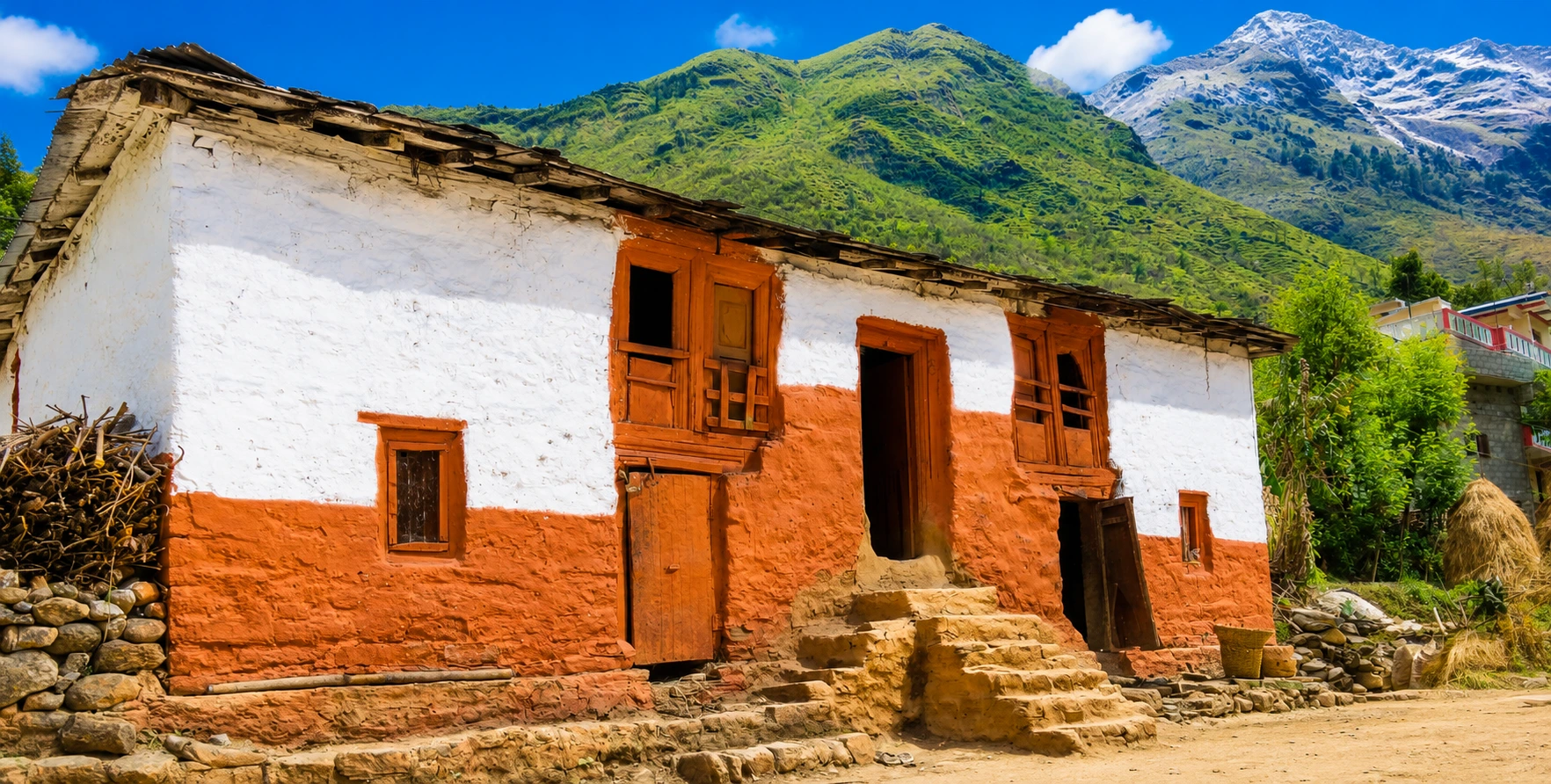
Local Cuisine in Darchula District
Food options in Darchula town and the surrounding district reflect the region’s remote hill setting, with simple, locally produced fare including grains, potatoes, and other crops suited to this hill agricultural environment forming the basis of most meals available to travelers. Given the district’s limited tourism infrastructure, travelers should expect considerably more basic dining options than found in Nepal’s more developed trekking and touring regions, and those planning any extended trek toward Api or Nampa should arrange appropriate food supplies through their guide or expedition support team given the lack of teahouse infrastructure along these routes.
Weather Patterns Specific to This Far-Northwestern Region
Darchula district’s weather reflects its position at the western extent of the Nepal Himalaya, with monsoon patterns and general climate characteristics broadly similar to other far-western hill districts, though local variation tied to the district’s specific elevation range and proximity to the high peaks of the Api Nampa Conservation Area produces its own distinct microclimate effects, particularly at higher elevations approaching the conservation area itself.
Reflecting on the Value of Genuinely Remote Travel
In an era where much of Nepal’s more famous trekking and touring destinations have seen considerable tourism development and rising visitor numbers, Darchula offers a genuinely different kind of travel experience, one defined by remoteness, limited infrastructure, and a real sense of frontier exploration increasingly difficult to find elsewhere in the country. This kind of travel is not for everyone. It demands considerably more preparation, flexibility, and tolerance for uncertainty than a standard Nepal itinerary, but for travelers specifically seeking this kind of experience, few destinations in the country deliver it as genuinely as Darchula and the surrounding Api Nampa Conservation Area.
Final Practical Tips Before You Go
- Contact our team well in advance to discuss realistic route planning and current road conditions for this specialized corridor.
- Consider combining flights with ground transport rather than attempting a full overland journey from Pokhara.
- Arrange any necessary Api Nampa Conservation Area permits well before your planned trekking dates.
- Work with an experienced local guide, particularly for any trek toward Api or Nampa base camps.
- Build significant flexibility into your itinerary given the genuine possibility of weather or road-related delays.
- Arrange comprehensive travel insurance covering remote area travel and emergency evacuation.
The Broader Significance of Documenting Remote Nepal
Guides covering genuinely remote destinations like Darchula serve a purpose somewhat different from those covering Nepal’s more established routes, less about providing exhaustive, turn-by-turn trip planning detail, and more about helping travelers understand what a journey to this kind of destination genuinely involves, so they can make an informed decision about whether this particular kind of remote frontier travel suits their own interests, physical capability, and tolerance for uncertainty. We hope this guide has served that purpose honestly, neither overselling Darchula’s tourism readiness nor discouraging genuinely interested travelers from considering this remarkable, little-visited corner of Nepal.
Understanding Nepal’s Full Geographic and Cultural Range
Darchula district’s genuine remoteness and distinct cultural character, shaped by its historic position at the crossroads of Nepali, Indian, and Tibetan influence, offers a valuable reminder of just how much geographic and cultural diversity exists within Nepal’s relatively modest overall land area. From the high-altitude Sherpa Buddhist culture of the Everest region in the east, to the Hindu and Buddhist pilgrimage traditions of the central hills, to the Byansi trans-Himalayan trade culture of this remote far-northwestern corner, Nepal’s cultural landscape defies any single, simple characterisation, and destinations like Darchula play a genuine role in illustrating this full range for travelers willing to venture beyond the country’s more famous and heavily documented regions.
Coordinating Multi-Region Nepal Itineraries
Travelers whose interest in Nepal extends across this full geographic and cultural range, from mainstream trekking destinations to remote frontier districts like Darchula, benefit from working with a transport and travel planning partner capable of coordinating across this genuinely wide range of regions and logistical requirements. While Darchula itself demands specialized local expertise beyond what any single Kathmandu or Pokhara-based operator can provide directly, coordinating the broader itinerary planning, including flights, core-region ground transport, and connections to locally specialized partners for the most remote legs, through a single point of contact considerably simplifies the overall planning process for travelers pursuing this kind of comprehensive Nepal exploration.
A Final Word on Responsible Travel to This Region
Given Darchula district’s limited tourism infrastructure and the genuine economic needs of communities in this remote region, travelers visiting should approach their trip with particular attention to responsible travel practices, including fair compensation for local guides and services, respectful engagement with Byansi and other local communities, and general awareness that their visit, however modest in scale compared to Nepal’s more famous destinations, represents a genuine economic and cultural interaction with communities who have historically had limited exposure to international tourism compared to much of the rest of the country.
Connectivity and Communication in This Remote District
Mobile network coverage in Darchula town itself is generally available given its role as district headquarters. However, coverage becomes considerably more limited or absent in the more remote sections of the district, including much of the Byas Valley and the higher reaches of the Api Nampa Conservation Area. Travelers should not expect reliable connectivity throughout this journey. They should inform family or travel companions of their general itinerary and expected timeline before departure, given the genuine possibility of extended periods without communication access in this remote region.
Currency and Financial Logistics
Cash in Nepali rupees remains essential throughout Darchula district, with banking and card payment infrastructure considerably more limited than even Nepal’s other remote regions covered throughout our guides. Travelers should carry sufficient cash for their entire planned stay before departing more developed areas, given the genuine difficulty of accessing additional funds once deep into this remote district.
The Road Ahead for Darchula’s Development
As with many of Nepal’s remote far-western districts, continued road infrastructure investment, potential tourism development connected to the Api Nampa Conservation Area, and broader efforts at balanced regional development all represent possible future directions for Darchula district. However, the pace and specific nature of this development remains genuinely uncertain given the district’s considerable remoteness and the complex logistical challenges involved in extending infrastructure investment this far from Nepal’s more developed central regions. Travelers visiting in the current period are, in a genuine sense, experiencing this district in a relatively unchanged state compared to how it might appear following any future development, adding a particular value to visiting sooner rather than later for travelers specifically interested in experiencing this remote frontier character.
Comparing Darchula to the Historical Jiri Approach to Everest
Interestingly, Darchula’s current character in some ways mirrors what the Jiri approach to Everest once represented decades ago, before road development gradually extended access closer to the Everest region and Lukla’s airstrip became the dominant entry point, discussed in detail in our companion guide to the evolving Salleri, Phaplu, Thamdanda, and Surke corridor. Darchula, and Nepal’s far-western remote districts more broadly, may well see a similar gradual transformation over the coming decades as road infrastructure continues to develop, making the current moment a genuinely interesting point in this region’s ongoing development story for travelers who visit now.
Insurance and Emergency Evacuation for This Remote Journey
Given Darchula’s considerable distance from major medical facilities and the genuinely limited emergency response infrastructure available throughout this remote district, comprehensive travel insurance covering remote area travel and emergency evacuation is essential rather than optional for this journey. Unlike Nepal’s more established trekking regions such as Everest, where helicopter rescue services are well developed and rapidly deployable, emergency response in Darchula district remains considerably more limited, and travelers should discuss realistic emergency evacuation expectations with their guide or vehicle provider before departure.
A Note on Group Travel Versus Solo Exploration
Given the genuine logistical challenges and limited infrastructure involved in reaching and exploring Darchula district, group travel with an experienced guide generally offers a more practical and safer approach than solo, fully independent exploration, particularly for travelers without extensive prior experience in genuinely remote, low-infrastructure regions. Solo travelers with significant remote travel experience may still consider an independent approach. Still, they should do so with realistic awareness of the limited support infrastructure available should complications arise during their journey.
Combining This Journey With Photography and Documentary Projects
Given the limited existing documentation of Darchula district and its Byansi cultural heritage, some travelers approach this journey specifically as a photography or documentary project, seeking to capture and share a region of Nepal that remains genuinely underrepresented in the country’s broader tourism and cultural documentation. Travelers pursuing this kind of project should approach their work with appropriate cultural sensitivity and, wherever possible, genuine collaboration with local community members rather than a purely extractive documentary approach, recognizing the value of building respectful, mutually beneficial relationships with the communities whose culture and homeland form the subject of such projects.
Thank You for Reading
We hope this guide has provided a genuinely honest and useful overview of what a journey to Darchula actually involves, from the considerable logistical demands of reaching this remote district through to the genuine cultural and natural rewards awaiting travelers who make the journey. We look forward to helping coordinate whatever portion of this journey falls within our network, and connecting you with the right local partners for the most specialized, remote sections of this remarkable far-northwestern Nepal adventure.
A Closing Perspective
Darchula will likely never become one of Nepal’s mainstream tourist destinations, and this guide has aimed to present that reality honestly rather than overselling the district’s current tourism readiness. For the right kind of traveler, however, one genuinely drawn to remote frontier exploration, historic trans-Himalayan trade culture, and little-visited high-altitude wilderness, few places in Nepal, or arguably anywhere in the Himalaya, offer quite the same combination of genuine remoteness and cultural depth found in this far-northwestern corner of the country.
A Word on Managing Expectations
Perhaps the single most important piece of advice for any traveler seriously considering a Darchula journey is to manage expectations honestly from the outset. This is not a destination that offers the polished, well-signposted trekking infrastructure found on the Everest Base Camp Trek or Annapurna Circuit, nor the relatively straightforward highway access found on routes like Kathmandu to Pokhara or Kathmandu to Hetauda. It demands genuine flexibility, tolerance for uncertainty, and a willingness to rely heavily on local knowledge and guidance rather than fixed, predictable itineraries. Travelers who embrace this reality, rather than fighting against it, consistently report the most rewarding experiences from this remarkable but genuinely demanding journey.
Supporting Sustainable Tourism Growth in Darchula
As interest in genuinely remote and off-the-beaten-path destinations continues to grow among a certain segment of experienced travelers, Darchula district stands to benefit from careful, sustainable tourism development that respects both the region’s fragile high-altitude ecosystem and the cultural integrity of Byansi and other local communities. Travelers who visit responsibly, supporting local guides and services fairly and engaging respectfully with local culture, contribute in a small but genuine way to building the foundation for this kind of sustainable tourism growth, rather than the more extractive, poorly managed tourism development sometimes seen when remote destinations experience sudden, unmanaged visitor growth.
Final Summary
This guide has covered Darchula district’s remote geography and history, realistic route planning from Pokhara given the considerable distance and challenging road conditions involved, the Api Nampa Conservation Area and its little-visited peaks, the historic Byas Valley trade culture and Byansi community, the district’s connection to the Lipulekh Pass and Kailash pilgrimage history, and practical guidance for travelers seriously considering this genuinely demanding but deeply rewarding far-northwestern Nepal journey.
Wishing You Safe and Rewarding Travels
From the twin towns of Darchula and Dharchula straddling the Mahakali River, to the little-visited peaks of Api and Nampa, to the historic trade paths once walked by Byansi traders carrying salt and wool between Tibet and the Indian plains, this remote corner of Nepal offers a genuinely rare glimpse of frontier life largely unchanged by the tourism development seen elsewhere in the country. We wish you safe, well-prepared, and deeply rewarding travels on this remarkable journey, whenever you choose to undertake it.
One Last Practical Note
Before finalizing any travel plans to this remote district, we recommend confirming current conditions and requirements directly with our team or a locally based partner, given the genuinely limited general information available online for this far-northwestern corner of Nepal compared to the country’s more established destinations, and the seasonal variability of road conditions on this still-developing corridor.
Getting in Touch
Whatever stage of planning you are at for a Darchula journey, whether an initial curiosity about this remote district or a firm intention to make the trip in the coming season, our team is glad to share what we know and connect you with the right local expertise for whichever legs of the journey require it.
- Pokhara to Darchula Jeep Hire
- Where Is Darchula
- The Journey From Pokhara to Darchula
- Realistic Alternatives: Combining Flights With Ground Transport
- Vehicle Options for This Remote Corridor
- The Api Nampa Conservation Area
- The Byas Valley and Its Historic Trade Culture
- Darchula and the Lipulekh Pass Connection
- Best Time of Year for This Region
- Cost Factors and Practical Planning
- How to Book This Journey
- Related Guides for Planning Your Broader Nepal Journey
- Frequently Asked Questions
- Final Thoughts: Nepal's Remote Northwestern Frontier
- The History of Darchula District
- Twin Towns: Darchula and Dharchula
- Geography of the Api Nampa Conservation Area
- Trekking Toward Api and Nampa Base Camps
- The Byansi or Rung Community
- Understanding the Lipulekh Territorial Context
- Road Infrastructure Development in Far-Western Nepal
- Why So Few Travelers Make This Journey
- A Realistic Itinerary Framework
- Health and Safety Considerations for This Remote Region
- What to Pack for a Darchula Journey
- Why Choose an Experienced Local Vehicle Provider for This Journey
- Combining Darchula With Broader Far-Western Exploration
- Seasonal Trade Fairs and Cultural Events
- The Broader Context of Nepal's Least-Developed Districts
- Additional Frequently Asked Questions
- Comparing Darchula to Nepal's Other Remote Districts
- Photography and Documentation of This Remote Region
- Environmental Considerations in This Remote Ecosystem
- The Value of Local Guides in This Specific Region
- Combining Vehicle Hire With Our Wider Nepal Network
- A Note on Realistic Trip Planning Timeframes
- Business and Administrative Travel to Darchula
- What Previous Visitors Say About This Remote Journey
- The Historical Salt Trade in Greater Detail
- Comparing Overland and Flight-Based Approaches in Detail
- Local Cuisine in Darchula District
- Weather Patterns Specific to This Far-Northwestern Region
- Reflecting on the Value of Genuinely Remote Travel
- Final Practical Tips Before You Go
- The Broader Significance of Documenting Remote Nepal
- Understanding Nepal's Full Geographic and Cultural Range
- Coordinating Multi-Region Nepal Itineraries
- A Final Word on Responsible Travel to This Region
- Connectivity and Communication in This Remote District
- Currency and Financial Logistics
- The Road Ahead for Darchula's Development
- Comparing Darchula to the Historical Jiri Approach to Everest
- Insurance and Emergency Evacuation for This Remote Journey
- A Note on Group Travel Versus Solo Exploration
- Combining This Journey With Photography and Documentary Projects
- Thank You for Reading
- A Closing Perspective
- A Word on Managing Expectations
- Supporting Sustainable Tourism Growth in Darchula
- Final Summary
- Wishing You Safe and Rewarding Travels
- One Last Practical Note
- Getting in Touch

Related Blog & Articles
Api Himal Trek Transport: The Complete Vehicle Service Guide (2026)
Sudurpaschim Tour Transportation

Mahendranagar Basbasa Pickup and Drop Vehicle Guide 2026