Plan a Trip


The Ultimate Guide to Short Treks in Nepal And Best Vehicle Hire
The Ultimate Guide to short treks in Nepal, best vehicle hire & the Best Vehicle for Every Trailhead
Nepal’s mountains do not demand weeks to reveal their grandeur. Some of the most photographed sunrises in the Himalayan world, the most culturally intimate encounters with high-altitude communities, and the most profound mountain viewpoints accessible to any walker are reachable within three to seven days from Pokhara or Kathmandu — a duration that fits within the holiday windows of the majority of international travellers who do not have the luxury of extended leave for a classic 14-to-21-day expedition circuit. Nepal’s short treks are not compromises or consolation prizes for those who cannot manage something longer; they are complete experiences in their own right, designed by the landscape and trail network as if the mountains themselves understood that not every encounter with their magnificence needs to be prolonged to be profound.
The Annapurna Conservation Area alone welcomed 246,575 foreign trekkers in the first ten months of 2025, setting a record that reflects the accelerating global appetite for Himalayan trekking experiences that fit within busy modern lives. A significant proportion of these visitors were on short treks of four to seven days, drawn specifically by the accessibility of destinations like Ghorepani Poon Hill, Mardi Himal Base Camp, the Annapurna Sanctuary’s lower approaches, and the Ghandruk cultural circuit — all of which can be completed from Pokhara without the permit complexity, physical extremity, or logistical investment of the full Annapurna or Everest circuits. Record visitor numbers and the growing sophistication of short-trek infrastructure tell a single clear story: the short trek is no longer a niche alternative to ‘proper’ trekking but a mainstream Himalayan experience category in its own right.
What has changed dramatically in recent years, and what this guide specifically addresses, is the role of vehicle transport in shaping what a short trek actually involves, how long it takes, and what experience is ultimately delivered. The extension of jeep roads into previously walk-only approach zones — most dramatically, the road that now reaches directly to Ghorepani village itself, cutting what was once a three-day walk from Pokhara to a single vehicle ride — has fundamentally altered the calculus of several short trek itineraries, creating faster, more accessible versions that deliver the same summit-level experiences without the days of approach walking that previously preceded them. Knowing which vehicle, road, and trailhead best fit each short trek is now one of the most consequential planning decisions a Nepal trekker makes, and this guide is designed to clarify it.
This deep research guide from Nepal Vehicle Hiring Pvt Ltd (vehiclehiringnepal.com) covers Nepal’s eight most rewarding short treks with the full detail that genuinely useful planning requires: each trek’s essential character, its optimal itinerary structure, the best vehicle for its specific trailhead approach road, accurate costs in both Nepali rupees and US dollars, and the practical wisdom that comes from years of supporting trekkers on exactly these routes. Whether you are planning your first Himalayan trek or adding a short Nepal adventure to a broader regional itinerary, this guide gives you everything you need to plan, book, and start with confidence.
How to Choose Your Short Trek: The Key Decision Factors
The first and most important planning decision for any short trek in Nepal, and for the best vehicle hire, is honestly assessing who is trekking and what they genuinely want from the experience. This sounds obvious, but many trekkers skip it in the excitement of planning—arriving in Nepal with a specific trek booked without fully considering whether its character matches their fitness level, available time, primary interests, and appetite for crowds or solitude. Nepal’s short trek portfolio is remarkably diverse, and the gap between the right choice and the wrong one is considerable enough that getting this decision right significantly improves the overall experience.
Physical fitness and altitude tolerance are the most immediate factors to consider, honestly. The Ghorepani Poon Hill trek’s maximum altitude of 3,210 meters keeps it firmly below the threshold where altitude sickness becomes a significant concern for most healthy adults, making it genuinely suitable for first-time trekkers, families with children, and travellers whose primary attraction is the mountain panorama rather than the physical challenge. Mardi Himal Base Camp at 4,500 meters demands meaningfully more of the cardiovascular system. It begins to enter the altitude range where some trekkers experience discomfort. In comparison, Langtang Valley’s Tserko Ri at 4,984 meters and the Mohare Danda ridge at 3,300 meters offer different but equally significant physical profiles. Choosing a trek whose altitude and daily walking distance genuinely match the group’s physical capacity is not a concession to limitation but smart planning that maximises the chances of a joyful experience rather than one merely endured.
Time availability is the second factor, and it interacts directly with the vehicle hire decision in ways worth understanding from the outset. Most of Nepal’s popular short treks offer a spectrum of duration options shaped by how much of the approach and exit journey is done on foot versus by vehicle. The Ghorepani Poon Hill circuit can now be completed in two days if a jeep takes you directly to Ghorepani village on the first day and you walk only the final hour to the summit viewpoint, or in five days if you follow the traditional route from Nayapul entirely on foot. Both offer the same summit experience at Poon Hill; what differs is the distance and character of the walk between Pokhara and the summit. For trekkers with only a long weekend, the jeep-assisted two-day version delivers the core experience within the available time; for trekkers who value the journey as much as the destination, the traditional five-day route provides proportionately richer cultural and landscape immersion. Neither is objectively better; they serve different needs with equal validity.
Crowd preference is the third significant factor, and it has become increasingly relevant as certain short treks—most notably Poon Hill—have grown to attract visitor volumes that alter the quality of the experience at key moments. The Poon Hill sunrise platform at 3,210 meters regularly hosts a hundred or more trekkers competing for photographs on a concrete viewing tower during peak season, a congregation that some visitors find energising in its shared enthusiasm and others find at odds with the contemplative mountain experience they were seeking. Mardi Himal, by contrast, remains meaningfully less crowded despite its growing reputation — the terrain is more demanding, and the teahouse infrastructure is less developed, both of which serve as natural crowd-moderators. Mohare Danda and Khopra Ridge remain genuinely off-the-beaten-path destinations where you might complete an entire ridge walk without encountering another trekking group. Understanding your preference along the solitude-to-sociability spectrum helps narrow your short-trek choice as much as any physical or time constraint.
The Best Short Treks in Nepal: Deep Research Guide
Ghorepani Poon Hill Trek — Nepal’s Most Accessible Himalayan Panorama
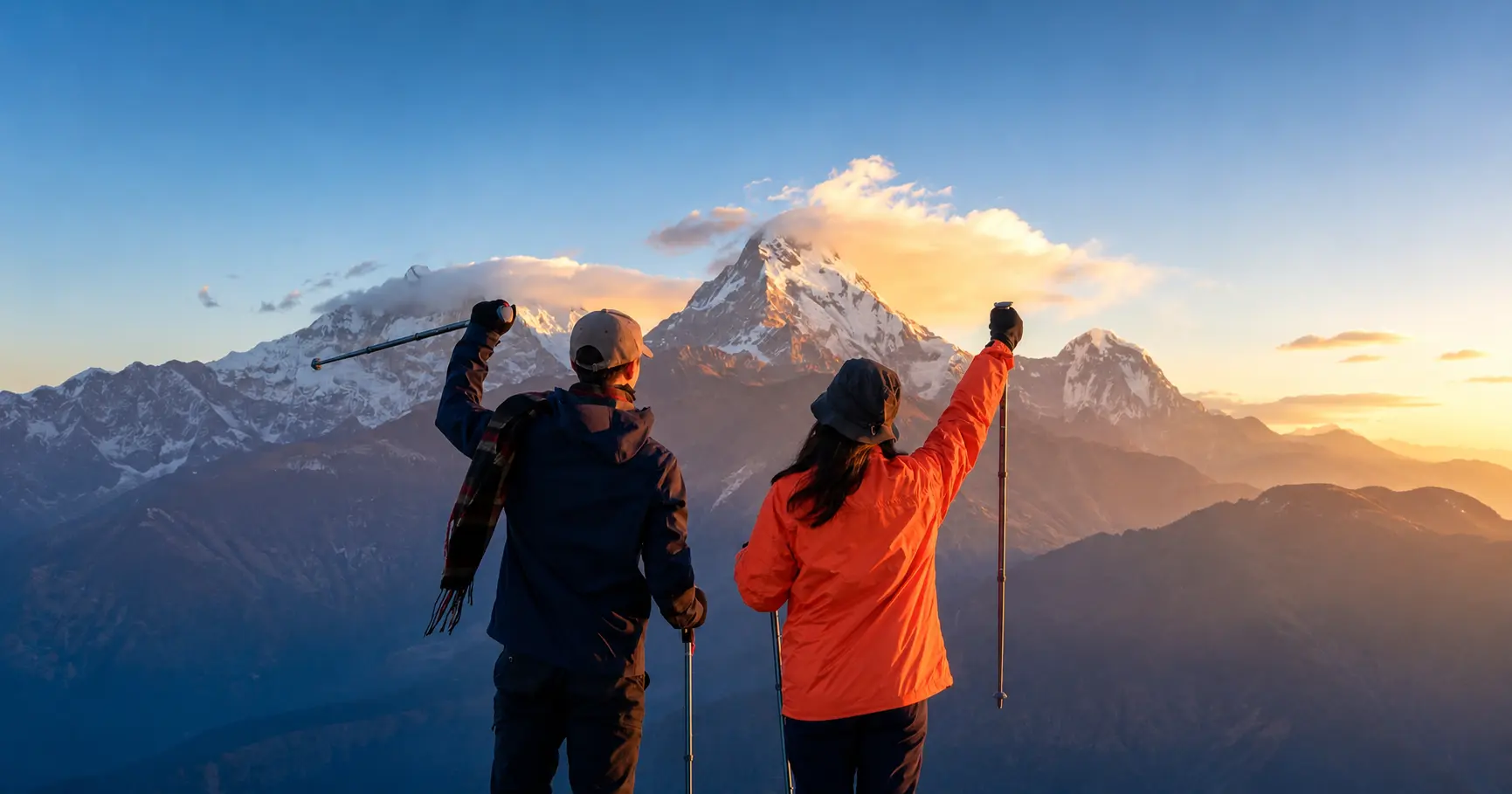
The Ghorepani Poon Hill trek has held its position as Nepal’s most popular short trek for so long that it’s tempting to assume its prominence reflects marketing rather than genuine merit. In fact, the reverse is true: the trek’s enduring appeal is a direct function of what it delivers — a sunrise panorama at 3,210 metres that encompasses Dhaulagiri at 8,167 metres, Annapurna I at 8,091 metres, Annapurna South, Gangapurna, Hiunchuli, and the iconic fishtail summit of Machhapuchhre, all visible in a single 180-degree arc of golden morning light — combined with a trail infrastructure, teahouse network, and cultural encounter quality that remains among the finest of any short trek in the country..
The route passes through Gurung and Magar villages where the warmth of traditional highland hospitality remains genuinely intact, through rhododendron forests that burn with vivid red and pink blooms from March through April, and along ridgelines that offer mountain views of extraordinary clarity on clear autumn and spring days.
The classic Poon Hill circuit is typically structured as a four-to-five-day journey from Pokhara, beginning with a vehicle transfer to the Nayapul trailhead at 1,07meters, es approximately 6kilometerses from Pokhara, and following the trail through Tikhedhunga, Ulleri, and Ghorepani to Poon Hill, before descending through Tadapani and Ghandruk for a vehicle return to Pokhara. The Nayapul trailhead transfer covers well-paved roads and takes about 1.5 to 2 hours by private vehicle; a shared jeep costs USD 5 to USD 8 per person, while a private jeep hire for the full vehicle runs about USD 40 to USD 60 one-way, equivalent to NPR 5,500 to NPR 8,000. A private car or standard SUV is entirely adequate for the paved-road approach, with no 4WD requirement for this specific trailhead.
The recent extension of a jeep road to Ghorepani village itself — traversable via Beni rather than the traditional Nayapul approach — has created a dramatically compressed two-day version of the Poon Hill experience where the vehicle carries trekkers directly to within a one-hour walk of the summit. Operators like Rugged Trails Nepal market this option as the Ghorepani Poon Hill Jeep Drive Tour, combining a 4WD off-road drive to Ghorepani via the Beni road with an overnight at a Ghorepani teahouse and the classic sunrise walk to Poon Hill the following morning. For travellers with only a single free day in Pokhara before flying onward, this two-day vehicle-assisted version delivers the definitive Poon Hill sunrise experience within a schedule that the traditional five-day walking route should not accommodate.
The ACAP permit, costing NPR 3,000 for non-SAARC nationals, is required for the Poon Hill trek and can be obtained at the Nepal Tourism Board office in Pokhara’s Lakeside area or in Kathmandu. The Annapurna Conservation Area saw a record 246,575 foreign trekkers in the first ten months of 2025—a figure that reflects sustained and growing demand for the Poon Hill circuit specifically.
Tip: If visiting Poon Hill during the October-November peak season, request an early wake-up (4:00–4:30 AM) from your Ghorepani teahouse and reach the viewpoint by 5:30 AM. Arriving before the main crowd peaks allows 20 to 30 minutes of relatively uncrowded summit photography before the trail fills with fellow trekkers.
Mardi Himal Base Camp Trek — The Ridge Walk with Extraordinary Proximity
Mardi Himal Base Camp, reached at approximately 4,500 meters on a high ridge east of the main Annapurna massif, offers what many experienced Nepal trekkers describe as the finest close-up view of Machhapuchhre (Fishtail Peak) available anywhere on a non-technical trekking route, combined with dramatic perspectives on Annapurna South and Hiunchuli that the lower-altitude Poon Hill viewpoint, despite its excellence, cannot quite replicate. The Mardi Himal trek’s defining characteristic is the extended ridge walk that forms its upper section — a long, open, wind-exposed traverse at elevations between 3,500 and 4,500 meters where the mountain world dominates on all sides with a completeness rarely experienced on short treks anywhere in Nepal.
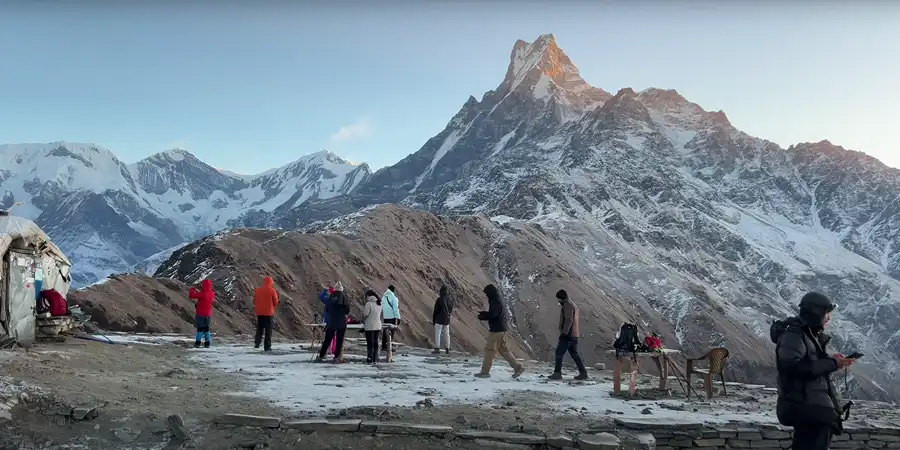
The standard Mardi Himal itinerary spans five to six days from Pokhara, beginning with a vehicle transfer to the Kande trailhead at approximately 1,770 meters, approximately 25 kilometres from Pokhara, and taking only 45 minutes to one hour by private vehicle. The Kande road is paved and in excellent condition, so a standard private car or SUV is perfectly suitable for this approach, with no 4WD required.
Transport to Kande costs USD 3 to USD 7 per person by shared vehicle, or NPR 2,500 to NPR 4,000 for a private hire. The trek returns from Siding village, requiring a separate return vehicle whose hire cost runs USD 7 to USD 10 per person by shared option, or NPR 3,000 to NPR 5,000 for a private vehicle — an important and frequently overlooked planning element that makes Mardi Himal an open-jaw transport arrangement requiring booking of both the outbound Kande transfer and the return Siding pickup in advance.
Mardi Himal carries higher inherent risk than Poon Hill for several interconnected reasons: its higher maximum altitude of 4,500 metres at base camp places it meaningfully above the altitude sickness threshold, its exposed ridge sections can become dangerous when wet or icy, and its teahouse infrastructure — while considerably improved from the bare-bones setup of five years ago — remains less developed and less reliable than the well-established Poon Hill network. These characteristics make Mardi Himal the right choice for trekkers with moderate to good fitness and some prior high-altitude experience, and the wrong choice for complete beginners, families with young children, or trekkers primarily interested in the cultural village dimensions of the Nepal trekking experience that Poon Hill’s Gurung settlements provide so richly.
Langtang Valley Trek — The Closest High Himalaya to Kathmandu
For trekkers based in Kathmandu who want a high-quality, culturally rich, and genuinely high-altitude short trekking experience without the additional journey to Pokhara, the Langtang Valley Trek offers a compelling answer — the closest Himalayan glacier trek to Nepal’s capital, accessible by a five-to-seven-hour private jeep transfer to Syabrubesi and delivering within a seven-to-eight-day itinerary the full range of Himalayan trekking dimensions: glaciers, ancient monasteries, Tamang cultural villages, and summit viewpoints at nearly 5,000 metres from Tserko Ri above the Kyanjin Gompa valley head.
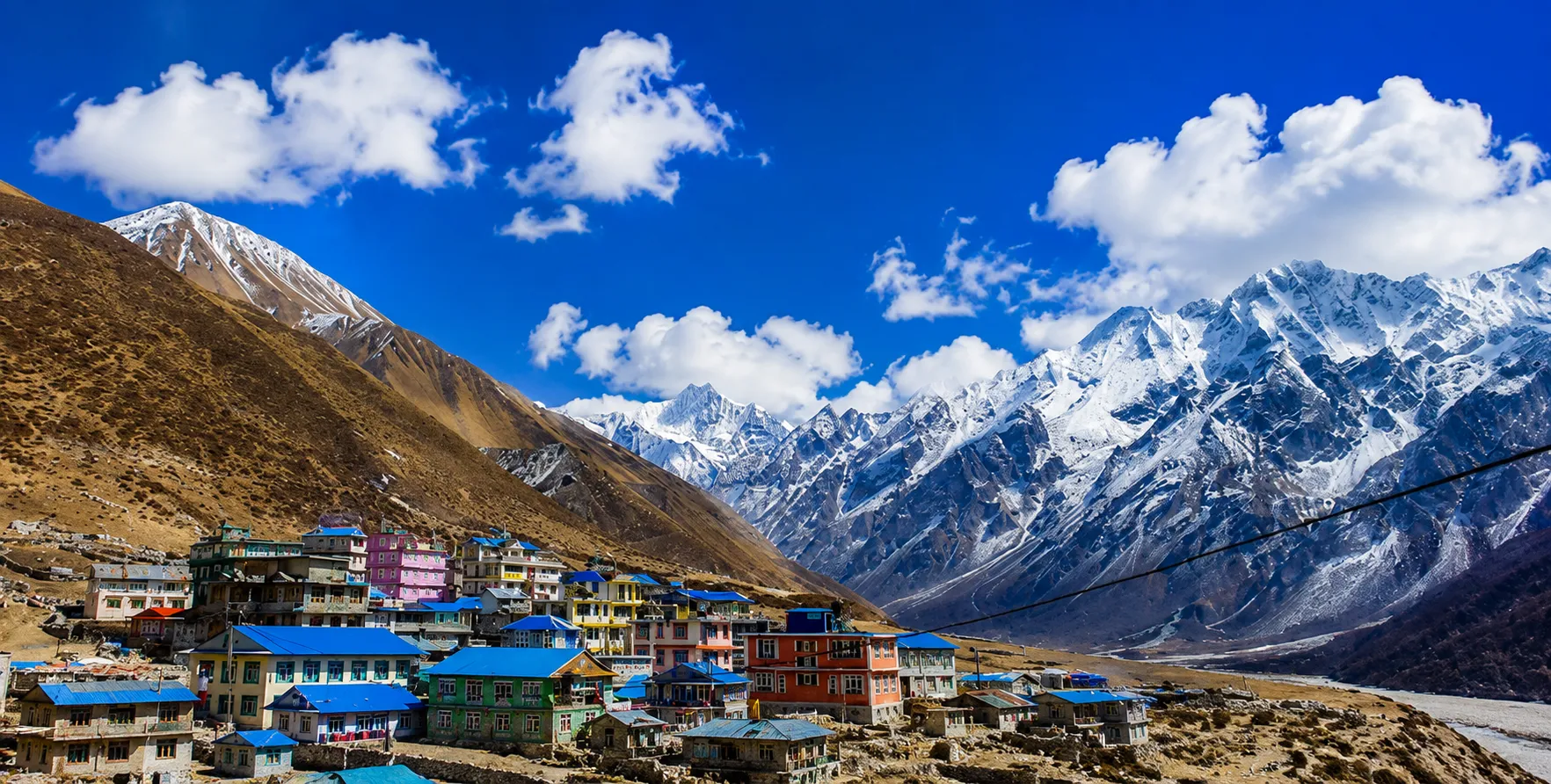
The vehicle transfer from Kathmandu to Syabrubesi, about 122 to 130 kilometres and five to seven hours by private jeep, is the most demanding of all the short-trek approach transfers in this guide, and it is where vehicle selection matters most. The Pasang Lhamu Highway connecting Kathmandu to Syabrubesi passes through some road quality variation near Dhunche that consistently rewards a vehicle with good ground clearance and sufficient power.
Nepal Vehicle Hiring Pvt Ltd recommends a Toyota Fortuner or Land Cruiser for this approach in all seasons—the added comfort of a well-maintained premium jeep over the standard fare on this road makes a meaningful difference when the approach drive itself takes six or seven hours. Private jeep hire for this route costs NPR 15,000 to NPR 25,000 for the full vehicle, accommodating up to six passengers.
Langtang’s permit structure requires a Langtang National Park Entry Permit (R 3,000 for non-SAARC nationals) and a TIMS card (R 2,000). The valley was devastated by the 2015 earthquake and subsequent avalanche, which buried much of the original Langtang Village and killed over 350 people. The rebuilt valley carries a particularly powerful emotional quality for those who understand this history: memorial chortens for earthquake victims stand alongside reconstructed teahouses as reminders of both the fragility of human presence in the high mountains and the extraordinary resilience of the community that has returned to rebuild its life in this extraordinary landscape.
Mohare Danda Community Trek — The Secret Ridge with the Widest View
Mohare Danda, also written as Mohare Danda or Moway Danda, is Nepal’s most compelling secret among the Annapurna region’s short trek destinations — a community-managed trek reaching a ridge at 3,300 metres that offers what many experienced trekking professionals describe as the widest unobstructed Himalayan panorama available from any easily accessible viewpoint in Nepal, encompassing Dhaulagiri, the full Annapurna range, Manaslu, Ganesh Himal, and the Langtang range in a single 360-degree visual field that does not exist at Poon Hill or any other short trek viewpoint.
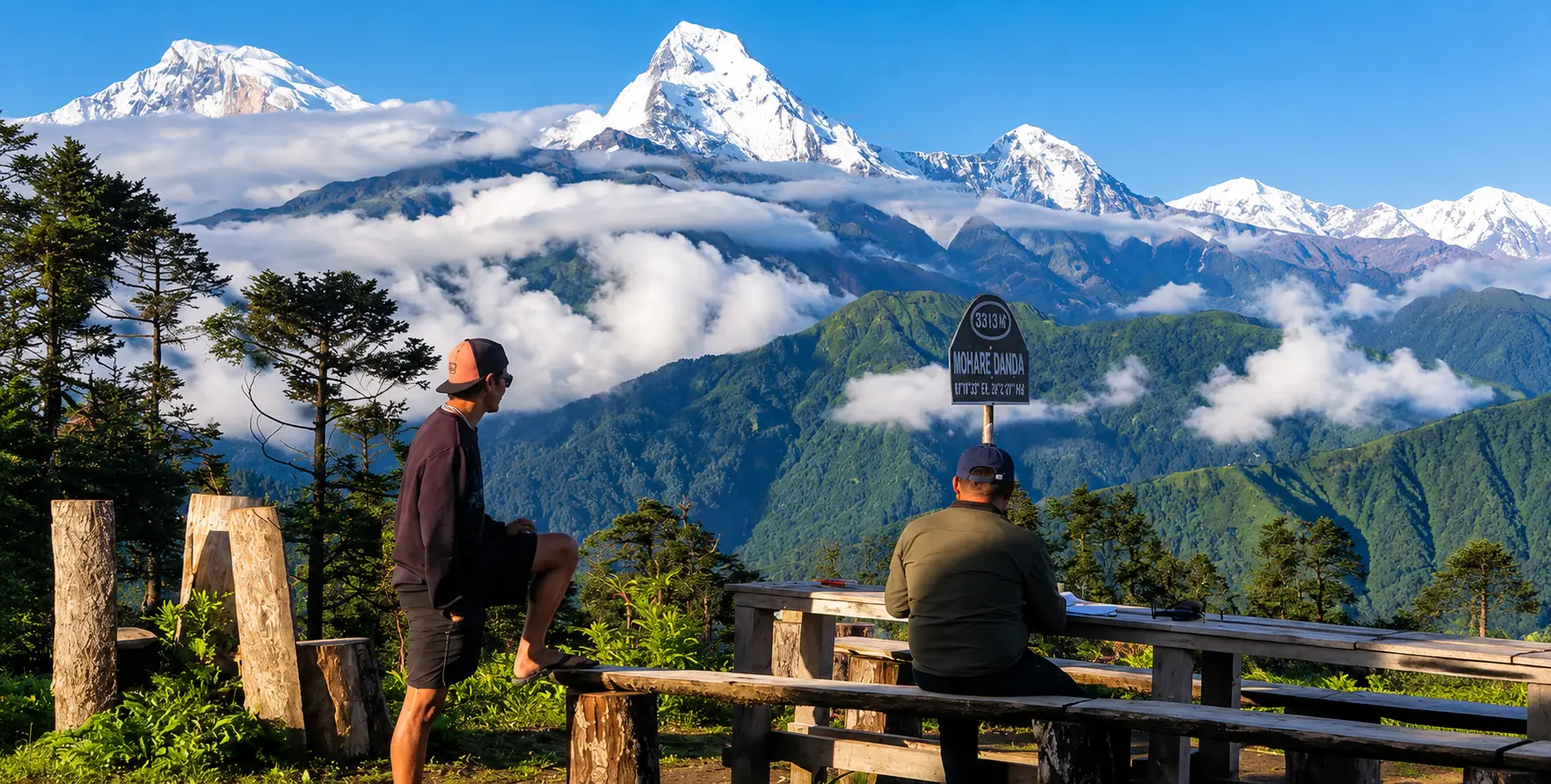
What makes Mohare Danda additionally distinctive is its community-managed lodge model, which directs a larger proportion of visitor spending directly to the local communities along the route than the standard private teahouse system, creating a trekking experience with an unusually direct connection between the visitor’s expenditure and the economic well-being of the mountain households they encounter.
The trek typically takes five to six days from Pokhara, beginning with a vehicle transfer to the Nayapul or Beni trailhead, depending on the specific route, and passing through rhododendron forests and Gurung villages before reaching the Mohare Danda ridge. The approach vehicle requirements are similar to the Poon Hill route — a standard car or SUV suffices for the Nayapul approach — though the trek itself takes a less-trafficked route that significantly reduces the crowd dynamic that can dominate the Poon Hill summit experience.
Khopra Ridge and Khayar Lake Trek — Solitude Above Poon Hill
Khopra Ridge, or Khopra Danda, is one of the most rewarding upgrades from the standard Poon Hill circuit for trekkers who have already visited Ghorepani and want a deeper experience of the same region. The Khopra Ridge circuit adds two to three days to the Poon Hill circuit, continuing from Ghorepani upward through increasingly remote terrain to the Khopra community lodge at 3,660 meters and further to the sacred glacial lake of Khayar Lake at 4,500 meters — a destination of considerable spiritual significance in the local religious geography and of outstanding visual impact in the alpine setting of the upper Annapurna foothills.
The approach trailhead for Khopra Ridge is typically Nayapul, using the same vehicle transfer as the Poon Hill circuit. The standard approach from Pokhara by private jeep costs NPR 3,000 to NPR 5,000 to Nayapul. The additional length and altitude of the Khopra extension make it better suited to trekkers with good fitness and some prior high-altitude experience than to complete beginners. However, the lack of extreme altitude or technical terrain keeps it within reach for any healthy adult who prepares properly.
Helambu Trek — Culture and Mountains Near Kathmandu
The Helambu Trek offers trekkers based in Kathmandu a four-to-six-day short trekking option that combines views of the Langtang range with the richly distinctive cultural landscape of the Hyolmo people — a Tibetan Buddhist community of the Melamchi River valley whose villages, monasteries, and traditional textile and craft practices provide cultural immersion of a character quite different from the Gurung and Magar villages of the Annapurna short trek corridors.
The trek begins from Sundarijal on Kathmandu’s northeastern edge, accessible by a 40-to-60-minute private taxi or car transfer from central Kathmandu at modest cost, making this the most logistically simple of all Nepal’s short trek approaches in terms of vehicle transport — a straightforward city taxi from Thamel or any Kathmandu hotel suffices for the first stage, without any need for a dedicated jeep hire.
The Helambu trek passes through Shivapuri National Park early on. It requires a Shivapuri National Park entrance permit before continuing into the Langtang National Park buffer zone, which requires a separate entry permit. These permit requirements add a small but meaningful cost to the overall trek budget, and trekkers should confirm current rates with the Nepal Tourism Board before departure.
The maximum altitude of the Helambu circuit is modest compared to Mardi Himal or Langtang’s upper reaches, making it one of the more altitude-accessible of Nepal’s seven-to-eight-day short trek options and an excellent choice for trekkers who want cultural richness and reasonable mountain views within a timeframe and altitude profile that keeps physical demands firmly manageable.
Chisapani-Nagarkot Trek — The Heritage Ridge Circuit Near Kathmandu
For travellers on the shortest possible schedules — a single spare day in Kathmandu, or a weekend between other commitments — the Chisapani-Nagarkot ridge circuit offers a two-to-three-day version of the Nepal short trek experience that begins and ends in Kathmandu without requiring any journey to Pokhara or any significant vehicle transfer beyond the standard city taxi. The route connects two of the most accessible hilltop viewpoints on the Kathmandu Valley’s northern rim: Chisapani at 2,175 meters, offering a first camp with evening Himalayan views across the northern wall of peaks, and Nagarkot at 2,175 meters, one of Nepal’s most celebrated and most accessible sunrise panorama points, visible on a clear day from the entire Himalayan arc from Dhaulagiri to Kanchenjunga, including Everest.
The Nagarkot vehicle transfer from central Kathmandu covers approximately 32 kilometres. It takes around one hour by private car—one of the quickest and simplest trailhead transfers in this guide —and requires only a standard private car, costing NPR 3,000 to NPR 5,000. The Chisapani approach from Sundarijal similarly requires only a city taxi or private car, with the drive taking 40 to 60 minutes depending on Kathmandu traffic. For trekkers completing the trek from Pokharahi to the turn, you can arrange the return from Chisapani to Kathmandu via Sundarijal as a return taxi booking through Nepal Vehicle Hiring Pvt Ltd, with the driver waiting at the trek’s finishing point for a straightforward urban return.
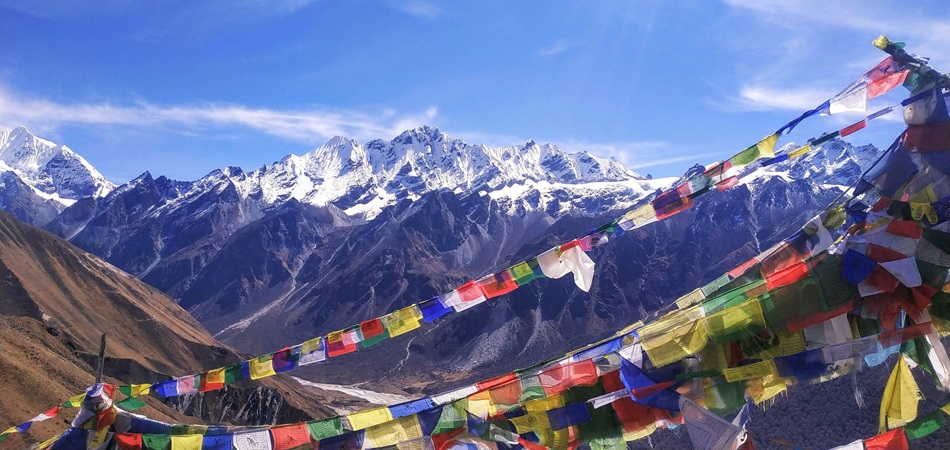
Short Trek Comparison: Quick Reference
| Trek | Duration | Max Alt. | Difficulty | From | Best Vehicle | Trailhead |
|---|---|---|---|---|---|---|
| Ghorepani Poon Hill | 3–5 days | 3,210 m | Easy–Mod | Pokhara | Car / SUV | Nayapul (42 km, 1.5–2 hrs) |
| Poon Hill Jeep Drive | 2 days | 3,210 m | Easy | Pokhara | 4WD Jeep | Ghorepani via Beni road |
| Mardi Himal Base Camp | 5–6 days | 4,500 m | Moderate | Pokhara | Car / SUV | Kande (25 km, 45 min) |
| Langtang Valley | 7–8 days | 4,984 m | Moderate | Kathmandu | 4WD Jeep/SUV | Syabrubesi (122 km, 5–7 hrs) |
| Mohare Danda | 5–6 days | 3,300 m | Moderate | Pokhara | Car / SUV | Nayapul / Beni |
| Khopra Ridge | 6–7 days | 4,500 m | Mod–Hard | Pokhara | Car / SUV | Nayapul (42 km, 1.5 hrs) |
| Helambu Trek | 5–6 days | 3,600 m | Moderate | Kathmandu | Private car | Sundarijal (30 min from KTM) |
| Chisapani–Nagarkot | 2–3 days | 2,175 m | Easy | Kathmandu | Private car | Nagarkot (32 km, 1 hr) |
The Best Vehicle for Every Short Trek Trailhead: Deep Analysis
The question of which vehicle is best for a given short trek trailhead is one that deserves considerably more careful analysis than it typically receives, since the standard answer of ‘any jeep will do’ ignores meaningful differences in road conditions, journey duration, passenger comfort requirements, and the specific characteristics of each approach road that collectively determine what vehicle genuinely serves a group’s needs rather than simply getting them there.
When a Standard Car or SUV Is the Right Choice
Several of Nepal’s most popular short trek trailheads are accessed via fully paved, well-maintained roads where a standard private car or comfortable SUV delivers a superior experience to a dedicated jeep at lower cost and with meaningfully better ride comfort. The Nayapul trailhead for Poon Hill, Mardi Himal, Khopra Ridge, and Mohare Danda is reached via 42 kilometres of excellent paved road from Pokhara.
On this route, a jeep’s additional off-road capability adds no practical benefit. In contrast, the softer suspension and more refined interior of a Toyota Fortuner or equivalent SUV produce a noticeably more comfortable 90-minute journey than the firmer, less insulated ride of a basic working jeep.

Similarly, the Kande trailhead for Mardi Himal sits only 25 kilometres from Pokhara on a road that the season has confirmed as entirely paved and in good condition throughout — making a standard car perfectly adequate for a journey that takes only 45 minutes. You reach the Nagarkot and Sundarijal trailheads for Kathmandu-based short treks via suburban roads, where any standard private car suffices. For all of these routes, Nepal Vehicle Hiring Pvt Ltd offers private car or SUV hire at rates that reflect the straightforward paved-road nature of the transfer, without the premium associated with dedicated 4WD mountain vehicles.
The practical implication of this analysis is that trekkers on the Poon Hill and Mardi Himal circuits — the two most popular short trek routes in Nepal by visitor volume — are almost always paying for more vehicle capability than their approach road actually demands if they automatically request a 4WD jeep based on general assumptions about Nepal’s mountain transport. A well-maintained Toyota Fortuner or similar SUV handles the Nayapul and Kande approach roads with complete ease, delivers the group more comfortably than a standard jeep, and typically costs less per person when the vehicle hire fee is split across a group of four to six trekkers.
When a 4WD Jeep Is Genuinely Required
The Langtang Valley approach from Kathmandu to Syabrubesi is the clearest case among Nepal’s short trek transfers where a proper 4WD vehicle with good ground clearance is genuinely warranted, not merely conventional. The Pasang Lhamu Highway’s section near Dhunche and the descent to Syabrubesi include enough rough and winding road character — exacerbated during and after monsoon season by landslide debris and road surface deterioration — that a vehicle with dedicated mountain road capability makes a meaningful difference both in terms of driver confidence and passenger comfort over a six-to-seven-hour journey.

The Ghorepani Poon Hill Jeep Drive Tour, where a vehicle accesses Ghorepani directly via the Beni road rather than dropping trekkers at Nayapul, is the second scenario where a genuine 4WD is clearly appropriate. The Beni road approach to Ghorepani involves sections of off-road driving through terrain that the vehicle descriptions of operators running this tour consistently identify as requiring 4WD capability — the combination of gradient, surface quality, and the additional weight of carrying passengers and luggage on mountain tracks that were never designed as primary road surfaces means that a standard car or even a conventional SUV would encounter difficulties that a proper 4WD vehicle handles without concern. Nepal Vehicle Hiring Pvt Ltd’s drivers who operate the Ghorepani direct jeep route are specifically experienced on this approach road.
The Ghandruk trailhead, about 55 kilometres from Pokhara and used as an entry or exit point for several short trek circuits, including the Poon Hill anticlockwise route and the Ghandruk village loop, also benefits from 4WD capability on the final approach to the village, where the road steepens. Surface quality has deteriorated to the point that standard cars cannot proceed on some sections, particularly in wet or post-rainfall conditions. Nepal Vehicle Hiring Pvt Ltd recommends a 4WD jeep for all Ghandruk trailhead transfers as standard practice, at an additional cost over the Nayapul car hire that is modest relative to the assurance of completing the approach without vehicle difficulty.
Complete Short Trek Vehicle Hire Costs
| Route | Vehicle | Cost (NPR) | Cost (USD) | Journey Time | Notes |
|---|---|---|---|---|---|
| Pokhara → Nayapul (one-way) | Private Car / SUV | NPR 3,000–5,000 | $22–$38 | 1.5–2 hrs | Poon Hill, Khopra, Mohare |
| Pokhara → Nayapul (shared jeep) | Per person | NPR 700–1,200 | $5–$9 | 1.5–2 hrs | Budget option, fixed schedule |
| Pokhara → Kande (one-way) | Private Car / SUV | NPR 2,500–4,000 | $19–$30 | 45 min–1 hr | Mardi Himal start |
| Siding / Lumre → Pokhara (return) | Private Car / SUV | NPR 3,000–5,000 | $22–$38 | 1–1.5 hrs | Mardi Himal exit, pre-book |
| Pokhara → Ghandruk (one-way) | 4WD Jeep | NPR 5,000–8,000 | $38–$60 | 3–4 hrs | Poon Hill anticlockwise start |
| Pokhara → Ghorepani (Beni road) | 4WD Jeep (required) | NPR 8,000–12,000 | $60–$90 | 3–5 hrs | 2-day Poon Hill jeep drive tour |
| Kathmandu → Syabrubesi (one-way) | 4WD Jeep / SUV | NPR 15,000–25,000 | $112–$188 | 5–7 hrs | Langtang Valley Trek |
| Kathmandu → Nagarkot | Private Car | NPR 3,000–5,000 | $22–$38 | 1 hr | Chisapani-Nagarkot Trek |
| Kathmandu → Sundarijal | City taxi / Private car | NPR 1,000–2,500 | $8–$19 | 40–60 min | Helambu Trek starts |
| Kathmandu → Pokhara (for trek setup) | Private Car / SUV | NPR 17,000–22,000 | $128–$165 | 6–8 hrs | For Annapurna region treks |
Permits for Short Treks in Nepal
Short treks in Nepal: the vehicle hire permit structure is considerably simpler than for the Manaslu or Upper Mustang circuits, and most popular short treks require only one or two conservation area or national park permits obtained from Nepal Tourism Board offices in Kathmandu or Pokhara. Understanding exactly which permits apply to which trek, and where to obtain them efficiently, is one of the practical details that separates a smooth pre-trek day in Pokhara from a stressful bureaucratic scramble on the morning of departure.
All Annapurna region short treks — Ghorepani Poon Hill, Mardi Himal Base Camp, Mohare Danda, Khopra Ridge, and the Ghandruk village circuit — require the Annapurna Conservation Area Permit (ACAP) at NPR 3,000 for non-SAARC nationals. Until 2023, most trekkers also needed a TIMS card; from 2023, the Nepal Tourism Board suspended the TIMS requirement for trekkers accessing the Annapurna, Everest, and Langtang regions when accompanied by a licensed guide. However, regulations continue to evolve, and independent trekkers should confirm current TIMS requirements before departure.
The Langtang Valley Trek requires a Langtang National Park Entry Permit at NPR 3,000 for non-SAARC nationals — a different permit from the ACAP that applies to Annapurna region treks. The Helambu Trek requires a Shivapuri National Park permit for the section of the route passing through Shivapuri, costing about NPR 500 to NPR 1,000, and possibly a Langtang National Park permit for sections entering that park’s buffer zone. The Chisapani-Nagarkot circuit primarily passes through Shivapuri National Park for its initial section from Sundarijal, so it requires the same Shivapuri permit.
Tip: Get all permits in Kathmandu or Pokhara before heading to the trailhead. The Nepal Tourism Board offices in Thamel (Kathmandu) and Lakeside (Pokhara) process permits quickly, typically within one to two hours, and are open seven days a week, including public holidays, except major national festivals. Permit offices at trailheads may charge different rates and may not always have printing and processing infrastructure available when you need it.

Why Private Vehicle Hire Transforms the Short Trek Experience
The case for private vehicle hire over shared or public transport alternatives for short trek trailhead transfers rests on considerations that go beyond simple comfort preferences, especially given the time-sensitive nature of most short trek itineraries. When a trekker has exactly four days for a Poon Hill circuit before flying onward, the difference between a shared jeep that departs when full — potentially after a one-to-two-hour wait at the bus stand if the vehicle does not fill quickly — and a private vehicle that departs from the hotel door at exactly 7:00 AM as planned is the difference between a first walking day of full productive length and a first walking day already truncated by two hours of unplanned waiting.
This timing reliability argument is particularly compelling for the return journey from the trek-finishing trailheads. When a trekker completes the Mardi Himal circuit and descends to Siding village, trekker reviews consistently describe finding a shared vehicle or local bus at a finishing point with limited transport options as the most stressful element of an otherwise excellent short trek. A pre-arranged private vehicle from Nepal Vehicle Hiring Pvt Ltd, with a driver who knows the expected finishing time and has remained in contact throughout, transforms this moment into a relaxed pickup that allows the trekker to spend their final valley-floor hour reviewing photographs and absorbing the experience rather than anxiously negotiating with local drivers for a return fare.
Open-jaw transport coordination — where the approach is to Kande and the return is from Siding, or the approach is to Nayapul, and the return is from Ghandruk — is the most practical transport structure for many of Nepal’s short treks but also the arrangement most likely to be handled poorly by informal last-minute vehicle sourcing. Nepal Vehicle Hiring Pvt Ltd specifically offers coordinated open-jaw short trek transfers, booking both legs together in a single confirmed arrangement that eliminates the coordination gap between approach and exit transport and ensures consistent service quality across both legs of the journey.
For groups of three to six trekkers — the most common short trek group configuration in Nepal — private vehicle hire is often more economical than shared alternatives, despite their initial appearance. A private car hire to Nayapul for NPR 4,000, split among four trekkers, costs NPR 1,000 per person — comparable to the shared jeep fare and offering door-to-door hotel pickup, immediate departure, and complete luggage security, rather than the fixed schedule and crowded accommodation of the public vehicle option.
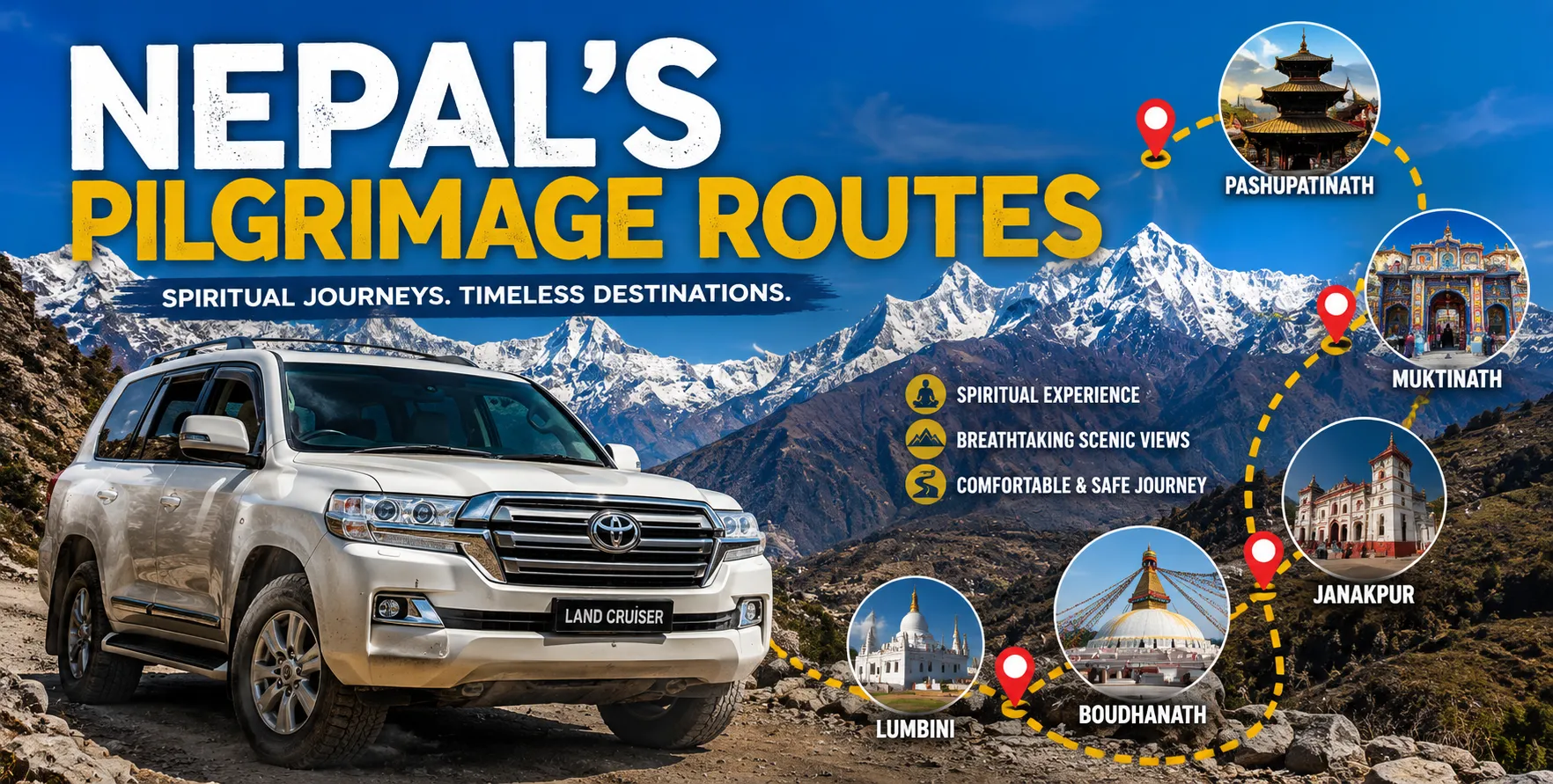
Best Season for Short Treks in Nepal
Short treks in Nepal follow the same broad seasonal pattern that governs Nepal trekking generally, but with some modifications that reflect the lower altitude and generally more accessible character of the routes covered in this guide. Autumn, from September through November, is universally regarded as the finest trekking season across all Nepal destinations, including all the short treks in this guide, combining the dry, clear, post-monsoon conditions that maximise mountain visibility with the settled weather that makes multi-day walking plans reliable and the vibrant cultural life of the harvest and festival season that adds a community dimension to the trekking experience.
Spring, from March through May, offers the second peak window, distinguished from autumn mainly by the spectacular rhododendron bloom that transforms the forested lower sections of the Poon Hill, Mardi Himal, and Langtang routes from March through April, creating some of the most vivid and photographically rewarding trail conditions in Nepal. The Annapurna Conservation Area’s rhododendron forests, which include trees of several species ranging from small-leafed alpine varieties to the magnificent large-leafed Rhododendron arboreum that can reach tree-sized proportions at lower altitudes, produce a display of red, pink, and white blooms during this period that rivals the mountain views themselves as a visual draw for many spring trekkers.
The monsoon season from June through August is not recommended for most short treks in Nepal’s primary region because of heavy rainfall, muddy trails, leeches in the lower forest zones, and persistent cloud cover that eliminates the mountain views most short-trek participants seek. The Poon Hill sunrise panorama — the main reason most trekkers undertake the Ghorepani circuit — is hidden by monsoon clouds, making the trip feel far less rewarding than the same walk in clear autumn or spring.
Winter from December through February brings cold temperatures and possible snow at the higher elevations of some short treks — particularly the Mardi Himal upper ridge sections above 4,000 metres and the Langtang Valley above 3,500 metres — but generally leaves the lower altitude short treks like Poon Hill and the Ghandruk circuit entirely accessible and often beautifully quiet, with the dramatic snow-line dropping to much lower elevations than in spring or autumn and creating mountain scenes of particular winter clarity and visual drama. For trekkers who want to avoid peak-season crowds, a January or February Poon Hill circuit can deliver the summit panorama with a fraction of the October visitors, at the cost of colder overnight temperatures and the need for more substantial warm clothing.
Planning Your Short Trek: A Practical Checklist
Before Leaving Home
- Purchase travel insurance that specifically covers trekking to the maximum altitude of your planned route, including helicopter evacuation from the relevant region
- Begin fitness preparation at least 6 to 8 weeks before departure — daily walks with a loaded daypack, stair climbing, and cardiovascular training significantly improve the on-trail experience.
- Research permit requirements for your specific trek and prepare the passport photographs needed for ACAP, Langtang National Park, or other required permits
- Book your Kathmandu or Pokhara accommodation and your trailhead vehicle transfer together through Nepal Vehicle Hiring Pvt Ltd for coordinated, stress-free logistics.
In Kathmandu or Pokhara
- Obtain all required permits from the Nepal Tourism Board office — same-day processing is standard; allow 2 hours.
- Withdraw sufficient NPR cash in Pokhara or Kathmandu — ATMs are limited at most short trek trailheads and unavailable on the trail itself.f
- Confirm your vehicle transfer departure time and pickup location with Nepal Vehicle Hiring Pvt Ltd — most Annapurna region trailhead transfers benefit from a 7:00 AM departure to maximise first-day walking time.
- If arranging a guide or porter through an agency, confirm their meeting point is your hotel rather than a separate rendezvous — this simplifies the morning logistics considerably.
On the Trail
- Set a realistic daily walking pace — most short-trek accidents and altitude-related difficulties occur when trekkers push too hard, trying to make up time or demonstrate fitness.s
- Drink at least litres of water per day and limit caffeine and alcohol, particularly above 3,000 meters.s
- Confirm your return vehicle pickup details with Nepal Vehicle Hiring Pvt Ltd partway through the trek if possible — mobile connectivity at teahouses on most popular short treks is generally adequate for a brief WhatsApp message.
- Leave time in your final day’s schedule for the descent to the road — finishing point arrival times are harder to predict than departure times, and a pre-confirmed but flexible return vehicle is the most practical solution.n
Frequently Asked Questions
Which short trek is best for first-time trekkers?
The Ghorepani Poon Hill Trek is Nepal’s universally recommended introduction to Himalayan trekking. Its maximum altitude of 3,21 meters keeps altitude sickness risk low for most healthy adults; the trail infrastructure and teahouse network are the most developed of any short trek in Nepal; daily walking distances are moderate, and the sunrise panorama at Poon Hill is one of the finest mountain views accessible to any walker anywhere in the world. Private car or SUV hire from Pokhara to Nayapul costs NPR 3,000 to NPR 5,000 for the full vehicle — the simplest and most affordable of all the short trek trailhead transfers in this guide.
Can I visit Poon Hill in just 2 days from Pokhara?
Yes — the Ghorepani Poon Hill Jeep Drive Tour, now offered by several Pokhara-based operators, uses a 4WD jeep to drive directly to Ghorepani village via the Beni road rather than walking from Nayapul, reducing the total trip to an overnight at Ghorepani followed by the classic sunrise walk to Poon Hill and a vehicle return to Pokhara the same morning. The jeep hire to Ghorepani costs NPR 8,000 to NPR 12,000 for the full vehicle one-way. This two-day version requires a proper 4WD jeep rather than a standard car, and Nepal Vehicle Hiring Pvt Ltd provides specifically experienced drivers for this road.
What is the cost difference between shared and private jeep hire for trailhead transfers?
A shared jeep or bus to Nayapul from Pokhara costs about NPR 700 to NPR 1,200 per person. A private vehicle costs NPR 3,000 to NPR 5,000 for the full car, accommodating up to four or five passengers, meaning a group of four pays approximately NPR 750 to NPR 1,250 per person by private hire — comparable to the shared rate with significantly better logistics, flexible departure, door-to-door hotel pickup, and complete luggage security. For groups of three or more, private vehicle hire typically offers the best value combination of cost and convenience.
Do I need a 4WD jeep for transfers to Poon Hill or the Mardi Himal trailhead?
For the standard Nayapul trailhead (Poon Hill circuit) and Kande trailhead (Mardi Himal), a standard private car or SUV is entirely adequate — both roads are paved and well-maintained. A 4WD jeep is required for the Ghorepani direct drive (via Beni road) and recommended for the Ghandruk trailhead and the Langtang Valley approach to Syabrubesi. Nepal Vehicle Hiring Pvt Ltd recommends the right vehicle for each specific approach road and will advise when a 4WD is genuinely needed versus when a comfortable standard car serves you better at a lower cost.
How do I arrange return transport from trek finishing points, such as Siding (Mardi Himal exit)?
The most reliable approach is to book both your outbound and return vehicle transfers together at the time of your initial booking with Nepal Vehicle Hiring Pvt Ltd. Provide your expected trek finishing date. We will arrange a private return vehicle waiting at Siding, Ghandruk, Syauli Bazar, or whatever exit point your specific trek uses. Trekkers consistently identify these pre-arranged return pickups as the detail that makes the biggest practical difference to the quality of their trek-conclusion experience, eliminating the uncertainty and occasional scramble for transport that characterises unplanned exit logistics at remote trailhead finishing points.
Conclusion: Your Perfect Short Trek Starts with the Right Vehicle
Nepal’s short treks distil the essence of the Himalayan experience into durations that fit the real-time constraints of most travellers who visit Nepal each year. The sunrise from Poon Hill at 3,210 meters is not a lesser version of the Everest Base Camp view — it is the world’s most accessible great Himalayan panorama, a view that has changed the perspectives of hundreds of thousands of trekkers across five decades of Nepal trekking history, and one that requires not weeks of physical preparation and permit complexity but three thoughtfully spent days from Pokhara. The ridge of Mardi Himal Base Camp at 4,500 meters is not a compromise alternative to the Annapurna Sanctuary — it is a distinctive, genuinely extraordinary mountain environment in its own right, one most visitors to the more famous route never experience.
Every short trek in this guide begins with a vehicle journey that sets the tone and efficiency of everything that follows. A vehicle that departs on time, carries passengers comfortably through the approach terrain, and arrives at the trailhead with enough of the day remaining for a productive first walking stage is the platform for every good short trek experience. Nepal Vehicle Hiring Pvt Ltd has spent years refining its understanding of exactly which vehicle, which driver, and which departure time produce this outcome for each of the treks in this guide — and this accumulated knowledge is what we bring to every client booking, regardless of whether the transfer is a 45-minute paved road run to Kande or a seven-hour mountain road journey to Syabrubesi.
Book Your Short Trek Trailhead Transfer Today
WhatsApp: +977 981-4227196
Email: [email protected]
Poon Hill – Mardi Himal – Langtang – Mohare Danda – Khopra Ridge – Helambu – Nagarkot
Open-Jaw Transfers | Private Cars, SUVs & 4WD Jeeps | NPR & USD Pricing | 24/7 Support
- The Ultimate Guide to short treks in Nepal, best vehicle hire & the Best Vehicle for Every Trailhead
- How to Choose Your Short Trek: The Key Decision Factors
- The Best Short Treks in Nepal: Deep Research Guide
- Short Trek Comparison: Quick Reference
- Permits for Short Treks in Nepal
- Why Private Vehicle Hire Transforms the Short Trek Experience
- Best Season for Short Treks in Nepal
- Planning Your Short Trek: A Practical Checklist
- Frequently Asked Questions
- Conclusion: Your Perfect Short Trek Starts with the Right Vehicle

Related Blog & Articles
Kathmandu to Ghandruk Private Jeep: The Complete Guide
Pokhara to Kande Jeep Price – Complete Transport And Trek Guide
Pokhara to Dhampus Jeep Transfer
Pokhara to Mohare Danda Jeep Rental
Kathmandu to Chisapani Trek Transport – Complete Guide
Kathmandu to Langtang Trek Vehicle Hire: The Complete Guide