Plan a Trip


Nepal Tibet Border Conditions
Nepal-Tibet Border Conditions: Complete 2026 Guide
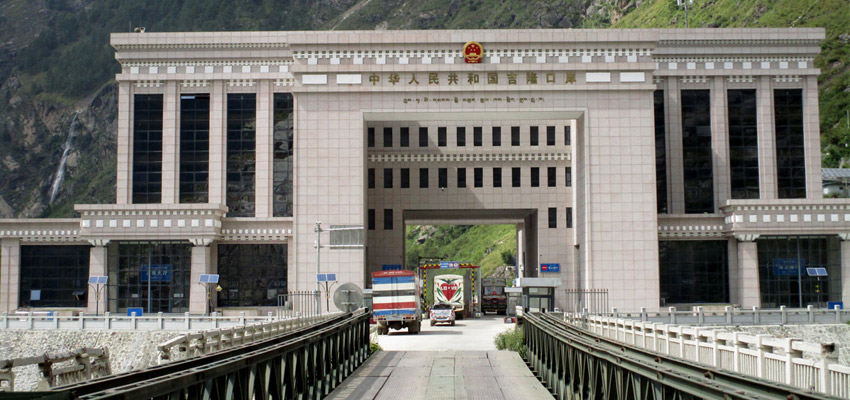
The Nepal-Tibet border — one of Asia’s most consequential international frontiers for trade and tourism — is facing its most severe disruption in recent years after the catastrophic August 26, 2026 flash flood that struck the Rasuwagadhi-Kerung corridor in Rasuwa District. This flood, the second major GLOF event to affect this crossing in 13 months, destroyed the Miteri Bridge (the Friendship Bridge connecting Nepal and Tibet at Rasuwagadhi), severely damaged the Timure customs area and the Gyirong Port complex on the Chinese side, and disrupted over 42 kilometers of road on the Nepal approach. Simultaneously, China closed the Tatopani-Kodari crossing on the Arniko Highway on August 31 due to landslide risk on the Nepali side — leaving Nepal with only the Korala crossing in Upper Mustang as its functioning overland trade route with China.
This guide provides the most current and comprehensive assessment of Nepal’s three overland Tibet border crossings — their individual histories, their current operational status in 2026, the specific impact of the August 2026 flood on the primary Rasuwagadhi route, the implications for the Kailash Mansarovar pilgrimage, Tibet Travel Permits, Nepal-China trade) and the realistic recovery timeline that travelers and traders need to understand. For travelers approaching the Nepal-Tibet border by road from Kathmandu—whether via the Arniko Highway to Tatopani or the Rasuwa road to Rasuwagadhi—Nepal Vehicle Hiring Pvt. Ltd. provides the vehicle hire services and current road condition information that can make he difference between an informed journey and an avoidable disruption.
Nepal-Tibet Border Status — August 2026 Update
RASUWAGADHI-KERUNG: CLOSED — August 26 flood destroyed bridge, customs area, 42+ km road
TATOPANI-KODARI: CLOSED — China closed August 31, citing landslide risk on Nepal side
KORALA (MUSTANG): LIMITED — Only functioning overland Nepal-China trade route currently
US State Department: Level 4 ‘Do Not Travel’ specifically for Rasuwagadhi-Timure-Syabrubesi
Kailash Mansarovar yatra: Overland route suspended for 2026 season — operators pausing
Tibet Travel Permits: Not canceled by border closure but unusable at Rasuwagadhi
Recovery Timeline: July 2025 bridge damage took 6 months — August 2026 is port-level destruction
Ground Transport: Nepal Vehicle Hiring Pvt. Ltd. | +977 9851013196 | vehiclehiringnepal.com
The Rasuwagadhi-Kerung Border — Nepal’s Primary Tibet Crossing
History and Strategic Importance
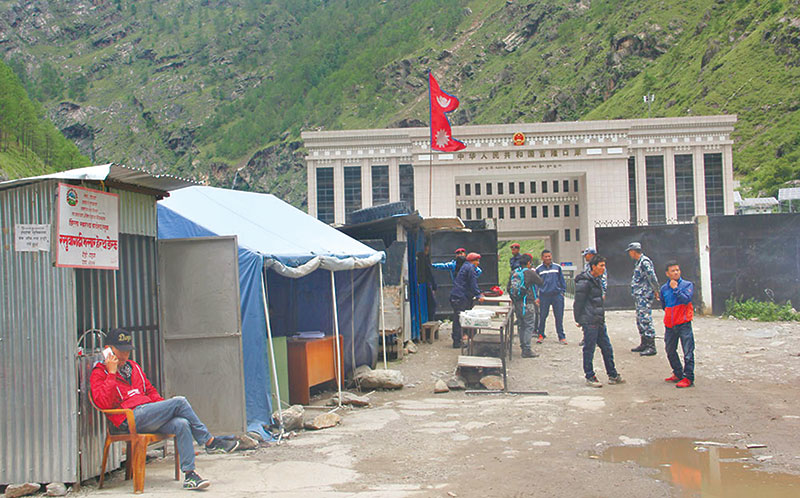
The Rasuwagadhi-Kerung border crossing — connecting Nepal’s Rasuwa District with the Chinese Gyirong Port (known in Nepal as Kerung) in the Tibet Autonomous Region — is the most strategically important of Nepal’s overland border crossings with China and the one whose closure has the most significant impact on Nepal’s trade balance and tourism flows. The crossing was formally opened in December 2014 as part of Nepal-China bilateral agreements to develop overland connectivity, and its importance escalated dramatically in April 2015 when the Gorkha earthquake severely damaged the old Kodari-Tatopani crossing on the Arniko Highway, effectively making Rasuwagadhi-Kerung Nepal’s primary overland gateway to China virtually overnight.
The Rasuwagadhi corridor handles goods from about 15 Chinese provinces entering Nepal: garments, electronics, motor vehicles, machinery, consumer goods, and daily necessities that collectively make up a significant share of Nepal’s import basket from China. During the six-month closure following the July 2025 GLOF that destroyed the original Miteri Bridge, revenue losses at the Rasuwa Customs Office exceeded NPR 22 billion in import collections — a figure that conveys the crossing’s centrality to Nepal’s trade economy. The crossing was also the primary Nepal-side entry point for the Kailash Mansarovar pilgrimage, one of Hinduism’s and Tibetan Buddhism’s most sacred journeys, which drew 13,523 pilgrims in fiscal year 2025/26 — an 18.75 percent increase from the previous year. This strong pilgrimage traffic was continuing when the August 26, 2026 flood struck.
The July 2025 GLOF — The First Warning
On July 8, 2025 (Ashad 24, 2082 in the Nepali calendar), the Lhende River in Tibet experienced a glacial lake outburst flood (GLOF) that swept away the Miteri Bridge — also known as the Friendship Bridge — over the Bhotekoshi River at Rasuwagadhi, forcing the immediate closure of the crossing. Hundreds of Nepal-bound cargo vehicles were stranded on the Chinese side of the border, and the closure disrupted cross-border movement and commercial activities for both nations. The Chinese side immediately began constructing a 91-meter Bailey bridge as a temporary replacement, and Nepal carried out parallel road repair work. After about six months, the crossing reopened on January 1, 2026, with renewed optimism—the Kathmandu Post and Nepali media coverage described it as a recovery milestone for Nepal-China bilateral relations.
The July 2025 GLOF was a serious but ultimately manageable disruption. The Bailey bridge replacement restored basic functionality within six months, trade resumed, and pilgrimage traffic rebuilt through early 2026. The crossing handled strong pilgrimage traffic through spring and early summer 2026, with the Kailash Mansarovar season building toward its peak, when the second and far more catastrophic GLOF struck on August 26, 2026.
The August 26, 2026 GLOF — Port-Level Destruction
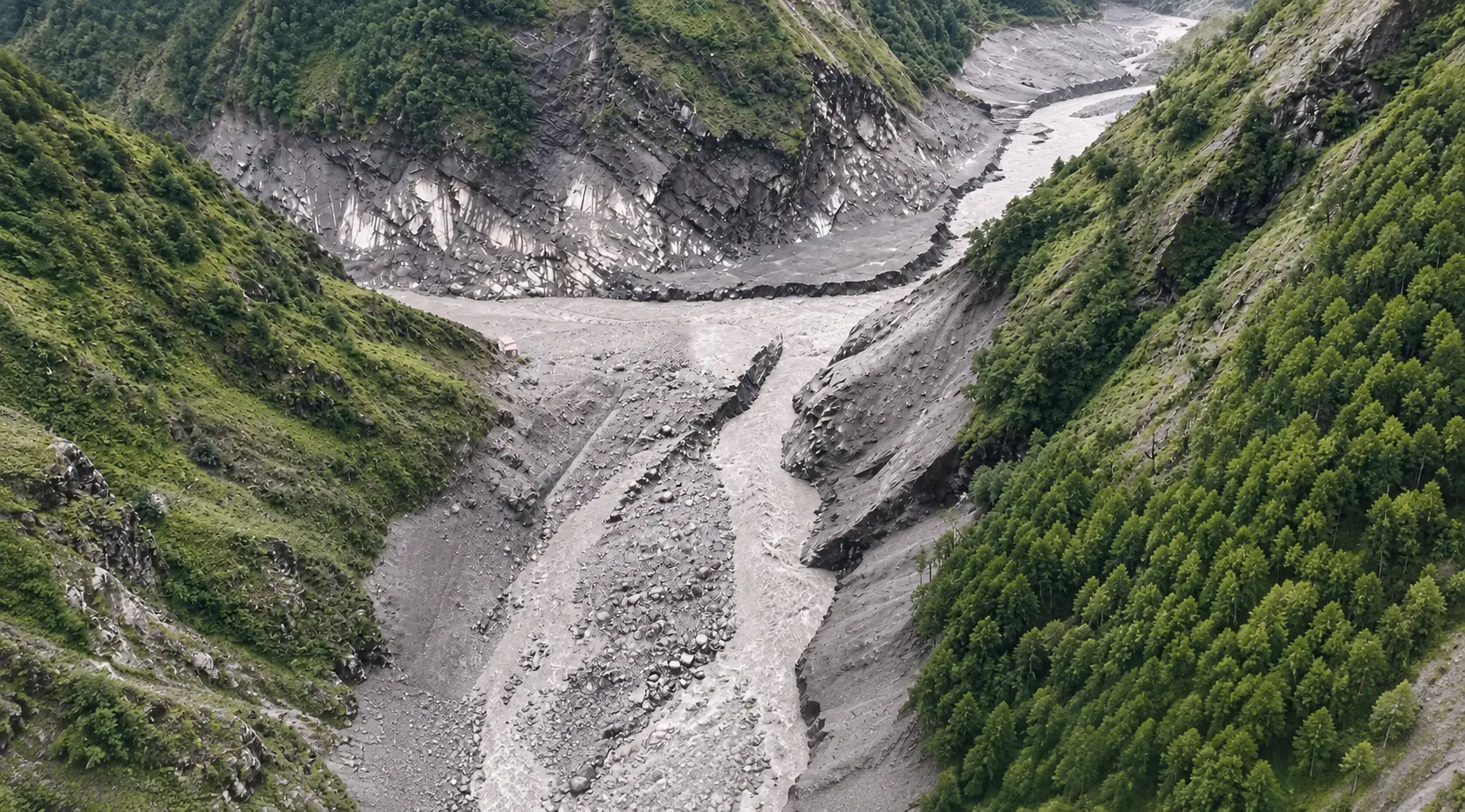
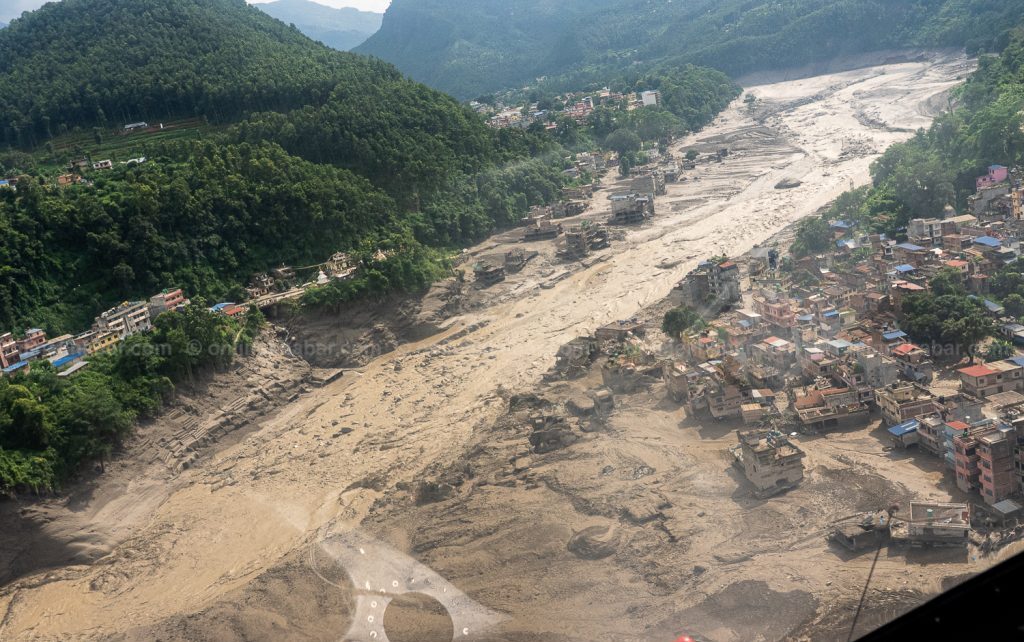
The August 26, 2026 flash flood at Rasuwagadhi represents categorically more severe damage than the July 2025 event. Where the 2025 GLOF destroyed the Miteri Bridge and required bridge replacement, the 2026 event destroyed or severely damaged the entire Timure customs area) and the Gyirong Port complex on the Chinese side) (described in media reports as the port being ‘destroyed’), approximately 42+ kilometers of road on the Nepal approach with multiple simultaneous damage points, and the dam of the 111-megawatt Rasuwagadhi Hydropower Project) — halting hydropower operations with repair costs estimated at NPR 1 billion. The flood was associated with 626+ deaths across the broader affected corridor.
384 pilgrims were reported out of contact or stranded at the time of the flood, with some operators pausing departures for 48 to 72 hours while evacuation and accountability operations were conducted. As of the most current reports available (late August 2026), the Rasuwagadhi-Kerung corridor is closed and unsuitable for normal tourist or trade travel. The US State Department has issued a Level 4 ‘Do Not Travel’ advisory specifically for the Rasuwagadhi-Timure-Syabrubesi corridor — the only Level 4 designation in Nepal’s otherwise Level 2 travel advisory.
Recovery Timeline — Realistic Expectations
The recovery timeline for the Rasuwagadhi-Kerung corridor after the August 2026 destruction needs to be understood in the context of the July 2025 precedent. The 2025 event — which damaged a single bridge — required six months of repair before the crossing could reopen. The August 2026 event is substantially more severe: the customs area, the port complex, and 42+ km of road with multiple damage points must all be addressed before the corridor can function. Industry sources cited in current media coverage suggest that overland travel through Rasuwagadhi is unlikely to resume for the remainder of the 2026 season, with recovery potentially extending well into 2027.
The two GLOF events in 13 months from the same Tibetan watershed also raise deeper structural questions about the long-term viability of the Rasuwagadhi corridor as currently routed — the glacial instability that is generating these outburst floods is expected to worsen with climate change, and engineering solutions that address the route’s vulnerability to repeated GLOF impact are likely to require both major investment and significant time. The proposed Kathmandu-Kerung cross-border railway — a flagship infrastructure project in Nepal-China bilateral relations that would use this corridor — now faces serious questions about corridor viability.
The Tatopani-Kodari Border — The Historical Route
History: From Nepal’s Premier Crossing to Uncertain Status
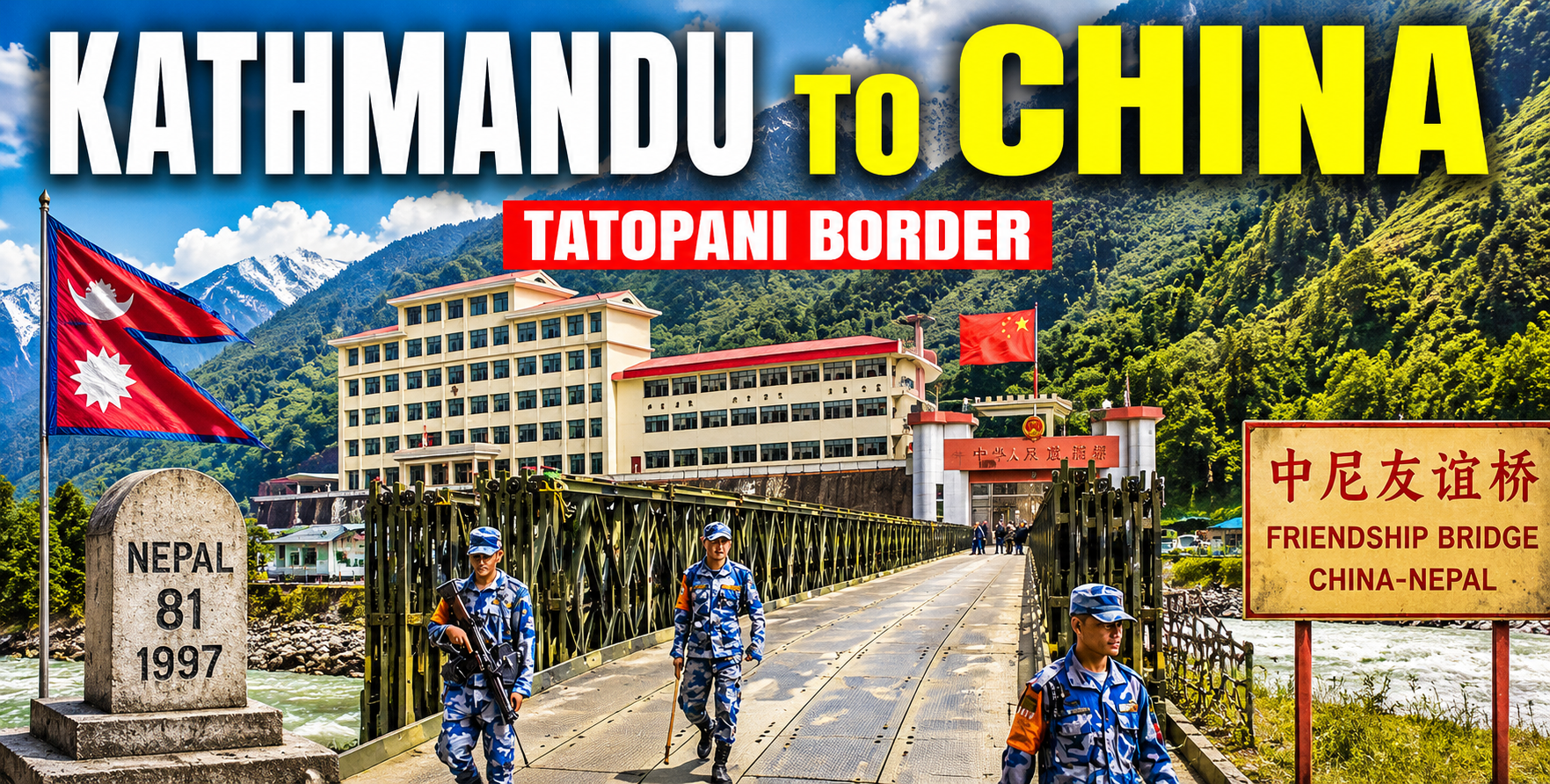
The Tatopani-Kodari crossing on the Arniko Highway was, for decades, Nepal’s primary overland gateway to China and Tibet — the route used by every overland traveler driving between Kathmandu and Lhasa, and the crossing that handled the bulk of Nepal-China bilateral trade from the highway’s opening in 1967 through the 2015 earthquake. The Arniko Highway — built with Chinese assistance and named after the thirteenth-century Nepali sculptor who worked at the court of Kublai Khan — runs 115 km from Kathmandu to the Friendship Bridge at Kodari, crossing the Bhote Koshi River gorge through some of Nepal’s most dramatic mid-mountain terrain. The crossing is at 1,770 meters elevation — significantly lower than the Rasuwagadhi crossing — and historically offered a shorter driving distance from Kathmandu to the Tibet border.
The April 2015 Gorkha earthquake effectively ended the Tatopani crossing’s primary role — the earthquake and associated landslides severely damaged the Arniko Highway approach and the Kodari customs infrastructure, and the crossing was closed to civilian traffic for years. Even after limited resumption in 2023, the Tatopani crossing never recovered its former primary status, as the Rasuwagadhi-Kerung corridor—which had been developed and elevated to international crossing status in the interim—had become Nepal’s primary China trade route.
Current Status — Closed by China August 31, 2026
China announced the closure of the Tatopani border point for imports and exports on August 31, 2026 — five days after the Rasuwagadhi GLOF catastrophe — citing landslide risk on the Nepali side of the border. The closure came at a particularly difficult moment: it compounded the Rasuwagadhi closure, which was already depriving Nepali traders of their primary China import route, and it came just ahead of the Dashain festival season, when import demand peaks as Nepali consumers prepare for Nepal’s most celebrated annual festival. The Tatopani crossing had already faced disruptions in the weeks leading up to this closure — a massive landslide blocked a 200-metera 200-meter section of road, requiring clearance before limited operations could resume, only for China to close the point entirely.
The simultaneous closure of both Rasuwagadhi and Tatopani has left Nepal’s overland trade with China entirely dependent on the Korala crossing in Upper Mustang—a route whose location, road access requirements, and infrastructure capacity are far less suited to high-volume trade than either of the two primary crossings. The Korala crossing is located in the remote Upper Mustang restricted area, requiresane Upper Mustang restricted area permit (USD 500 per person per 10 days for foreign nationals), and serves a predominantly local and specialized trade function rather than the mainstream import trade that Rasuwagadhi handled.
The Korala Border — Upper Mustang’s Crossing
The Only Currently Functioning Nepal-Tibet Trade Route
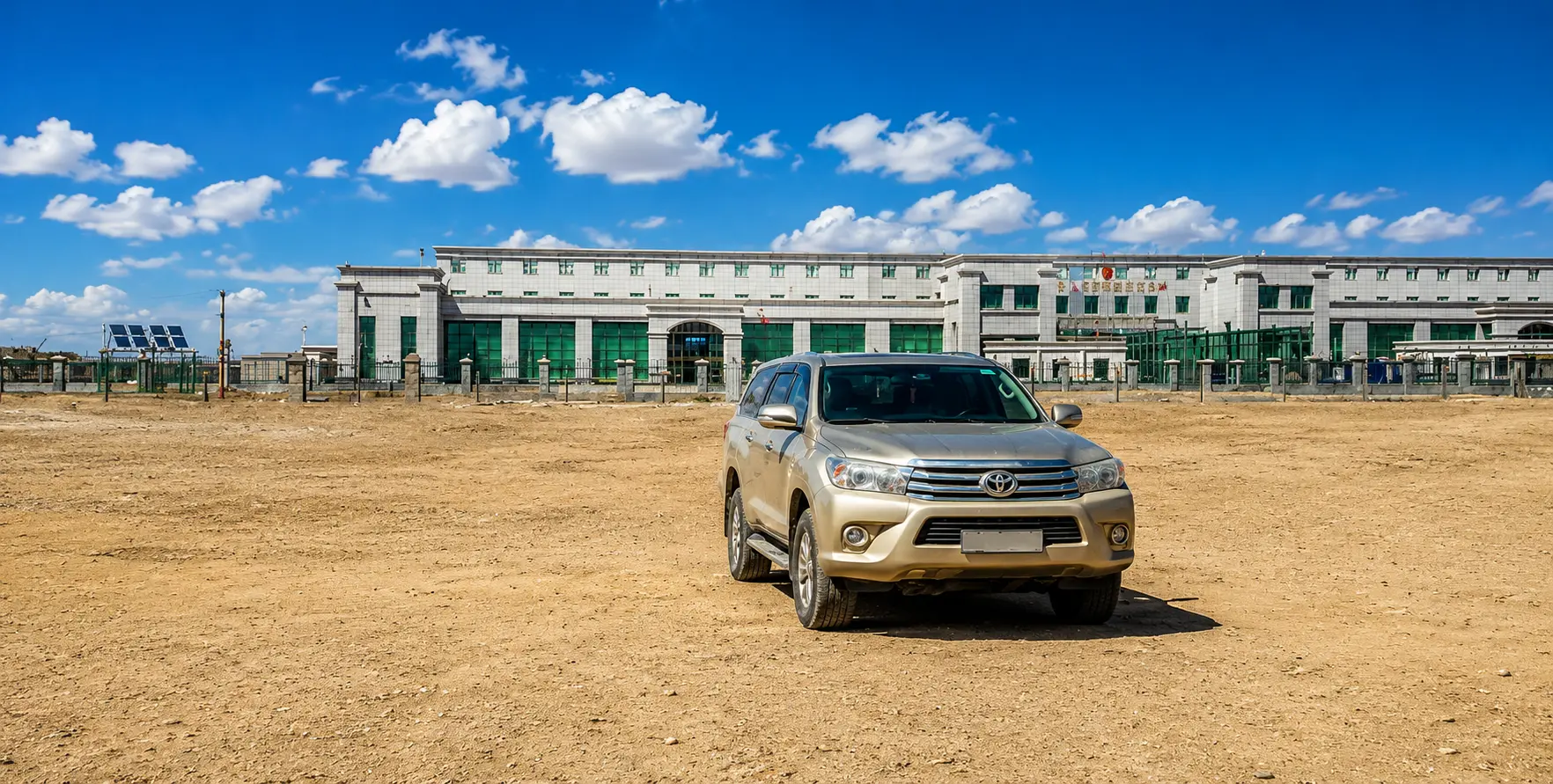
The Korala border crossing in Upper Mustang — connecting the ancient kingdom of Lo Manthang with Tibet via a high-altitude mountain pass — is Nepal’s third and least commercially developed overland crossing with China. The crossing sits at an elevation of about 3,700 meters in the Mustang District of Gandaki Province. It serves primarily the local Mustang-Tibet borderland trade that has characterized this region for centuries — Tibetan salt, wool, and livestock traded southward against Nepali grains and manufactured goods. The crossing has limited infrastructure by international trade standards and was not designed to absorb the mainstream China import volumes that Rasuwagadhi handled.
In the immediate aftermath of the August 2026 closures, electric vehicles were imported through Korala as a temporary alternative. This logistically creative but operationally challenging workaround illustrates both the desperation of Nepal’s trade supply chain and the Mustang corridor’s geographical flexibility. The approach to the Korala crossing from Kathmandu goes via Pokhara and the Pokhara to Muktinath private vehicle transfer — a long but manageable road approach through the Kali Gandaki gorge that Nepal Vehicle Hiring Pvt. Ltd. services regularly for Muktinath pilgrims and Mustang trekkers. The Korala border itself, however, is restricted to Nepali citizens and those with Upper Mustang permits — foreign tourists cannot cross to Tibet through this point.
The Kailash Mansarovar Pilgrimage — 2026 Season Impact
The World’s Most Sacred Mountain Pilgrimage
Mount Kailash in the Tibet Autonomous Region — at 6,638 meters, the most sacred mountain in the Hindu, Buddhist, Jain, and Bon traditions — is the centerpiece of one of the world’s most significant religious pilgrimages. The Kailash Mansarovar Yatra — the circumambulation of Kailash combined with a ritual bath in the adjacent Mansarovar Lake — draws tens of thousands of pilgrims annually from Nepal, India, and the broader Hindu and Buddhist world. The journey is one of the most physically and spiritually demanding pilgrimage circuits in Hinduism — the three-day kora (circumambulation) around the 52 km mountain circuit reaches altitudes above 5,600 meters at the Dolma La pass and requires genuine mountain fitness, appropriate acclimatization, and adequate cold-weather preparation.
The primary overland Nepal approach to Kailash for Nepali and international pilgrims uses the Rasuwagadhi-Kerung corridor — specifically, the road from Kathmandu to Syabrubesi and then to Rasuwagadhi, crossing into Tibet at Kerung (Gyirong) and continuing across the Tibetan plateau to Kailash. The Kathmandu to Syabrubesi private jeep transfer from Nepal Vehicle Hiring Pvt. Ltd. is the standard ground transport for the Nepal leg of this journey — a 7 to 8 hour drive on a mountain road that now passes through the August 2026 flood-affected zone. With the Rasuwagadhi-Kerung corridor closed and the road severely damaged, the 2026 Kailash Mansarovar overland season via Rasuwagadhi is effectively suspended for the remainder of the year.
Impact on 2026 Season Pilgrimages
The August 26, 2026 flood struck during the peak pilgrimage season—the Kailash kora season runs from approximately May to October, with July, August, and September being the highest-volume months for Nepali and international pilgrims. Reports indicate that approximately 384 pilgrims were out of contact or potentially stranded in the affected corridor at the time of the flood, requiring emergency evacuation coordination. One Kathmandu-overland Kailash package is priced at approximately USD 2,500 to 3,200 per person for a 1313-o 1515-dayour — significant financial exposure for pilgrims who had paid in full and now face tour cancellation. Operators are processing refunds, rebooking, and insurance claims in the immediate aftermath.
For pilgrims who had already obtained Tibet Travel Permits for overland Kailash tours via Rasuwagadhi, the current situation requires careful management. The Tibet Travel Permit is not canceled by the border closure—the document remains valid—but it cannot be used to enter Tibet through the Rasuwagadhi land border until the route reopens. Alternative approaches include: flying into Lhasa if air entry is permitted for the permit holder’s nationality, routing via India (if the India-Tibet-Kailash route is available), or waiting for the Rasuwagadhi route to reopen. Travelers with existing Tibet Travel Permits should contact their permit-arranging tour operator for current options.
Alternative Access Routes to Kailash
For pilgrims committed to the 2026 Kailash pilgrimage despite the Rasuwagadhi closure, several alternative access approaches exist, each with its own requirements and constraints. The Tatopani-Kodari route — the historical Kailash approach via the Arniko Highway — is also currently closed (China closed it on August 31). The India-Nepal-Tibet multimodal route — flying from India to Kathmandu and then to Lhasa — requires specific permits and operator arrangements. The direct flight to Lhasa from Kathmandu (when air entry permits are available) eliminates the overland border-crossing requirement but requires a Tibet Air Permit and a Tibet Travel Permit valid for air entry. Pilgrims in this situation should work with their Kathmandu-based tour operator—who holds the permit and itinerary knowledge—rather than trying to improvise border crossings independently.
Tibet Travel Permits — What the 2026 Border Situation Means
Types of Tibet Entry Permits
Access to Tibet for foreign nationals requires a specific set of permits separate from the standard Chinese visa — the most important being the Tibet Travel Permit (also called the Tibet Entry Permit), which must be obtained through a licensed Tibetan or Chinese travel agency on behalf of the visitor and cannot be applied for individually. Beyond the Tibet Travel Permit, travelers visiting the Kailash area require the Alien Travel Permit covering Shigatse prefecture, the Military Area Permit for the Kailash border area, and the Group Travel requirement (Tibet does not permit individual independent travel for most foreign nationals — a licensed guide and group arrangement through a registered agency is mandatory). An operator typically arranges all of these permits as part of the Tibet tour package.
For travelers with current Tibet Travel Permits affected by the Rasuwagadhi closure, media coverage and operator reports indicate that the permit remains valid. Still, the specific land border entry route it was issued for (Rasuwagadhi) is currently inaccessible. Whether the permit can be used through an alternative entry point depends on the permit’s terms and the Chinese authorities’ willingness to authorize an alternative entry. This question must be addressed through the permit-issuing Tibetan/Chinese agency, not at the border itself. Travelers should not attempt to present a Rasuwagadhi-routed permit at Tatopani or any other border crossing without prior authorization from their permit-issuing agency.
Will Tibet Travel Permit Applications Be Affected?
Tour operators are managing futureTibet Travel Permit applications for the 2026 season on a case-by-case basis — with the Rasuwagadhi route closed for the foreseeable future and the Tatopani route also currently closed, new permit applications for overland Nepal-Tibet entry are effectively suspended until a routing alternative is confirmed. The air entry route from Kathmandu to Lhasa remains the only currently viable Tibet entry option from Nepal — but air entry permits have their own specific requirements and availability constraints. The Nepal Tourism Board and Tibet-licensed tour operators in Kathmandu are the primary information sources for permit status updates — the situation is evolving rapidly, and the information in this guide reflects the status as of late August 2026.
Nepal-China Trade — Economic Implications
The Trade Volume at Stake
The simultaneous closure of Rasuwagadhi and Tatopani — Nepal’s two primary overland gateways for China trade — has seriously disrupted Nepal’s import supply chain. Nepal is a significant importer from China — electrical goods, vehicles (particularly the rapidly expanding electric vehicle sector), garments, machinery, and daily consumer necessities all arrive in substantial volumes through the northern border crossings. The July 2025 Rasuwagadhi closure resulted in NPR 22 billion in lost customs revenue over six months—a figure the August 2026 closure will exceed if the recovery timeline is equally long, and current damage assessments suggest it may be considerably longer given the port-level destruction.
The timing of the closures is particularly damaging commercially — the Dashain and Tihar festival season) (September through November) is Nepal’s peak consumer demand period, when import volumes traditionally surge to supply the festival retail economy. Goods that would normally arrive through Rasuwagadhi — electronics, clothing, home goods — will now be either severely delayed or rerouted through the significantly more expensive sea-and-land route via India or through the constrained Korala crossing. Consumer price increases for China-sourced goods in Nepal are an expected near-term economic consequence of the double closure.
The Railway Project — Geopolitical Dimension
The proposed Kathmandu-Kerung cross-border railway — the most ambitious infrastructure project in Nepal-China bilateral relations, envisioning a rail link from Kathmandu through the Rasuwagadhi-Kerung corridor to the existing Chinese rail network — now faces profoundly serious questions about corridor viability. Two catastrophic GLOF events in 13 months from the same Tibetan watershed, both capable of destroying the cross-border bridge and major infrastructure, suggest that this corridor’s geological and glaciological risk profile is substantially higher than pre-2025 assessments acknowledged. A railway operating in this corridor would be exposed to the same GLOF risk on a far larger scale — the consequences of a GLOF striking a cross-border railway during operation would be far more severe than the bridge destruction that the current road-based crossings have experienced.
How to Get to Tibet From Nepal in 2026 — Current Options
Air Route: Kathmandu to Lhasa
The direct flight from Kathmandu to Lhasa — operated by Air China and other carriers — is currently the only reliable Nepal-Tibet connectivity option for tourists following the Rasuwagadhi and Tatopani closures. The flight covers the distance in approximately 2.5 hours and lands at Lhasa Gonggar Airport at 3,570 meters — still high enough to require acclimatization caution on arrival. The air route requires the full Tibet Travel Permit set (arranged through a licensed agency) and the air entry authorization from Chinese authorities. This route was available through the 2025 closure of Rasuwagadhi and remains available in 2026.
The air route cost is typically included in Tibet tour packages arranged by Kathmandu-based, Tibet-licensed operators, with airfare on top of the standard tour cost. Kathmandu hotel-to-Tribhuvan Airport transfers for Tibet-bound flight departures are available from Nepal Vehicle Hiring Pvt. Ltd. at the same all-inclusive, transparent rates that apply to all Kathmandu airport transfers — book via WhatsApp at +977 9851013196.
Overland Alternative — Via India
For pilgrims and travelers for whom the overland experience is specifically important — either for the spiritual dimension of the journey to Kailash or for the cultural experience of the Tibetan plateau approach — the India-Tibet overland route via the Nathu La pass in Sikkim or the Lipu Lekh pass in Uttarakhand may provide an alternative to the closed Nepal crossings. These India-side Tibet crossings have their own permit requirements, operator arrangements, and timing constraints — Indian nationals have historically had more accessible Kailash permit pathways than other nationalities through the Indian government’s annual Kailash Mansarovar Yatra program. International travelers should work with their existing operator to assess the viability of rerouting on the Indian side.
Kathmandu to the Tibet Border — Ground Transport Guide
Kathmandu to Rasuwagadhi — The Closed Route
The Kathmandu to Syabrubesi road — the approach to Rasuwagadhi — covers approximately 120 km via Bidur and the Trishuli River valley in 7 to 8 hours by private 4WD jeep from Nepal Vehicle Hiring Pvt. Ltd.. This route is currently not recommended for travel beyond Syabrubesi toward Timure and Rasuwagadhi due to the August 2026 flood damage and the US State Department Level 4 ‘Do Not Travel’ advisory for the Rasuwagadhi-Timure-Syabrubesi corridor. The Syabrubesi jeep hire service from Nepal Vehicle Hiring Pvt. Ltd. will resume normal operations for the Langtang trekking trailhead when road conditions support safe travel — contact the team at +977 9851013196 for current status.
Kathmandu to Tatopani (Arniko Highway) — The Closed Route
The Arniko Highway (BP Highway) from Kathmandu to the Tatopani-Kodari crossing covers approximately 115 km via Banepa, Dhulikhel, and the Bhote Koshi gorge. This is Nepal’s most dramatic road in terms of gorge scenery and altitude change — the highway drops into the Bhote Koshi gorge and follows the river northward through extraordinary landscape. The Tatopani crossing is currently closed following China’s August 31, 2026 closure announcement. The Arniko Highway approach road faces its own landslide and flood risk in the post-monsoon period, and travelers should verify current road conditions before attempting to travel this corridor, even for non-border purposes. Nepal Vehicle Hiring Pvt. Ltd. maintains current information on Arniko Highway conditions — contact +977 9851013196.
Kathmandu to Pokhara to Muktinath — The Mustang Approach
For trtravelerspproaching the Korala border via Upper Mustang — the only currently functioning Tibet land crossing — the approach route from Kathmandu goes via Pokhara and then along the Pokhara to Muktinath road through the Kali Gandaki gorge) to Jomsom and northward toward Lo Manthang and Korala. The Kathmandu to Pokhara private transfer and the car hire in Pokhara from Nepal Vehicle Hiring Pvt. Ltd. serve the beginning of this route. The Upper Mustang section requires the Upper Mustang restricted area permit at USD 500 per person per 10 days and a licensed guide. The Korala crossing is not open to foreign tourist transit into Tibet and is primarily a trade crossing for Mustang residents and Nepali nationals with appropriate permits.
The GLOF Crisis — Understanding the Pattern
What Is a Glacial Lake Outburst Flood?
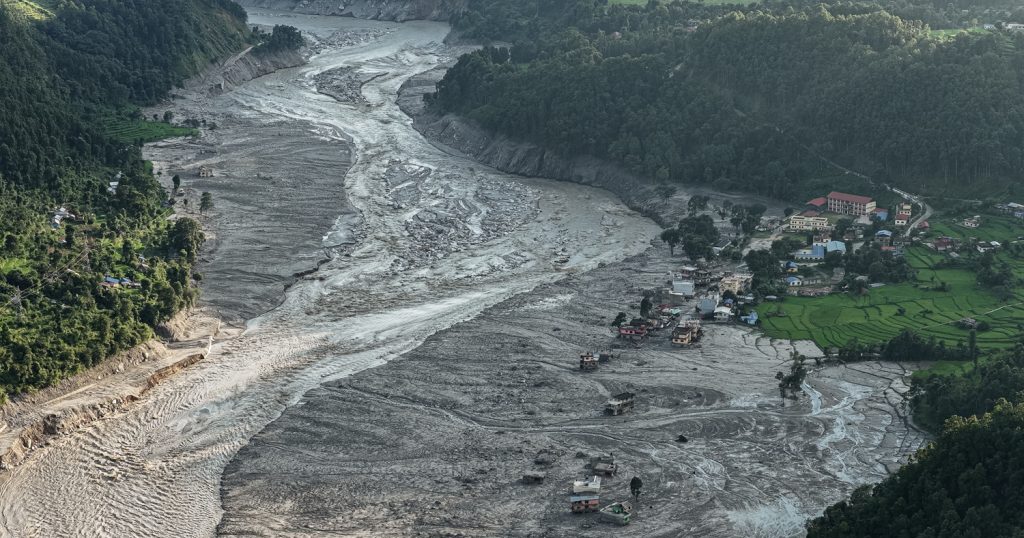
A Glacial Lake Outburst Flood (GLOF) is one of the most destructive natural hazards in the Himalayan environment — a sudden, catastrophic release of water from a glacial lake whose natural dam (typically a moraine — a deposit of glacial debris) fails when the water pressure behind it exceeds the dam’s structural capacity. The result is a flood pulse of extraordinary volume and velocity that sweeps down the river valley below, carrying sediment, ice, rock, and the debris of everything it encounters. Nepal sits in one of the world’s highest concentrations of glacial lakes, and accelerating glacial retreat from climate change is producing new lakes—and expanding existing ones— at an unprecedented rate.
Himalayan glaciologists identified the Bhote Koshi and Lhende river watersheds in the Tibet Autonomous Region, which feed the Rasuwagadhi corridor, as a high-risk GLOF zone for several years before the 2025 and 2026 events. The July 2025 GLOF that swept away the Miteri Bridge, and the August 2026 event that produced the more catastrophic destruction of the customs area and 42+ km of road, both originated from the same general watershed above the border — suggesting that the glaciological conditions in this area are particularly volatile and that additional GLOF events from this watershed cannot be ruled out in subsequent monsoon seasons.
Why Two GLOFs in 13 Months?
The occurrence of two significant GLOF events in 13 months from the same watershed is not coincidental—it reflects the accelerating pace of glacial retreat in the Tibetan Plateau’s high-altitude terrain that climate scientists have been monitoring with increasing concern. As glaciers retreat, they leave behind exposed moraine ridges that form the natural dams of glacial lakes. These moraine dams are inherently less stable than bedrock—they are c: mposed of unsorted glacial debris ranging from fine silt to large boulders, with internal drainage pathways that the water t growing llake’s water pressurecan destabilize that created these moraines retreat further, the lakes grow, and the moraine dams must hold progressively more water against progressively greater hydrostatic pressure.
Nepali and Chinese geologists were still assessing the specific trigger mechanism for the August 2026 event—whether it was a moraine dam breach, an ice avalanche into a glacial lake generating a displacement wave, or a landslide dam failure in the immediate aftermath. What is clear from the pattern of both events is that the Lhende River watershed above the Bhote Koshi gorge contains glacial lake systems under significant stress, and that the engineering solutions required to protect the Rasuwagadhi-Kerung corridor from future GLOF impact will need to account for the ongoing evolution of these lake systems over coming decades.
Climate Change and the Future of High-Altitude Crossings
The GLOF risk at Nepal’s Himalayan border crossings is a direct and measurable consequence of global climate change — the same process that is melting Arctic ice caps and raising global sea levels is also destabilizing Himalayan glacial systems at altitudes that directly affect the infrastructure of Nepal-China bilateral connectivity. The Hindu Kush Himalaya Assessment — the most comprehensive scientific review of climate impacts on the region, published by the International Center for Integrated Mountain Development (ICIMOD) — projects that up to two-thirds of the glaciers in the Hindu Kush Himalaya range could be lost by 2100 under a high-emissions scenario, with corresponding increases in GLOF frequency and intensity.
For Nepal-Tibet border infrastructure specifically, this trajectory creates a fundamental engineering and policy challenge: how to design and locate border-crossing infrastructure that can withstand the increasingly frequent and severe GLOF events climate science projects for the coming decades. The Bailey bridge approach the Chinese side used as a temporary replacement after the July 2025 flood—quickly built and functional within weeks—is not a long-term solution to GLOF risk. Permanent infrastructure that can survive GLOF events requires either engineering hardening beyond current designs, relocation of the crossing to a less GLOF-vulnerable section of the border, or the development of alternative routing that avoids the highest-risk glacier watersheds entirely. The Kathmandu-Kerung railway proposal — discussed in Nepal-China bilateral forums for years — will need to address this GLOF risk as a central engineering and financial challenge before the project can be considered viable.
Impact on Pilgrimage Tourism — Kailash and Beyond
The Kailash Mansarovar Yatra — Religious and Economic Significance
The Kailash Mansarovar Yatra is not simply a tourist itinerary — it is one of Hinduism’s most sacred and most demanded pilgrimage journeys, carrying profound religious significance for hundreds of millions of devotees across the Hindu world. For many devout Hindus, the Kailash pilgrimage is a once-in-a-lifetime aspiration — a journey of spiritual culmination at the mountain believed to be the abode of Shiva and the axis of the universe. The physical demands of the pilgrimage—the altitude, the long walking days, the cold, and the remoteness of the Tibetan plateau—paradoxically intensify its spiritual significance for many pilgrims, who regard the hardship as an integral part of the devotional experience.
The economic significance of Kailash pilgrimage tourism for Nepal is considerable — the operators, guides, drivers, porters, guesthouses, and transport companies that serve the Kailash yatra sector represent a meaningful segment of the Nepal tourism economy. The Kathmandu to Syabrubesi jeep hire industry specifically — the transport sector that provides the Nepal-side ground leg for Kailash-bound pilgrimage groups — has been severely impacted by the August 2026 closure. Nepal Vehicle Hiring Pvt. Ltd. regularly provides private 4WD jeep services for Kailash pilgrimage groups on the Kathmandu-to-Syabrubesig route and is one of the most experienced operators on this route. The team’s knowledge of current road conditions on the Rasuwa approach is the most current available, and pilgrimage operators planning future Kailash tours should contact +977 9851013196 for the most up-to-date route condition assessment as the recovery situation evolves.
Other Tibet-Adjacent Pilgrimage Destinations
For pilgrims and cultural tourists whose interest in the Tibet region extends beyond Kailash to other sacred sites — Muktinath in Upper Mustang, Dolpo and its ancient Bon monasteries, and the Nar Phu Valley with its Tibetan Buddhist heritage — the August 2026 flood and border closures do not affect these destinations. Muktinath, one of the most sacred sites in both Hinduism and Buddhism, is accessible via the Pokhara to Muktinath private vehicle transfer from Nepal Vehicle Hiring Pvt. Ltd. and is fully open for pilgrims and tourists. The car hire in Pokhara for the Muktinath approach and the Kathmandu to Pokhara private transfer are both operating normally.
Nepal’s Broader Border Security Context
The US State Department Level 4 Advisory — What It Covers
The US State Department’s Level 4 ‘Do Not Travel’ advisory issued for the Rasuwagadhi-Timure-Syabrubesi corridor after the August 2026 flood is a geographically targeted designation that covers only this area—not Nepal broadly. The Department’s overall Nepal rating remains Level 2 (‘Exercise Normal Precautions’), which applies to the vast majority of the country, including Kathmandu, Pokhara, the Everest region, the Annapurna region, Chitwan, and Lumbini. The Level 4 designation for Rasuwagadhi-Timure-Syabrubesi covers the immediate flood-impact zone and the search-and-rescue operations corridor; it does not extend to the Langtang Valley trekking area below Syabrubesi town or to the broader Rasuwa District.
Travelers should read the US State Department advisory carefully and specifically) — the geographic scope of the Level 4 designation is precisely defined and does not support a generalized ‘Nepal is dangerous’ travel avoidance. European, Australian, and other government travel advisories for Nepal similarly maintain overall moderate-level ratings while identifying the specific Rasuwagadhi-Timure corridor as a targeted avoid zone. Nepal Vehicle Hiring Pvt. Ltd. tracks current government travel advisories and incorporates this information into the route-specific guidance it provides to clients planning transport in the affected or adjacent regions — contact the team at +977 9851013196 for current advisory-aligned transport planning.
Nepal-China Relations and Border Management
The repeated GLOF disruptions to the Rasuwagadhi-Kerung corridor have created a diplomatically sensitive situation for Nepal-China bilateral relations — the corridor is simultaneously the primary overland trade route, the primary Kailash pilgrimage approach, and the proposed alignment for the Kathmandu-Kerung railway flagship project. China’s rapid construction of the Bailey bridge after the July 2025 flood demonstrated both the strategic importance Beijing places on the corridor and the engineering capacity available on the Chinese side for rapid response. The much greater damage scale of the August 2026 event — affecting not just the bridge but the entire Gyirong Port complex — creates a recovery challenge that will require sustained bilateral cooperation and investment.
Nepal’s government has been coordinating with China through diplomatic channels on border recovery, and the Nepal Foreign Ministry has sought both Indian and Chinese assistance in the emergency response phase. The long-term corridor development strategy—including tailway project feasibility and GLOF risk-mitigation engineering —will require a Nepal-China agreement on a shared infrastructure investment framework that explicitly addresses the glaciological risk profile the two GLOF events have now empirically established. For Nepal Vehicle Hiring Pvt. Ltd. and its clients, the practical implication is simpler: the Kathmandu to Syabrubesi jeep service will resume when the road is safe, and the company will share updates through its WhatsApp channel at +977 9851013196 as conditions evolve.
Nepal Vehicle Hiring Pvt. Ltd. — Border Area Transport Services
Nepal Vehicle Hiring Pvt. Ltd. provides a full range of private vehicle hire services for travelers approaching Nepal’s Tibet border crossings — with the critical current caveat that the Rasuwagadhi and Tatopani corridors are closed, and the Syabrubesi jeep transfer is subject to road condition assessment before booking. For all other Nepal destinations and transport services — Kathmandu sightseeing tours, Bhaktapur day tours, Nagarkot sunrise tours, Kathmandu to Pokhara transfers, car hire in Pokhara, Besisahar jeep hire for the Annapurna Circuit, Chitwan to Lumbini vehicle hire, and all trekking trailhead transfers — the team operates normally and is available 24 hours via WhatsApp at +977 9851013196.
| Contact Nepal Vehicle Hiring for Border Approach Transport |
| Website: www.vehiclehiringnepal.com |
| Phone / WhatsApp: +977 9851013196 (24/7 — Road Condition Updates Available) |
| Email: [email protected] |
| Office: Bhagawatisthan, Thamel, Kathmandu, Nepal |
| RASUWAGADHI ROUTE: Currently suspended — contact for current road status |
| TATOPANI ROUTE: Currently closed — China closure August 31, 2026 |
| MUSTANG/POKHARA: Fully operational — Muktinath jeep hire available |
| ALL OTHER ROUTES: Kathmandu, Pokhara, Annapurna, Chitwan, Lumbini — fully open |
| Kathmandu to Airport: NPR 600-1,200 | Trekking transfers: all available |
| 8,000+ Customers | 5.0 TripAdvisor | 200+ Reviews | Reg. No. 219204 |
Arniko Highway and the Tatopani Corridor — Historical Context
The Road That Connected Kathmandu to Lhasa
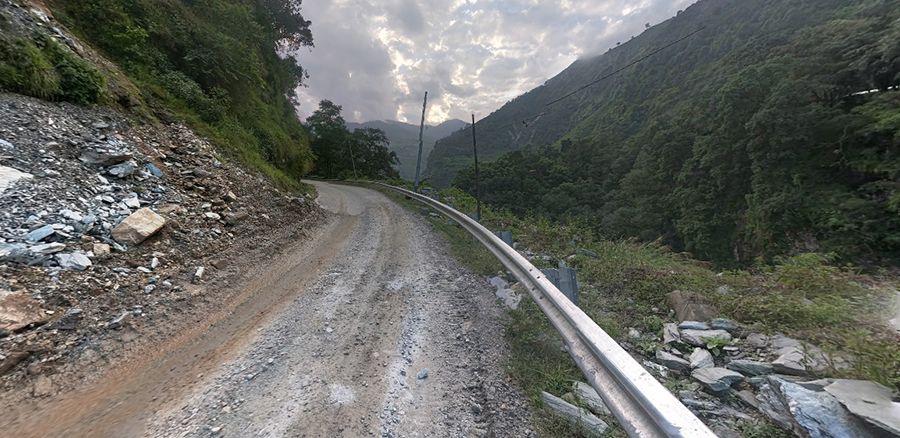
The Arniko Highway — built between 1963 and 1967 with Chinese technical and financial assistance — was Nepal’s first major overland connection to China and, for decades, the only road through which Nepali traders and overland travelers could reach the Tibetan plateau by vehicle from Kathmandu. The highway runs northeast from Kathmandu via Banepa) Dhulikhel), Dolalghat), and the Bhote Koshi gorge to the Friendship Bridge at Kodari on the Nepal-China border. The road was named after the celebrated thirteenth-century Nepali artist Arniko (also spelled Araniko or Balbahu), who traveled to the court of Kublai Khan and designed several significant Buddhist structures in China and Mongolia — a historical symbol of Nepal-China cultural connectivity across the Himalayas.
For thirty years, from the highway’s completion until the early 2000s, the Tatopani-Kodari crossing was the only functioning overland Nepal-Tibet trade route. Every Chinese import that entered Nepal by road used this highway, and every overland traveler on the legendary Lhasa-Kathmandu route crossed Nepal at Tatopani. The hot springs at Tatopani village — the name means ‘hot water’ in Nepali — were a famous waypoint for overland travelers, a last warm-spring bath before the long cold drive to Lhasa or a first welcome soak after descending from the Tibetan plateau. The Friendship Bridge at Kodari, spanning the Bhote Koshi River on the international border, was the visible symbol of the Nepal-China bilateral relationship that the highway embodied.
The 2015 Earthquake — End of an Era
The April 25, 2015 Gorkha earthquake and its aftershocks caused catastrophic damage to the Arniko Highway approach and the Tatopani-Kodari crossing infrastructure. Multiple simultaneous landslides blocked the highway along the Bhote Koshi gorge section, and unstable hillsides continued to shed debris for months after the initial earthquake, making the Arniko Highway one of Nepal’s most dangerous roads in the post-earthquake period and effectively ending the Tatopani crossing’s primary trade role. The crossing was formally closed, and trade volume shifted to the Rasuwagadhi-Kerung route, which was elevated from a regional to an international crossing in response. Even after the limited resumption of the Tatopani-Kodari crossing in 2023, trade volume never returned to its pre-2015 levels — the infrastructure upgrade of the Rasuwagadhi corridor made it the preferred route for both trade volumes and Kailash pilgrimage traffic.
The closure of Tatopani-Kodari for eight years — from April 2015 to the partial reopening in May 2023 — ended an era in Nepal-China overland travel. The backpacker and overland traveler culture that had made the Kathmandu-to-Lhasa overland route one of Asia’s great travel experiences — part of the so-called ‘Hippie Trail’ that connected Istanbul to Kathmandu via Iran, Afghanistan, and India, with a Lhasa extension that pushed the boundary of overlanding to the edge of the Tibetan plateau — has not returned even with the crossing’s nominal reopening. Security restrictions, permit requirements, and the changed character of Tibet tourism under contemporary Chinese policies have made the Kathmandu-to-Lhasa overland journey a specialist activity rather than the classic traveler experience it once was.
The Arniko Highway Today — Road Conditions and Scenic Value
The Arniko Highway remains one of Nepal’s most dramatically scenic roads even for travelers not crossing into China — the gorge section through the Bhote Koshi valley, with its vertical rock walls, powerful river, and series of suspension bridges, is extraordinary even by Nepal mountain road standards. The Sun Koshi river rafting starting point at Dolalghat is accessible via the highway, and the Bhotekoshi river rafting corridor — one of Nepal’s finest white-water experiences — runs directly alongside the highway’s gorge section. Nepal Vehicle Hiring Pvt. Ltd. provides Kathmandu-to-Dolalghat and Bhotekoshi transfers for rafting groups using the Arniko Highway approach. When the Tatopani-Kodari crossing reopens — under conditions that satisfy China’s landslide risk concerns on the Nepal side — the Arniko Highway will again offer access to the cross-border journey that made it famous.
The Rasuwagadhi-Kerung Road — Before and After the Flood
The Journey Before August 2026
Before the August 26, 2026 flood, the Kathmandu-to-Syabrubesi road to the Rasuwagadhi border was a demanding but manageable mountain road journey of about 120 km and 7 to 8 hours by private 4WD jeep from Nepal Vehicle Hiring Pvt. Ltd.. The route from Kathmandu heads northwest via Bidur and the Trishuli River valley before climbing into the Rasuwa District foothills through Betrawati) and Dhunche. The road climbs progressively through increasingly dramatic gorge terrain to Syabrubesi at 1,470 m, the meeting point of the Bhote Koshi and Trishuli rivers and the start of the Langtang Valley trekking route. Beyond Syabrubesi, the road continues north through Timure to the Rasuwagadhi customs area and the Miteri Bridge — a further 30 to 40 km of increasingly remote gorge road with spectacular scenery and the characteristic high-stakes narrowness of a mountain road built over a powerful river.
The Syabrubesi jeep transfer from Nepal Vehicle Hiring Pvt. Ltd. was the primary transport service for three distinct client groups: Langtang Valley trekkers heading to the trek’s starting point at Syabrubesi, Kailash Mansarovar pilgrimage groups heading for the Tibet border at Rasuwagadhi, and Nepal-China trade logistics personnel and travelers crossing into Tibet for commercial purposes. All three client groups have been affected by the August 2026 closure—the Langtang trekking group by road damage between Syabrubesi and the northern trekking corridor, and the pilgrimage and trade groups by the border closure itself.
The Road After August 26, 2026 — Damage Assessment
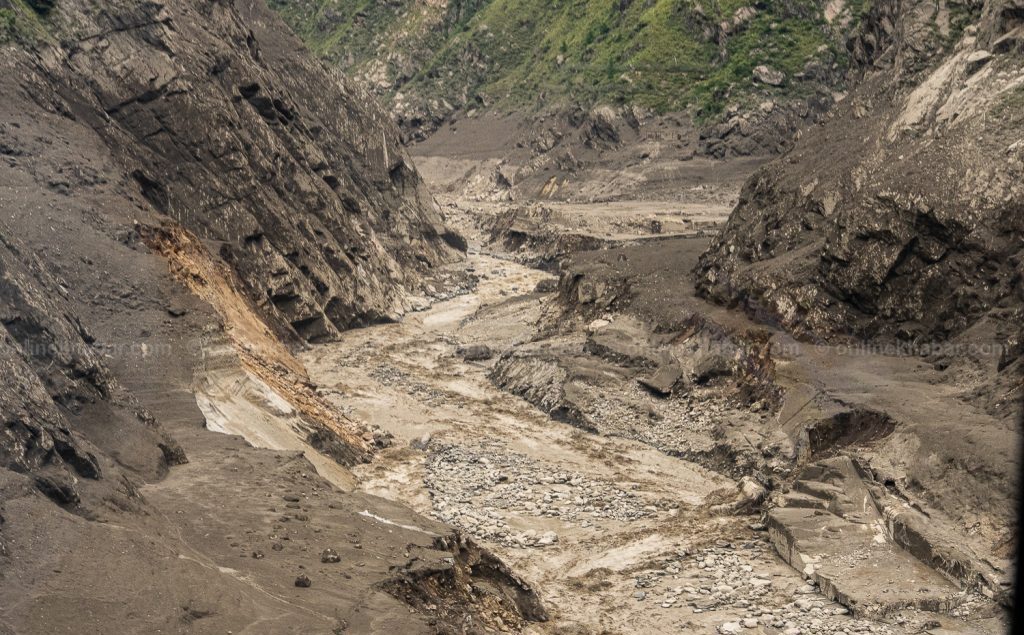
The damage to the Rasuwagadhi approach road from the August 2026 flood is severe and multi-point. Unlike a single bridge replacement, the repair work involves addressing road damage at multiple locations along a 42+ km corridor. Current assessment reports indicate: destruction of several bridge structures on the road between Syabrubesi and Rasuwagadhi; massive sediment and debris deposits covering road sections where the flood overflow came over the road surface; road undermining and collapse where the flood eroded the road foundation from below; and hillside instability at multiple points where the flood-saturated slopes continue to shed debris. The dam of the Rasuwagadhi Hydropower Project — the 111-MW facility that produces both electricity and revenue for Nepal — also suffered severe damage requiring an estimated NPR 1 billion in repairs before power generation can resume.
The scale of this damage places the Kathmandu to Syabrubesi jeep service resumption — specifically for the upper corridor beyond Syabrubesi toward Timure and Rasuwagadhi — at an undefined future date pending both road repair completion and safety assessment. The road section from Kathmandu to Syabrubesi town is expected to reopen earlier, as the main flood-damage corridor begins beyond Syabrubesi. Nepal Vehicle Hiring Pvt. Ltd. will resume the full Syabrubesi road service in stages as different sections become safe — contact +977 9851013196 for the current status of each section.
What Travelers Should Do Right Now
If You Have Existing Kailash Tour Bookings
- Contact your tour operator immediately to understand the current status of your specific booking and what options are available — refund, reschedule, reroute via air, or hold
- Do NOT travel to the Rasuwagadhi-Timure-Syabrubesi corridor independently — search, rescue, and engineering operations are ongoing, and the road is not safe.
- If you have a Tibet Travel Permit, contact your permit-issuing agency to understand whether it can be transferred to an air entry route or held for a future overland booking. ing
- Review your travel insurance policy—check specifically for natural disaster cancellation coverage, which should apply to the flood-forced Kailash tour cancellation. ons
- Contact the Nepal Tourism Board (ntb.gov.np) for official updates on the Rasuwagadhi border reopening timeline
If You Have Upcoming Nepal Plans Not Involving the Tibet Border
- Proceed with your plans — Kathmandu, Pokhara, Everest, Annapurna, Manaslu, Chitwan, and Lumbini are all fully open and operating normally
- Book ground transport for all unaffected destinations via Nepal Vehicle Hiring Pvt. Ltd. at +977 9851013196 — all services for unaffected routes are fully operational
- Check the Syabrubesi/Langtang road status if your itinerary includes the Langtang Valley Trek — contact Nepal Vehicle Hiring Pvt. Ltd. for current assessment
- Consider the Langtang Valley helicopter tour as an alternative Langtang Valley access if the October trekking season road status remains uncertain
- Purchase appropriate travel insurance with natural disaster cancellation coverage and emergency evacuation coverage before departure
If You Are Currently in Nepal Near the Affected Area
- Follow the guidance of the Nepal Police, Nepal Army, and your tour operator or accommodation host
- Do not attempt to access the Rasuwagadhi-Timure corridor until authorities explicitly confirm the road is open to civilian traffic
- Contact Nepal Vehicle Hiring Pvt. Ltd. at +977 9851013196 for transport assistance from safe locations — the team can arrange vehicles for departures from Syabrubesi town and other safe points on the route
- Register your presence and planned movements with your country’s embassy in Kathmandu if you are near the affected area
- For emergency transport from unaffected Rasuwa District areas, contact the Nepal Vehicle Hiring Pvt. Ltd. emergency line at +977 9851013196 — the team coordinates with available transport resources in the region
Frequently Asked Questions — Nepal Tibet Border 2026
Is the Rasuwagadhi-Kerung border open in 2026?
No — the Rasuwagadhi-Kerung border is closed following the August 26, 2026 flash flood that destroyed the Miteri Bridge, the Timure customs area, and approximately 42 km of approach road. The US State Department has issued a Level 4 ‘Do Not Travel’ advisory for the Rasuwagadhi-Timure-Syabrubesi corridor specifically. Industry sources indicate the route is unlikely to reopen for the remainder of the 2026 season. Recovery may extend well into 2027.
Is the Tatopani border open in 2026?
No — China closed the Tatopani border point for imports and exports on August 31, 2026, citing landslide risk on the Nepal side. The closure has been announced as ‘until further notice’. With both Rasuwagadhi and Tatopani closed, only the Korala crossing in Upper Mustang remains as a functioning Nepal-China overland trade route.
Can I still do the Kailash Mansarovar pilgrimage in 2026?
The overland Nepal approach to Kailash via Rasuwagadhi is suspended for the remainder of the 2026 season following the August 26 flood. The air route from Kathmandu to Lhasa remains an option for those with appropriate Tibet Travel Permits and air entry authorization. Work with your Kathmandu-based Tibet-licensed tour operator for current alternatives. Do not attempt to travel to the Rasuwagadhi-Timure corridor during the current emergency response period.
If I have a Tibet Travel Permit, does the border closure cancel it?
No — a Tibet Travel Permit is not canceled by the border closure. The document remains valid but cannot be used to enter Tibet through the Rasuwagadhi land border until the route reopens or until the Chinese authorities authorize alternative entry. Contact your permit-issuing tour operator for current options — do not attempt to present the permit at an alternative crossing without prior authorization.
What is the only open Nepal-China border crossing right now?
The Korala crossing in Upper Mustang is the only currently functioning Nepal-China overland trade crossing. However, it is not open to foreign tourist transit into Tibet and serves primarily local Mustang-Tibet trade. The Kathmandu to Lhasa air route is currently the only viable option for travelers seeking to enter Tibet from Nepal.
How do I get to the Tibet border area from Kathmandu safely?
The Kathmandu to Pokhara private transfer from Nepal Vehicle Hiring Pvt. Ltd. and the Pokhara to Muktinath road are the only currently recommended approach routes toward the Upper Mustang border area. The Rasuwagadhi and Tatopani approach roads are both currently subject to closures and disruption. Contact Nepal Vehicle Hiring Pvt. Ltd. at +977 9851013196 for the most current road condition assessment on any specific Nepal border route.
Conclusion: Nepal’s Tibet Border in a Period of Change
The Nepal-Tibet border crossings in 2026 are experiencing a profound disruption driven by accelerating glaciological instability on the Tibetan Plateau. Catastrophic GLOF events in 13 months from the same Bhote Koshi watershed signal a trajectory of increasing risk that will shape the border corridor’s future more fundamentally than any single flood event. The immediate reality is clear: Rasuwagadhi-Kerung is closed, Tatopani-Kodari is closed, and Nepal’s only functioning overland China trade route is the Korala crossing in Upper Mustang. The Kailash Mansarovar overland pilgrimage season is suspended. The Nepal-China trade supply chain faces serious disruption through the critical Dashain and Tihar festival season.
For travelers with Nepal plans that do not involve Tibet border crossings—Kathmandu heritage sightseeing, Pokhara and the Annapurna region, the Everest Base Camp Trek, the Manaslu Circuit, Chitwan, Lumbini—the border closures are not relevant to their itinerary, and Nepal remains fully open and welcoming. Contact Nepal Vehicle Hiring Pvt. Ltd. at +977 9851013196 or vehiclehiringnepal.com for current road condition assessments, border approach transport, and all Nepal private vehicle hire services across the country’s open and operating tourism network.
- Nepal-Tibet Border Conditions: Complete 2026 Guide
- The Rasuwagadhi-Kerung Border — Nepal's Primary Tibet Crossing
- The Tatopani-Kodari Border — The Historical Route
- The Korala Border — Upper Mustang's Crossing
- The Kailash Mansarovar Pilgrimage — 2026 Season Impact
- Tibet Travel Permits — What the 2026 Border Situation Means
- Nepal-China Trade — Economic Implications
- How to Get to Tibet From Nepal in 2026 — Current Options
- Kathmandu to the Tibet Border — Ground Transport Guide
- The GLOF Crisis — Understanding the Pattern
- Impact on Pilgrimage Tourism — Kailash and Beyond
- Nepal's Broader Border Security Context
- Nepal Vehicle Hiring Pvt. Ltd. — Border Area Transport Services
- Arniko Highway and the Tatopani Corridor — Historical Context
- The Rasuwagadhi-Kerung Road — Before and After the Flood
- What Travelers Should Do Right Now
- Frequently Asked Questions — Nepal Tibet Border 2026
- Conclusion: Nepal's Tibet Border in a Period of Change

Related Blog & Articles

Is Nepal Safe After Floods | Complete Travel Guide

Kailash Mansarovar Yatra After the 2026 Flood: Alternative Routes and Best Vehicle Hire
Kerung Border Nepal China Condition 2026
Korala – Nepal’s Gateway to Tibet: The Mustang Jeep Route to the Nepal-China Border 2026
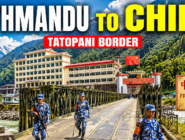
Kathmandu to Kodari Border Transport